When a long sleeve top has to work as a base layer, the best starting point is a close fit that moves with you and sits smoothly under the next garment.
Long Sleeve Tops As A Base Layer
Start with a close, flexible fit
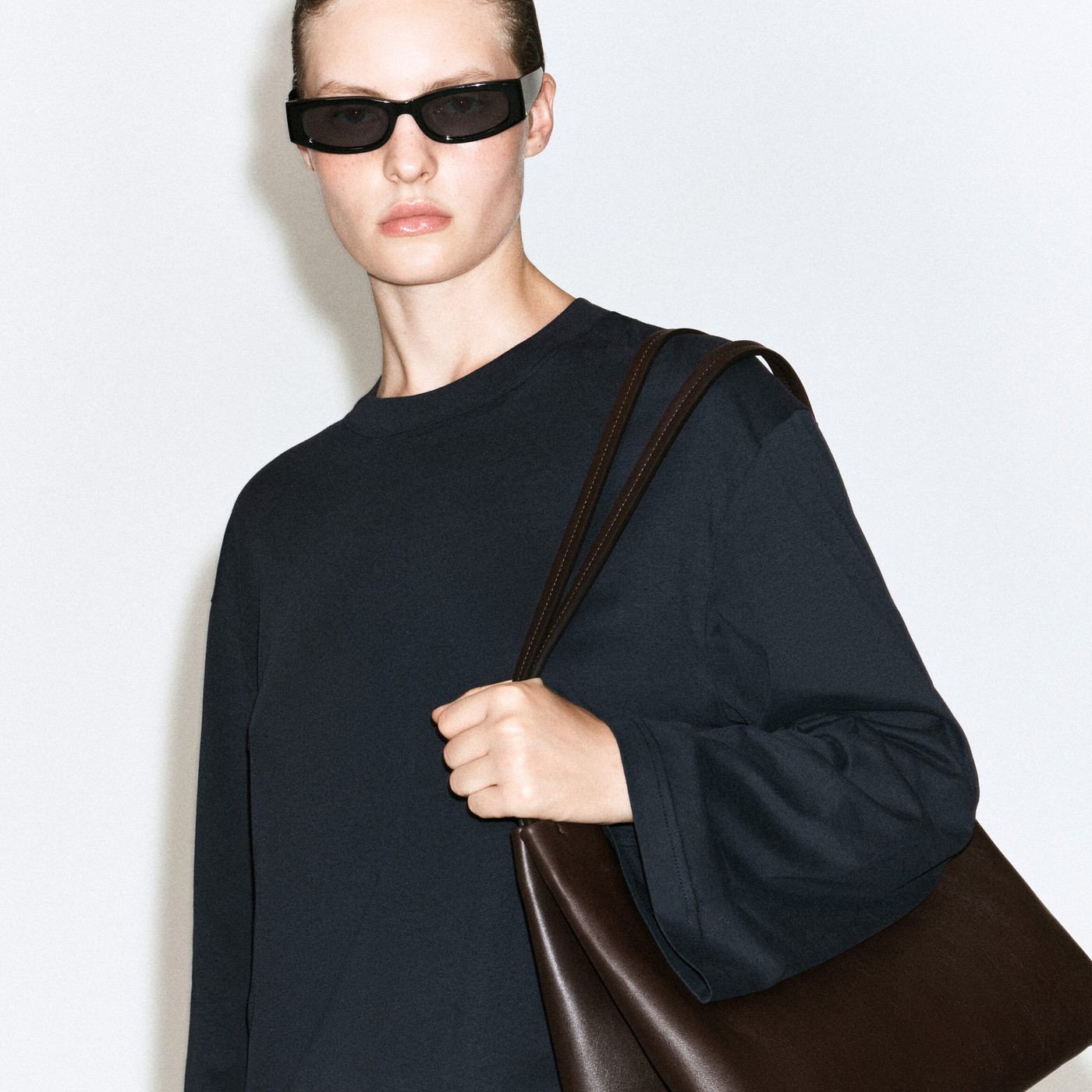
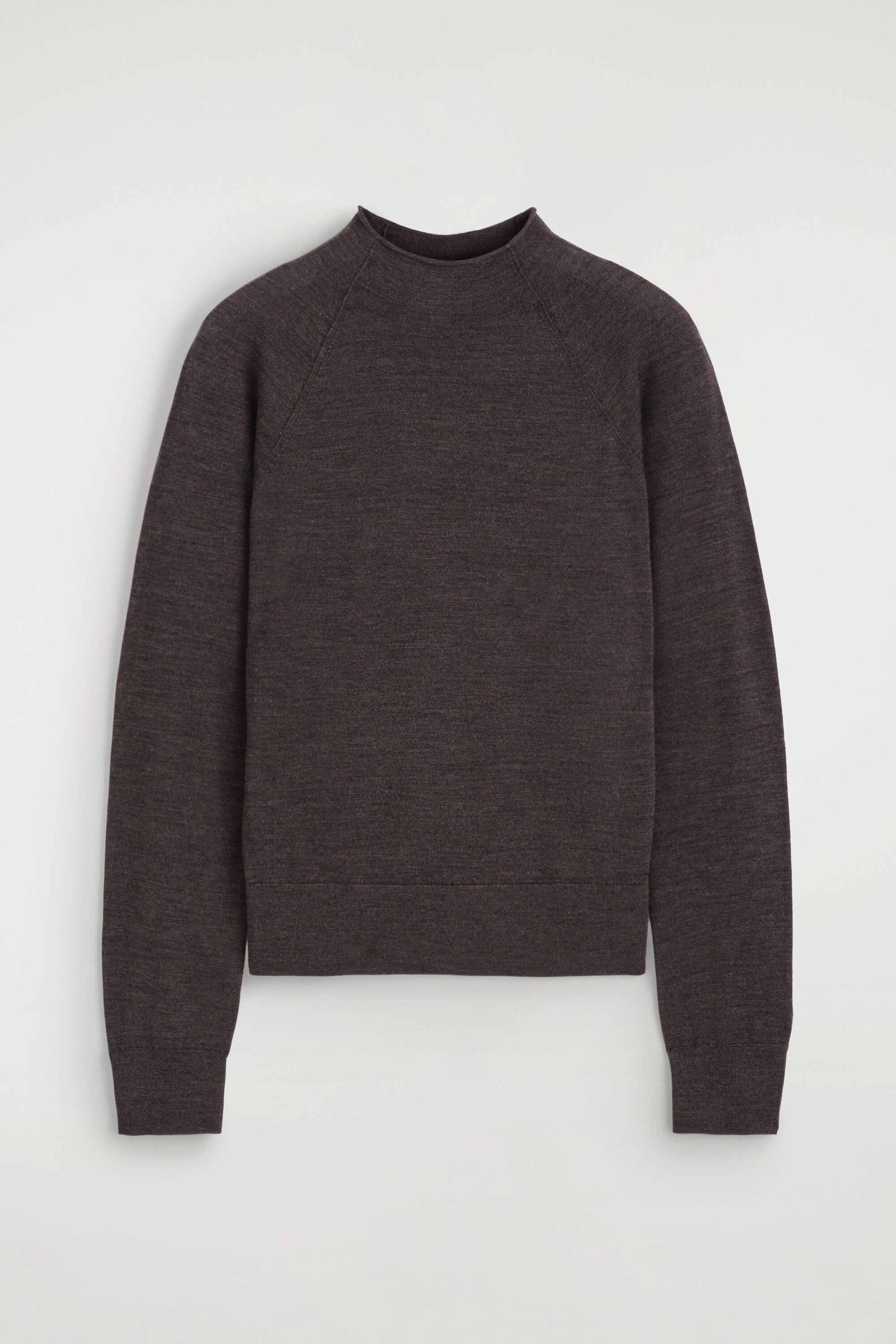
When a long sleeve top has to work as a base layer, the best starting point is a close fit that moves with you and sits smoothly under the next garment. The shoulder seam should stay in place, the cuff should not bunch inside a sleeve, and the neckline should work with the collar or opening above it. A base layer can be simple, but it should not feel flimsy or restrictive. COS options in this edit range from $29 to $349, with lighter jersey, merino, silk blends, and warm cashmere all offering different ways to build an outfit. Merino is finer and thinner than most lambswool, so it can provide warmth while layering flatter. The Slim Merino Wool Top is a useful example of a close-fitting starting point, while a wrap or buttoned shape may act as a visible top as well as a first layer. Check the fabric against your skin, then test the top beneath a jacket or sweater. If the sleeves ride up or the body twists, the fit will become distracting no matter how good the colour looks. Comfort at this stage supports every layer that follows.
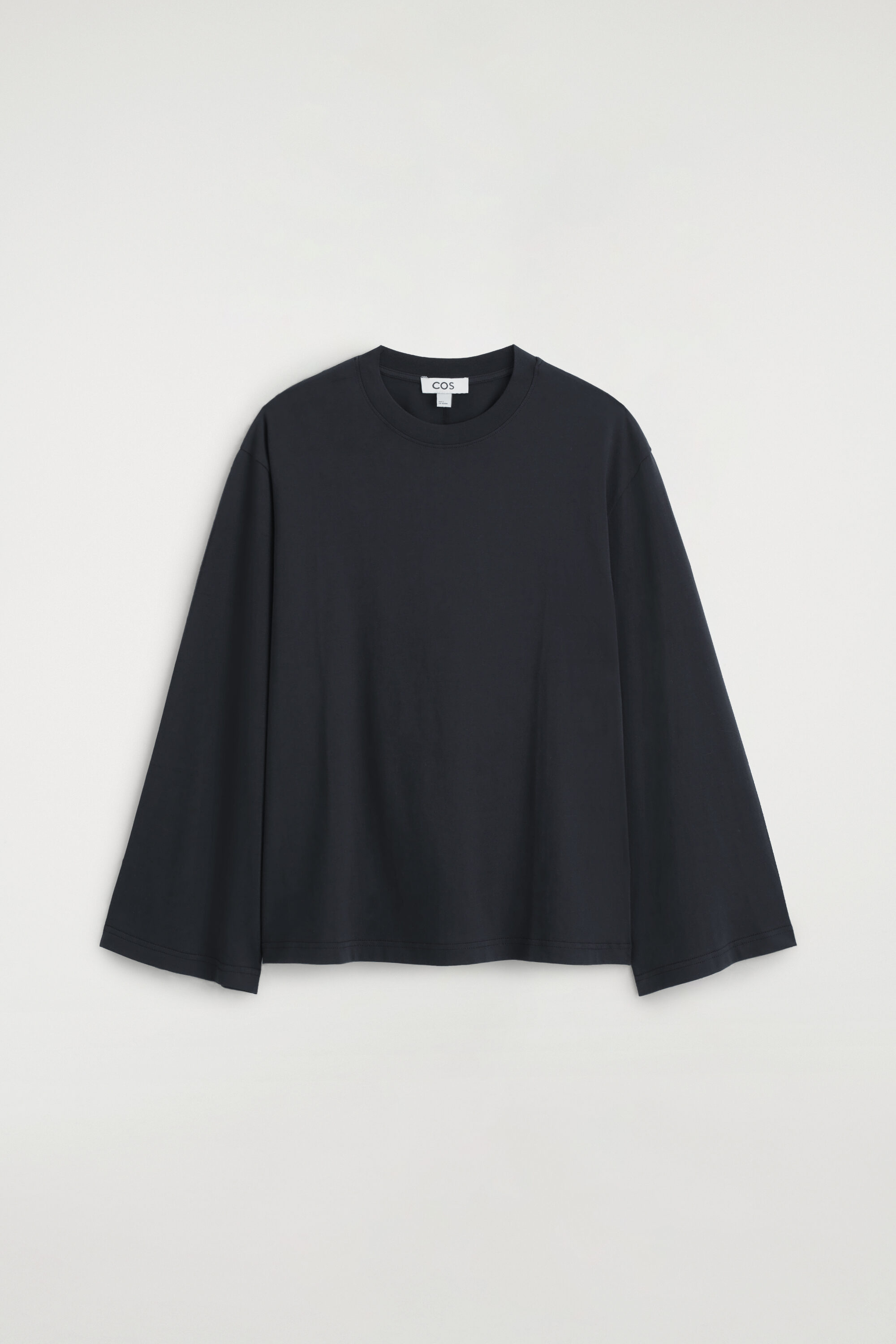
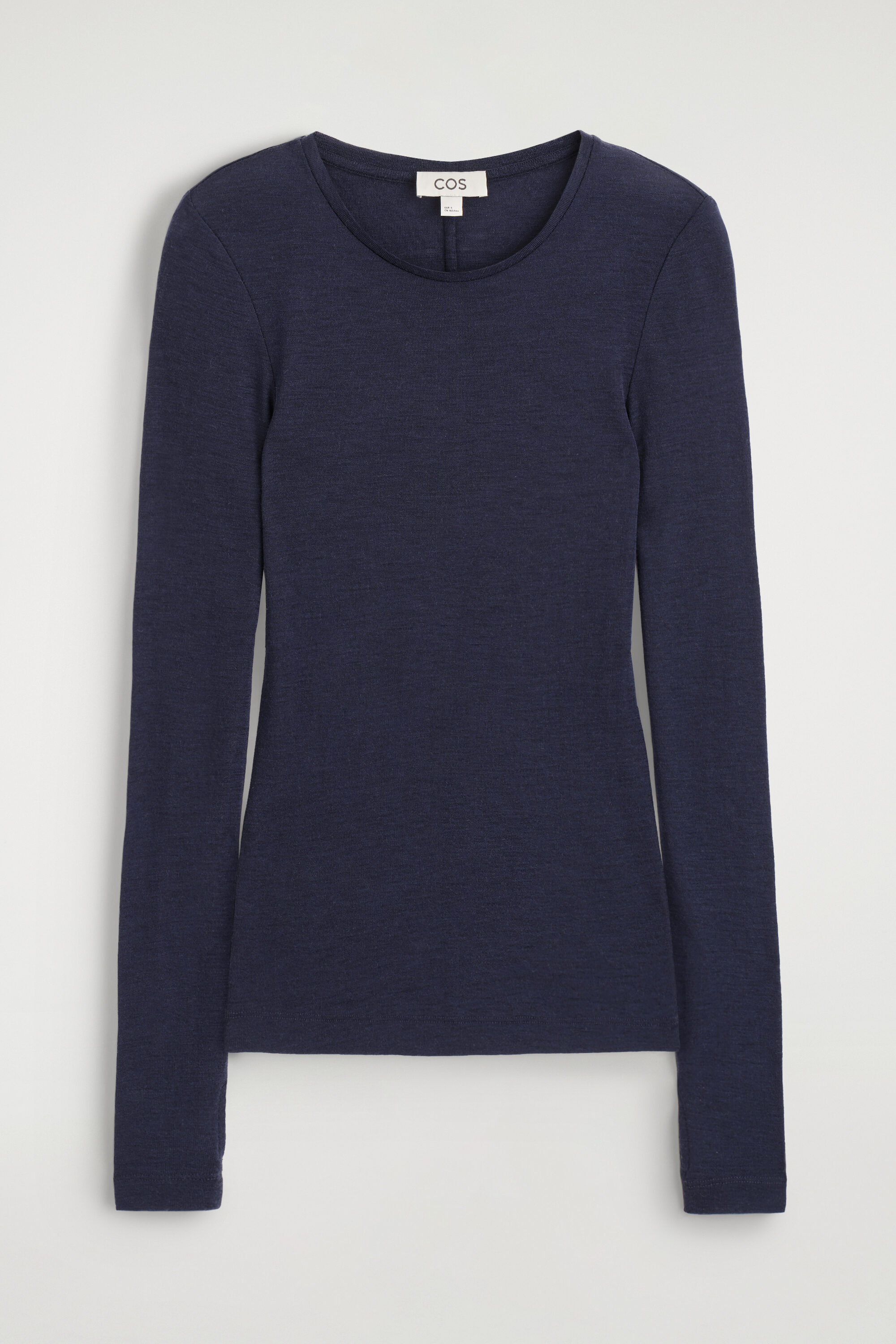
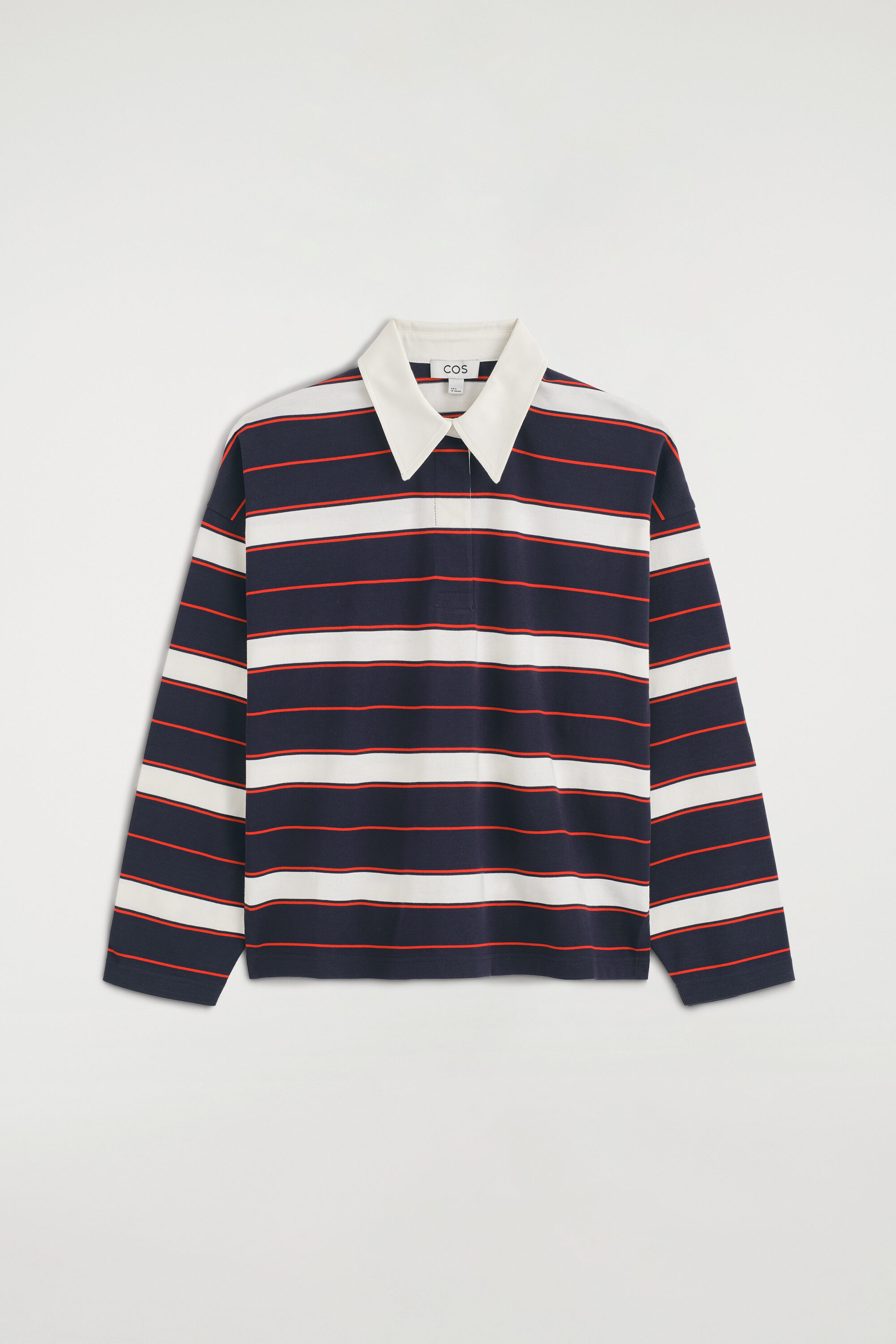
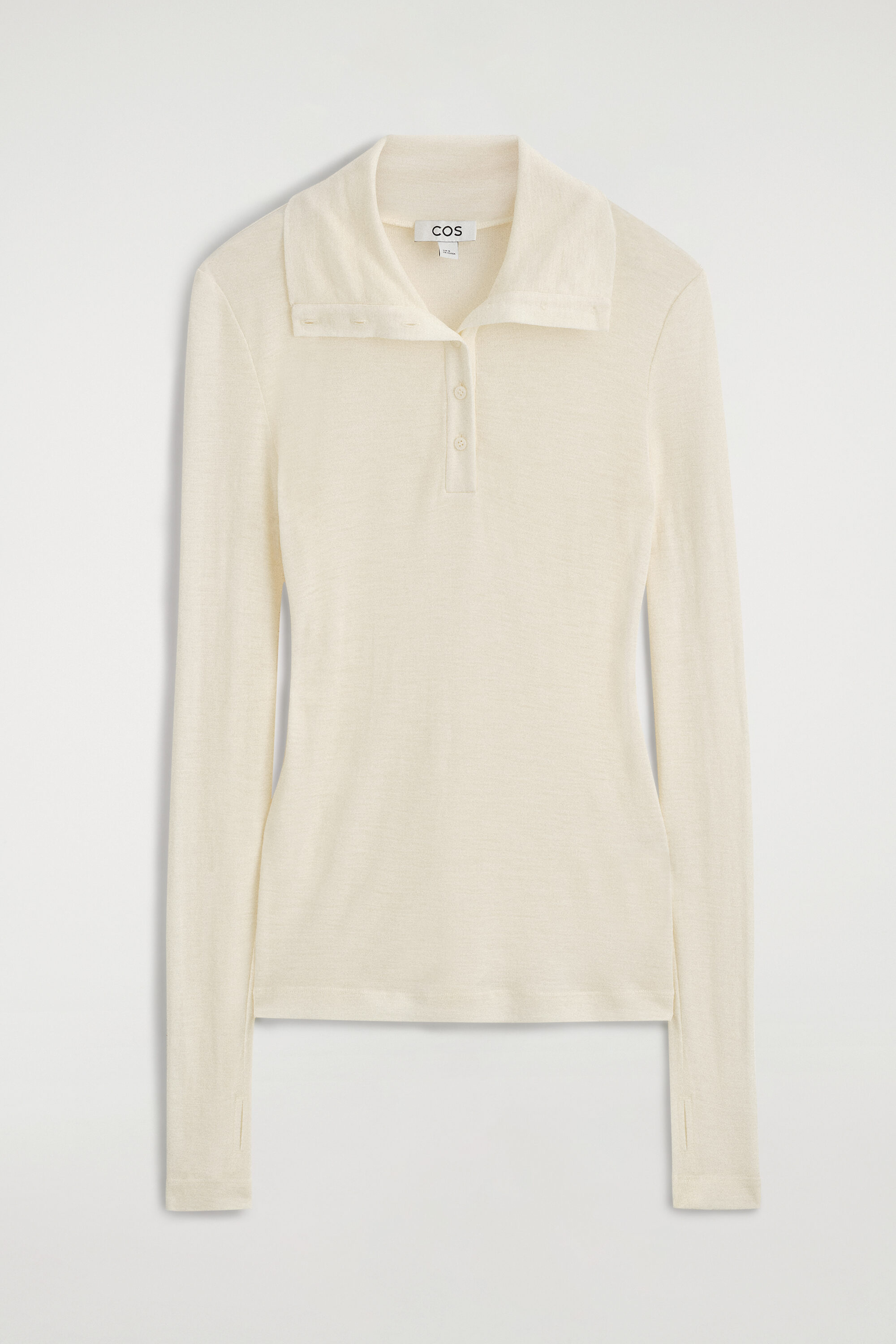
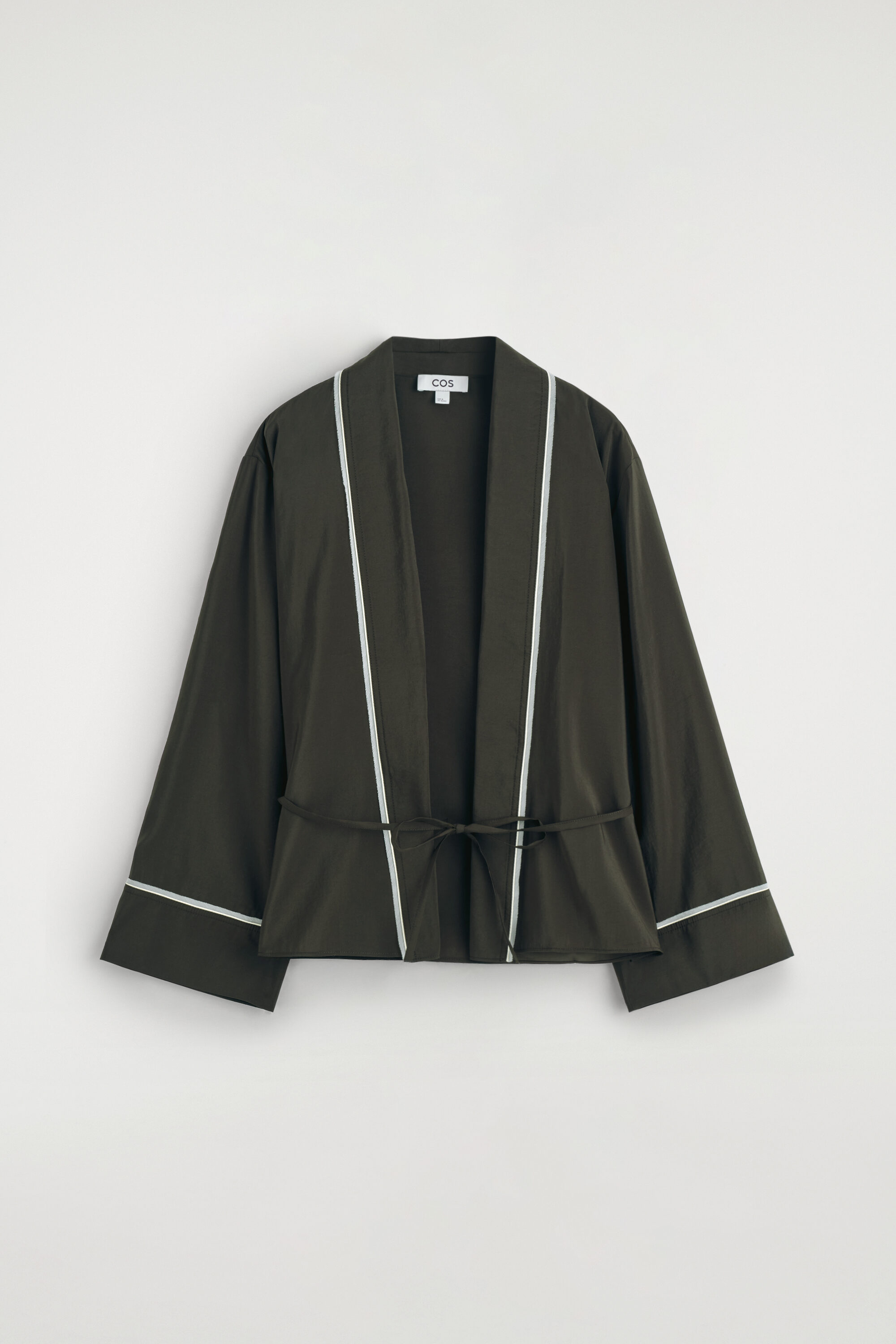
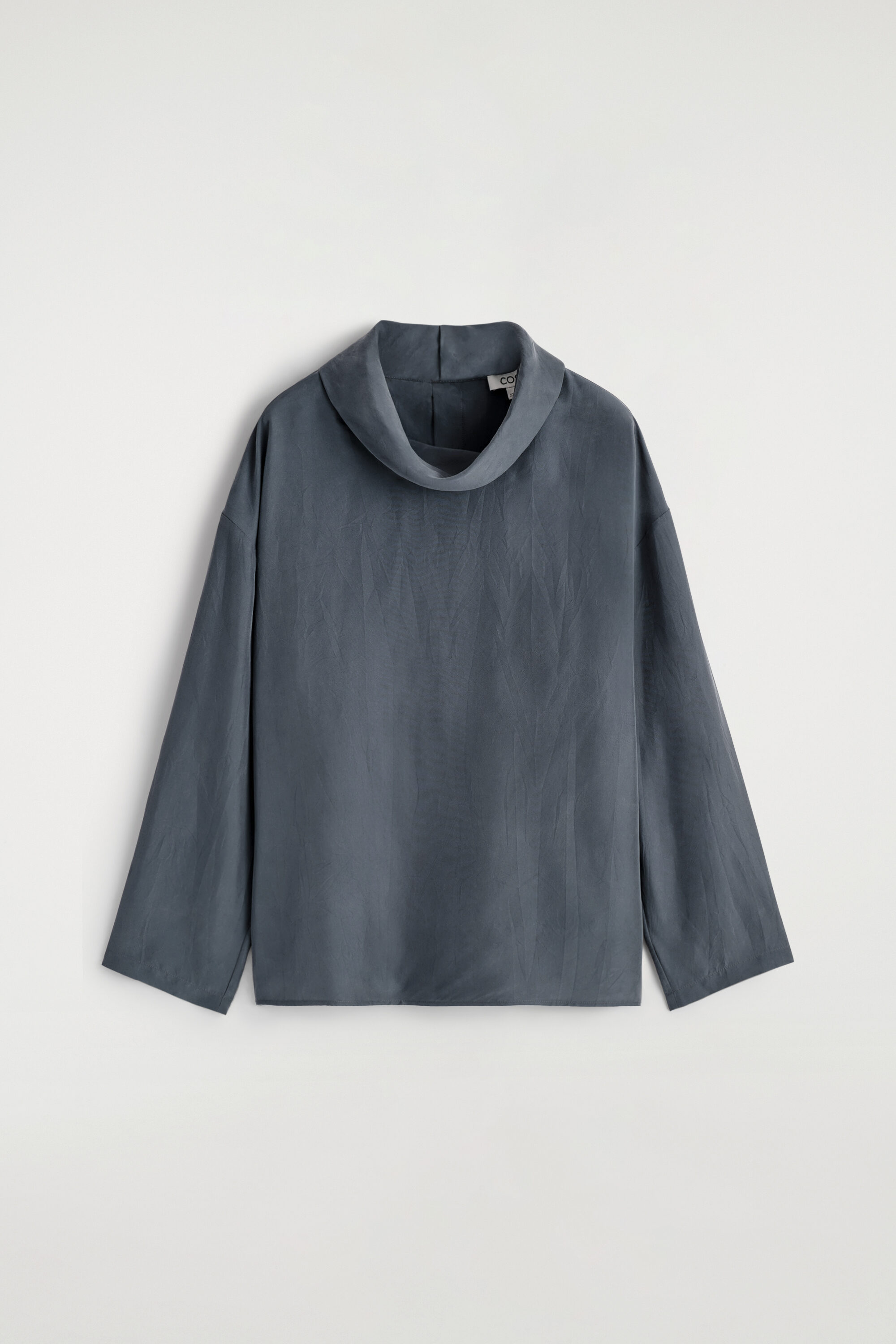
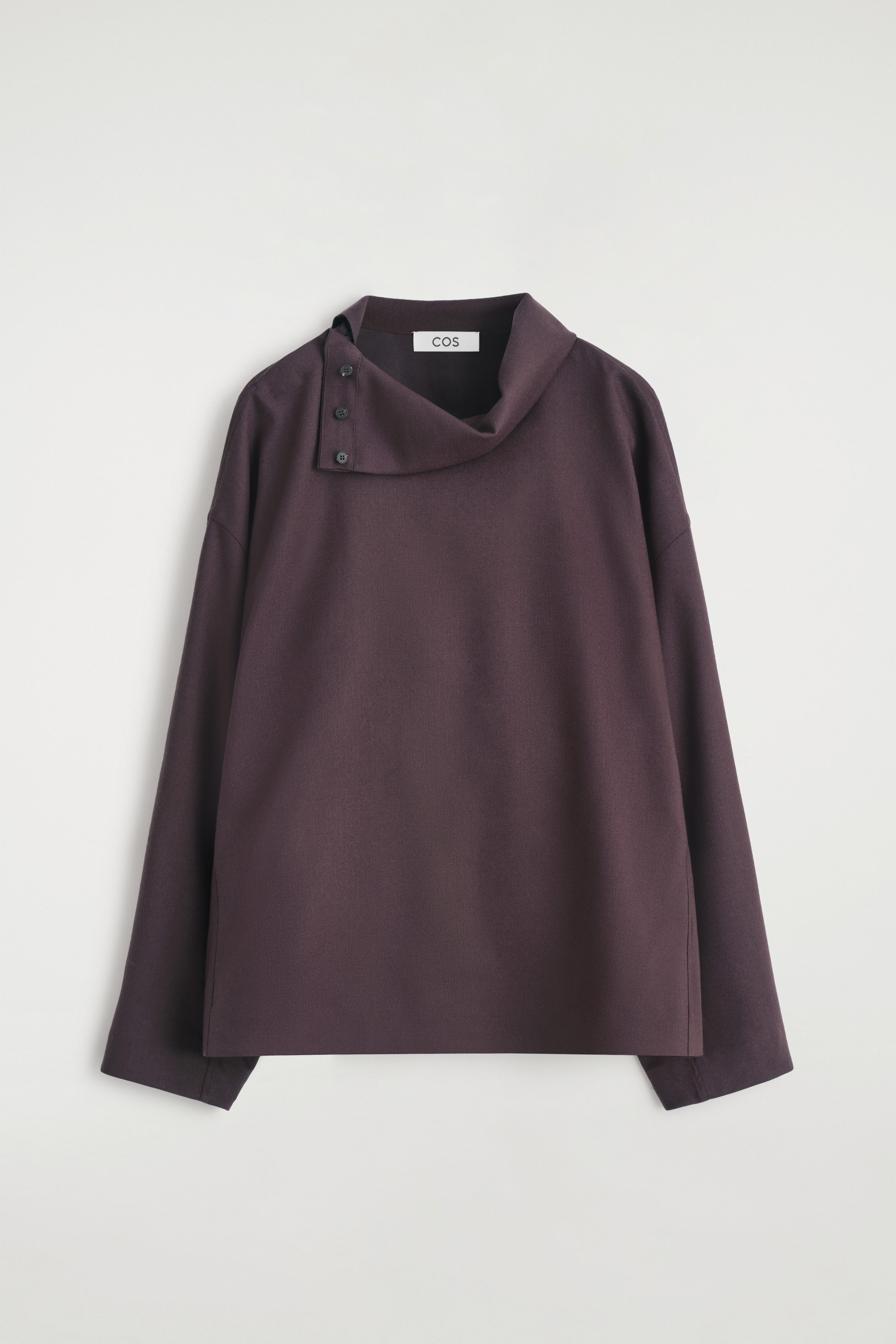
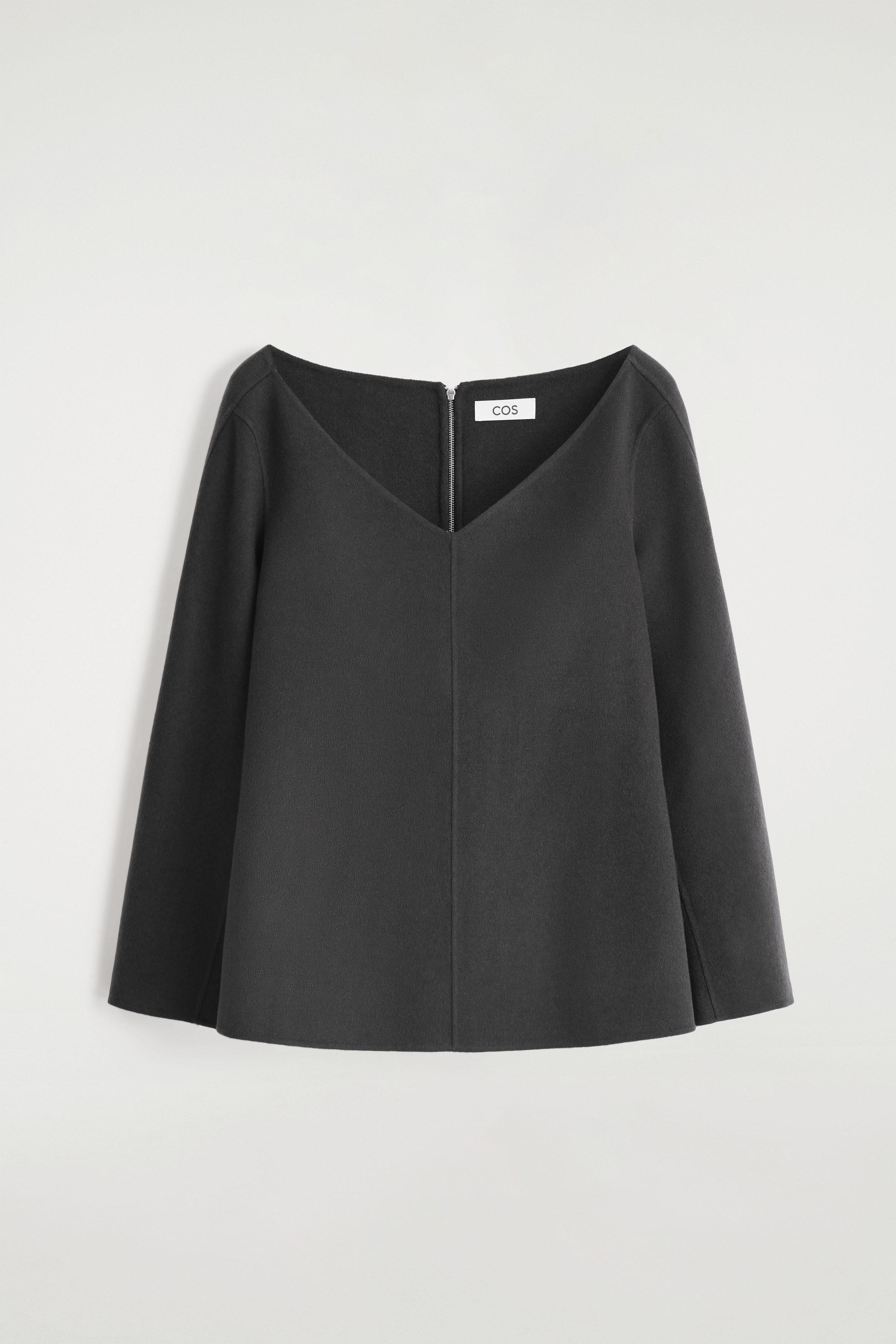
Use lighter fabrics as temperatures shift
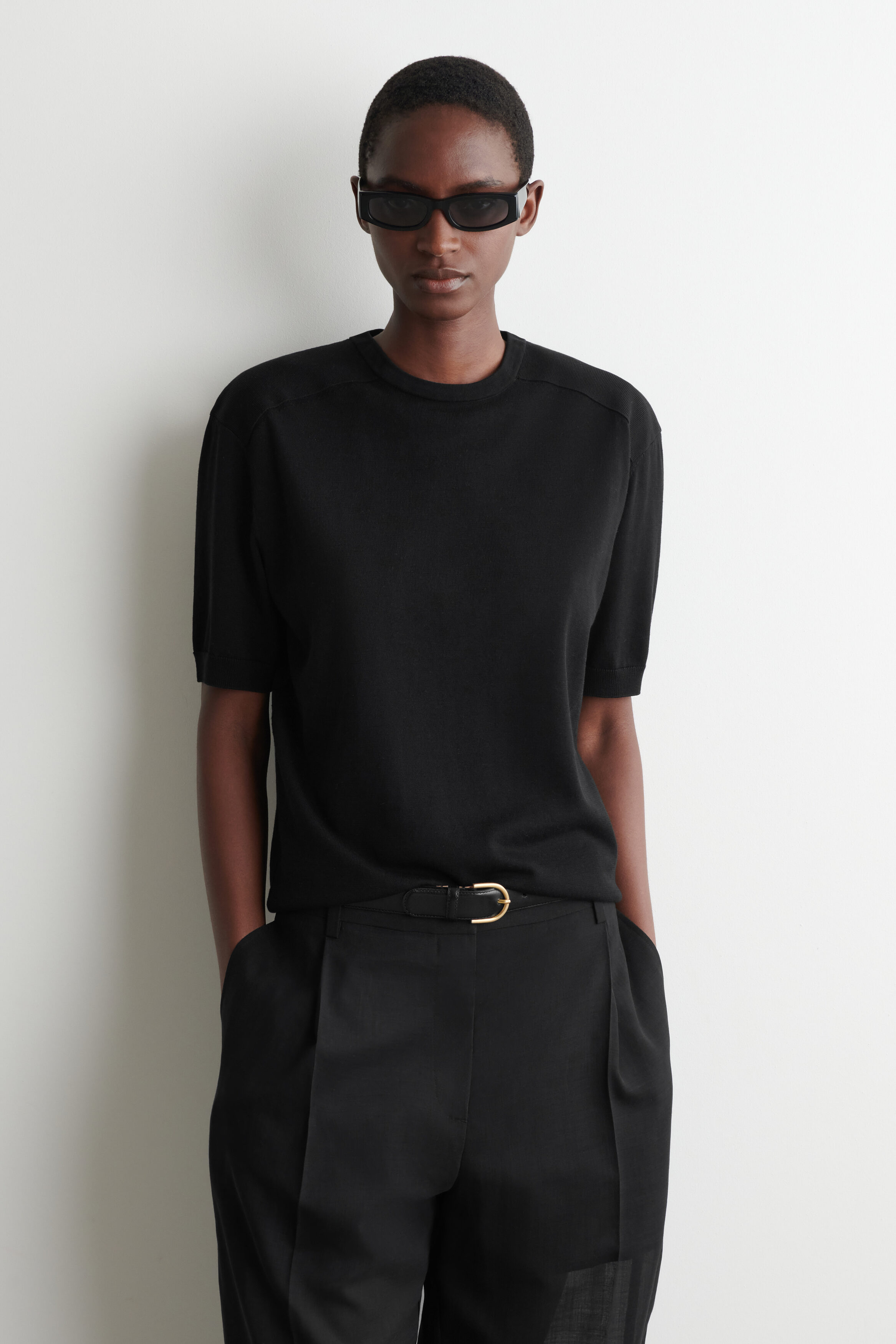
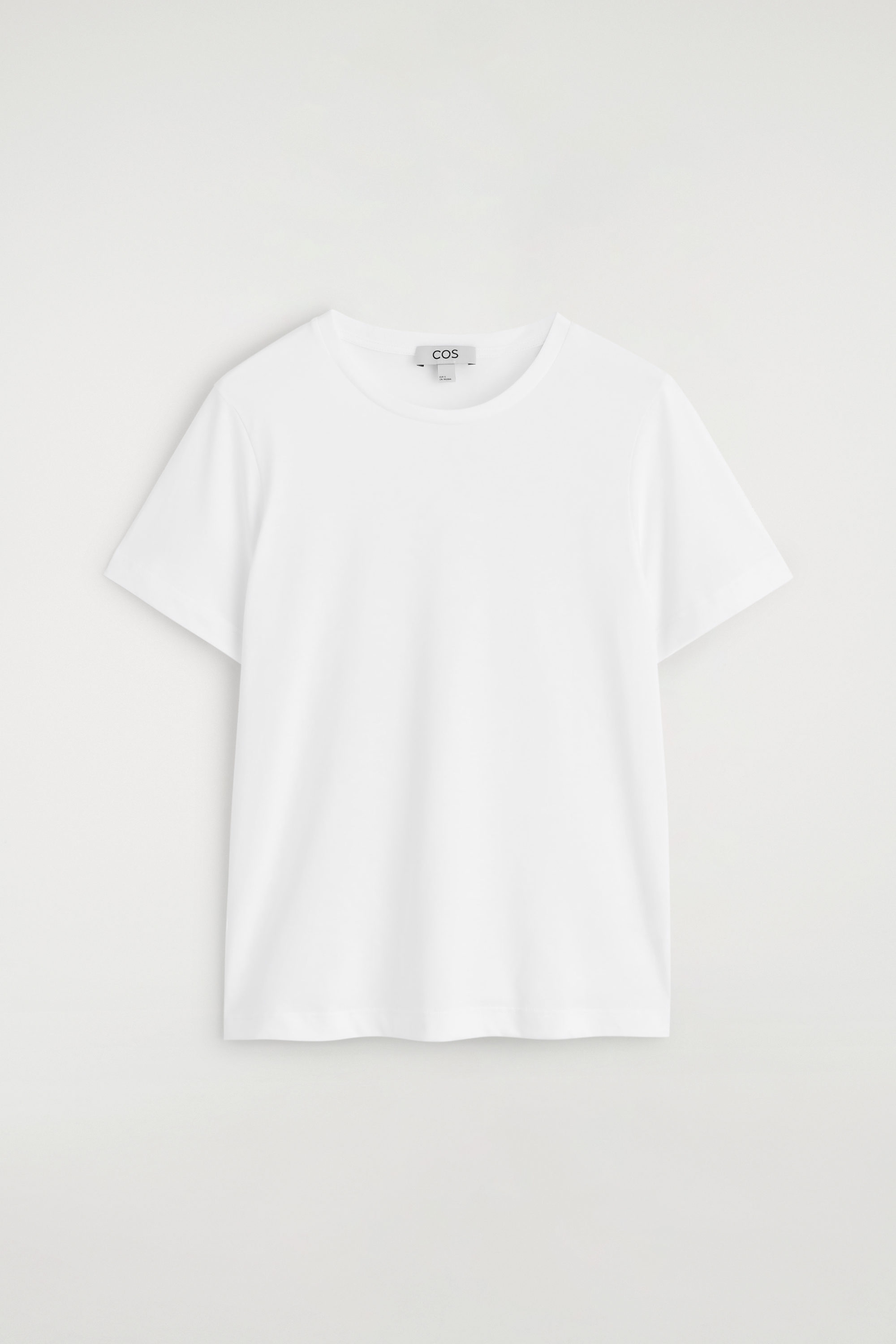
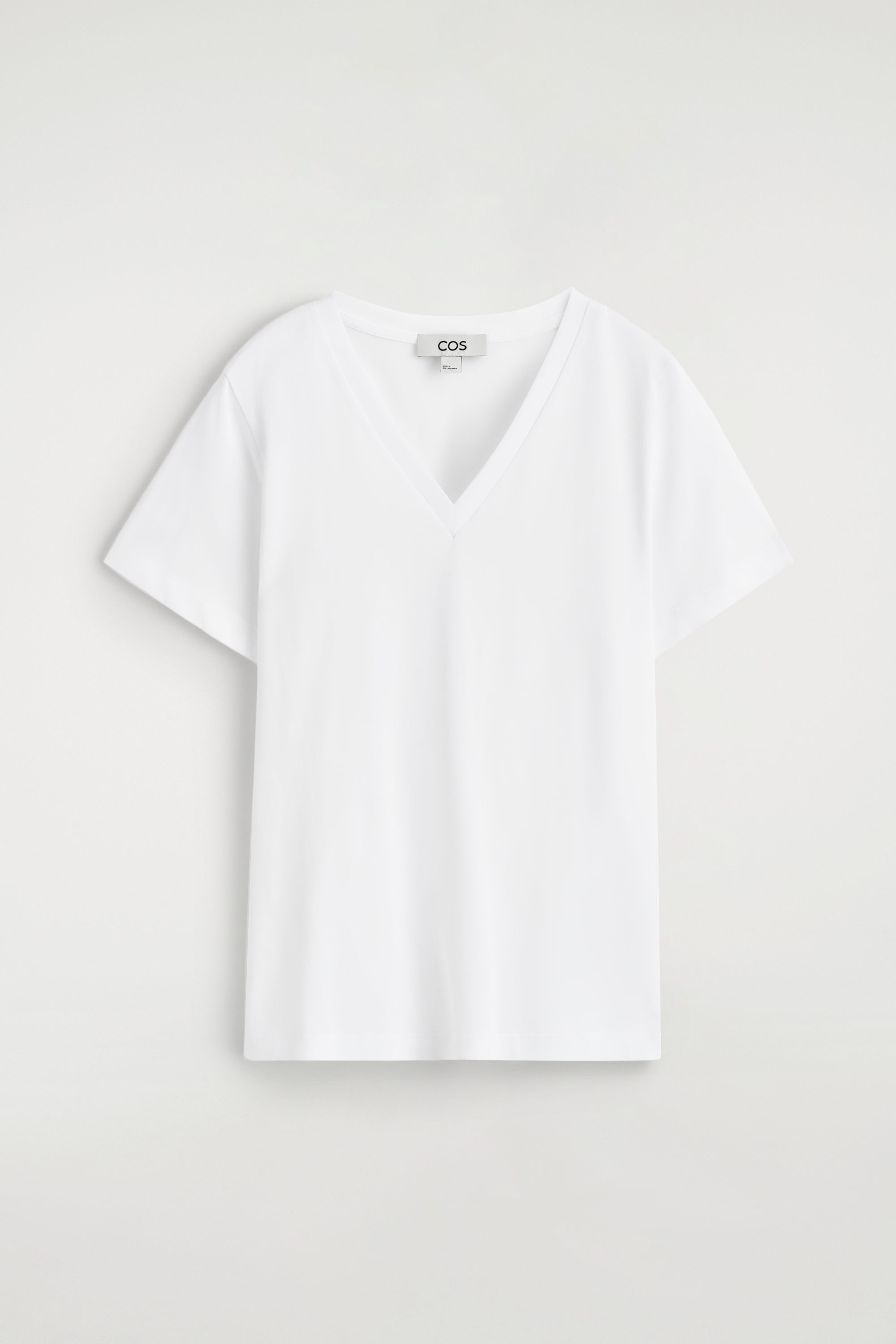
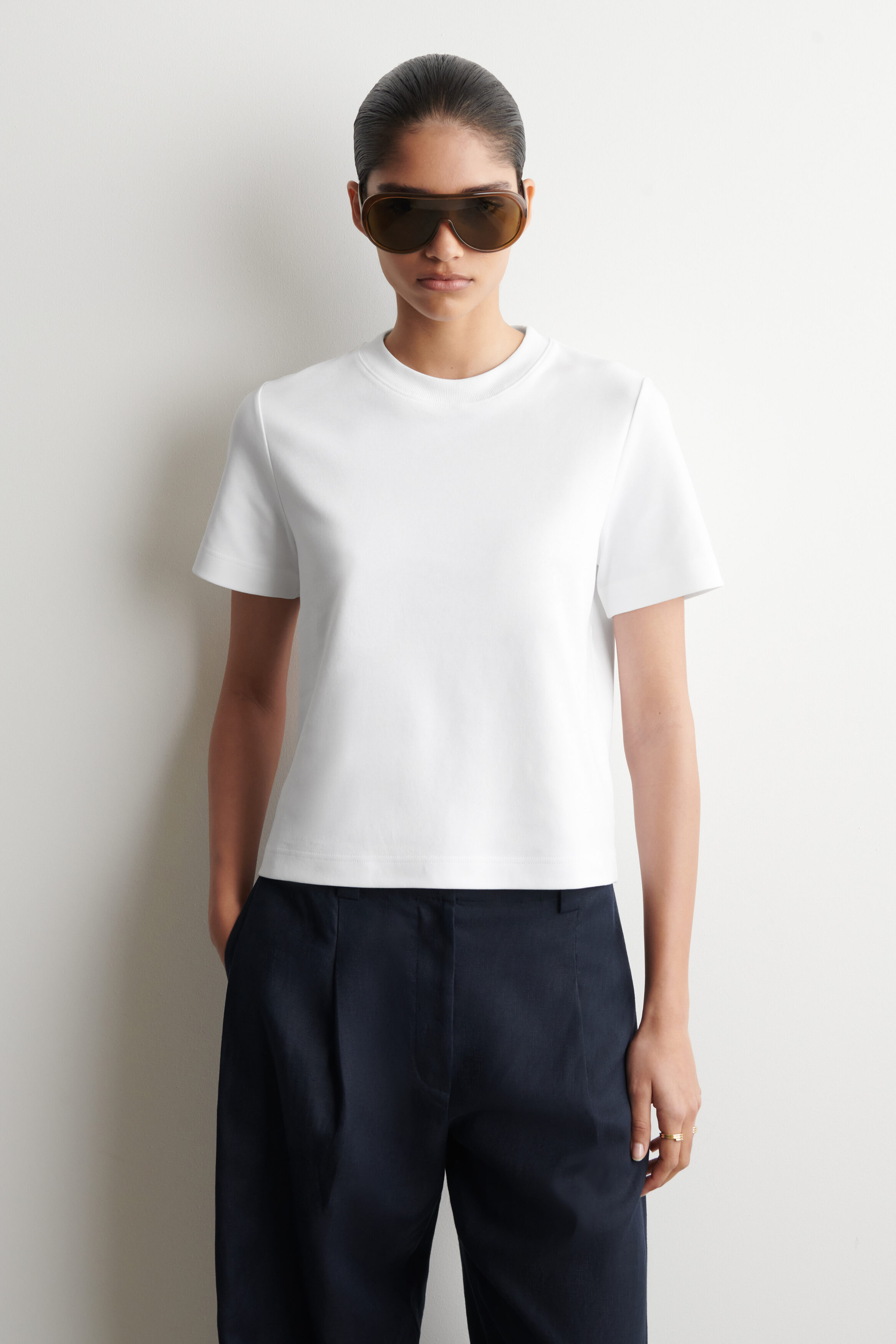
Warm-weather layering needs a different approach from winter dressing. A long sleeve top can still be useful on cool mornings, in air-conditioned rooms, or beneath a jacket, but the fabric should allow heat to escape. Cotton and silk blends tend to feel lighter than dense wool, while a smooth surface can slide under another layer without catching. Short sleeves can also be part of the same system when the day is changeable. Choose a neckline that leaves space for a shirt collar, necklace, or open jacket, and avoid adding too many competing edges at the chest. The Clean Cut T-shirt can serve as a straightforward middle layer when a long sleeve piece would feel too warm. Colour helps with repeat wear. Neutrals make the top easy to hide, while a stripe or restrained contrast can become visible at the cuff or hem. Wash and dry each fabric as directed, because shrinking or distortion changes how the garment sits beneath everything else. The goal is not maximum layers, but a small set that lets you adjust without rebuilding the outfit.
Add knitwear without losing definition
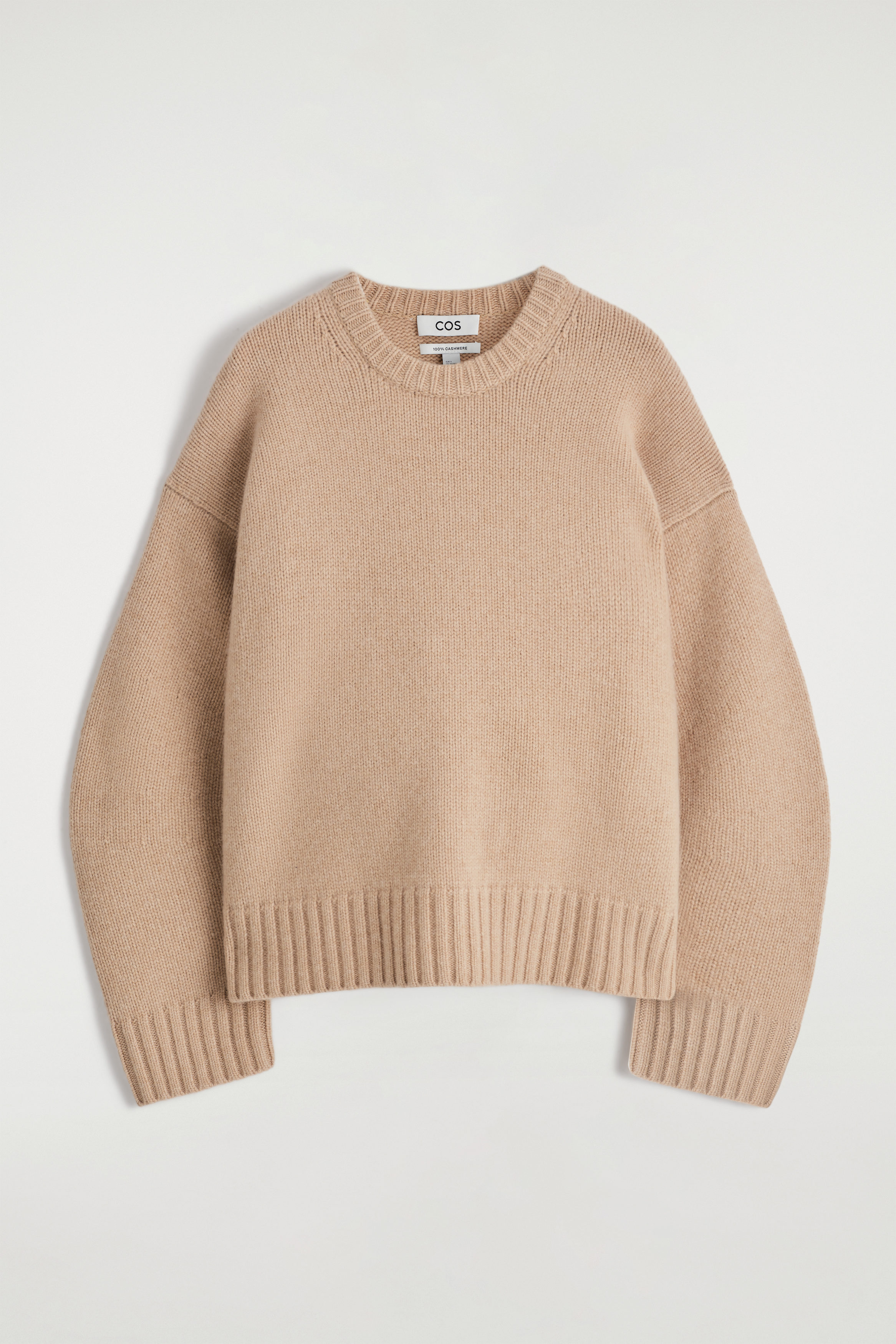
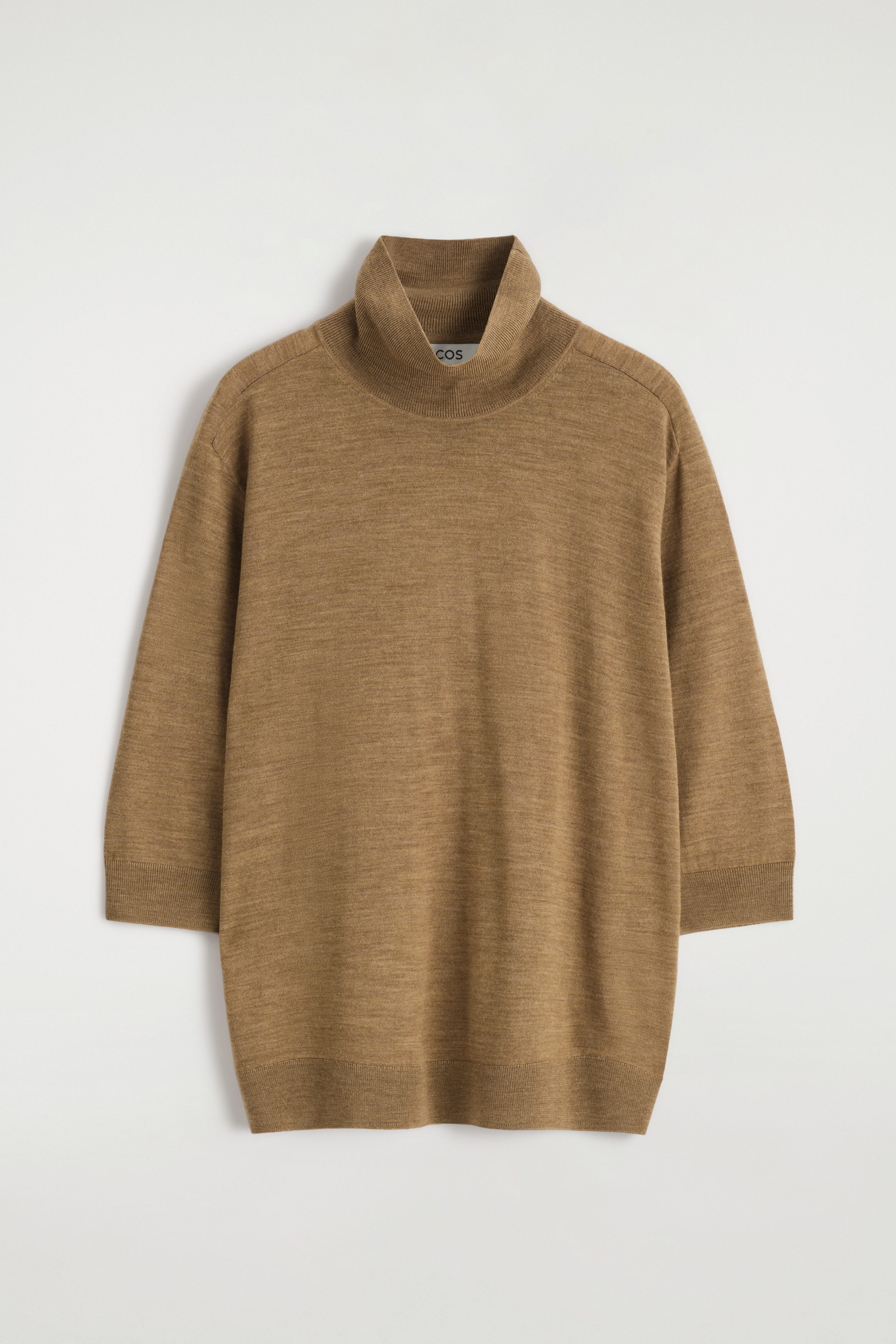
The layer above a long sleeve top should add warmth while leaving enough shape to keep the outfit legible. A fine merino sweater can sit close to the body and work beneath a coat, while a heavier knit needs more room through the sleeve and shoulder. Cashmere is warm for its weight, so it can provide insulation without the same visual bulk as a thick, chunky yarn. Neckline pairing is worth planning. A funnel or roll neck creates a clear frame at the face, while a crew neck offers a simpler opening for a visible collar or scarf. The Merino Wool Funnel-neck Sweater works as a higher-neck option when the base layer has a smooth, low-profile finish. Watch the hem too. If both garments are long and loose, the silhouette can lose focus, so let one layer provide definition at the waist or hip. Keep cuffs neat and avoid stacking several bulky edges at the wrist. Good layering feels mobile, not compressed, and each piece should have a clear job in the final outfit.
Our honest take
We see a useful base-layer wardrobe as a small rotation of fabrics rather than a pile of similar tops. A close merino or smooth jersey piece can handle cooler days, a lighter cotton or silk option can cover transitional weather, and a warmer knit can take over when the temperature drops. COS ranges from $29 to $349 here, so the decision can follow the role each piece plays. Check sleeve length, neckline, and care before buying, because those details decide whether a top will actually work under the clothes already in your wardrobe. If you take one thing away, choose the layer that stays comfortable and smooth when everything else goes over it.