Olaplex No. 3 alternatives vary in pre-shampoo timing, leave-in steps and rinse-out formats; compare the routine before choosing a treatment that fits.

Olaplex No. 3 Alternatives: Bond Repair Routines Compared
Why the routine matters
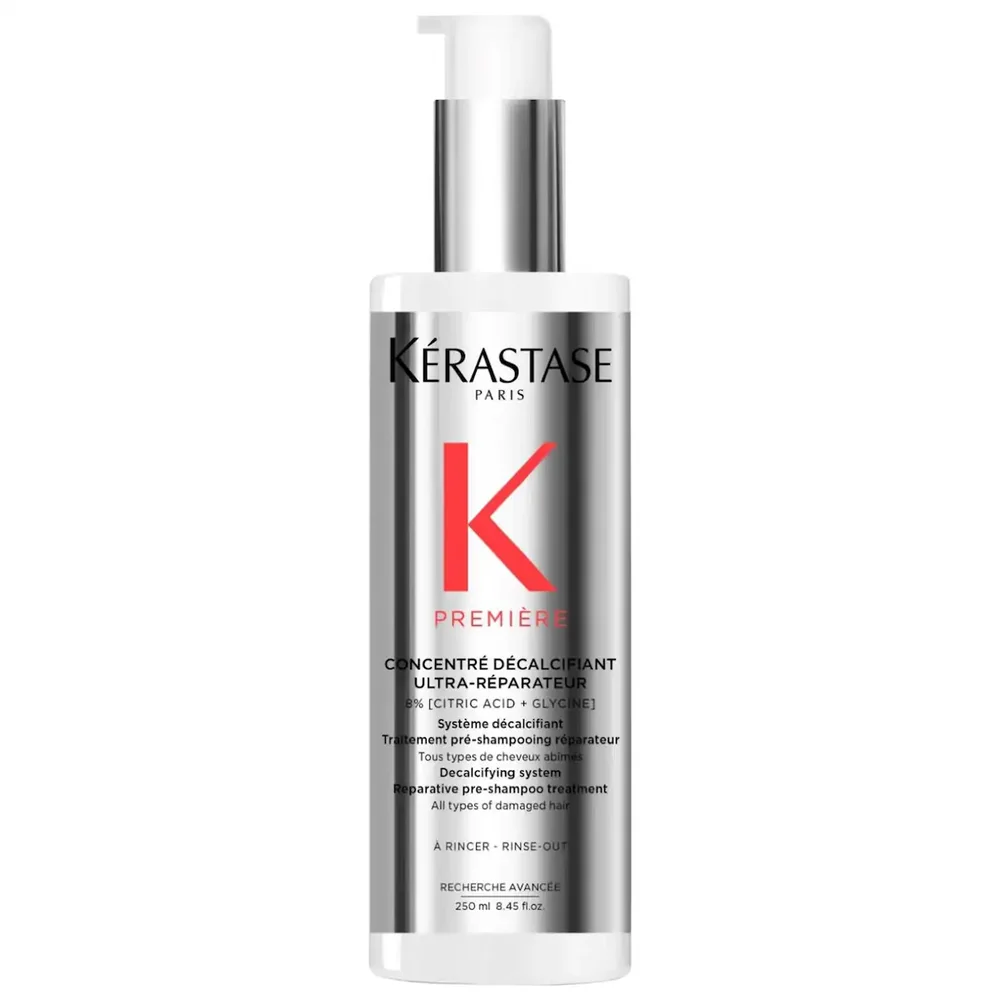
For Olaplex No 3, alternatives are easiest to compare by routine, not by the word bond on a label. Kérastase Première is the closest ritual match: its pre-shampoo treatment uses citric acid and glycine to target calcium buildup and broken keratin links. That is a timing match, not an identical formula. Olaplex's story began in a California garage in 2014, and its patented Bis-Aminopropyl Diglycol Dimaleate helped launch a bond-building haircare category. I keep Olaplex, explained handy when the numbered bottles blur together.
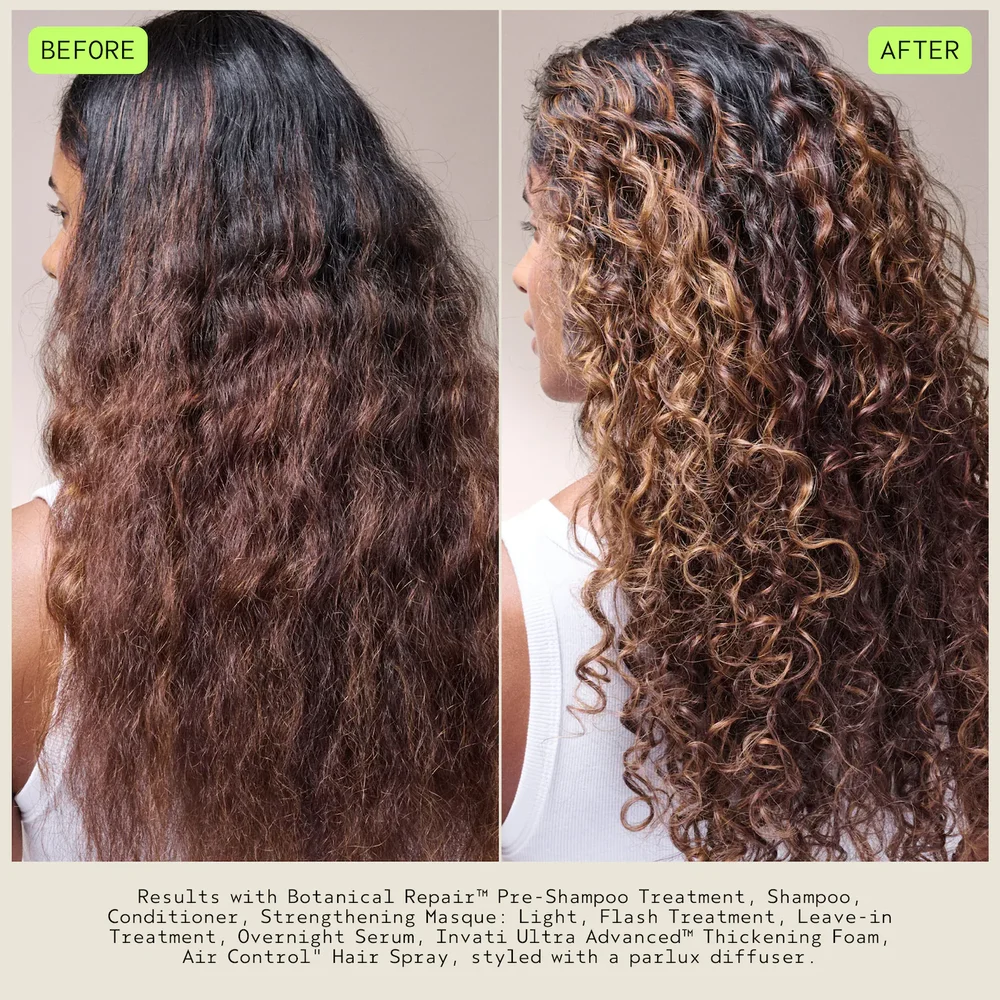
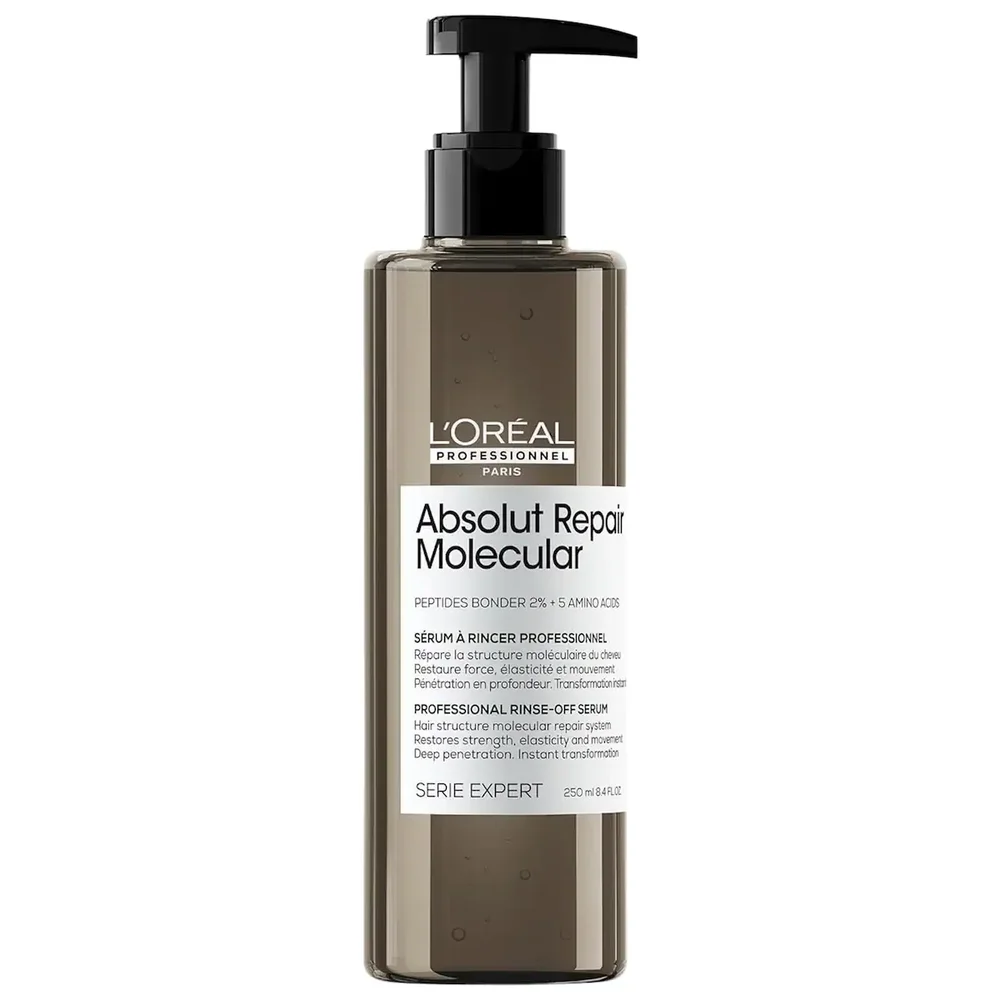
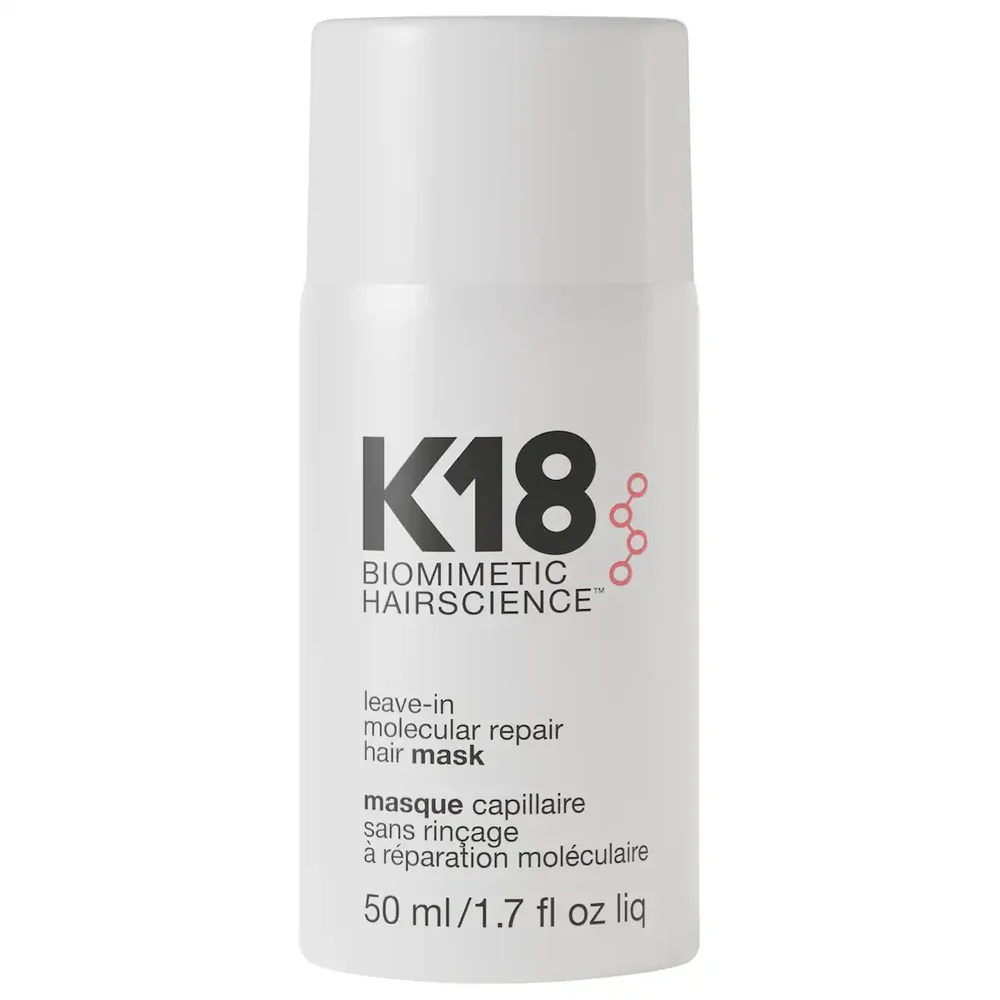
Aveda Botanical Repair is also pre-shampoo, applied to dry hair for five to ten minutes with its plant-powered Triple Action Strengthening Technology. L'Oréal Professionnel's Absolut Repair Molecular is an after-shampoo serum with 2% Peptides Bonder and five amino acids. K18's leave-in mask is activated for four minutes without rinsing. I would skip treating shared timing as proof of shared chemistry. Check when the product goes on before deciding whether it belongs in your wash day.
Pre-wash steps and leave-in options
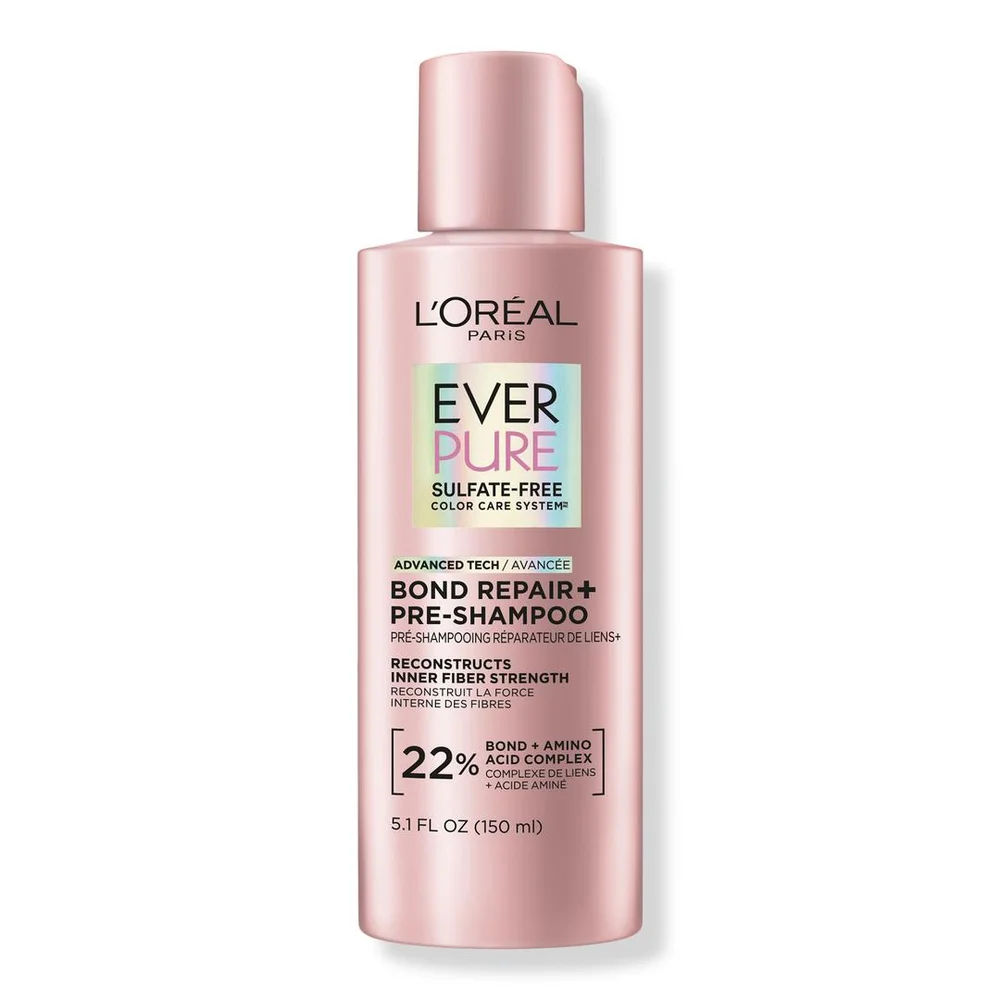
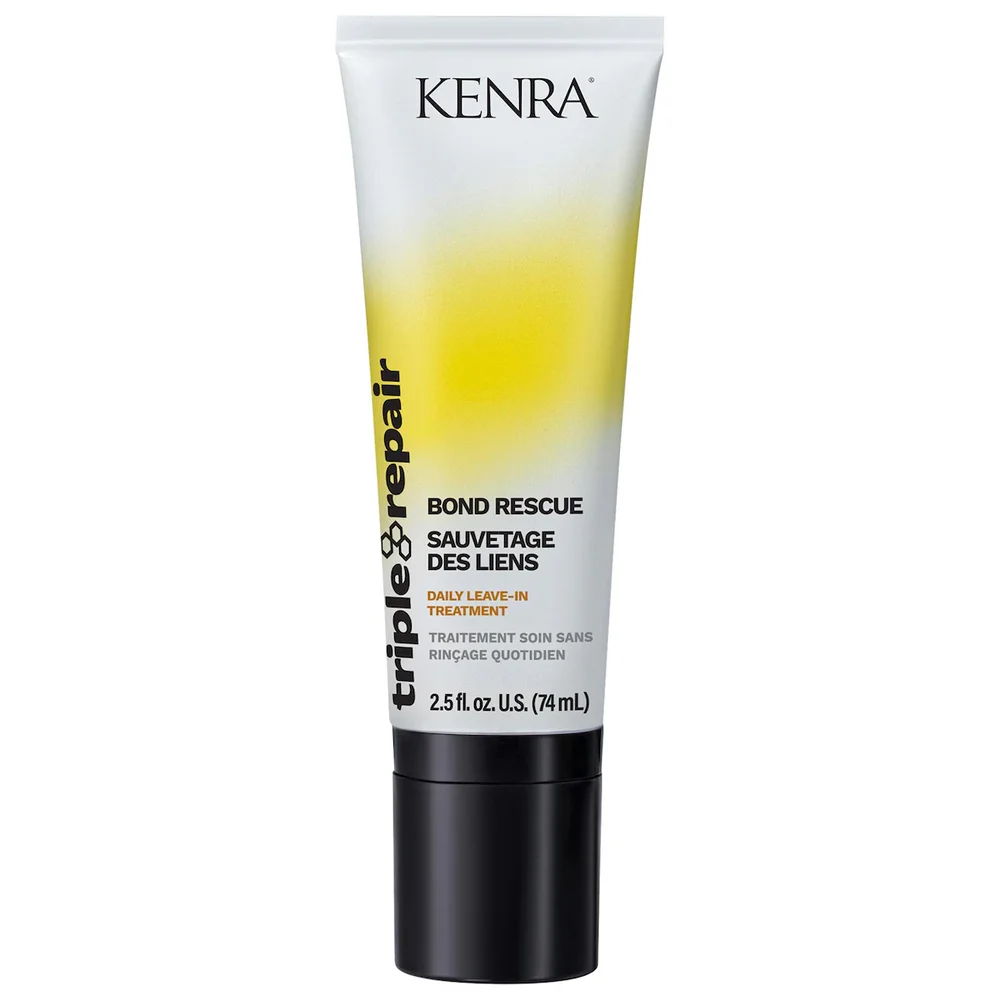
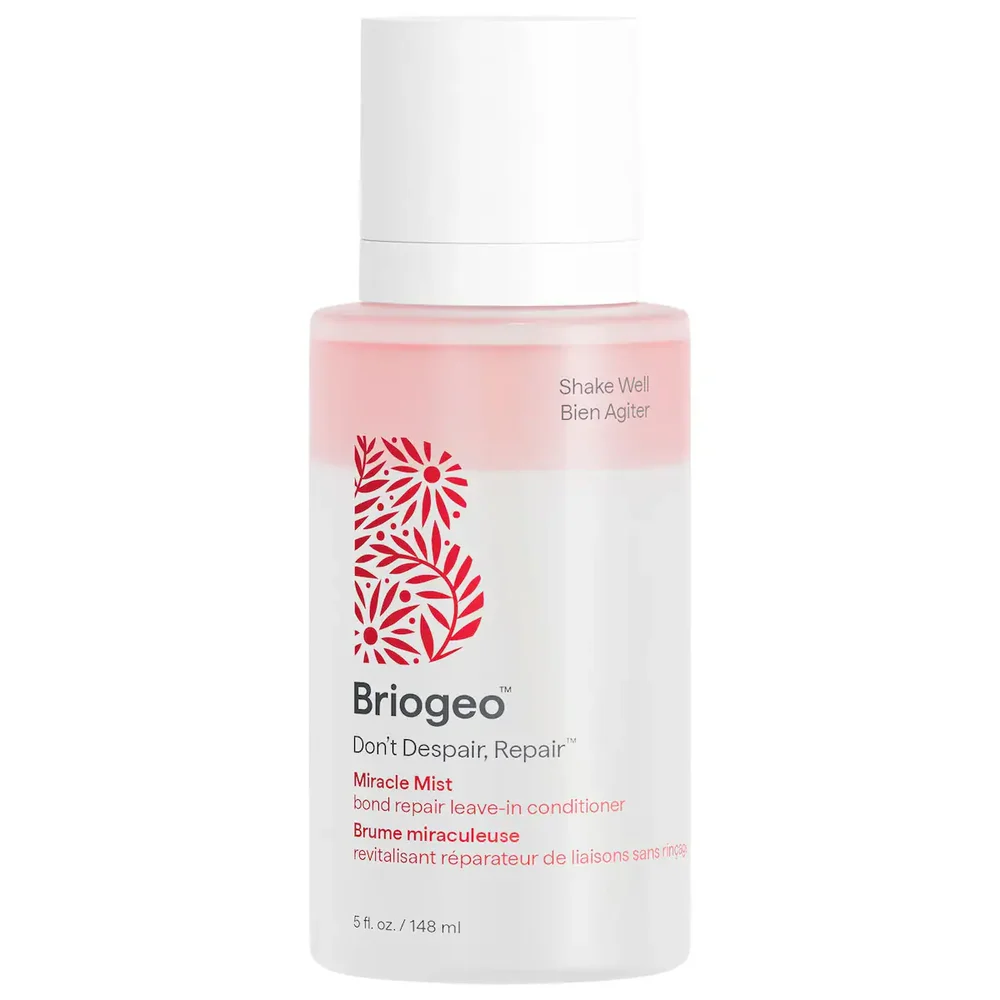
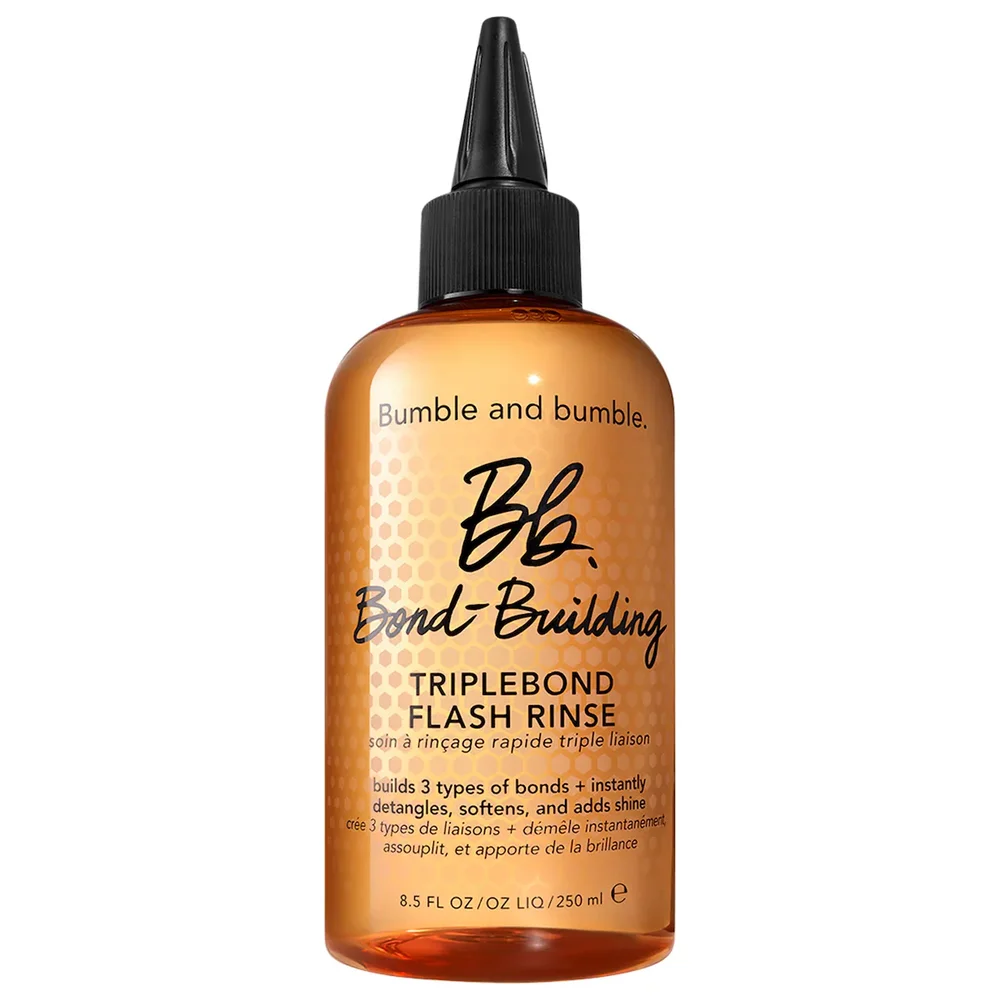
Among Olaplex No. 3 alternatives, the real distinction in this group is where each treatment lands in the wash sequence. L'Oréal Paris EverPure is a damp-hair pre-shampoo treatment with citric acid and a five-to-ten-minute wait. Kenra Triple Repair is a daily leave-in for dry hair, not a pre-shampoo mask. Briogeo's Miracle Mist is a shake-and-spray treatment for clean damp hair with a fermented enzyme and amino acid complex. Bumble and bumble's TripleBond Flash Rinse gives a rinse-out step and names hydrogen, ionic and covalent bonds.
I would choose based on the step I am willing to keep, then read the application directions before adding it to a routine that already has a mask or conditioner. A useful test is to place the treatment beside the shampoo or conditioner it follows, so I do not forget whether it is meant for damp, dry or freshly washed hair. The label's sequence matters more to me than a familiar-sounding bond claim.
Rinse-out masks or leave-in care
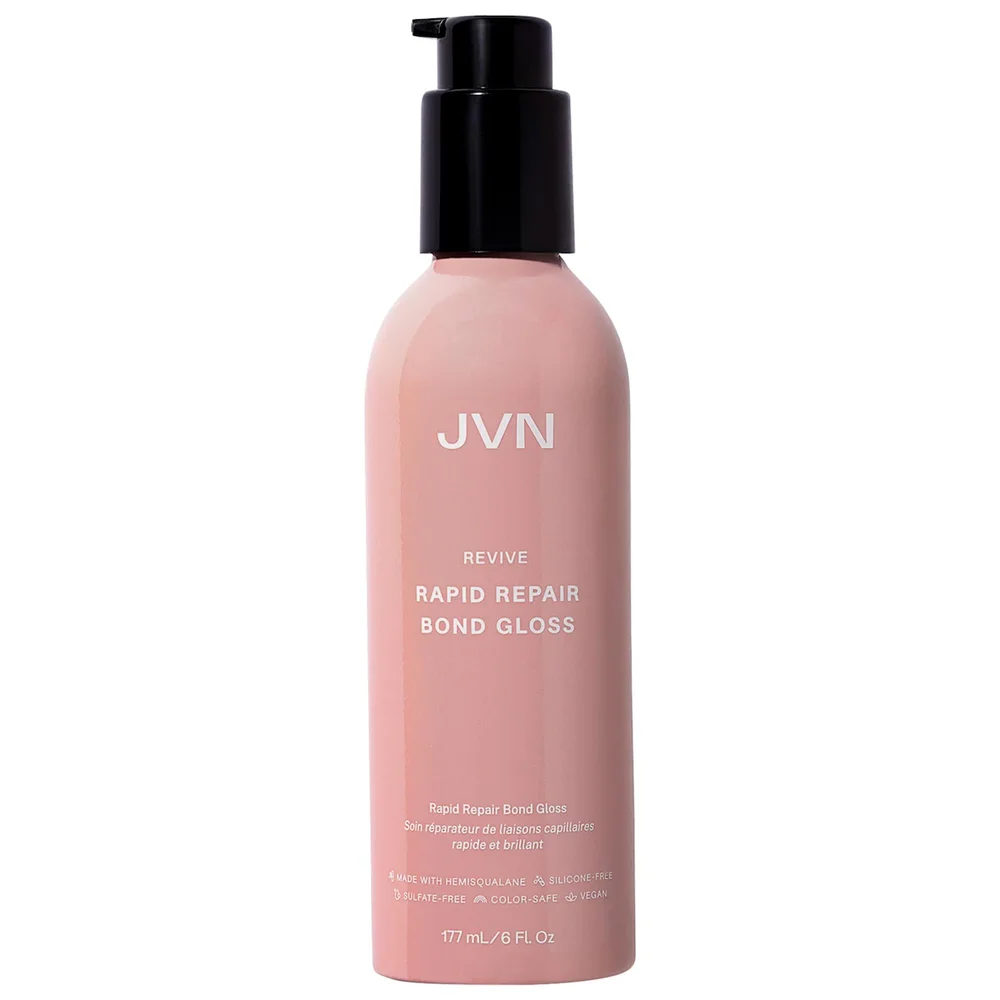
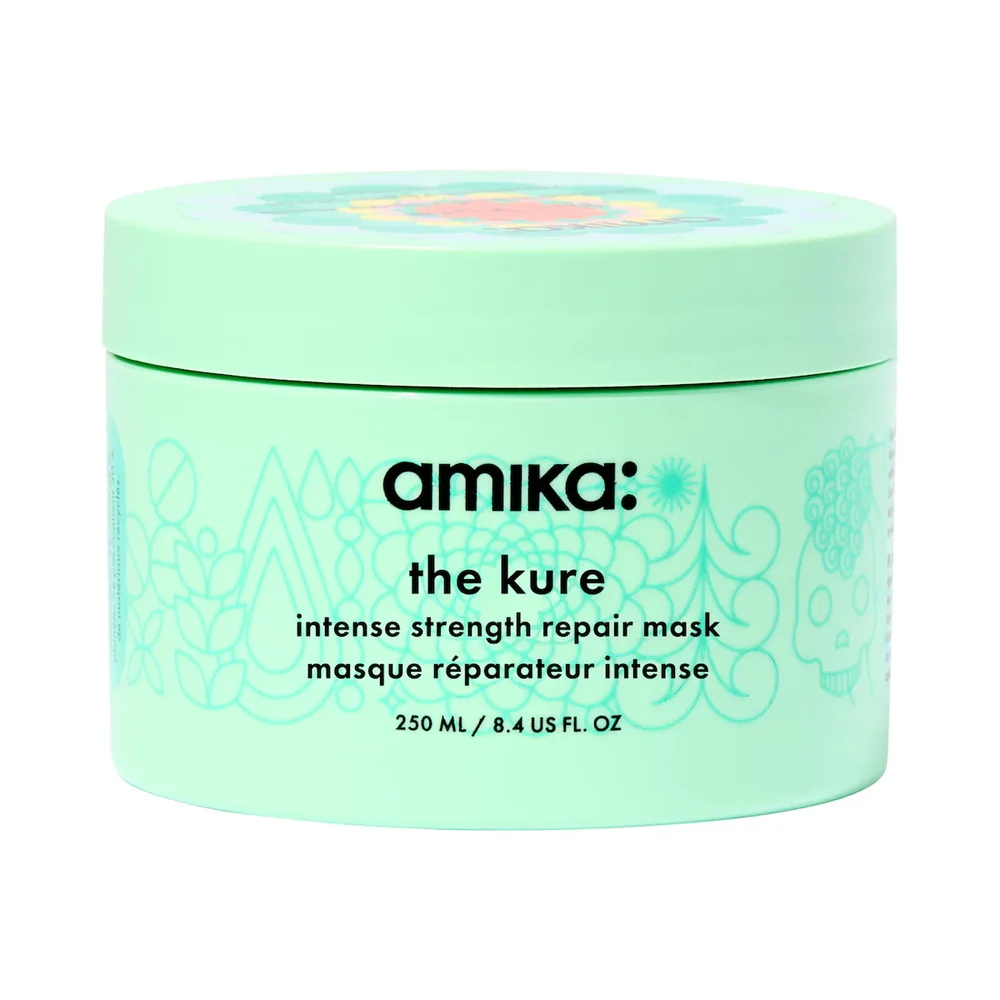
Some Olaplex No. 3 alternatives shift the format entirely. JVN Revive Rapid Repair is a one-minute rinse-out treatment; its Pro-Plex+ targets weakened bonds while hemisqualane brings gloss. Amika The Kure is a more conditioning mask with plant butters and vegan proteins, left on for ten minutes after cleansing.
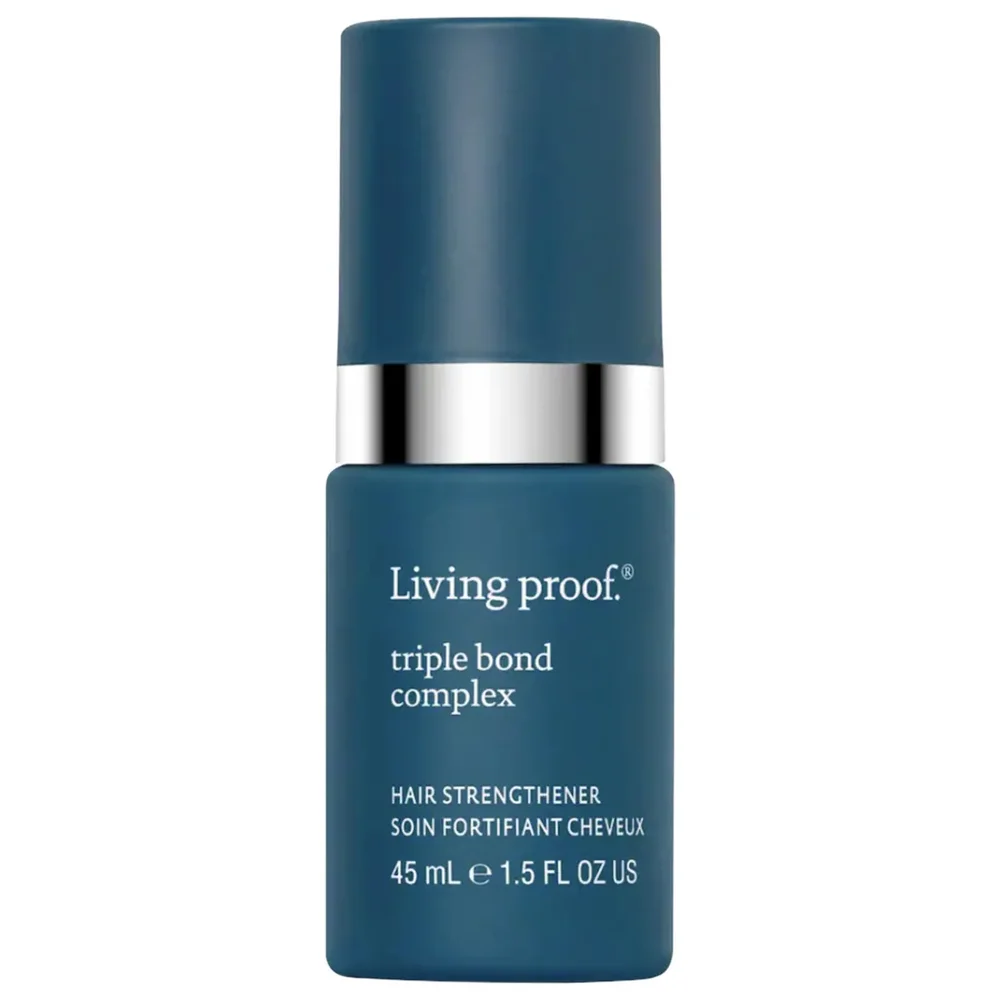
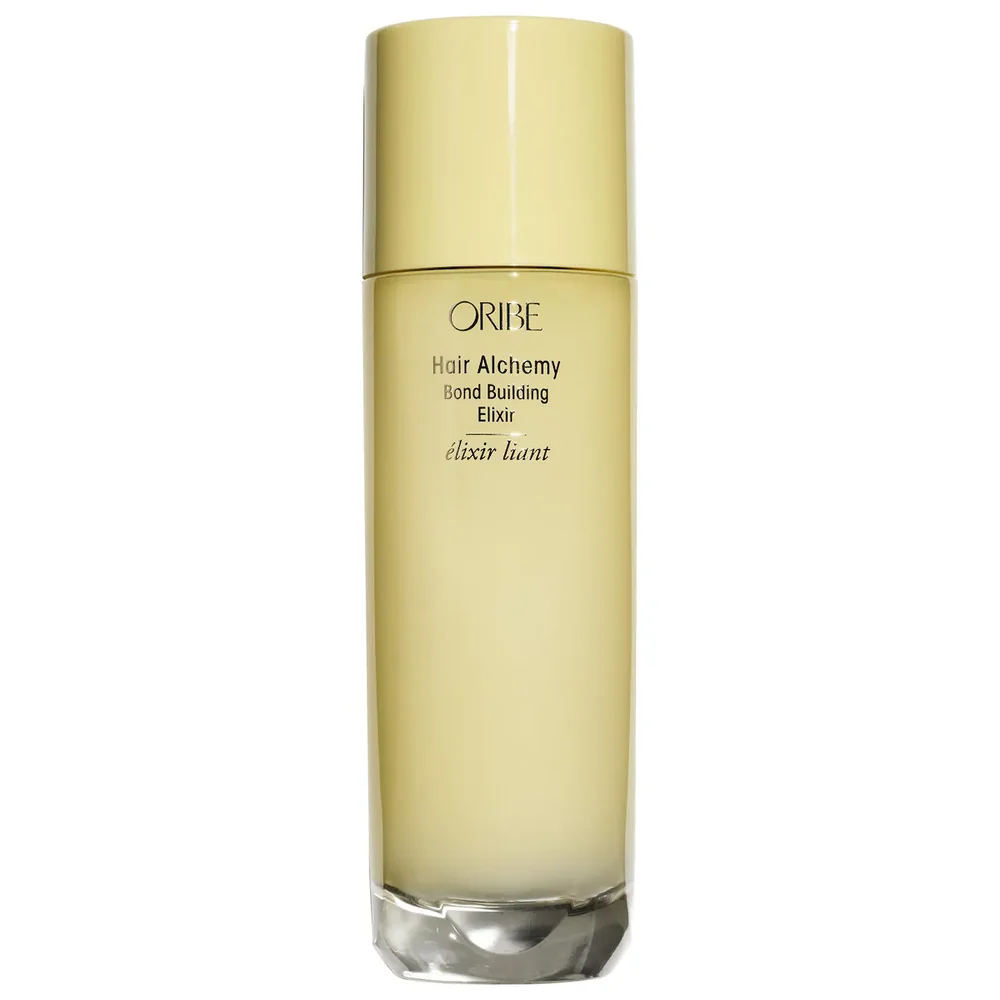
Living Proof Triple Bond Complex is a weekly leave-in treatment with patent-pending 3-D Fortifying Technology intended to rebuild hair structure. Oribe Hair Alchemy pairs 11 amino acids with time-release technology in another leave-in format. My practical check is simple: decide whether I want a treatment in the shower or one I have to remember after washing. I would not add both formats automatically; choose the step that fits how I actually do my hair, then follow that product's timing.
Bond repair treatment questions I get
Which bond repair treatment would I try first?
Kérastase Première is where I would start if I want a pre-shampoo ritual, since its timing and citric acid plus glycine approach are spelled out. I would treat it as its own formula, not an exact replacement.
Does every bond treatment go on before shampoo?
No. Kérastase and Aveda are pre-shampoo steps, while L'Oréal Professionnel's serum goes on after shampoo and Kenra is a daily leave-in for dry hair. The pre-wash routine is useful context for the format.
Should I choose a rinse-out or leave-in treatment?
I would choose based on the step I will remember. JVN and Amika are rinse-out masks, while Living Proof and Oribe are leave-ins.
What should I compare besides the word bond?
Compare the timing, texture and directions, then see whether the treatment fits around your shampoo and conditioner. Shared language on a bottle does not mean the formulas work in the same way.






