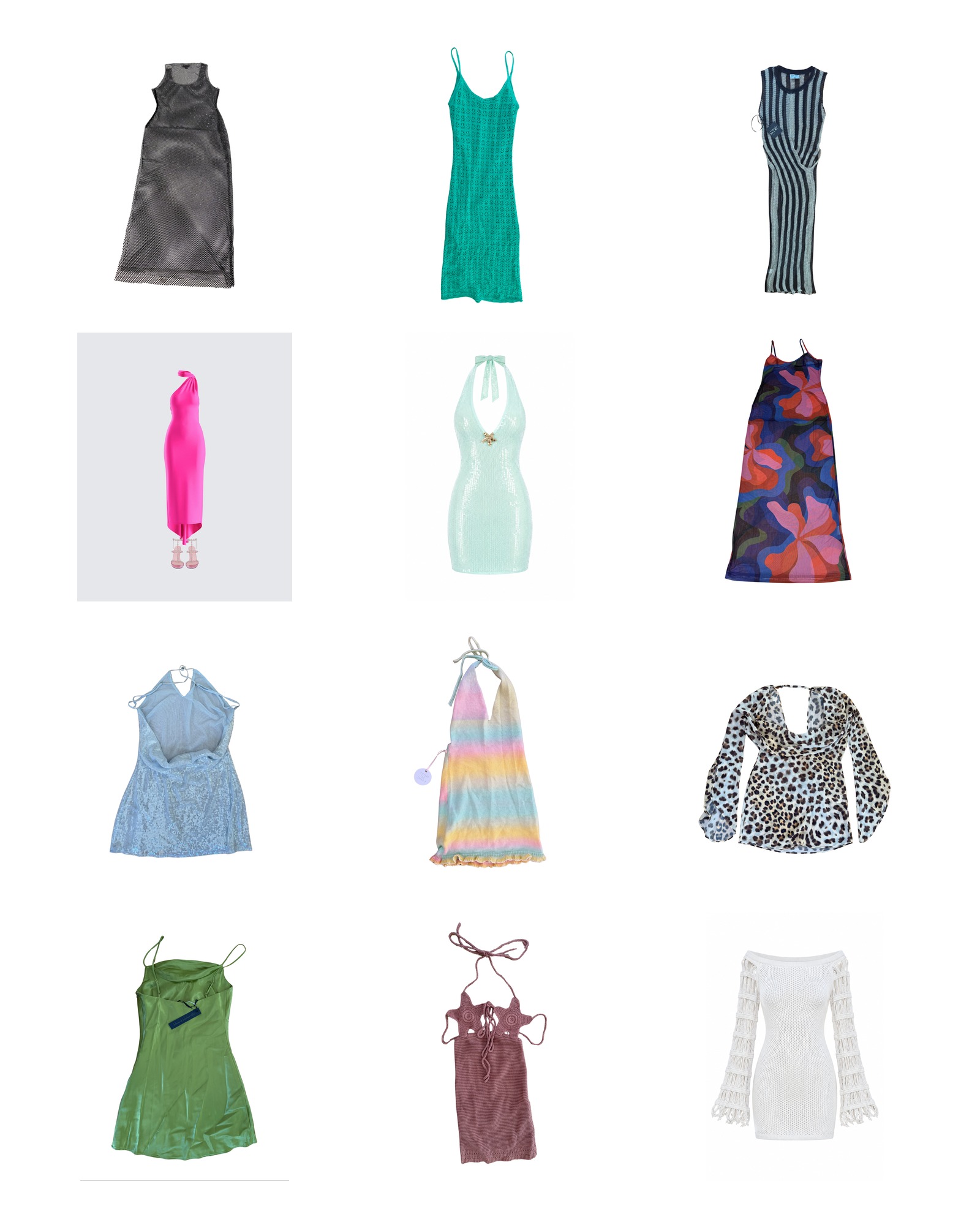
The old money aesthetic works best when it reads as quiet, practical dressing rather than a costume. An old money aesthetic wardrobe is built from clear structure, tactile fabrics, and a restrained
Old Money Aesthetic Without The Costume
Coats and knitwear
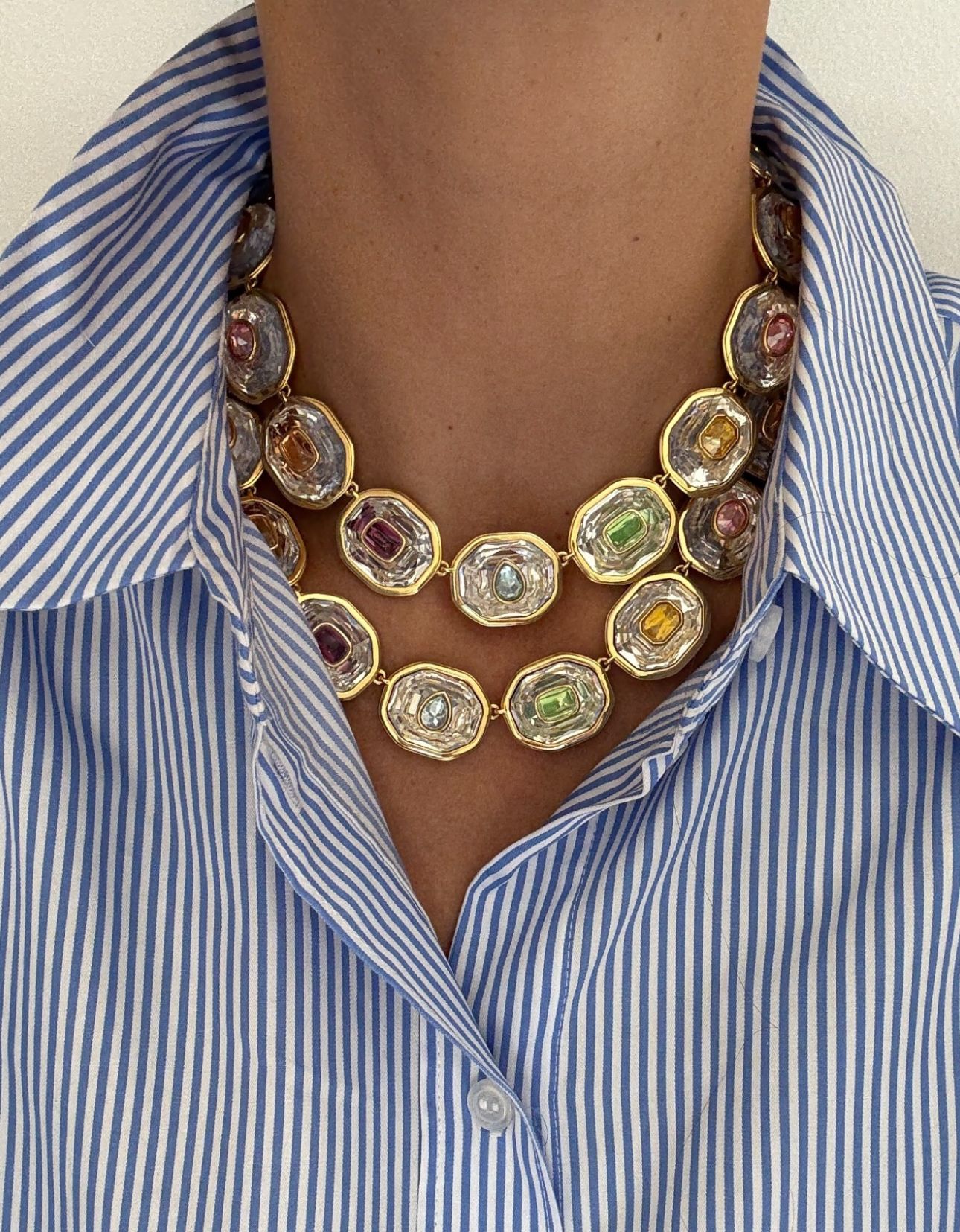
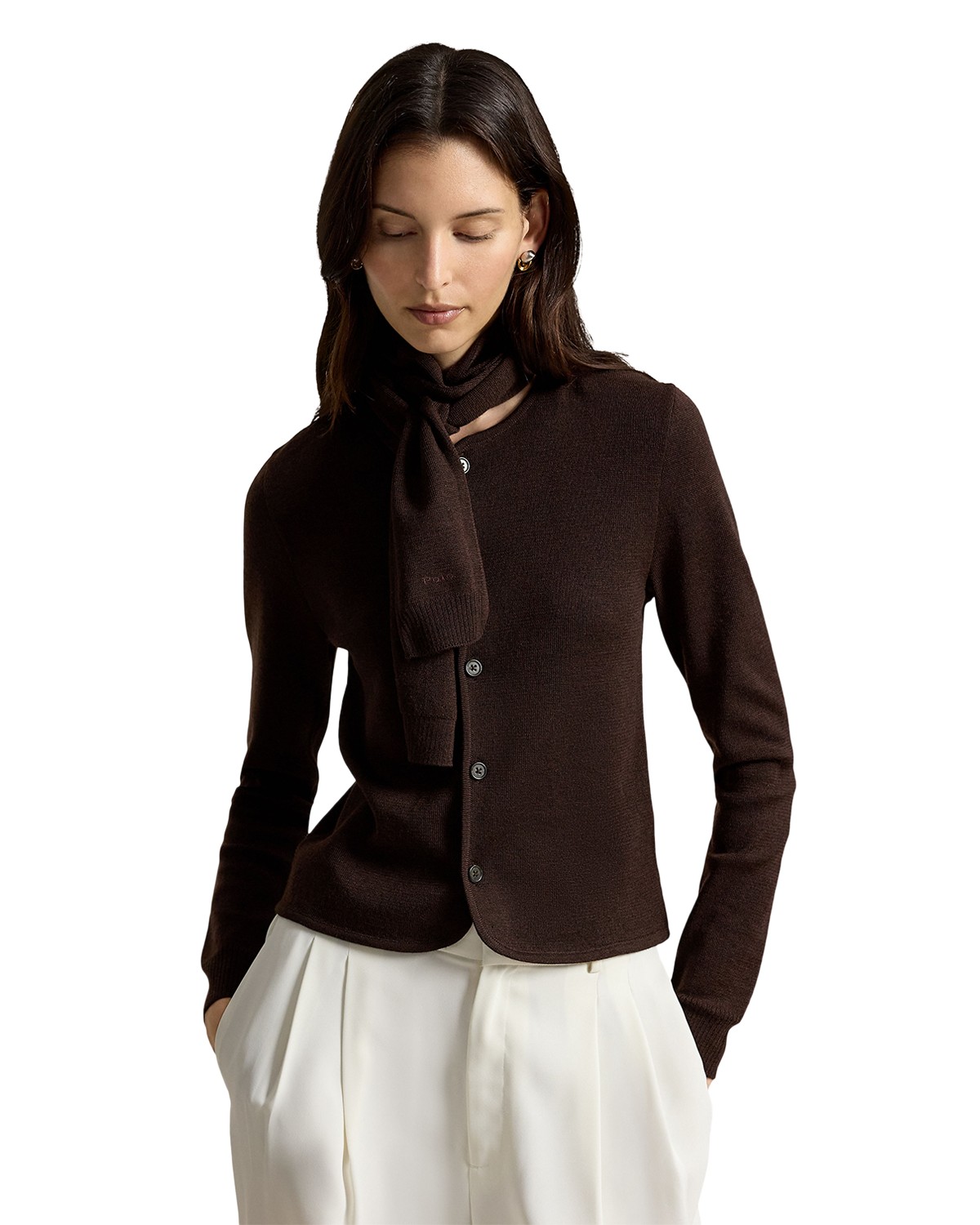
The old money aesthetic works best when it reads as quiet, practical dressing rather than a costume. An old money aesthetic wardrobe is built from clear structure, tactile fabrics, and a restrained palette, not from logos or theatrical details. That distinction matters because the look can tip into performance quickly. Start with pieces that have a job: a wool coat for a cold commute, a cardigan that layers over a shirt, or a knit that can handle denim without looking precious. Navy, cream, camel, grey, and brown do the heavy lifting, but a muted red or a small floral can keep the result from feeling flat. Proportion is the real signal. A roomy coat needs a slimmer layer underneath, while a compact cardigan can sit over a fuller trouser or skirt. Keep hardware quiet and let texture supply interest through cable knit, brushed wool, crochet, or smooth leather. Shoes should look ready for a full day, not reserved for a photo. The first edit focuses on the layers that set the tone, so begin with Coats and knitwear.


Loafers and flats
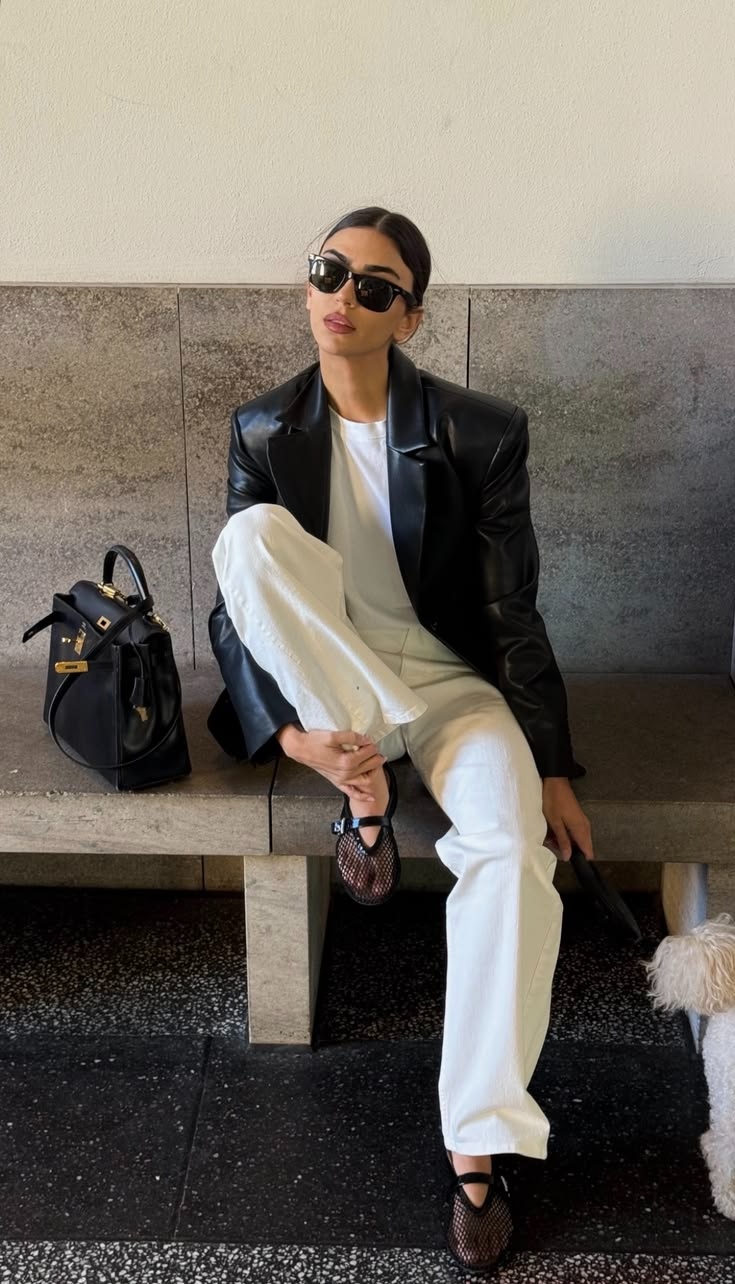
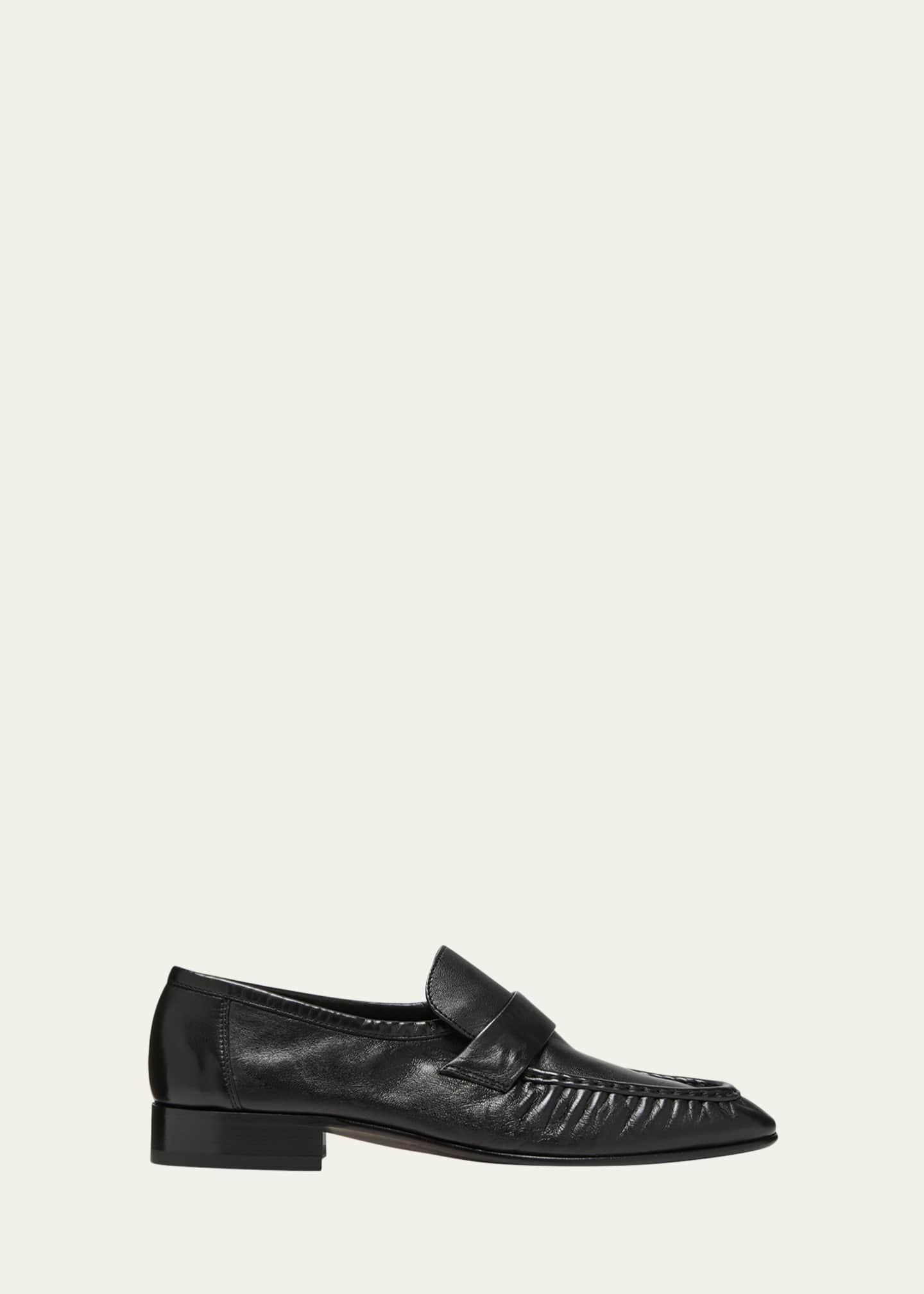
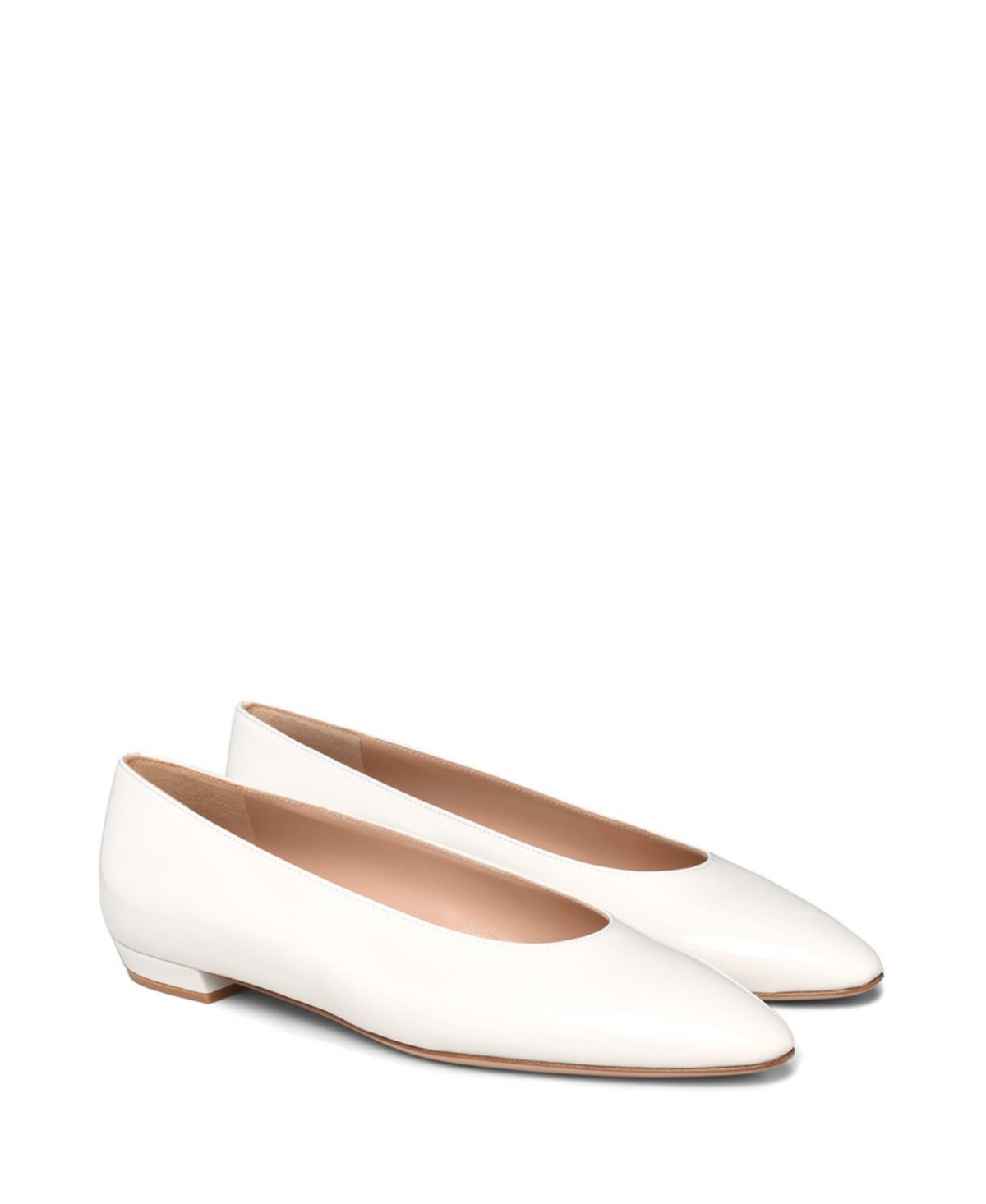
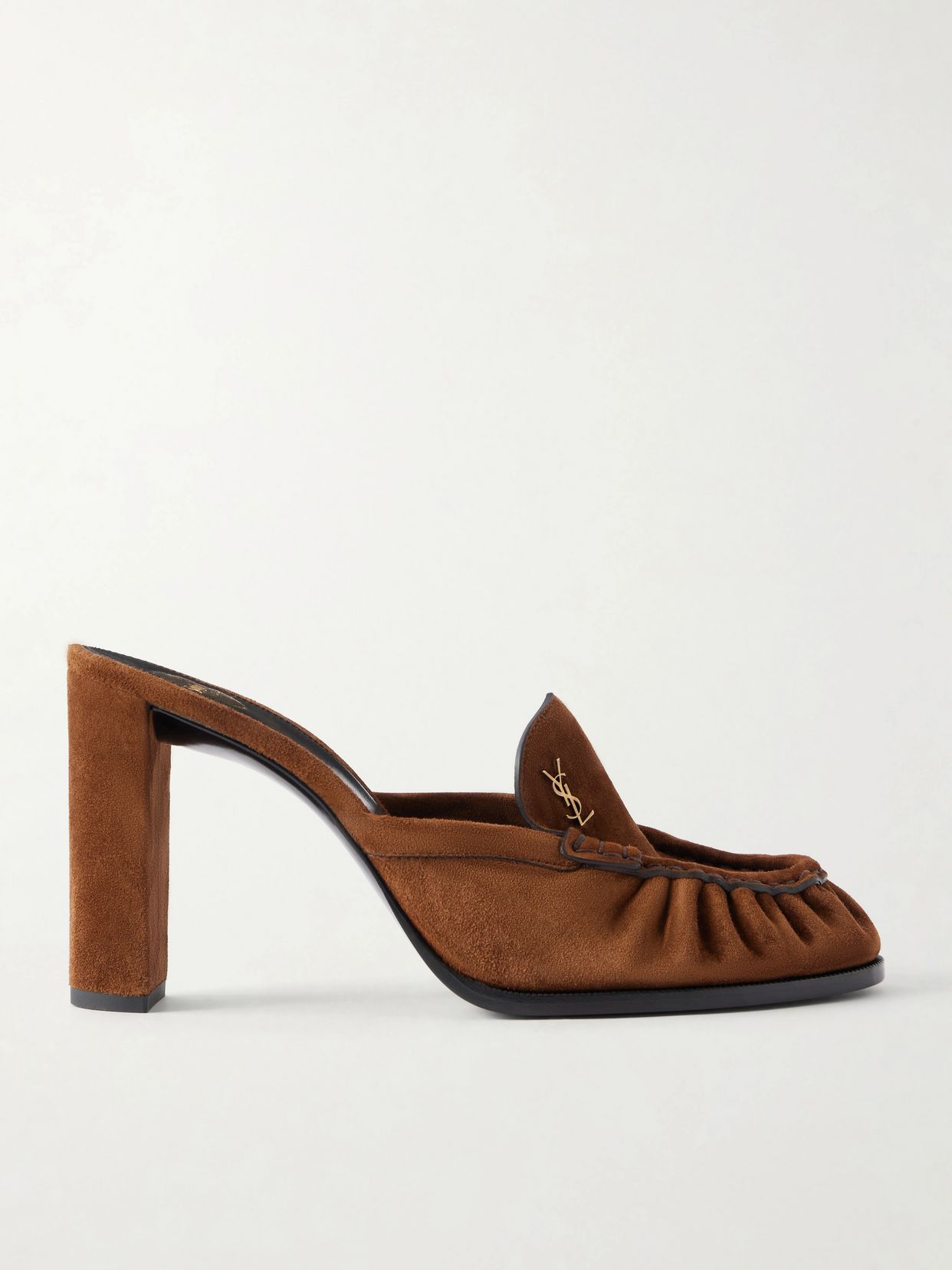
Loafers and flats are the finishing move that keeps this aesthetic grounded in real life. A loafer brings structure to soft tailoring, denim, and a long coat, while a ballet flat makes the same palette feel lighter and less formal. Look for a shape that follows the foot without squeezing it, especially around the toe box. The right pair should survive a commute, a long lunch, and the walk between them. Leather, suede, and woven textures each change the mood, so keep the rest of the outfit simple when the shoe has a visible finish. A polished loafer can handle a trouser with volume; a delicate flat works better with a cropped hem or a skirt that leaves some ankle open. Socks are part of the decision too. A fine rib keeps a loafer from feeling severe, while a bare ankle can make a flat look more summery. Do not let a label do all the styling work. Check the sole, the heel height, and whether the shape feels natural from the side. The best pair looks considered because it fits the day, not because it announces a reference.




Our honest take
The old money aesthetic falls apart when every item is trying to prove the same point. Skip costume details, loud logos, and shoes that look beautiful only while standing still. A glossy finish can also feel too formal when paired with delicate knits, so balance it with denim or a plain shirt. This edit is not for anyone who wants a strict uniform. It is for building a calm wardrobe with enough texture and movement to feel personal. Spend first on the pieces you will wear weekly, then add a sharper accent when the foundation is working. If you take one thing away, choose clothes that look ready for your actual day rather than someone else's fantasy.
Shop brands in this edit


Next read
Secondhand Louis Vuitton Damier Ebene Or Damier Azur
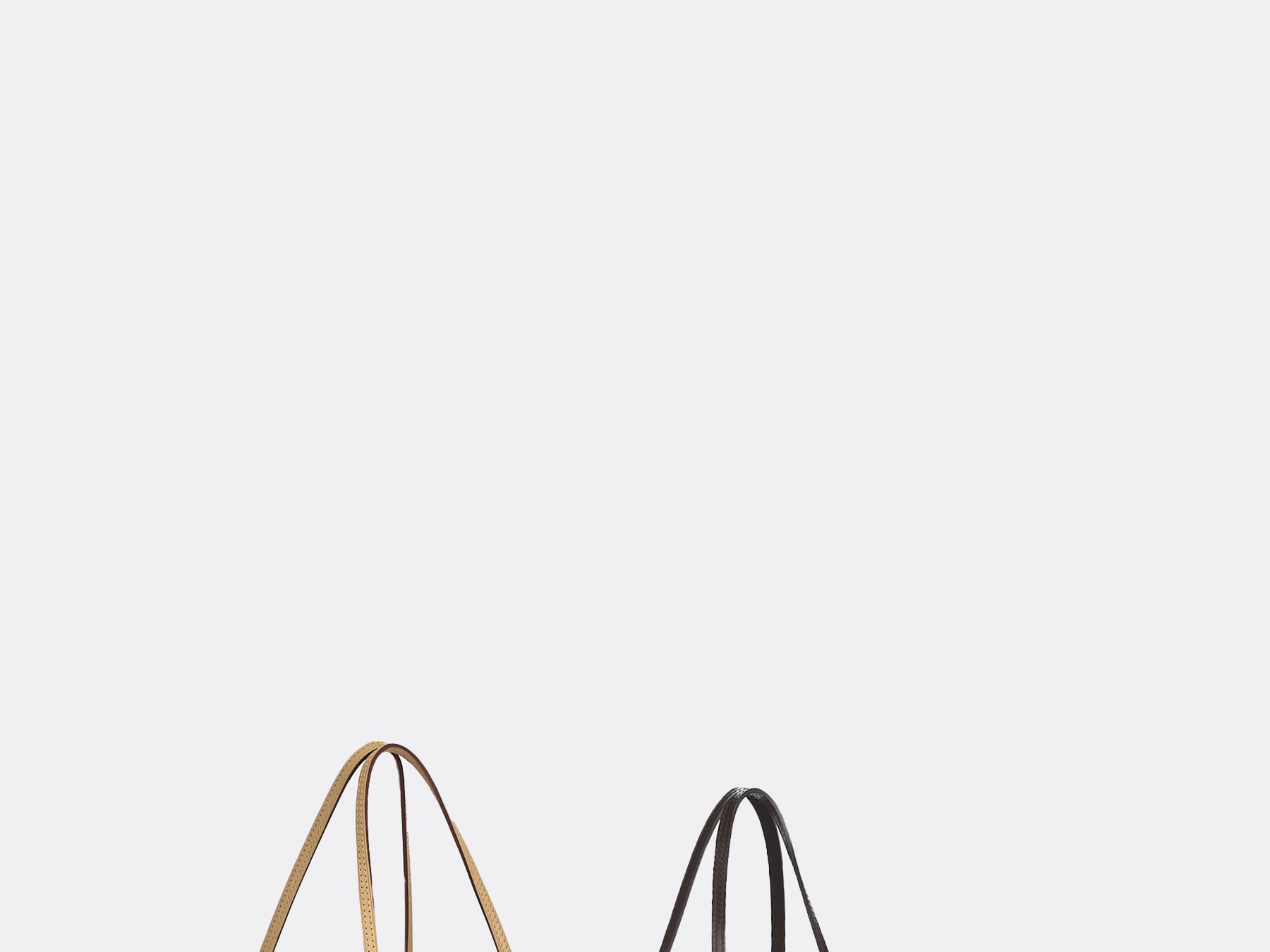
Damier Ebene and Damier Azur are the same coated canvas in two colourways, and the secondhand market treats them as two different products.
Read Editorial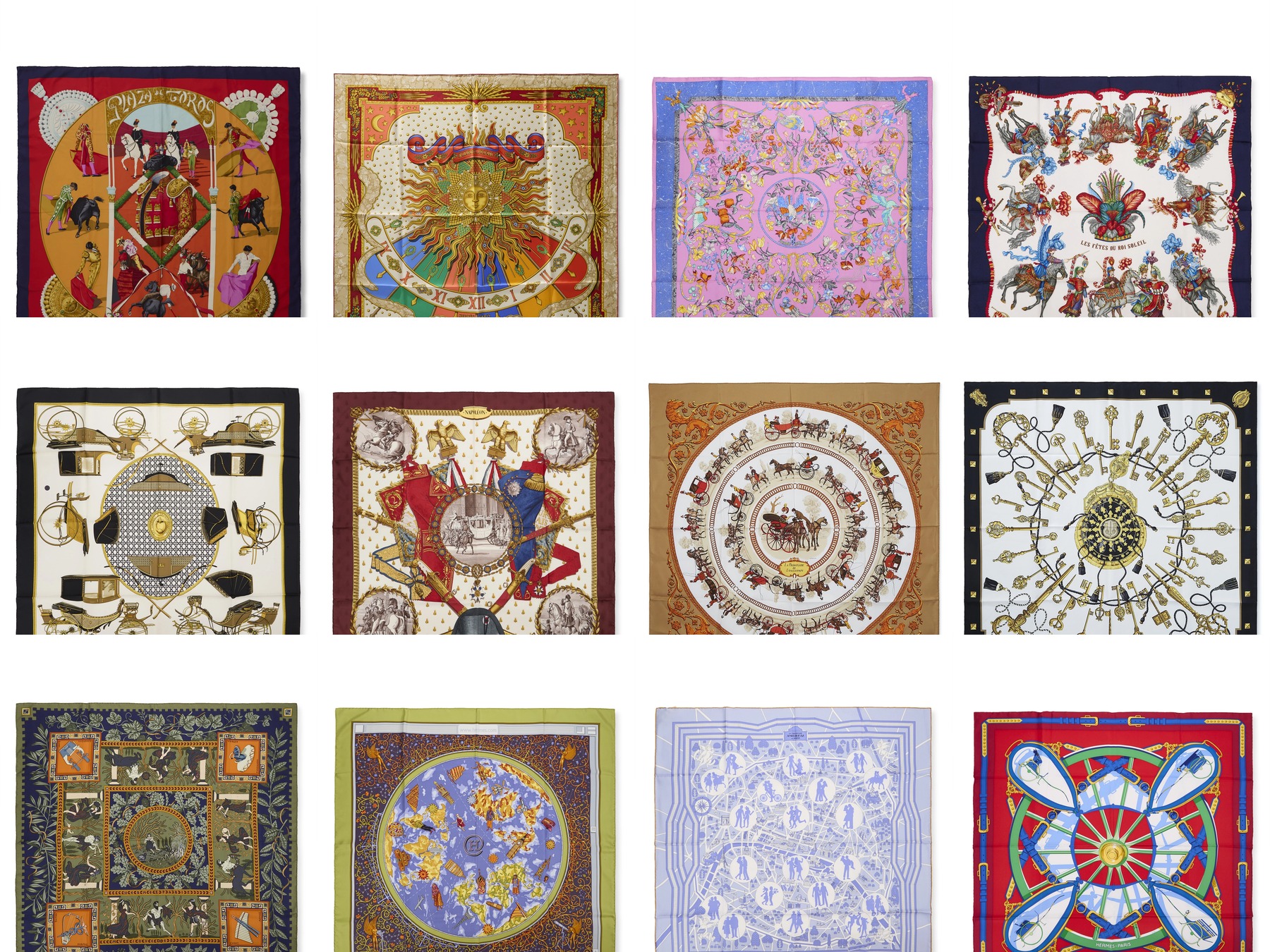
Secondhand Silk My Favs
My sixteen selects of scarves below are all ninety centimetre squares, split into two price bands