Oliver Peoples opened its first boutique on Sunset Boulevard in West Hollywood in 1987, built around a lot of vintage American eyewear parts founder Larry Leight found in an estate collection. This edit groups the range by lineage, the aviators, the cat eyes, and the quieter D frames.

Oliver Peoples Sunglasses and Eyewear
A Sunset Boulevard Start
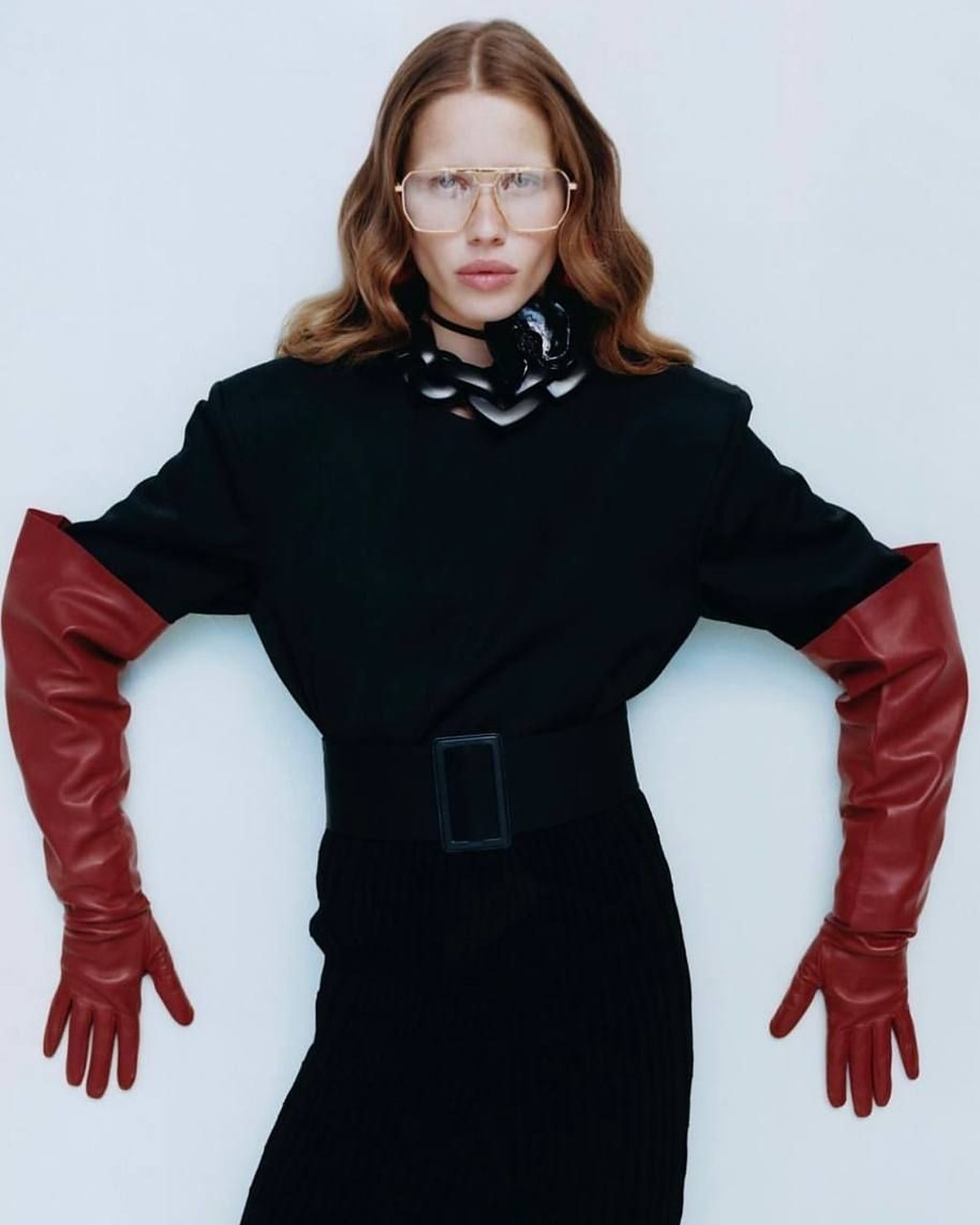
Oliver Peoples opened its first boutique on Sunset Boulevard in West Hollywood in 1987, founded by Larry Leight after he came across a lot of vintage American eyewear parts, lenses and old machinery in an estate collection. Rather than chase the loud, brightly colored geometric eyewear of the era, Leight built a first collection around that vintage stock, favoring discreet detailing over a front-facing logo. These aviators keep that reference intact, but the proportions feel made for now rather than costume. The Paul Newman Sunglasses stay closest to the original acetate idea, while the + Jil Sander aviator-style gold-toned sunglasses read dressier in metal.
The + Jil Sander aviator-style gold-tone titanium sunglasses split the difference, keeping the aviator shape but in a lighter, more matte metal. Either way, the shape works because the bridge and temple stay fine, so the frame never competes with the face.


Cat Eyes With Restraint
Oliver Peoples built its first collection as a deliberate alternative to the loud eyewear of the late 1980s, and the cat eye and round shapes here carry that same restraint forward through softened angles and fine metal. The Lerrue cat-eye acetate sunglasses read the most directional of the group, while the + Khaite 1994C round-frame metal sunglasses feel closer to an old reading glass reinvented for the street. The + Khaite 1963C cat-eye acetate sunglasses sit between the two, structured but still soft at the corners. The + Khaite 1989C round-frame acetate and gold-tone sunglasses add a little warmth through the gold-tone trim. Both shapes work best on a face that wants some character without a heavy frame.


Frames Built For Daily Wear
The house's reputation rests less on a front-facing logo than on the frame itself, discreet detailing over branding. The Sonia D-frame acetate sunglasses and the Rueny D-frame acetate sunglasses read more architectural than a round lens, built to be worn often rather than saved for one outfit. The + Khaite 1974C D-frame acetate sunglasses keep that same shape with a slightly softer edge. The + Jil Sander aviator-style silver-tone sunglasses take the original gold aviator and cool it down, a quieter version of the same idea. None of these need a logo to read as considered.


A Signature, Not A Billboard
Oliver Peoples understood early that eyewear could be a signature without turning into a billboard, and the frames here still prove it across three different shapes. The aviators carry the most history, tracing back to the original Sunset Boulevard boutique, while the cat eyes and D frames update that same restraint for a face that wants something softer or more architectural. None of the collaborations change the frame's basic manners, they only shift the material or the proportion slightly. That consistency is rare in an eyewear market that usually chases a new silhouette every season. Start with the shape that suits the face rather than the name attached to it, and let the frame stay the quiet part of the outfit.
To round out the look, see DIFF EYEWEAR Sunglasses and Sunglasses That Suit Most Faces.