A pea coat started as naval weather gear, and the U.S. Naval History and Heritage Command traces the name from pilot cloth to p-jacket to pea coat, a term used since 1723. A London cutter's guide in 1825 described pea jackets in six sizes. Here is how to choose a pea coat that keeps you warm and keeps its shape.

Pea Coat: The Navy Jacket Named for a Cloth
A coat named for its cloth
The U.S. Naval History and Heritage Command traces the name from pilot cloth, sometimes called P-cloth, to p-jacket and then pea coat, and says the term has been used since 1723. A London clothing cutter's guide from 1825 described pea jackets in six sizes, according to USS Constitution Museum historian Matthew Brenckle, who also documents a Boston tailor supplying kersey pea jacketts to pursers at the Charlestown Navy Yard after the War of 1812. A pea coat is workwear that decided to stay.
What defines it
A pea coat is short, double-breasted and made of heavy wool. It usually has wide lapels, vertical pockets and anchor or plain buttons. The wool should be thick and closely woven. A wool and cashmere blend is softer and a melton wool is the classic. Check the lining and the strength of the buttons.



Fit and layering
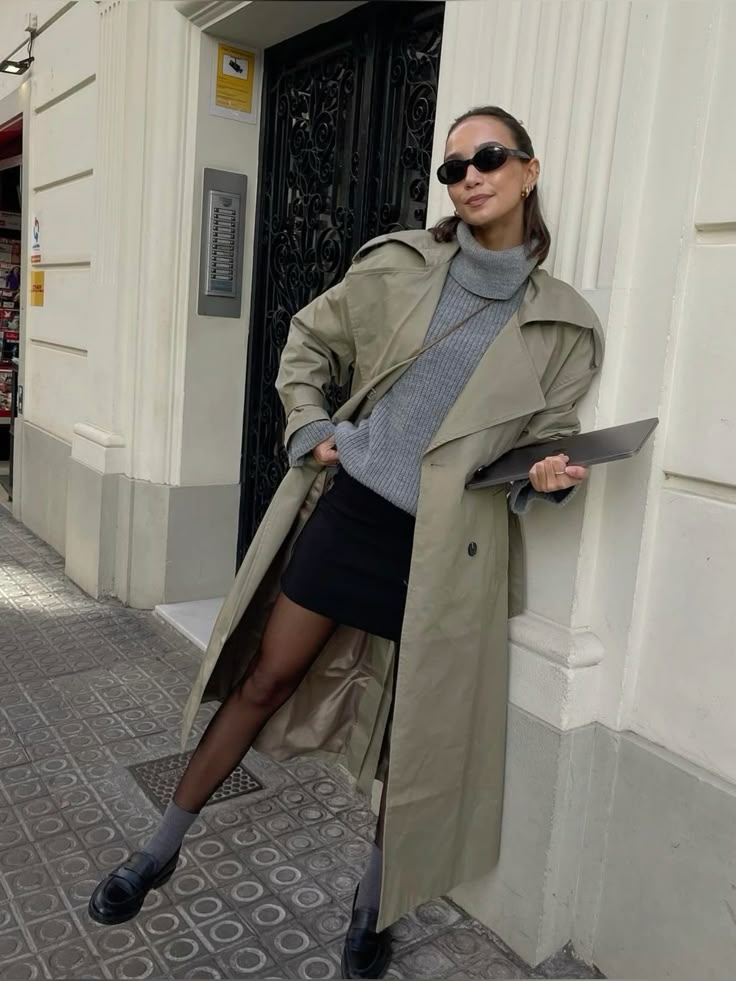
The coat should end at the hip or upper thigh. The shoulders should sit at your shoulder line, and the sleeves should allow a sweater. Picture her in a navy pea coat, a gray scarf and boots, hands in her pockets on a windy platform. Button it fully in storms and leave it open for milder days.



Color and styling
Navy is the classic. Black is sharp, camel is warm and gray is understated. A pea coat works with jeans, wool trousers and skirts. Keep the proportions neat because the coat is already substantial. A knit hat completes it.


What I would skip
I would skip a pea coat with thin, felt-like wool that pills quickly and a cut that is too boxy at the shoulders. A pea coat should be warm enough to forget about the weather.