Pikolinos brings ankle boots, tall shafts, sneakers, sandals and leather accessories into one edit, with its Elche roots and Maasai collaboration in view. I like how its leather story puts the small construction details ahead of a grand fashion claim.
Pikolinos: The Spanish Shoe Story With Two Beginnings
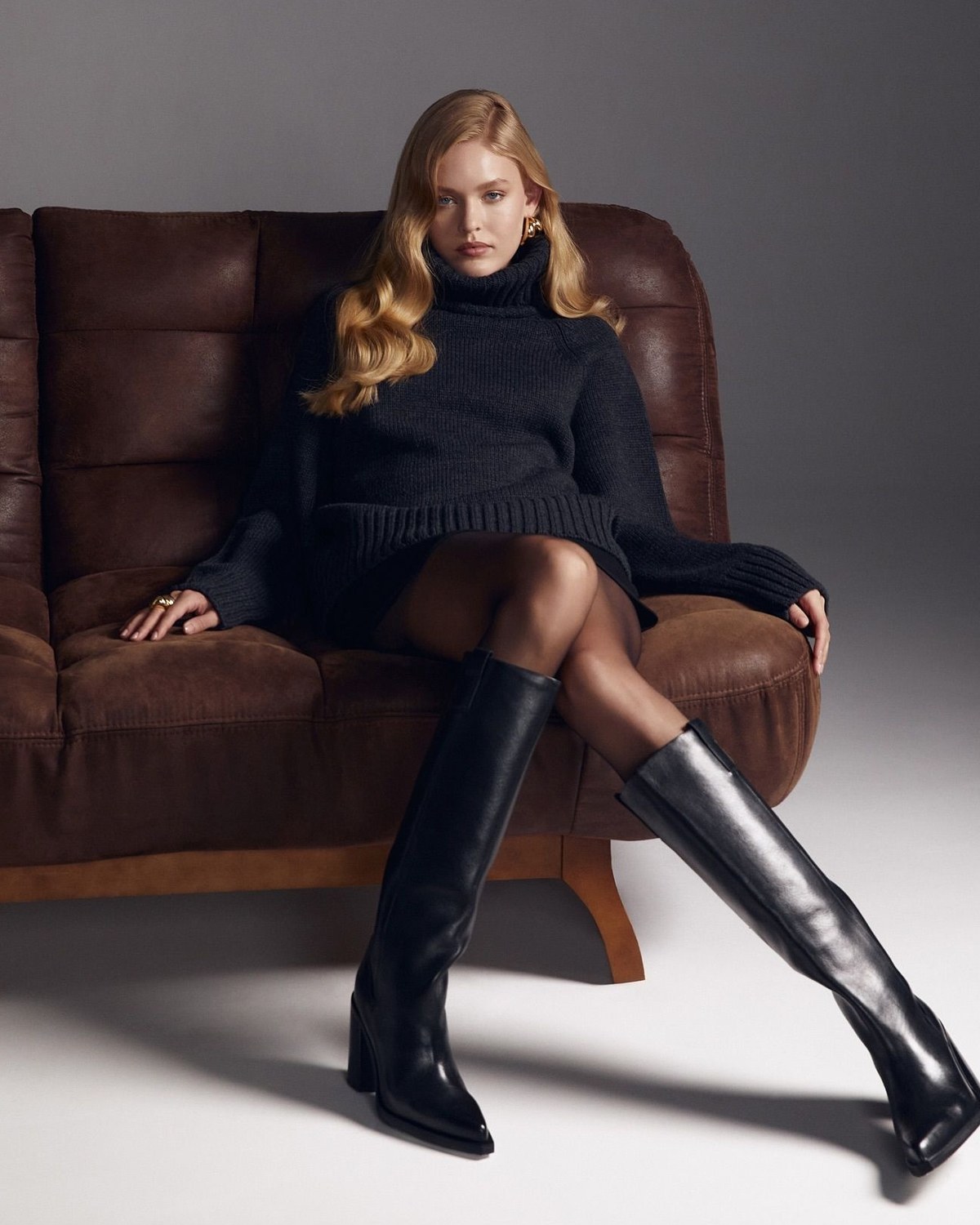
The story began twice
Juan Perán founded Nueva creación de Perán in Elche in 1978. When the factory burned in 1984, the company was reborn as the Pikolinos brand, and its essence page credits Juan Perán and Rosario Bazán as founders that year. That is a more interesting beginning than a simple anniversary: a place, a founder, and a second start.
Leather is where I find the clearest point of view. The brand describes a process of making each shoe unique, carefully crafting each step to give its products character. It treats its own cowhide at Pies Cuadrados, its leather center in Alicante, where it develops colors and textures. I like that this story is concrete: a material, a place, and work done before a shoe reaches a closet.
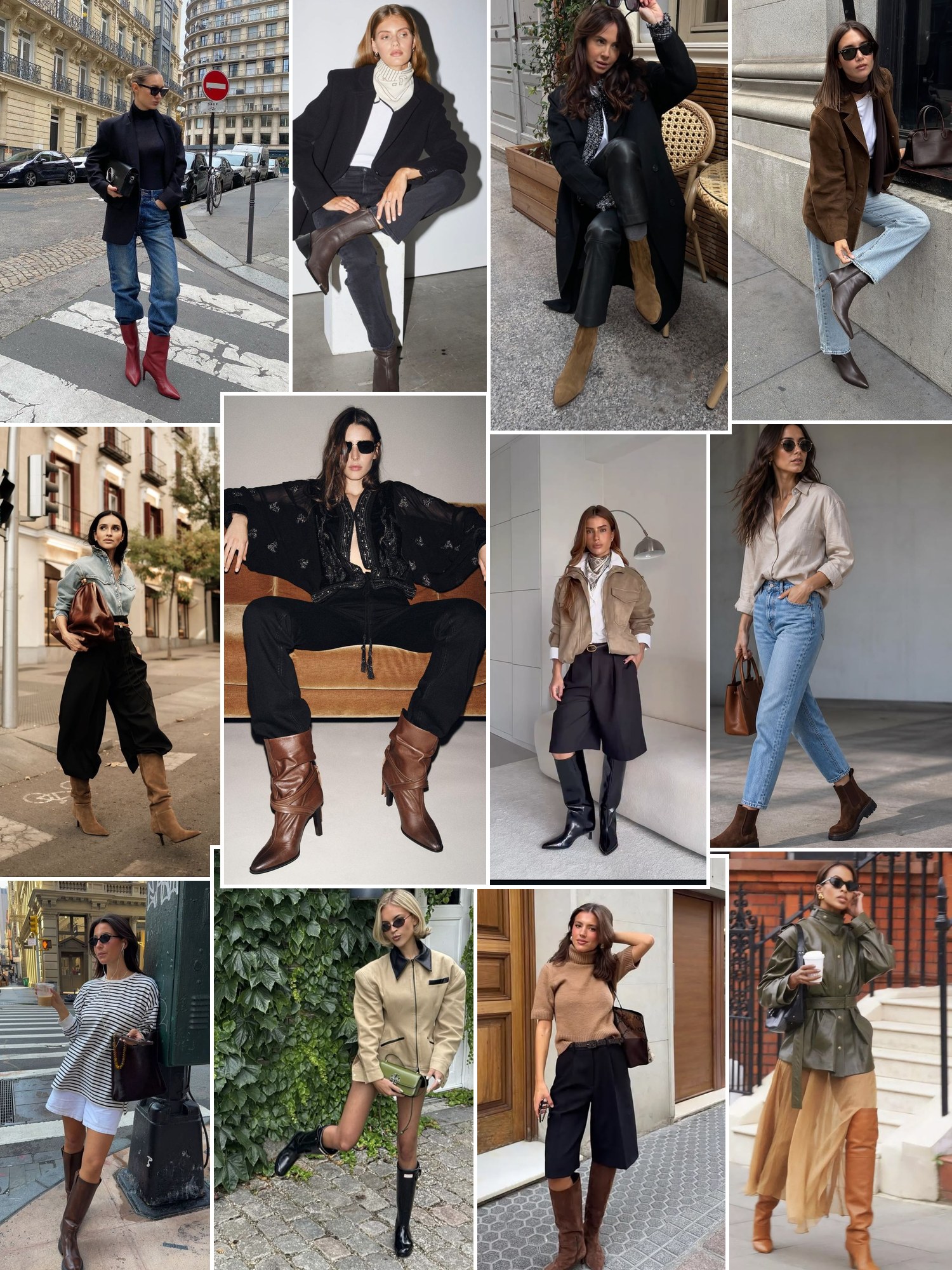
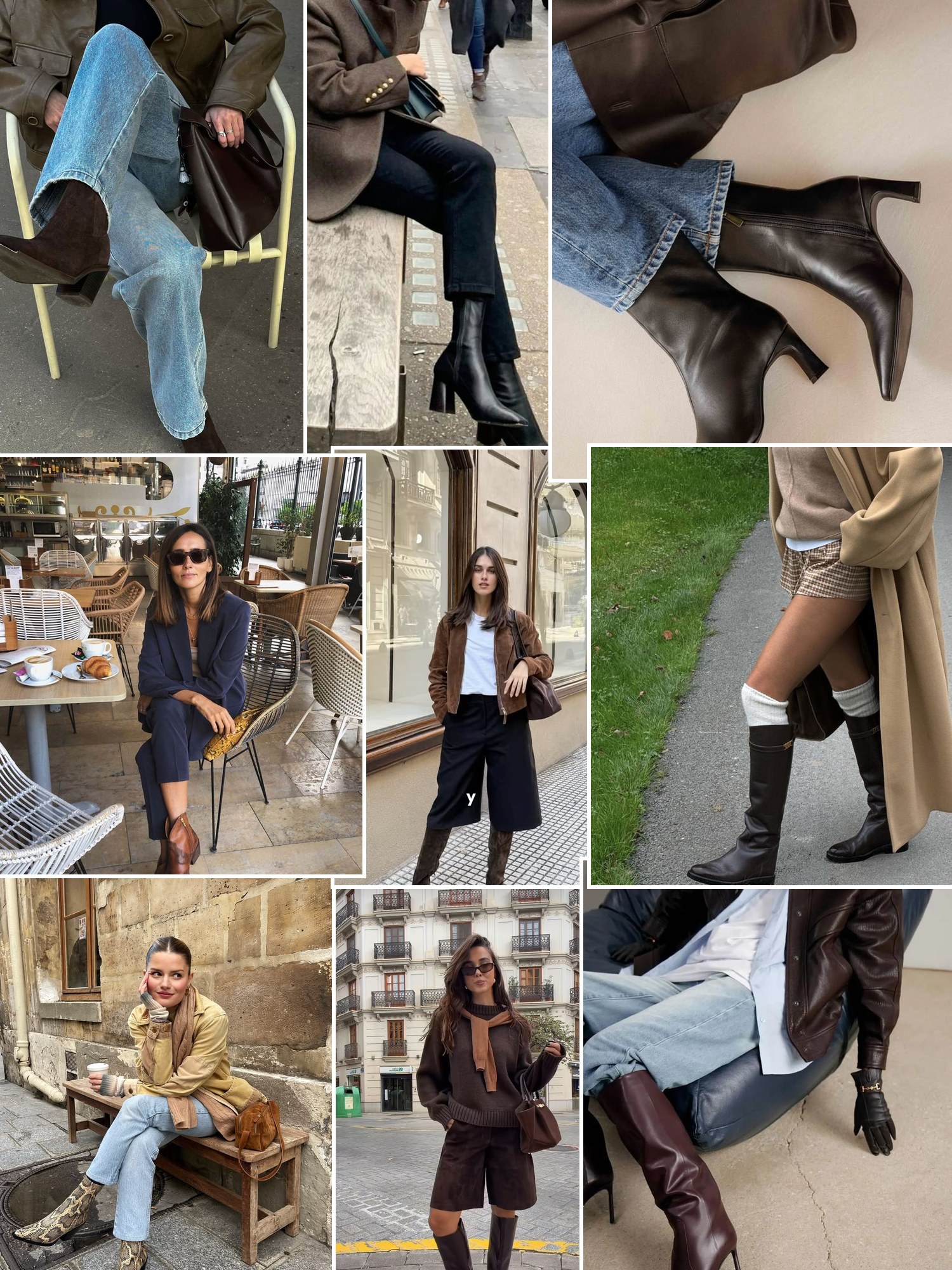
For the first cold mornings, I would build an outfit around the black Llanes Heeled Lace-Up, with its 6 cm heel, or the stone Calafat Buckle with its low wide heel and inner zipper. The caoba Puertollano gives a flatter option with an almond toe and metallic side detail, while the cuero San Sebastia brings a lace-up front and spacious fit.
I would reach for the black Medina when I want another lace-up shape with an inside zip and cushioned insole. With any of these, I would check where the ankle opening lands against straight jeans or a midi hem before deciding which silhouette is doing the work.
Pikolinos ankle boots

Llanes Heeled Lace-Up Ankle Boots
Pikolinos
$240

Puertollano Flat Ankle Boots
Pikolinos
$240

Calafat Buckle Ankle Boots
Pikolinos
$230

San Sebastia Mid-Heel Ankle Boots
Pikolinos
$240

Medina Lace-Up Ankle Boots
Pikolinos
$250

Daroca Heeled Ankle Boots
Pikolinos
$230

Calafat Classic Ankle Boots
Pikolinos
$220

Llanes Heeled Ankle Boots With Track Sole
Pikolinos
$230
Tall boots with a hem plan
The shaft is the first thing I would judge in a tall boot, because it decides what a skirt hem can do. The Romana arrived as the brand's star style in 1985, inspired by Italian fashion, an early clue that the label was never only about practical footwear.
The black and cuero Daroca high boots both have almond toes, zippers and 4 cm heels, so I would compare the colors against the coats already in rotation instead of pretending they are different silhouettes. Zamora's black wrinkled leather is an entirely different note, with its buckle and 2 inch heel; the taupe suede version softens the same mid-calf outline. Medina Chelsea boots in caoba, cuero or black add elastic side panels, slip-on entry and a 4.5 cm heel.
I would pair the Daroca with a straight skirt and opaque tights, then let the richer shade of Zamora sit next to denim. What I would skip: a tall shaft that lands at the widest part of the calf under a skirt hem. Check shaft height against the exact dress or jeans you plan to wear, not against a photograph. With a Chelsea, inspect the elastic panel and test the ankle bend while standing and seated.


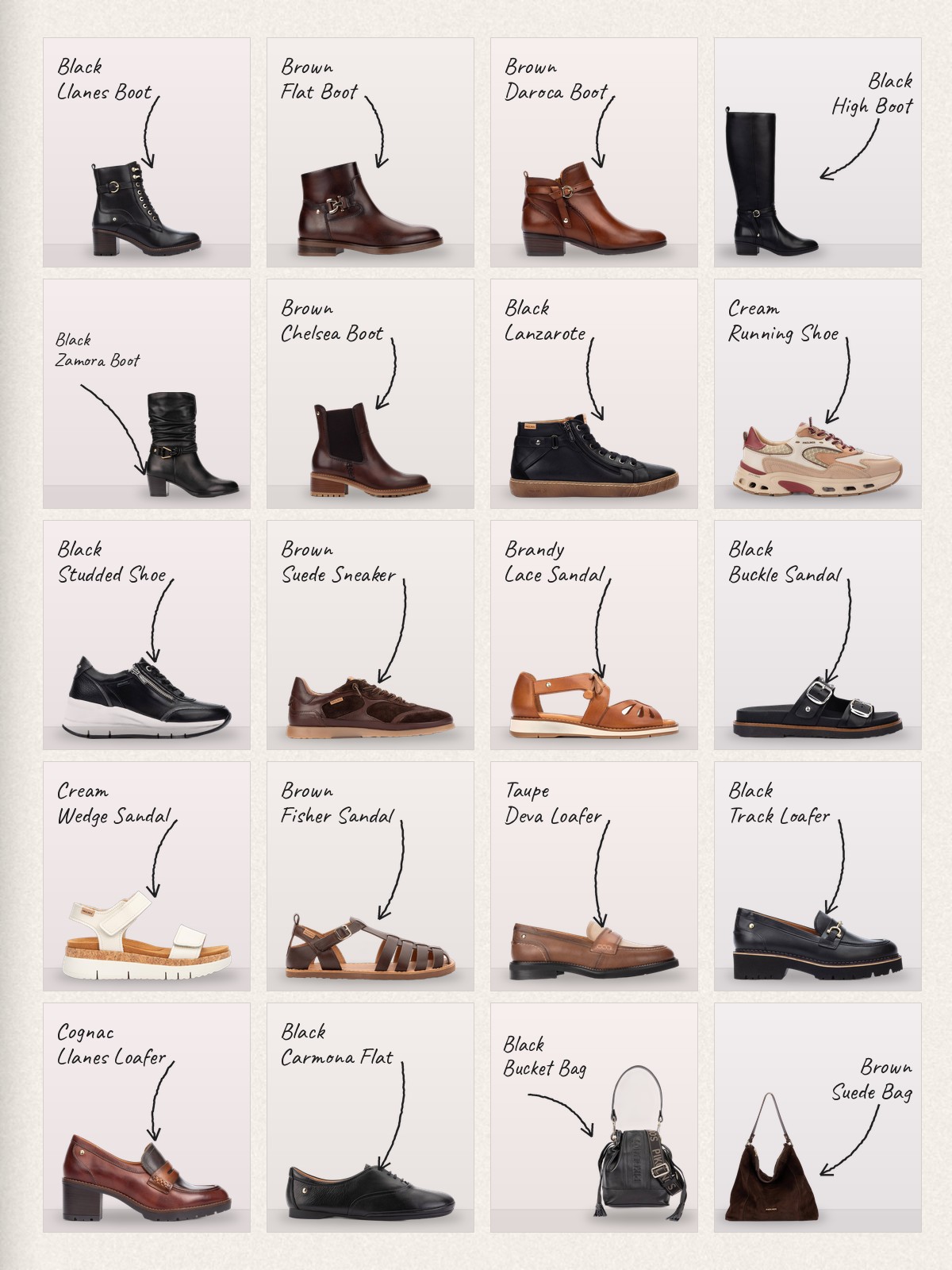
Sneakers with small decisions
A sneaker with a zipper as well as laces is useful when you want a familiar shape without committing to one mode of entry. The company says it has carefully crafted each process to give every shoe character since 1984; in this group, I read that as a handful of small decisions rather than one loud silhouette statement.
The Alava in brandy has elastic laces, a wide anatomical shape and removable EVA insole. The black Lanzarote takes the high-top route and adds a side zipper; the caoba Viana keeps to a thin two-tone sole and removable Memory Foam insole. For a lighter-looking outfit, I would put the nata Balerma running-inspired sneaker under a long trouser, where its perforated foam cushioning and leather upper can do the contrast work.
Marfil Albal comes with double laces, so I would keep a second lace color in mind when choosing the outfit palette. Girona has studs, a lightweight wedge and a zipper, while Denia uses supple suede and elastic laces, and Cantabria pairs a zipper with laces. Before choosing, I would check whether the insole is removable if I plan to swap it, and whether the closure works with the socks I actually wear.

Alava Elastic-Lace Sneakers
Pikolinos
$190

Lanzarote High-Top Sneakers
Pikolinos
$195

Viana Sneakers With Thin Sole
Pikolinos
$195

Balerma Running-Inspired Sneakers
Pikolinos
$225

Albal Technical-Sole Sneakers
Pikolinos
$220

Girona Sneakers With Zipper
Pikolinos
$195

Denia Lace-Up Flat Sneakers
Pikolinos
$210

Cantabria Lightweight Sneakers
Pikolinos
$205
Sandals by strap and heel
An open shoe asks for a different kind of planning: I would think about the strap map before choosing the heel height. The Foundation launched an international project with the Maasai community in Kenya in 2009; a later project page describes Maasai women hand-embroidering leather in Kenya and Tanzania. That is a real collaboration with its own history, not a decorative flourish I would lazily assign to every sandal in this section.
Roquetas in brandy has a lace-up closure, while black Aitana uses a buckle and an ultra-light sole. The black Navia's elastic closure keeps the upper simple; the nata Palma wedge brings a 4.5 cm heel. Olmo Betera is the barefoot fisherman shape with wraparound straps and a thin flexible sole. Gomera has a 6 cm heel, Marina a 5 cm platform, and Mahon the shortest heel here at 3.2 cm.
I would put the Roquetas under a full skirt and the Betera with cropped denim, leaving the straps visible. What I would skip: the tallest wedge when the plan includes uneven ground or a lot of stairs. Check where each strap sits at the toe and around the ankle, then move through a normal step before committing to the height.

Roquetas Flat Lace-Up Sandals
Pikolinos
$175

Aitana Buckle Flat Sandals
Pikolinos
$175

Navia Elastic-Closure Flat Sandals
Pikolinos
$160

Palma Wedge Sandals
Pikolinos
$175

Betera Barefoot Fisherman Sandals
Pikolinos
$164

Gomera Wedge Sandals
Pikolinos
$190

Marina Wedge Sandals
Pikolinos
$185

Mahon Wedge Sandals
Pikolinos
$175
Loafers flats and bags
The brand's history points to hand-sewn decorative stitching on its Jerez design, a useful clue that visible finishing matters alongside shape. I would look at the upper seams and the meeting of sole and leather first, then decide whether a loafer should read spare or substantial.
The topo Deva keeps a leather loafer profile with an ultra-light sole; the black Aldaya penny loafer adds a removable insole, while Vicar's thick track sole makes a stronger line with straight trousers. Llanes is a different proposition, a cognac mid-heel loafer with a 6 cm heel and a zipper. The black Carmona is a lace-up flat with a wide toe box, and Denia ballet flats keep to a 1.5 cm heel and removable cushioned insole. For the bags, the black Alcudia bucket has a drawstring and magnetic snap, while the olmo Frias suede drop bag is medium size with a long handle.
I would wear Vicar with cropped trousers and keep Frias against a simple coat so its drape has room. My buying test: check the toe shape from above, especially in the flats; for a bag, test the opening and handle length against what you carry on an ordinary weekday. If the plan is hands-free, choose the bag whose strap and closure actually suit it.


Boots first, then the rest
If I were editing this down for October, I would start with a boot whose shaft works with the skirts and jeans I already reach for, then add a sneaker for days when laces and a lower profile make more sense. Sandals only stay on the list if I have a warm-weather trip in sight; the flat styles do the in-between work.
Then I would choose one small detail to care about, the seam, the closure or the way the leather catches light. The company's history has two beginnings, Elche in 1978 and the brand after the fire in 1984. Some shoe stories really do need a second chapter. If you want to keep browsing, I also put together The Colorful Shoe Trick for Neutral Outfits and Designer Shoe Sizing.






