Should you buy two of the same basic? Often, yes, if the item solves a recurring problem and you will wear it in more than one setting.
Plain Basics Worth Owning Twice
When duplication earns its space
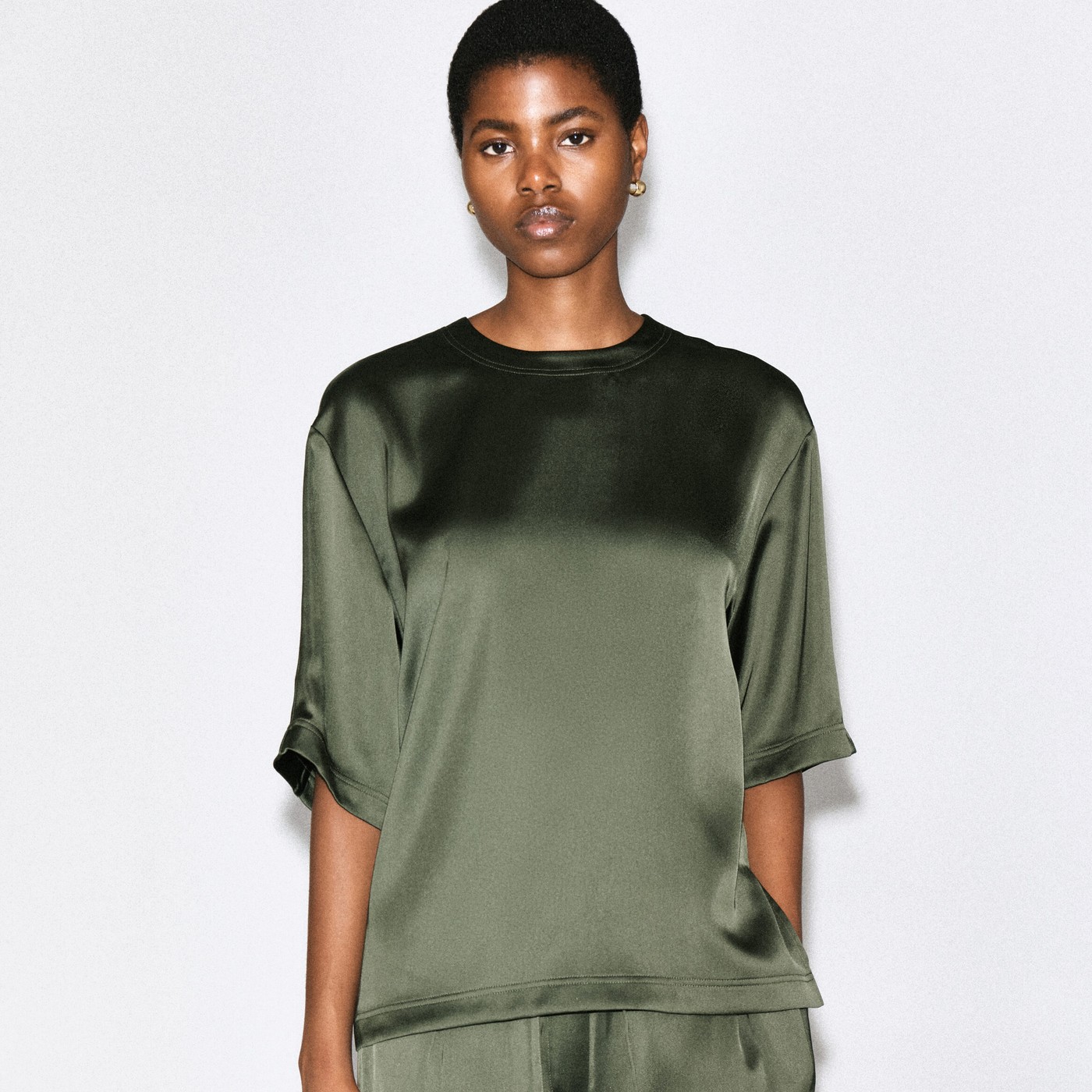
Should you buy two of the same basic? Often, yes, if the item solves a recurring problem and you will wear it in more than one setting. A second version can save time on laundry days, protect a favourite from overuse, or give you a choice between two colours without changing the shape that already works. The decision is less useful for pieces that depend on a narrow occasion or a difficult fit. Start with the garment you reach for without thinking, then check whether its fabric, cut, and care routine fit your actual week. COS pieces in this edit sit between $49 and $659, so duplication does not have to mean buying two expensive garments. A simple T-shirt can earn a second place through frequent wear, while a well-made coat may be better treated as the single anchor for several outfits. Before buying twice, consider whether you already own a close substitute, whether both versions work with your shoes and trousers, and whether you would still choose the item in a different season. Repetition is useful when it removes friction, not when it simply adds another hanger.
Fabric makes repetition useful
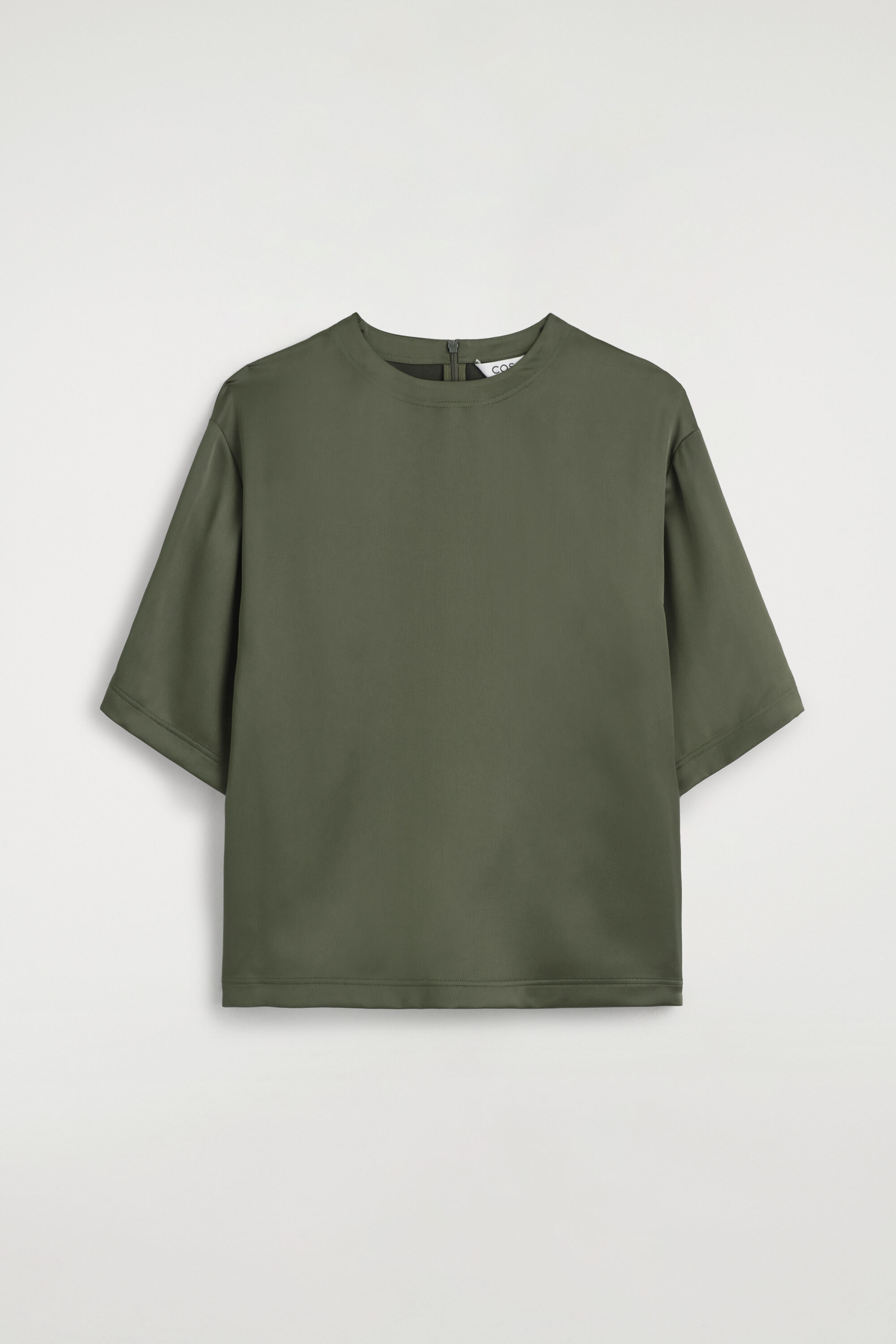
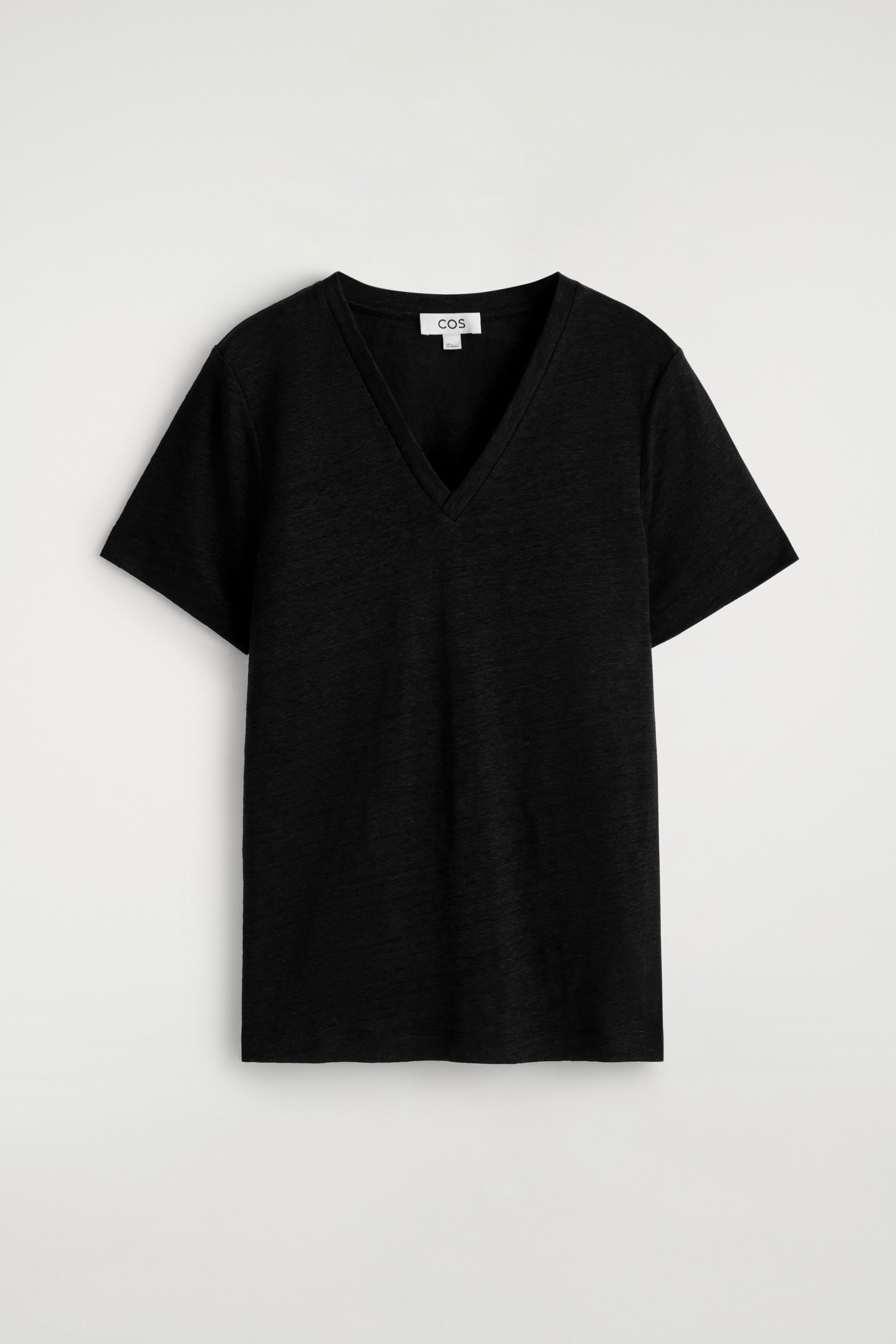
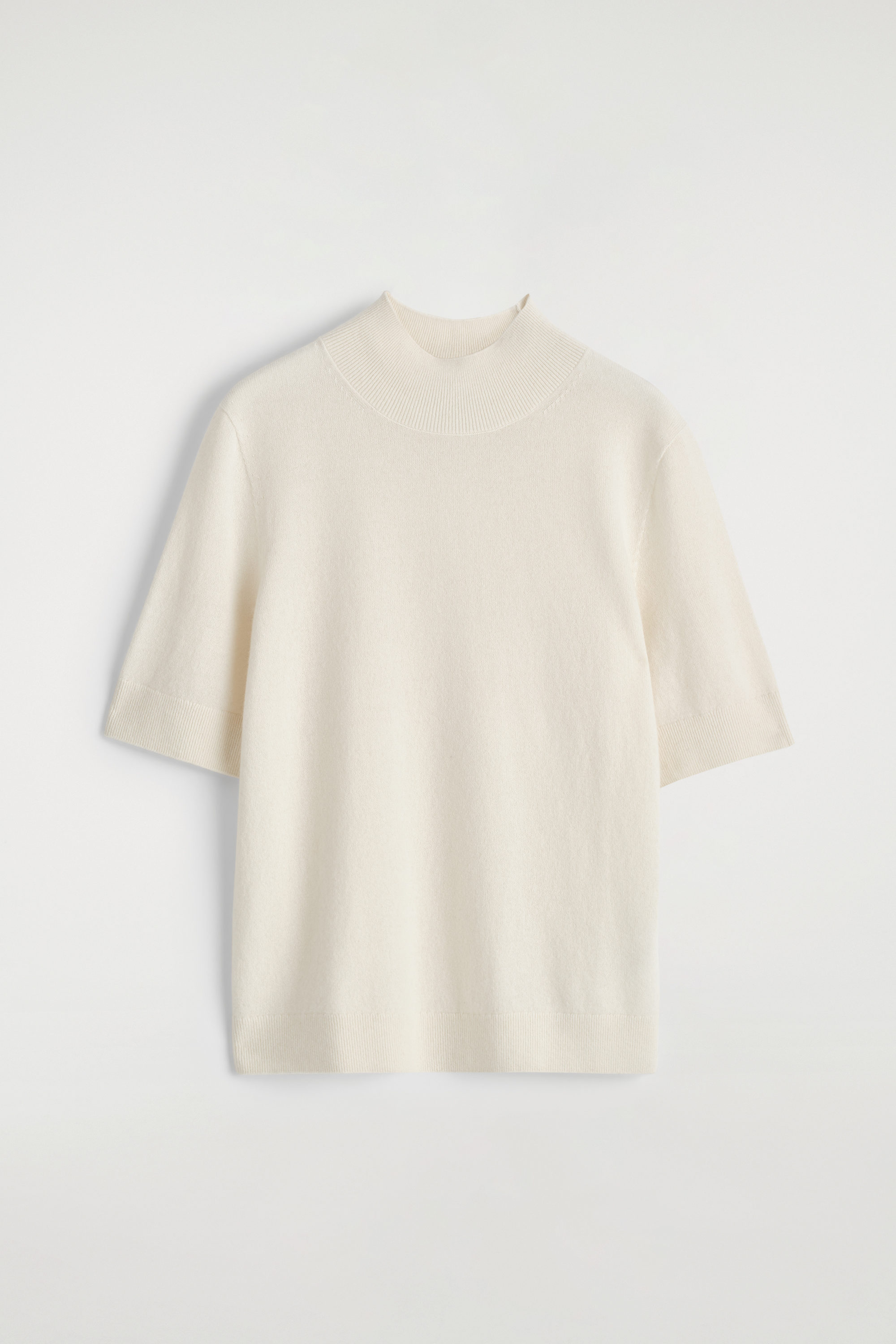
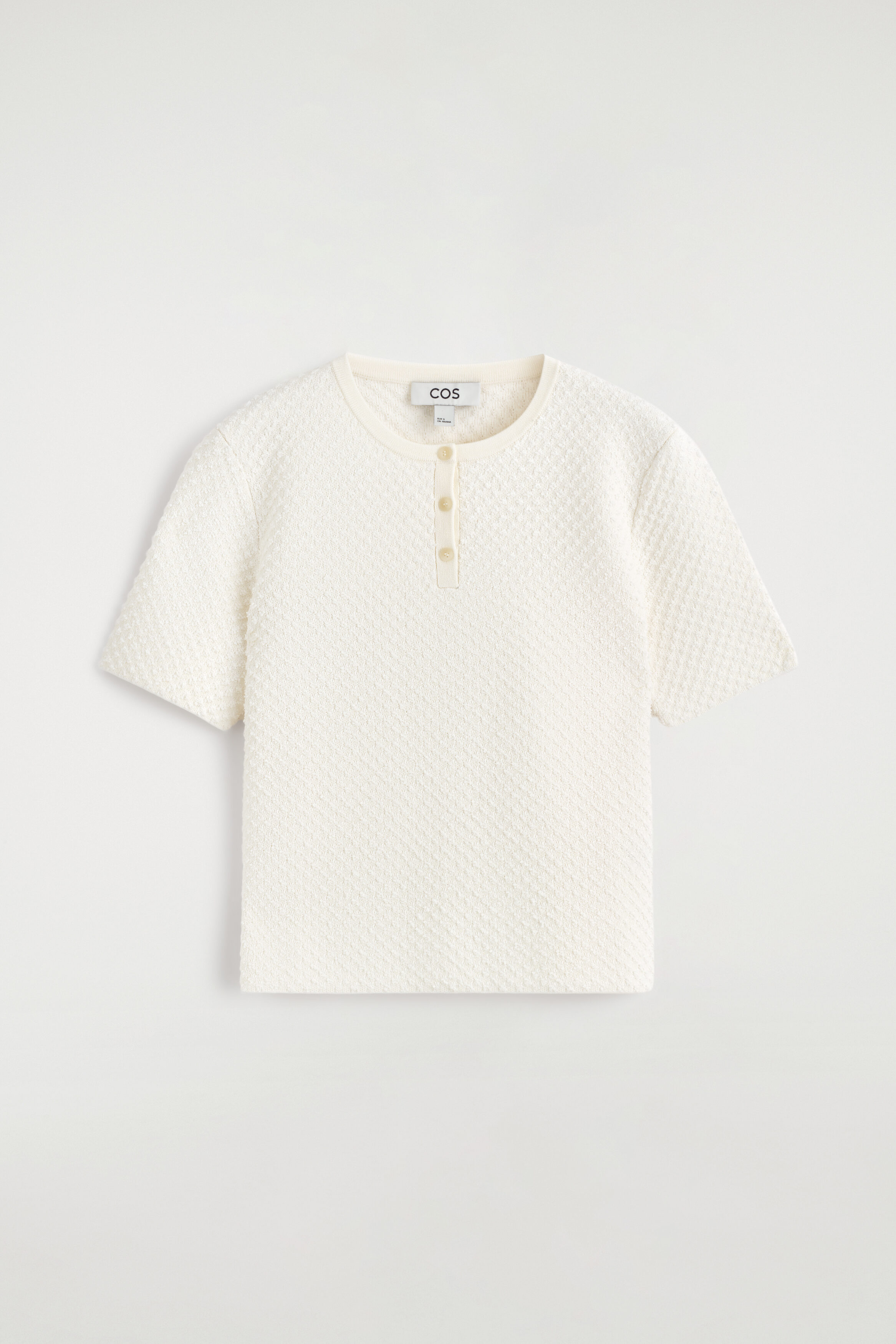
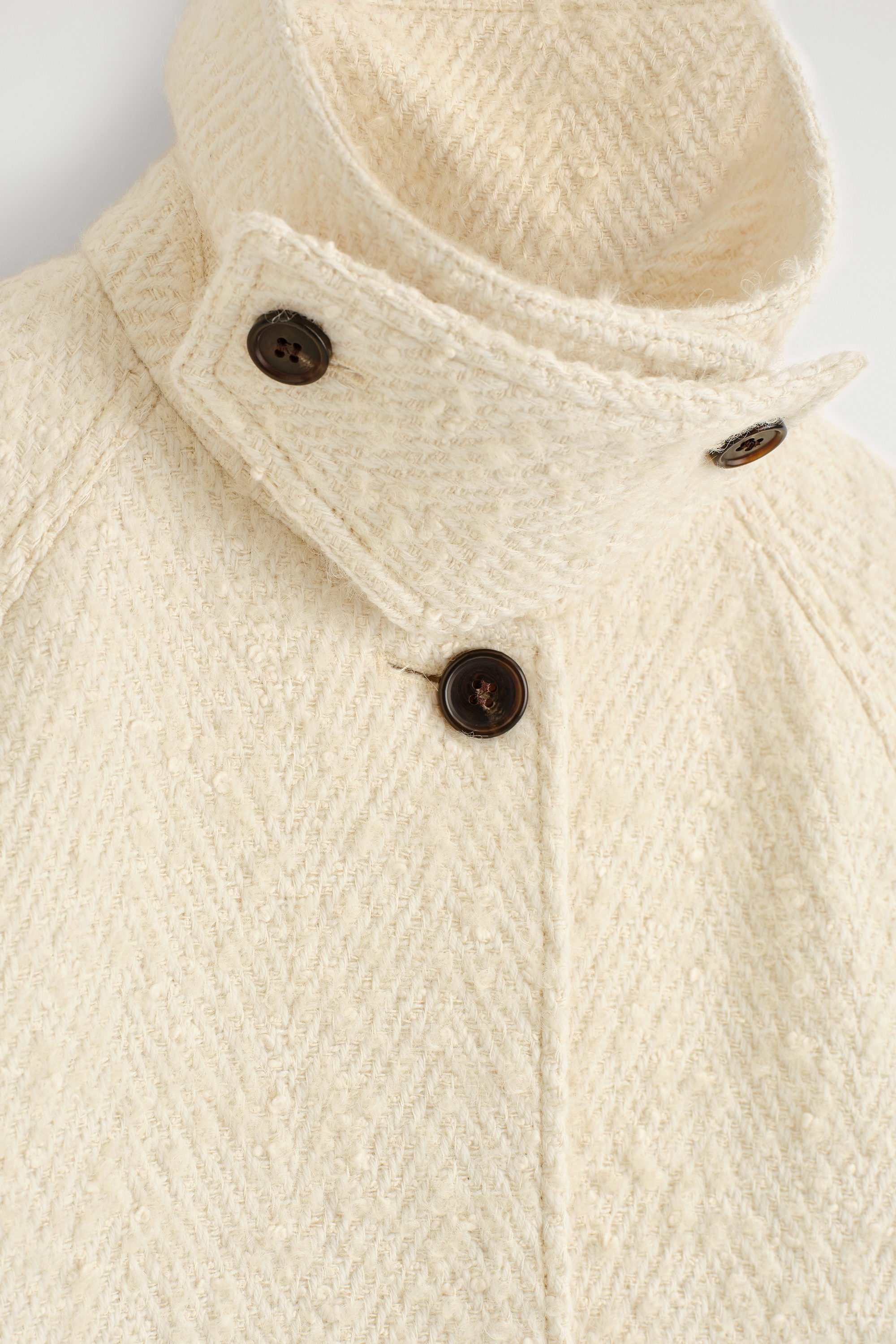
The strongest case for buying two basics usually comes from fabric performance. Linen softens with wear and washing, but it also creases, so a linen top can be valuable in two shades when you like a relaxed finish and want one available while the other is being laundered. Cashmere is warm for its weight, making a finer knit useful under a jacket or coat when bulk is a concern. Silk brings a smoother hand and a more fluid fall, while wool adds insulation and shape. These differences matter more than a label such as basic. The V-neck Linen T-shirt may suit warm days and loose tailoring, whereas a denser cotton or knit version could work better under layers. Think about care as well. If a garment needs hand washing or careful drying, two identical pieces may create more laundry rather than less. Buying two of the same basic makes sense when the fabric fills a clear gap, the fit is dependable, and the maintenance feels realistic. Choose colour pairs with intention, such as one neutral and one deeper shade, so the second item expands use instead of duplicating every outfit exactly.
Let shape set the daily rhythm
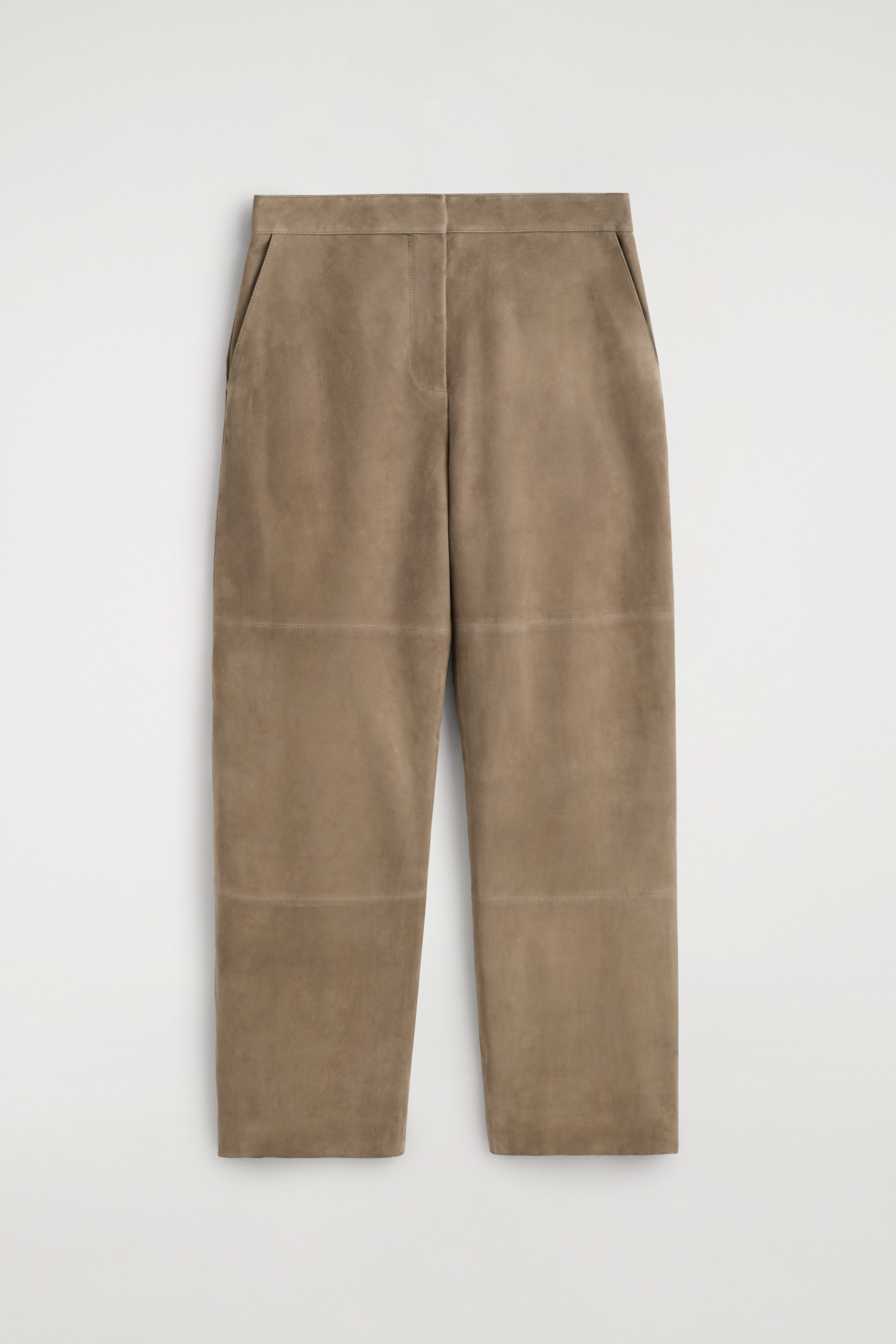
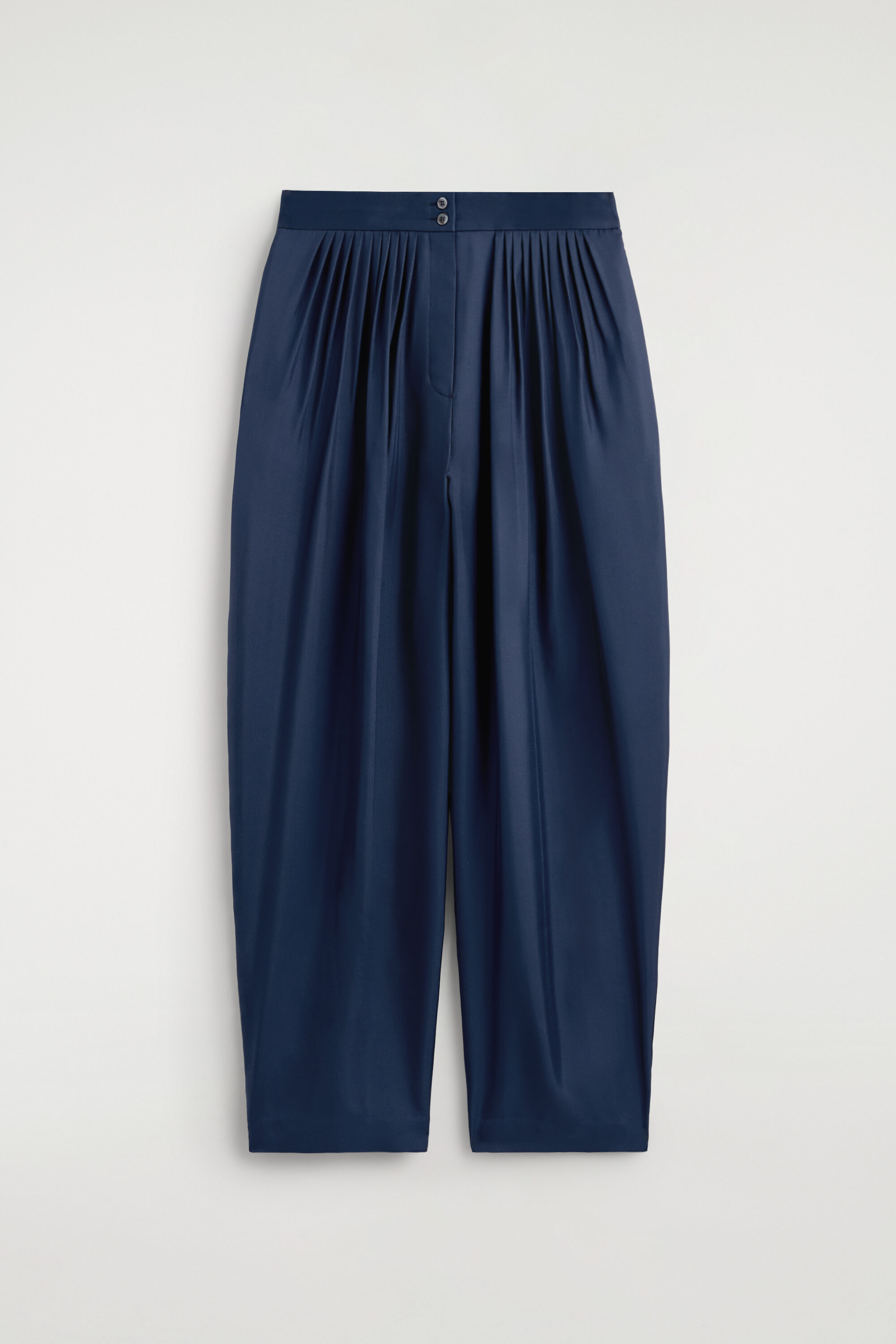
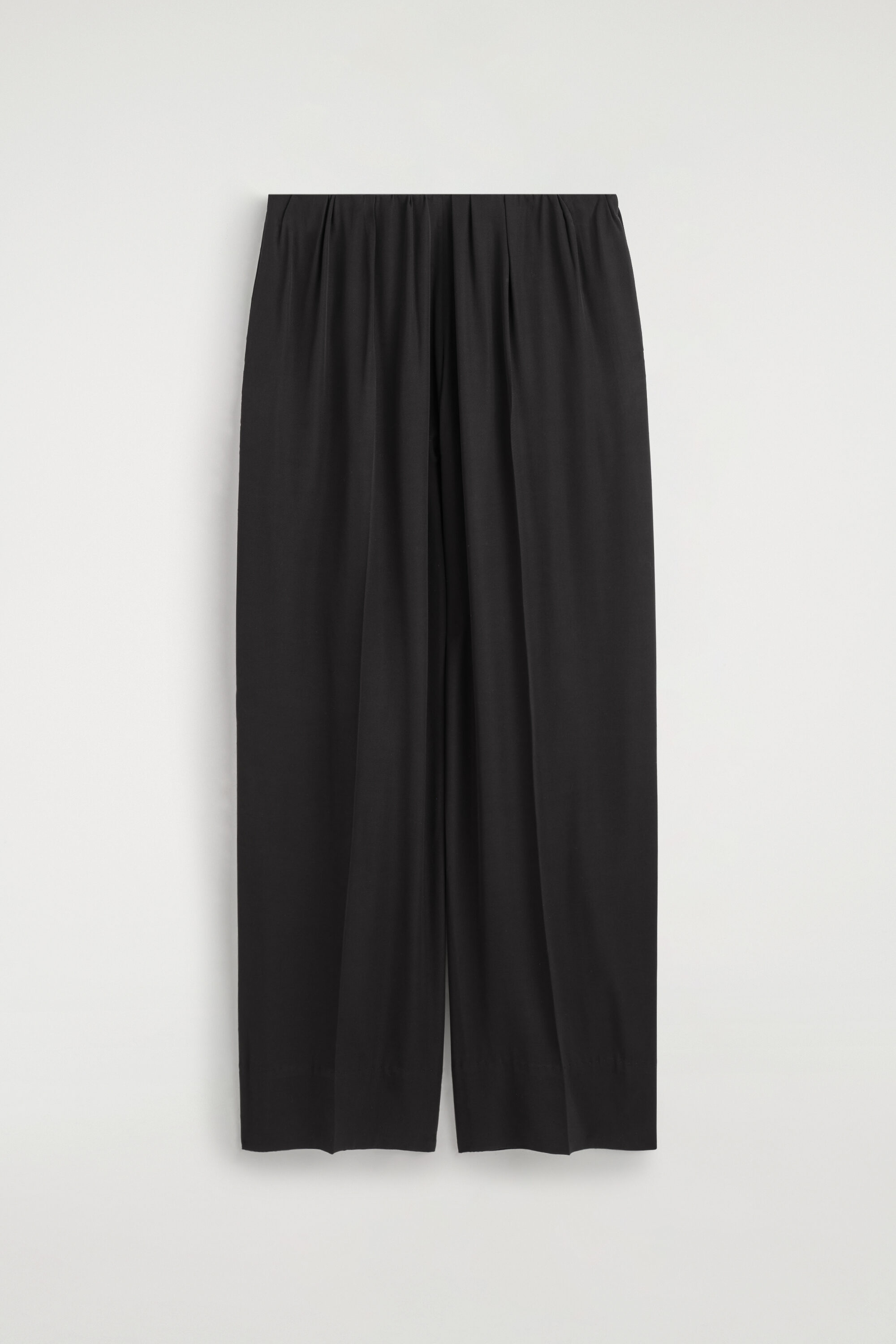
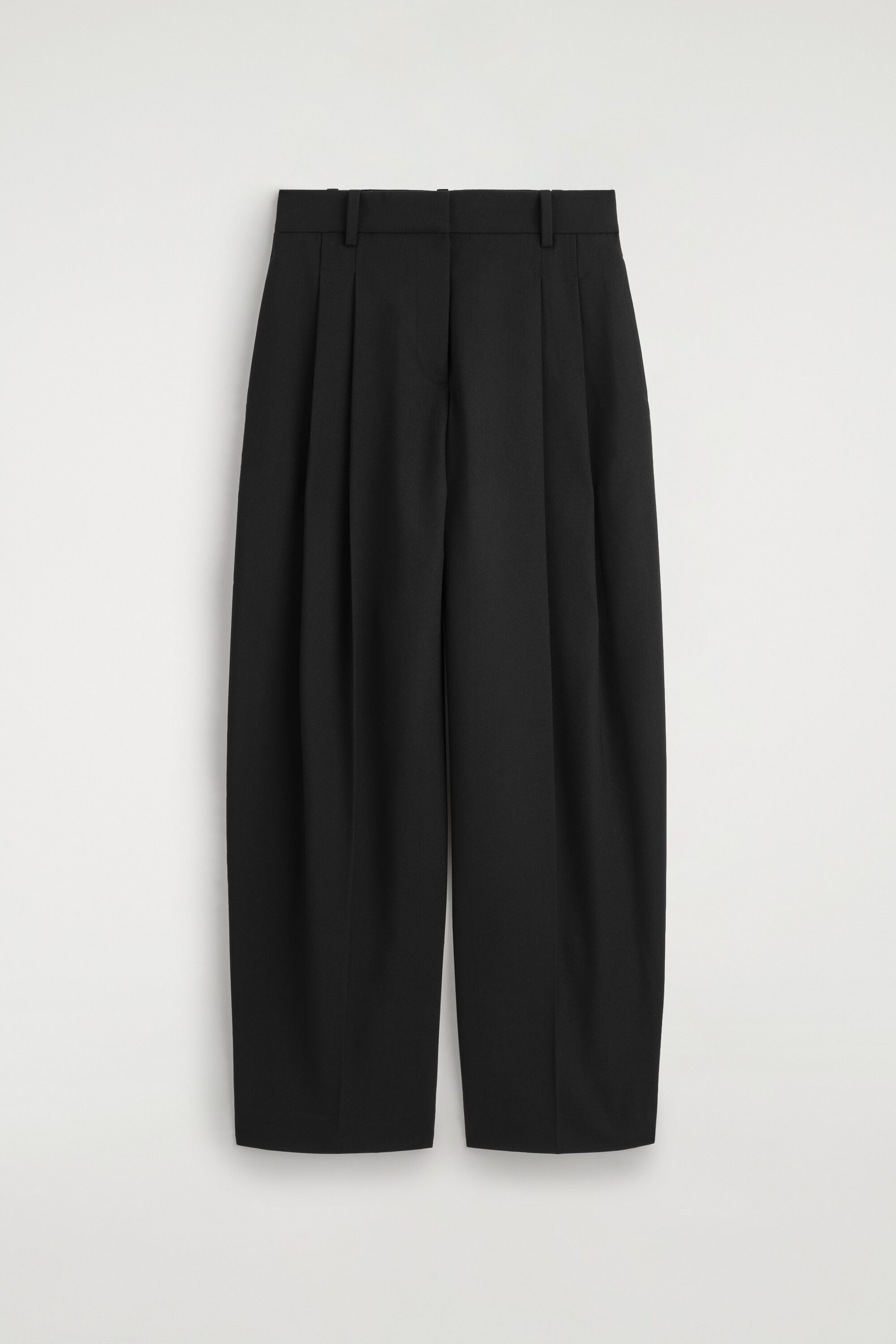
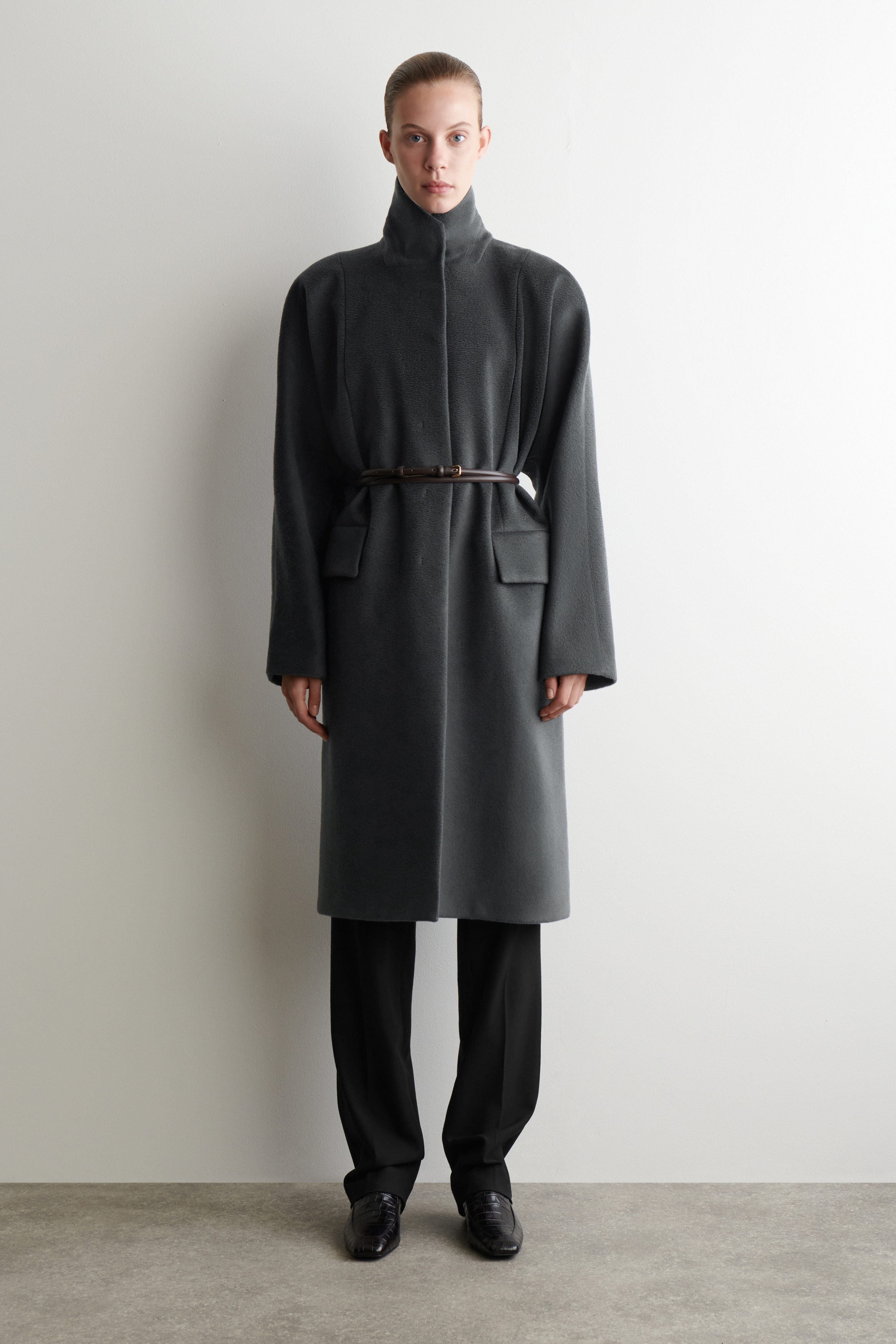
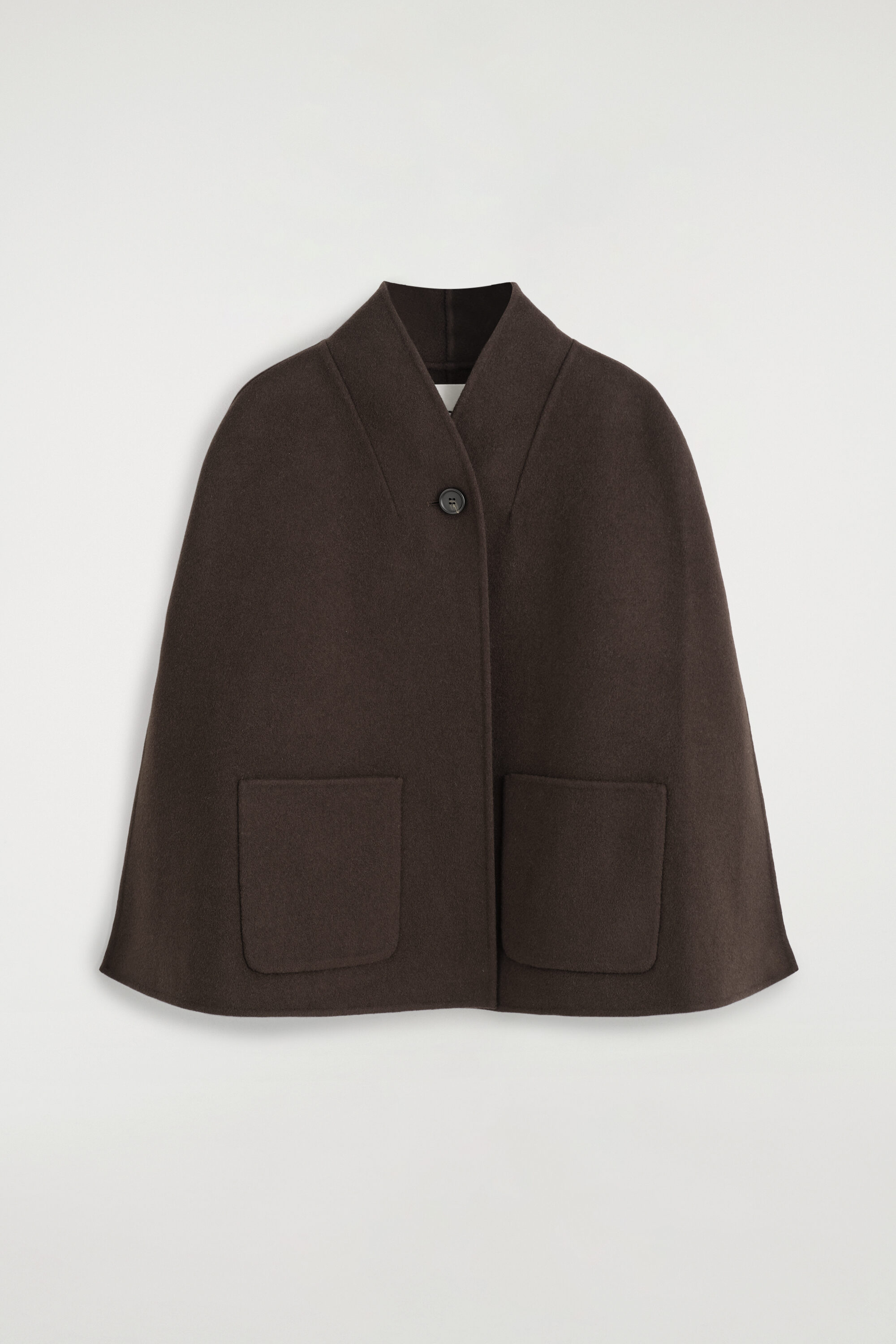
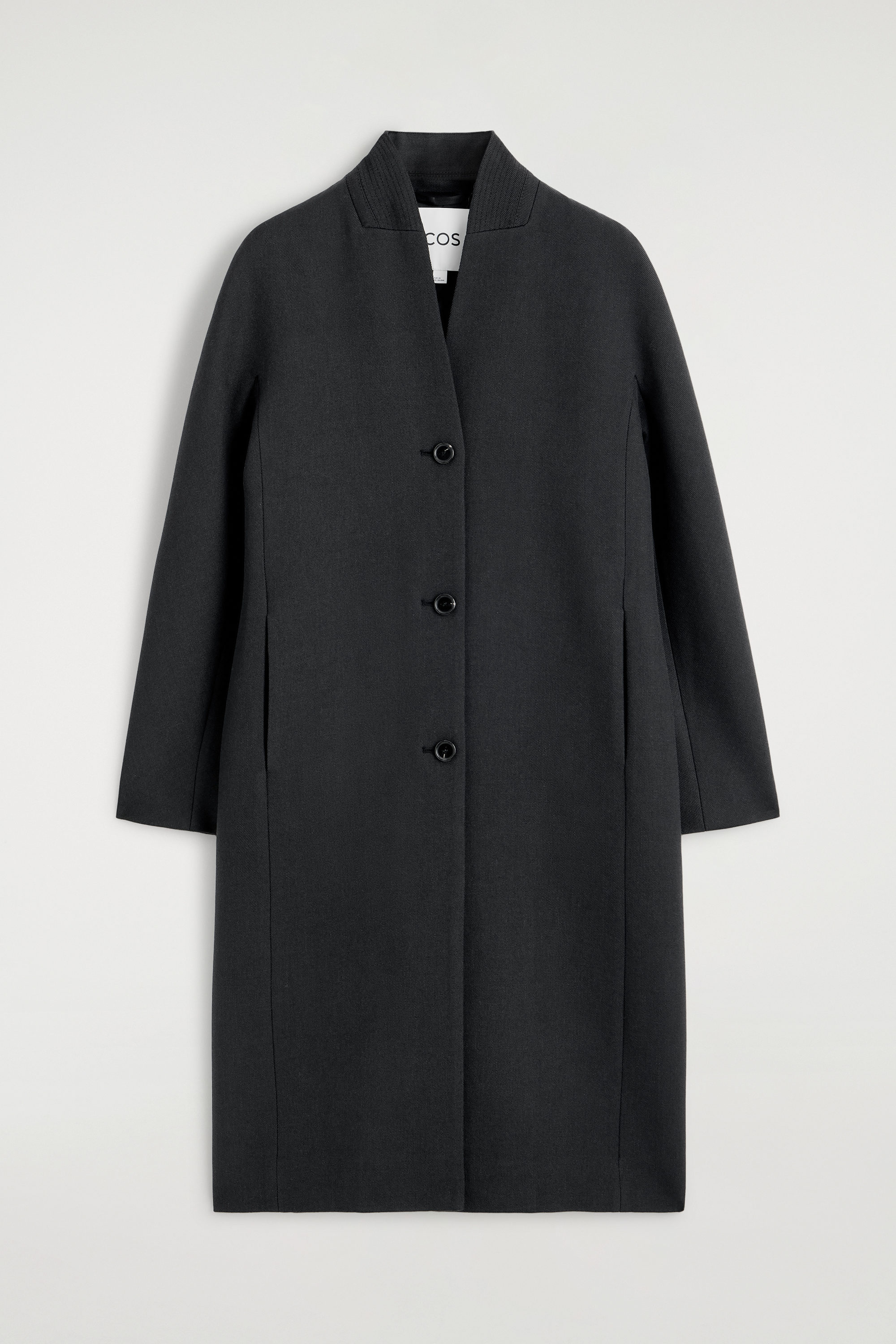
A compact wardrobe becomes easier to use when repeated basics connect different levels of formality. Straight-leg trousers can move from a relaxed top to a sharper jacket, while a fluid pair changes the mood without changing the proportions. The Elasticated Twill Straight-leg Pants offer a useful direction for days when comfort matters, but the rest of the outfit can decide whether the result feels casual or polished. Balance volume carefully. A wide or draped top works best with a cleaner lower half, while a fuller trouser can take a closer-fitting knit or shirt. Outerwear should provide another layer of choice rather than compete with every base piece. A single well-shaped coat can unify several combinations, especially when its neckline and length sit comfortably over the clothes beneath it. Look at your weekly schedule as a series of repeatable outfits: work, travel, errands, and evenings may share the same foundations but need different textures and finishes. When the proportions stay dependable, buying a second basic becomes a way to create more combinations from fewer decisions, rather than a reason to build an oversized wardrobe.
Our honest take
We think two of the same basic is worthwhile when the first has already proved its place in your routine. Start with frequency, not a feeling that you should stock up. A second colour can help, and a spare can be practical, but only if the cut works with the pieces already in your wardrobe and the care is manageable. COS gives this approach a broad price range, from $49 to $659, so the sensible answer will differ between a T-shirt and a coat. We would buy the repeat when it solves a real weekly problem, then leave the rest of the budget for a different texture or proportion. If you take one thing away, buy two only when the first basic is already doing useful work.