For a poplin vs oxford shirt, the key difference is the weave and the way that weave behaves.
Poplin Or Oxford: Choosing A Shirt
Reading the fabric before you buy
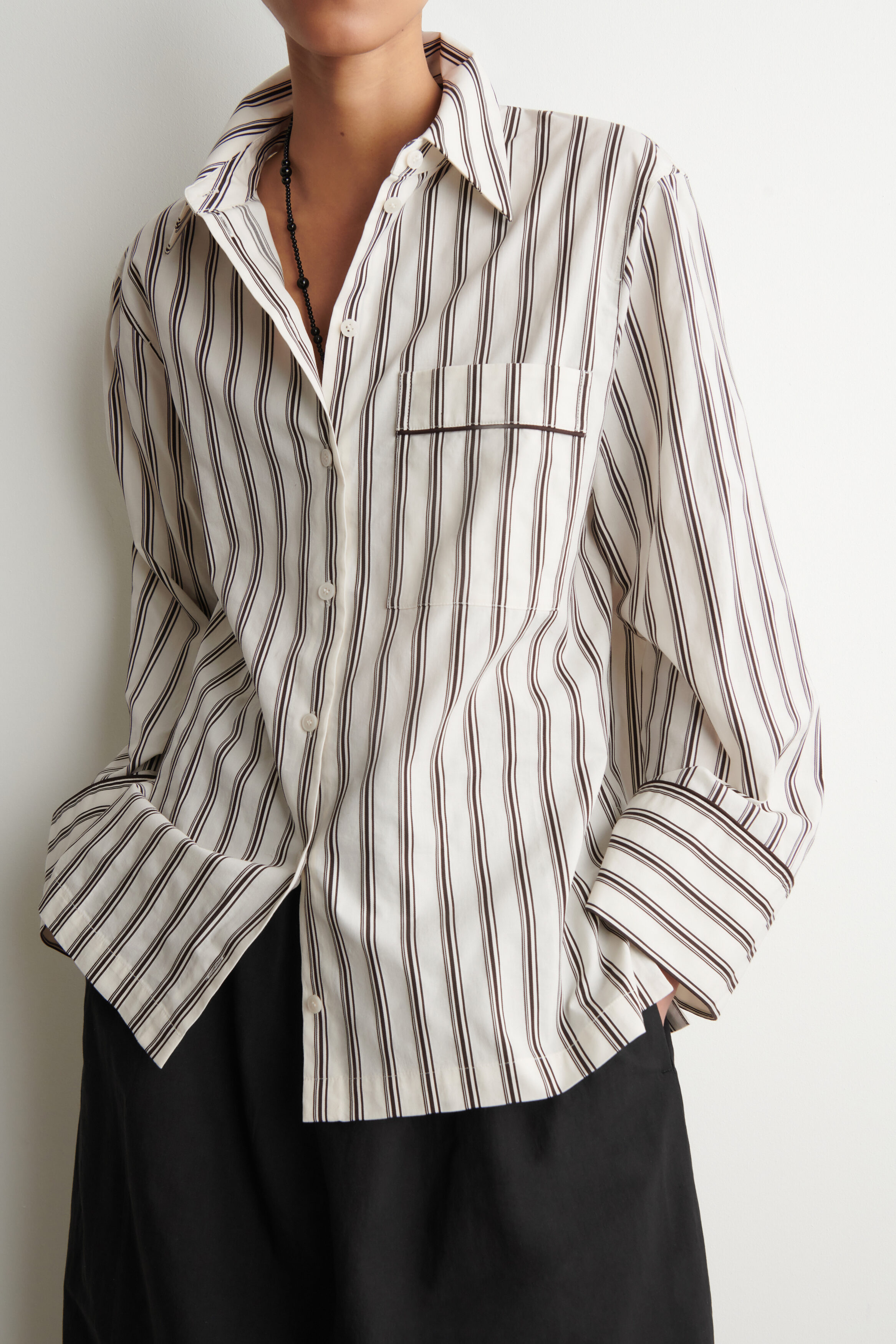
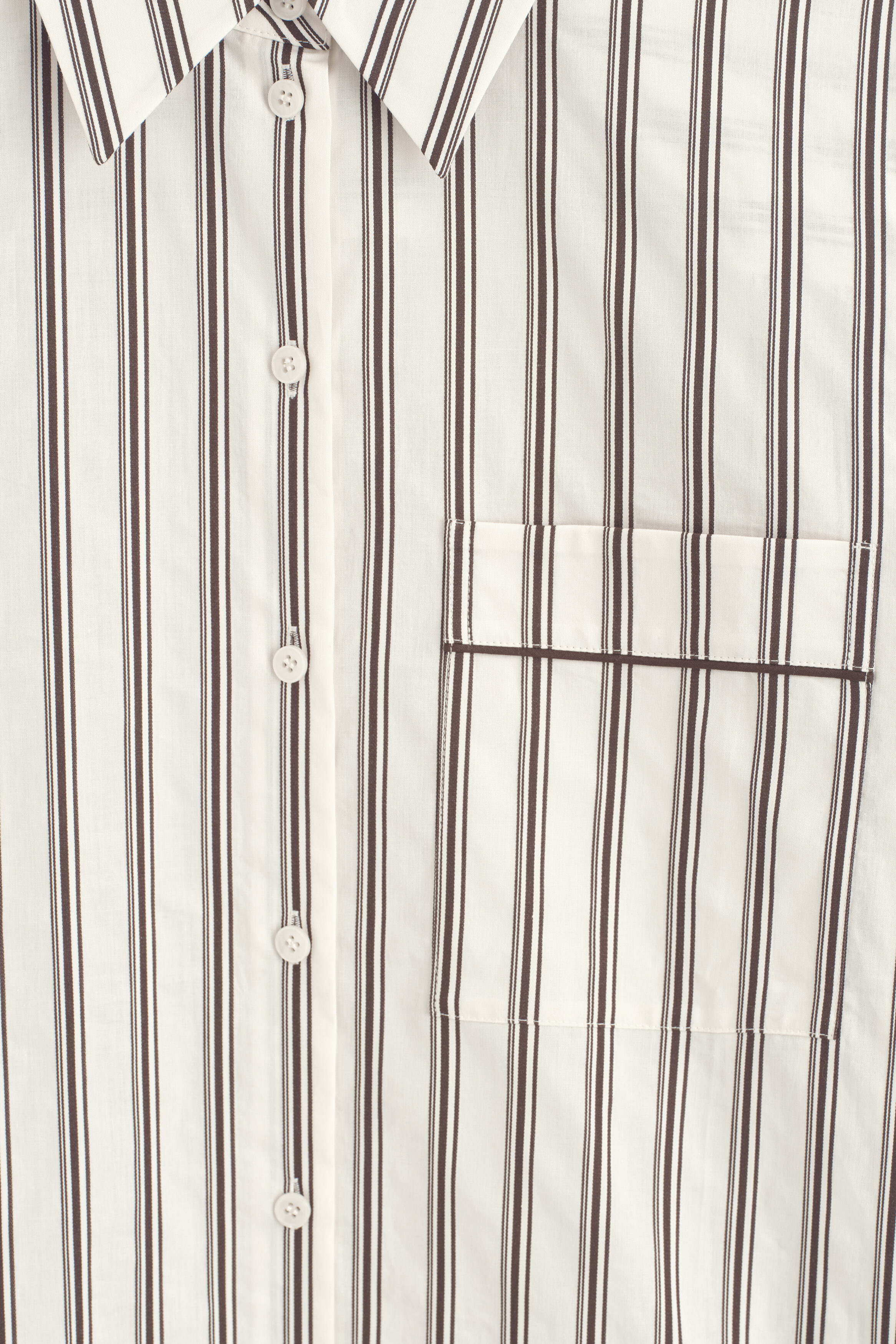
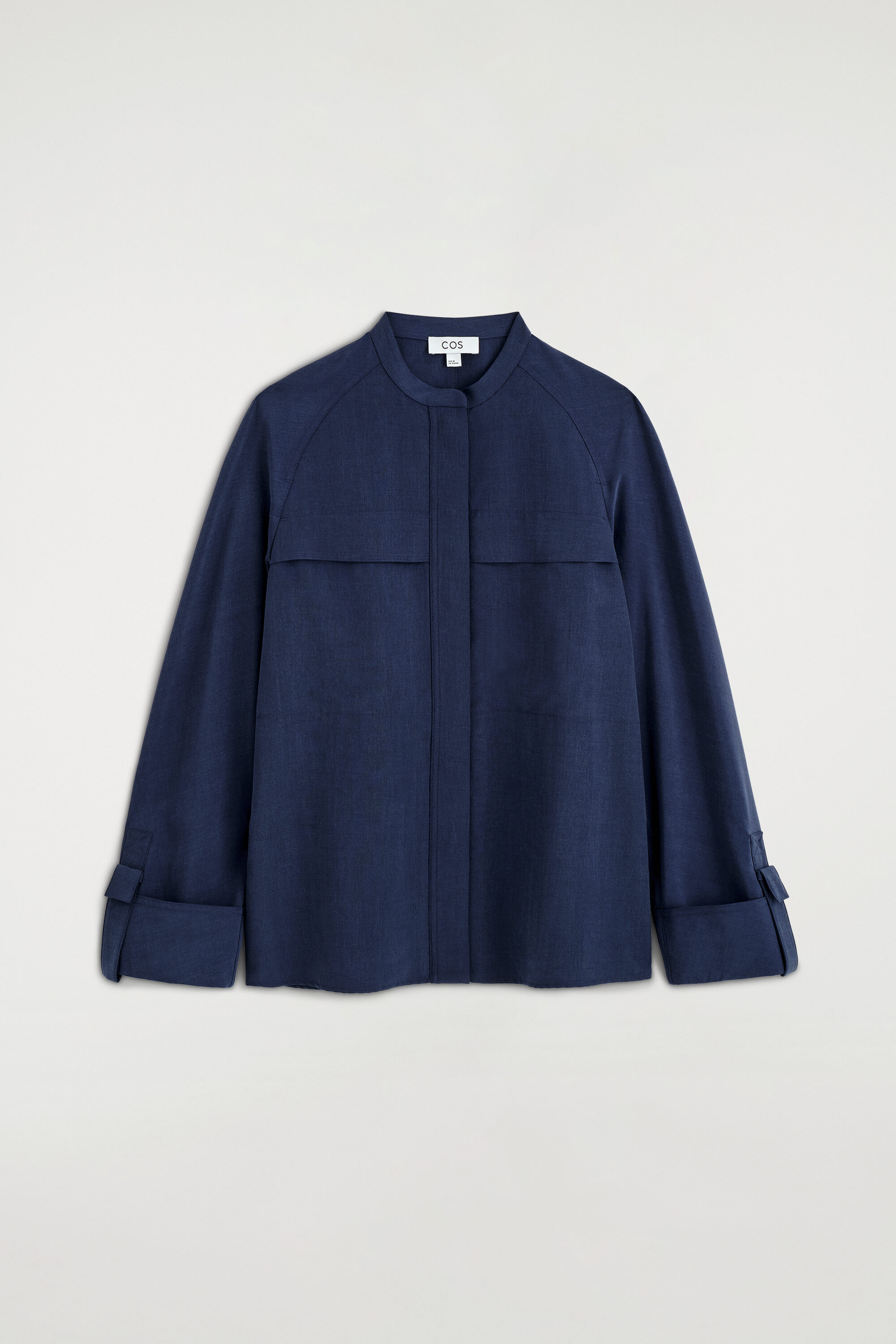
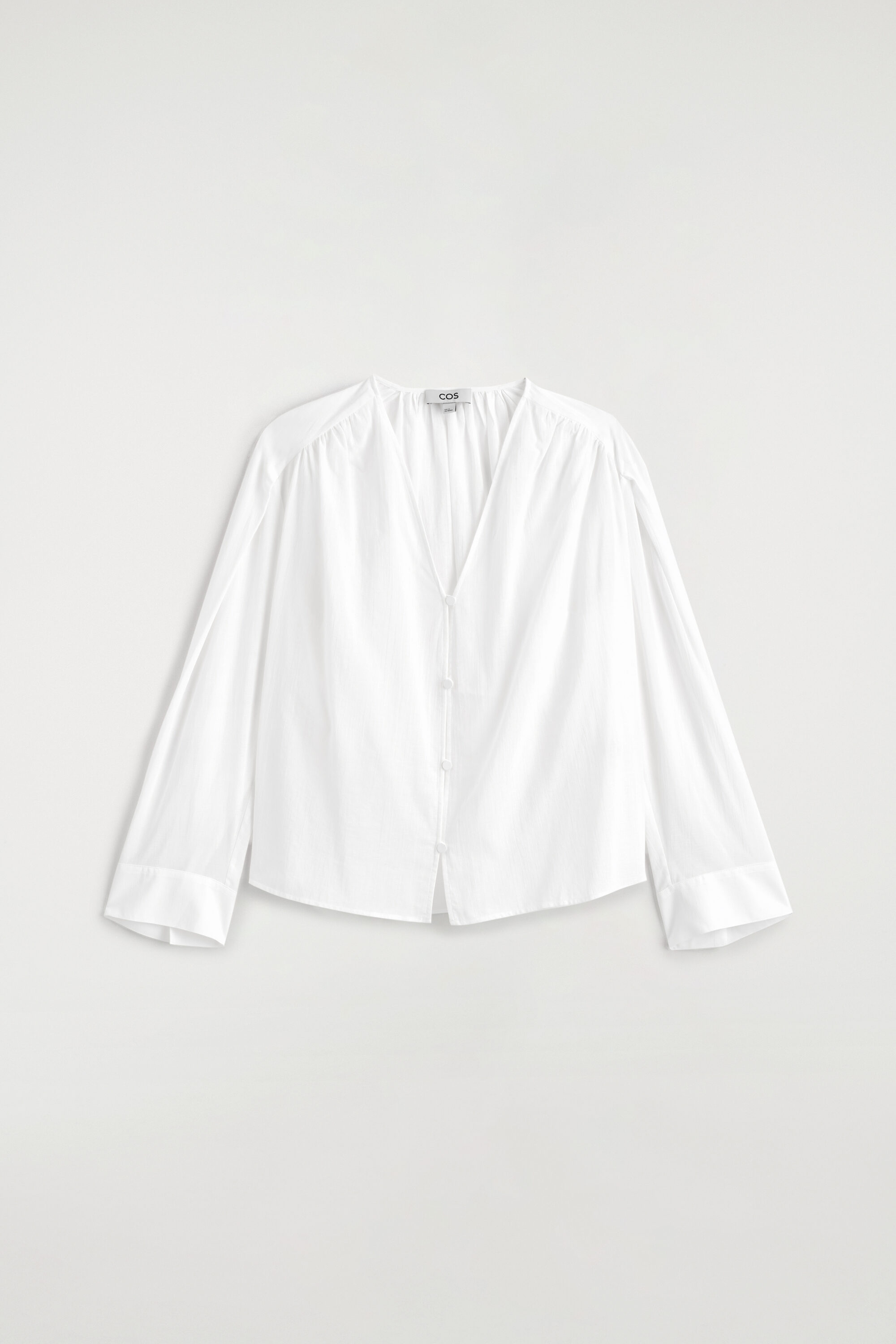
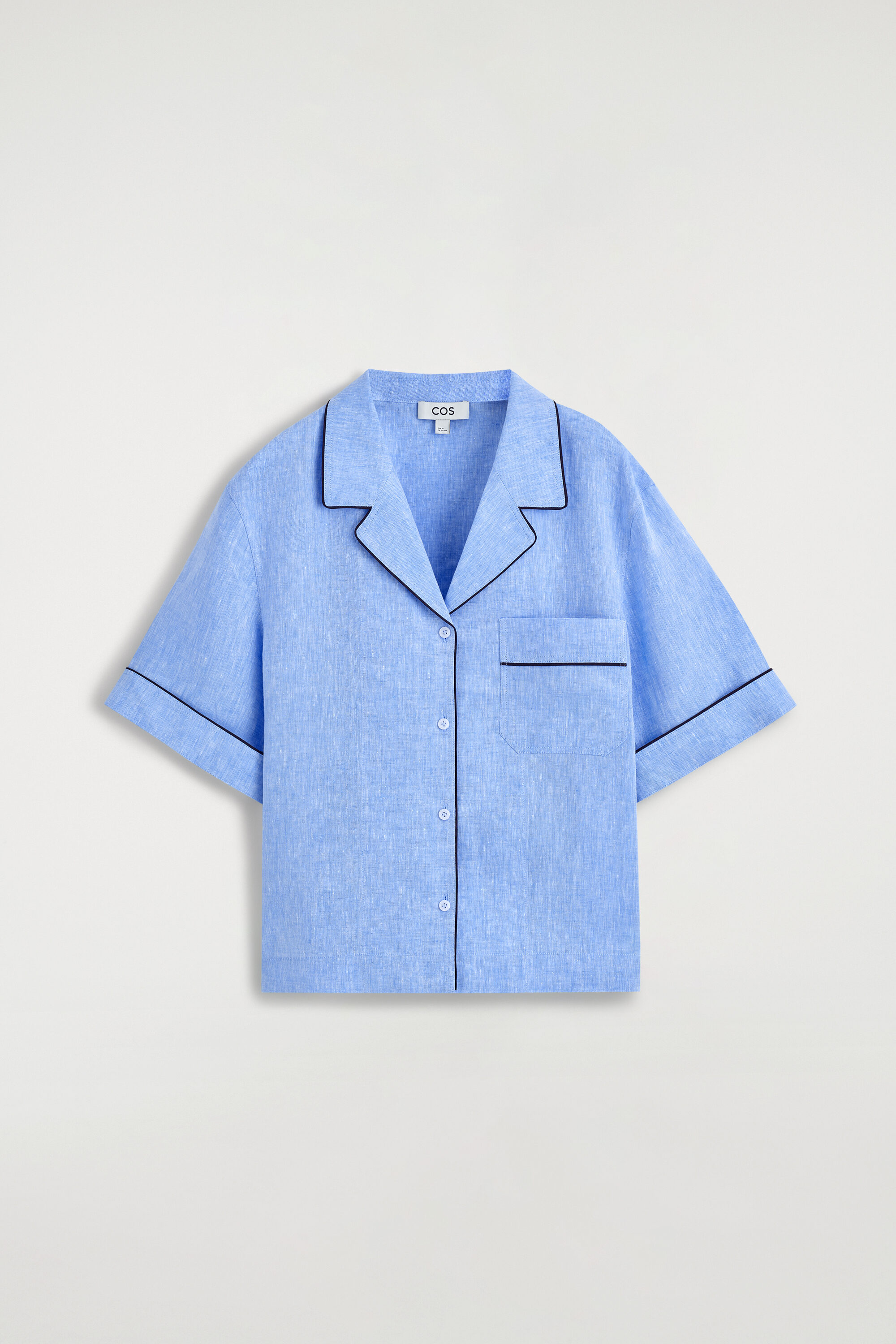
For a poplin vs oxford shirt, the key difference is the weave and the way that weave behaves. Poplin is a smooth plain weave, so it usually looks crisp, fine, and relatively even on the surface. Oxford is a heavier basket weave with a more visible texture and a little more visual weight. That makes poplin useful when you want a clean shirt under tailoring or a sharper tucked silhouette, while oxford suits a more substantial, relaxed outfit. COS options in this edit range from $89 to $139, with cotton, jersey, corduroy, and sheer textures showing how broad a shirt category can be. Piped Striped Cotton Shirt adds a graphic edge without relying on a complicated shape. A utility cut brings a practical feel, while a folded cuff or gathered neckline changes the proportion around the shoulders. Think about the rest of the day before choosing. A smooth shirt can move between a meeting and dinner, while a heavier weave is more forgiving with denim, knitwear, or outer layers. Check the care label and the amount of ease through the armhole. A shirt that looks neat but restricts reaching will be less useful than one with a little extra room. The best weave is the one that fits the clothes and conditions already in your wardrobe.
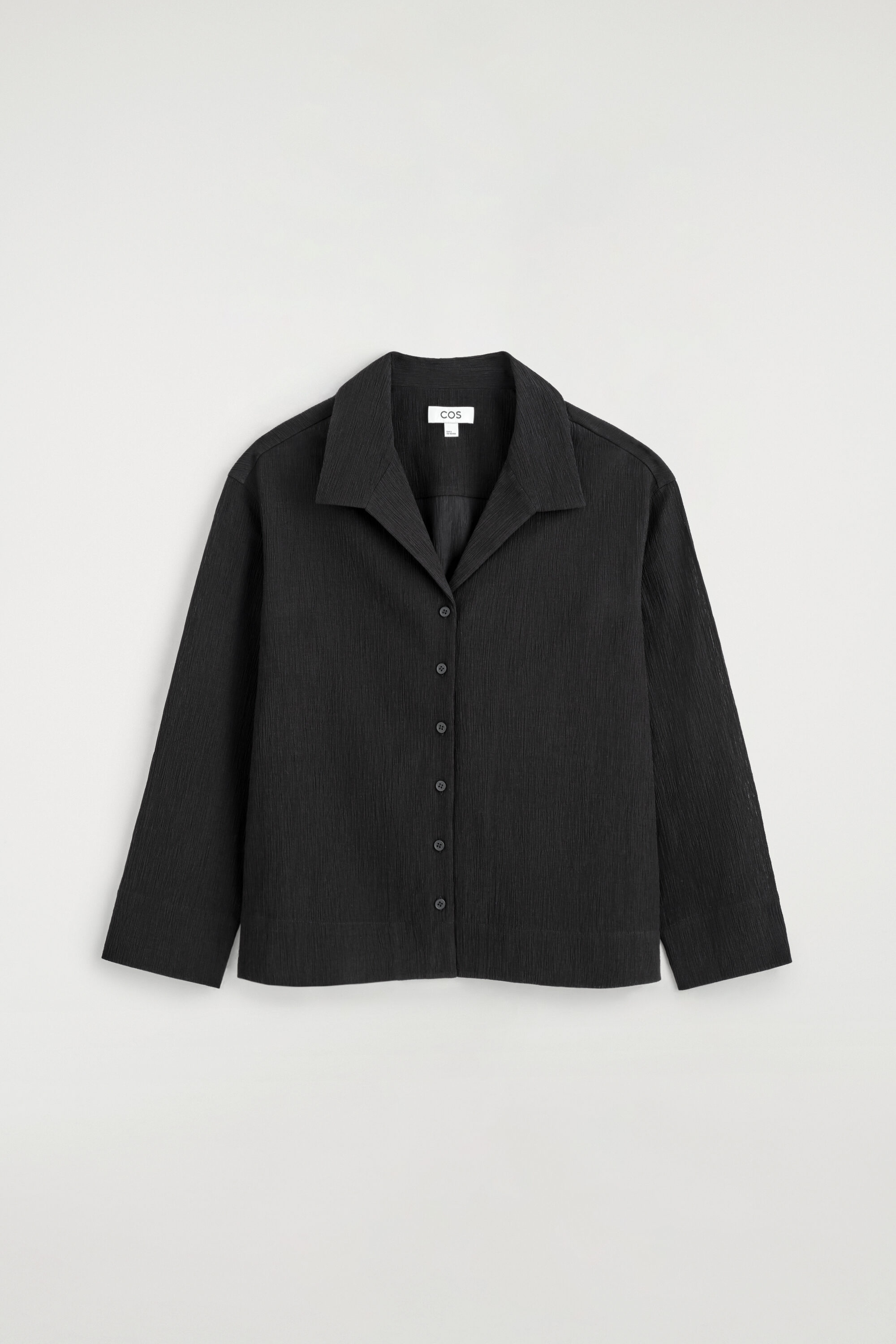
Heat-ready shapes with less coverage
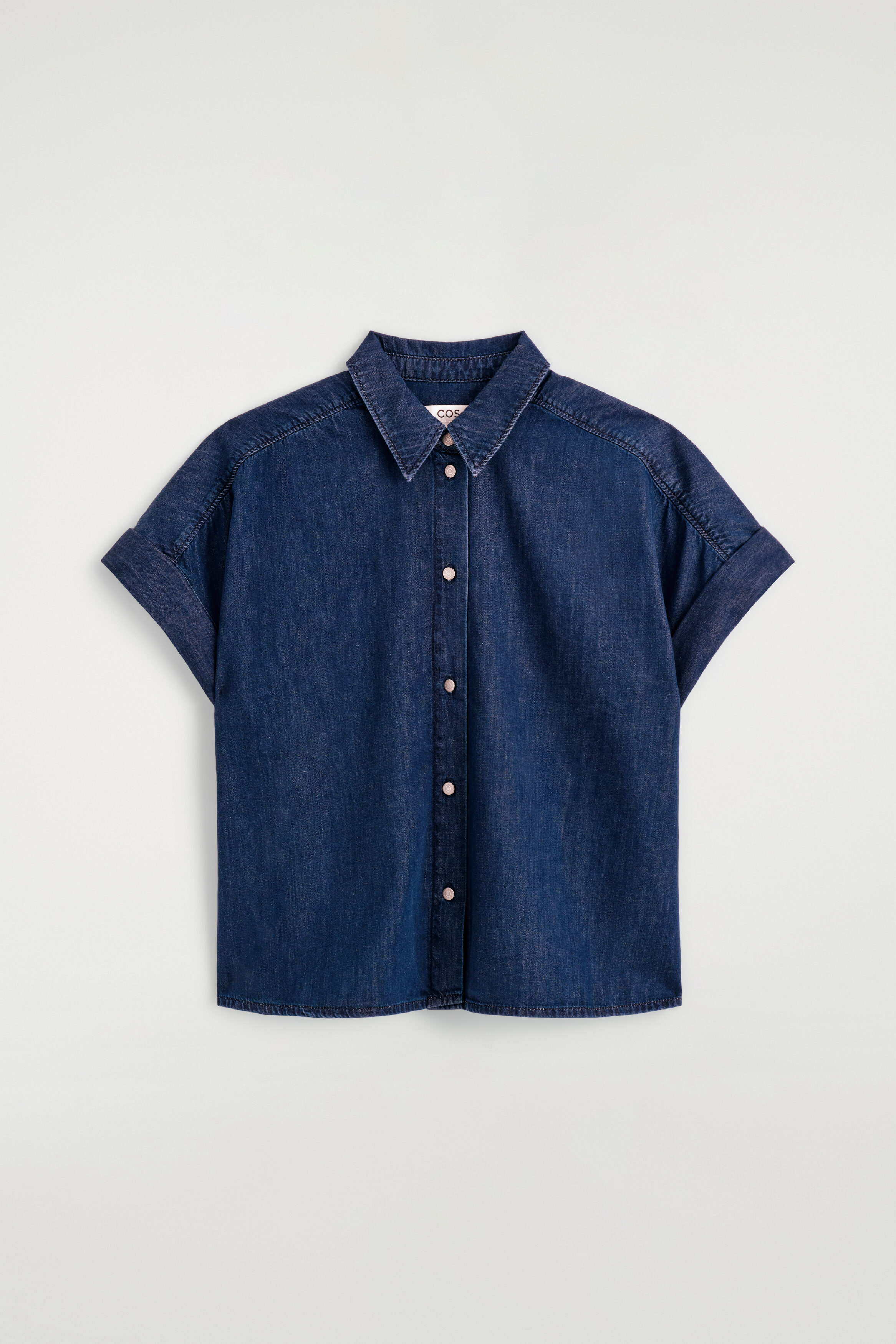
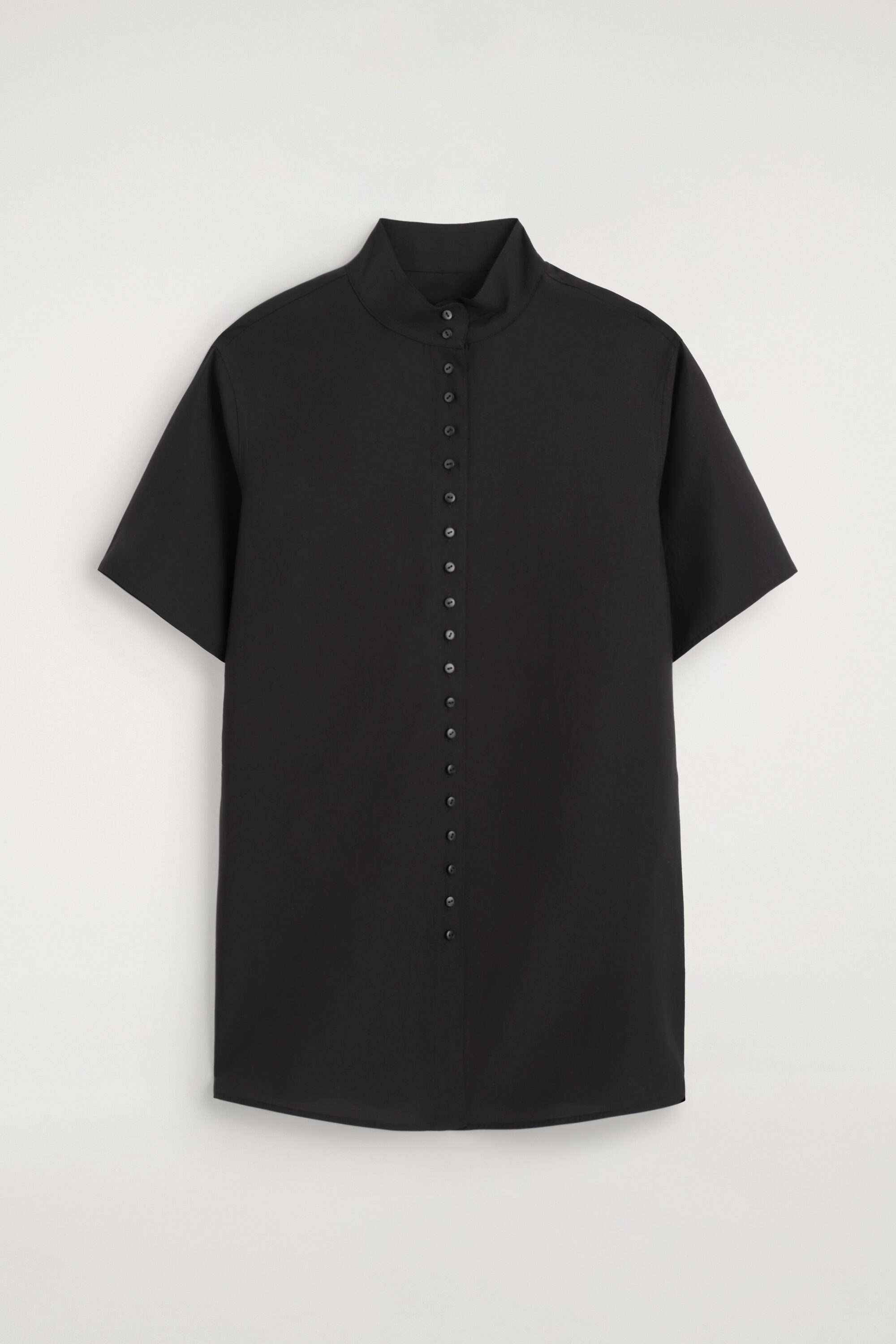
Warm-weather comfort depends on more than the amount of arm showing, because fabric, collar, and fit change how much air can move around the body. A loose sleeve and an open neckline feel different from a close modal jersey cut, even at the same temperature. COS styles in this selection cost $99 to $110. Short-sleeved Denim Shirt gives a firmer, more casual surface, while a resort shirt can feel lighter and more relaxed when worn open over a vest or closed with high-waisted trousers. A high collar adds definition but may feel warmer than a simple neckline, so consider where the shirt will be worn and how long you will be outside. Modal jersey tends to drape closer to the body, making it easy to layer, while a more fluid woven shirt leaves extra space through the torso. If sleeves finish near the widest part of the upper arm, check that the opening does not pinch when you move. A small turn-up or clean cuff can make the sleeve look intentional. Pair a roomy shirt with a straighter bottom, or let a closer shirt balance fuller trousers. The useful choice is not simply the shortest sleeve. It is the combination of breathability, ease, and the amount of structure you want in warm weather.
Short sleeves for warm months
Linen for the hottest forecast
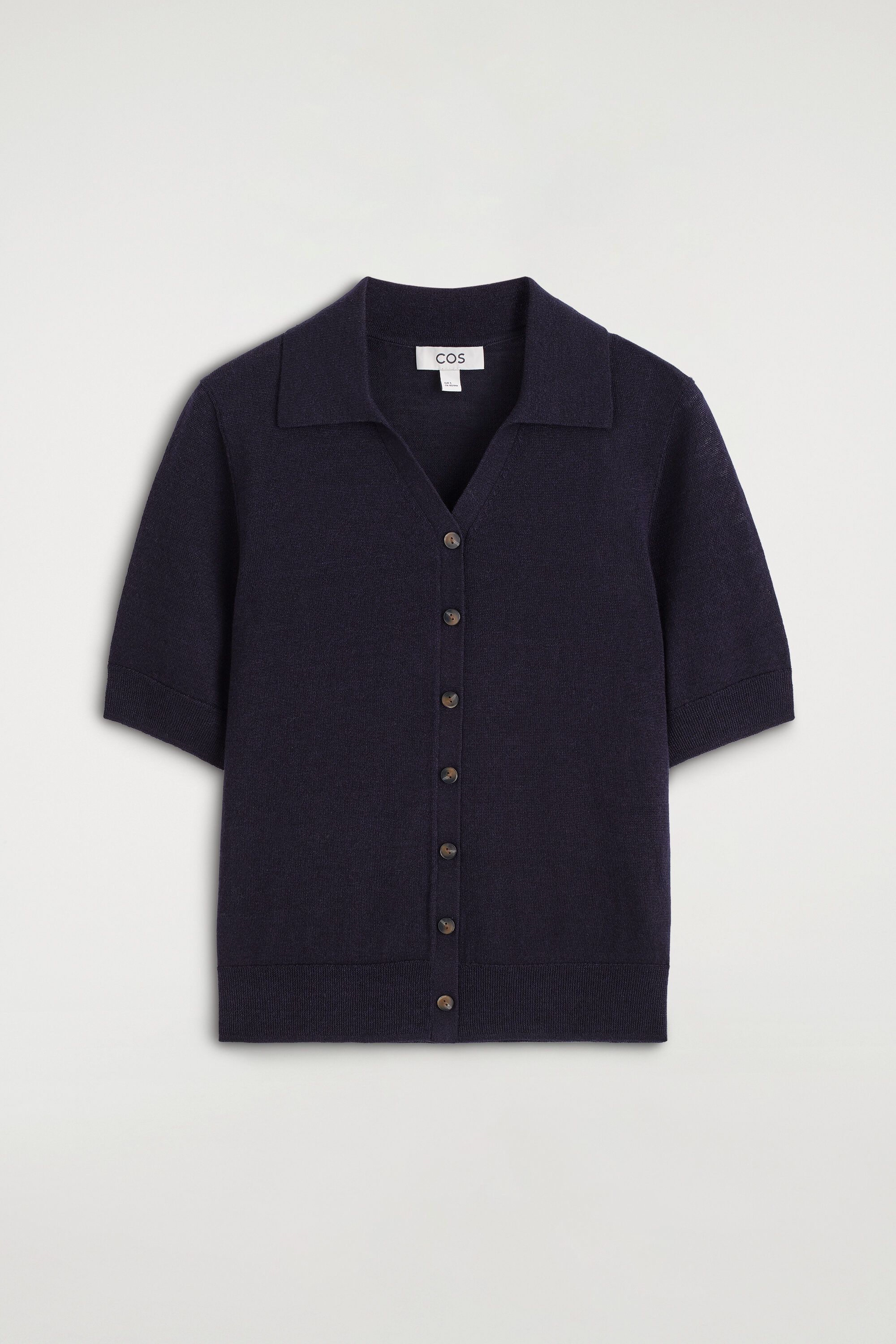
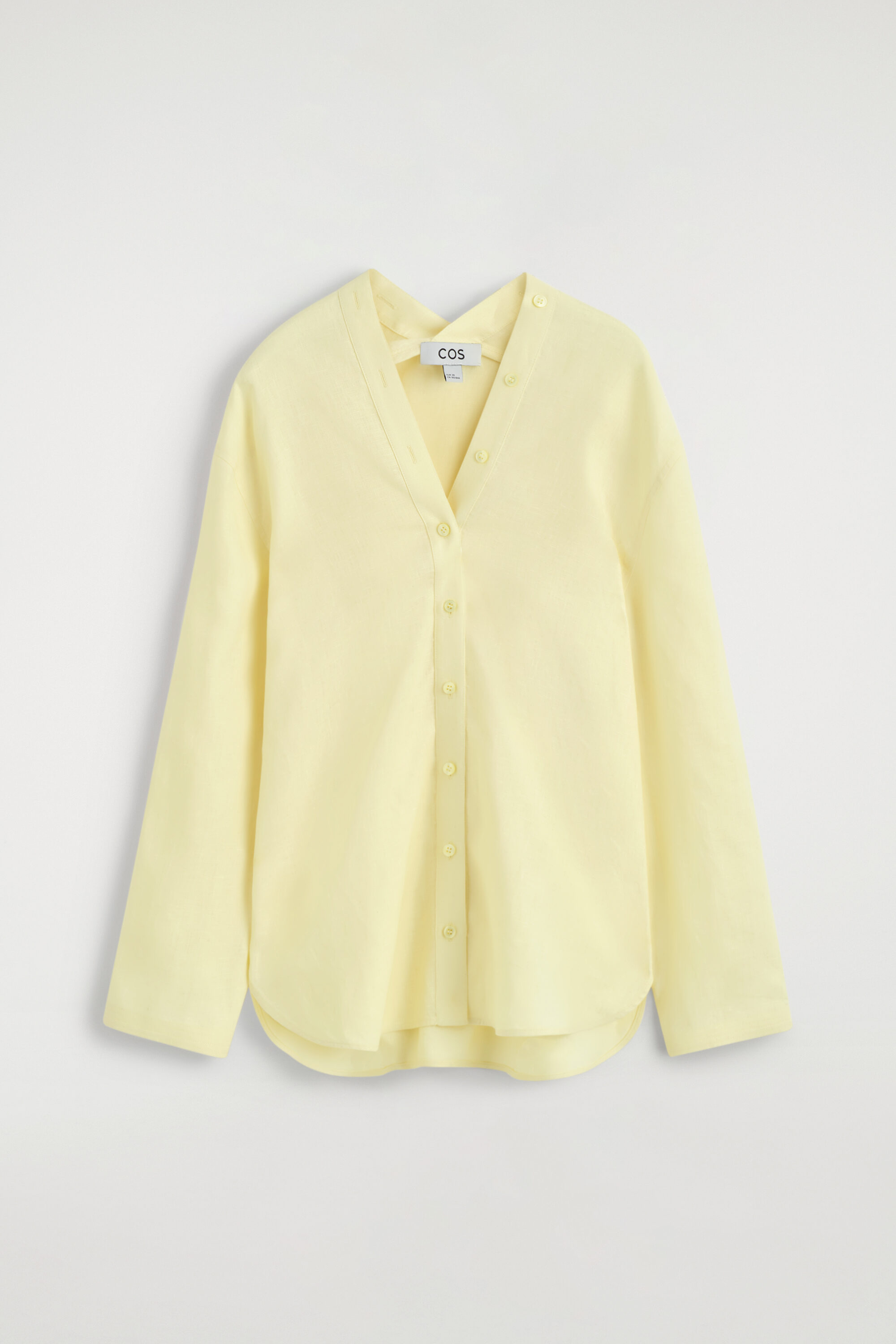
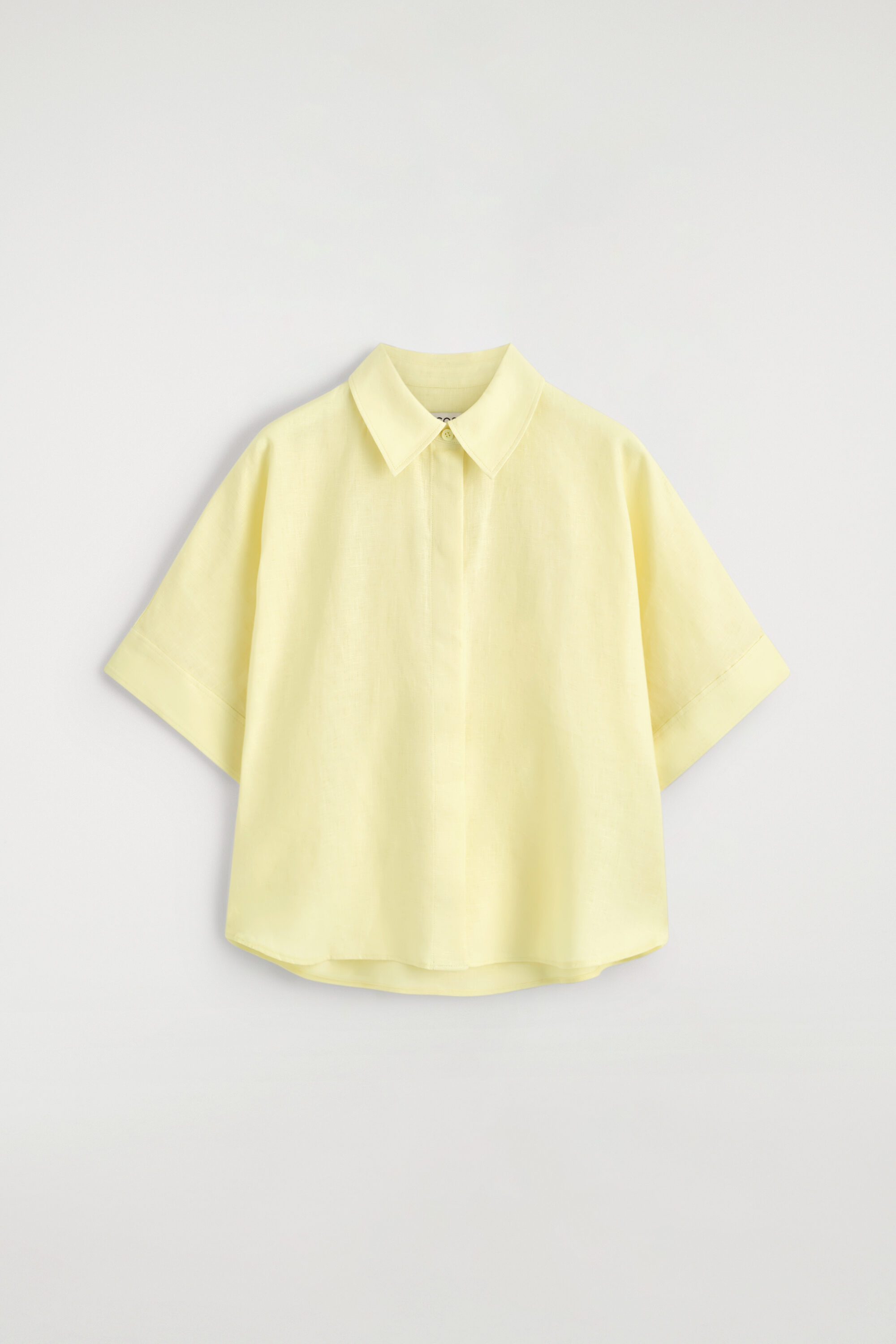
When the forecast turns genuinely hot, a light natural fibre can make dressing feel less restrictive. Linen becomes more relaxed with wear. It also creases, and that is part of the fabric's character rather than a flaw to eliminate. COS linen options here range from $89 to $129, including short sleeves, resort proportions, and a V-neck shape. Knitted Linen-merino Short-sleeved Shirt combines linen with merino, giving the fabric a different handle from a plain woven shirt and making it useful when a little softness matters. A linen resort shirt works well open over a simple base, while a V-neck can create a longer line when worn loose. Oversized Short-sleeved Linen Shirt gives more room through the body, which can feel welcome in heat, but balance the extra volume with a neat short or straight trouser. Wash linen according to the care instructions and expect the surface to soften over time. A steamer can reduce the deepest creases, but pressing it completely flat can remove some of the reason to choose it. Keep accessories simple and let the weave show. Linen looks strongest when it has enough room to move, rather than being pulled tight across the chest or tucked into a crowded waistband.
Our honest take
Poplin is the cleaner, smoother choice when a shirt needs to sit neatly under a jacket or hold a crisp outline. Oxford brings more texture and weight, while linen is the better answer for heat when natural creasing does not bother you. Short sleeves help, but fibre and fit matter just as much as the cut. COS prices in this edit run from $89 to $139, so the decision can focus on use rather than a wide price gap. A good shirt earns its place by working with the clothes already in rotation. If you take one thing away, choose the weave that matches your climate, layering needs, and tolerance for creasing.
Shop brands in this edit

Next read
Secondhand Louis Vuitton Damier Ebene Or Damier Azur
Damier Ebene and Damier Azur are the same coated canvas in two colourways, and the secondhand market treats them as two different products.
Read Editorial
Secondhand Silk My Favs
My sixteen selects of scarves below are all ninety centimetre squares, split into two price bands