You need a slip under a dress when the problem is opacity or cling, and those are not the same thing. A slip adds coverage when light passes through the skirt or bodice. It also creates a smooth
Printed Maxi And Mini Dresses
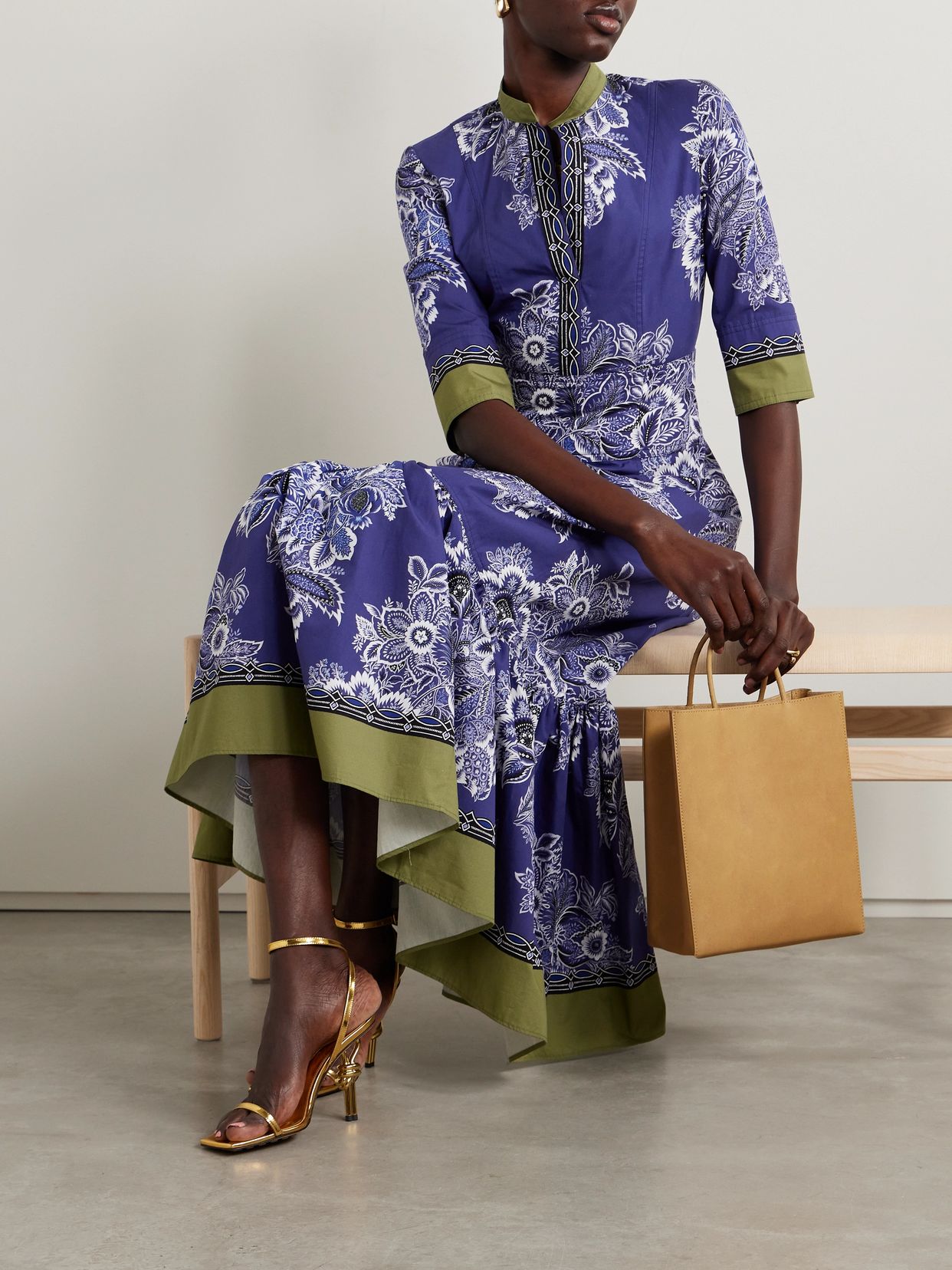
When a dress needs a slip
You need a slip under a dress when the problem is opacity or cling, and those are not the same thing. A slip adds coverage when light passes through the skirt or bodice. It also creates a smooth layer when the dress catches on tights or rides up as you walk. The midi dresses here range from $690 to $3,850, and the range includes everything from a floral-print cotton-poplin dress to a pussy-bow belted tiered jacquard silk-chiffon style. Start by trying the dress in daylight. Turn sideways, lift your arms, and sit down. If you can see the outline of underwear or the skirt sticks to your legs, add a slip rather than sizing up. A slip is not automatically needed just because a dress is printed. A busy floral or paisley surface can disguise a little show-through, while a plain pale panel can reveal it immediately. Check the lining, the back, and the area under the arm, where the fabric is often stretched most. If coverage is fine but the skirt clings, choose a slip for movement, not concealment.
The midi length

Aster Multicolor Floral Printed Square Bandana Scarf
Benaar LA
$75

Hailey Green Floral Printed Halter Neck Top
Benaar LA
$95

Leilani Off The Shoulder Multicolor Palm Printed Crop Top
Benaar LA
$110

Paisley Green Bandana Print Quilted Vest
Benaar LA
$39
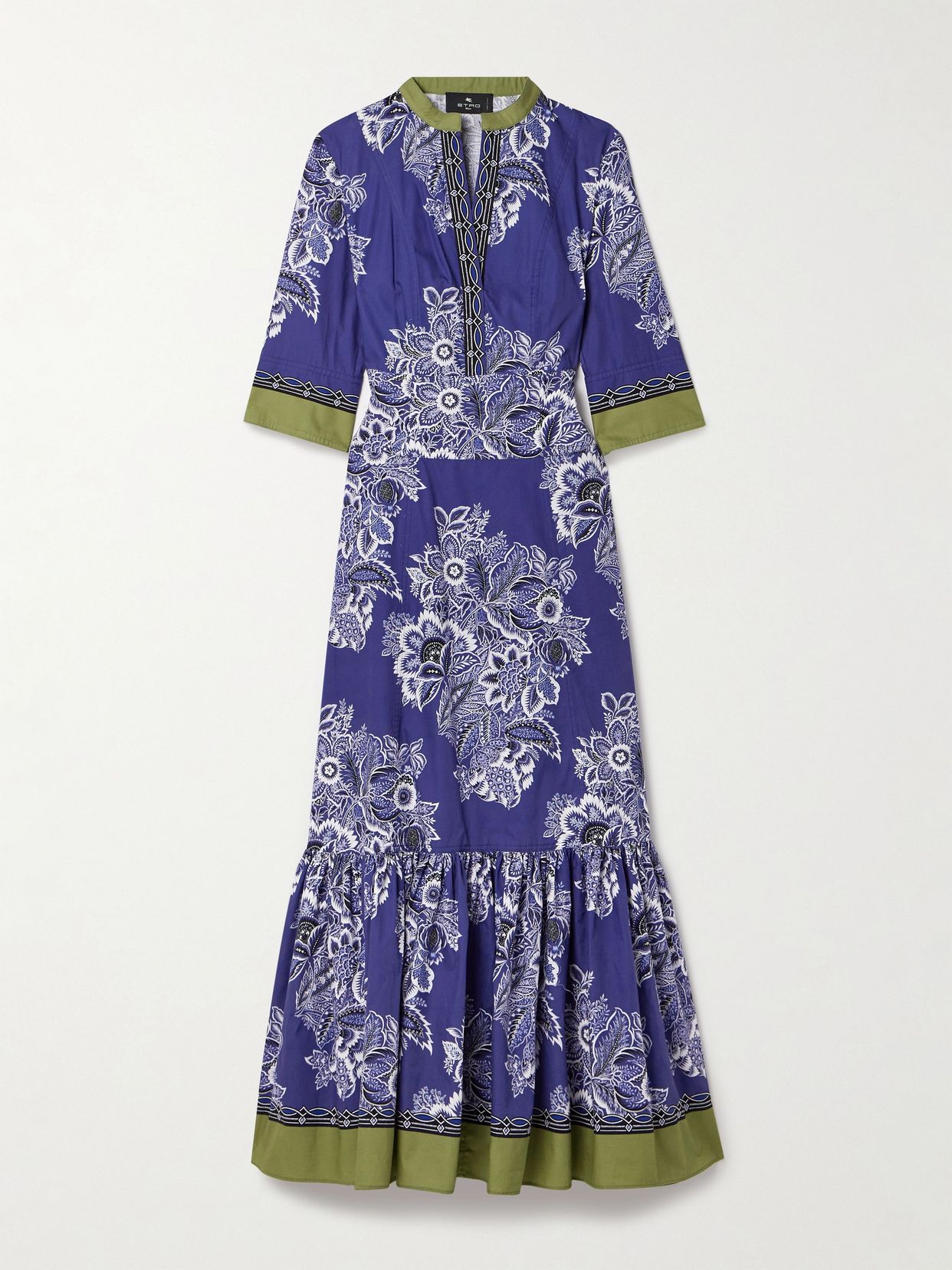
Floral-print cotton-poplin midi dress
Etro
$690
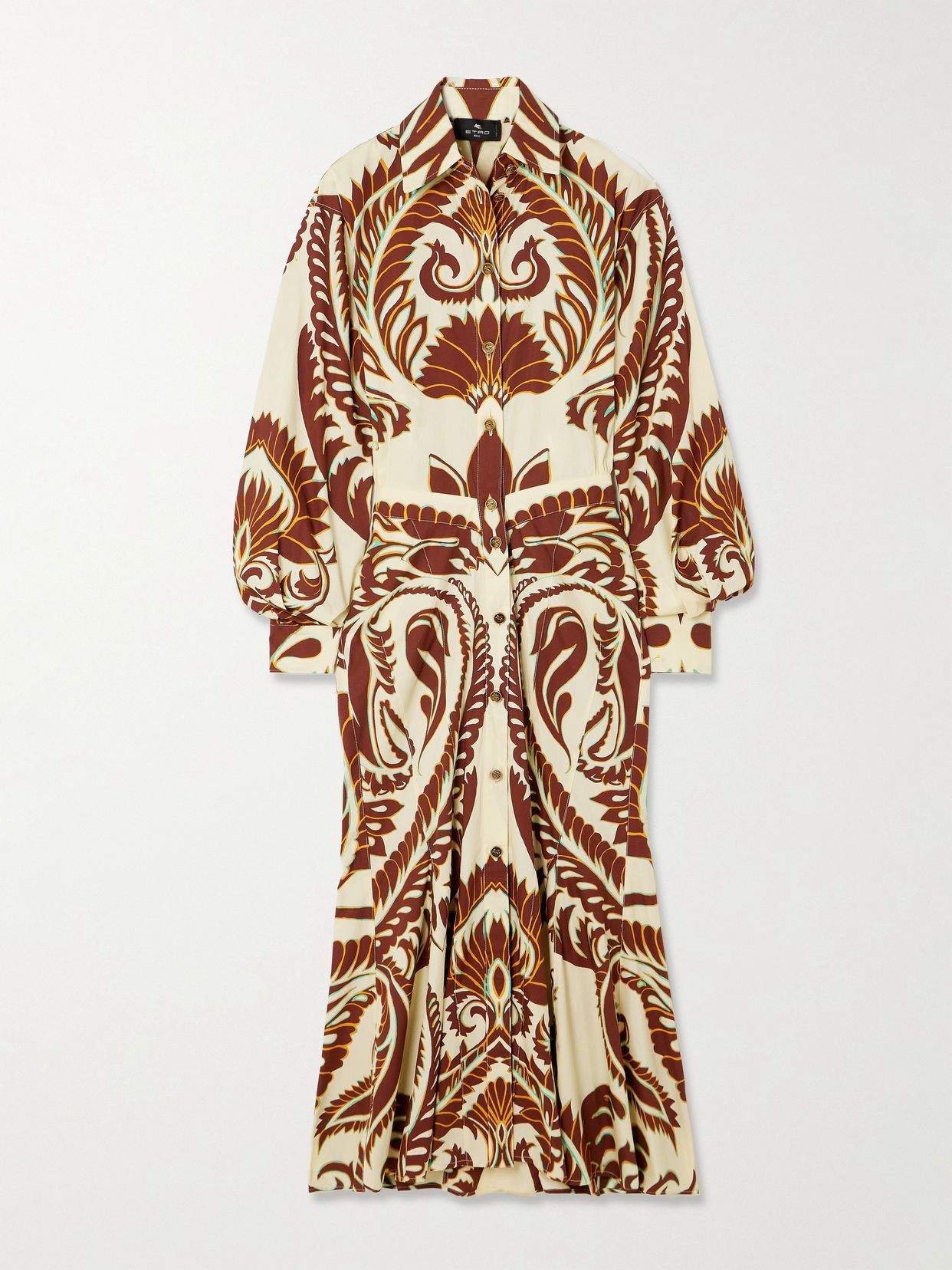
Printed cotton midi shirt dress
Etro
$1,113
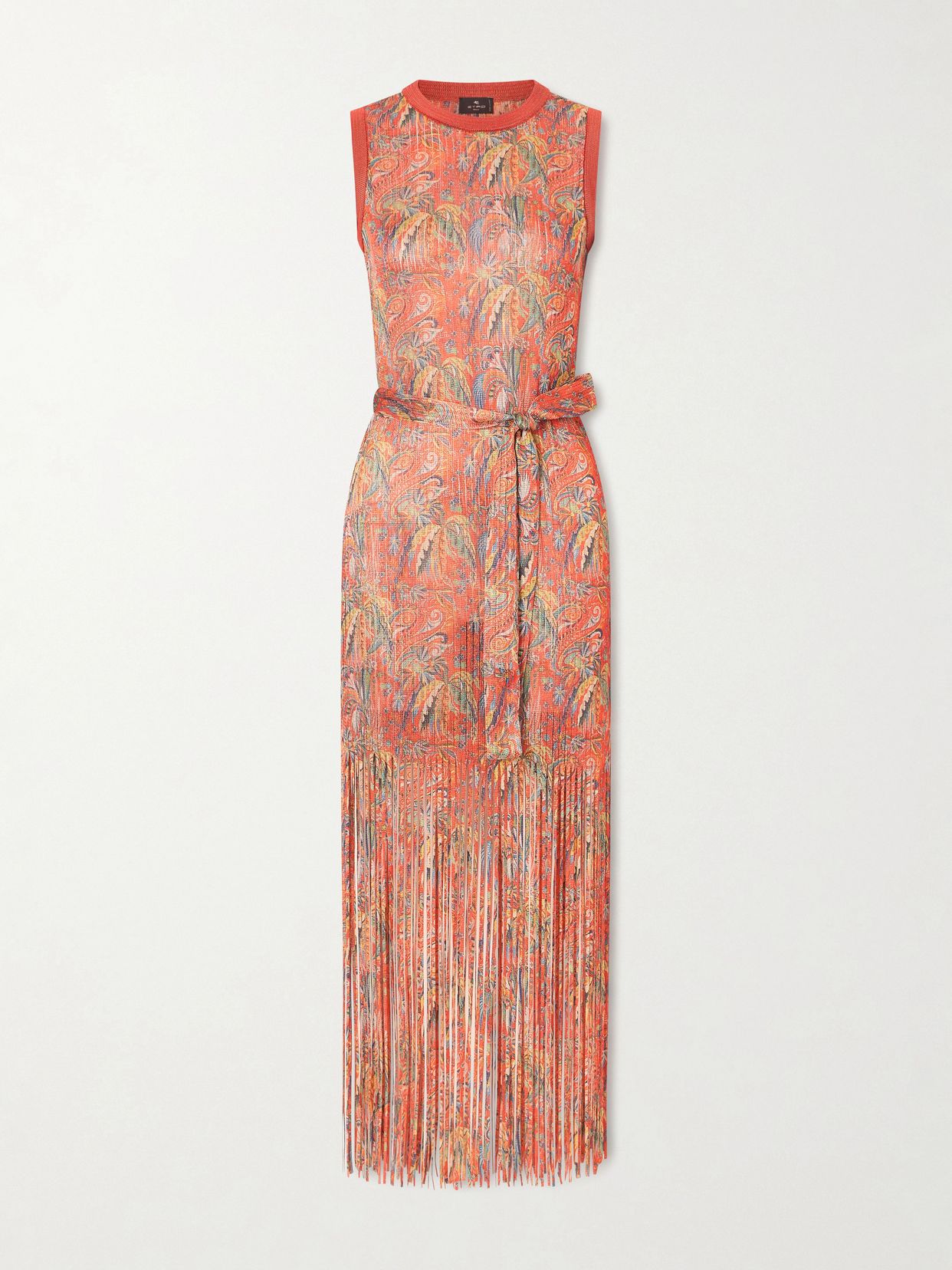
Belted fringed jacquard-knit midi dress
Etro
$1,950
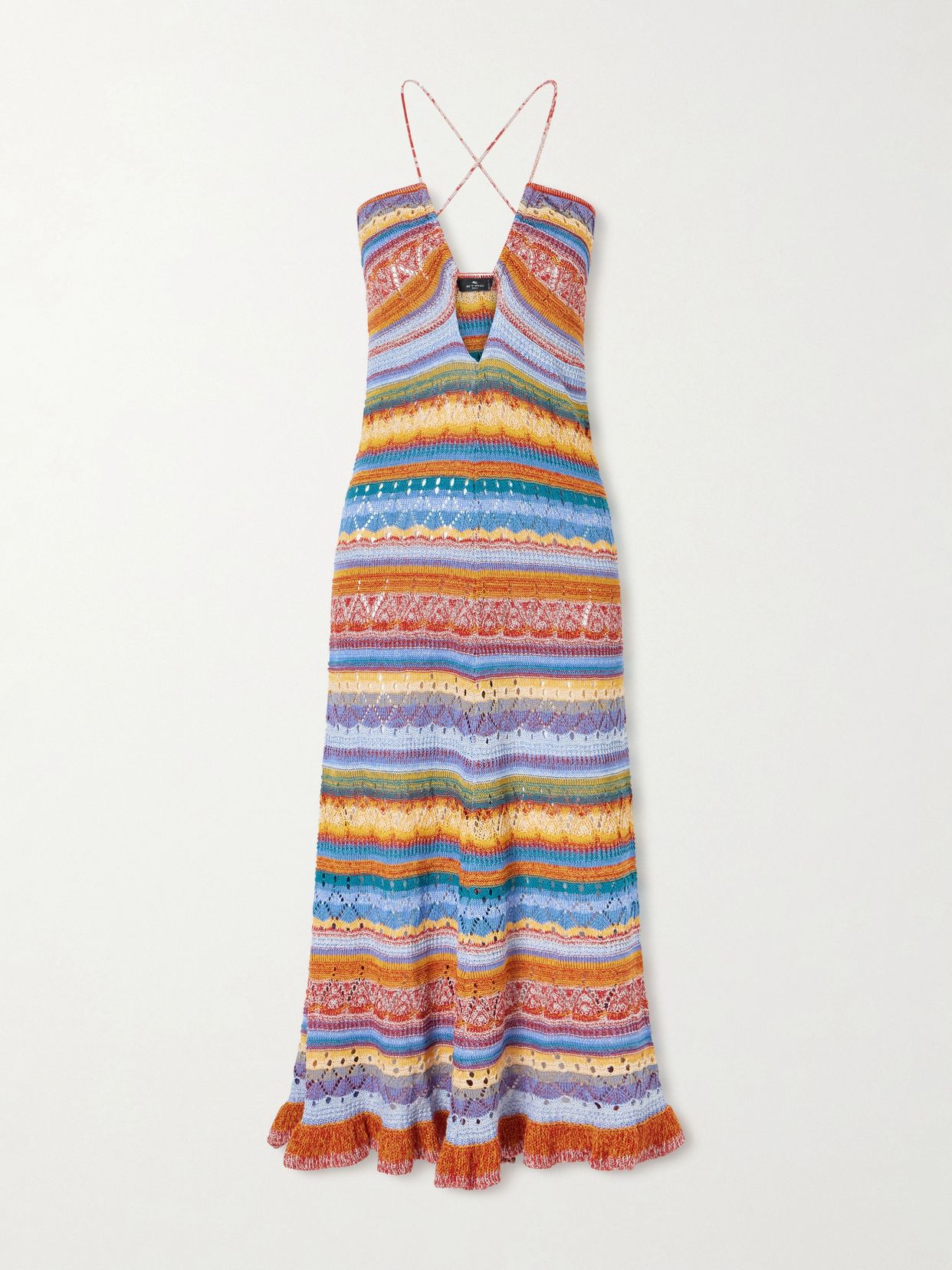
Crocheted striped cotton midi dress
Etro
$1,990
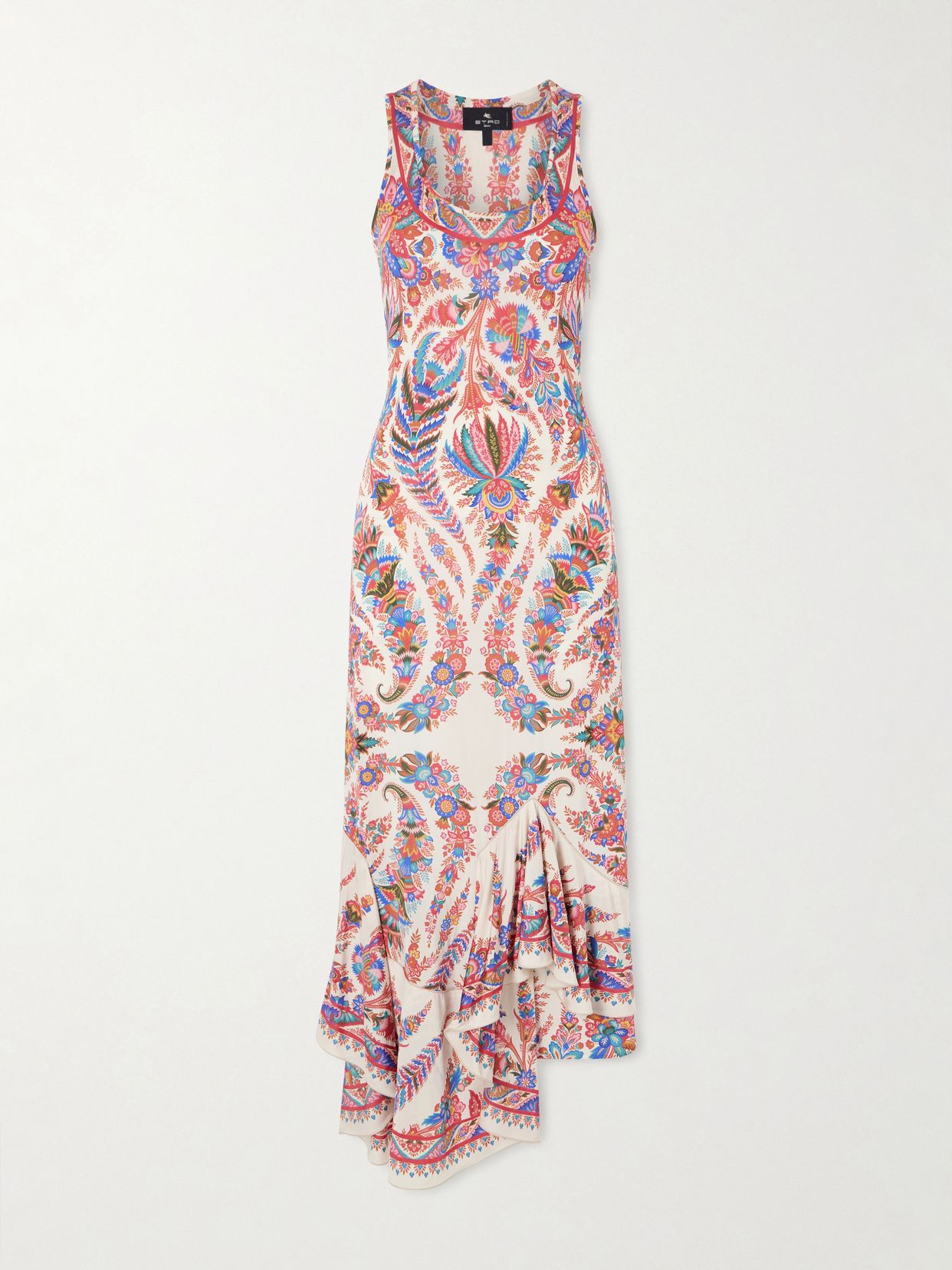
Cut-out paisley-print satin-jersey midi dress
Etro
$2,200
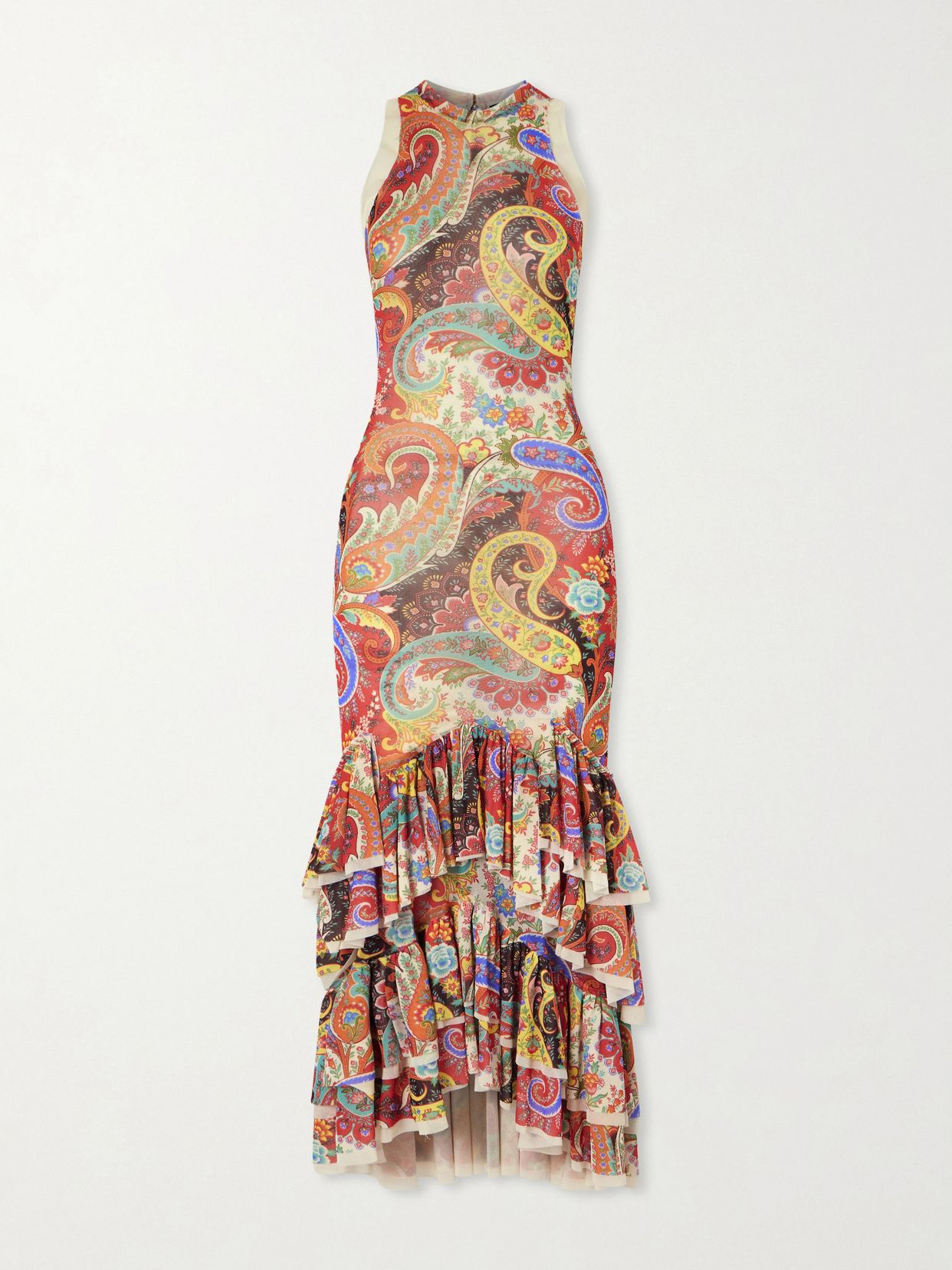
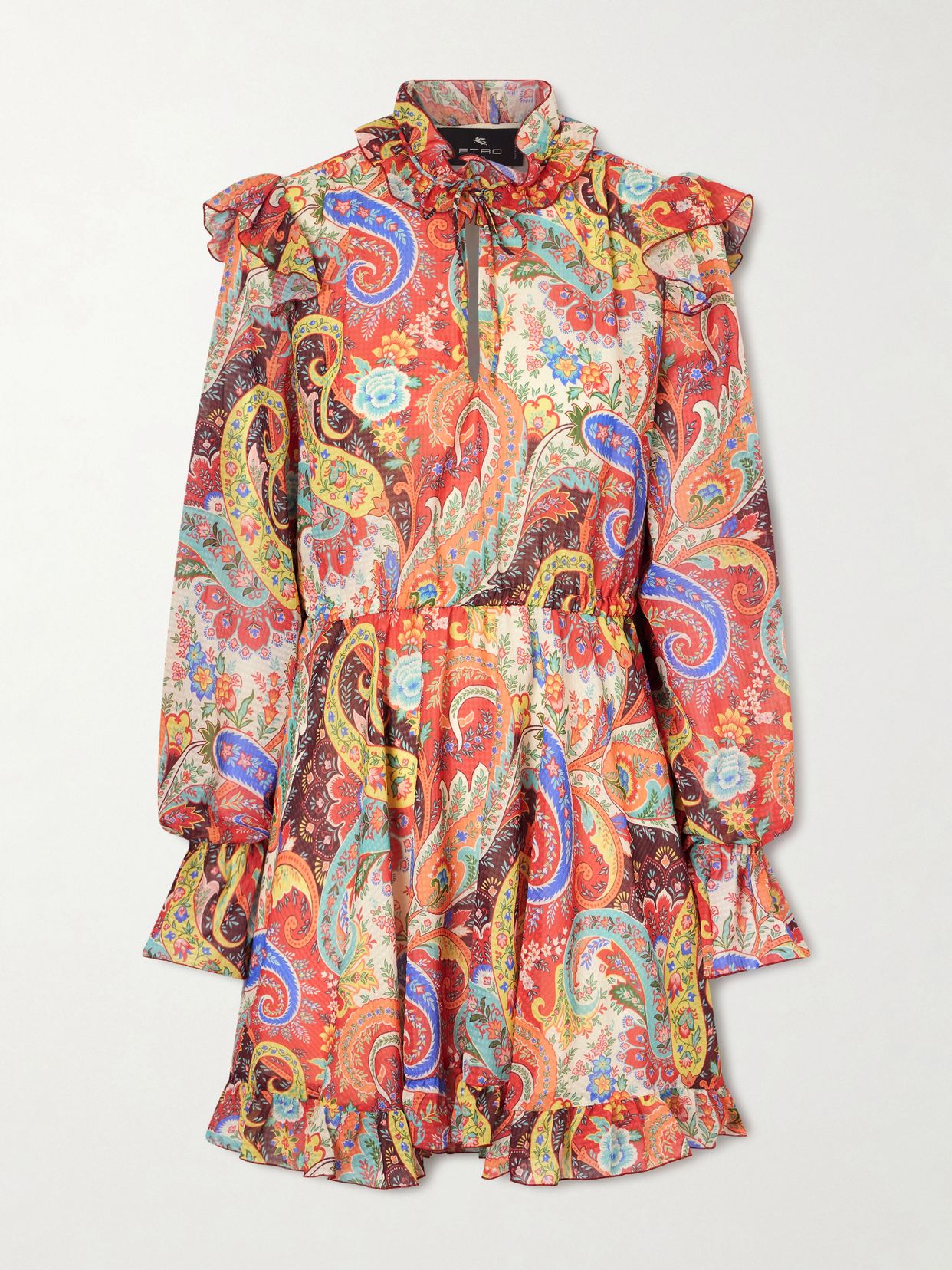
Ruffled paisley-print chiffon midi dress
Etro
$2,600
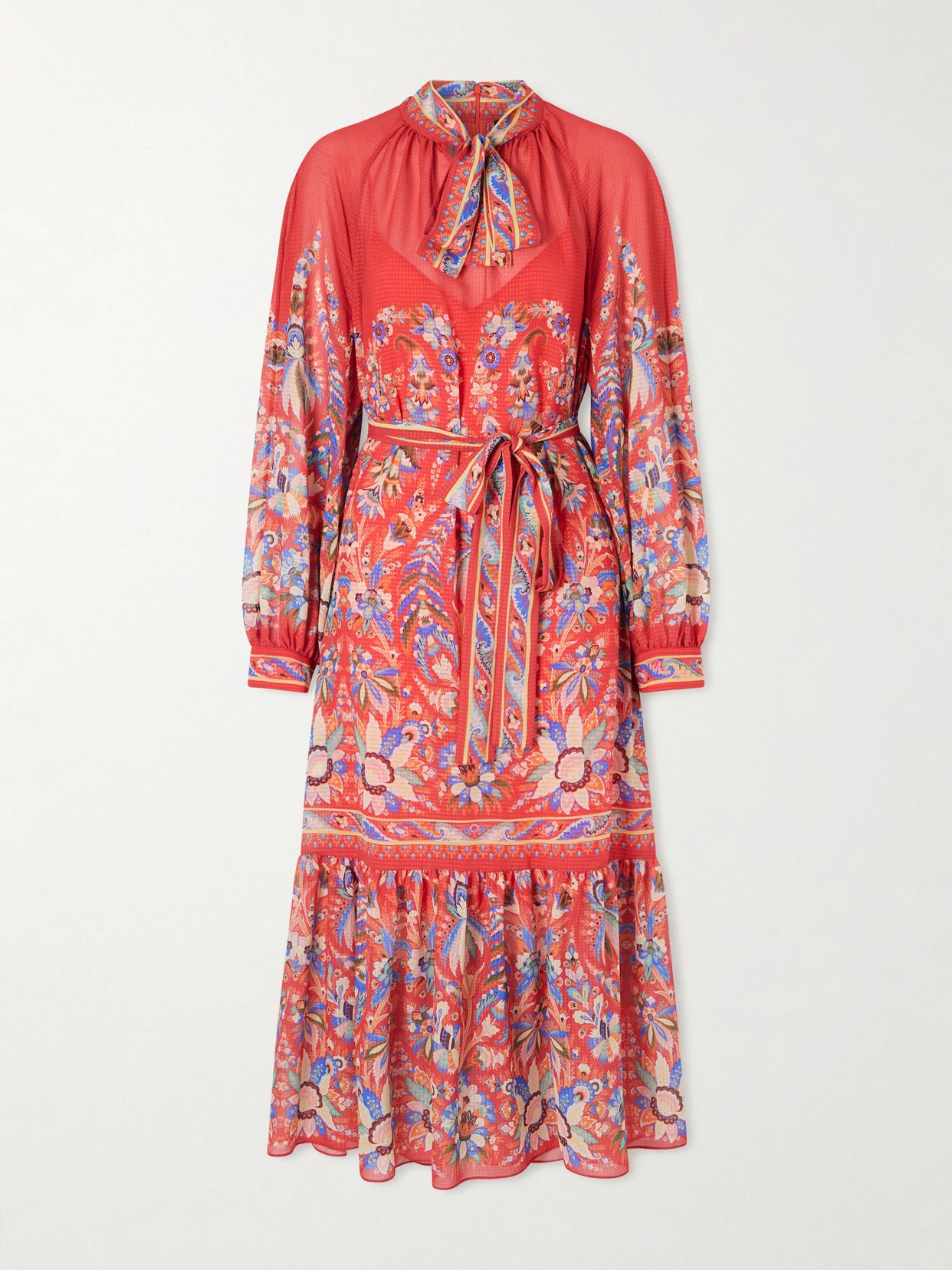
Floral-print chiffon midi dress
Etro
$3,020
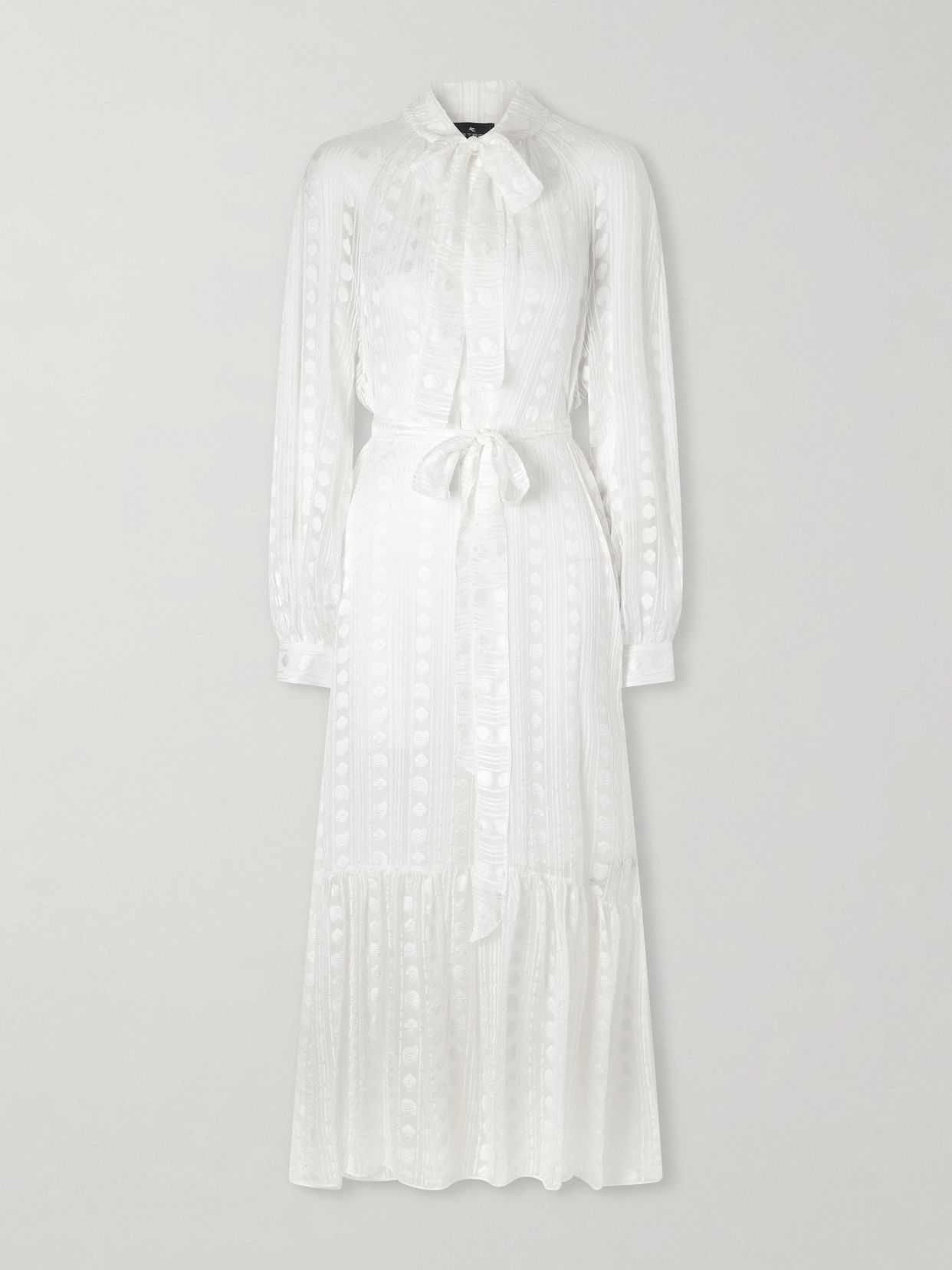
Pussy-bow belted tiered jacquard silk-chiffon midi dress
Etro
$3,850
How to choose the right layer
The useful choice is between a close-fitting underdress and a looser shape that follows the dress without copying it. A close layer works under a column or a cut-out paisley-print satin-jersey midi dress because it stays near the body. A fuller layer is better under a tiered or ruffled skirt, where a narrow slip can bunch at the thigh and make the hem pull unevenly.
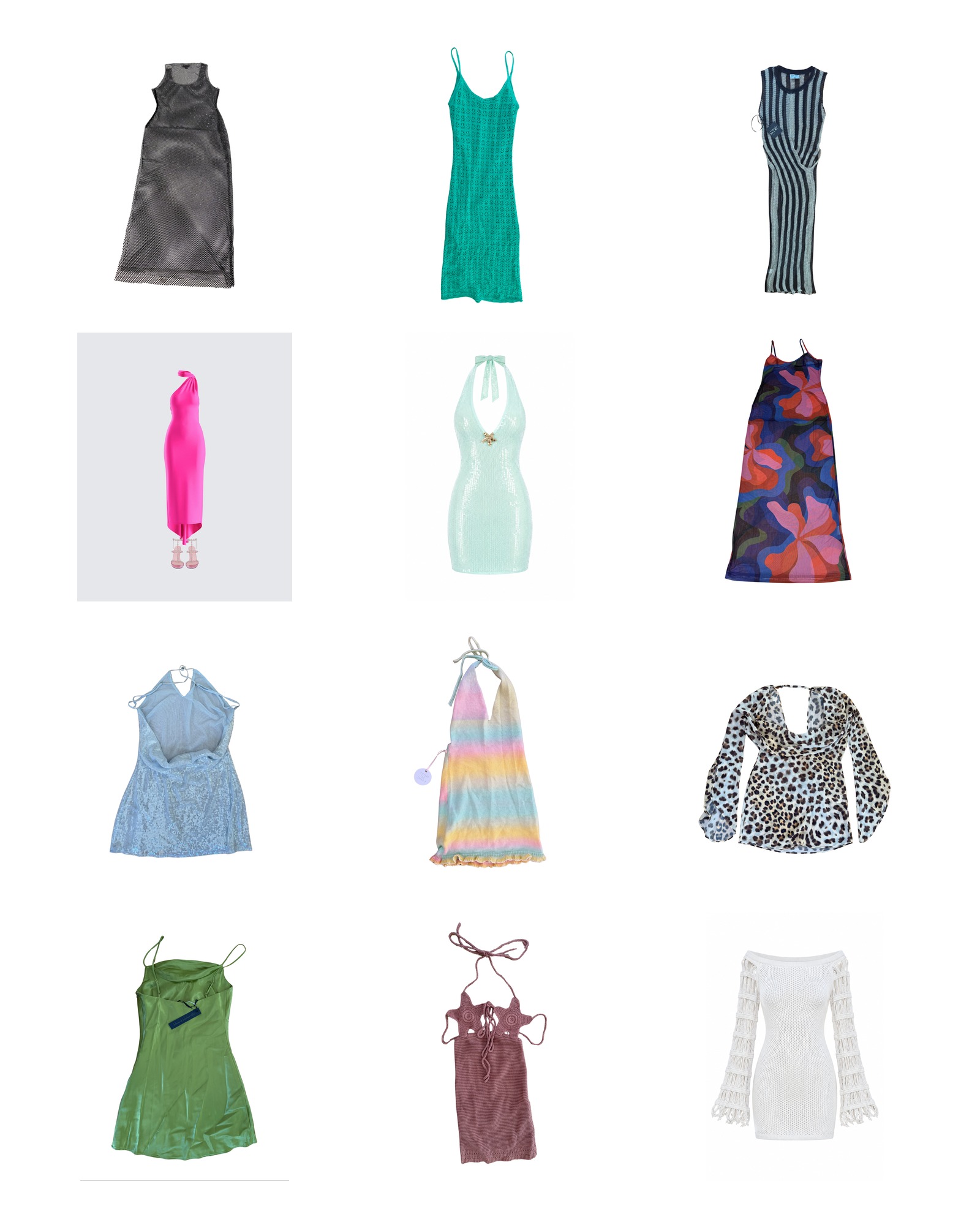
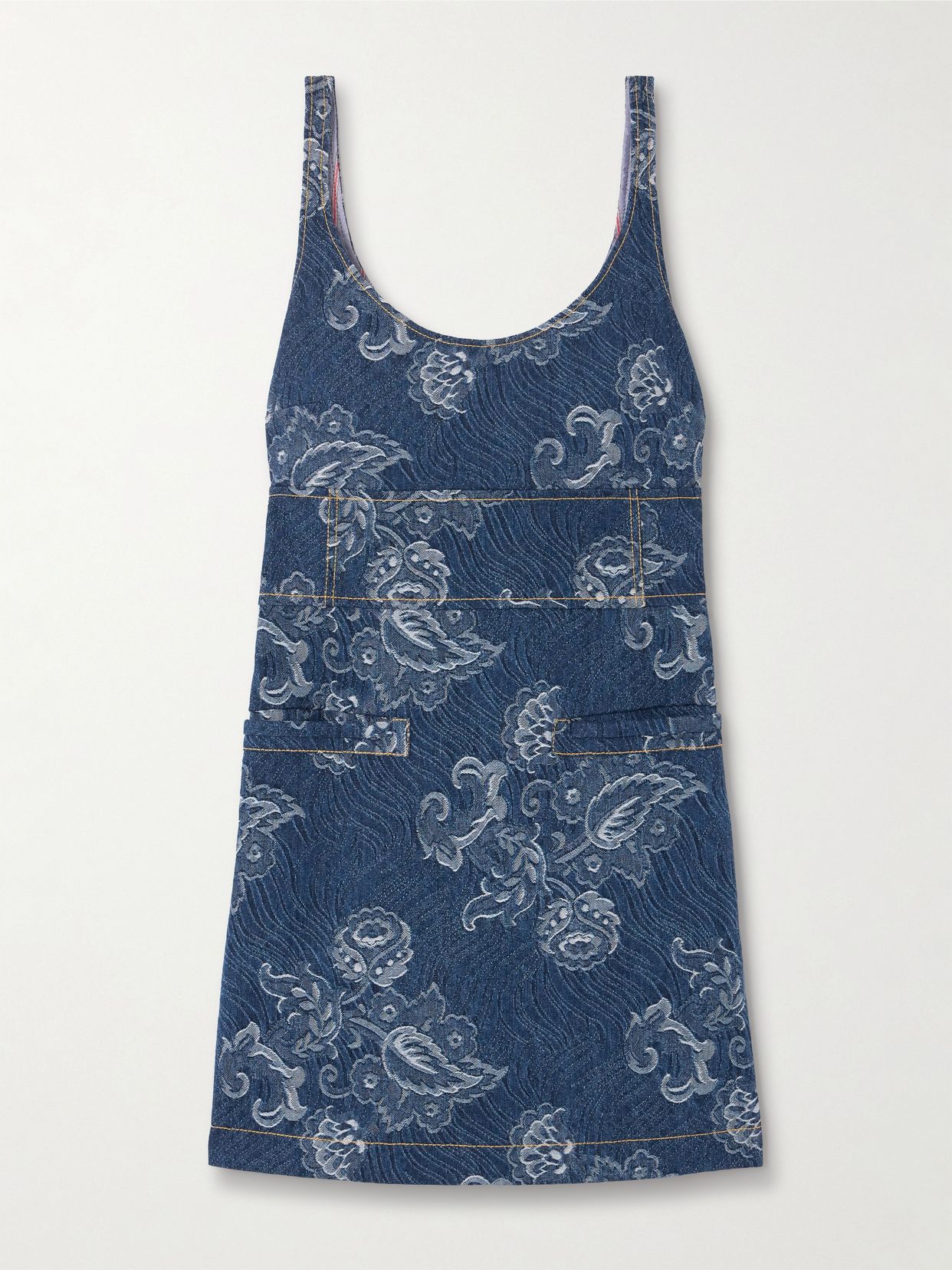
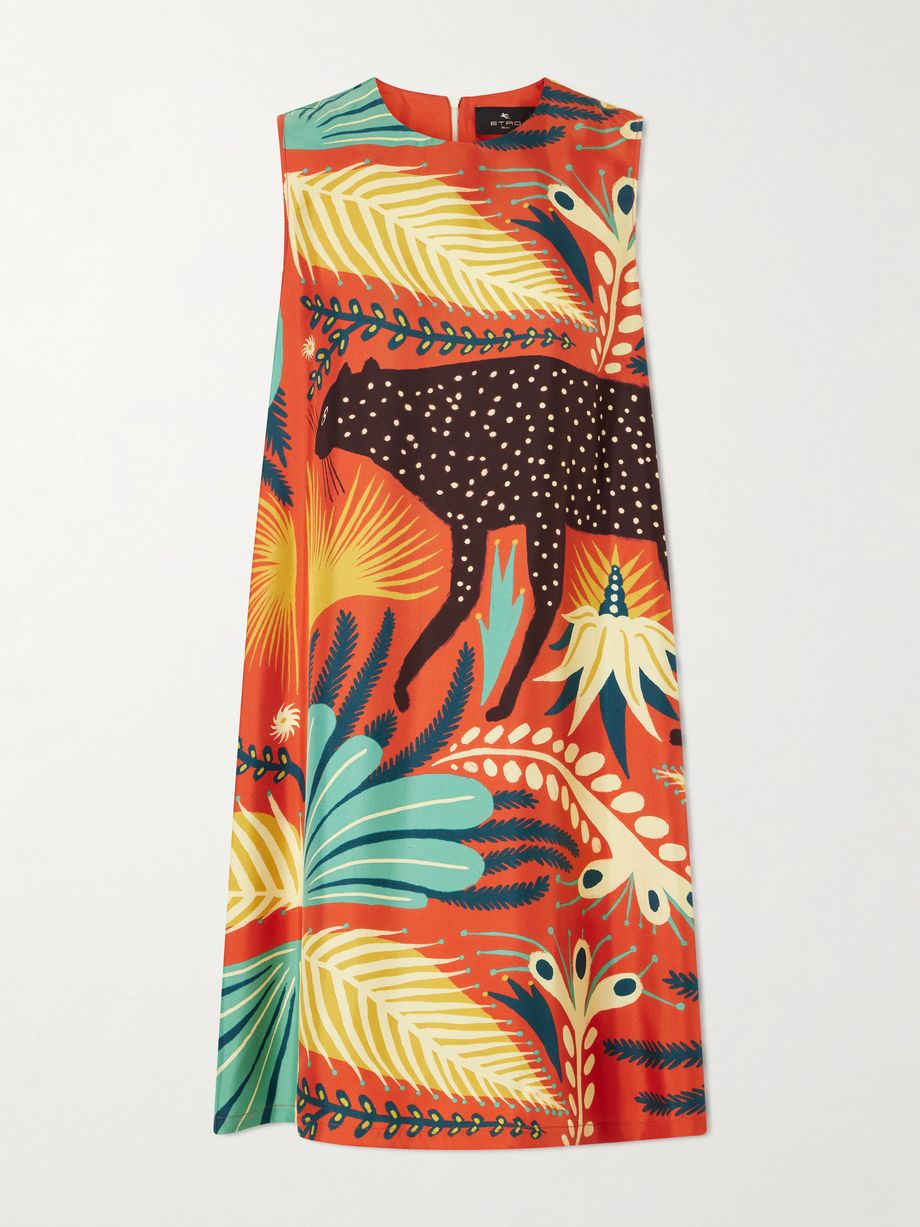
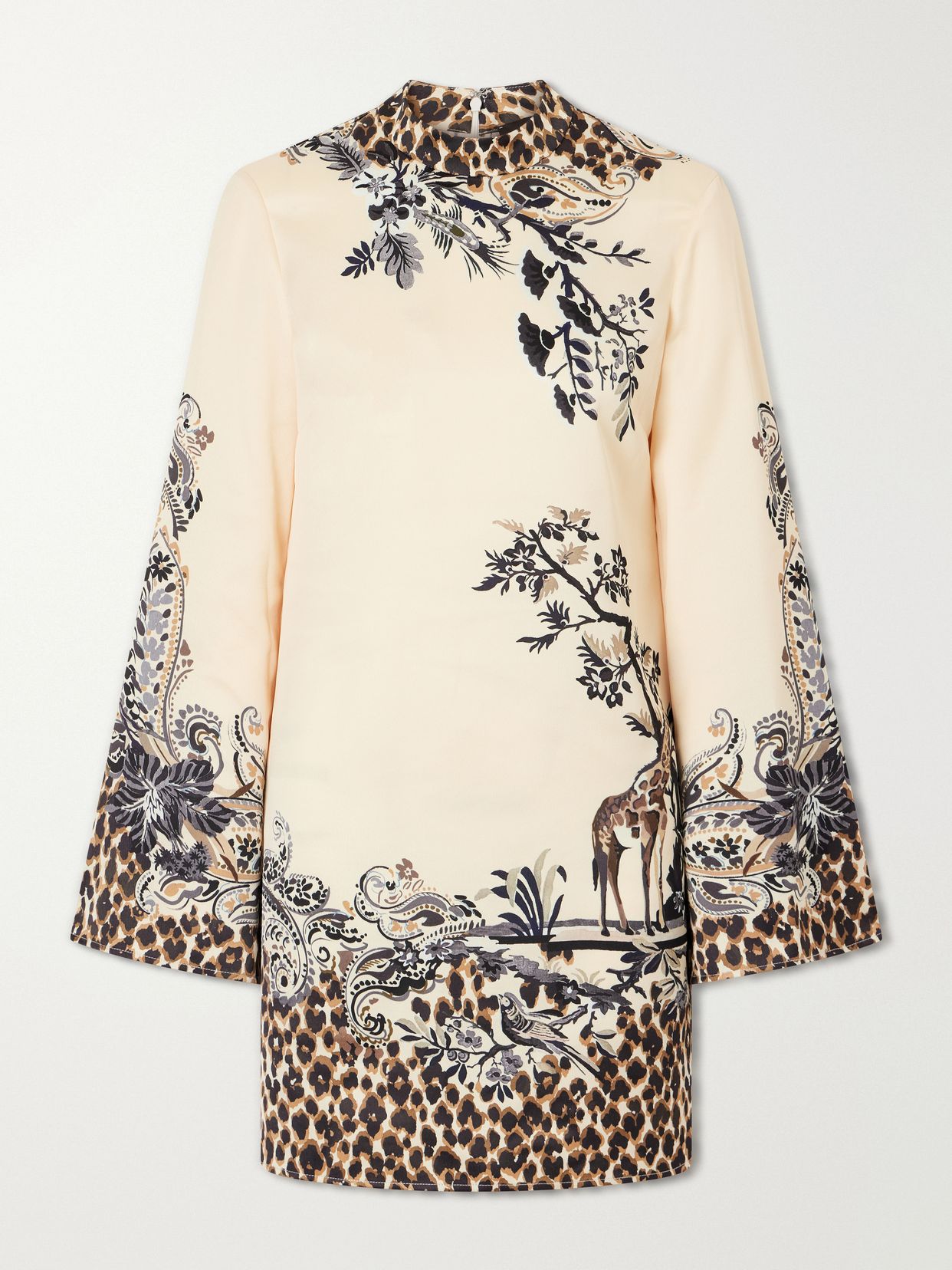
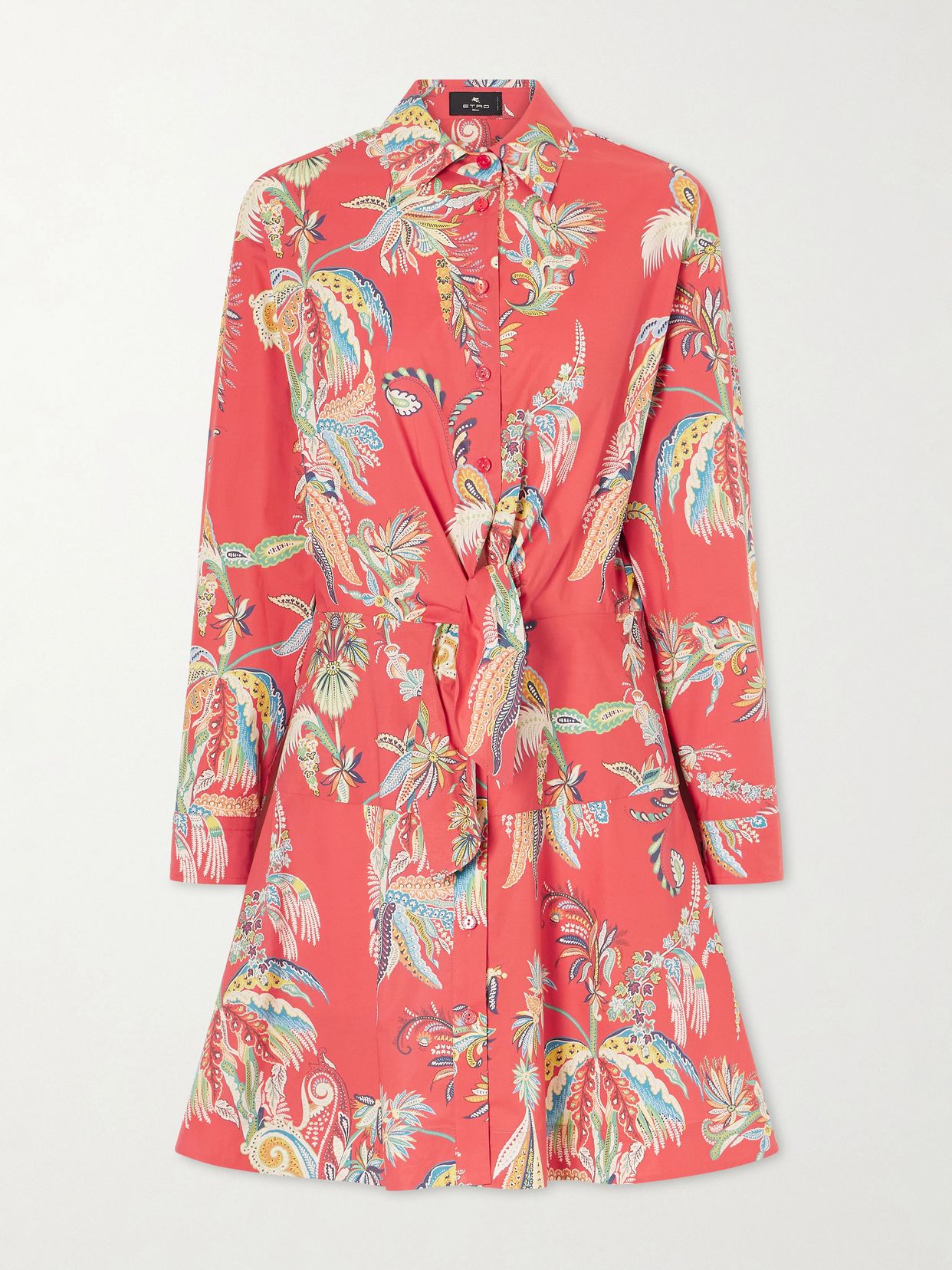
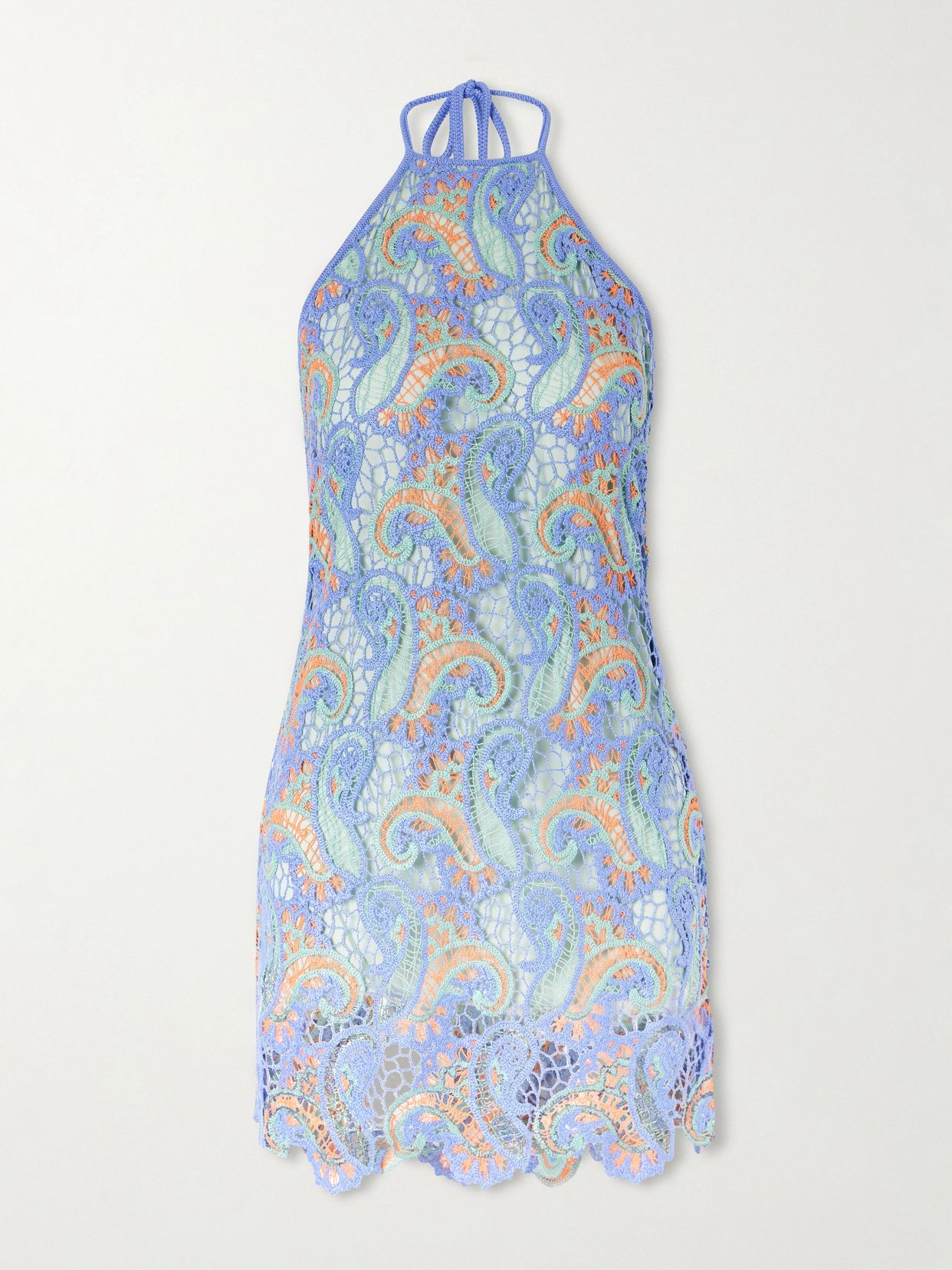
Match the slip to the shortest point of the dress, not the longest. Under a mini, the layer should remain hidden when you sit. Under a midi, it can finish several inches above the hem so it does not add a second line. The mini dresses here run from $620 to $2,750, with shapes that include a denim-jacquard mini, a knotted printed cotton-blend mini, and a crocheted halterneck mini. Try the slip with the actual dress and shoes, since static length tells you very little once you move. Watch the neckline too. A high slip under a halterneck or pussy-bow dress can show where you did not expect it. Thin straps, a clean scoop, or a slip with an adjustable neckline usually gives you more control.
Making layers work with print
Layering under a richly patterned dress should make the outfit quieter, not add another visible design. Keep the slip close to the dress in tone when the main issue is transparency. A contrasting layer can work when the dress already has a deliberate cut-out or open section, but it needs to look intentional from every angle. The printed maxi dresses in the edit run from $690 to $2,335, including a crepe de chine maxi halterneck dress and a floral-print crepe maxi dress. Their length makes the lower half of the slip especially important, because a peeking edge can change the whole proportion.
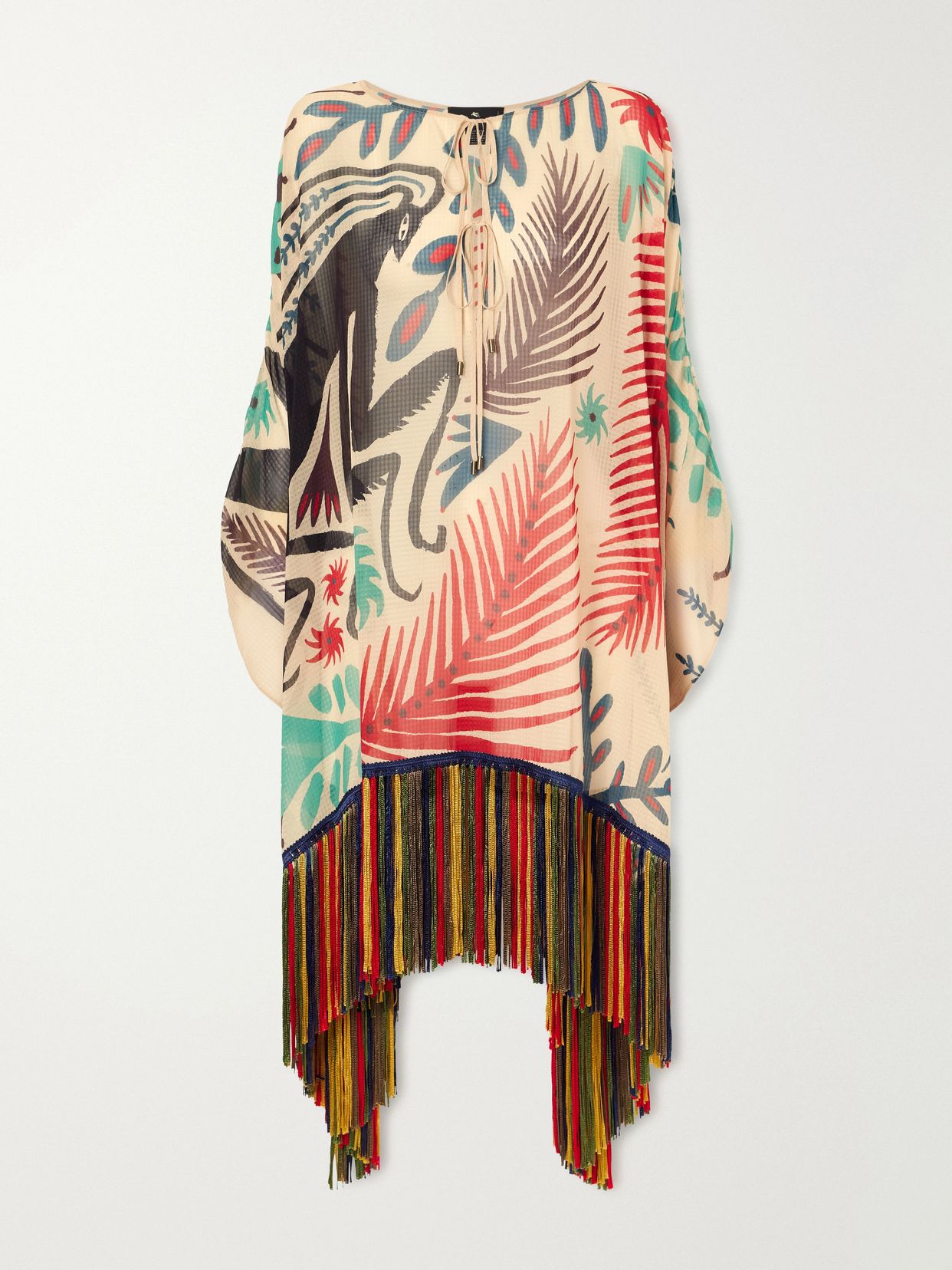
If the dress has volume, let the layer remain simple and let the skirt do the work. With a fitted mini, a light jacket or an open shirt can give the outfit a useful second line without making it feel overdone. Under a crochet or woven-fringe style, check that the slip does not catch on the surface when you pull the dress into place. A slip also changes how you walk. Take several steps, climb a stair, and sit before leaving the house. If the dress moves cleanly and the layer stays hidden, you have solved the practical problem without making the underlayer part of the outfit.
Under $2,390
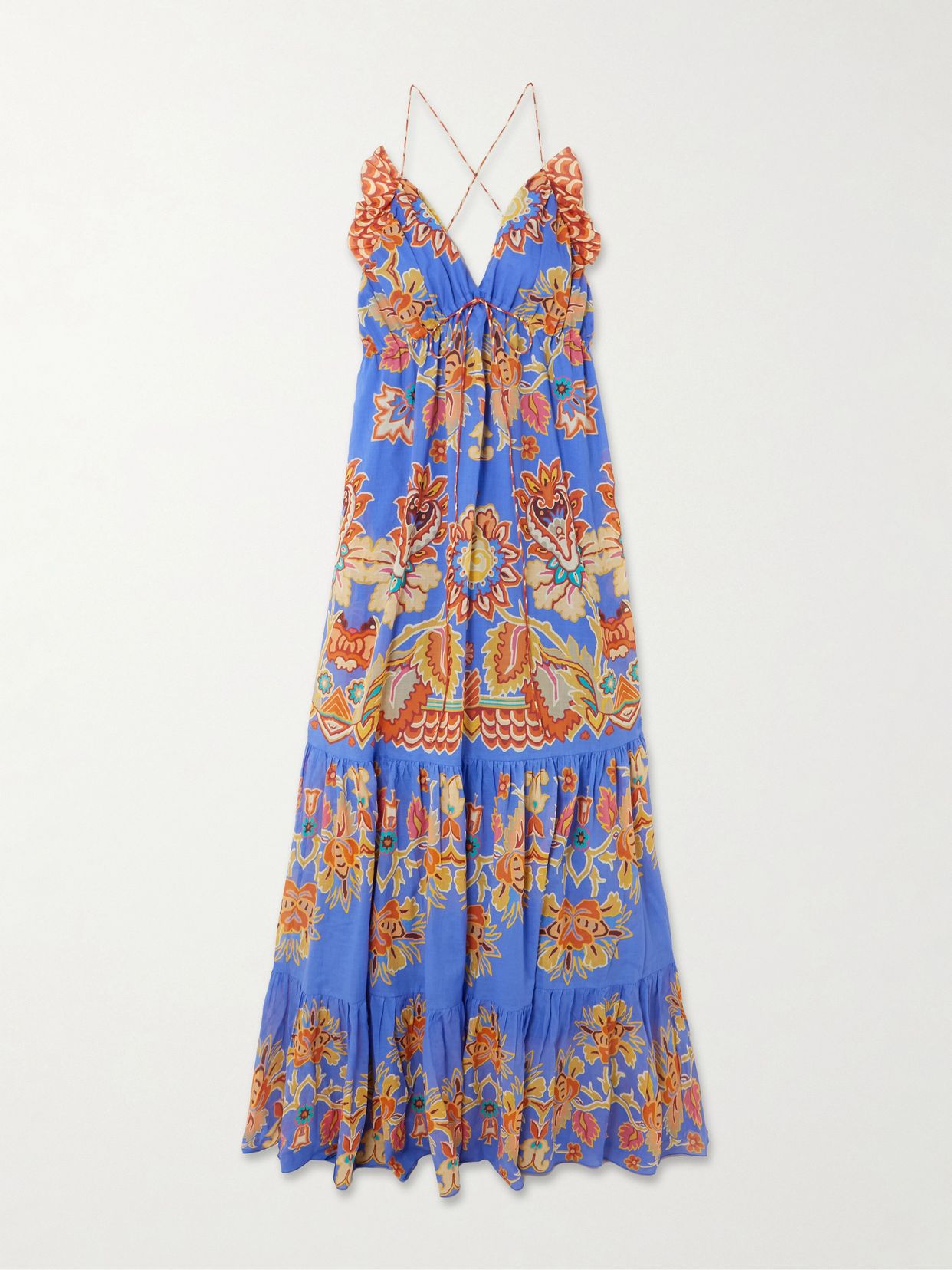
Ruffled tiered printed cotton-voile maxi dress
Etro
$690
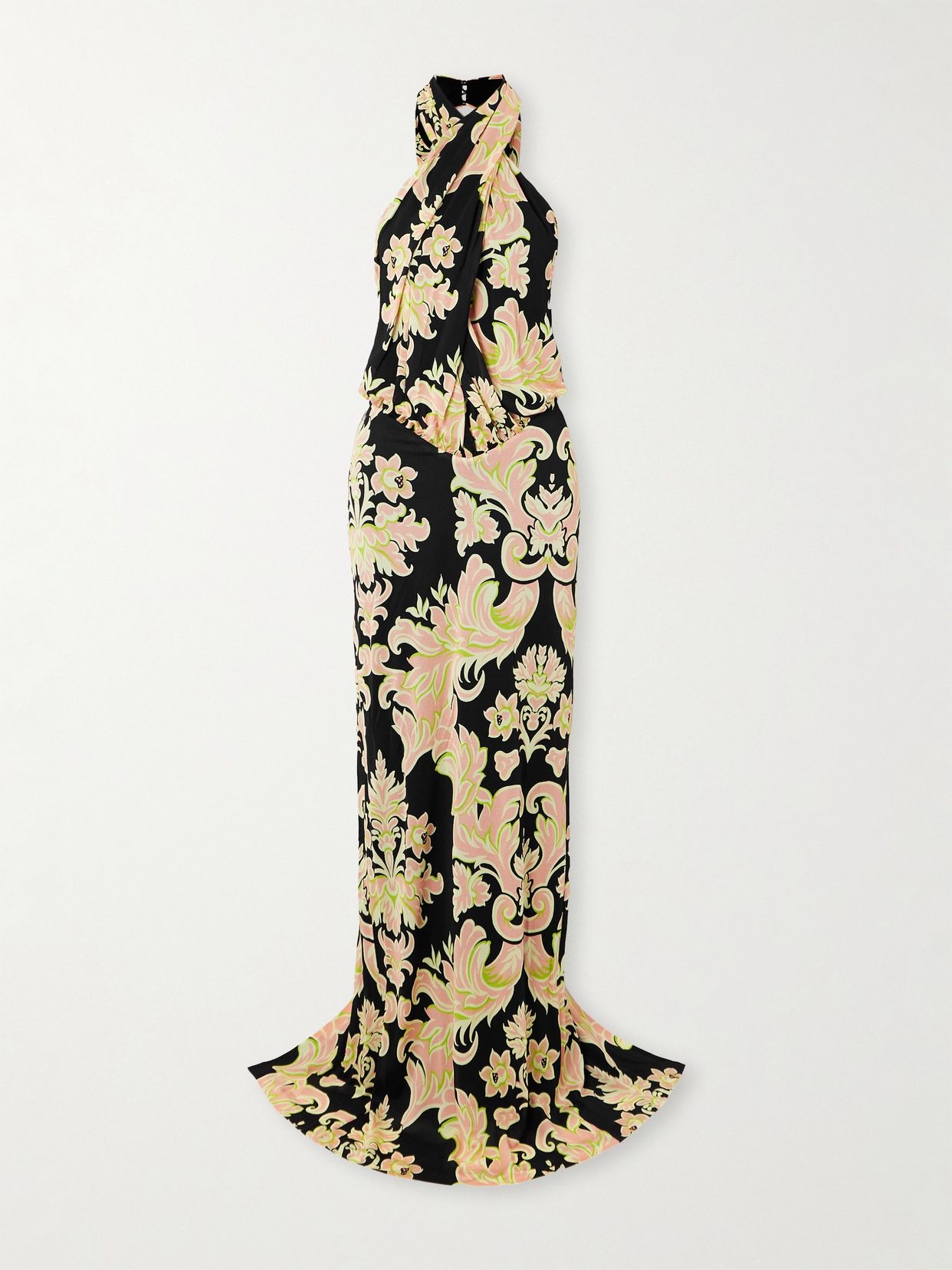
Crepe de chine maxi halterneck dress
Etro
$1,017
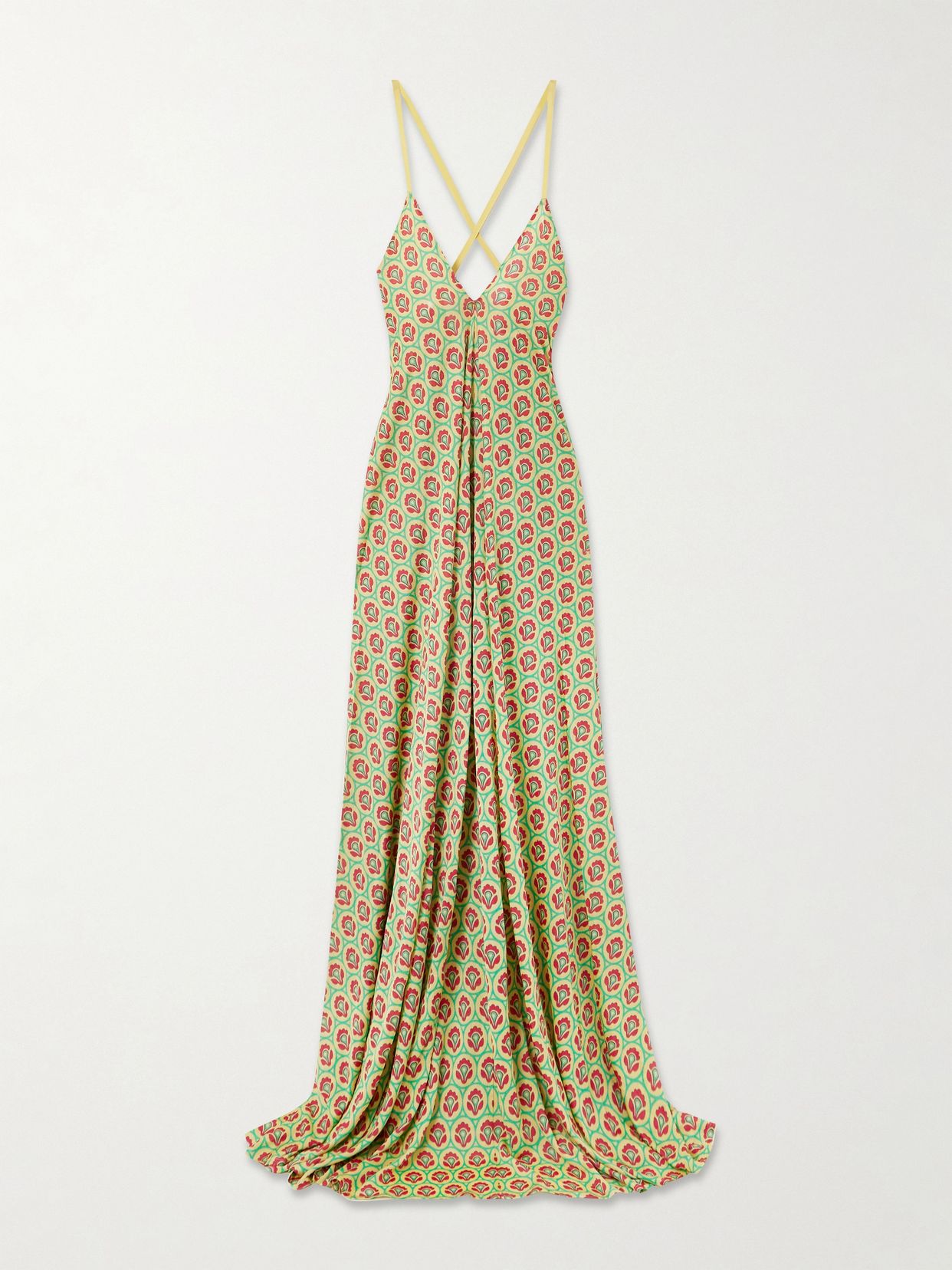
Printed woven maxi dress
Etro
$1,467
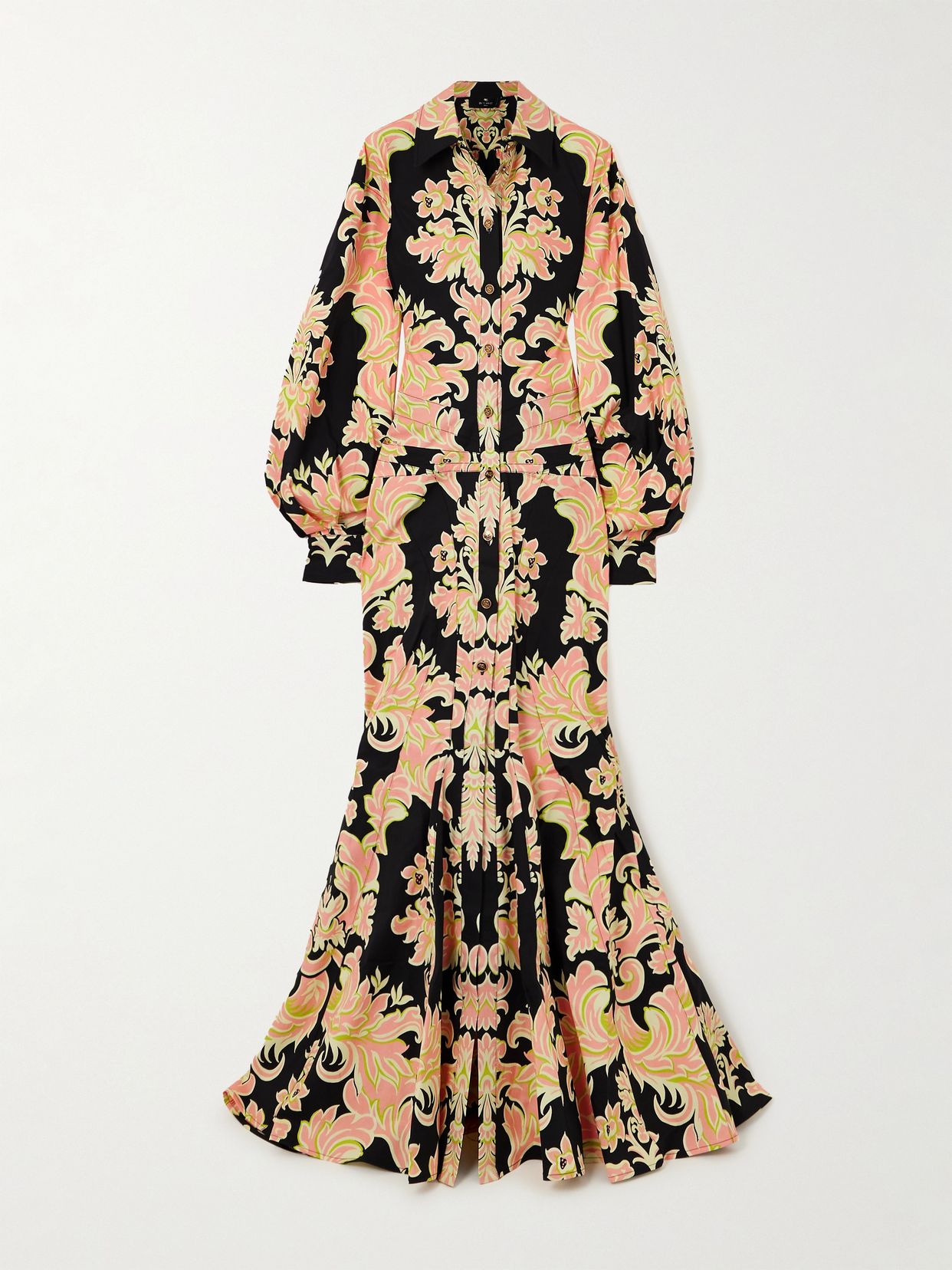
Printed stretch-cotton poplin maxi dress
Etro
$1,719
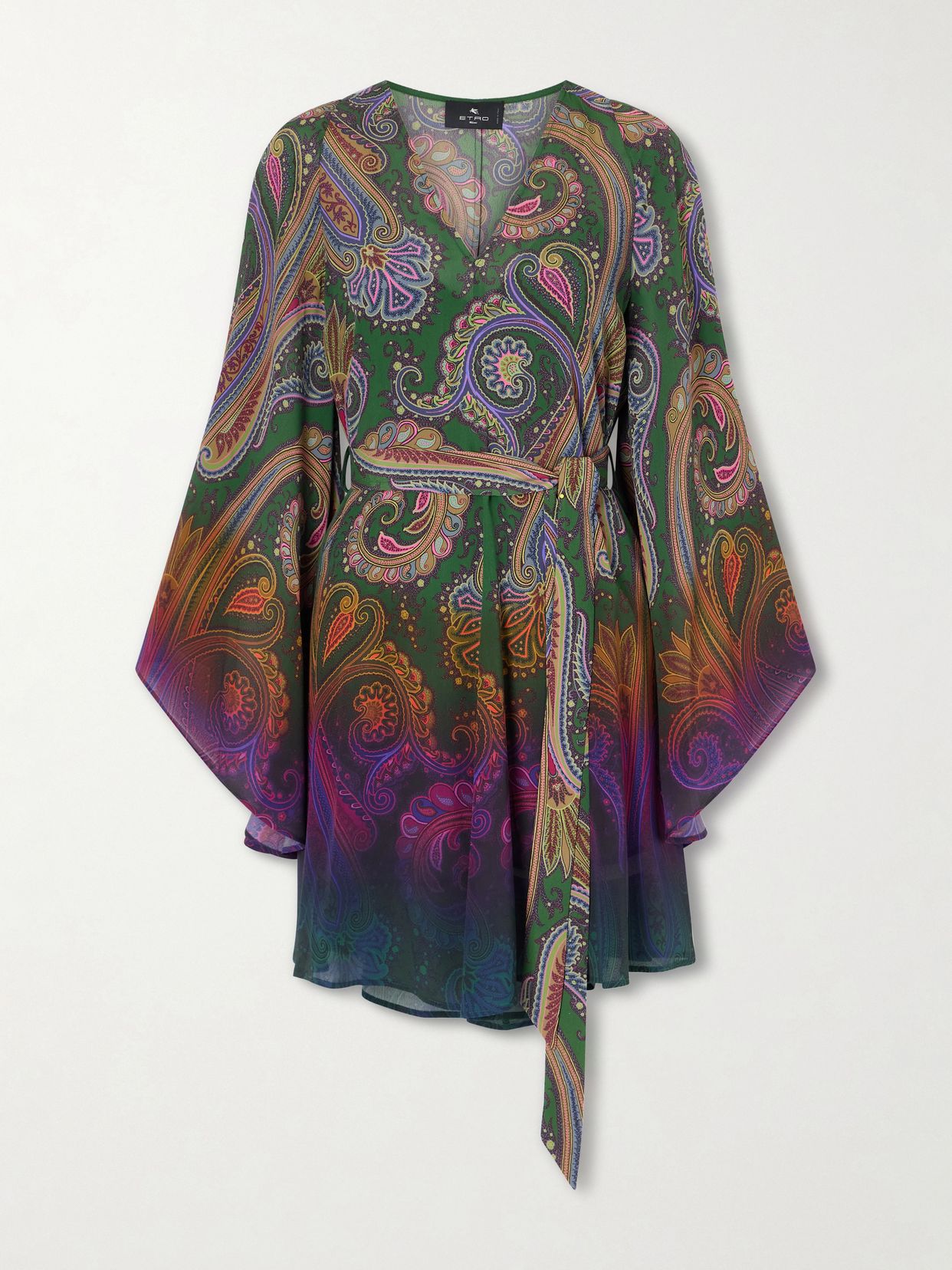
Belted paisley-printed jersey mini dress
Etro
$1,990
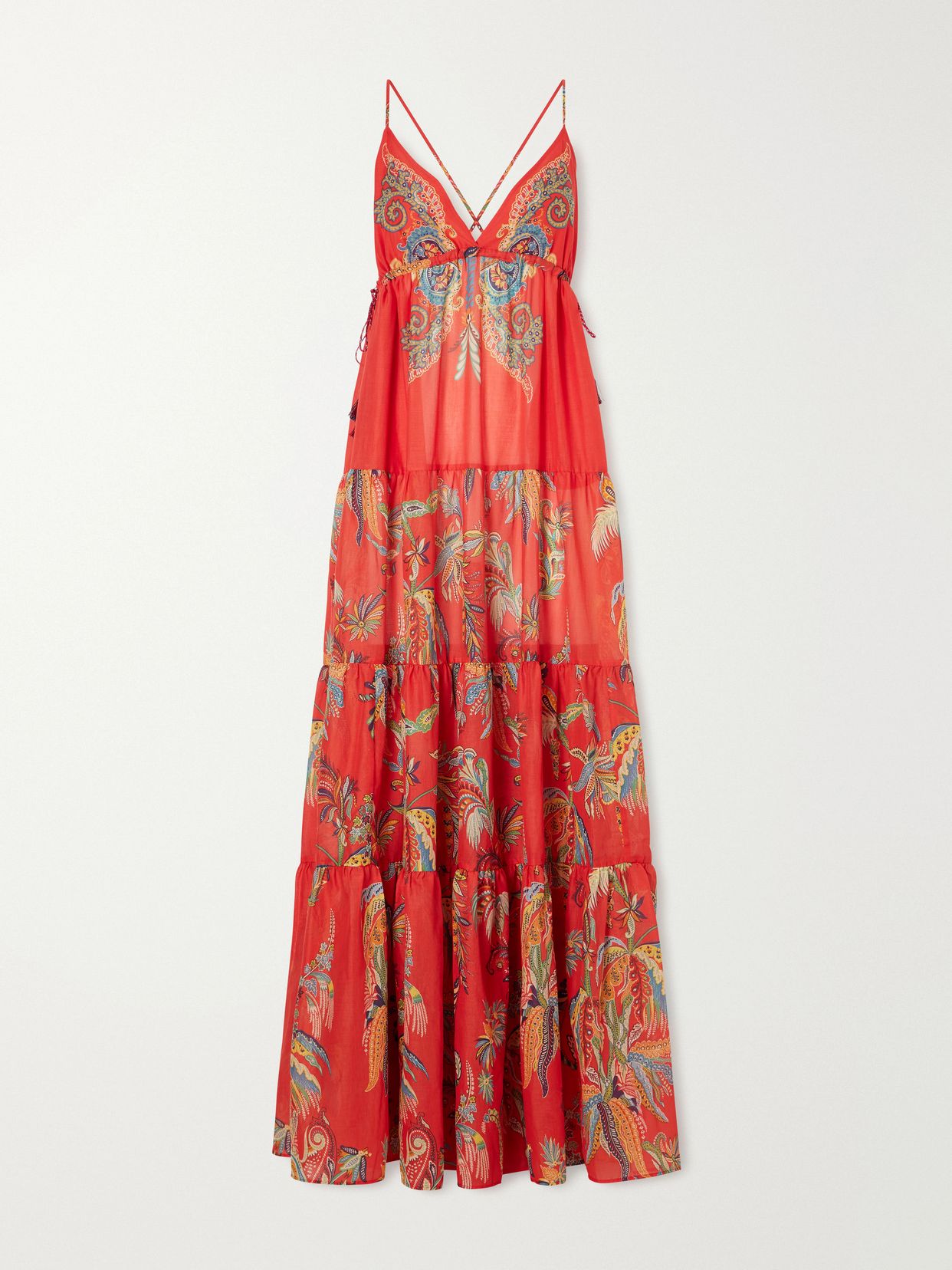
Ruffled printed cotton maxi dress
Etro
$2,150
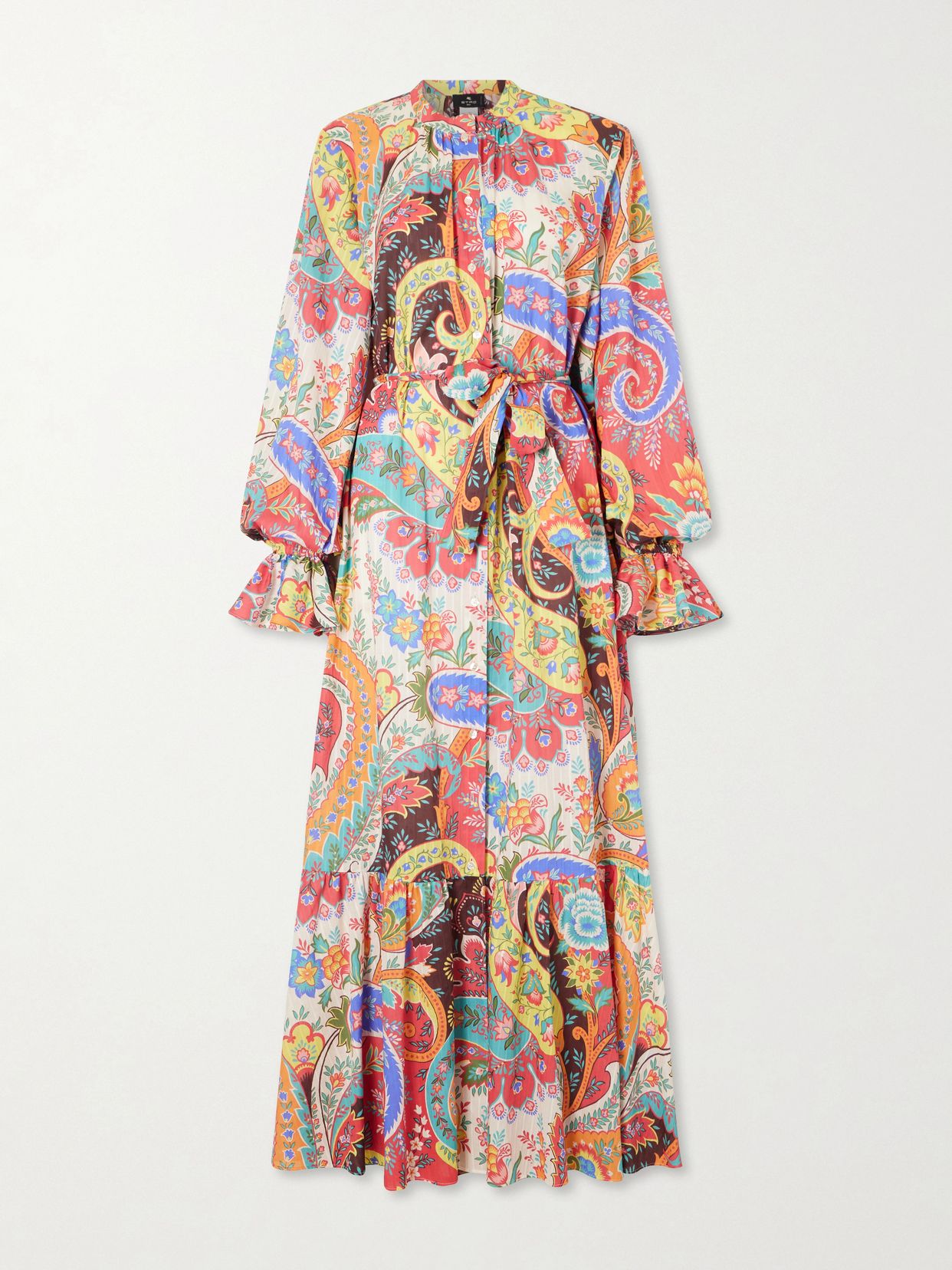
Belted paisley-print cotton-voile maxi shirt dress
Etro
$2,270
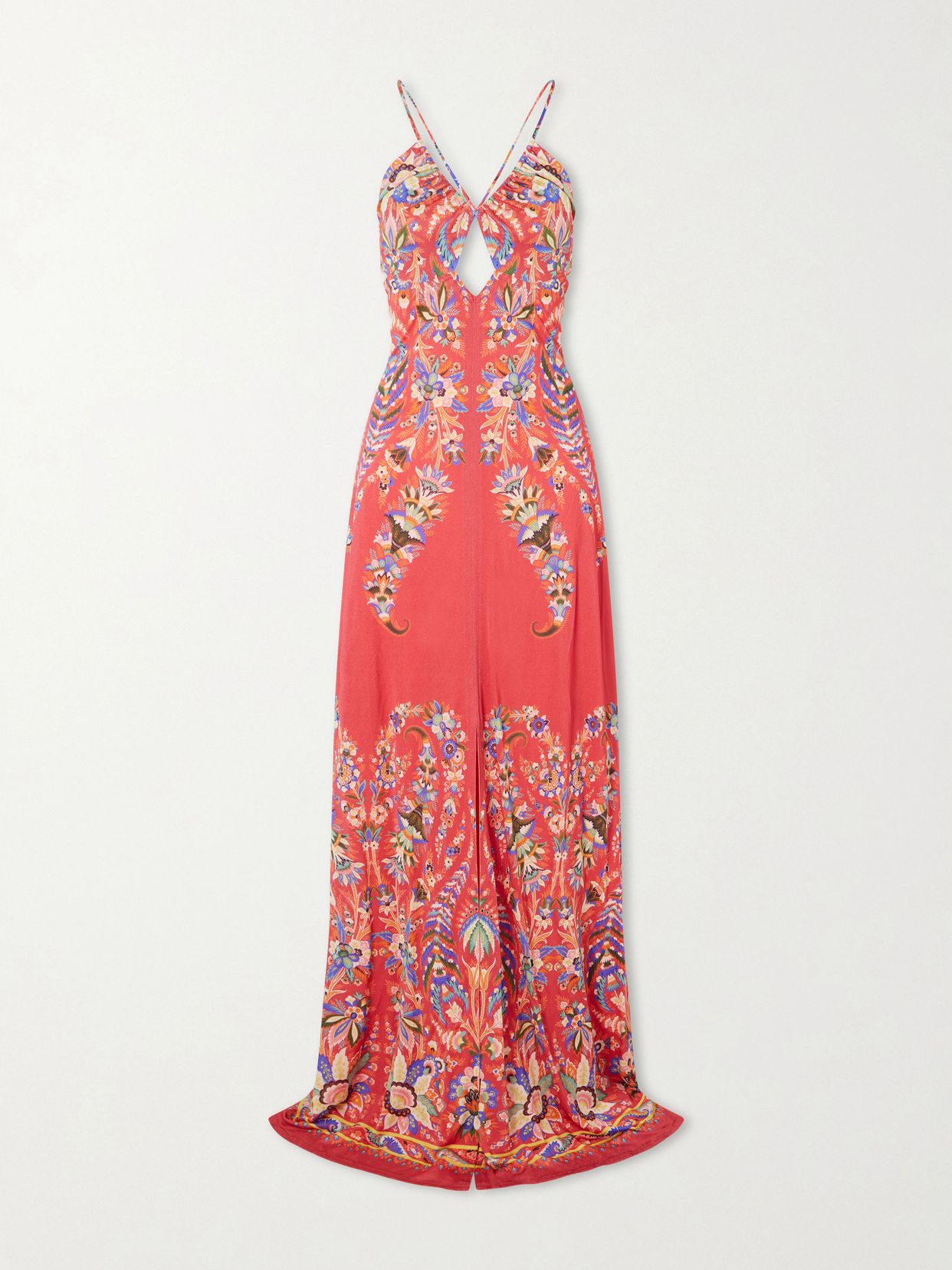
Floral-print crepe maxi dress
Etro
$2,335
Our honest take
We would buy the dress first, then decide whether the problem is light or friction. A slip is worth it under a sheer panel, an open weave, or any skirt that catches at the thigh, but it is unnecessary under a dress that already moves cleanly. We would test the floral-print chiffon midi dress and the cut-out satin-jersey style in daylight and while seated, rather than trusting a fitting-room mirror. For minis, check the back hem when you sit. For maxis, check the layer does not show as you walk. If you take one thing away: solve opacity with coverage and cling with a smooth layer, because one slip does not automatically fix both.
Shop brands in this edit

Next read
Secondhand Louis Vuitton Damier Ebene Or Damier Azur
Damier Ebene and Damier Azur are the same coated canvas in two colourways, and the secondhand market treats them as two different products.
Read Editorial
Secondhand Silk My Favs
My sixteen selects of scarves below are all ninety centimetre squares, split into two price bands