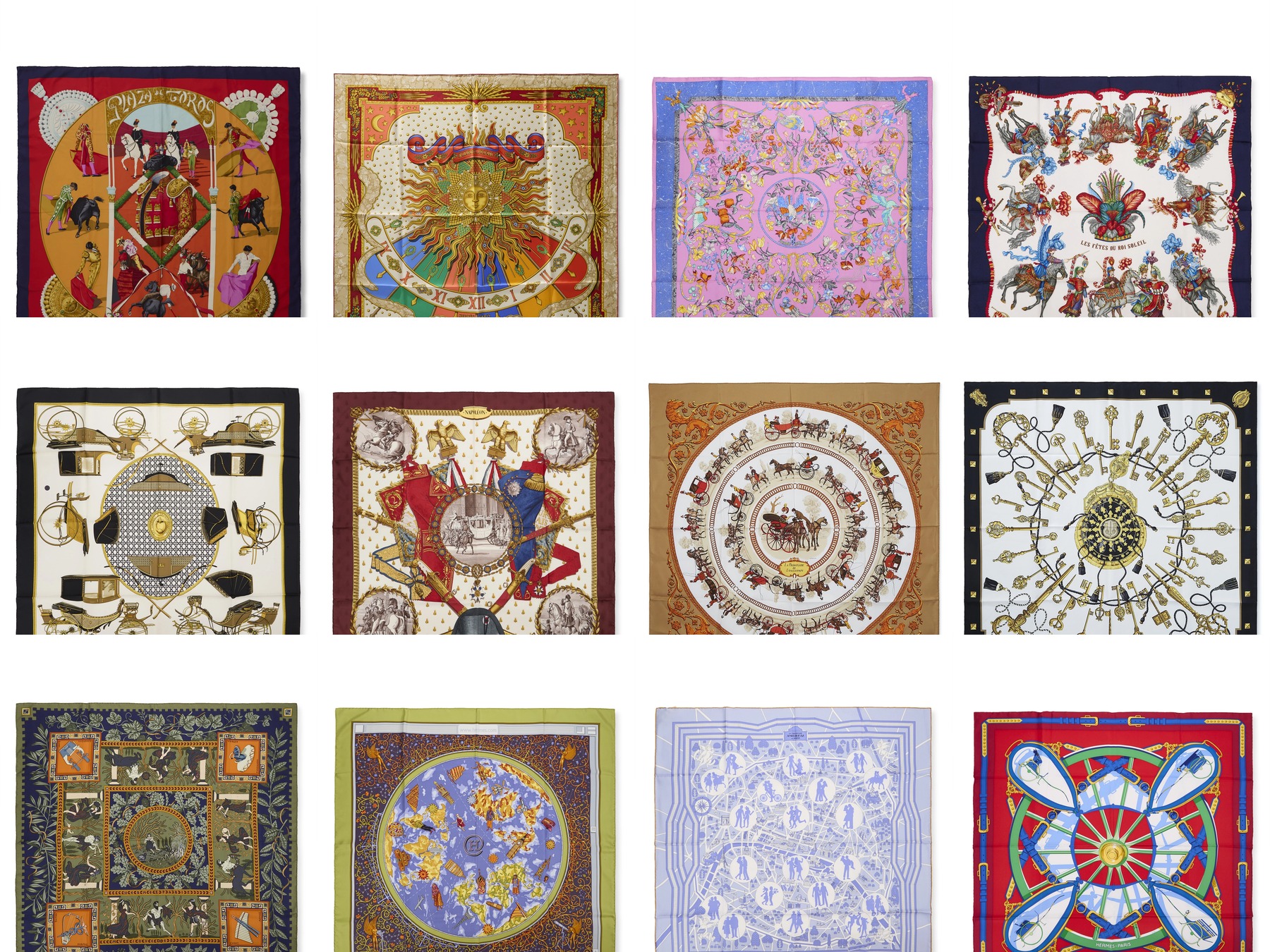
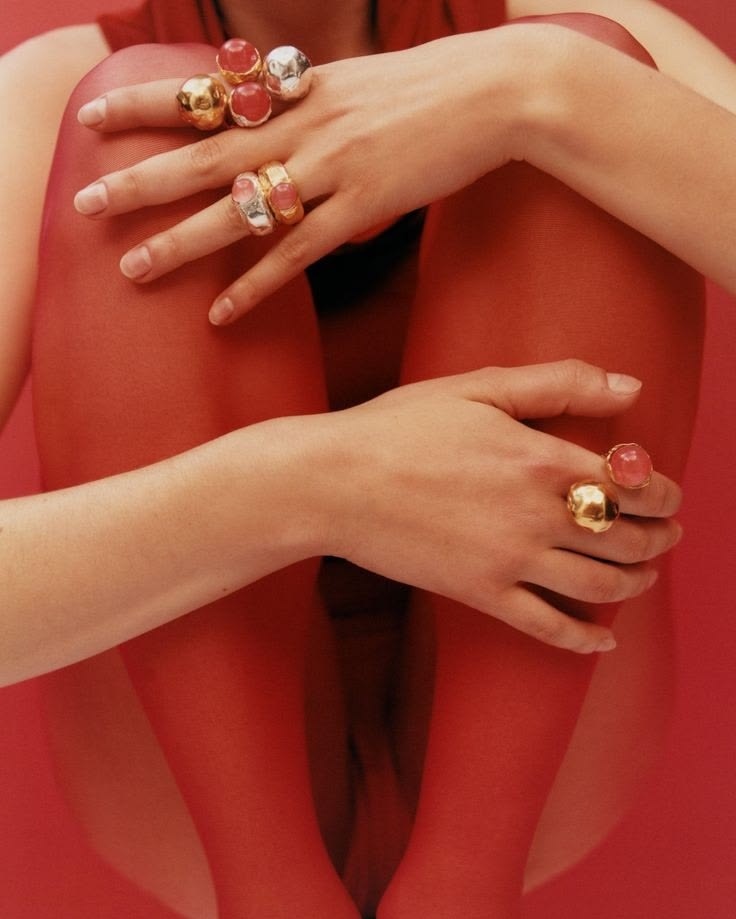
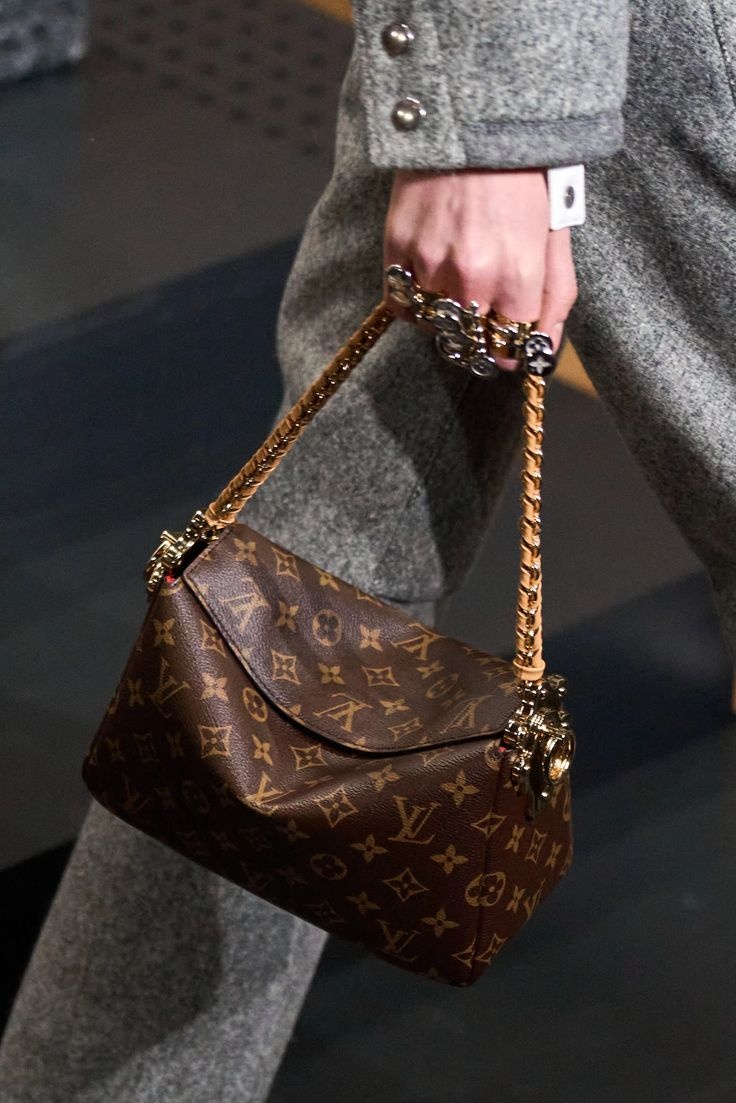
Houses keep reviving their own archives, and it is not only nostalgia. What a re-editioned piece actually is, and how it differs from the original.
Re-Editioned Jewelry: Why Houses Revive Old Collections
What a re-edition is, and what it is not
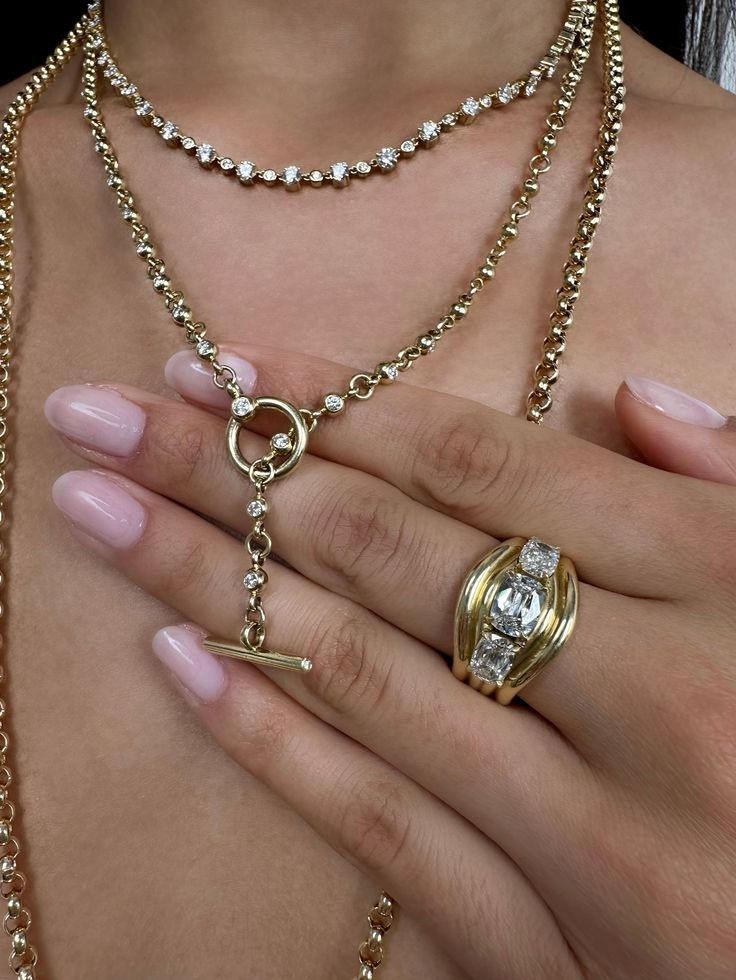
A re-edition is a house putting an old design back into production, usually with changes it does not always announce. That is worth understanding before you buy one, because a re-edition is neither a vintage piece nor a straightforward new one. Typically the silhouette is faithful and the construction is modernised. Hollow forms become solid or the reverse. Clasps get replaced with current hardware. Stone sourcing changes, and a design originally made with mined stones may now be offered with lab grown ones. Sizing is frequently adjusted upward, because bodies and expectations have both changed. None of this is deception, and most of it is an improvement in durability. But it does mean a re-editioned piece is not interchangeable with the original in a resale market, and if you are buying for that reason you should be clear about which one you are holding. The reason houses do it is straightforward. An archive design has already been proven to sell.
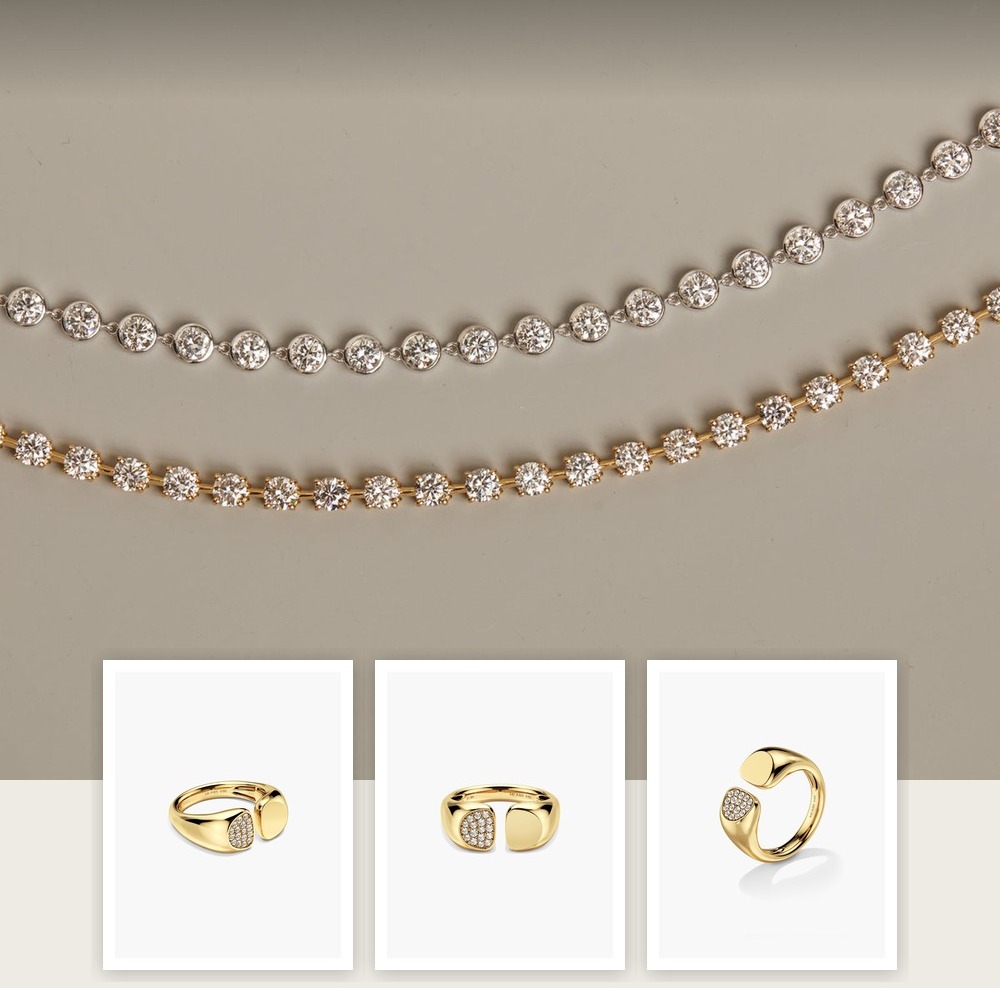
Revived and re-editioned

8ct Lab Grown Diamond Tennis Link Bracelet
Aurate New York
$8,117

3ct Oval Lab Grown Diamond Floating Signet Ring
Aurate New York
$5,278

3ct Round Lab Grown Diamond Floating Signet Ring
Aurate New York
$5,168

3ct Emerald Lab Grown Diamond Floating Signet Ring
Aurate New York
$5,058
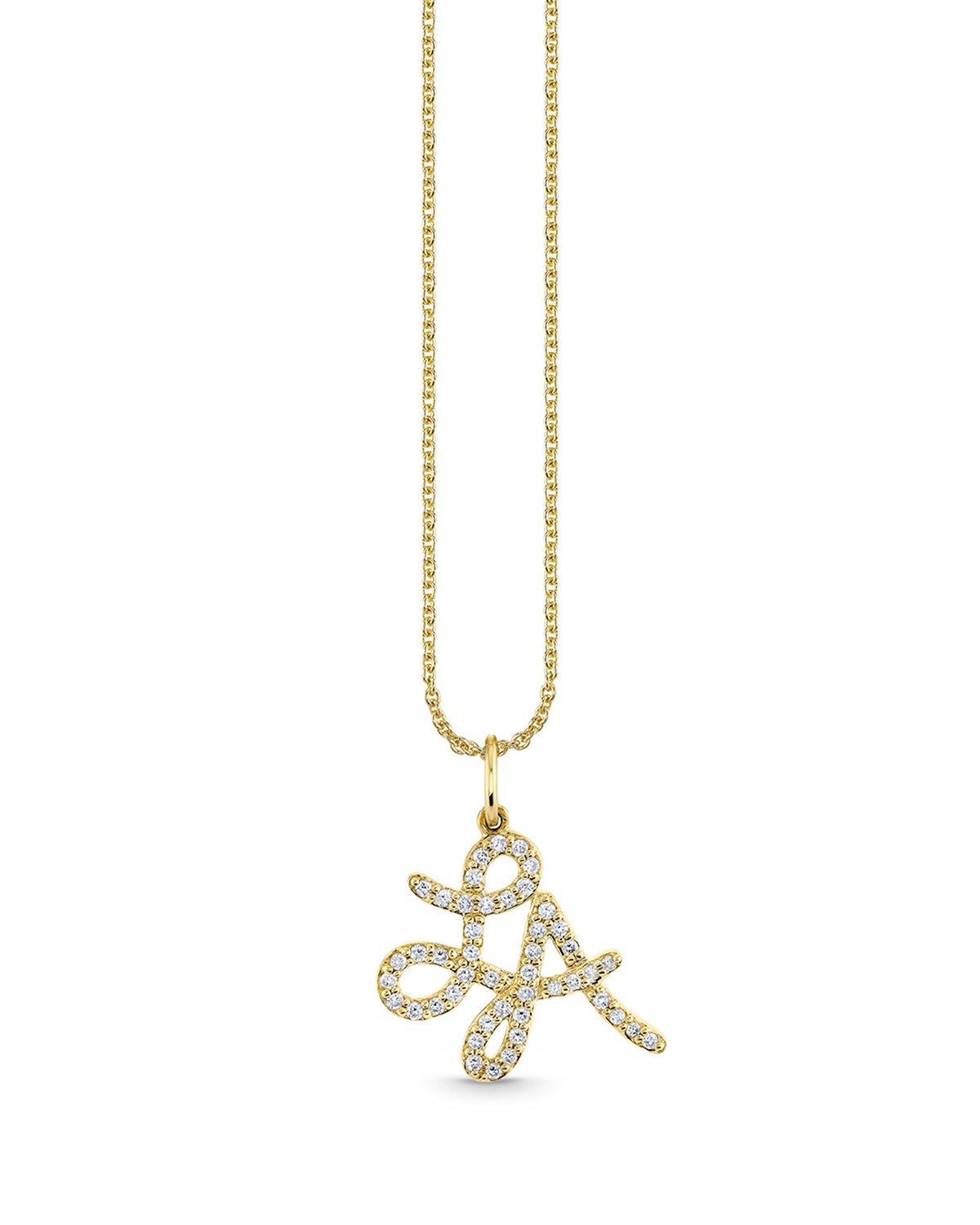
14K Yellow Gold Diamond LA Script Charm Necklace, 16"
Sydney Evan
$1,885
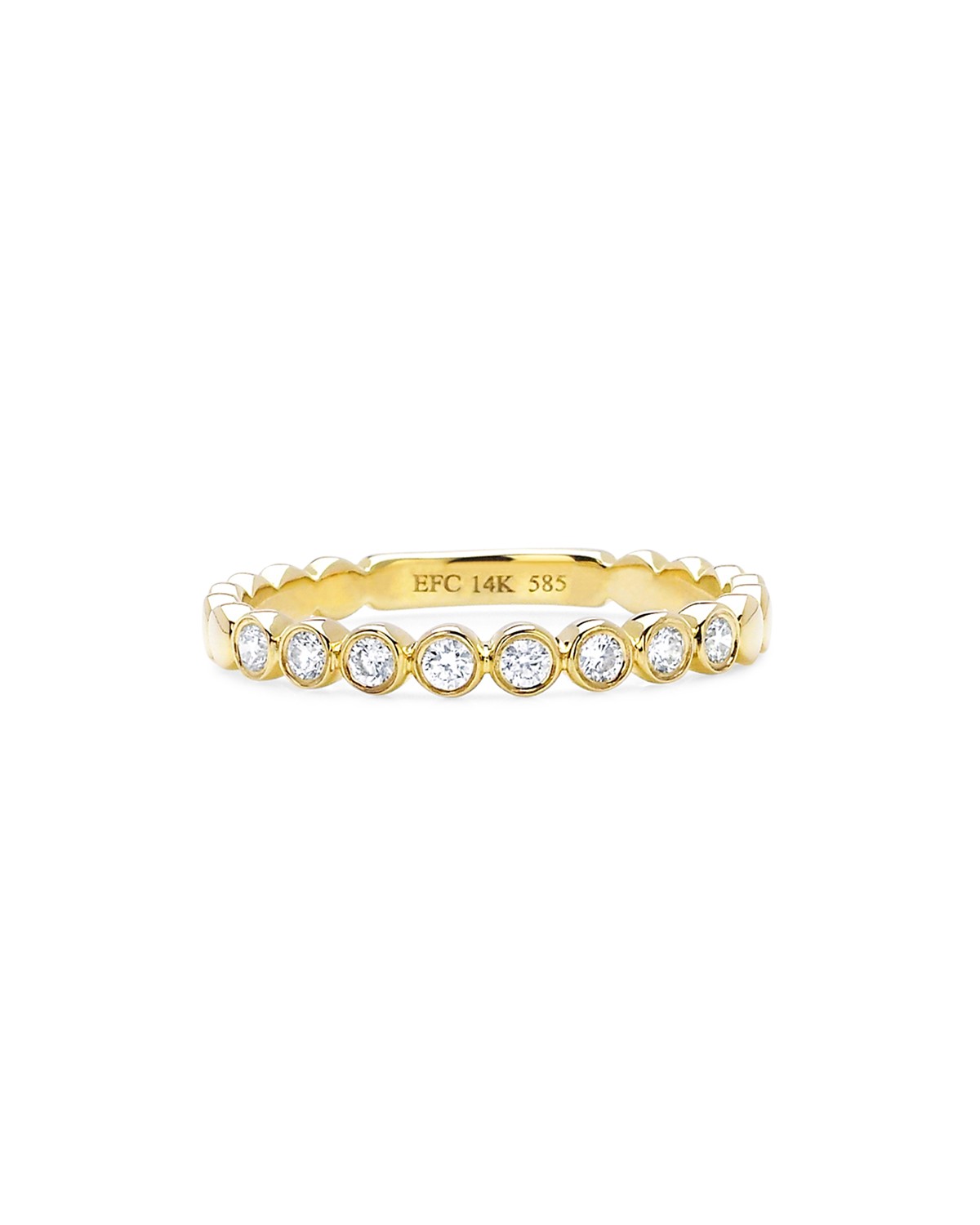
14K Yellow Gold Diamond Bezel Stack Ring
EF Collection
$1,395

Mini Lab Grown Diamond Tennis Bracelet
Aurate
$1,398
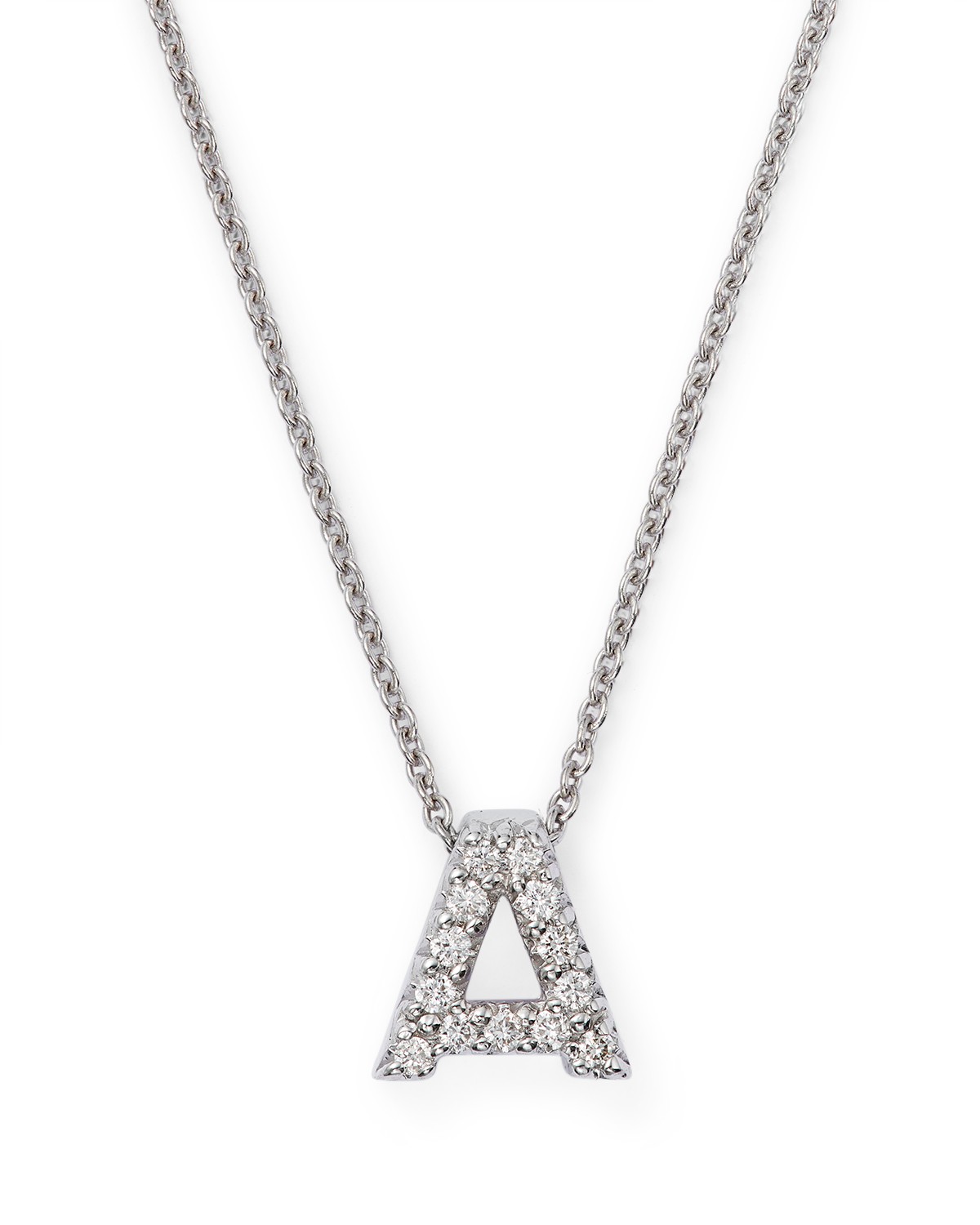
18K White Gold "Love Letter" Initial Pendant Necklace with Diamonds, 16"
Roberto Coin
$1,090
How to judge a revival on its own terms
The useful question is not whether the revival is faithful but whether the design was good enough to deserve reviving. Some archive pieces are revived because they were genuinely excellent and some because a decade is fashionable again, and the second kind ages quickly. A rough test is whether the design would read as odd if you did not know its date. If it only makes sense as a reference to a period, it is a trend purchase. If it reads as a shape, it is a design. Practically, check the metal specification against the original if you can find it, because a design revived in a lighter gauge will not wear the same. Check whether the piece is a limited run, since that affects both price and the likelihood of ever getting it repaired with matching parts. And check the size range, because a faithful revival sometimes means faithfully small.
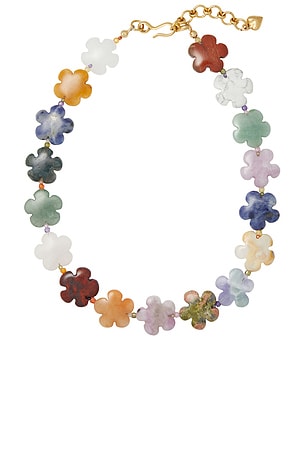

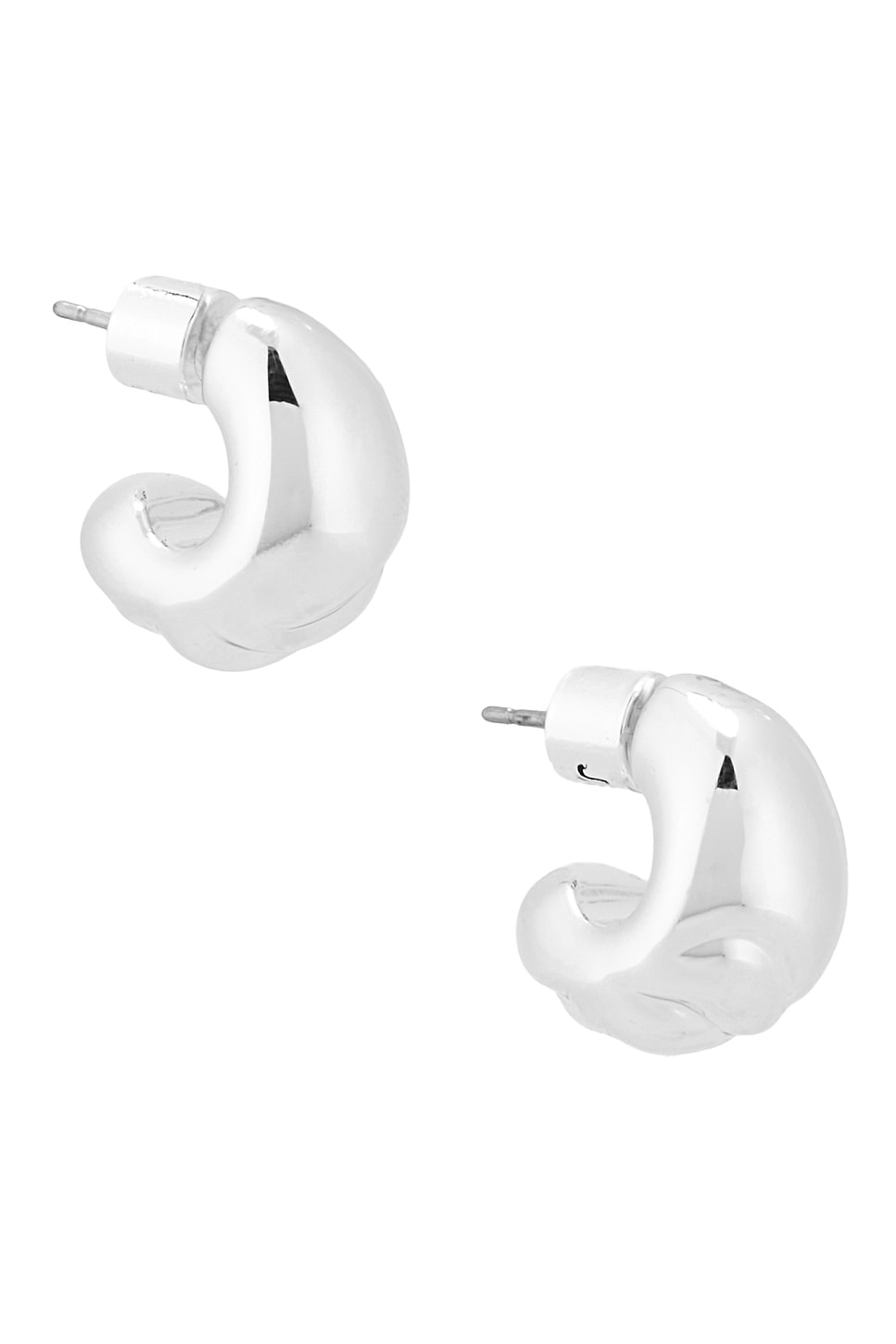
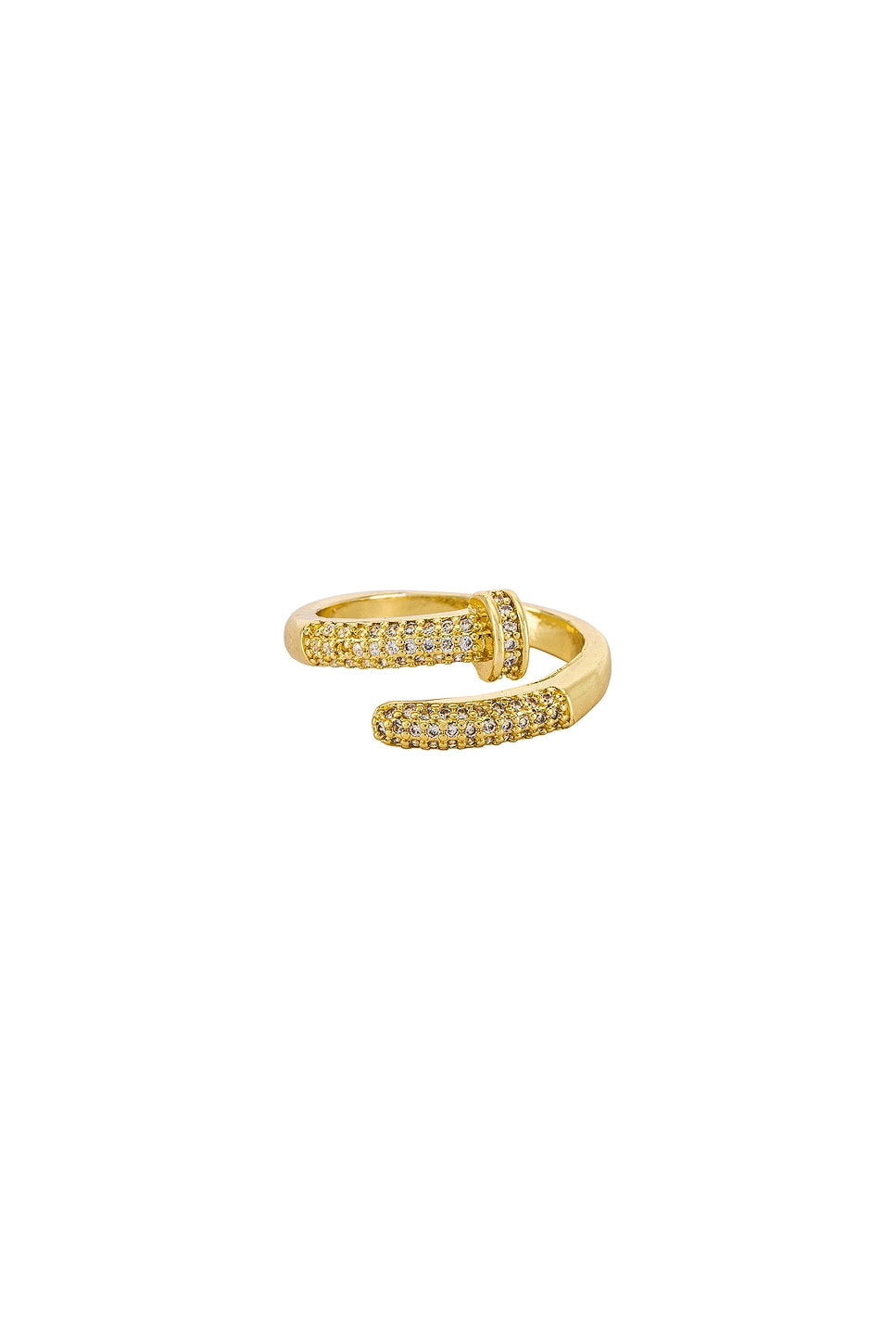
Our honest take
We like re-editions more than we expected to, and the reason is unglamorous. They are usually better made than the originals, because the design has been through a modern durability review. If your interest is in wearing the thing, that is the version you want. If your interest is in owning a piece of a house's history, a re-edition will not scratch it and you should be buying vintage instead. The pieces to be wary of are the ones revived from the recent past, because a design from twenty years ago has not yet had time to stop looking like twenty years ago. Give it another decade. If you take one thing away, ask what changed between the original and the revival, because the answer tells you whether you are buying a design or a reference.
Shop brands in this edit




Next read

Picks Made For Clara
Hey Clara, Phia here, your personalized shopping assistant. I added some picks for you below.
Read Editorial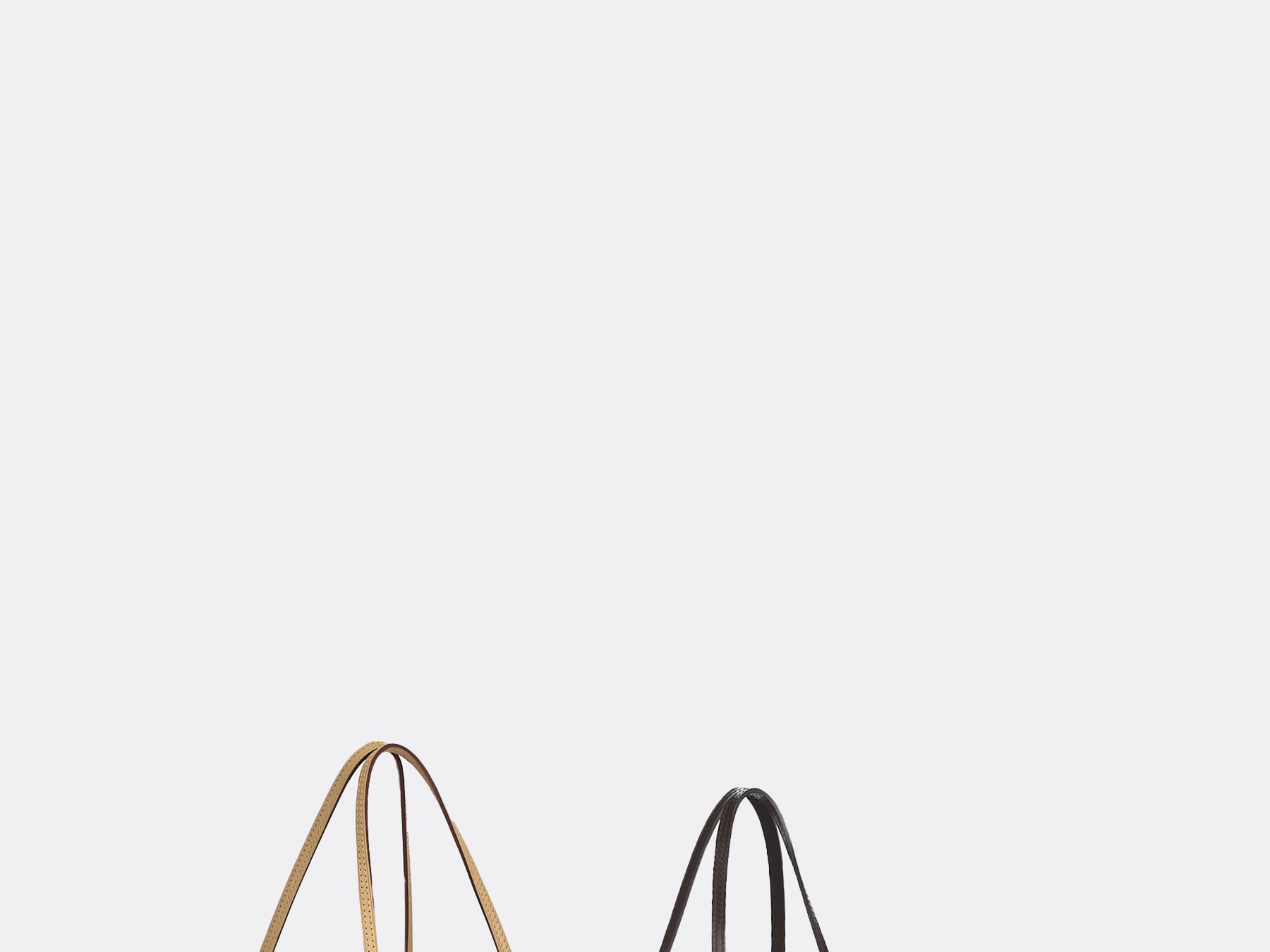
Secondhand Louis Vuitton Damier Ebene Or Damier Azur
Damier Ebene and Damier Azur are the same coated canvas in two colourways, and the secondhand market treats them as two different products.