Real Techniques brushes began with two makeup artist sisters and a YouTube channel. This edit covers the sets, the single face brushes, the sponge and the tools that keep them clean.
Real Techniques Brushes and the Two Sisters Who Filmed Them Into Being
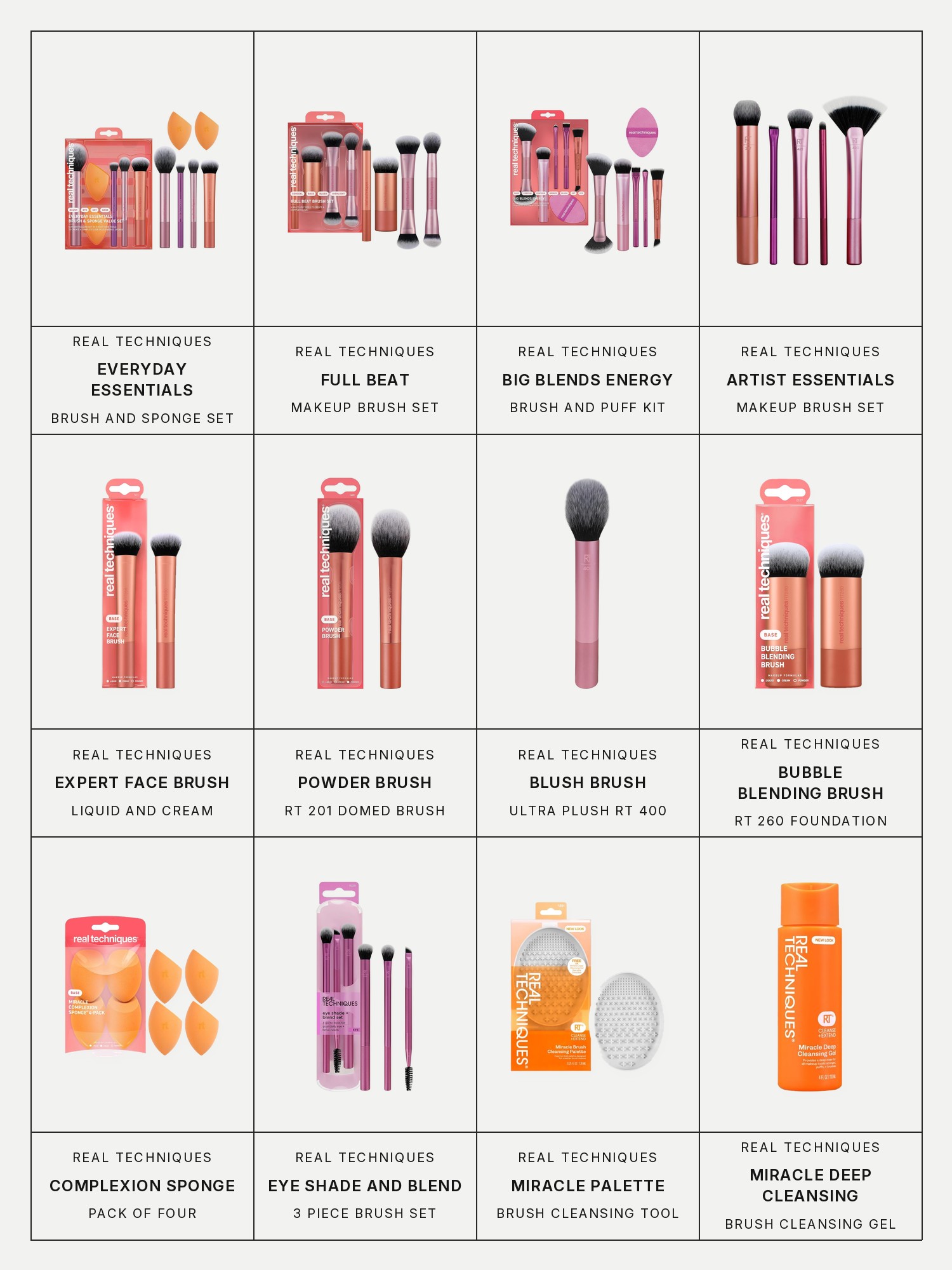
In 2008, Sam Chapman uploaded a YouTube video showing a friend how to do a smoky eye, and that one clip turned into the Pixiwoo channel. Sam and her sister Nic studied professional makeup artistry and began working in London, and their tutorials built an audience before most brands knew what to do with one. In 2010, Real Techniques approached them with an idea: make the tools to go with the tips. The first collection arrived in 2011, and Real Techniques brushes were hand cut from UltraPlush synthetic bristles, in the brand's words, with a color-coded system for base, eyes and finish. That system is what I think of first, because it made an unfamiliar tool easy to learn. The first grid shows four ways in. Everyday Essentials is a six piece kit of four brushes and two sponges. Full Beat is a four piece makeup brush set for face and eyes, and Big Blends Energy pairs brushes with a dual-sided puff. Artist Essentials is the most professional of the four.


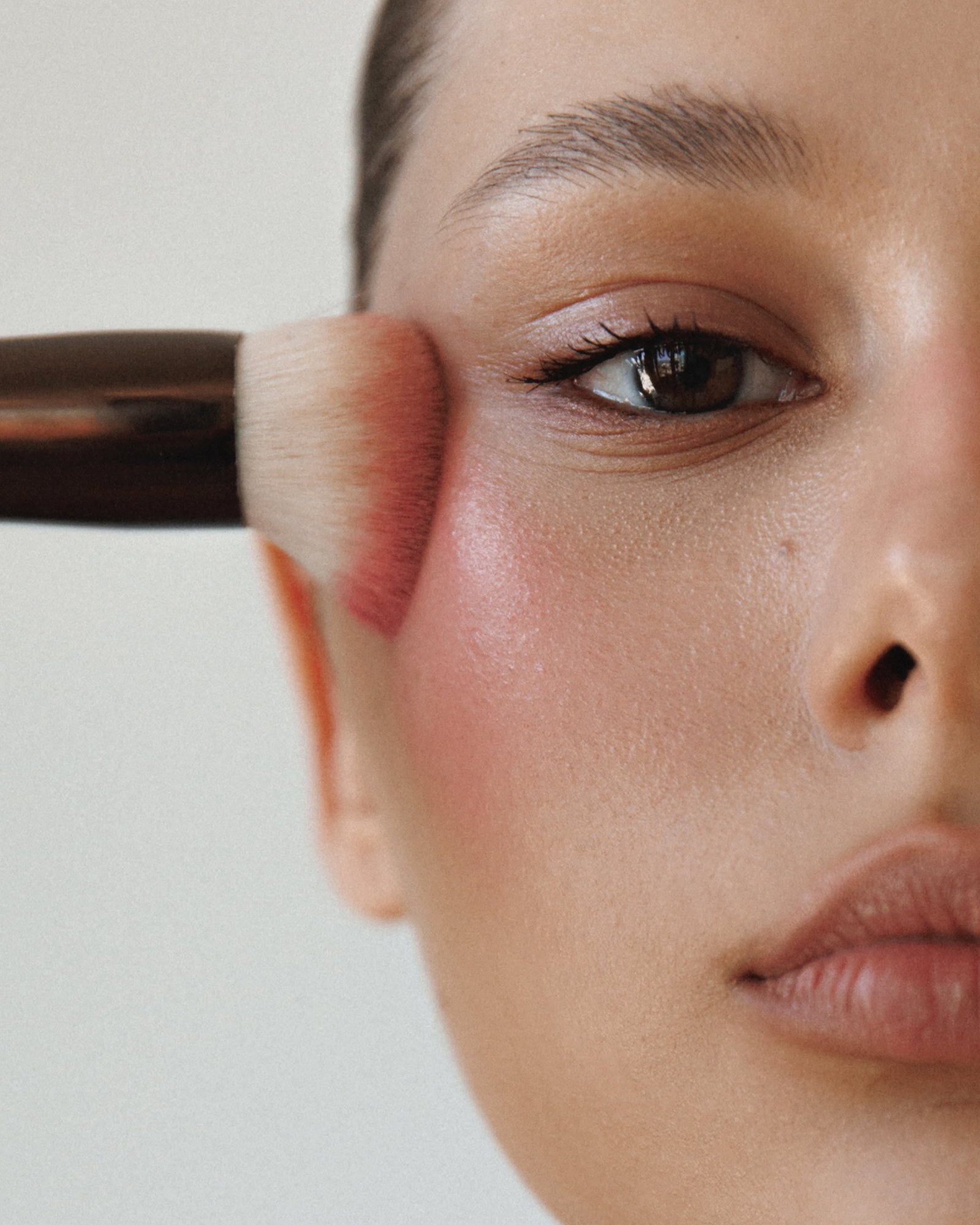
The face brushes I reach for
The single brushes are where I would put my attention. The Expert Face brush has a domed, fluffy head for liquid and cream base, and the Bubble Blending brush does the same with a rounder, quicker stroke that suits skin tint. The Powder brush is large and domed, made for bronzer and setting powder, and the Blush brush is the plush, custom-cut shape meant for the apples of the cheeks. Start with a base brush, press and roll rather than drag, and use the powder brush with a light hand. Dense bristles grab product and deposit it in one stripe, so tap off the extra first. A soft blush brush also takes a cream formula well if you keep the pressure light. These four cover almost every face routine I can think of.


Sponge, eyes and upkeep
Grid three is the quiet half of the collection. The Miracle Complexion Sponge is sold as a four pack, and the brand says to replace each sponge every 30 days. I use a damp makeup sponge to press foundation into the skin and to pick up excess on the nose. The Eye Shade and Blend set has three brushes for applying, blending and defining eye makeup and brows. The Miracle Brush Cleansing Palette and Deep Cleansing Gel are the maintenance pair. The brand says to clean brushes once a week, and its own routine is to lather with warm water, rinse, squeeze and lay them flat. What I would skip is drying wet brushes standing upright in a cup, since water can run down into the base and loosen the glue.
The rest of the kit bag

Miracle Complexion Sponge
Real Techniques
$14

Eye Shade & Blend Brush Set
Real Techniques
$9.89

Miracle Brush Cleansing Palette
Real Techniques
$10

Miracle Deep Cleansing Gel
Real Techniques
$7.99

Easy Bake Marshmallow Puff Sponge
Huda Beauty
$19

E06 Winged Liner Brush
Sigma Beauty
$20

#14 Brow/Liner Brush
Anastasia Beverly Hills
$22

The Puff & Sponge
Trish McEvoy
$15
Clean tools, better habits
A good brush lasts when you treat it like a small tool rather than an accessory. Wash the ones that touch cream and liquid more often than the powder ones, and keep the sponge on a replacement schedule. Buy a set if you are starting out, or single brushes if you already know what you use. Either way, the two sisters' original point still holds: the technique matters more than the pile. If you want to keep browsing, I also put together Why Lange Is Really a Family Story and Blenders and Makeup Brushes Worth the Price.
More brushes, sponges and tools to clean them

Buffer Brush
Fara Homidi
$62

Blur Brush
Fara Homidi
$64

Powder Brush
Westman Atelier
$85

Foundation Brush
Westman Atelier
$80

Beautyblender Pro Makeup Sponge
Beautyblender
$20

13. Sculpt & Blend
Victoria Beckham Beauty
$62

20. Soft Blend
Victoria Beckham Beauty
$42

Veil Powder Brush
Hourglass
$68

The Double Brush
Saie
$32

Blush Brush N°110
Chanel
$51

Kabuki Brush
Chanel
$51

Hood Eyeshadow Brush 13
Utowa
$42

Original Beautyblender Makeup Sponge in Pink
Beautyblender
$20

Blendercleanser Tool Wash Lavender Liquid Soap
Beautyblender
$20

Professional Makeup Brush Cleaner Lemon
Cinema Secrets
$50

Soft Touch Makeup Blending Sponge
Rare Beauty
$15

Angled Powder Brush
Rare Beauty
$30

F4 Dual-Ended Foundation and Face Brush
Makeup by Mario
$36

F1 Dual-Ended Contour and Blush Brush
Makeup by Mario
$34

PRO Powder Brush #50
Sephora Collection
$36

PRO Foundation Brush #47
Sephora Collection
$35

Precision Makeup Sponge 100
Fenty Beauty
$16

Dual Ended Blush Brush
Patrick Ta
$46

The Big Brush For Buffing
Saie
$32

Domed Kabuki Face Makeup Brush A30
Anastasia Beverly Hills
$26

The Blush Brush
Summer Fridays
$28

Baby Blender Brush For Concealer
Tower 28 Beauty
$18

Major Skin 5-In-1 Blending Sponge
Patrick Ta
$20

Velour Makeup Powder Puff
Sephora Collection
$9

Turn Up The Base Infinity Beauty Sponge
One/Size by Patrick Starrr
$19

Makeup Brush Cleanser
Clinique
$28

Retractable Kabuki Brush
Hourglass
$60






