They do different jobs, they behave differently in daylight, and using both badly is worse than using one well.
Retinol vs Vitamin C: Which One Your Skin Actually Needs

They do completely different jobs
They are not interchangeable. Vitamin C brightens and protects. Retinol rebuilds. They do different jobs, they behave completely differently in sunlight, and the real mistake is trying to use them both at maximum strength at the same time.
Most people buy both because they have heard both are good, then end up frustrated by irritation or results that do not match the hype. The frustration is real, but the problem is not the ingredients. It is the plan.
Vitamin C works best in the morning. It stabilizes before sun exposure and helps brighten existing pigmentation and fade spots over time. Retinol is nighttime only. It accelerates cell turnover and rebuilds collagen, which means your skin needs a solid barrier to use it comfortably. The strongest results come from using them strategically, not from drowning your face in both at once.
Most skin types benefit from one or the other more than they benefit from both. Knowing your actual problem, spots or fine lines or uneven texture, narrows the choice from overwhelming to obvious.


How to choose between them
Start by naming the problem. Do you want to fade spots and even out texture, or do you want to address lines and thickened skin? Vitamin C is the first answer. Retinol is the second. One is brightening and protective. The other is resurfacing and rebuilding.
If you have never used retinol, start gentle. Monastery Made Rei Gentle Retinol Cream ($116) is a good entry point because the concentration is forgiving and it is blended with moisturizers that minimize irritation. Use it once or twice a week to start, then increase frequency as your tolerance builds. This beats starting strong and stopping because your skin is too irritated to continue.
Vitamin C serums need clean skin and a few minutes to absorb before you add anything else. Augustinus Bader The Vitamin C Serum ($380) is expensive but stable and potent. If that price is out of reach, get a cleanser with vitamin C instead. Ranavat Brightening Saffron Cleanser ($45) gives you the brightening benefit twice a day in a step you are doing anyway.
The hard rule: if you are using retinol at night, your morning vitamin C should not be another active. Pair it with a plain moisturizer instead.
Retinol and overnight treatments


The right way to layer them
Retinol needs a buffer, especially if you are new to it. Layer a light moisturizer under your retinol cream to reduce irritation and keep the retinol from triggering a barrier response. Augustinus Bader The Rich Cream ($565) is barrier-focused and works as both a buffer and a standalone night moisturizer. Tata Harper Water-Lock Moisturizer ($72) is lighter and pairs well with stronger retinol formulas if you do not need quite that much richness.
Vitamin C is a morning step, but only if you are leaving the house. Retinol does not pair well with it in the same routine. Apply vitamin C to clean skin, wait a few minutes for it to dry, then add moisturizer and sunscreen. The order is important: cleanse, vitamin C serum, light moisturizer, sunscreen.
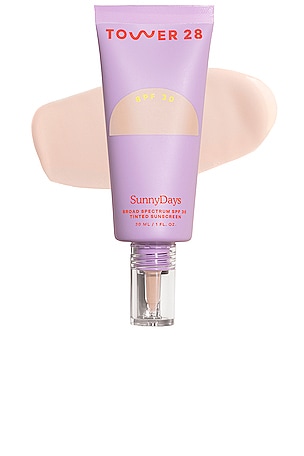
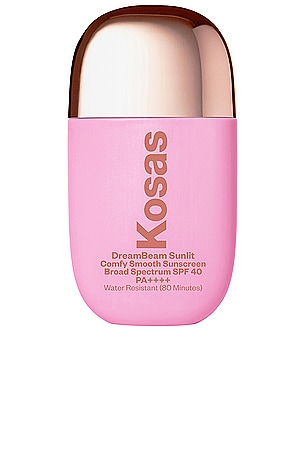
Sunscreen is not negotiable. Vitamin C offers some protection, but it is not a substitute for an actual SPF product. Tower 28 SunnyDays SPF 30 Tinted Sunscreen Foundation ($32) is coverage in one step if you want efficiency. Kosas Dreambeam Comfy Smooth Sunscreen SPF 40 ($40) is elegant and clean if you prefer a separate sunscreen layer.
Moisturizers and barrier creams that buffer both


The answers to what people actually ask
Can I use retinol and vitamin C on the same day? Yes, but not in the same routine. Vitamin C in the morning, retinol at night, with a heavy moisturizer after the retinol. Space them at least 12 hours apart.
Which one is better for sensitive skin? Neither is forgiving for sensitive skin. Both can cause irritation. Start with a low-strength retinol or a retinol alternative, and use vitamin C only a few times a week.
Should I use both if I am under 30? Not necessarily. Vitamin C is useful if you have discoloration or sun damage. Retinol is preventative and helps with early fine lines. A solid sunscreen and good moisturizer will do more than retinol if your skin is still smooth.
Is retinol or vitamin C better for active acne? Retinol increases cell turnover and prevents clogged pores. Vitamin C does not treat acne directly, but it fades pigmentation marks from past breakouts. A prescription retinoid is more effective than over-the-counter retinol.
What sunscreen works with both? Any sunscreen you will actually use. SPF 30 is the minimum, SPF 50 is better. The best sunscreen is the one you use every single day.