Salomon vs Hoka trail shoes come down to ground feel: compare grippy lugs, cushioned midsoles and waterproof options before choosing a route-ready pair.

Salomon vs Hoka Trail Shoes: Grip or Cushion for Every Route
Salomon vs Hoka by underfoot feel
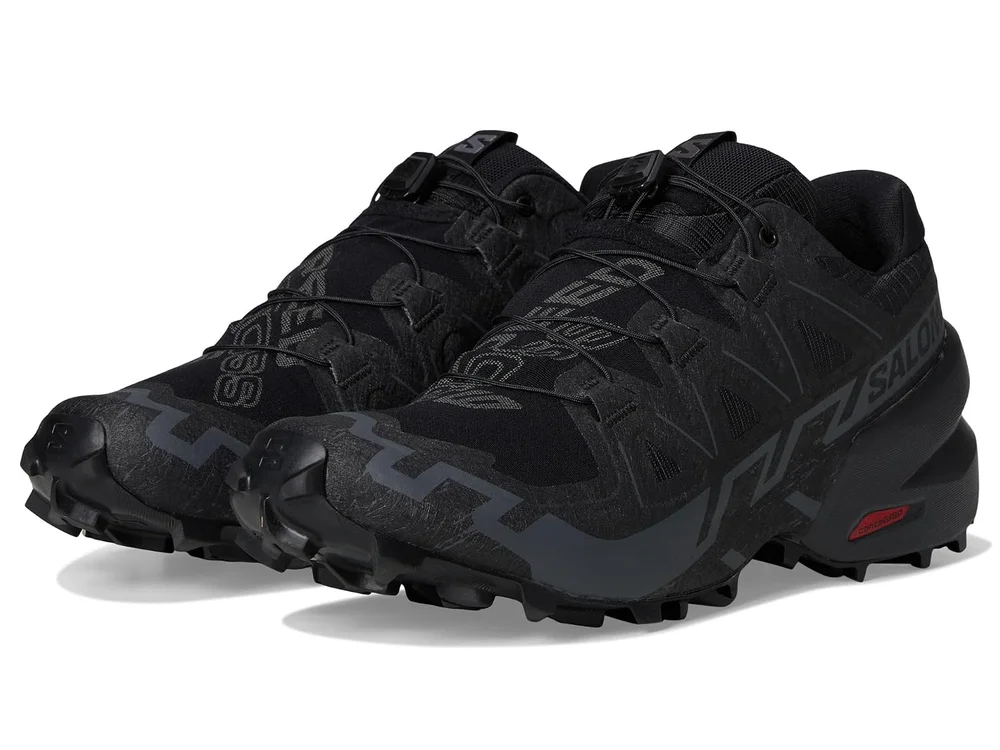
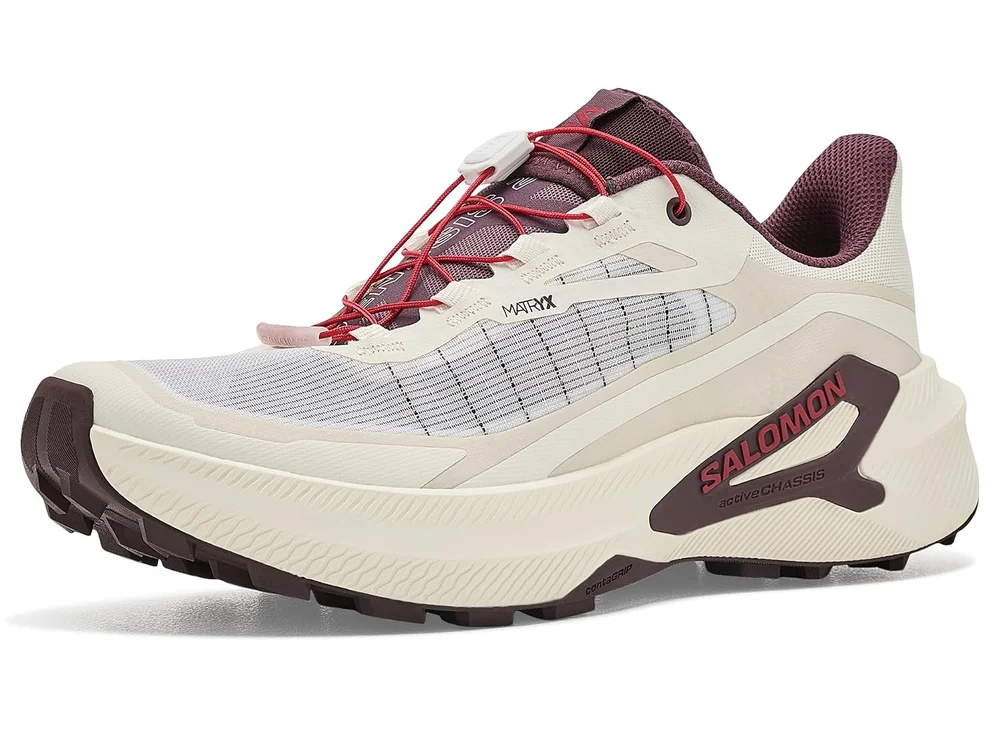
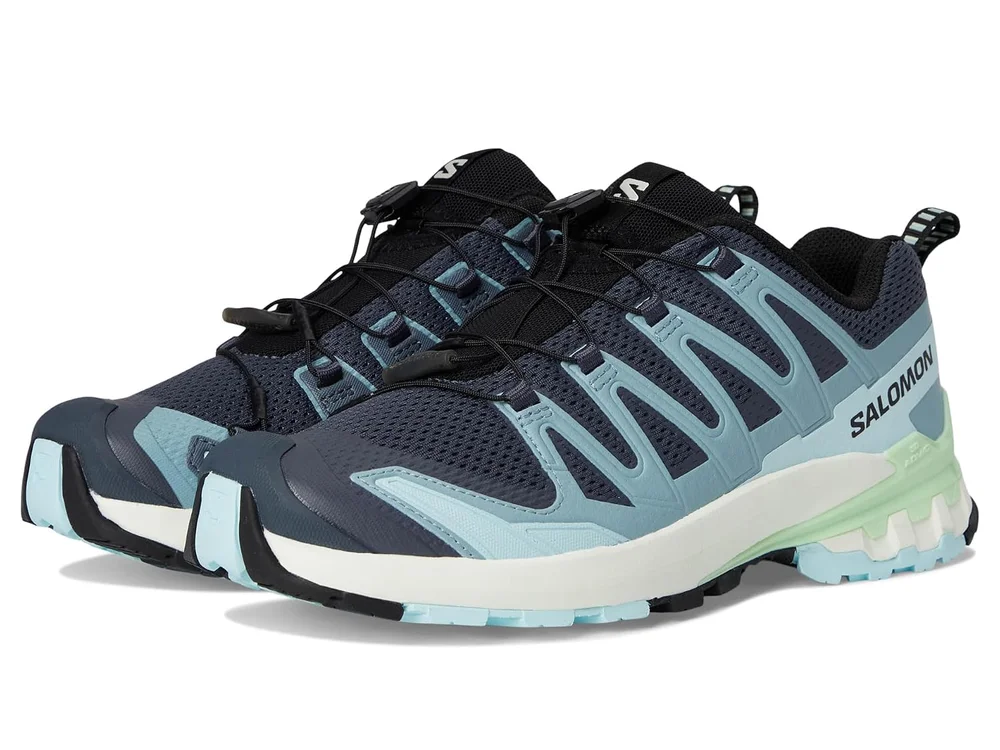
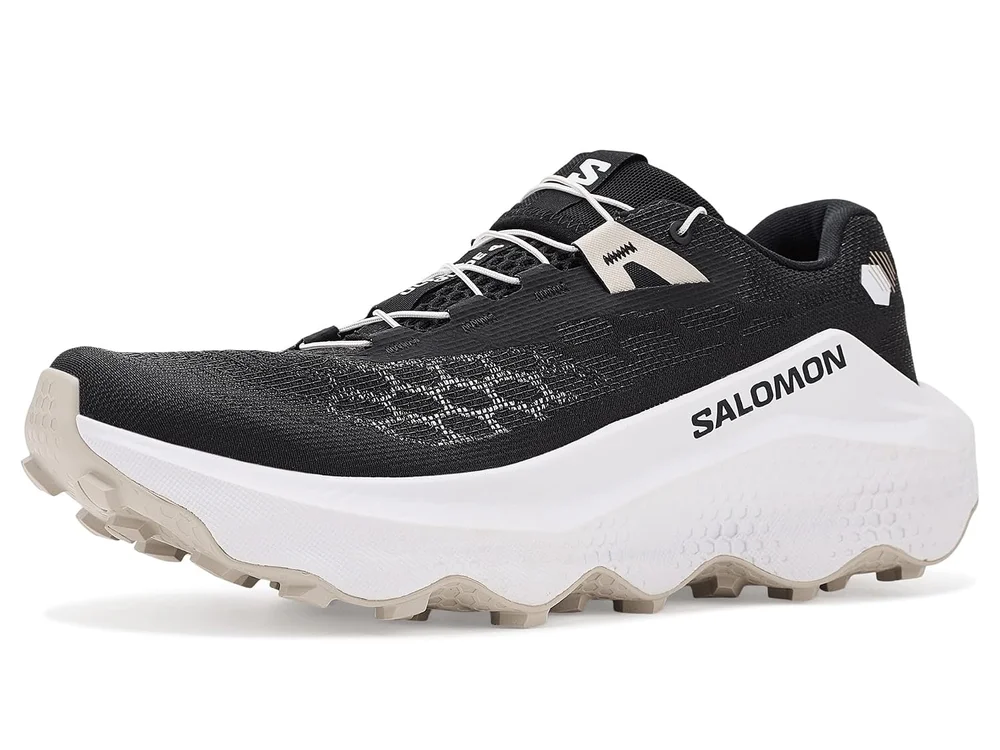
Salomon vs Hoka is not a brand-wide contest so much as a choice between grip and cushioning, with the route deciding the rest. Salomon came to trail footwear from snow sports, and its shoes tend to make terrain feel more immediate. I would start with the Speedcross 6 for its deep 5.8 mm arrow-pattern lugs on soft, churned ground. Genesis 2 W is the more balanced option, with stronger traction and stability than comfort in the comparison already cited here. The XA Pro 3D V9 has Contagrip and tailored lugs for tough terrain, while the Ultra Glide 4 is the plusher Salomon, with a breathable upper and responsive outsole.
My test is simple: match the outsole to the ground you actually run on, not the dramatic trail you might run once. Deep mud asks for aggressive lugs; hard, dry paths do not. If the Speedcross feels firm, try the Ultra Glide before deciding Salomon is not for you. Fit and ride vary by model, which is inconvenient but useful to know.
Hoka cushioning, from mixed routes to long miles
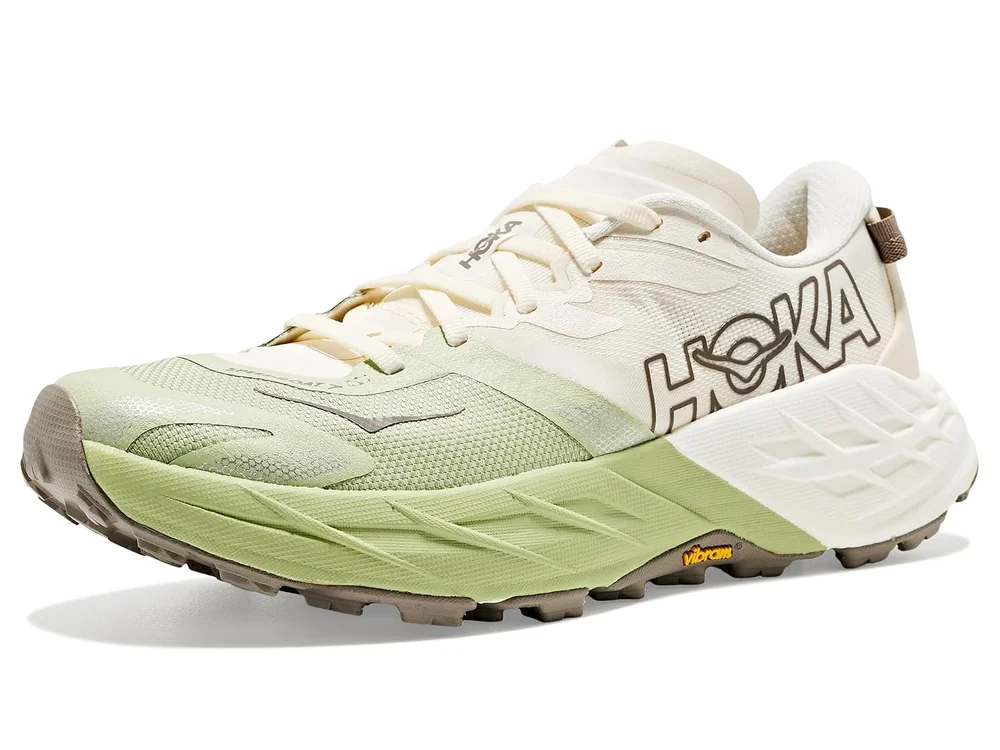
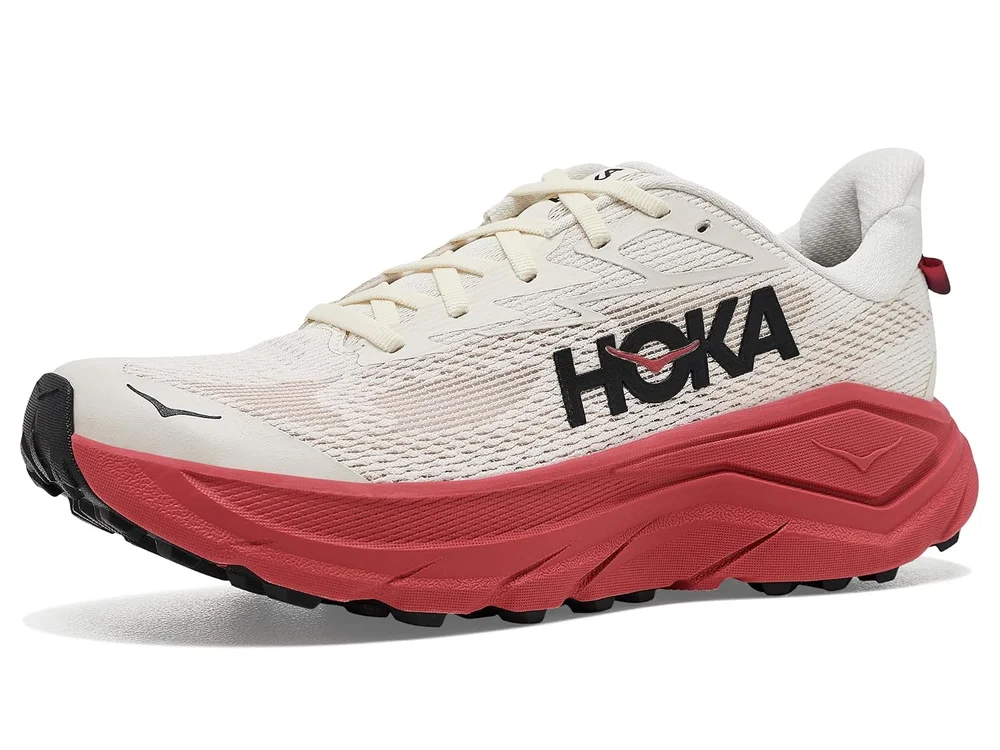
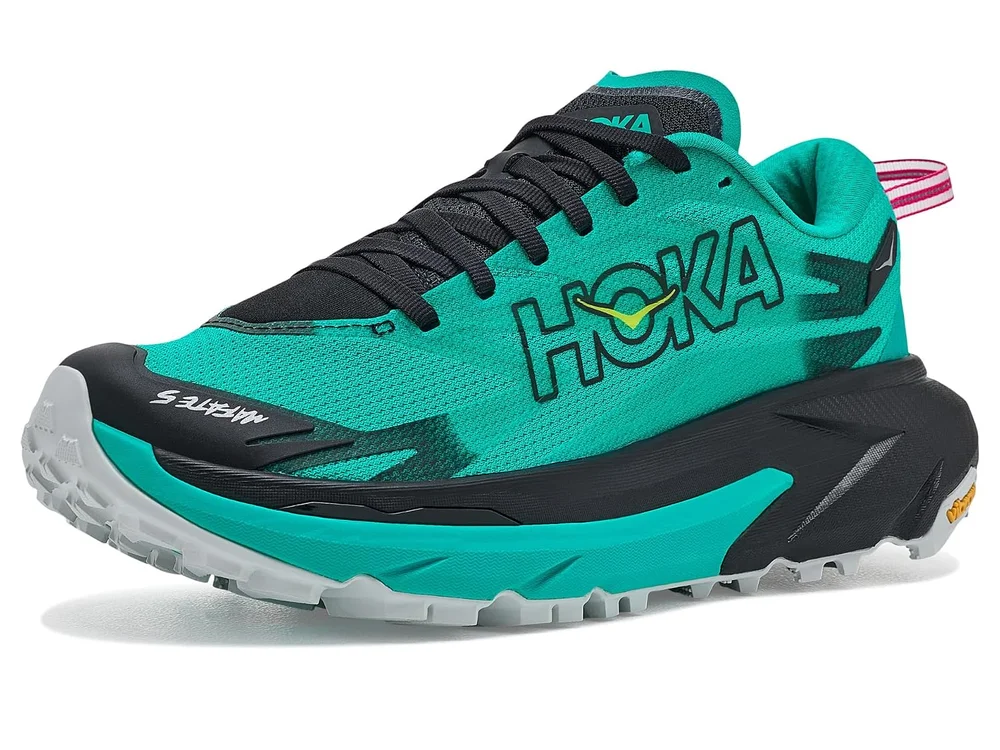
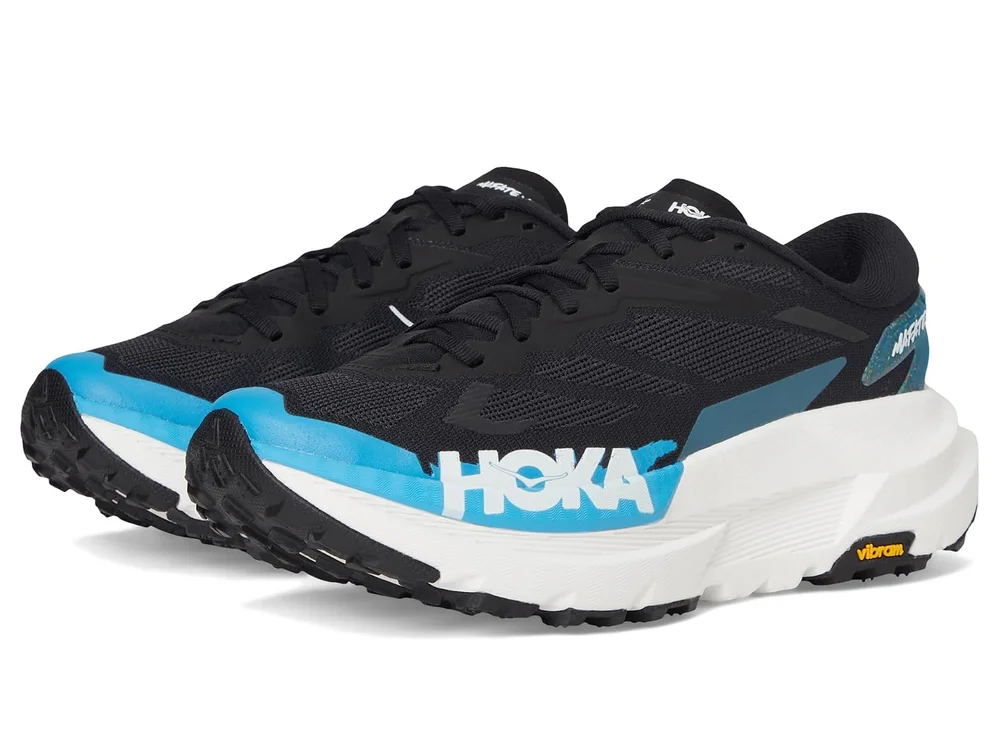
The Hoka side of the Salomon vs Hoka comparison is about how much shoe you want underfoot, not just a single soft ride. Speedgoat 7 is the all-round reference, with comfort, stability and traction each scoring 8 in the women’s comparison. Challenger 8 is built for pavement and trail, with moderate cushioning and multi-directional 4 mm lugs, so it makes sense for a route that changes surface. Mafate 5 goes further toward maximum cushioning, pairing a dual-density midsole with aggressive Vibram Megagrip lugs. Mafate X is the long-distance specialist here, with a PEBA top layer, forked carbon-fiber plate and a draining upper.
I would begin with Challenger 8 for mixed pavement and trail, then Speedgoat 7 for varied dirt. The measured 4.5 mm lugs on Speedgoat 7 give it useful forefoot traction, but very deep mud still calls for more aggressive tread. What I would skip is choosing the most cushioned shoe just because the stack looks reassuring. Check the terrain first, and use the Hoka walking shoe guide if your miles are mostly on footpaths.
Waterproof trail shoes for wet weather
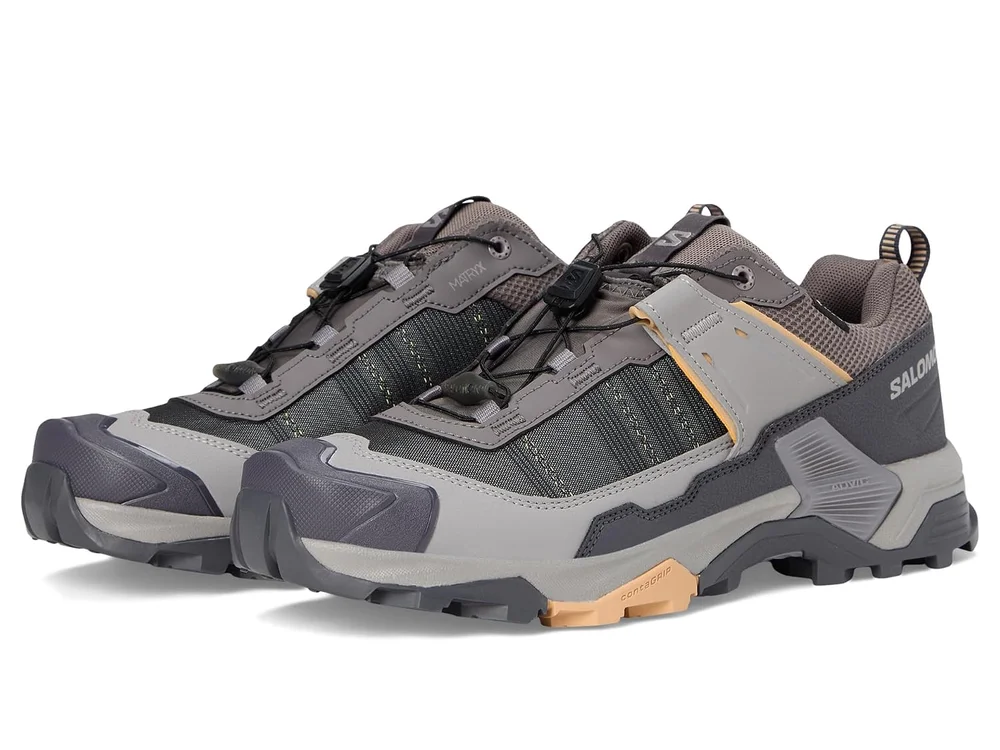
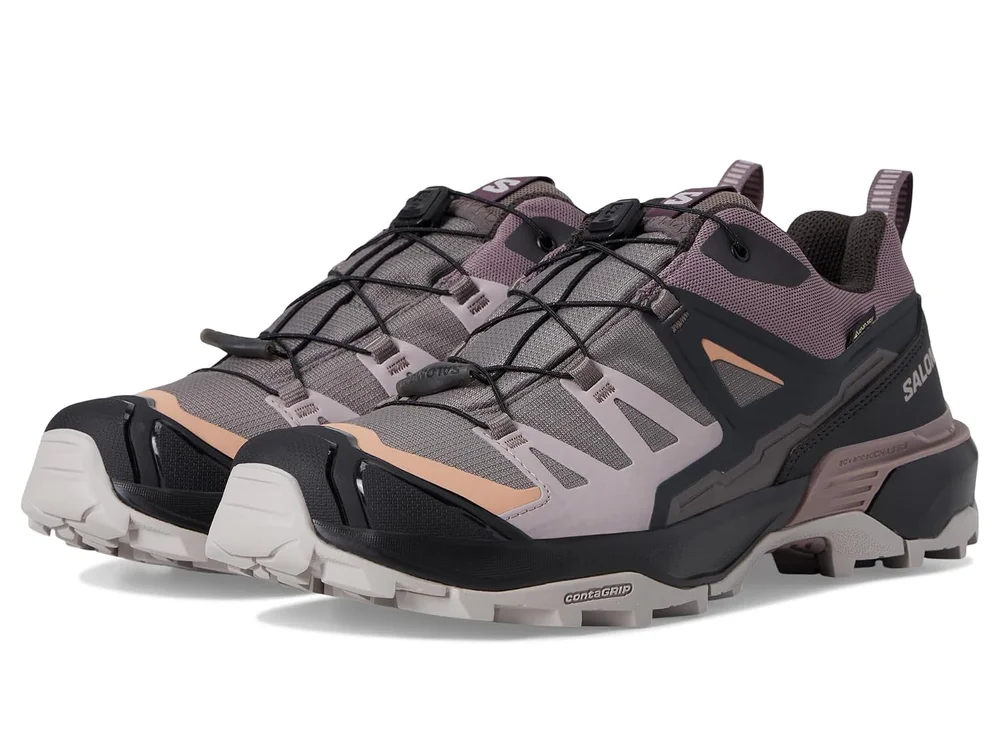
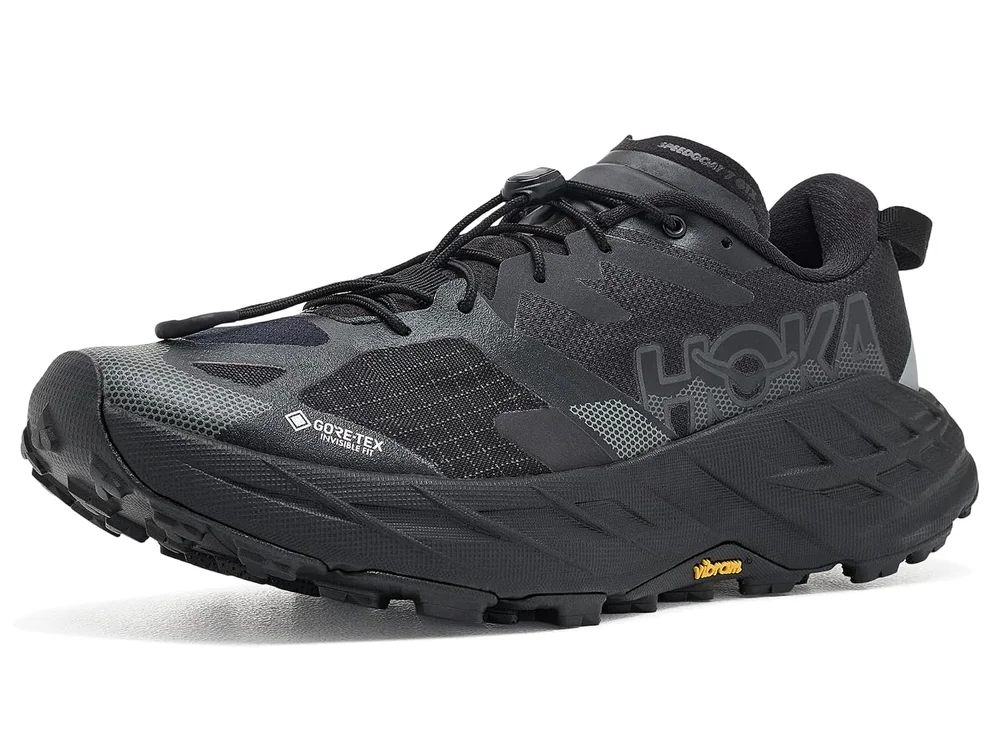
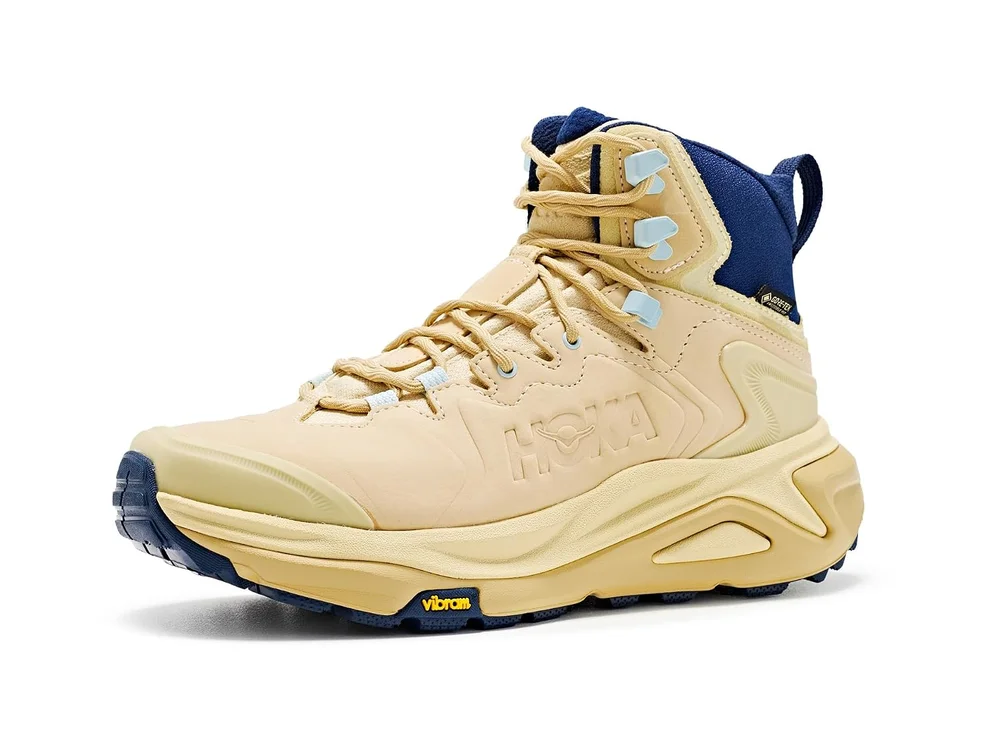
Wet, rocky routes change the Salomon vs Hoka decision: I look at the upper, the height and the outsole together. Salomon’s X Ultra 5 GTX is a low-cut hiker with a Matryx or recycled textile upper and Contagrip traction; the X Ultra 360 GTX adds an explicitly waterproof GORE-TEX barrier. Both keep an agile hiking feel. Hoka’s Speedgoat 7 GTX keeps the trail-running profile and adds a GORE-TEX Invisible Fit membrane. Kaha 3 GTX is the boot-like option, with a mid-cut leather upper, sugarcane EVA and Vibram Megagrip.
For a wet November walk, I would choose by how much ankle coverage I want, not by the logo. The X Ultra models are the lower hikers; Kaha 3 GTX rises higher, while Speedgoat 7 GTX stays closer to a running shoe. Hoka’s fit notes recommend going up half a size for most, so I would check that before ordering and leave room for the socks I actually wear outdoors. A waterproof membrane is useful, but it is not a substitute for traction on slick ground.
Salomon vs Hoka questions I get
Which Salomon vs Hoka trail shoe would I try first?
For mixed routes, I would start with Challenger 8; for varied trails, Speedgoat 7 is the more direct Hoka pick. If your usual ground is muddy, start with Salomon Speedcross 6 instead.
Which brand has more cushioning?
Hoka’s range leans toward a broad, cushioned platform, while Salomon includes firmer, closer-to-the-ground options and the plusher Ultra Glide 4. Try the actual model rather than assuming every shoe under one name feels alike.
Are these trail shoes waterproof?
The GTX options named here add waterproof barriers, including the GORE-TEX versions of X Ultra 360, Speedgoat 7 and Kaha 3. Check the individual model details, since not every shoe in either range is waterproof.
Which pair works for long walking days?
I would compare Challenger 8 for pavement-to-trail days with Kaha 3 GTX when I want a mid-cut hiker. For a more cushioned walking option, this Hoka shoe guide is a useful next read.






