Thong, slide, gladiator and espadrille each do something different. Here is what each sandal shape is actually for.
Sandal Styles Explained
Thong, slide and gladiator

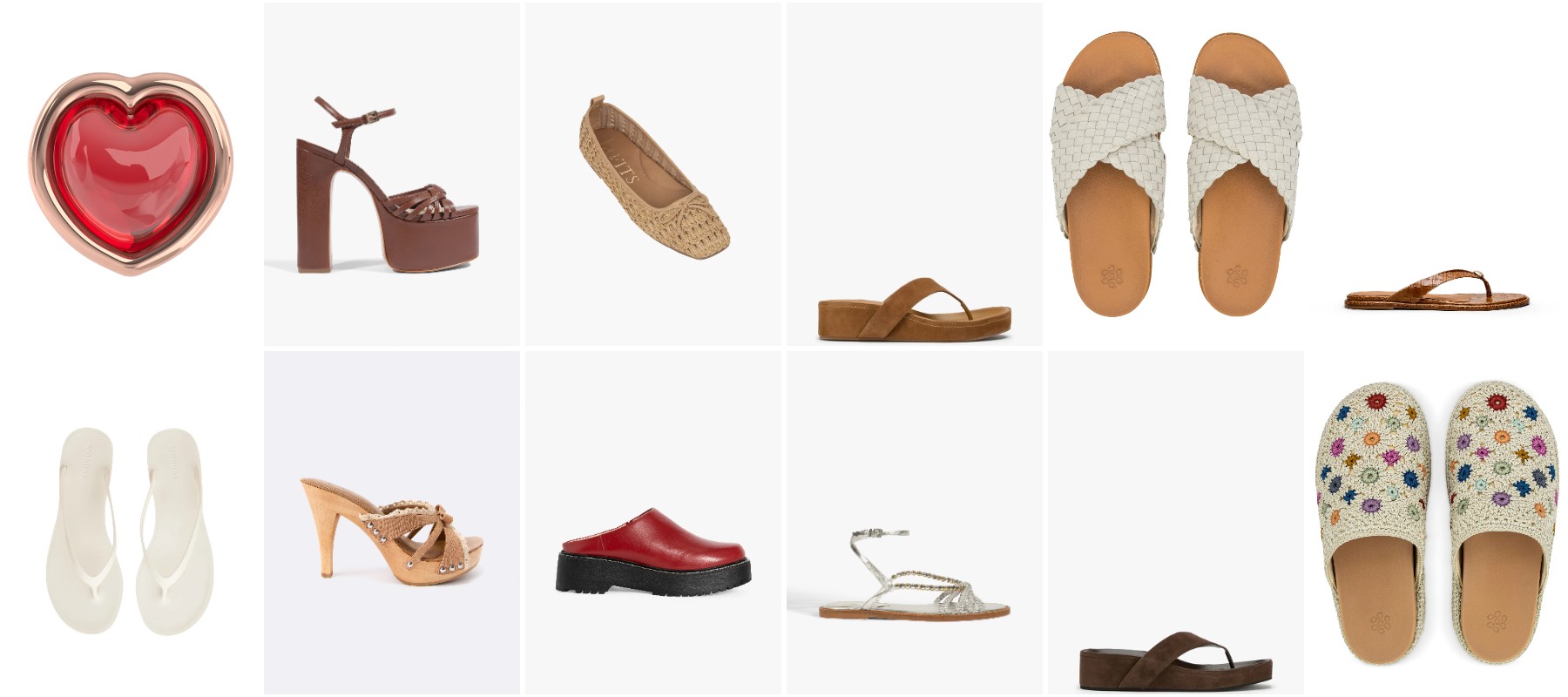
Thong, slide and gladiator
Sandals divide by how much they hold your foot, and that is the only thing that matters for whether you can walk in them. A thong holds at one point and is for short distances; a slide holds across the top and stays on if the band is snug; a strap across the ankle changes everything, because it stops your foot sliding forward and lets you actually walk. Heel height matters far less than that ankle strap. Below, the flat sandals, the heeled ones, and the espadrilles and wedges. The other thing that decides comfort is the footbed. A contoured leather footbed supports the arch and moulds to your foot over a few wears; a flat piece of card covered in leather does neither, and it is what makes cheap sandals painful by the second hour.
Let's Shop. Flat sandals
Flat sandals are the ones you will wear most, so this is where a strap across the instep earns its place. A thong is fine for a beach and tiring for a city. A strap across the instep is what makes a flat sandal walkable, because it stops your foot sliding forward on every step. A thong holds at a single point between the toes and is genuinely fine for a beach and tiring anywhere with pavement. Look for straps that are stitched to the sole rather than glued, which is where flat sandals fail first.

Slider Cherry Bezel Charm
Stephanie Gottlieb
$758

Adele Leather Flat Sandal
Schutz
$198

Rouge Taupe Suede
Tony Bianco
$130

ILIOS CROC FLAT SANDAL
Scanlan Theodore
$700

Celeste Paillette Thong Sandal
Guizio
$248

Squishee® Slide Peanut
Eric Javits
$325

Slider Pinky Ring
ep jewels
$990

Caspian Raffia Netted Flat Sandal
Jonathan Simkhai
$495
Heeled sandals
Heeled sandals need the ankle strap more than any other shoe. Without it, the whole weight of you lands on the front strap and the shoe slides forward all evening. Without an ankle strap, a heeled sandal puts your entire weight onto the front strap, which is why the toes ache and the shoe slips forward all evening. With one, the same heel height becomes something you can walk in. An adjustable buckle beats a fixed elastic, because feet swell through a day and especially in heat.

Tara Platform Leather Sandal
Schutz
$218

Blaire Espresso Suede
Tony Bianco
$150

Penelope Sandal - Hand Crochet - Natural Multi Flowers
The Sak
$99

Sardinia Sandal - Ivory
Monday Swimwear
$119

Crystal Sandal
Elizée
$285

Fiora Studded Sandal - Chocolate
Lisa Says Gah
$70.5

Leo Platform Wedge Sandal
Guizio
$198

Naomi Sandal
Retrofete
$398
Espadrilles and wedges
Espadrilles and wedges give height with a stable base and a gentler pitch, which makes them the sandal you can stand in for hours. The rope sole is the part that wears, so keep them dry. Espadrilles and wedges give height on a continuous sole, which makes them the only heels I would wear on grass or gravel. The rope is the part that fails, and it fails when wet, so these are the sandals to keep out of the rain and off wet sand.

Aberdeen Platform Sandal
Schutz
$218

Parris Raffia Natural
Eric Javits
$245

Bryn Platform Clog - Hand Crochet - Natural Multi Flowers
The Sak
$129

Holly Wooden Platform Sandal
Guizio
$198

Beth White Raffia
Emmy London
$395

Nelly Wedge
Retrofete
$191

Simkhai Monogram Raffia Block Heel
Jonathan Simkhai
$395

Landyn Crochet Espadrille Wedge
Ramy Brook
$365
Label Love: Tony Bianco
Tony Bianco makes the widest range of these shapes and is unusually good on the ankle strap detail, which is the thing that decides comfort. The heeled sandals are the strongest part of the range. The ankle strap detailing here is unusually good for the price, and the range covers flat through to high on the same last, so sizing carries across. The heeled sandals are the strongest part of the range.


The Shopping List
A few more sandals and mules, across heights. More sandals and mules to finish, across heights, for filling the gap between the flat everyday pair and the occasion one.

Keefa Raffia Wedge Sandal
Schutz
$218

Slider Green Olive Bezel Charm
Stephanie Gottlieb
$458

Blaire Wheat Suede
Tony Bianco
$150

Penelope Sandal - Leather - Woven Stone
The Sak
$99

Aura Mule Antique/Gold
Eric Javits
$345

Lena Chunky Mule - Wine
Lisa Says Gah
$180

Sardinia Sandal - Espresso
Monday Swimwear
$119

Aria Sandal
Elizée
$475
Style Notes
Break leather sandals in before you take them anywhere that matters, because the first wear is where the strap edges cut. Twenty minutes around the house on two or three days is enough, and it is far better than a plaster on a holiday. Keep the soles dry: a rope or leather sole that gets soaked once will never feel the same again, and a thin rubber sole added by a cobbler at the start doubles the life of a favourite pair.















Next read
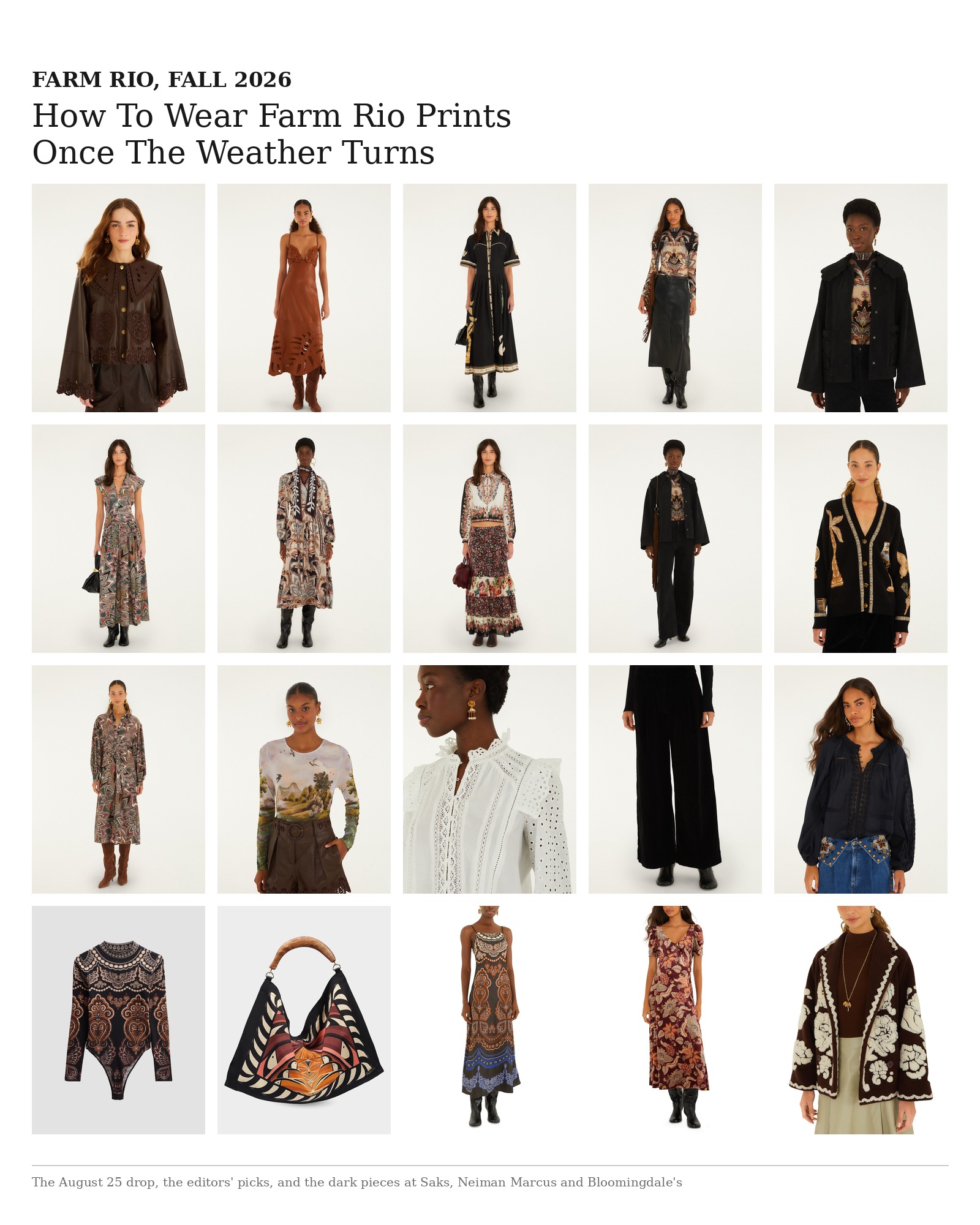
How To Wear Farm Rio Prints Once The Weather Turns
Farm Rio's fall drop trades tropical brights for chocolate leather, black denim and dark florals. Here is how to wear the prints past September, plus the dark pieces our editors are buying at Saks, Neiman Marcus and Bloomingdale's.
Read Editorial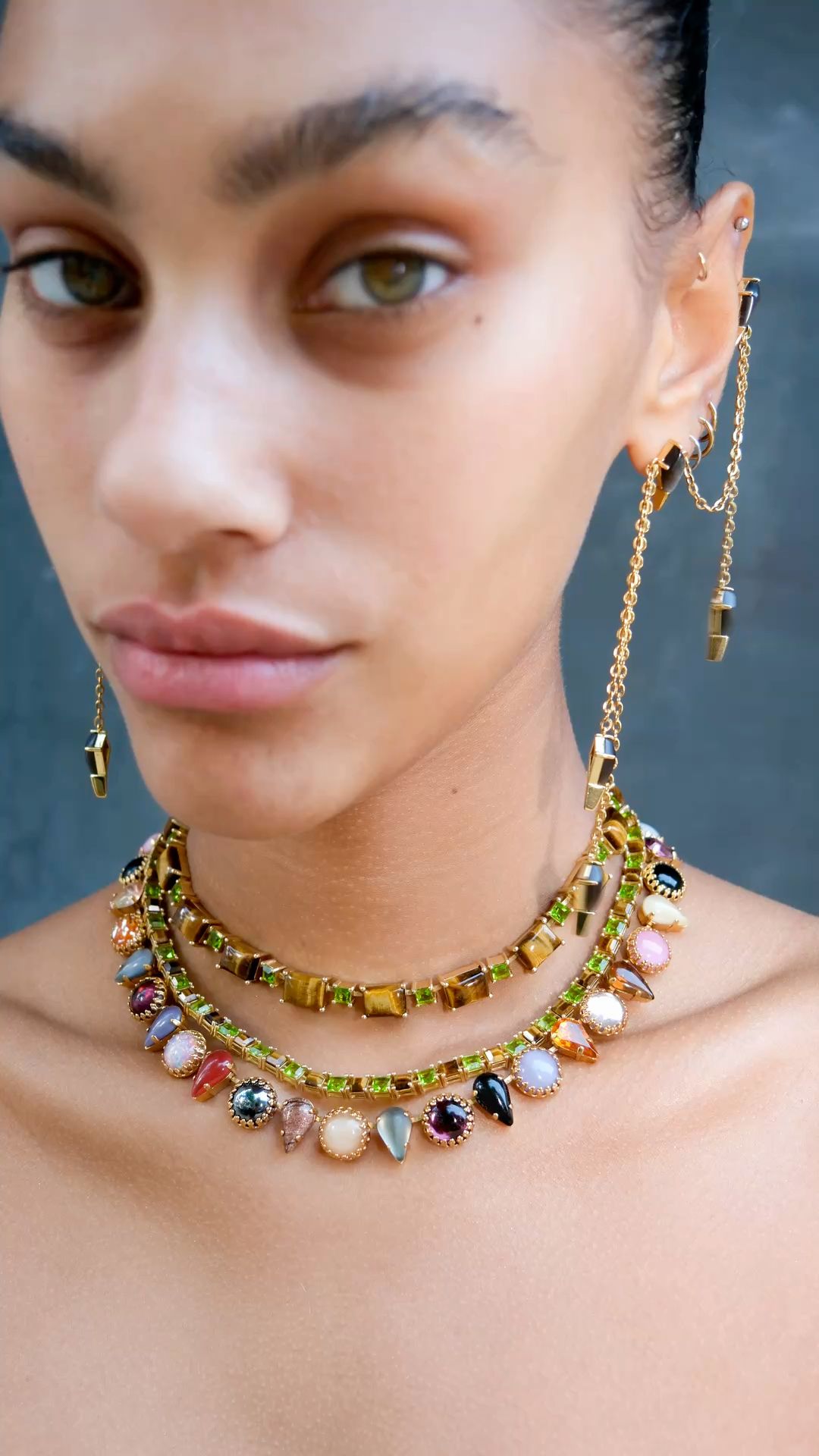
Necklace Or Studs: Which To Buy First
Choosing necklaces first is usually the better buy when one piece should change several outfits, but choice depends on your neckline and daily habits. Start with placement