To choose between a slim and a regular fit t-shirt, compare where the fabric sits at the chest, waist and upper arm, not only the label on the product page.
Slim Or Regular Fit T-Shirts
Start with the shape you need
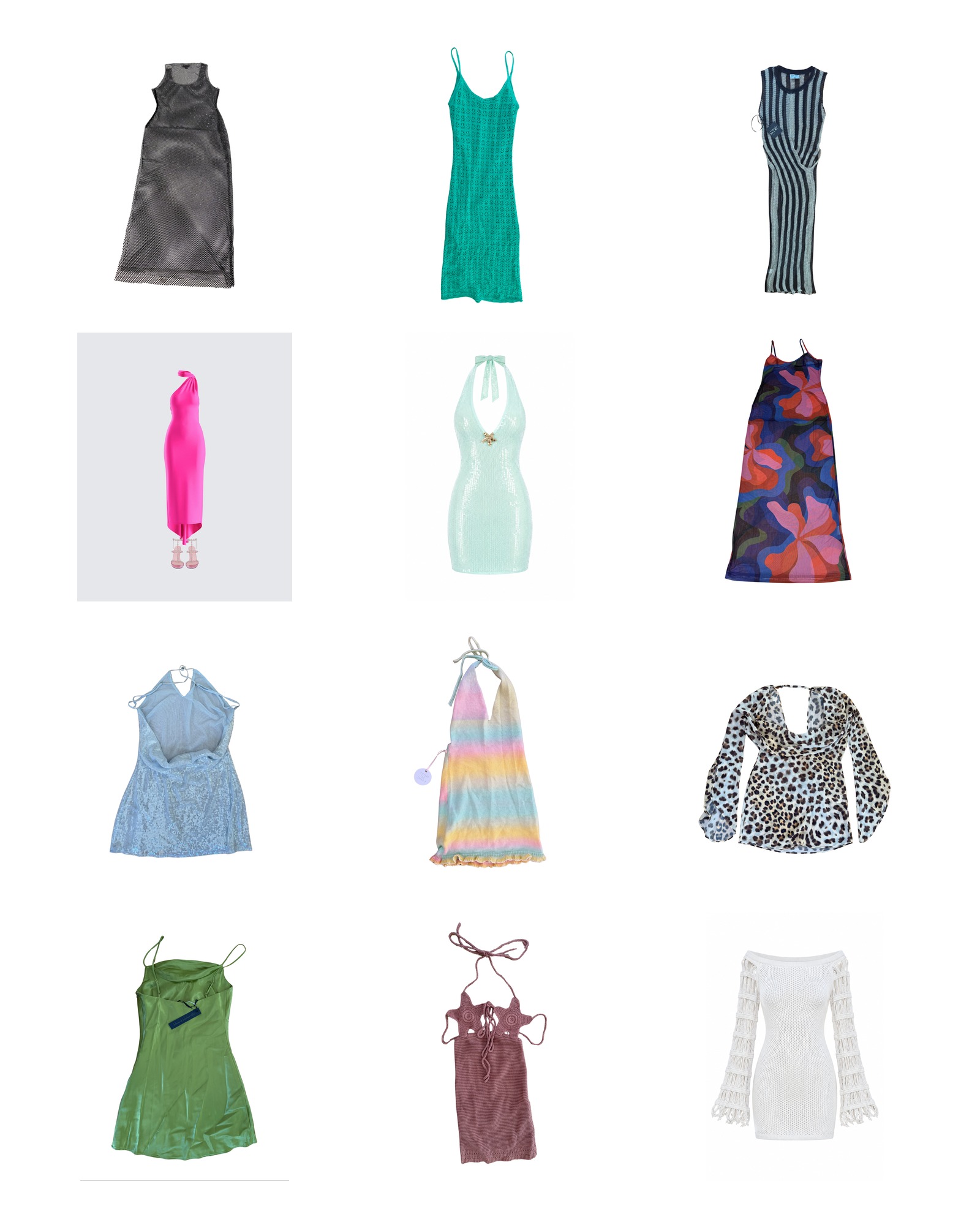
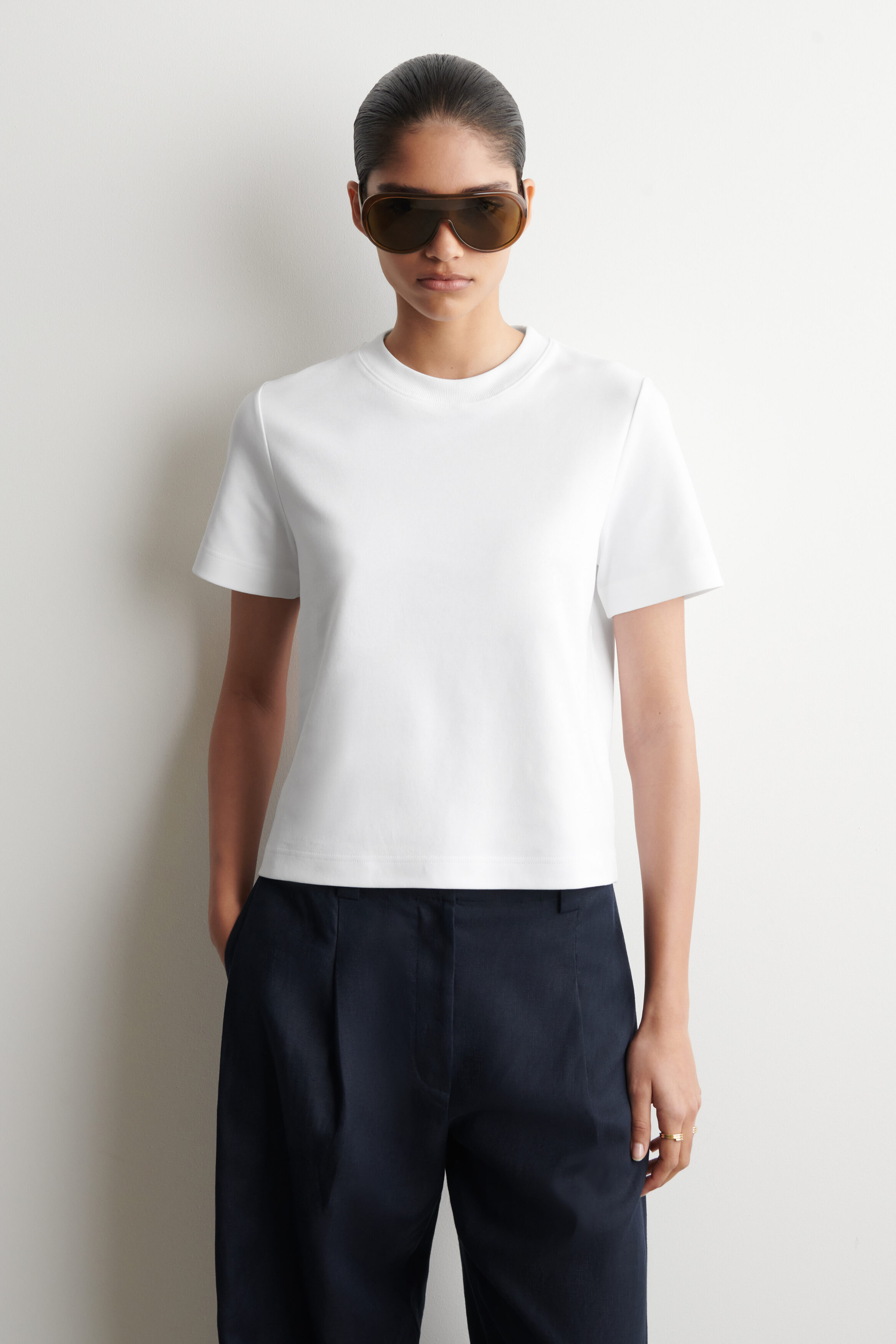
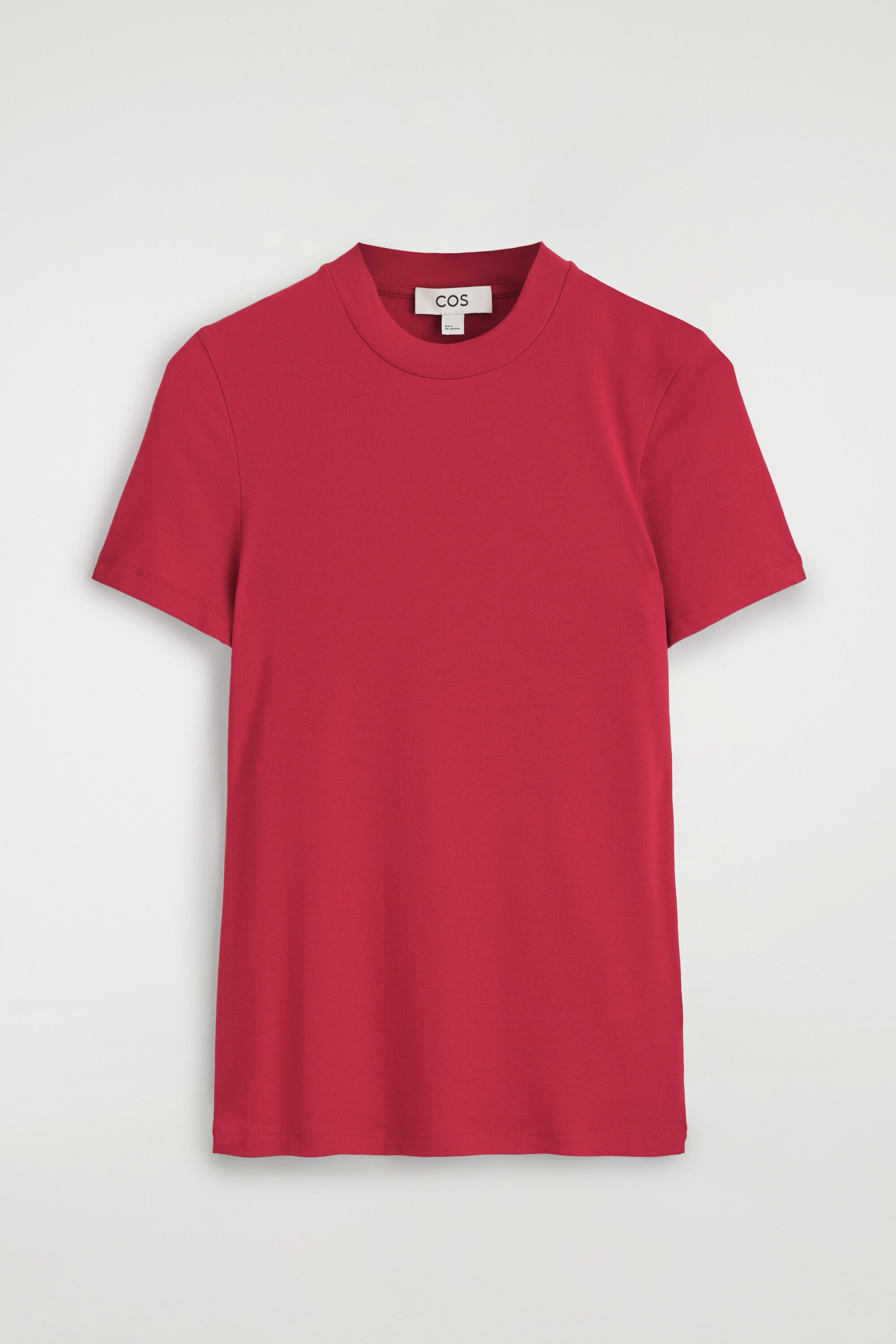
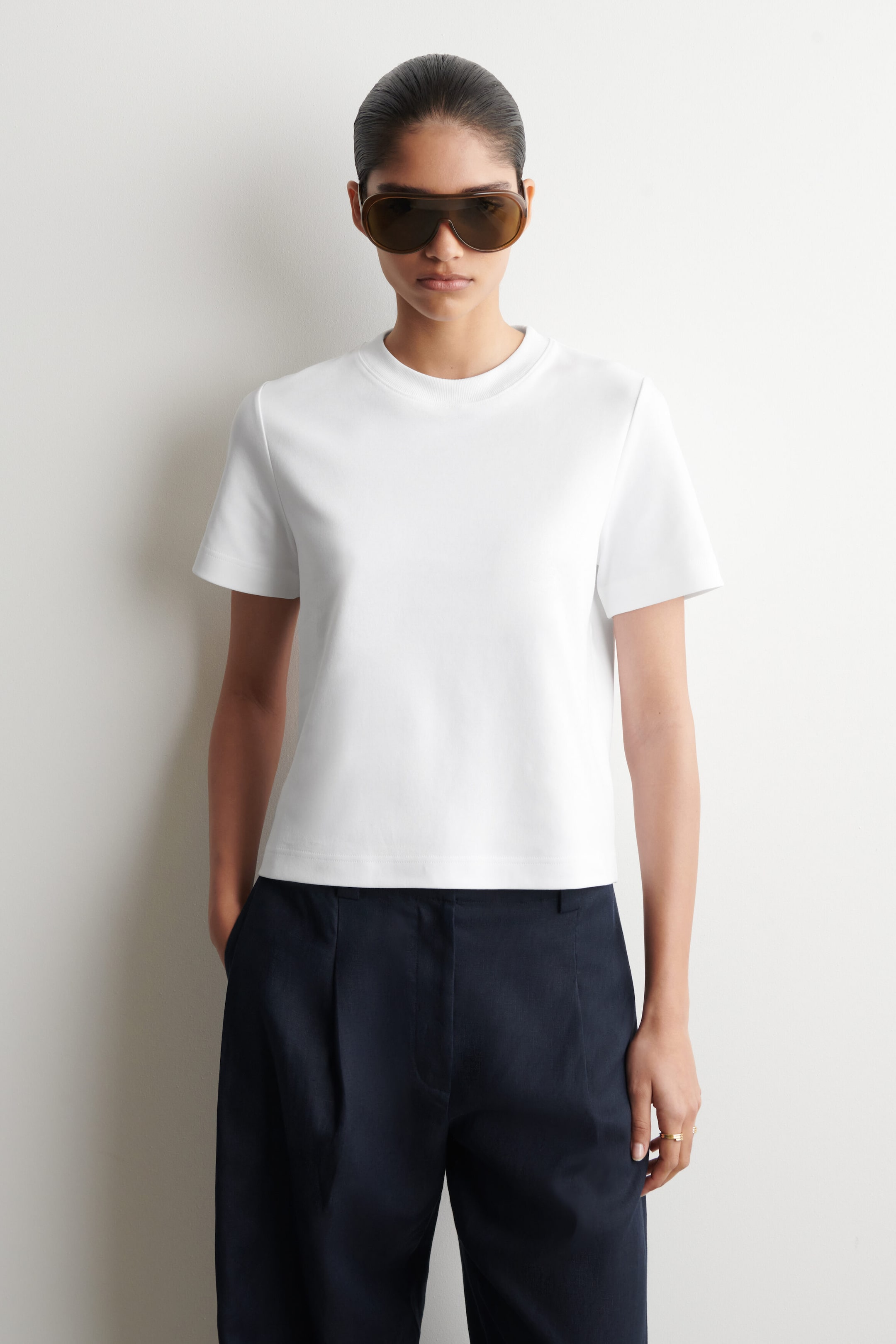
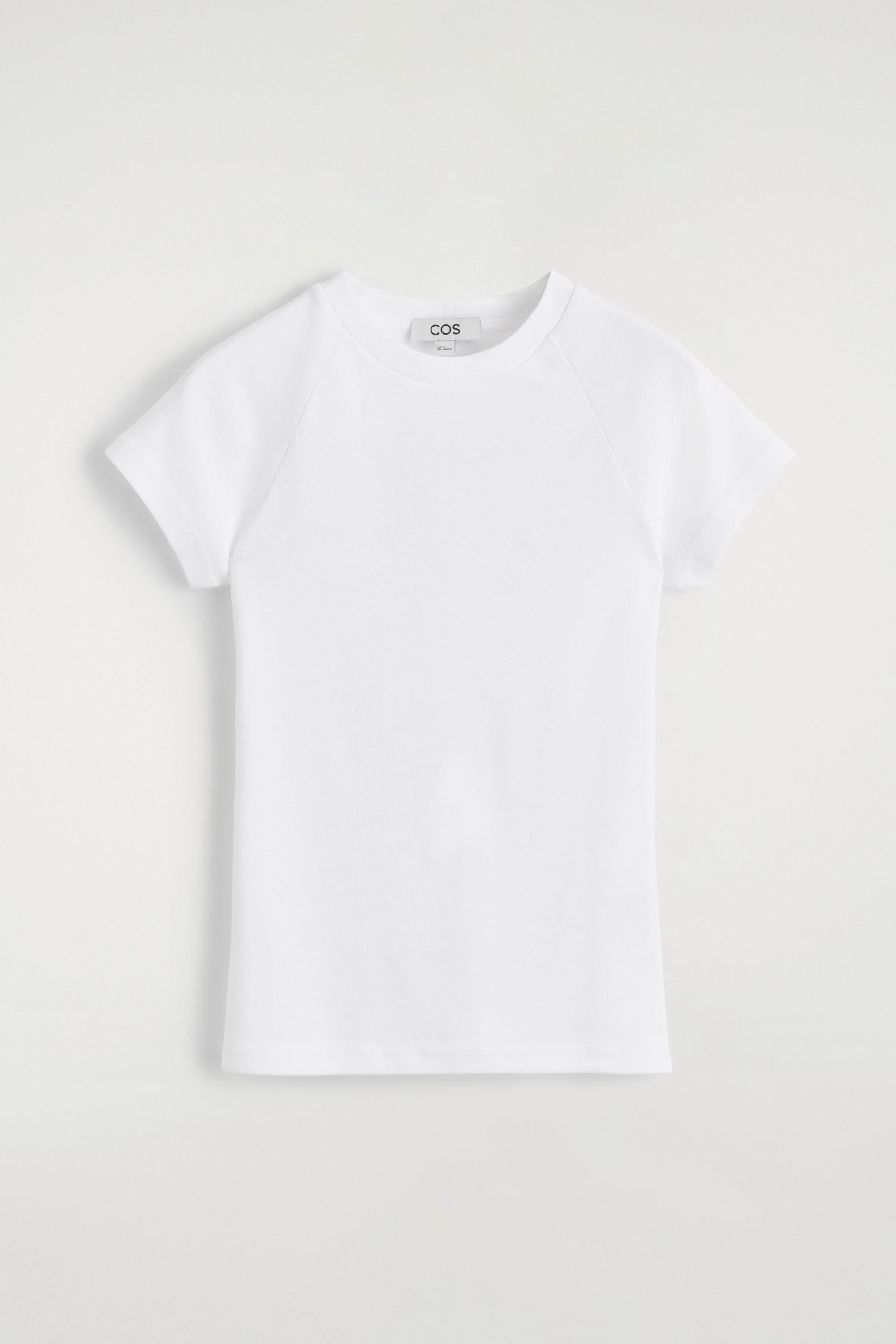
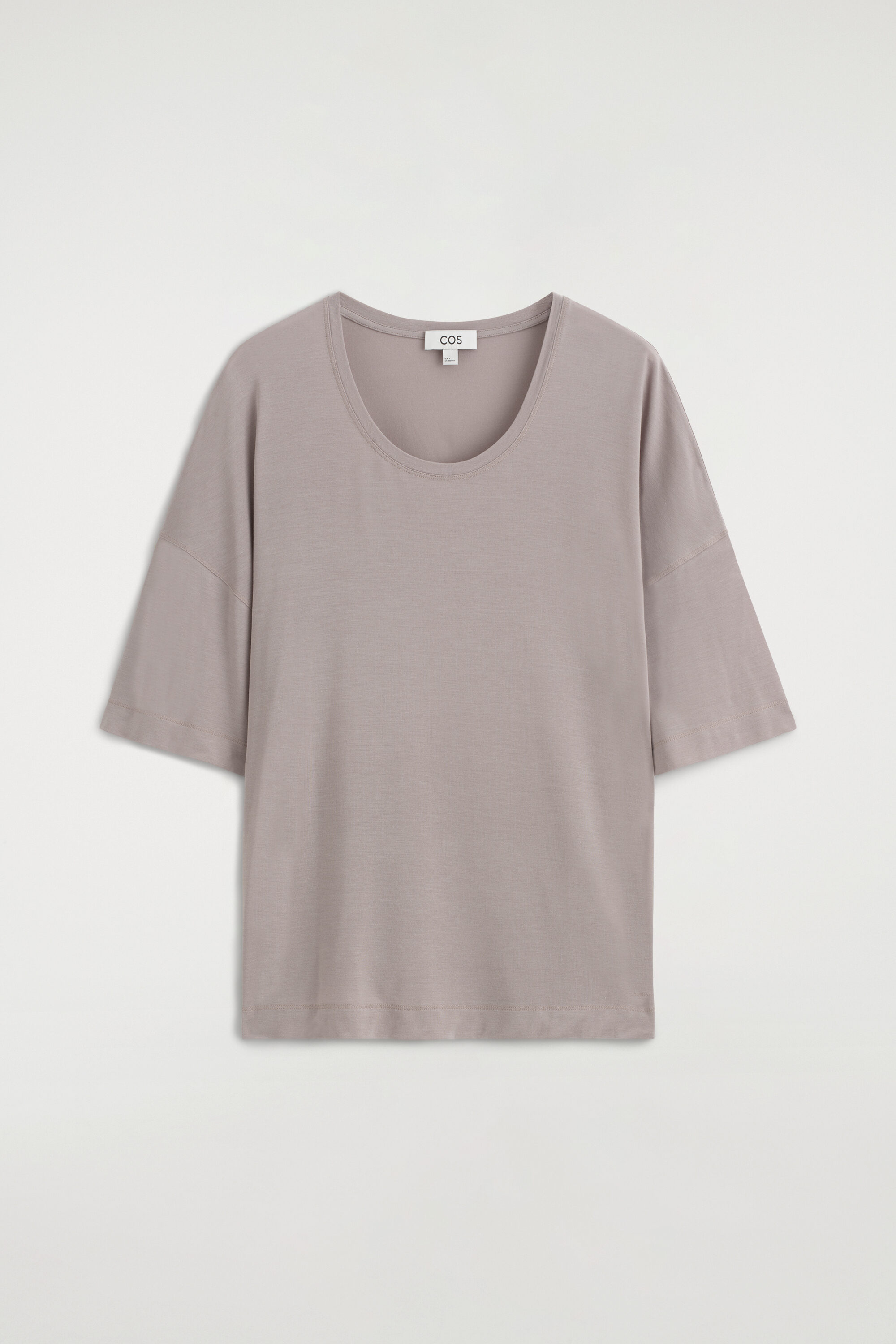
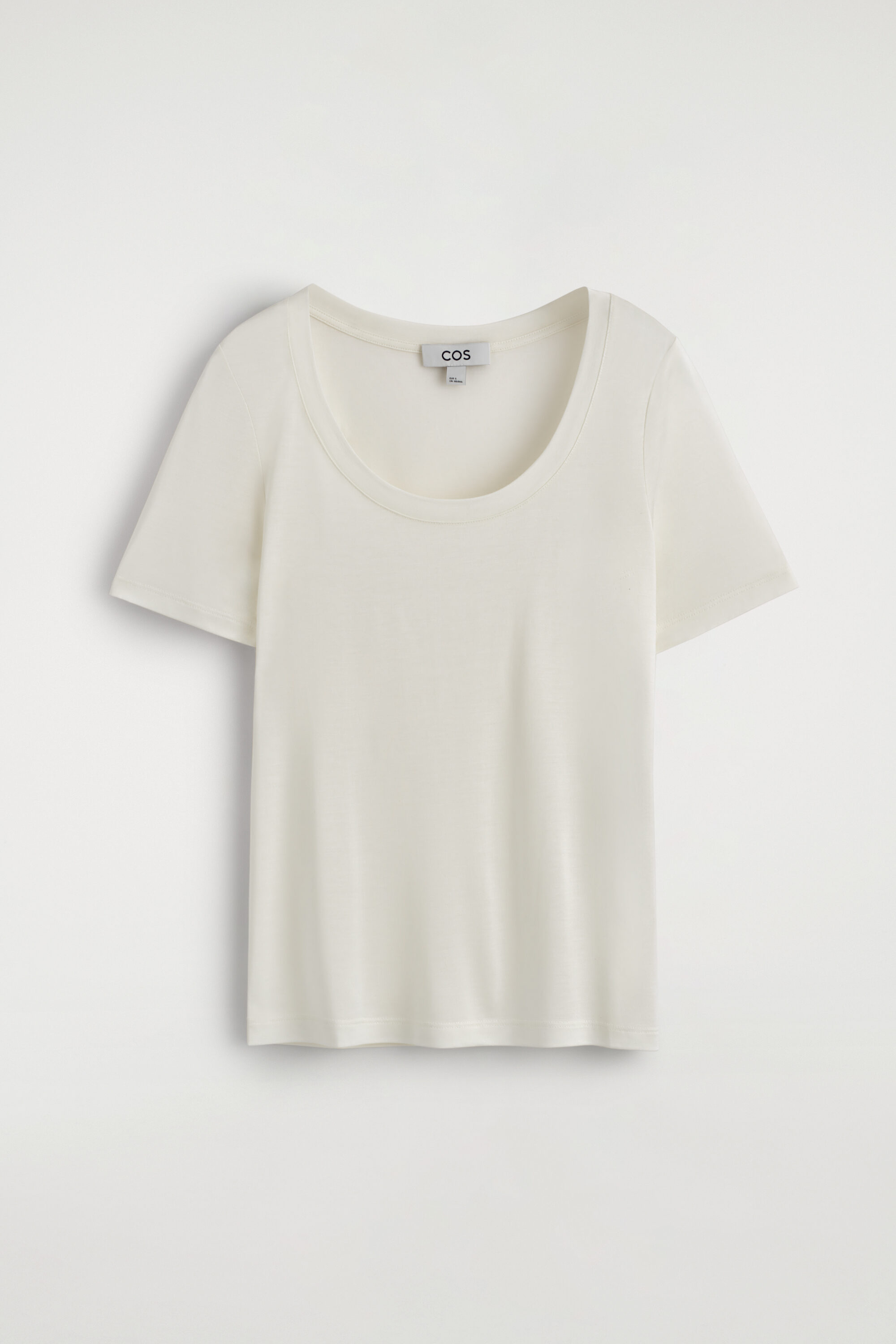
To choose between a slim and a regular fit t-shirt, compare where the fabric sits at the chest, waist and upper arm, not only the label on the product page. A regular cut usually hangs away from the body and leaves room for movement. It can sit neatly under a jacket when the shoulder line is clean, while still giving you space to half-tuck or knot the hem. A slim cut follows the torso more closely, so it reads sharper on its own and creates less fabric beneath a close-fitting layer. Neither fit is automatically smarter. The useful choice depends on the outfit, the fabric and how much ease you like through the day. COS uses both approaches across cotton, silk, jersey and knitwear, with prices in this edit ranging from $29 to $259. For a dependable everyday base, look at the proportions first, then decide whether you want a straight fall or a closer outline. The grid below starts with regular shapes, including the Cotton Crew-neck T-shirt and the Fluid Silk T-shirt, so you can see how different materials change the same general fit. That small distinction makes shopping and dressing easier.
Read the fabric before sizing
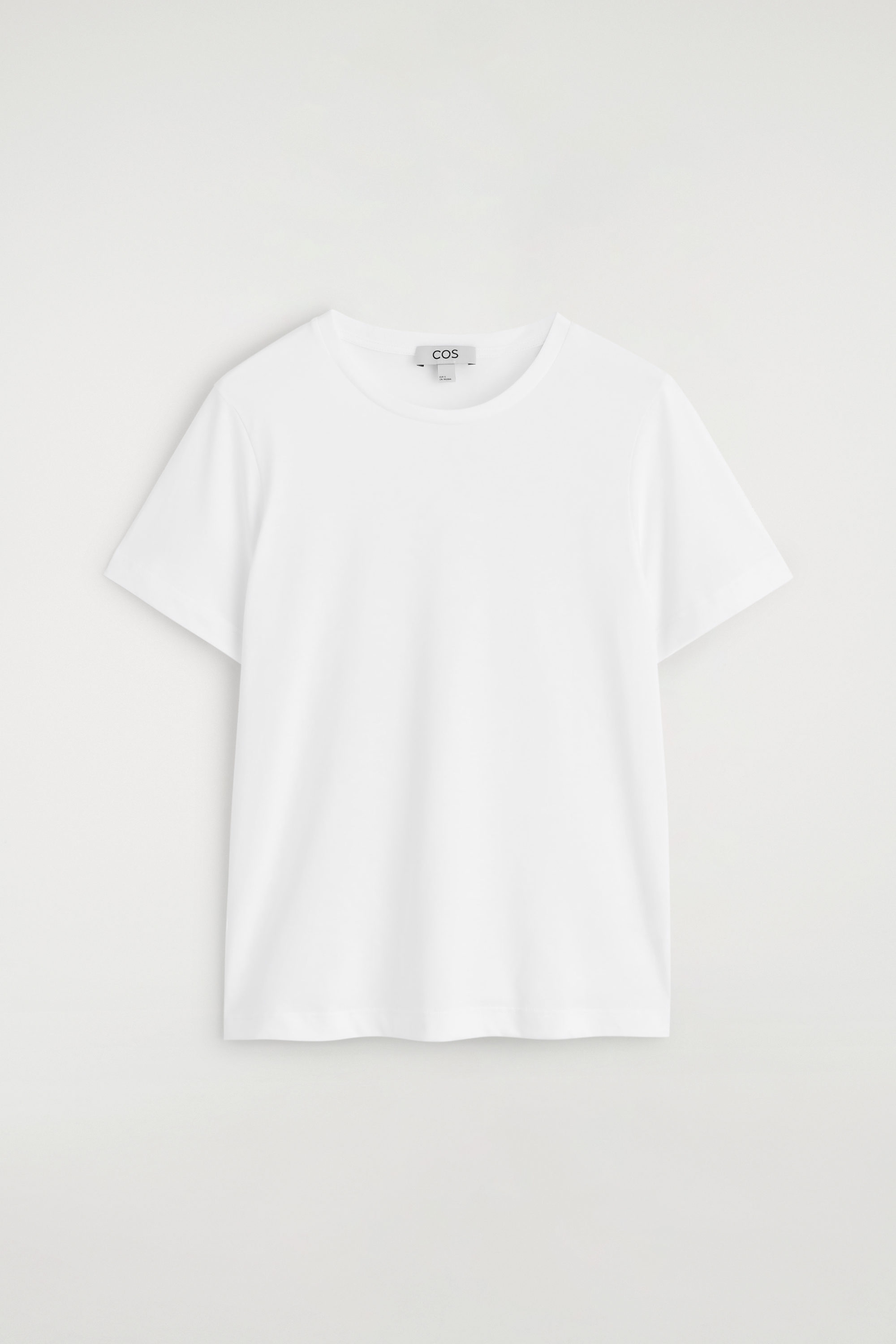
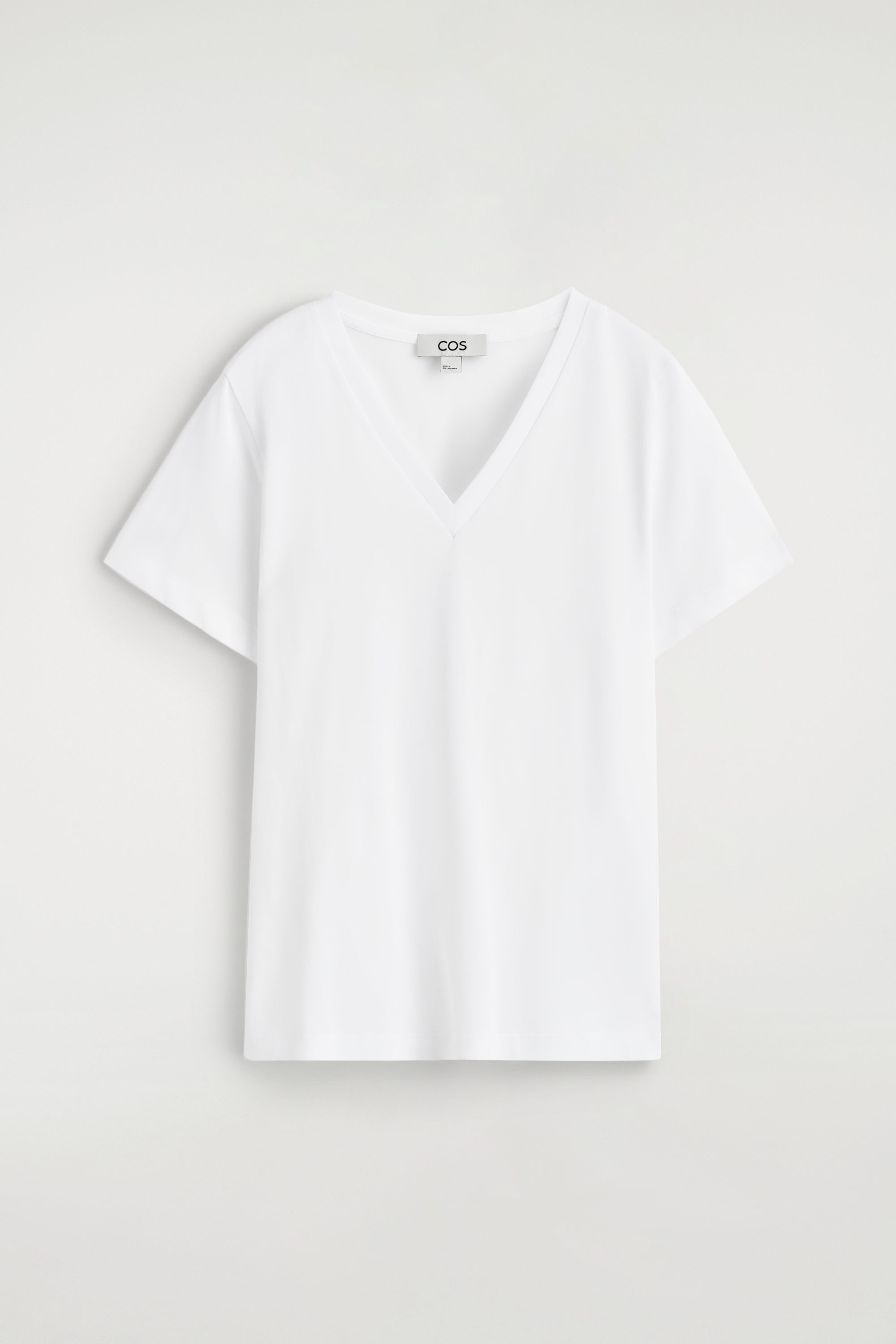
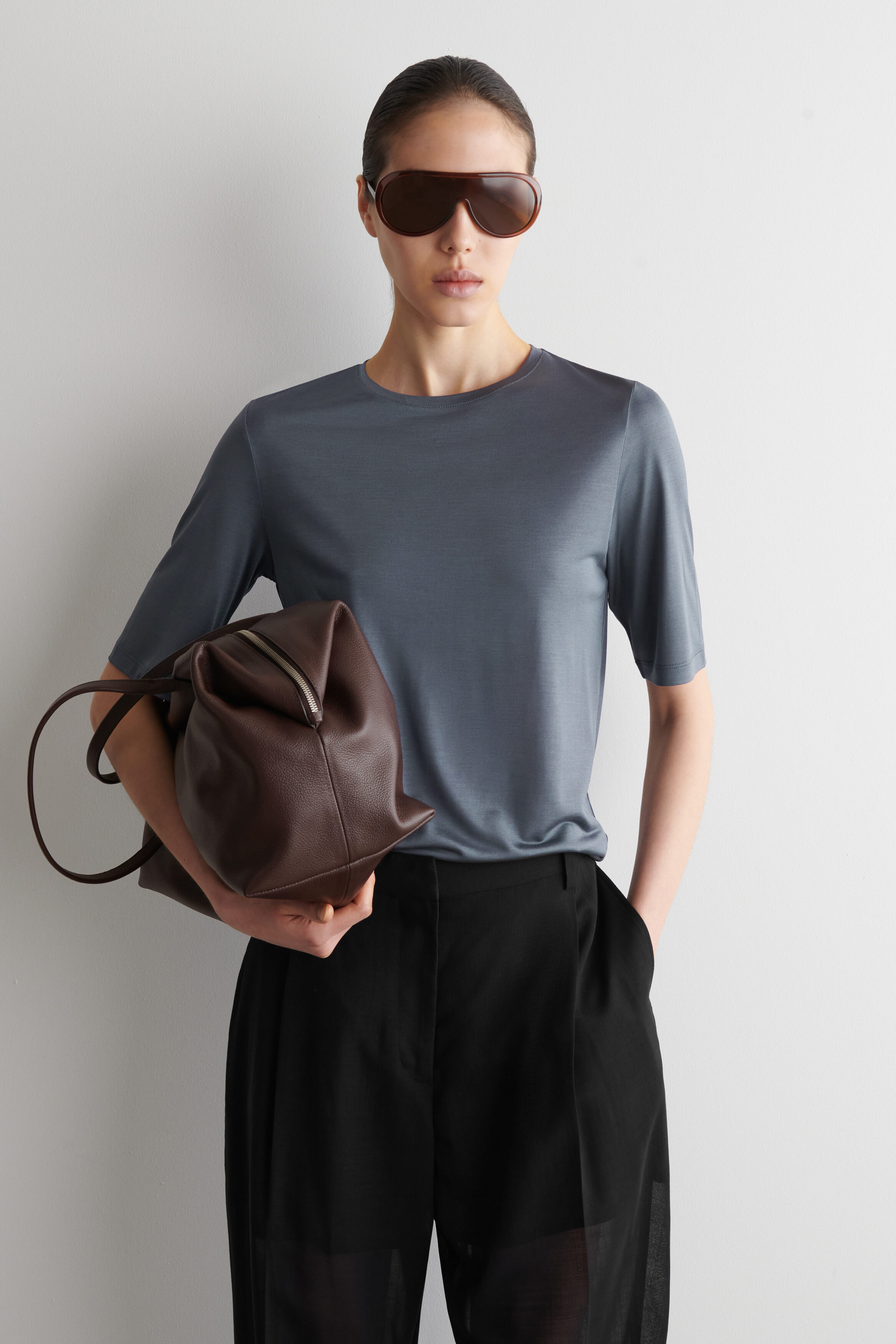
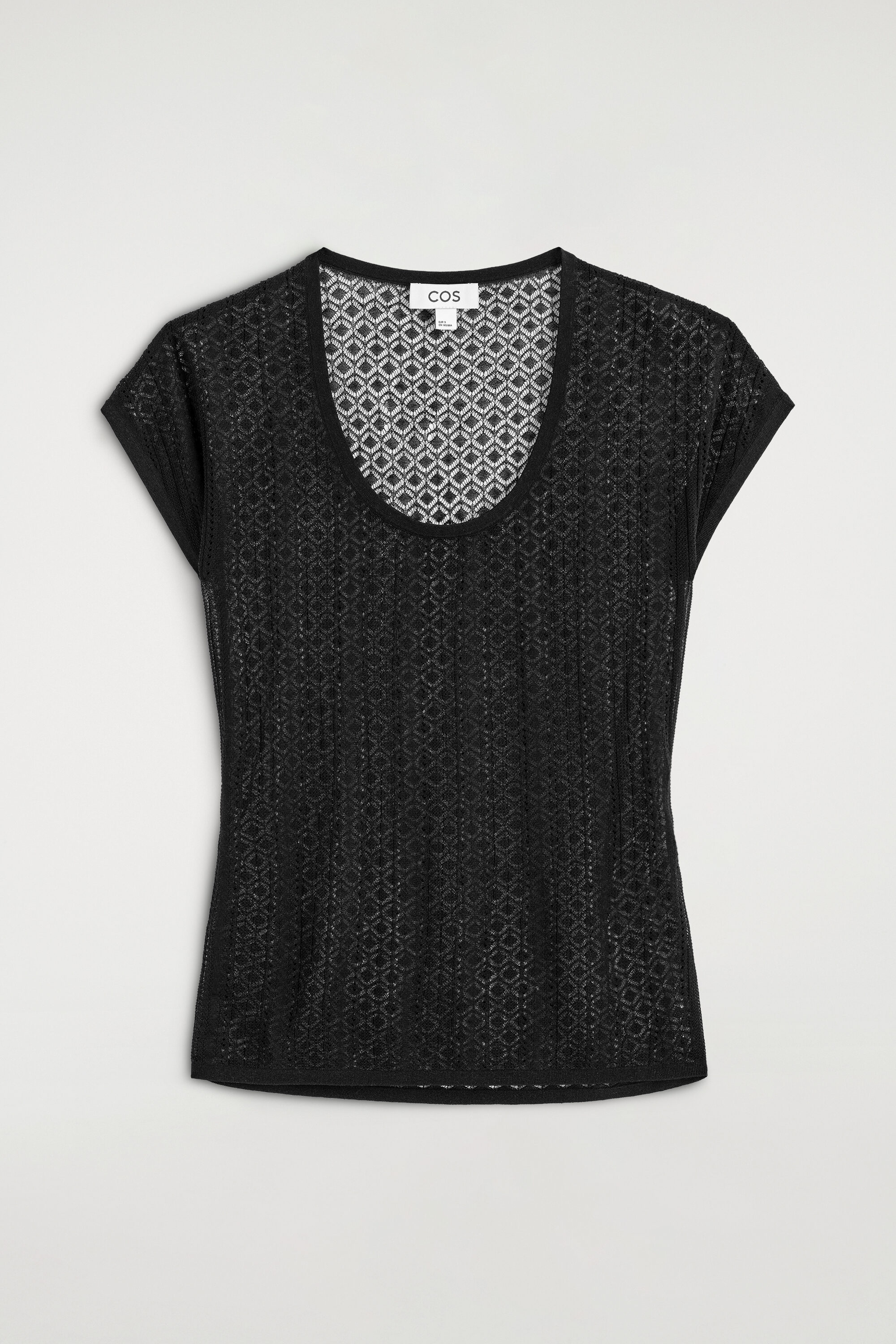
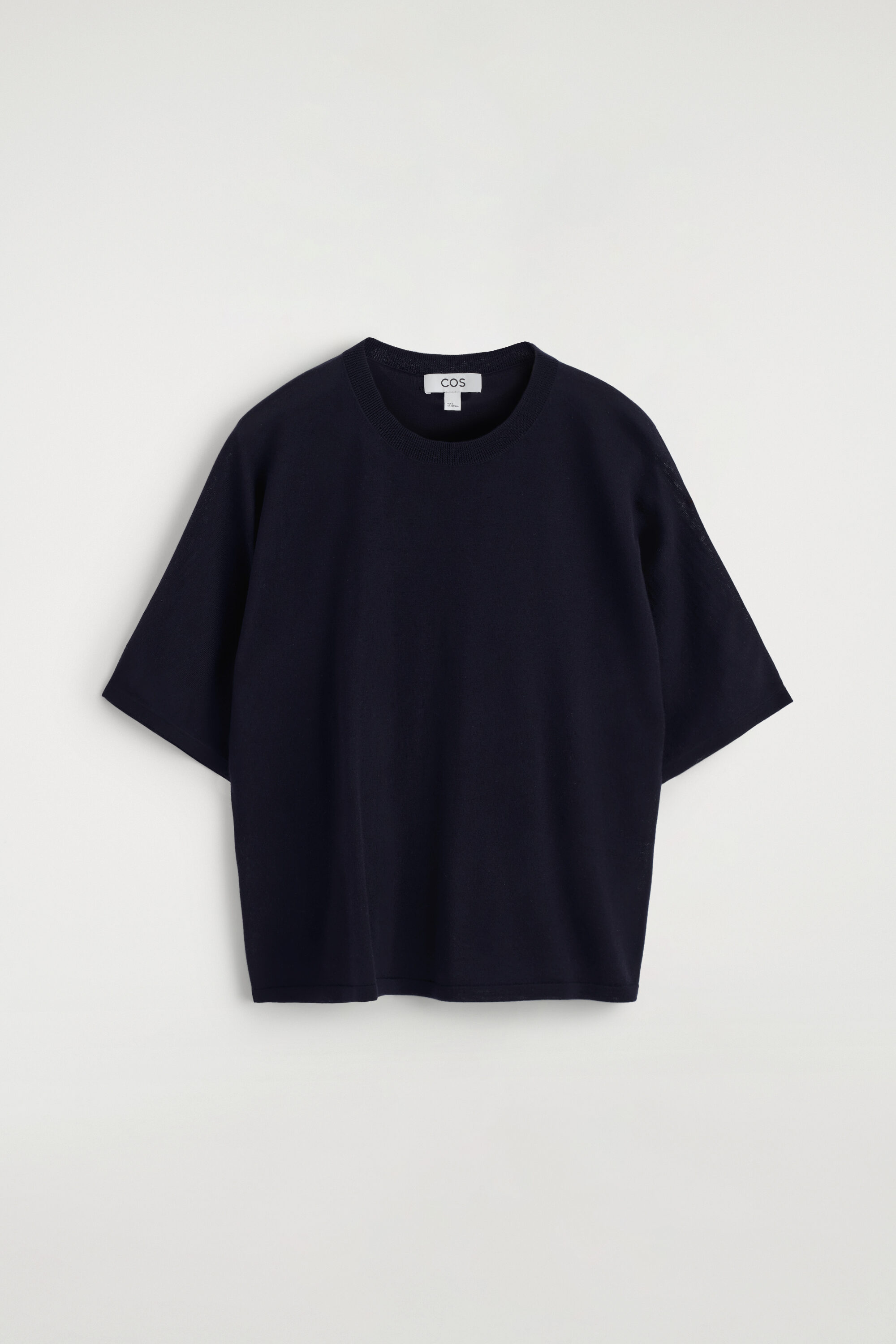
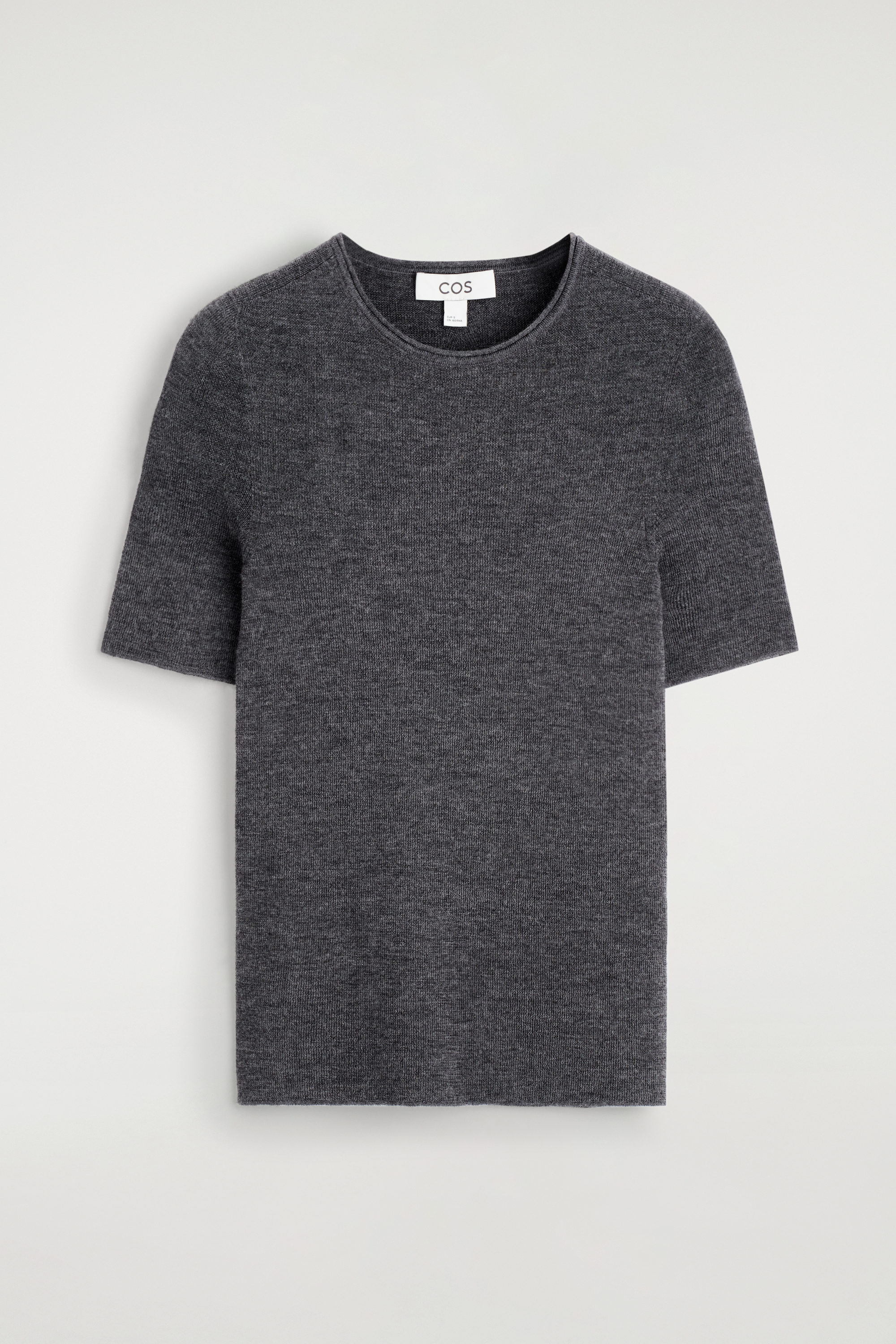
Fit is only half the decision. A smooth cotton jersey tends to look casual and forgiving, while silk or a fine knit can make a relaxed outline feel more considered. Check the shoulder seam, arm opening and side seam in the product images. If the shoulder sits correctly but the body feels roomy, that may be intentional rather than a sign to size down. Sizing down can shorten the sleeve, tighten the armhole and pull across the chest. With a slim tee, allow enough room for the fabric to skim rather than cling, especially if you plan to tuck it into trousers. COS also uses lightweight options that behave differently from standard jersey. The Diamond-knit Lace T-shirt has an open texture, while the Knitted Merino Wool T-shirt offers a finer layer that can sit flatter beneath tailoring. For washing, follow the care label and give delicate fibres room to dry in their natural shape. The regular-fit selection is useful for comparing drape, opacity and texture without treating every fabric as if it should fit identically.
Use close fits as quiet layers
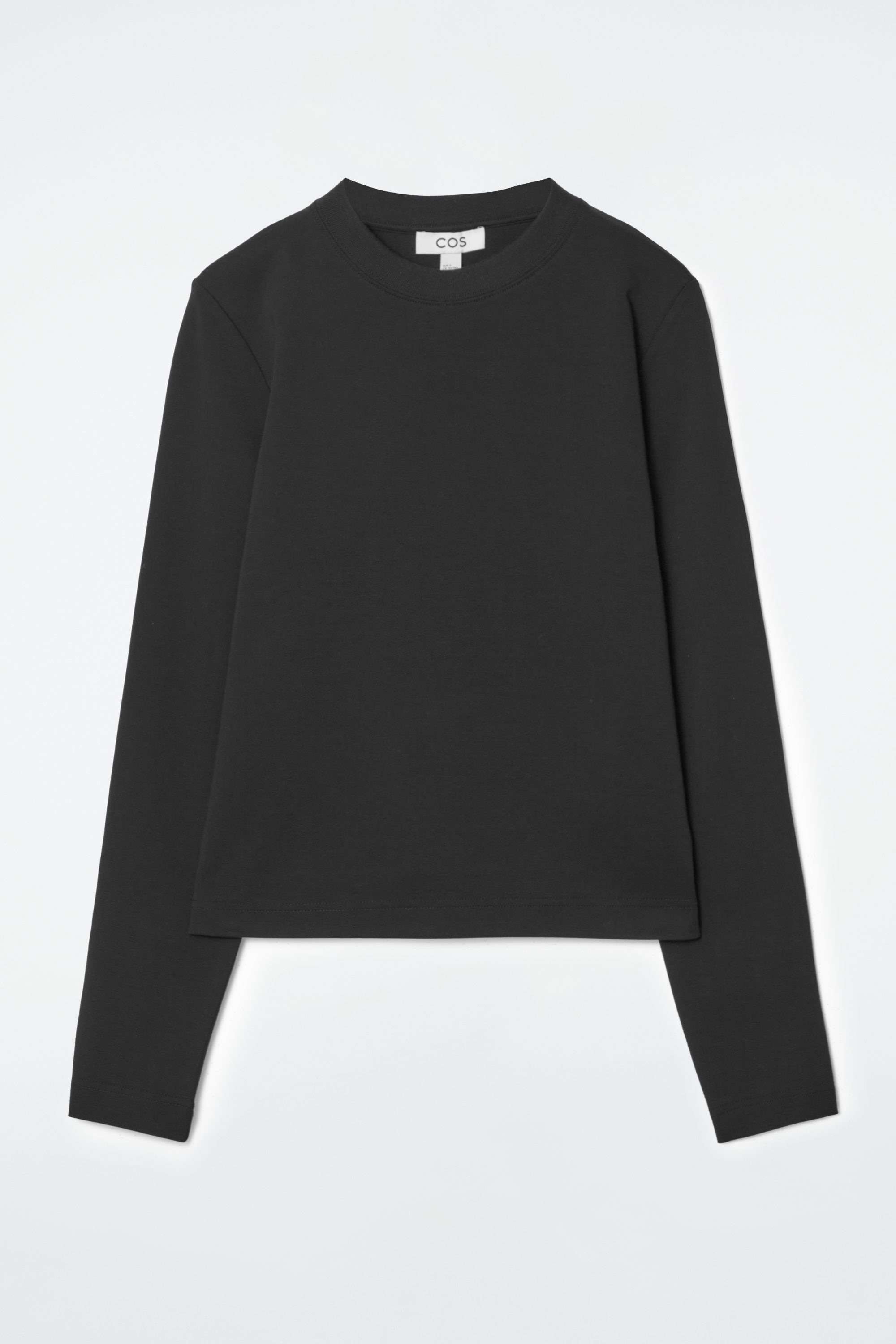
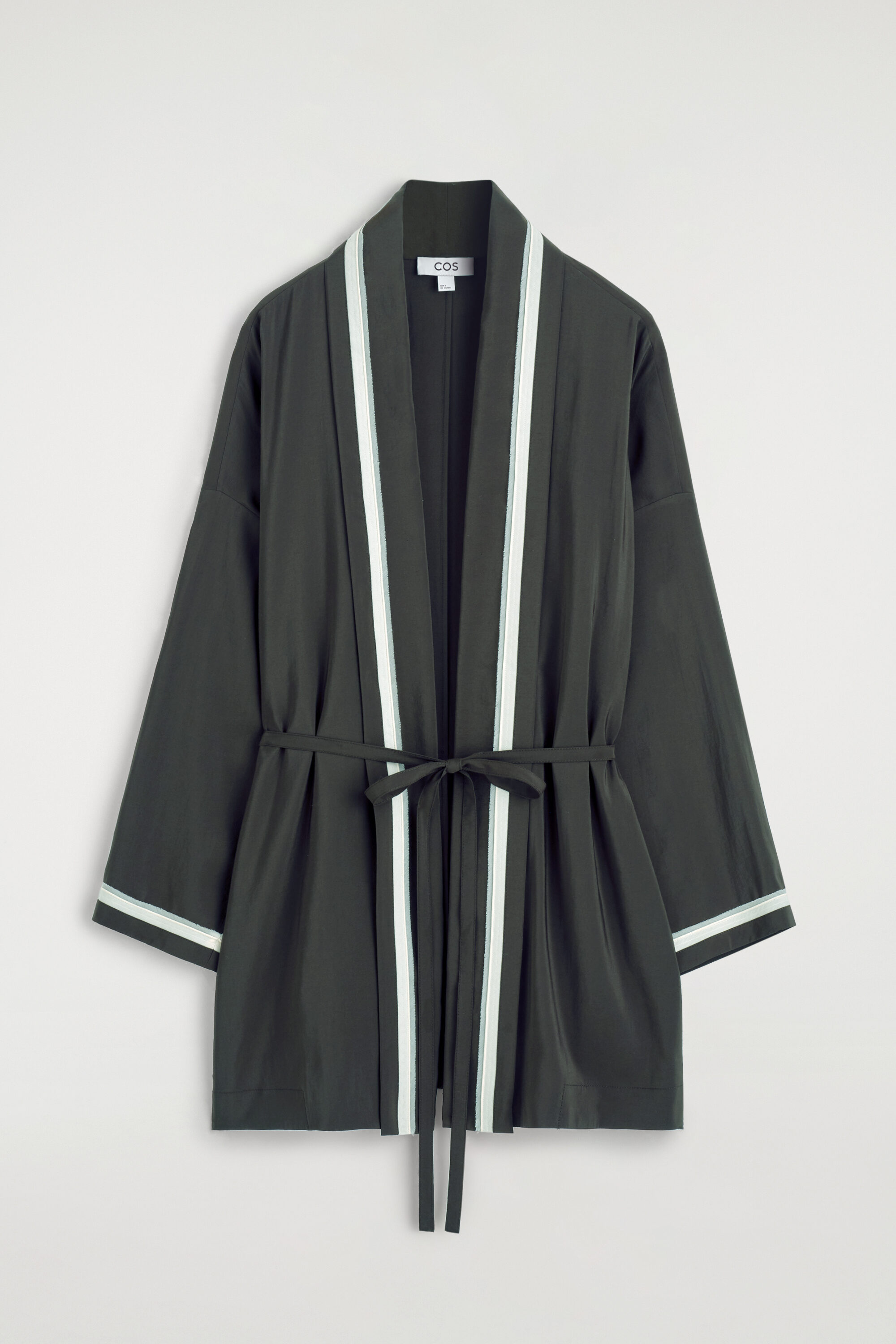
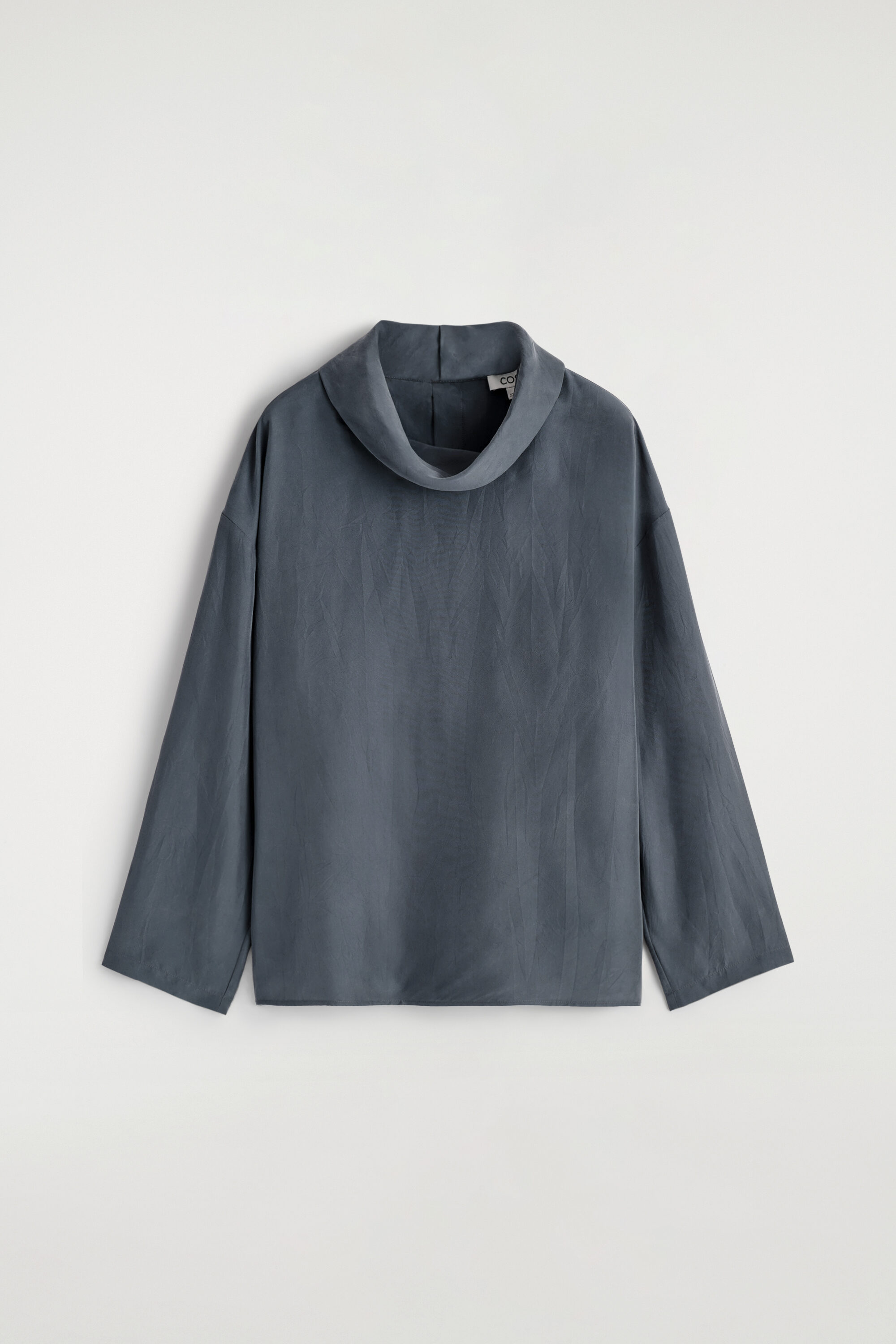
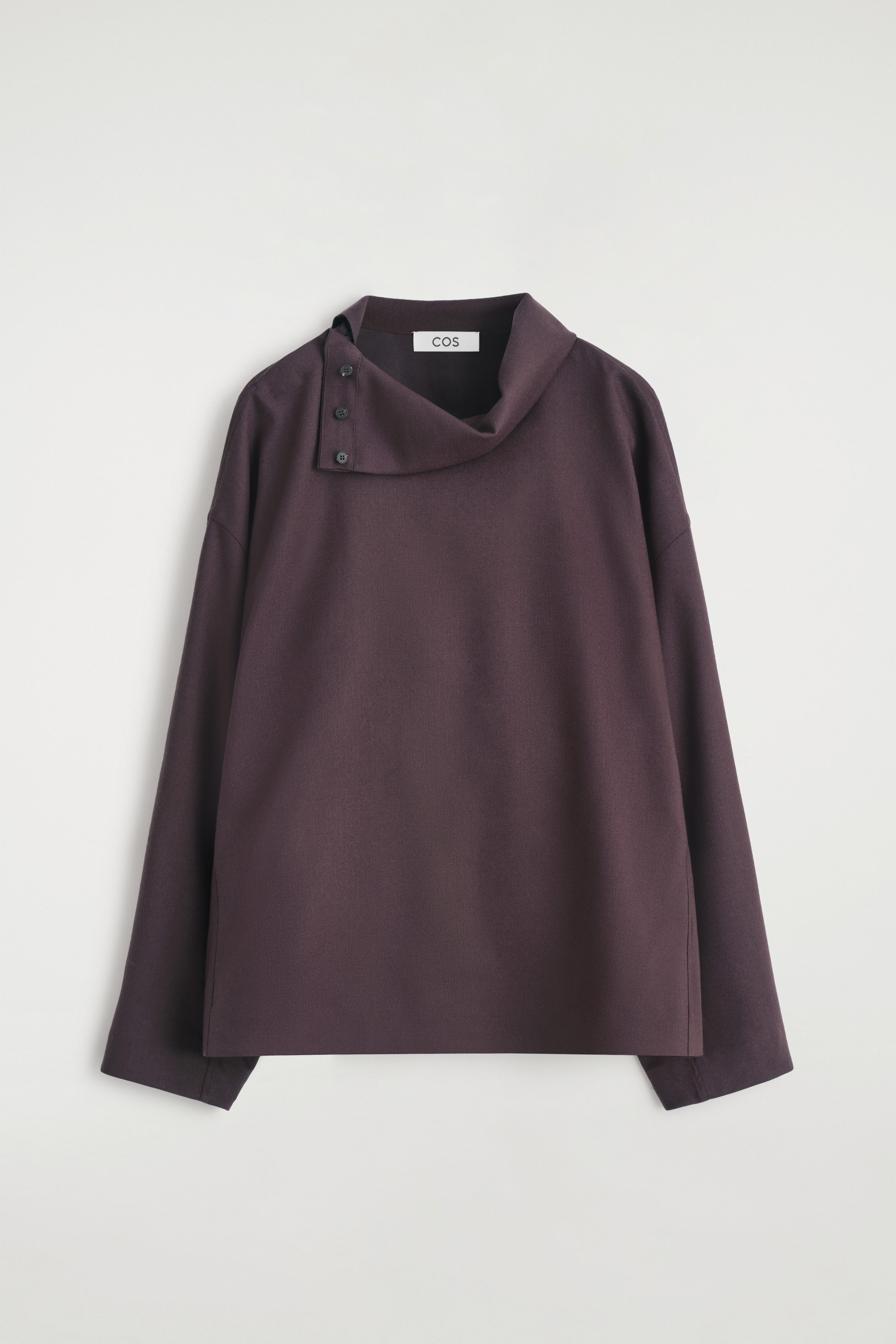
A slim tee earns its place when another layer needs a clean foundation. It can sit beneath a cardigan, a shirt or a roomy blazer without bunching at the waist and under the arms. Keep the rest of the outfit simple if the fabric has sheen or a distinctive neckline. A regular tee does the opposite job well: it gives a sharper jacket a softer counterpoint and can balance wide trousers or a full skirt. Sleeve length matters too. A short sleeve ending at the widest part of the upper arm can change the line of a close-fitting top, so compare it with your jacket cuff and the rise of your trousers. The third grid extends the comparison into longer layers, from the Clean Cut Regular Long-sleeved T-shirt to more polished options such as the Washed-silk Mock-neck Top. Treat those pieces as part of the same fit decision, rather than assuming a long sleeve needs a larger size. If you usually move between office layers and weekend outfits, note which cut leaves enough room for a watch, a cuff or a tucked hem.
Our honest take
We would start with a regular fit if you want one tee to handle relaxed trousers, denim and an open jacket. A slim fit is more useful when you dress in layers or prefer a sharper outline without excess fabric. Fabric changes the result as much as the cut, so compare the shoulder and armhole before judging the body. The lower end of this edit is $29, while silk and wool options reach $259. If you take one thing away, choose the fit that supports the layers you actually wear, then let the fabric decide how polished the final outfit feels.