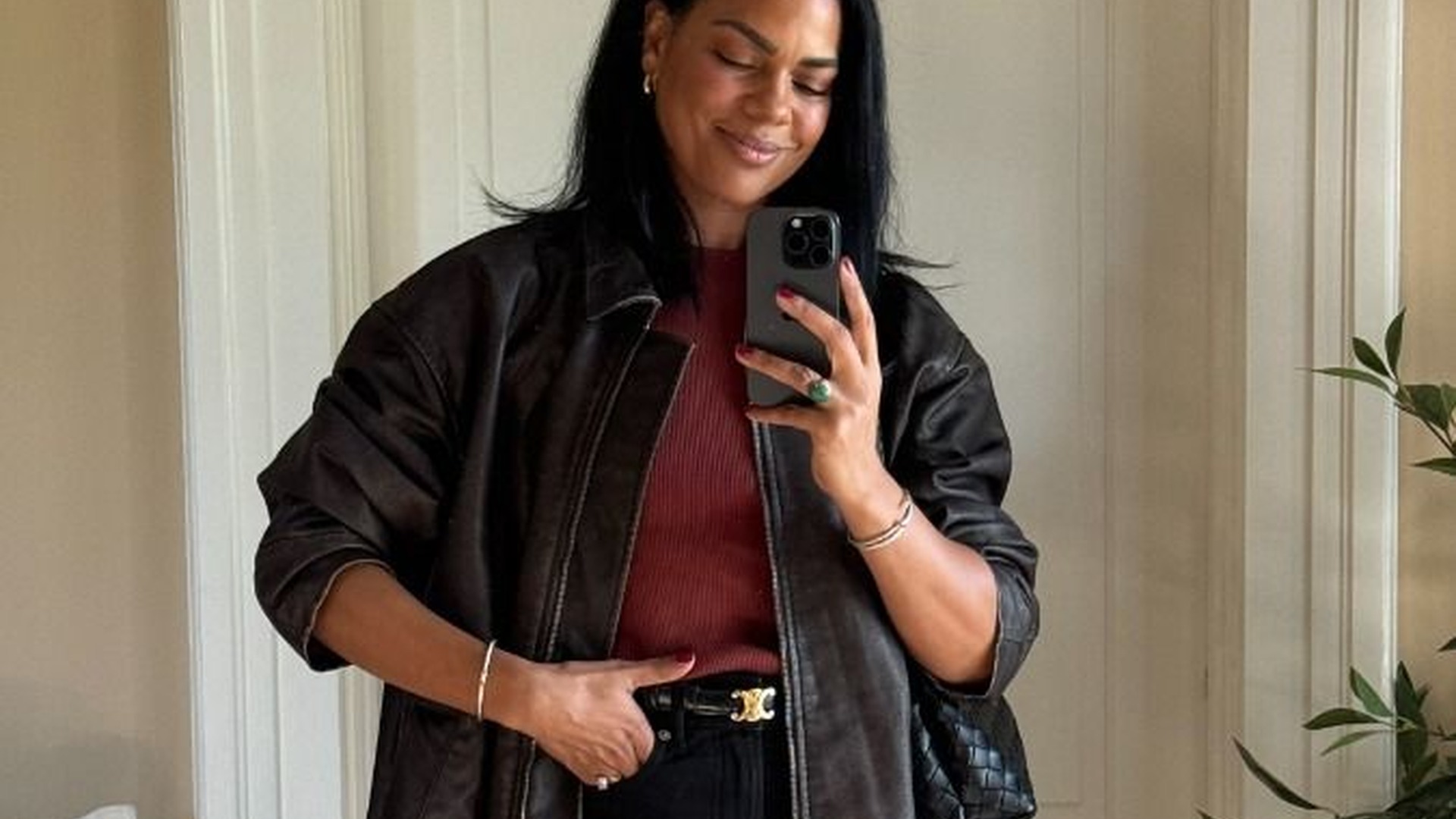
Small bags have outlasted every prediction that they were a passing joke. The reason is practical as much as aesthetic: phones got bigger, but nobody wants to carry more than they have to, and a tiny bag makes an outfit look finished. This edit is a broad run of minis, from structured top handles to evening minaudieres.
Small Bags, Big Year

Bags
Structured shapes first, because that is where the mini bag makes the most sense. A small rigid bag holds its form and reads intentional, which is the whole trick.
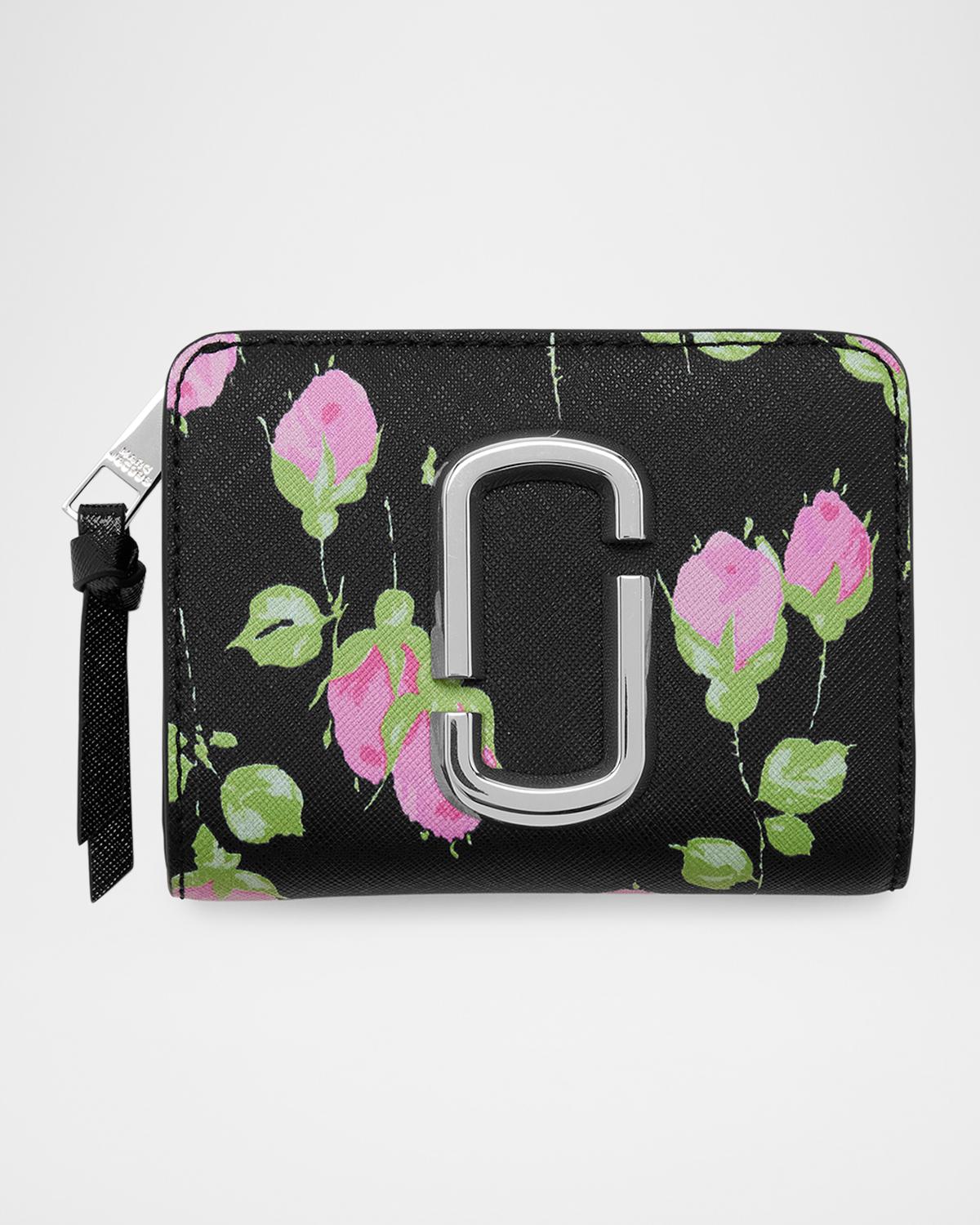
Snapshot Mini Compact Wallet in Vintage Floral Leather
Marc Jacobs
$178
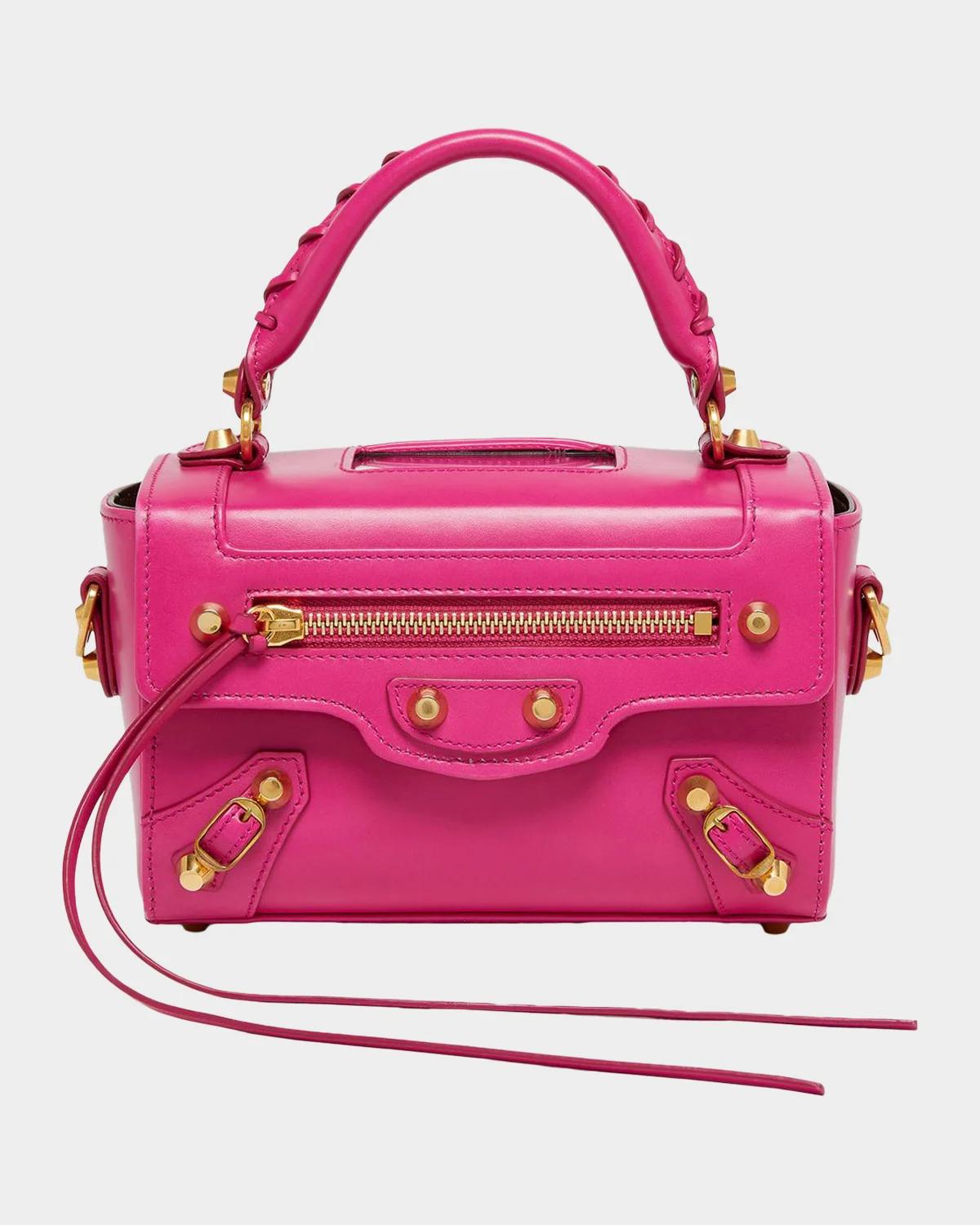
Le City Leather Top-Handle Bag
Balenciaga
$2,990
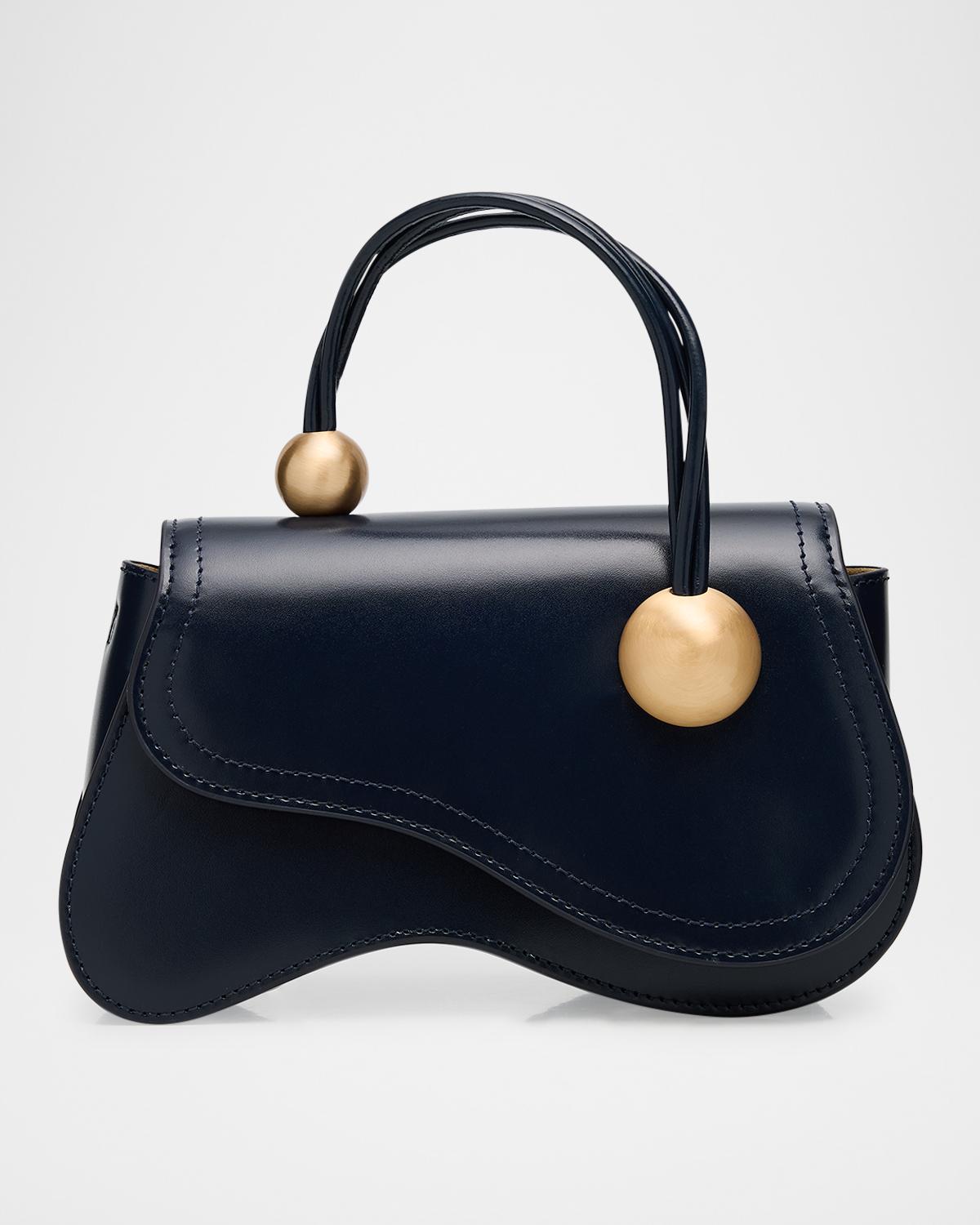
Kazia Leather Crossbody Bag
Cult Gaia
$498
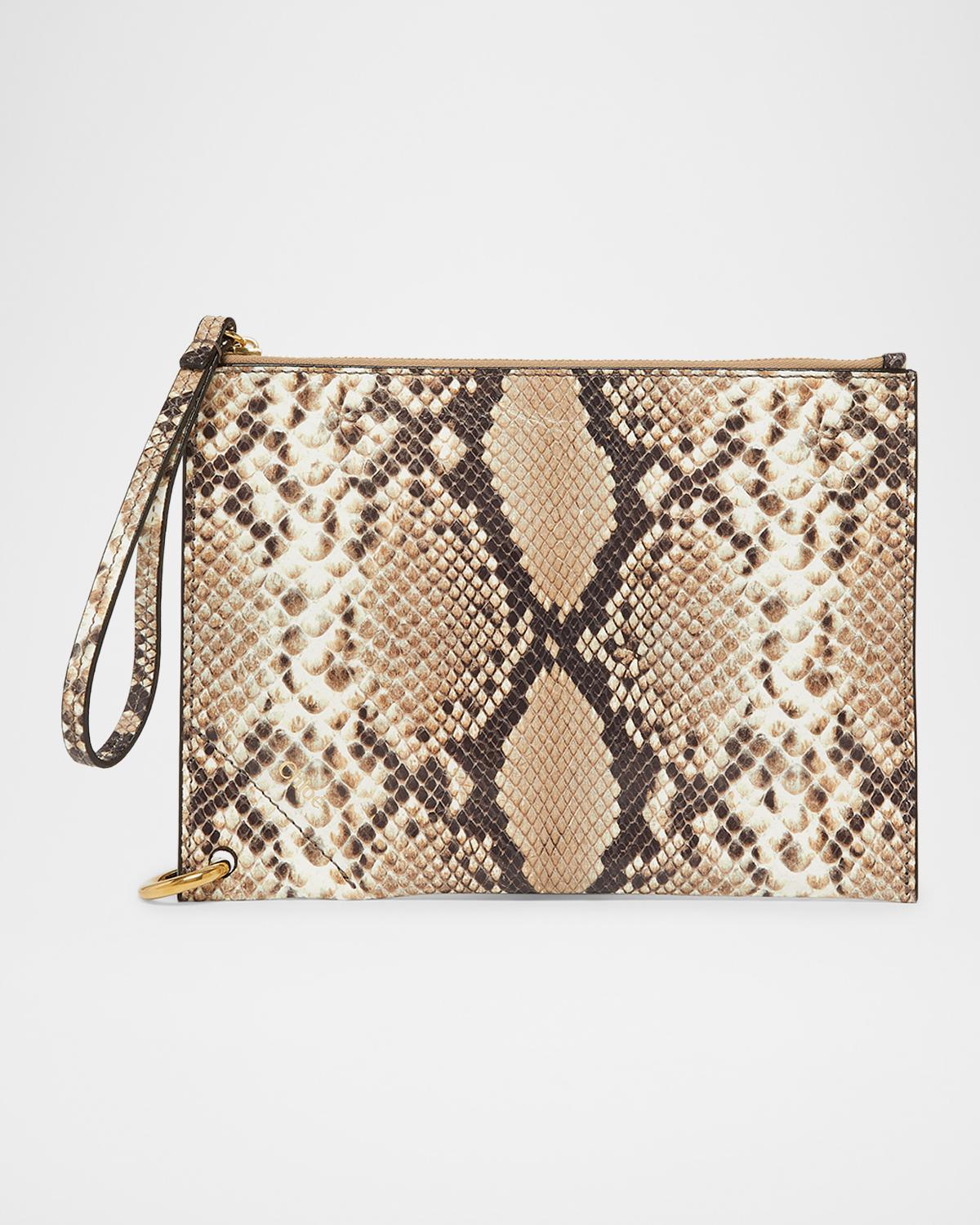
Spin Python-Embossed Leather Pouch Bag
Chloe
$670
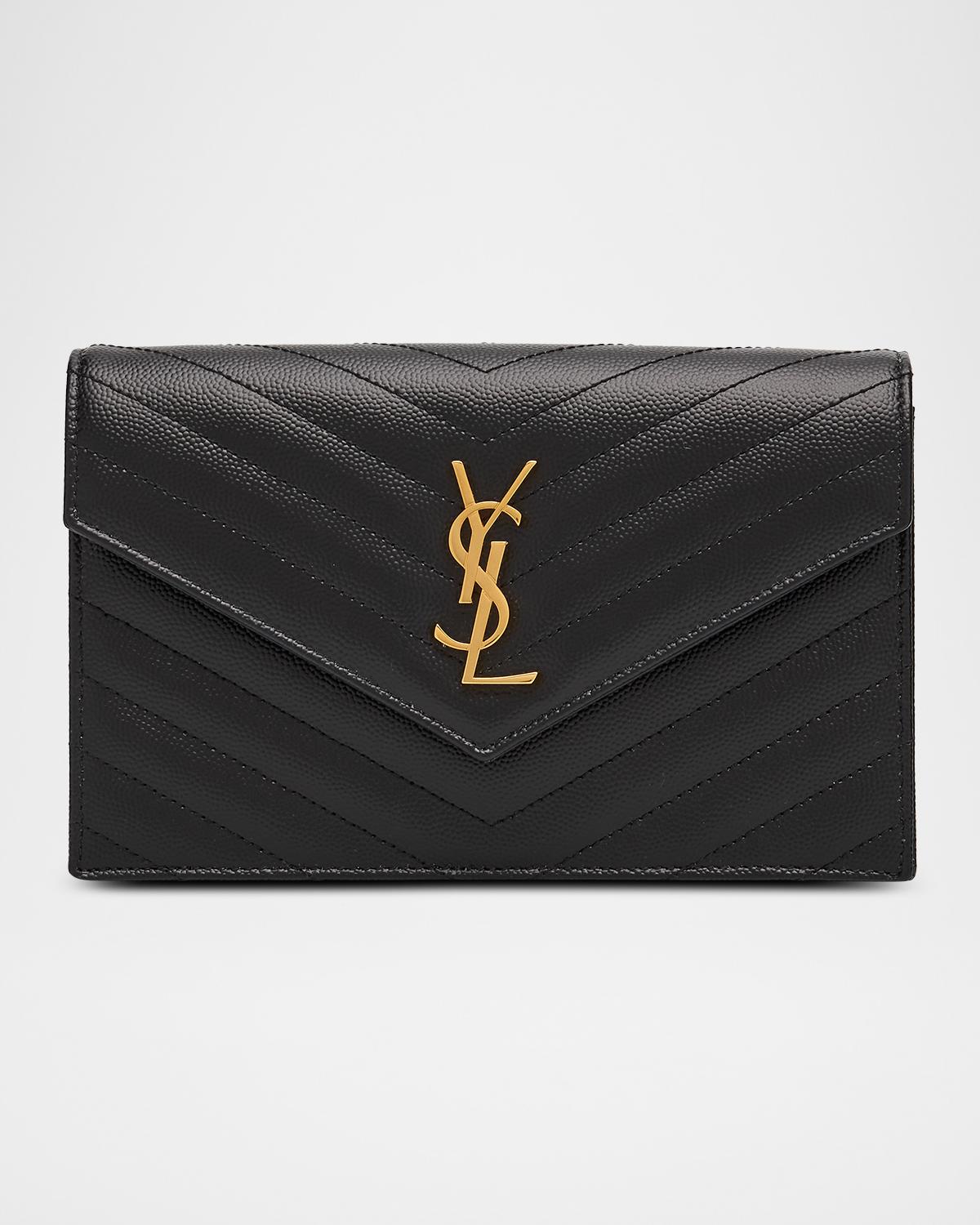
Envelope Small YSL Wallet on Chain in Grain Leather
Saint Laurent
$1,190
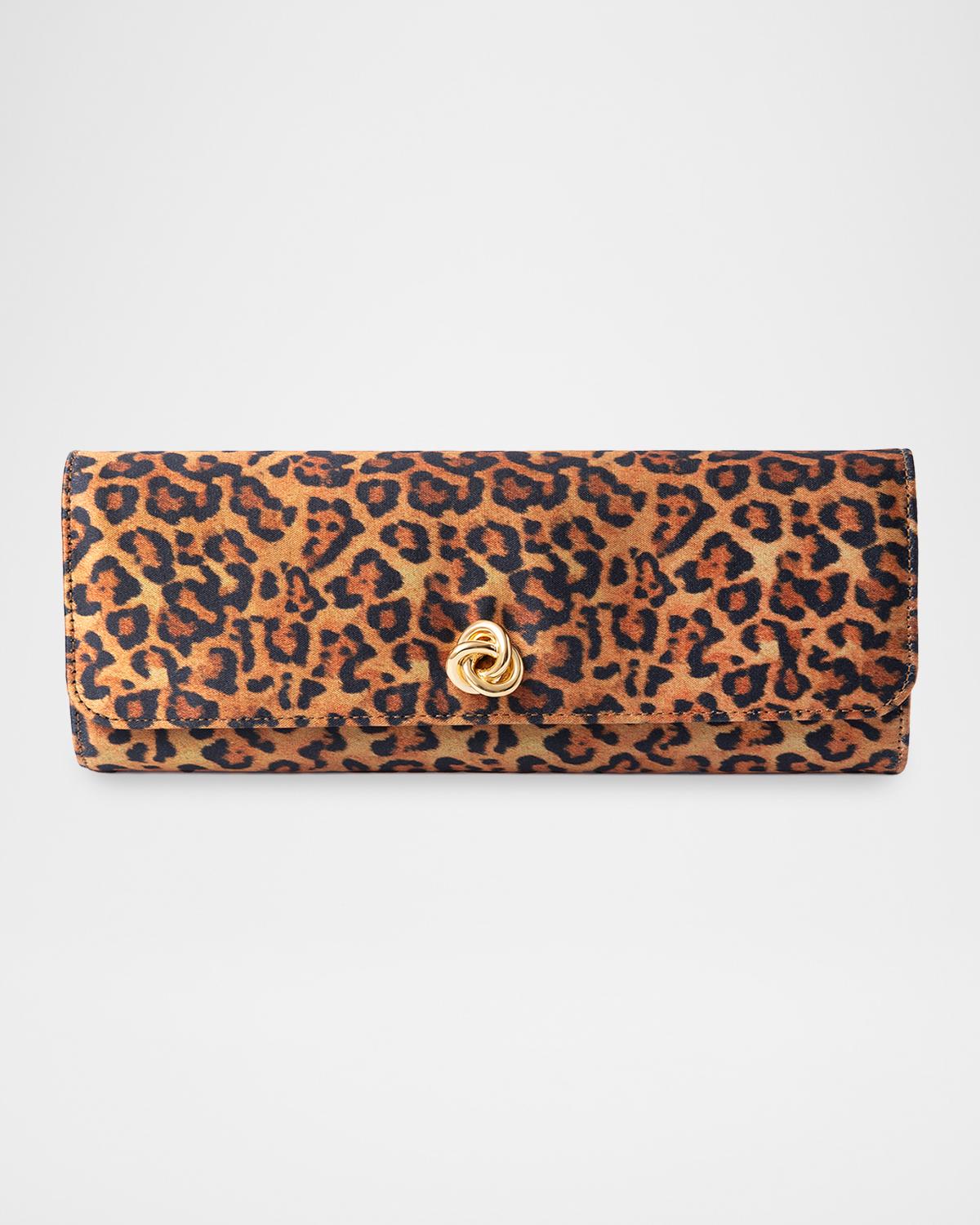
Mini Robbie Animal Print Flap Clutch Bag
Michelle Wilhite
$850
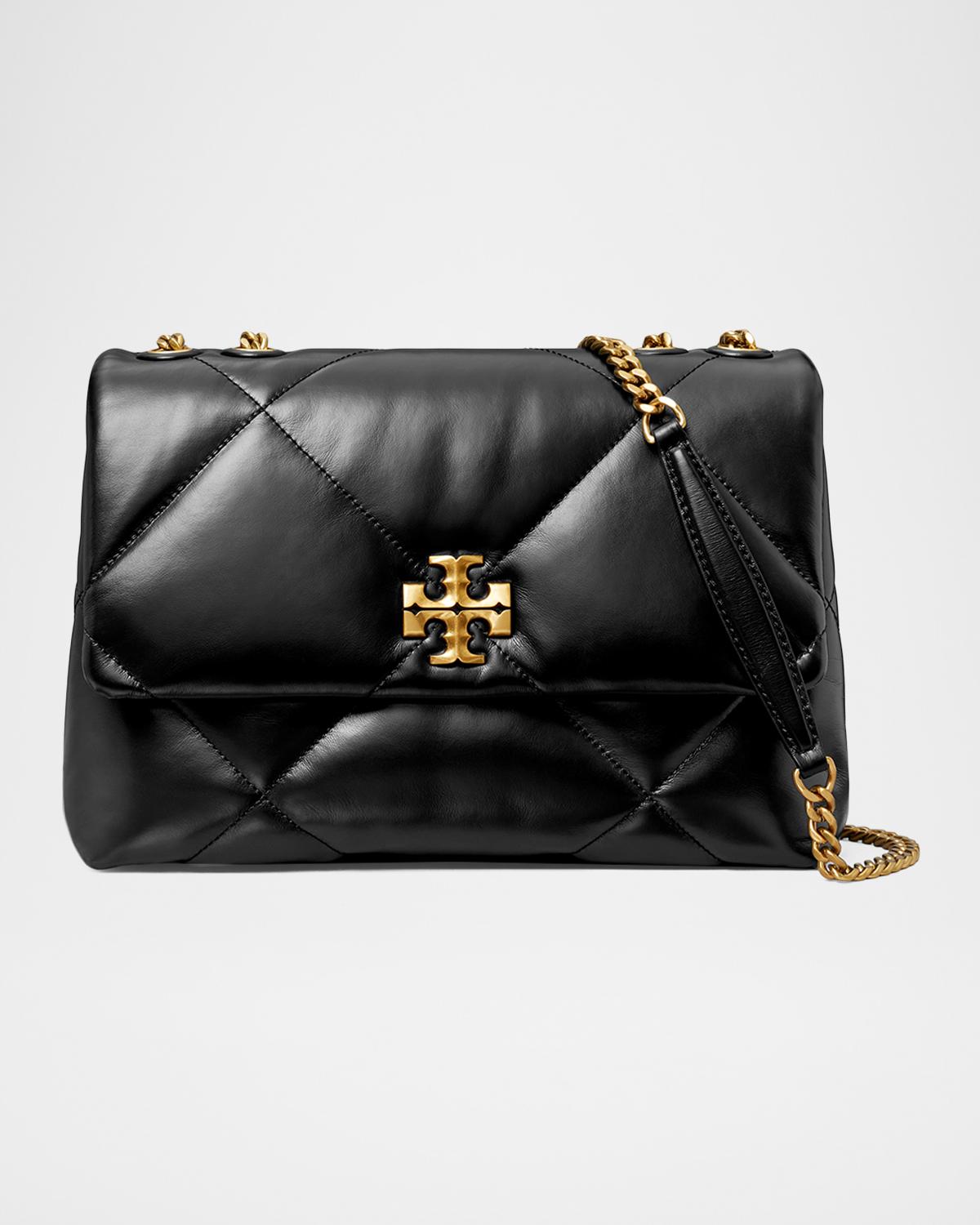
Kira Diamond Quilted Convertible Shoulder Bag
Tory Burch
$595
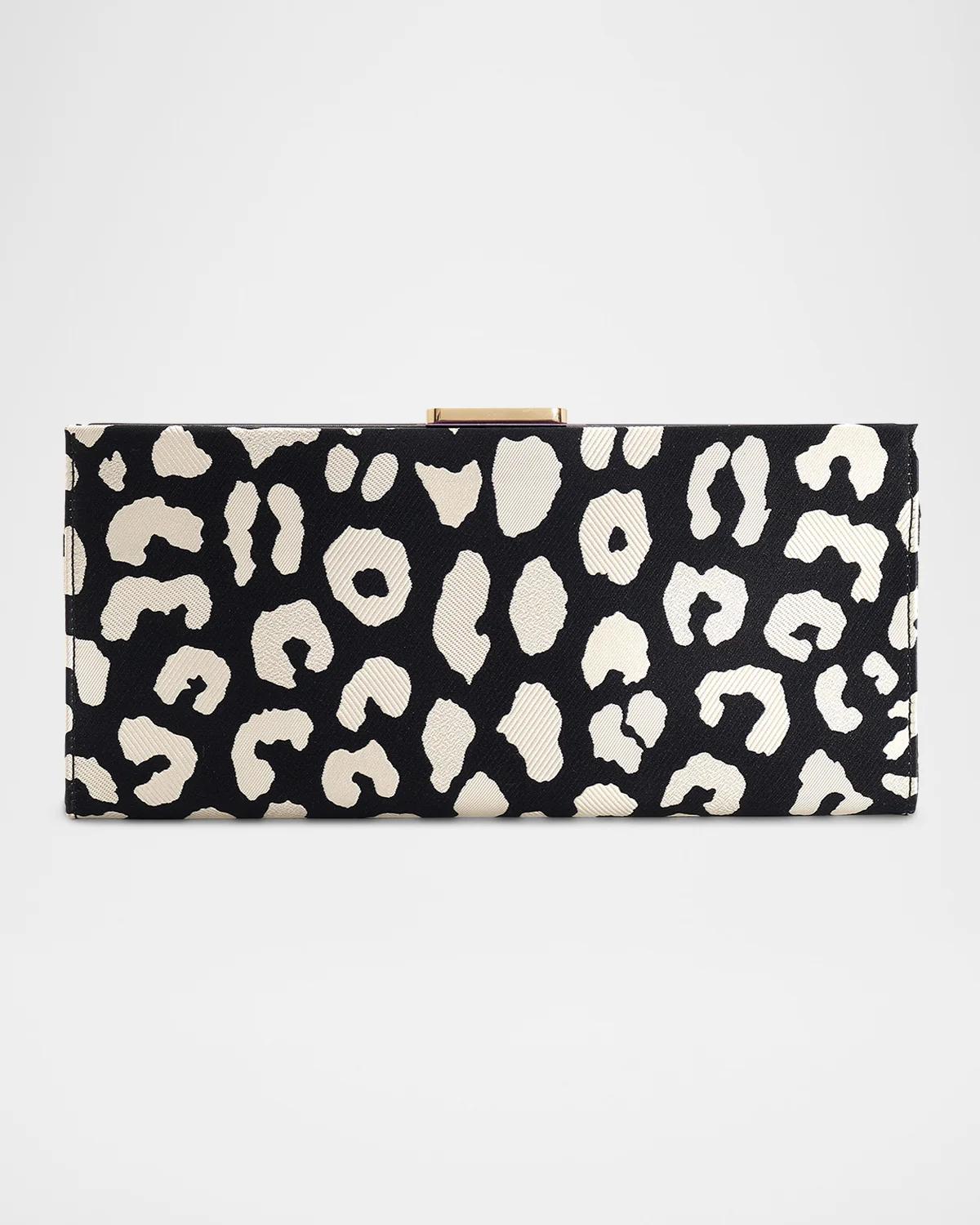
Pats Animal Jacquard Clutch Bag
Carolina Herrera
$1,990
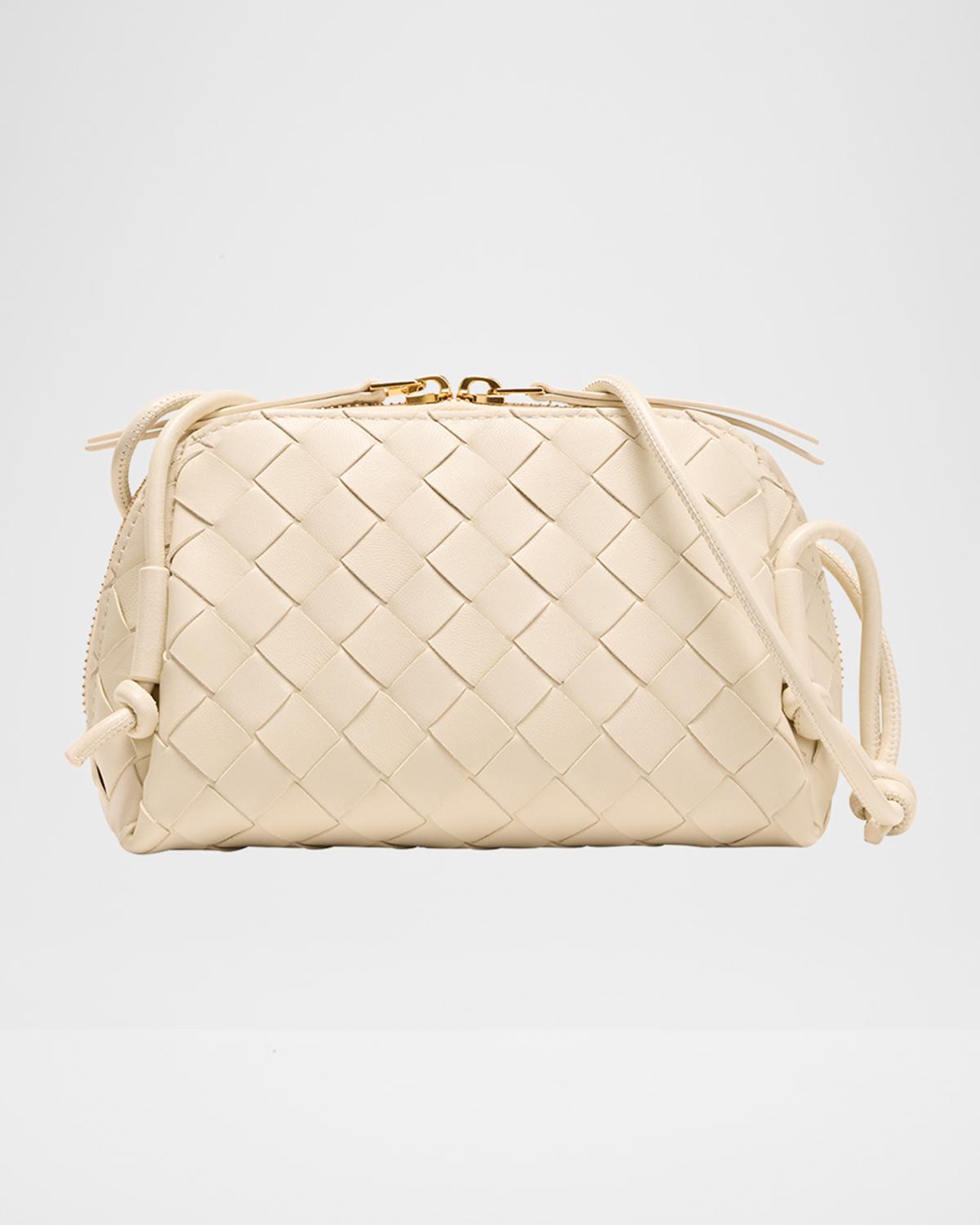
Zip Leather Pouch Shoulder Bag
Bottega Veneta
$2,400
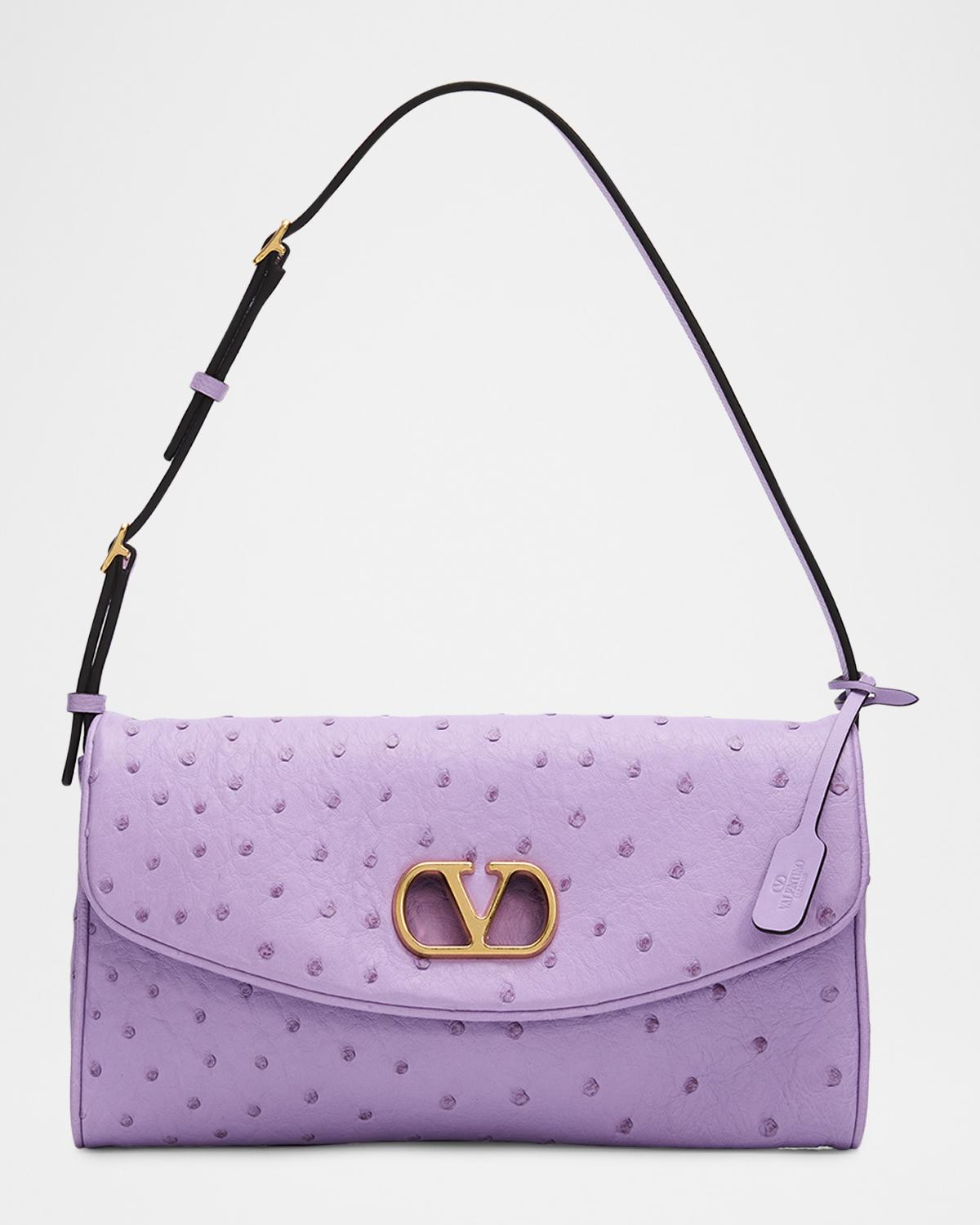
Devain Logo Leather Top Handle Bag
Valentino Garavani
$5,200
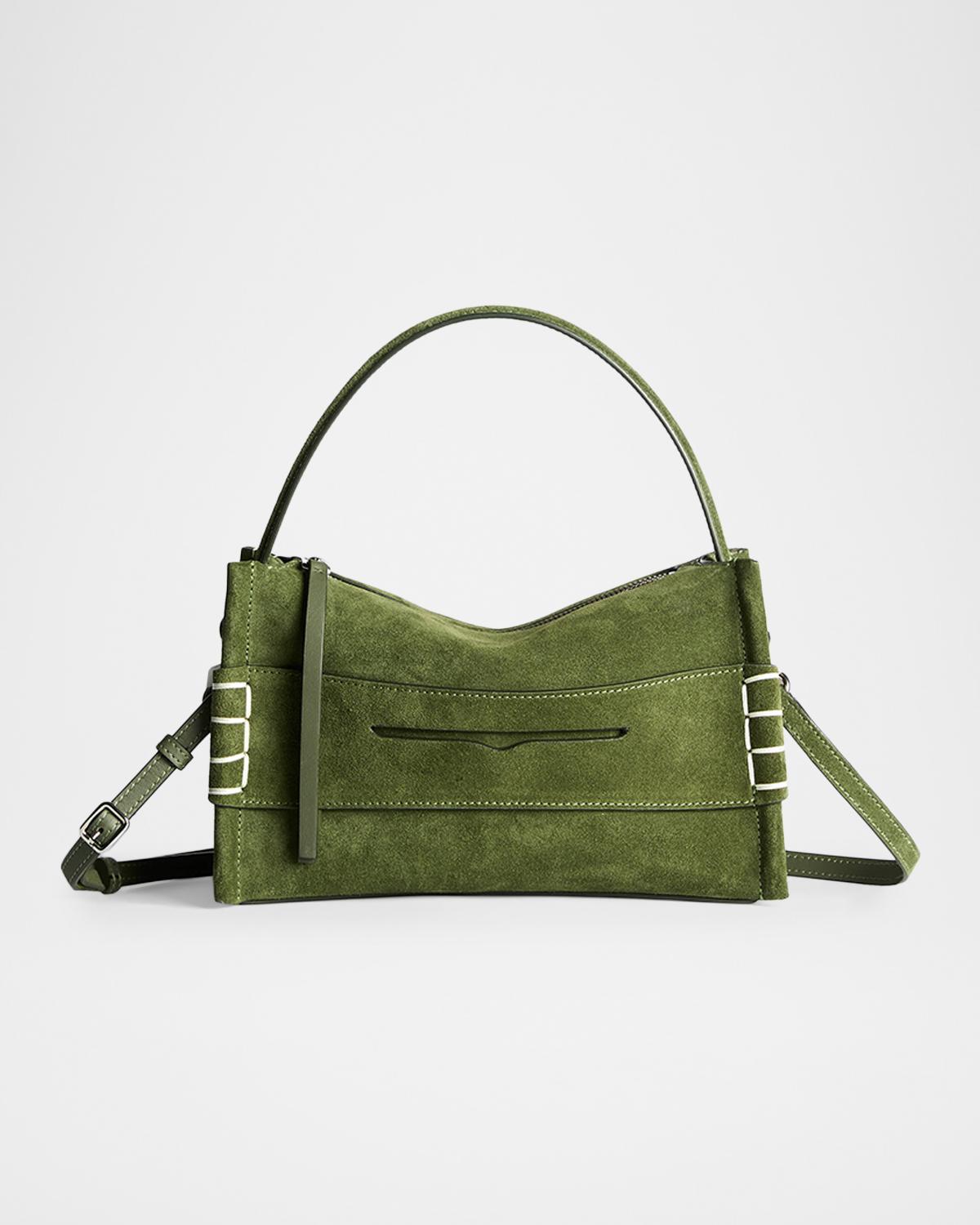
Loafer Small Suede Penny Keeper Top-Handle Bag
JW Anderson
$1,510
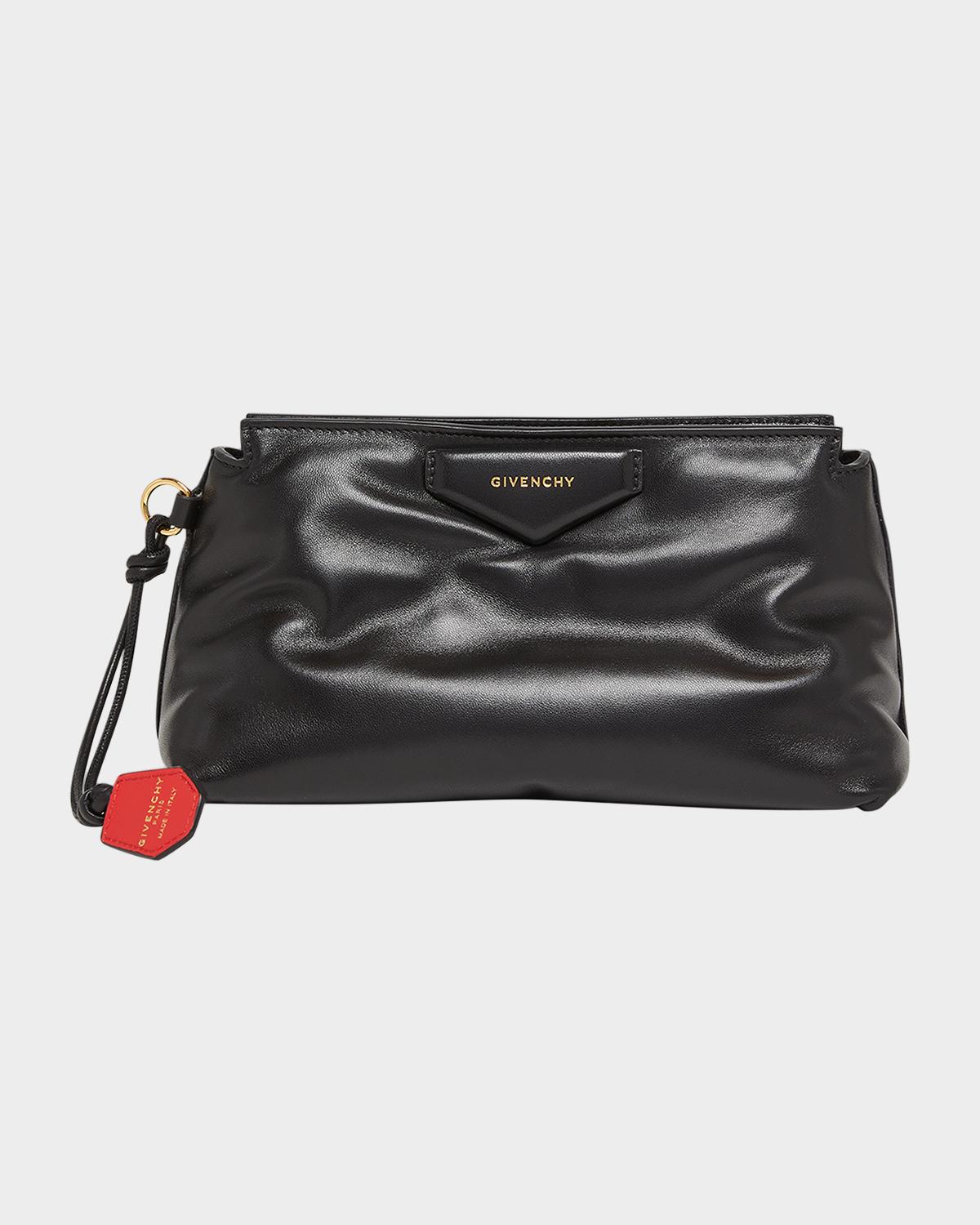
Antigona Slouchy Clutch Bag in Leather
Givenchy
$950
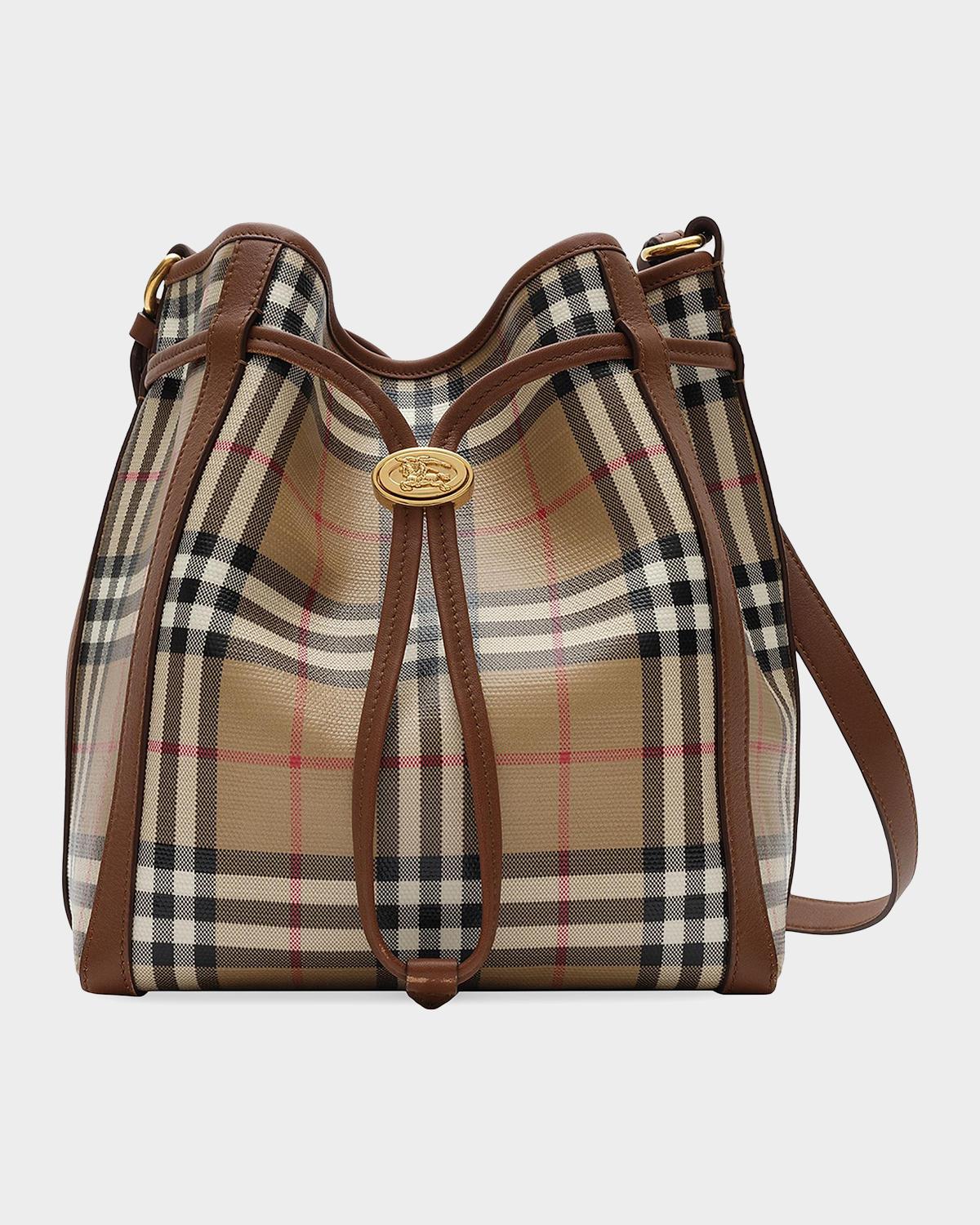
Mini Check Bucket Bag
Burberry
$1,750
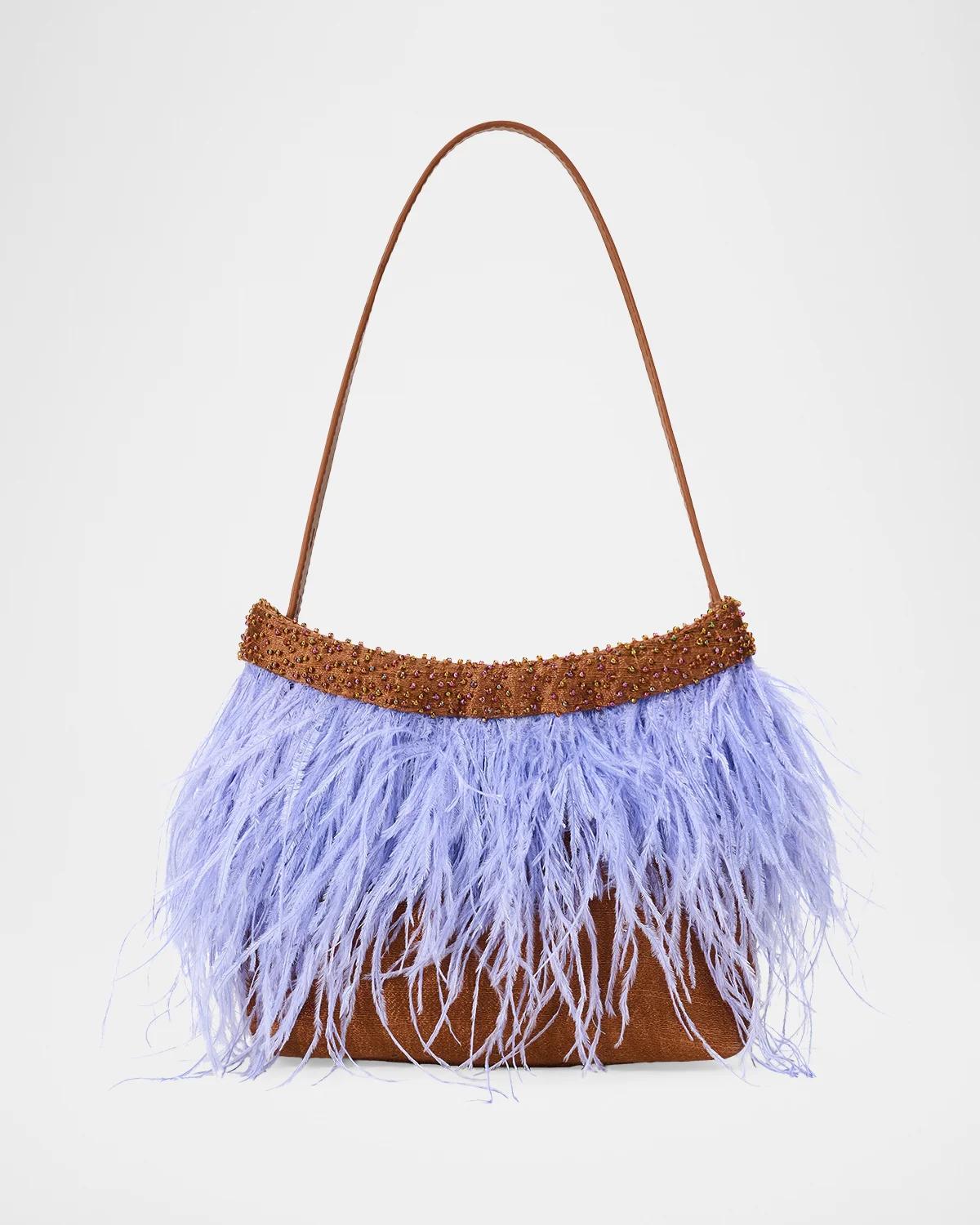
Winslow Beaded Feather Top-Handle Bag
STAUD
$395
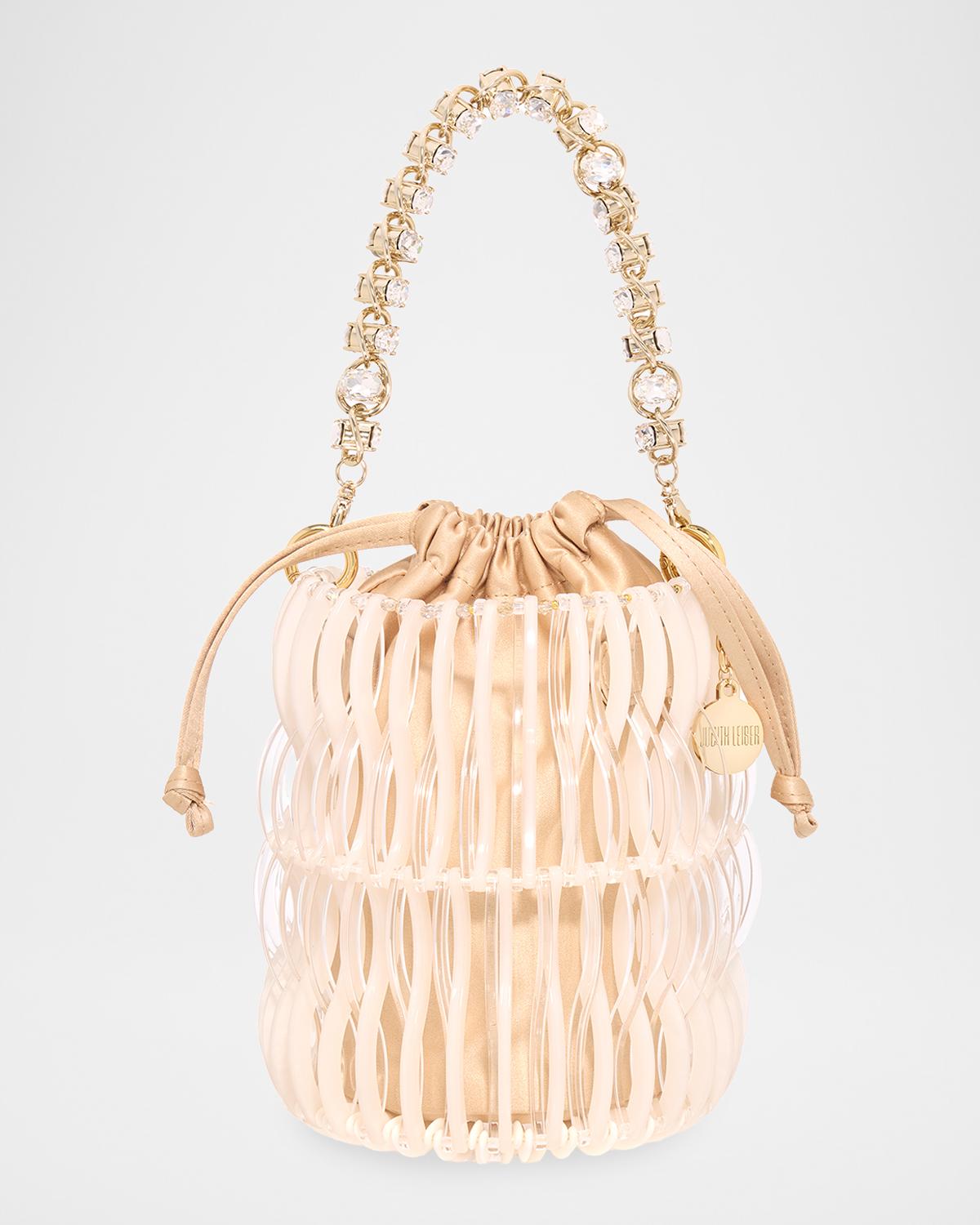
Harper Resin & Satin Top-Handle Bucket Bag
Judith Leiber Couture
$1,595
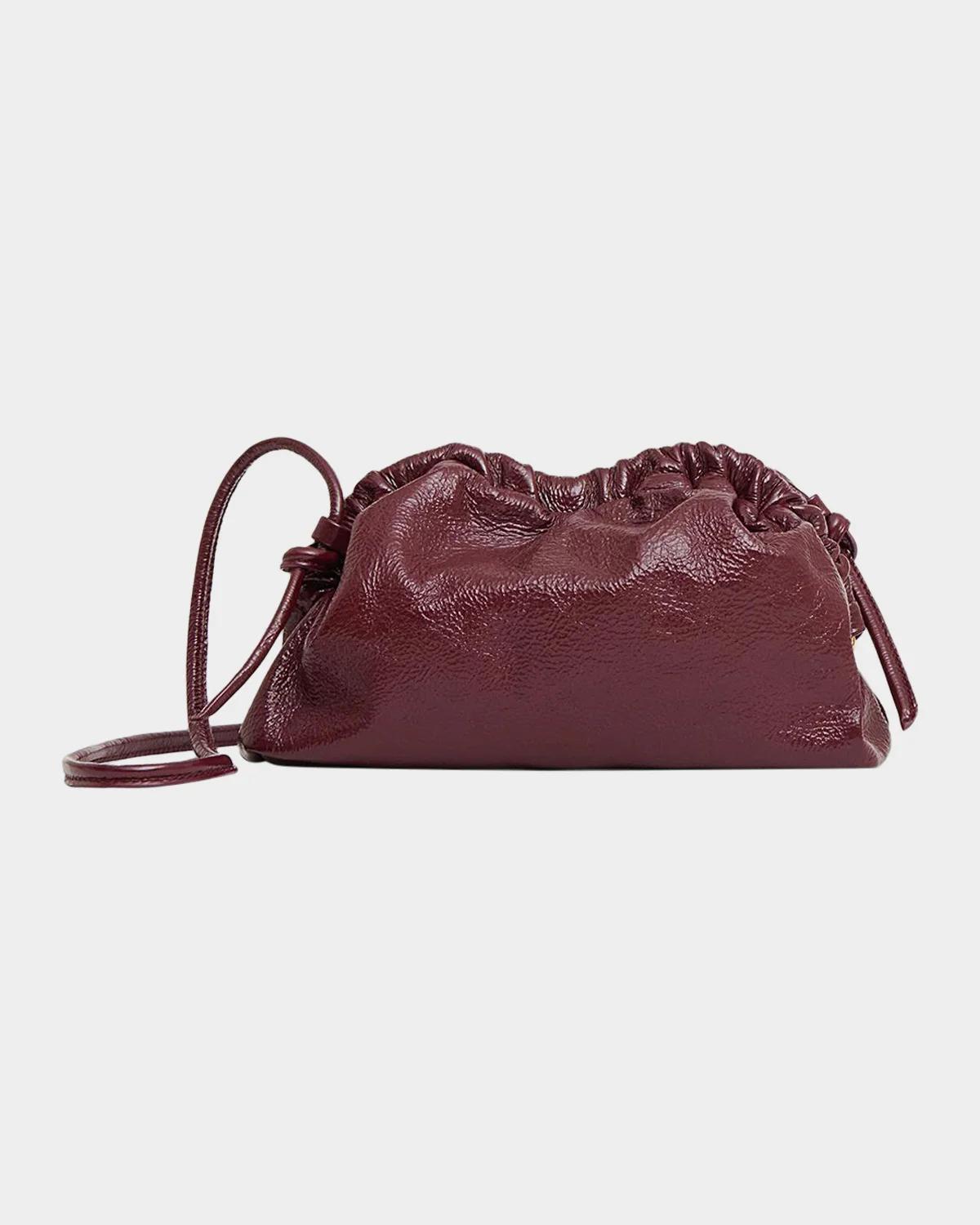
Cloud Mini Naplak Leather Clutch Bag
Mansur Gavriel
$595
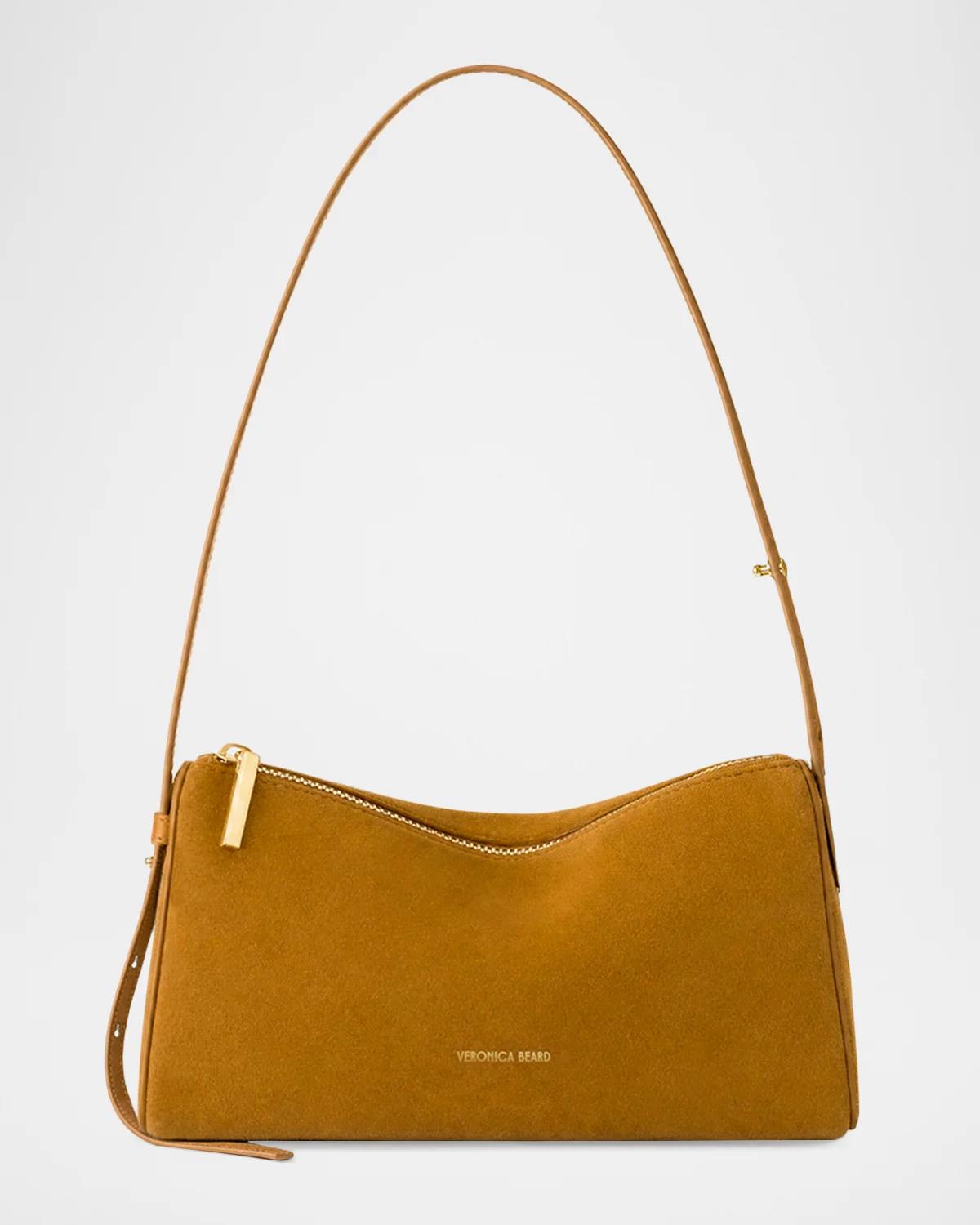
Prism Suede Shoulder Bag
Veronica Beard
$350
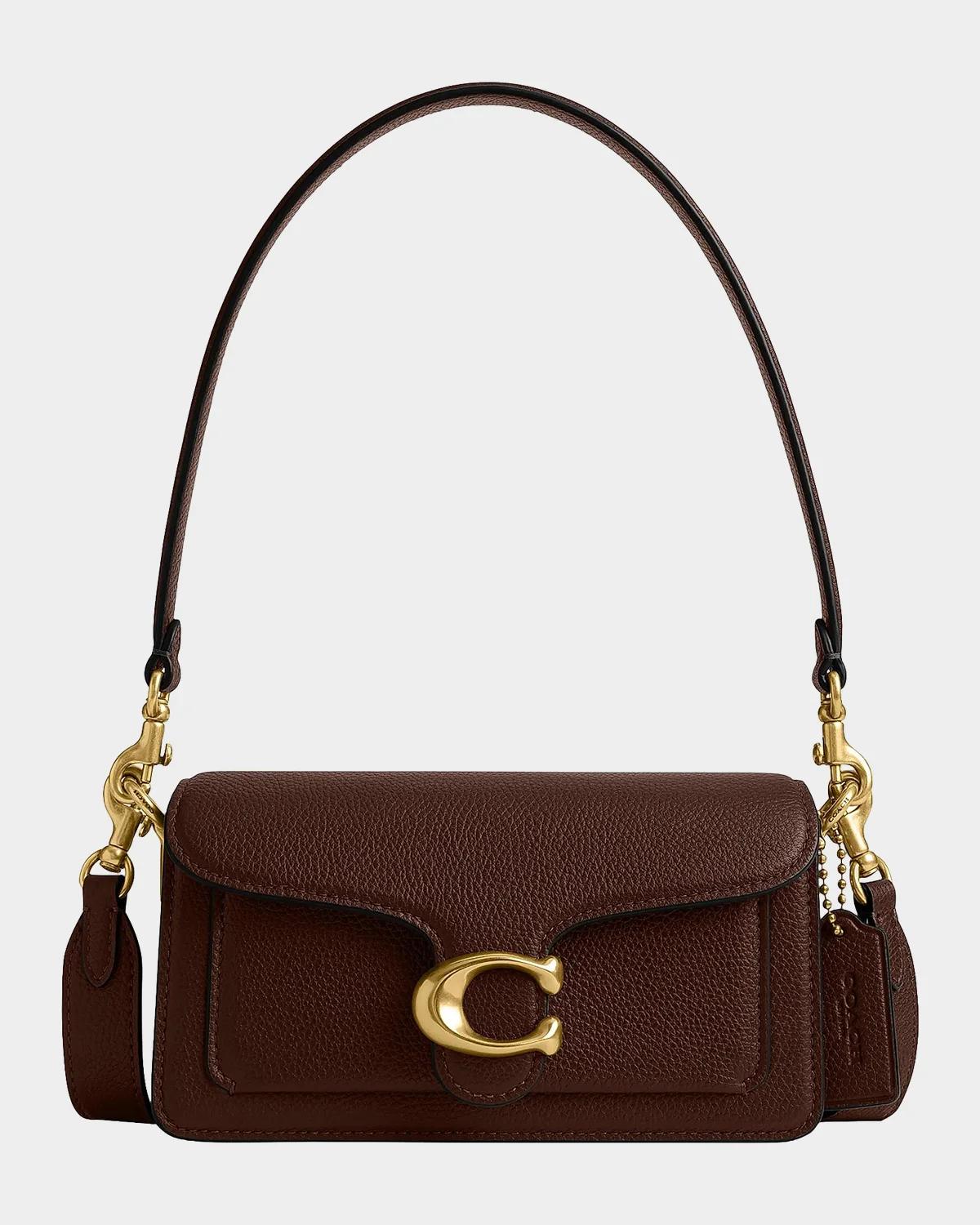
Tabby 20 Pebbled Leather Shoulder Bag
Coach
$375
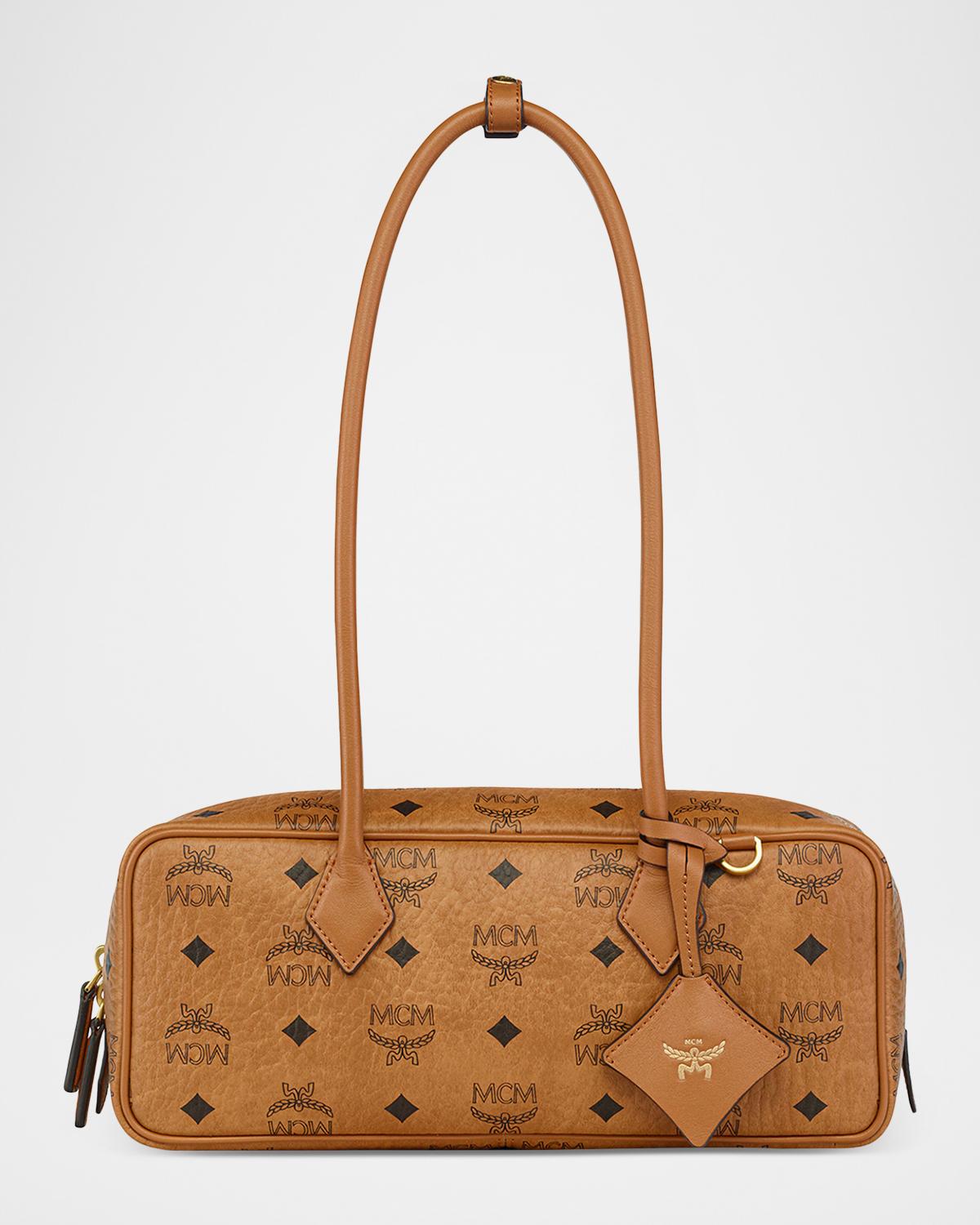
Aren Visetos East-West Shoulder Bag
MCM
$680
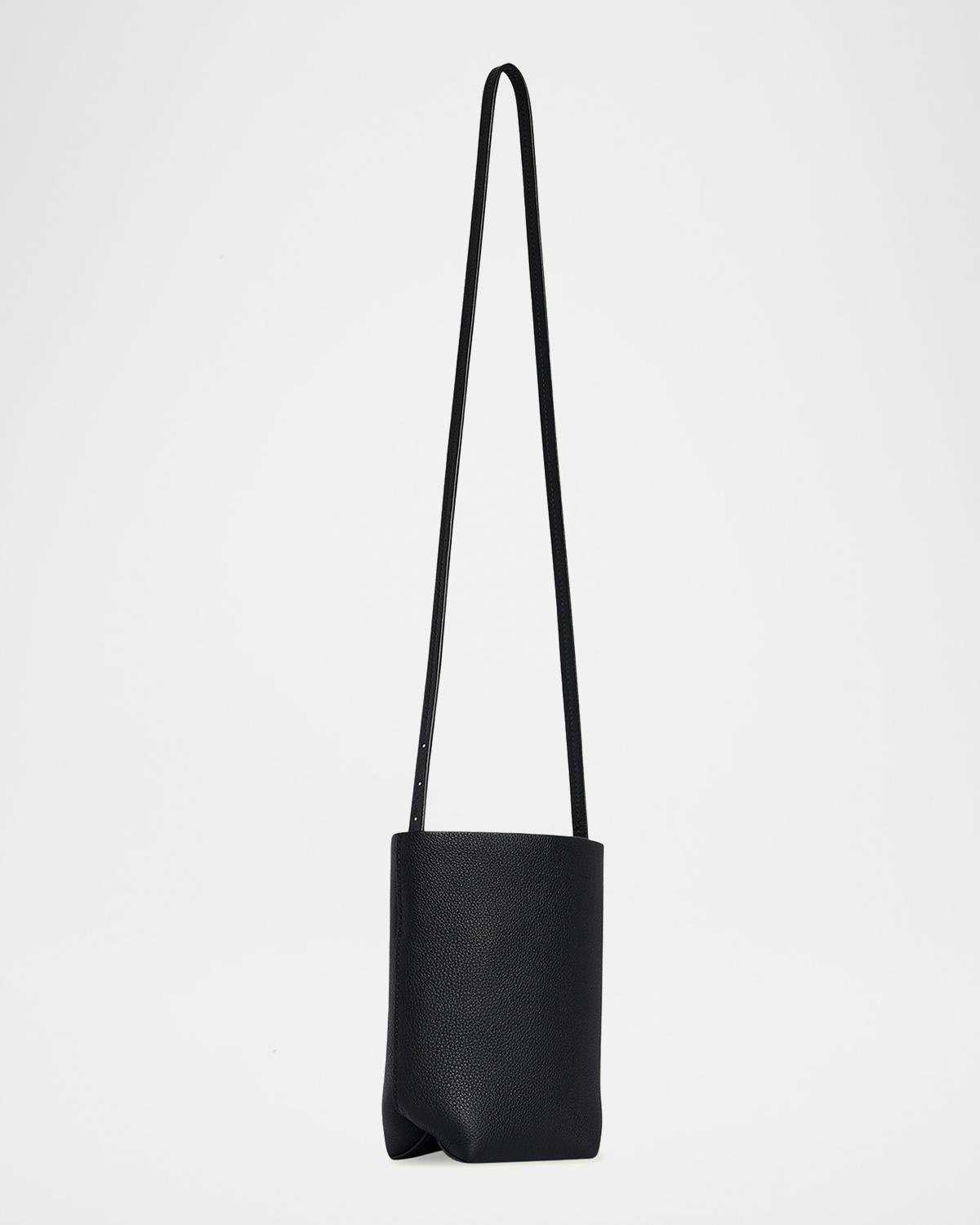
Park North-South Crossbody Tote Bag in Leather
The Row
$1,290
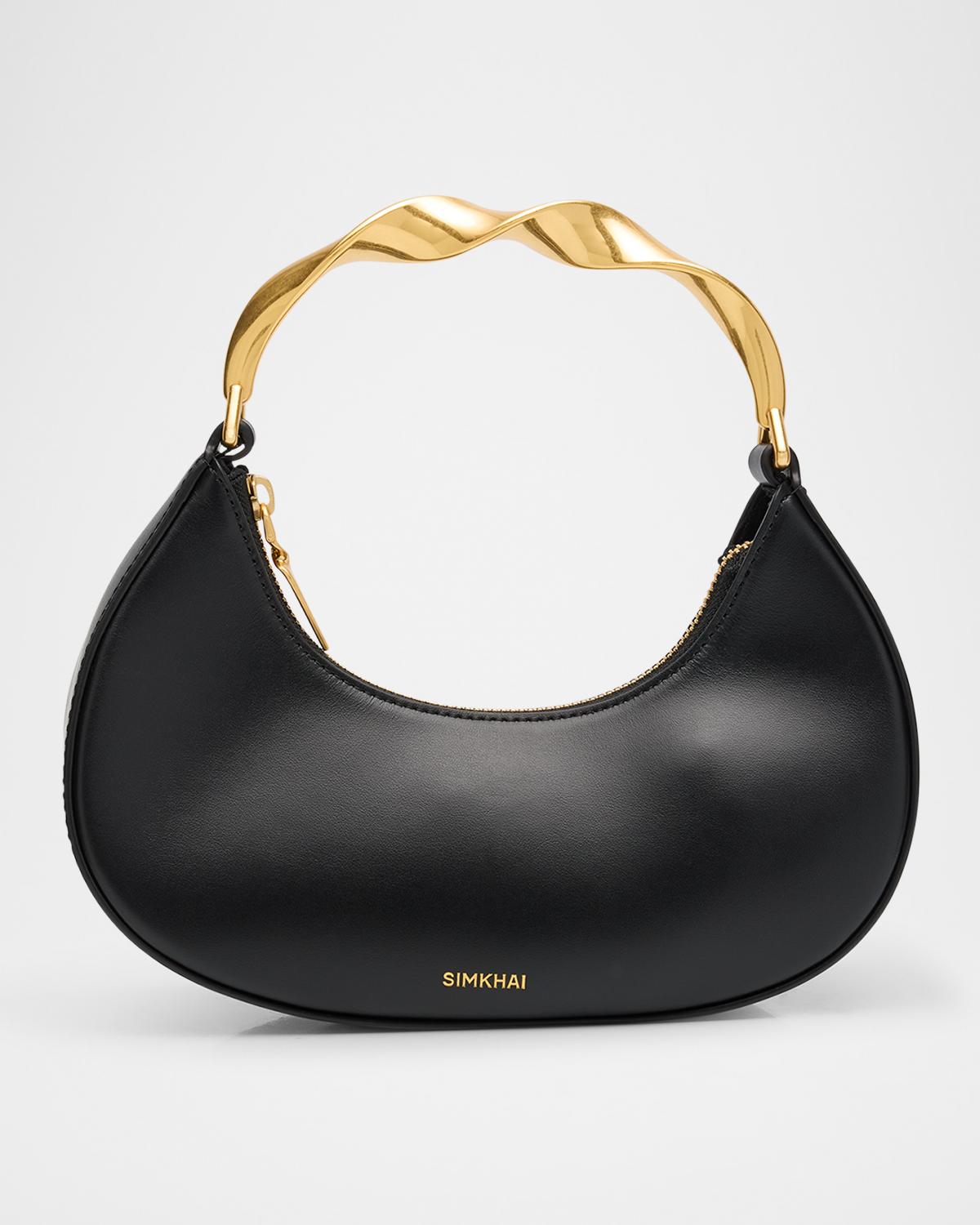
Nixi Twist Leather Top-Handle Bag
Simkhai
$545
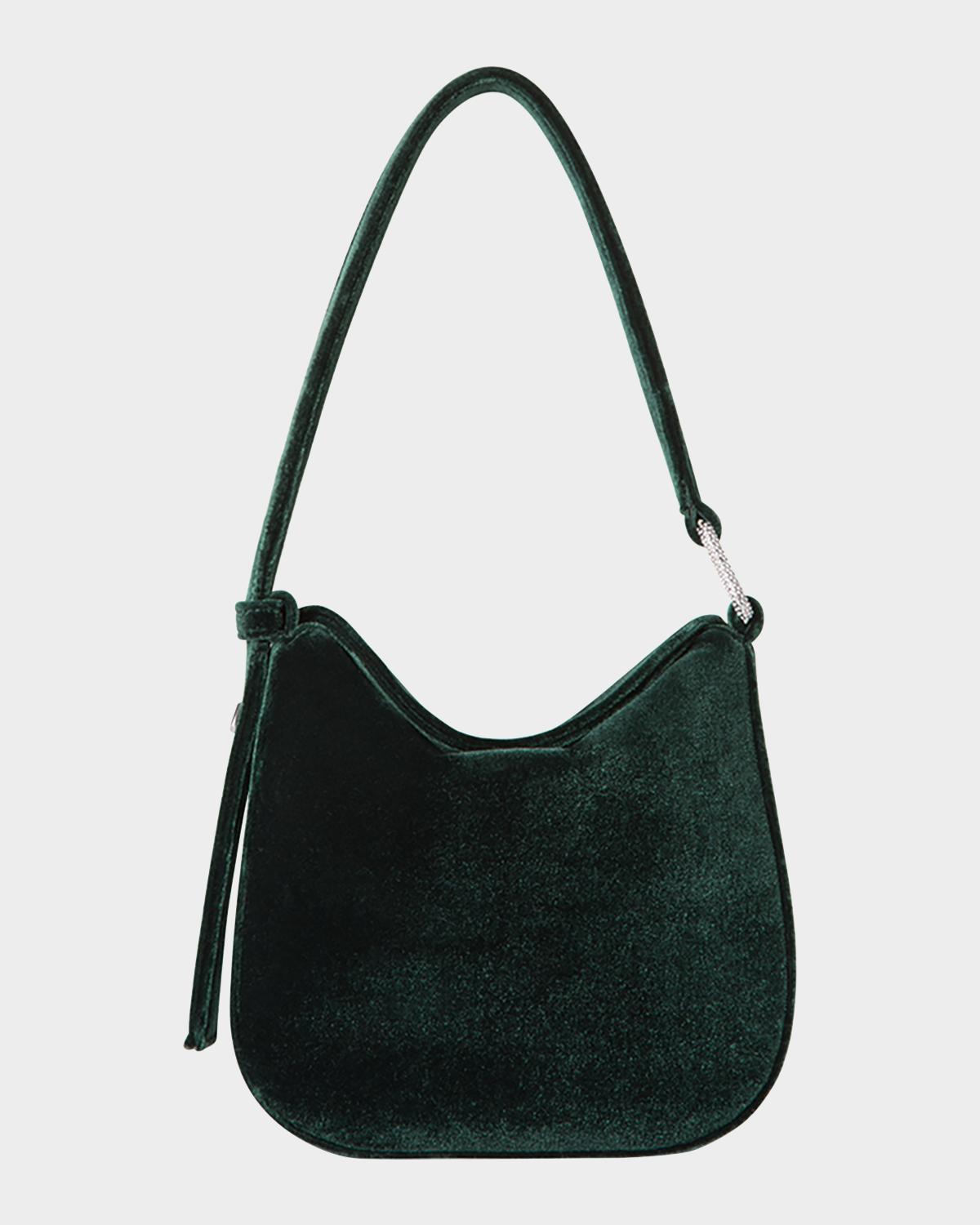
Anna Mini Velvet Hobo Bag
Akris
$555.99
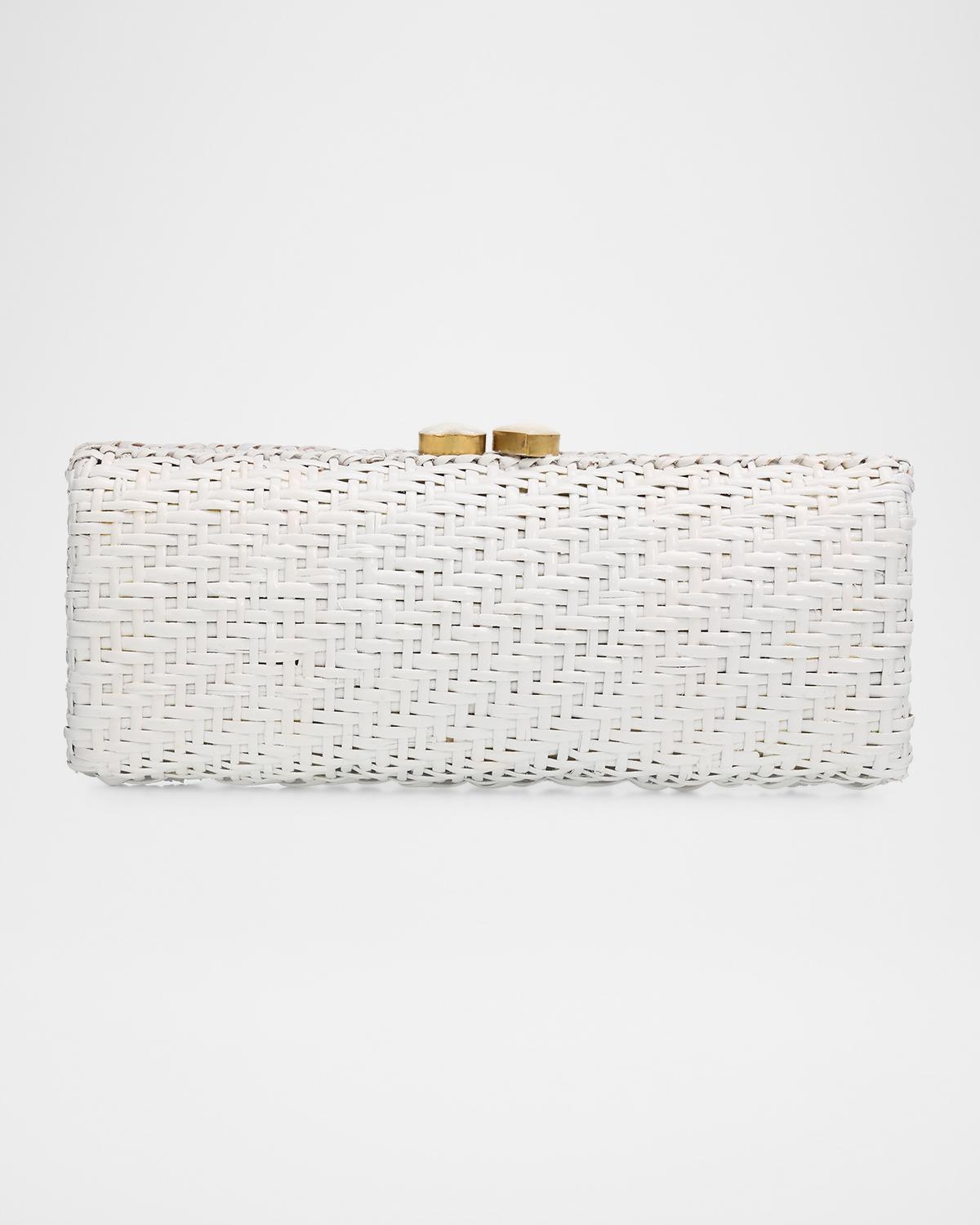
The Nantucket Woven Leather Clutch
Poolside
$425
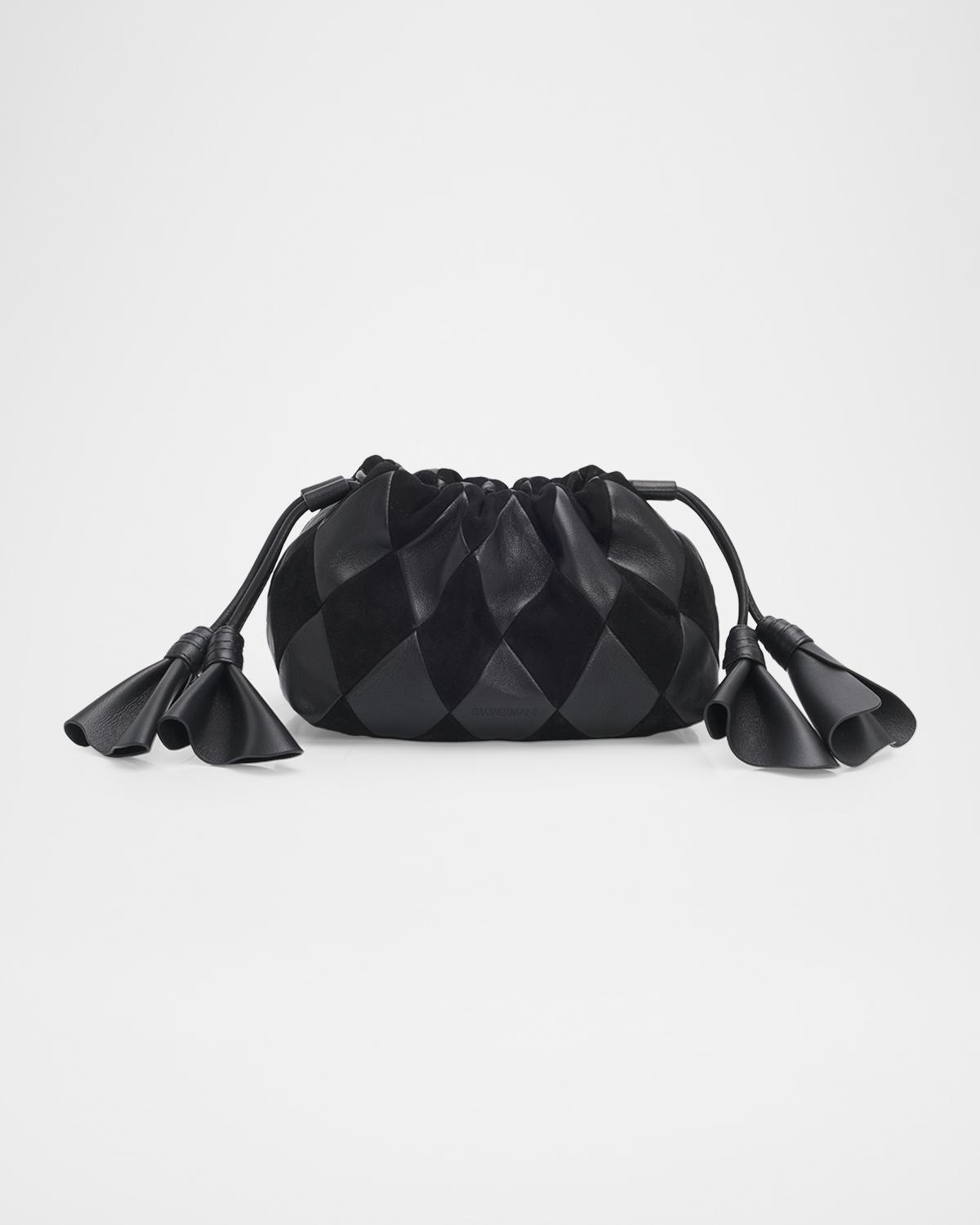
Cloud 91 Small Suede & Leather Clutch Bag
Zimmermann
$595
More bags
More bags, now the crossbody end. Worn high and across the body, a mini becomes part of the outfit's line rather than an object being carried.
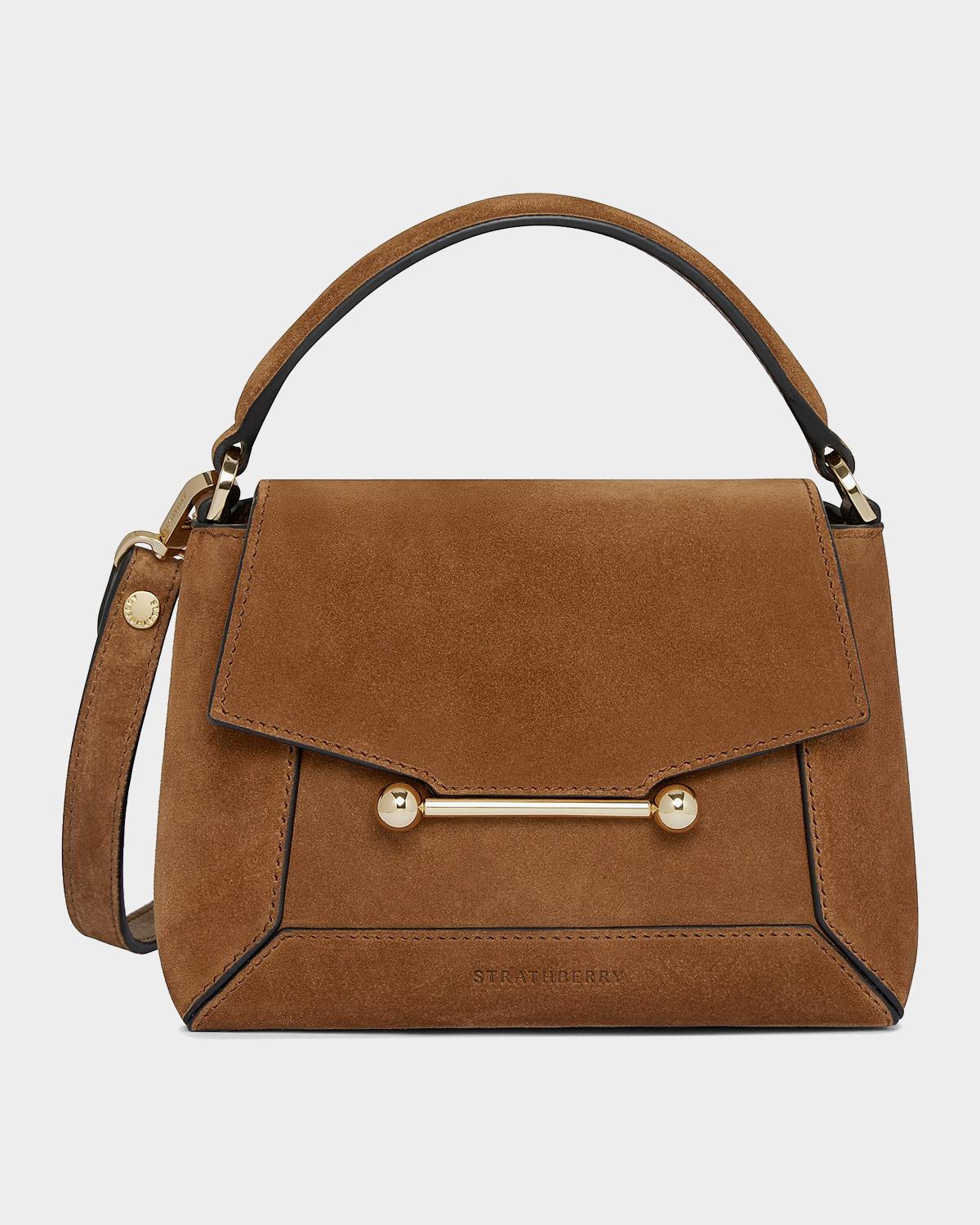
Mosaic Nano Suede Top-Handle Bag
Strathberry
$595
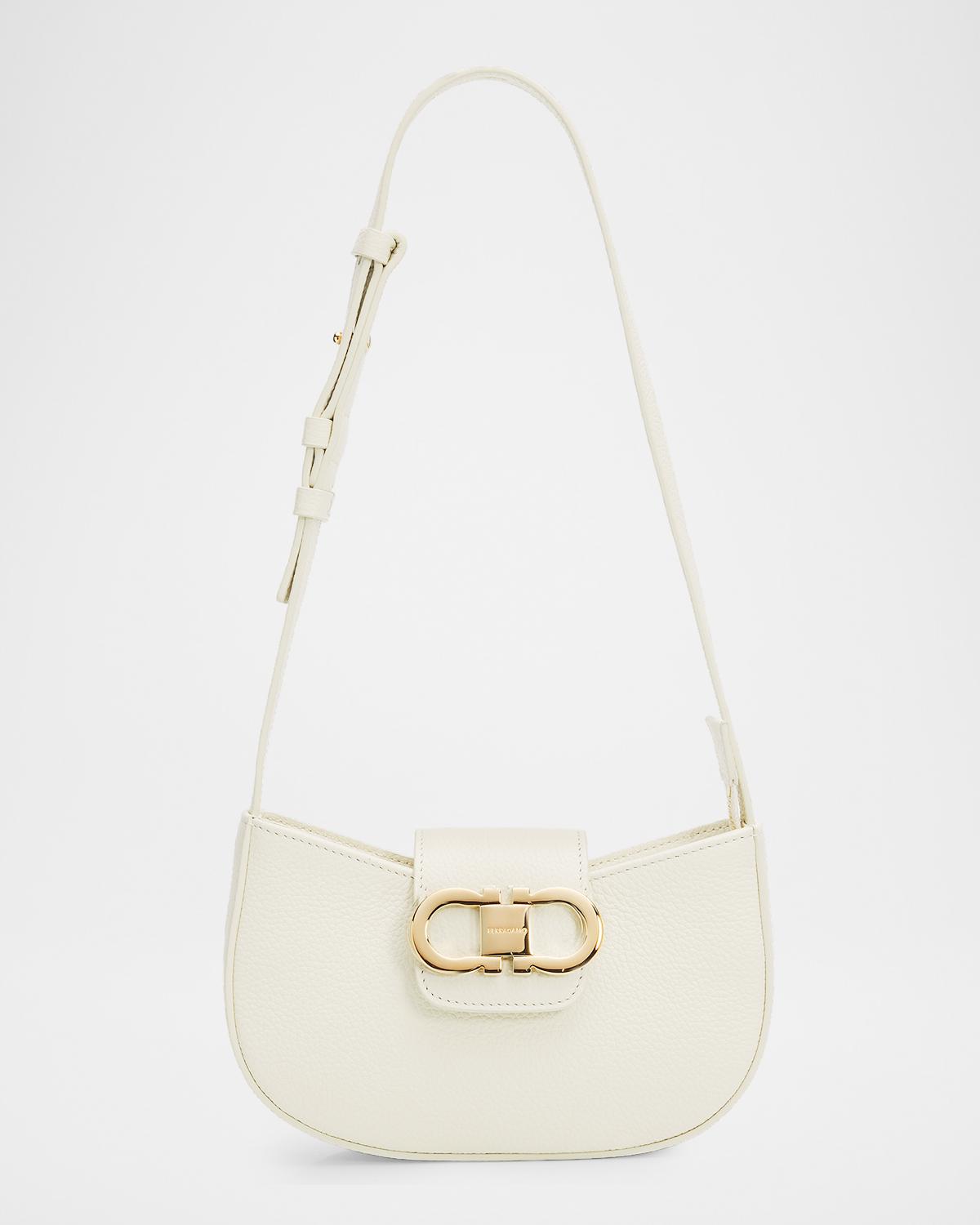
Gabry Gancini Leather Shoulder Bag
Ferragamo
$1,250
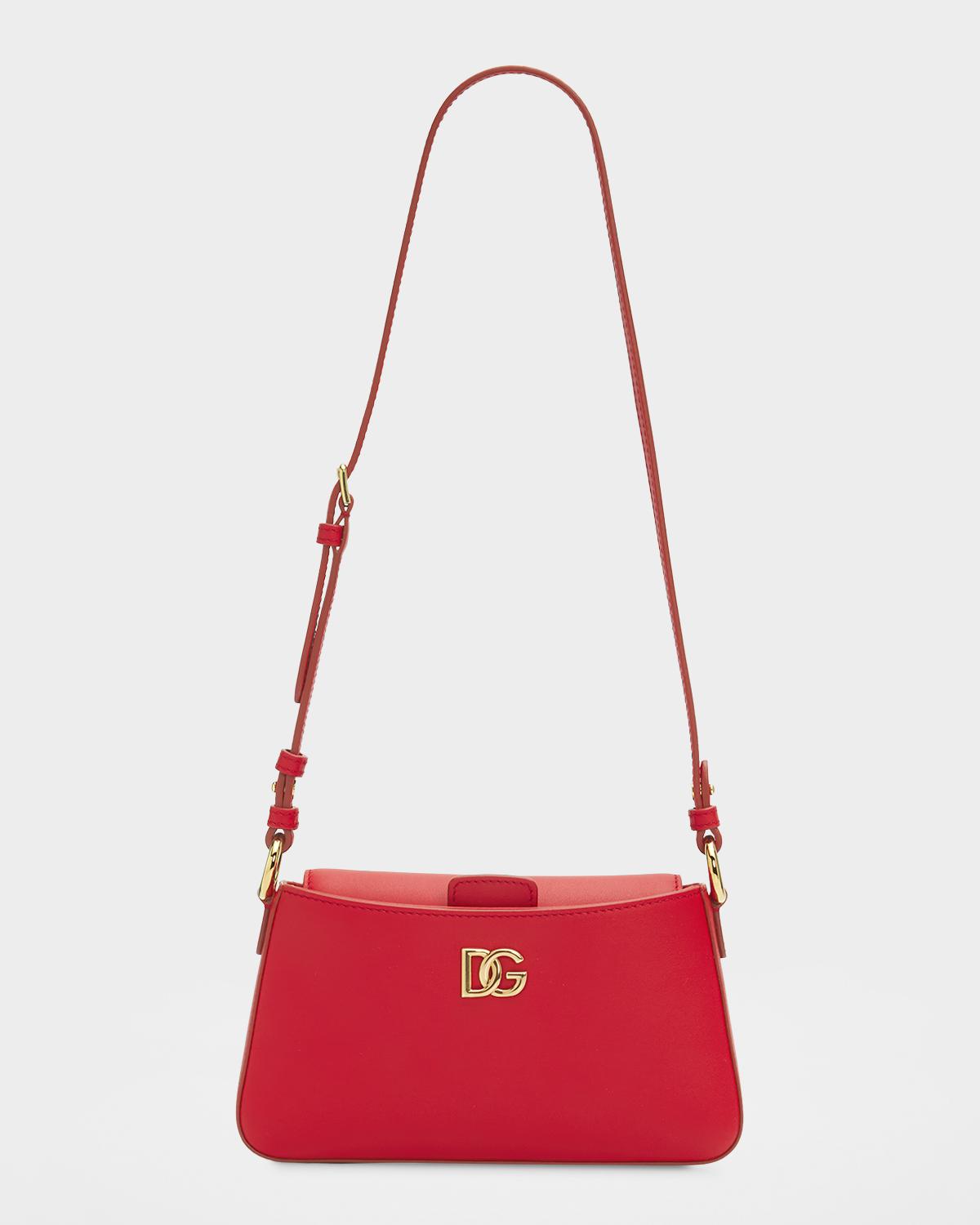
Logo Plaque Phone Bag
Dolce&Gabbana
$1,245
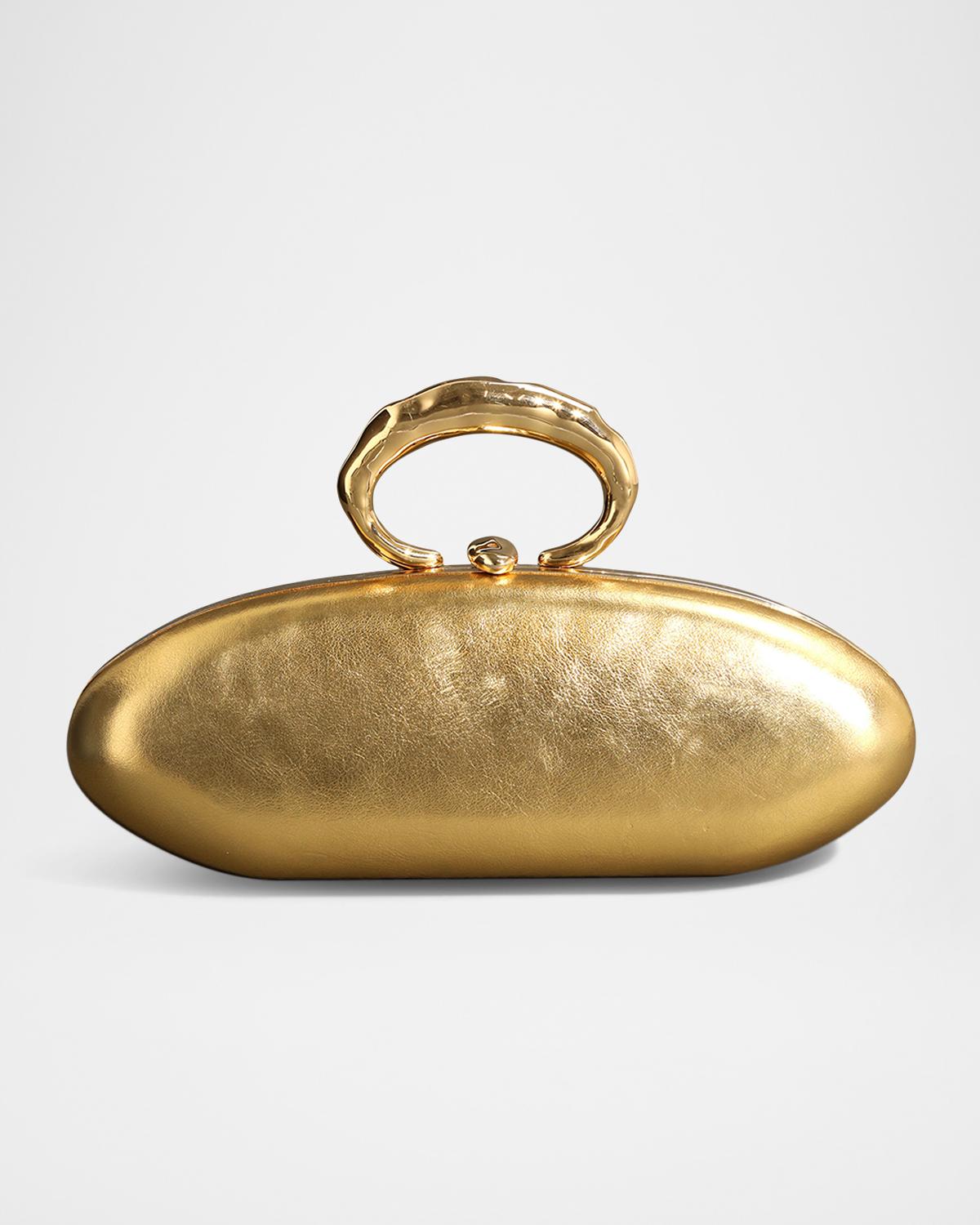
Molten Gold Bullet Minaudiere
Alexis Bittar
$695
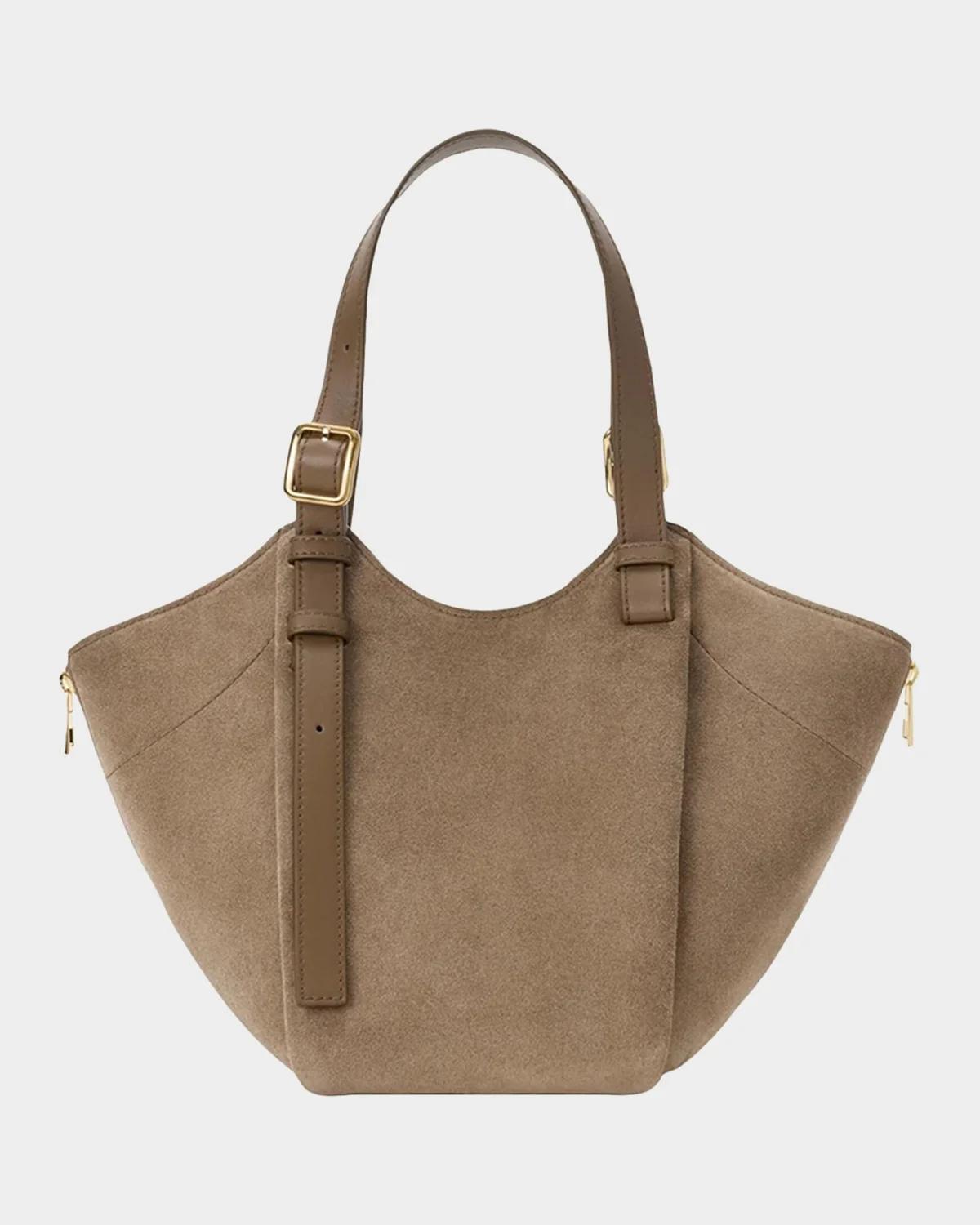
Hammock Flip Suede Top-Handle Bag
LOEWE
$3,950
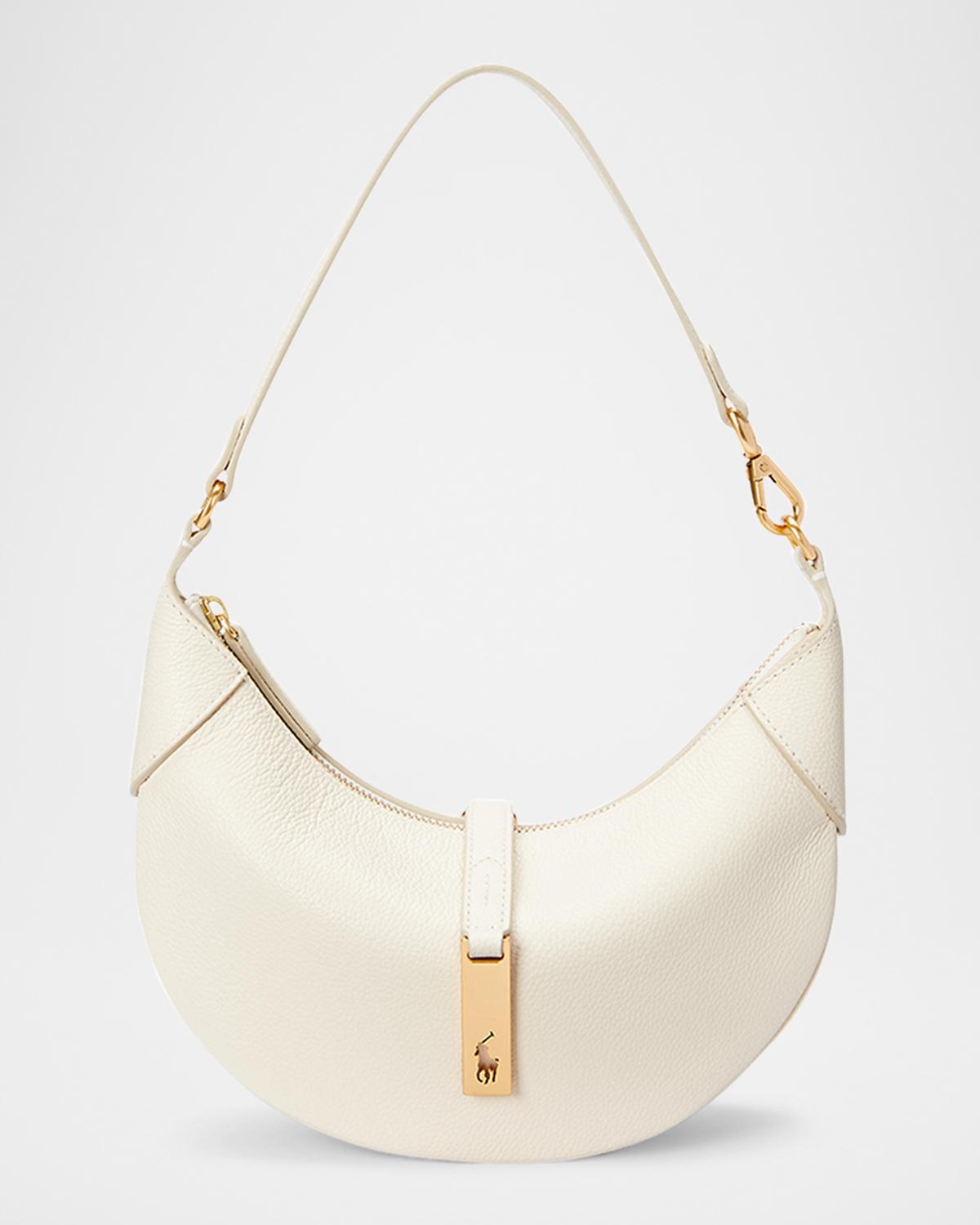
Polo ID Leather Mini Shoulder Bag
Polo Ralph Lauren
$498
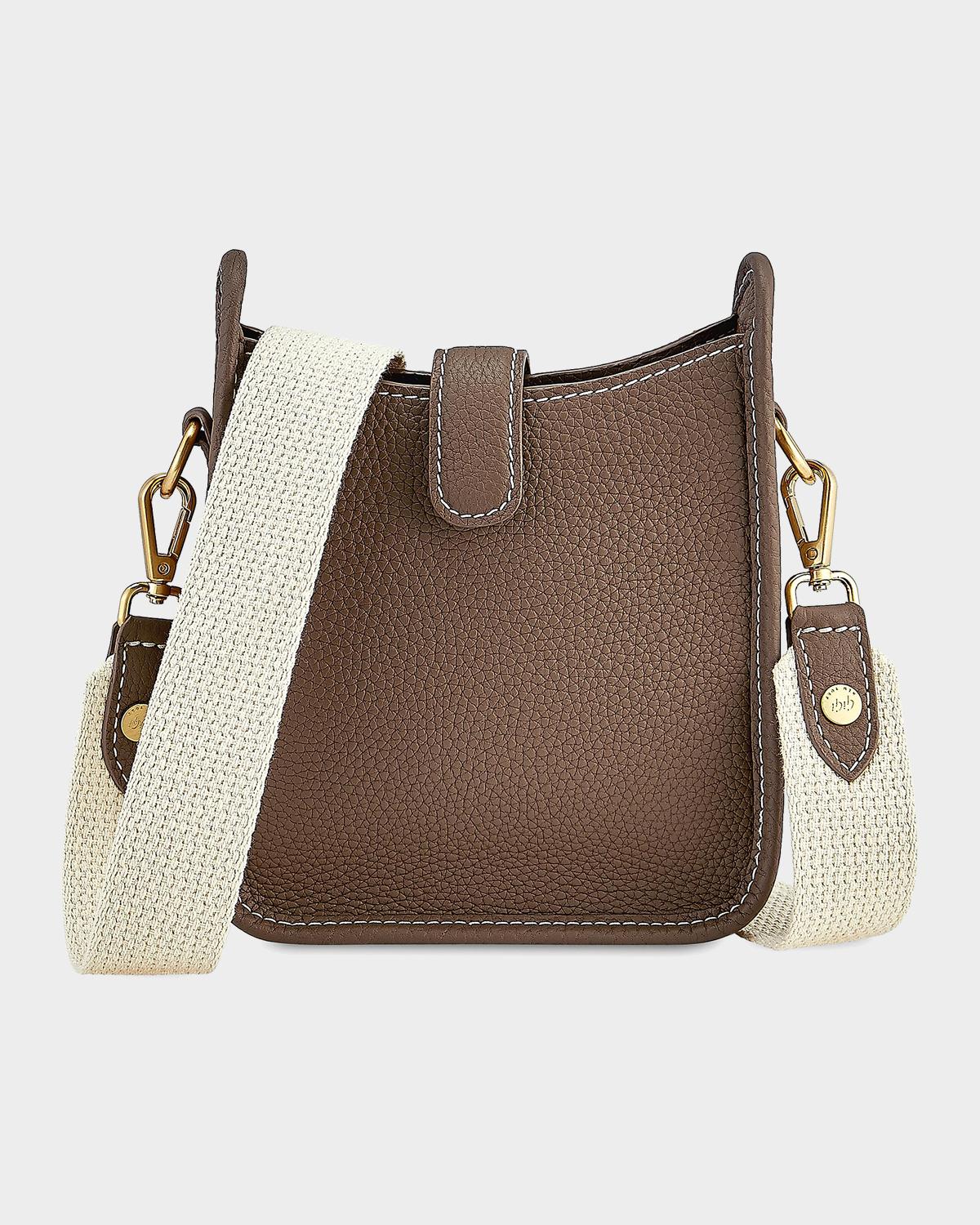
Ellie Pebble Leather Crossbody Bag
Gigi New York
$295
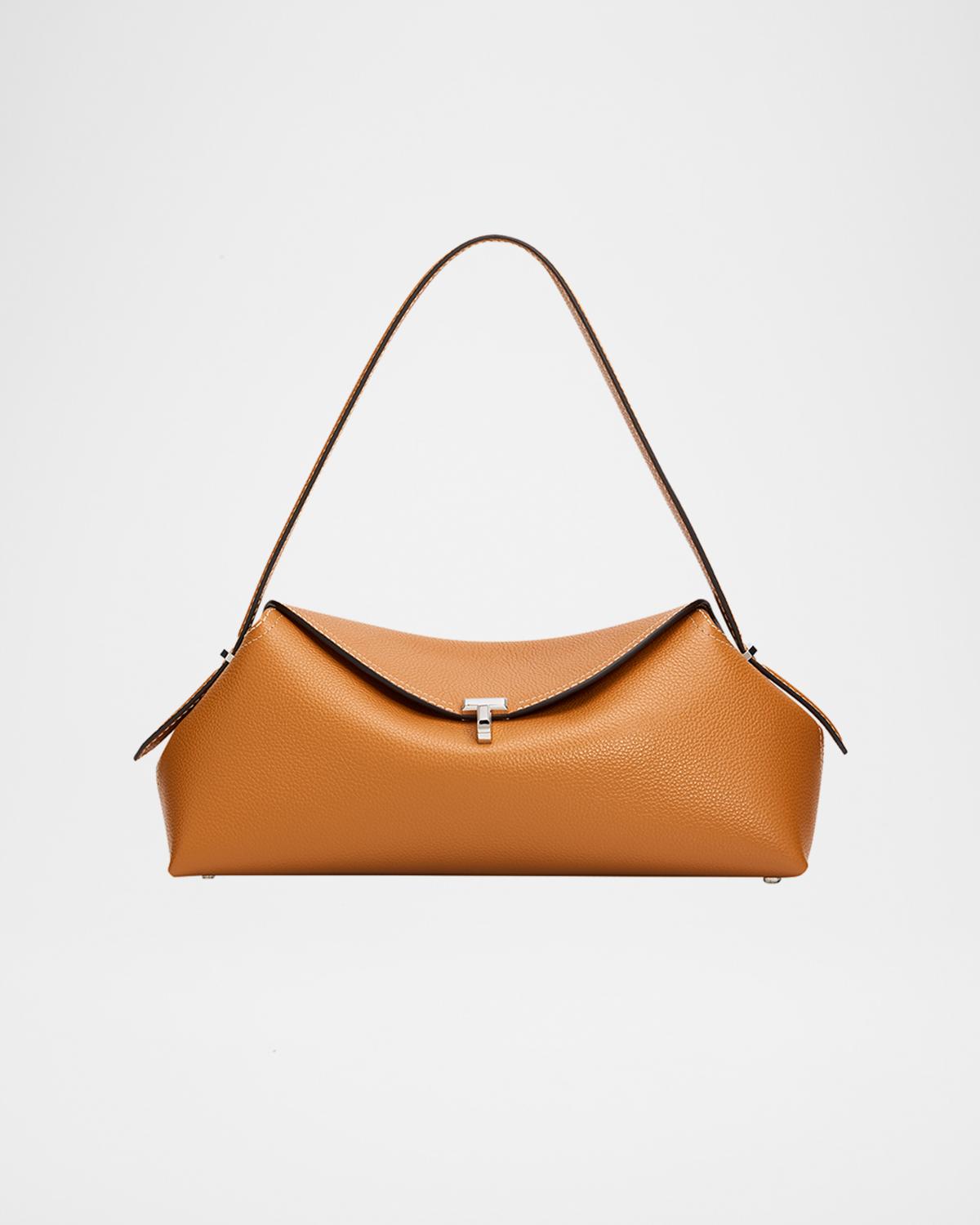
Grained Leather T-Lock Shoulder Bag
Toteme
$1,290
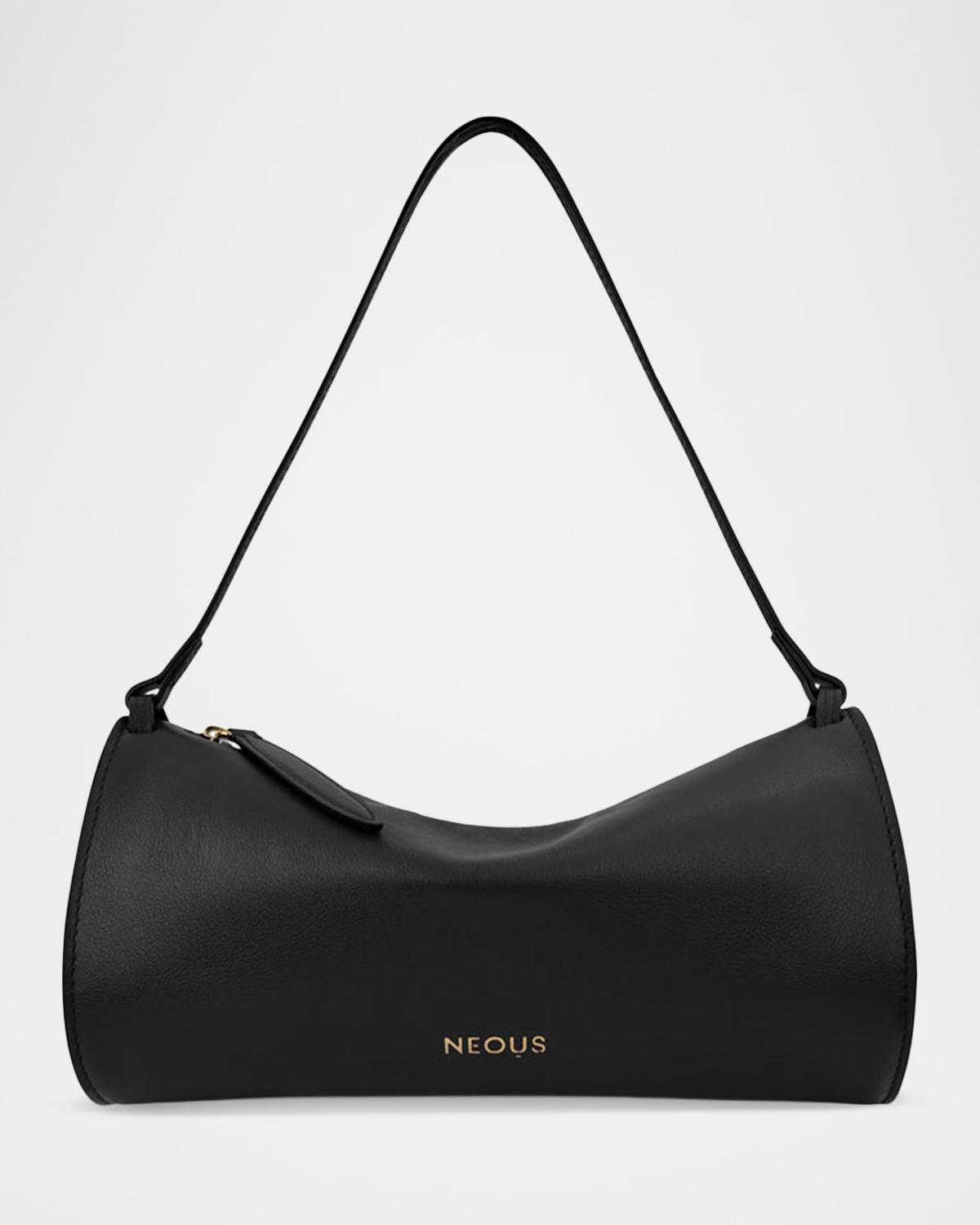
Gemini Leather Shoulder Bag
Neous
$695
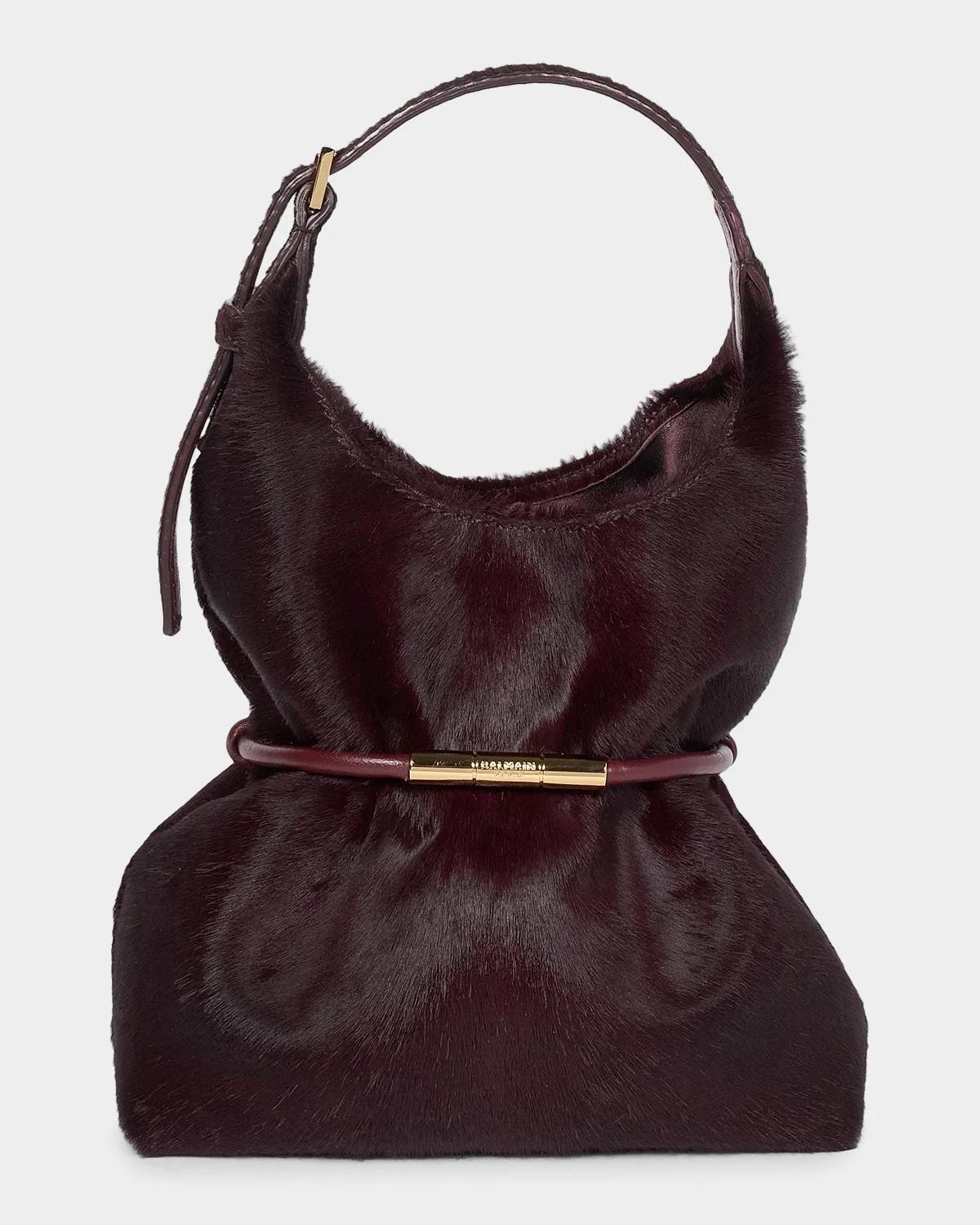
Sphynx Pony Hair Mini Shoulder Bag
Balmain
$1,695
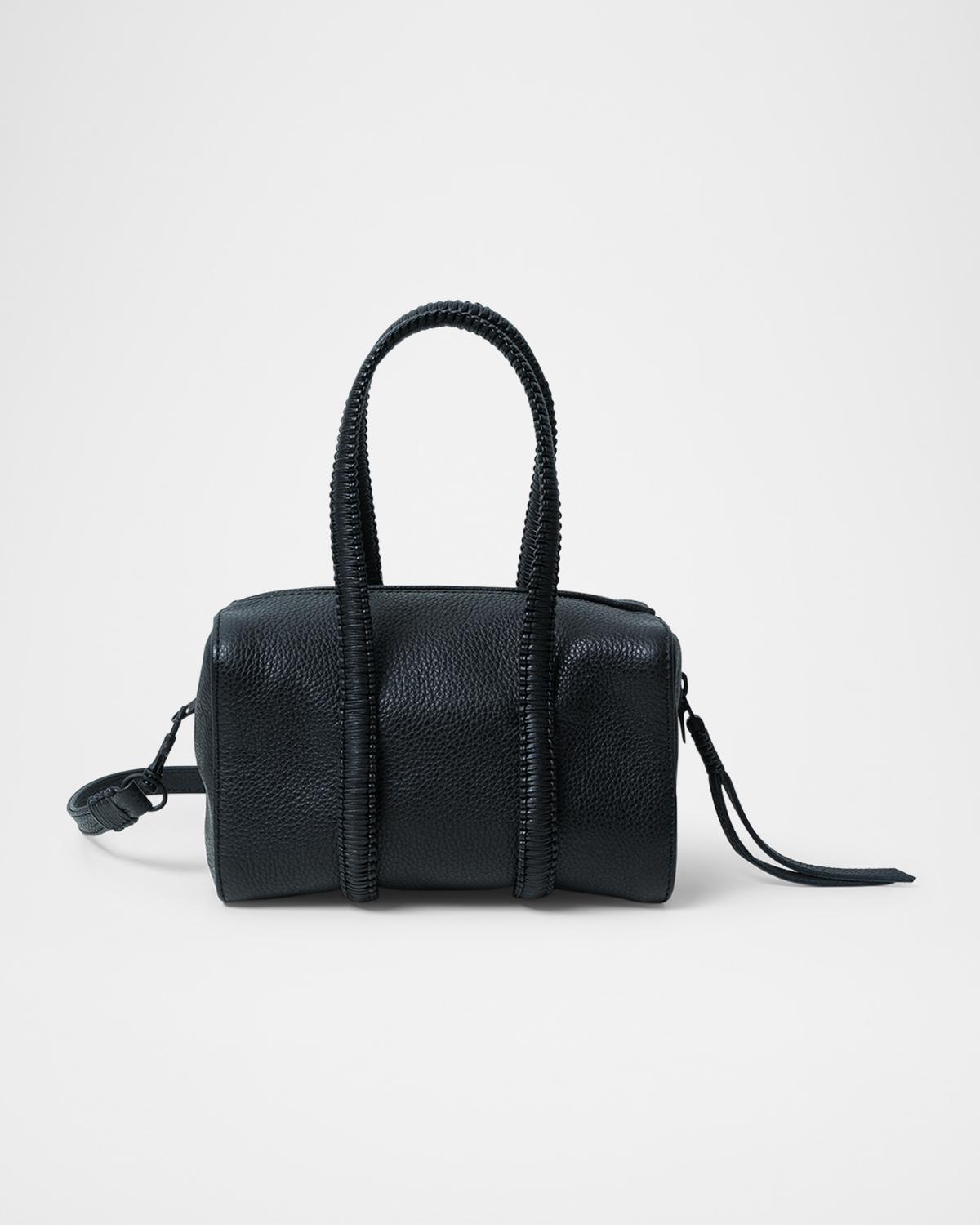
Mini Bowling Grained Leather Top-Handle Bag
Callista
$640
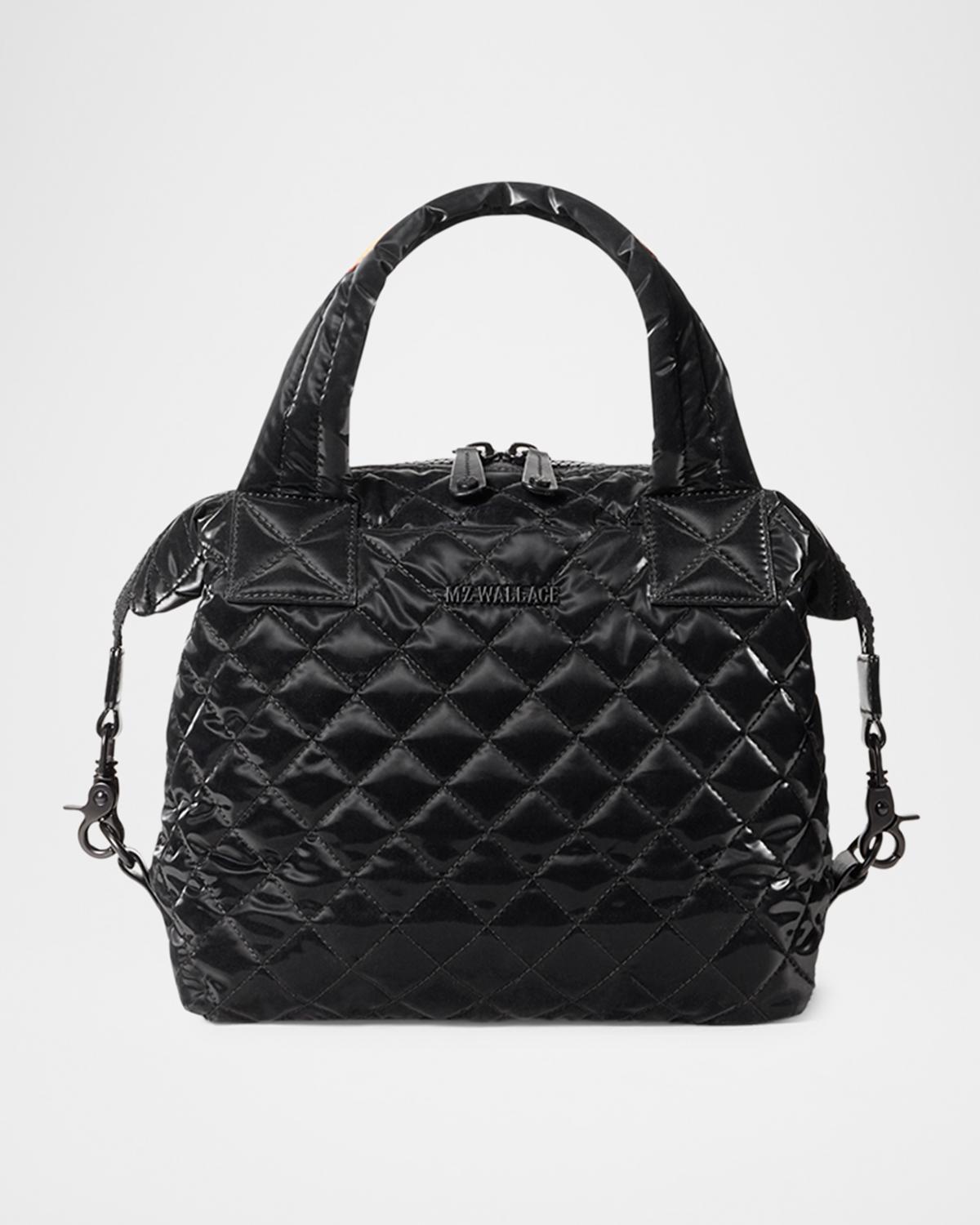
Sutton Deluxe Small Quilted Top-Handle Bag
MZ Wallace
$265
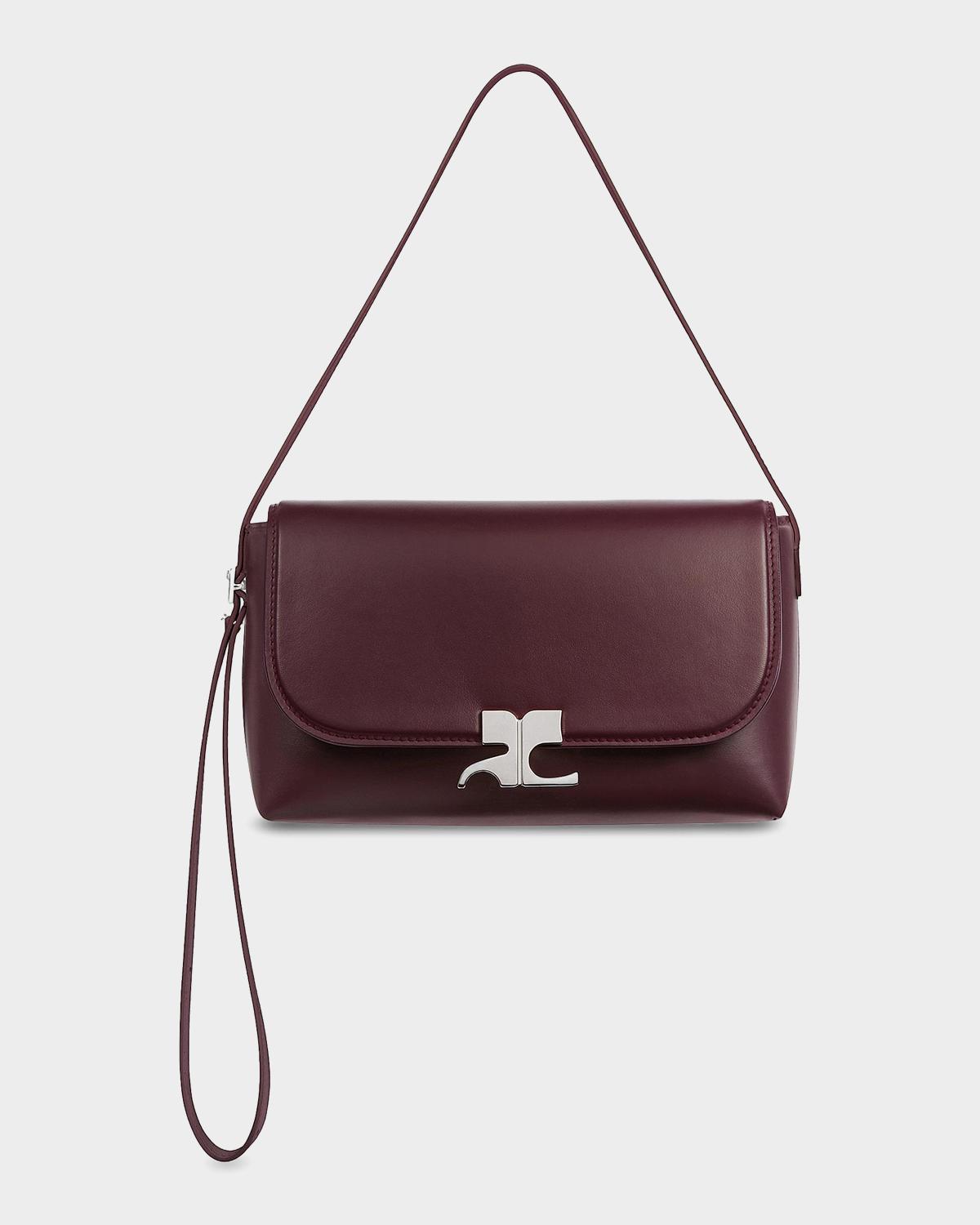
Icotype Leather Shoulder Bag
Courreges
$990
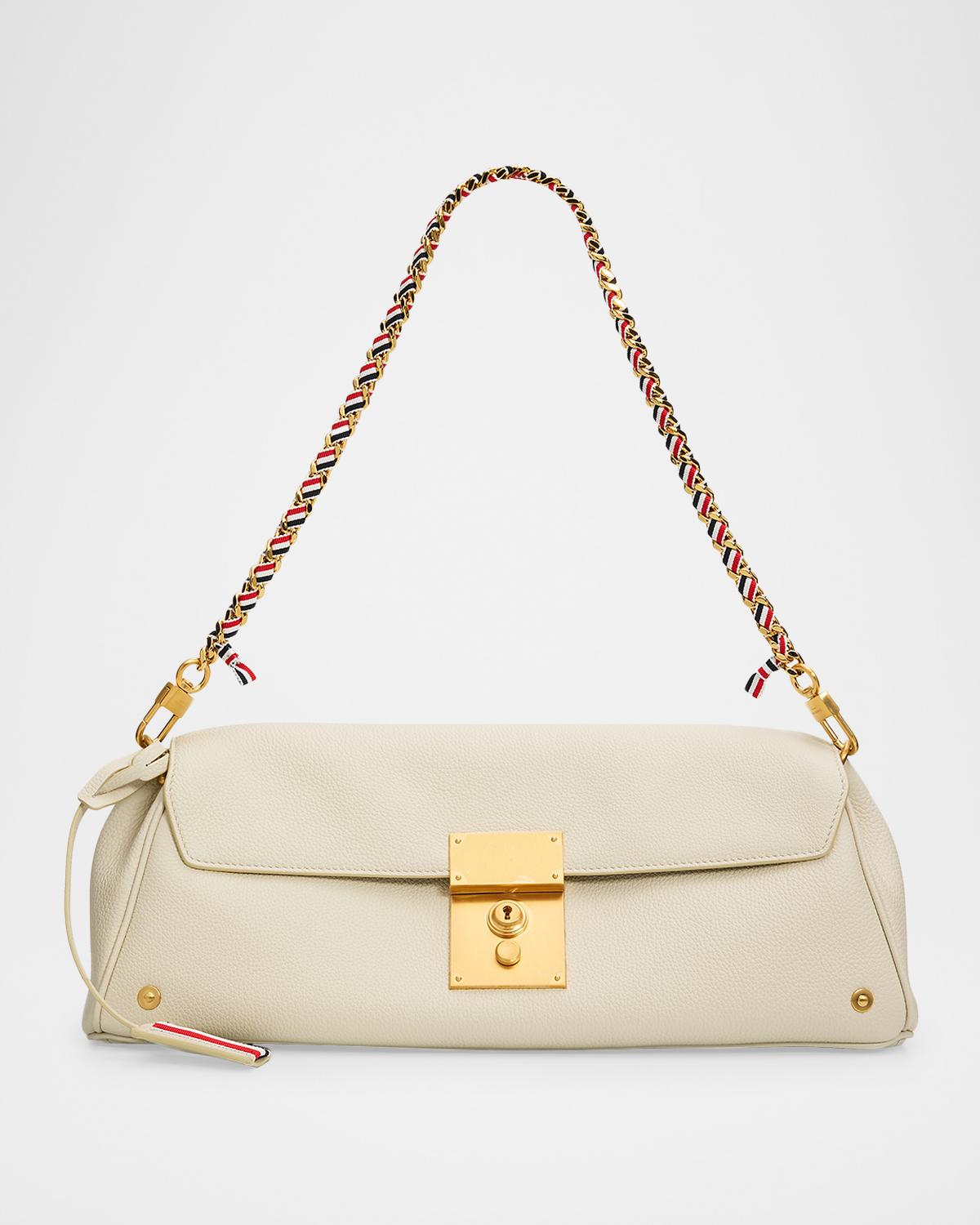
Mrs. Thom Grain Leather Clutch Bag
Thom Browne
$2,800
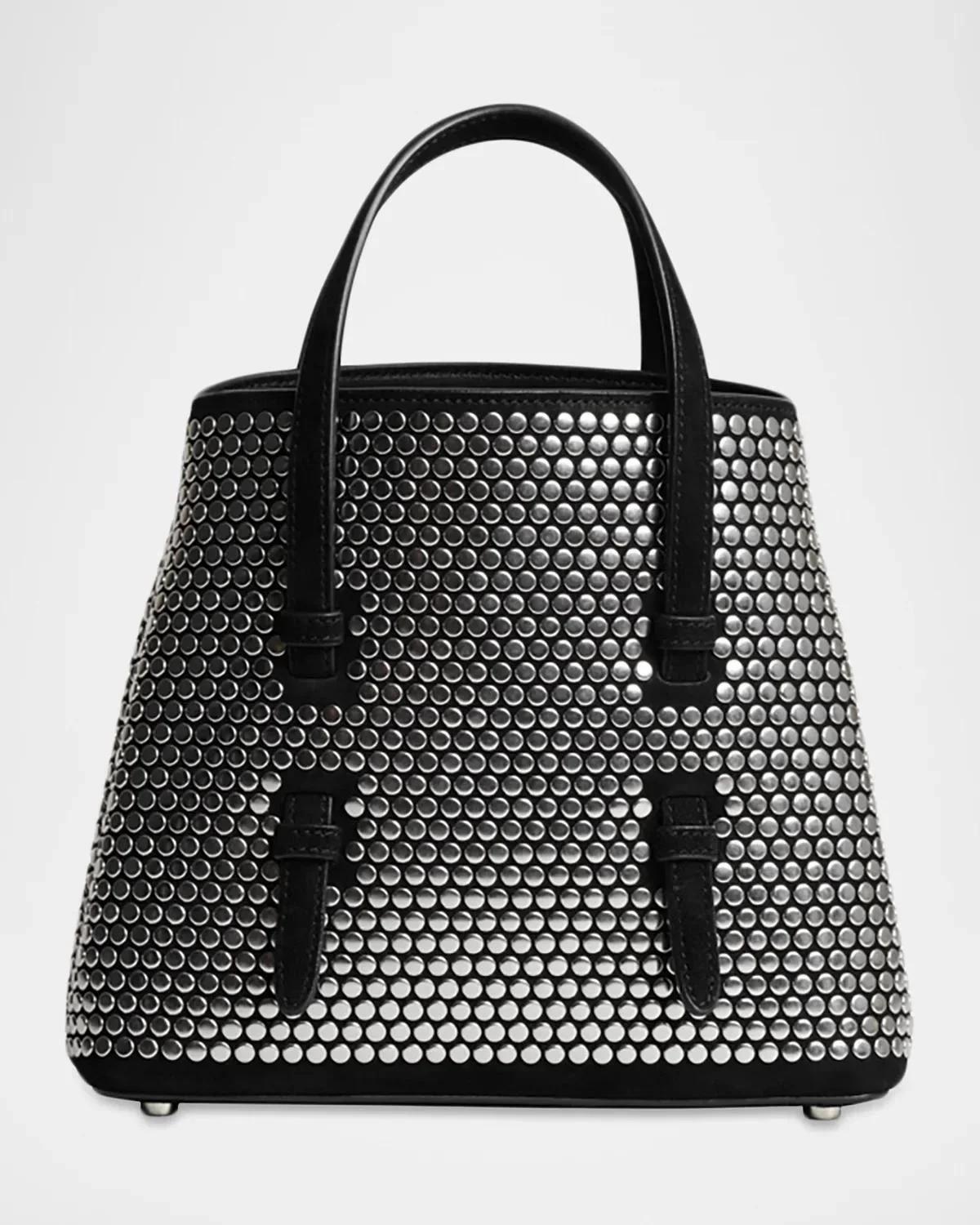
Mina 20 Studded Top-Handle Bag
Alaïa
$3,760
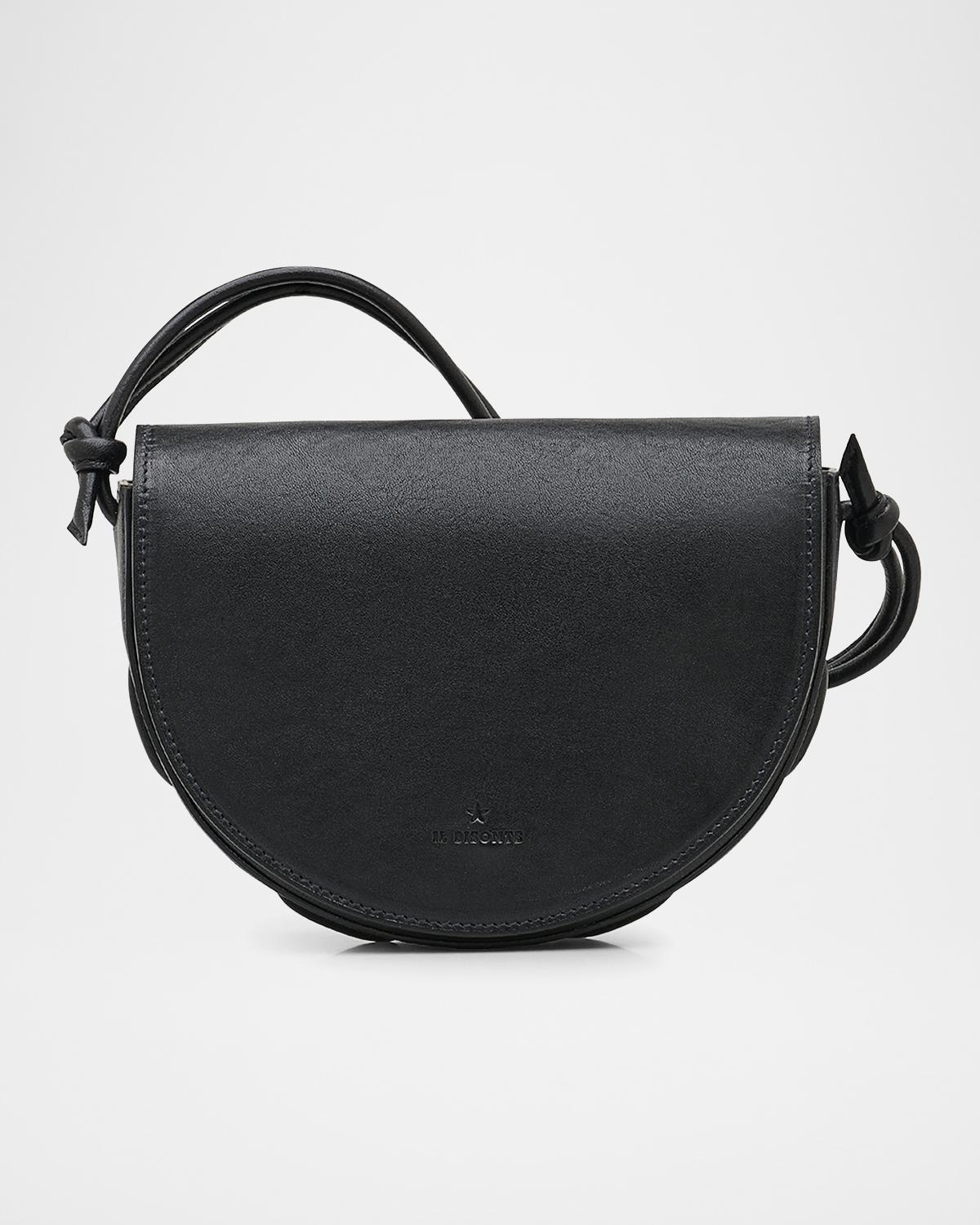
Snodo Flap Leather Crossbody Bag
Il Bisonte
$395
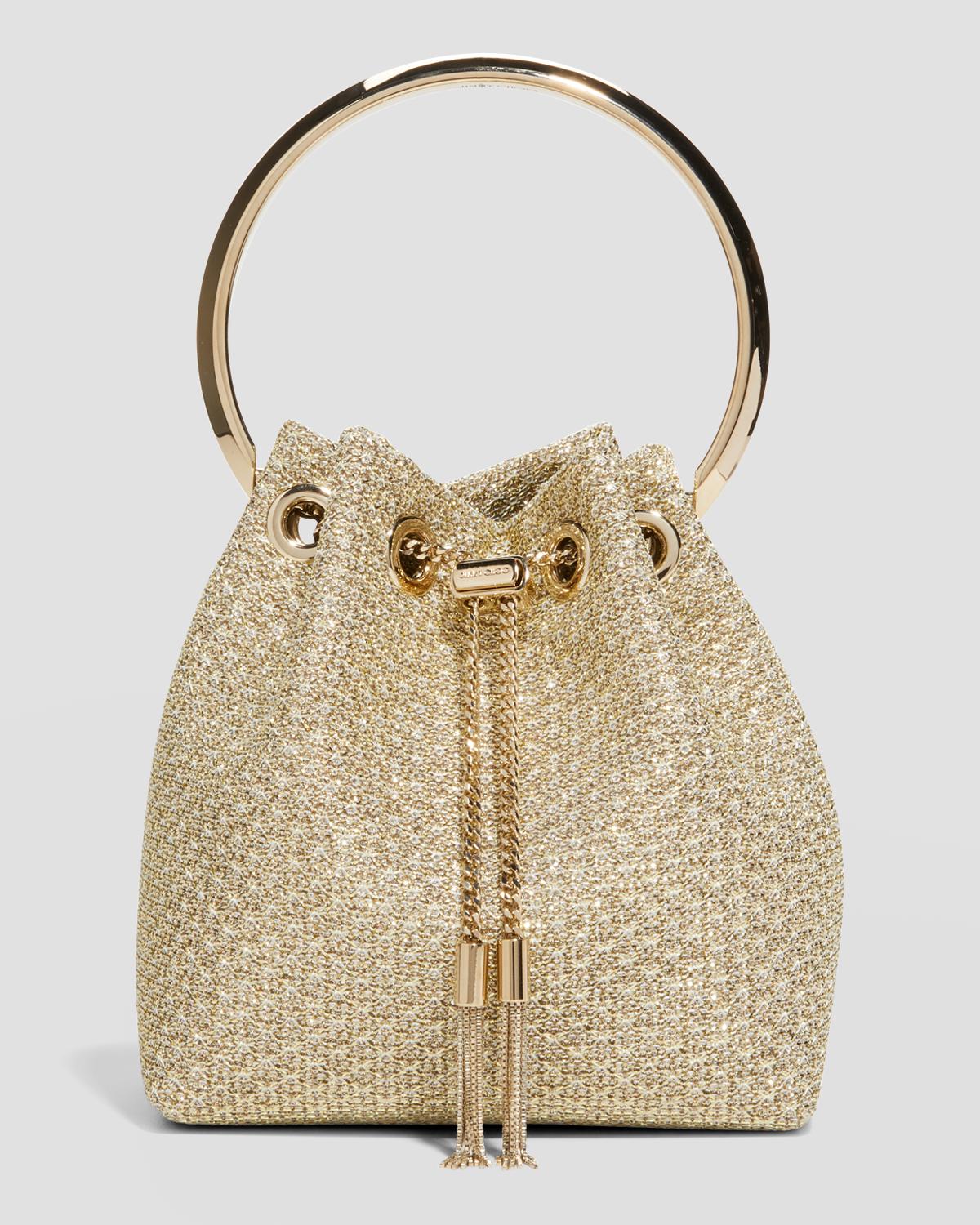
Bon Bon Metallic Bucket Bag
Jimmy Choo
$1,295
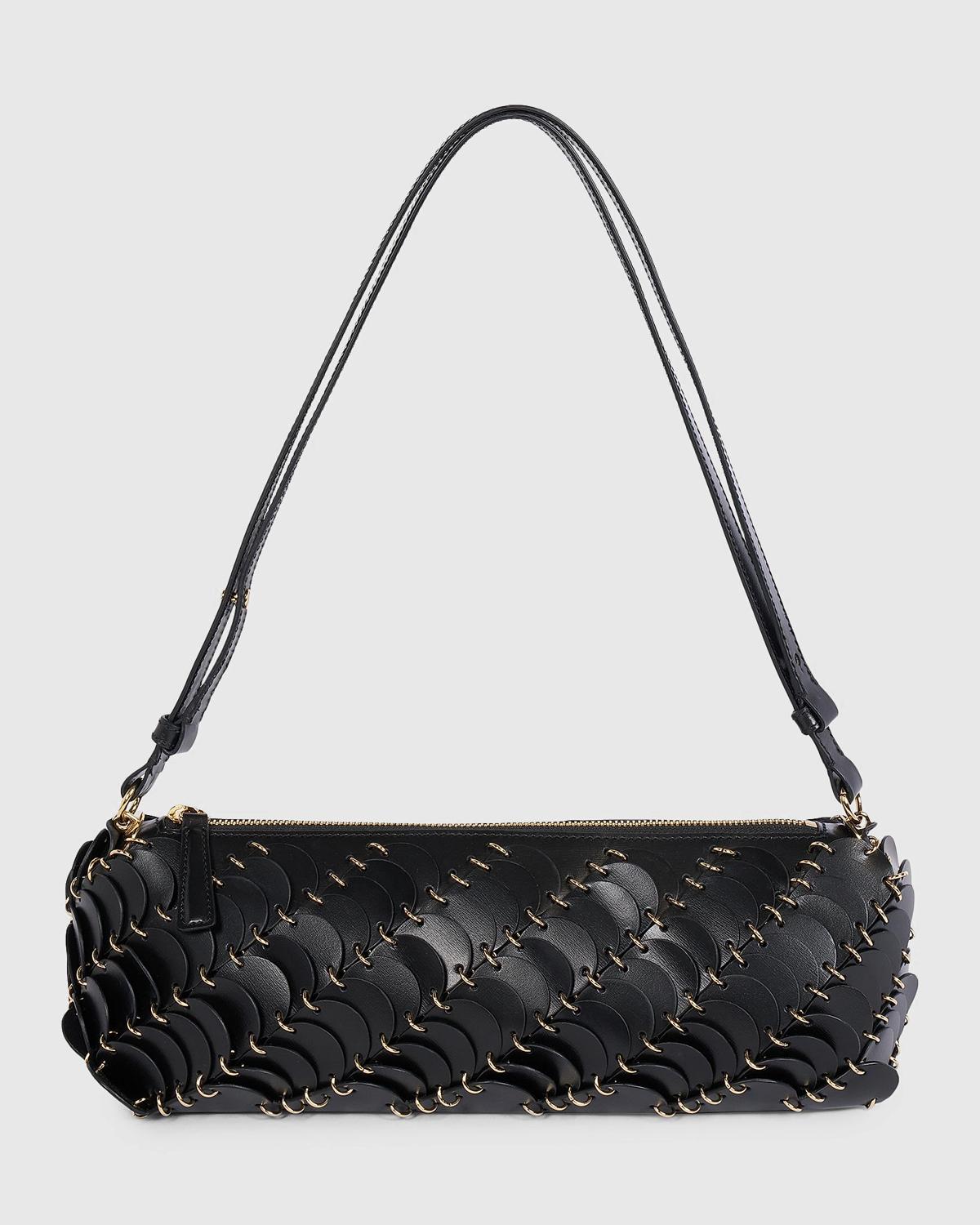
Leather Shoulder Bag
Rabanne
$2,190
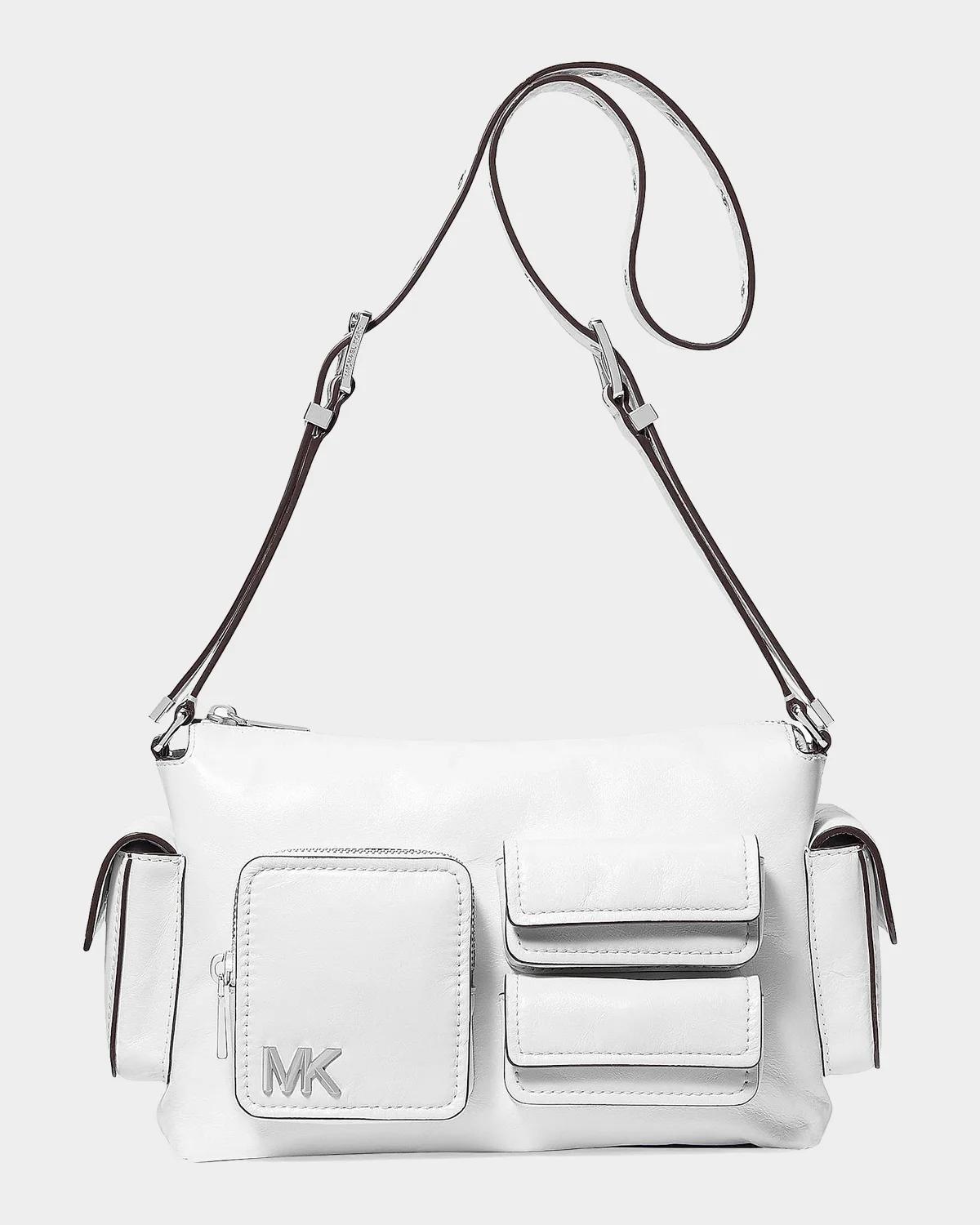
Dakota Medium Pocket Leather Shoulder Bag
MICHAEL Michael Kors
$208.6
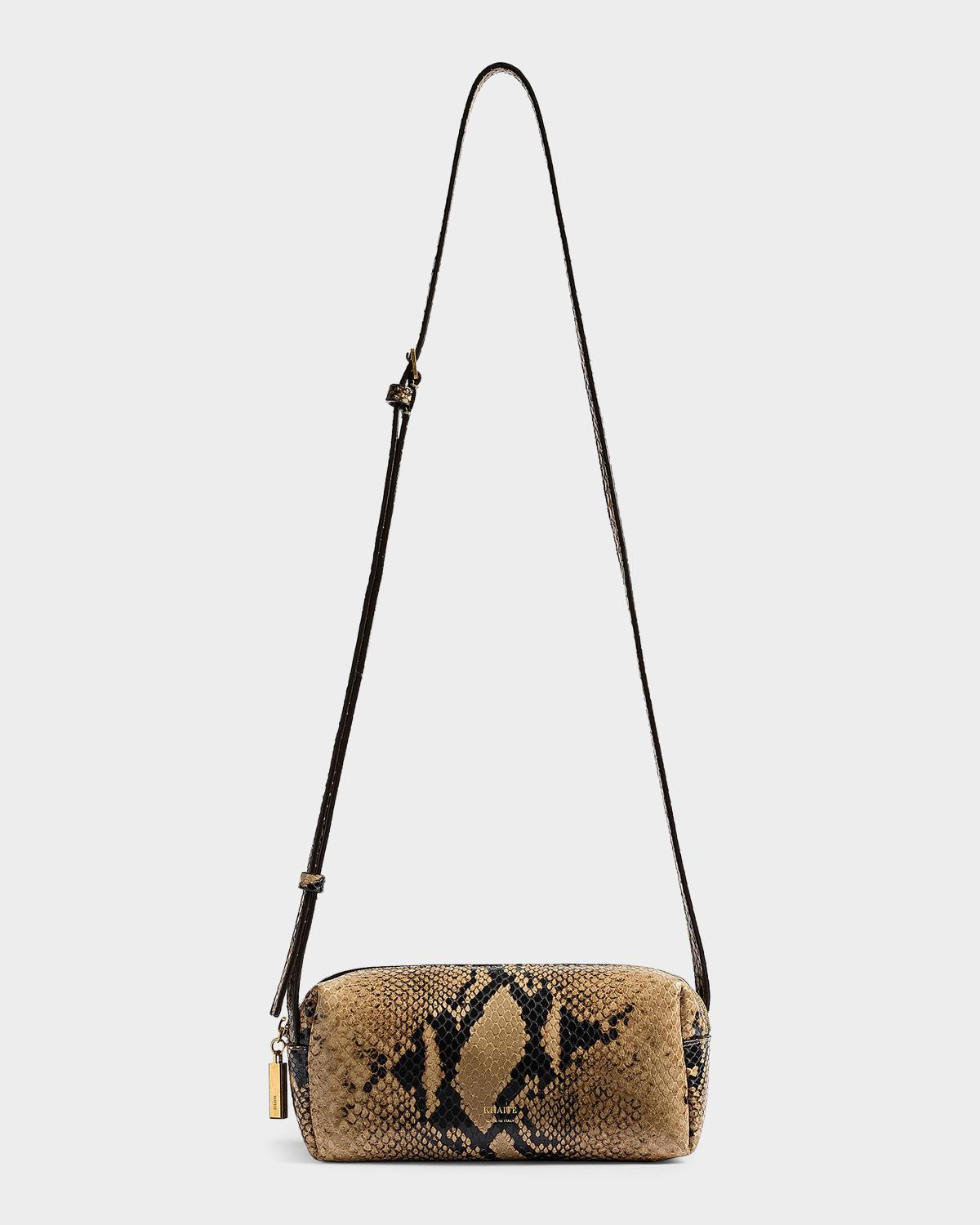
Kye Mini Snakeskin-Embossed Leather Crossbody Bag
Khaite
$1,480
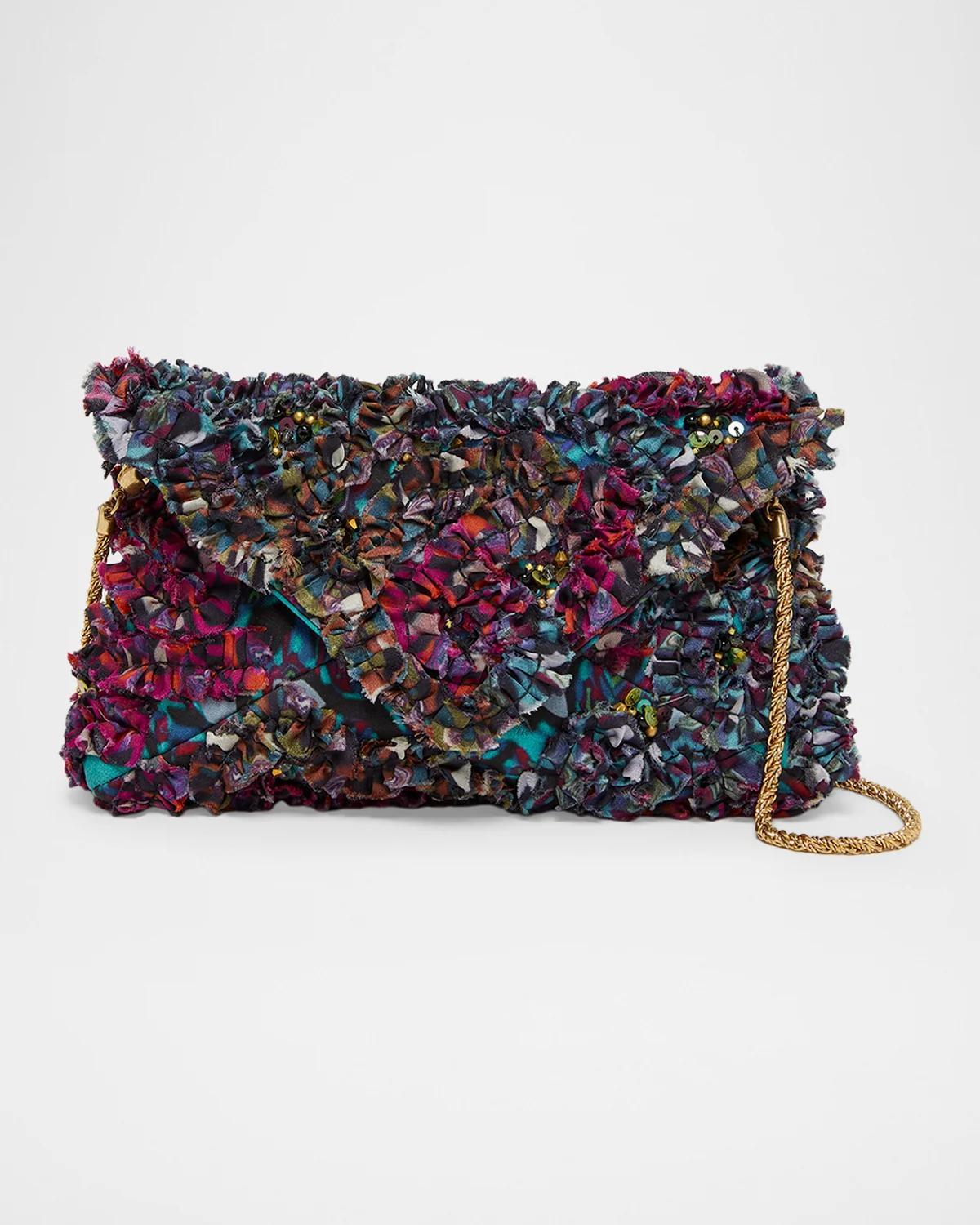
Small Ruffle-Embroidered Pouch Bag
Dries Van Noten
$1,080
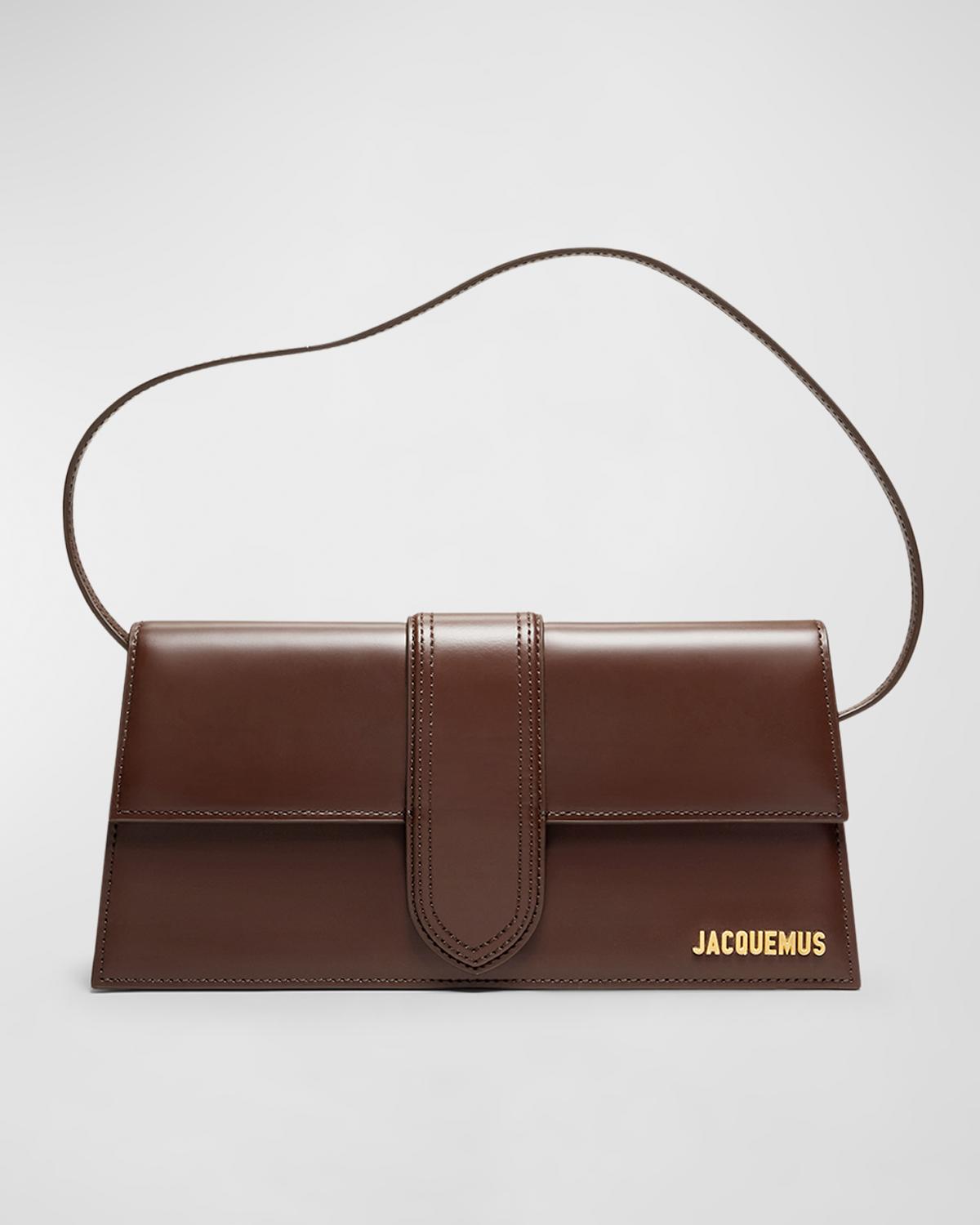
Le Bambino Long Leather Shoulder Bag
Jacquemus
$1,090
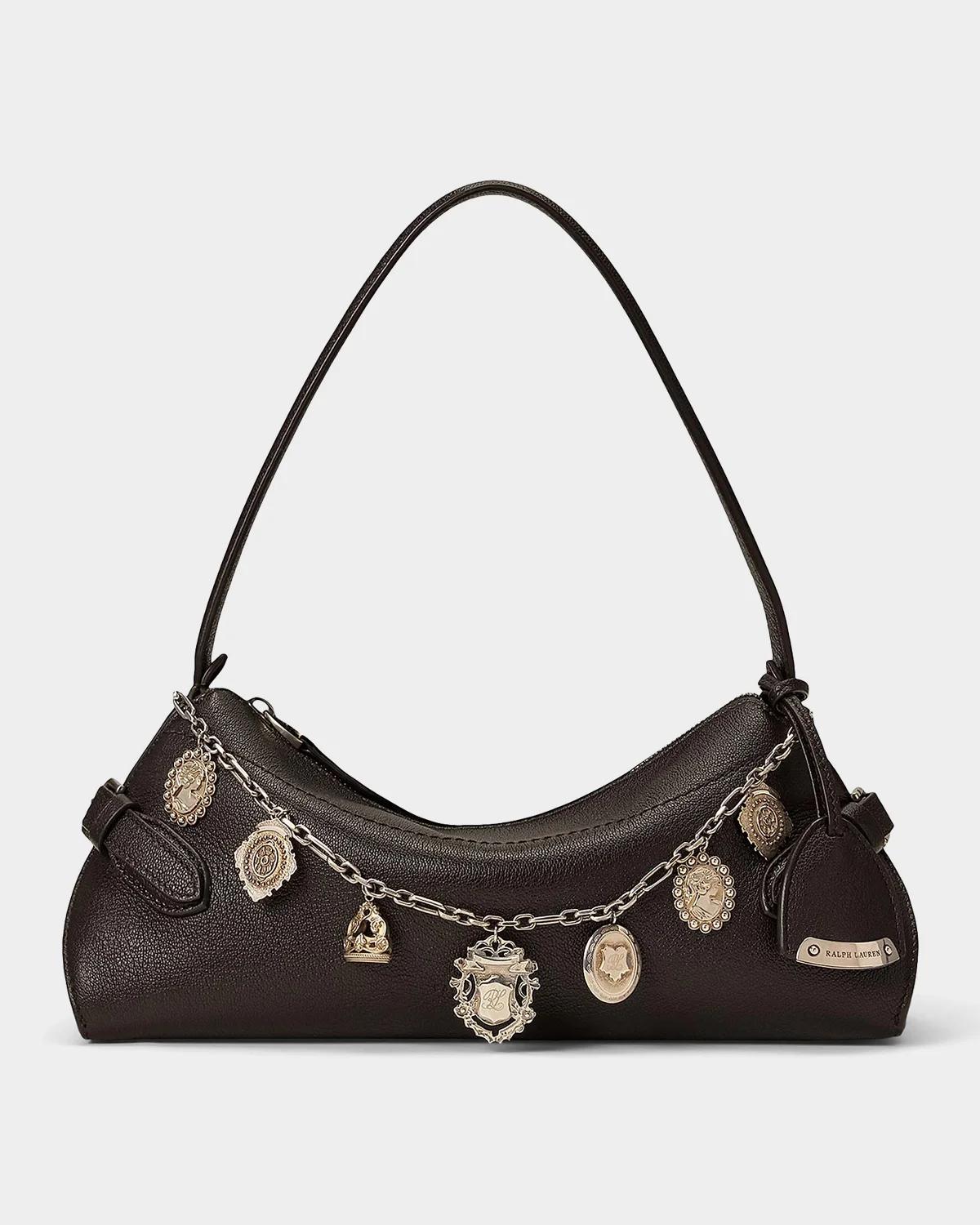
The Ralph Goatskin Small Shoulder Bag
Ralph Lauren Collection
$3,100
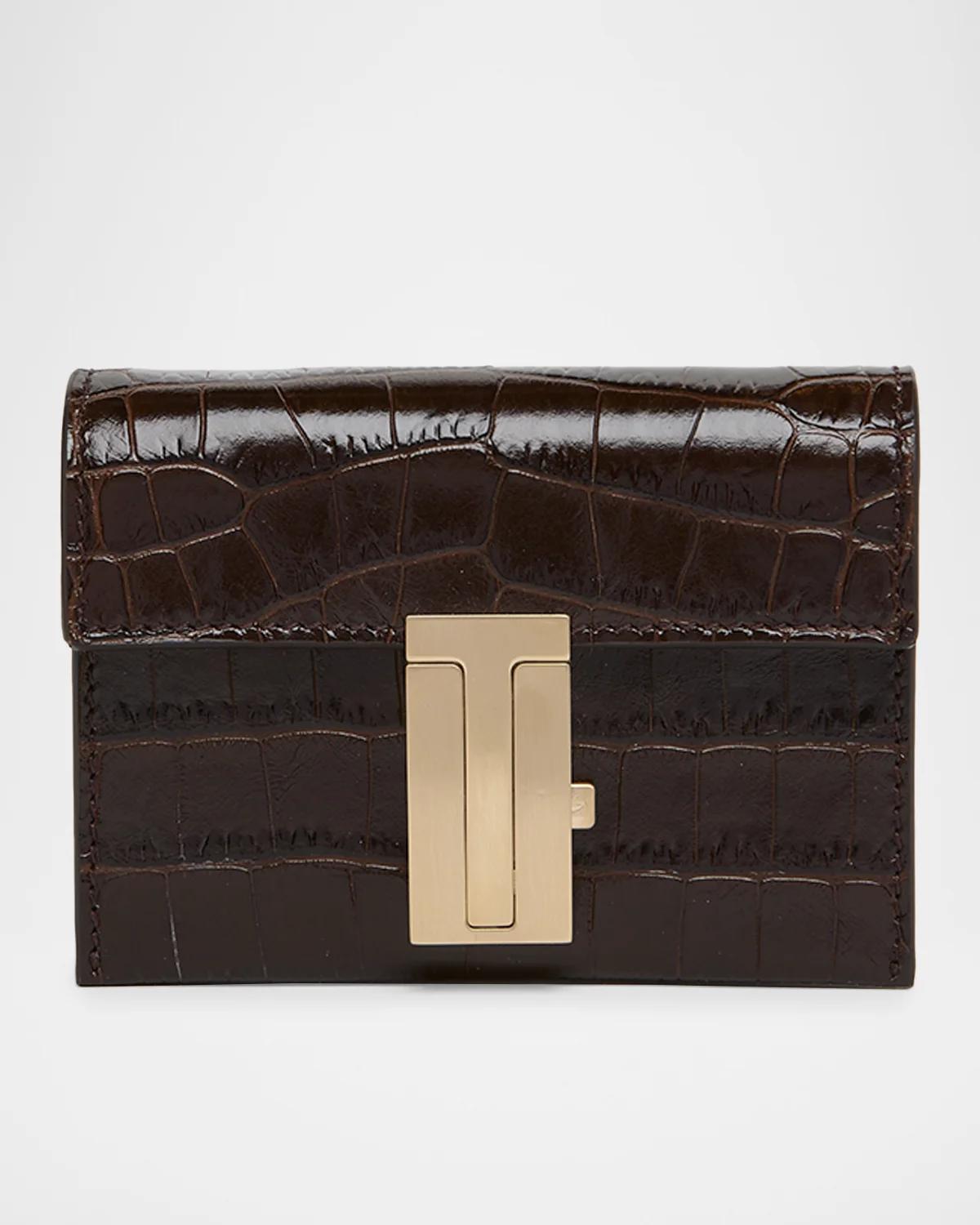
Mia Croc-Embossed Leather Crossbody Card Holder
TOM Ford
$1,290
Still more bags
Still more bags, leaning toward the soft and slouchy. Unstructured minis are the counter-argument to the rigid box, and they suit the looser clothes people are wearing now.
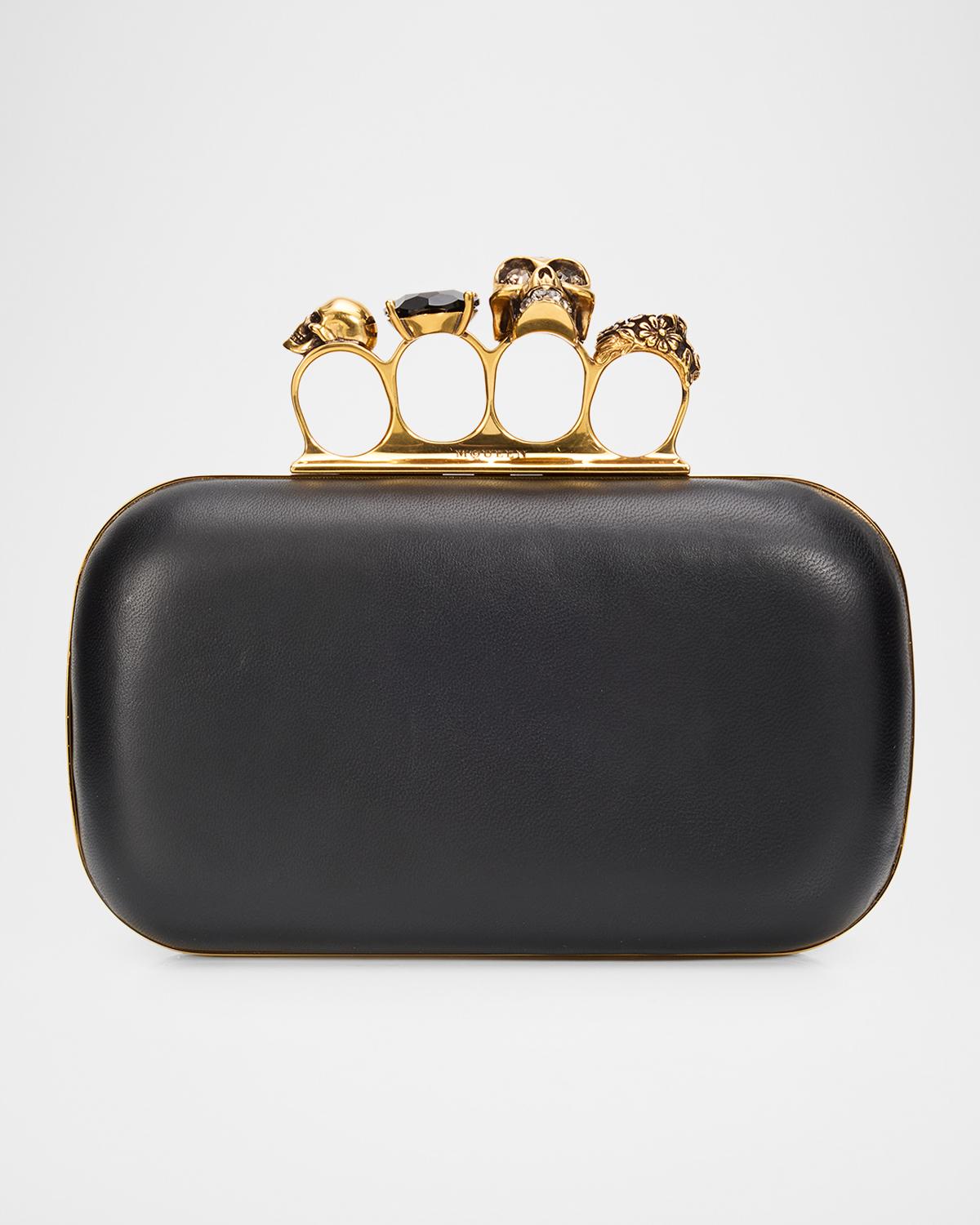
Skull Embellished Leather Box Clutch
McQueen
$3,800
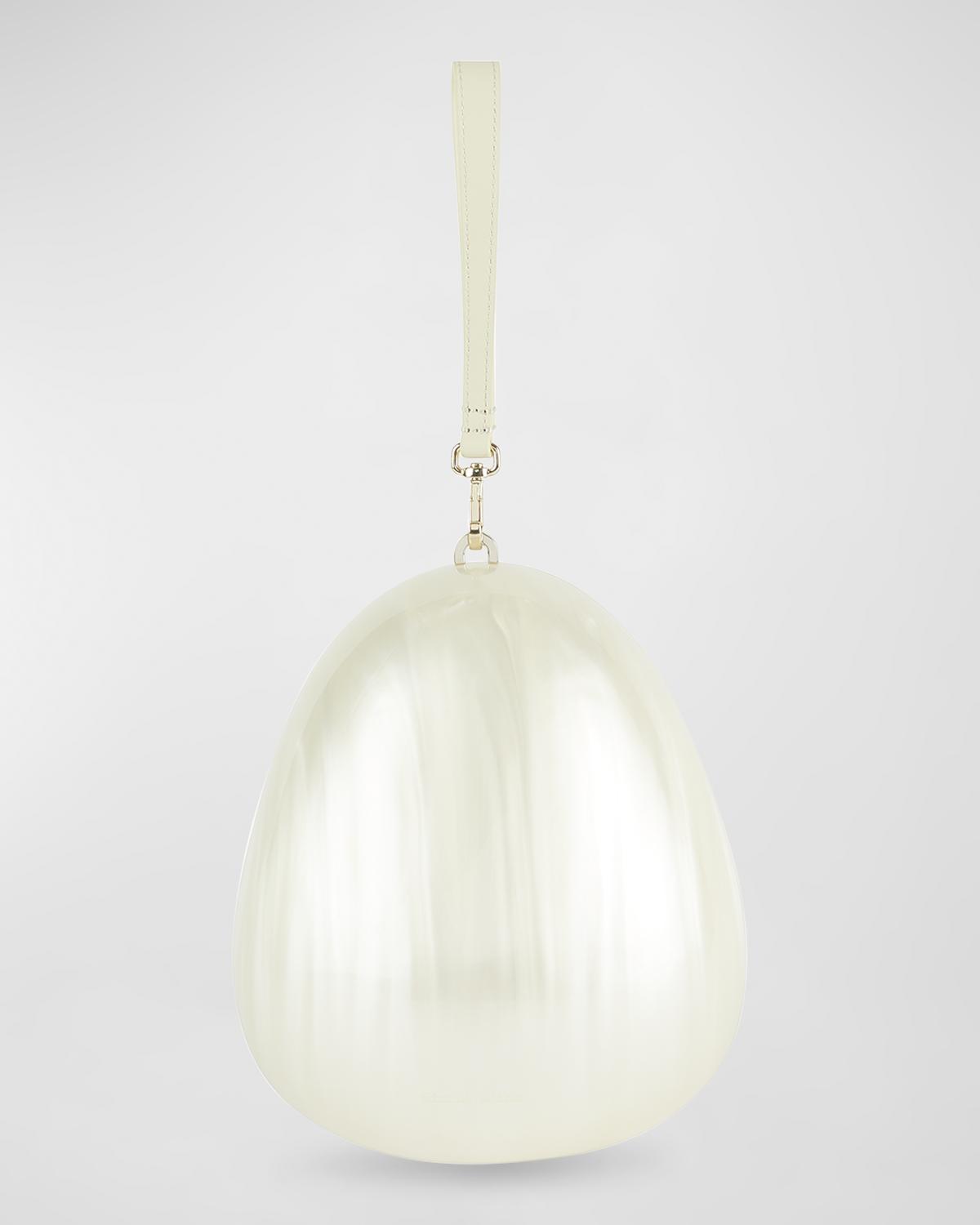
Large Pearly Egg Crossbody Bag
Simone Rocha
$425
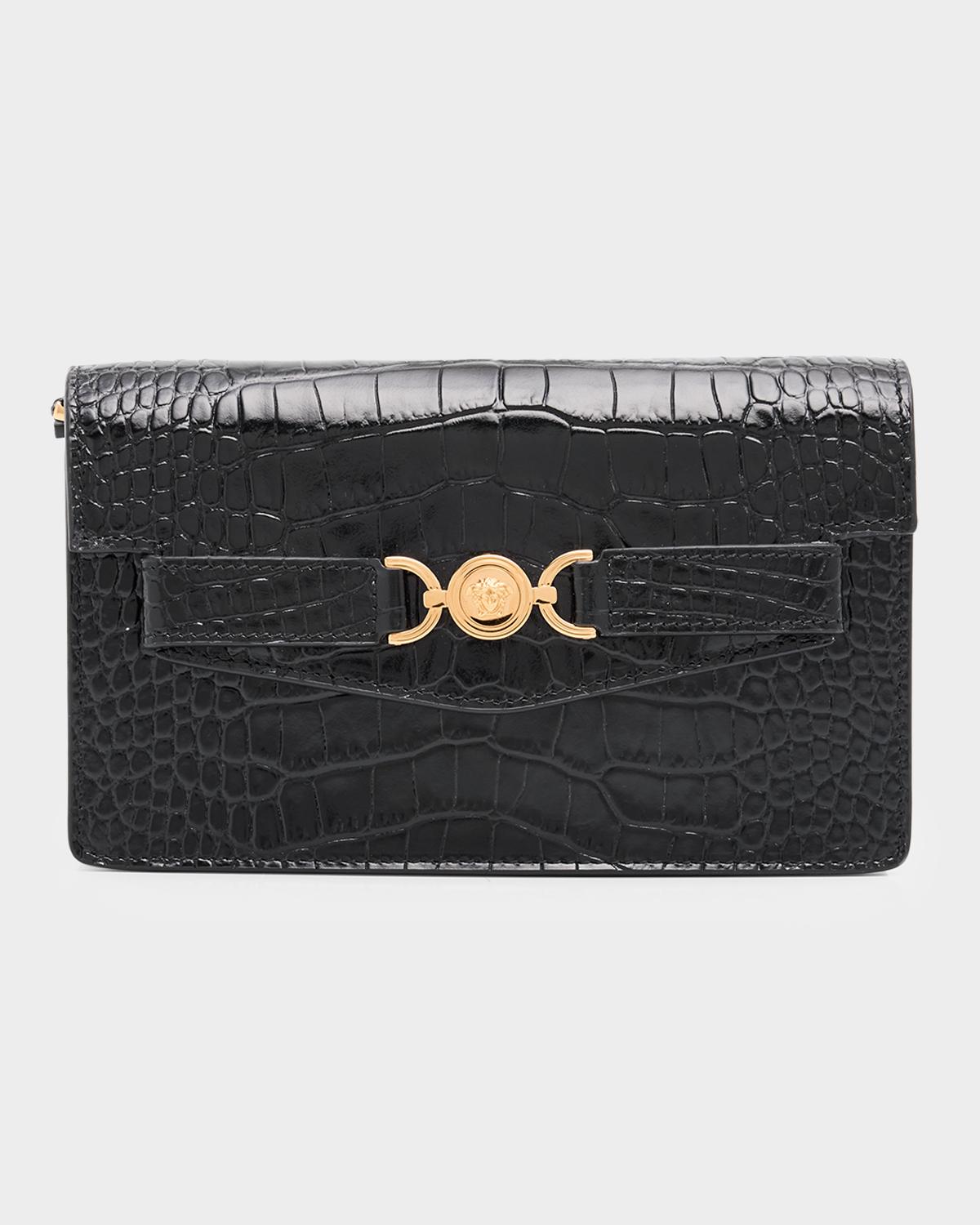
Medusa '95 Croc-Effect Clutch Bag
Versace
$1,250
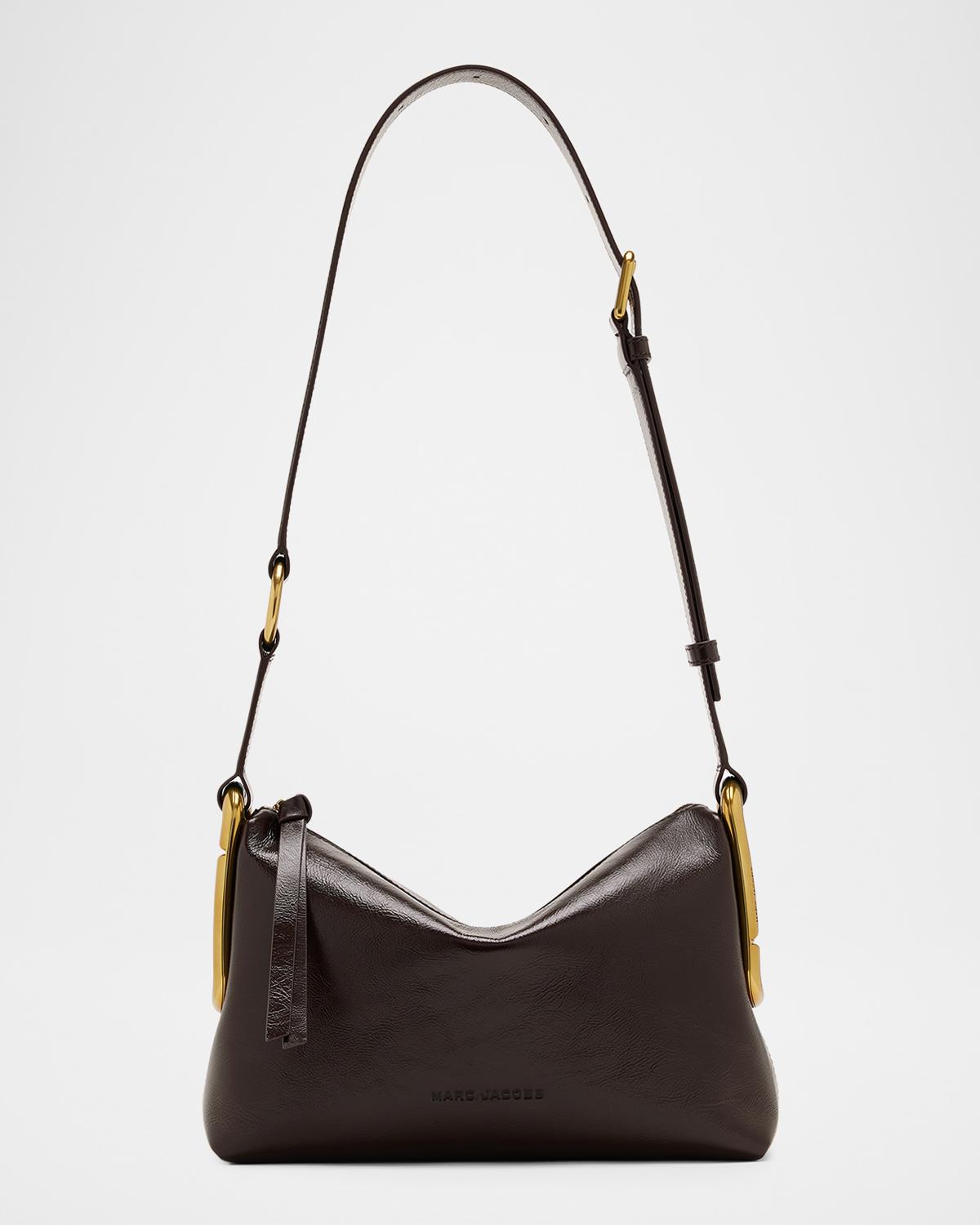
Scene Large Crinkle Leather Shoulder Bag
Marc Jacobs
$478
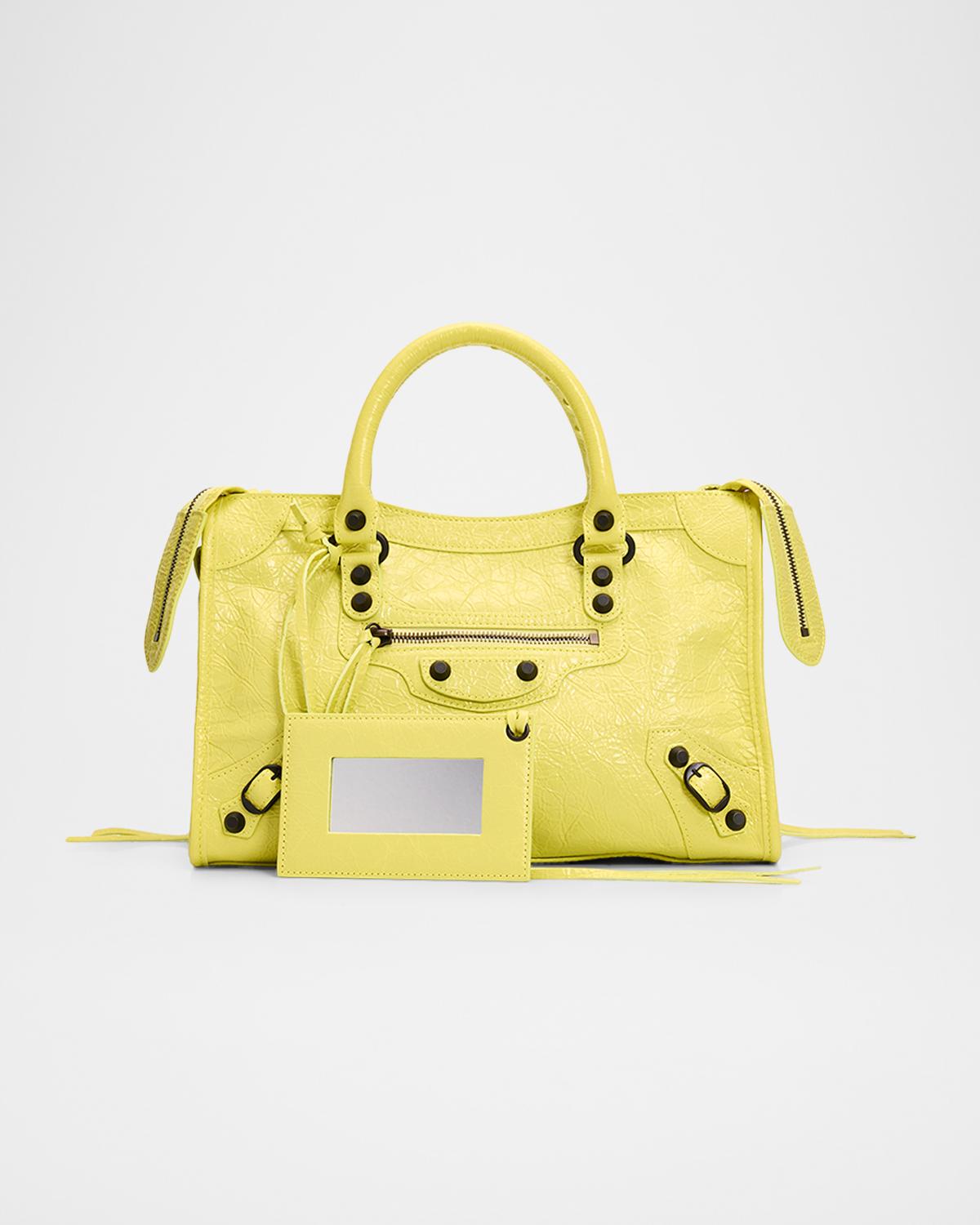
Le City Small Leather Top-Handle Bag
Balenciaga
$2,590
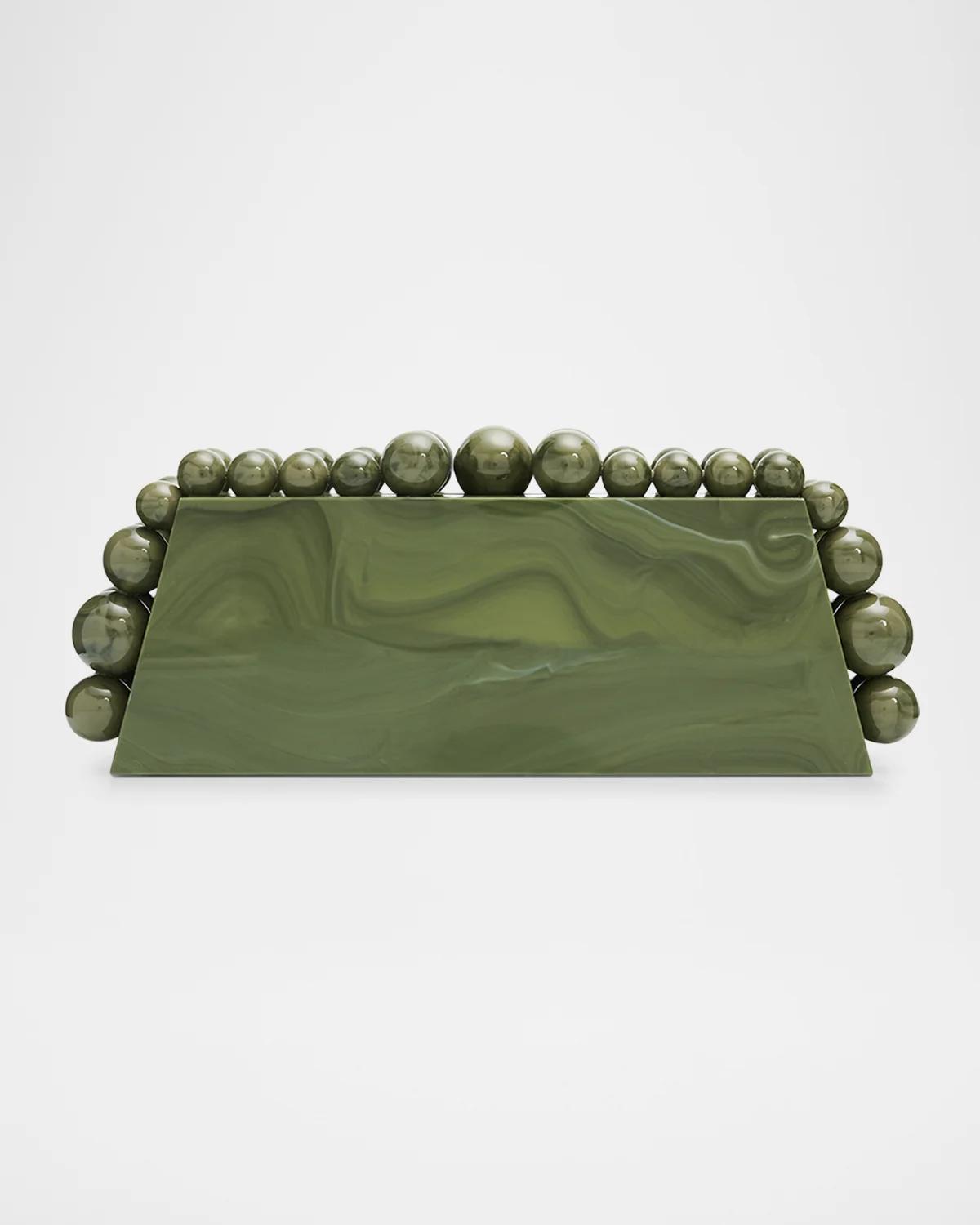
Eos Lungo Marbled Acrylic Clutch Bag
Cult Gaia
$398
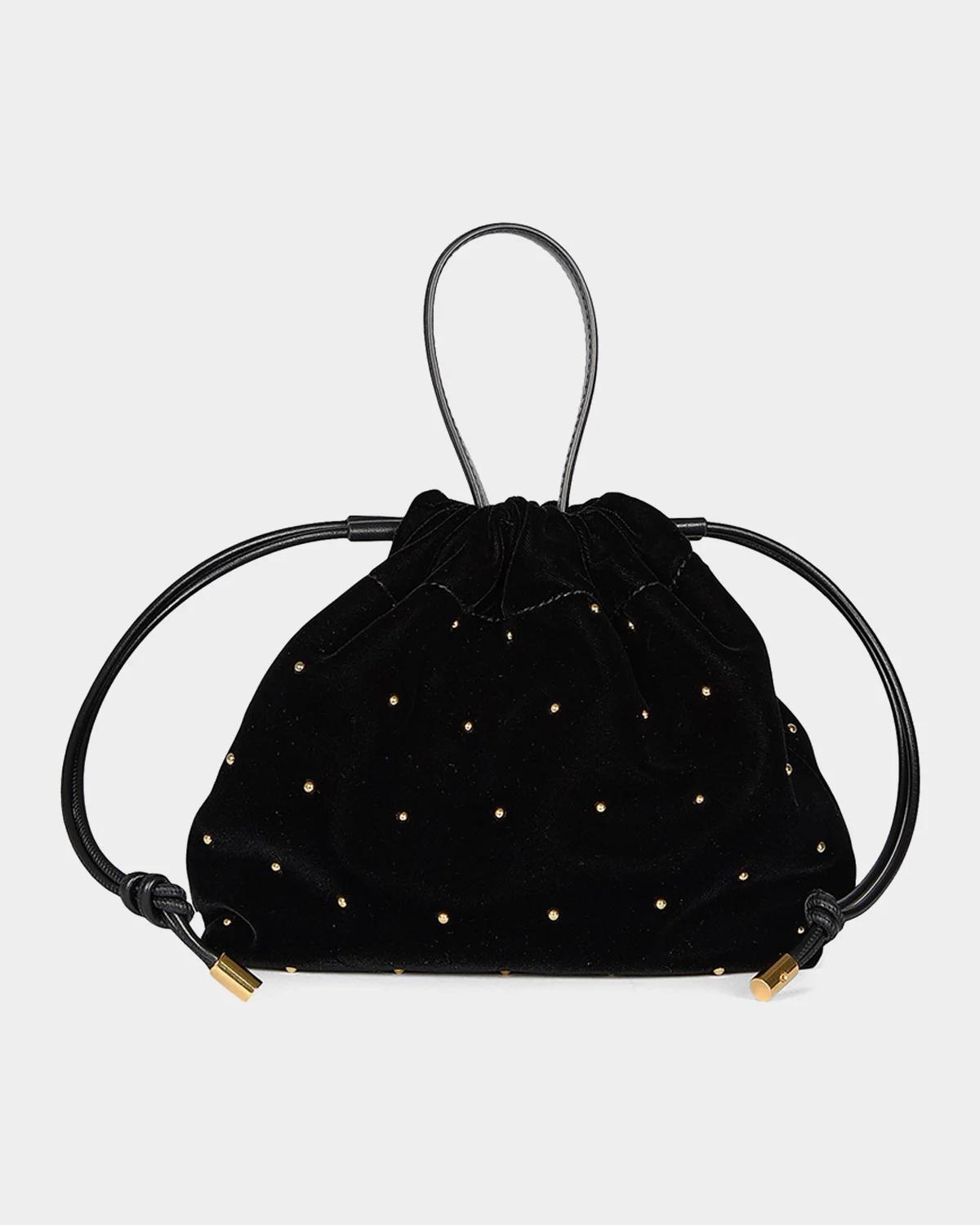
Icons Mini Studded Cotton Shoulder Bag
Chloe
$1,690
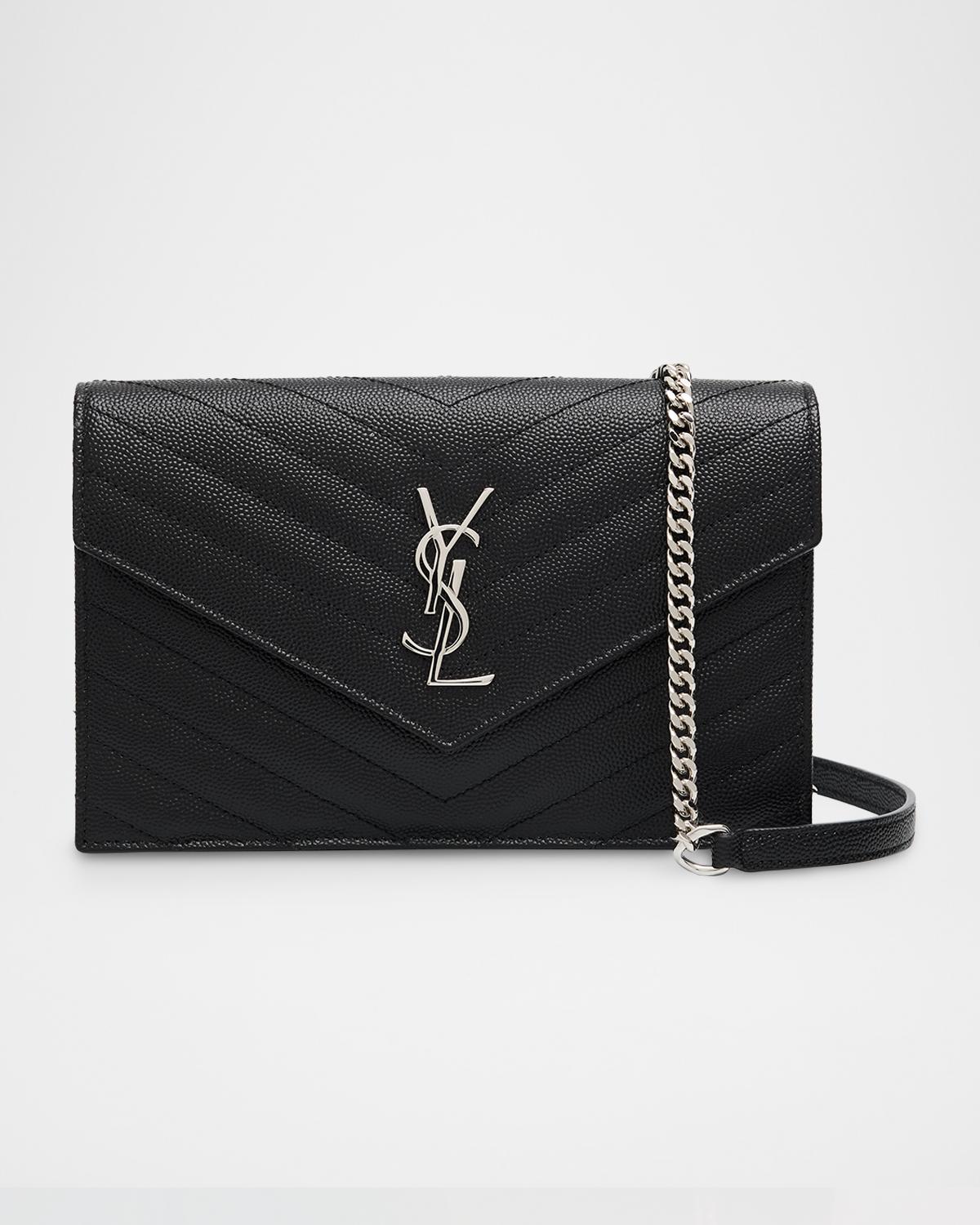
Cassandre YSL Shoulder Bag in Chevron Quilted Leather
Saint Laurent
$1,190
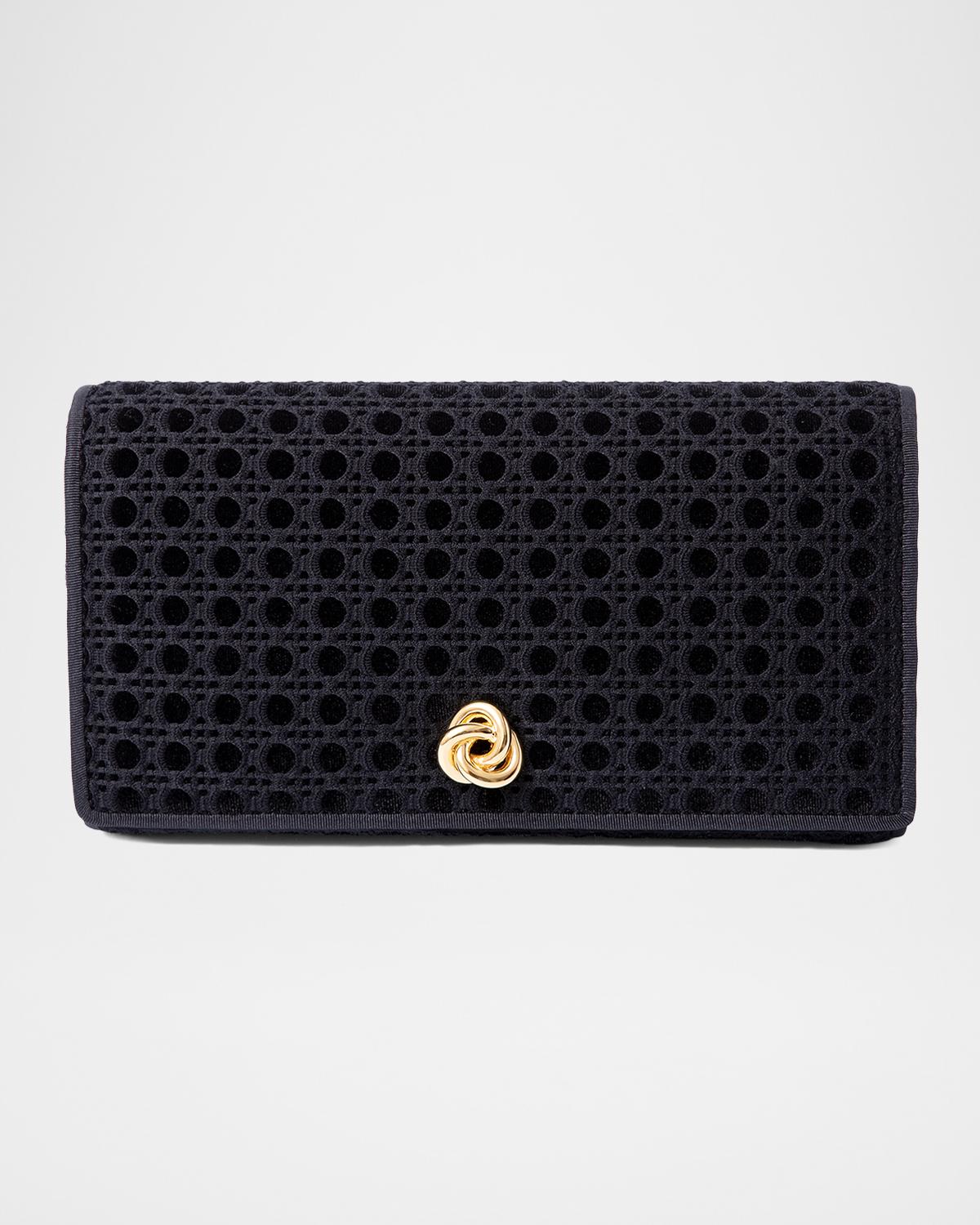
Olivia Eyelet Flap Clutch Bag
Michelle Wilhite
$895
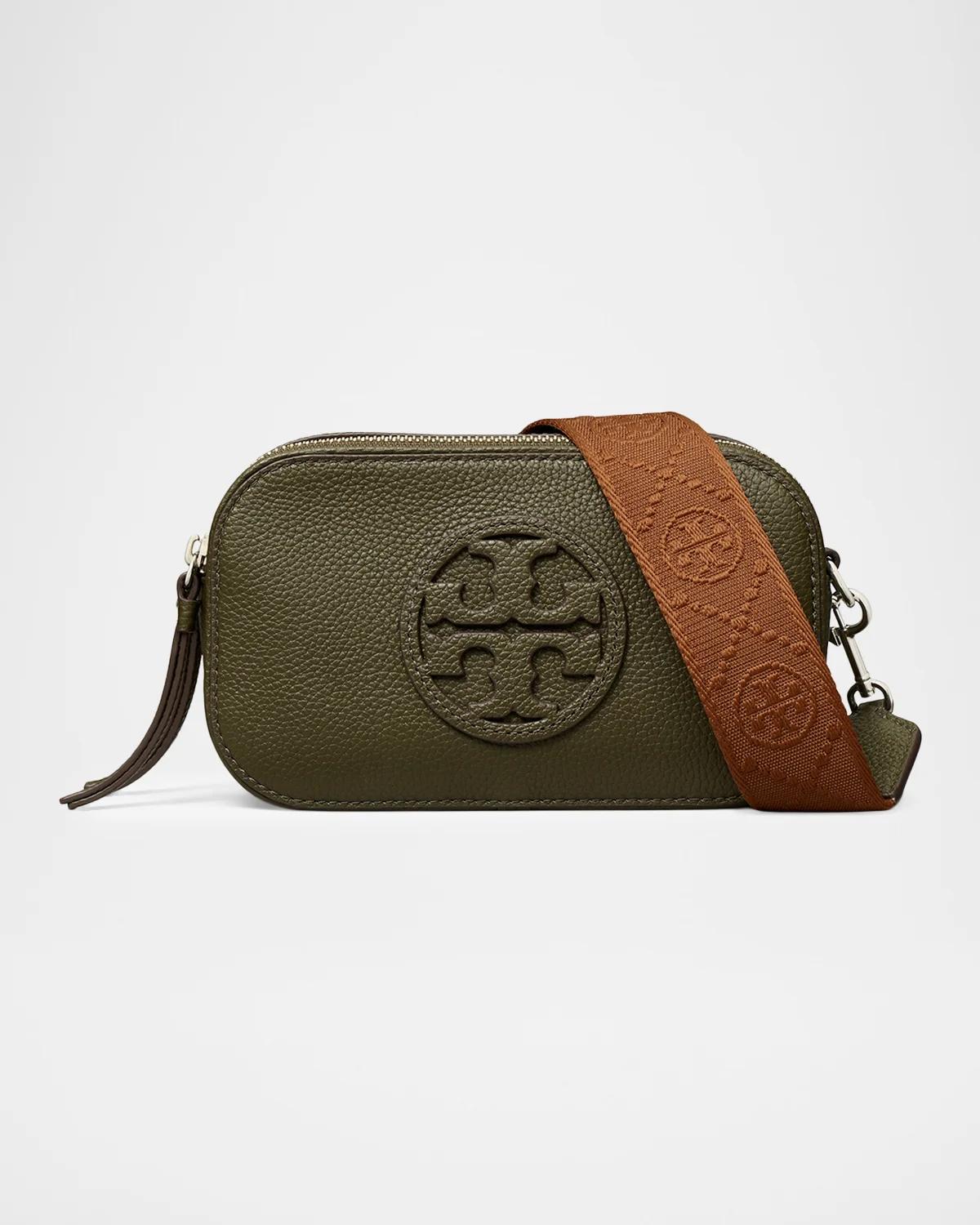
Miller Mini Pebbled Leather Crossbody Bag
Tory Burch
$295
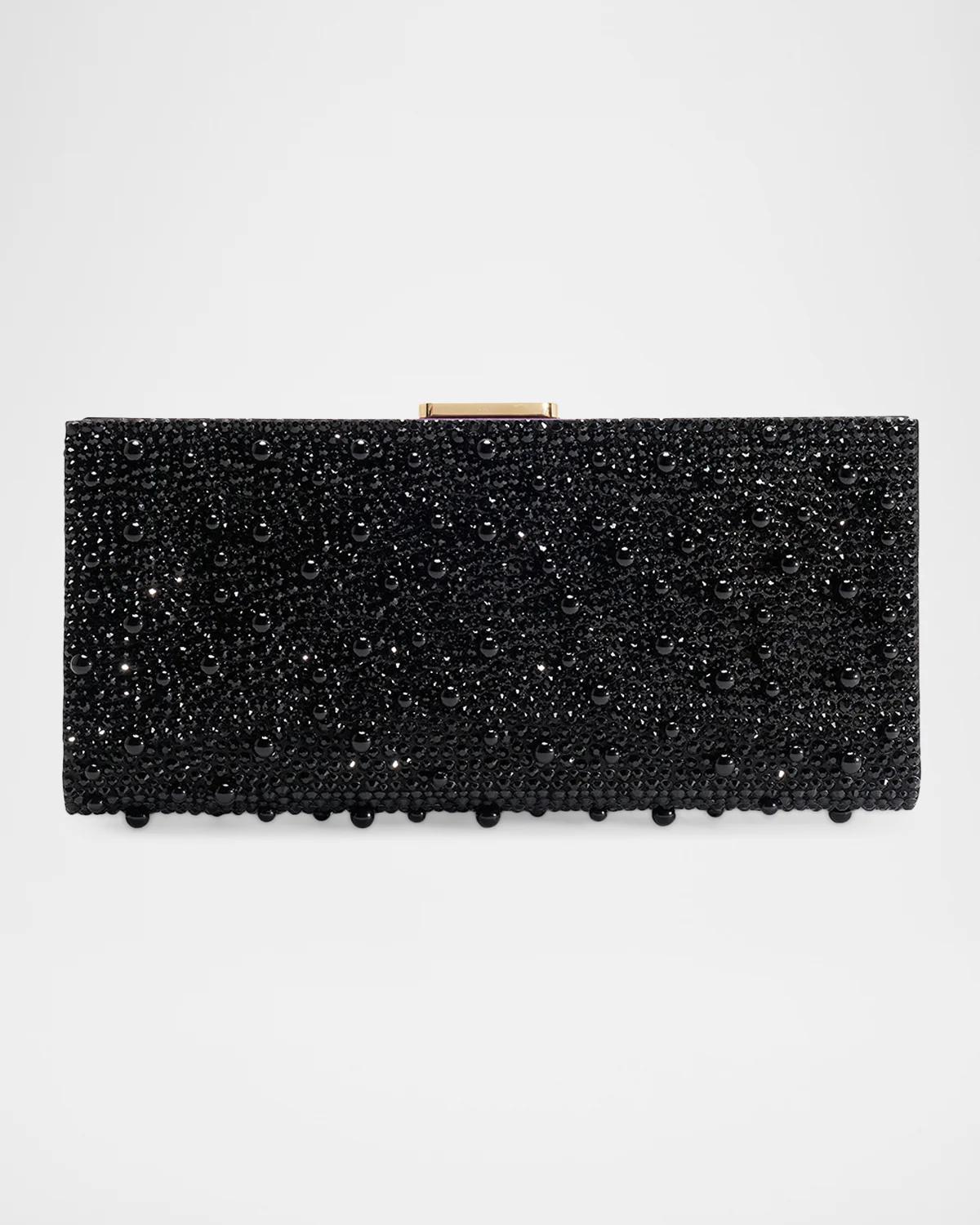
Pats Beaded Crystal Clutch Bag
Carolina Herrera
$3,290
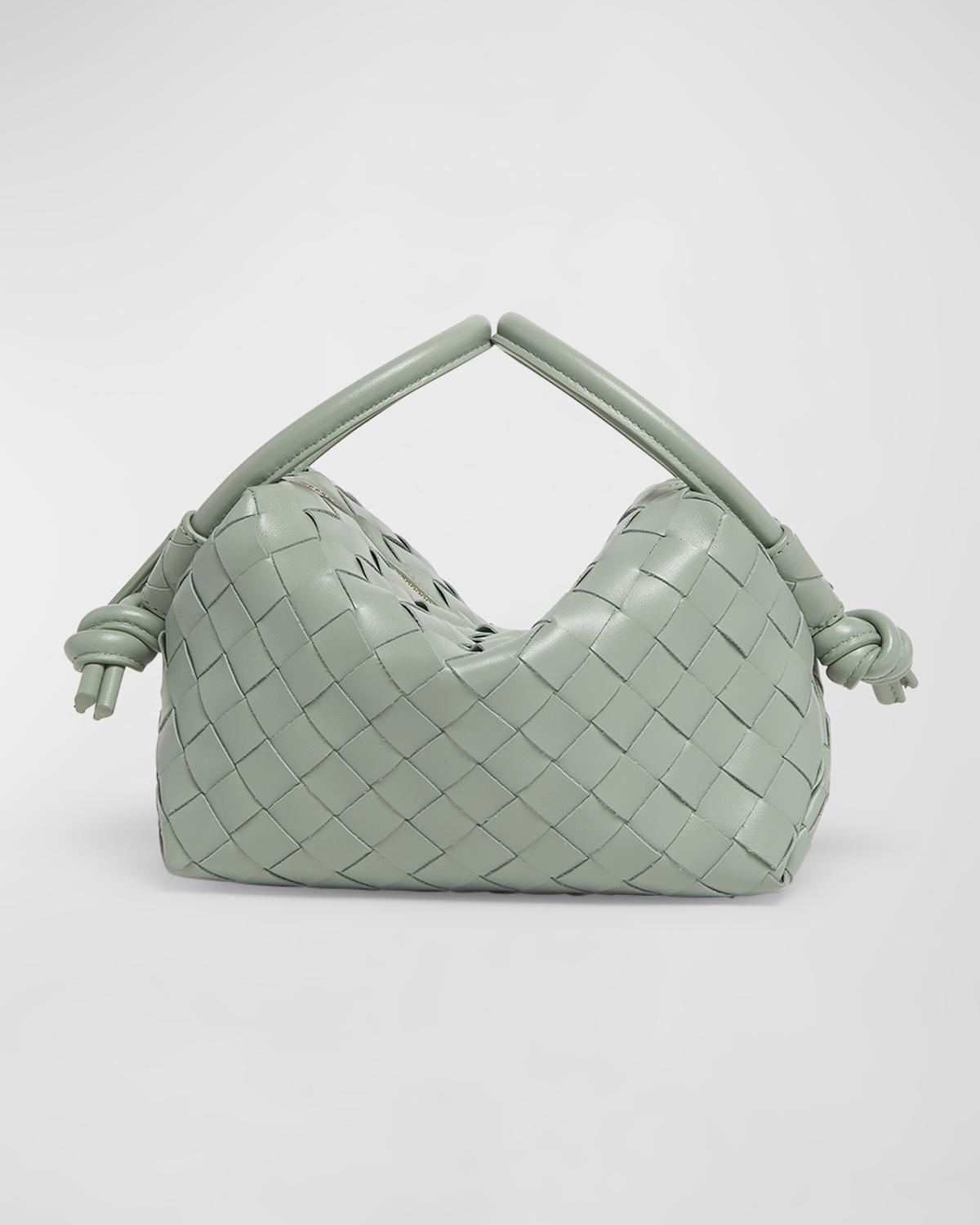
Small Avenue Loop Crossbody Bag
Bottega Veneta
$3,100
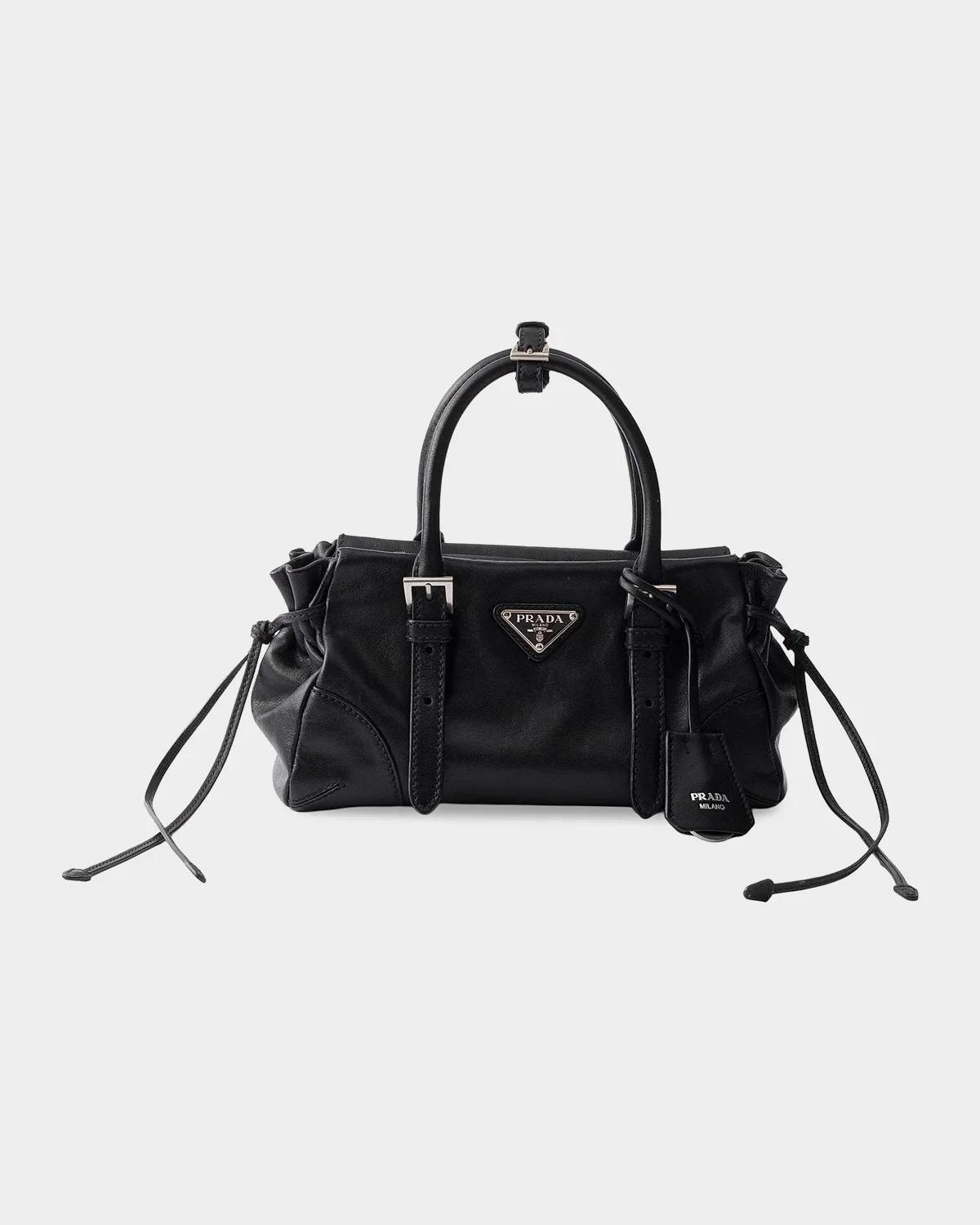
Karin Small Leather Top Handle Bag
Prada
$3,200
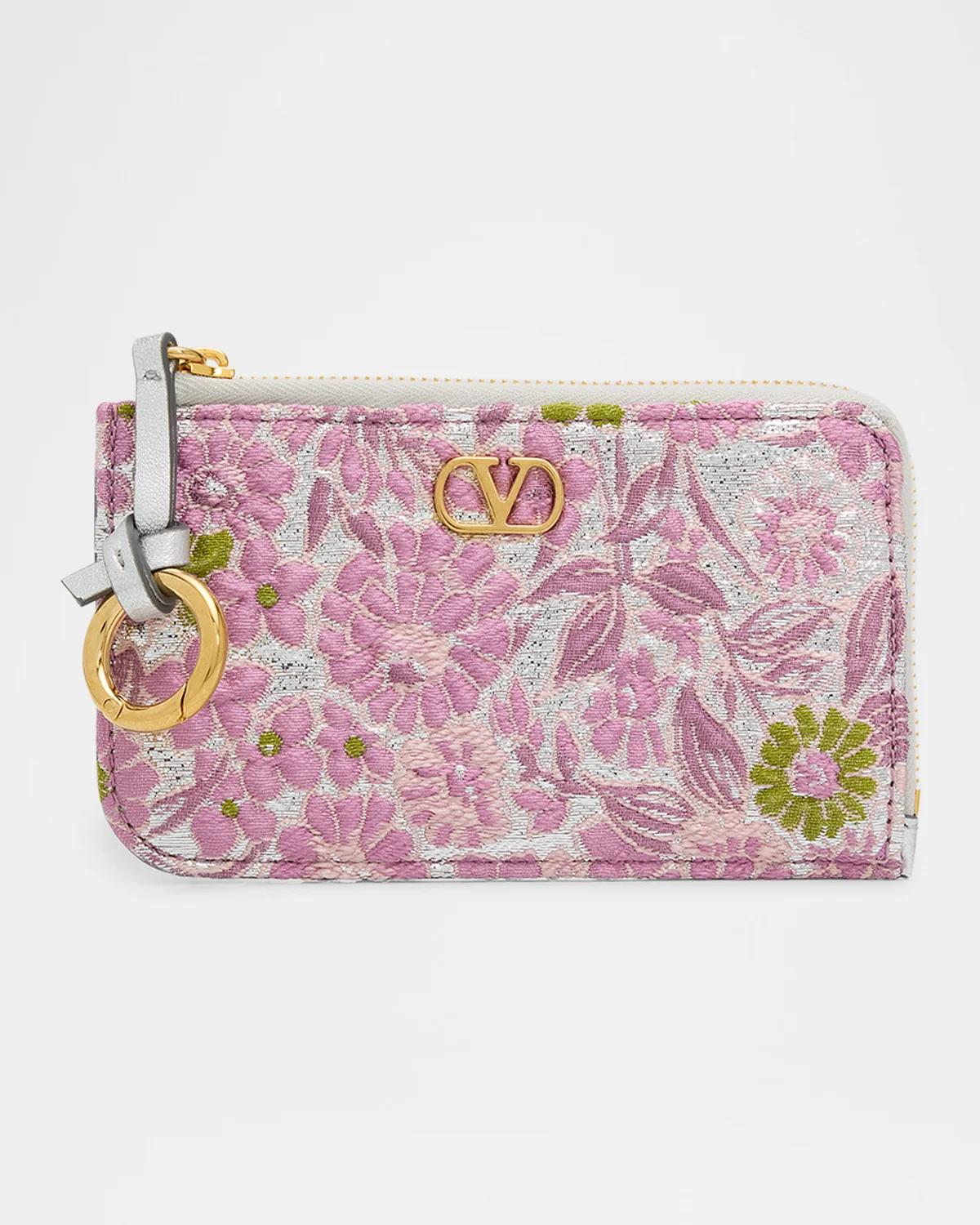
VLogo Metallic Floral Coin Purse
Valentino Garavani
$590
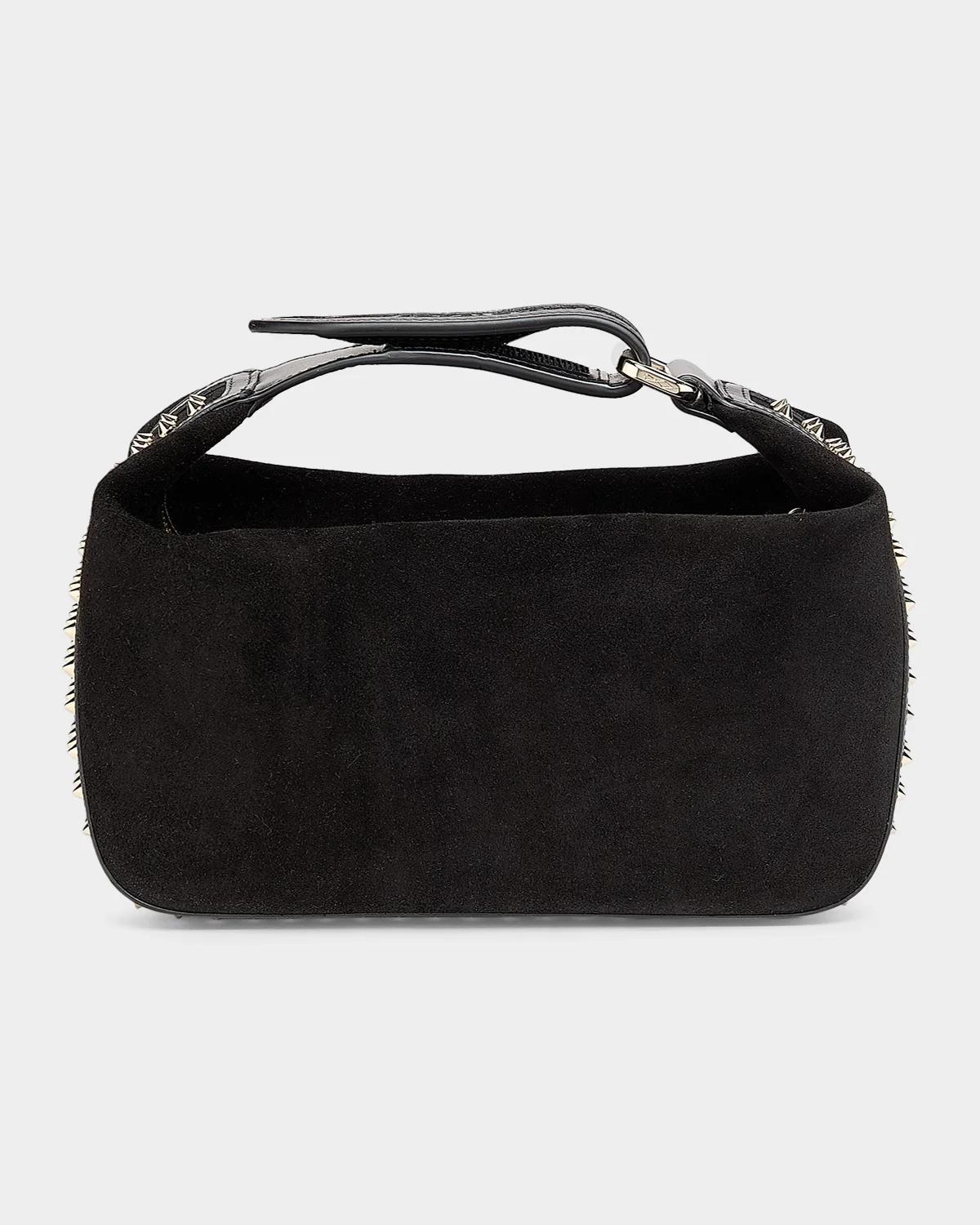
Funky Dopp Spike Top-Handle Bag in Suede
Christian Louboutin
$990
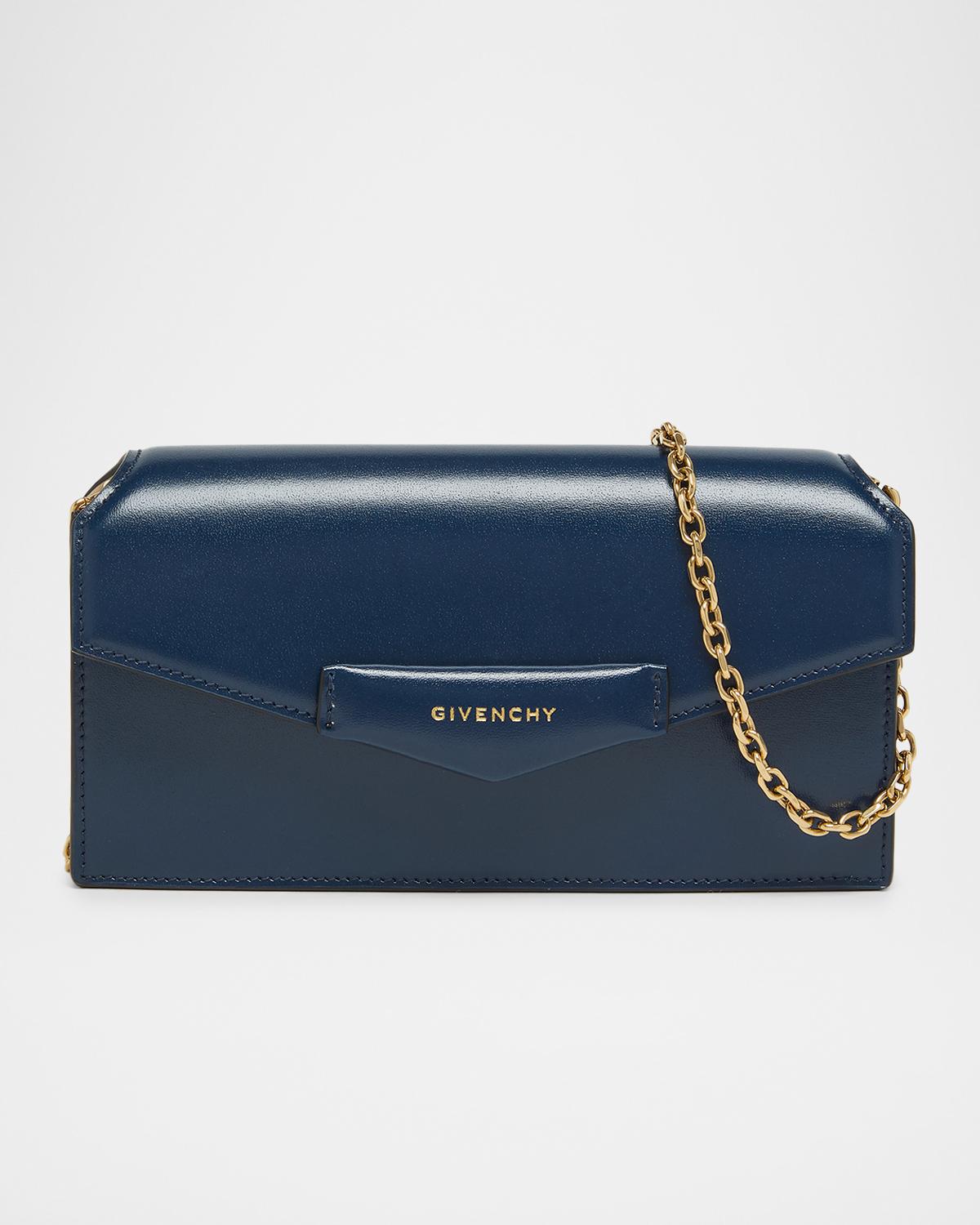
Antigona Leather Wallet on Chain
Givenchy
$1,550
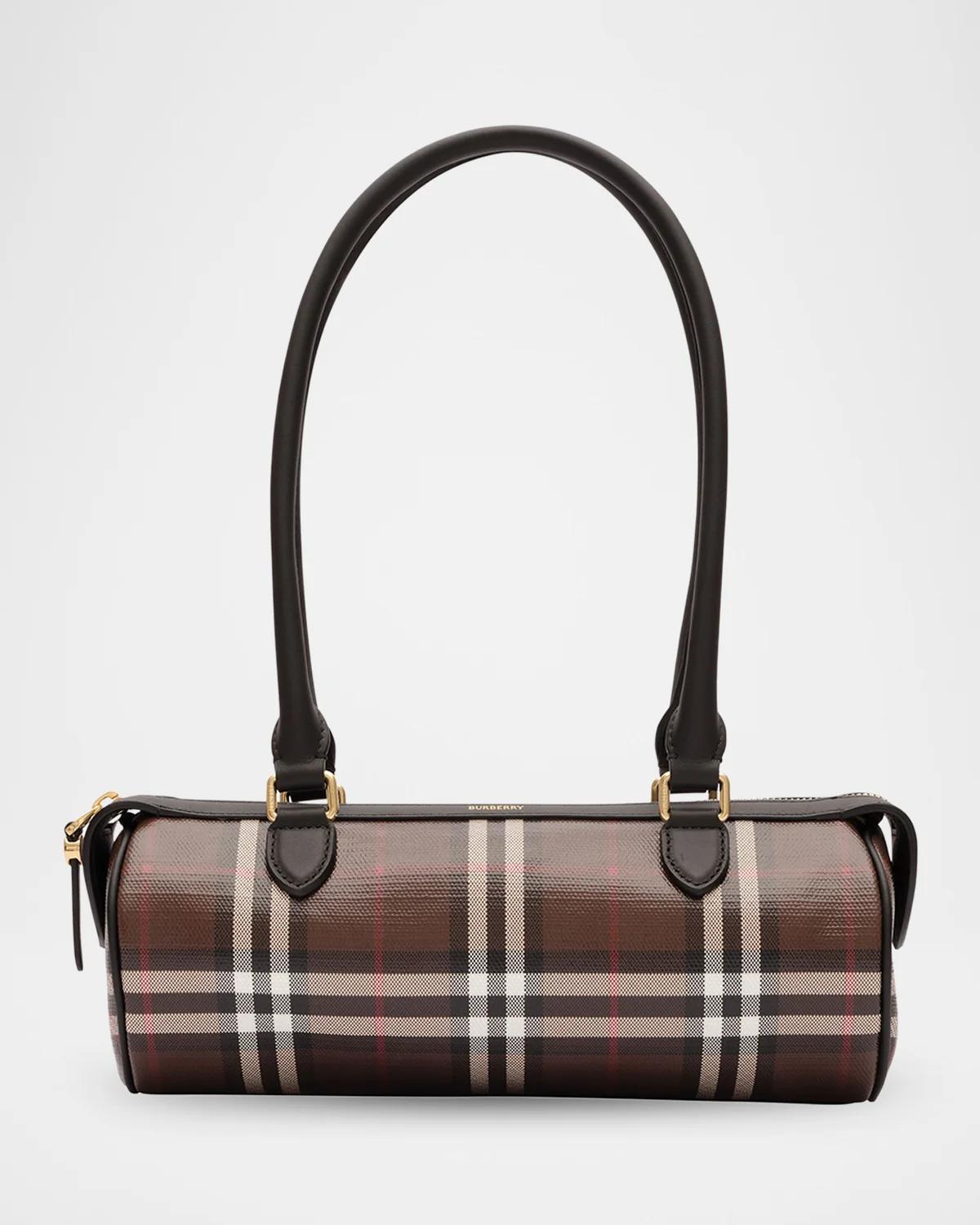
Mini Check Barrel Shoulder Bag
Burberry
$995
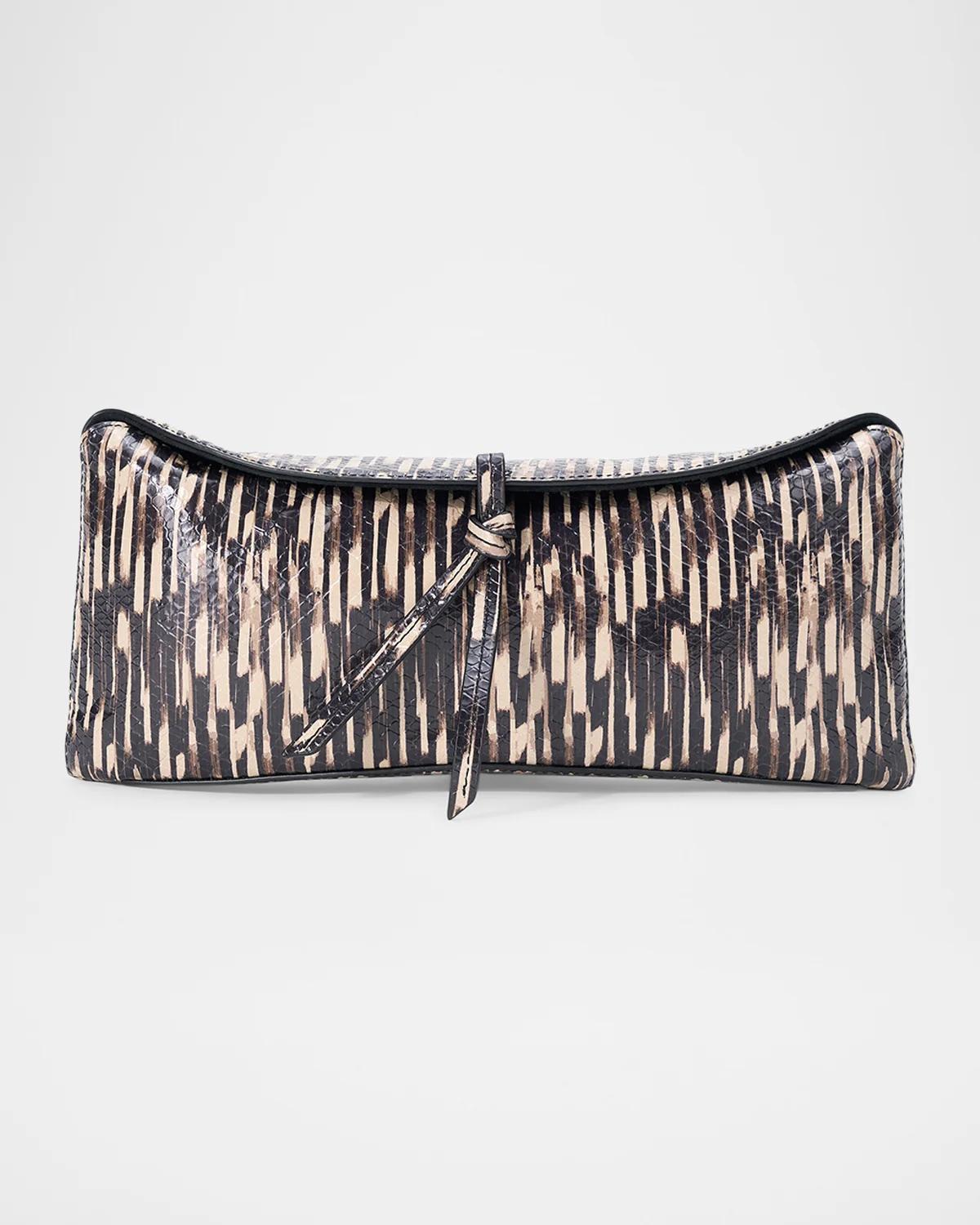
Eve Printed Leather Clutch
STAUD
$350
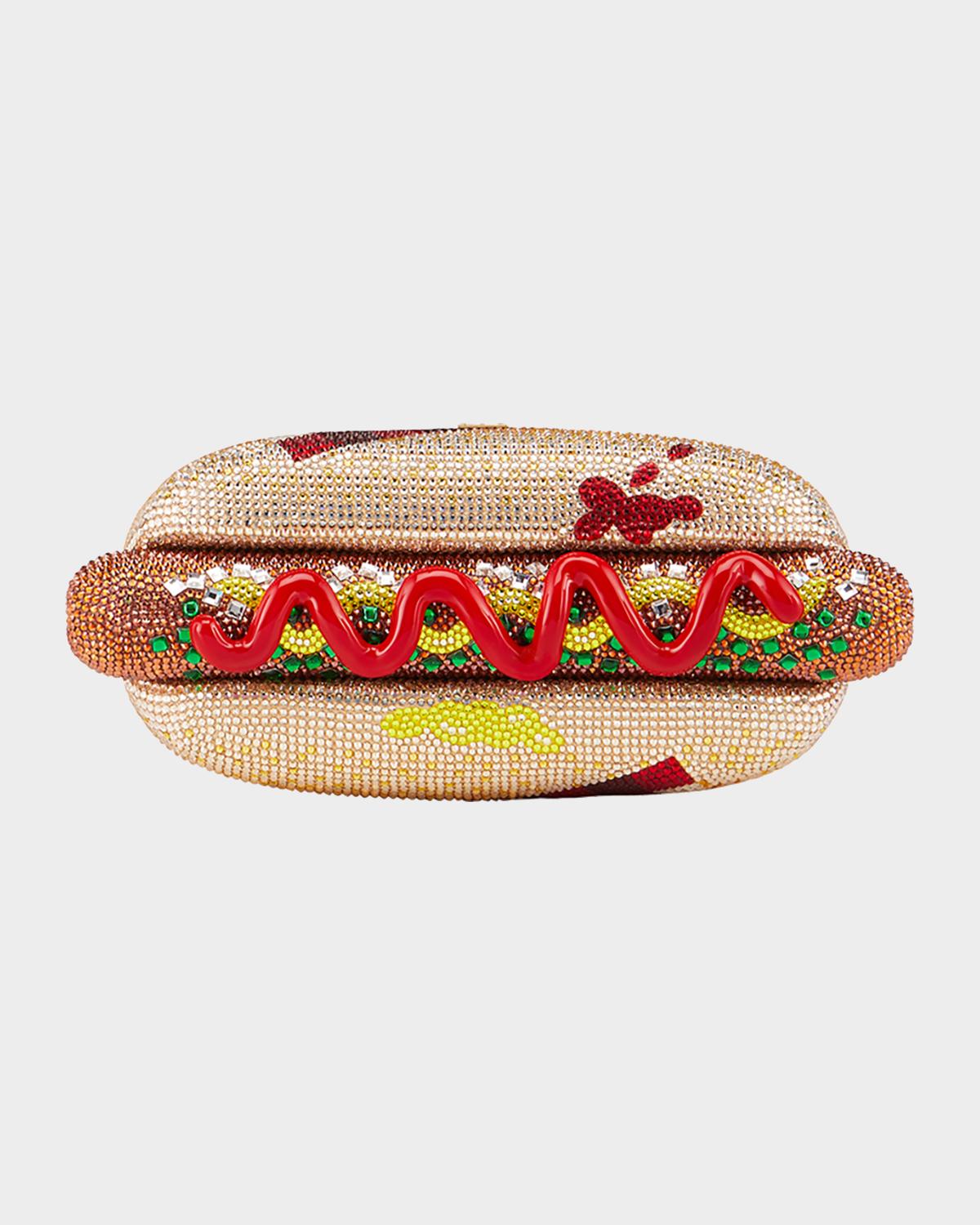
Hot Dog Minaudiere Clutch Bag
Judith Leiber Couture
$6,995
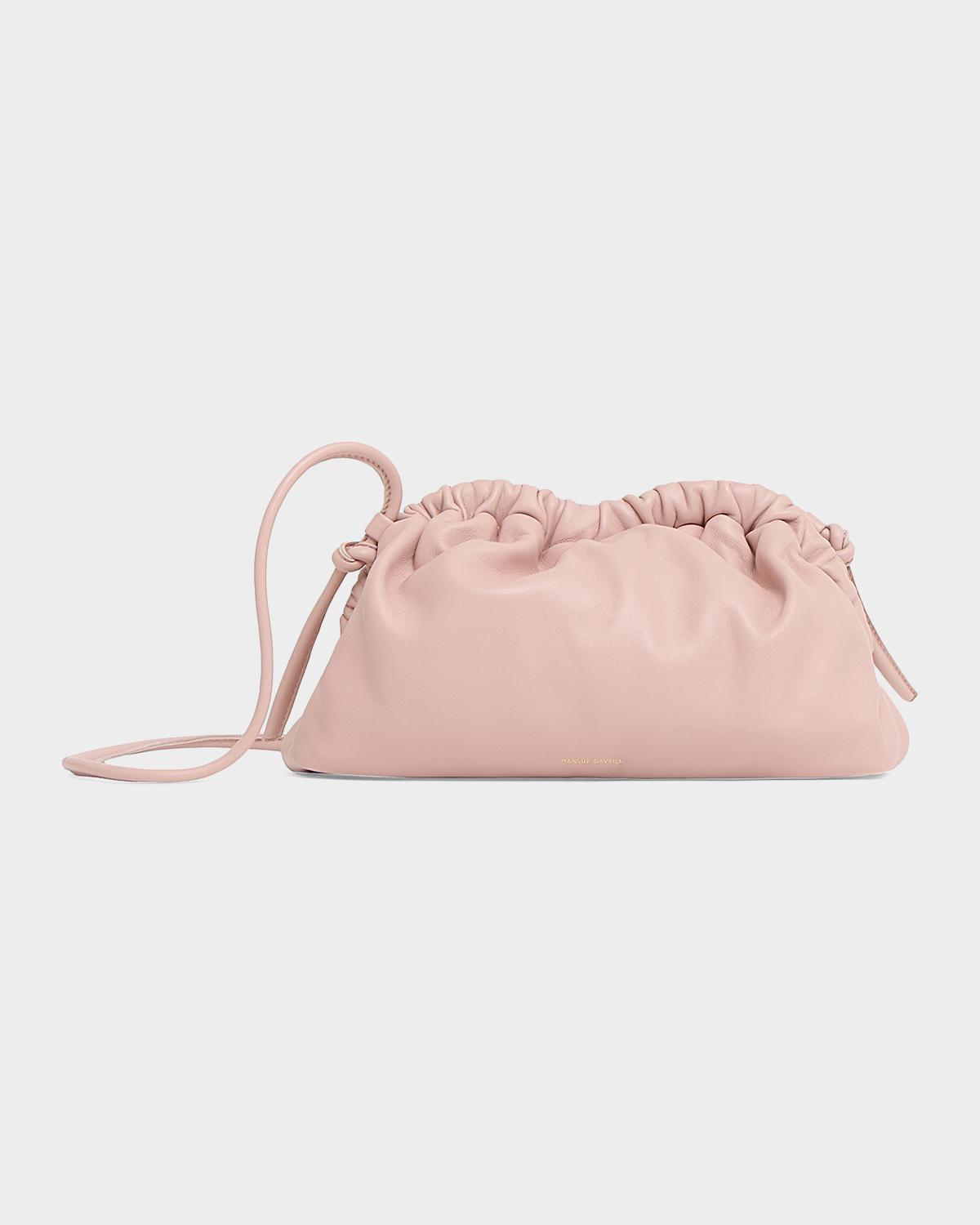
Mini Lambskin Cloud Clutch Bag
Mansur Gavriel
$595
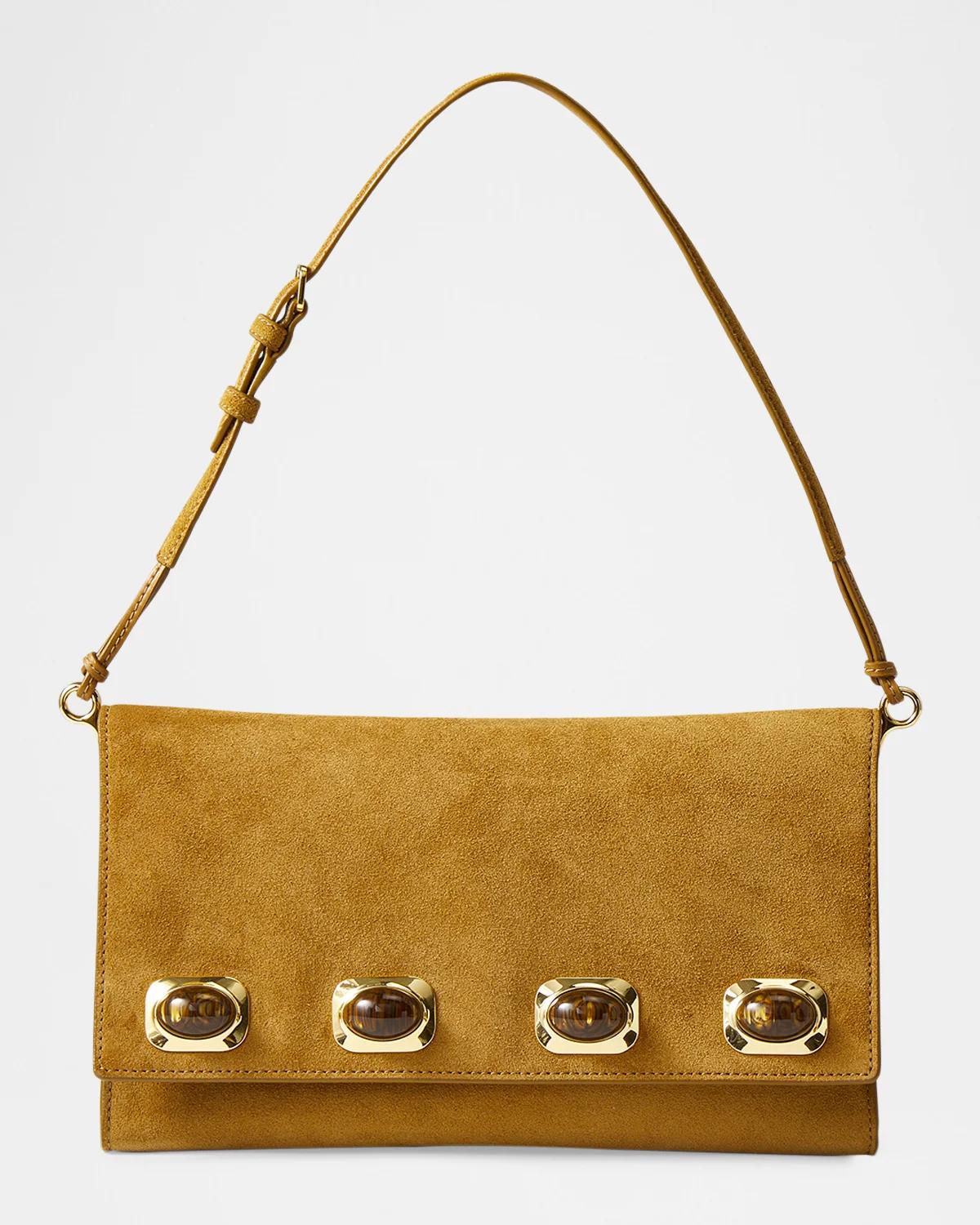
Edit Crystal-Embellished Suede Shoulder Bag
Veronica Beard
$595
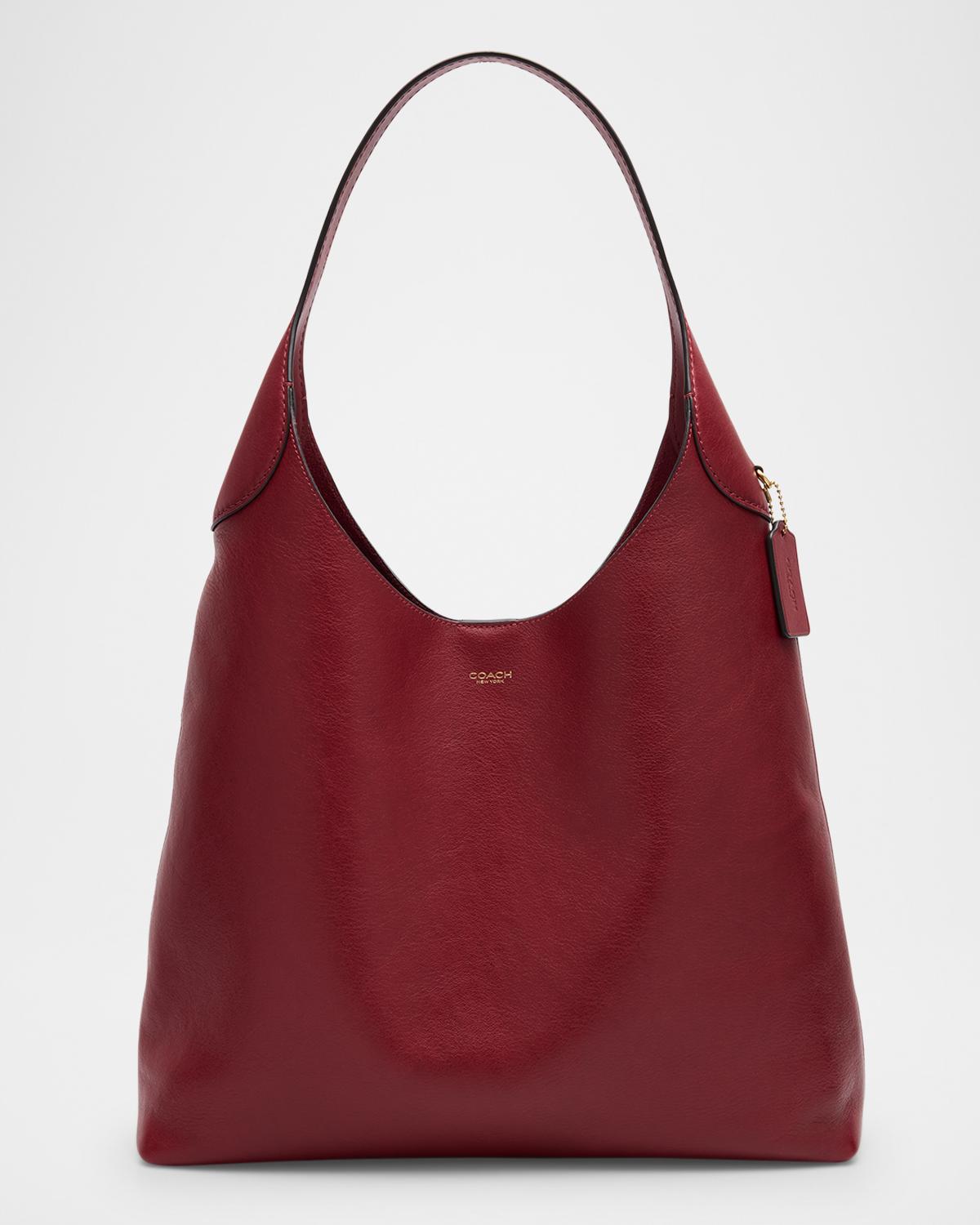
Brooklyn 39 Grain Leather Shoulder Bag
Coach
$495
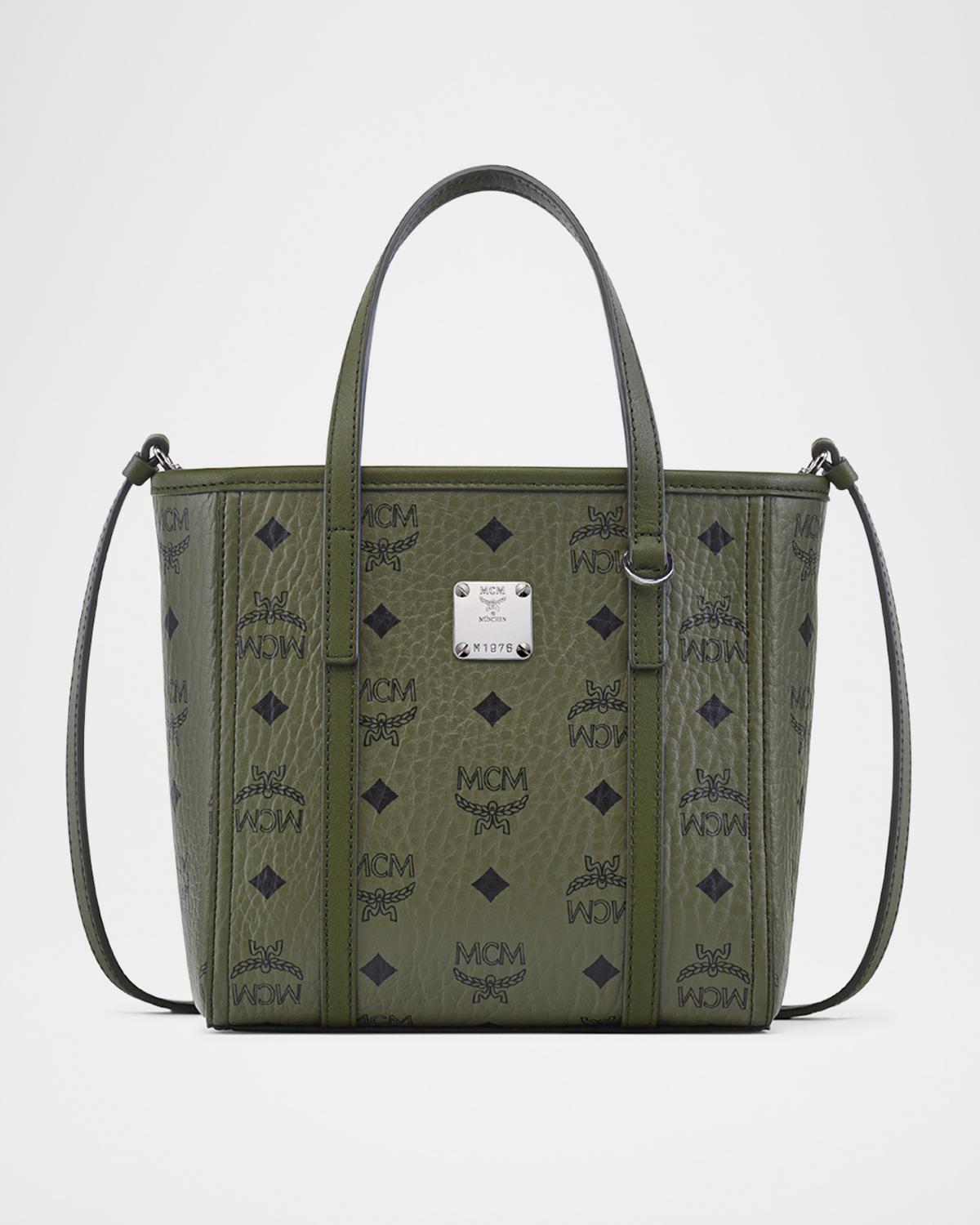
Toni Mini Visetos Shopper Top-Handle Bag
MCM
$680
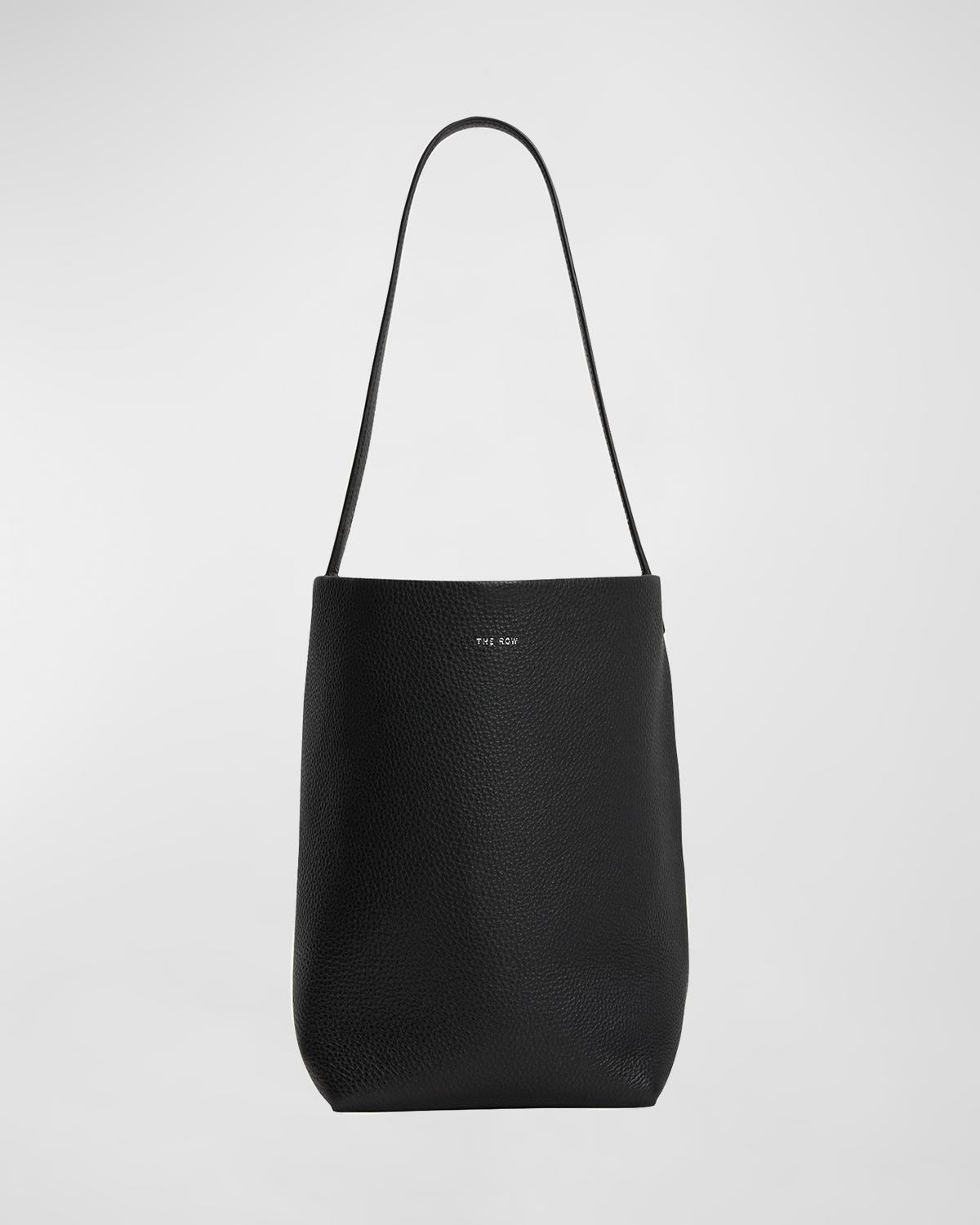
N/S Park Tote Medium in Lux Grained Calfksin
The Row
$1,850
Even more bags
Even more bags, across top-handle and clutch shapes. The clutch has returned partly because evening dressing got less formal and needed something less fussy.
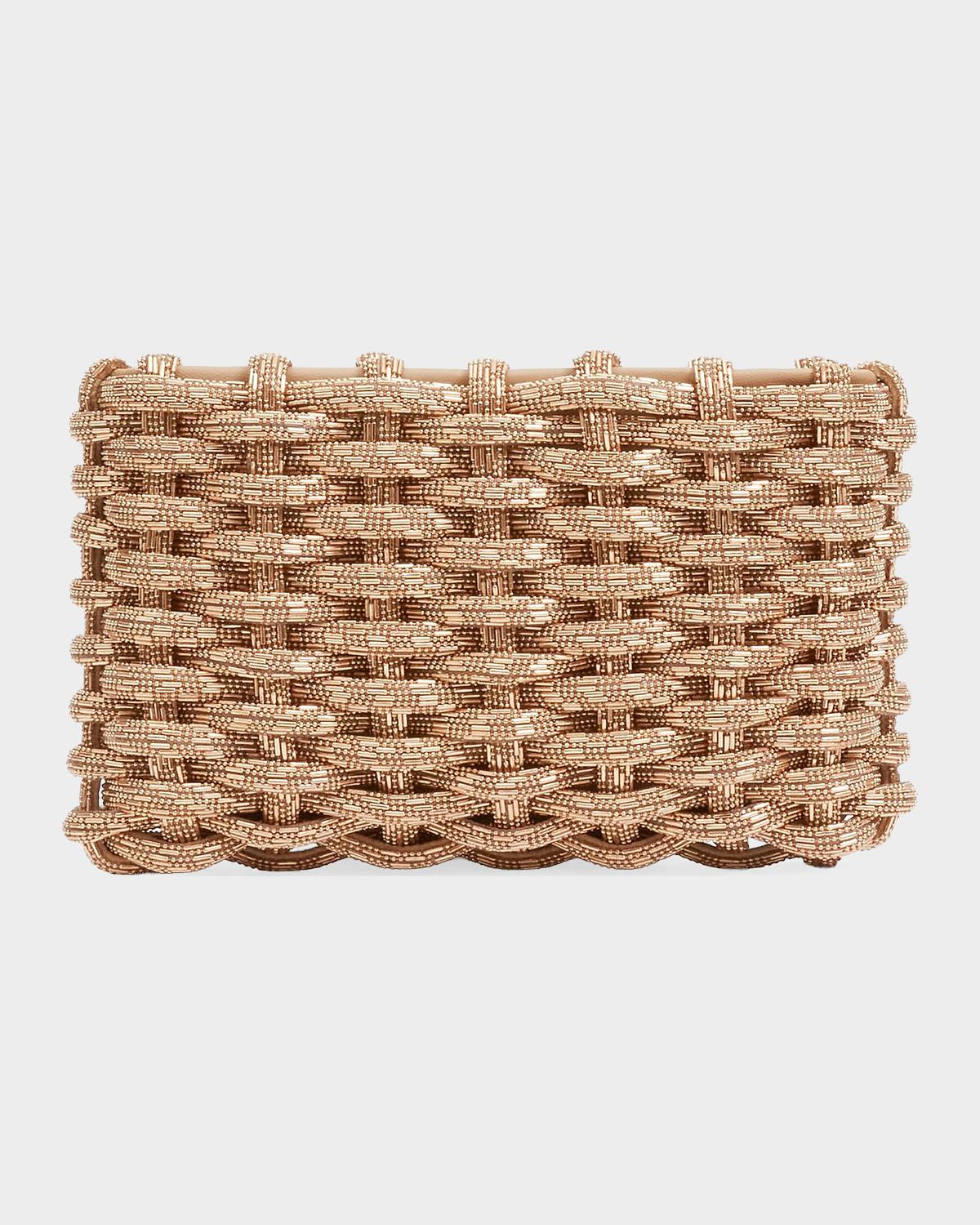
Morgan Metal Clutch
Simkhai
$625
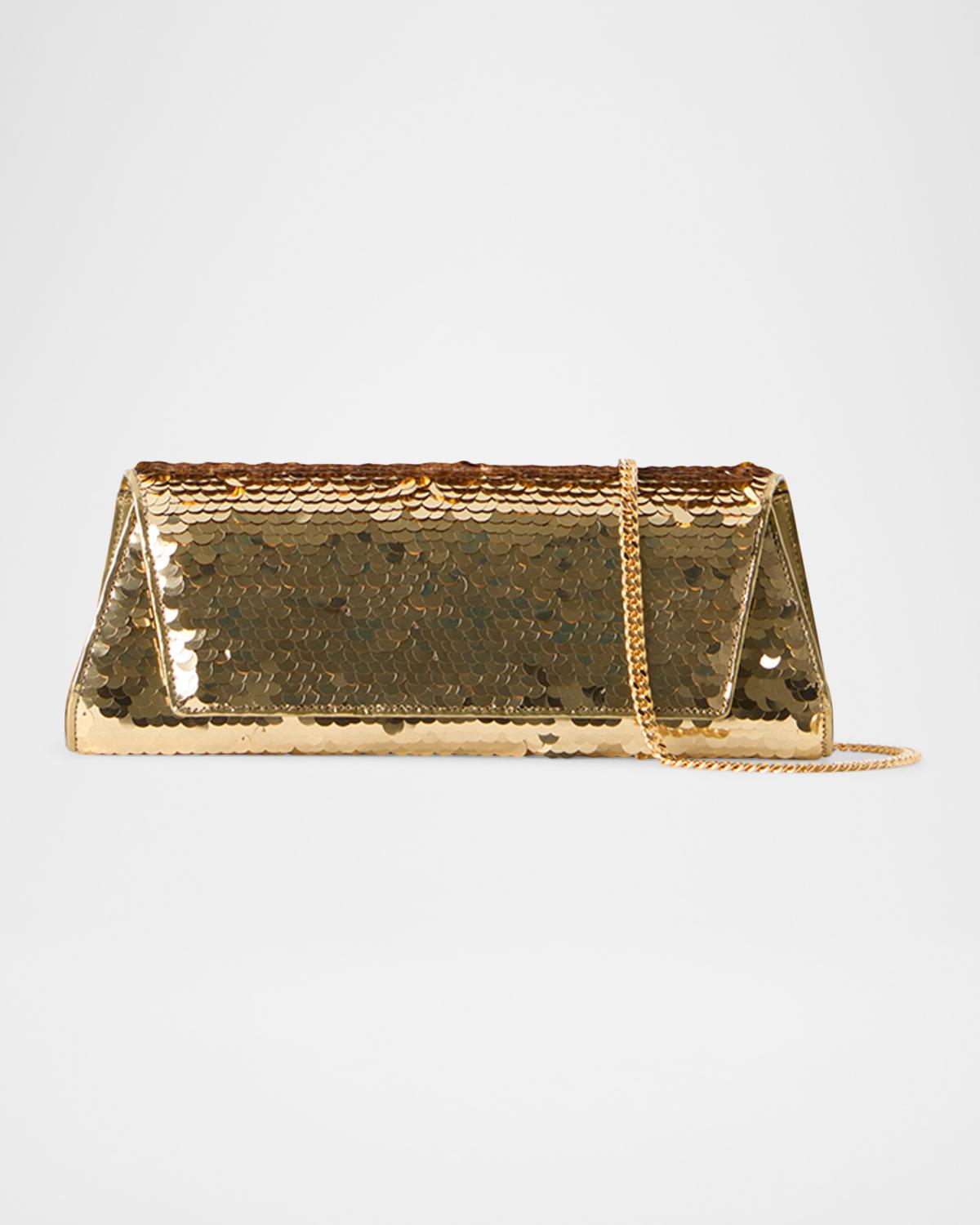
Anouk Small Sequin-Embellished Satin Convertible Clutch
Akris
$2,090
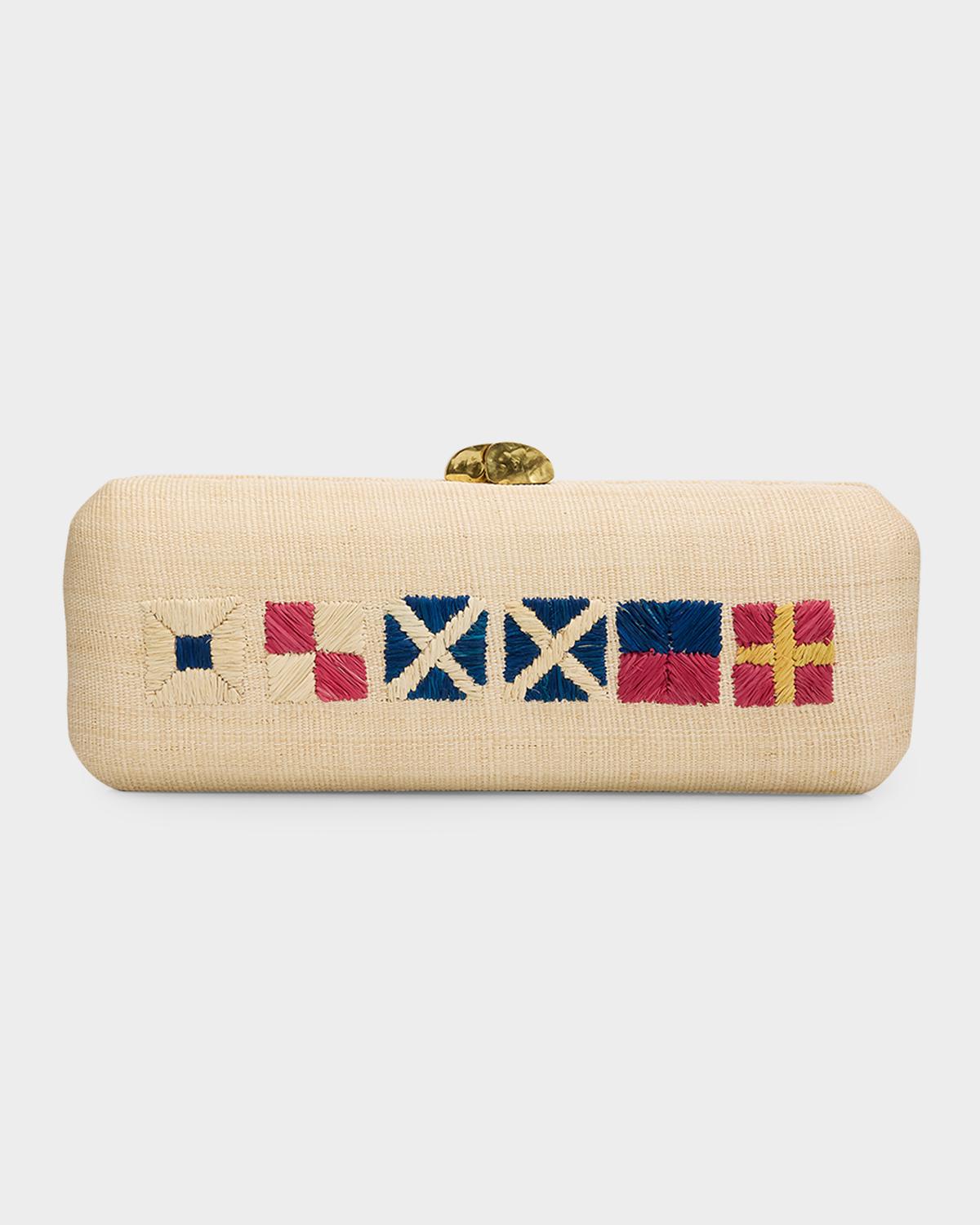
Summer Embroidered Straw Clutch Bag
Poolside
$345
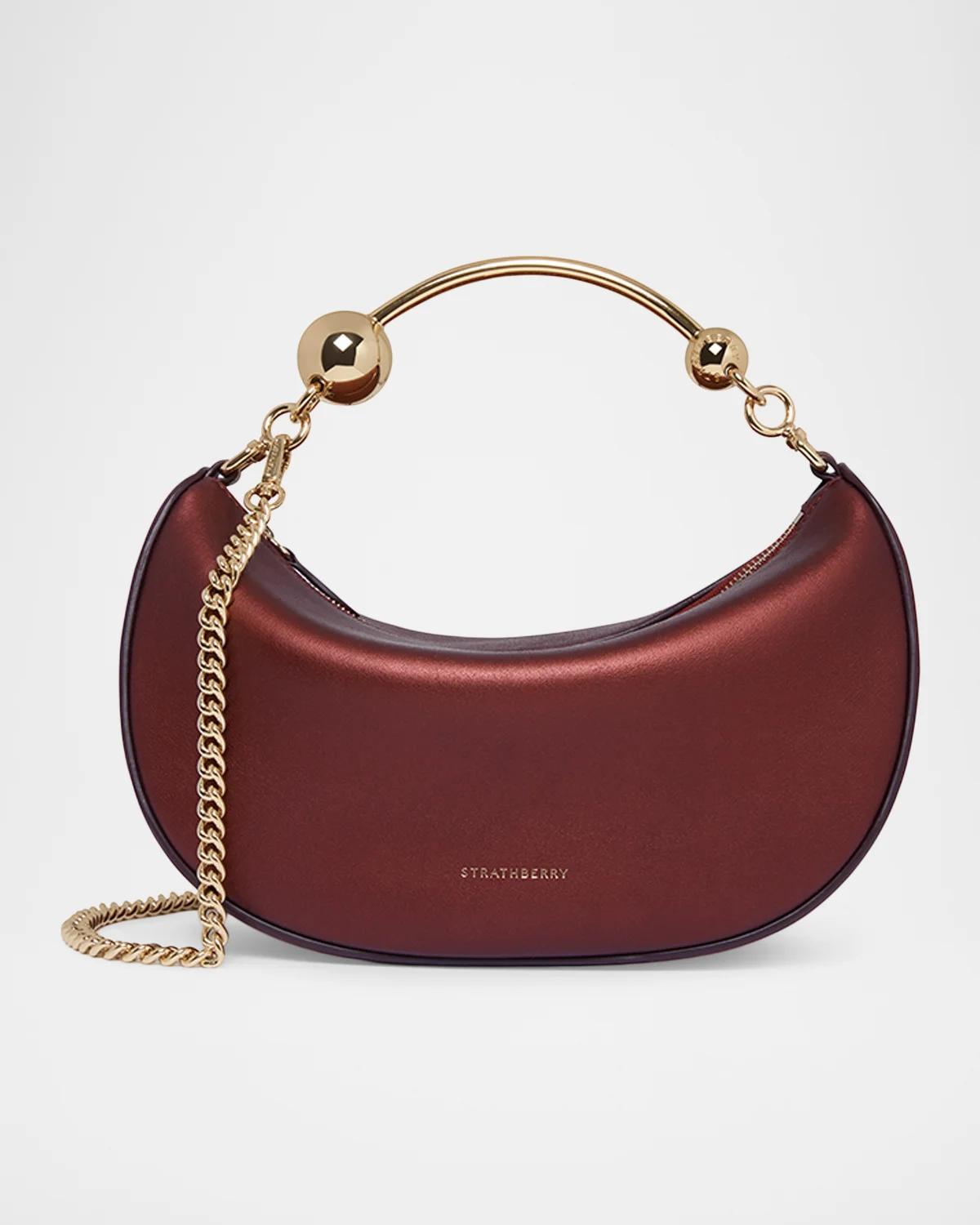
Crescent Moon Mini Metallic Leather Top-Handle Bag
Strathberry
$595
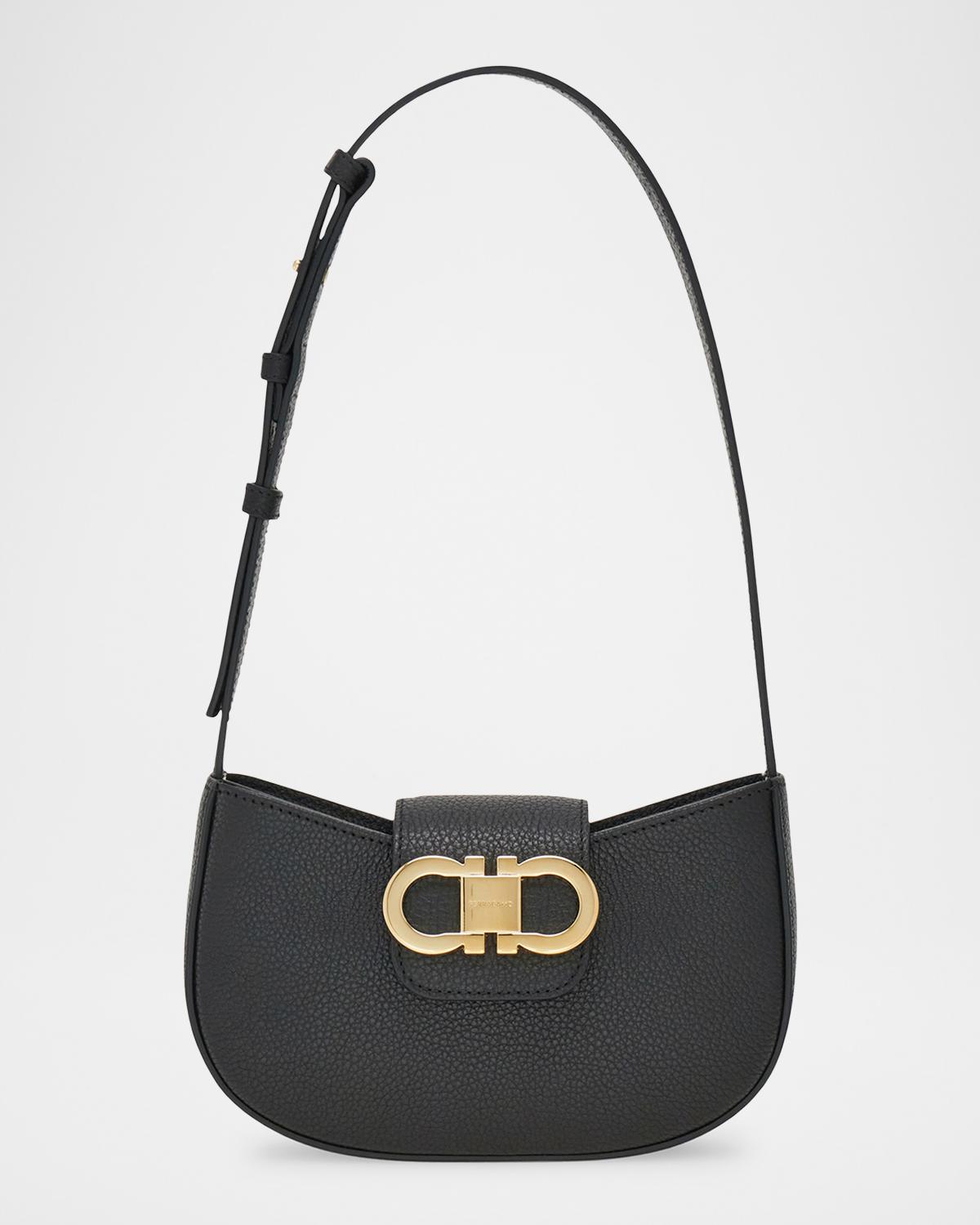
Gabry Leather Shoulder Bag
Ferragamo
$1,250
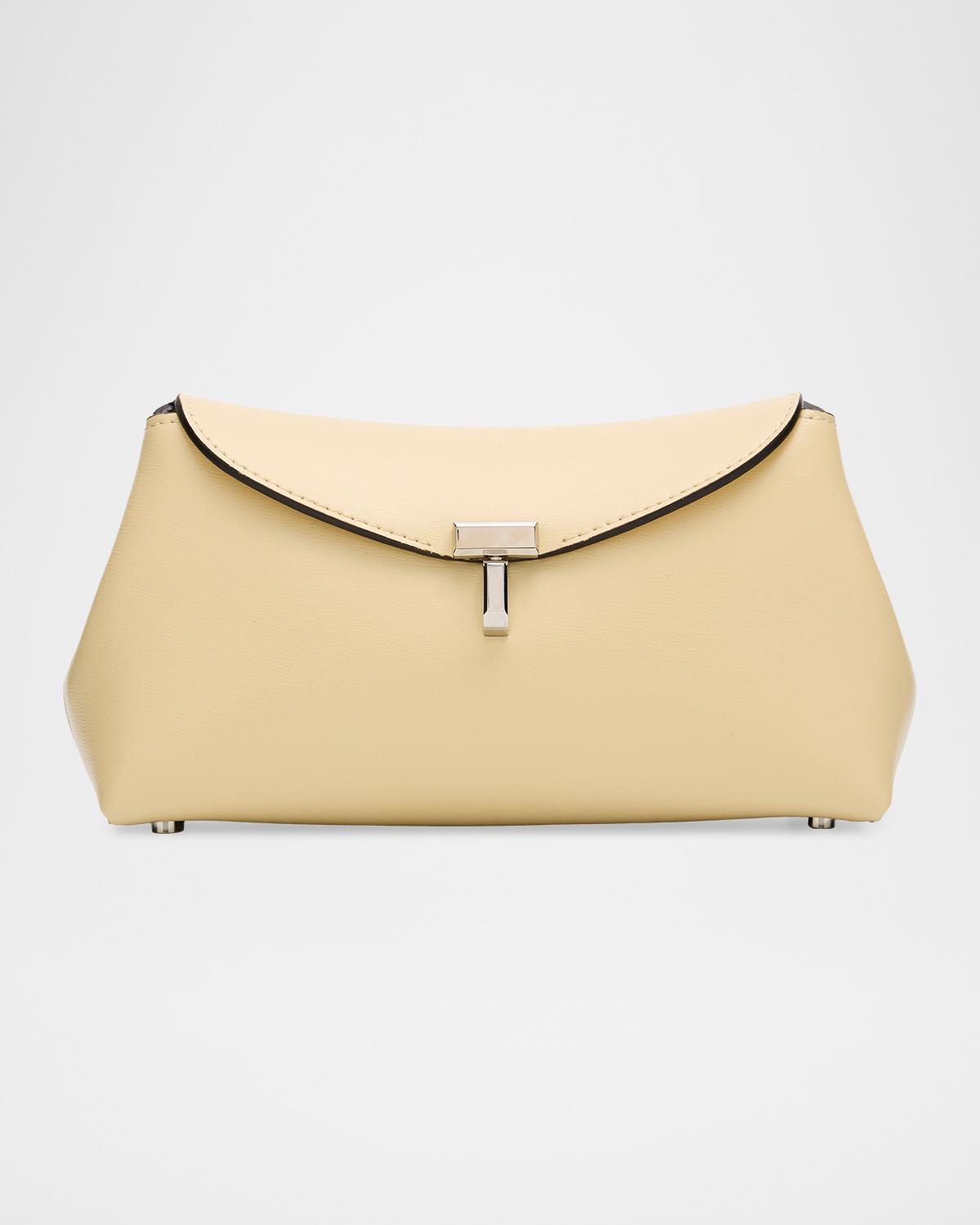
Mini T-Lock Leather Clutch Bag
Toteme
$760
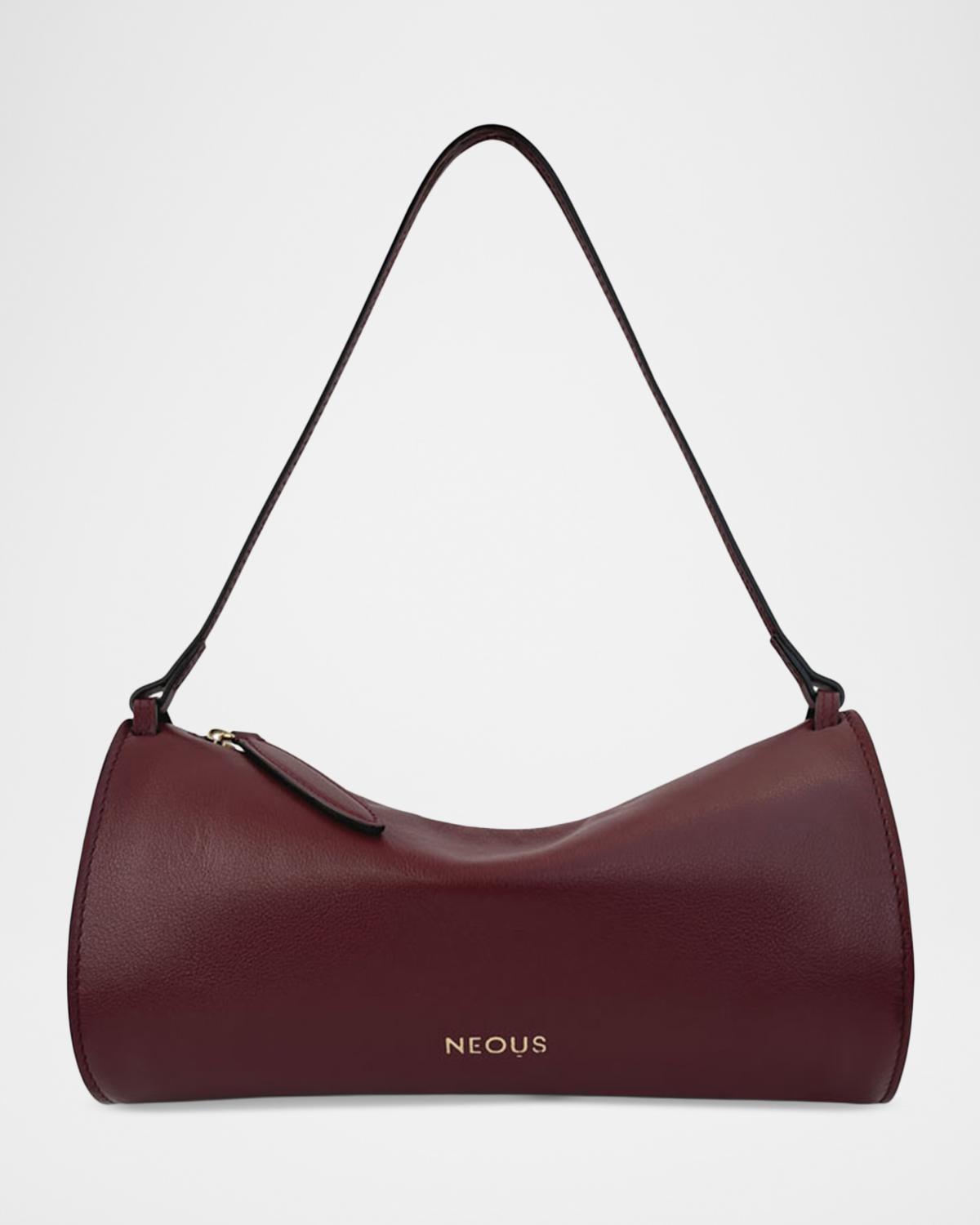
Gemini Leather Shoulder Bag
Neous
$695
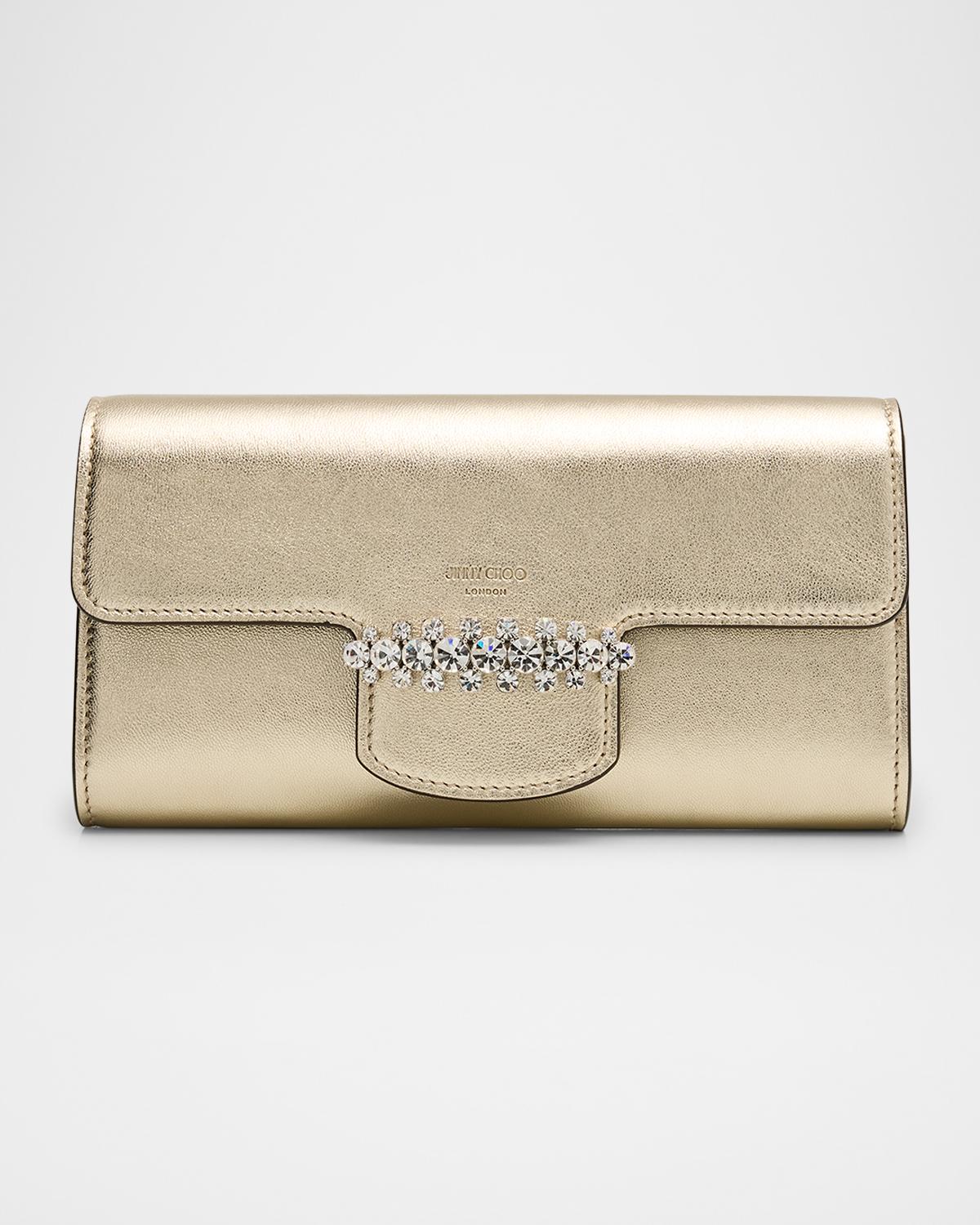
Bing Crystal Metallic Leather Wallet
Jimmy Choo
$995
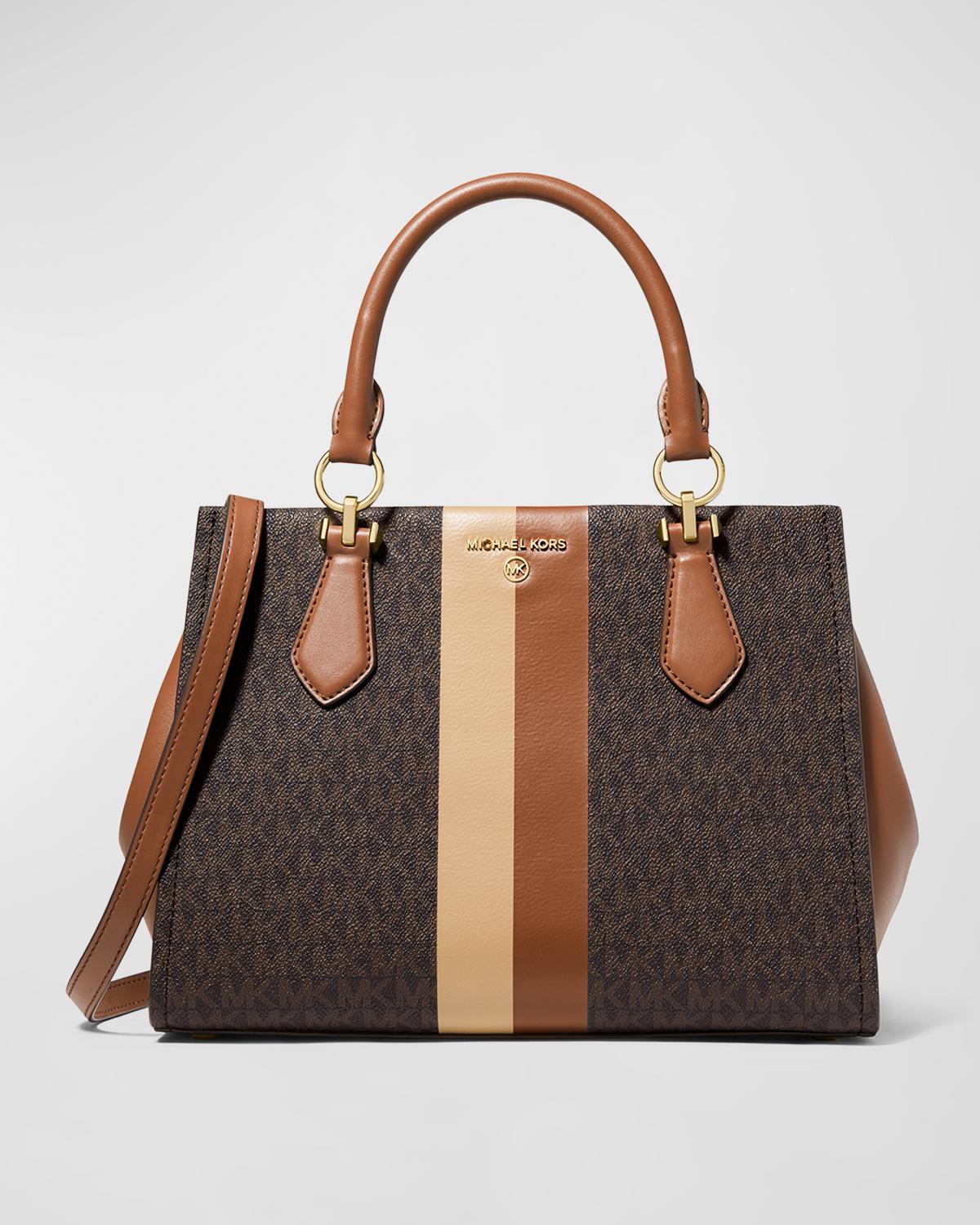
Marilyn Monogram Satchel Tote Bag
MICHAEL Michael Kors
$178
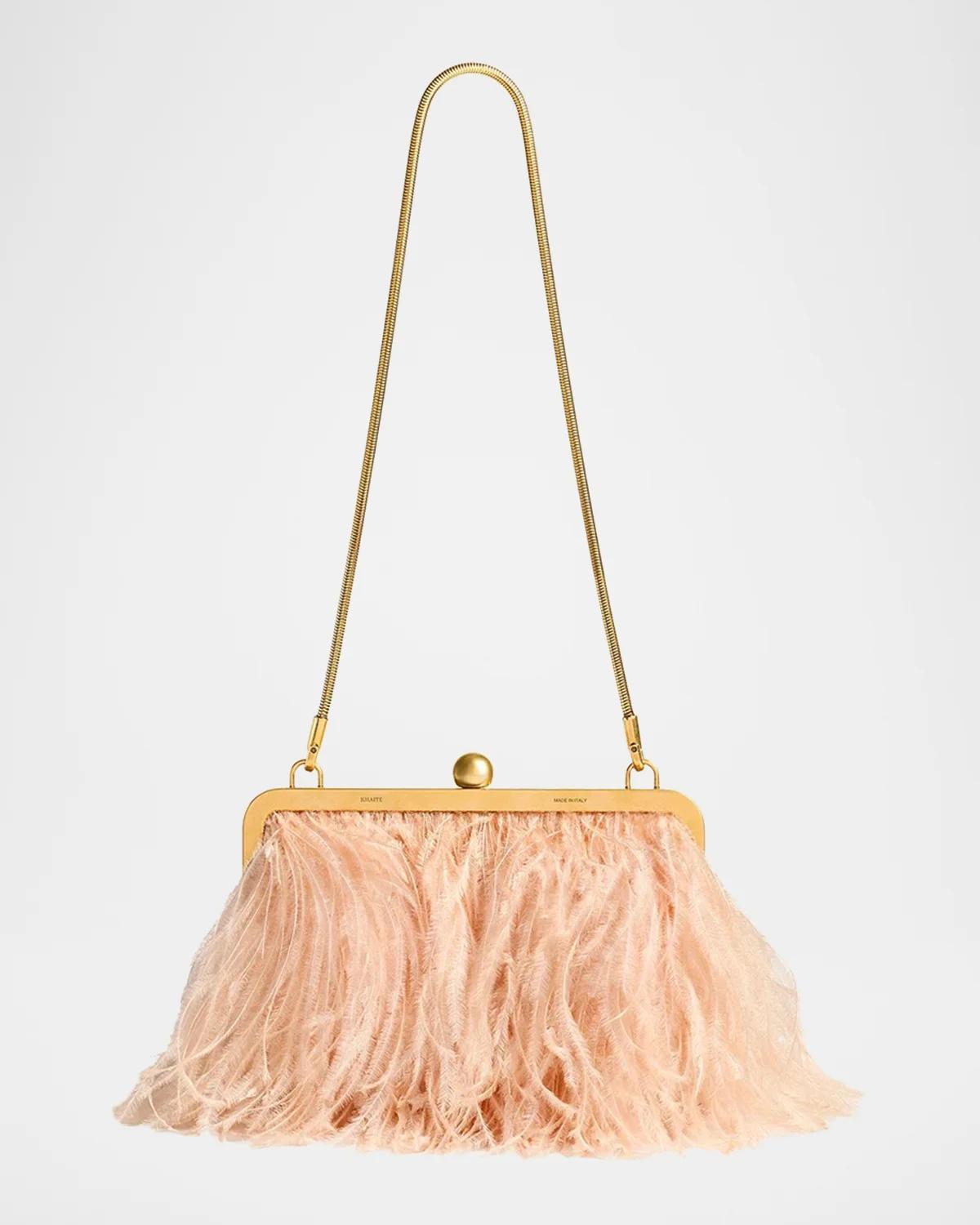
Lilith Feather Satin Evening Shoulder Bag
Khaite
$4,400
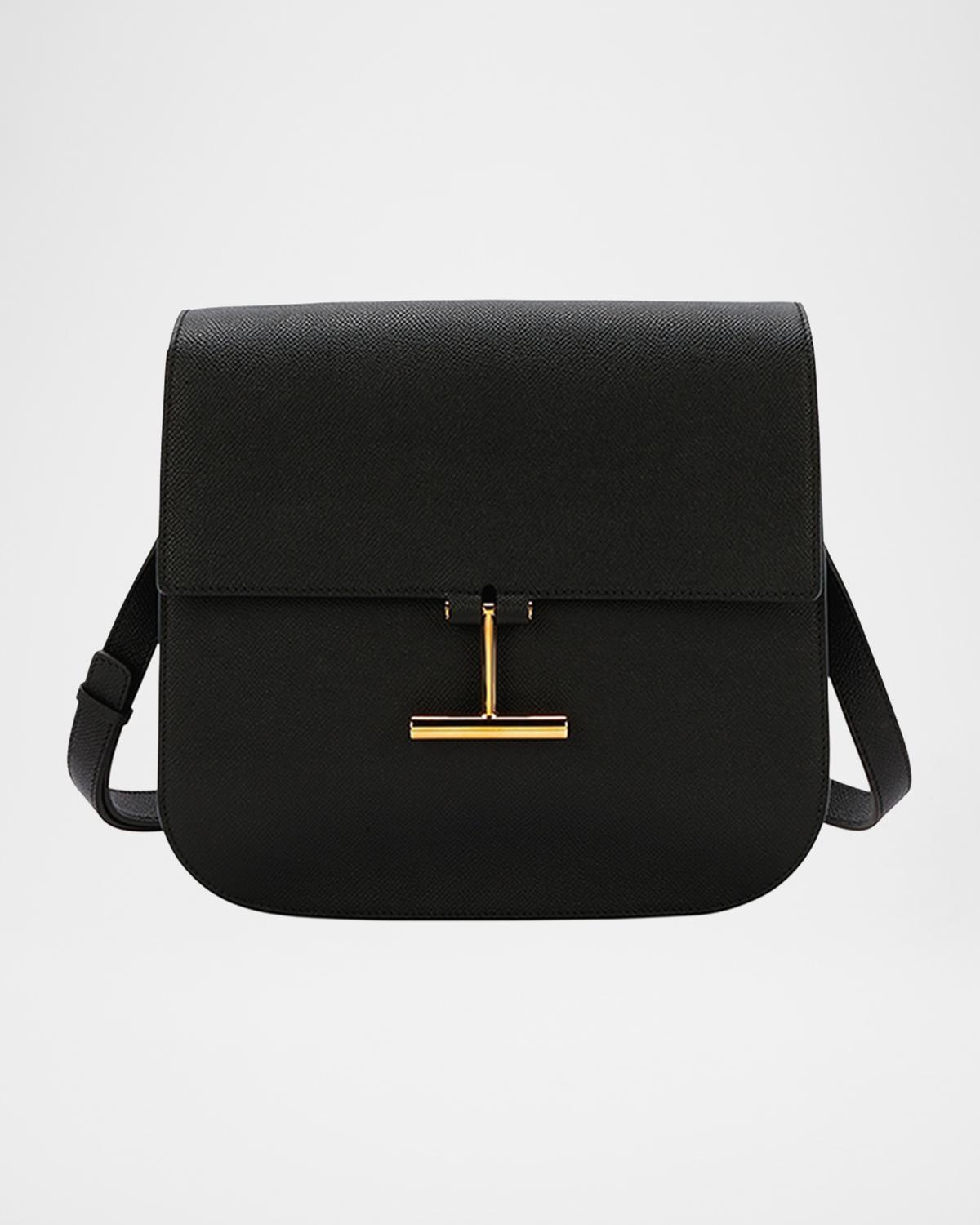
Tara Mini Shoulder Bag in Grained Leather
TOM Ford
$2,150
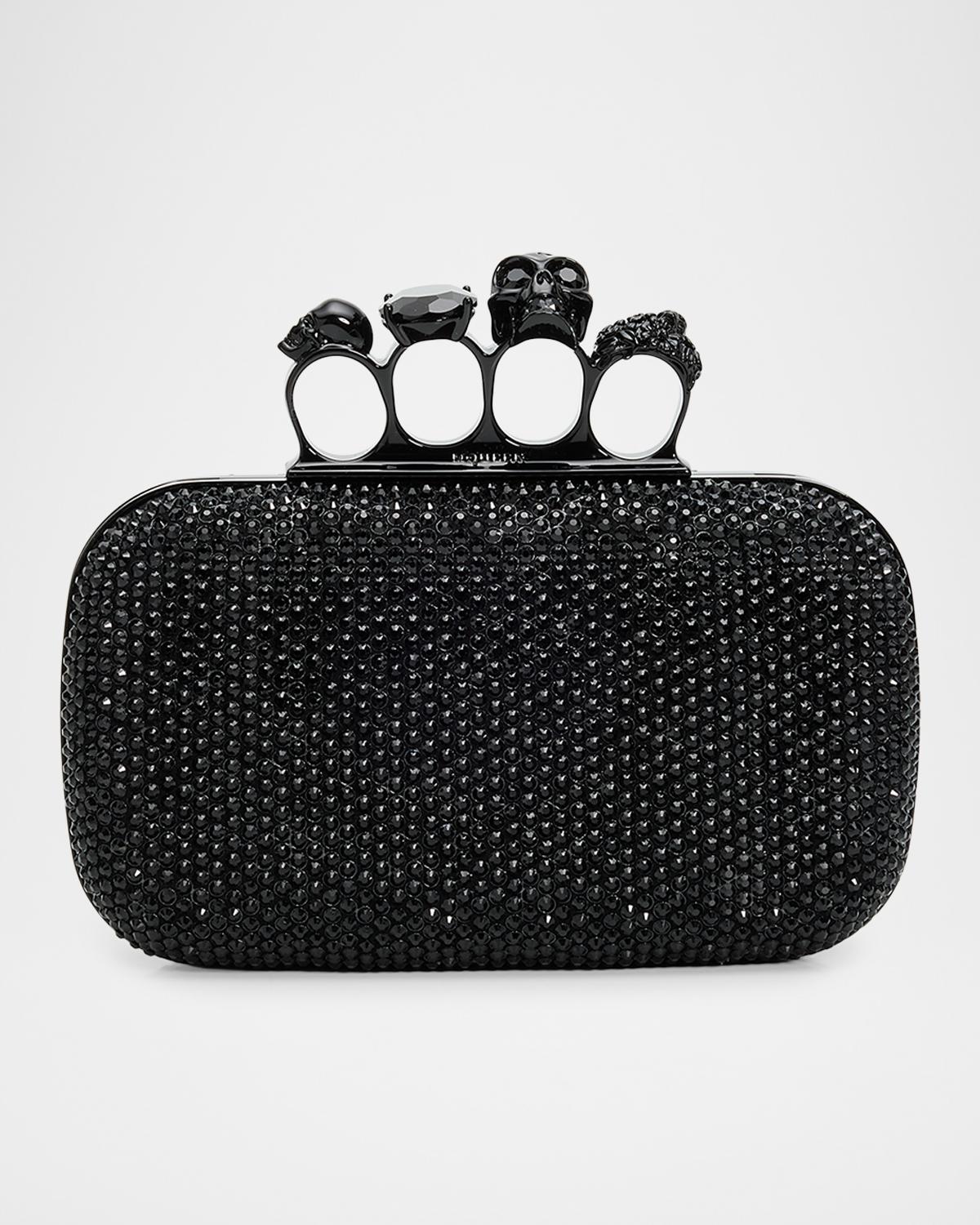
Skull Embellished Leather Clutch
McQueen
$4,500
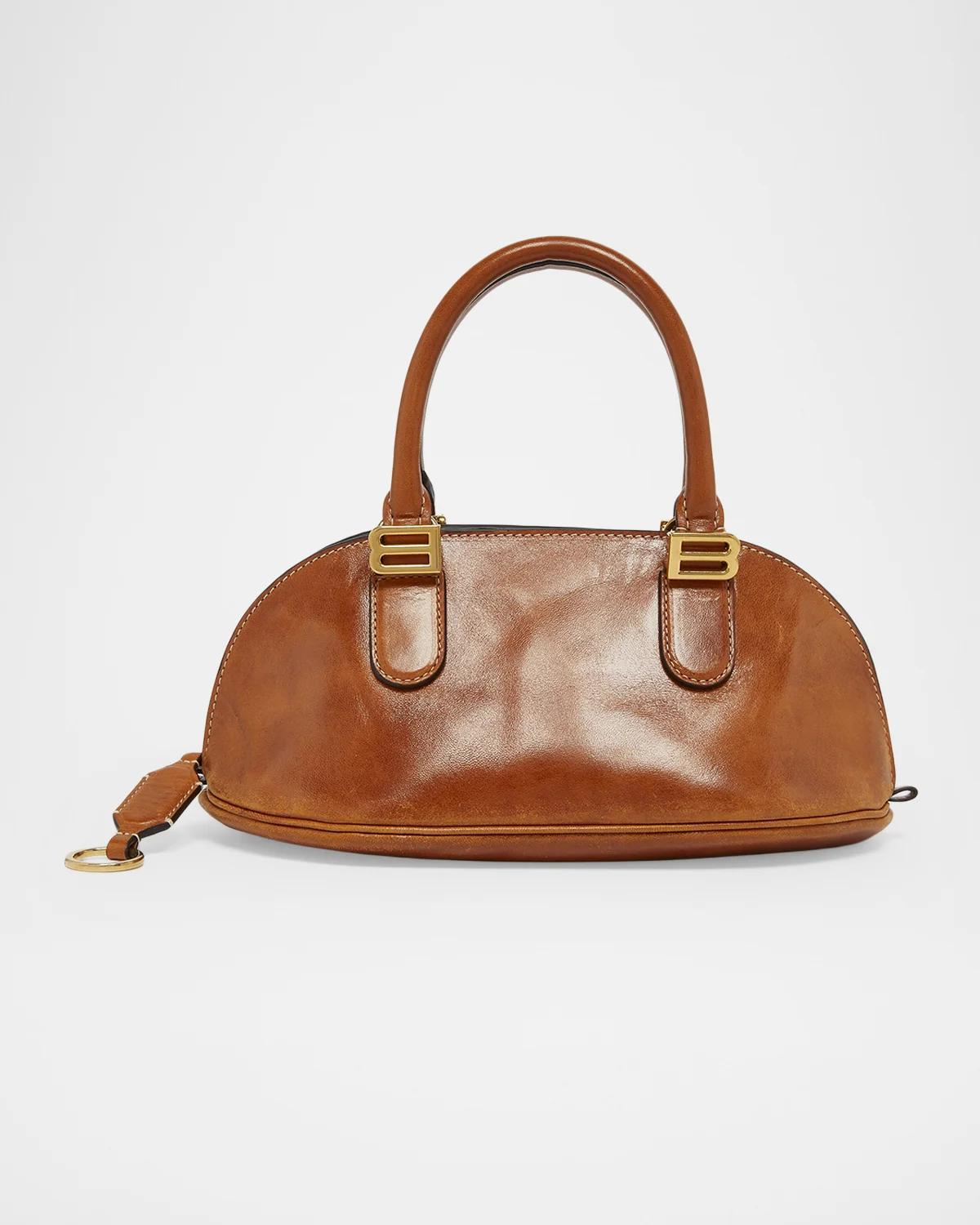
Bolero Mini Leopard-Print Calf Hair Bowling Bag
Balenciaga
$3,850
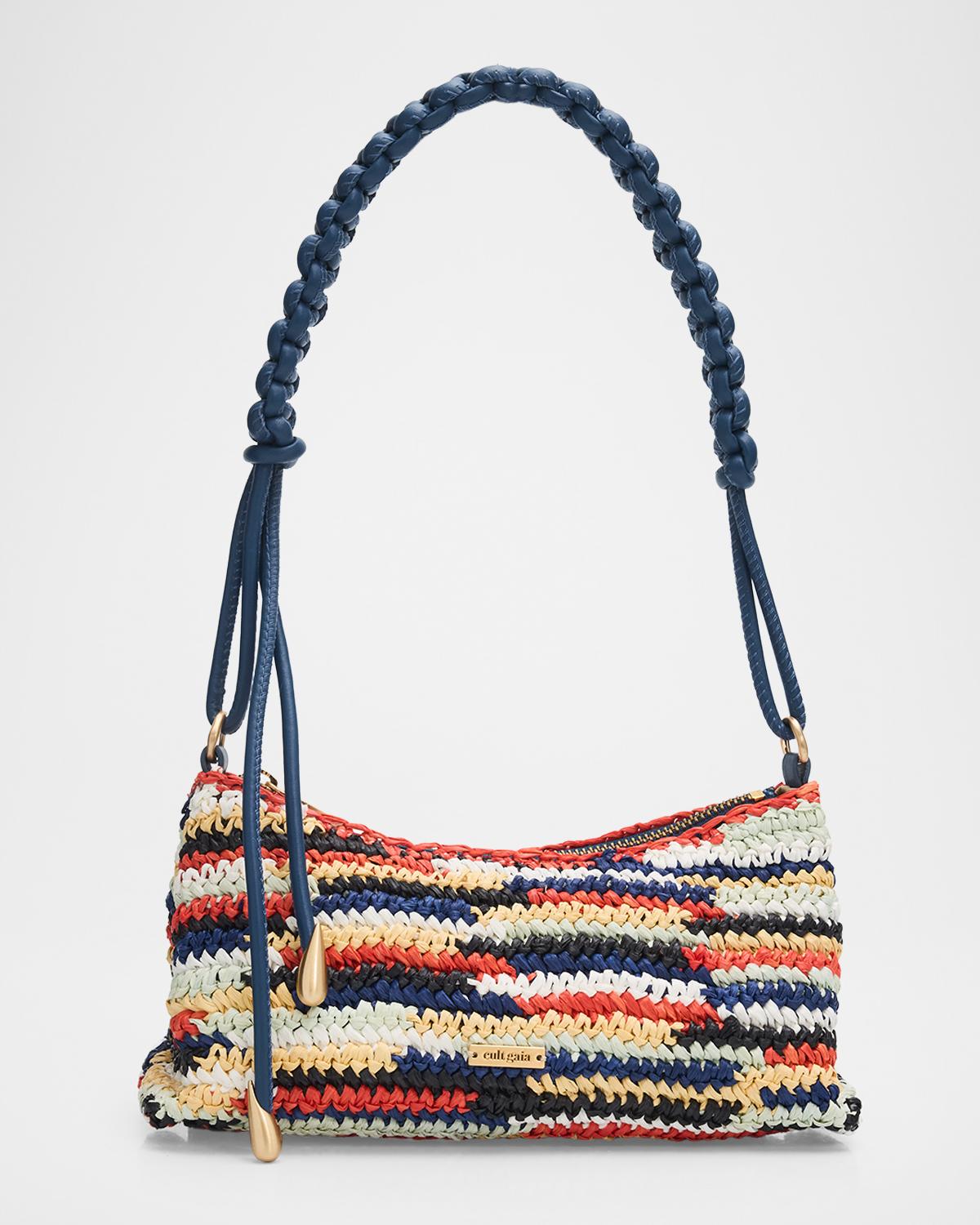
Osa Braided-Strap Woven Raffia Shoulder Bag
Cult Gaia
$498
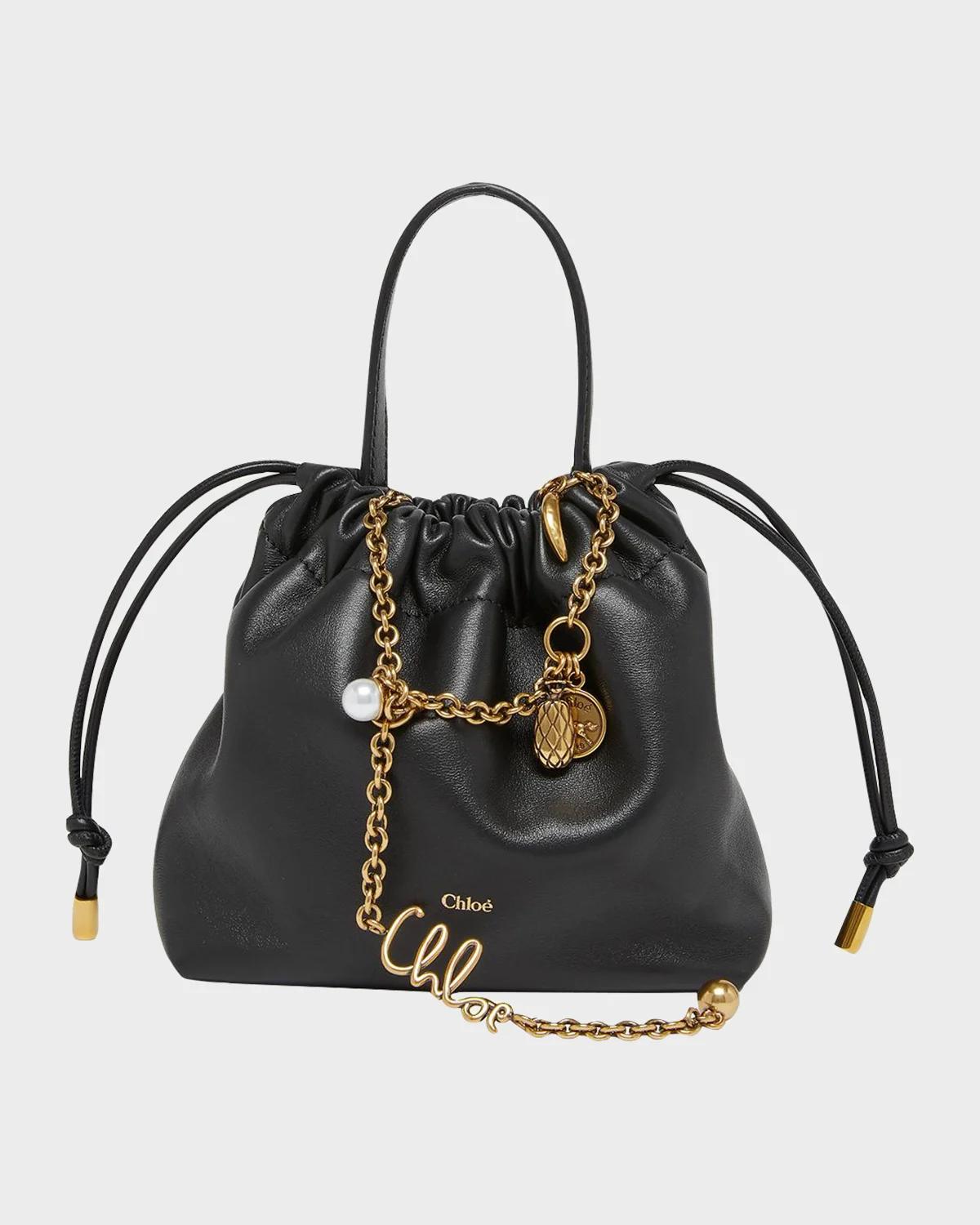
Icons Mini Drawstring Shoulder Bag in Nappa Leather
Chloe
$1,250
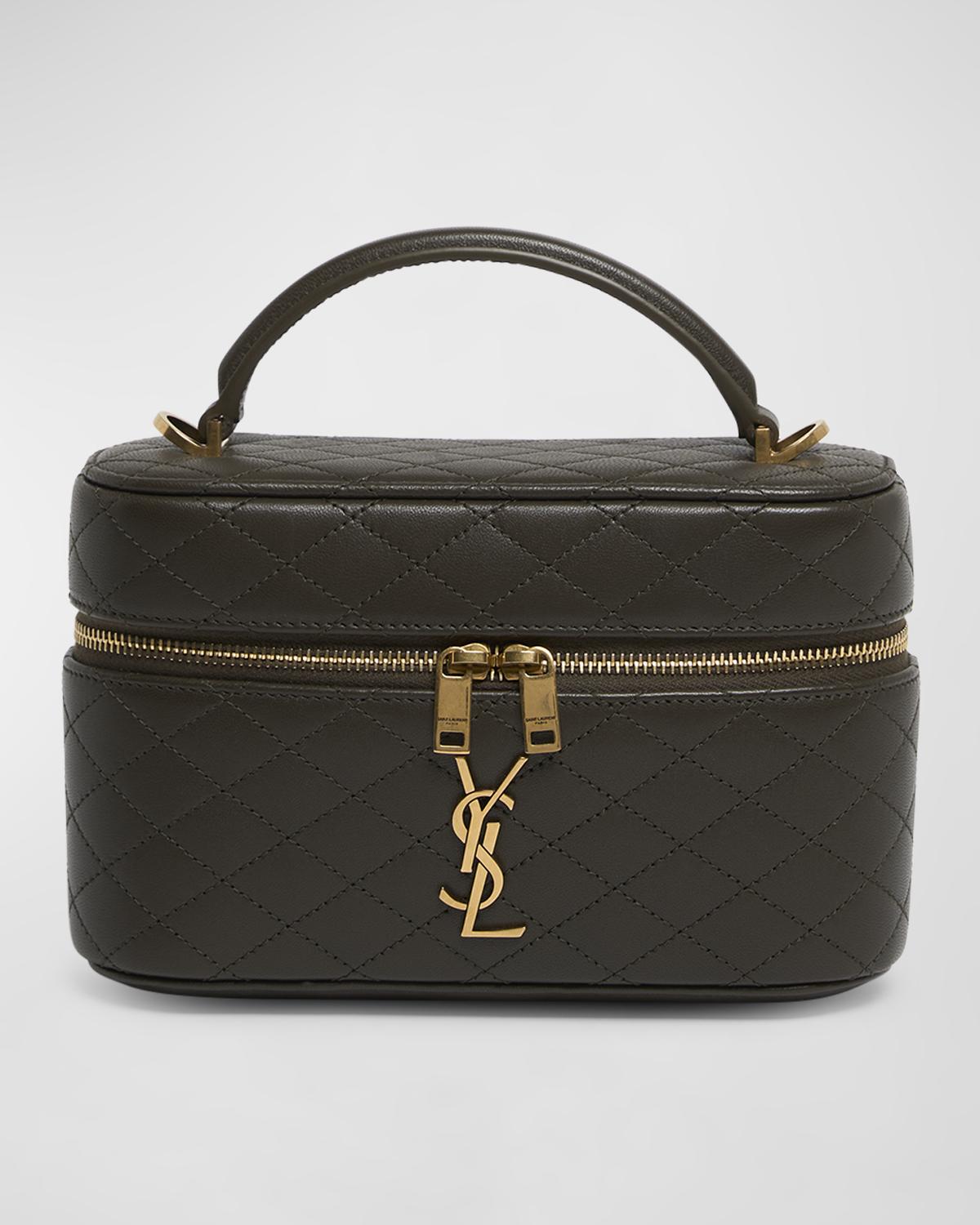
Gaby Vanity Quilted Leather Bag
Saint Laurent
$2,300
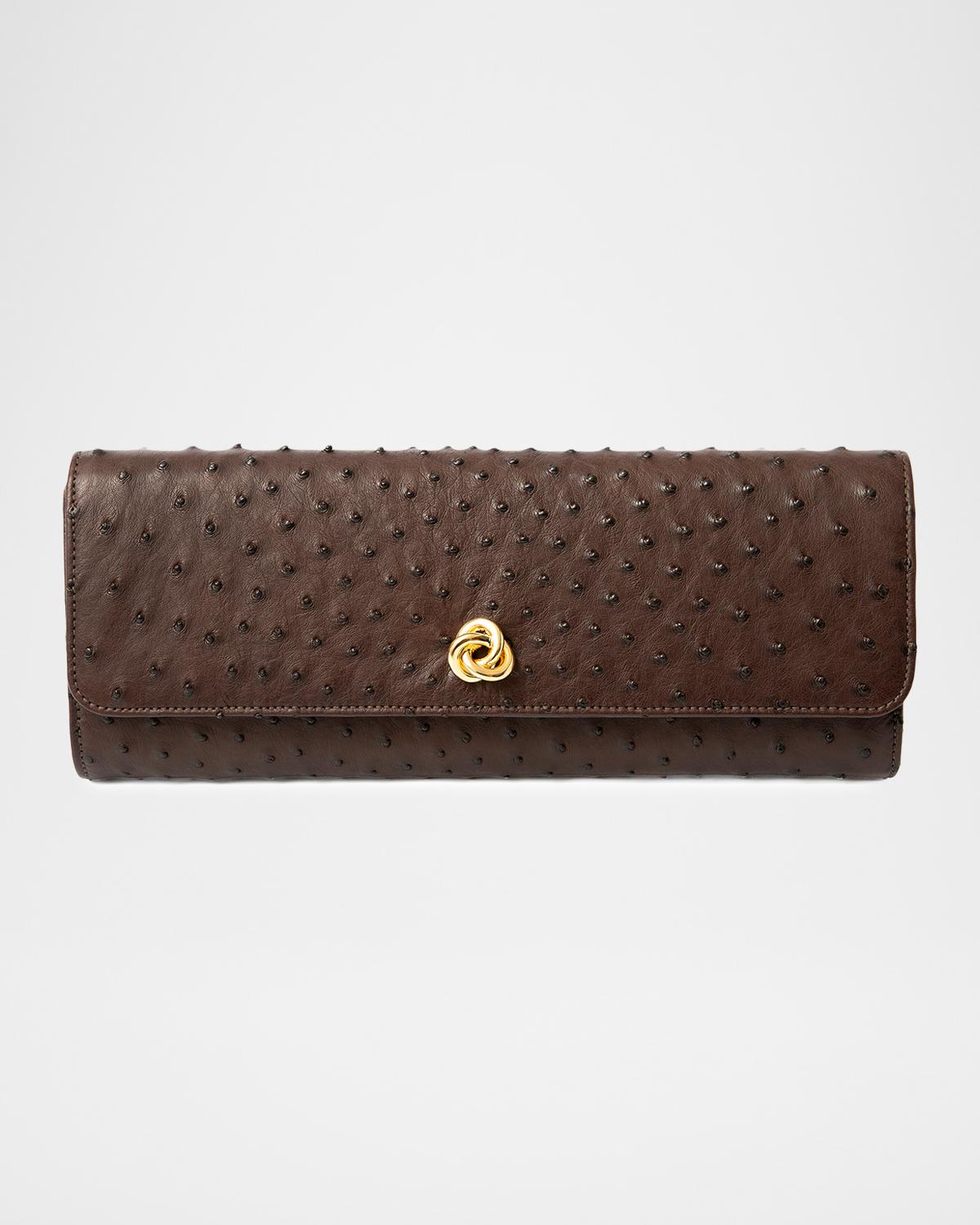
Robbie Textured Leather Flap Clutch Bag
Michelle Wilhite
$2,195
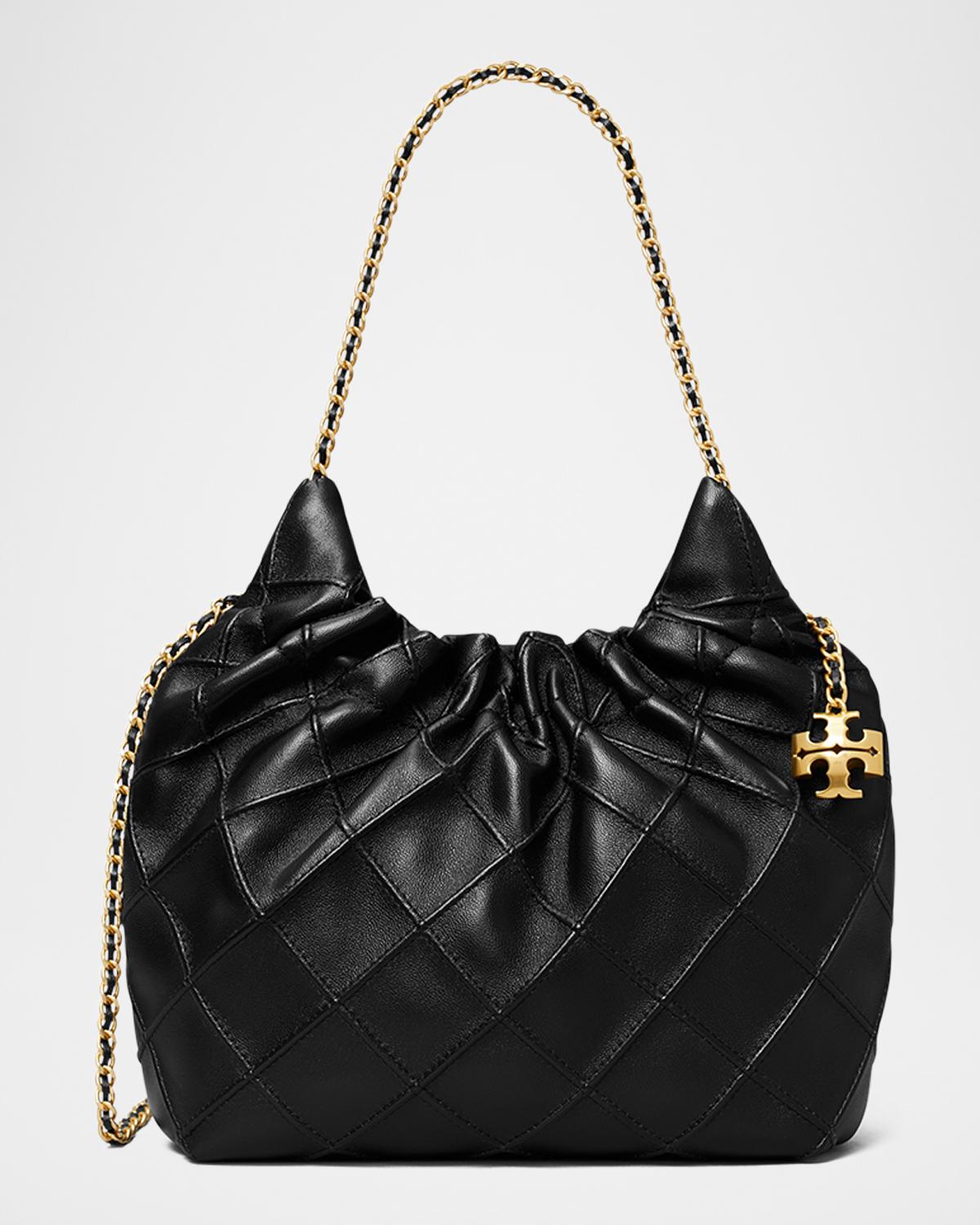
Fleming Mini Quilted Leather Hobo Bag
Tory Burch
$500
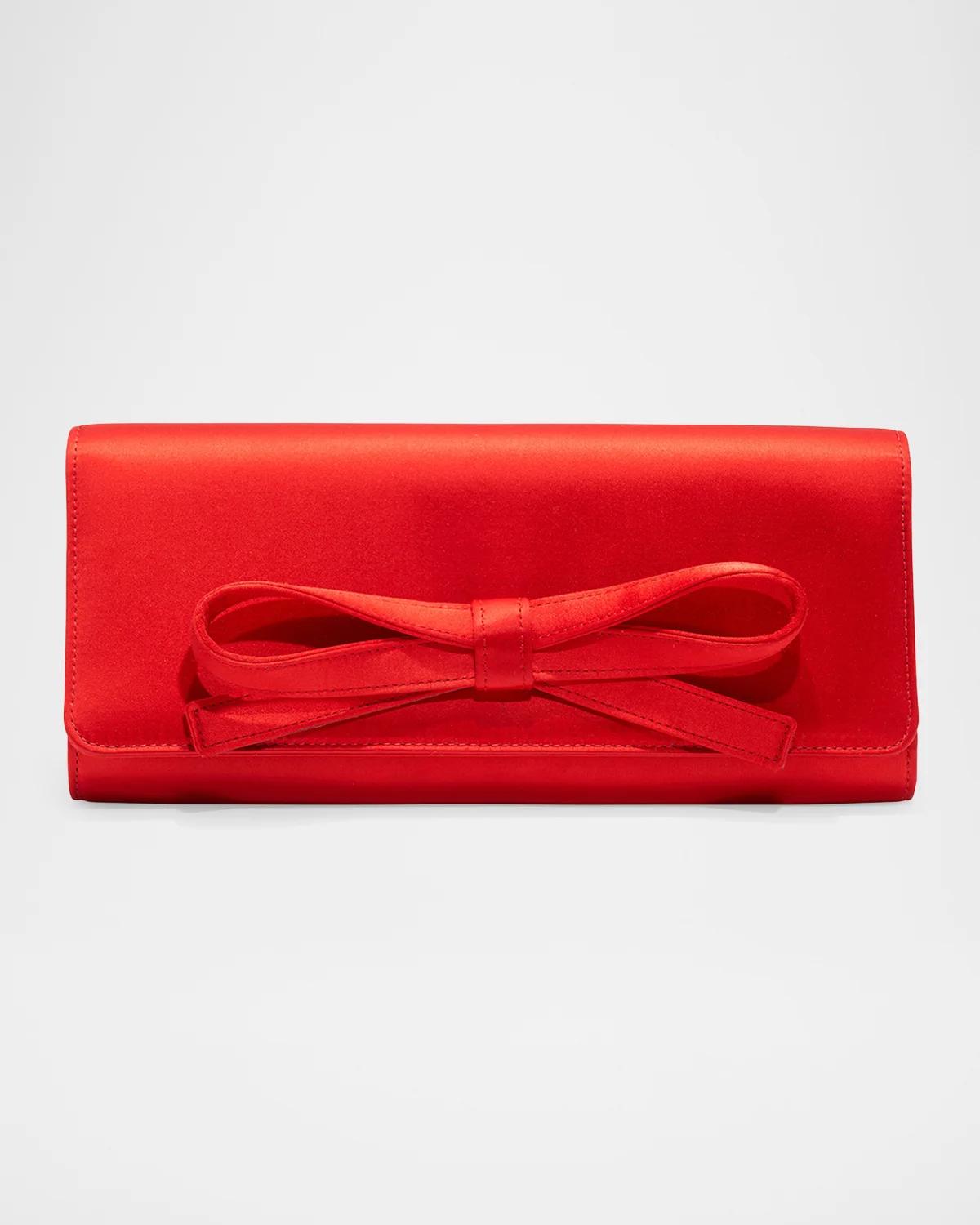
Margaret Bow-Front Satin Clutch Bag
Carolina Herrera
$1,690
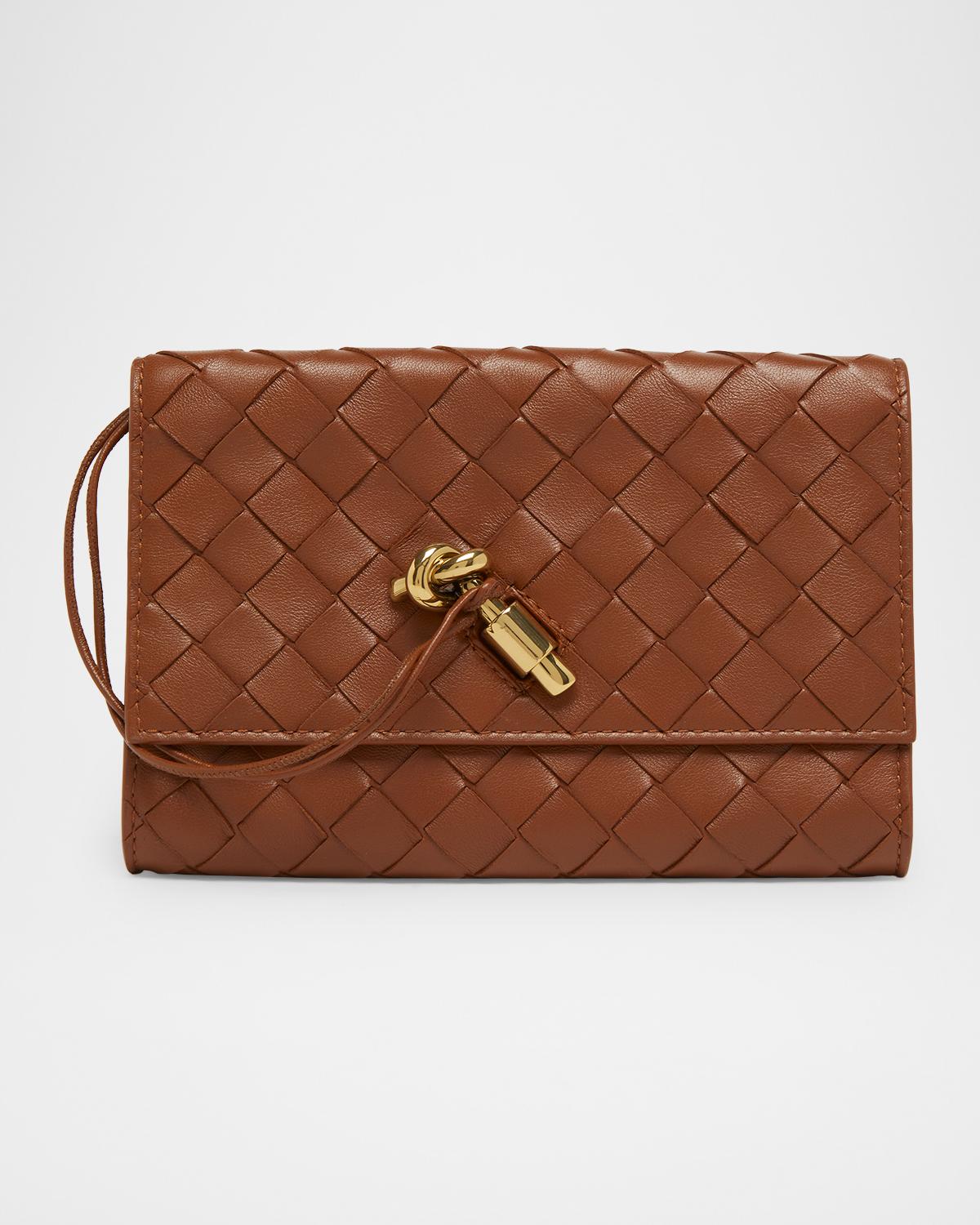
Andiamo Leather Pouch Bag
Bottega Veneta
$2,200
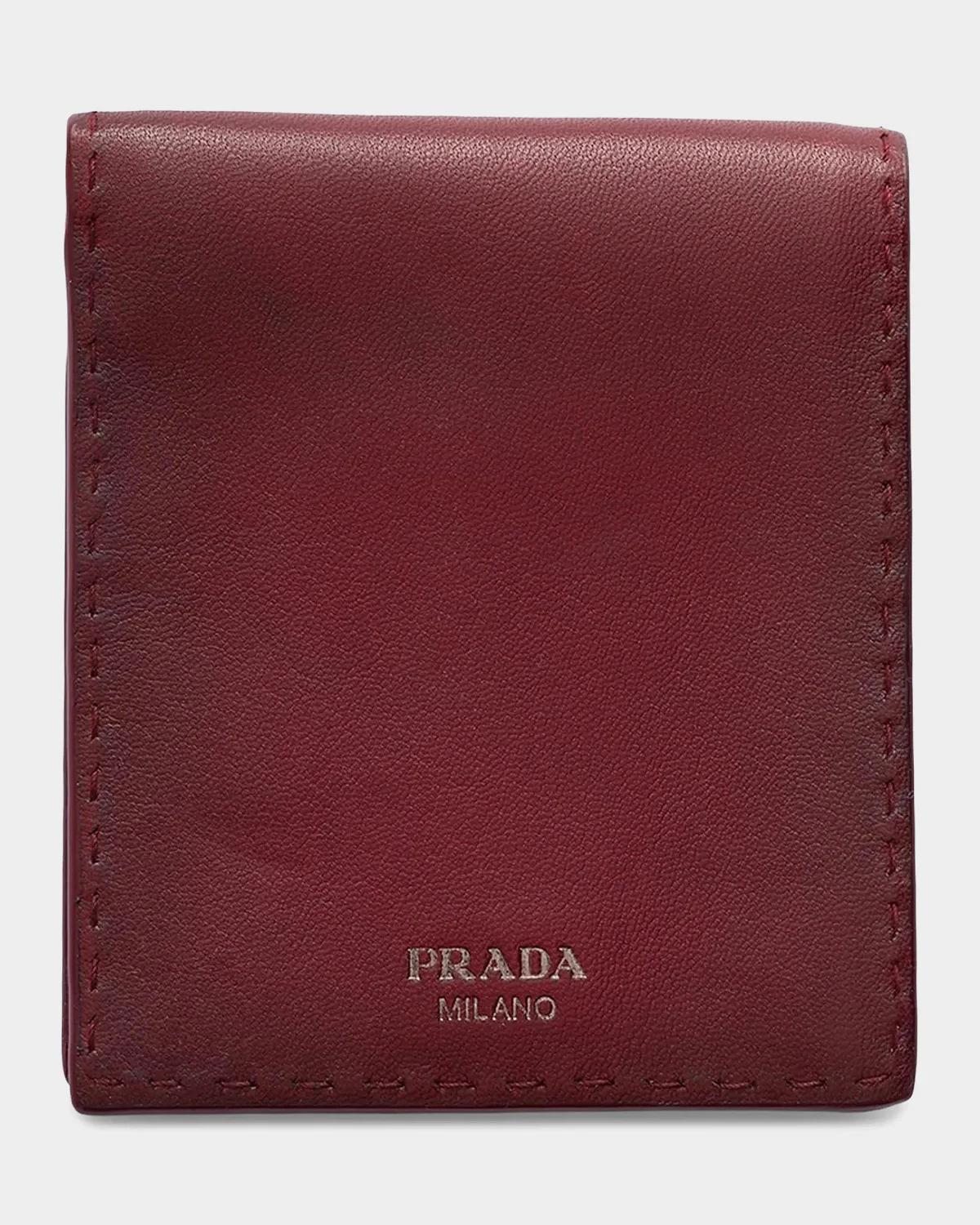
Antique Leather Bifold Wallet
Prada
$895
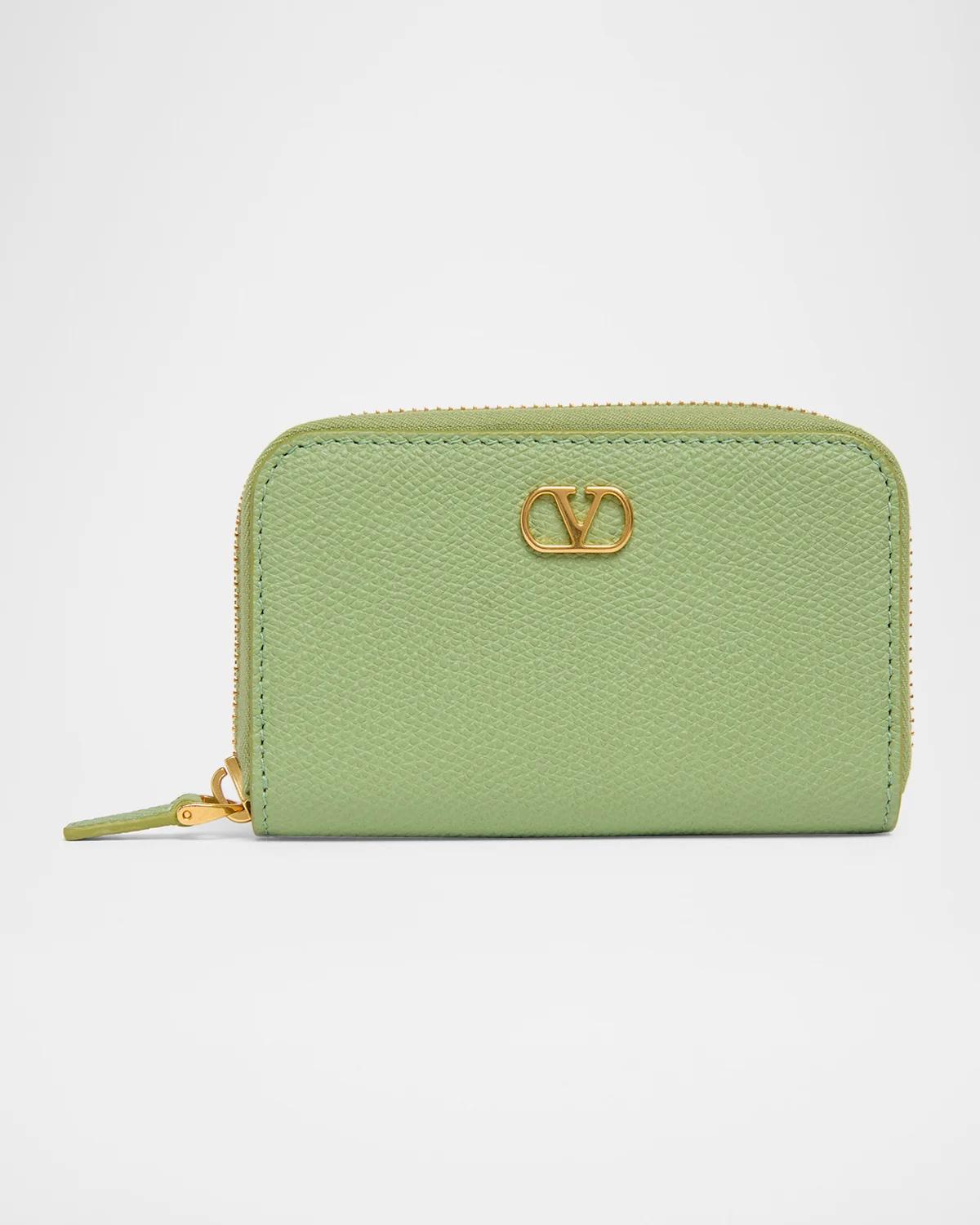
Mini VLogo Leather Wallet
Valentino Garavani
$550
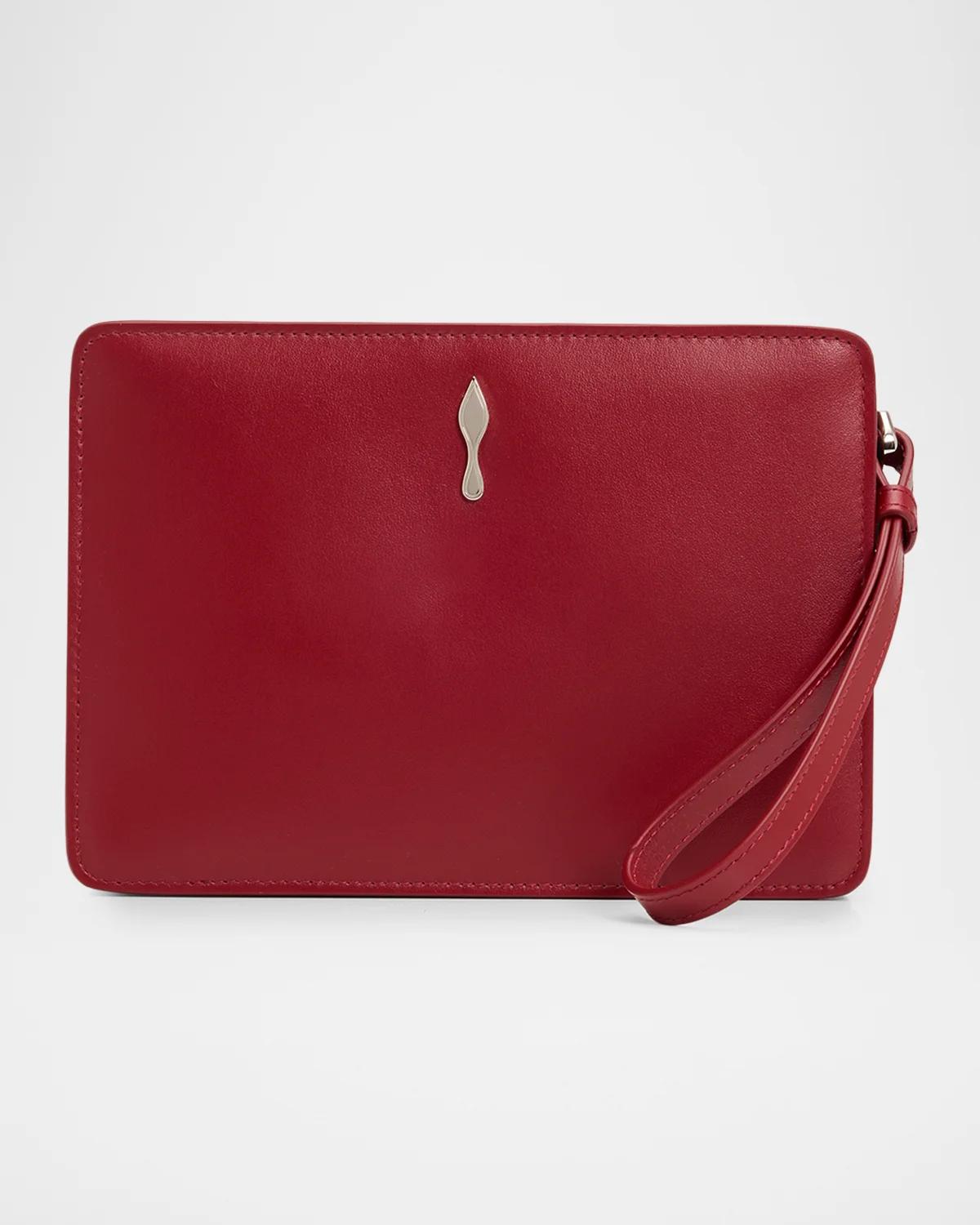
Bettina Leather Clutch
Christian Louboutin
$945
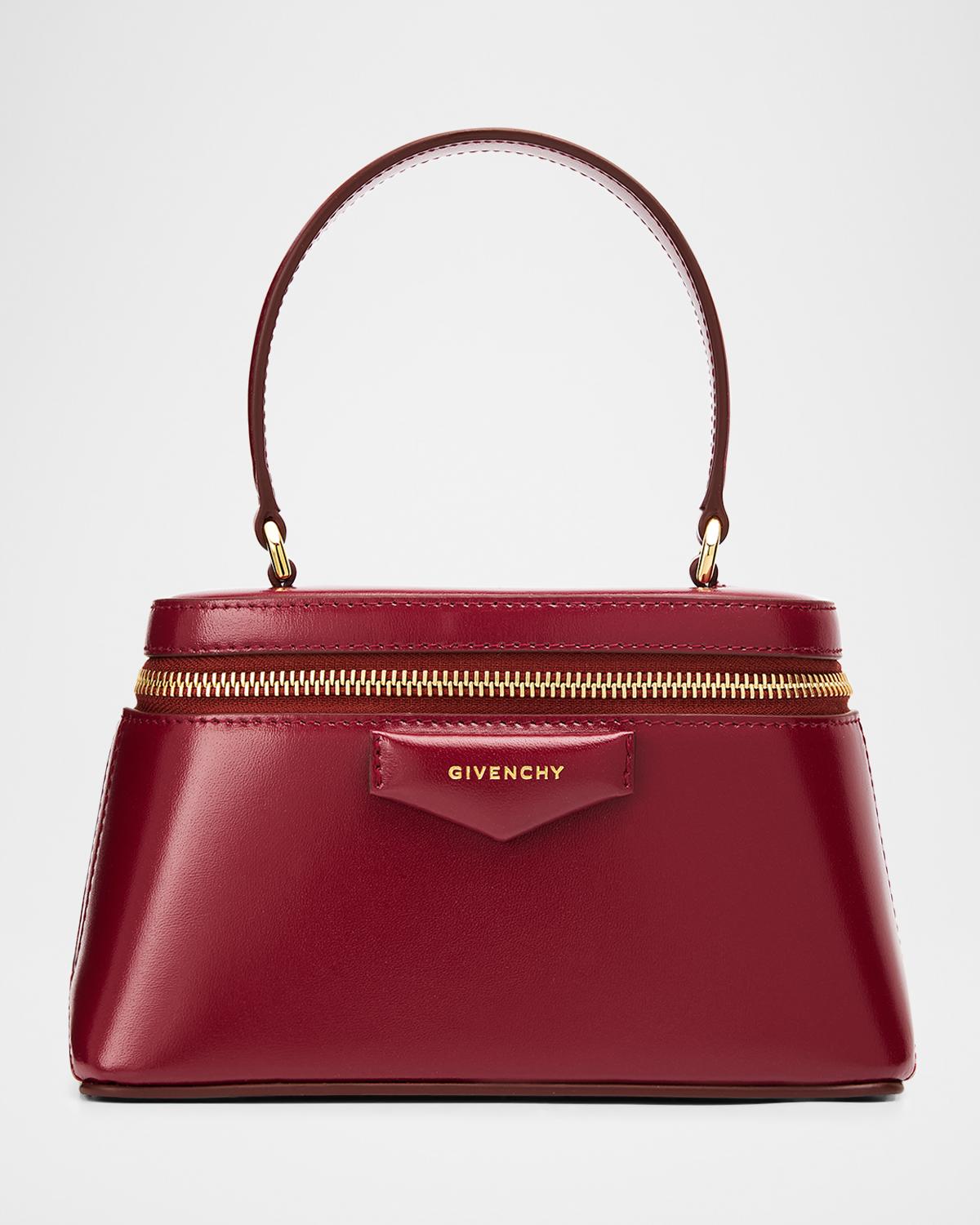
Antigona Vanity Top-Handle Bag in Box Leather
Givenchy
$1,550
Yet more bags
Yet more bags, in the embellished and metallic register. This is where the mini stops pretending to be practical and functions purely as jewelry.
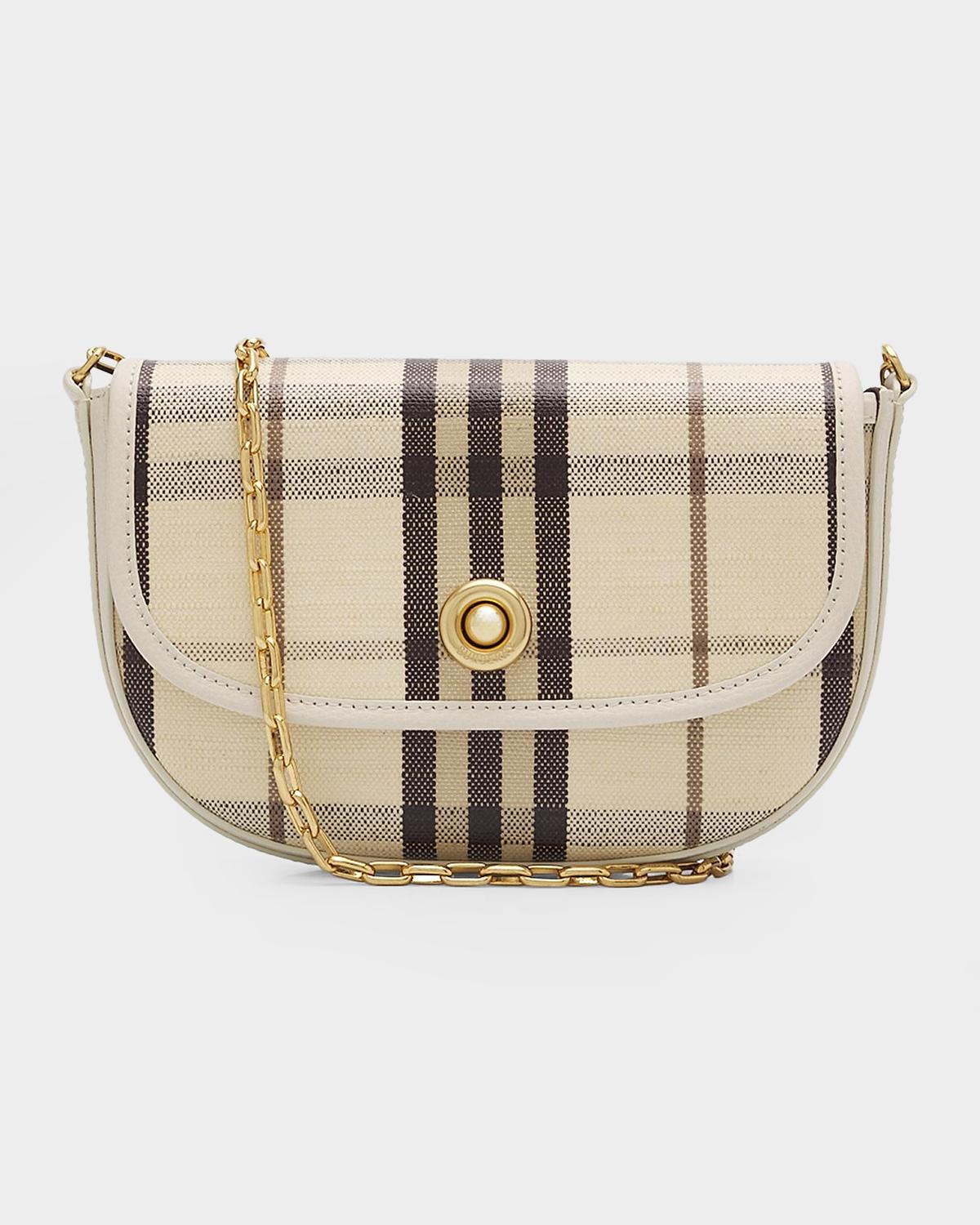
Check Cotton-Linen Blend Shoulder Bag
Burberry
$1,250
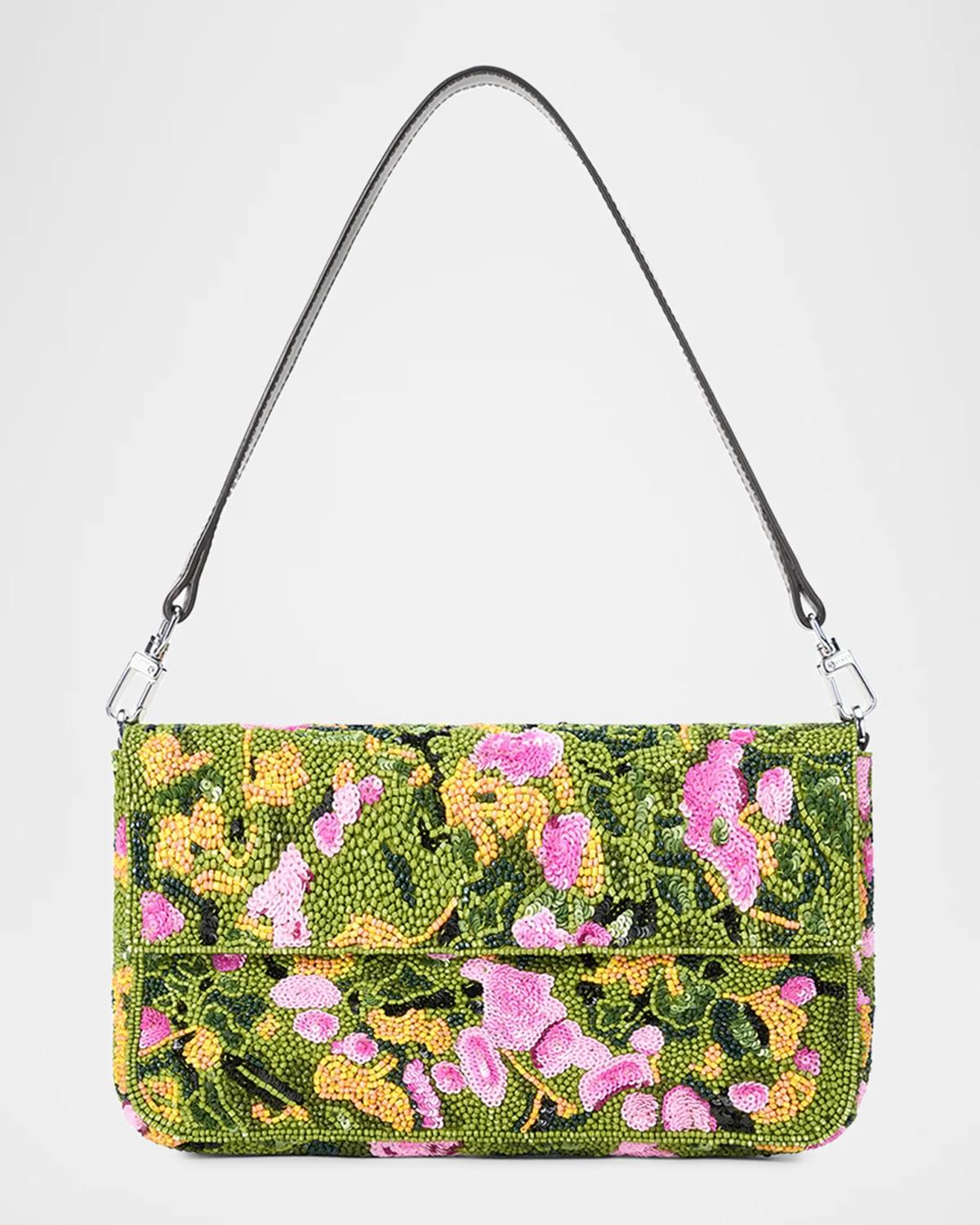
Timmy Beaded Convertible Clutch Bag
STAUD
$350
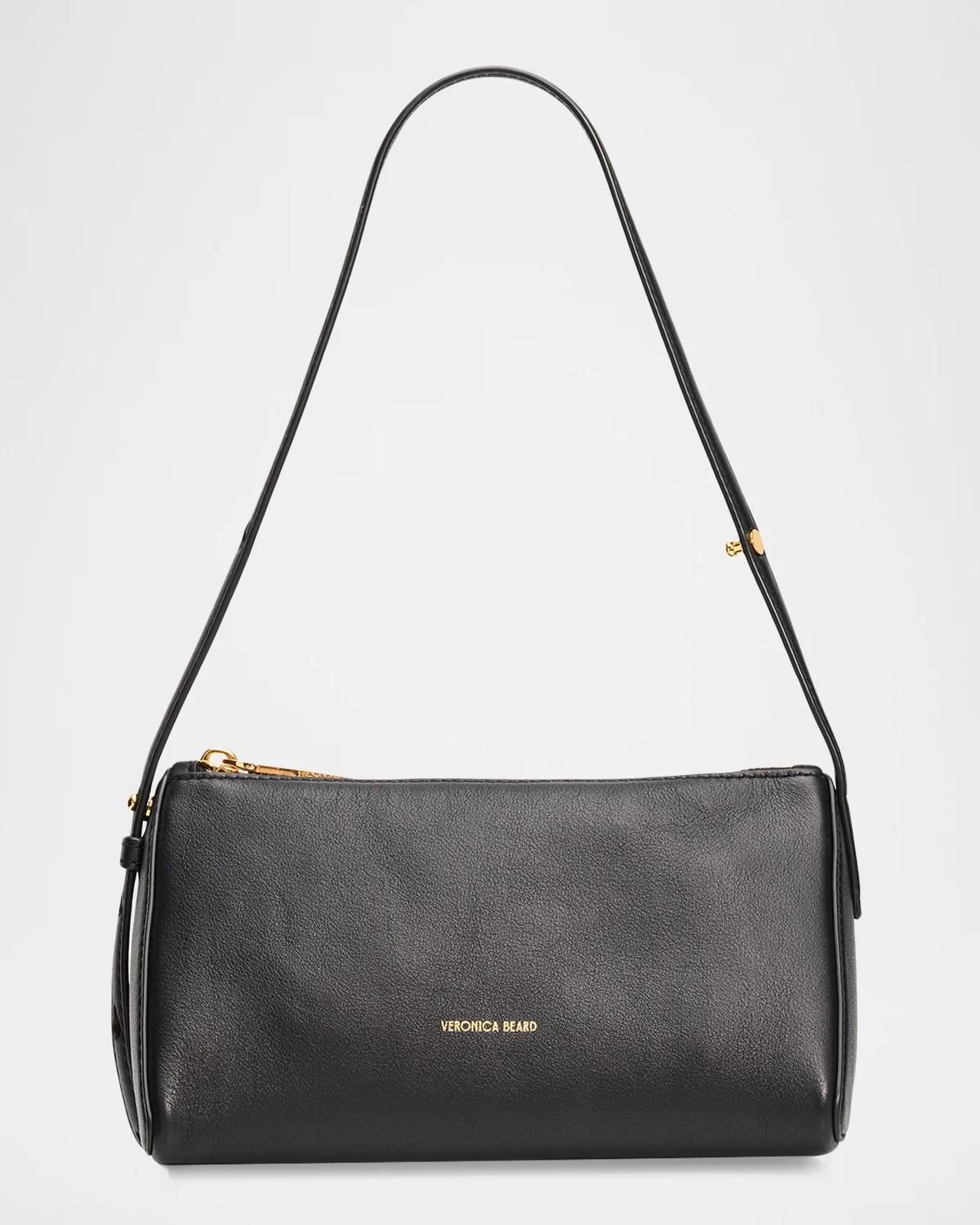
Prism Triangular Leather Shoulder Bag
Veronica Beard
$350
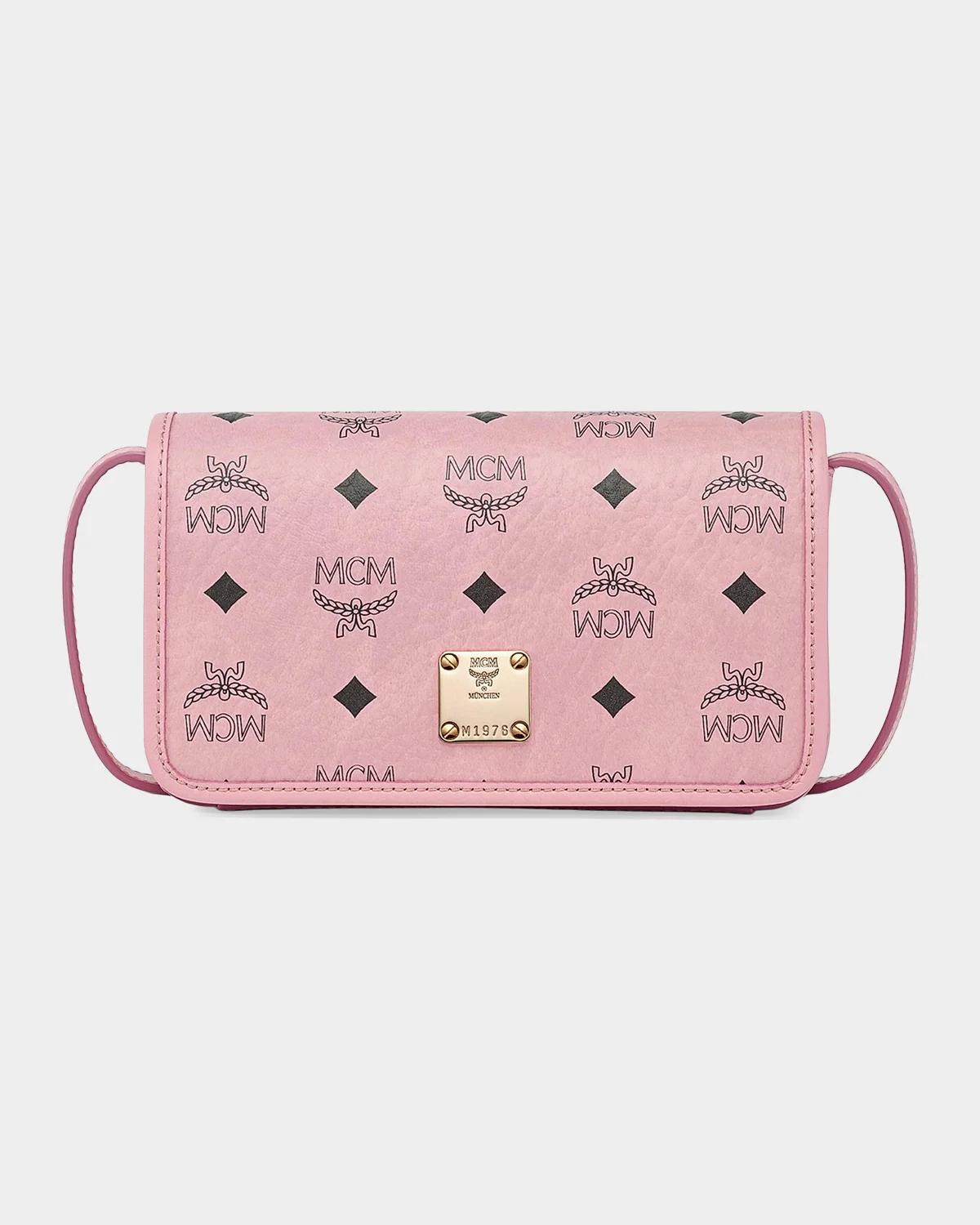
Aren Faux Visetos Leather Wallet-on-Chain
MCM
$630
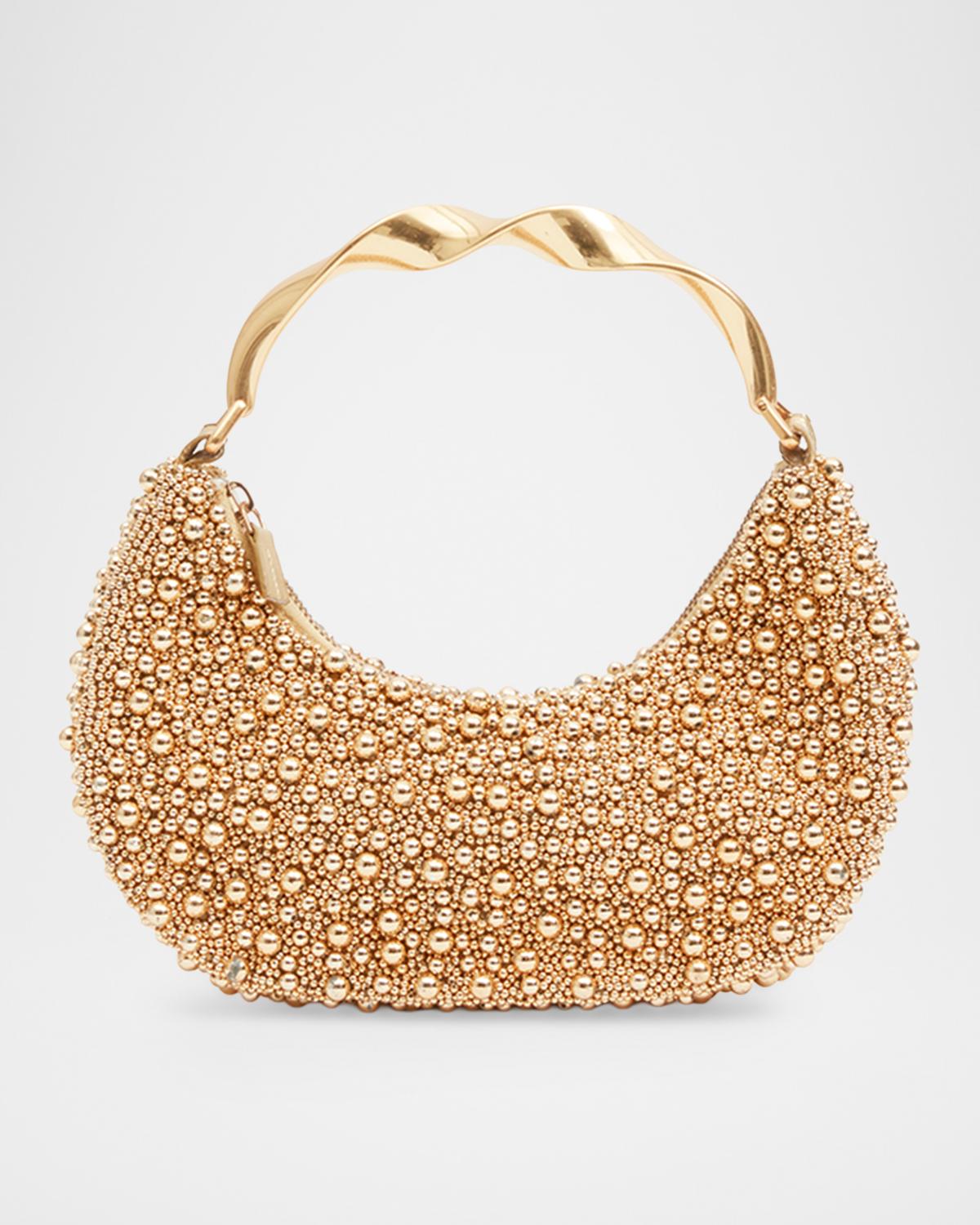
Evelyn Crescent Beaded Top-Handle Bag
Simkhai
$445
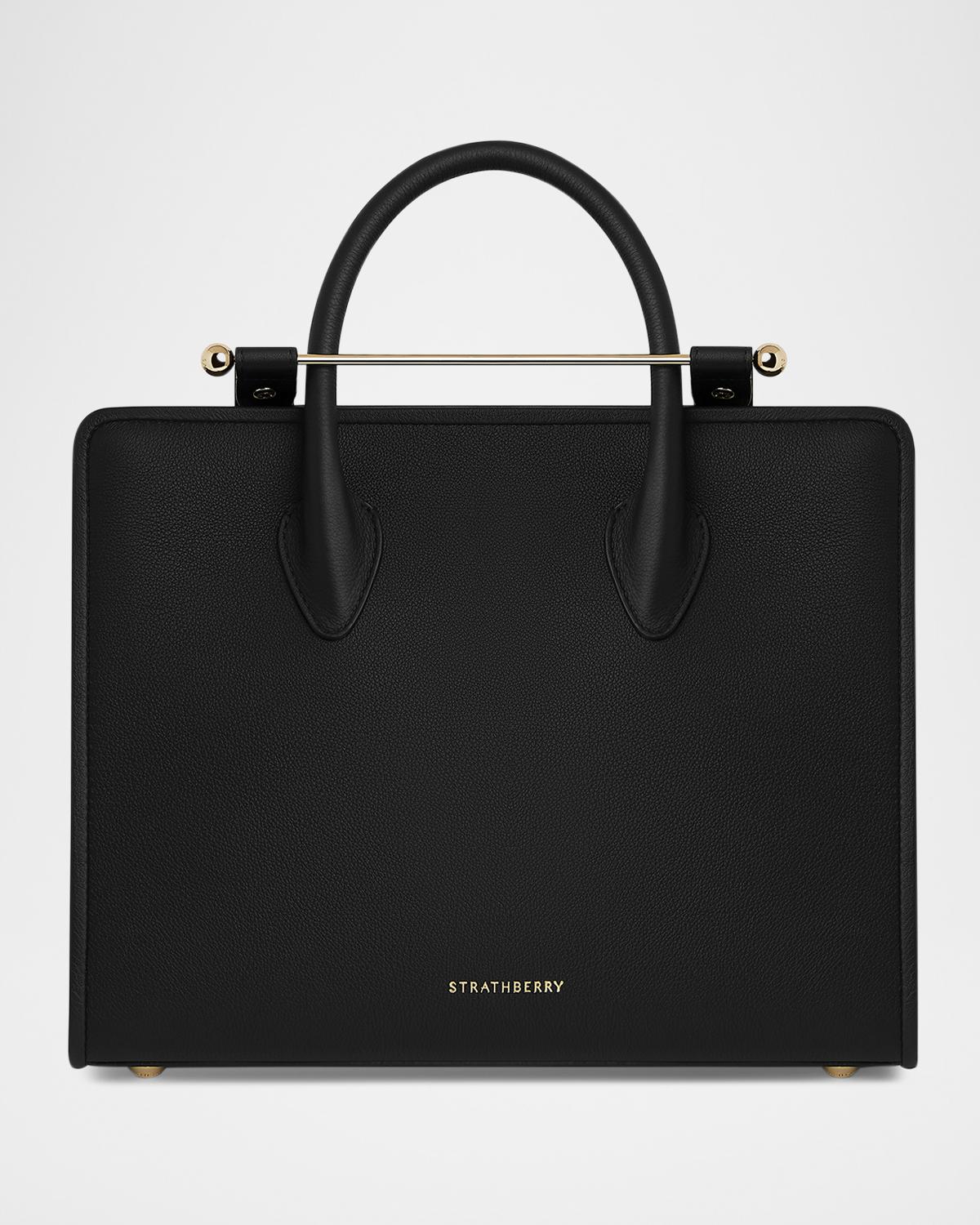
Midi Metal Leather Tote Bag
Strathberry
$875
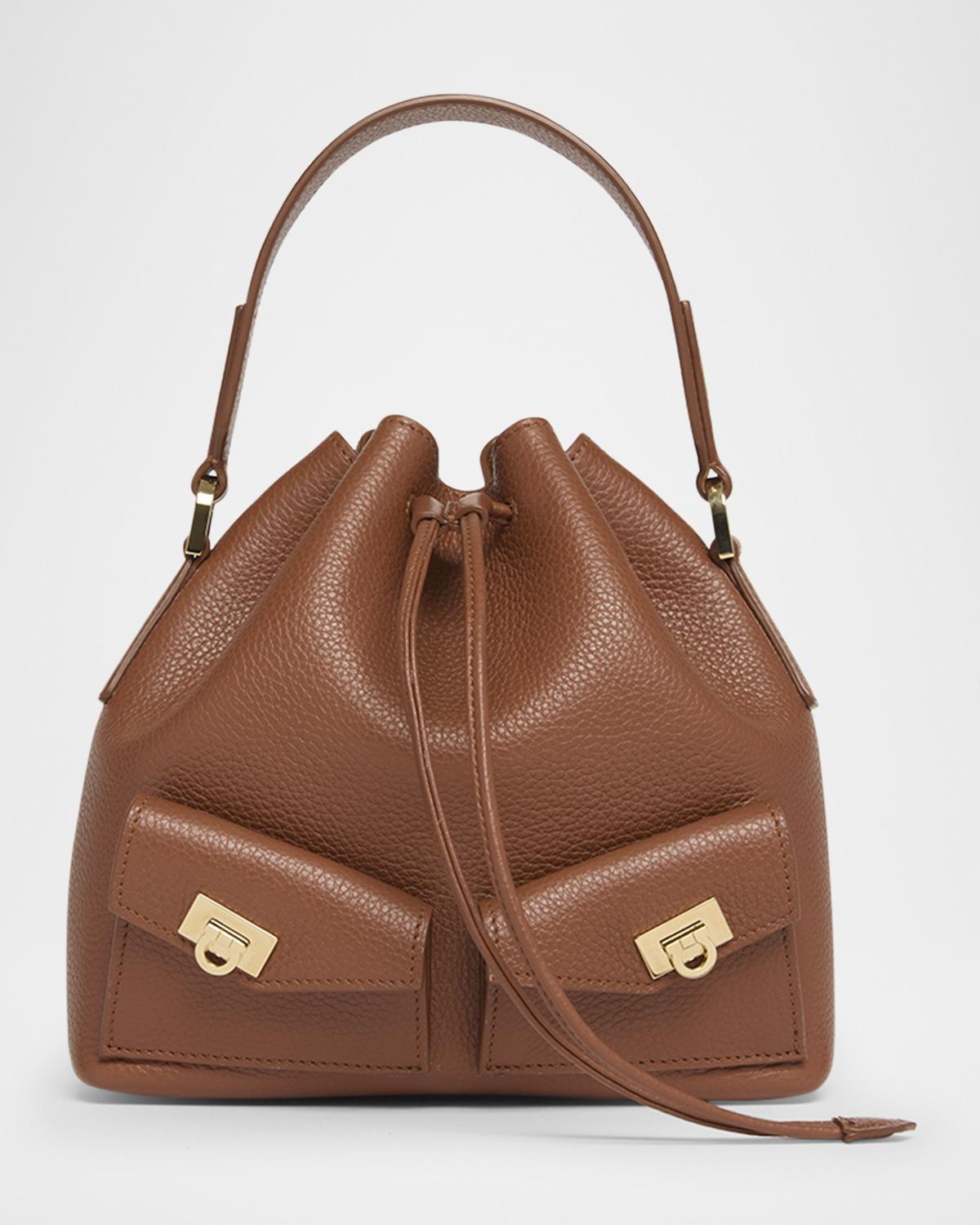
Harley Grainy Leather Bucket Bag
Ferragamo
$1,250
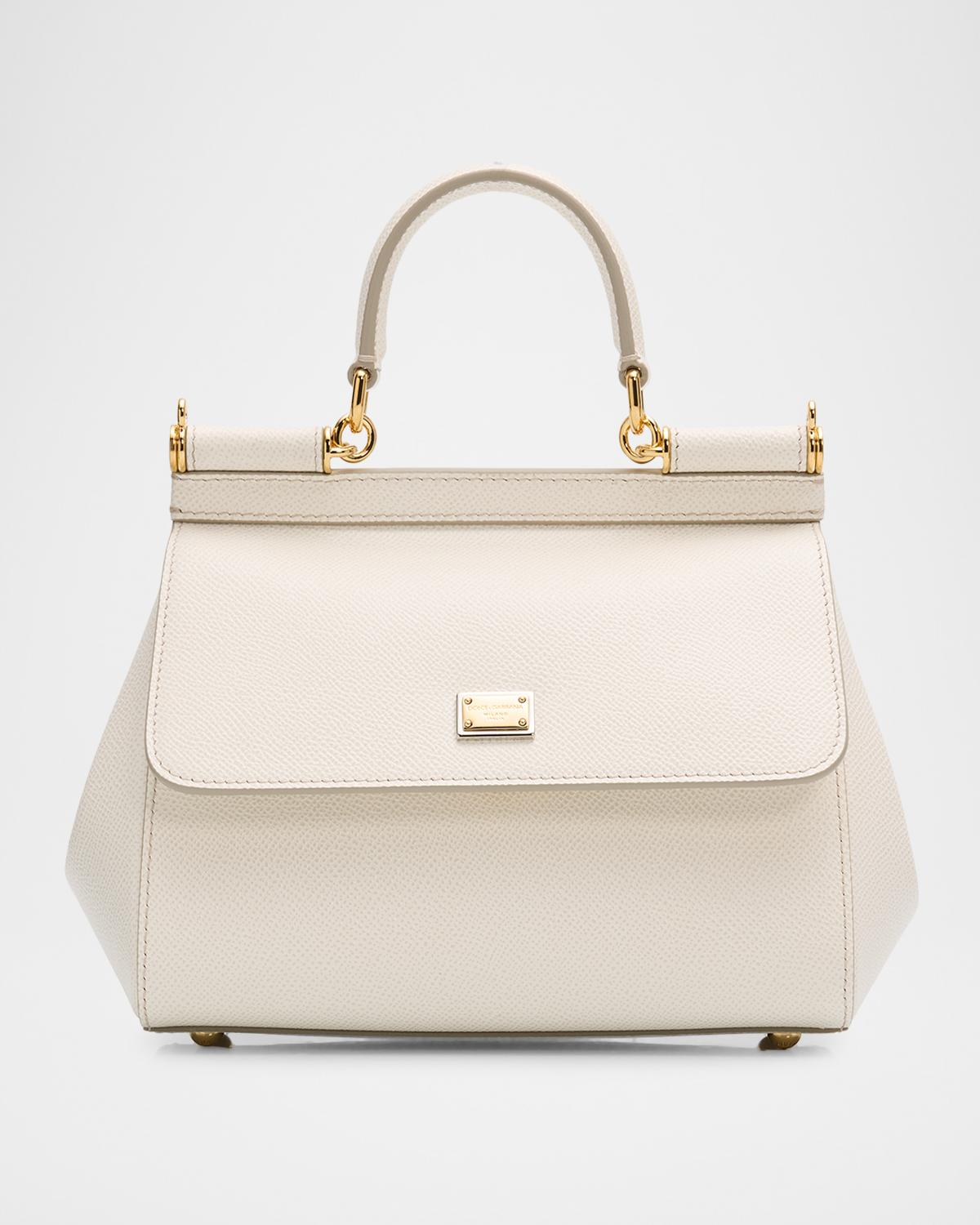
Sicily Grain Leather Top-Handle Bag
Dolce&Gabbana
$1,895
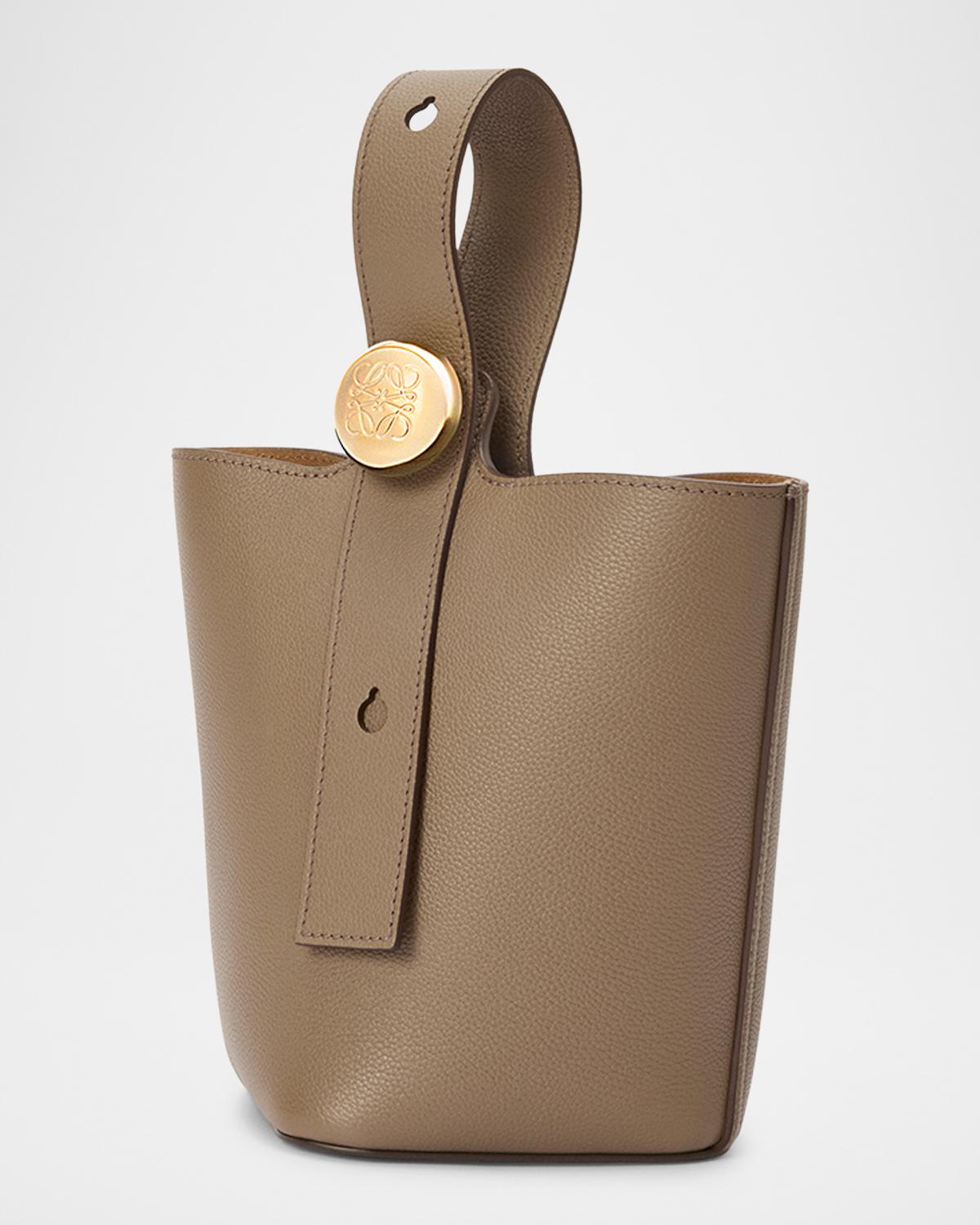
Pebble Mini Bucket Bag in Grain Leather
LOEWE
$2,600
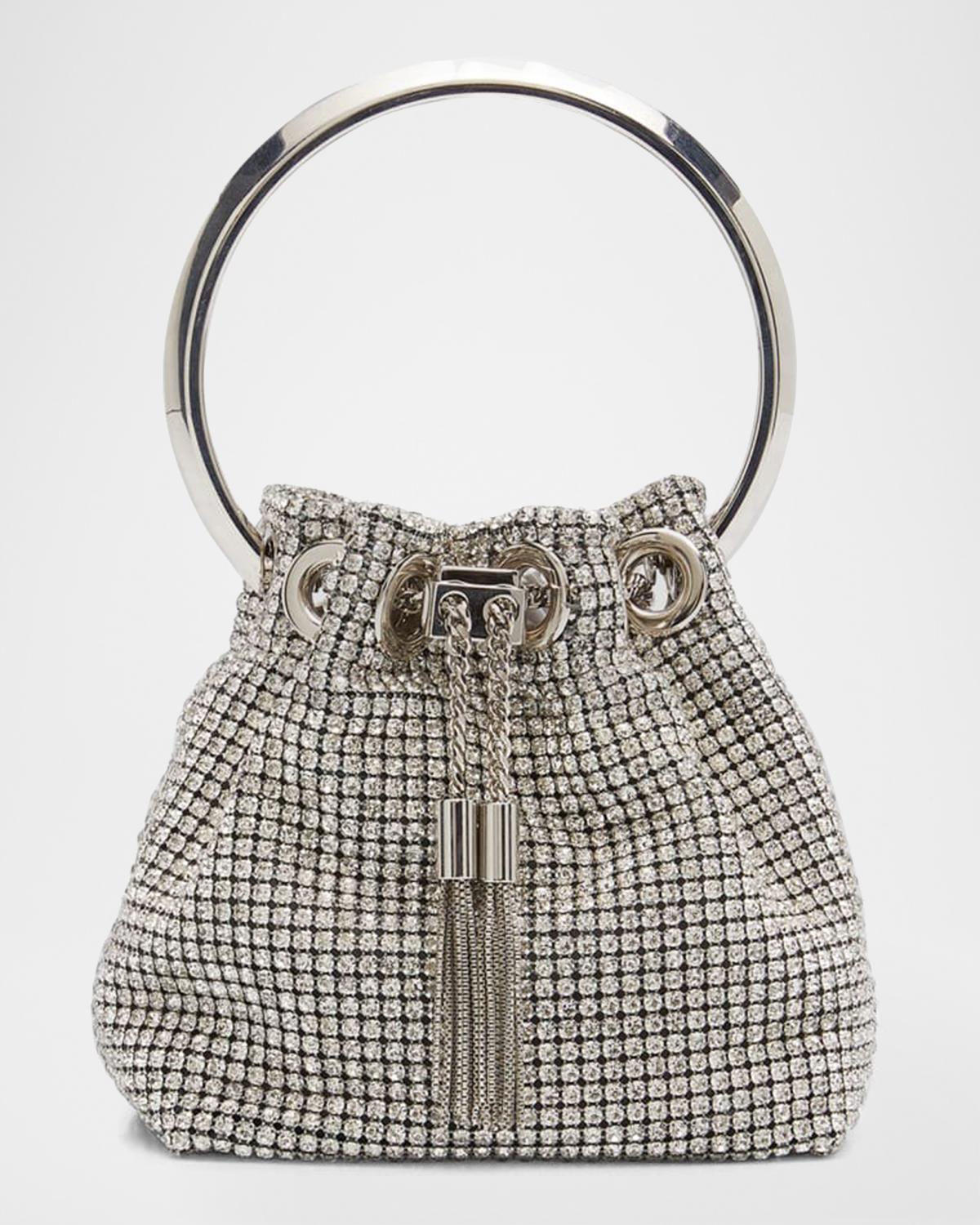
Bon Bon Micro Crystal Bucket Bag
Jimmy Choo
$1,295
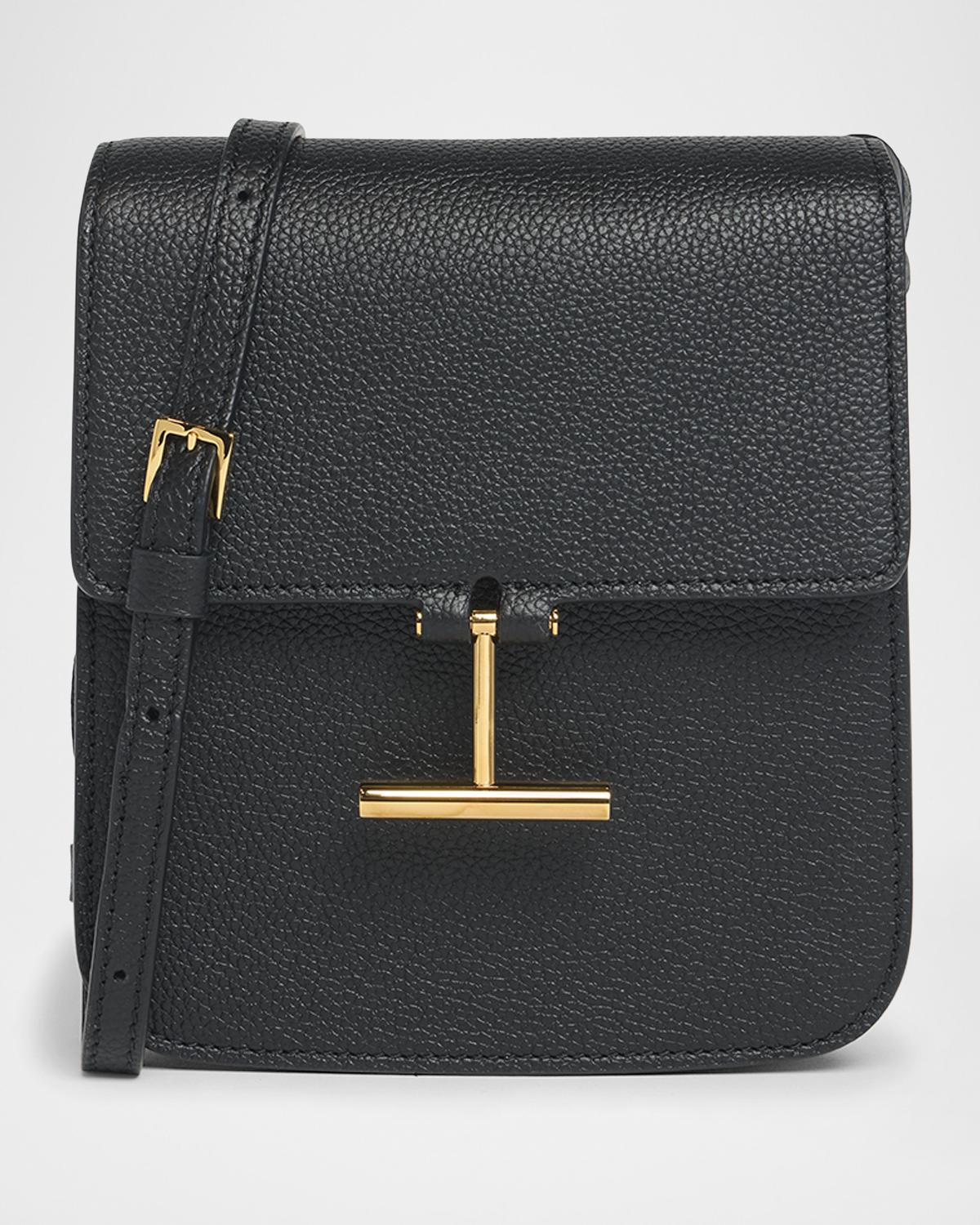
Tara Mini Bag on Strap
TOM Ford
$1,490
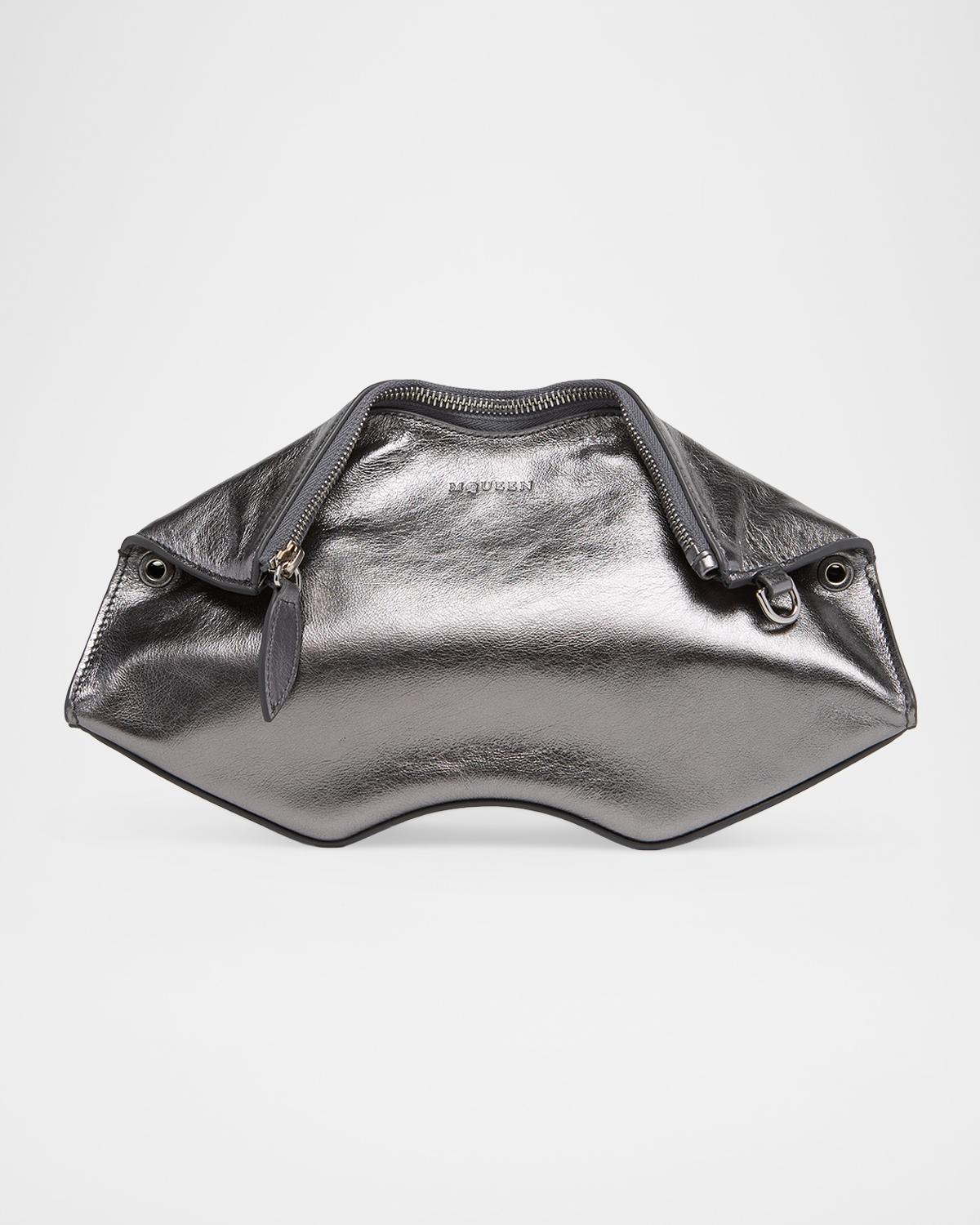
Manta Sculptural Metallic Leather Clutch Bag
McQueen
$1,750
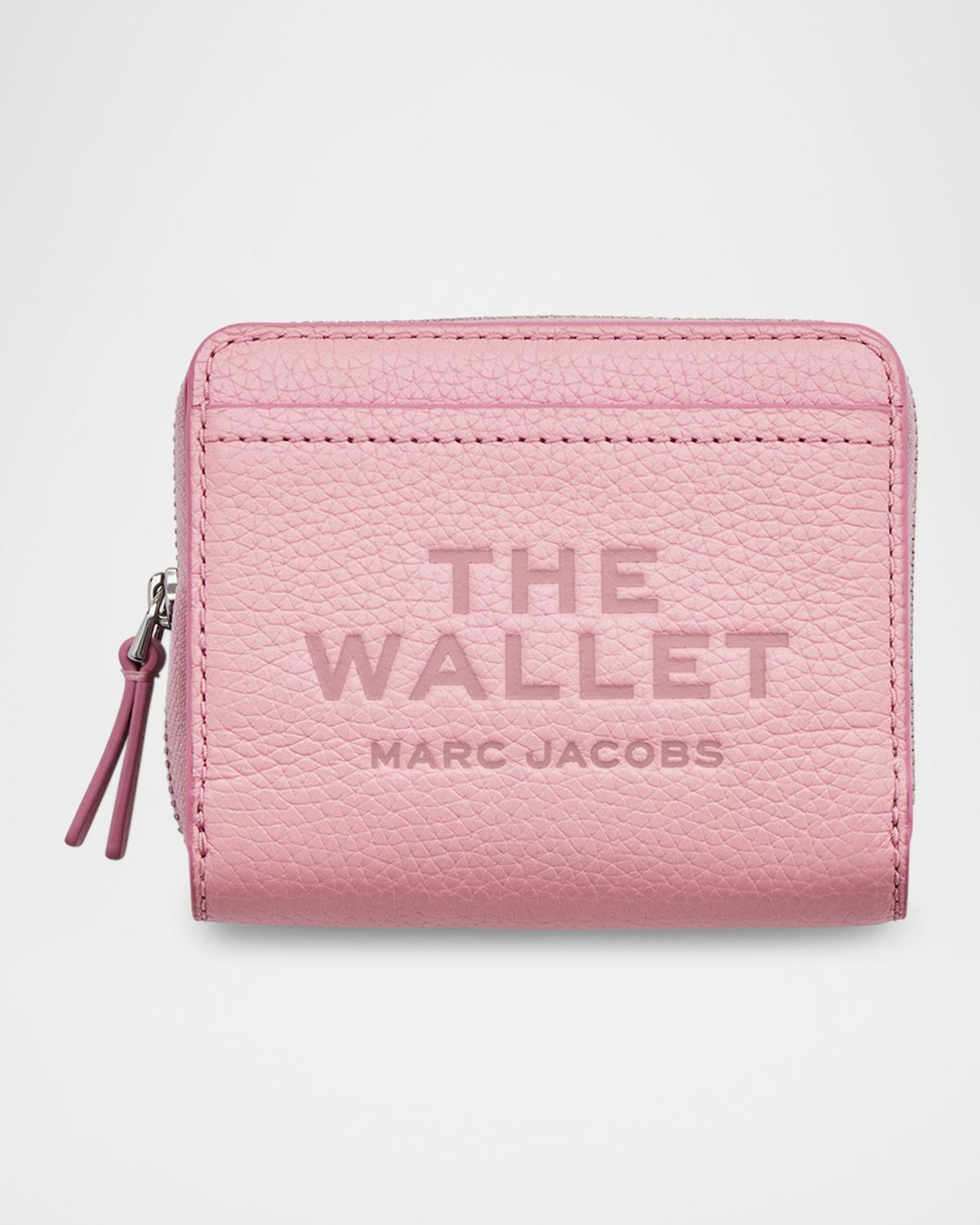
The Leather Mini Compact Wallet
Marc Jacobs
$110.6
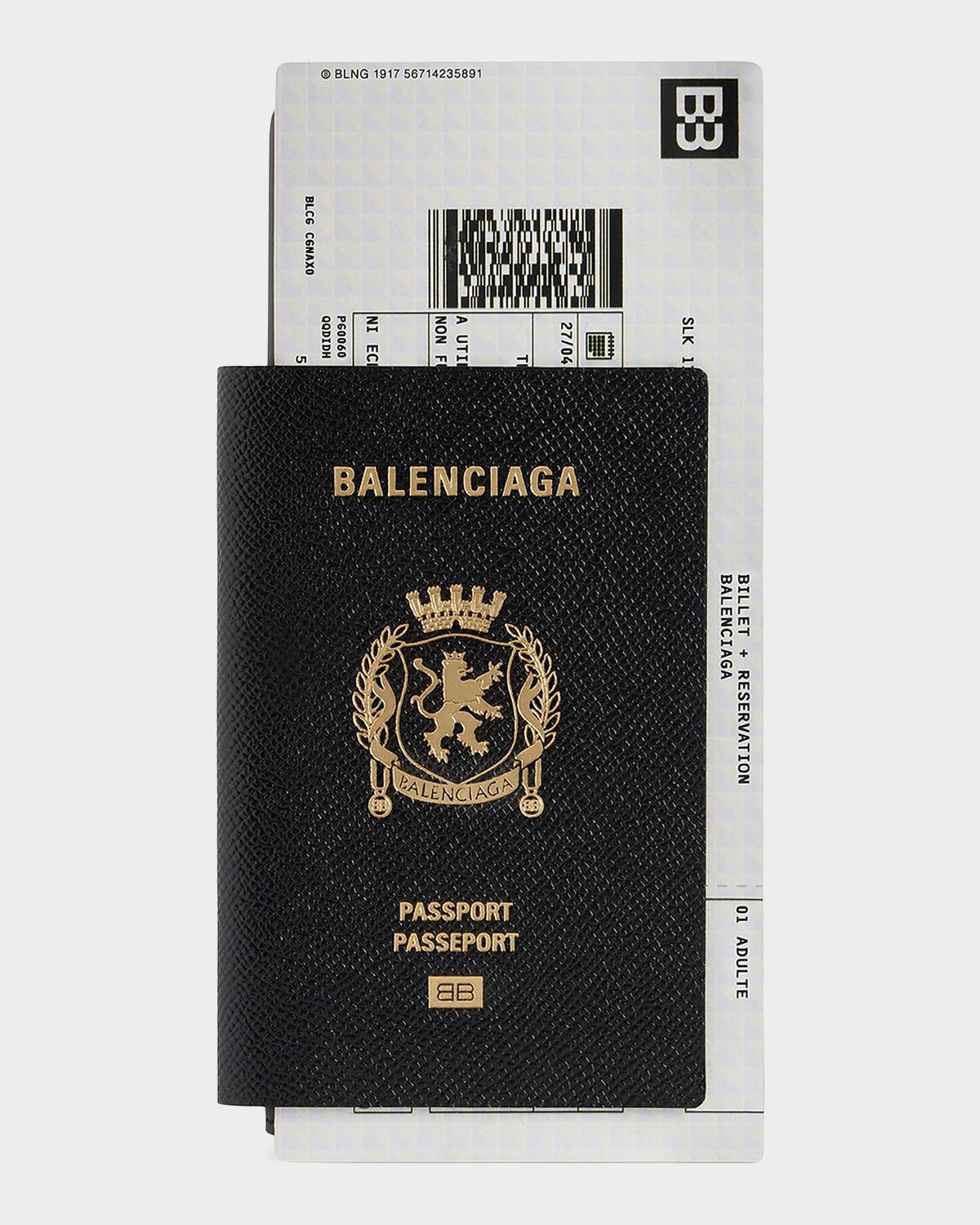
Passport Wallet
Balenciaga
$795
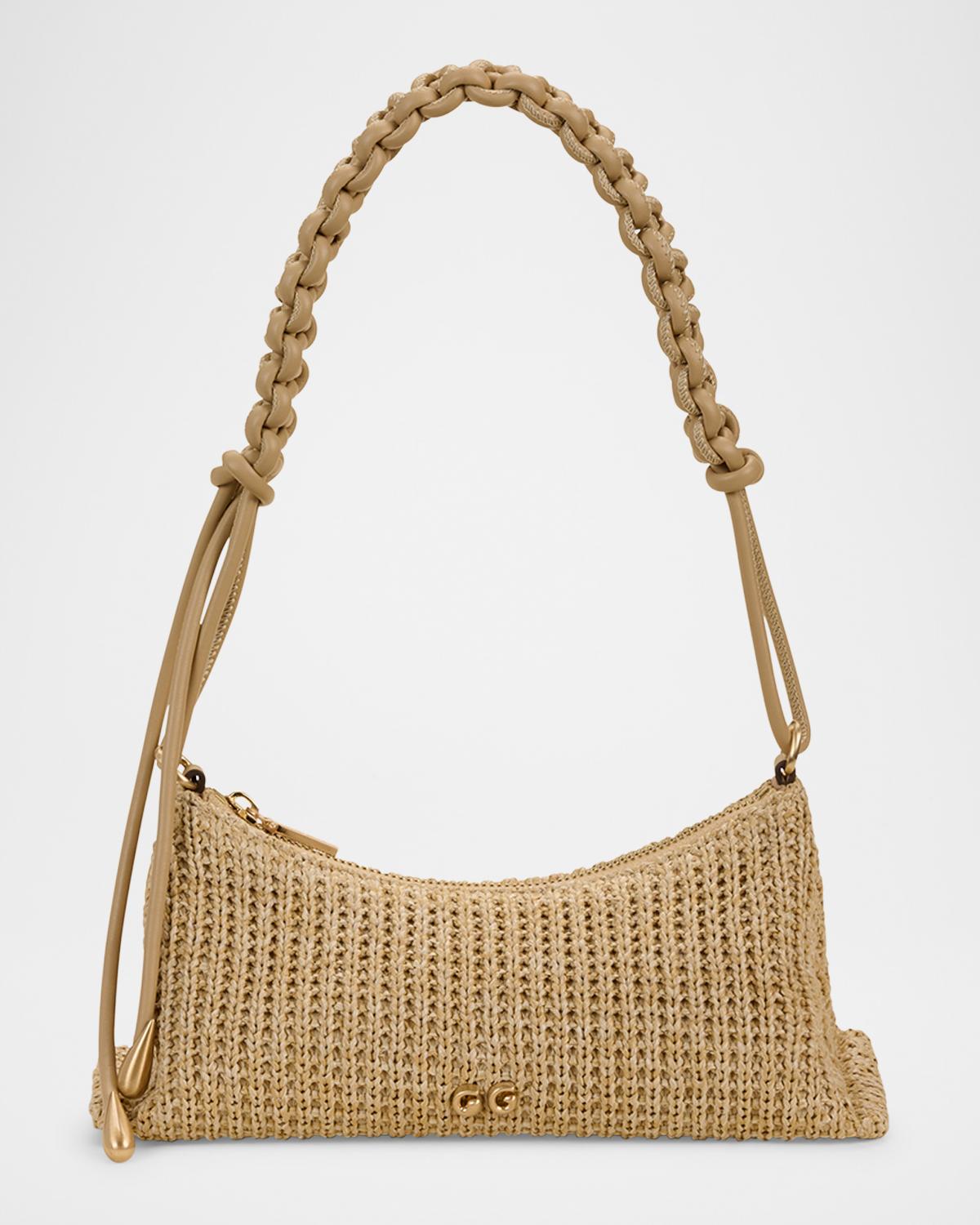
Osa Braided Zip Shoulder Bag
Cult Gaia
$398
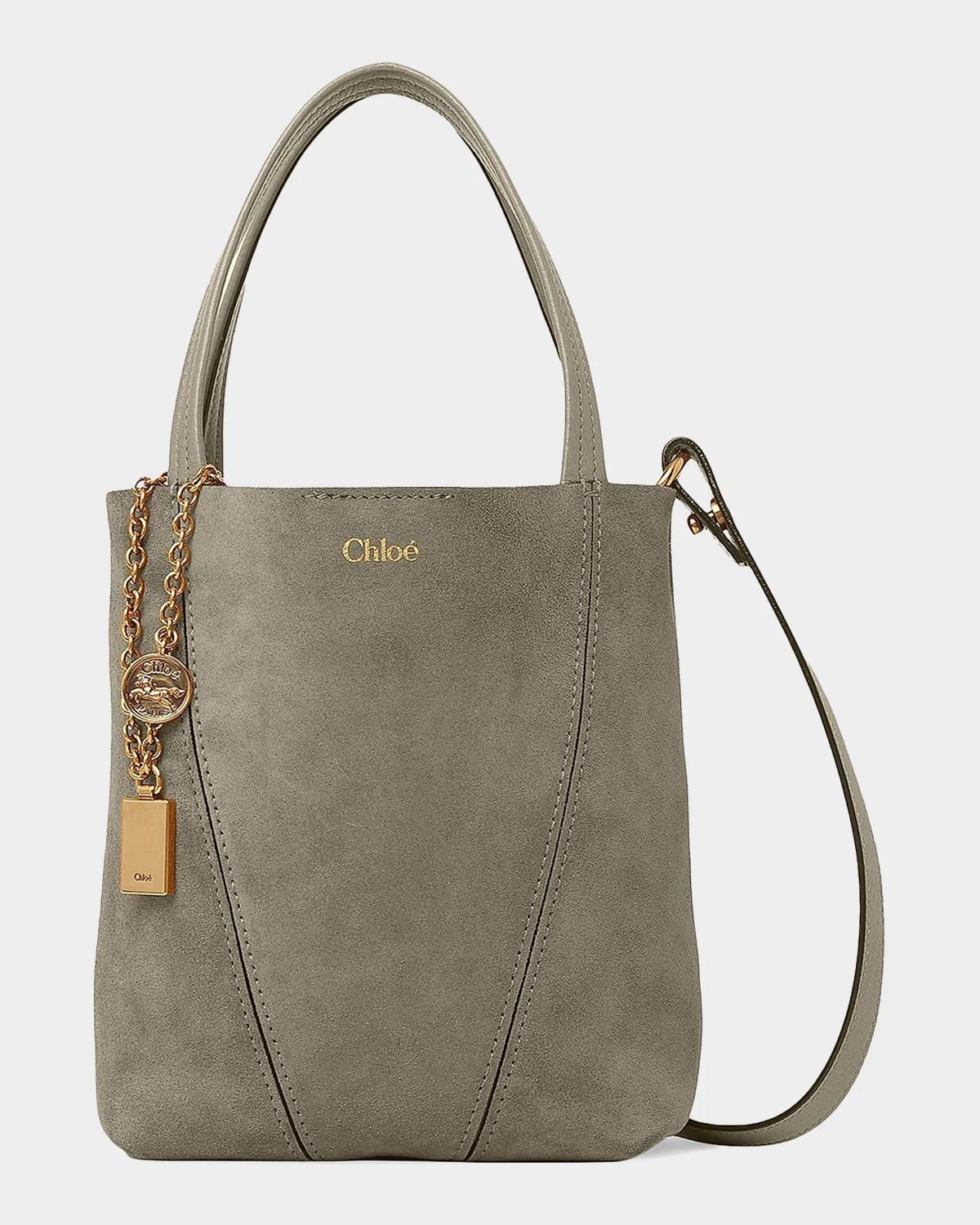
Spin Mini Tote Bag in Calfskin Suede
Chloe
$1,490
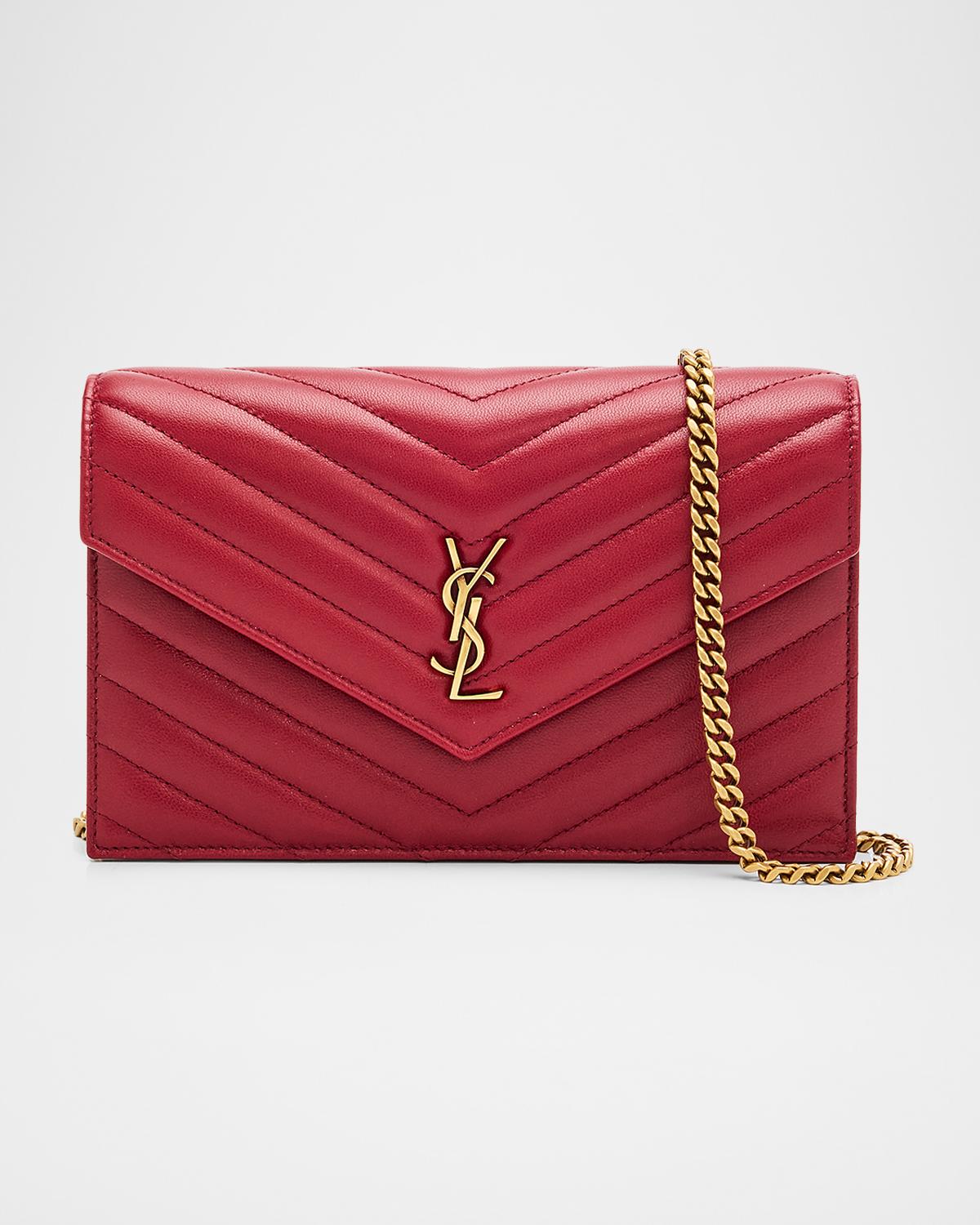
Cassandre YSL Quilted Leather Crossbody
Saint Laurent
$1,500
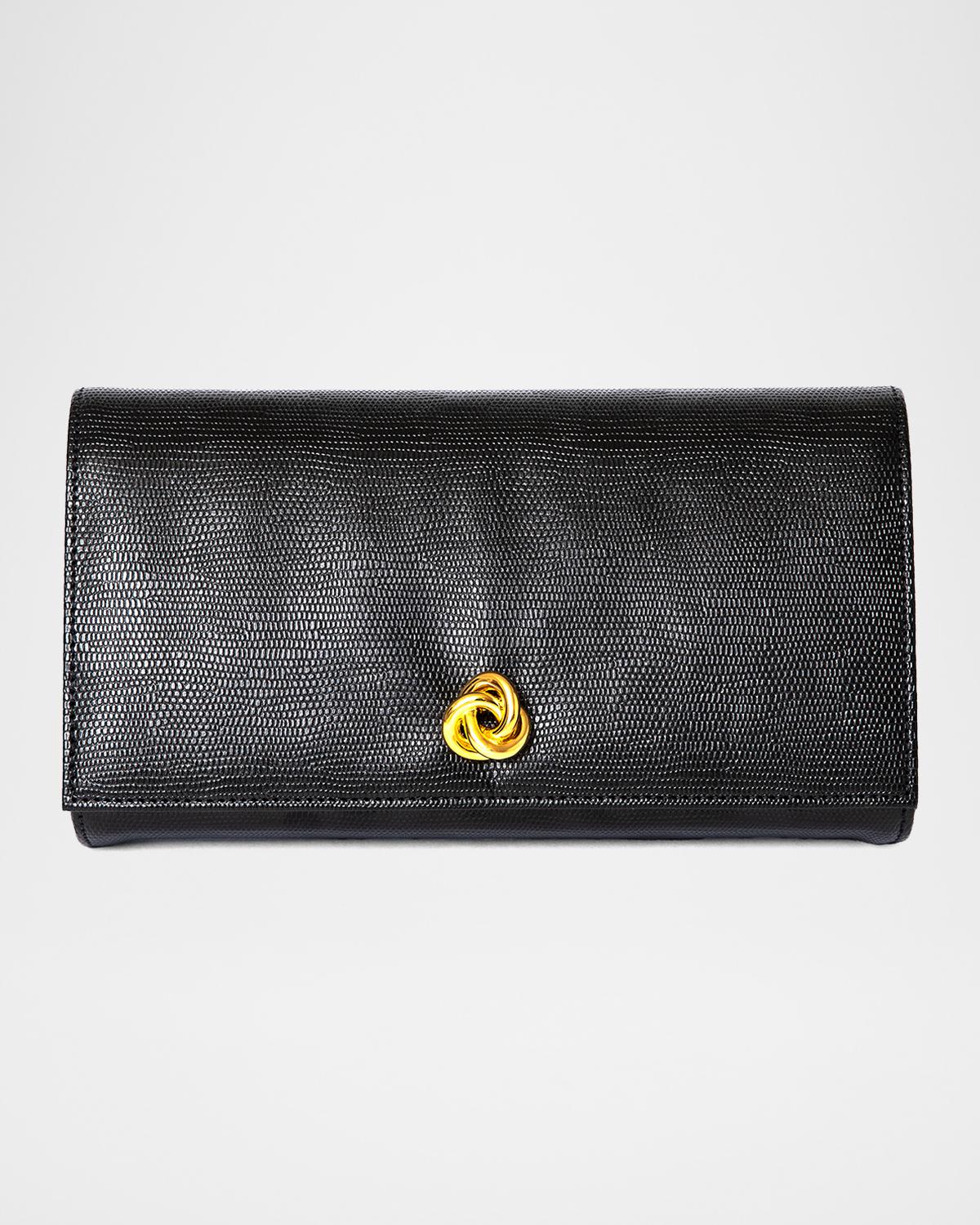
Olivia Textured Flap Clutch Bag
Michelle Wilhite
$895
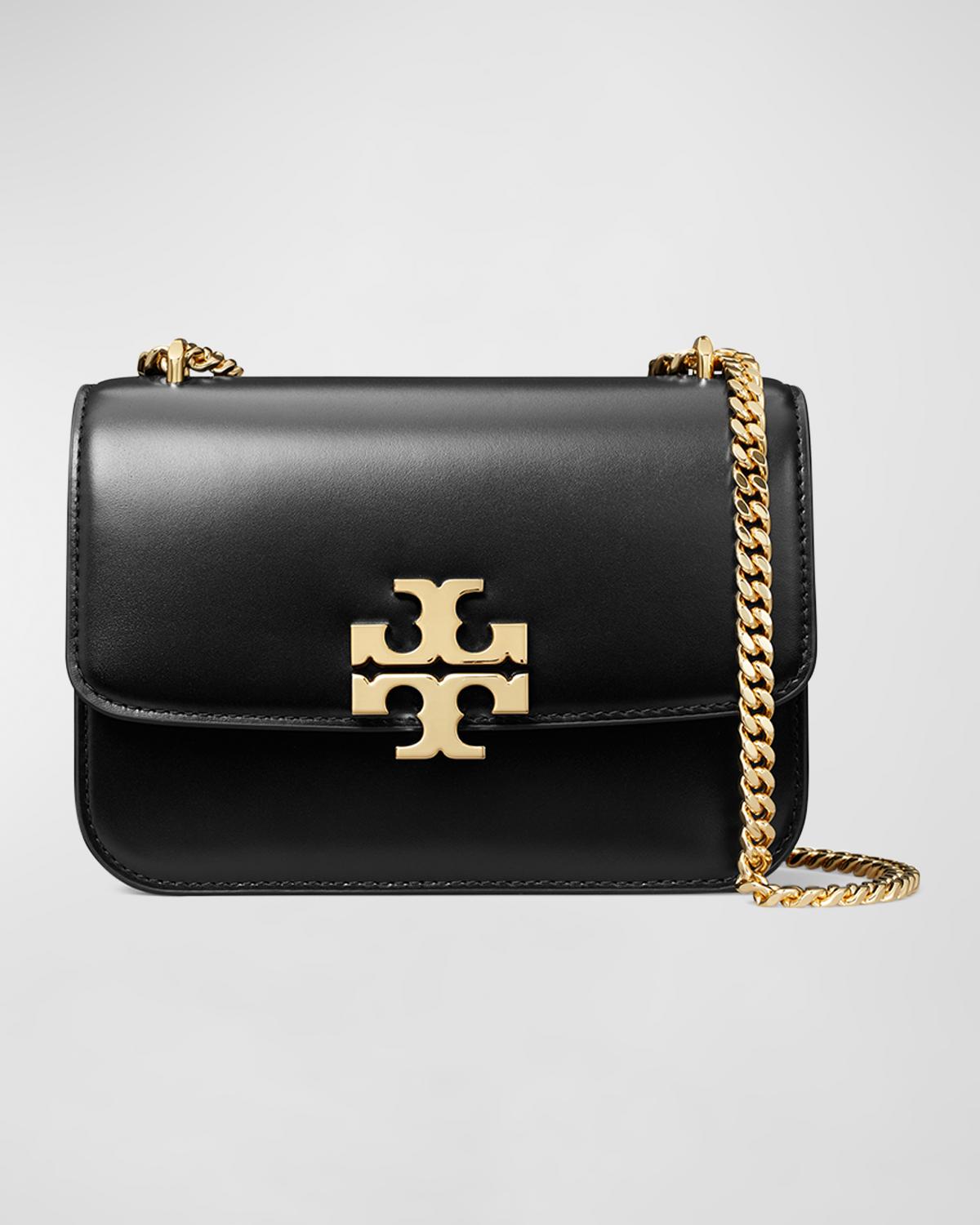
Eleanor Small Convertible Shoulder Bag
Tory Burch
$730
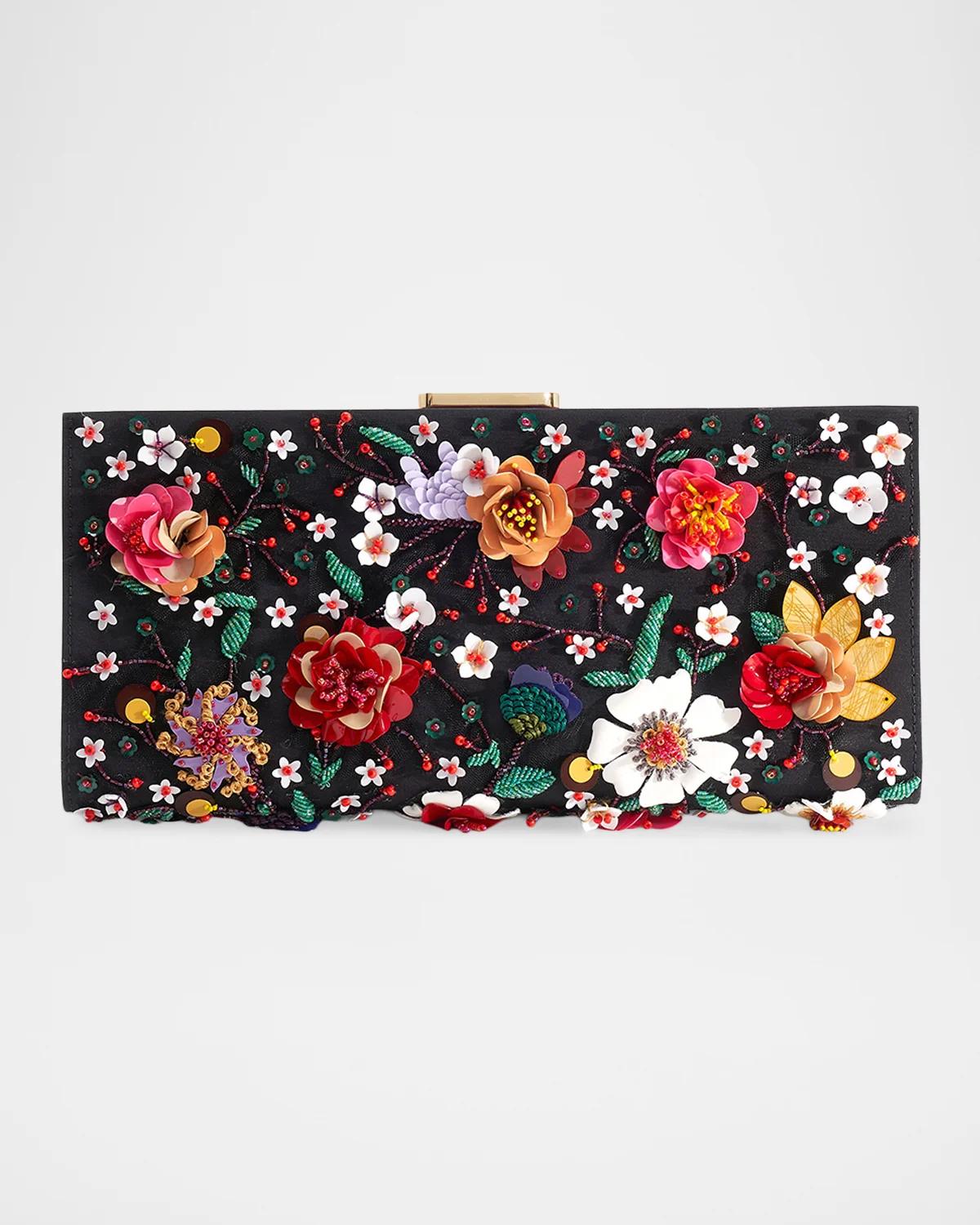
Pats Floral Beaded Satin Clutch Bag
Carolina Herrera
$3,490
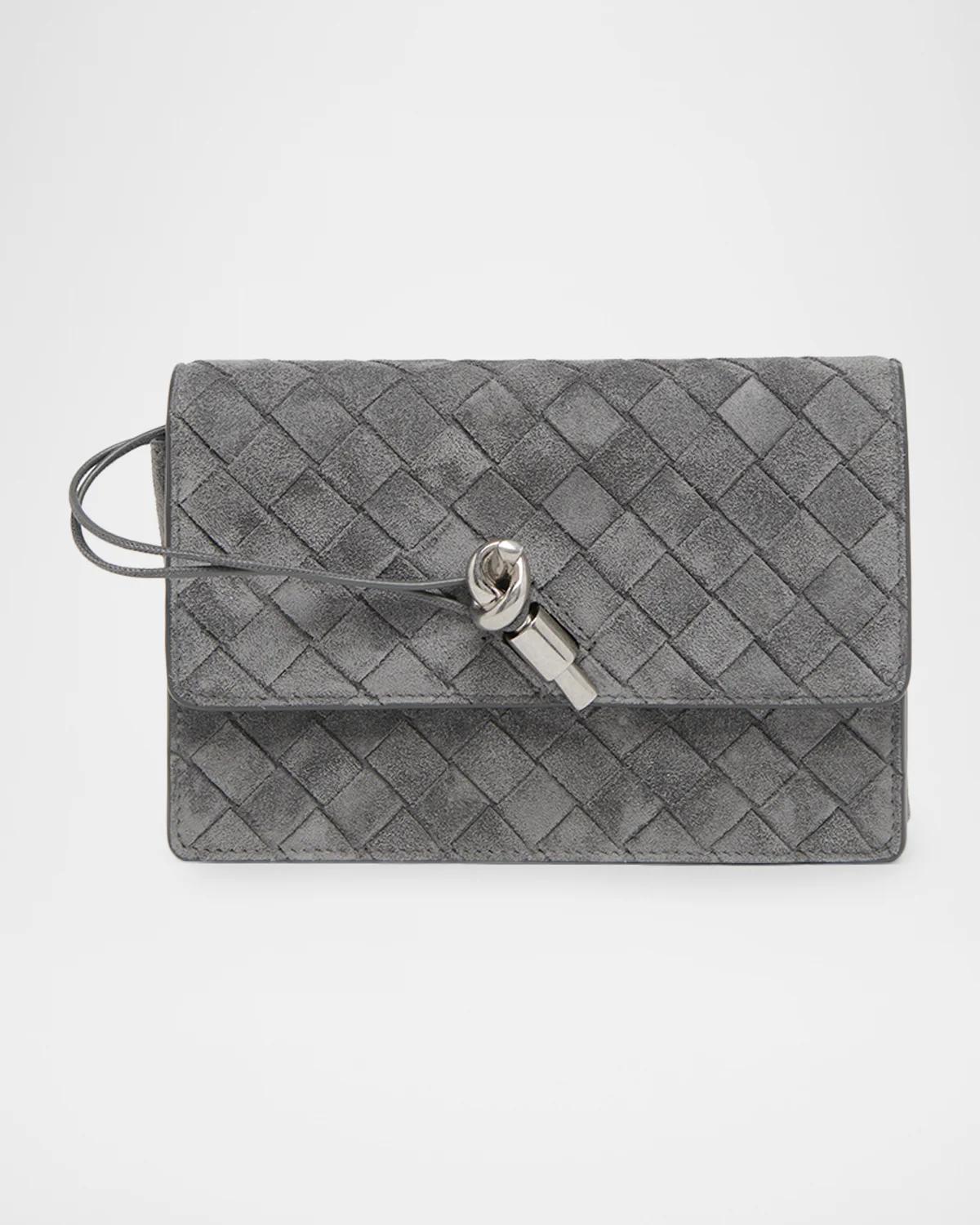
Andiamo Suede Wallet-On-Chain
Bottega Veneta
$2,800
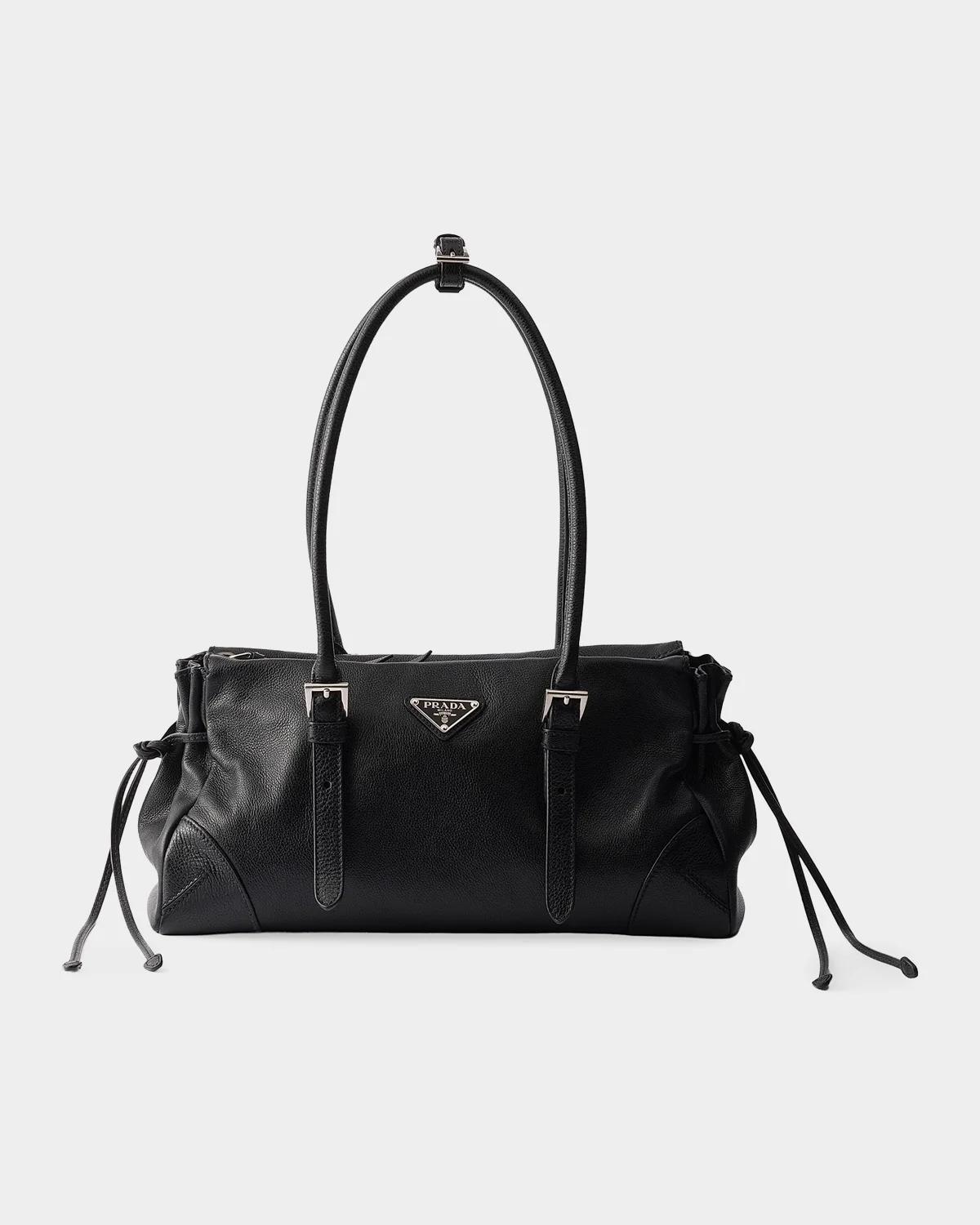
Bonnie Medium Leather Top Handle Bag
Prada
$3,850
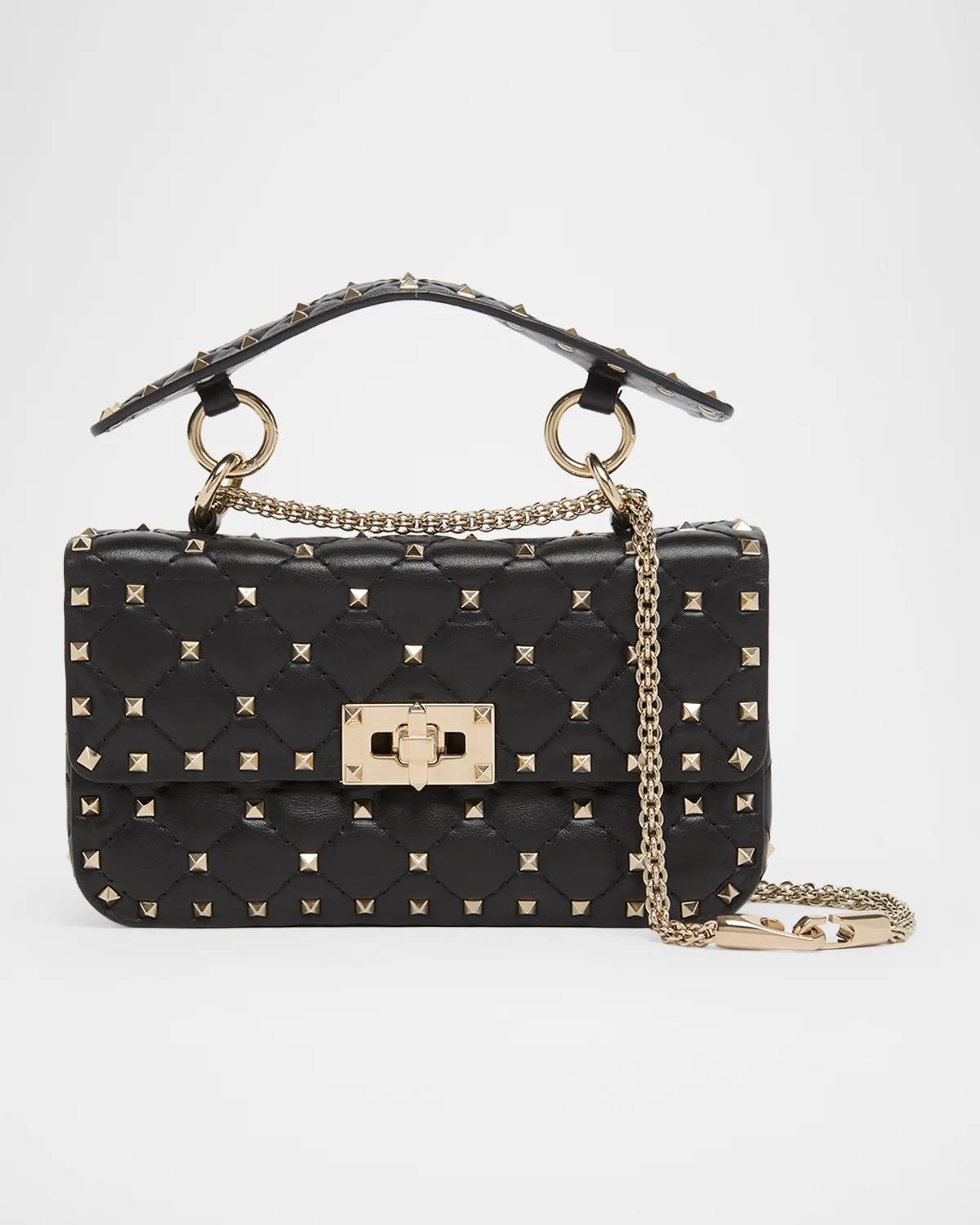
Small Quilted Leather Rockstud Shoulder Bag
Valentino Garavani
$2,800
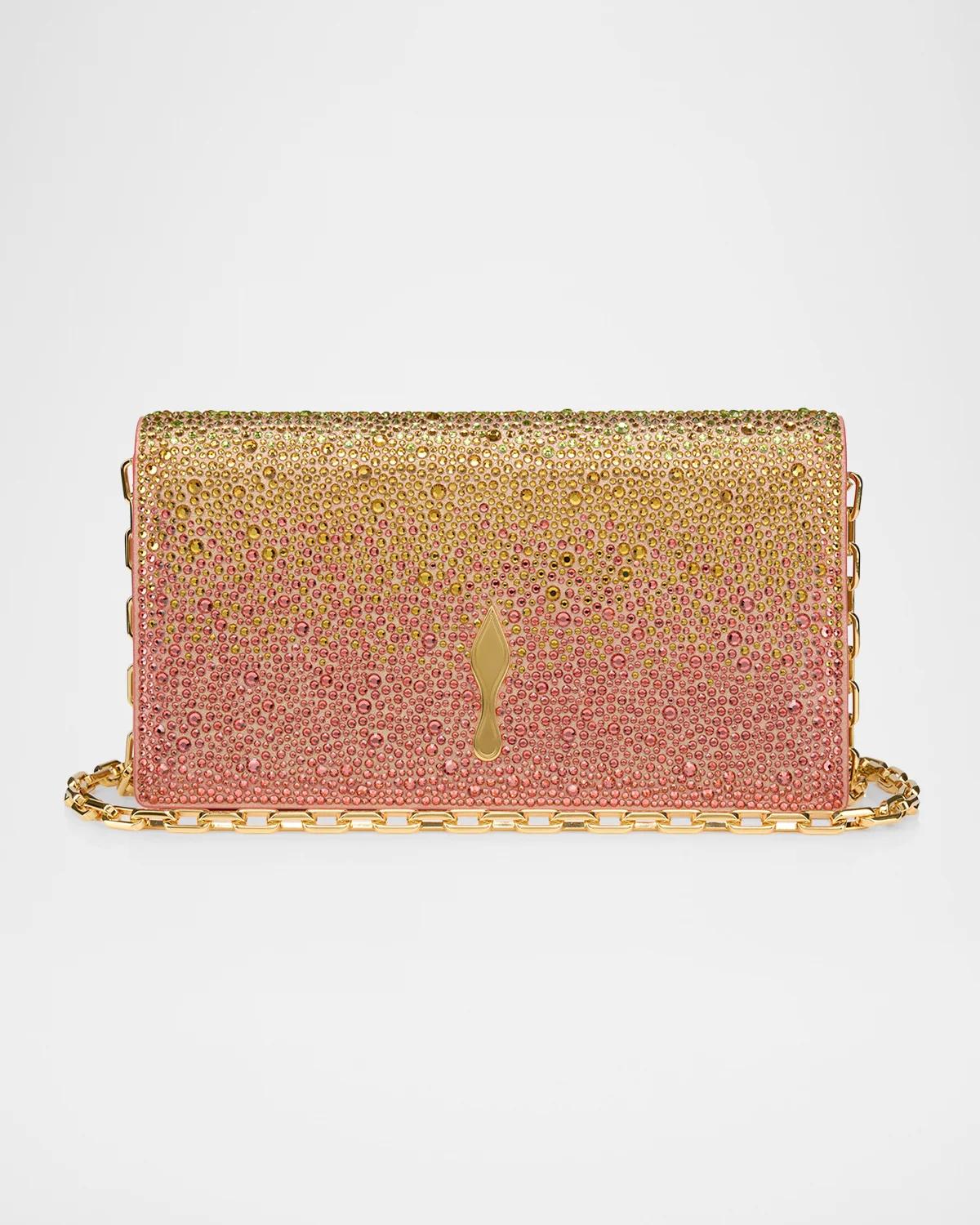
Bettina Ombre Crystal Clutch Bag
Christian Louboutin
$4,990
The last of the bags
The last of the bags in the main assortment, covering the remaining shapes and finishes.
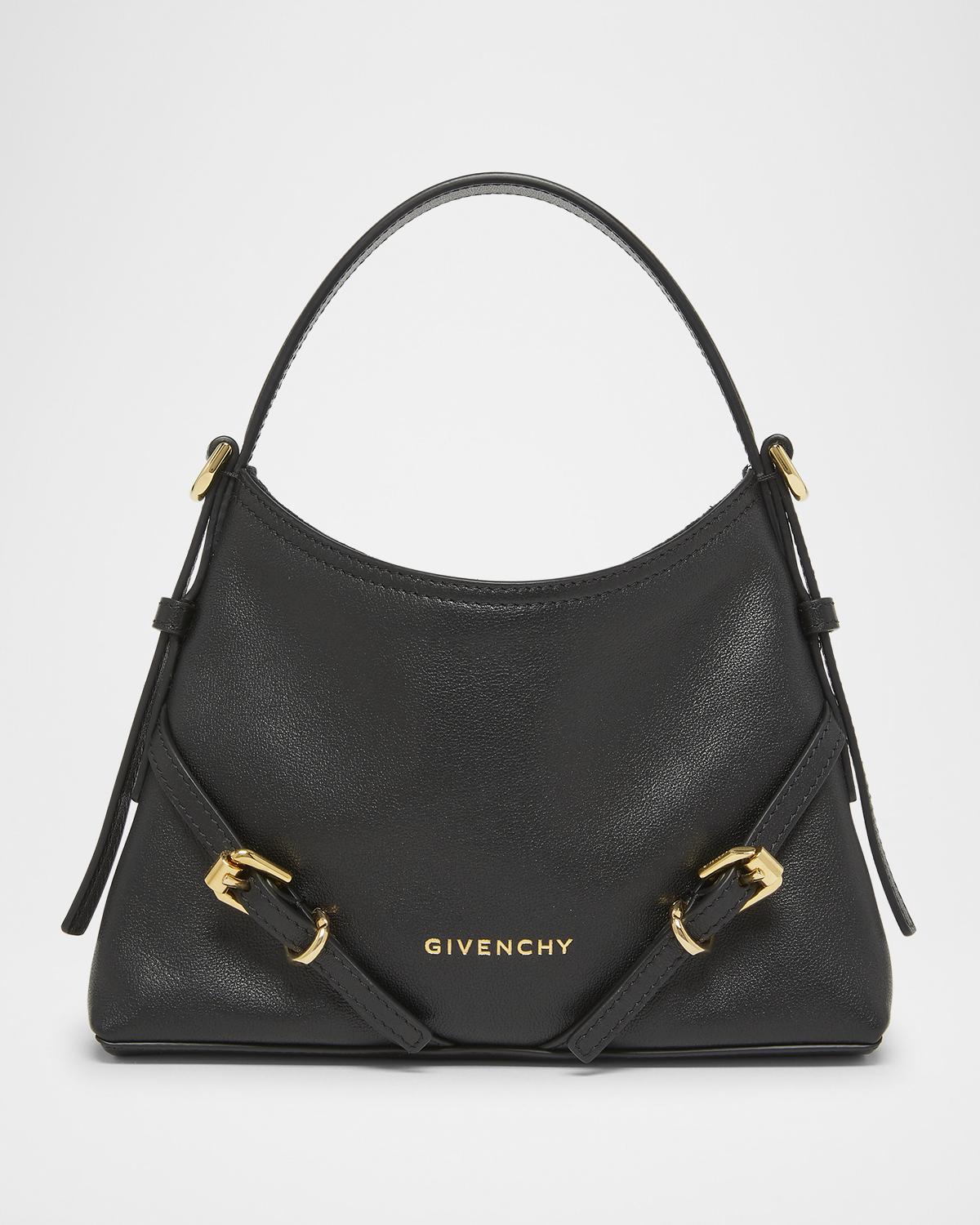
Voyou Nano Top-Handle Bag in Shiny Leather
Givenchy
$990
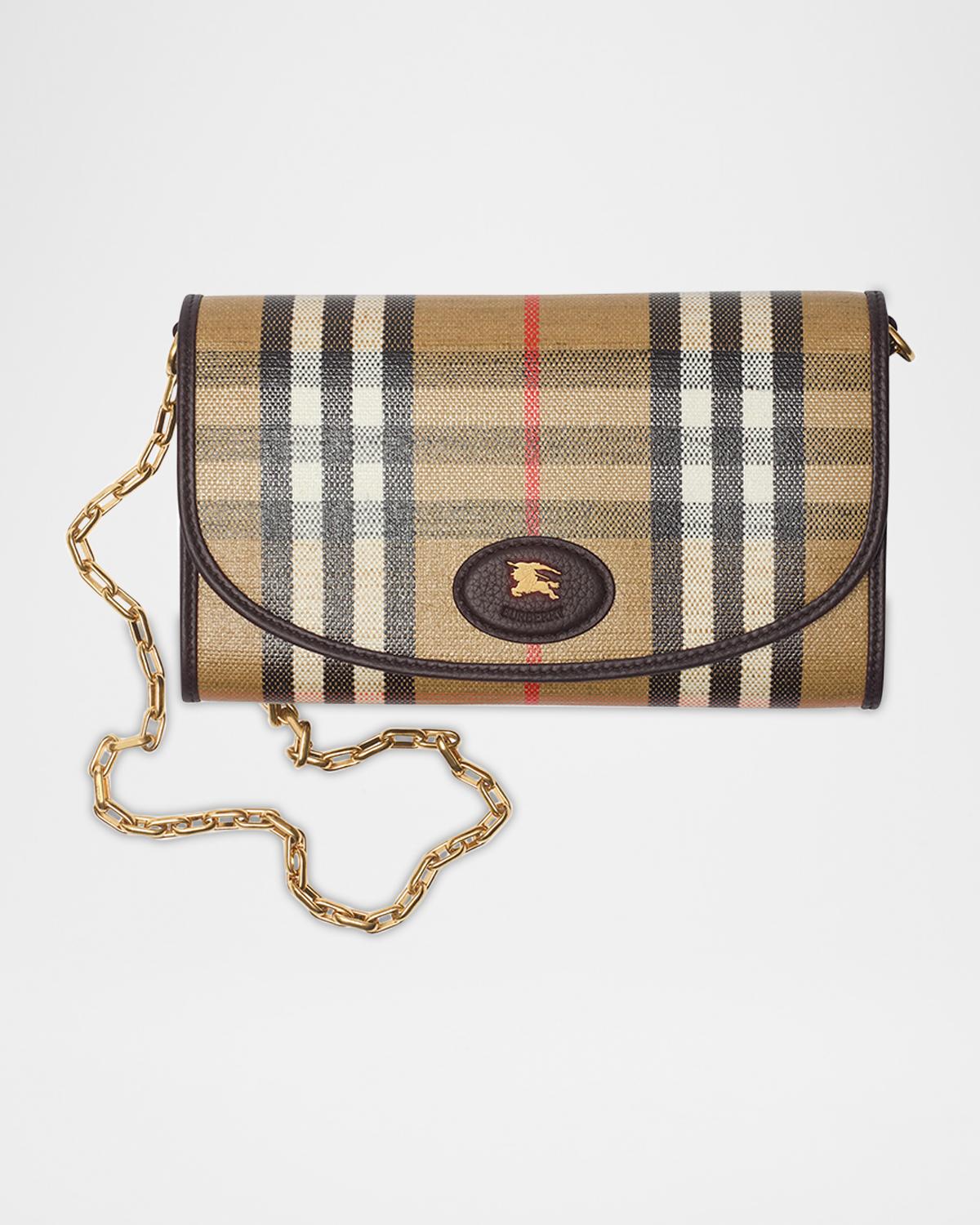
Highlands Check Flap Continental Wallet on Chain
Burberry
$1,095
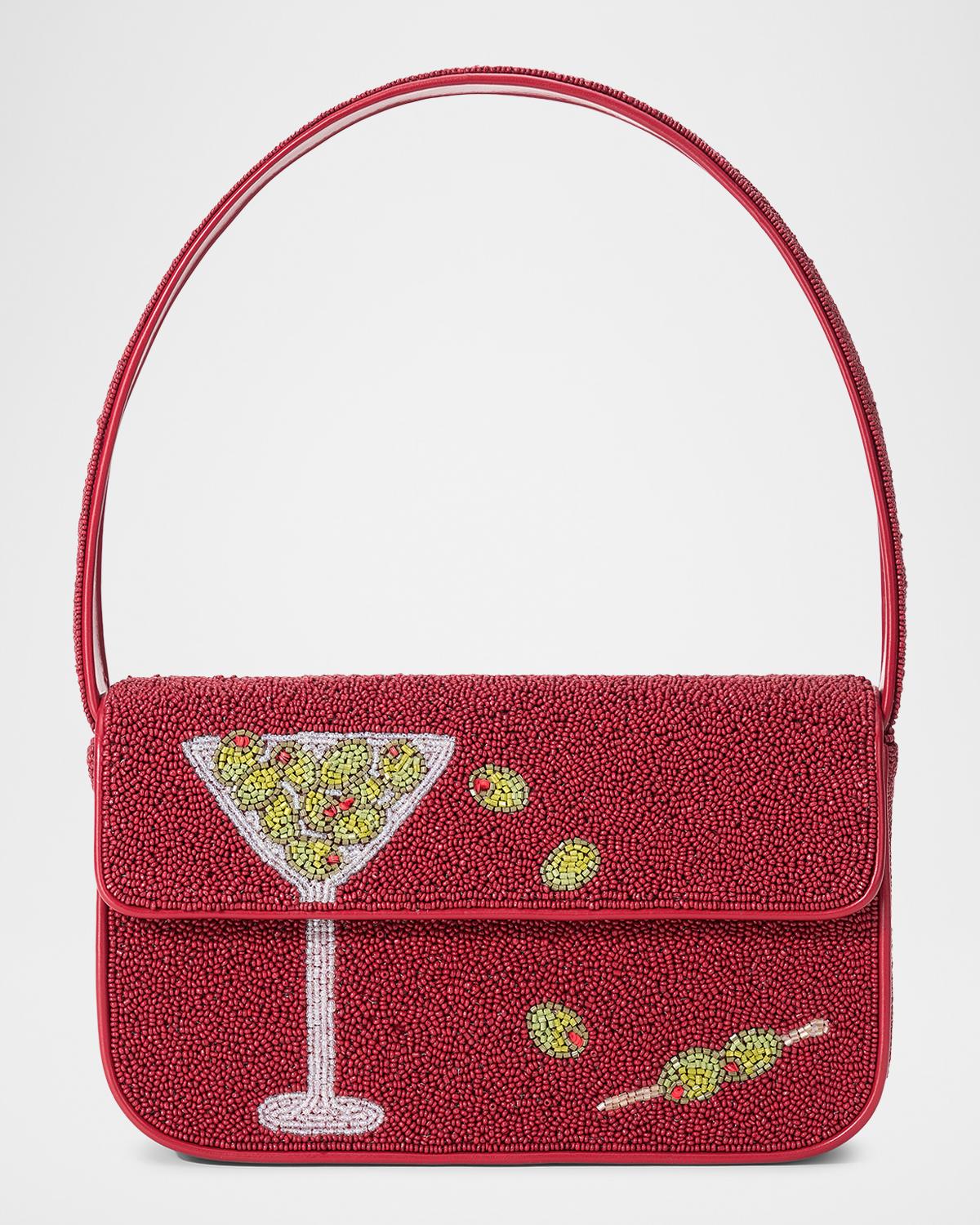
Tommy Beaded Shoulder Bag
STAUD
$350
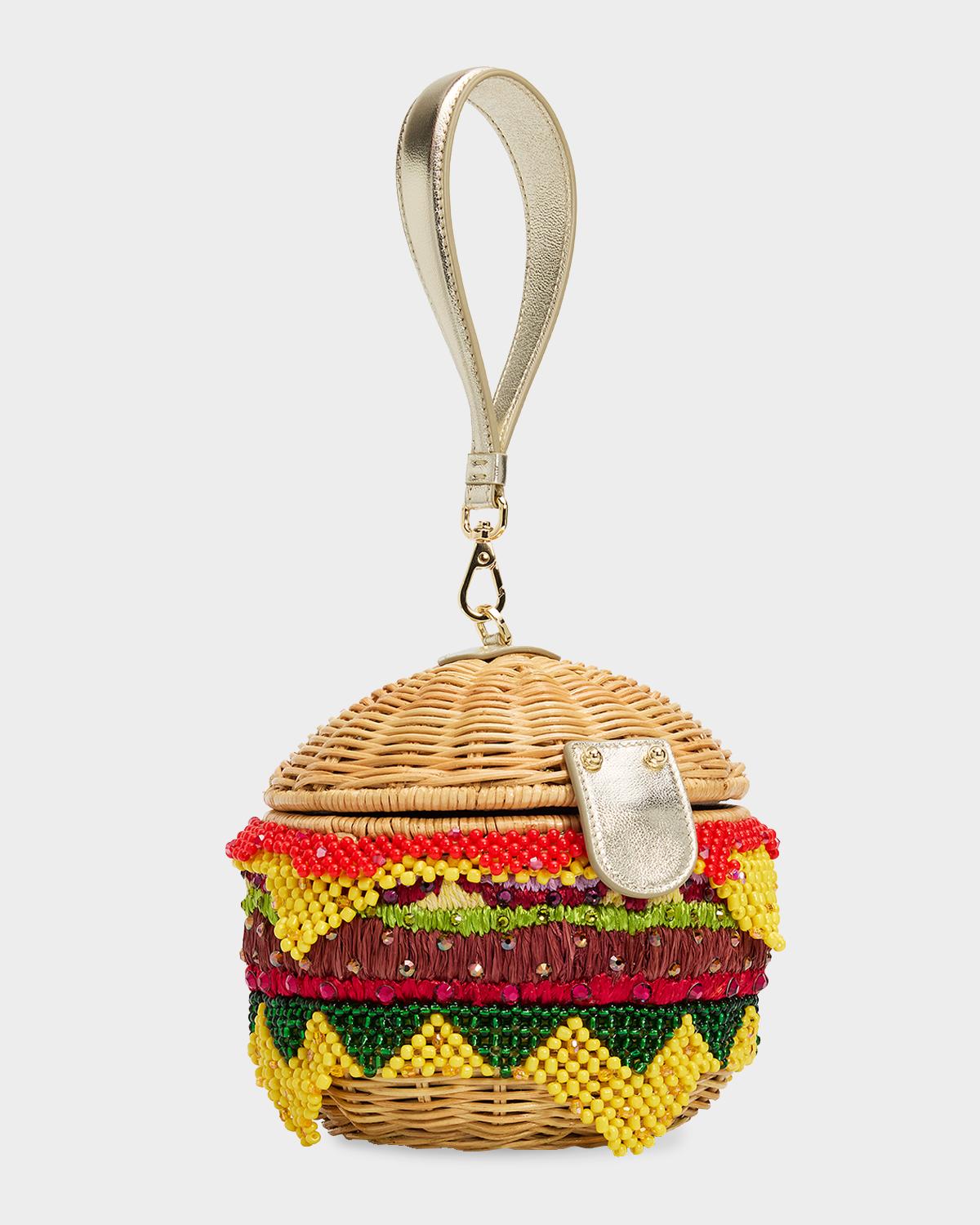
Deluxe Cheeseburger Basket Wristlet Bag
Judith Leiber Couture
$1,495
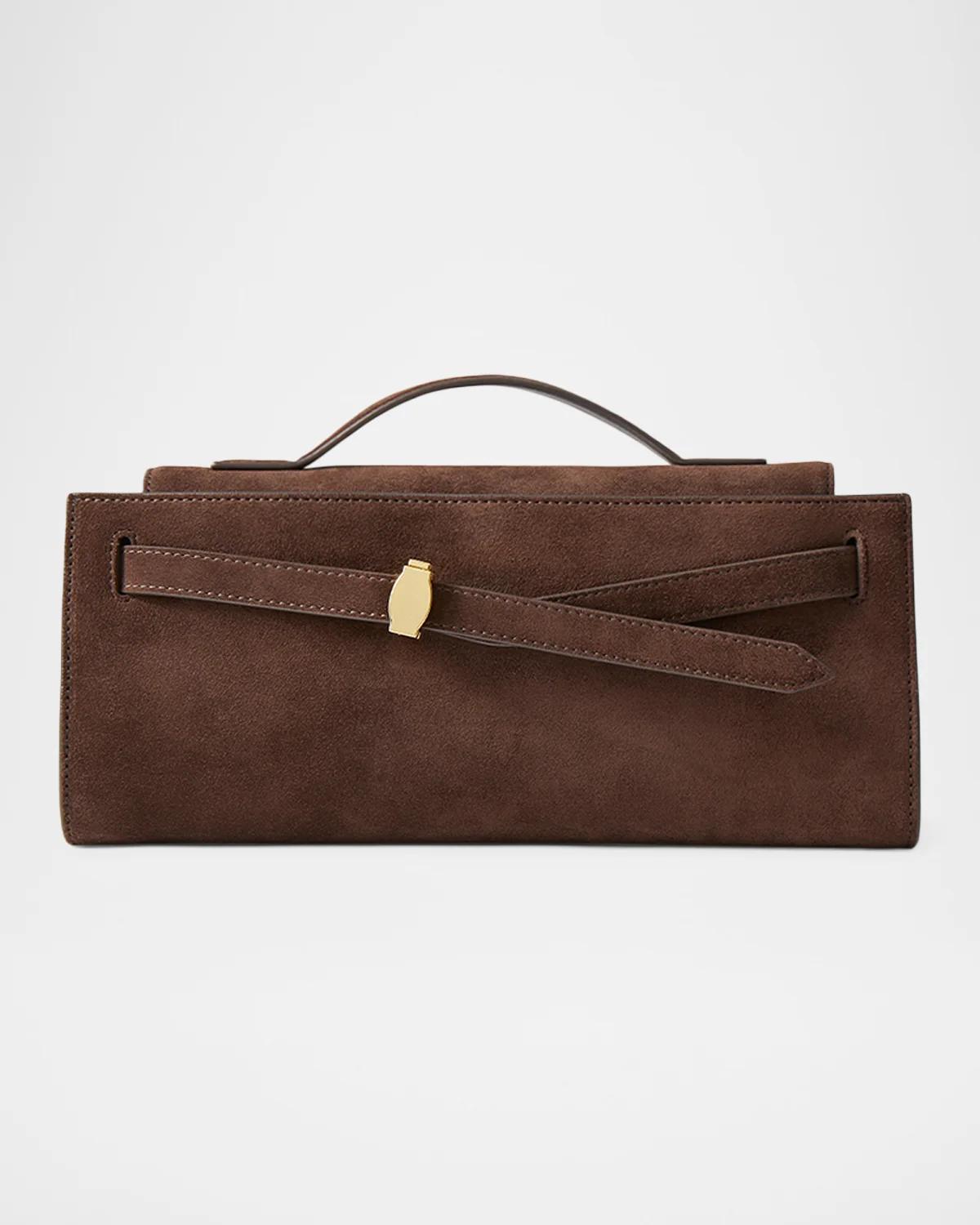
Dash Suede Clutch
Veronica Beard
$495
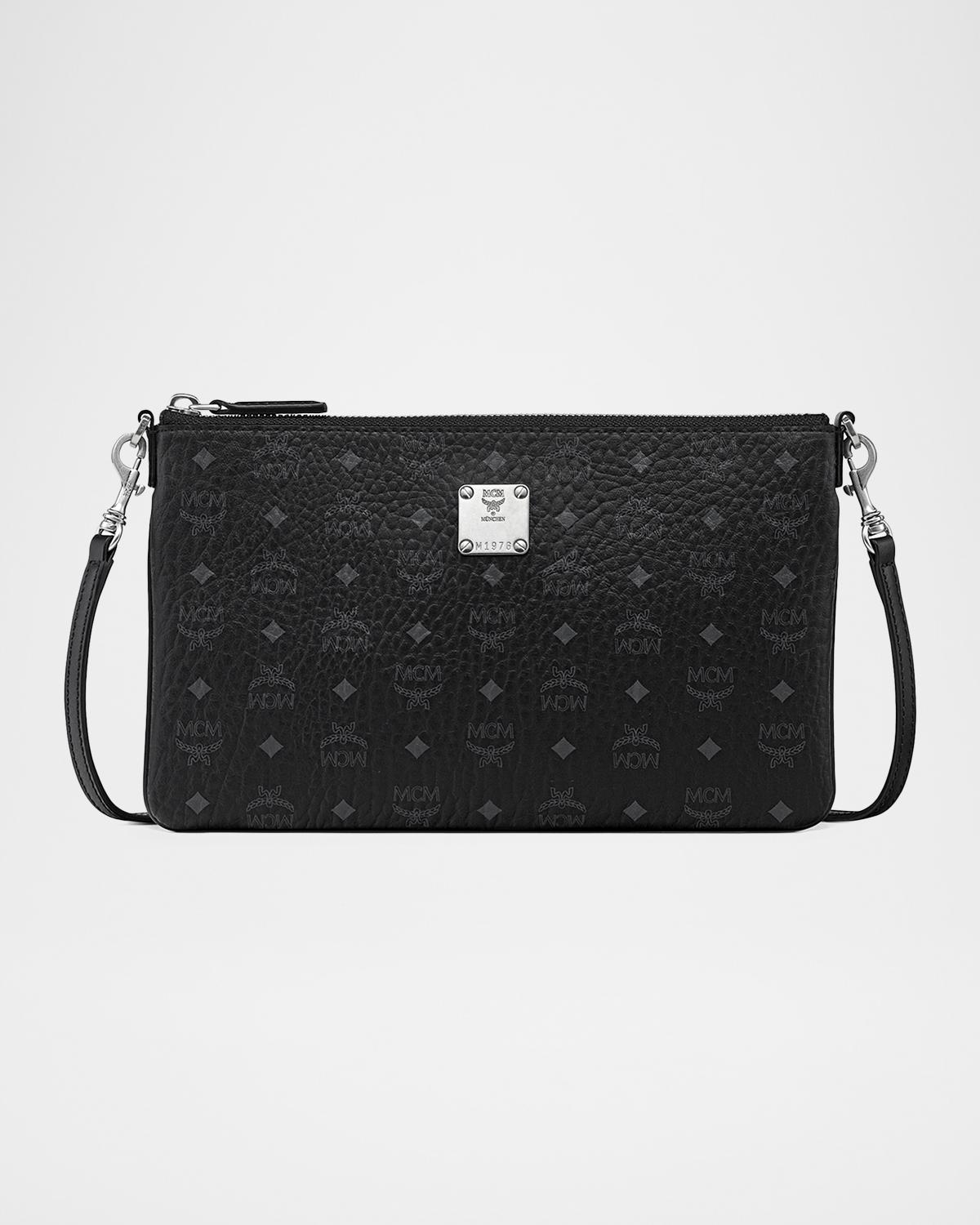
Mini Aren Visetos Flat Crossbody Pouch
MCM
$480
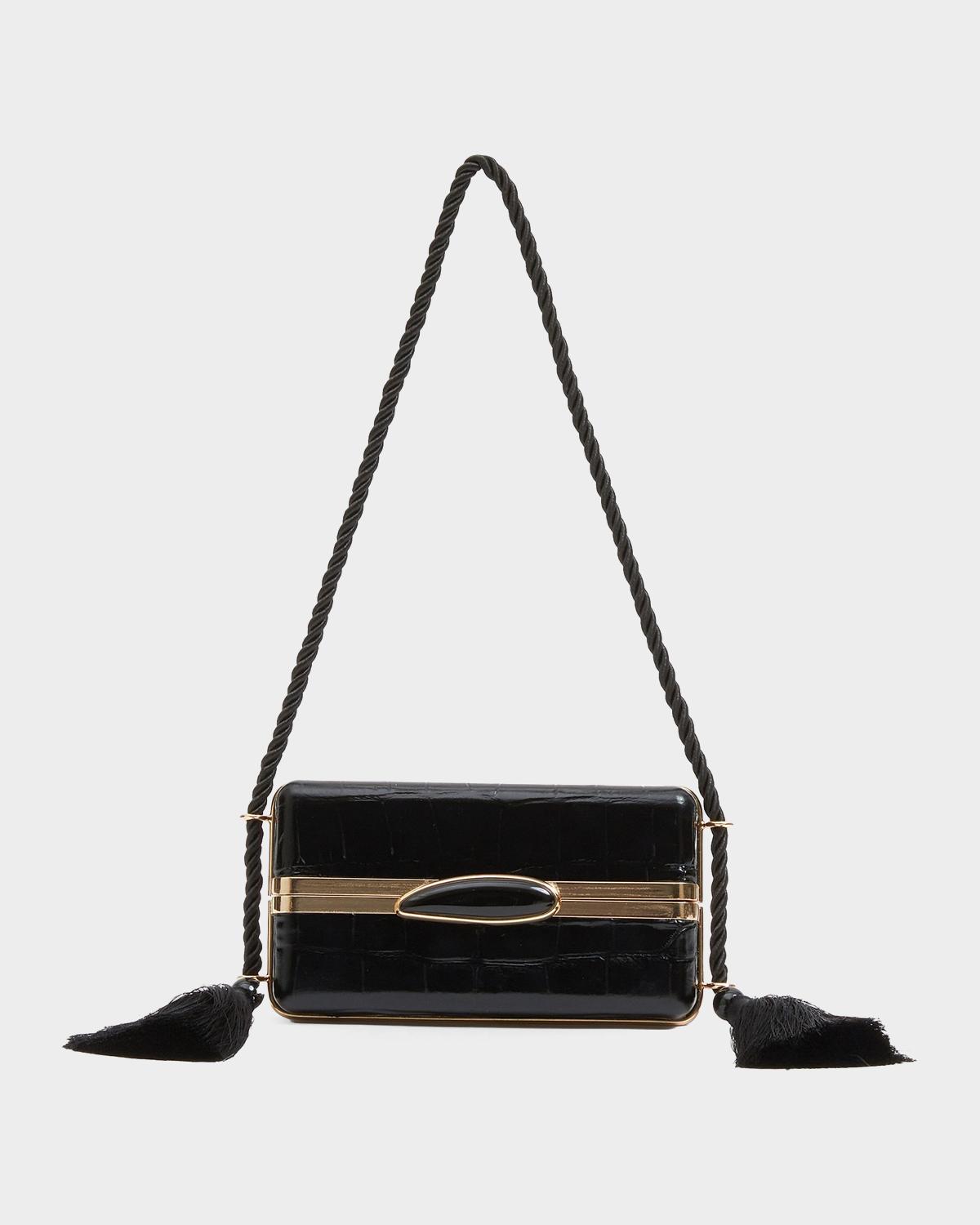
Roma Croc-Embossed Leather Shoulder Bag
Simkhai
$645
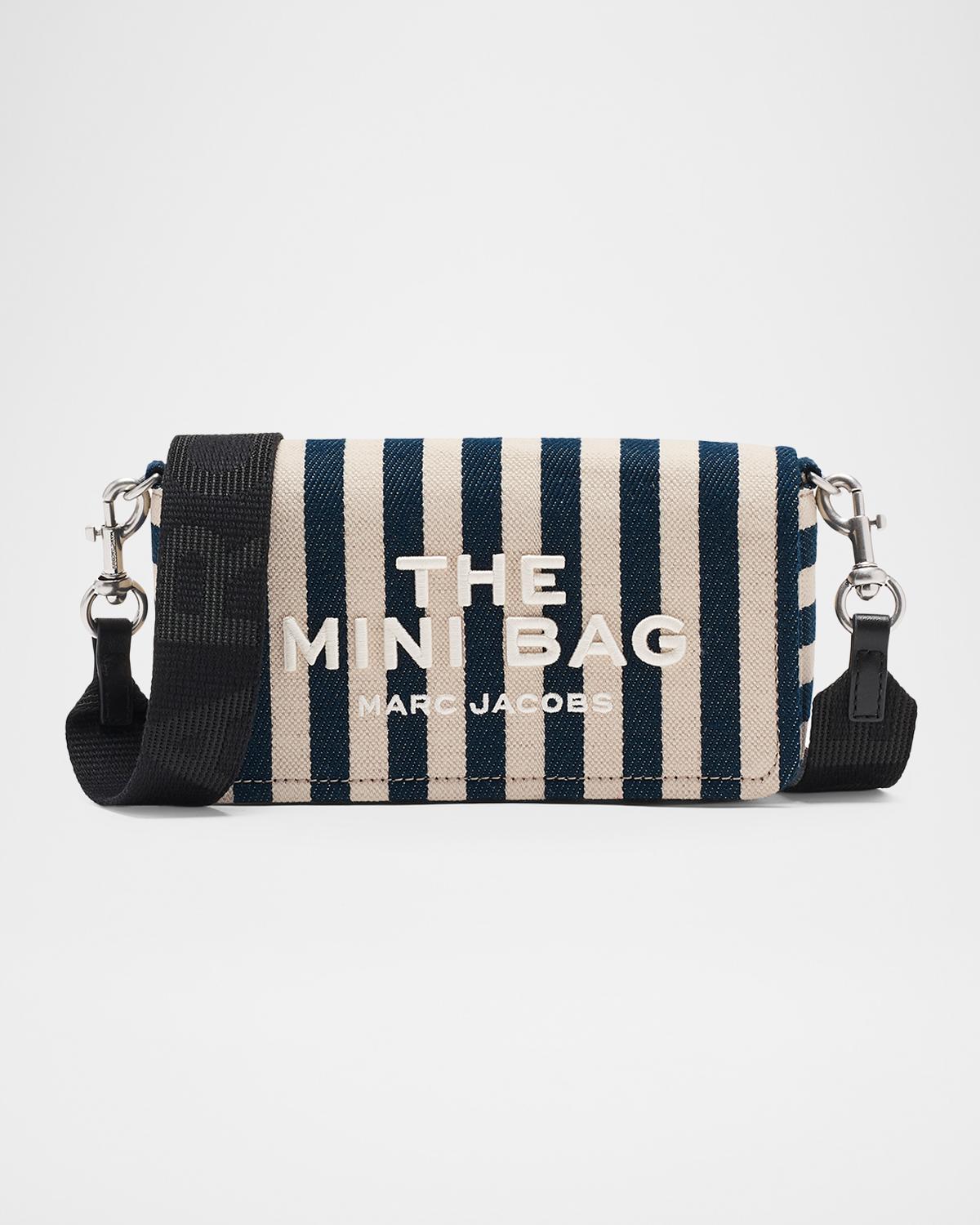
The Mini Striped Canvas Crossbody Bag
Marc Jacobs
$138.6
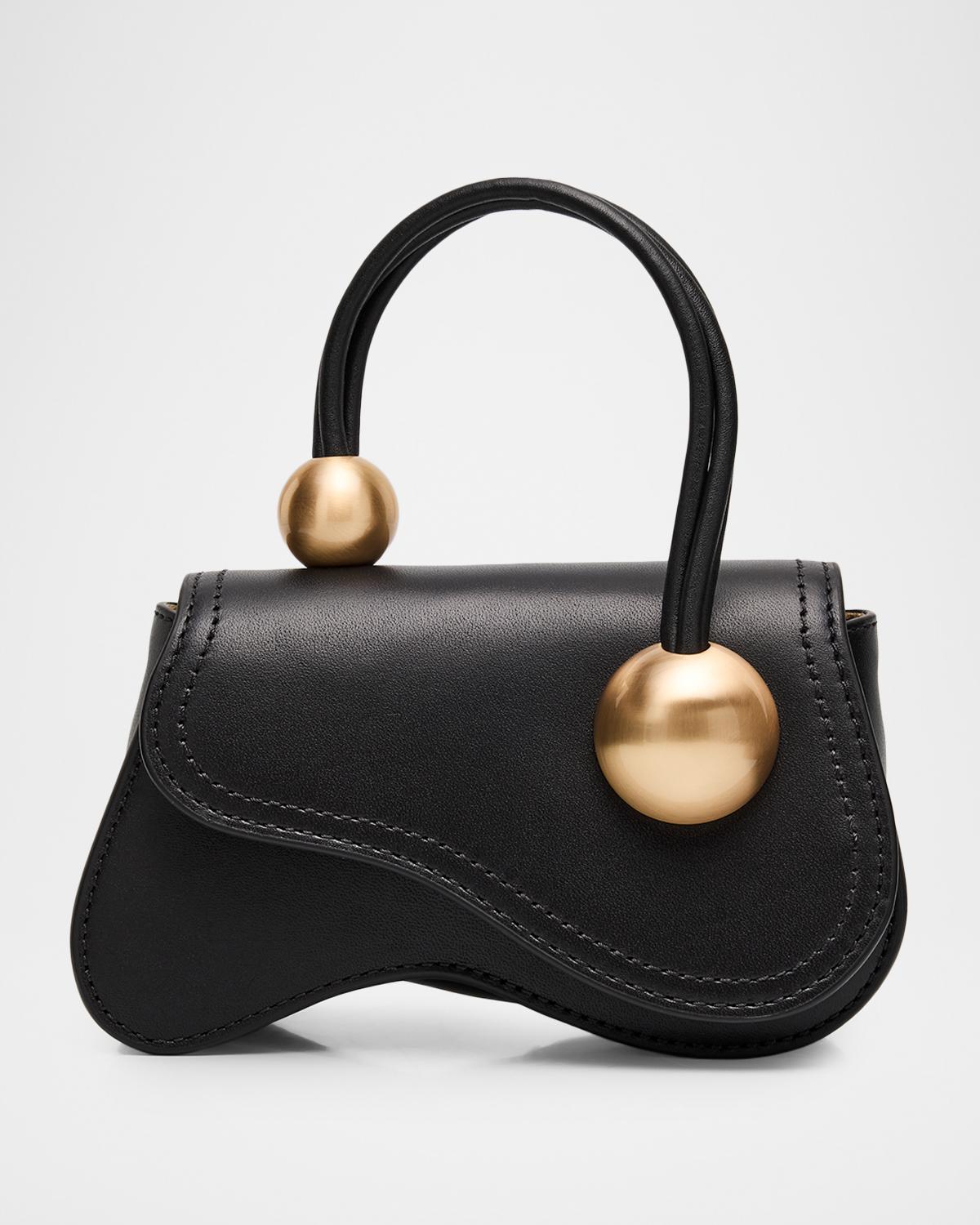
Kazia Nano Leather Top Handle Bag
Cult Gaia
$398
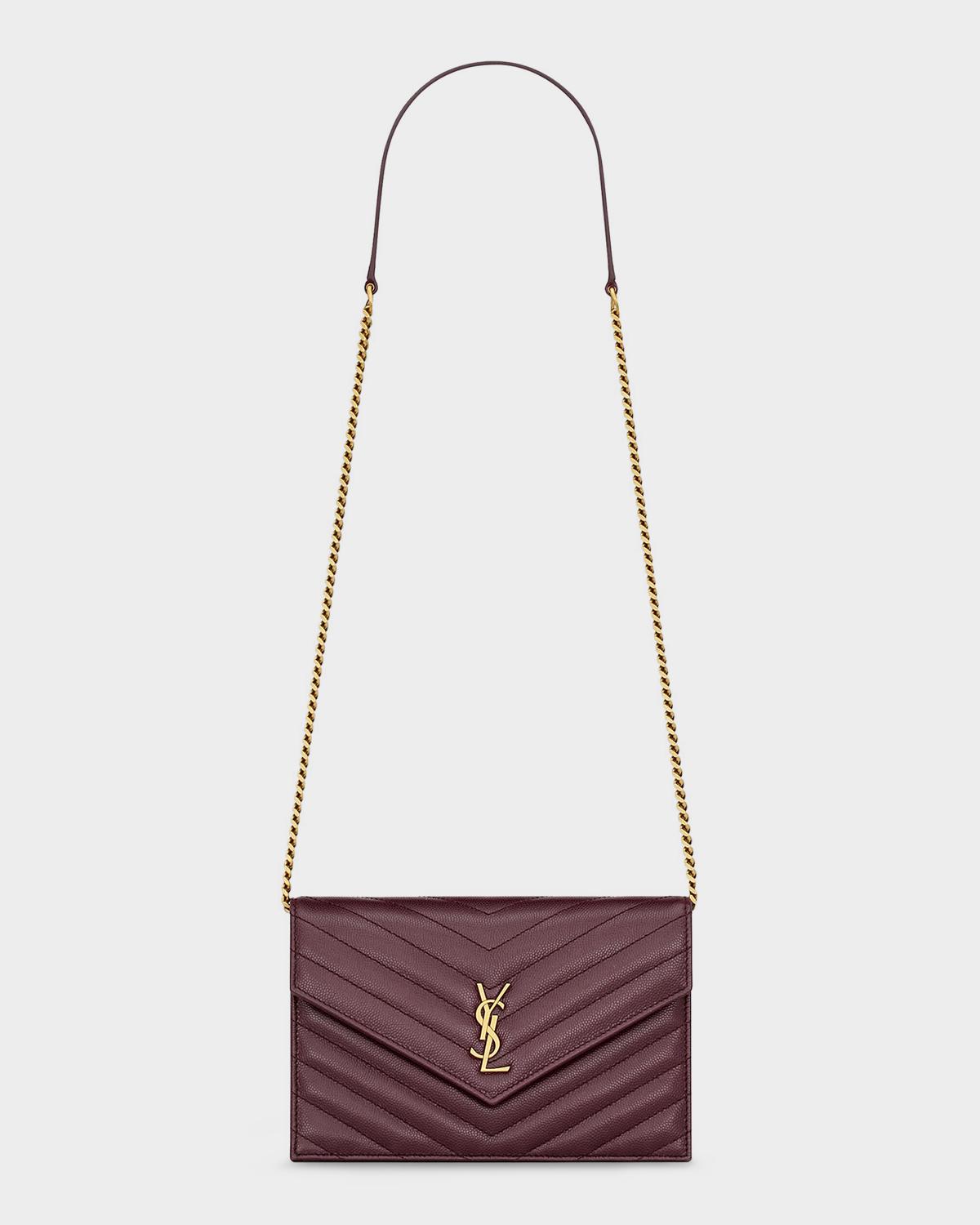
Cassandre Quilted Chevron Leather Shoulder Bag
Saint Laurent
$1,190
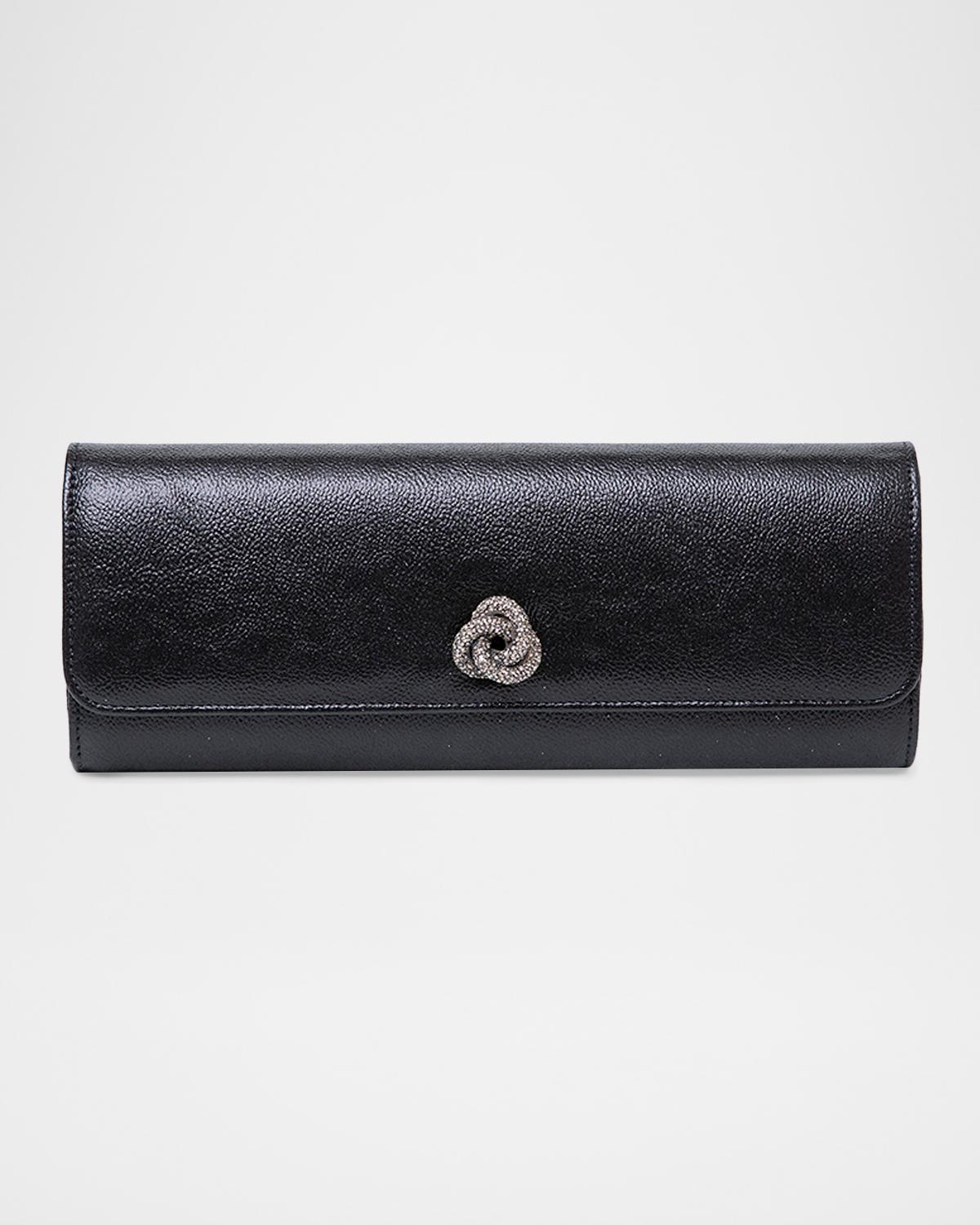
Mini Robbie Flap Clutch Bag
Michelle Wilhite
$795
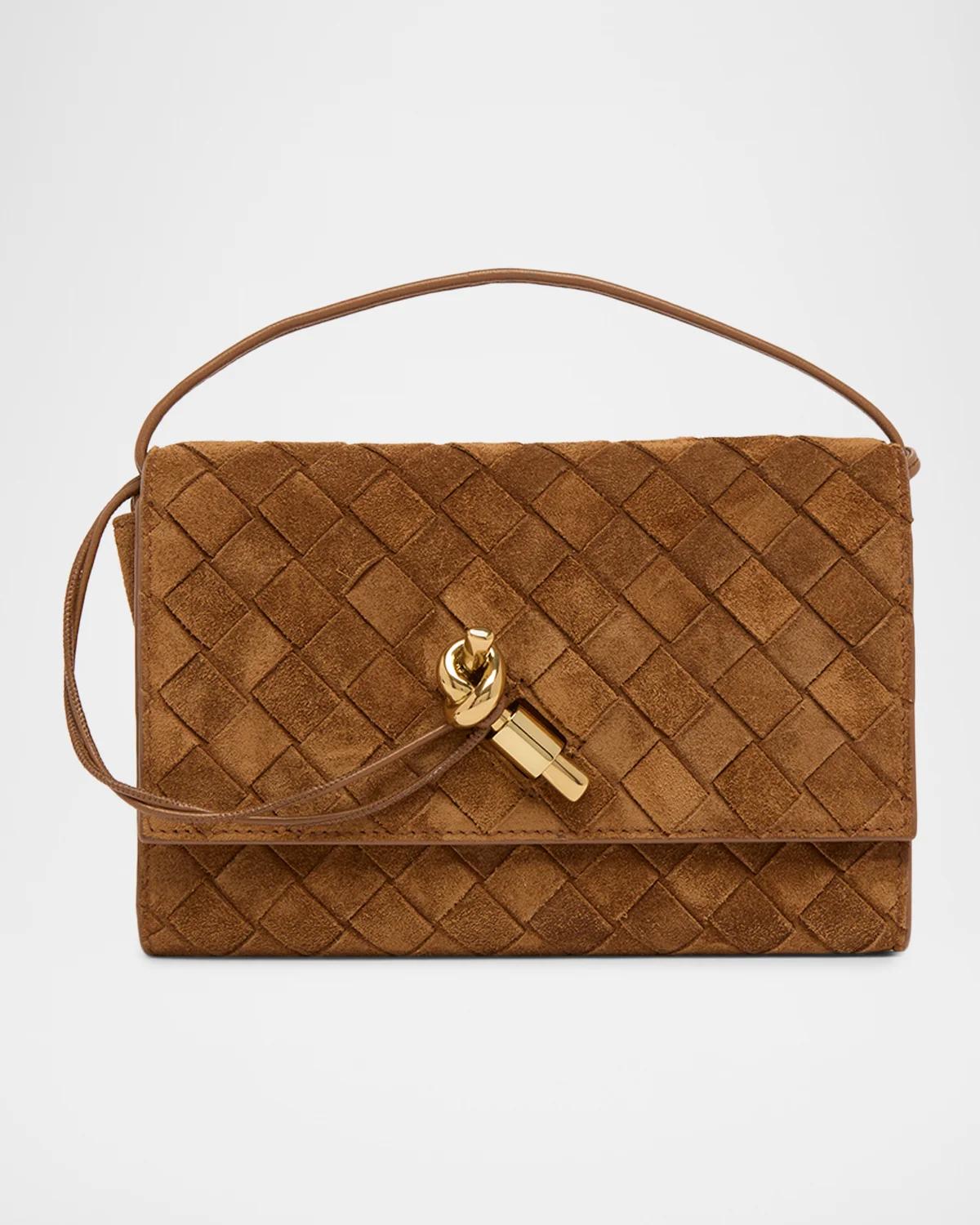
Andiamo Leather Wallet-On-Chain
Bottega Veneta
$2,200
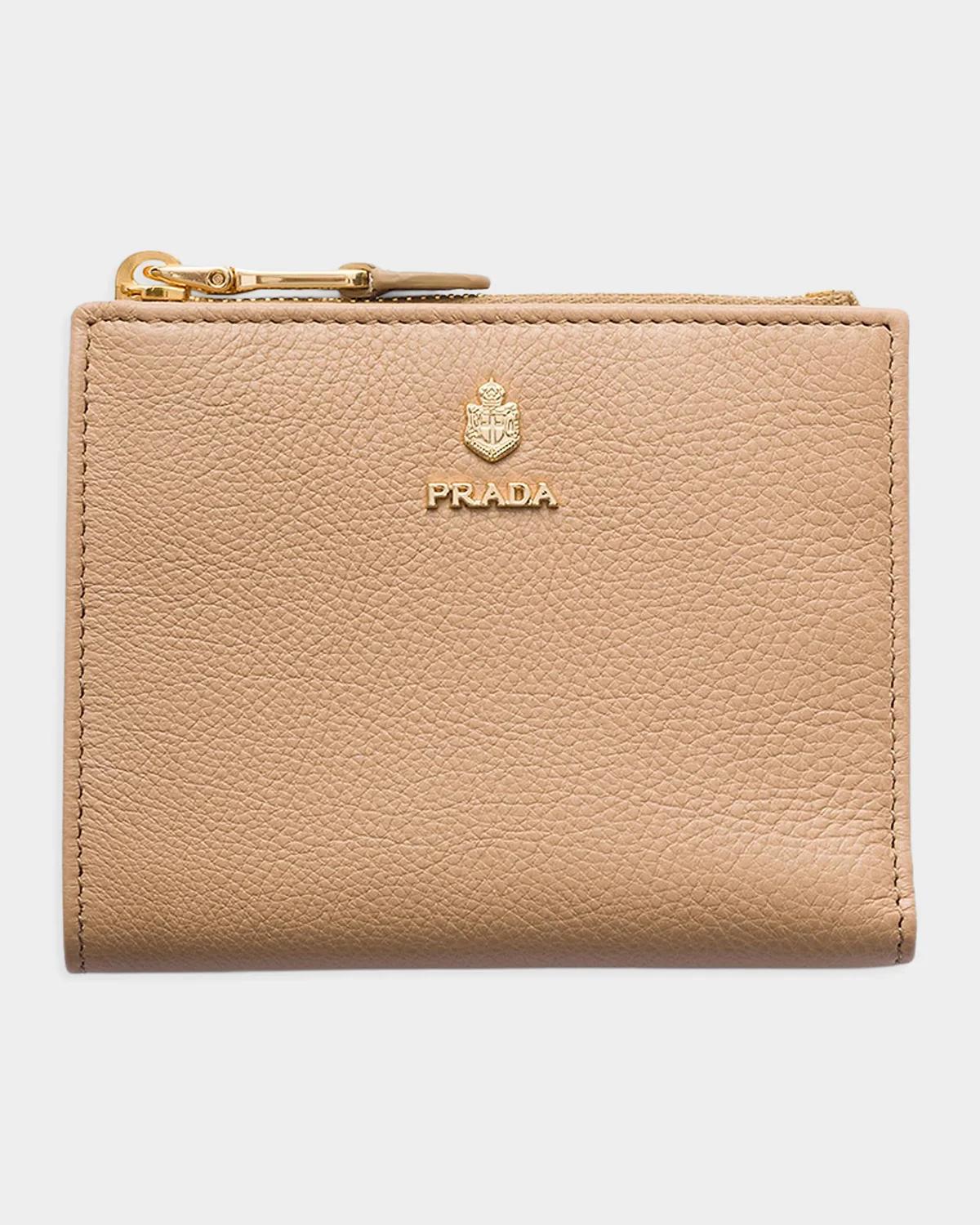
Small Logo Leather Wallet
Prada
$795
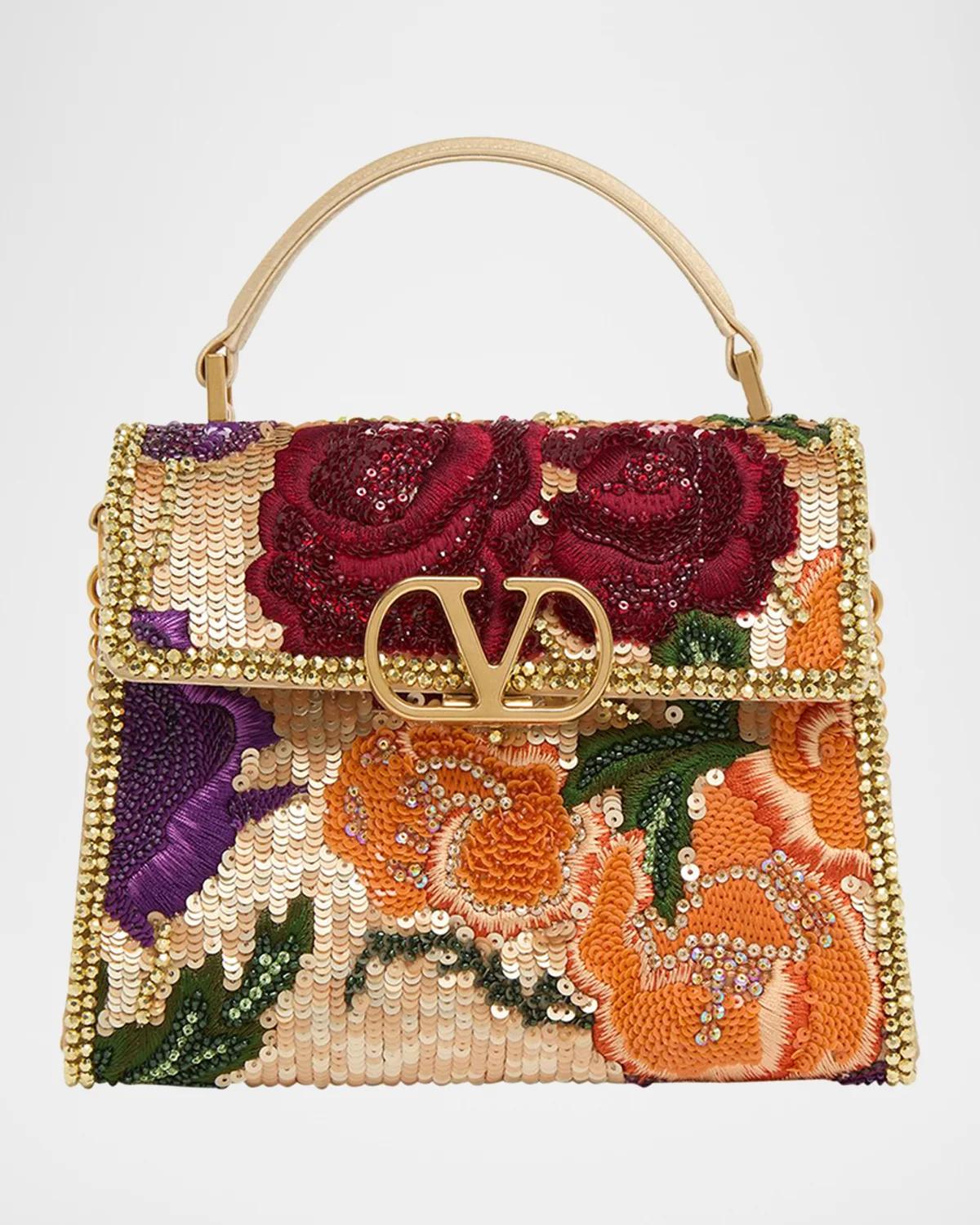
VSling Sequin Floral-Embroidered Top-Handle Bag
Valentino Garavani
$5,600
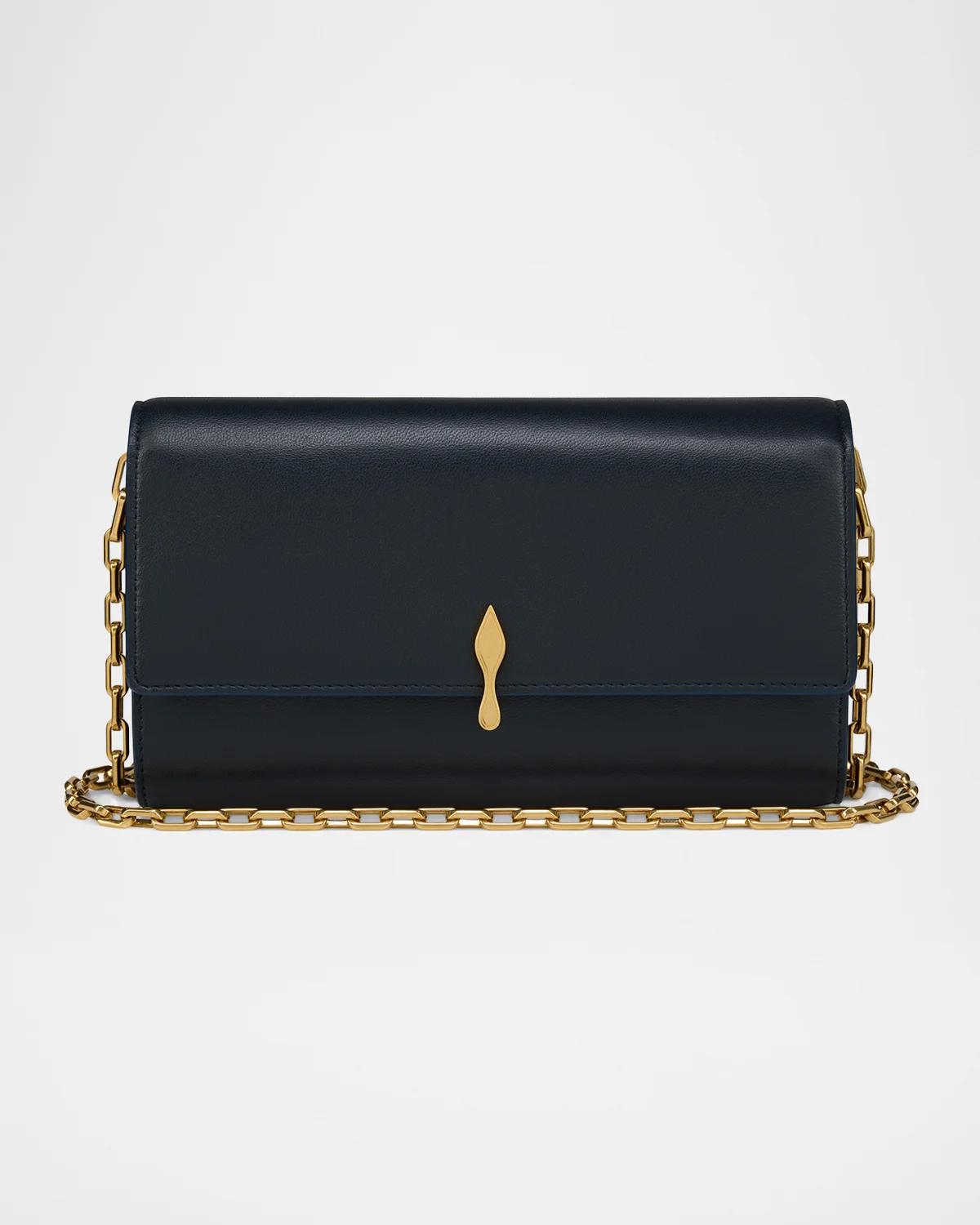
Bettina Wallet on Chain in Leather
Christian Louboutin
$1,250
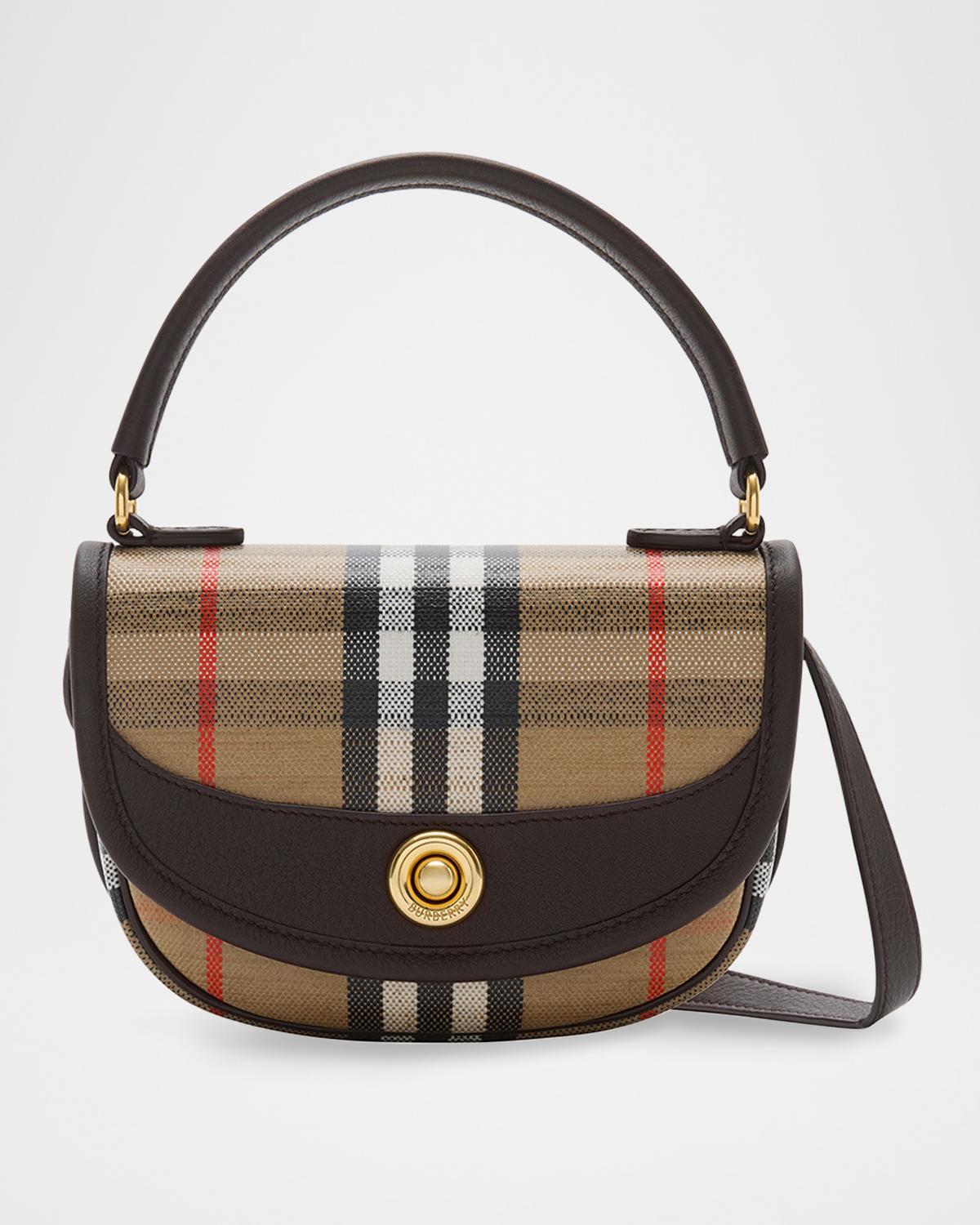
Highlands Check Jacquard Top-Handle Bag
Burberry
$1,250
Muse Satin Clutch
STAUD
$295
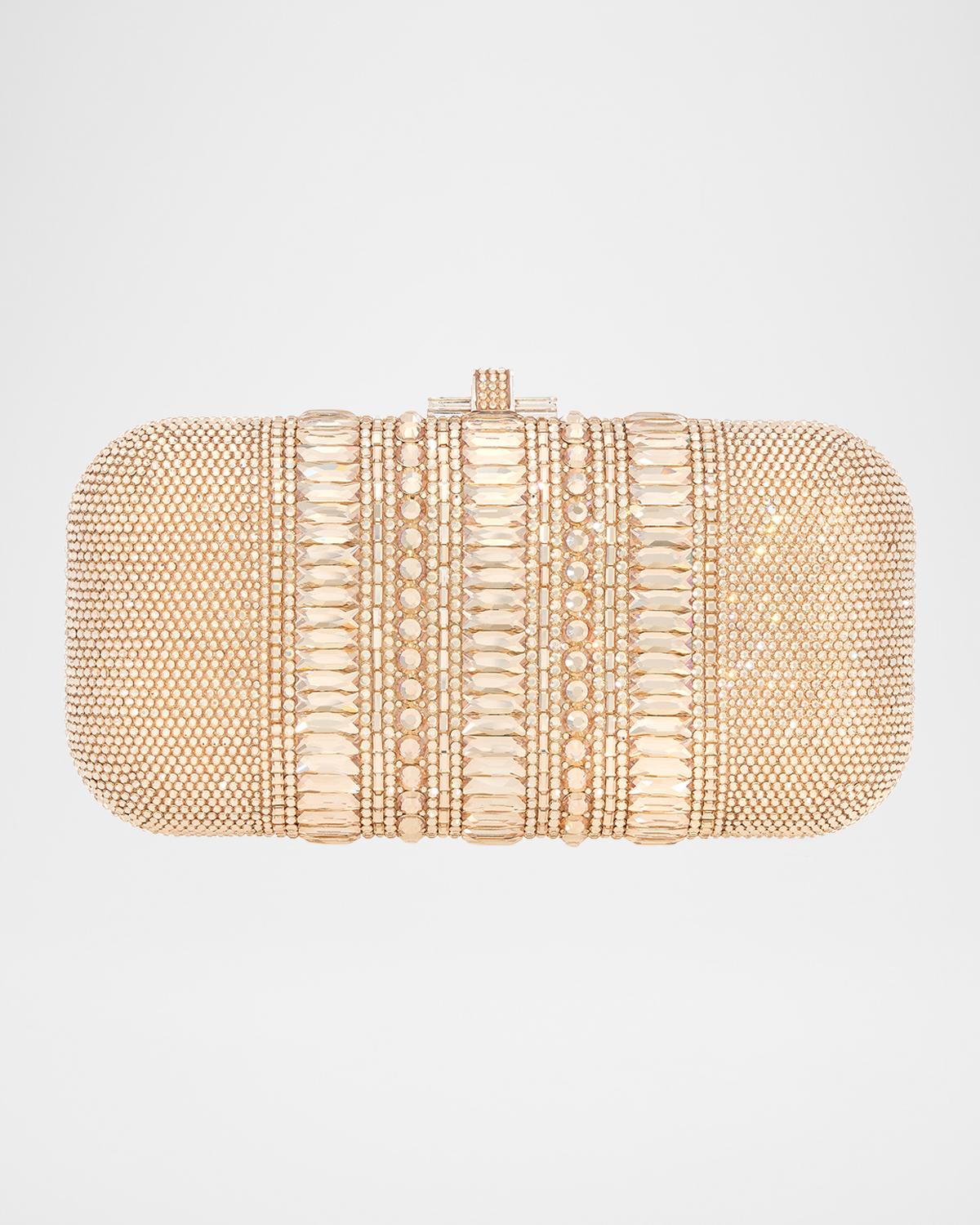
Long Slide Crystal Clutch Bag
Judith Leiber Couture
$3,995
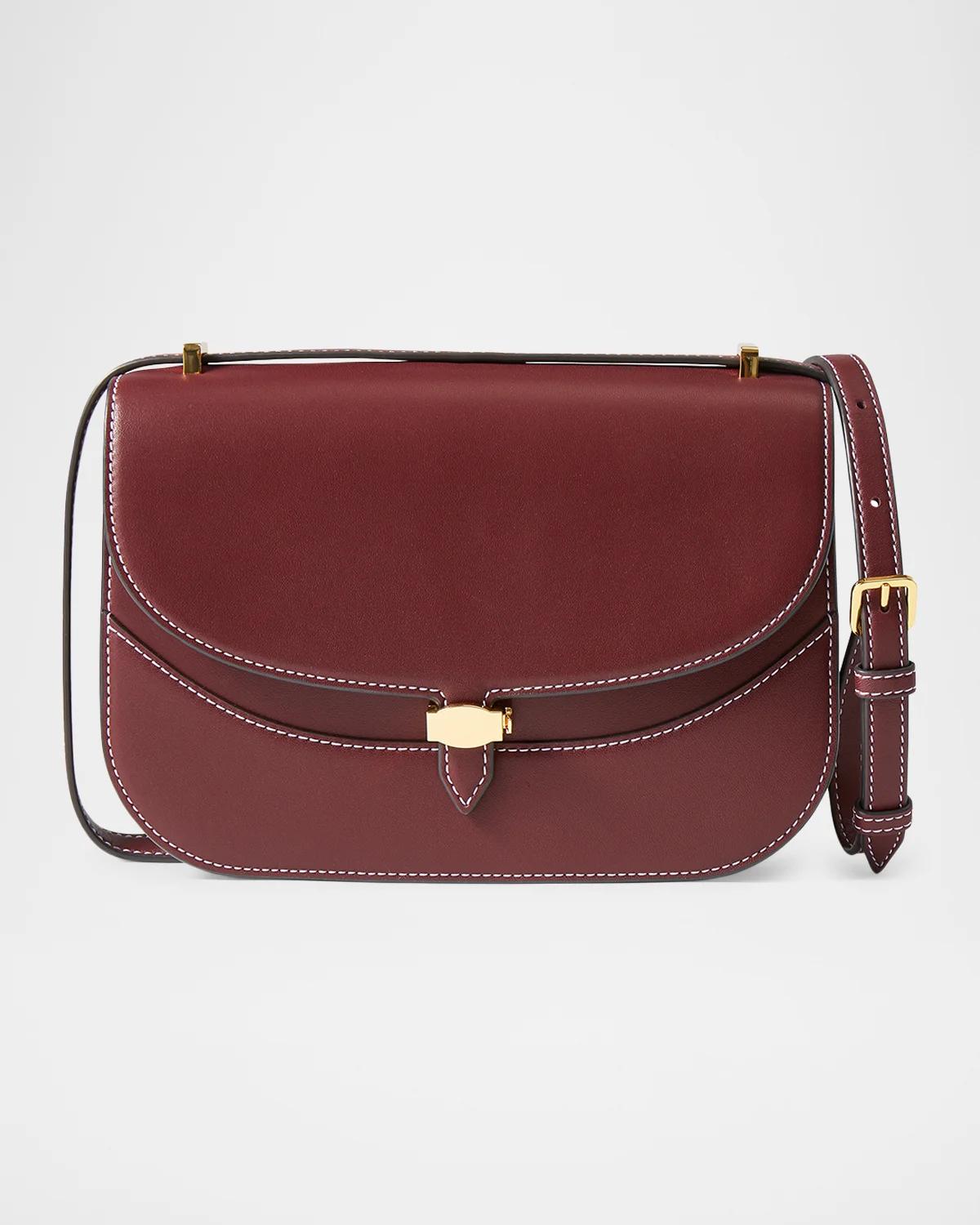
Dash Leather Saddle Bag
Veronica Beard
$595
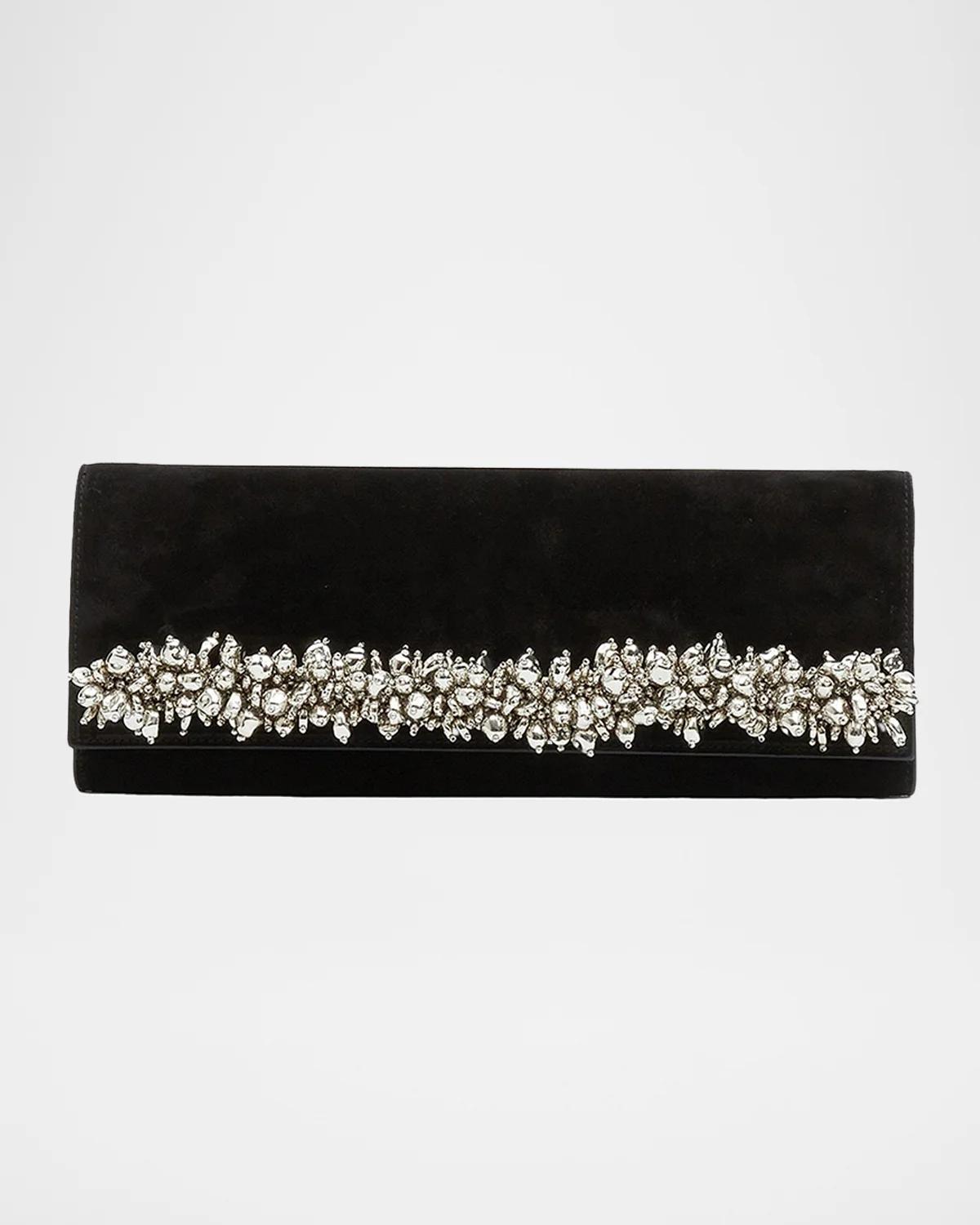
River Embellished Suede East-West Clutch
Simkhai
$645
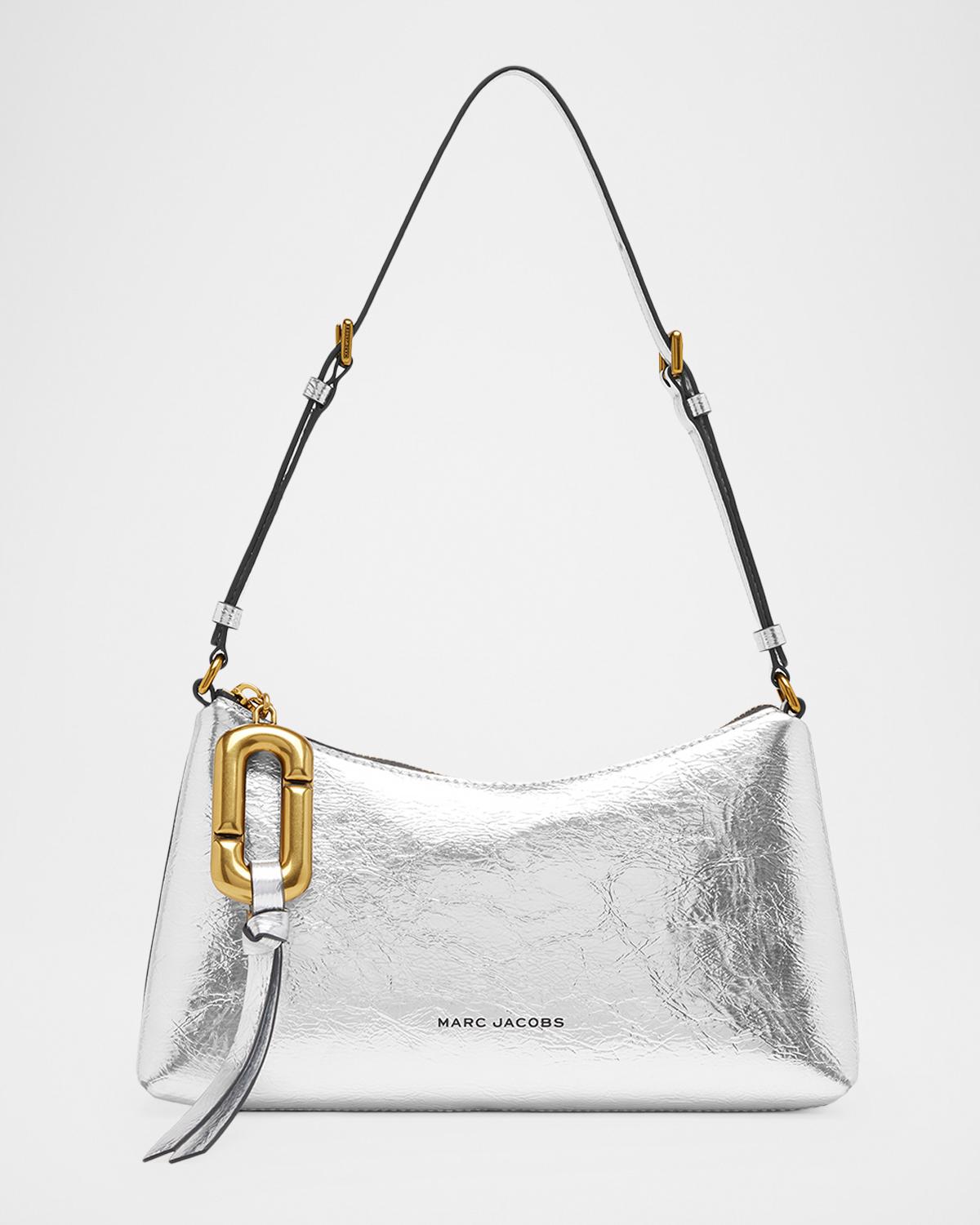
Scene Metallic Convertible Mini Pouch Bag
Marc Jacobs
$198
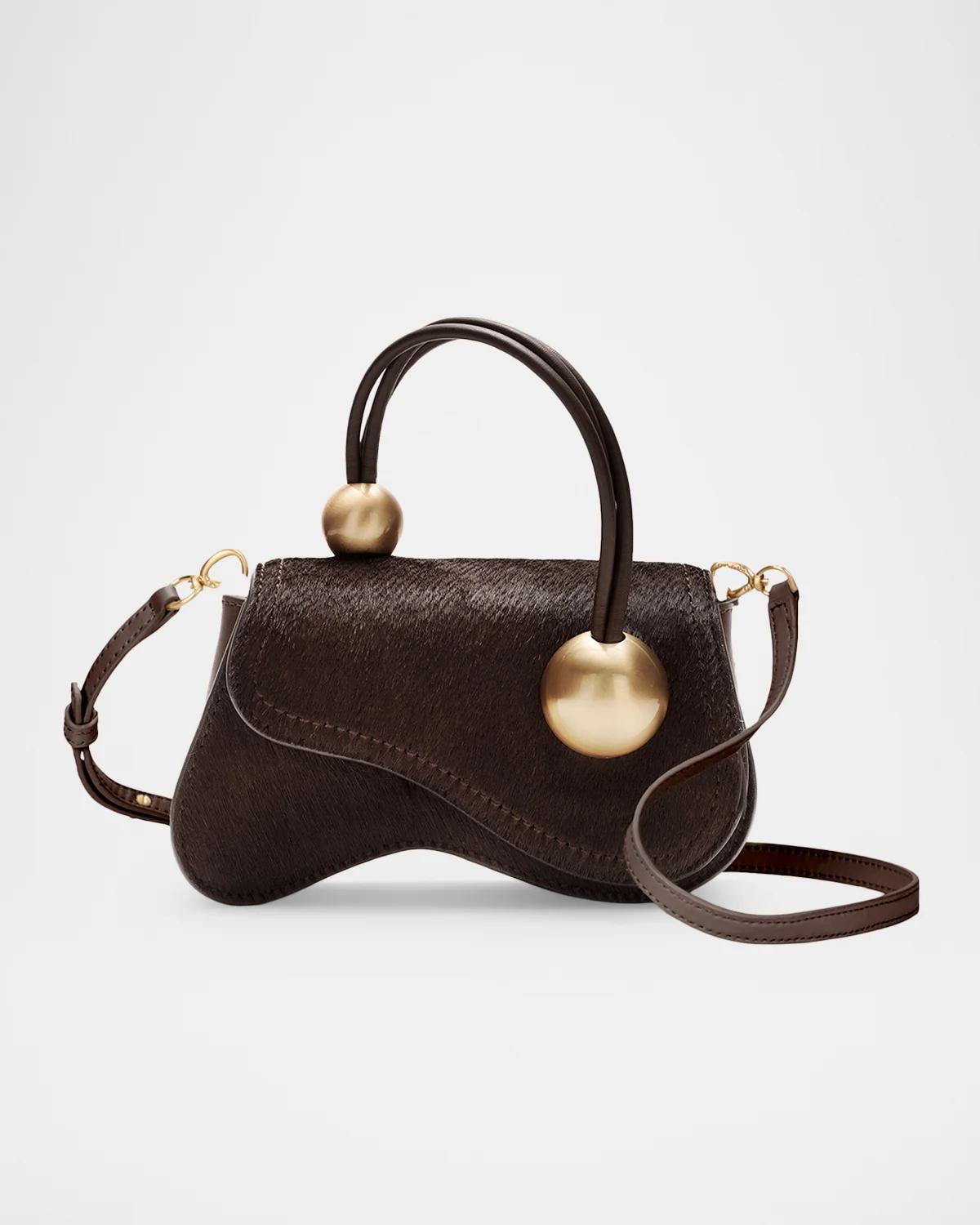
Kazia Nano Calf Hair Top Handle Bag
Cult Gaia
$498
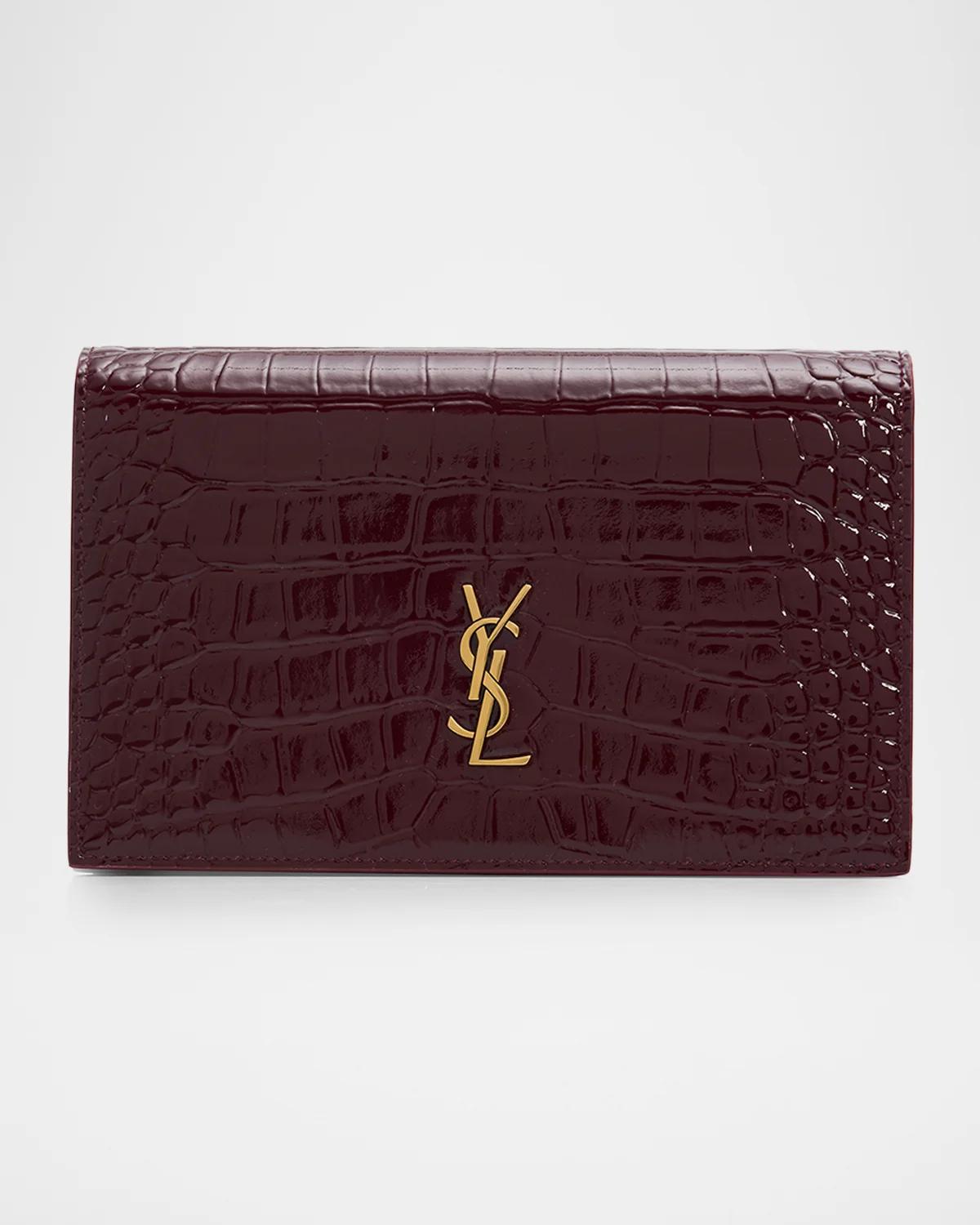
YSL Croc-Embossed Leather Crossbody Bag
Saint Laurent
$1,600
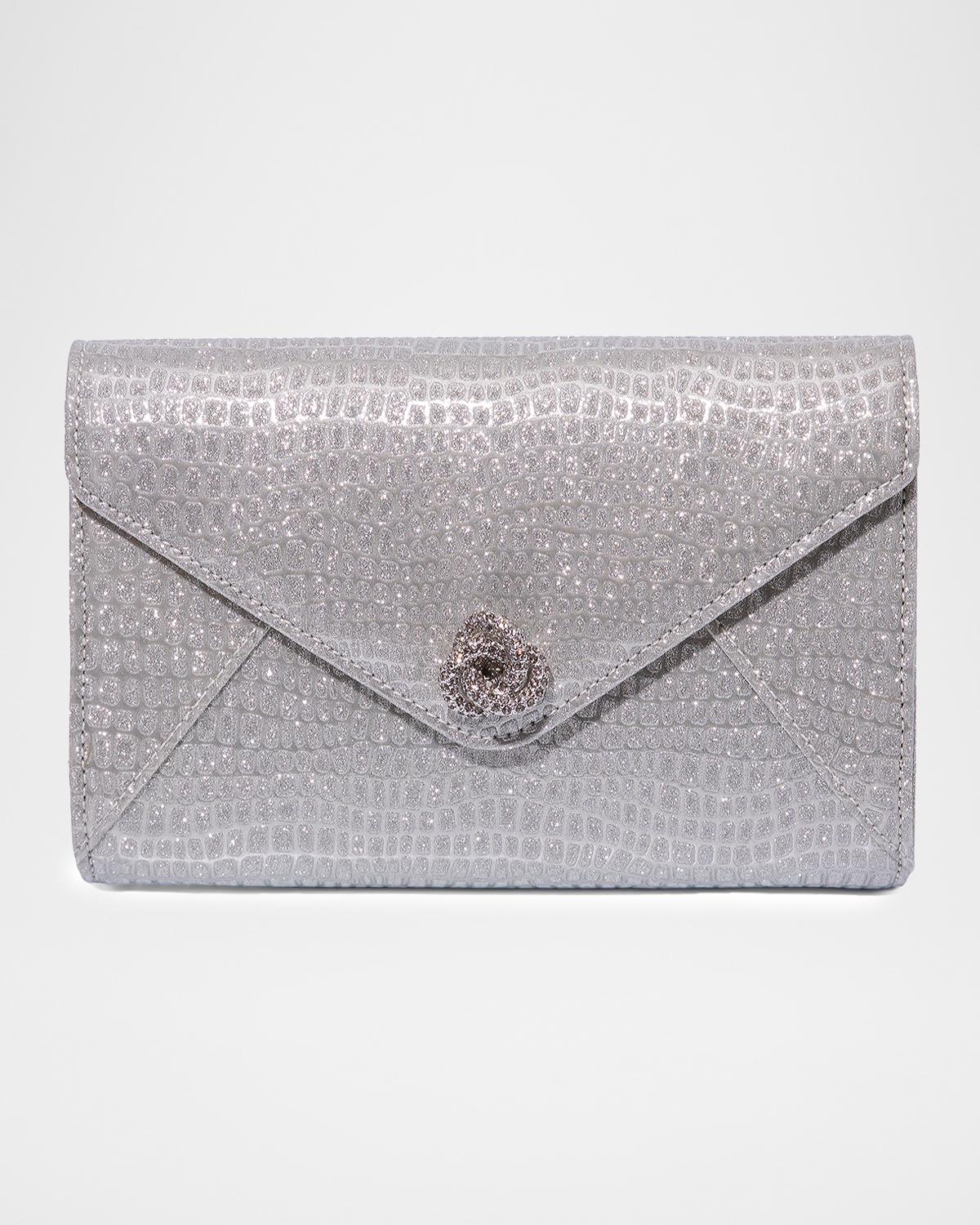
Mini Frieda Envelope Flap Clutch Bag
Michelle Wilhite
$950
Also in the edit
More from the same edit, grouped by what was left rather than by shape.
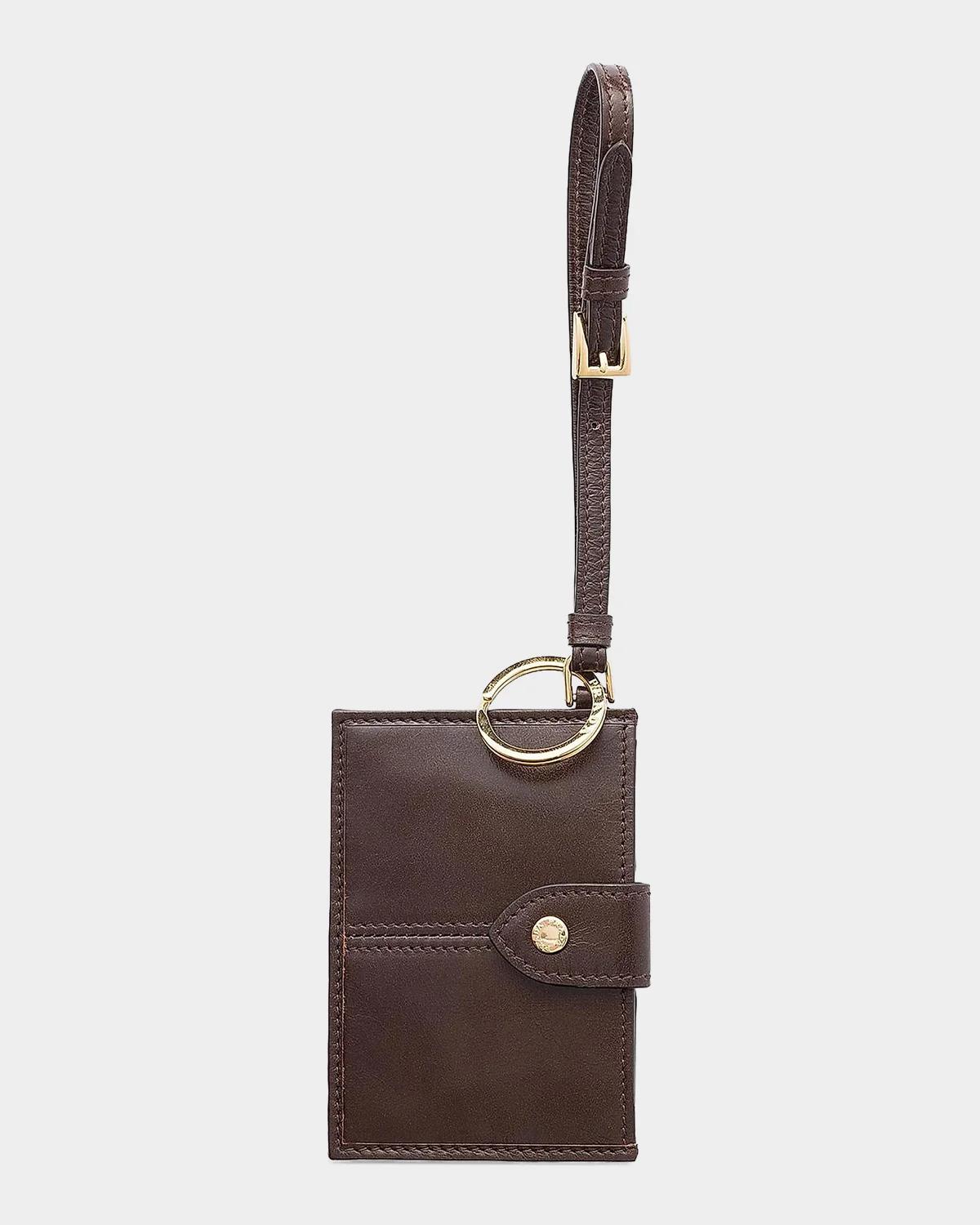
Leather Card Holder
Prada
$750
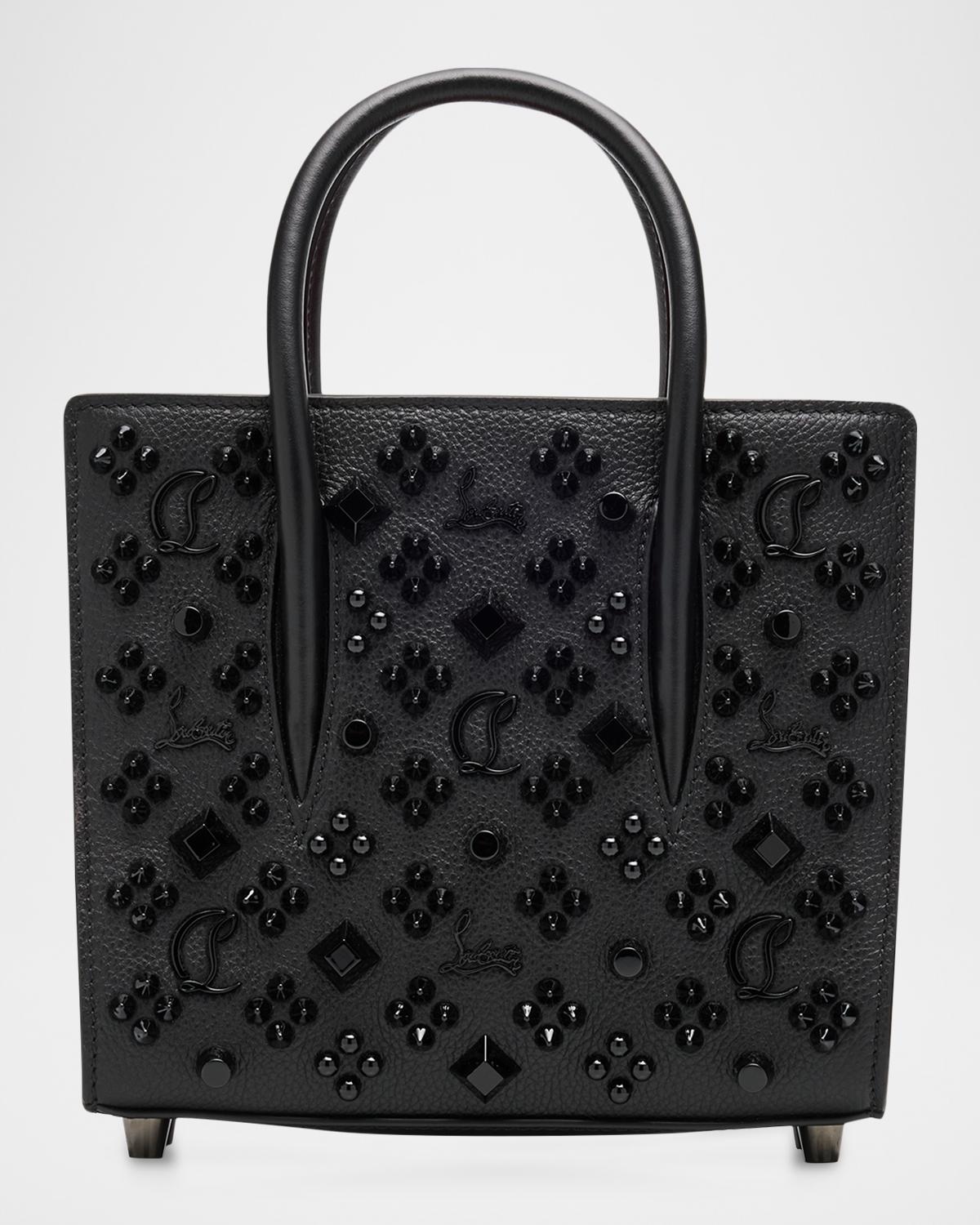
Paloma Mini in Leather with Loubinthesky Spikes
Christian Louboutin
$2,250
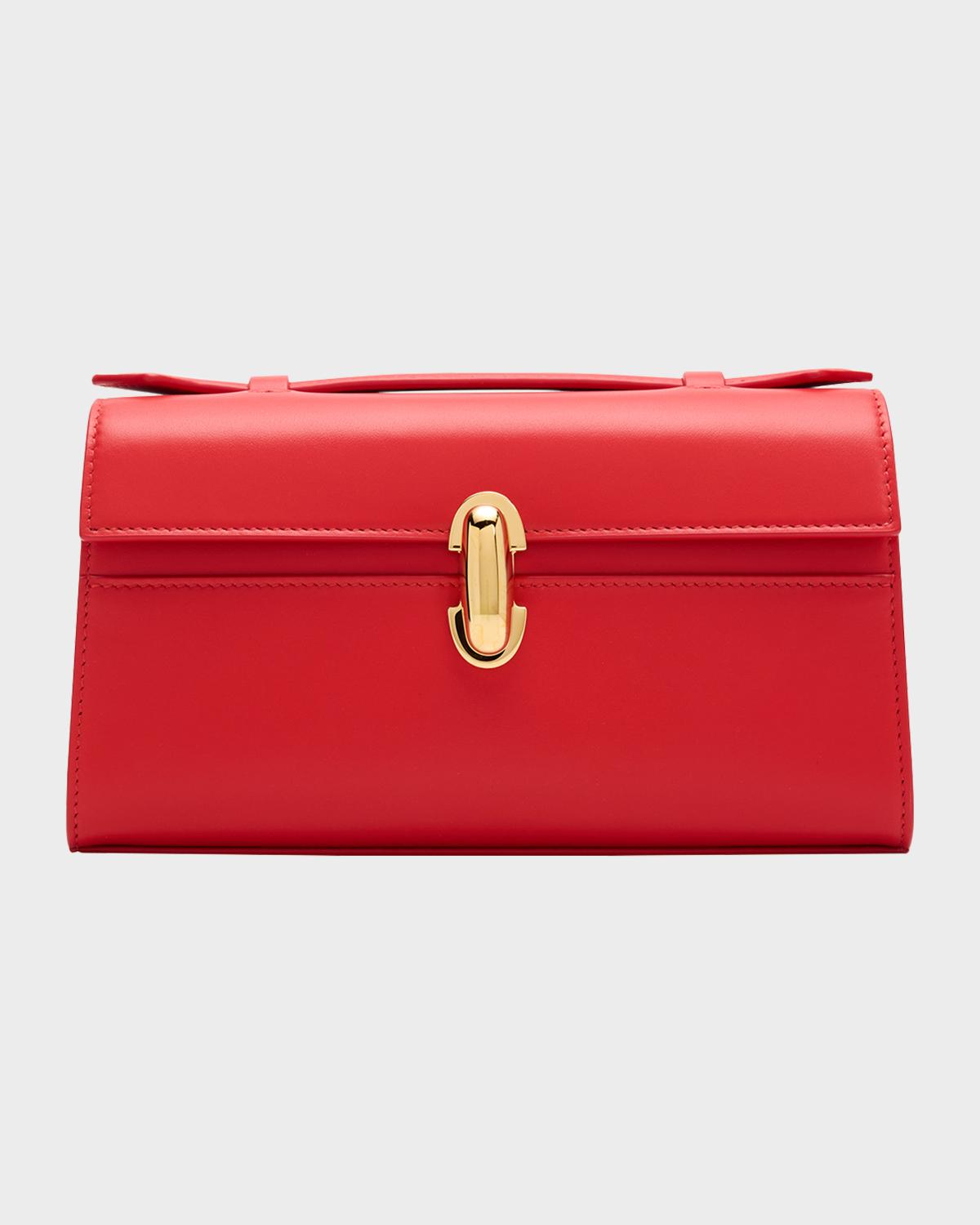
The Symmetry Pochette
Savette
$1,390
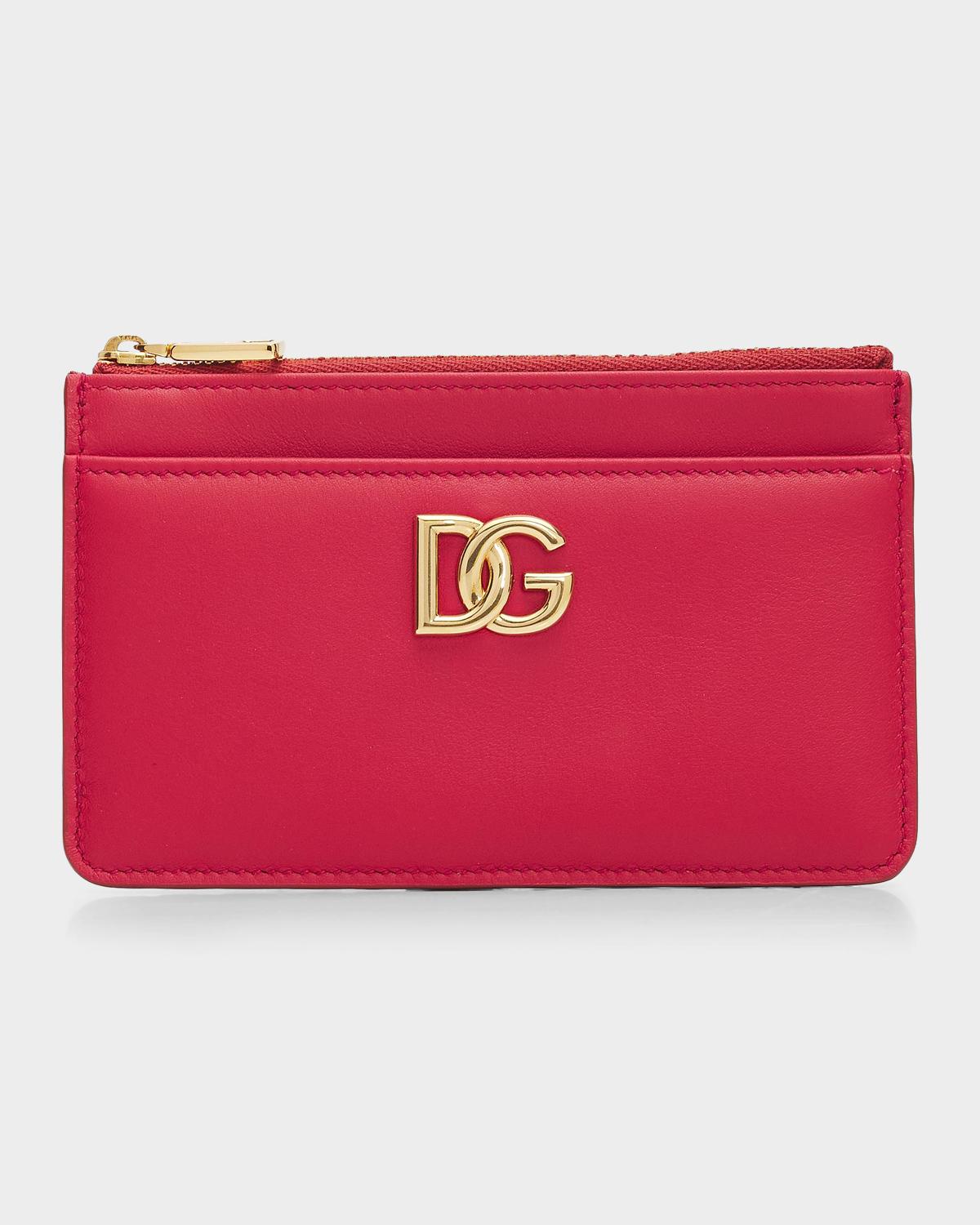
Logo Leather Card Holder
Dolce&Gabbana
$425
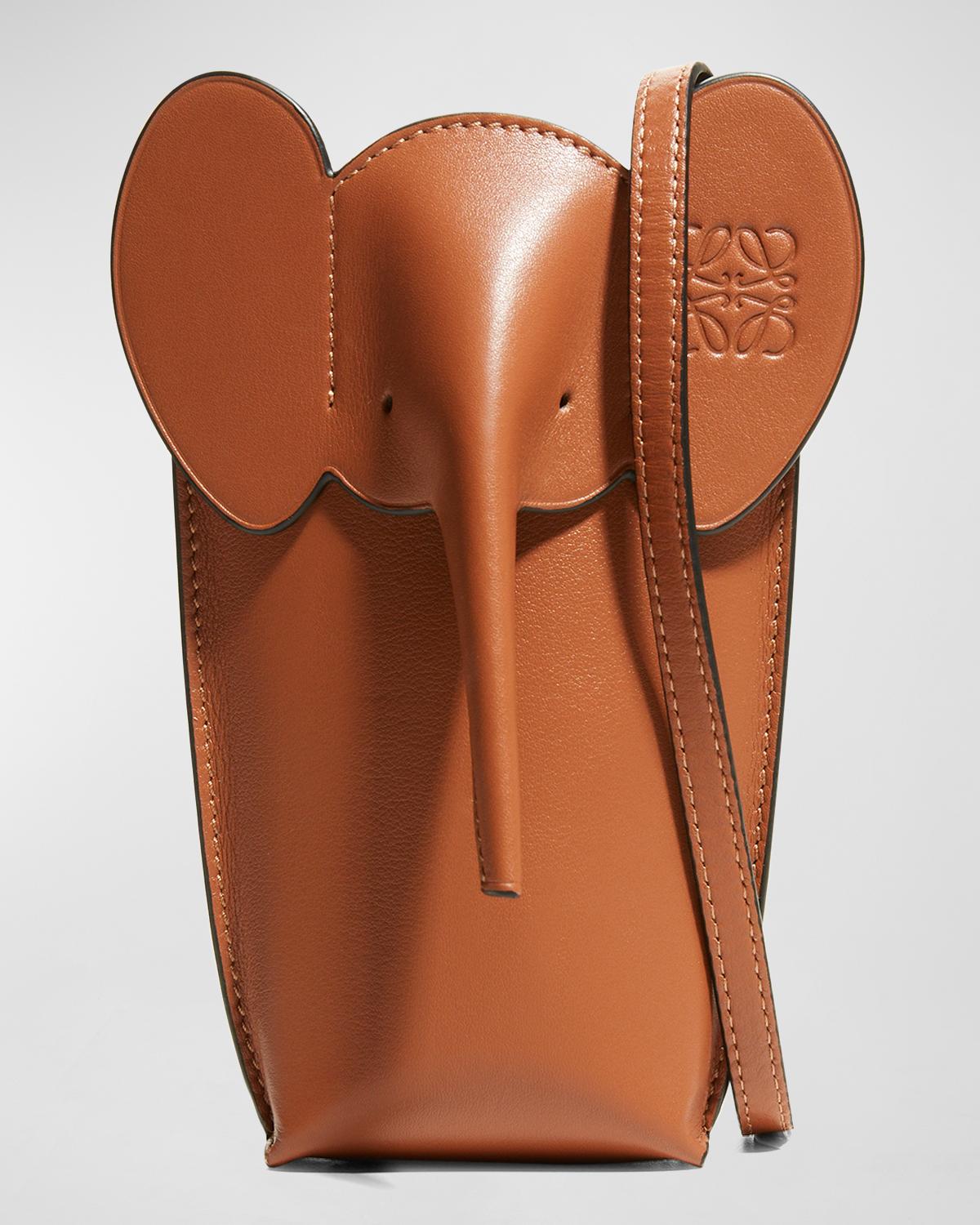
Elephant Pocket in Leather with Strap
LOEWE
$990
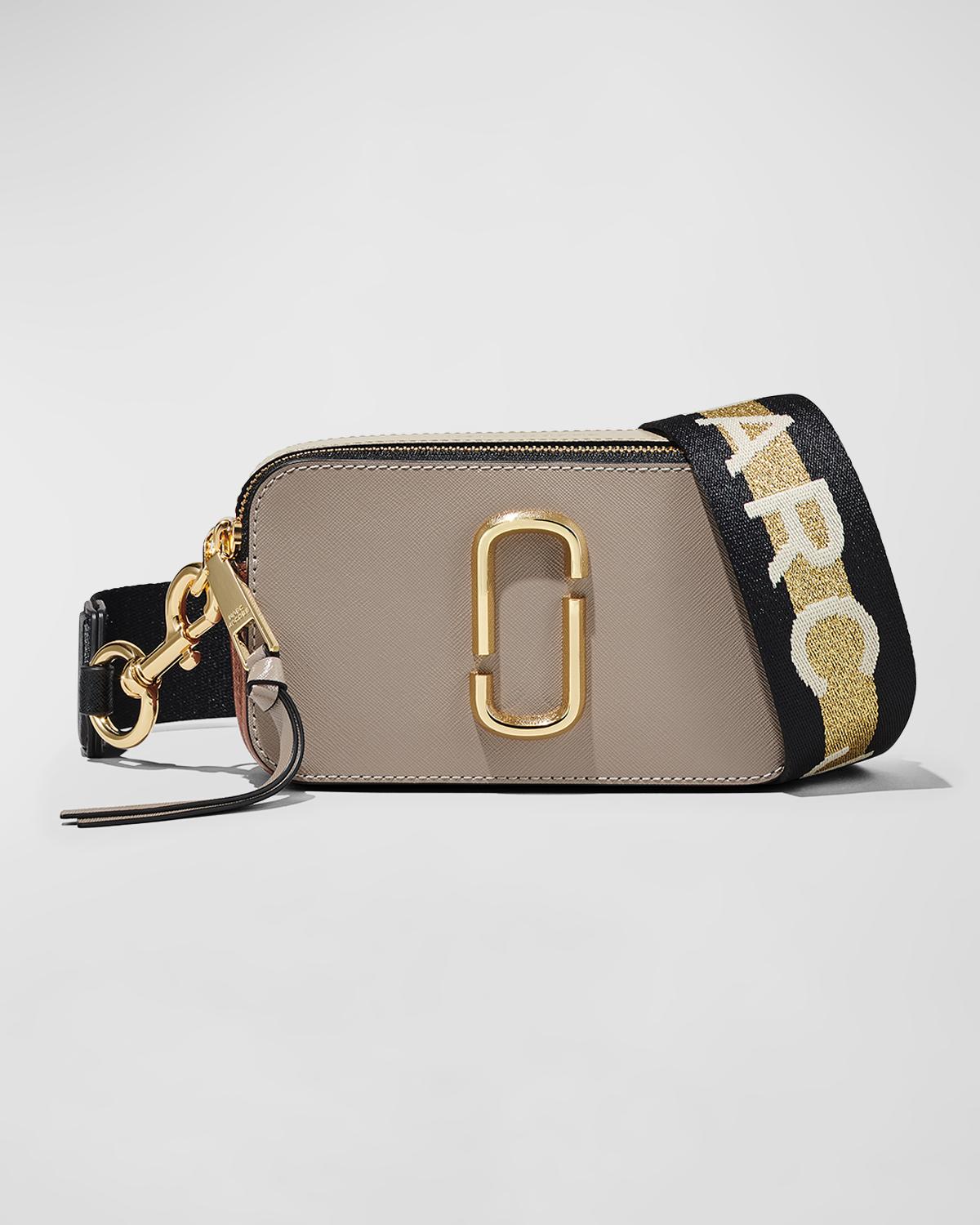
The Snapshot
Marc Jacobs
$325
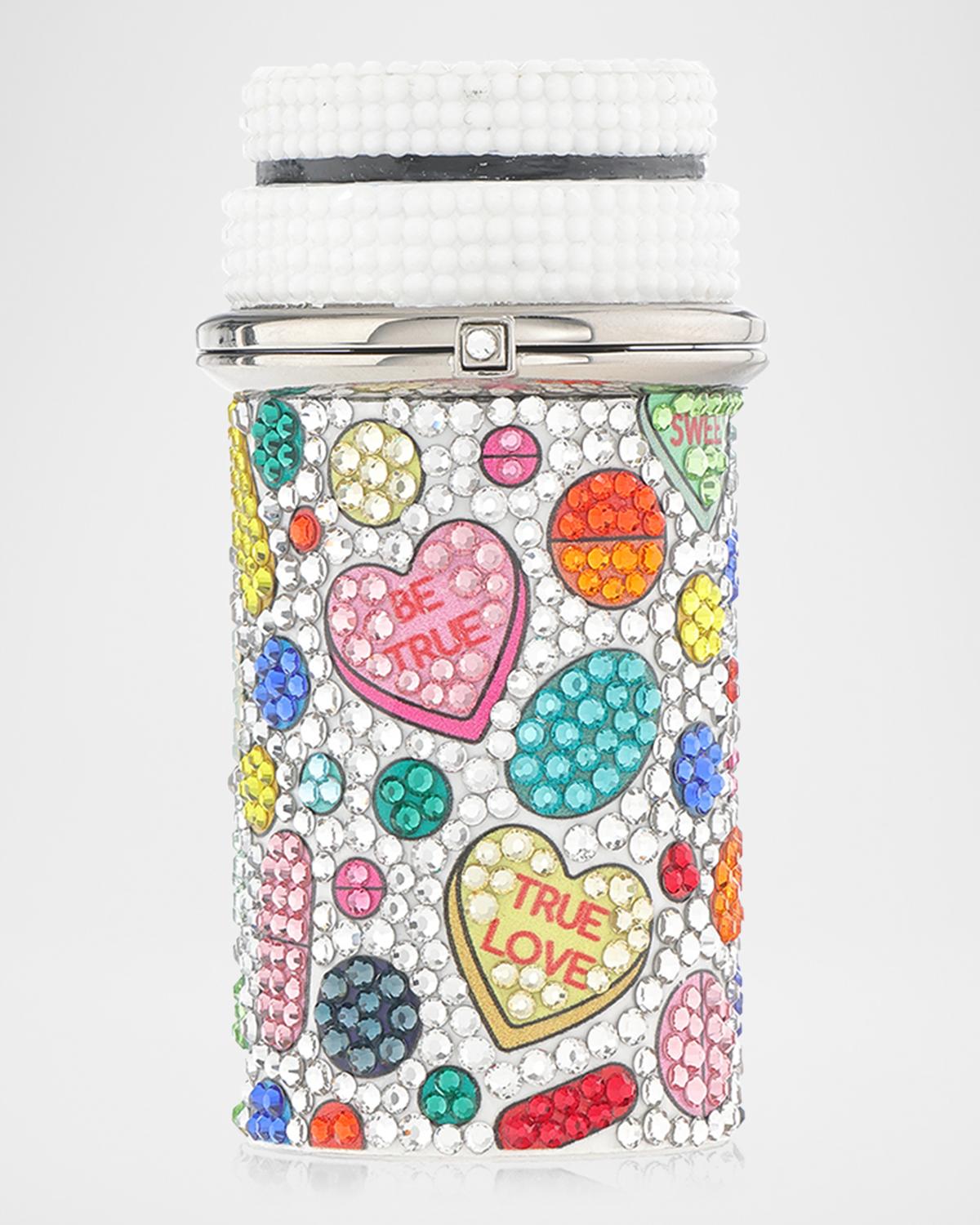
Prescription Bottle 'Happy Pills' Crystal Pillbox
Judith Leiber Couture
$895
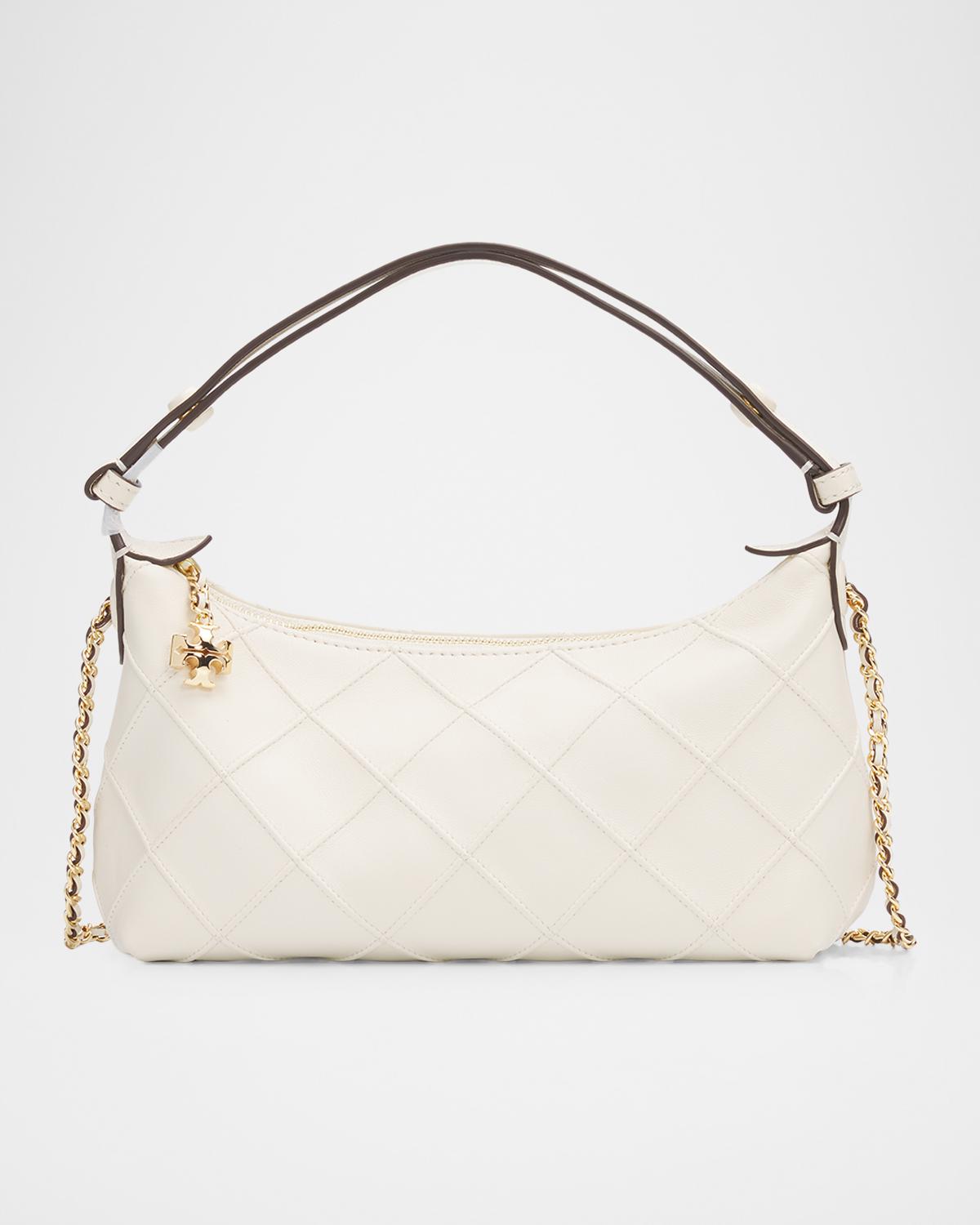
Fleming Quilted Leather Pochette
Tory Burch
$395
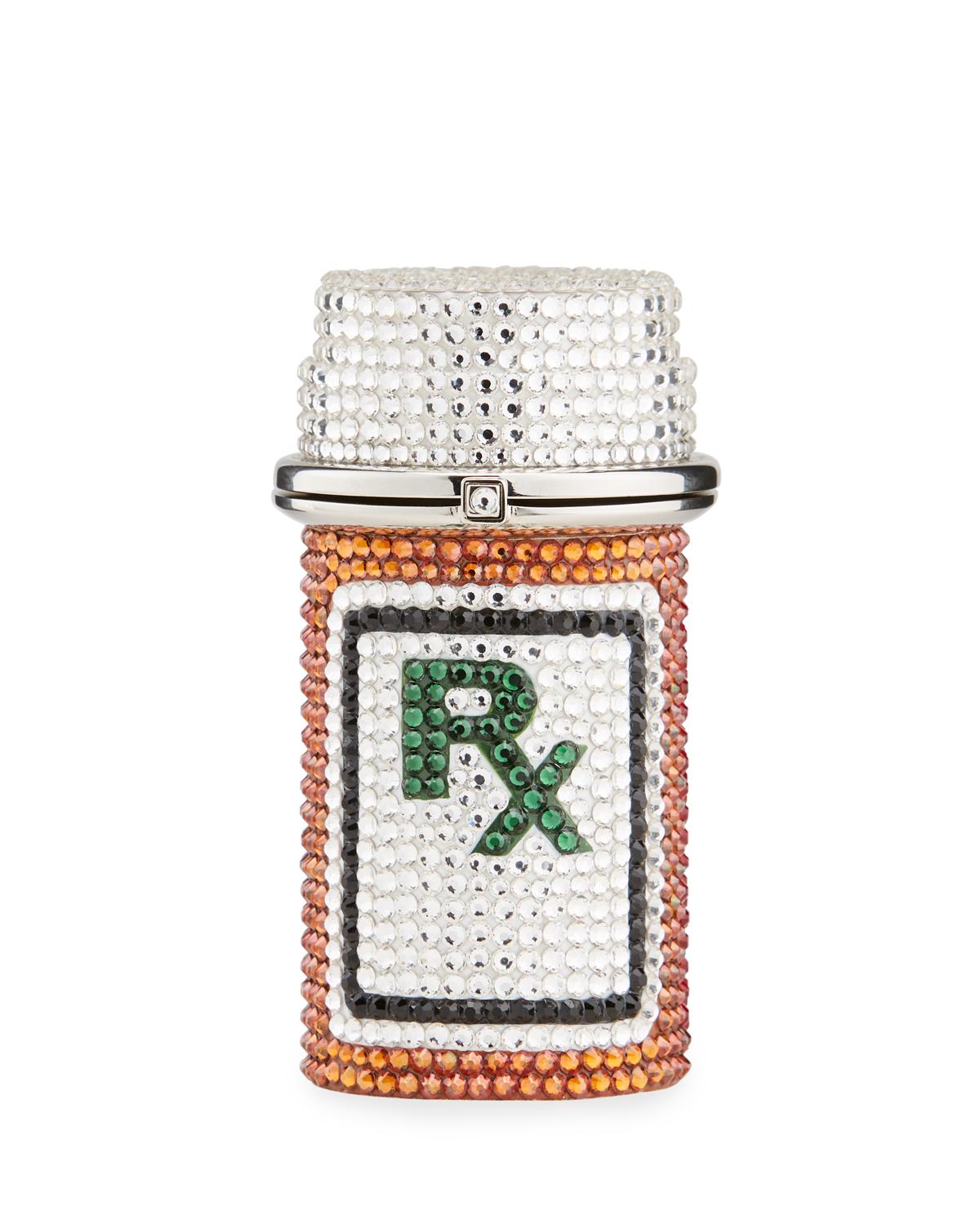
Prescription Bottle RX Crystal Pillbox
Judith Leiber Couture
$895
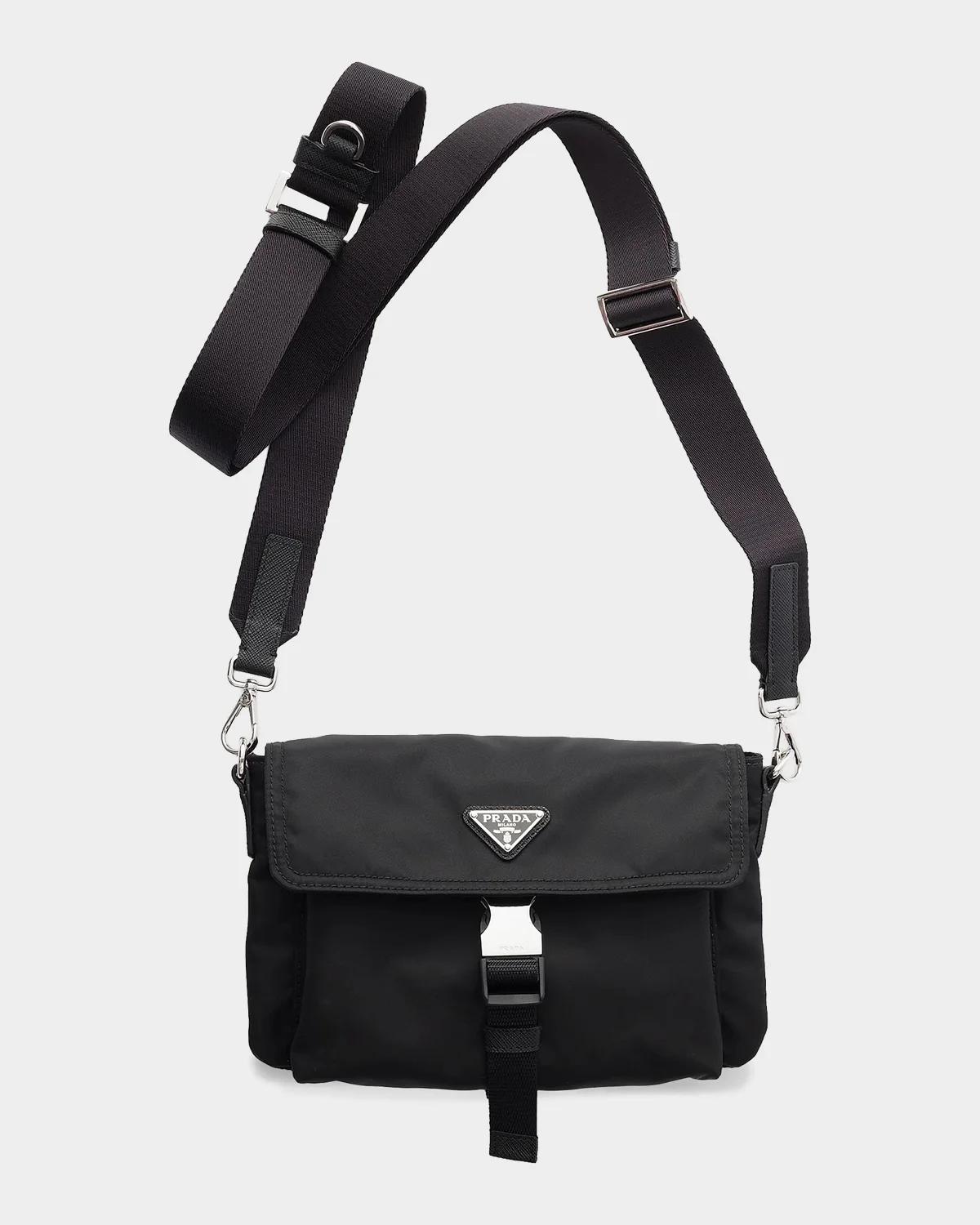
Re-Nylon Shoulder Strap Smartphone Case
Prada
$1,550
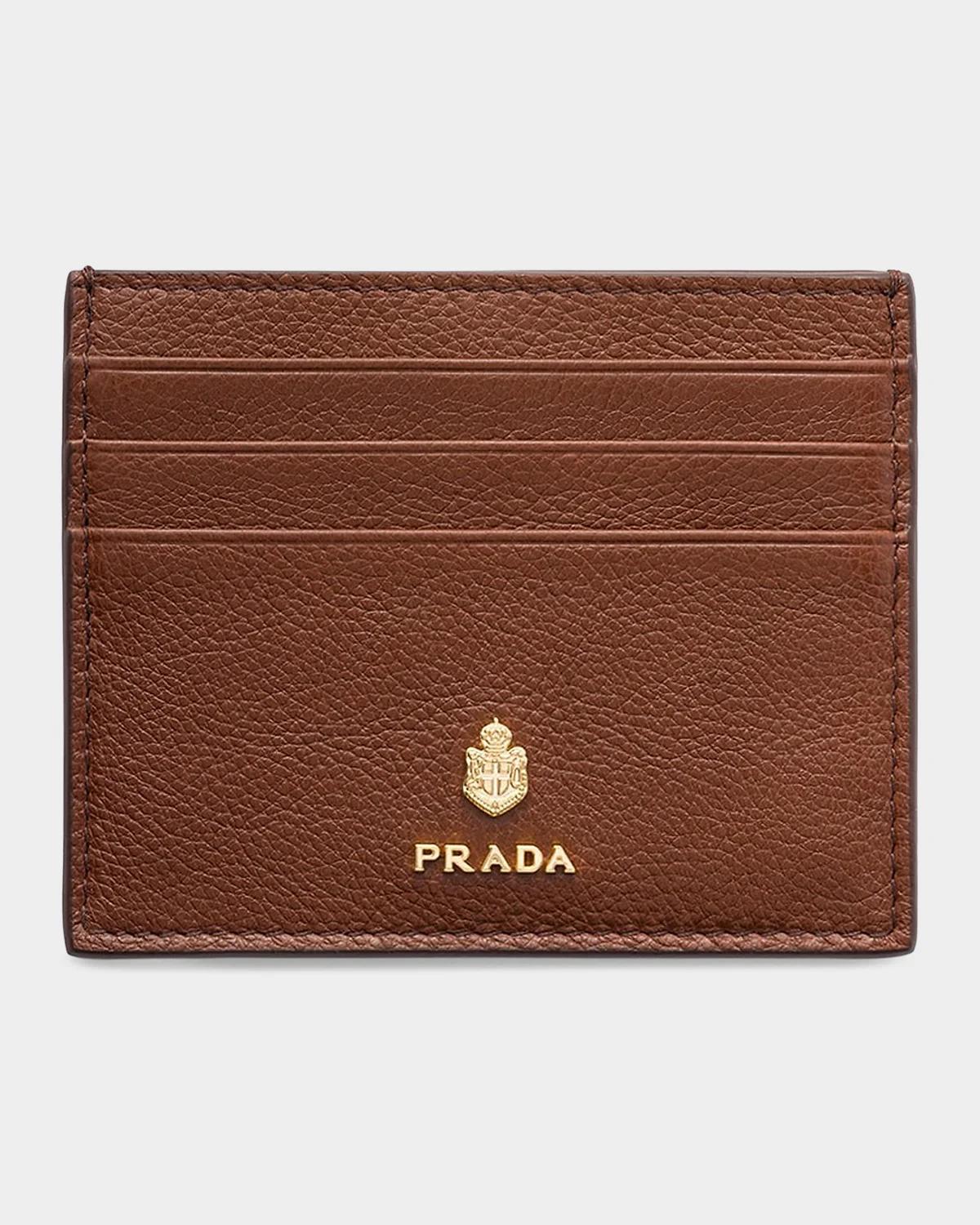
Leather Card Holder
Prada
$425
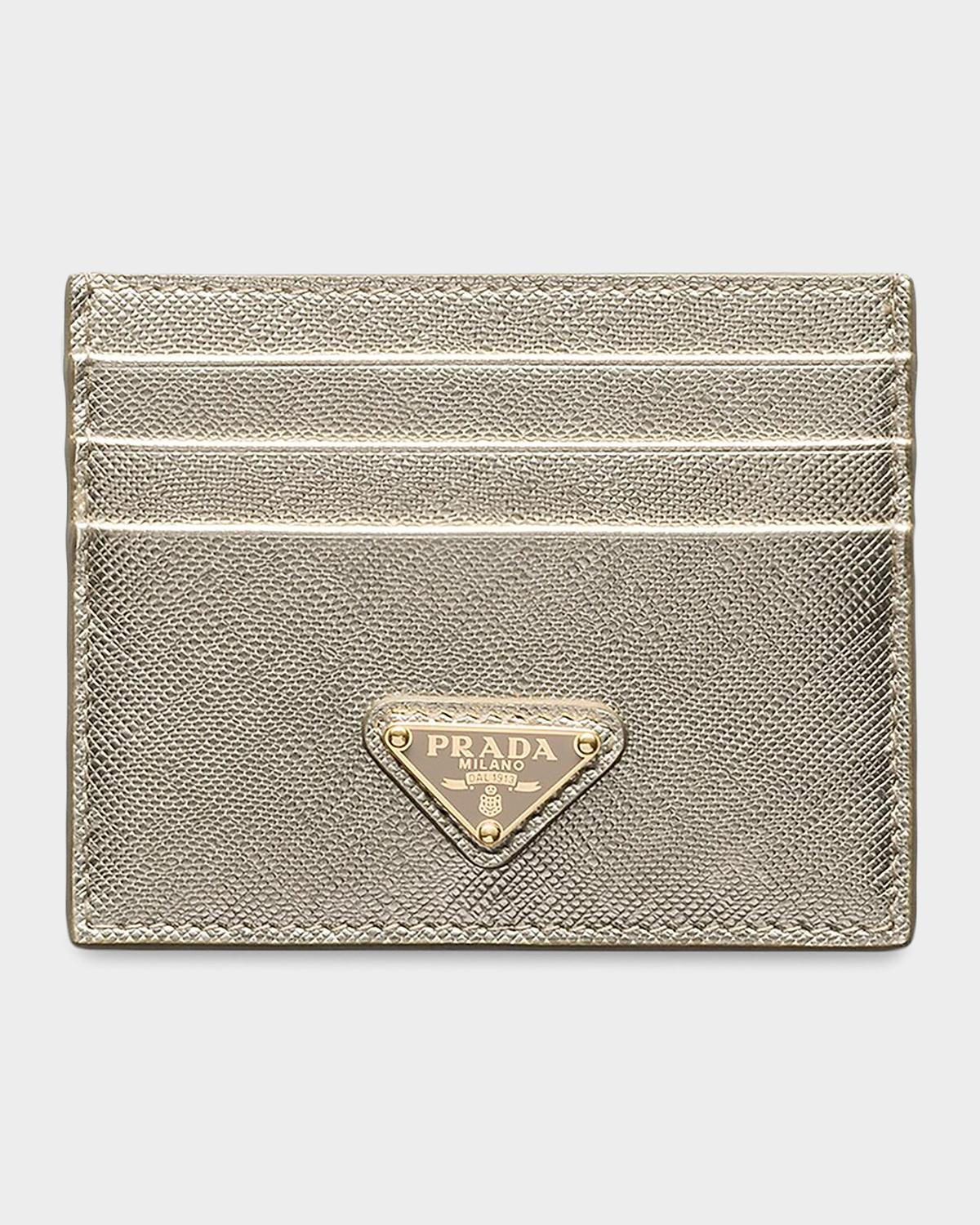
Logo Saffiano Leather Card Holder
Prada
$425
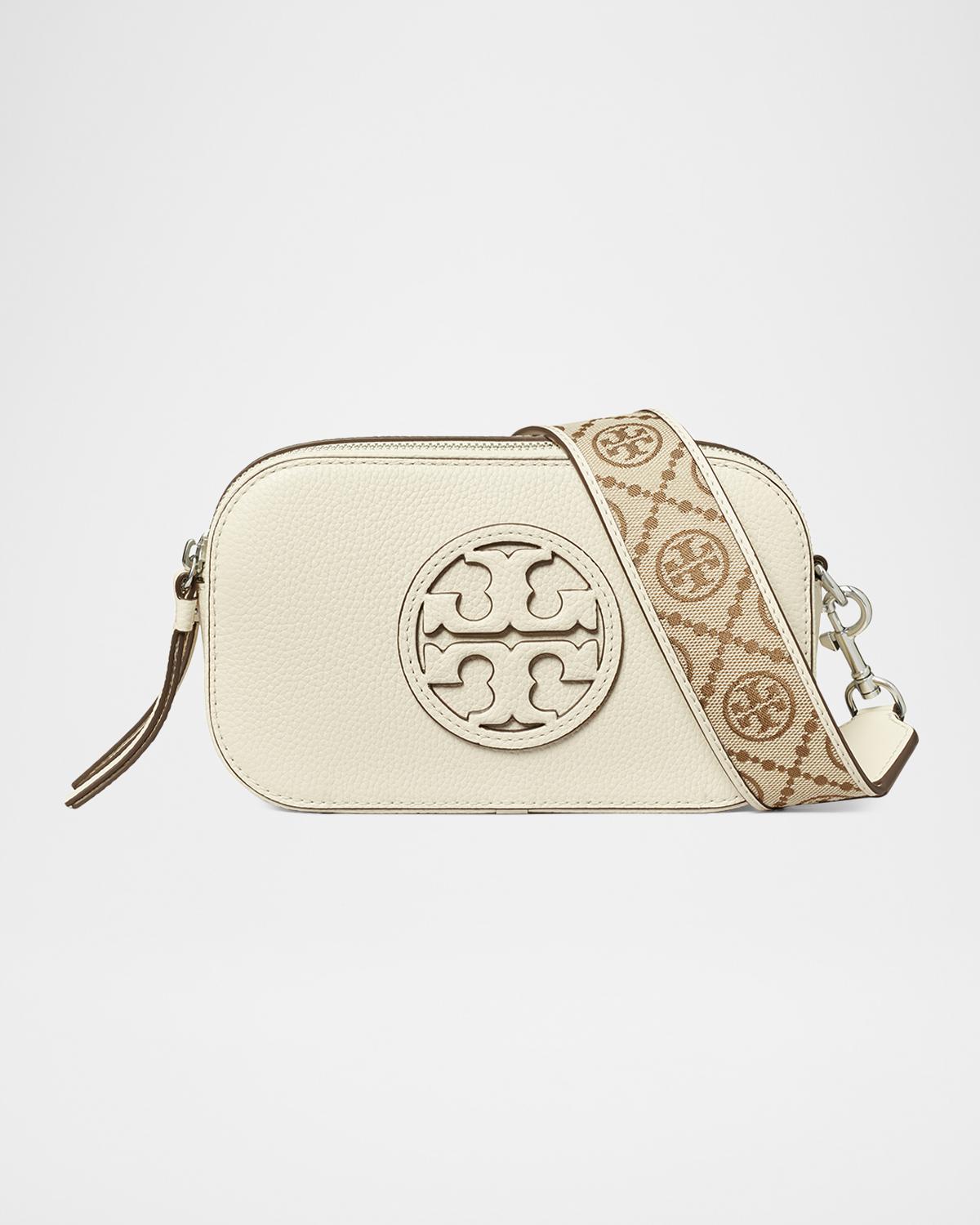
Miller Mini Zip Leather Crossbody Bag
Tory Burch
$295
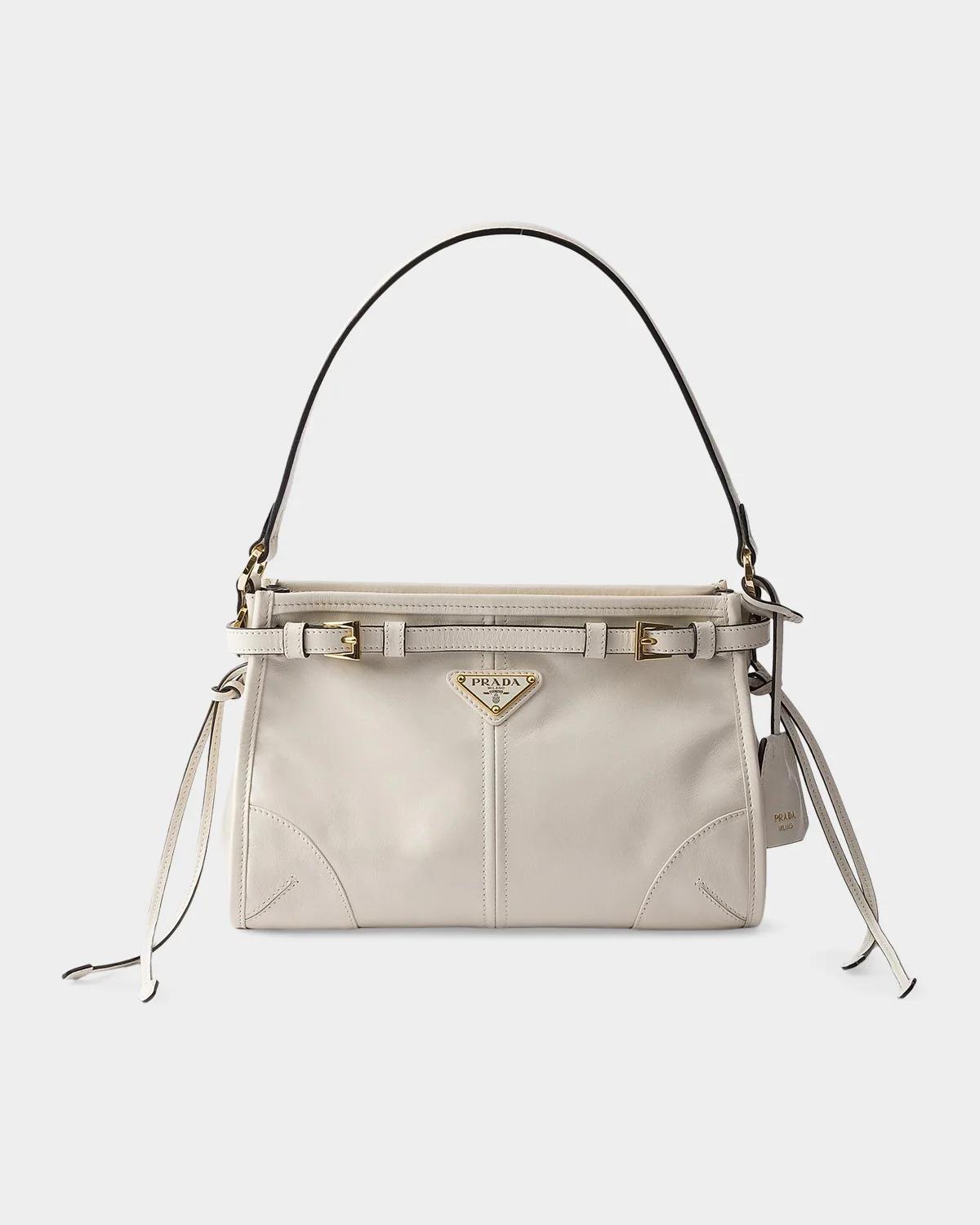
Bonnie Small Leather Top Handle Bag
Prada
$3,250
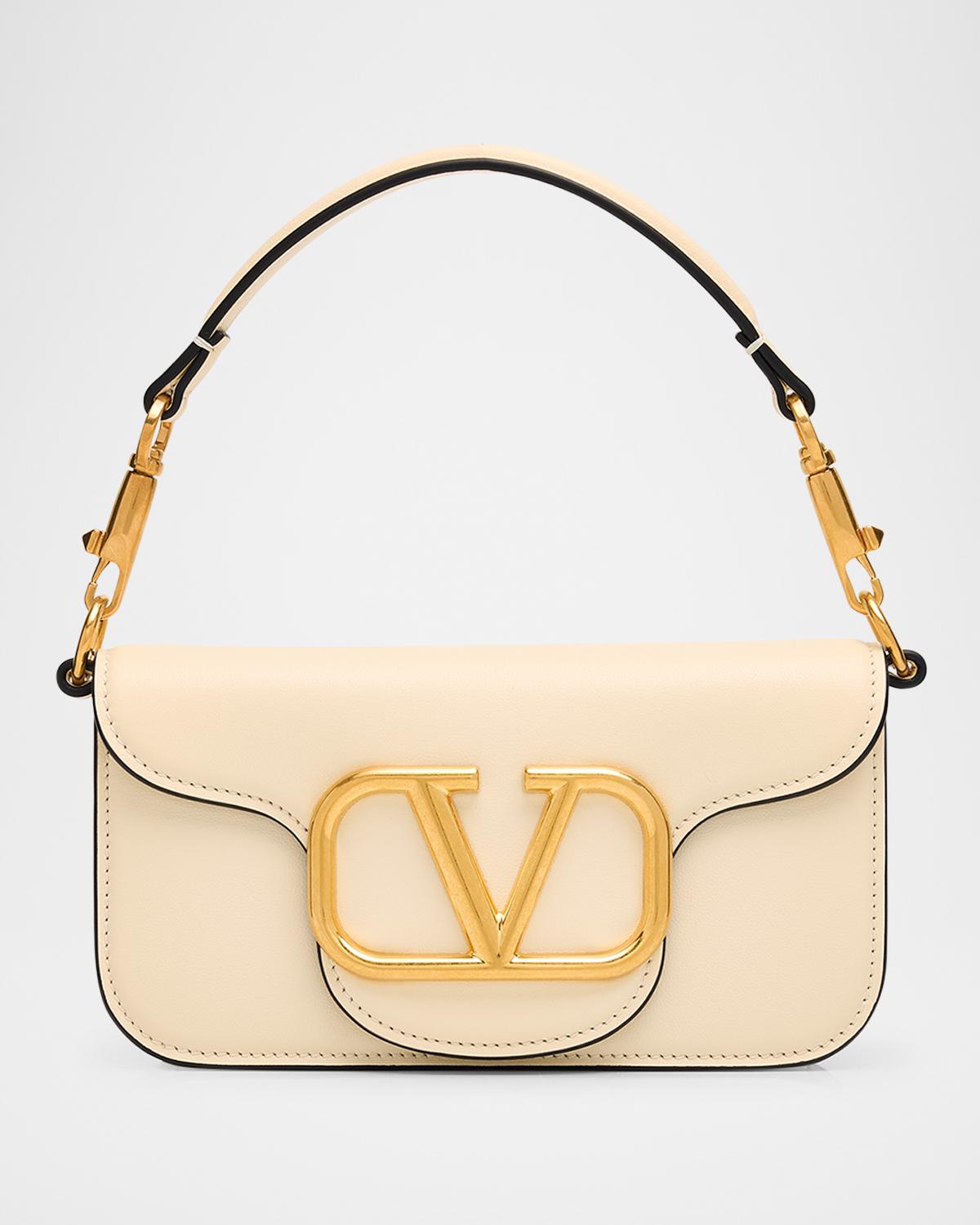
Loco Small VLOGO Calfskin Shoulder Bag
Valentino Garavani
$2,590
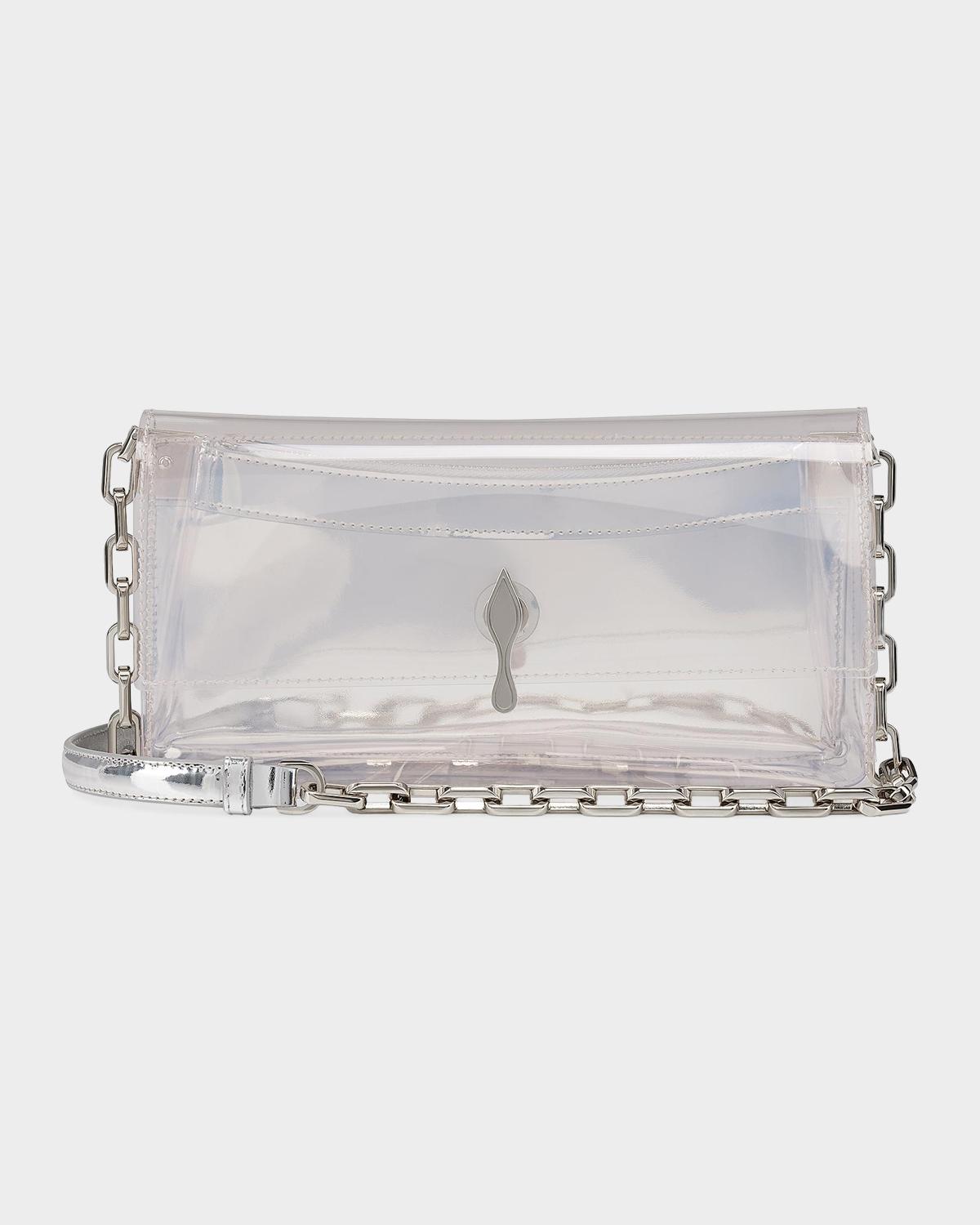
Bettina Translucent Crossbody Bag
Christian Louboutin
$1,790
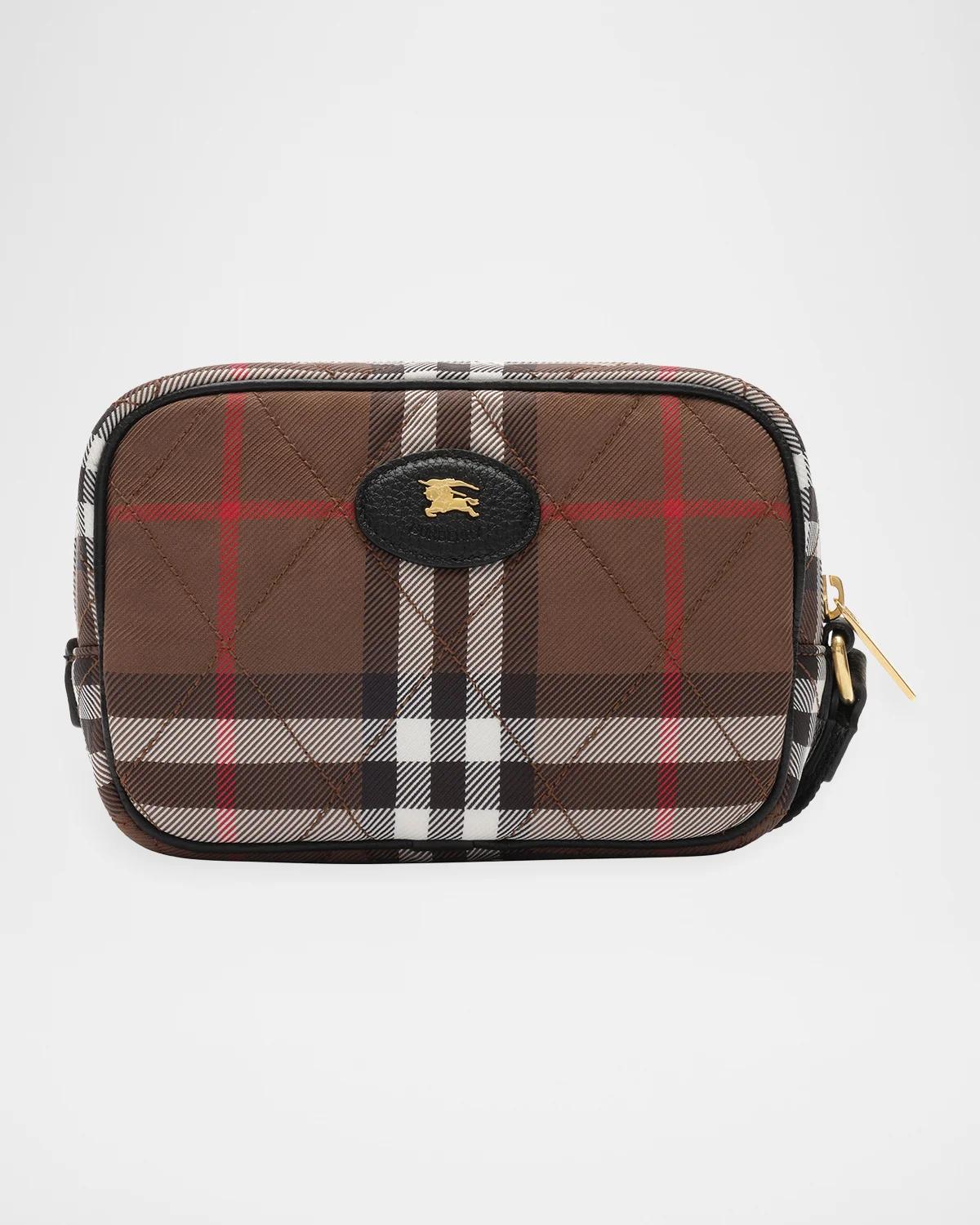
Horseshoe Quilted Check Wristlet Pouch Bag
Burberry
$590
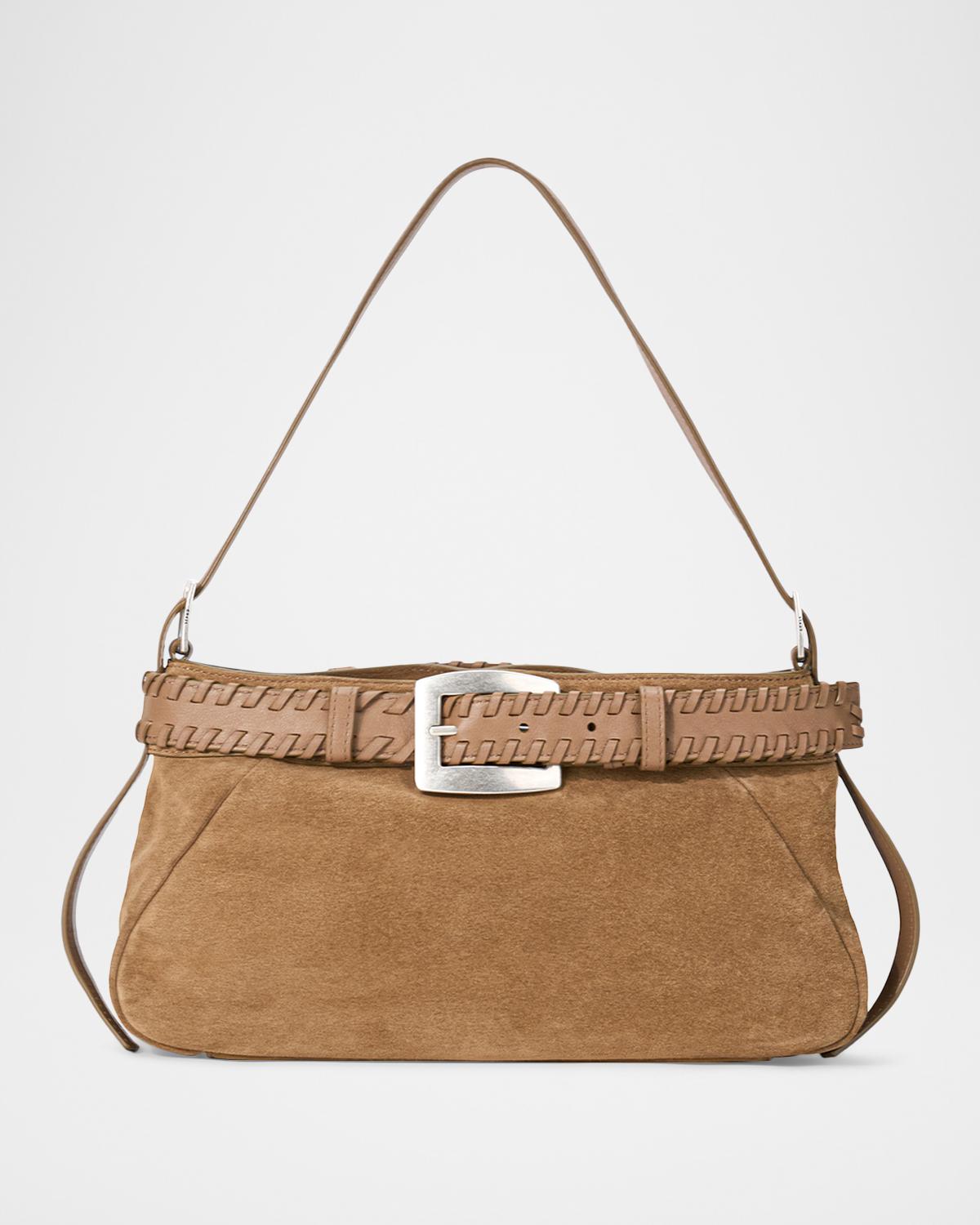
Brooklyn Buckled Suede Shoulder Bag
STAUD
$450
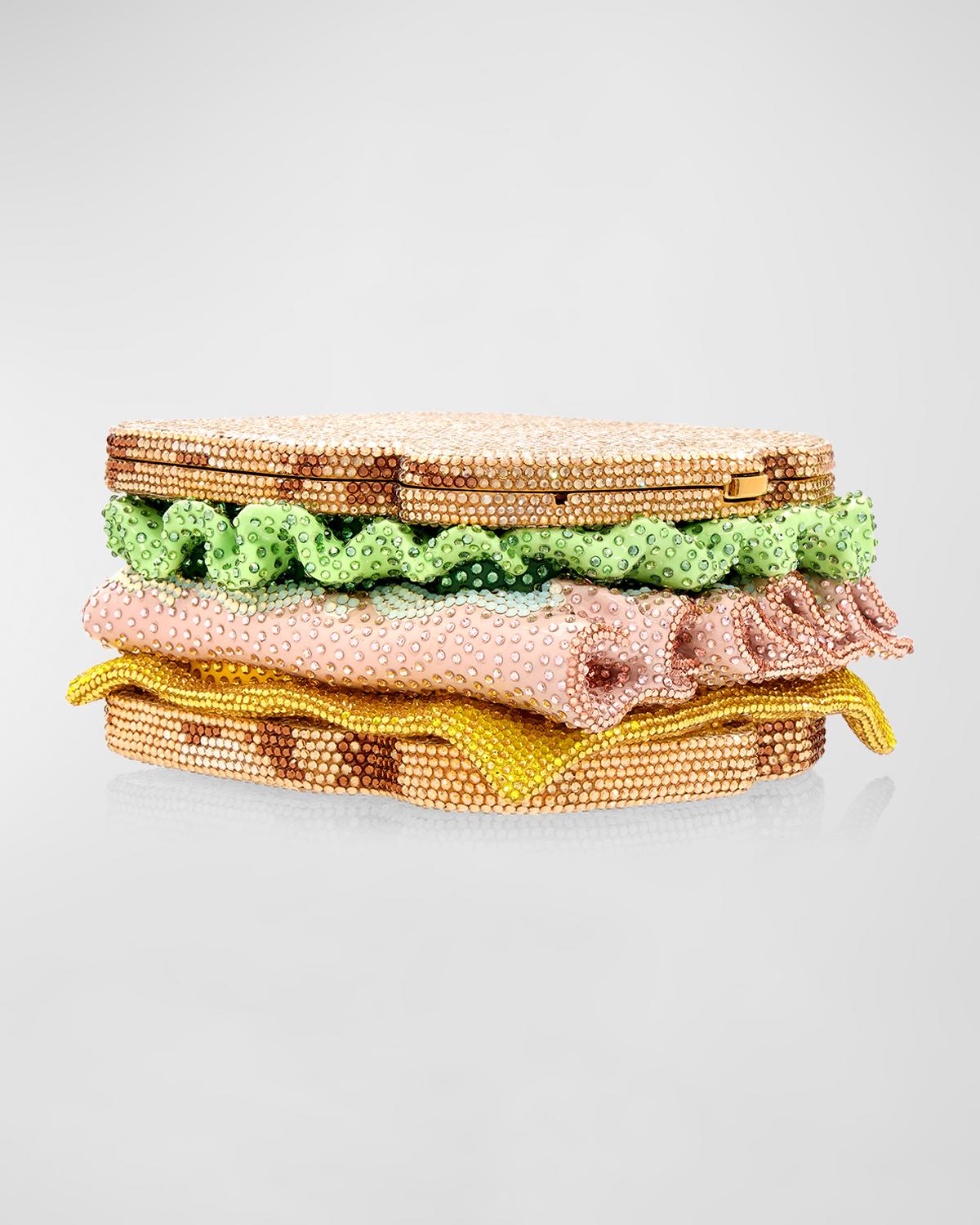
Lightly Toasted Crystal Sandwich Minaudiere
Judith Leiber Couture
$8,995
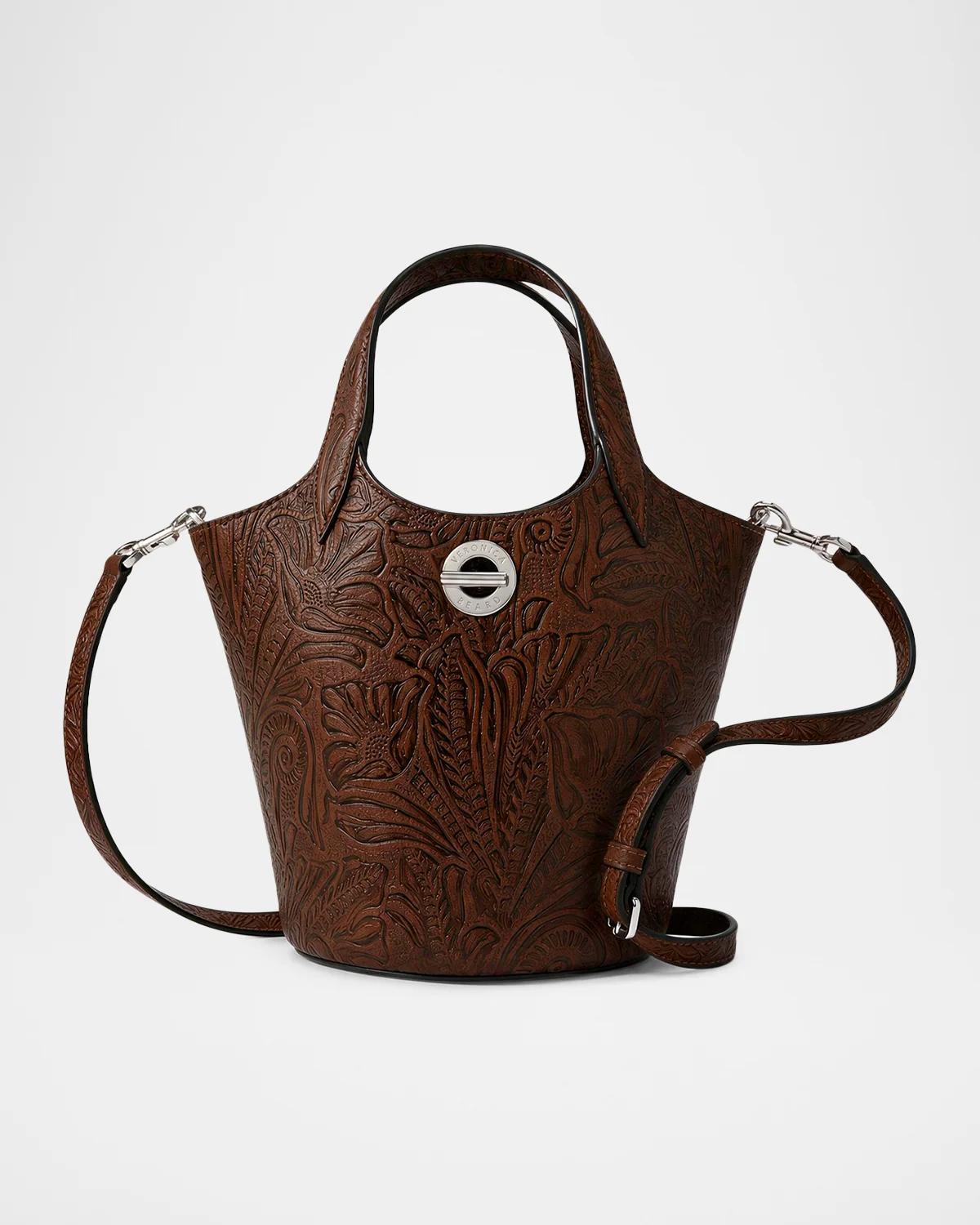
Anchor Embossed Leather Top-Handle Bag
Veronica Beard
$475
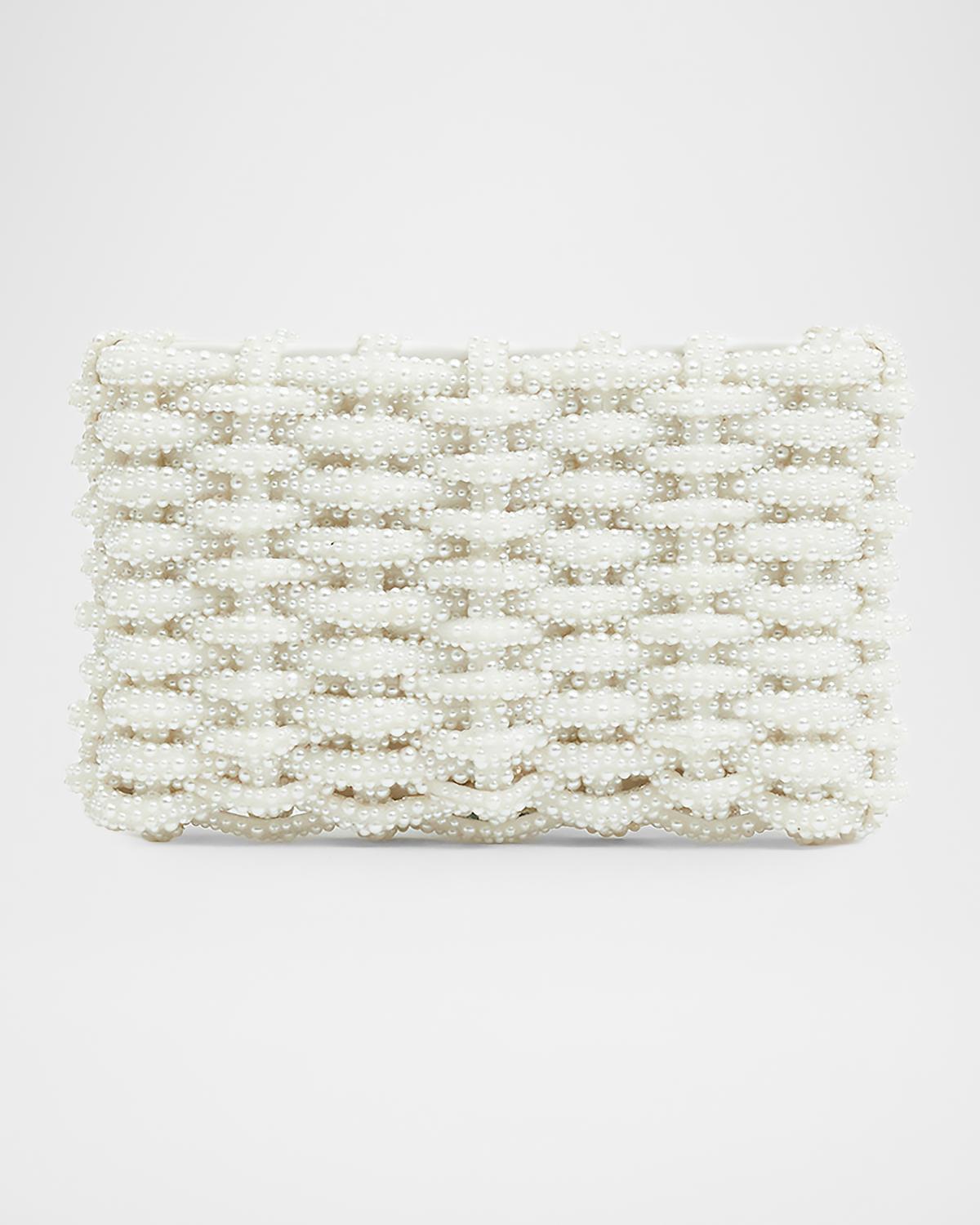
Morgan Pearlescent-Woven Clutch
Simkhai
$625
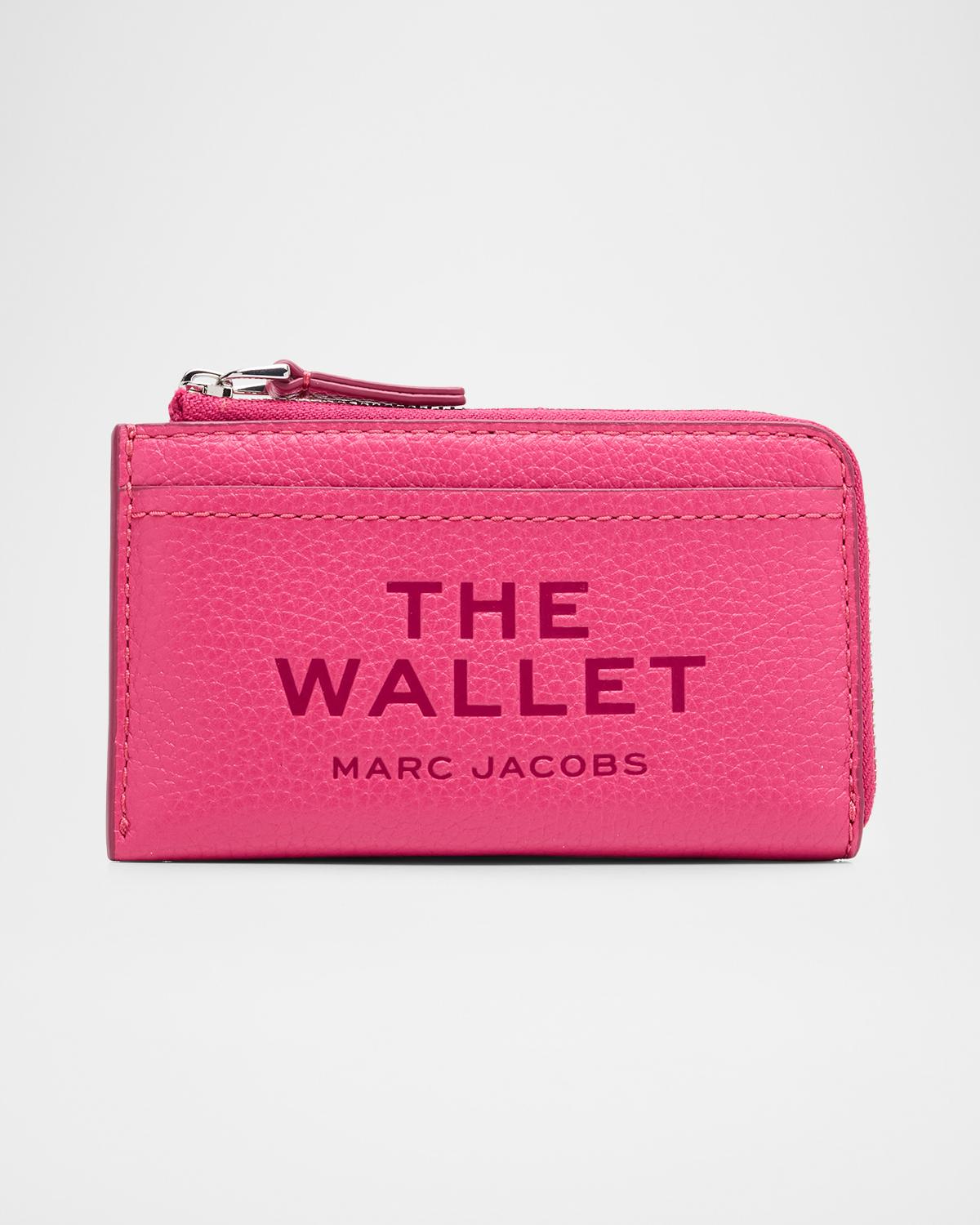
The Leather Top Zip Multi Wallet
Marc Jacobs
$87.5
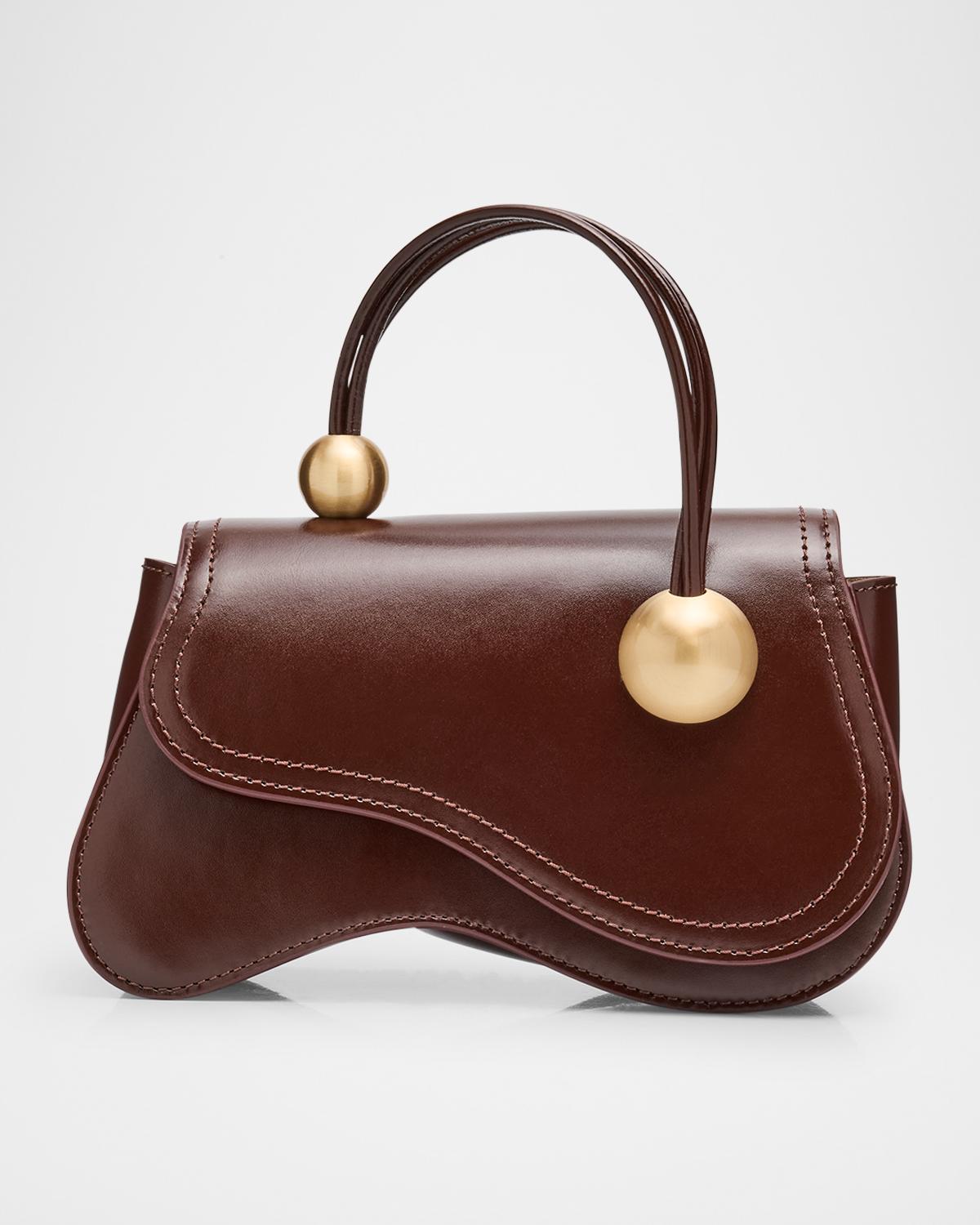
Kazi Flap Leather Crossbody Bag
Cult Gaia
$498
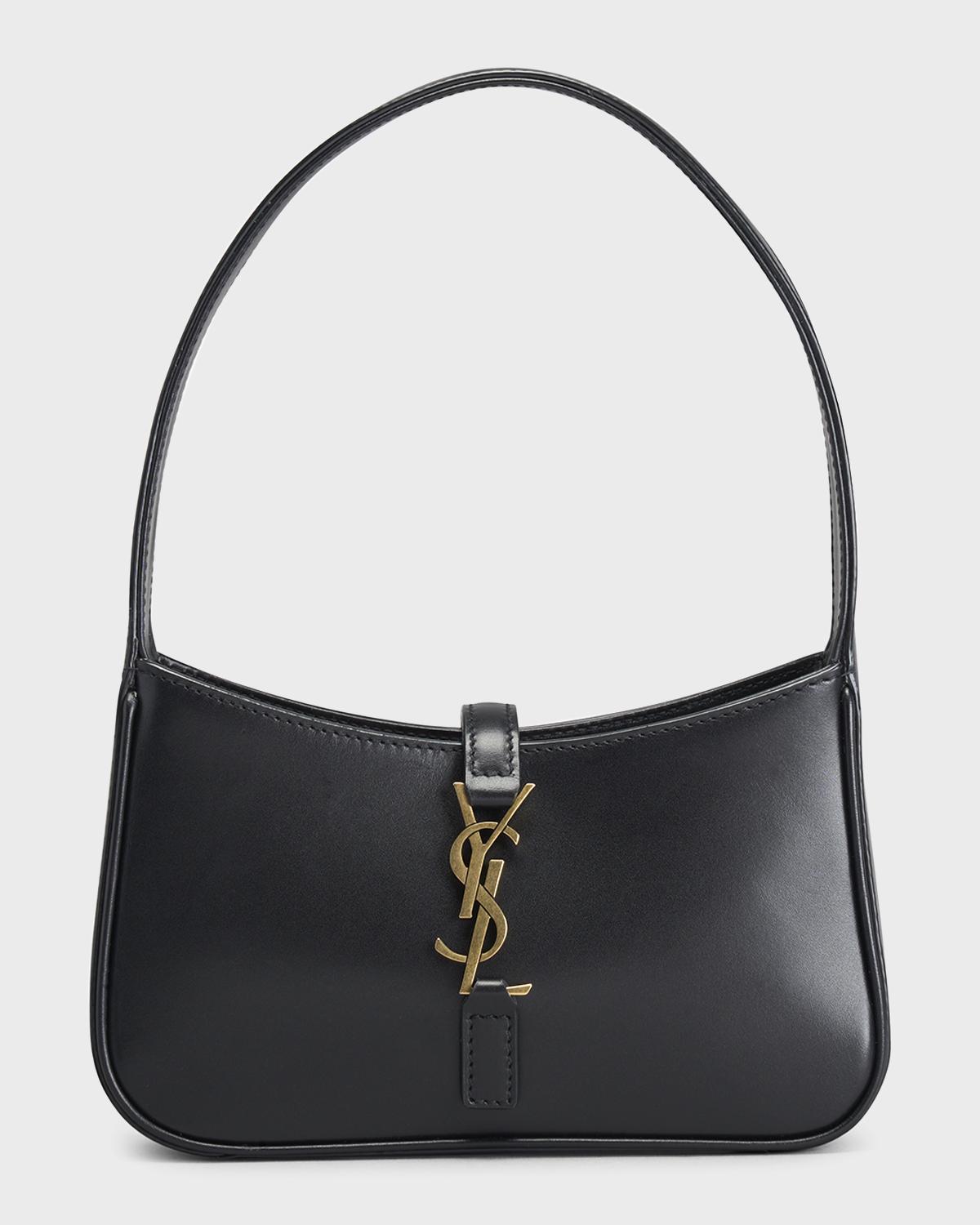
Le 5 A 7 Mini Shoulder Bag in Smooth Leather
Saint Laurent
$1,900
A few more from the edit
A further group of minis across brands and materials.
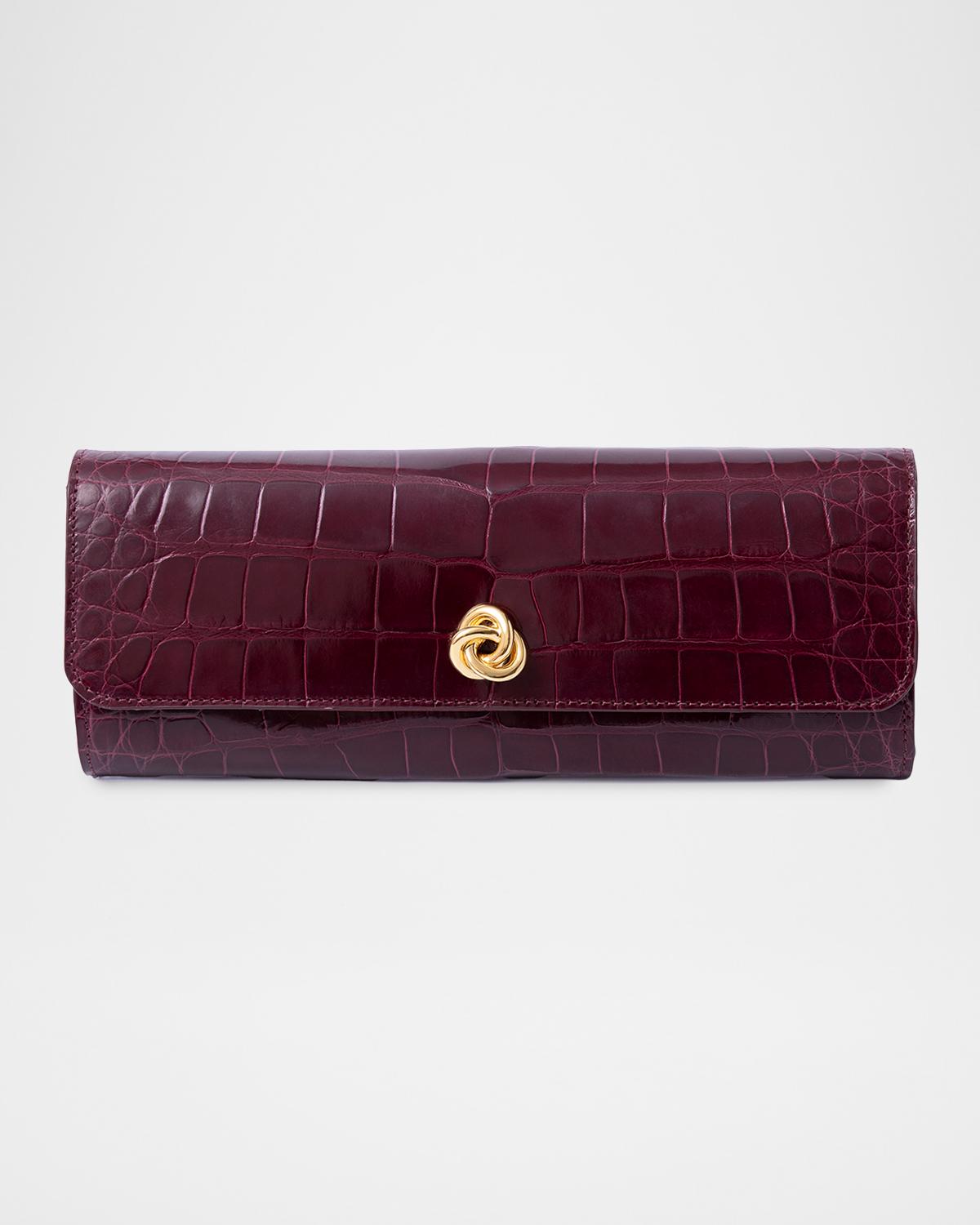
Mini Robbie Embossed Leather Flap Clutch Bag
Michelle Wilhite
$4,995
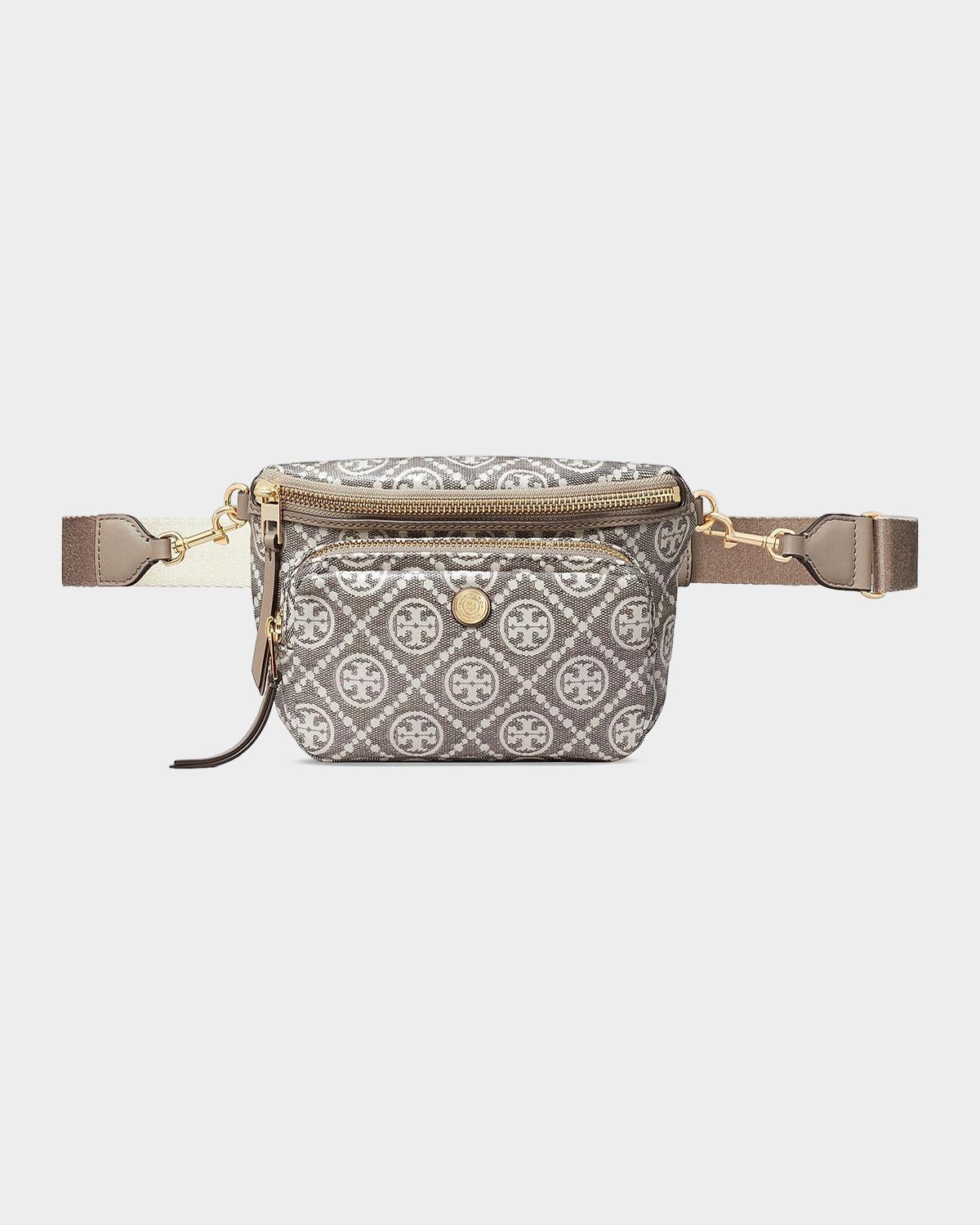
T Monogram Mini Coated Jacquard Belt Bag
Tory Burch
$310
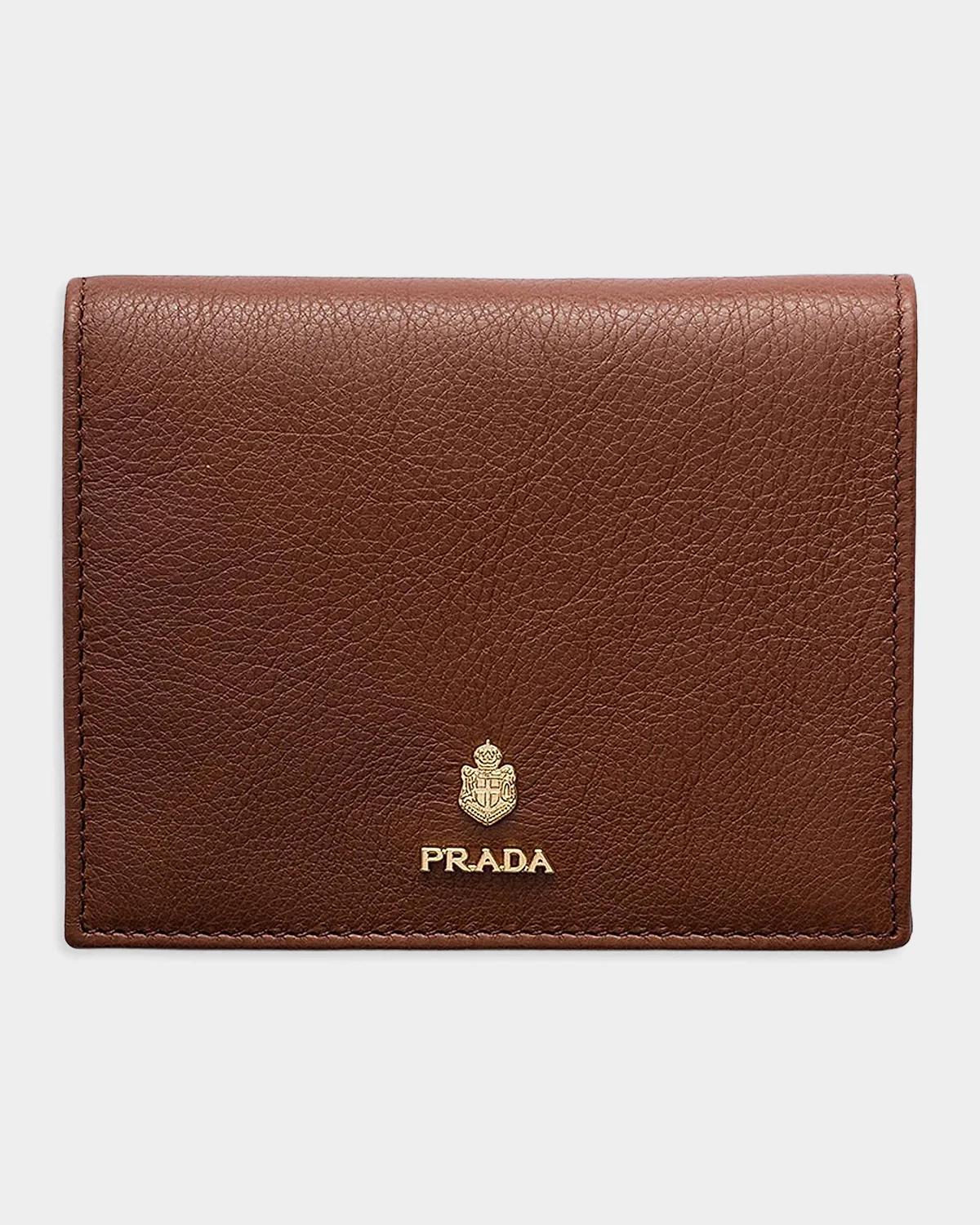
Small Logo Leather Wallet
Prada
$795
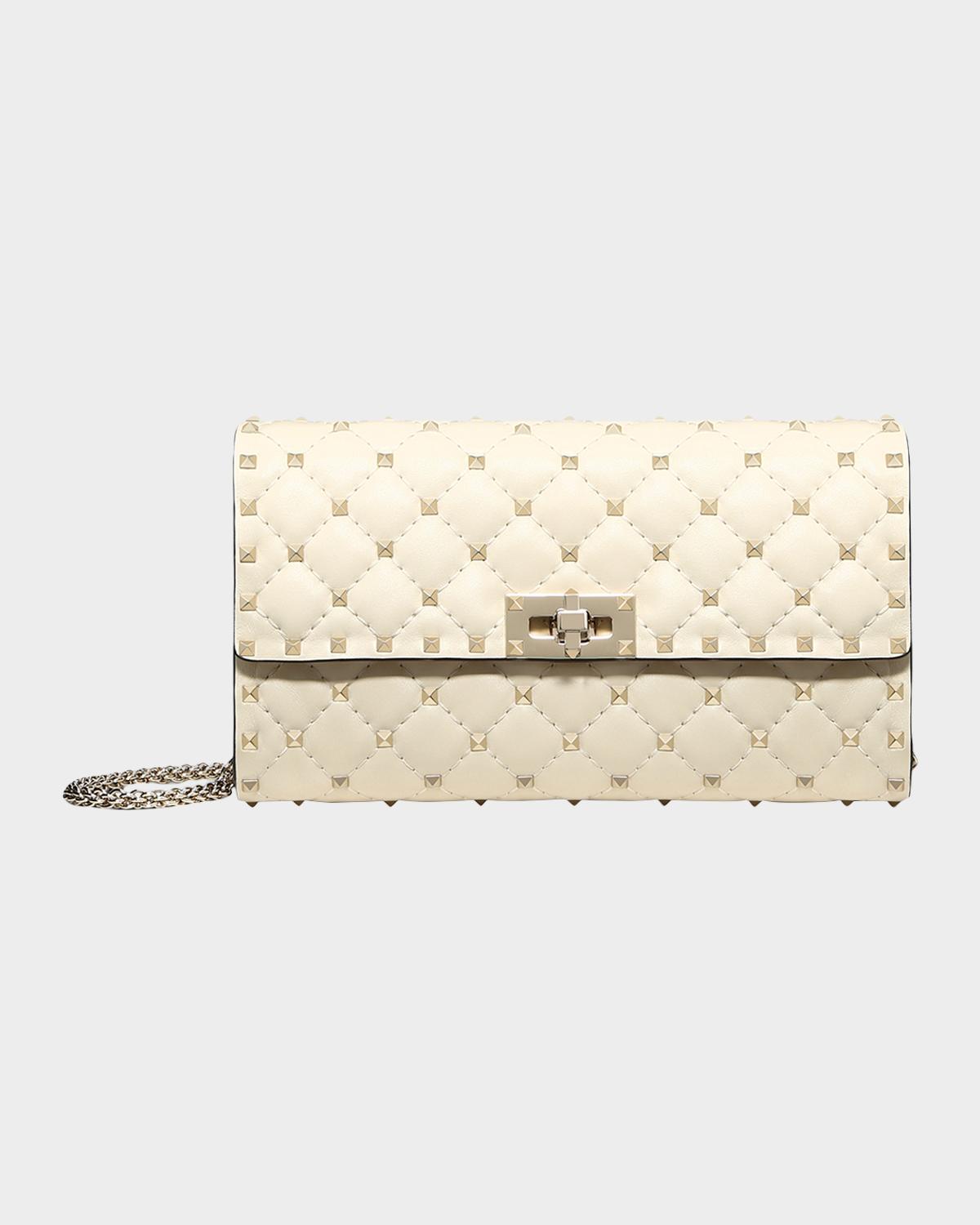
Quilted Rockstud Leather Shoulder Bag
Valentino Garavani
$2,400
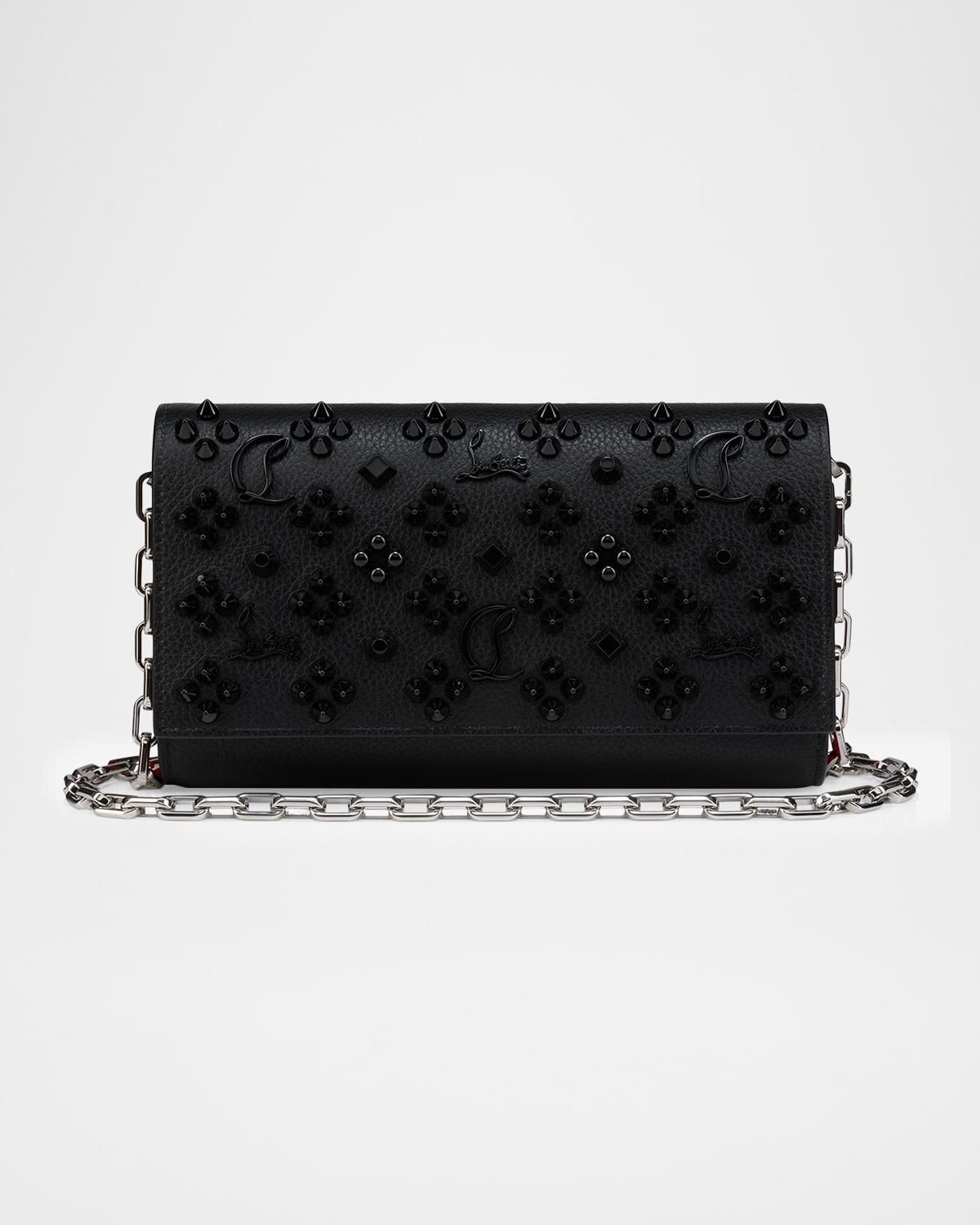
Paloma Wallet on Chain in Loubinthesky Leather
Christian Louboutin
$1,450
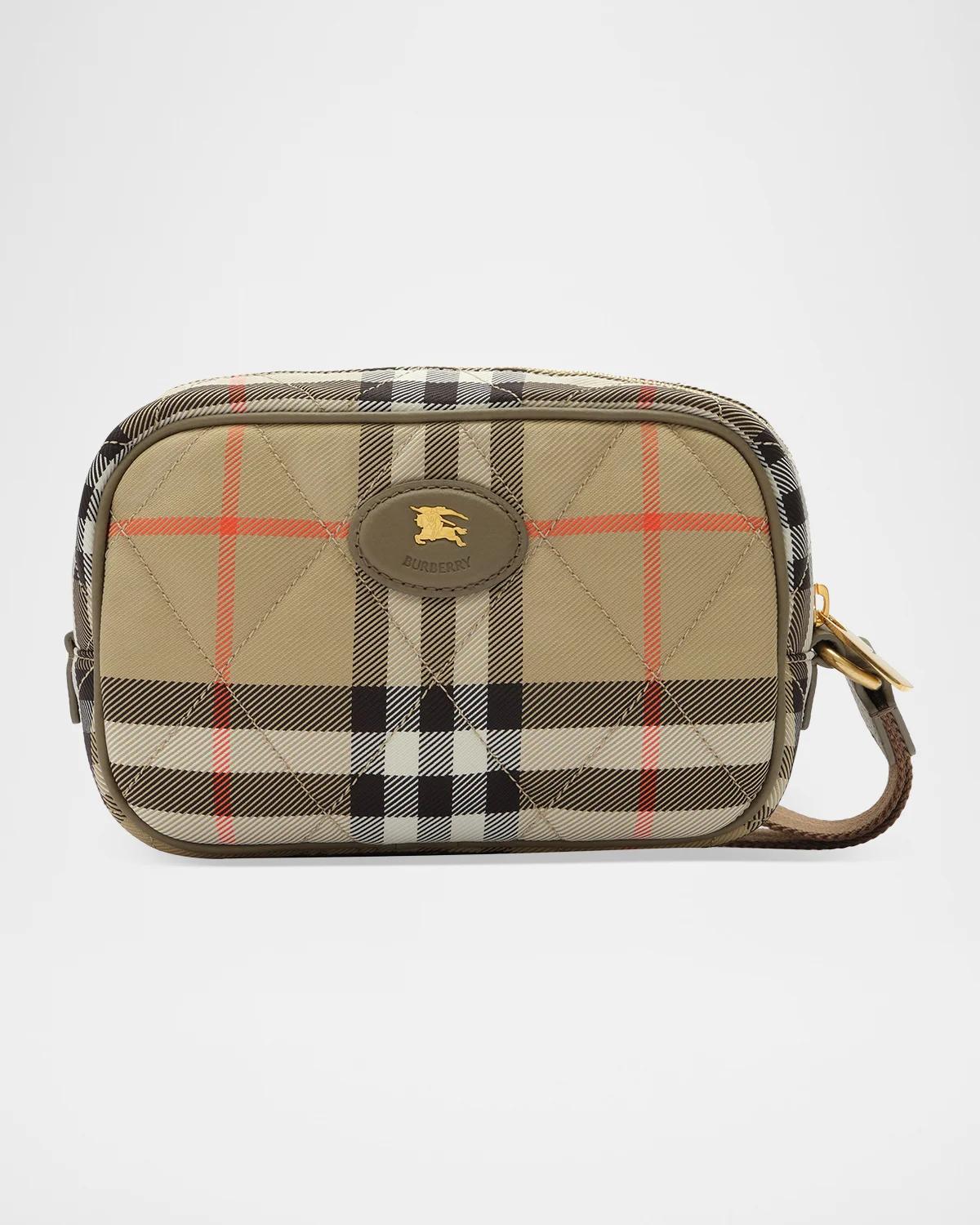
Horseshoe Quilted Check Wristlet Pouch Bag
Burberry
$590
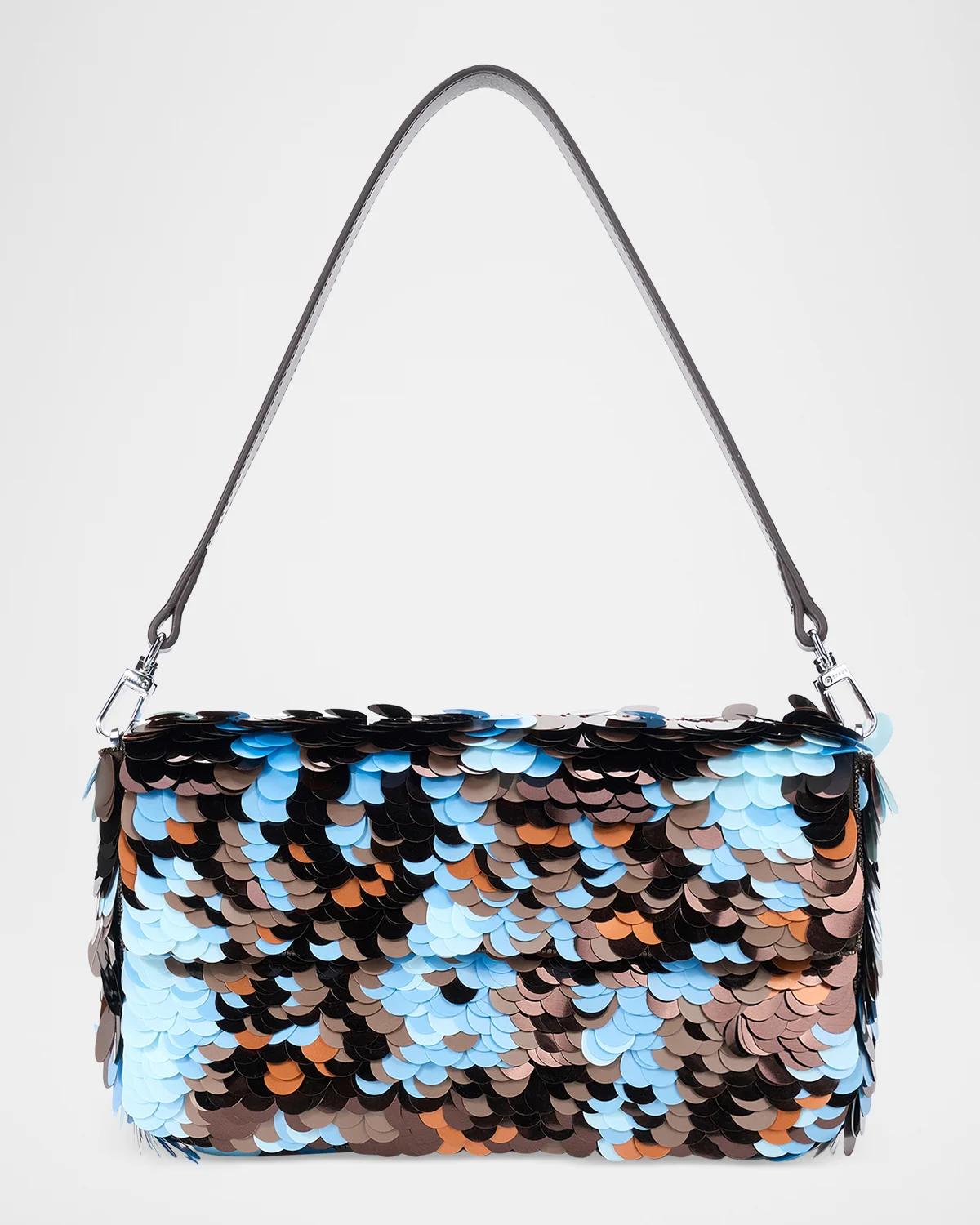
Timmy Paillete Convertible Shoulder Bag
STAUD
$350
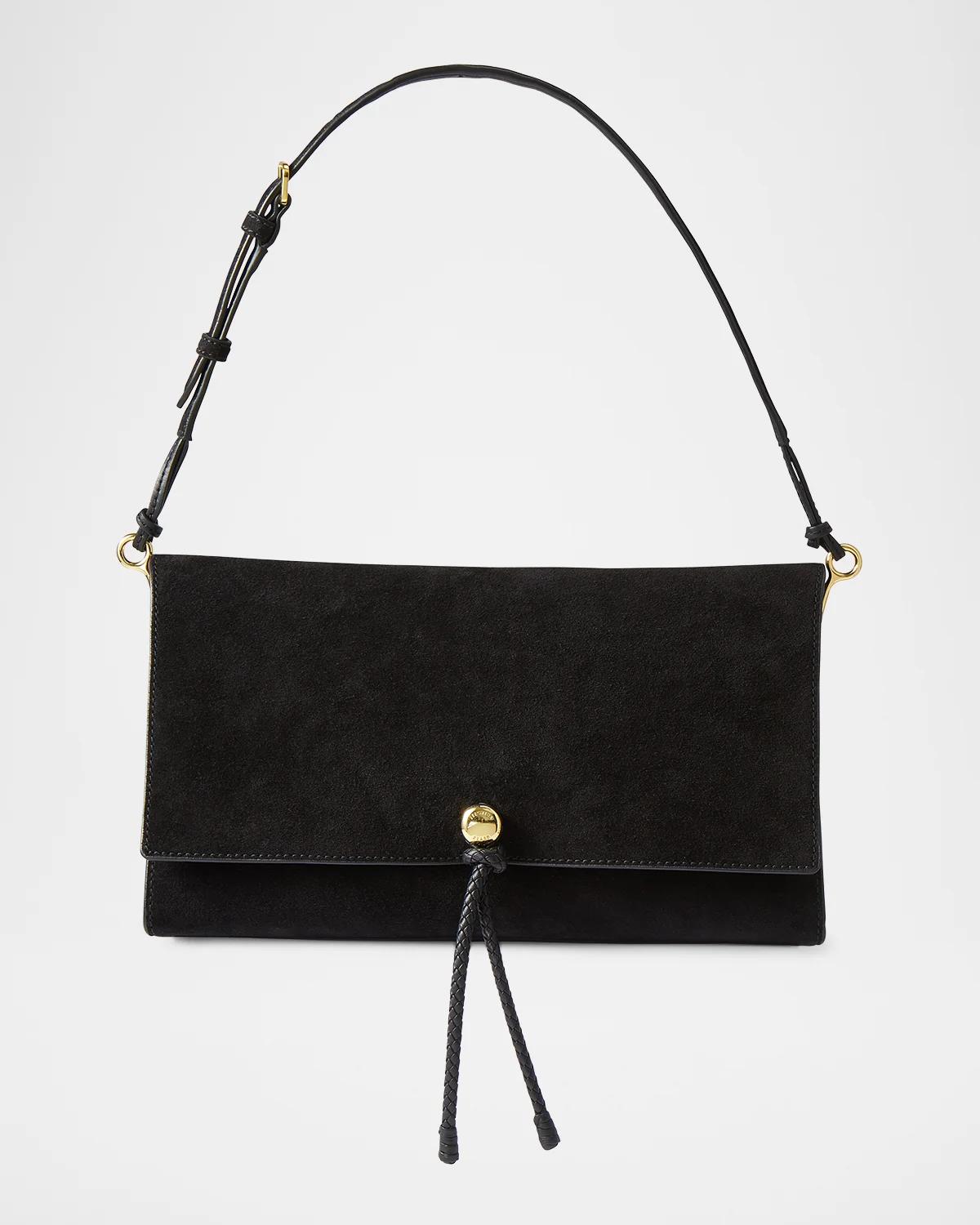
Edit Suede Shoulder Bag
Veronica Beard
$550
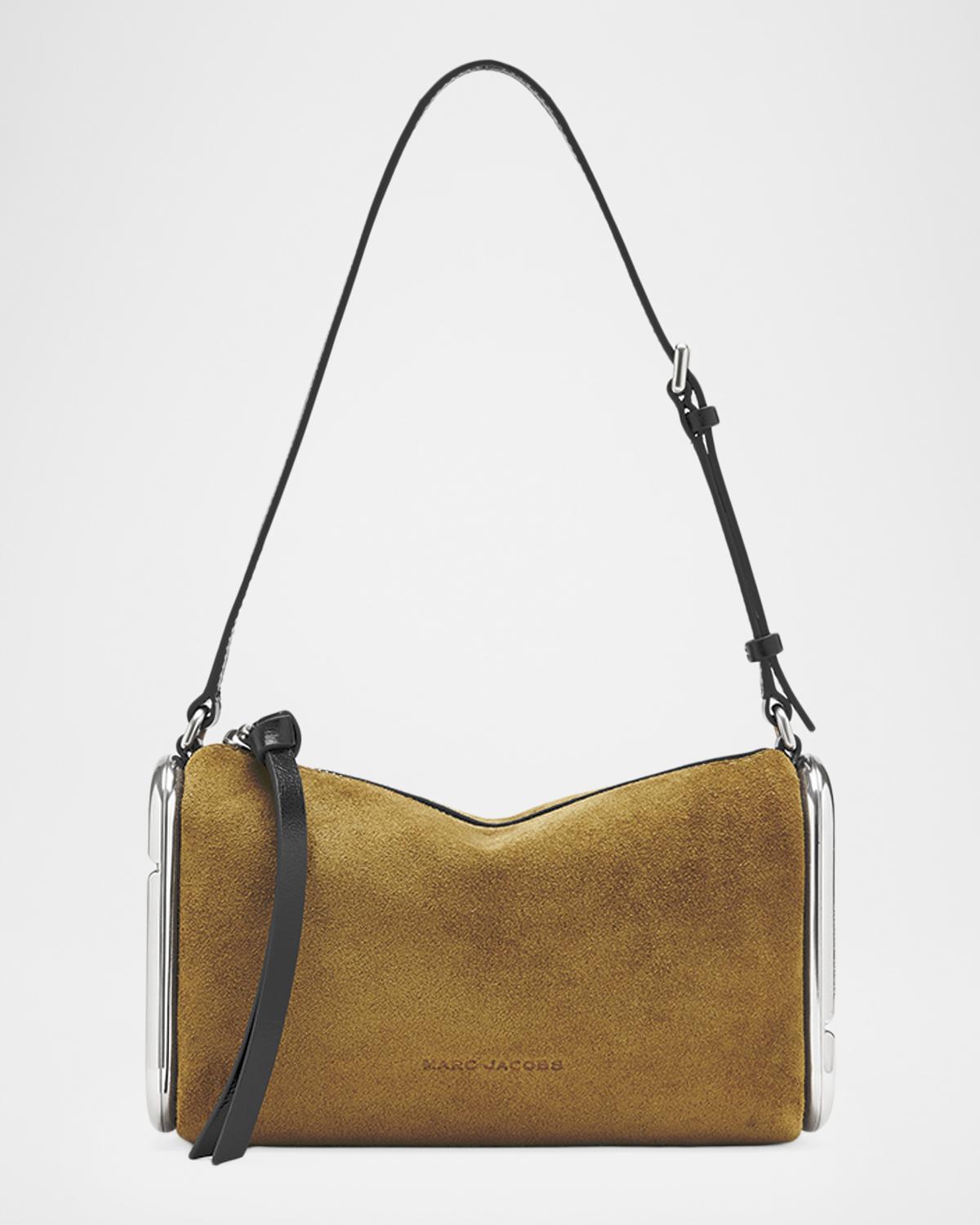
Scene Small Suede Shoulder Bag
Marc Jacobs
$298
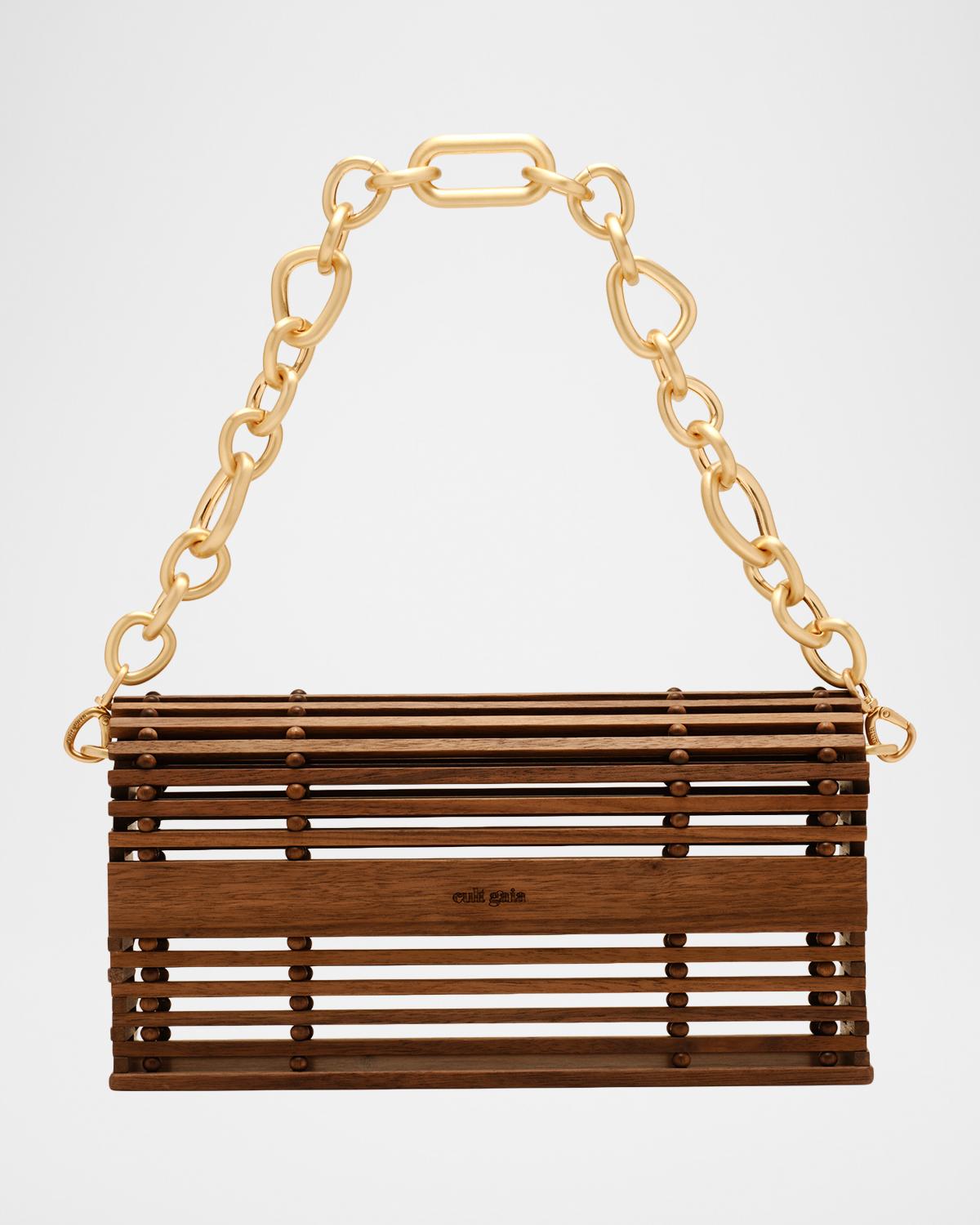
Sylva Wooden Shoulder Bag
Cult Gaia
$398
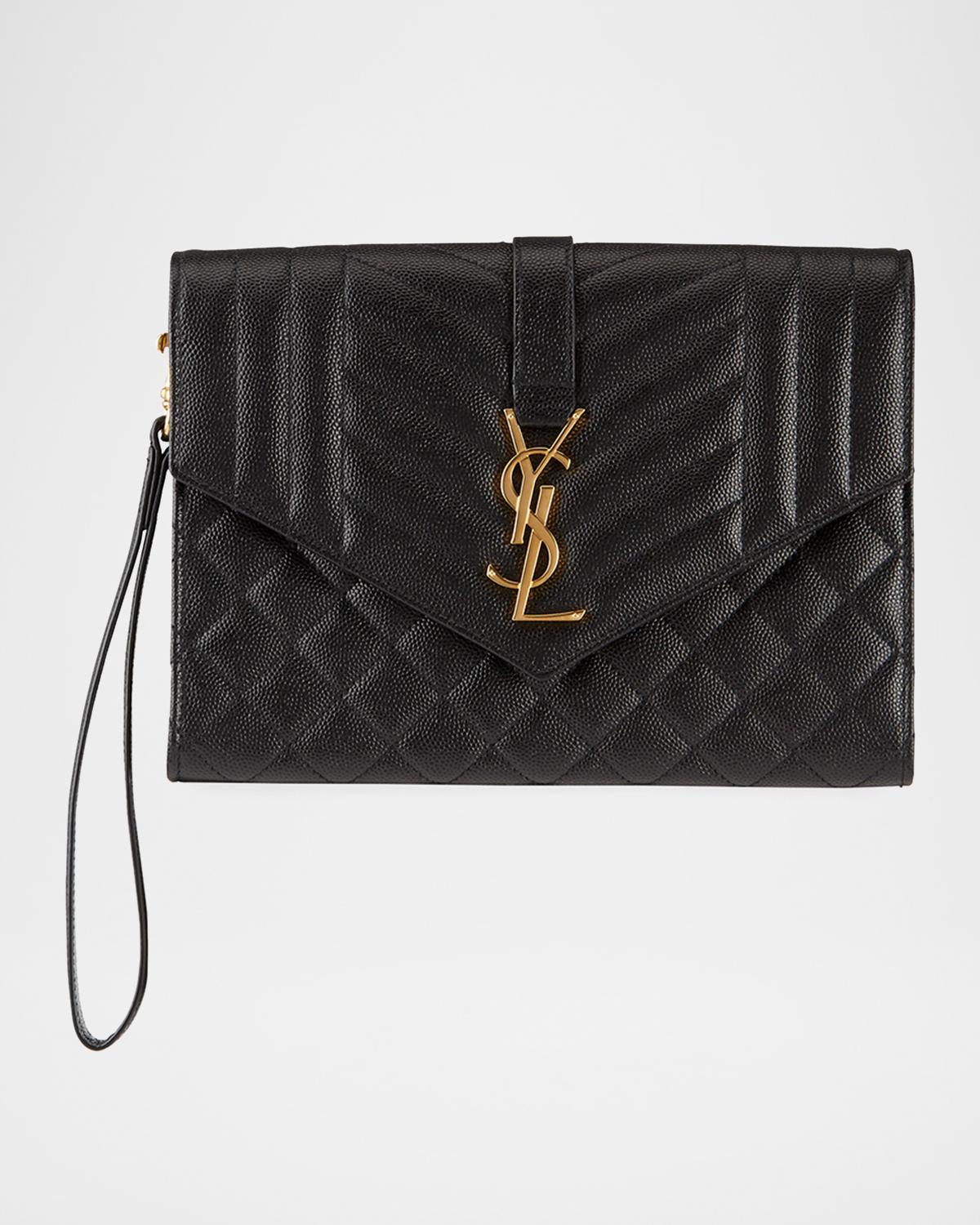
Envelope Flap YSL Clutch Bag in Grained Leather
Saint Laurent
$930
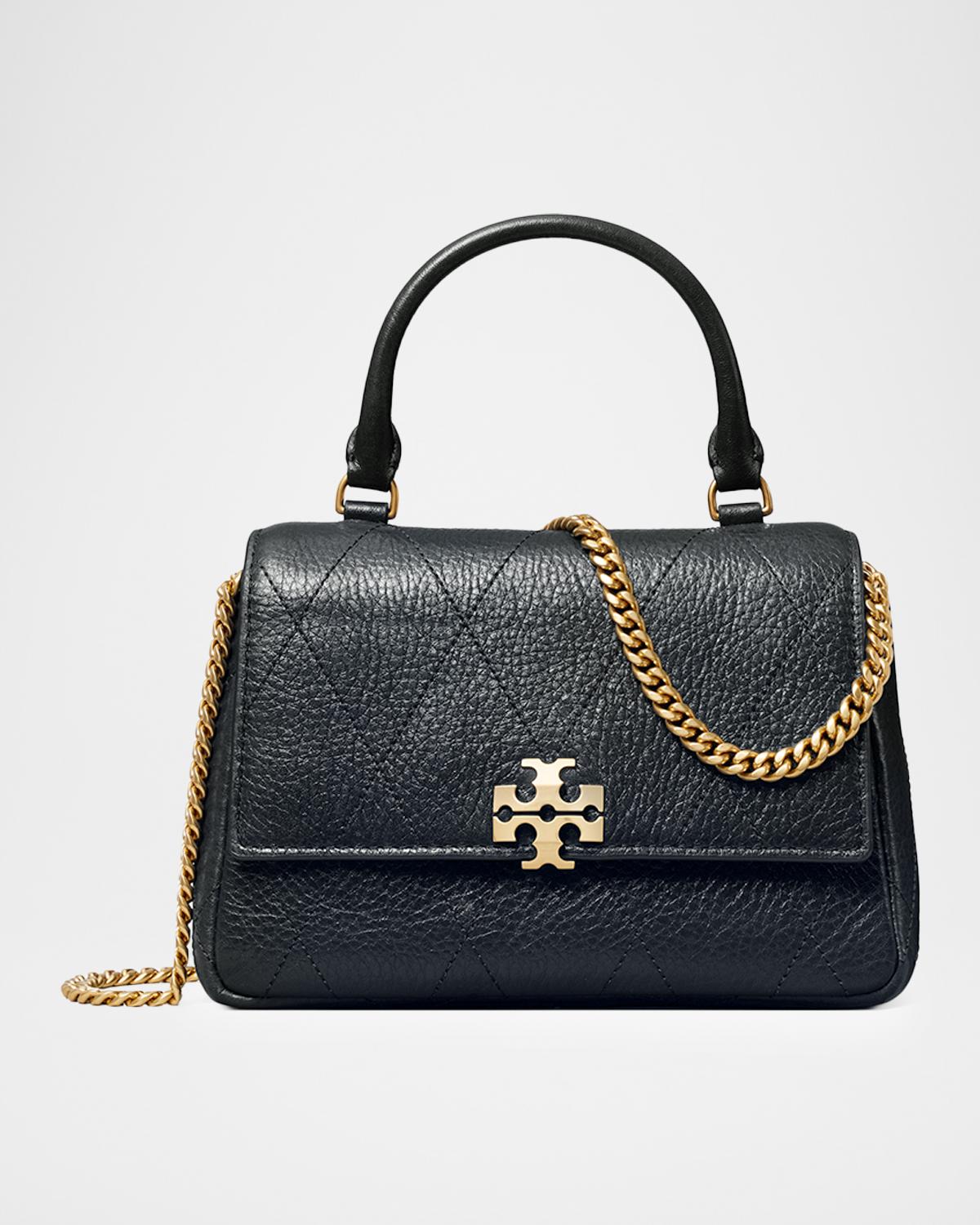
Charlie Mini Quilted Pebbled Leather Top-Handle Bag
Tory Burch
$395
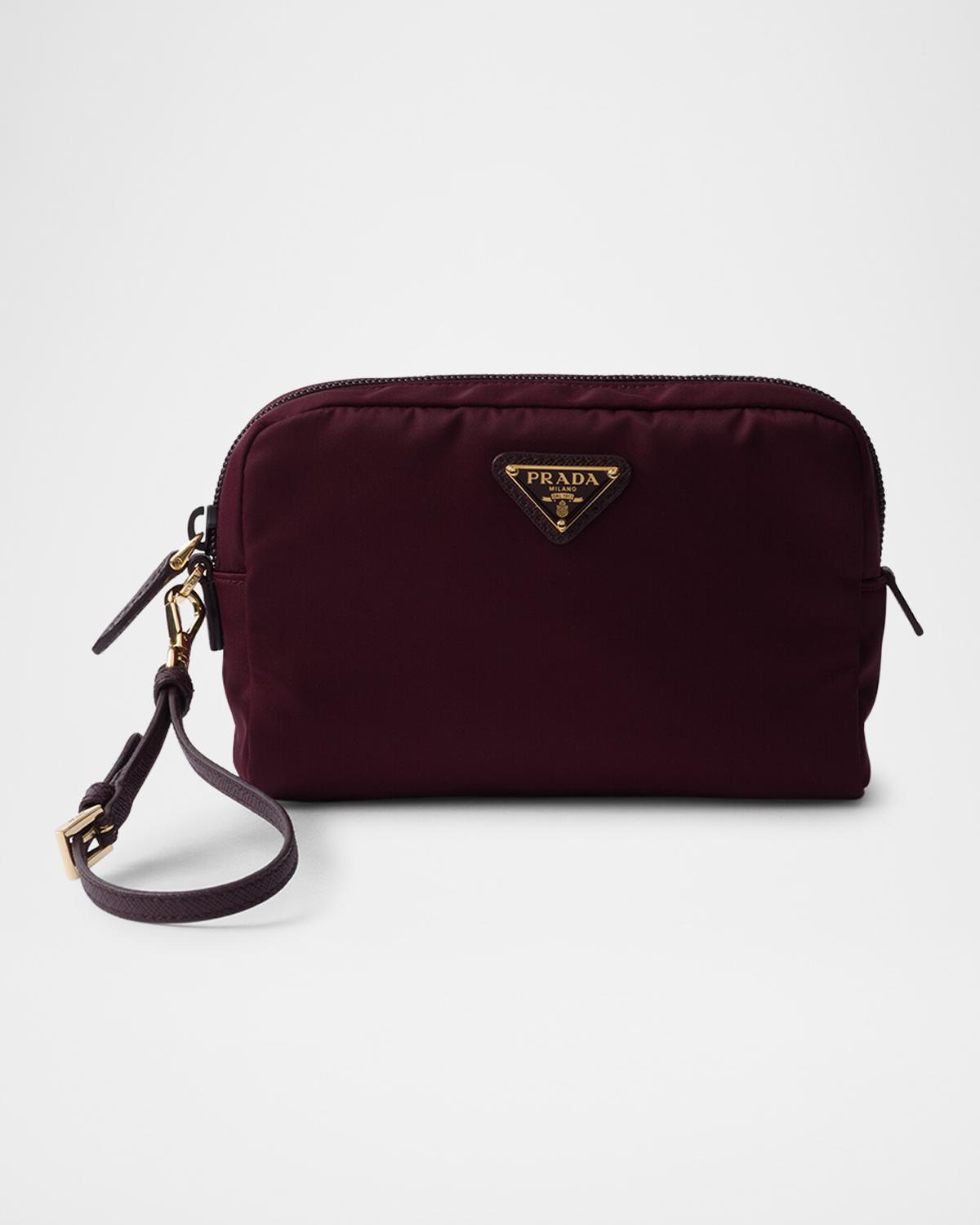
Re-Nylon Wristlet Pouch
Prada
$650
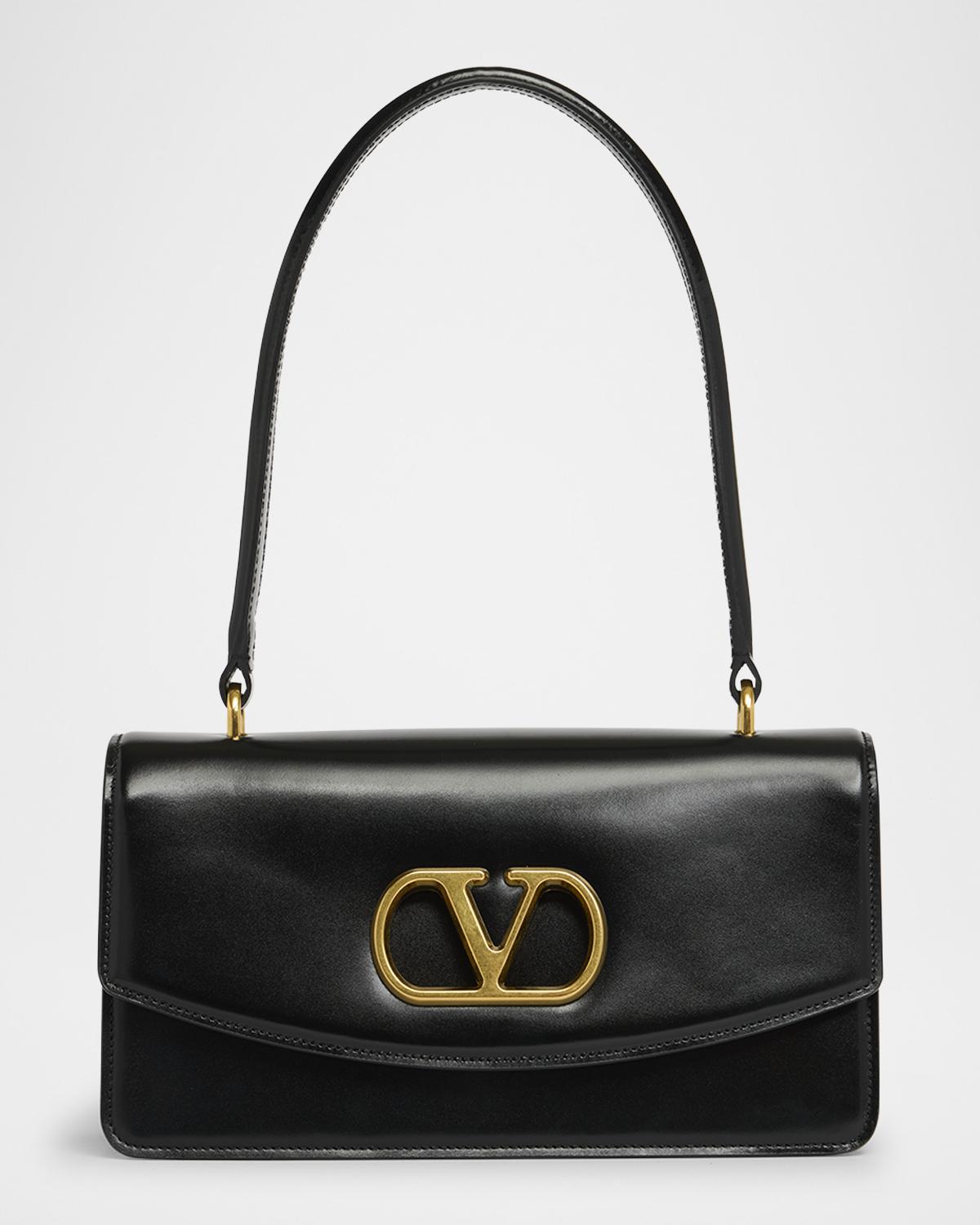
Vain VLOGO Leather Top-Handle Bag
Valentino Garavani
$2,125
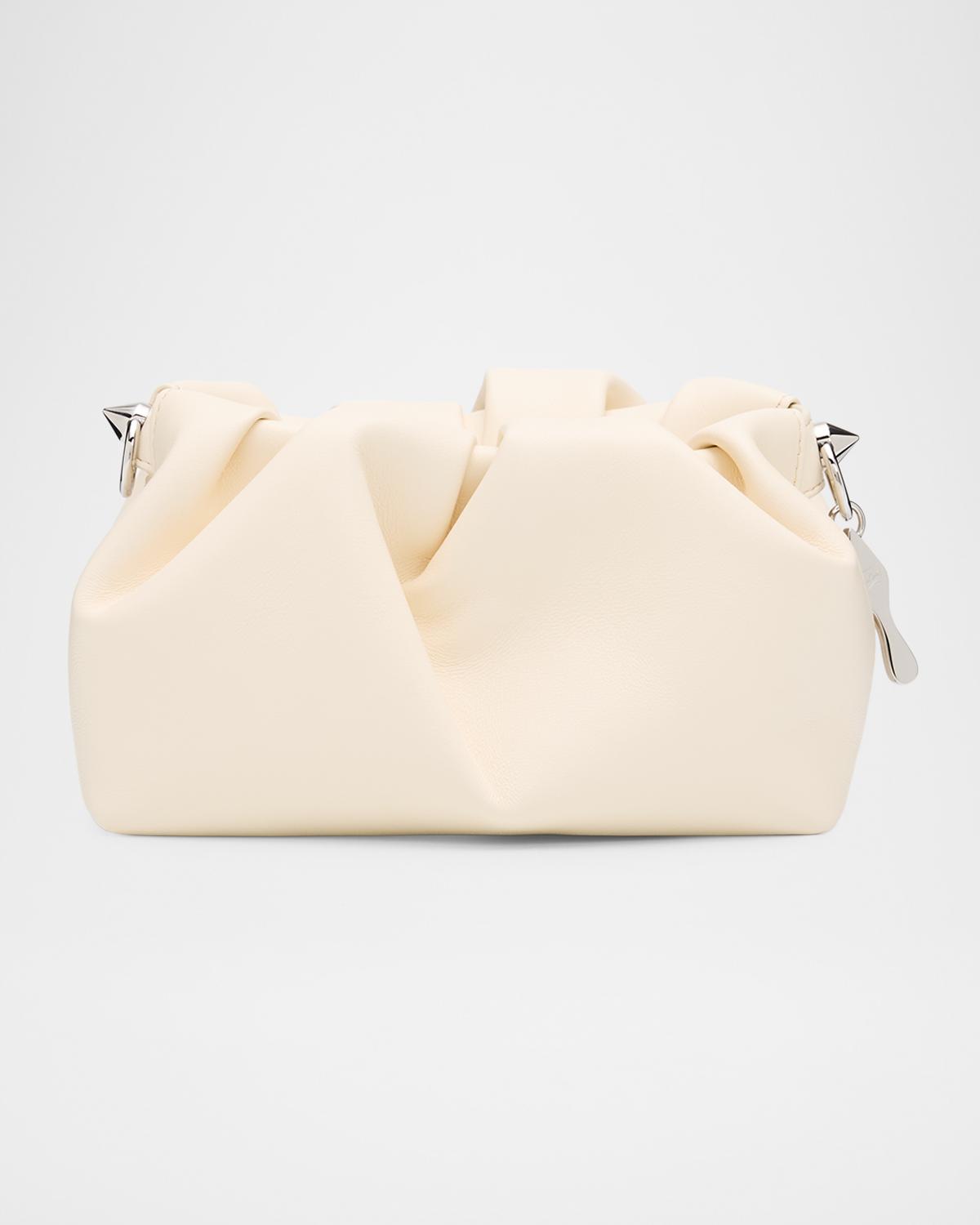
Eva Mini Pleated Crossbody Bag in Nappa Leather
Christian Louboutin
$1,490
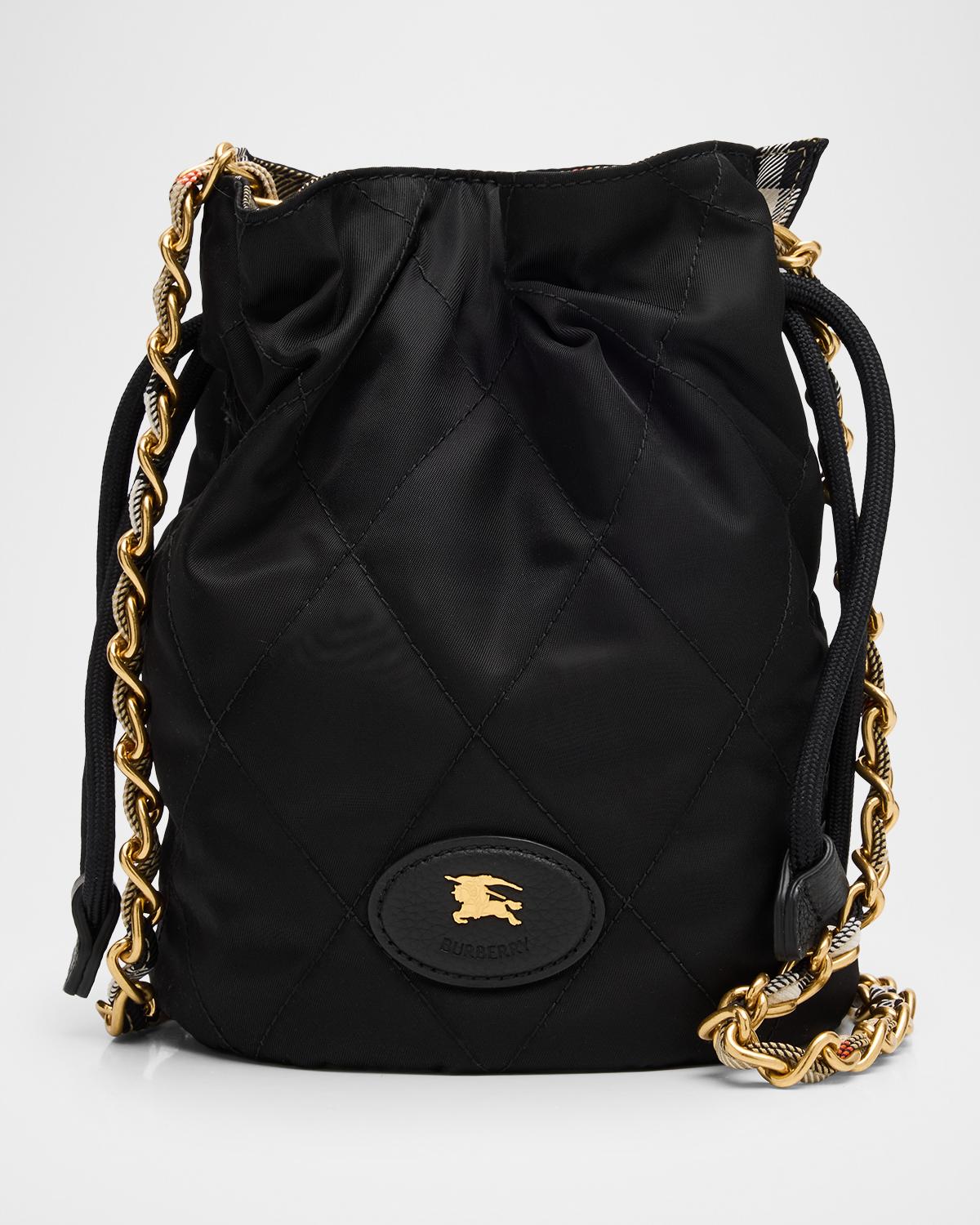
Horseshoe Quilted Nylon Pouch Bag
Burberry
$970
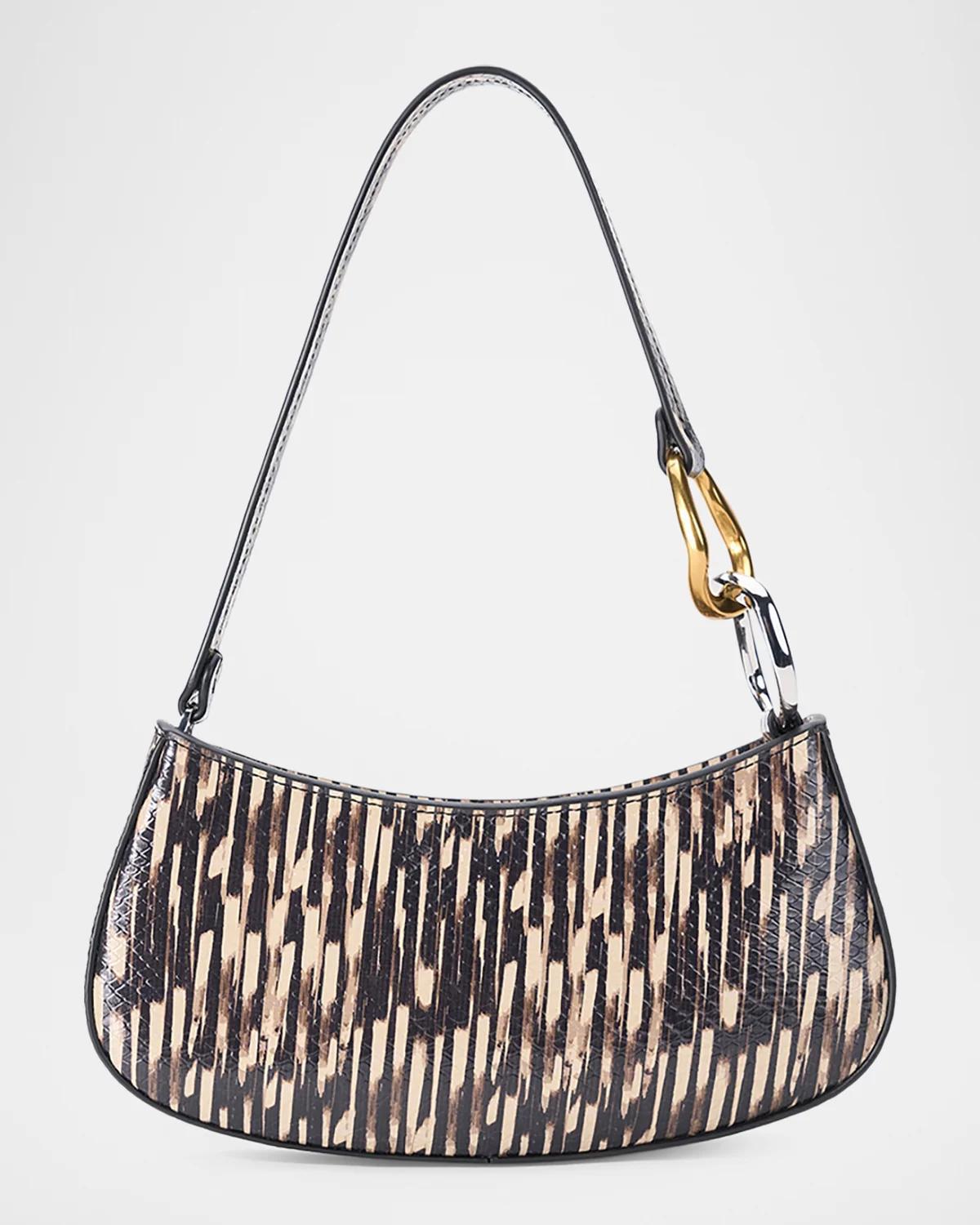
Ollie Printed Embossed Leather Shoulder Bag
STAUD
$295
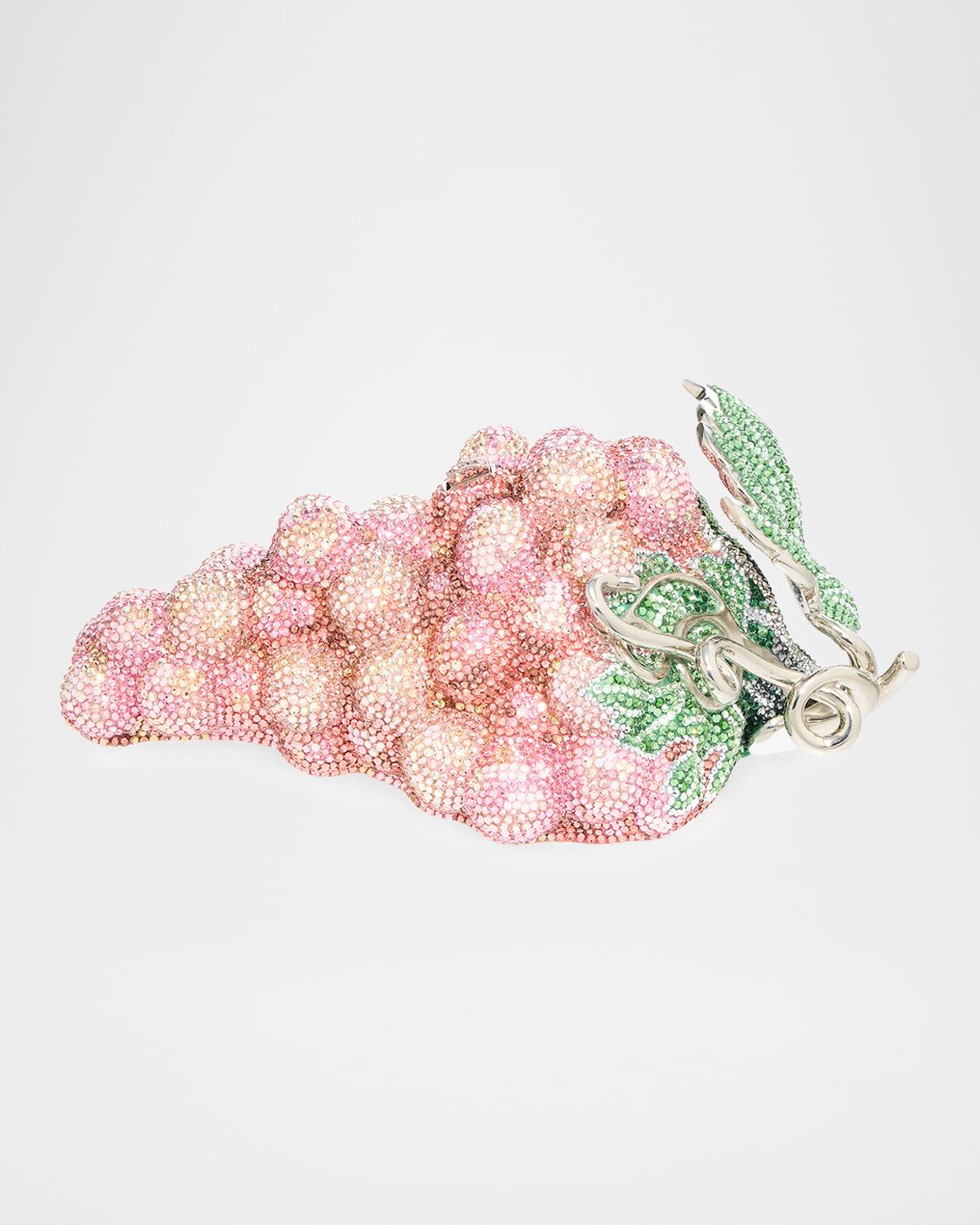
Crystal Grapes Clutch Bag
Judith Leiber Couture
$7,195
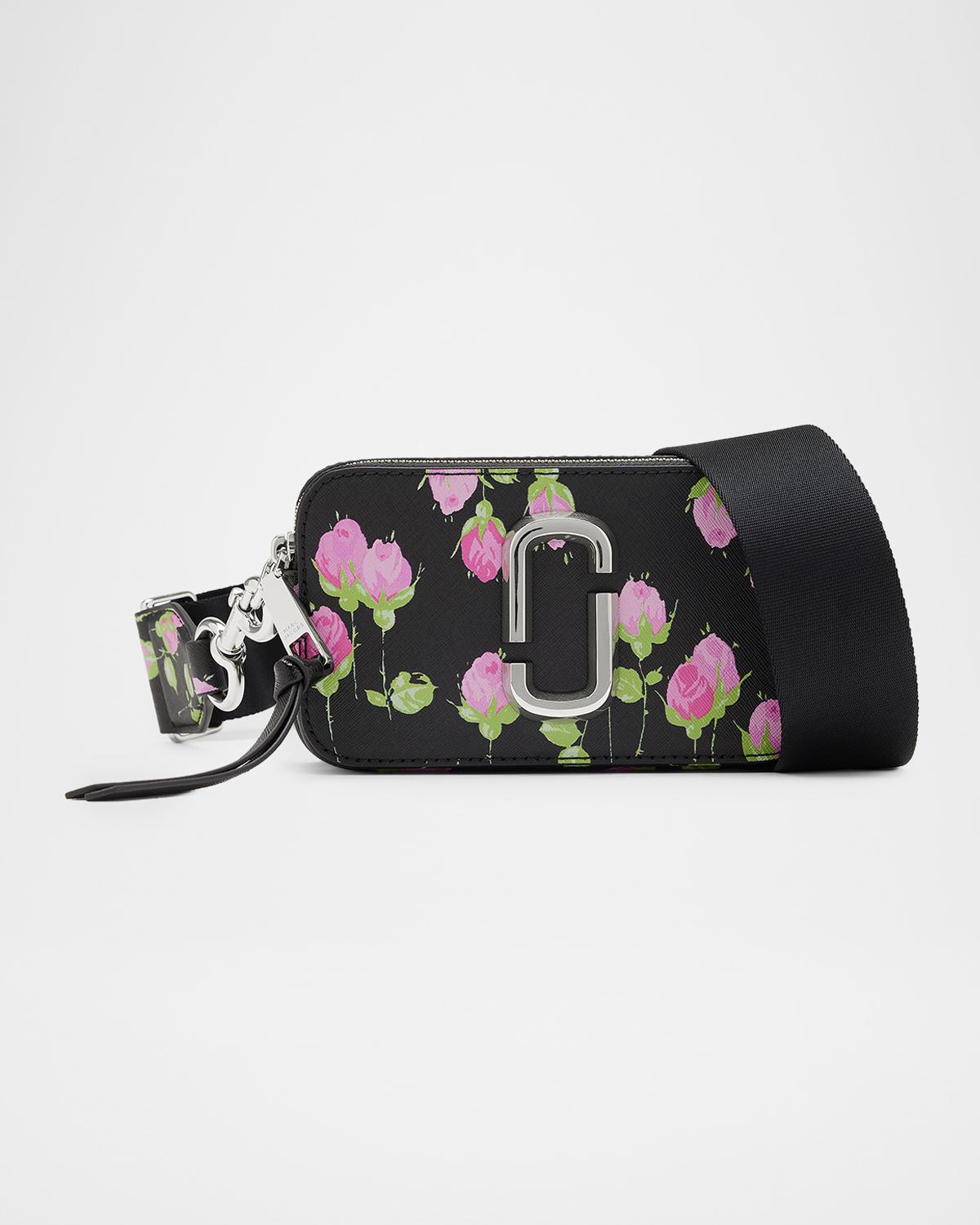
The Snapshot Floral Leather Camera Bag
Marc Jacobs
$358
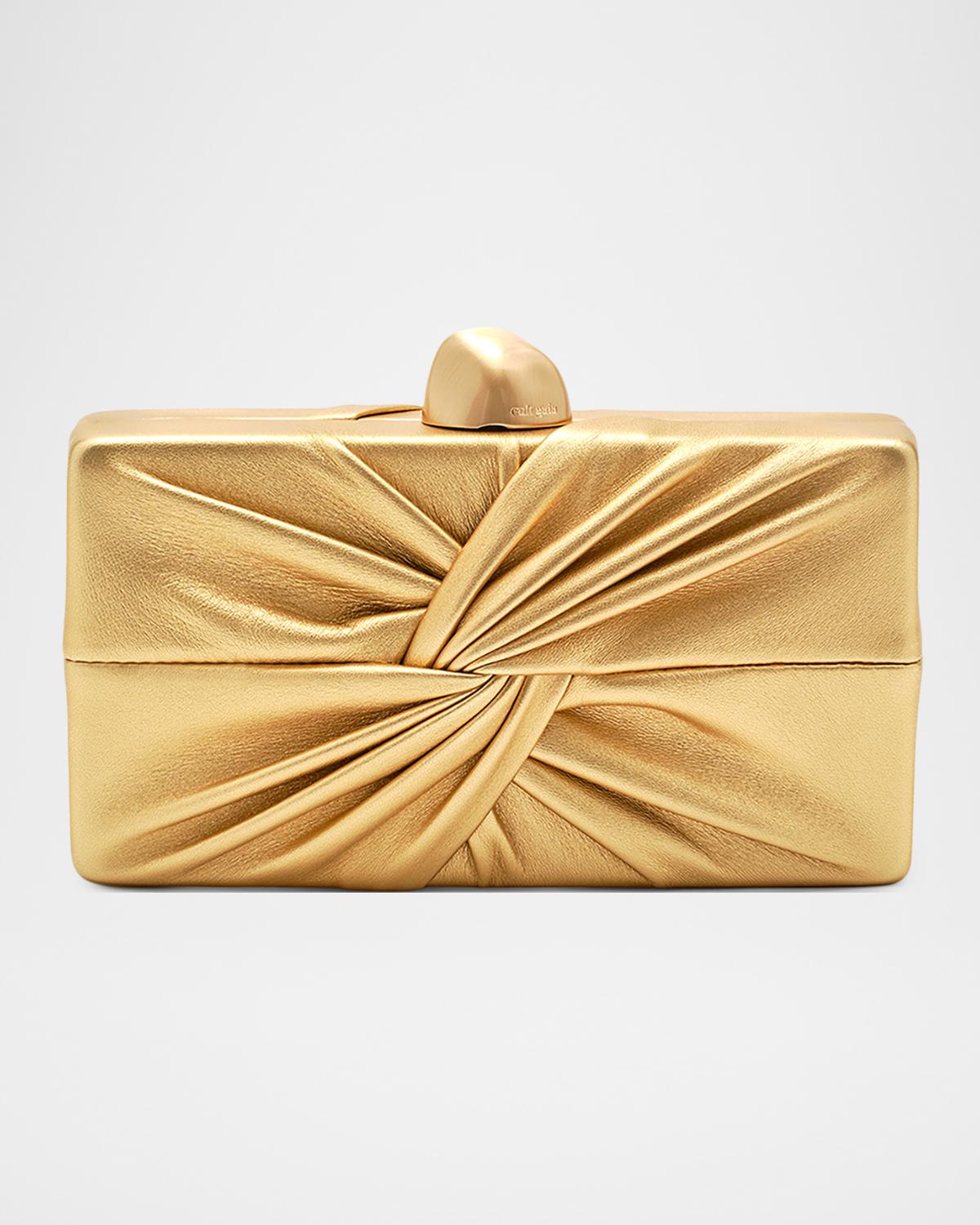
Lisse Twisted Metallic Leather Clutch Bag
Cult Gaia
$398
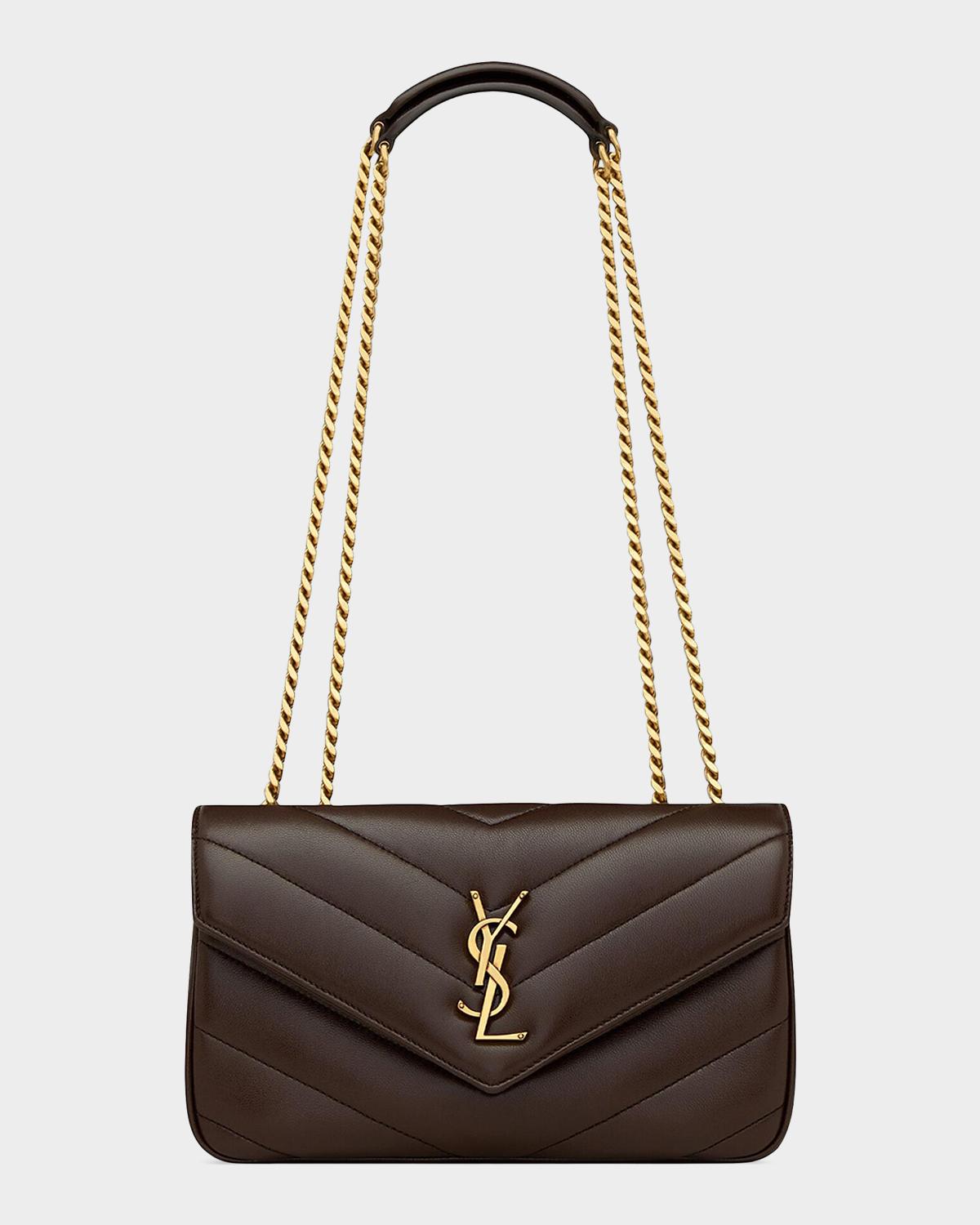
Loulou Small Leather Shoulder Bag
Saint Laurent
$2,750
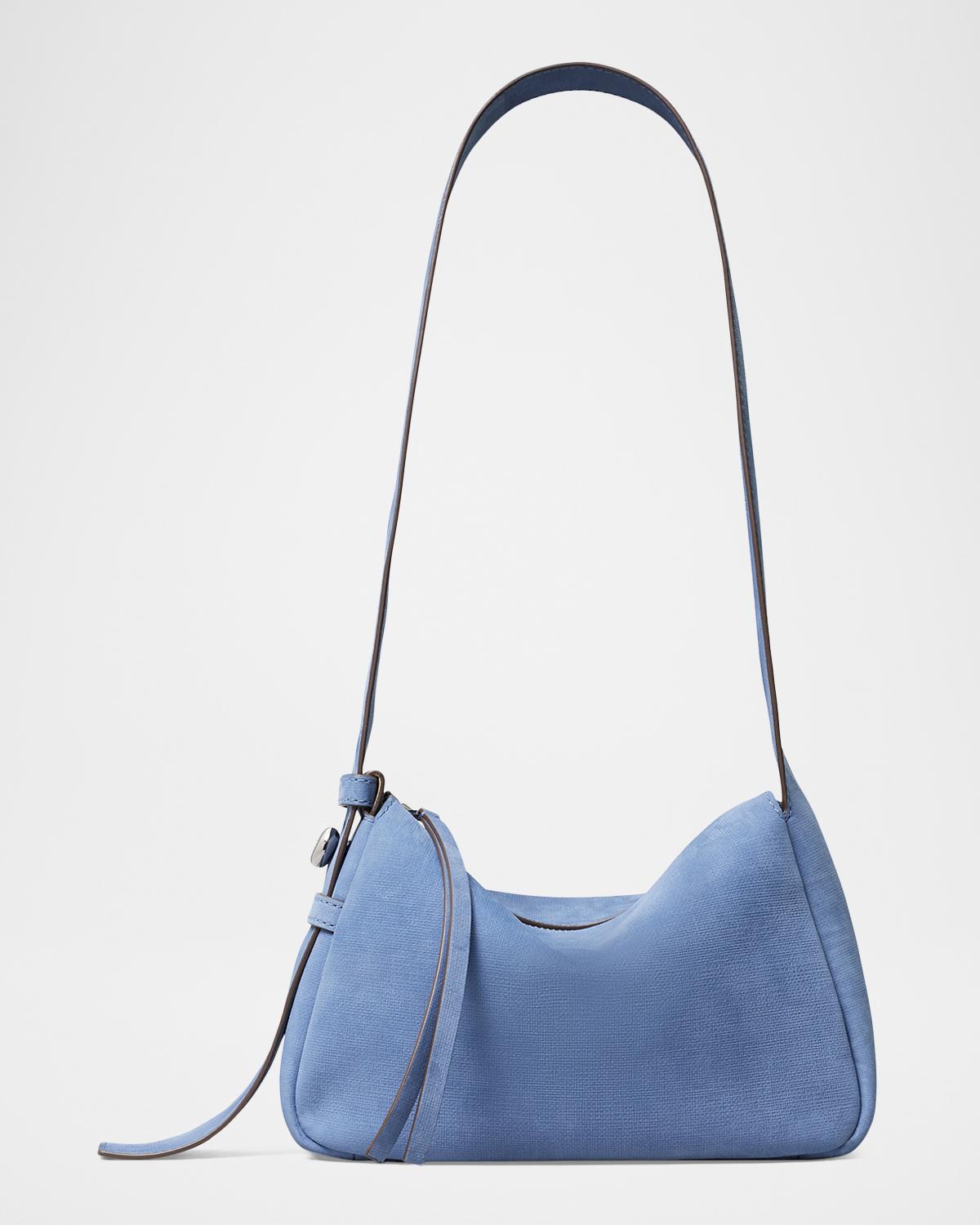
Romy Small Nubuck Leather Shoulder Bag
Tory Burch
$295
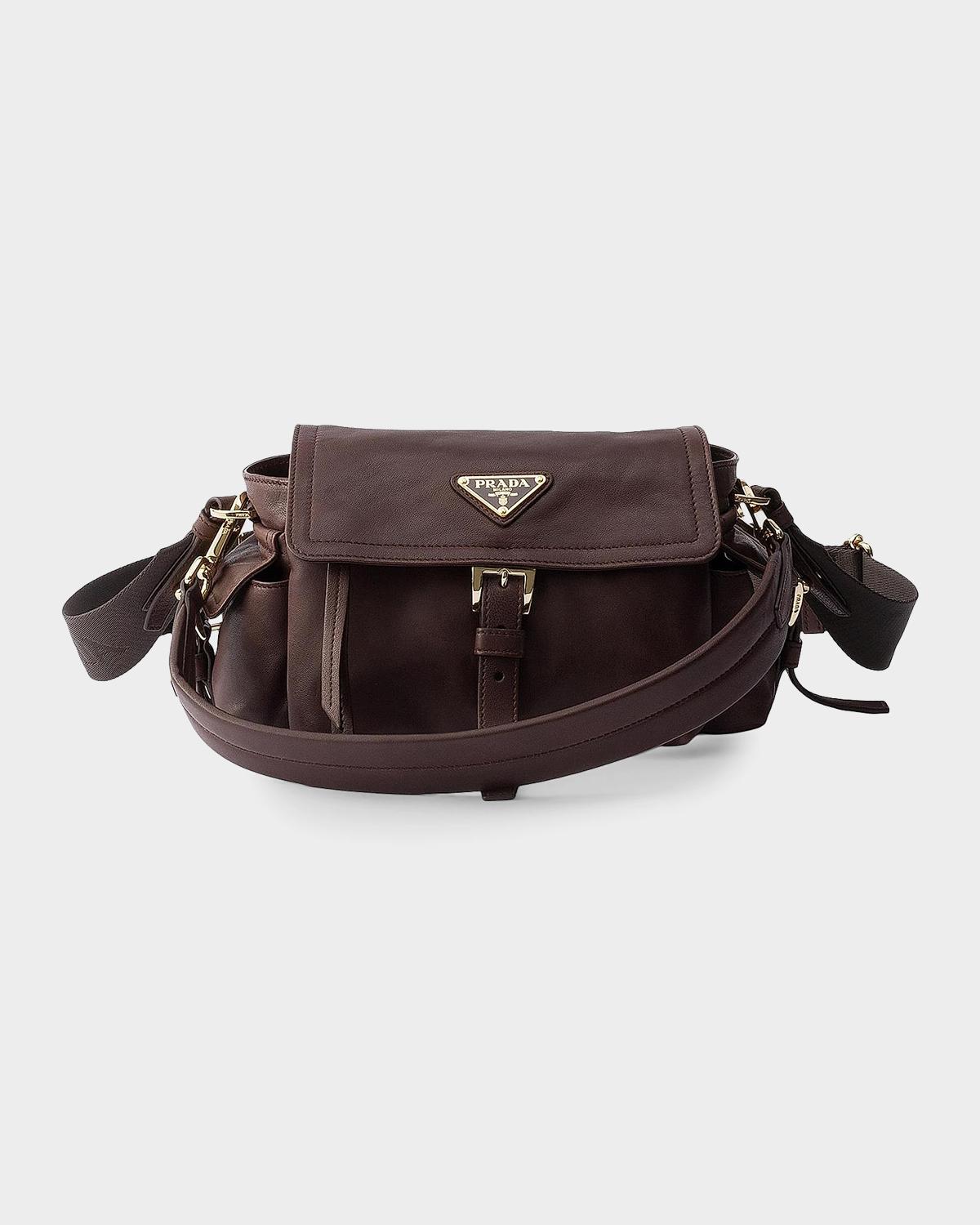
Explore Nappa Leather Mini-Bag
Prada
$3,600
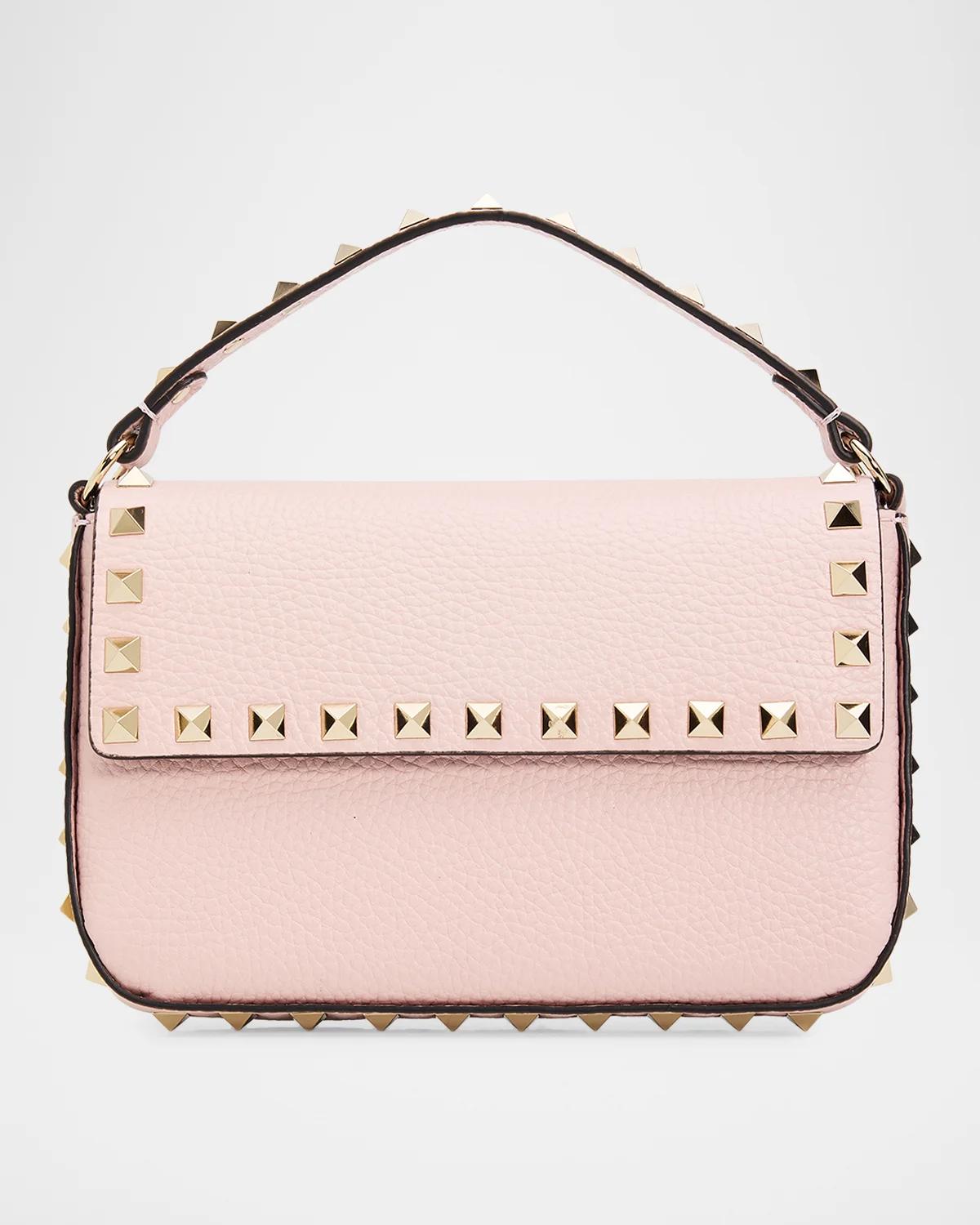
Mini Rockstud Leather Top-Handle Bag
Valentino Garavani
$1,150
Odds and ends
Odds and ends from the same assortment, for anyone still scrolling.
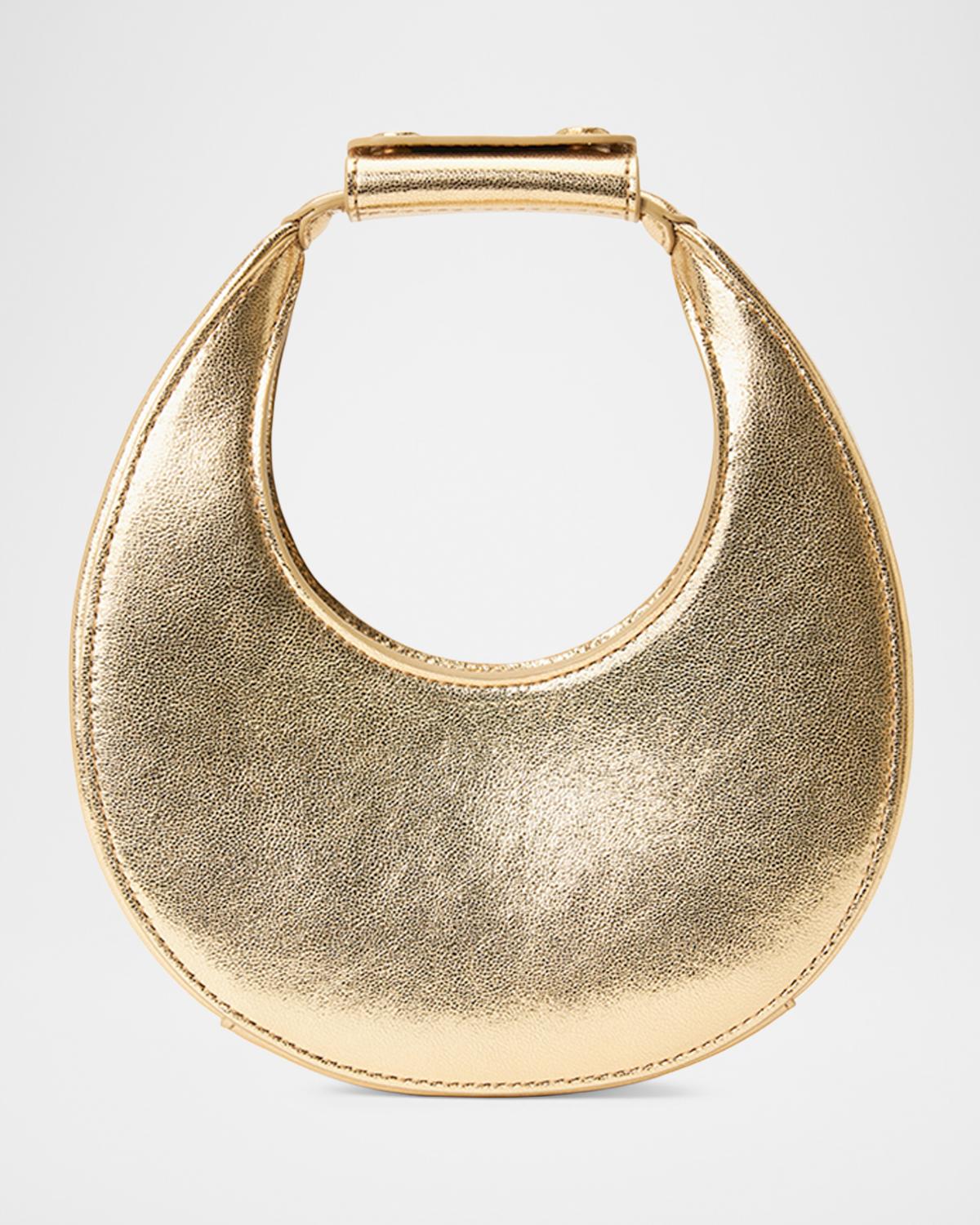
Goodnight Moon Leather Bag
STAUD
$225
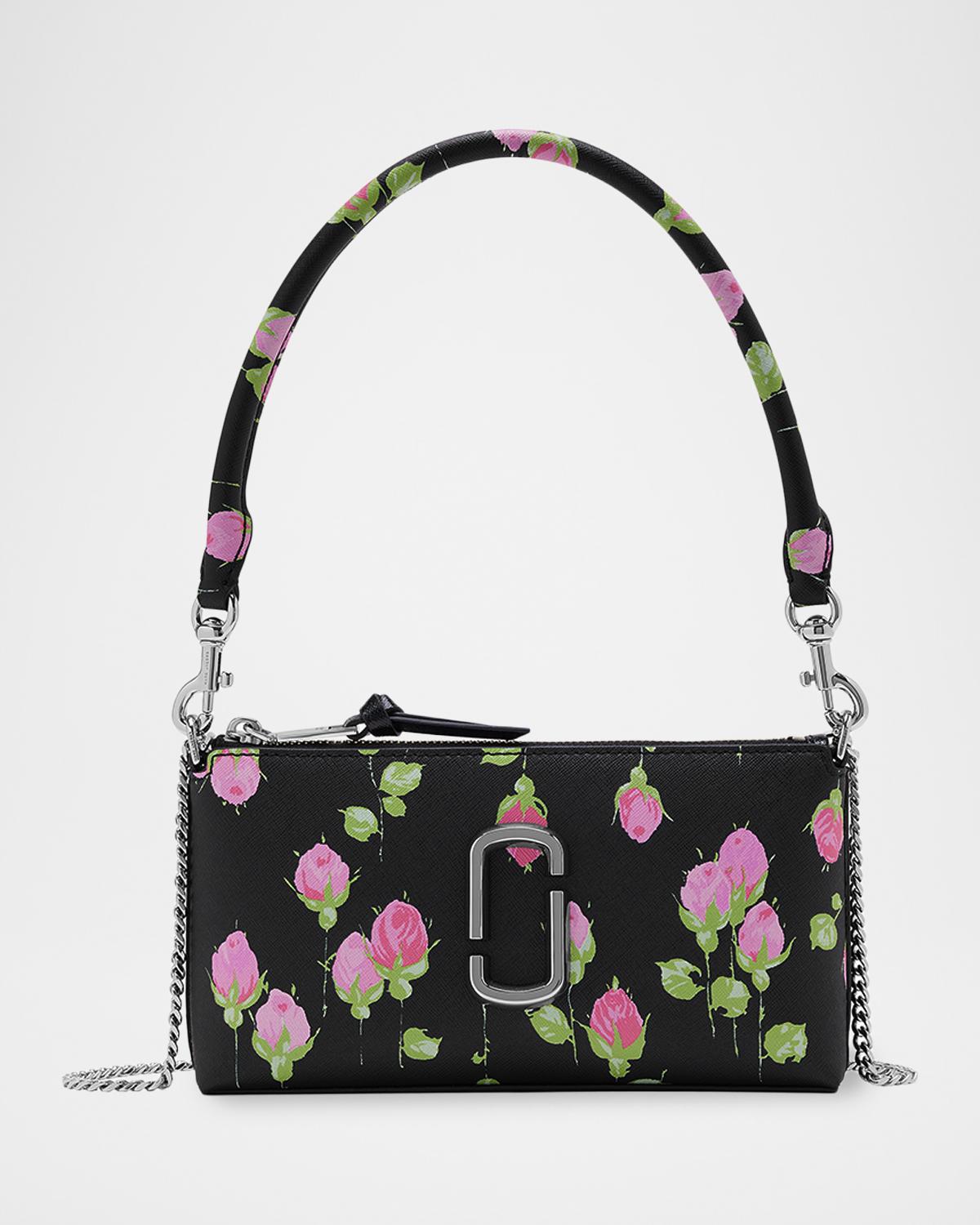
The Pochette Snapshot Floral Convertible Leather Shoulder Bag
Marc Jacobs
$228
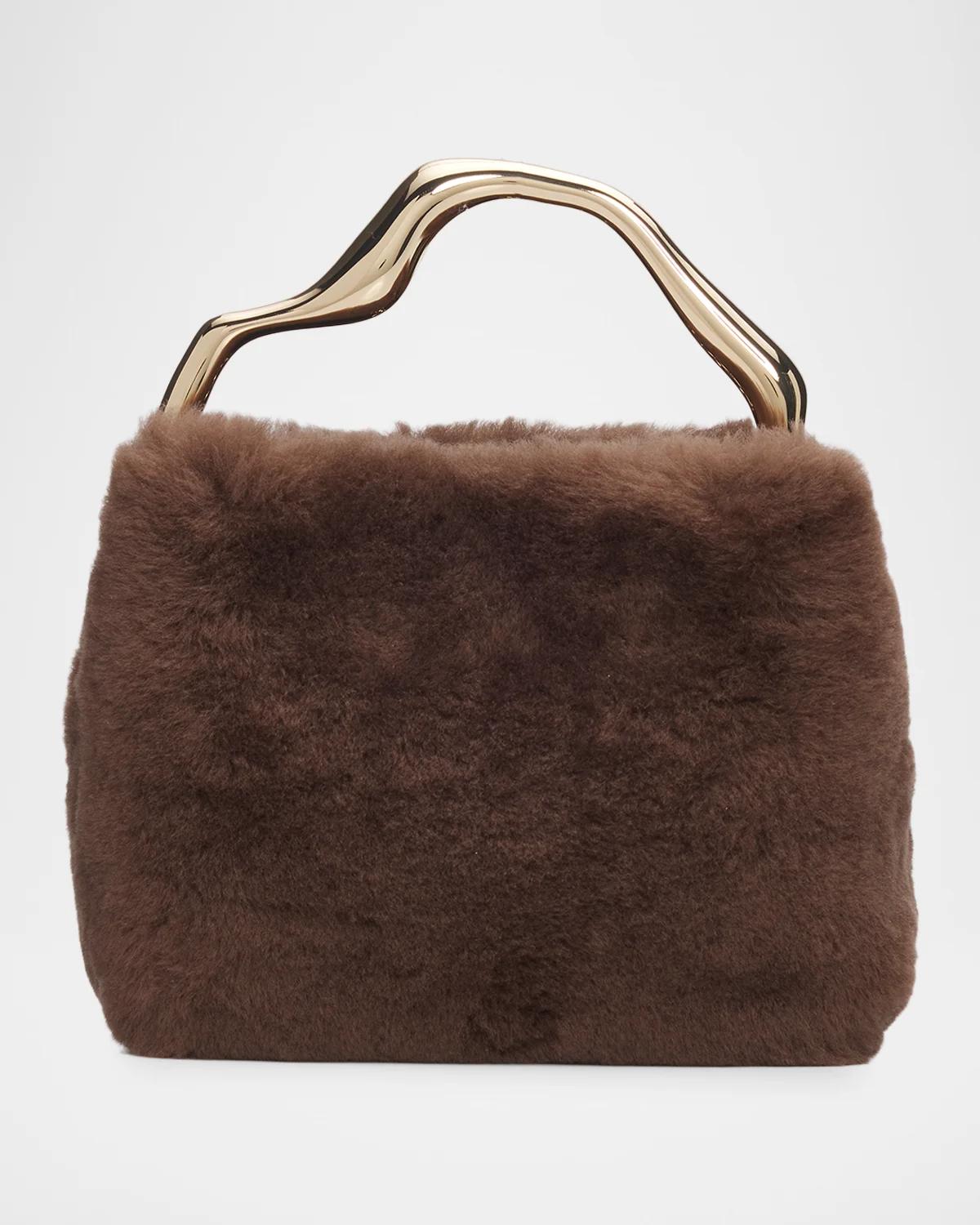
Solene Mini Sheep Shearling Fur Top-Handle Bag
Cult Gaia
$498
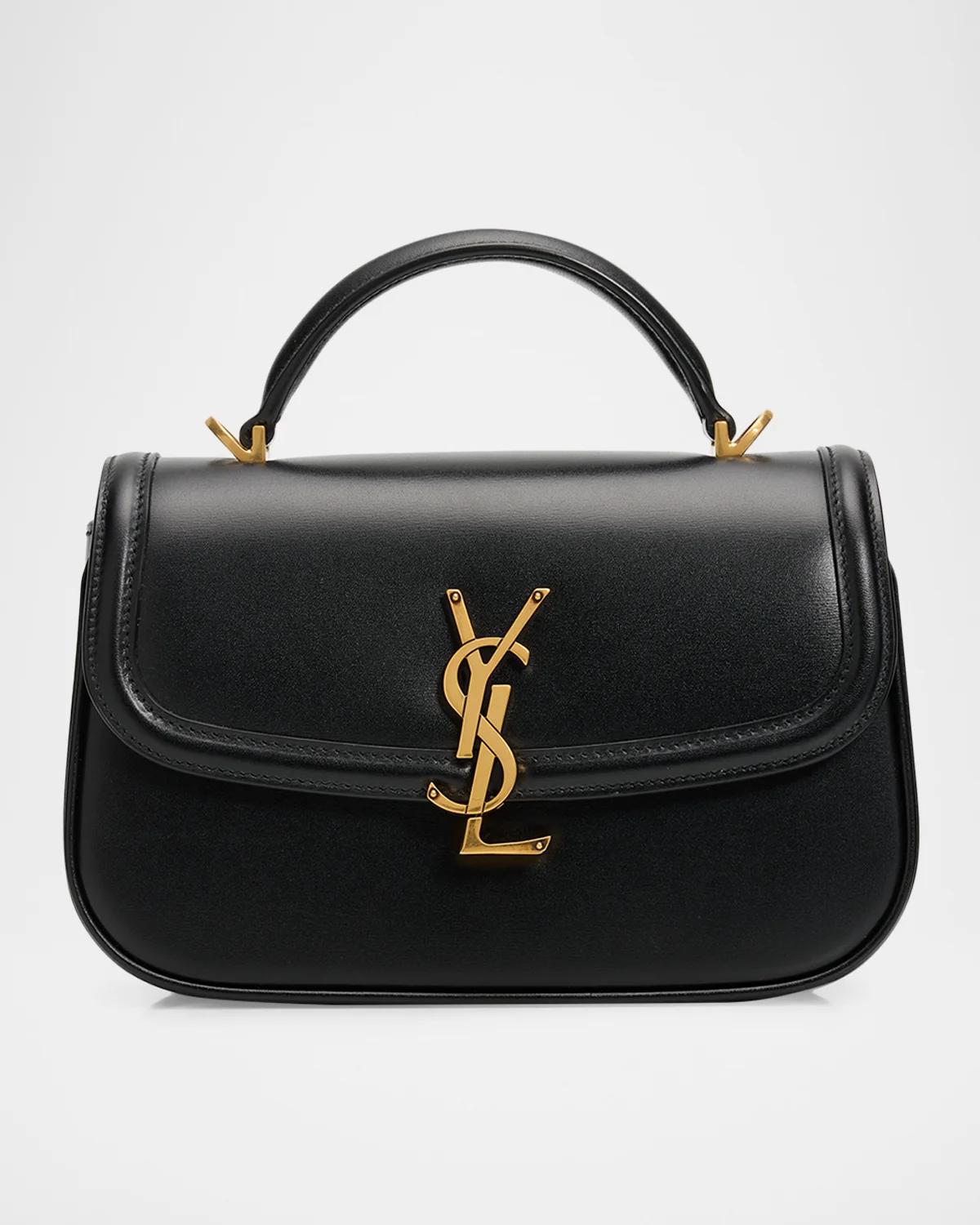
Solferino Mini YSL Leather Top-Handle Bag
Saint Laurent
$3,150
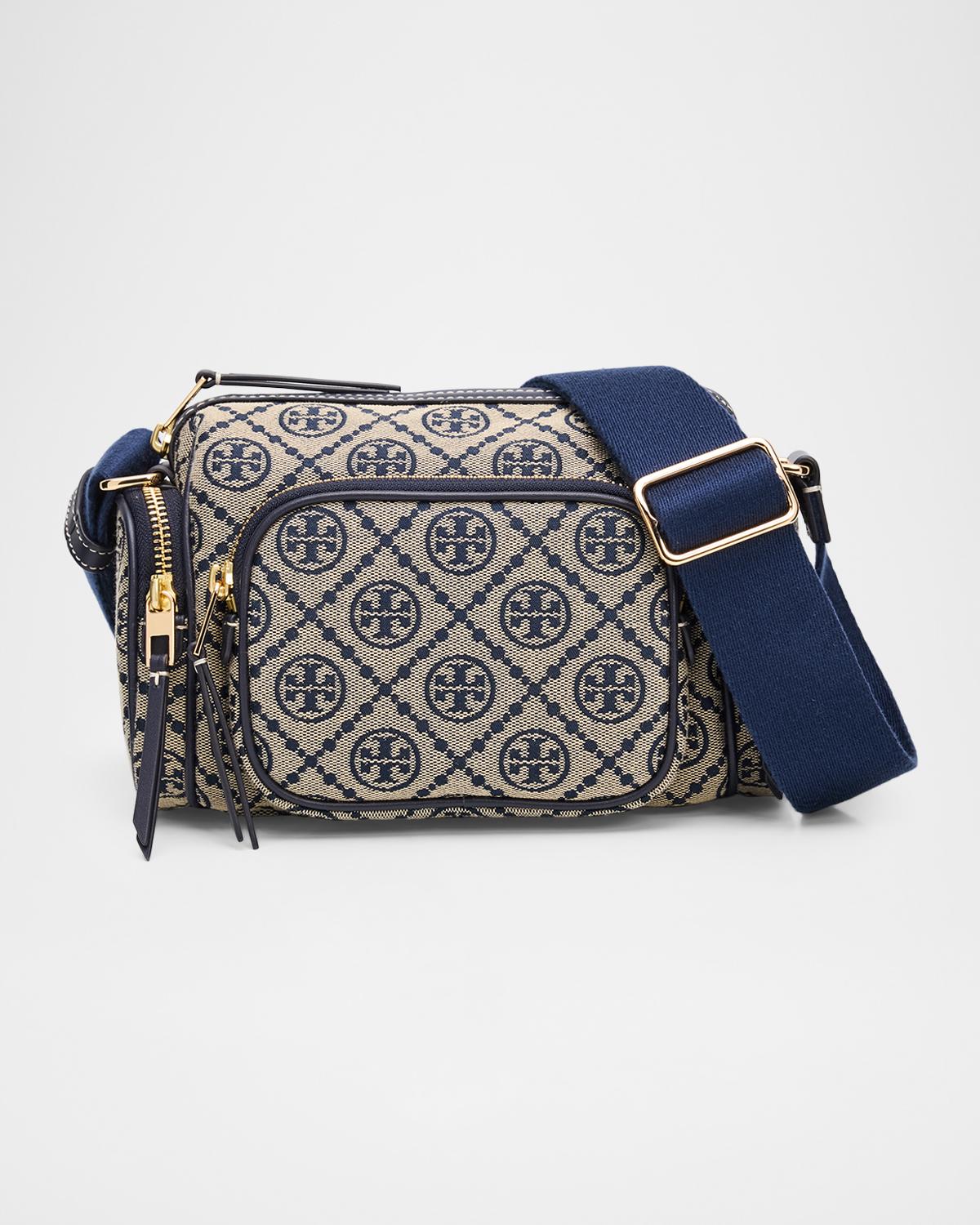
T Monogram Jacquard Pocket Crossbody Bag
Tory Burch
$375
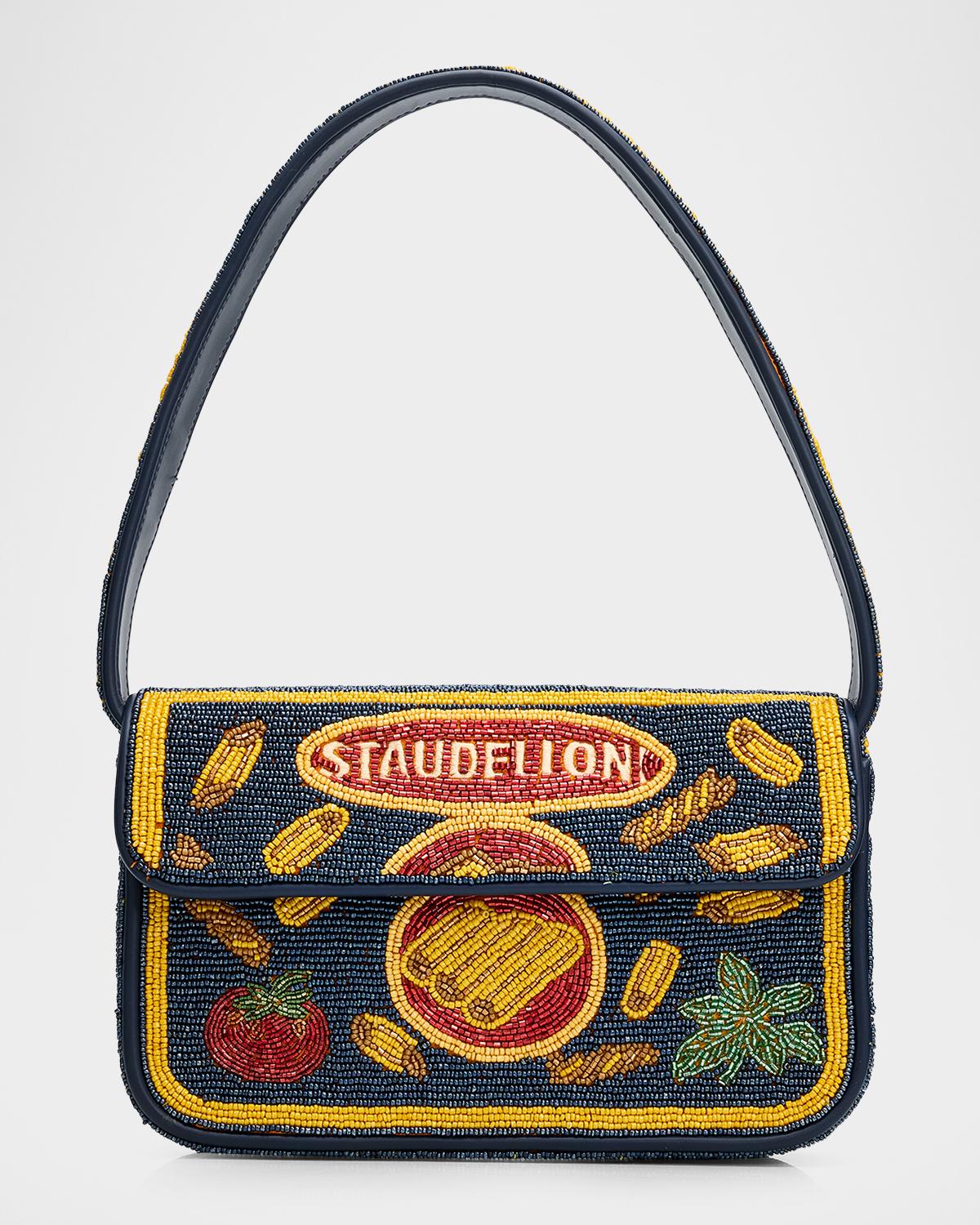
Tommy Beaded Shoulder Bag
STAUD
$245
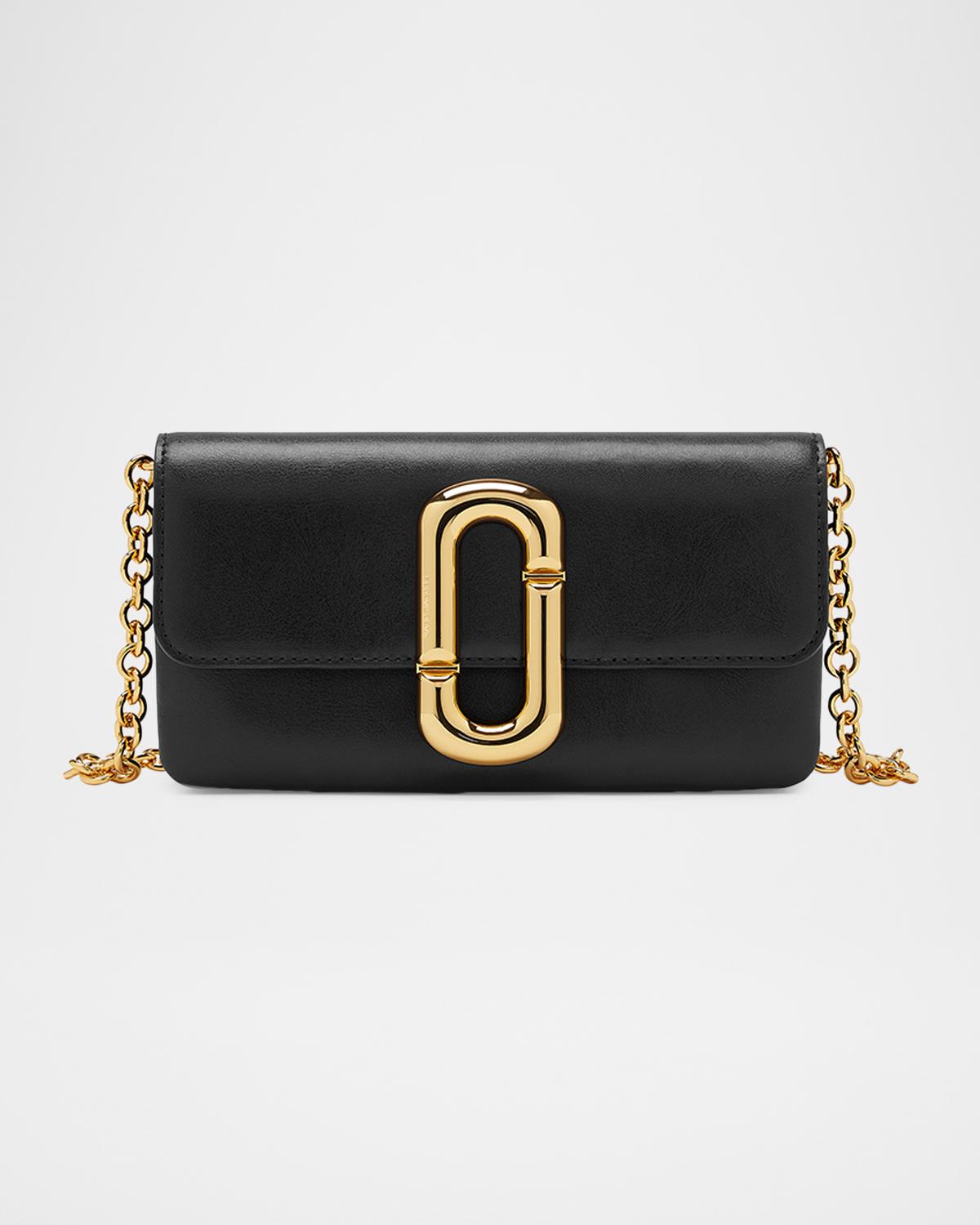
Scene Leather Wallet on Chain
Marc Jacobs
$228
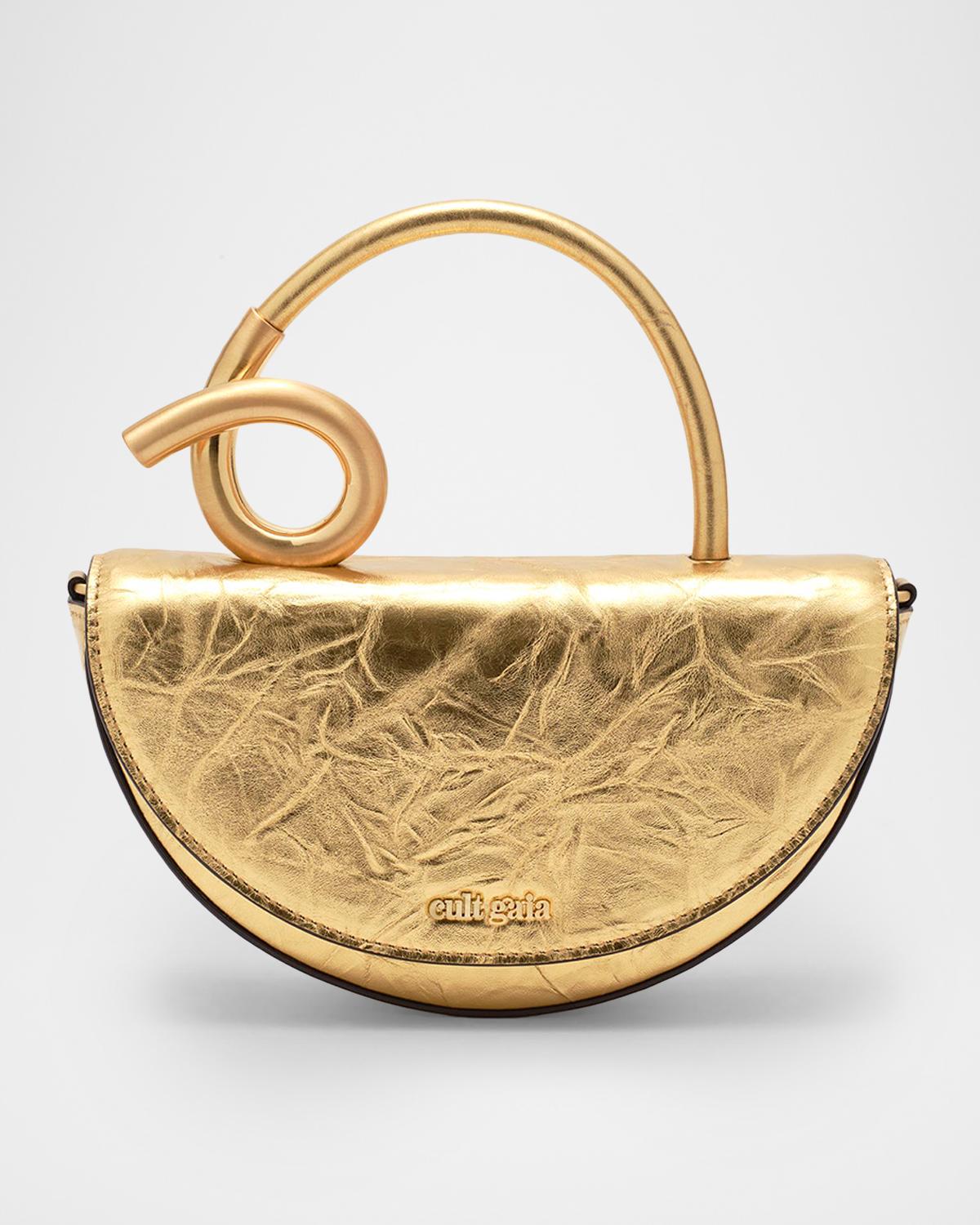
Azariah Nano Sculptural Metallic Leather Top-Handle Bag
Cult Gaia
$398
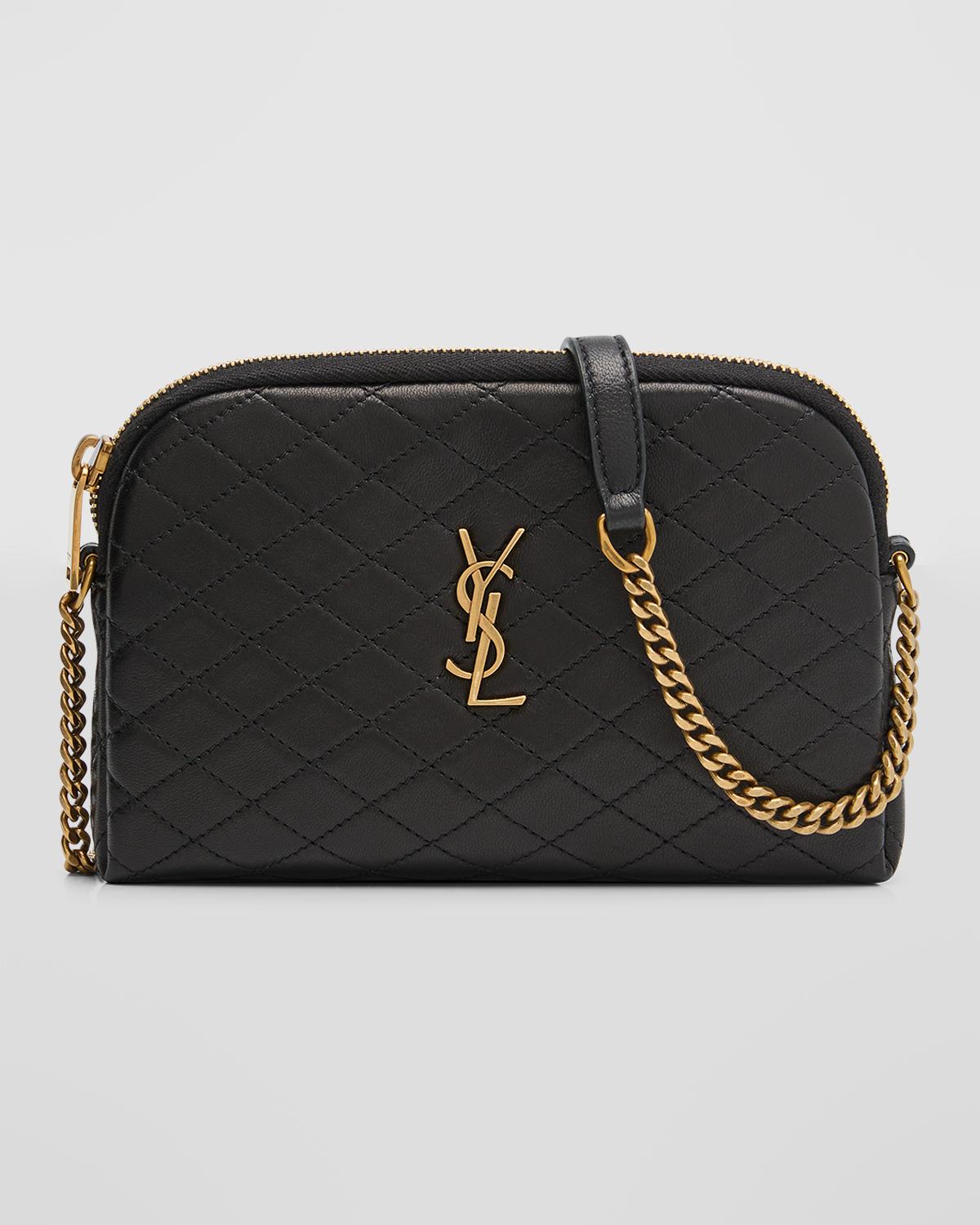
Gaby Mini YSL Crossbody Bag in Quilted Leather
Saint Laurent
$1,500
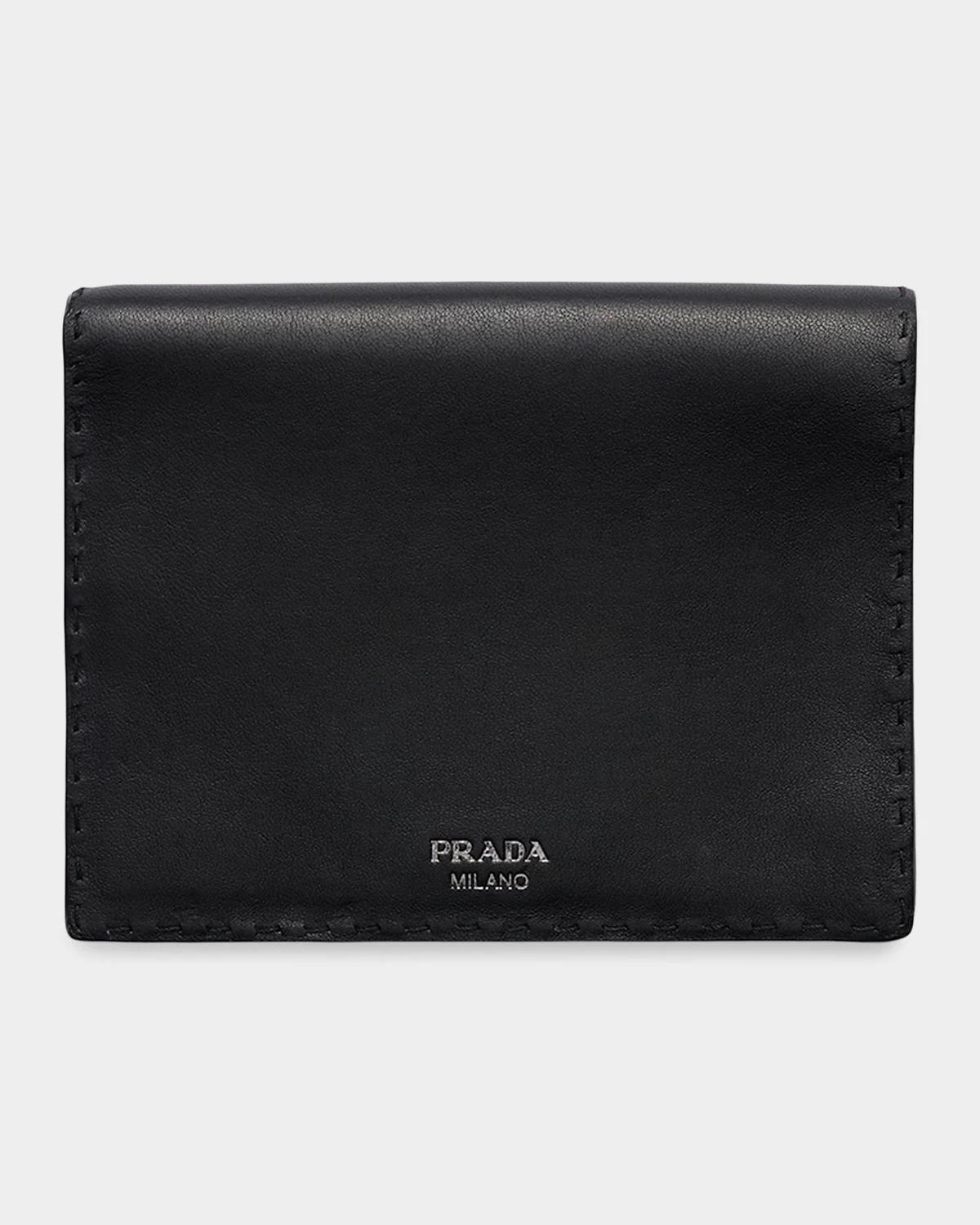
Leather Bifold Wallet
Prada
$875
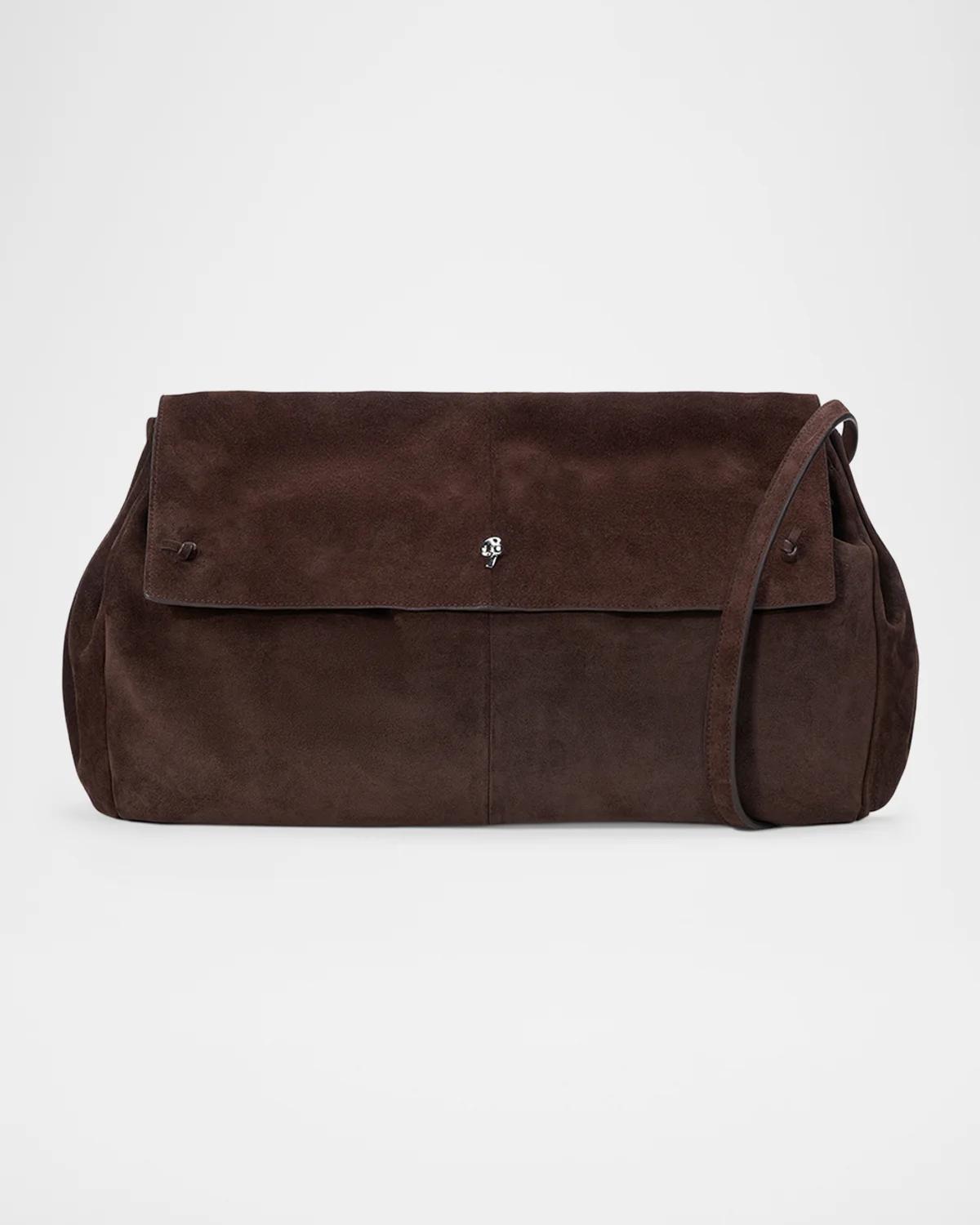
Cy Oversized Suede Crossbody Bag
STAUD
$695
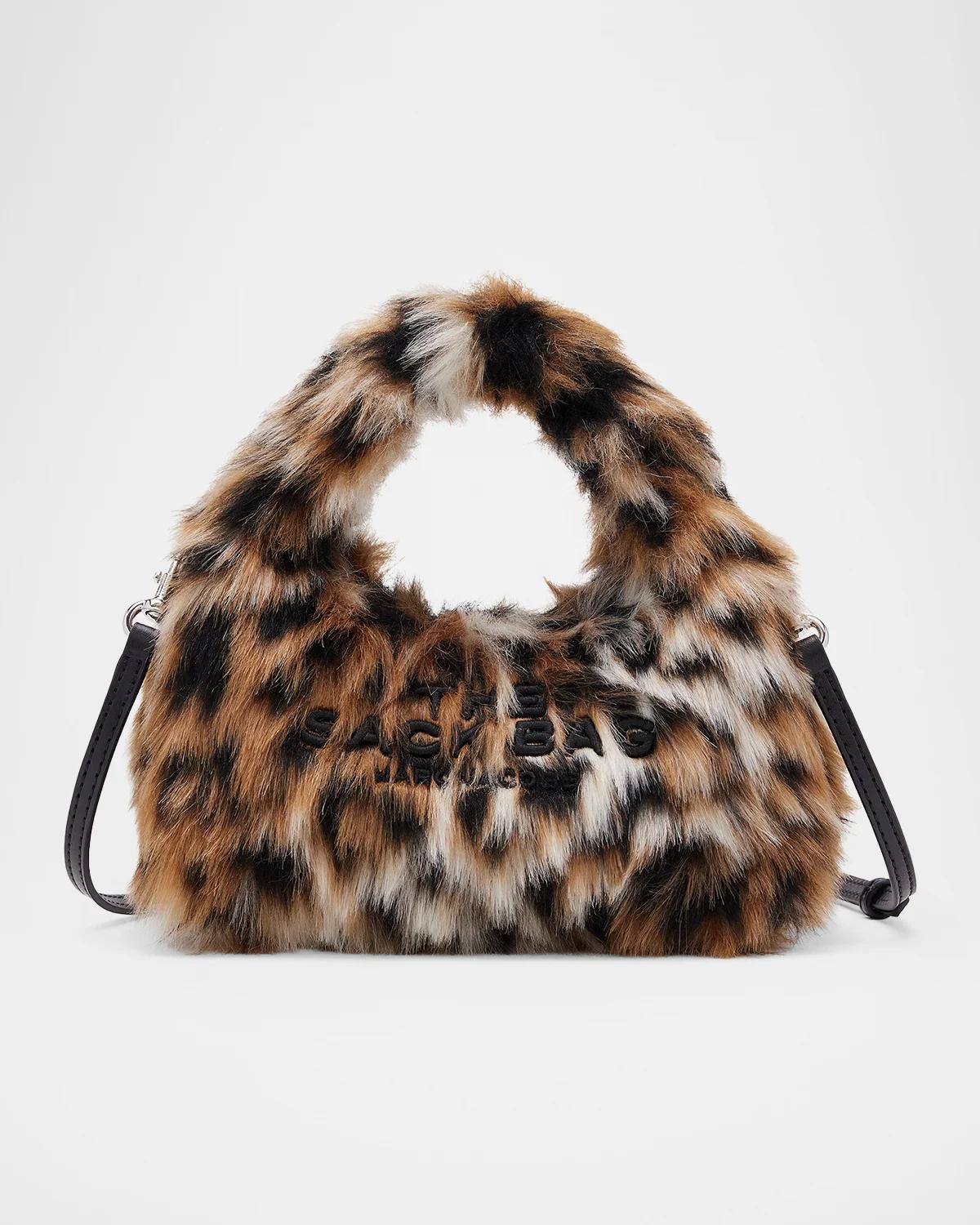
Faux Fur Micro Sack Bag
Marc Jacobs
$228
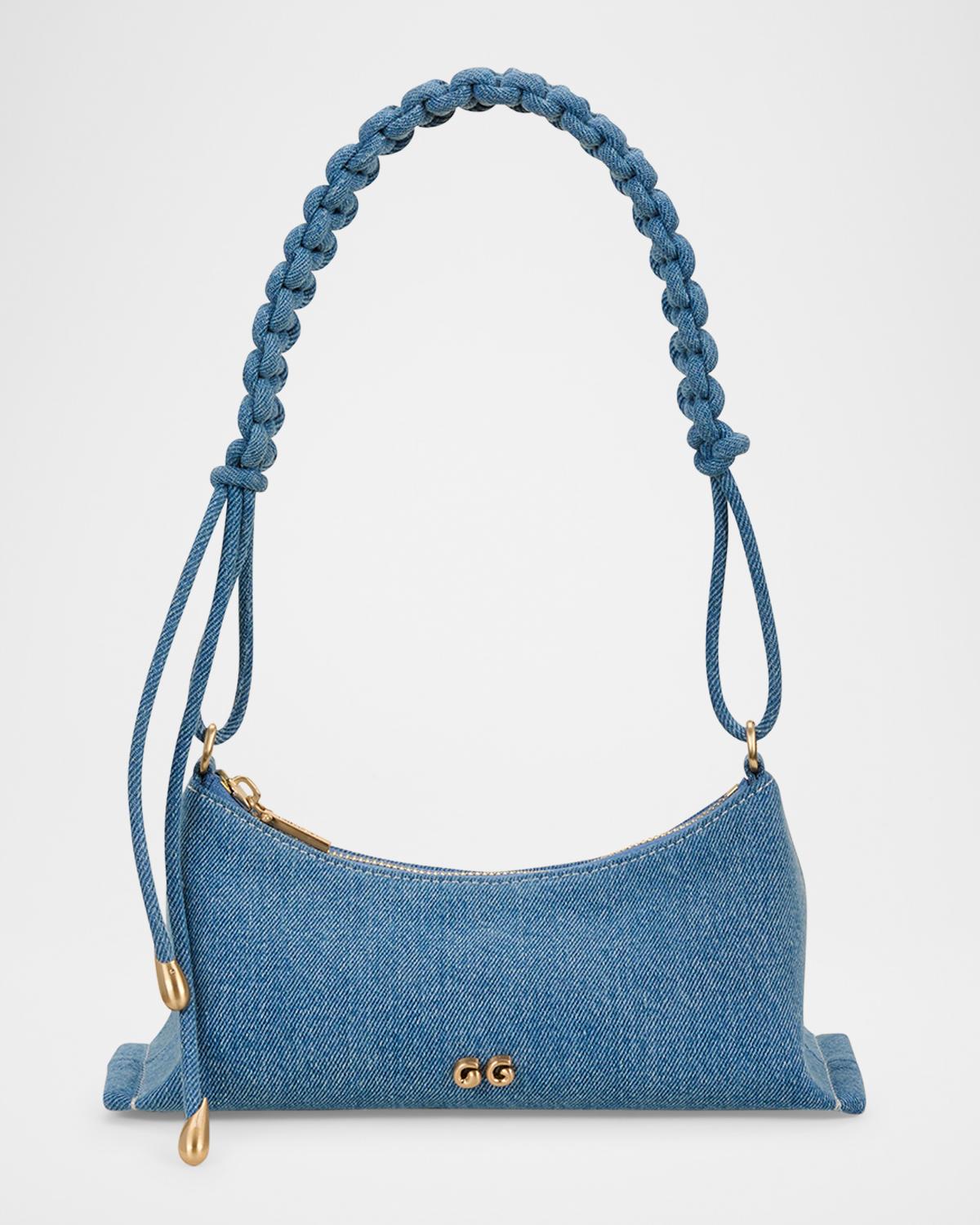
Osa Braided Denim Shoulder Bag
Cult Gaia
$398
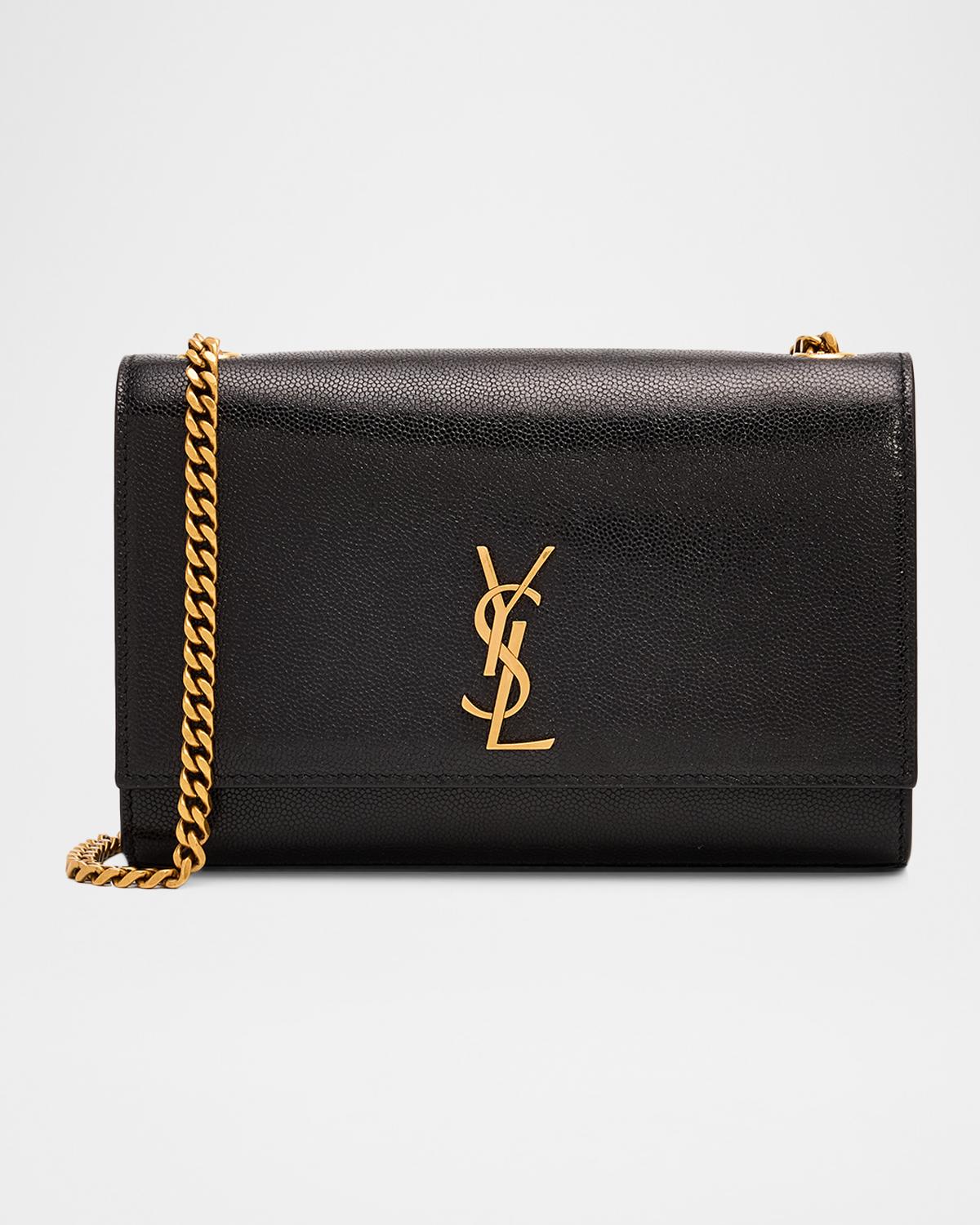
Kate YSL Medium Leather Crossbody Bag
Saint Laurent
$2,200
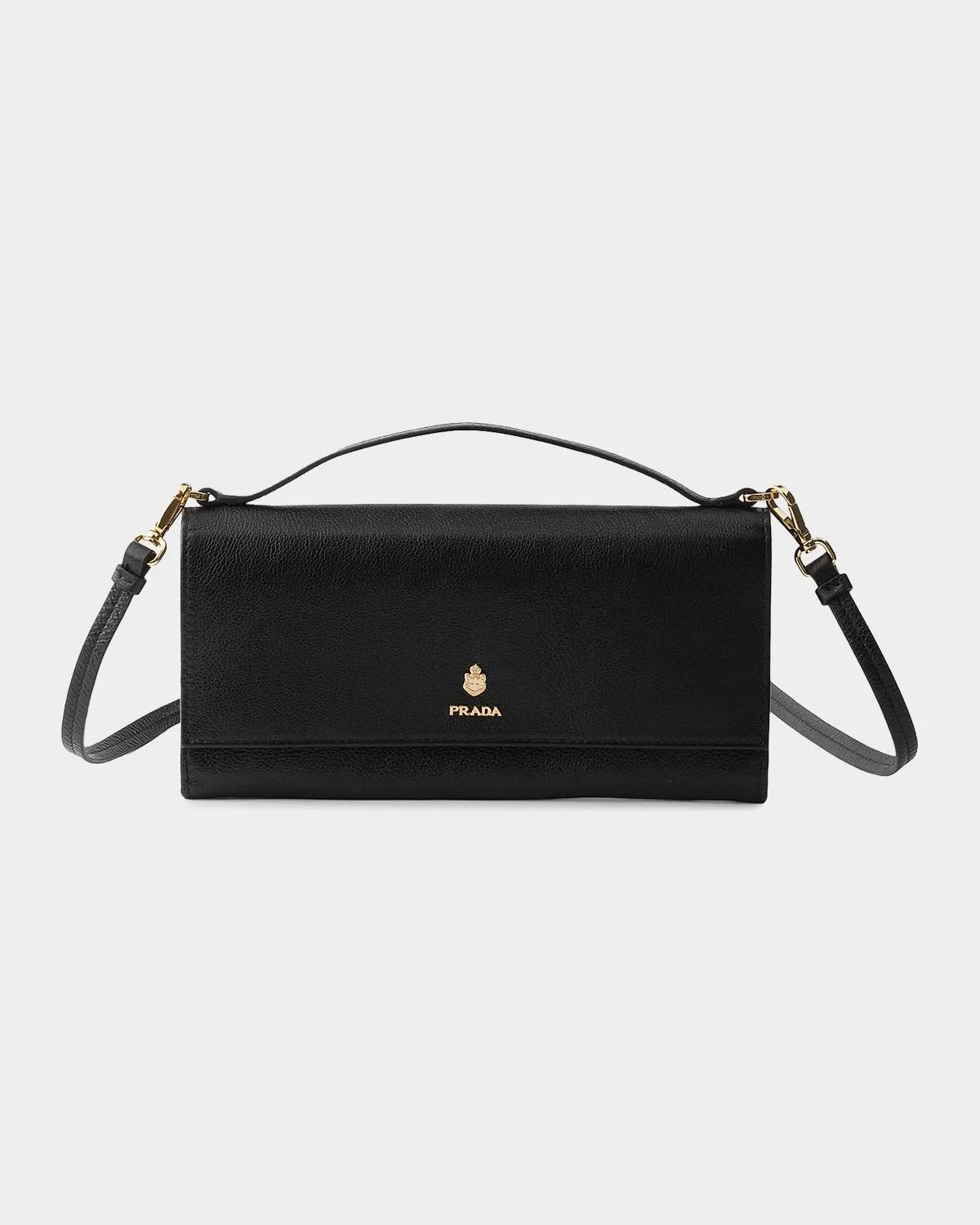
Leather Top Handle Wallet
Prada
$1,550
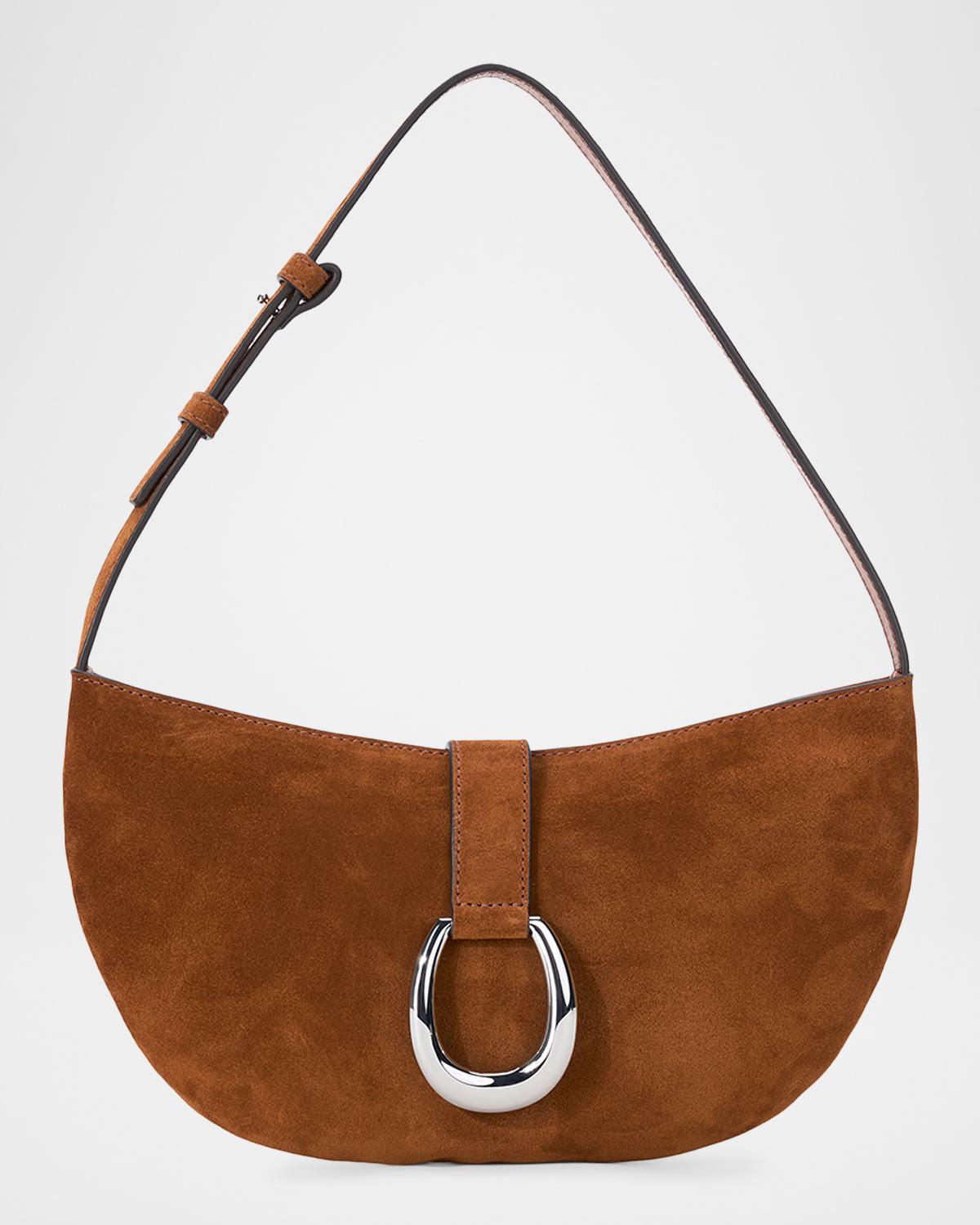
Harlow Suede Shoulder Bag
STAUD
$295
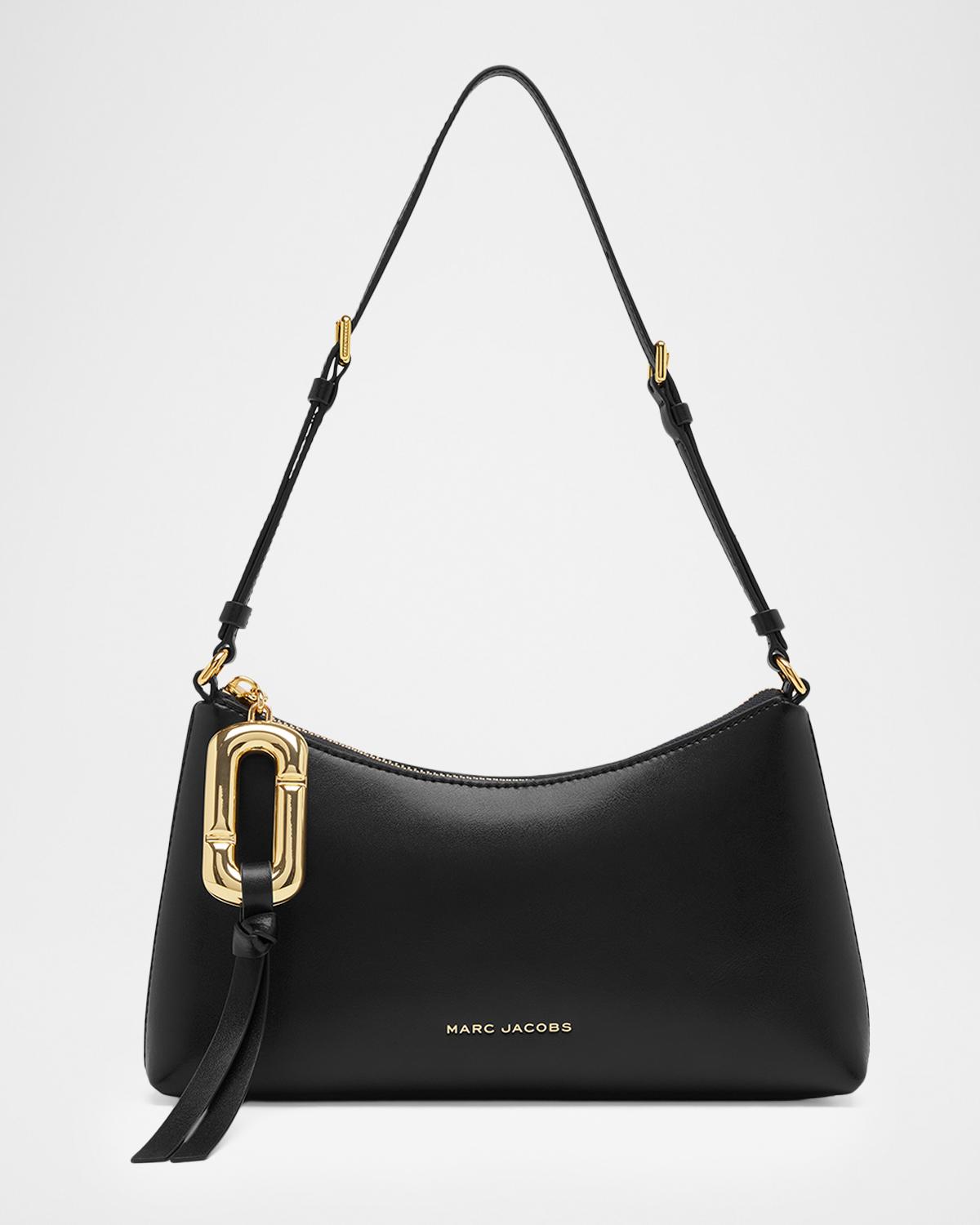
The Pouch Scene Convertible Leather Mini Bag
Marc Jacobs
$198
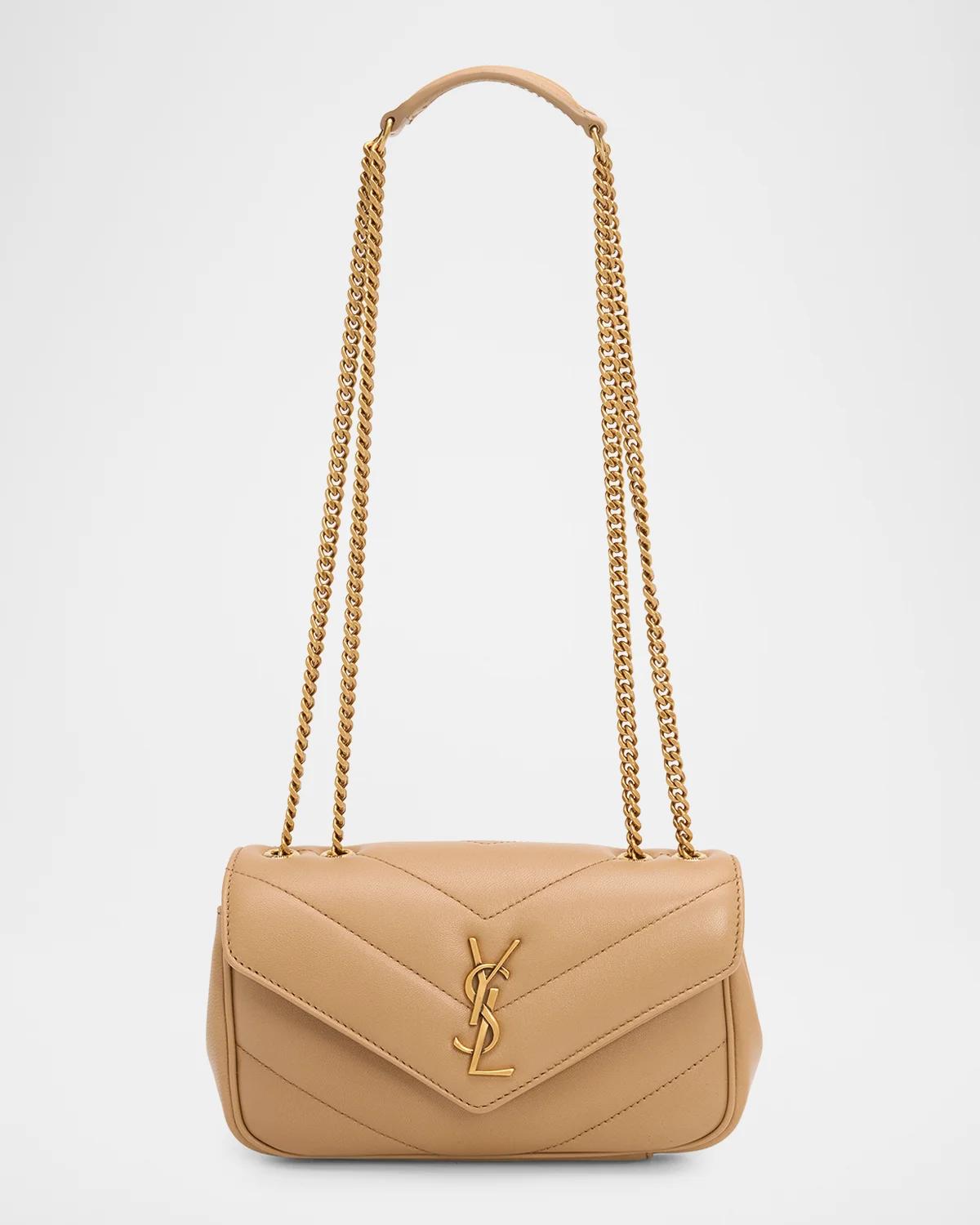
Quilted Leather Shoulder Bag
Saint Laurent
$2,150
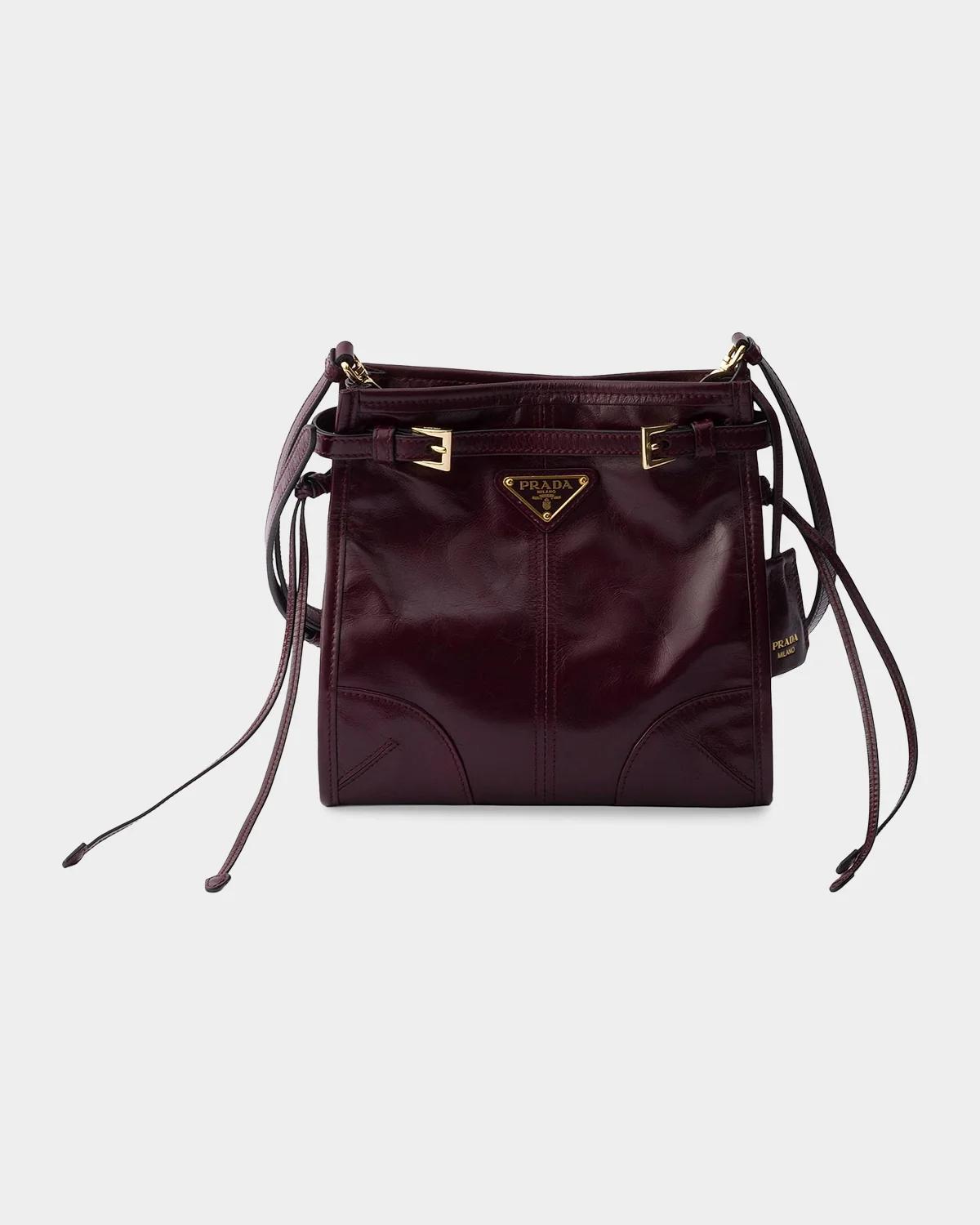
Bonnie Leather Mini Shoulder Bag
Prada
$2,650
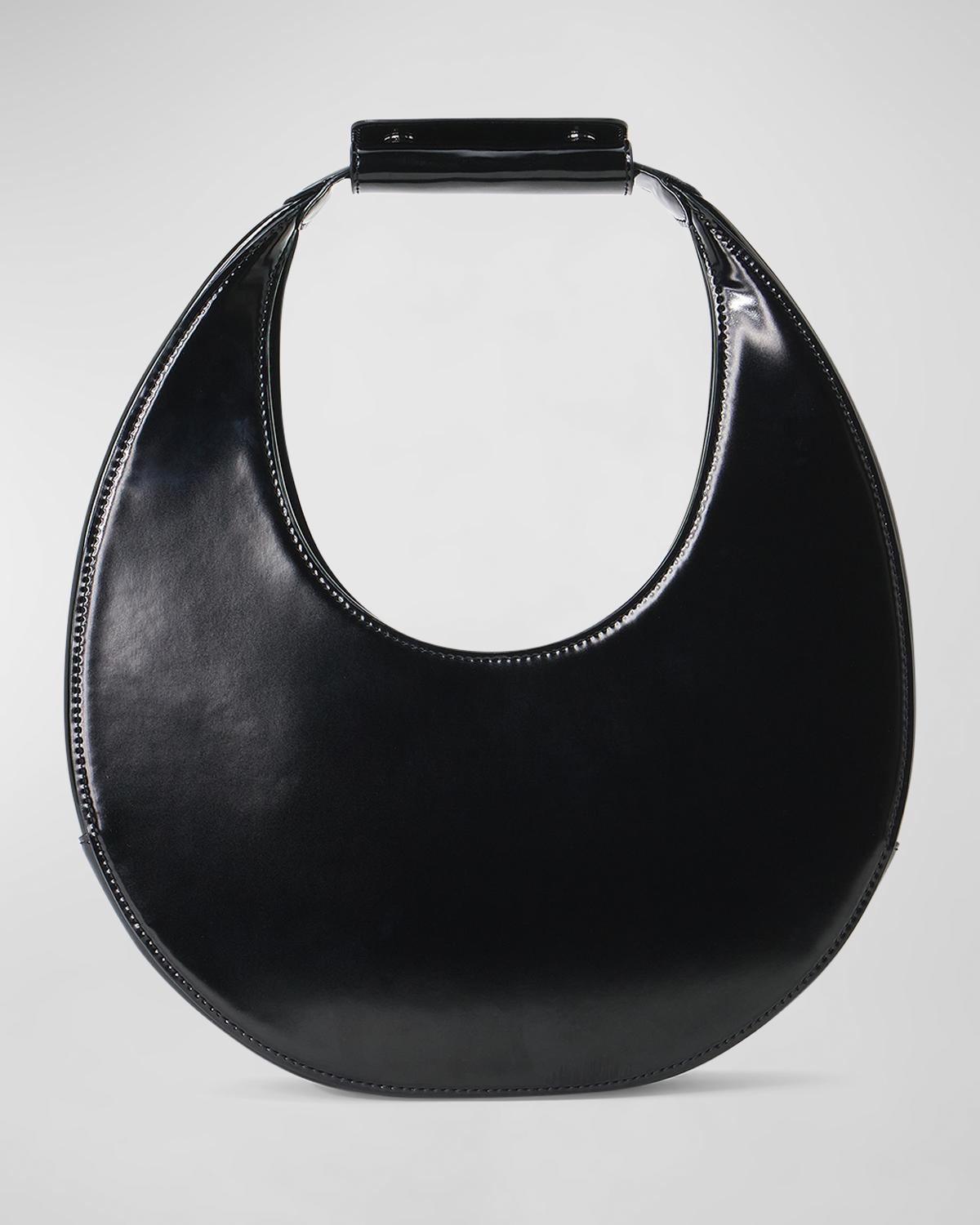
Moon Leather Top-Handle Bag
STAUD
$295
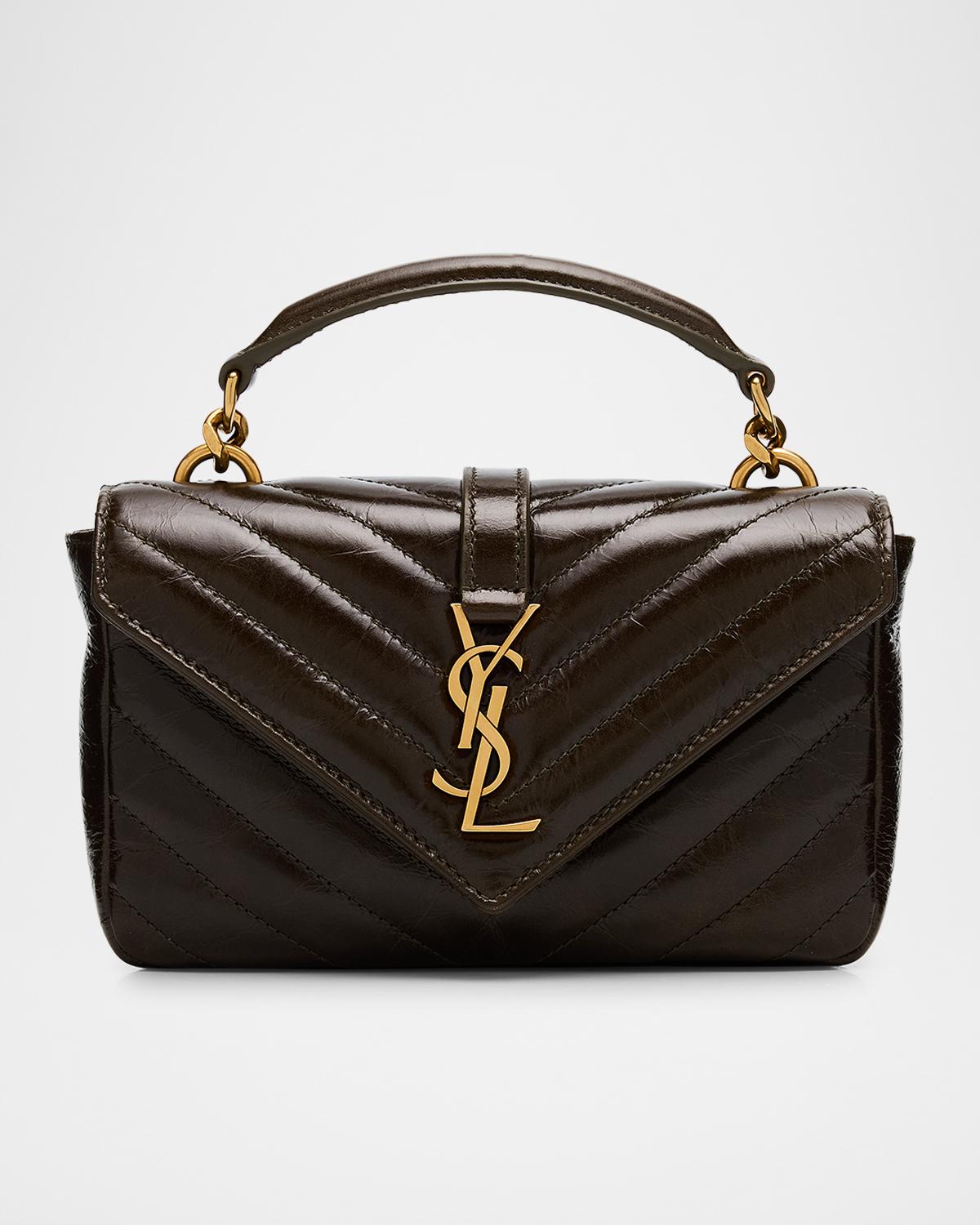
College Mini YSL Quilted Top Handle Bag
Saint Laurent
$1,990
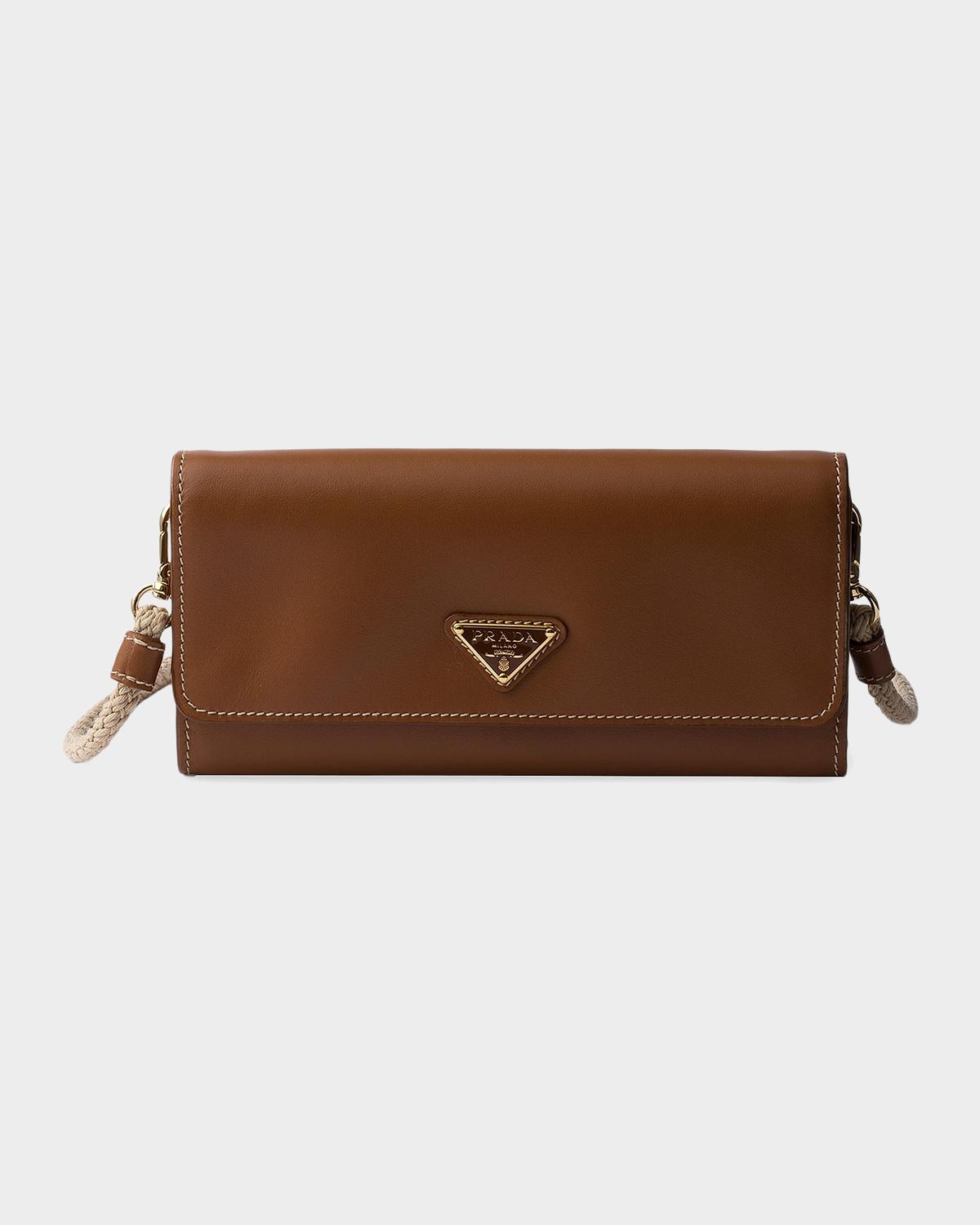
Leather Wallet with Shoulder Strap
Prada
$1,150
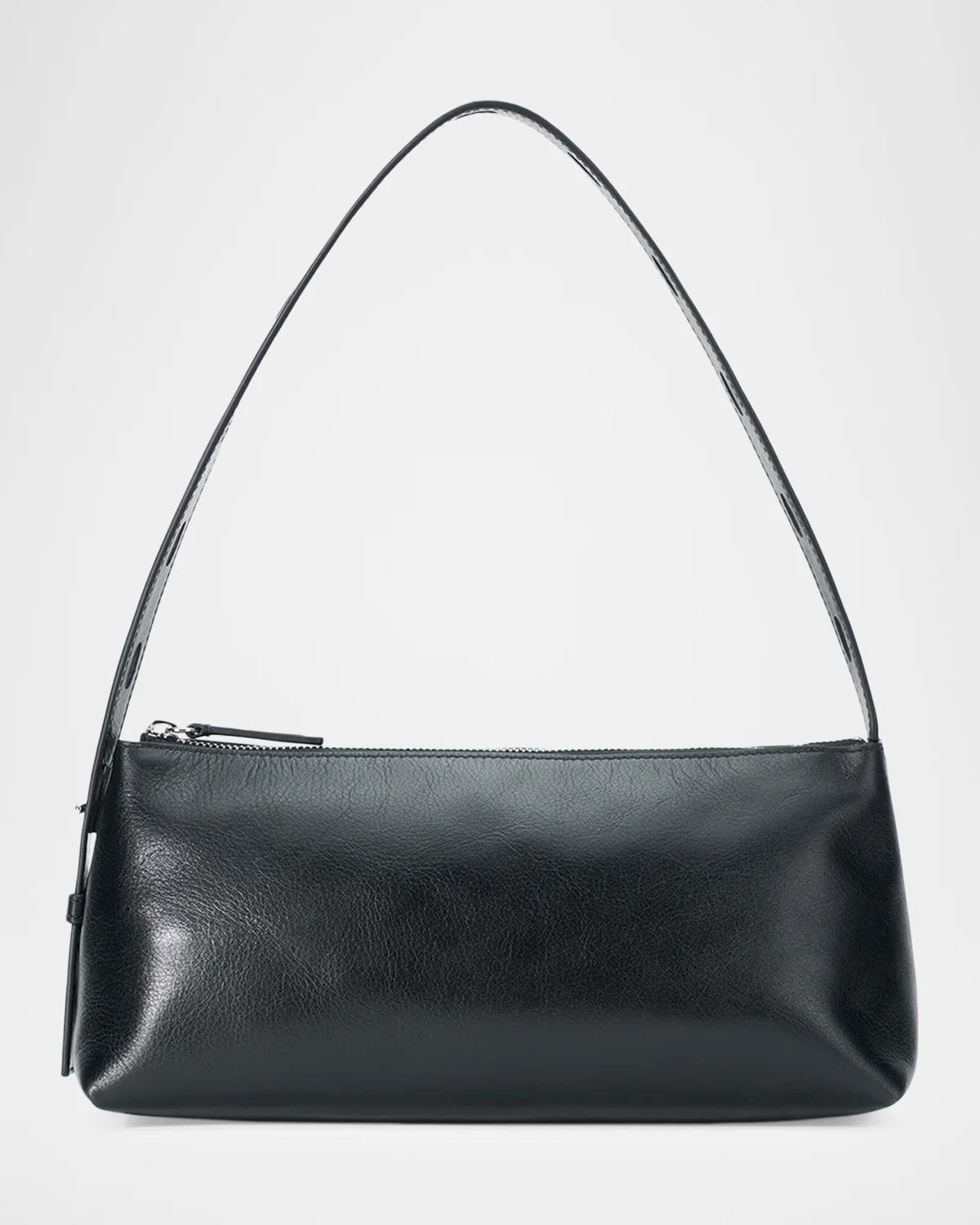
Strada Leather Shoulder Bag
STAUD
$350
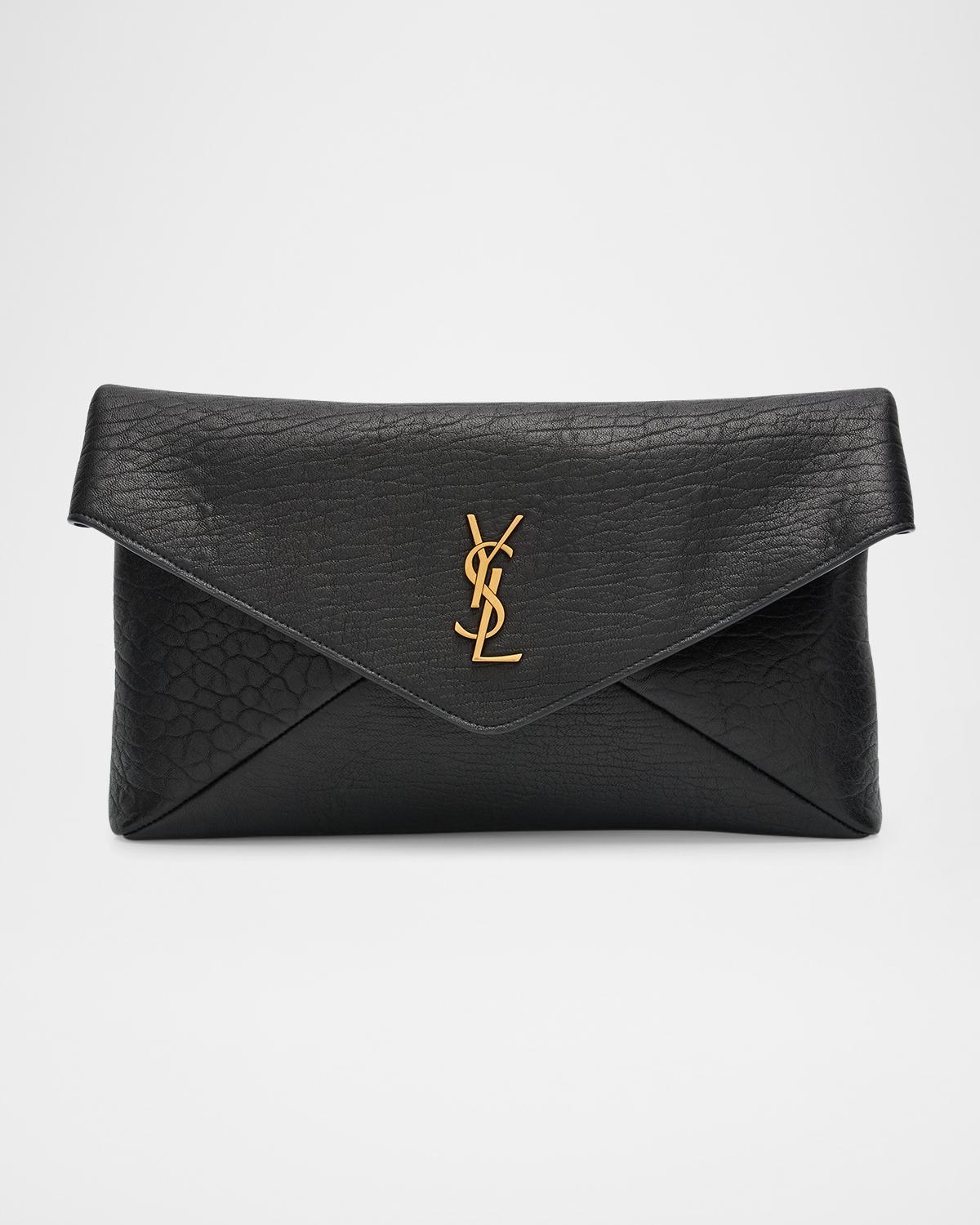
Large YSL Envelope Pouch Clutch Bag in Leather
Saint Laurent
$1,100
Rounding out the edit
A final group to close it out.
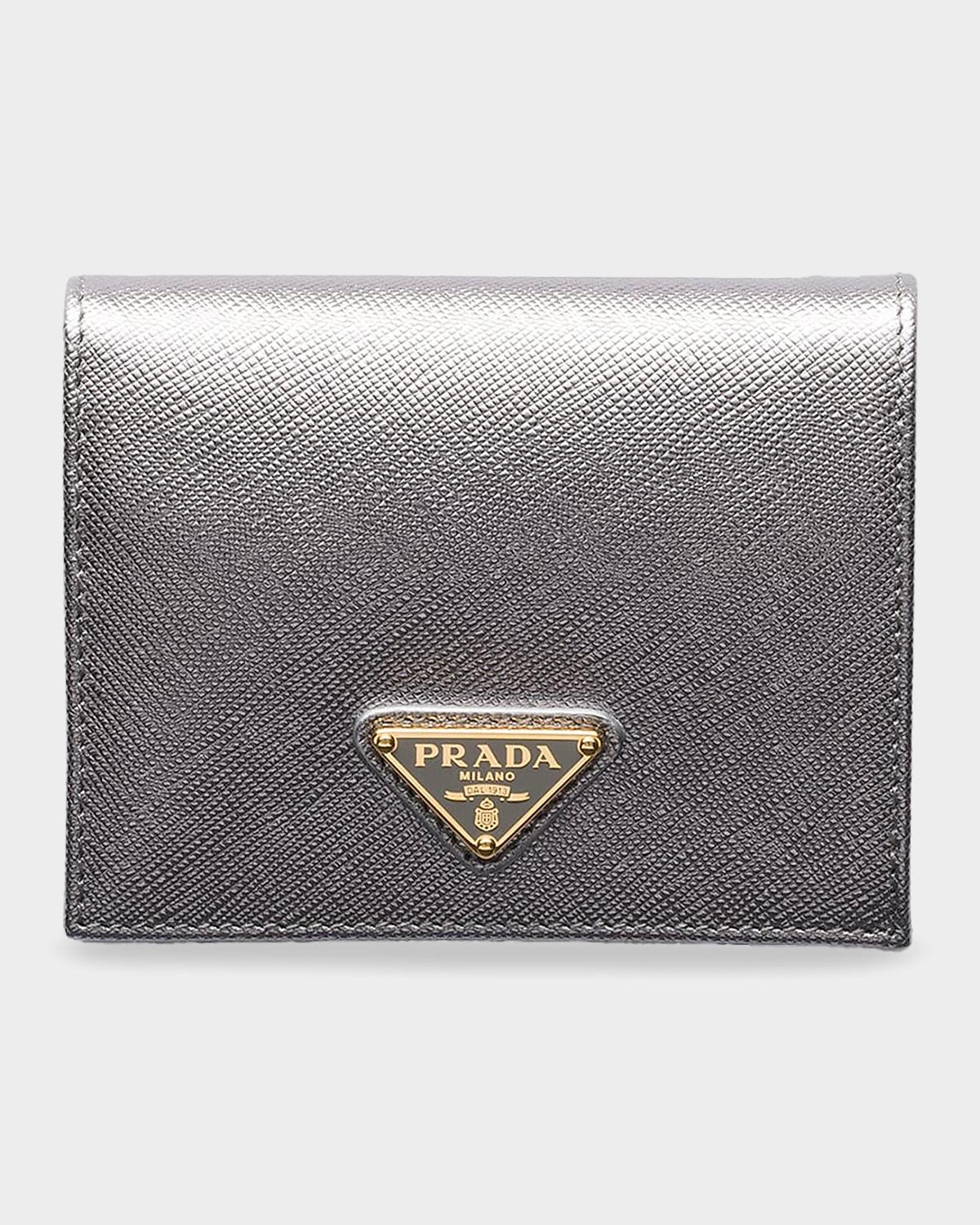
Small Saffiano Leather Wallet
Prada
$795
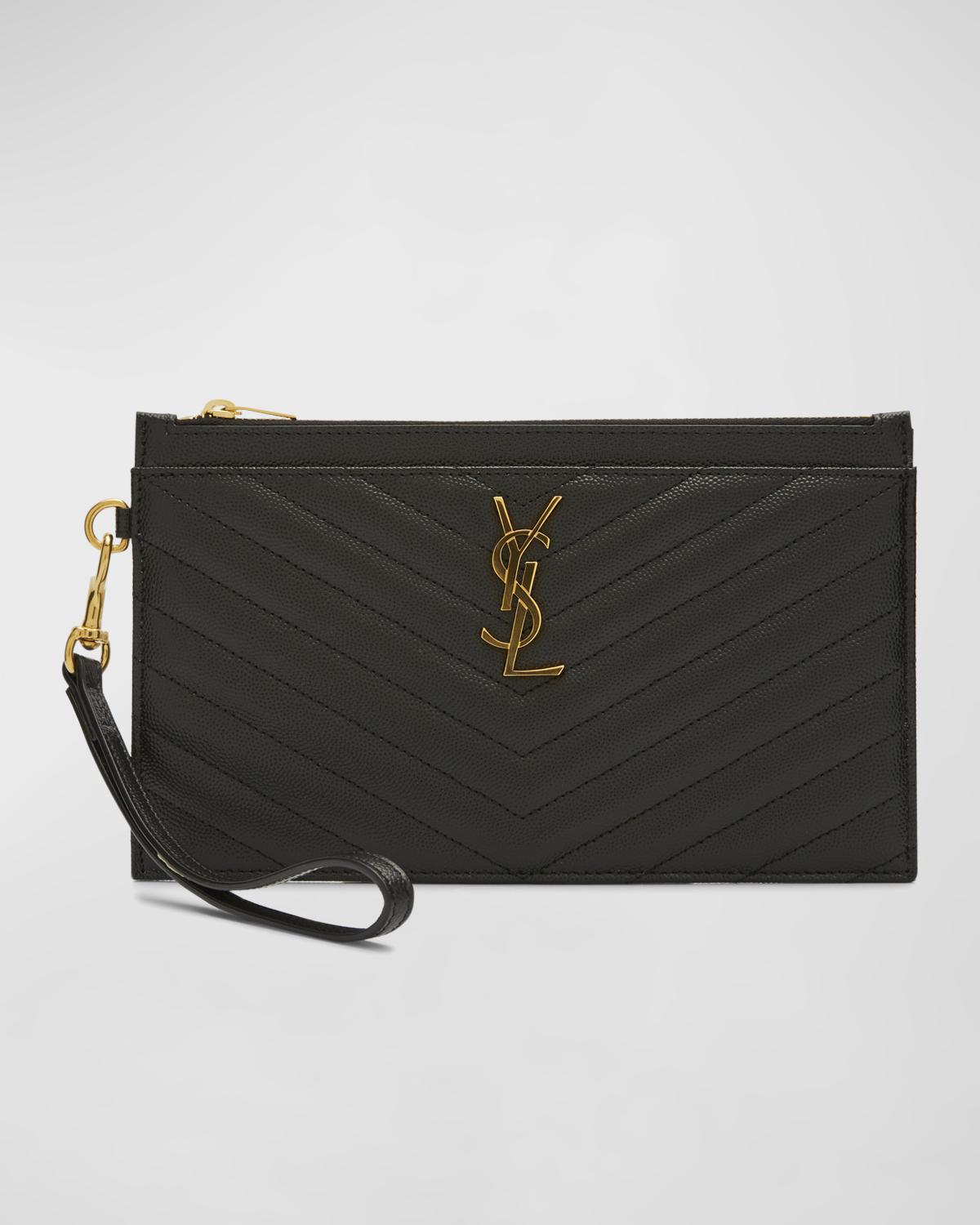
YSL Monogram Large Bill Pouch in Grained Leather
Saint Laurent
$690
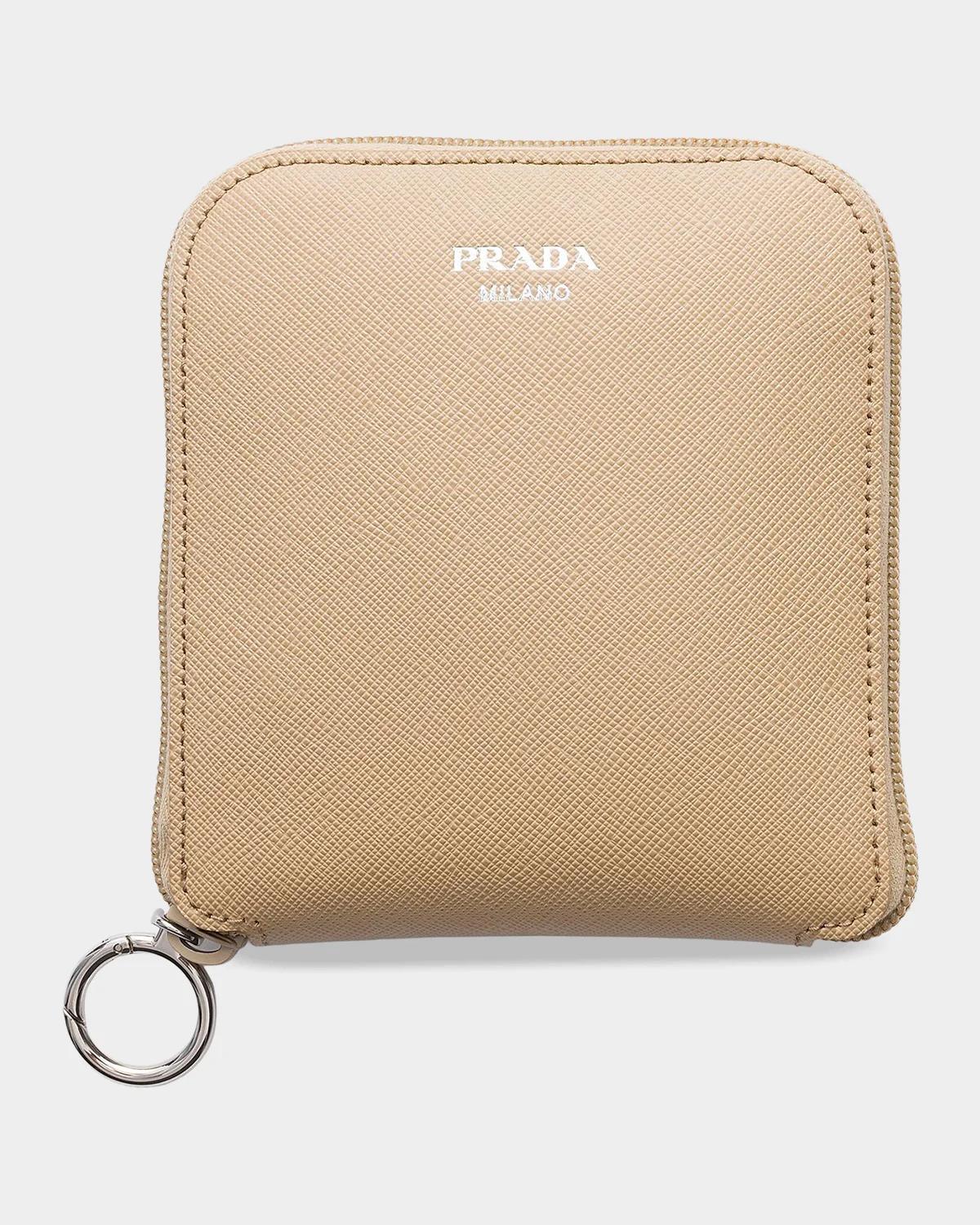
Saffiano Leather Pendant with Re-Nylon Tote Bag
Prada
$1,070
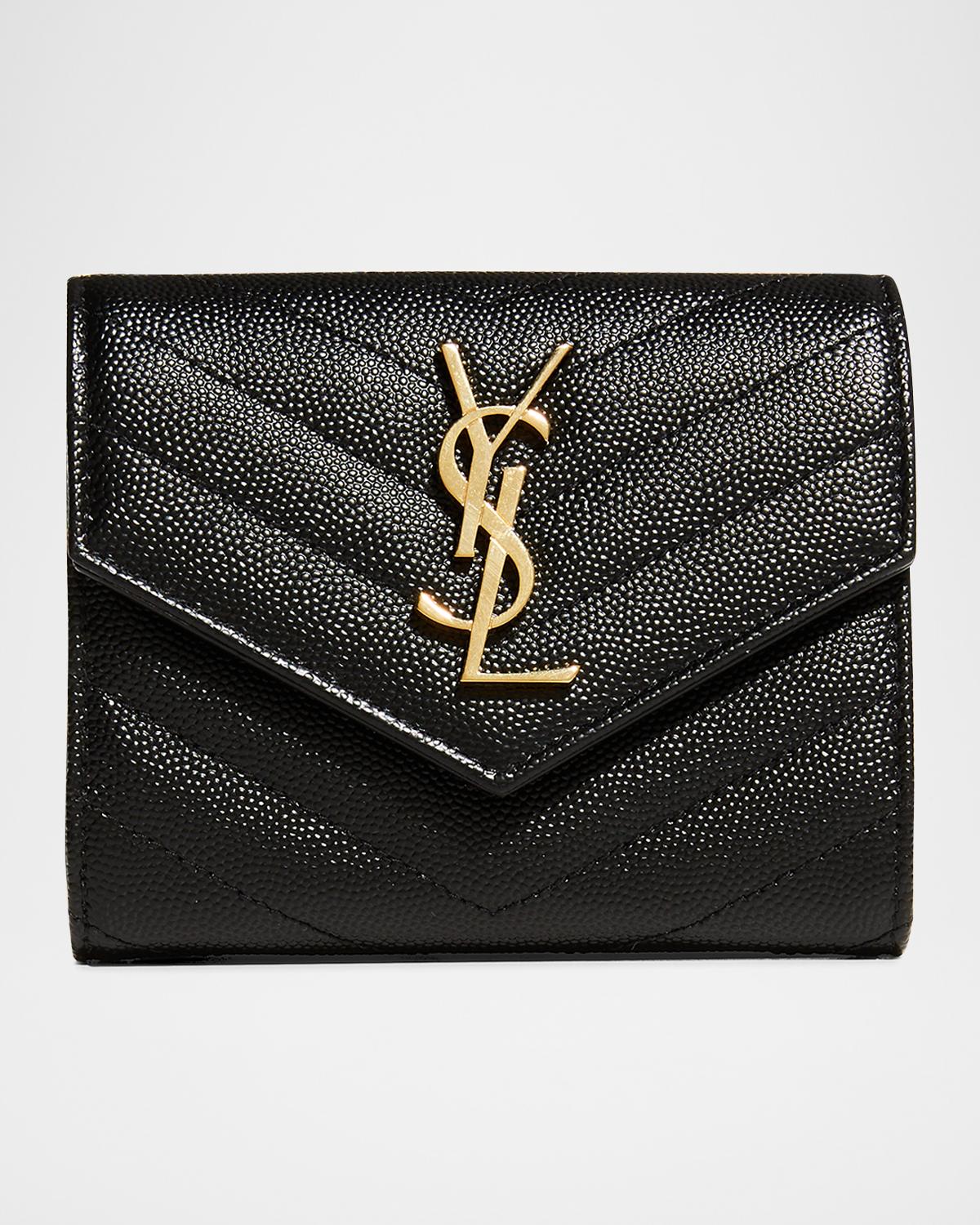
Cassandre YSL Monogram Trifold Wallet in Grained Leather
Saint Laurent
$690
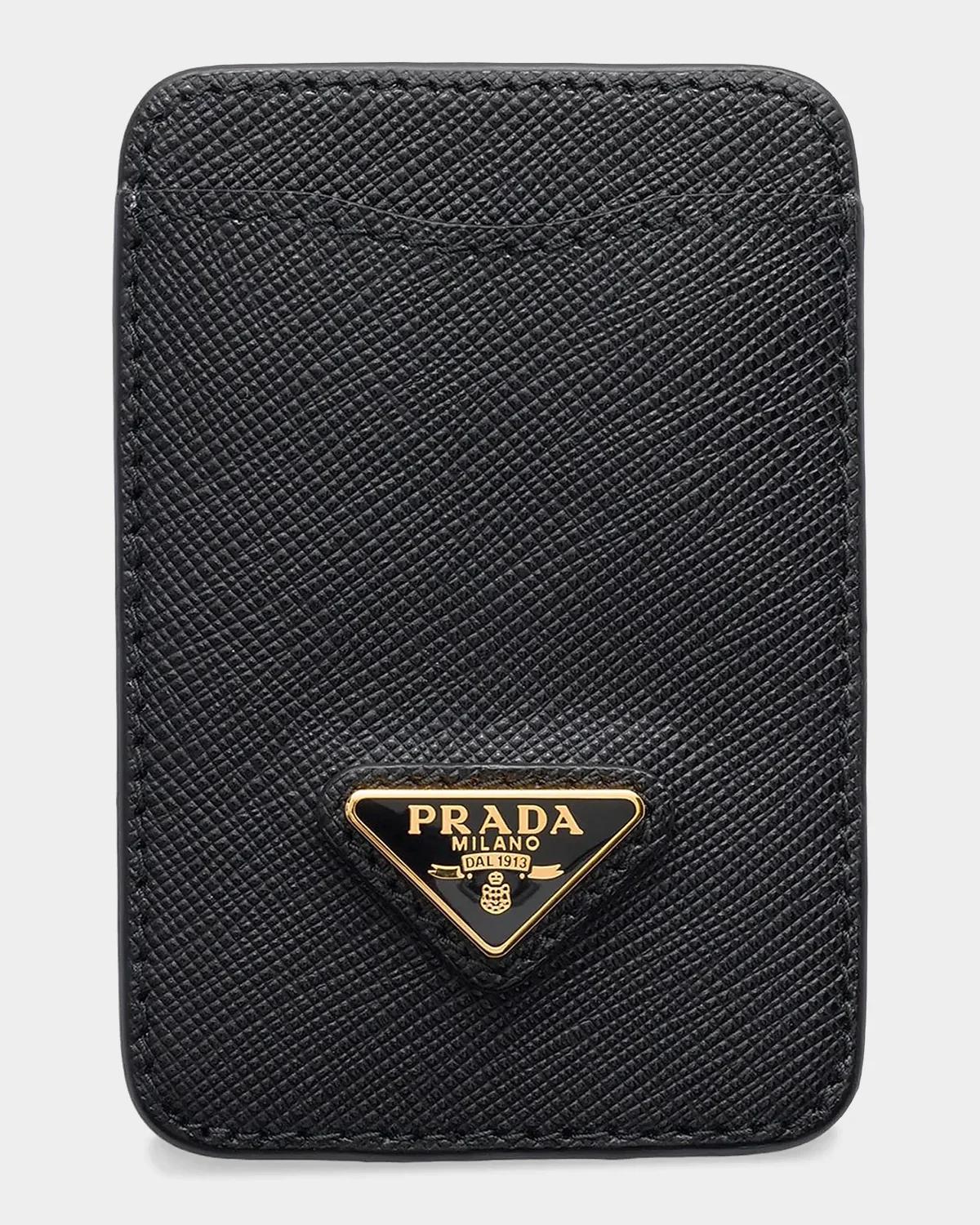
Triangle Logo Saffiano Leather Card Case
Prada
$495
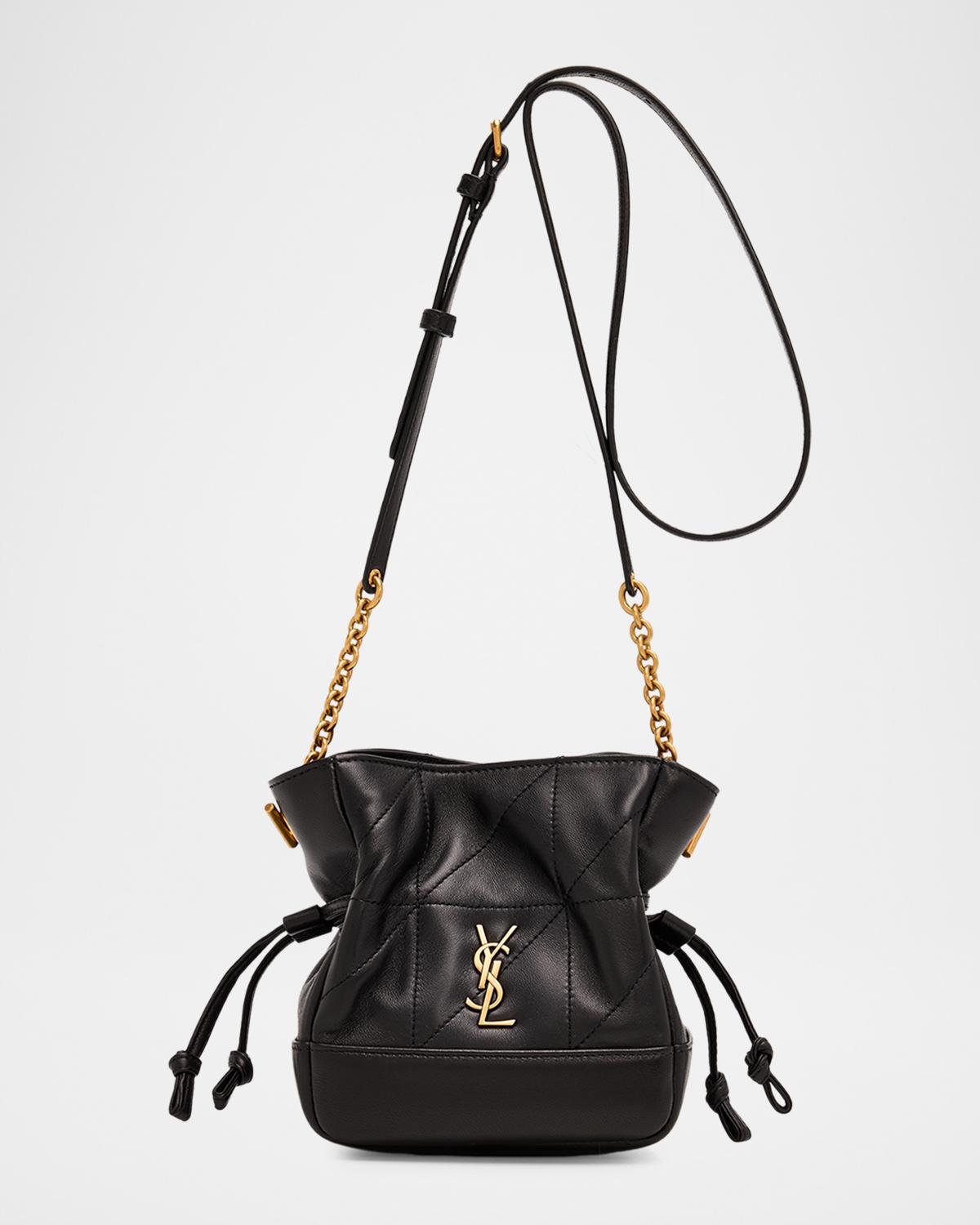
Jamie Mini YSL Quilted Leather Shoulder Bag
Saint Laurent
$2,450
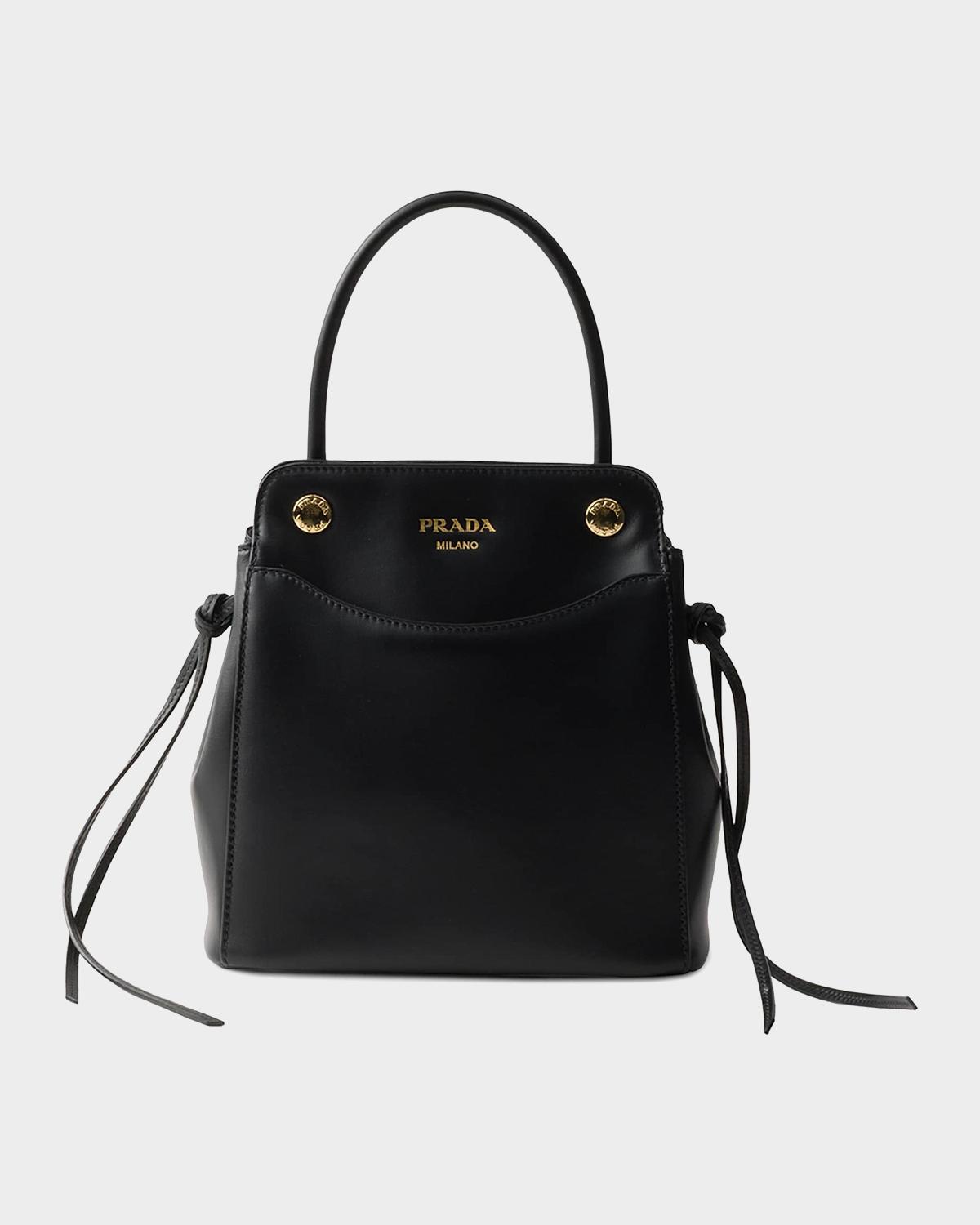
Carry Mini Leather Top-Handle Bag
Prada
$2,600
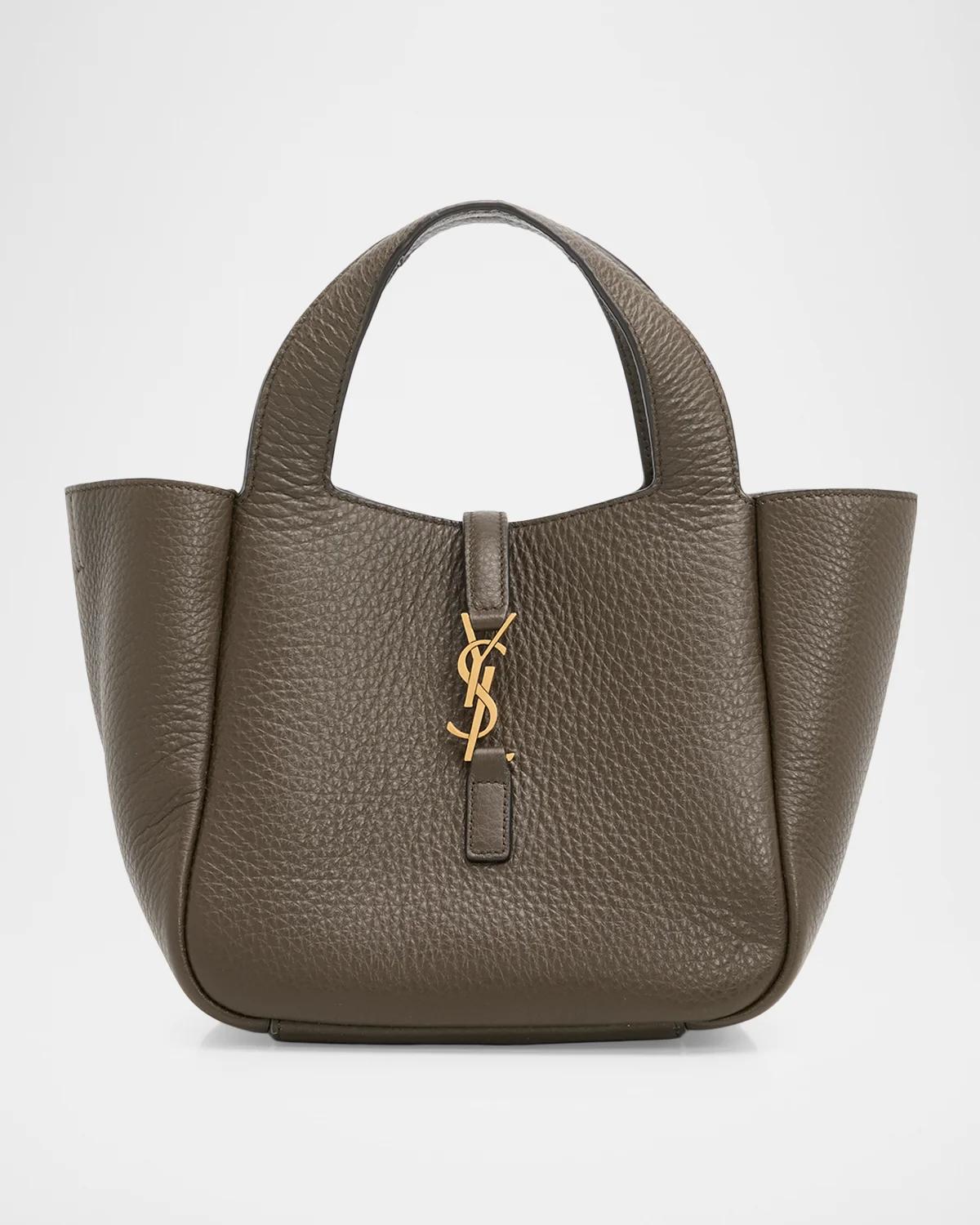
Le 5 à 7 Bea Mini Tote Bag in Grained Leather
Saint Laurent
$2,750
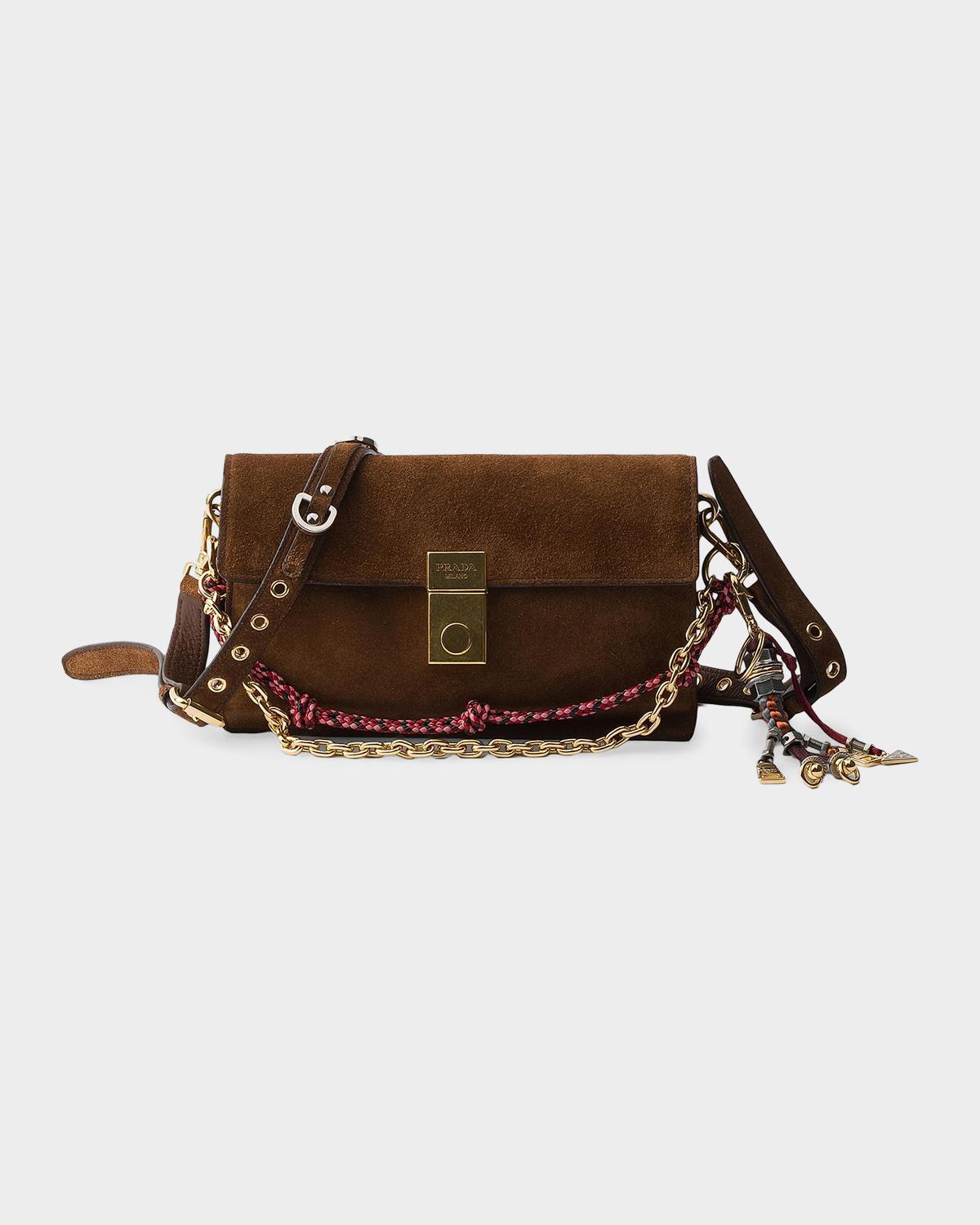
Soft Sound Small Suede Shoulder Bag
Prada
$4,300
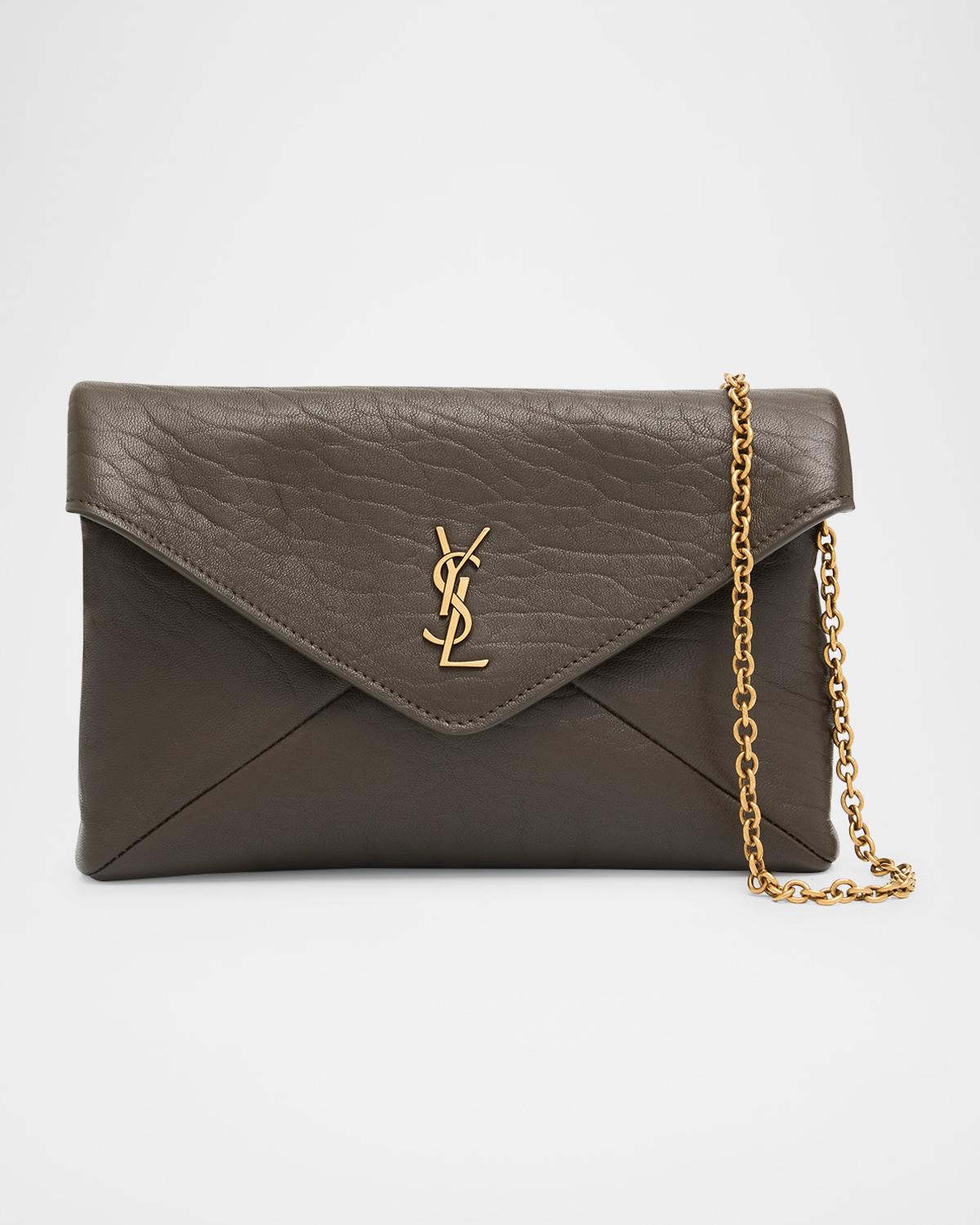
Cassandre Small Grain Leather Pouch Shoulder Bag
Saint Laurent
$1,350
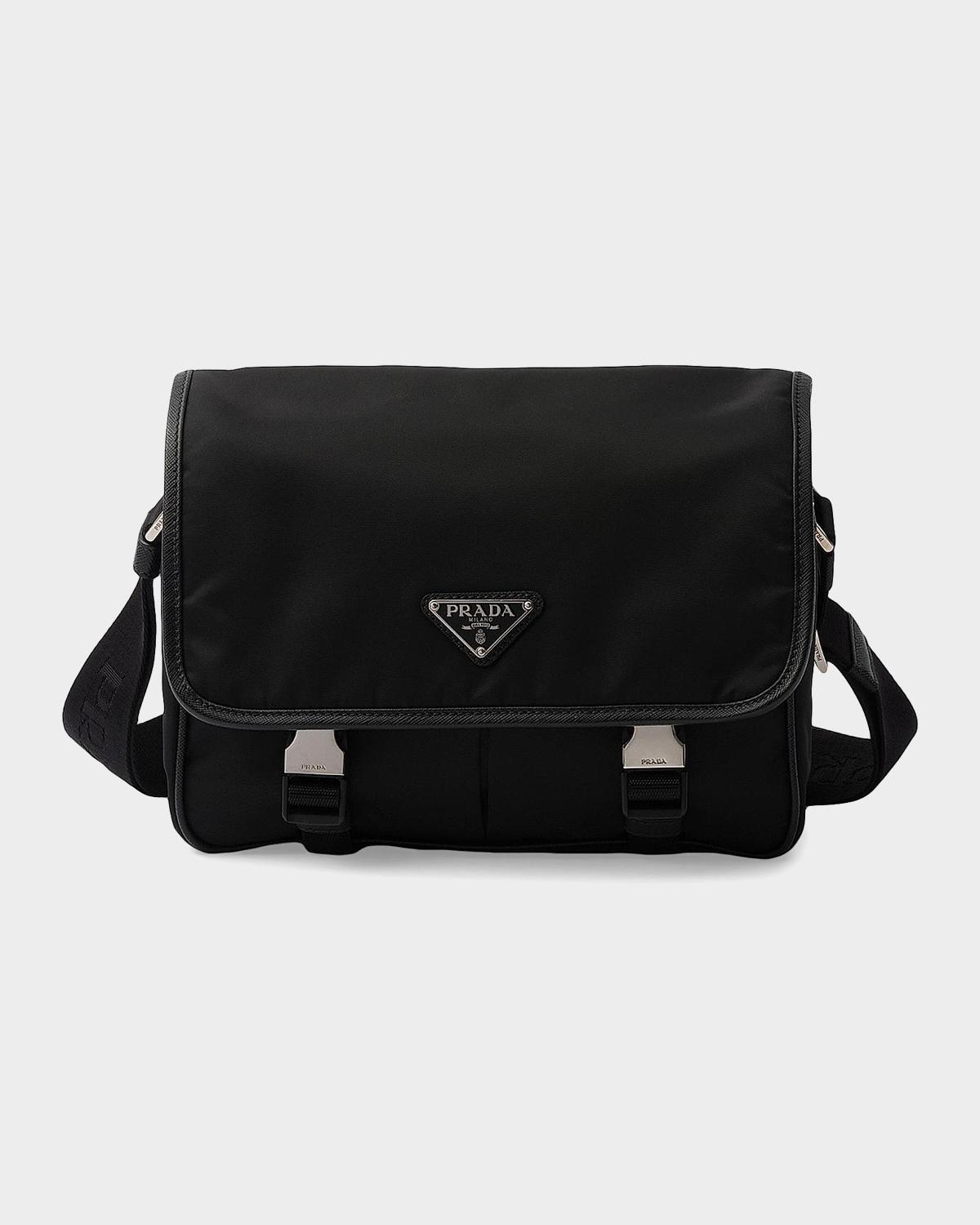
Re-Nylon and Saffiano Leather Shoulder Bag
Prada
$2,700
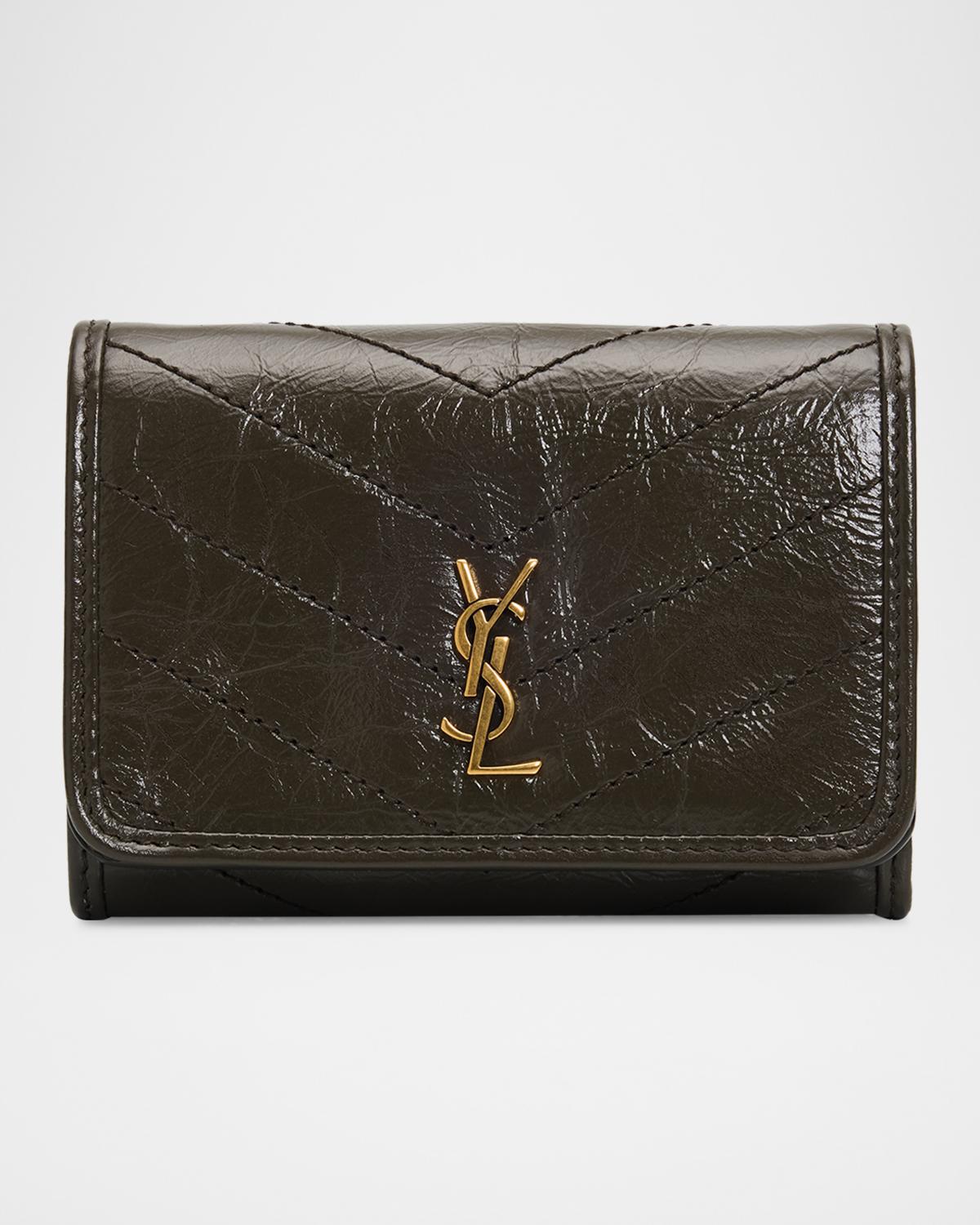
Niki YSL Topstitched Leather Trifold Wallet
Saint Laurent
$690
Our honest take
The mini bag survived because it solved a styling problem, not a storage one. It gives an outfit a focal point at the exact height where people look. Anyone claiming the big bag is back should check how many minis are still selling.