The best lip liner is the one that gives the lip shape without forcing a hard, obvious outline. For most makeup bags, a creamy pencil that can sharpen the edge, fill the center, and wear comfortably
The Best Lip Liner To Build On
Defining the shape
The best lip liner is the one that gives the lip shape without forcing a hard, obvious outline. For most makeup bags, a creamy pencil that can sharpen the edge, fill the center, and wear comfortably is the soundest starting point. Liner has several jobs, and the right one depends on the finish you want. A close match to the natural lip gives a soft border for lipstick, while a slightly deeper tone can make the shape look more intentional. Use the point at the cupid's bow and corners, then turn the pencil on its side to shade inward rather than leaving a ring around the mouth. If the lips are dry, smooth on a thin layer of balm and blot before drawing. Too much slip makes the line wander, but a completely dry base can make the pencil drag. The best test is movement. Smile, speak, and press the lips together. The line should stay connected to the lip instead of sitting apart from it. Keep the pressure light at first, because building color is easier than softening a dark edge. That is what to look for in the lip liner edit below.
Lip liner
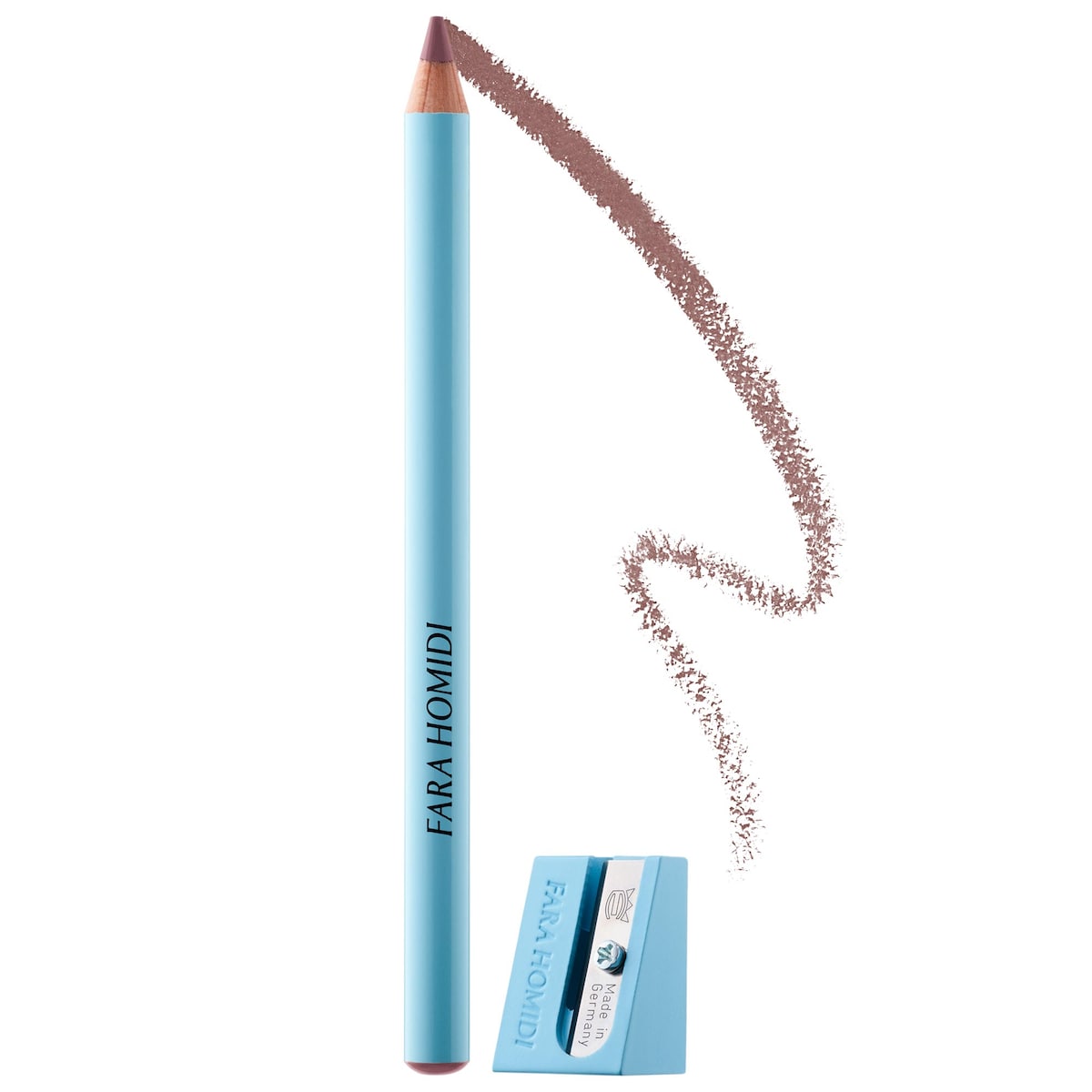
Smudge & Contour Lip Pencil
Fara Homidi
$24
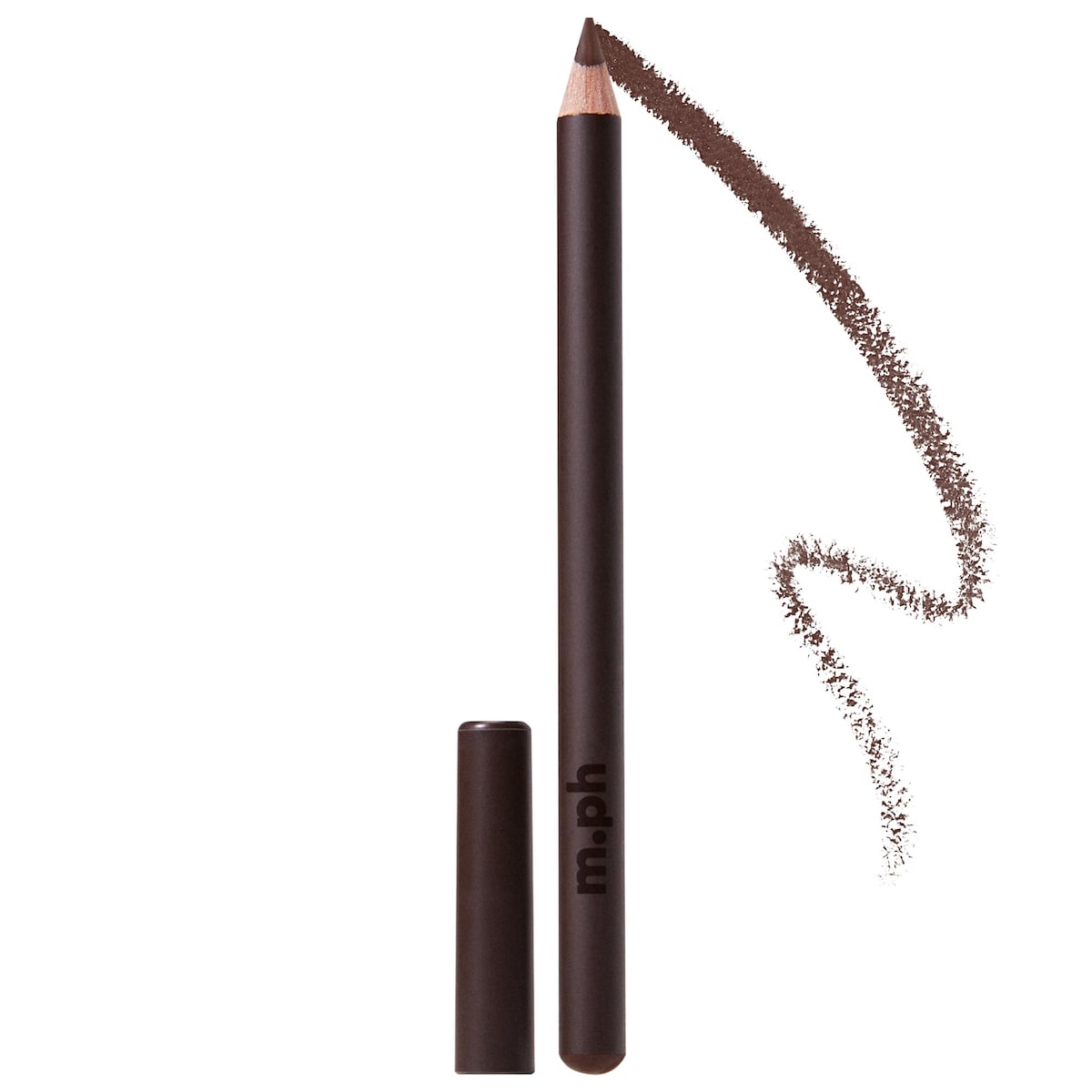
The Overliner Lip Liner Pencil
m.ph by Mary Phillips
$25
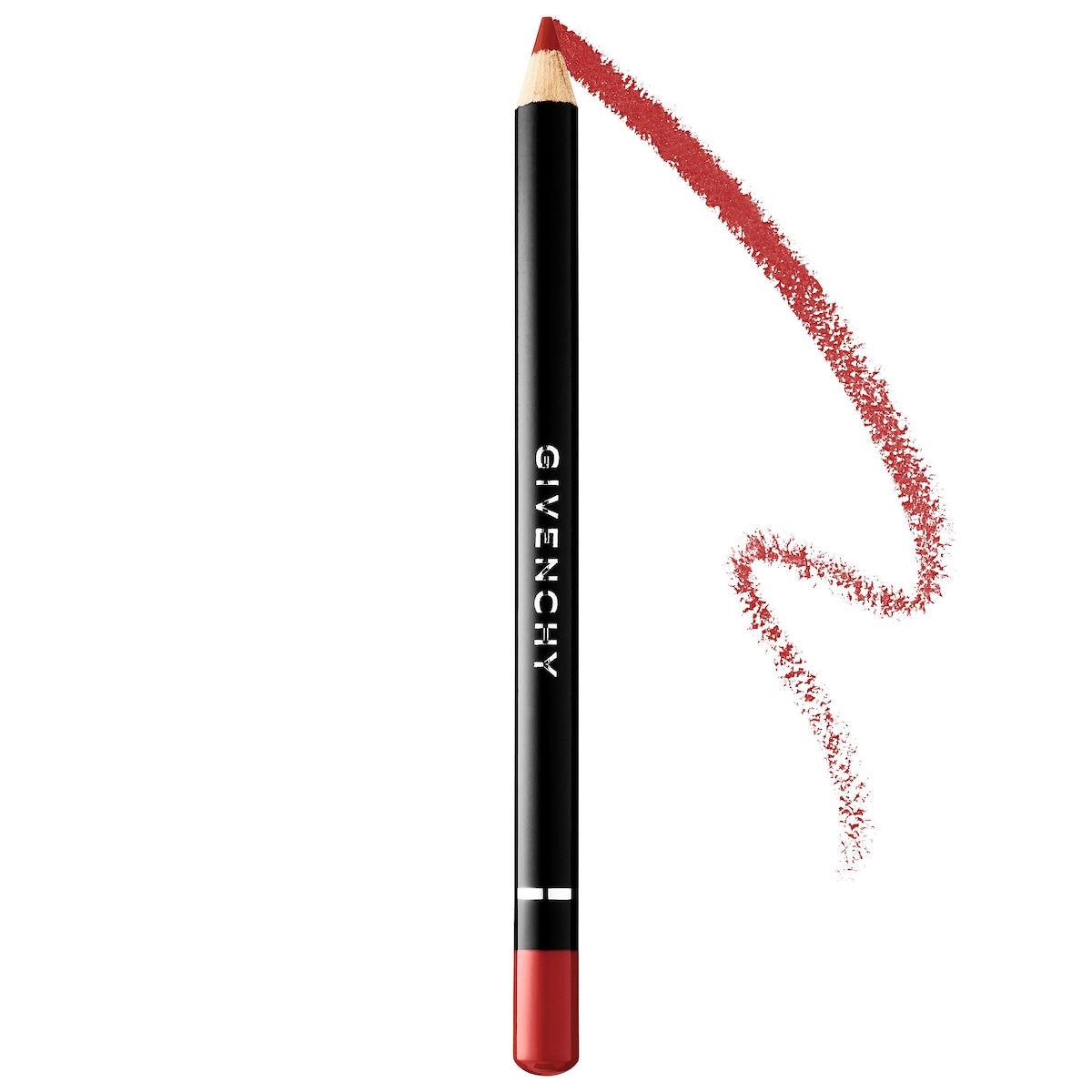
Lip Liner
Givenchy
$33

Smudge & Contour Lip Pencil
Fara Homidi
$36
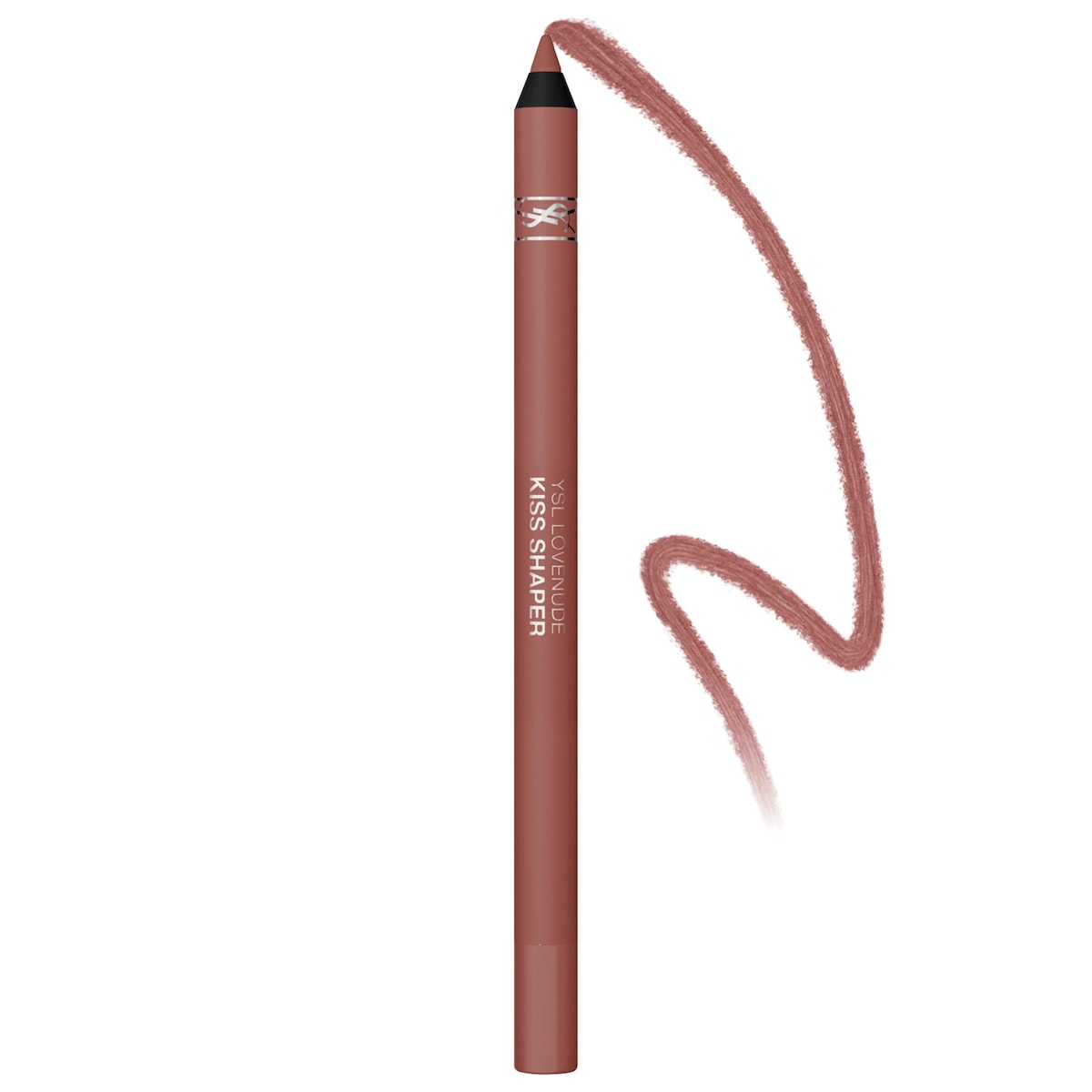
Kiss Shaper Long-Lasting Sculpting Lip Liner
Yves Saint Laurent
$29
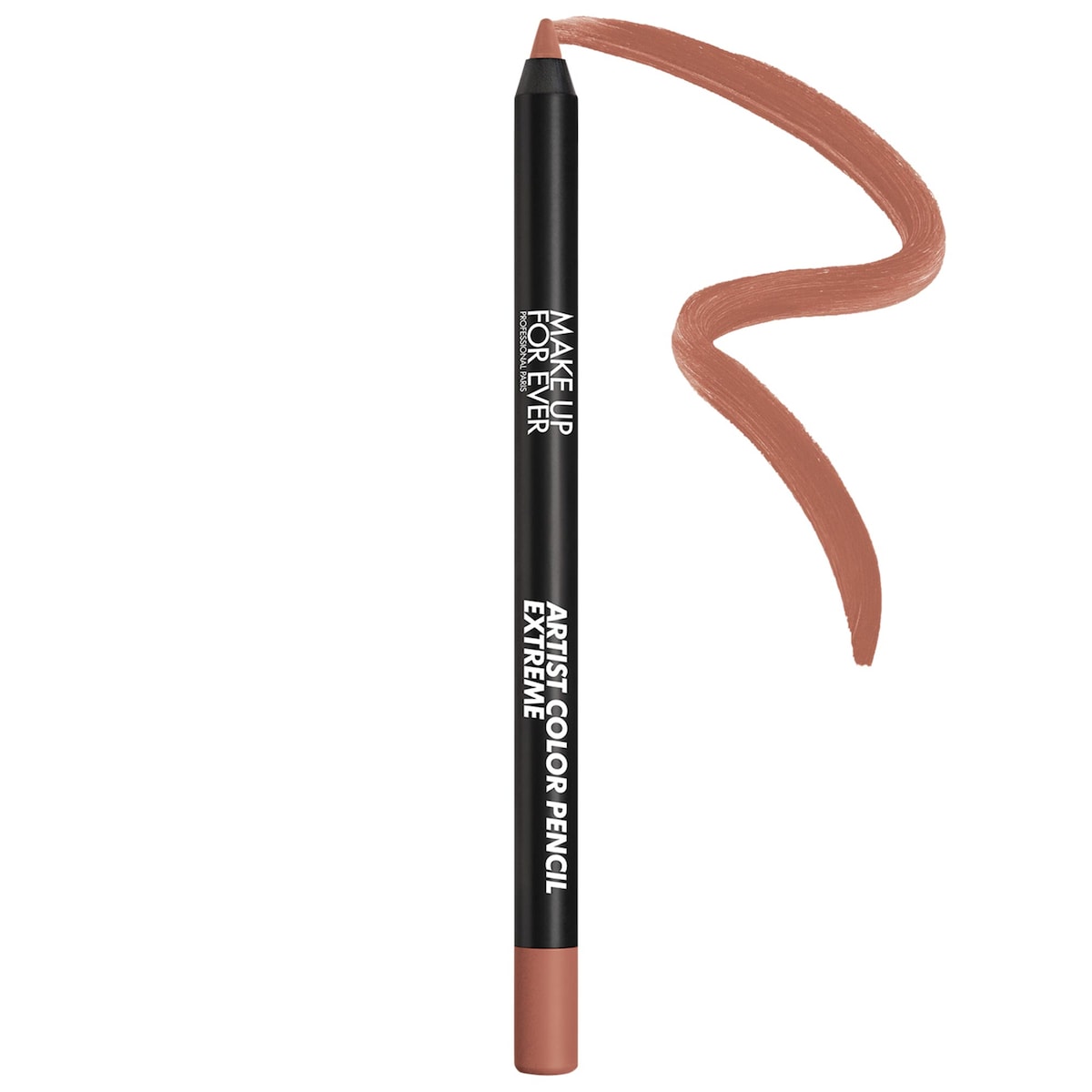
Artist Color Pencil Extreme Smudge-Proof Lip Liner
MAKE UP FOR EVER
$27
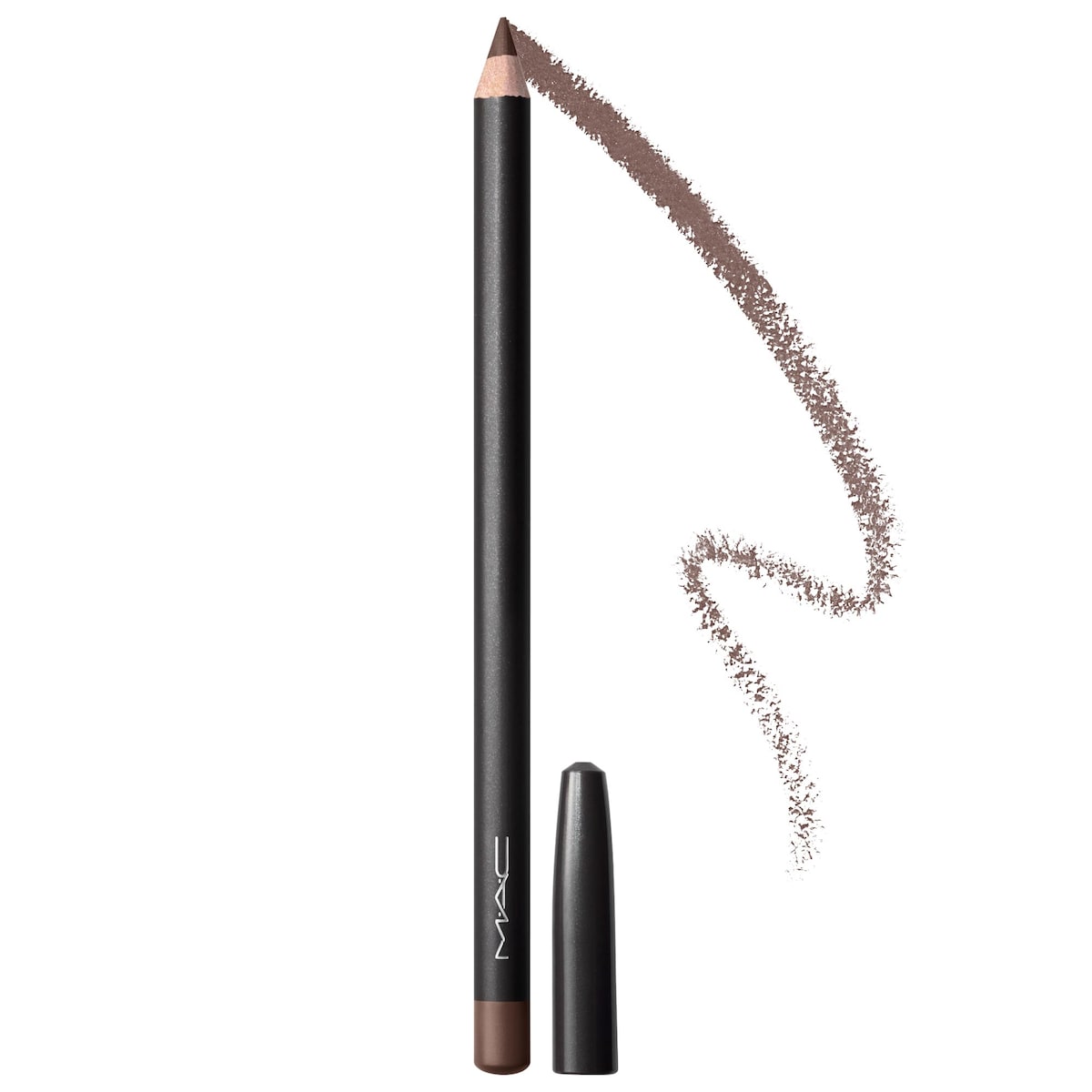
Lip Pencil Creamy Lip Liner
MAC Cosmetics
$25
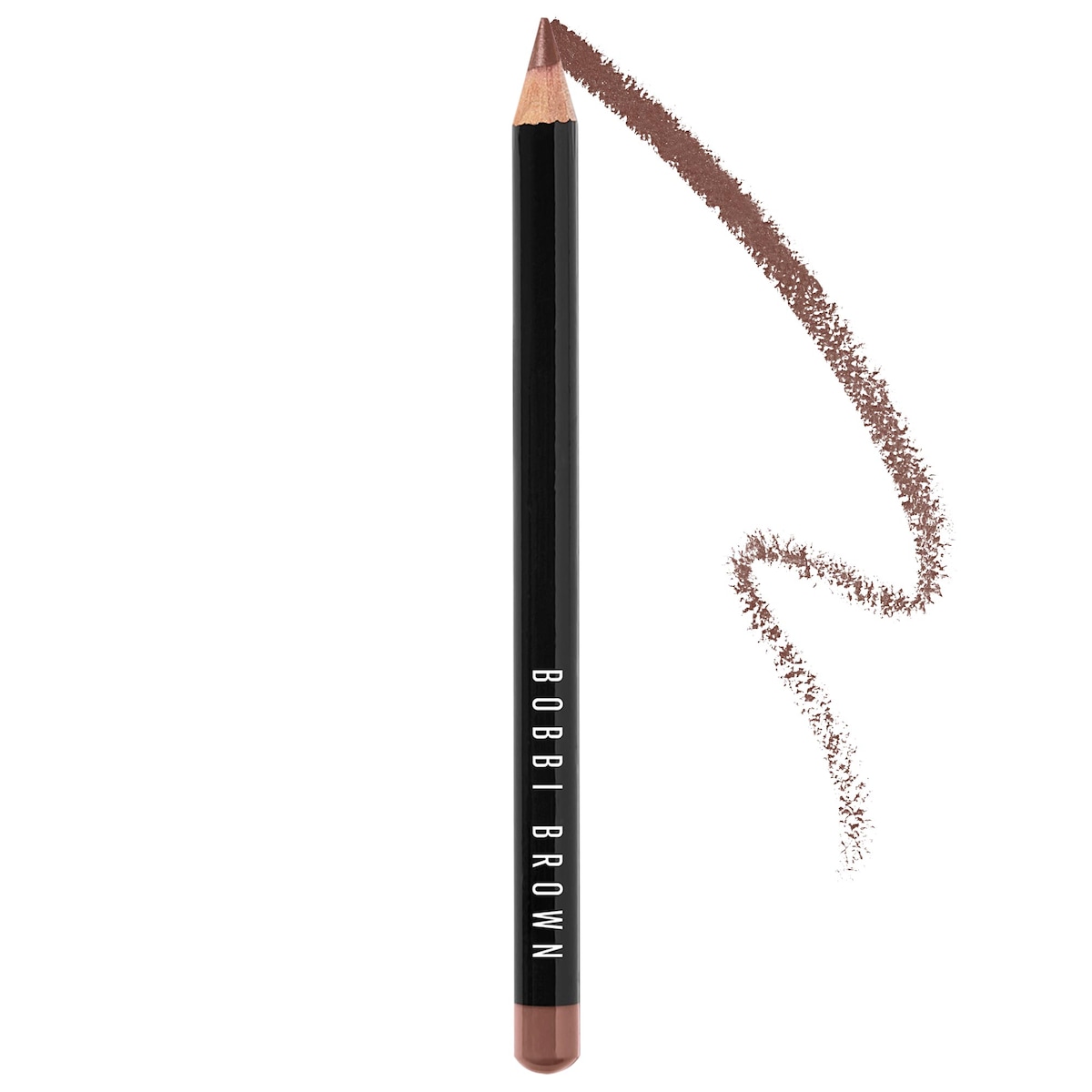
Lip Liner Pencil
Bobbi Brown
$35
Building the finish
Lipstick to pair with liner is less about matching names and more about matching texture and finish. A satin lipstick can soften a structured outline, a matte formula can make the shape look crisp, and a lip tint can turn a fully drawn border into a diffused stain. Start by lining the outer shape, then feather the color toward the center so any movement is less noticeable. Add lipstick from the middle outward, using a small brush if the corners need precision. When the liner is much deeper than the lipstick, keep the transition blended rather than drawing a second, darker border. For a fuller looking mouth, slightly overdraw only at the center of the top and bottom lips, then reconnect to the natural corners. Overdrawing the whole perimeter is harder to keep believable and tends to show first as the color wears away. Texture matters here. A pencil that feels firm enough to guide the line can still be too dry for bare lips, while a creamy one may need a setting layer in the center. Blot once, check the corners, and add color only where the shape has thinned.
Lipstick to pair
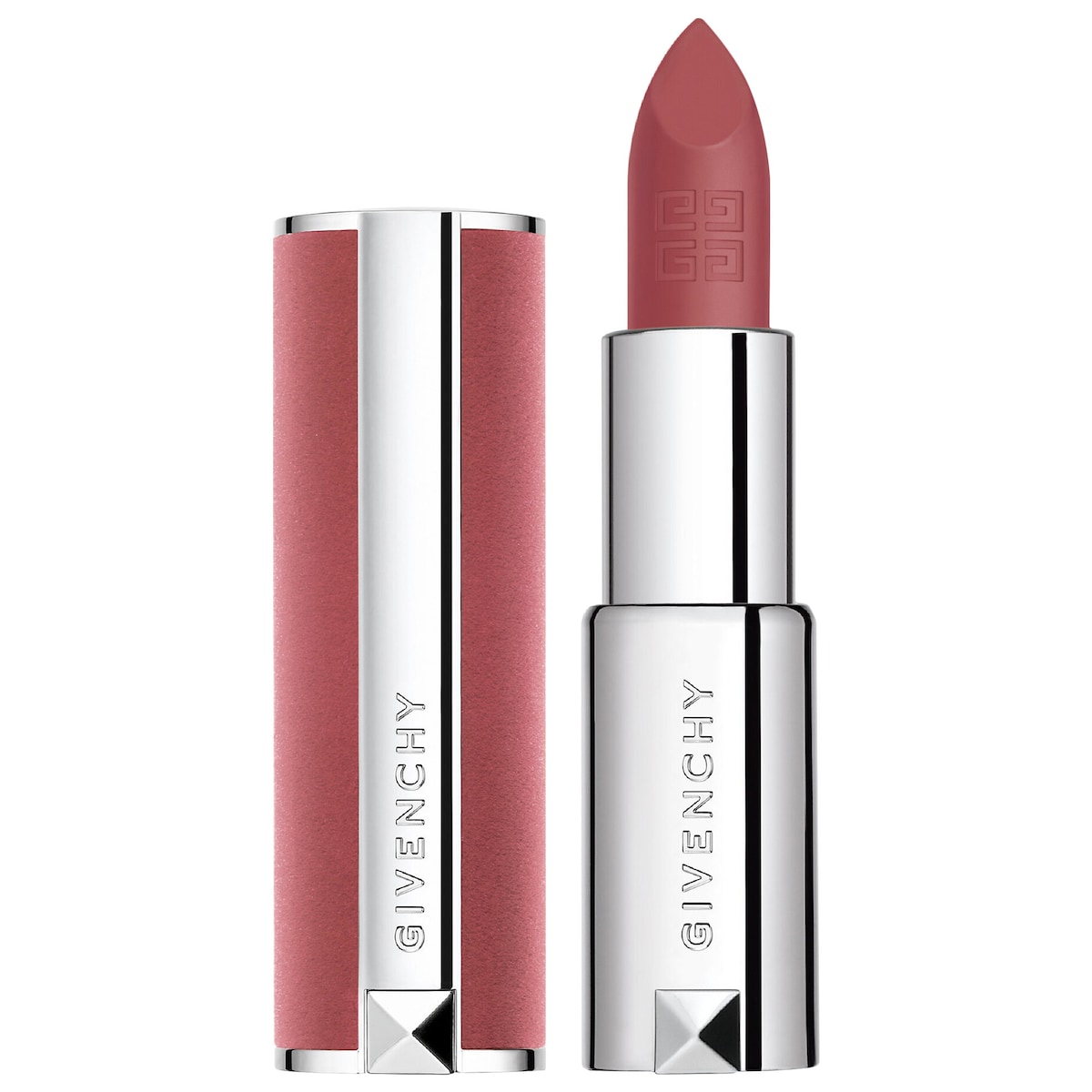
Le Rouge Sheer Velvet Matte Lipstick
Givenchy
$48

Rouge Allure Velvet Intense Long-Wear Lip Colour
CHANEL
$53
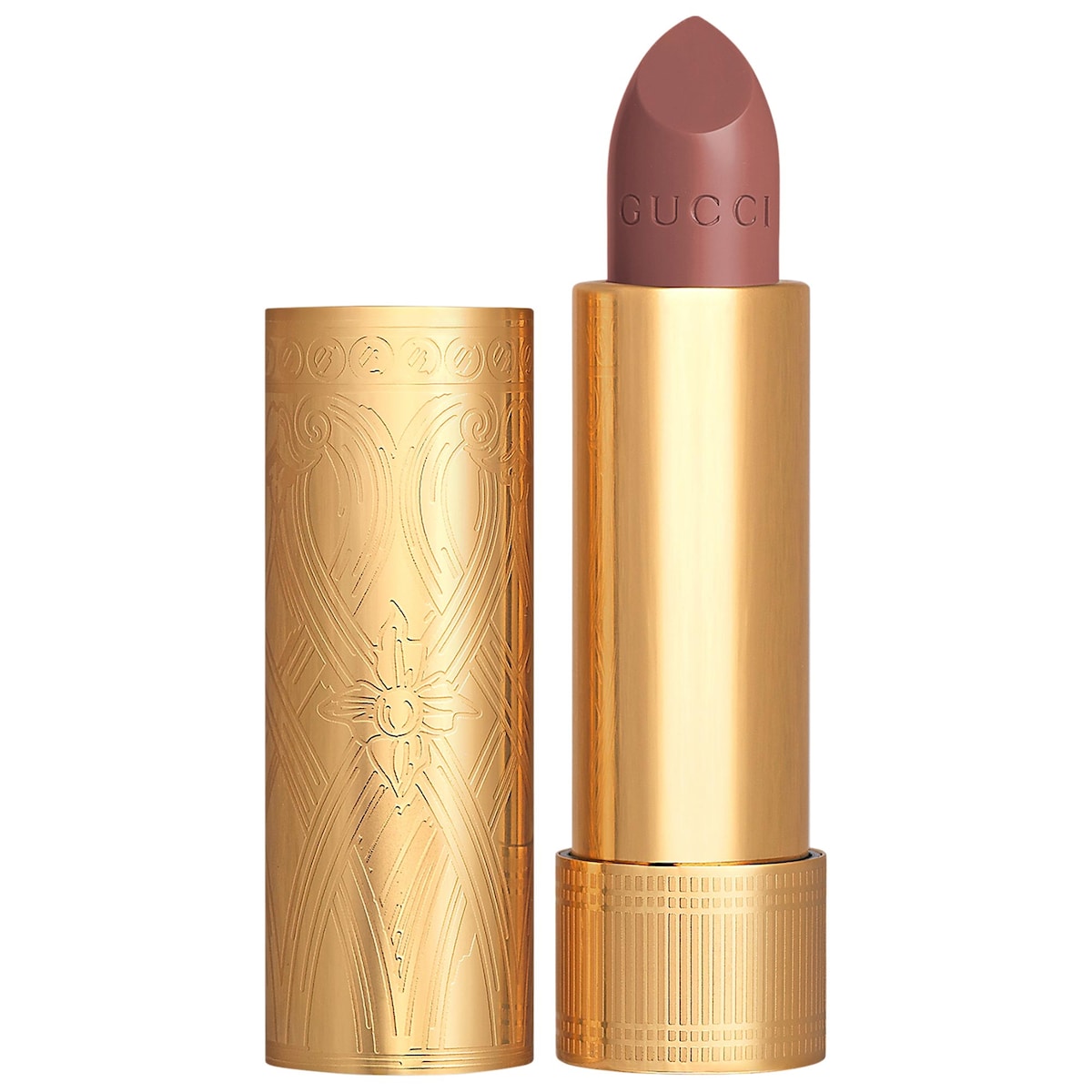
Long Lasting Satin Lipstick
Gucci
$49
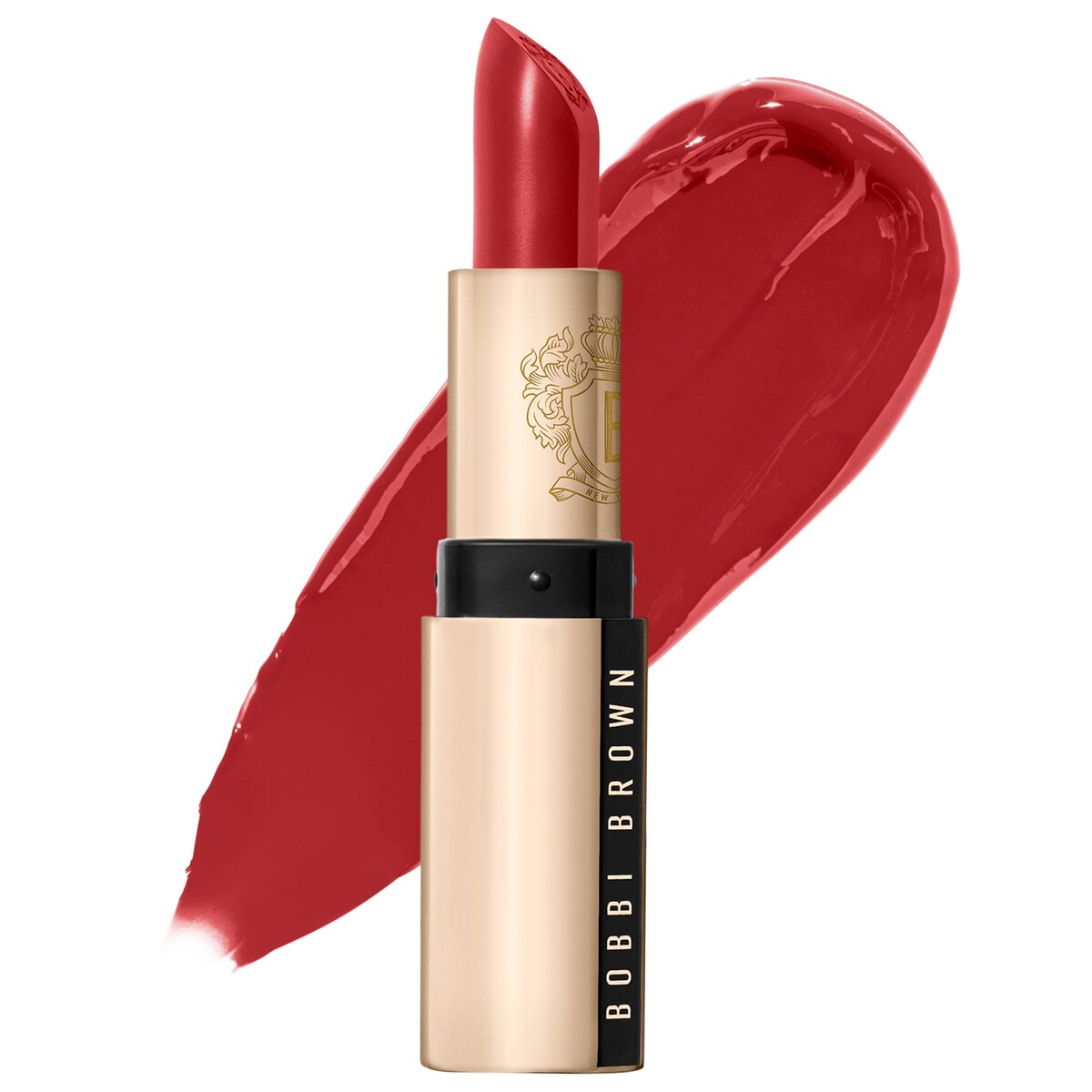
Luxe Hydrating Lipstick
Bobbi Brown
$45
Dior Addict Refillable Shine Lipstick
DIOR
$48
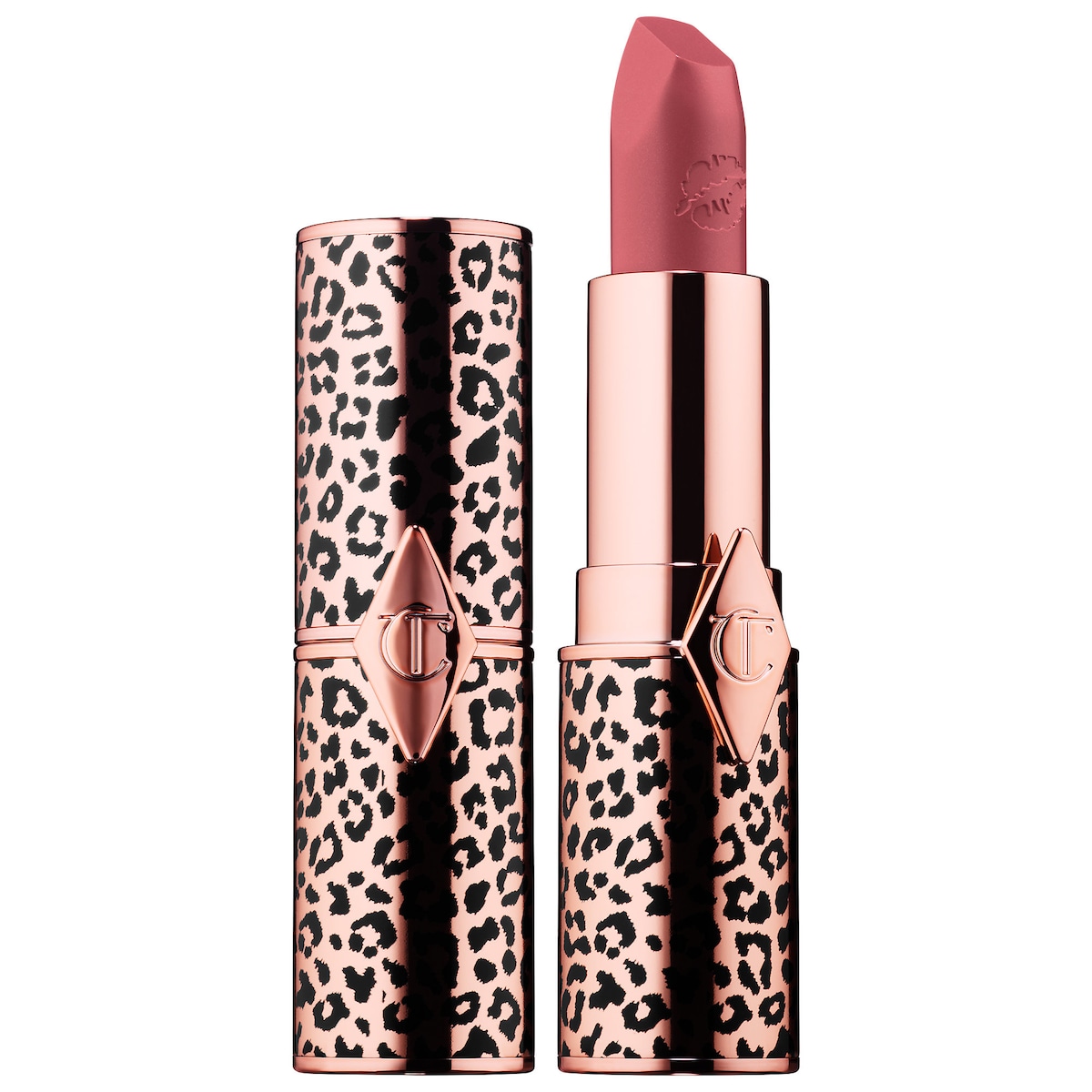
Hot Lips Lipstick 2
Charlotte Tilbury
$39

Lip Definer
Victoria Beckham Beauty
$33
M·A·Cximal Sleek Satin 8HR Full-Coverage Lipstick
MAC Cosmetics
$25
Our honest take
Lip liner is useful, but it is not a requirement for every makeup look. Skip a very dry pencil when lips are flaky, and avoid choosing a shade so deep that it demands a full face around it. A liner should give structure, not create homework. The best pairings are the ones that let the outline fade into the lipstick, tint, or balm instead of announcing a separate border. If a formula needs constant correction, it is the wrong texture for the way you wear makeup, even if the color is perfect. Our favorite approach is a softly filled shape, a comfortable finish, and enough restraint to let the mouth move naturally. If you take one thing away, line the edges lightly, blend toward the center, and let the final lip color do the talking.
Shop brands in this edit


Next read
Secondhand Louis Vuitton Damier Ebene Or Damier Azur
Damier Ebene and Damier Azur are the same coated canvas in two colourways, and the secondhand market treats them as two different products.
Read Editorial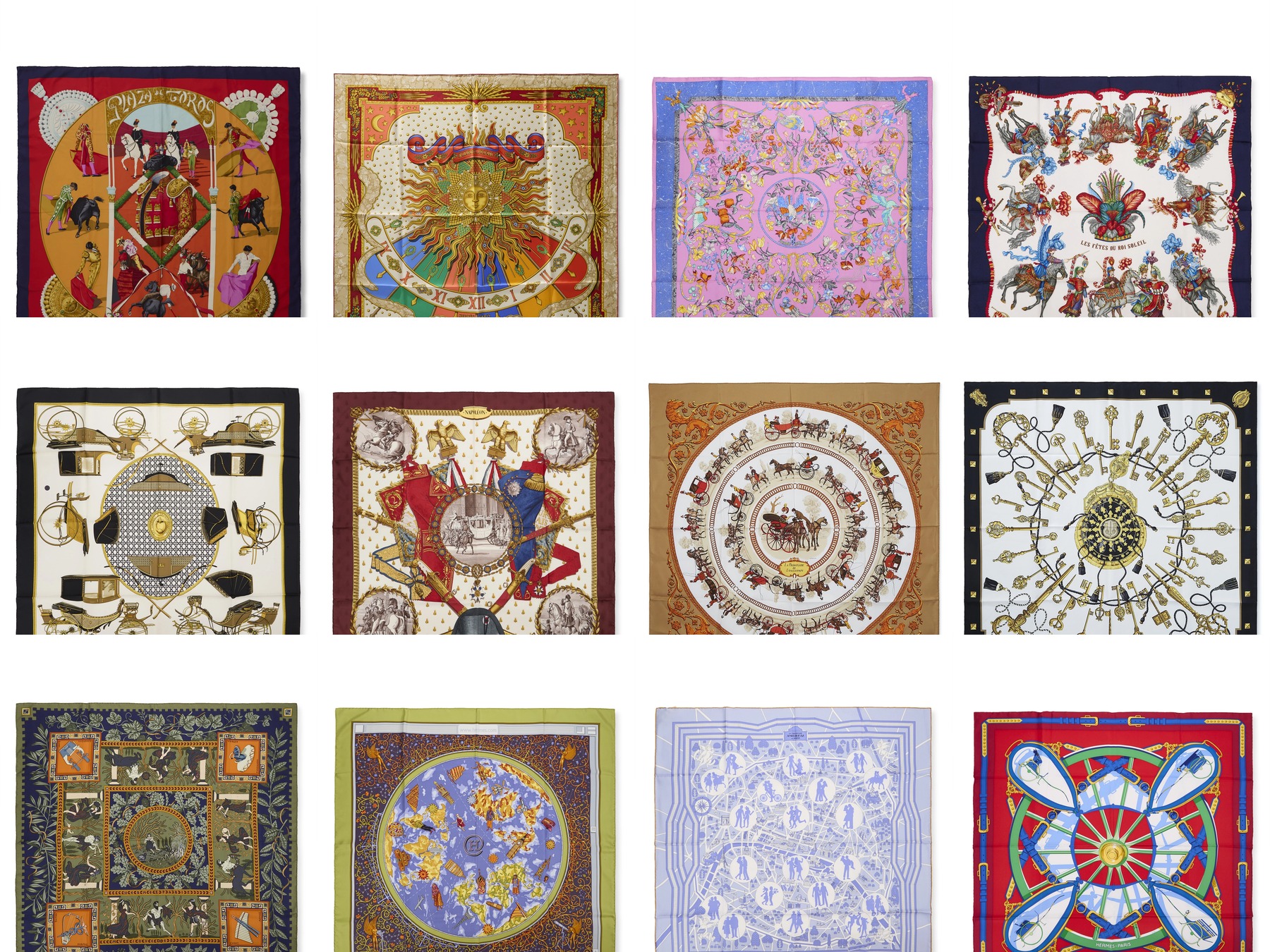
Secondhand Silk My Favs
My sixteen selects of scarves below are all ninety centimetre squares, split into two price bands