The best shampoo for dry frizzy hair starts at the cuticle, not at the ends, since a raised and dry cuticle is what lets frizz in. For years the instinct was to add more product on top, when the real fix is cleaning gently enough that the cuticle never gets that dry in the first place. This edit sorts a range of formulas by texture and by what actually causes the frizz they are meant to fix, from occasional buildup to real strand damage to drier, aging hair.
The Best Shampoo for Dry Frizzy Hair Starts at the Cuticle

Where frizz actually starts
Frizz starts at the cuticle, not at the ends, since a raised, dry cuticle grabs moisture from the air unevenly and swells in ways a smooth one does not. The best shampoo for dry frizzy hair works on that surface directly, cleaning without stripping the little moisture the hair already has. A clarifying step belongs in the routine only occasionally, clearing buildup so the rest of a moisture routine can actually work. The regular wash should stay hydrating instead, feeding the cuticle rather than just coating it. Save the clarifying step for buildup, and let the hydrating one carry most weeks.
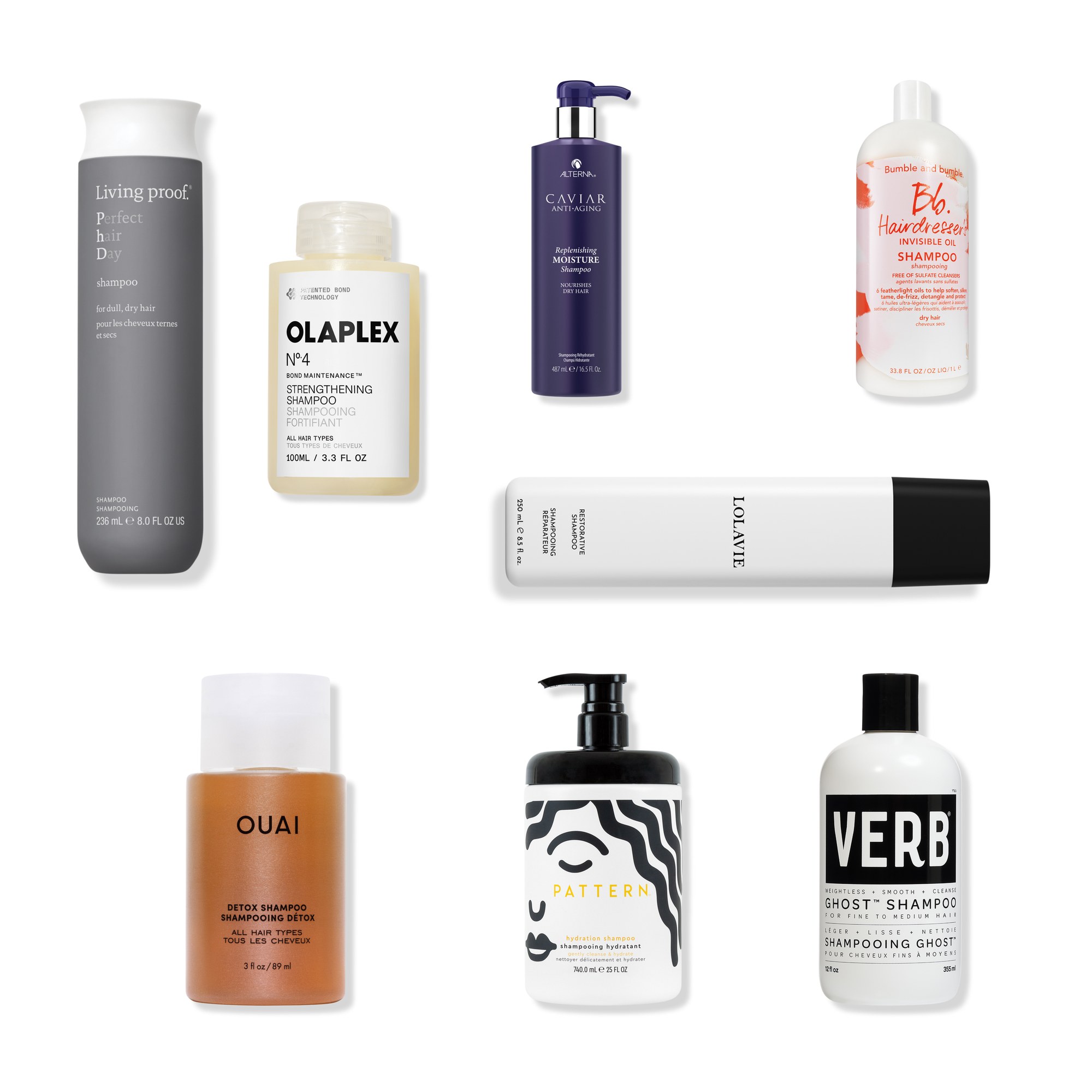


Matching moisture to curl weight
Curl pattern changes how thirsty hair runs, and the wash should scale with that rather than staying fixed for every texture. Judge how much moisture a cleanse needs by how quickly hair dries out after a wash, not by a fixed rule for a hair type. A heavier hand suits hair that dries out fastest, while a lighter one keeps finer strands from going flat under too much product. Work any moisture-forward formula through the ends first, since that is where dryness shows up soonest, and let it travel back up toward the scalp. Reassess the weight every season, since humidity and heat styling change how much moisture hair actually needs.


Smoothing now, repairing later
Frizz control works differently depending on whether the hair underneath is simply dry or has actually been damaged by heat and color. Start by being honest about which one describes your hair right now, since treating damage like plain dryness will not calm it down. A smoothing step is enough when the strand itself is intact and the frizz is coming from moisture alone. Follow up with a leave-in or oil while hair is still damp, to lock in the smoother result before it air-dries. That finishing step matters every wash, since it does more for keeping frizz down than the cleanse alone.


Richer washes for the driest stretches
Hair can get drier and frizzier with age for reasons that have nothing to do with texture or curl pattern, and the wash can lean richer to compensate. An oil-forward approach smooths the cuticle from the very first step of the routine, working the oil through before it ever reaches a towel. Both directions sit on the richer end, suited to hair that can handle more than a light, watery wash. Fine hair that gets weighed down easily should skip the richer end entirely and stay with something lighter. Save the heavier approach for the driest stretches, or for hair that needs more than a gentle formula gives it.


Our honest take
A shampoo built for frizz genuinely helps by keeping the cuticle calmer going into every other step, and that difference compounds, since a smoother start means less work later with conditioner, oil and heat. What gets oversold is the idea that shampoo alone can stop frizz in humid weather, because once hair is out in genuinely humid air, no wash fully keeps moisture from getting in. If you take one thing away, let it be that a clarifying step should happen occasionally, not every time, since over-clarifying strips the exact moisture the hydrating step is trying to protect. Follow with a leave-in or oil while hair is still damp, because that is the step that actually locks a smoother cuticle in place. If you want to keep browsing, I also put together Best Shampoo and Conditioner for Frizzy Hair and Best Shampoo and Conditioner for Wavy Frizzy Hair. For the finishing step after washing, I sorted hair serum for frizzy hair from light oil-based smoothers to heavy finishers.






