The solitaire is not only an engagement ring. Worn on another finger, or in a different setting, it becomes the most useful piece you own.
The Solitaire, Beyond the Engagement Ring
Detach the shape from the meaning
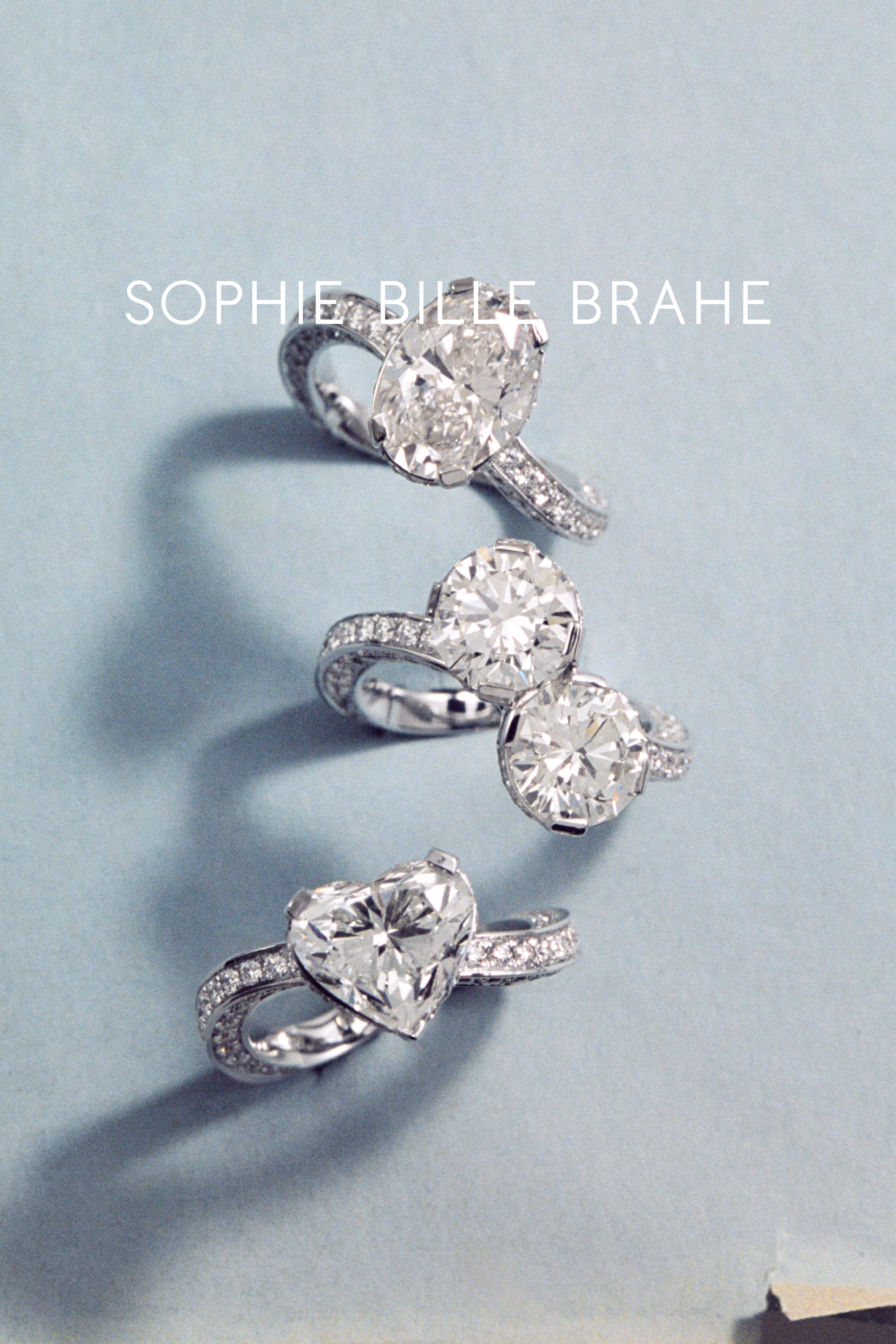
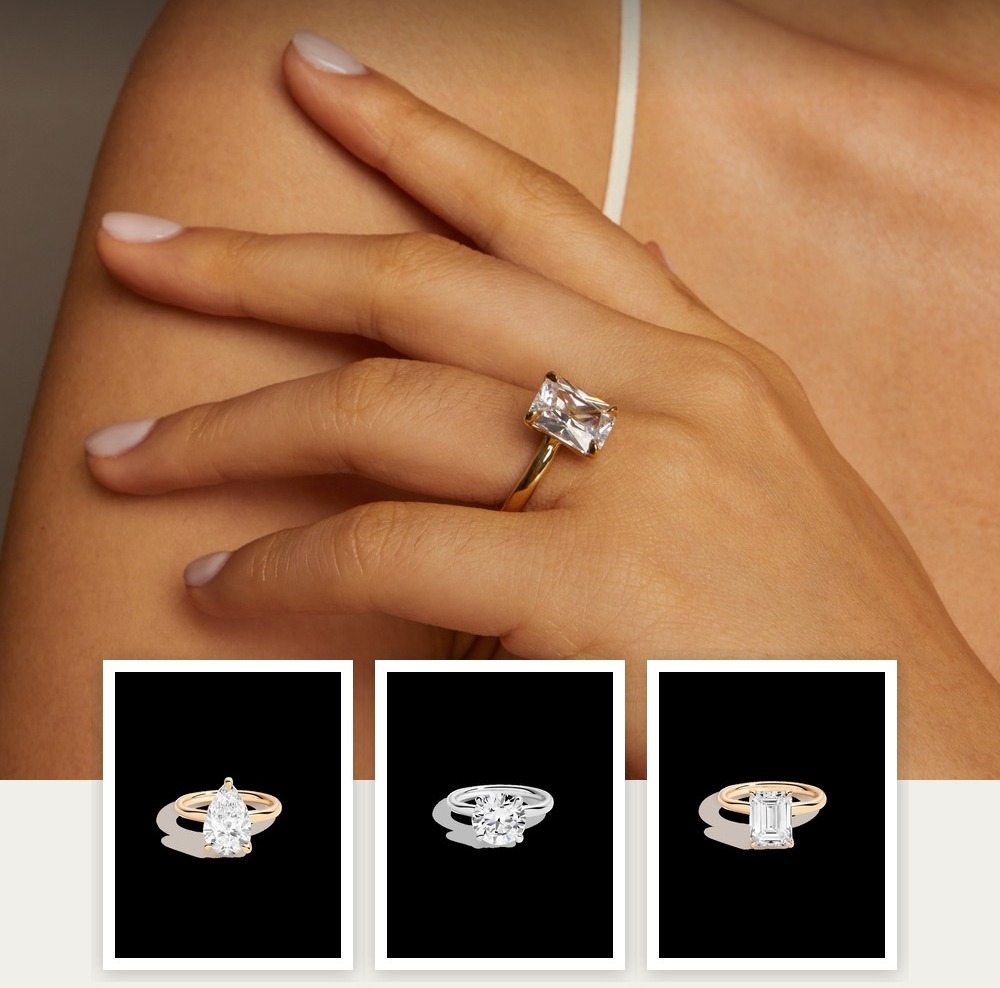
A single stone on a plain band is the most efficient piece of jewellery ever designed. It is small, it catches light, it goes with everything, and it survives daily wear better than almost any other setting. The only thing limiting it is that a century of marketing has attached one meaning to it. That meaning is not in the object. Move a solitaire to the right hand and it stops being a proposal and becomes a ring. Wear it on a middle finger and the reading changes again. Stack it with plain bands and it reads as part of a group rather than as a centrepiece. Buy it for yourself and the question does not arise. The practical case is strong too. A solitaire is the easiest ring to wear under gloves, alongside other rings, and with everything else you own, precisely because it has no pattern to clash with. If you are buying one good ring in your life and you are not engaged, this is still probably the shape.
Solitaires, not engagement rings

4ct Pear Lab Grown Diamond Solitaire Ring
Aurate New York
$5,058

4ct Oval Lab Grown Diamond Solitaire Ring
Aurate New York
$5,058

4ct Round Lab Grown Diamond Solitaire Ring
Aurate New York
$5,058

4ct Emerald Lab Grown Diamond Solitaire Ring
Aurate New York
$4,838

3ct Pear Lab Grown Diamond Solitaire Ring
Aurate New York
$3,958

3ct Oval Lab Grown Diamond Solitaire Ring
Aurate New York
$3,958

3ct Round Lab Grown Diamond Solitaire Ring
Aurate New York
$3,958

3ct Emerald Lab Grown Diamond Solitaire Ring
Aurate New York
$3,738
Cut, setting and how the stone behaves
The stone shape changes the character more than the size does. A round brilliant is the brightest and the most conventional. An oval reads larger for its weight and elongates a finger. An emerald cut is calmer, with broad flashes rather than sparkle, and it shows clarity more honestly, which means it wants a better stone. A pear or marquise is more directional and more obviously decorative. On setting, a low bezel is the practical choice for a ring worn constantly, because there is nothing to catch and nothing to check. A four claw setting shows more of the stone and needs looking at every couple of years. Six claws are more secure and cover more of the stone. Height matters as much as anything, since a high setting catches on clothing and knocks against surfaces, and a lower one simply lives on the hand. And lab grown stones make this whole category considerably more accessible without any visible difference.


Our honest take
Buy the solitaire for the wrong finger, deliberately. It is the best value single ring available and the engagement association is the only thing keeping people from wearing one, which seems a poor reason to miss out on a shape this good. Go lower in the setting than feels glamorous, because setting height is what decides whether the ring is worn daily or kept for evenings. Choose an oval or emerald cut if you want it to read as jewellery rather than as a proposal. On stone size, we would take a smaller stone in a heavier, better made band every time, since the band is the part that wears. This grid is single-brand because solitaire supply among our partners genuinely sits with one house. If you take one thing away, put it on your right hand, and the question stops being asked.