Toilette vs parfum comes down to how much perfume oil is in the bottle, which changes how bright a scent smells, how close it sits and how long it lasts. These are the eaux de toilette I would wear on warm days, the everyday eaux de parfum, and the parfums and extraits for evenings.
Toilette vs Parfum, and How to Choose Between Them
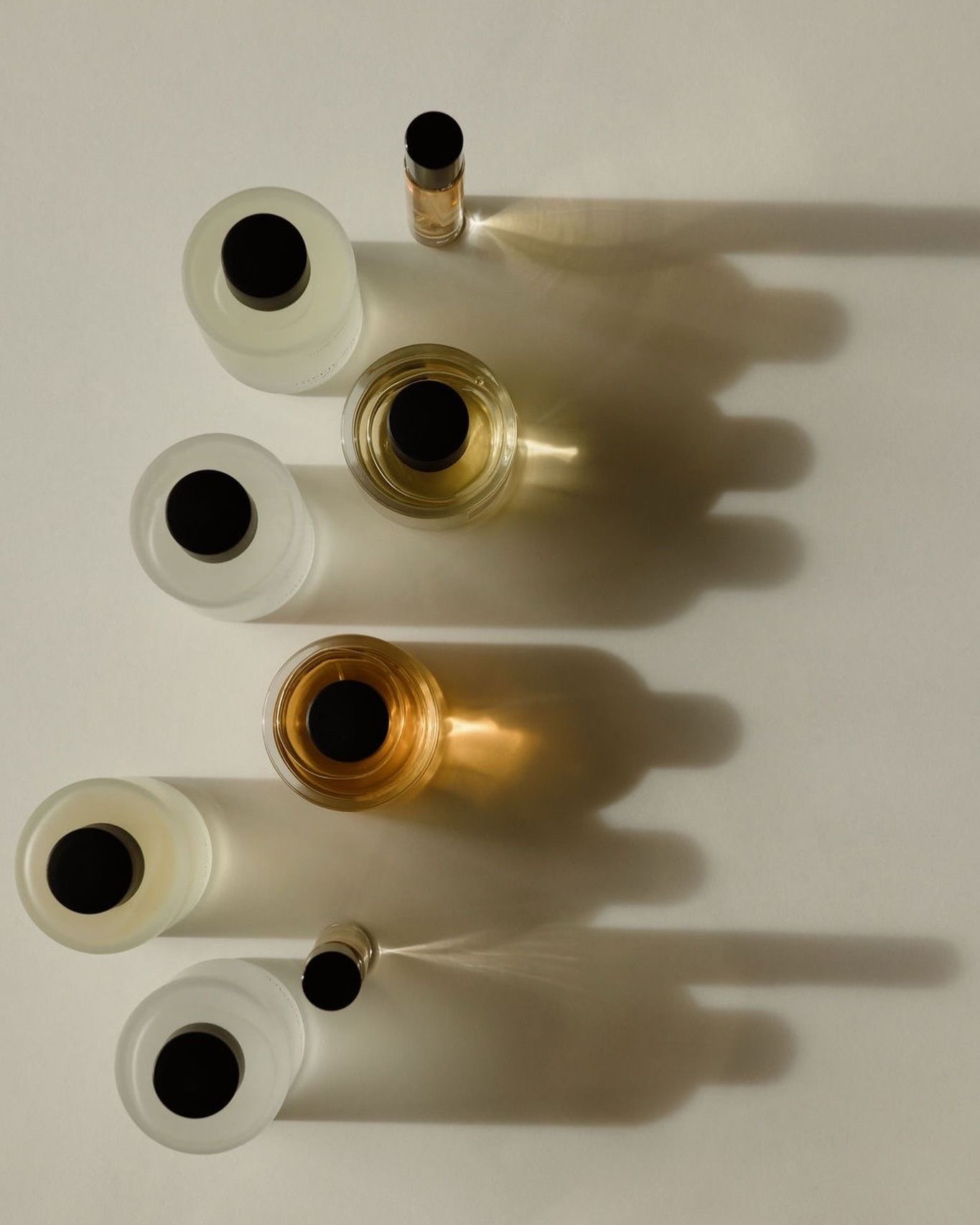
The word toilette sounds odd on a perfume bottle until you know where it came from. In French, faire sa toilette means to get washed and dressed, and it goes back to toile, the linen cloth once laid out on a dressing table. An eau de toilette was the light scented water you splashed on as part of getting ready. Parfum was the concentrated stuff, dabbed on for an evening.
The question of toilette vs parfum still comes down to concentration, meaning how much perfume oil is dissolved in alcohol. By industry convention, not law, eau de toilette usually sits around five to fifteen percent, eau de parfum around ten to twenty, and parfum or extrait around fifteen to thirty. Every house draws its own lines, so the same word can mean slightly different things from one brand to the next.
What changes is not just strength. A toilette is brighter, with more lift from the fresh top notes, and it sits a little farther from your skin. It suits warm weather, offices and anyone who likes a scent they can reapply.
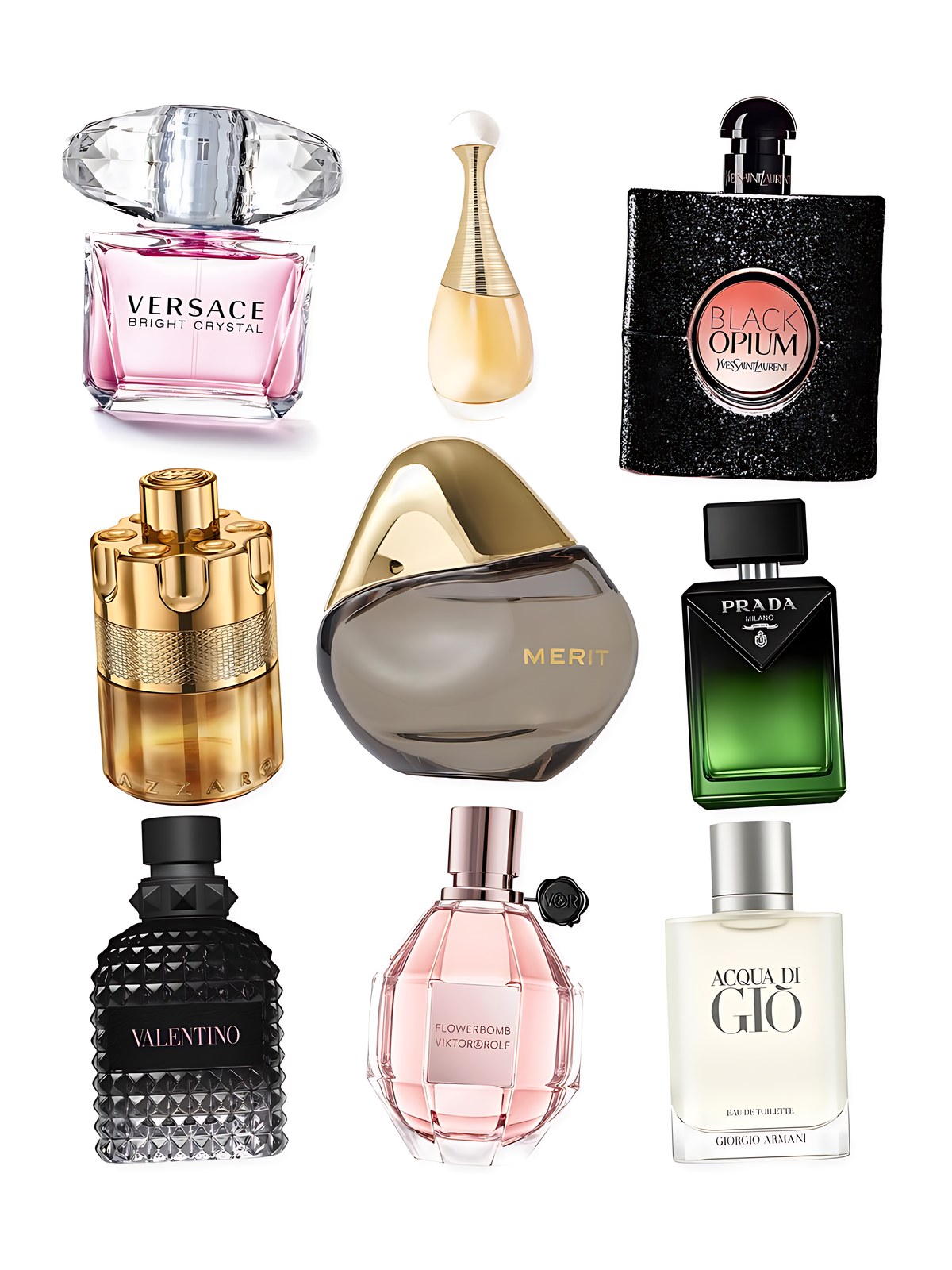
Armani's Acqua di Giò is the classic, marine notes, bergamot and cedar. Dior's Sauvage is bergamot and pepper over amberwood, and Yves Saint Laurent's Y is lavender, geranium and incense. Valentino's Uomo Born in Roma is violet, vetiver and ginger. On the floral side, Chanel's Chance Eau Tendre is citron and jasmine over teakwood, Versace's Bright Crystal is yuzu, peony and musk, and Marc Jacobs' Daisy is strawberry, violet leaf and jasmine. Maison Margiela's Replica By the Fireplace proves a toilette can be warm too, with clove, chestnut and vanilla.
Eau de toilette, lighter and brighter

Uomo Born in Roma Eau de Toilette with Violet
Valentino
$110

Bright Crystal Eau de Toilette
Versace
$138

Acqua di Giò Eau de Toilette with Calabrian Bergamot & Cedarwood
Armani Beauty
$130

Daisy Eau de Toilette with White Florals & Sandalwood
Marc Jacobs Beauty
$146

Sauvage Eau de Toilette
Dior
$115

‘REPLICA' By the Fireplace Eau de Toilette with Chestnut, Vanilla, and Clove Oil
Maison Margiela
$170

CHANCE EAU TENDRE Eau de Toilette
Chanel
$124

Y Eau de Toilette with Fresh Lavender & Geranium
Yves Saint Laurent
$140
Eau de parfum, the one most of us wear
Eau de parfum is the middle ground and the version most of us actually wear. It lasts longer than a toilette, carries the heart of the scent better, and usually needs only two or three sprays for a full day.
Chanel's Coco Mademoiselle is a reference point for a lot of people, orange and Turkish rose over patchouli, polished and a little sexy. Dior's J'adore is ylang ylang, Damascus rose and jasmine, a warm golden floral. Yves Saint Laurent's Black Opium is black coffee, white flowers and vanilla, a modern evening classic.
Viktor&Rolf's Flowerbomb is peony, rose and freesia, sweet but polished. Valentino's Donna Born in Roma pairs blackcurrant and jasmine with bourbon vanilla. Miu Miu's Miutine is wild strawberry, gardenia and brown sugar. Rare Beauty's Rare Eau de Parfum pairs vanilla and caramel, soft and warm. And Prada's Paradigme is bergamot and geranium over ambery woods, a men's scent that reads fresh and clean on anyone.
If you are only going to own one bottle, make it an eau de parfum. It is the most versatile of the three, strong enough for evening but not so heavy that you have to think about it at lunch. Spray it on your neck and wrists after moisturizing, and it will still be there when you get home. It is also the concentration most houses treat as the main version of a scent, so it is usually the one the perfumer fussed over most.
Eau de parfum, the everyday middle

Black Opium Eau de Parfum with Coffee & White Flowers
Yves Saint Laurent
$174

J'adore Eau de Parfum
Dior
$185

Flowerbomb Eau de Parfum with Vanilla & Jasmine
Viktor&Rolf
$182

Paradigme Eau de Parfum with Bergamot
Prada
$173

Donna Born in Roma Eau de Parfum with Bourbon Vanilla & Jasmine
Valentino
$180

Miutine Eau de Parfum with Strawberry & Vanilla
Miu Miu
$180

COCO MADEMOISELLE Eau de Parfum
Chanel
$154

Rare Eau de Parfum with Vanilla and Caramel
Rare Beauty by Selena Gomez
$78
Parfum, extrait and the elixirs
Parfum and extrait are the richest concentrations, and they are less about loudness than depth. Because there is more oil and less alcohol, the scent tends to sit closer to your skin, open more slowly and last longer, sometimes into the next morning on a sweater.
Kilian's Angels' Share Paradis is an extrait with raspberry liqueur, cognac and oakmoss, a richer take on the original. Merit's Retrospect L'Extrait is bergamot, jasmine and musk, clean and quietly long lasting, the rare extrait you can wear to work. Prada's Paradigme Le Parfum is ambery woods, vanilla and geranium, deeper than the eau de parfum.
Chloé's Le Nectar is a parfum intense with bergamot, orange blossom and tonka, warm and glowing. Jimmy Choo's I Want Choo Le Parfum is mandarin, jasmine and vanilla, and Burberry's Her Elixir de Parfum pairs strawberry and blackberry with jasmine, vanilla, amber and sandalwood.
Elixirs sit in the same rich territory, even if the name is a marketing word rather than a fixed strength. Azzaro's Forever Wanted Elixir is raspberry, cardamom and leather, and Armani's Acqua di Giò Elixir turns the fresh original into something woody and leathery with patchouli.
With any of these, dab or spray once on the pulse points and stop. One application of a parfum does the work of three sprays of a toilette, and it stays closer, so only the people you hug will really notice it.
Parfum and extrait, the richest

Forever Wanted Elixir
Azzaro
$155

Retrospect™ L’Extrait de Parfum
Merit
$92

Paradigme Le Parfum with Amber & Vanilla
Prada
$210

Her Elixir de Parfum with Dark Red Berries, Jasmine & Vanilla
Burberry
$192

Le Nectar Parfum Intense with Bergamot & Orange Blossom
Chloé
$192

Acqua Di Giò Elixir
Armani Beauty
$170

I Want Choo Le Parfum
Jimmy Choo
$170

Angels' Share Paradis Extrait de Parfum with Raspberry
Kilian Paris
$390
Choosing between them
Choose by season and setting, not by strength alone. In summer, or anywhere you sit close to other people, a toilette is kinder. For daily wear most of the year, an eau de parfum. For evenings, winter and special occasions, a parfum.
Remember that the same name can smell different across concentrations. Acqua di Giò and Paradigme each come in several versions here, and they are not simply stronger copies of one another. Perfumers often adjust the formula, so test each one on your skin before assuming you know it. If you love a scent but it fades by noon, try its eau de parfum before you give up on it. If you want to keep browsing, I also put together Night Parfum and Citrus Parfum.






