Fibre, weave and finishing decide whether bedding feels luxurious. A shoppable guide to sheets, duvet covers, throws and down pillows at Bloomingdale's, from Hudson Park Collection to Frette.
What Actually Makes Bed Linens Feel Expensive
What you are actually paying for
Bed linens feel expensive for reasons you can name, and thread count is the least of them. Fibre length comes first. Long staple cottons such as Supima, Egyptian Giza and the very fine Giza 45 spin into a smoother, stronger, finer yarn than short staple cotton, because fewer fibre ends stick out of the spun thread. That is why a good 400 count sheet in real long staple cotton outlasts and out-feels a 1,000 count sheet made from short fibres, a point the trade has been making for years and most packaging still ignores.
Weave comes second. Percale is a plain one over one under structure, matte and crisp, and it sleeps cool. Sateen floats more yarn on the surface, which gives it that lit from within sheen and a heavier, silkier hand. Neither is better. They are different climates.
Finishing is the third cost, and the most visible. Hemstitching, embroidery, cord piping and single ply yarns all take hours. That is most of the distance between a Hudson Park sheet set at $402.50 and a Frette duvet cover at $4,600.
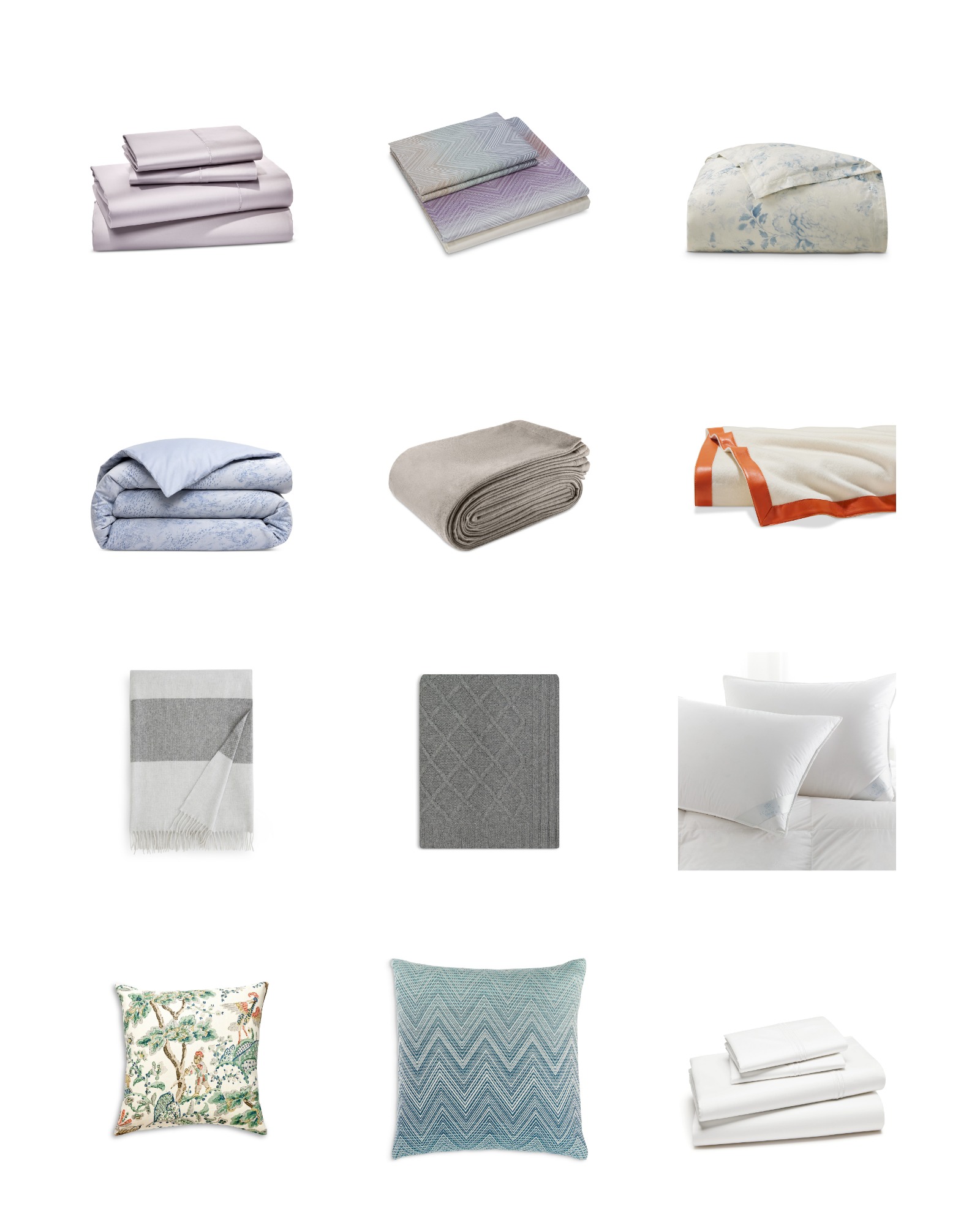
Sheets and Duvet Covers

Lux Glowing Weave Silk & Cotton Duvet Cover, King
Frette
$4,600

Marea Sheet Set
Missoni
$1,920

Ecumes Duvet Cover, King
Yves Delorme
$850

Pomegranate Linen Duvet Cover, Full Queen - Exclusive
Matouk
$839

Tre Righe Splendore Sheets
Pratesi
$795

Josette Floral Jacquard Duvet Cover, King
Ralph Lauren
$670

Giza 45 Sateen Sheets
SFERRA
$511

800TC Egyptian Cotton Sateen Sheet Set - Exclusive
Hudson Park Collection
$402.5
Weight, size and the things that go wrong
The complaints people have about expensive bedding are almost always about fit and weight rather than quality. Buy the duvet cover for the duvet you own, not for the mattress. A king cover measured 96 by 108 inches will swim on a standard queen insert and look deflated no matter how good the cotton is. Check the stated dimensions on every listing, because they vary between European and American houses by several inches.
Down is graded by fill power, and a higher number means loftier clusters holding more air for the same weight. Firm pillows suit side sleepers, soft suits stomach sleepers, medium suits almost everyone else. If you wake with a stiff neck on a soft pillow, that is the answer.
Wash bedding warm, skip fabric softener, which coats cotton fibres and dulls both absorbency and sheen, and line dry or tumble low. Sateen shows creases more than percale. Linen is meant to crumple, so stop fighting it.
Throws, Blankets and Coverlets

Venus Cashmere Blanket, King
Matouk
$3,124

Dolomiti Cashmere & Leather Throw Blanket, 55" x 71"
Pratesi
$2,395

Balze Throw - Exclusive
Frette
$950

Cocon Velvet Counterpane Quilt
Yves Delorme
$1,150

Diamond Knit Cashmere Throw Blanket
Sofia Cashmere
$995

Bari Coverlet, King/California King
SFERRA
$743

Cable Cashmere Throw Blanket
Ralph Lauren
$695

Textured Italian Matelasse Coverlet, King - Exclusive
Hudson Park Collection
$385
How to buy it, and in what order
Build the bed from the skin out. Sheets first, since they touch you all night and get the most washing. One excellent set beats three mediocre ones, and if you buy two you can strip and remake the bed the same morning. Percale for hot sleepers, sateen if you like weight and drape.
Duvet cover next, because it is the largest visual field in the room. This is where a pattern earns its keep, whether that is a Ralph Lauren floral or a Missoni zigzag, and where a plain cover in a deep colour will quietly do more work than you expect.
Then the layer at the foot of the bed. A coverlet adds structure, a cashmere throw adds softness, and in a warm apartment either can replace the duvet entirely for half the year.
Pillows and cushions last. They are the cheapest way to change the room and the easiest thing to over-buy.
Down Pillows and Decorative Cushions

Vienna Firm Down Pillow, King
Scandia Home
$1,100

Snowdon Down Pillow
SFERRA
$898

Divino Pillow Down Inserts
Pratesi
$495

Kelmescott Hand Block Decorative Pillow, 22" x 22"
Scalamandre
$533

Chalet Soft Pillow, Standard
Matouk
$498

Kushal Decorative Pillow
John Robshaw
$305

Timmy Cuscino Jacquard Cushion
Missoni
$350

Prestige Pillow
Yves Delorme
$310
Our honest take
The gap between good and extraordinary bedding is real, but it is not linear. Moving from a supermarket sheet to a proper long staple set is transformative. Moving from a $500 set to a $2,000 set buys you hand finishing, a name and a slightly finer hand, and you will notice it mostly in the first week.
So we would spend the money on sheets and skimp on decorative cushions, which are the least used and most replaced thing in the room. We would also be honest that a silk and cotton duvet cover at $4,600 is an object of desire rather than a practical purchase, and that it needs careful laundering to stay beautiful.
If you take one thing away, hold the fabric up to a window before you buy. Even cloud, no thin patches, and a hem that feels denser than the body. That is the tell.
Shop brands in this edit


Next read
Secondhand Louis Vuitton Damier Ebene Or Damier Azur
Damier Ebene and Damier Azur are the same coated canvas in two colourways, and the secondhand market treats them as two different products.
Read Editorial
Secondhand Silk My Favs
My sixteen selects of scarves below are all ninety centimetre squares, split into two price bands