Belts and scarves are the cheapest way to change an outfit you already own, because they alter proportion without replacing anything. I go through leather belts, silk and wool scarves, and sunglasses and hats.
What Belts And Scarves Fix
If you gave me one small budget and told me to make somebody's wardrobe look different, I would not buy a garment. I would buy two belts and a scarf.
The reason is proportion. Almost every outfit that feels slightly off is a proportion problem rather than a garment problem, and a belt is a proportion tool. It puts a line where you want the eye to stop. It turns a shapeless dress into a shape, a long coat into a waist, a wide trouser into a deliberate one.
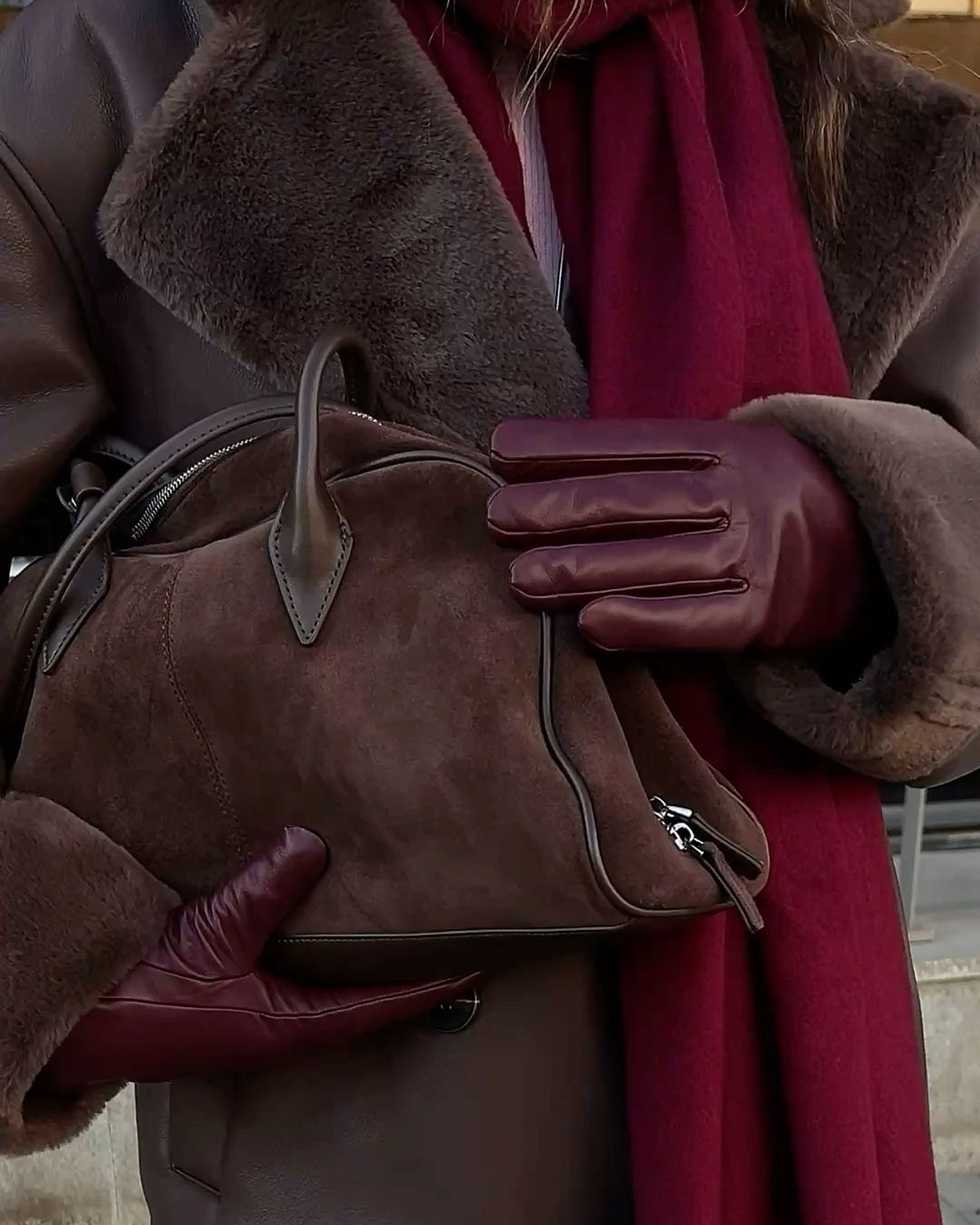
Scarves do the opposite job and are just as useful. They break up a look that arrived finished. A print at the neck of a plain outfit stops it reading as a copy of a plain outfit, and it costs a fraction of what a new top would.
These are also the pieces that survive weight change, seasons and taste changes, which makes them the least wasteful things in this whole batch.


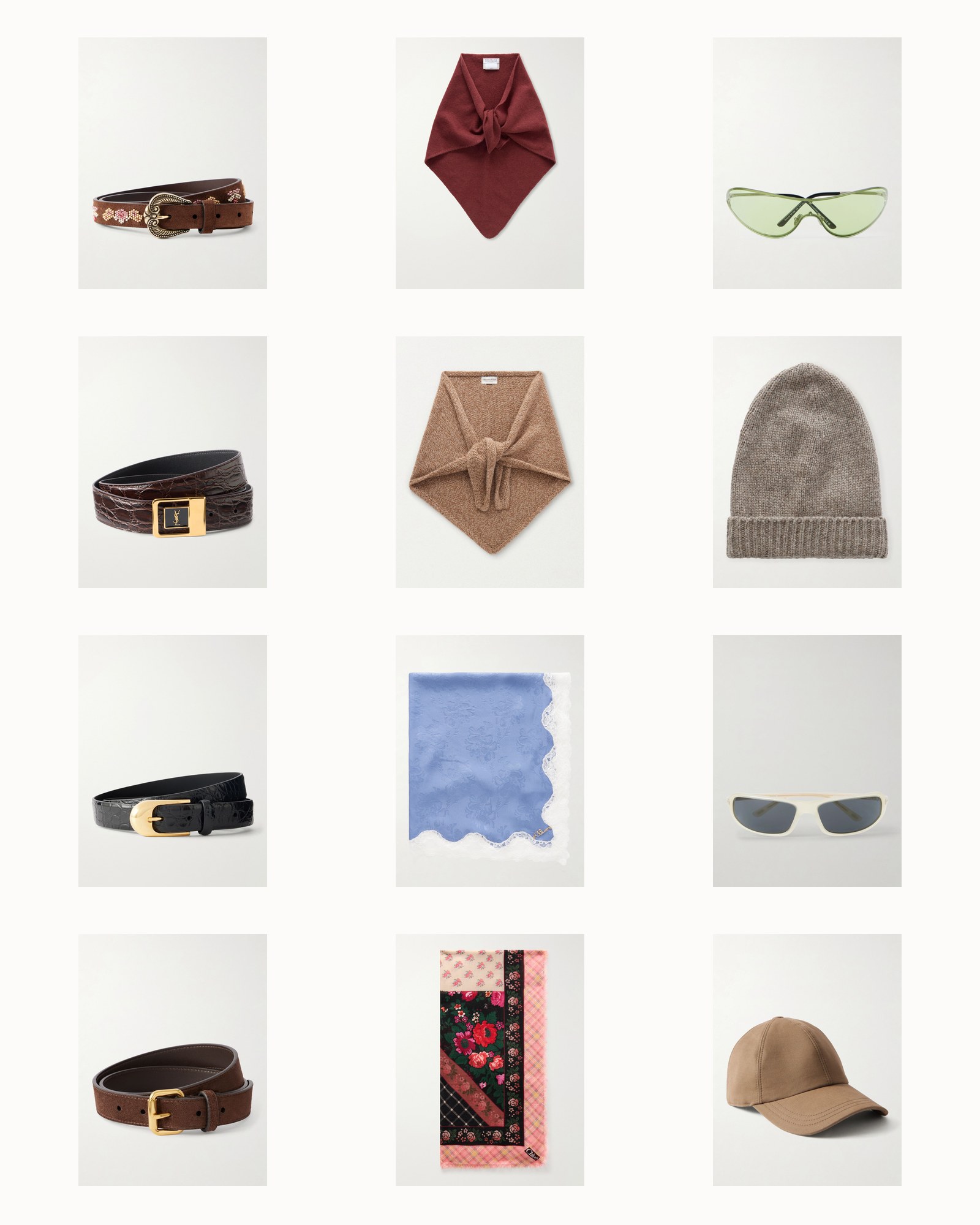
Belts, and how to actually buy one. Width first: a narrow belt of two to three centimetres does a discreet line and works through trouser loops. A wider one at four centimetres and up becomes the feature and sits better at the natural waist over a dress or a coat.
Then look at the leather, because this is where price hides. A full-grain or top-grain strap has a visible finished edge, sometimes painted, sometimes burnished, and it will soften rather than crack. Bonded or corrected leather looks perfect in the shop and splits at the fold within a year. Turn the belt over: the back should be leather too, not a synthetic backing glued on.
Sizing is the part people get wrong. A belt is measured to the middle hole, and if you want to wear it high on the waist and low on the hip you need it long enough for both. Buy up a size and add a hole rather than buying two belts.
Vintage is genuinely better value here, and old buckles are usually heavier.
Silk And Wool Scarves

Bead-embellished cashmere scarf
Brunello Cucinelli
$820

Keill cashmere scarf
Johnstons Of Elgin
$665

Lace-trimmed silk scarf
Chloé
$550

Printed cashmere and wool-blend scarf
Chloé
$490

Ava argyle cashmere scarf
&Daughter
$385

Printed Silk Fringe Stole
Zimmermann
$350

Printed silk-twill scarf
Mcqueen
$250

Printed Silk Square 55
Zimmermann
$175
Scarves. The one thing worth knowing is that size and weight decide how it ties, and everything else is preference.
A ninety centimetre silk square is the classic and the most versatile: it knots at the neck, wraps a bag handle, or ties over the head without bulk. A narrow ribbon scarf is the cheapest change you can make to a shirt collar. A large wool or cashmere square works as a shawl and a blanket, and a fringed edge hides an imperfect fold.
For silk, look at the hem. A hand-rolled hem is a real marker of quality and you can see it: the edge is a small rounded tube rather than a flat machine stitch. For wool, weight and ply matter the same way they do in knitwear.
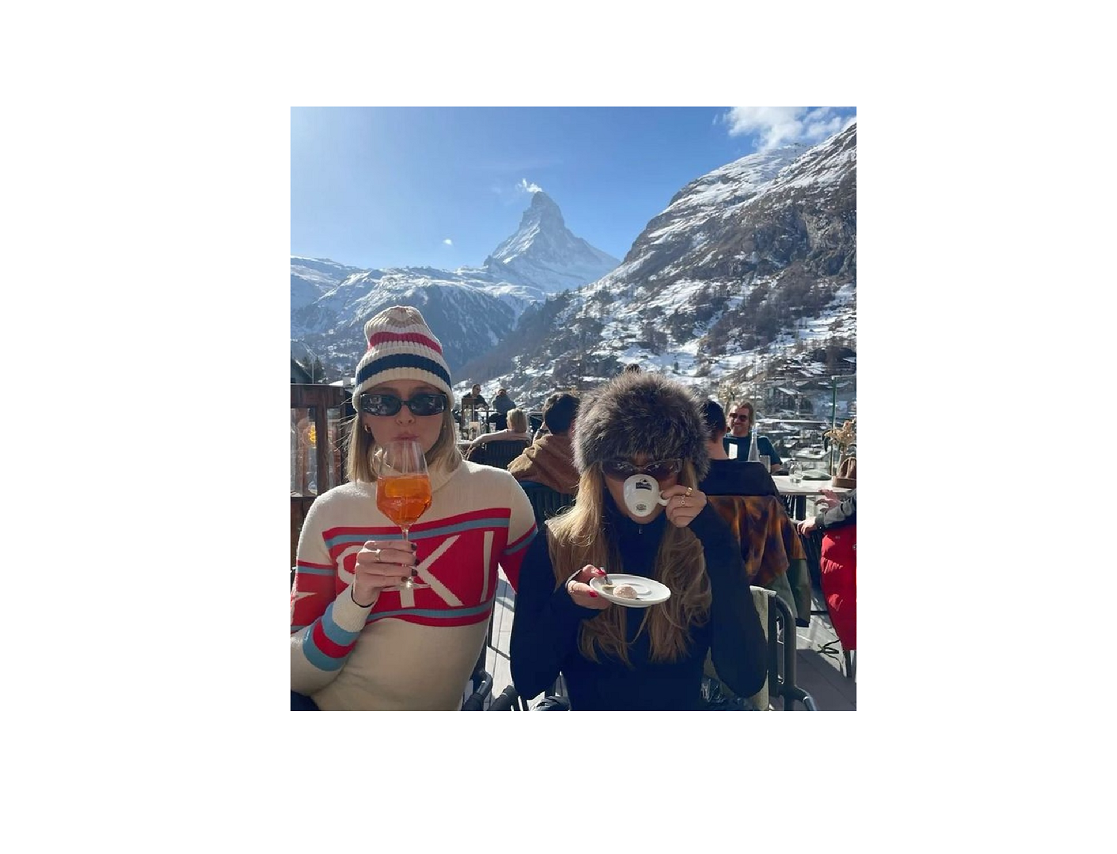
Hats and sunglasses are the third group because they are the fastest signature available. A hat you actually wear becomes yours within a month. Check the fit at the crown rather than the brim, and for sunglasses check that the frame does not sit on your cheek when you smile.
Sunglasses And Hats

Brady-02 D-frame silver-tone sunglasses
Tom Ford Eyewear
$620

Pavir cashmere beanie
The Row
$620

Addison-02 rectangular-frame acetate sunglasses
Tom Ford Eyewear
$530

Caspian cotton and cashmere-blend baseball cap
The Row
$520

Orchid Boater
Zimmermann
$495

Triomphe mini oval-frame acetate sunglasses
Celine Eyewear
$450

Cyd Oval
Zimmermann
$275

Merino Lace Beanie
Zimmermann
$250
Our honest take
This is the part of the wardrobe we think is most underspent and most overcomplicated. Two belts, one narrow and one wide, both in leather you like the smell of, will outlast every trend in this newsletter.
What we would skip: a belt with a very recognisable logo buckle, and any hat you are buying for a photograph rather than for the weather. Both of those go the way of every borrowed look.
What we would buy: the plain wide leather belt and one silk square in a print you would defend at a dinner party. If you already have those, buy the second belt in brown and stop.
We would also say honestly that the sunglasses here are the least durable category on the page. Frames get sat on. Do not make them your investment piece.
If you take one thing away: keep your belts and scarves, all of them, including the ones you think are dated. They are the fastest way to break up an outfit that came to you finished, and a slightly old belt is exactly what makes a new outfit look like it has been lived in. If you want to keep browsing, I also put together Slingbacks, Silk Scarves and Statement Belts for Fall and Statement Accessories.