Expensive and heirloom are not the same category. The difference sits in construction, repairability and whether the design will still read in fifty years.
What Makes a Piece an Heirloom
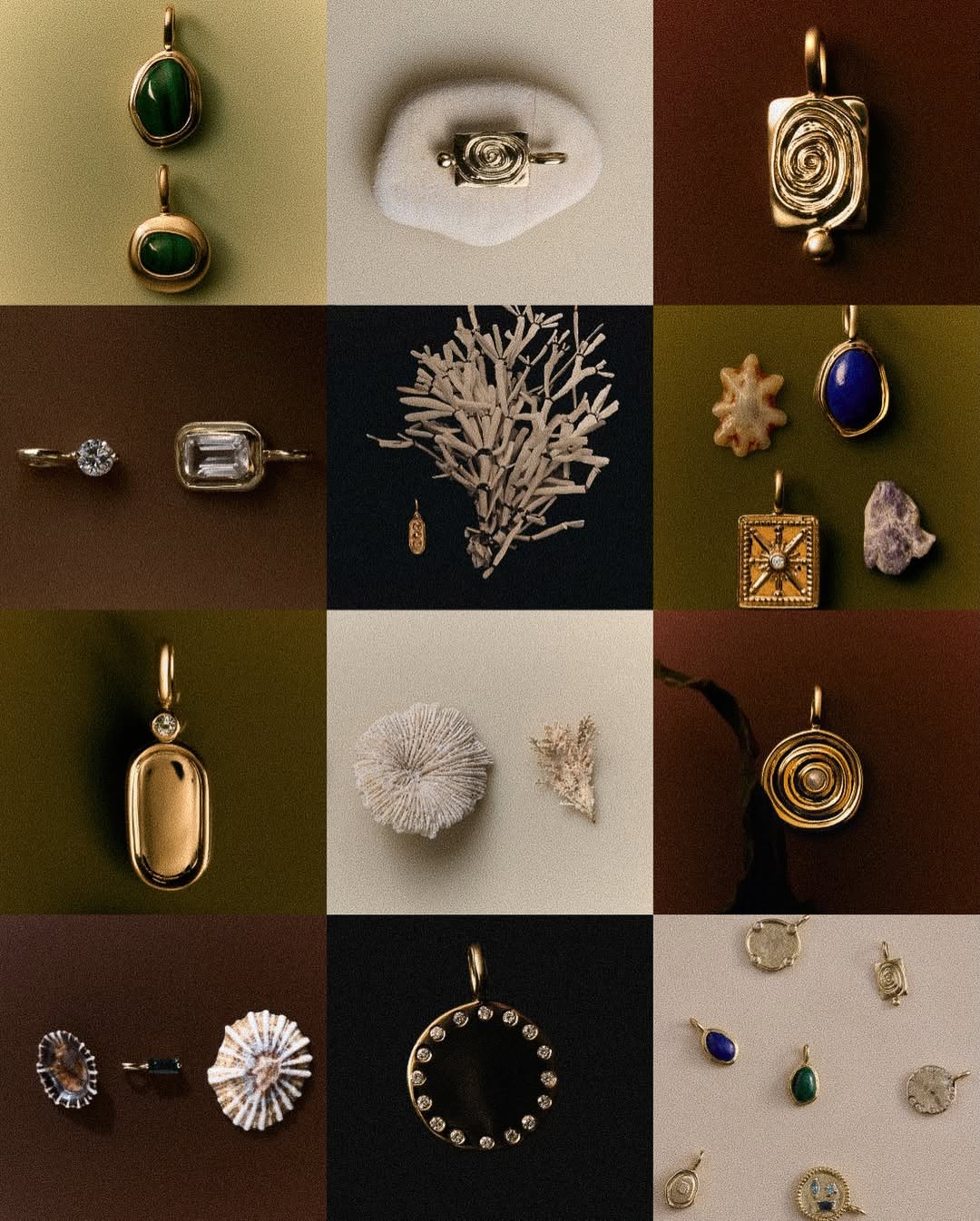
Price is a poor predictor of survival
A very expensive piece can be a bad heirloom and a modest one can be a superb one, because the qualities that make jewellery last are not the qualities that make it costly. Cost is driven mostly by stone weight. Survival is driven by setting, metal and form. So a large stone in a delicate claw setting is expensive and fragile, and a small stone in a heavy bezel is cheap and close to indestructible. Both of those sentences surprise people. The second thing price does not buy is repairability. A piece assembled with glue, or built around a proprietary clasp, or made in a way that cannot be resized without destroying the pattern, is a piece with a shelf life regardless of what it cost. Ask one question at the counter. Can this be repaired, and by whom. A jeweller who answers easily is telling you the construction is conventional, which is what you want in something you intend to keep.
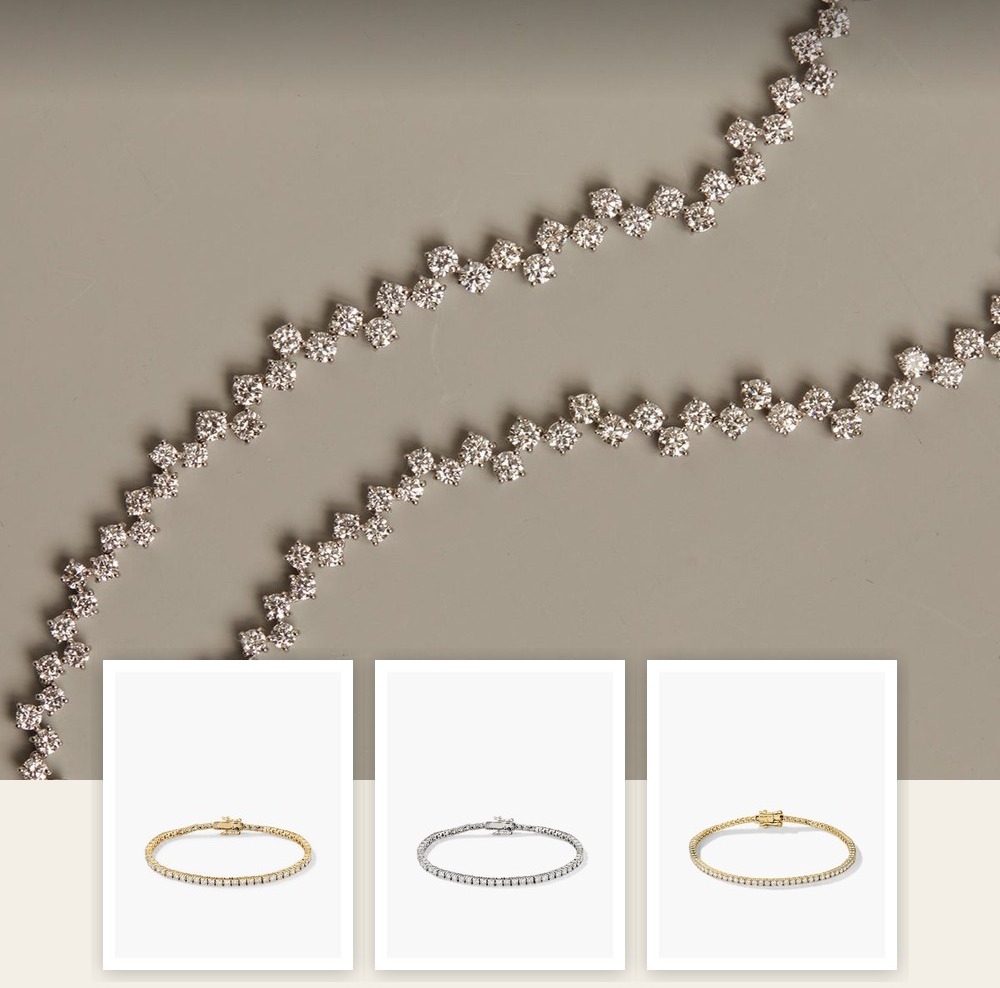
The heirloom candidates

16ct Floating Lab Grown Diamond Tennis Necklace
Aurate New York
$17,225

10ct Multi Graduated Lab Grown Diamond Tennis Necklace
Aurate New York
$15,839

Classic Diamond Tennis Bracelet
Aurate New York
$13,198
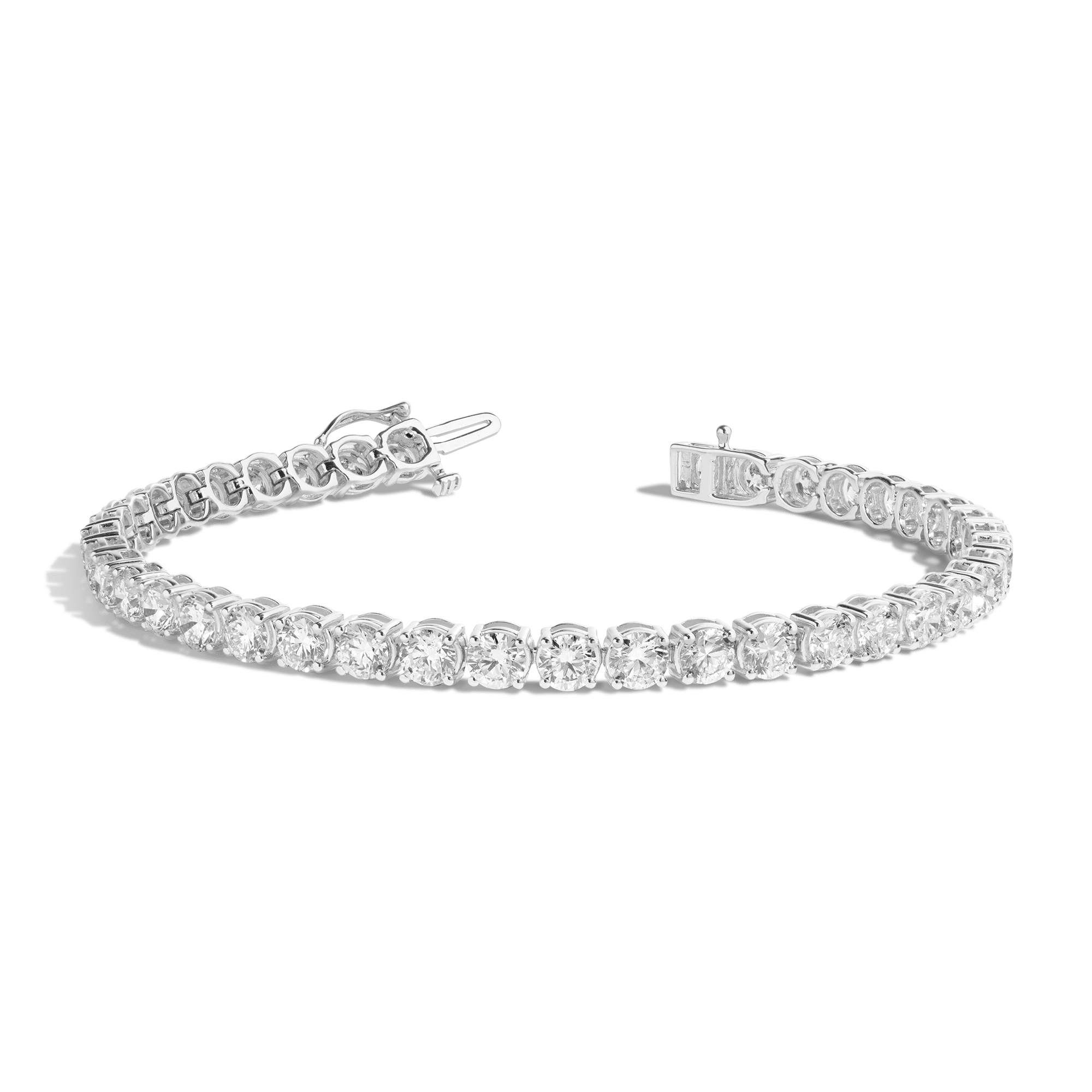
10ct Luxury Lab Grown Diamond Tennis Bracelet
Aurate New York
$10,658

Diamond Tennis Necklace 1.8mm
Mejuri
$9,100

Lab Grown Diamond Tennis Necklace 1.8mm
Mejuri
$6,800

Lab Grown Diamond Tennis Bracelet 2.5mm
Mejuri
$6,000

Diamond Tennis Bracelet 1.8mm
Mejuri
$4,400
What to look at, in order
Start with the metal stamp. Solid gold is marked, and the mark tells you the alloy. Then look at how the stones are held. Bezel and channel settings protect the stone and survive daily wear. Claws and prongs show the stone better and need checking every few years, which is fine if you know to do it. Then look at the joins. On a chain, the clasp and the last few links are where failure happens, and a heavier clasp on a light chain is a good sign rather than a clumsy one. Then look at the back. Finished, smooth, and marked on the reverse is the mark of a piece made to be handled. Rough or unfinished on the reverse means the piece was made to be photographed. Finally, consider whether you would recognise the design if you saw it with no branding. The pieces that hand down well tend to be legible on their own.


Our honest take
There is a version of this conversation that is really about status, and we would rather have the useful version. The honest answer is that a plain heavy gold band, bought at a fraction of the cost of a statement piece, is more likely to be worn by someone in fifty years than almost anything else you could buy. That is not a romantic answer and it is the true one. If you want a stone, put the money into the setting rather than the carat, and buy the smaller stone. If a piece cannot be resized or repaired, treat it as a pleasure rather than a legacy and price it accordingly in your own head. And do not buy an heirloom for someone whose taste you do not know. If you take one thing away, look at the back of the piece, because that is where the maker stops performing.
Shop brands in this edit



Next read
Secondhand Louis Vuitton Damier Ebene Or Damier Azur
Damier Ebene and Damier Azur are the same coated canvas in two colourways, and the secondhand market treats them as two different products.
Read Editorial
Secondhand Silk My Favs
My sixteen selects of scarves below are all ninety centimetre squares, split into two price bands