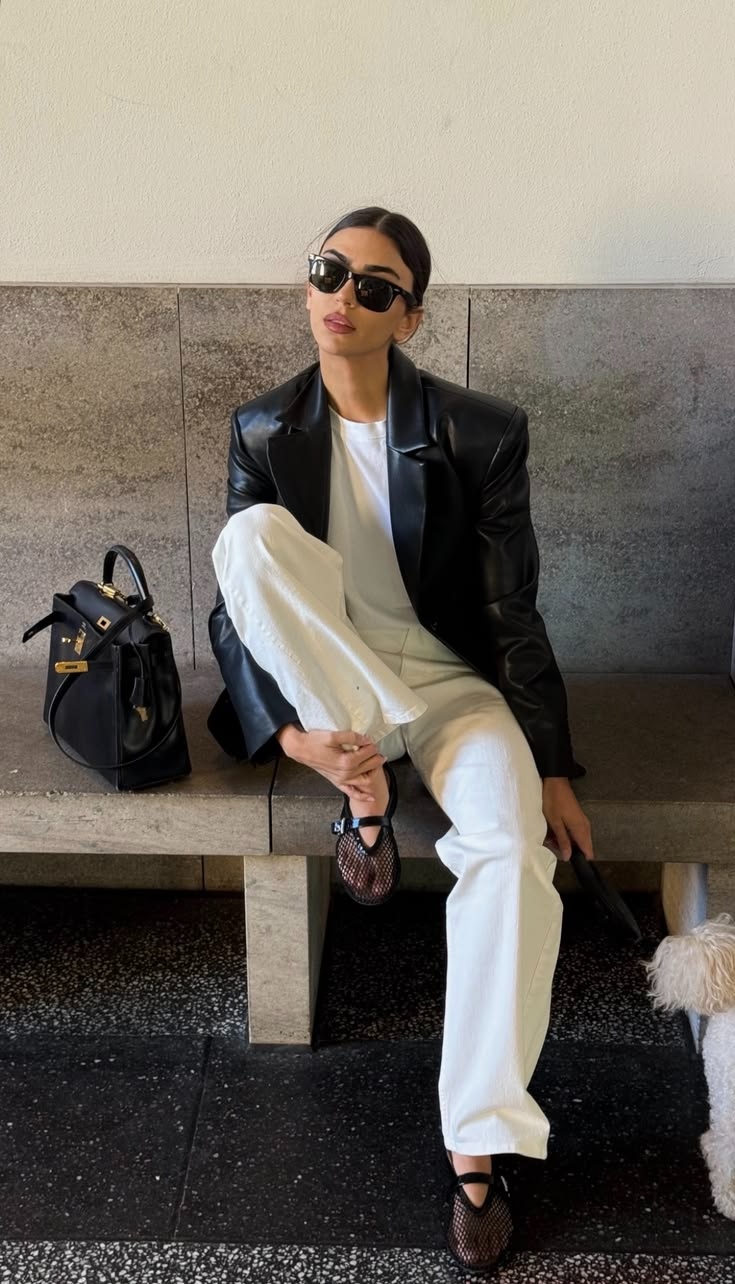
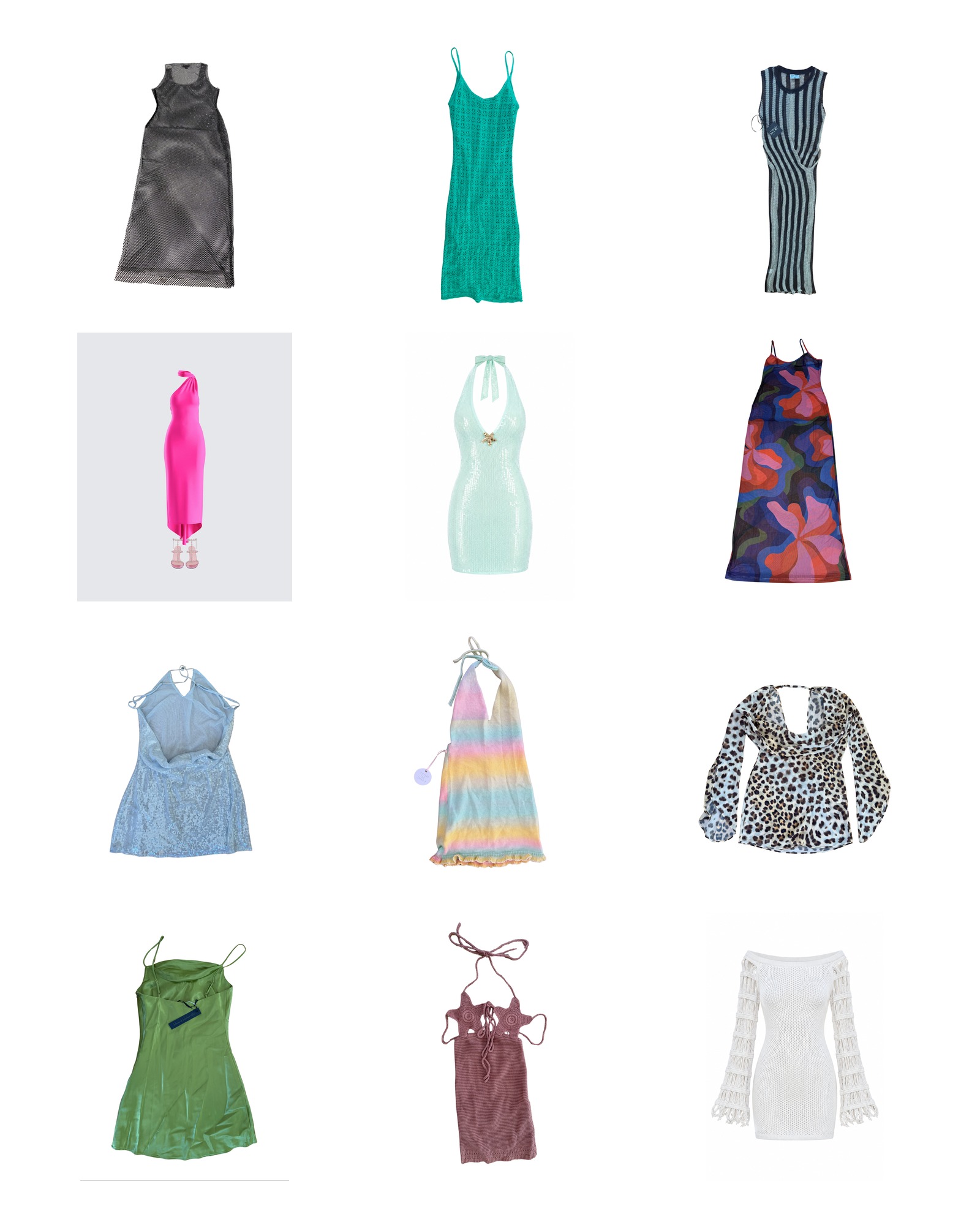
Which finger to wear a ring on depends on comfort, proportion, and the amount of movement you need from that hand.
Which Finger For Which Ring
Start With The Finger In Mind
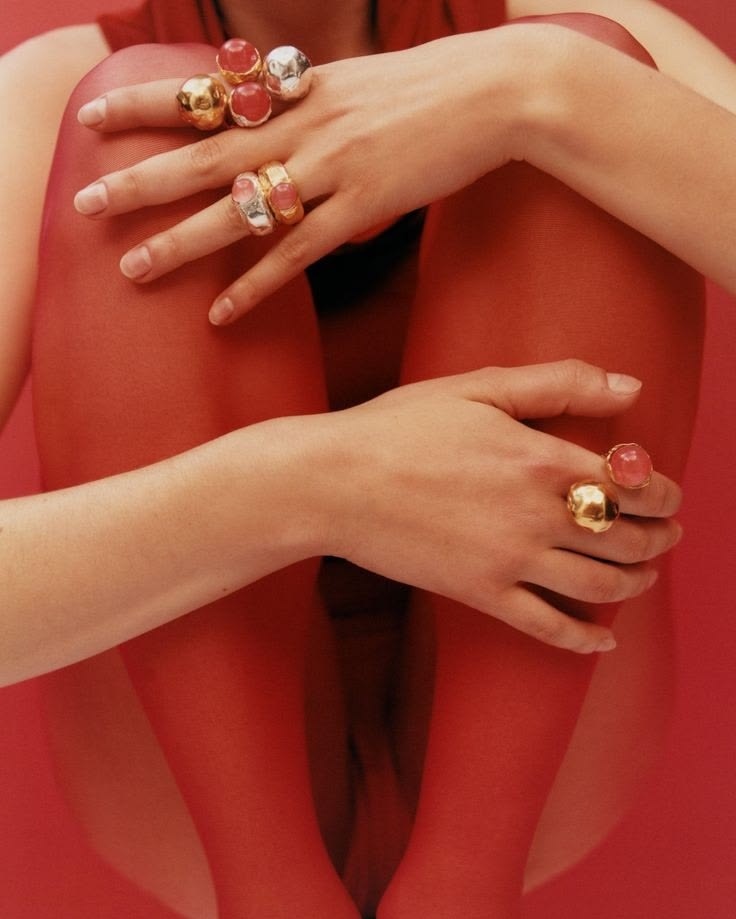
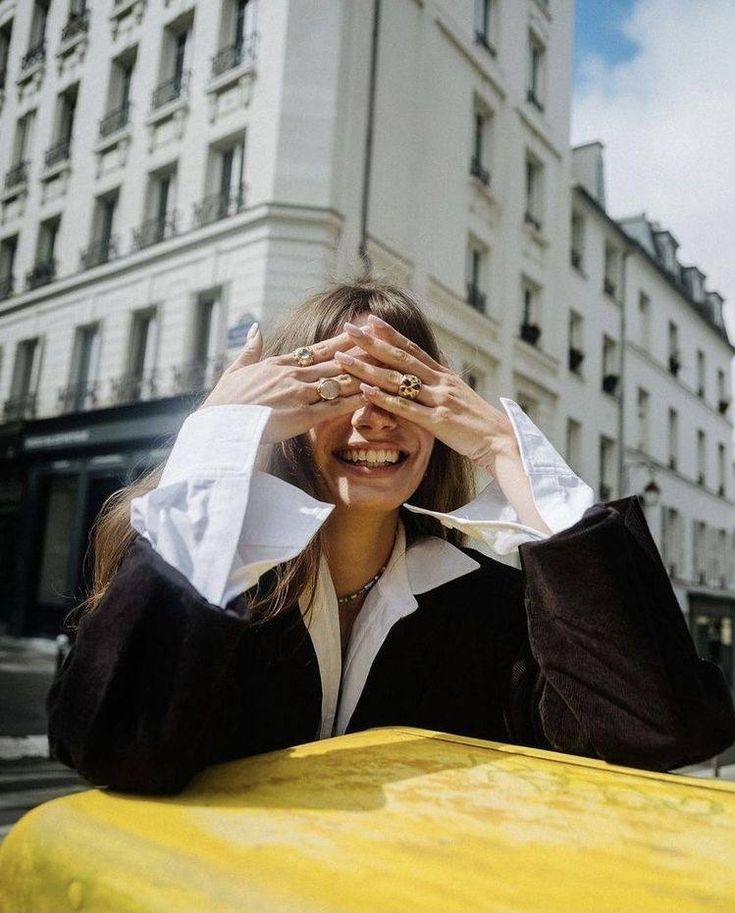
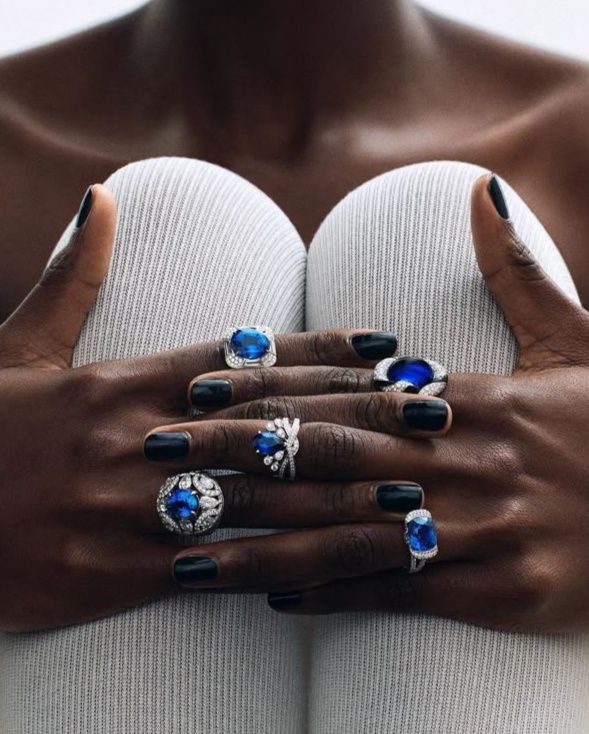
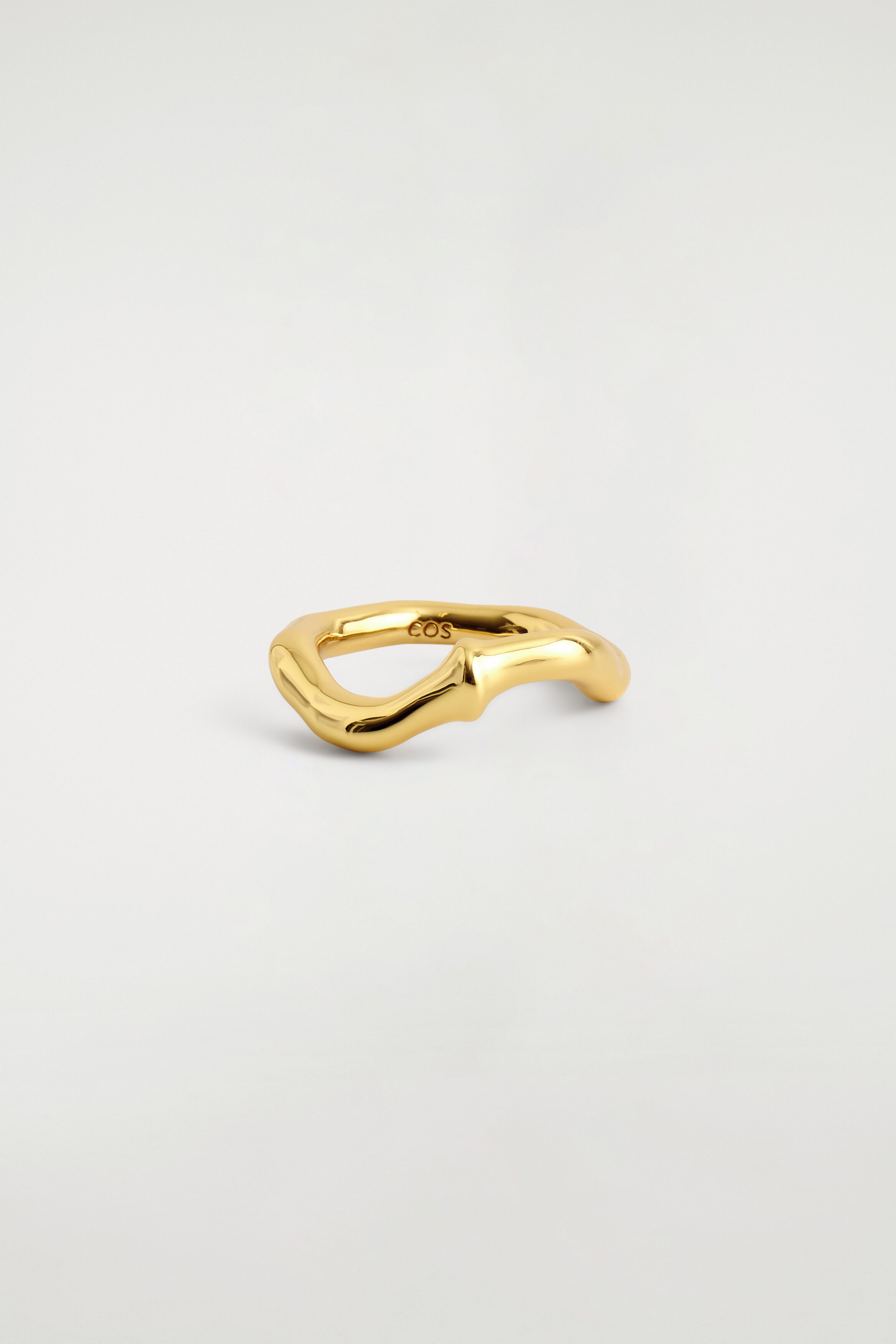
Which finger to wear a ring on depends on comfort, proportion, and the amount of movement you need from that hand. The index finger gives a ring visual authority and works well with a shape that can stand alone. The middle finger offers a central position, while the ring finger often feels familiar for a close-fitting band. The little finger suits smaller profiles and leaves the rest of the hand open. The Knotted Ring can be placed on the index or middle finger when you want its form to read clearly, but the right choice is the one that does not interfere with typing, carrying, or fastening clothes. Pay attention to the width of the band. A broad style may feel better with space around it, whereas a narrow band can sit beside another ring with less crowding. Handedness matters too. Your dominant hand gets more use, so a looser or more sculptural ring may be easier on the other hand. The COS options in this edit range from $45 to $59, making it practical to compare a few positions before deciding which one feels natural.
Rings made to sit together
Use Space As Your Guide
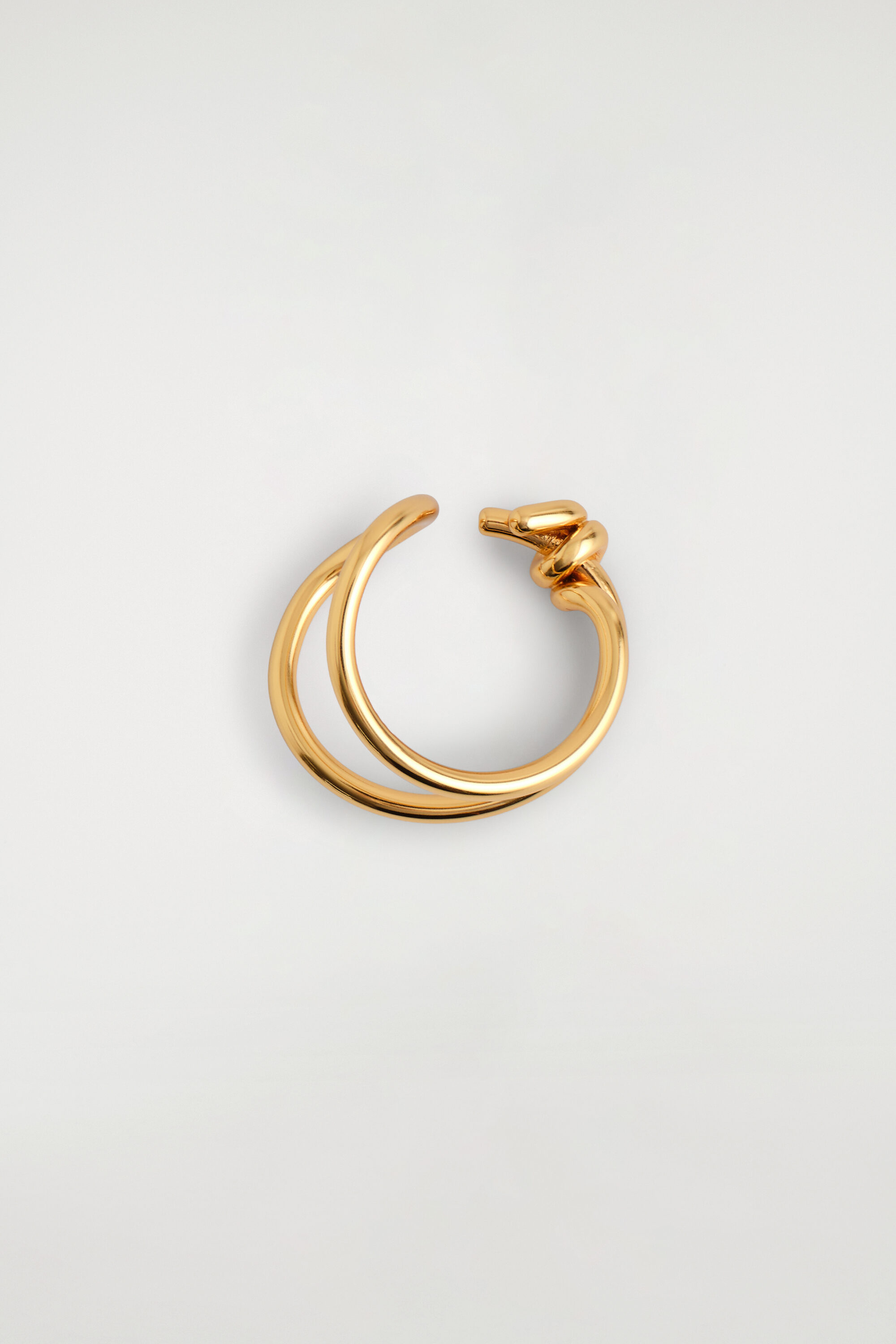
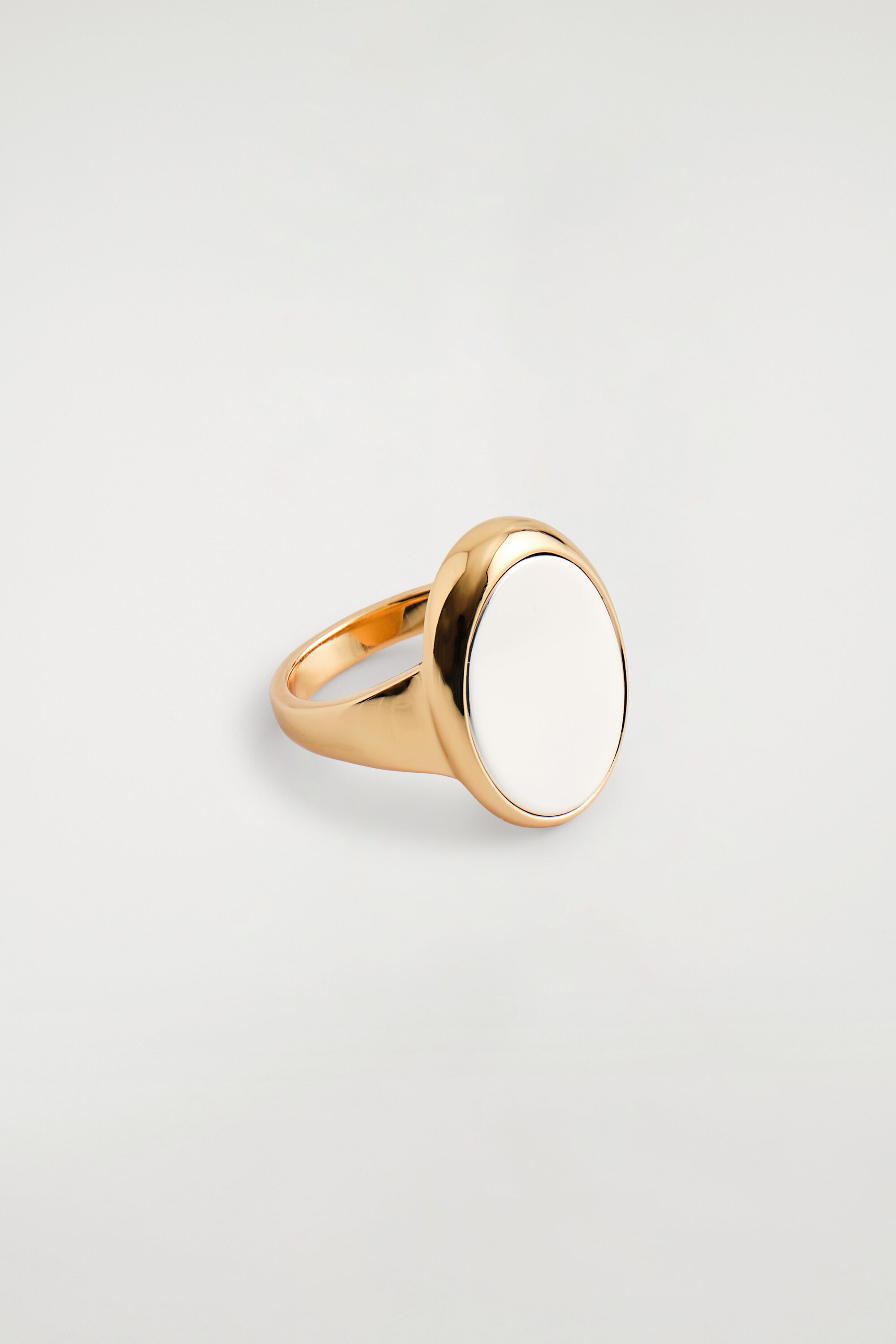
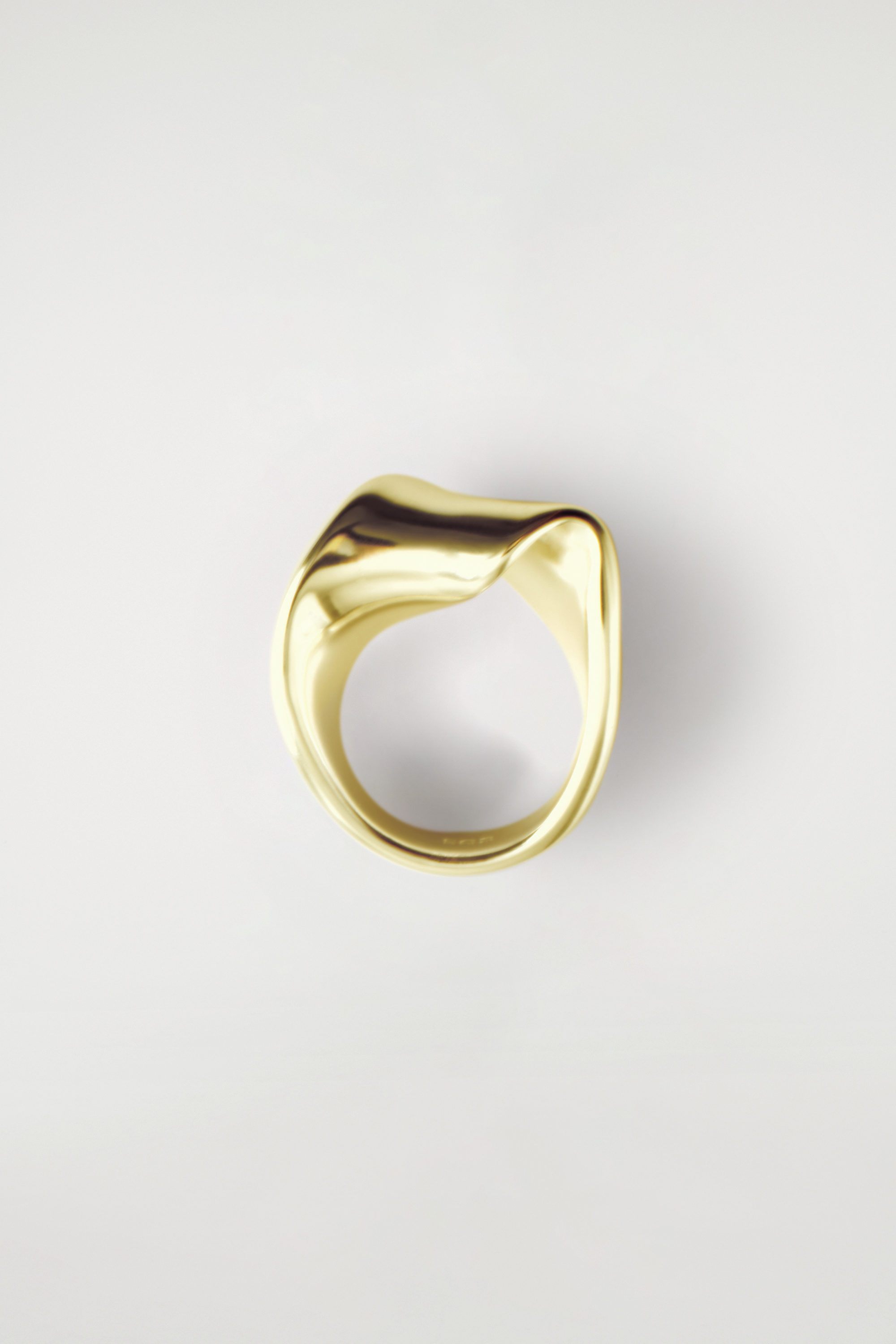
Stacking works best when the rings have room to remain distinct. Start with one anchor, then add a slimmer band above or below it rather than filling every available gap. The Sculpted Ring has enough presence to act as that anchor, so it can be balanced by simpler shapes on neighbouring fingers. If you place several rings on one hand, vary their position. Two strong forms directly beside each other can make the hand feel crowded, while a little separation creates a clearer rhythm. Consider the joints as well as the base of each finger. A ring that is comfortable when your hand is still may feel restrictive when you make a fist or grip a bag. Take it off for activities that involve water, heavy lifting, or repeated friction, especially if the fit is already close. Metal finishes can be repeated across the hand, but they do not need to be identical. One contrasting band can make a group feel intentional. Because every option here costs $45 to $69, size and arrangement can take priority over choosing by price. Try the simplest combination first, then build only where the hand still feels balanced.
Bracelets on the same wrist
Let The Face Carry The Contrast
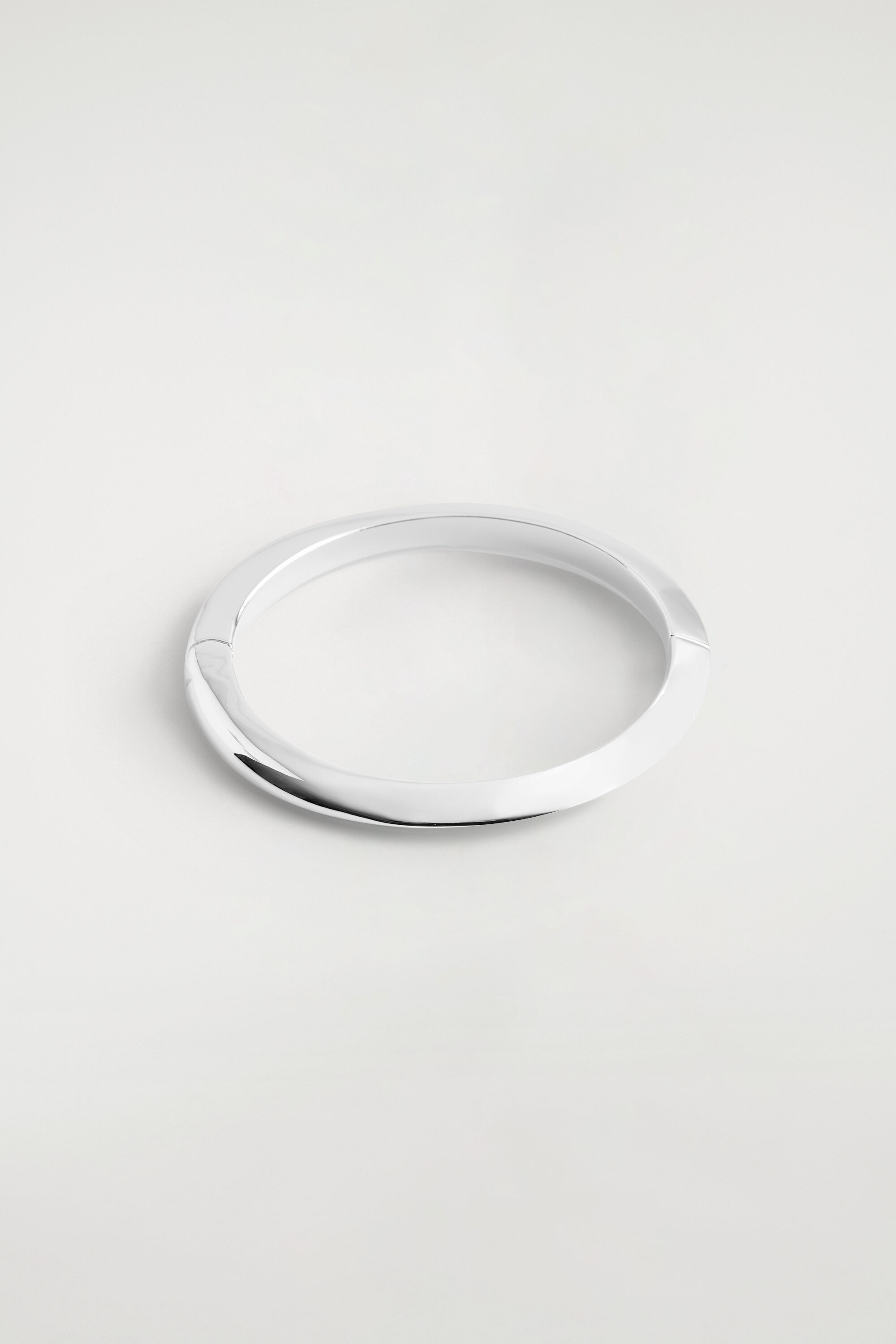
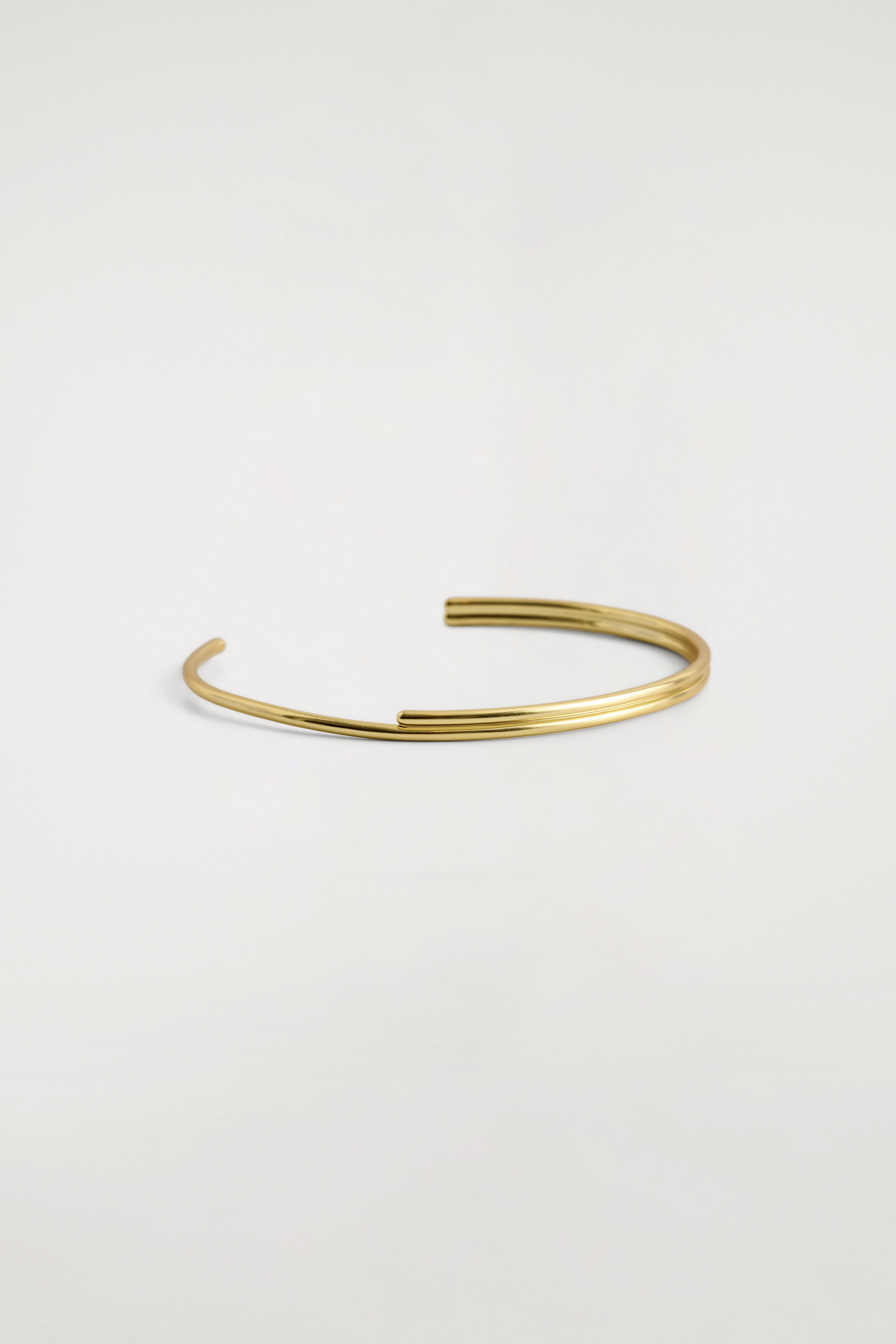
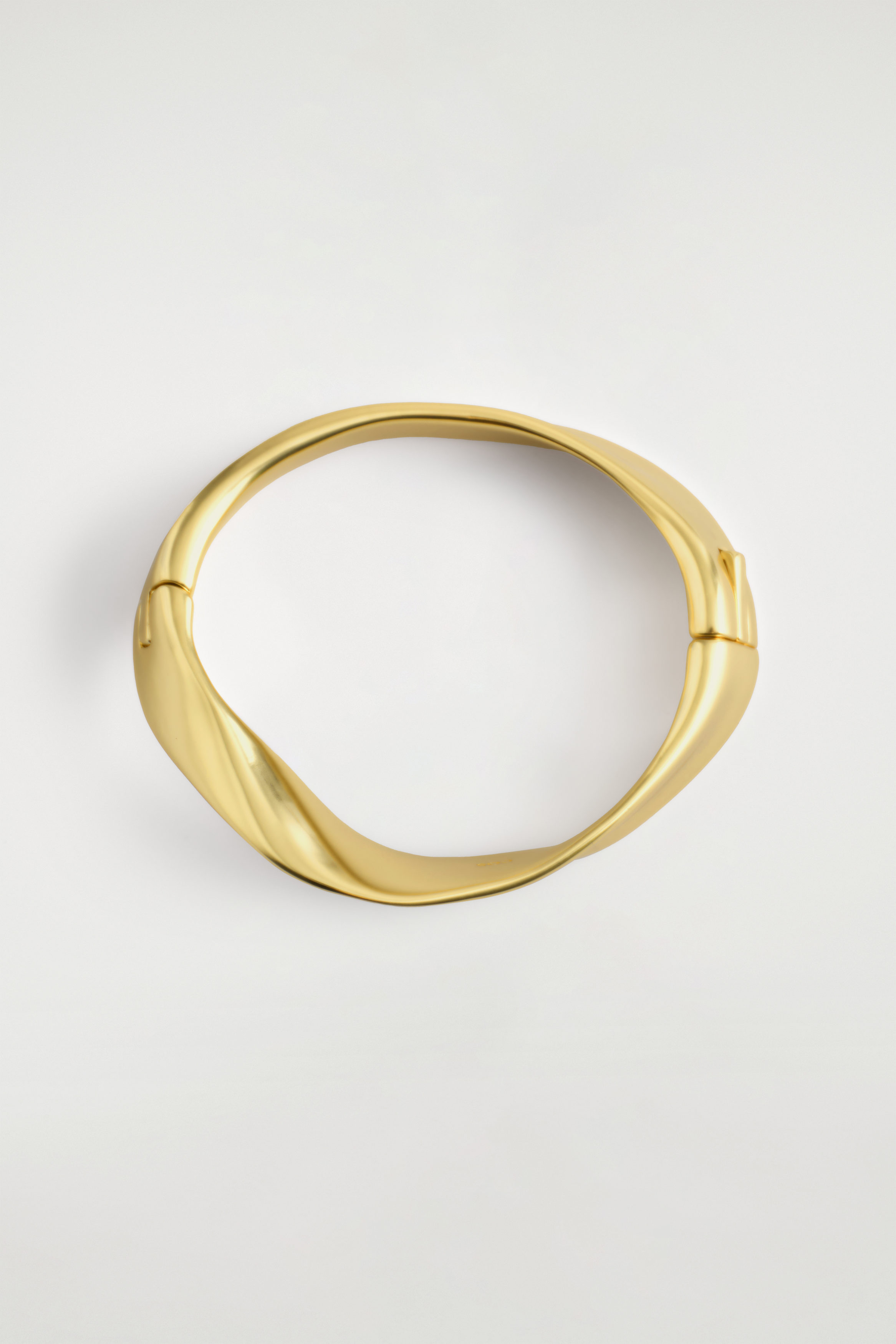
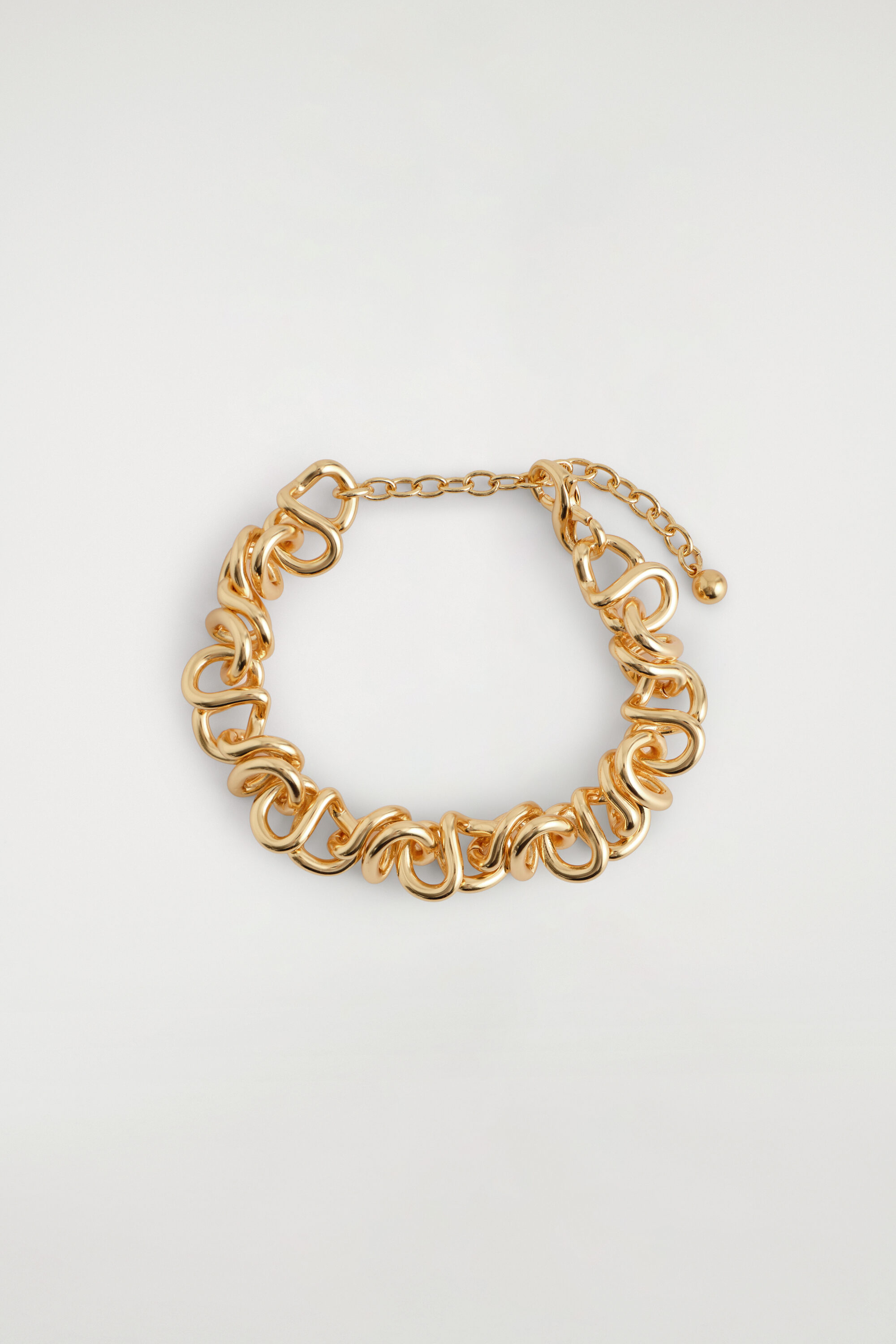
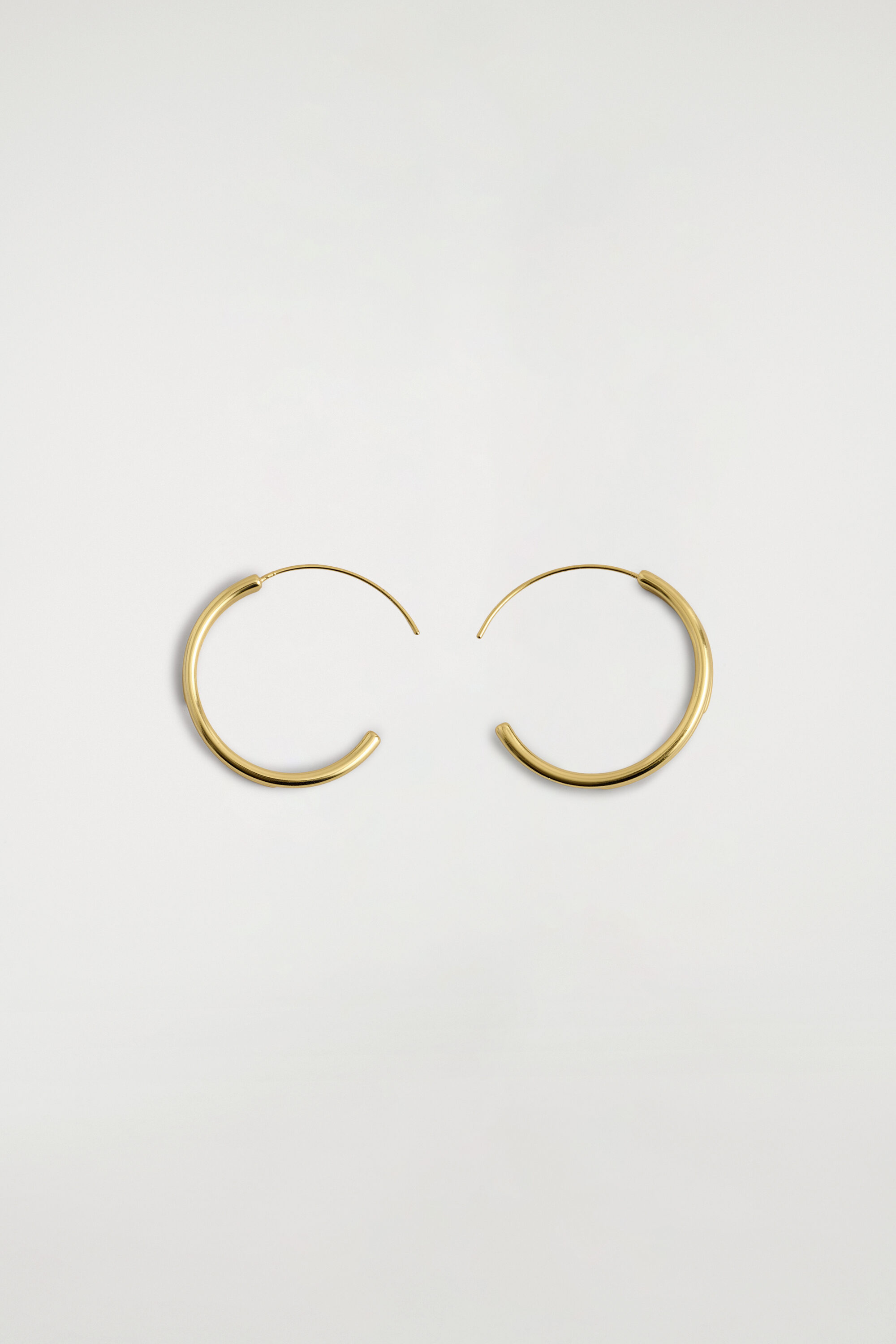
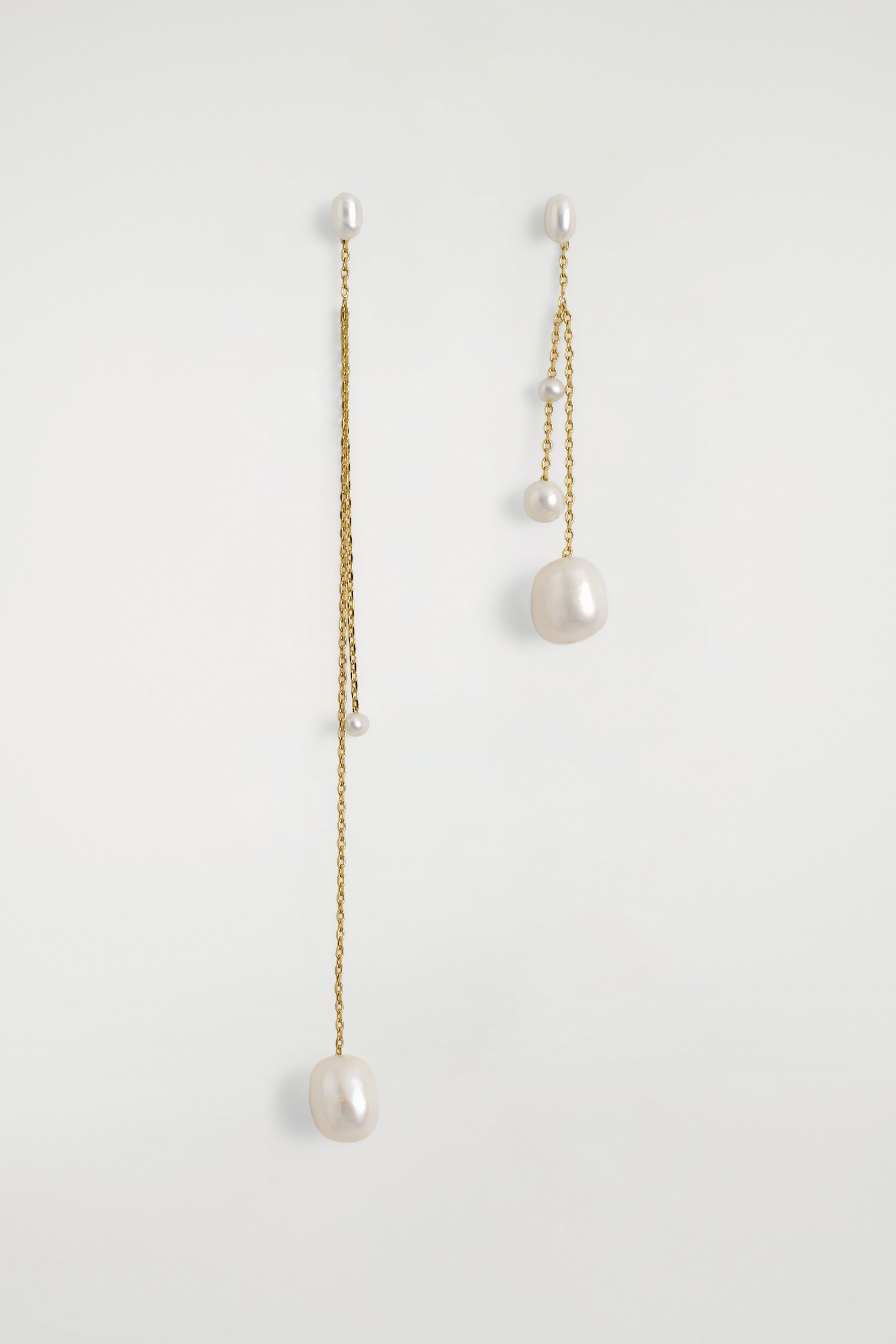
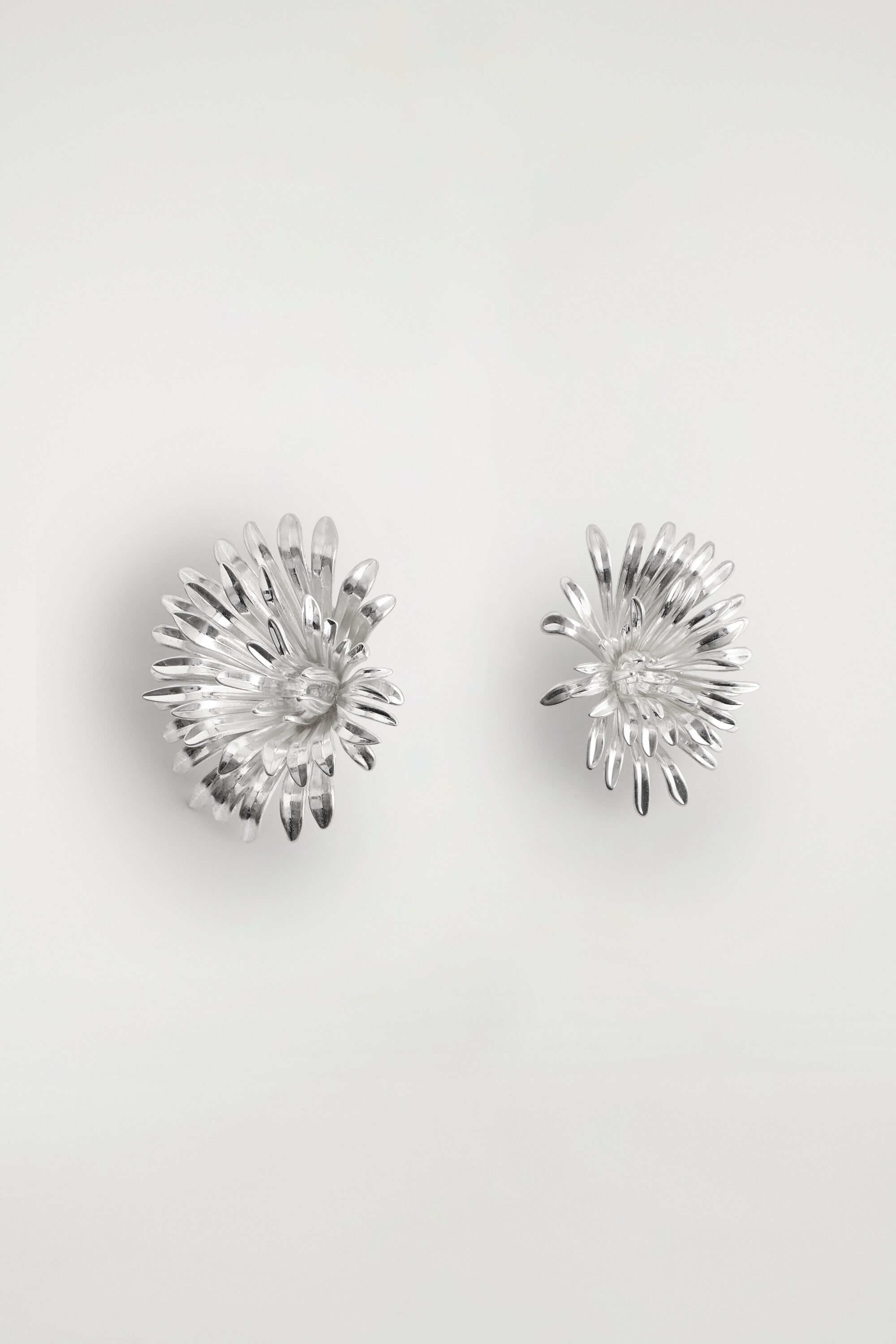
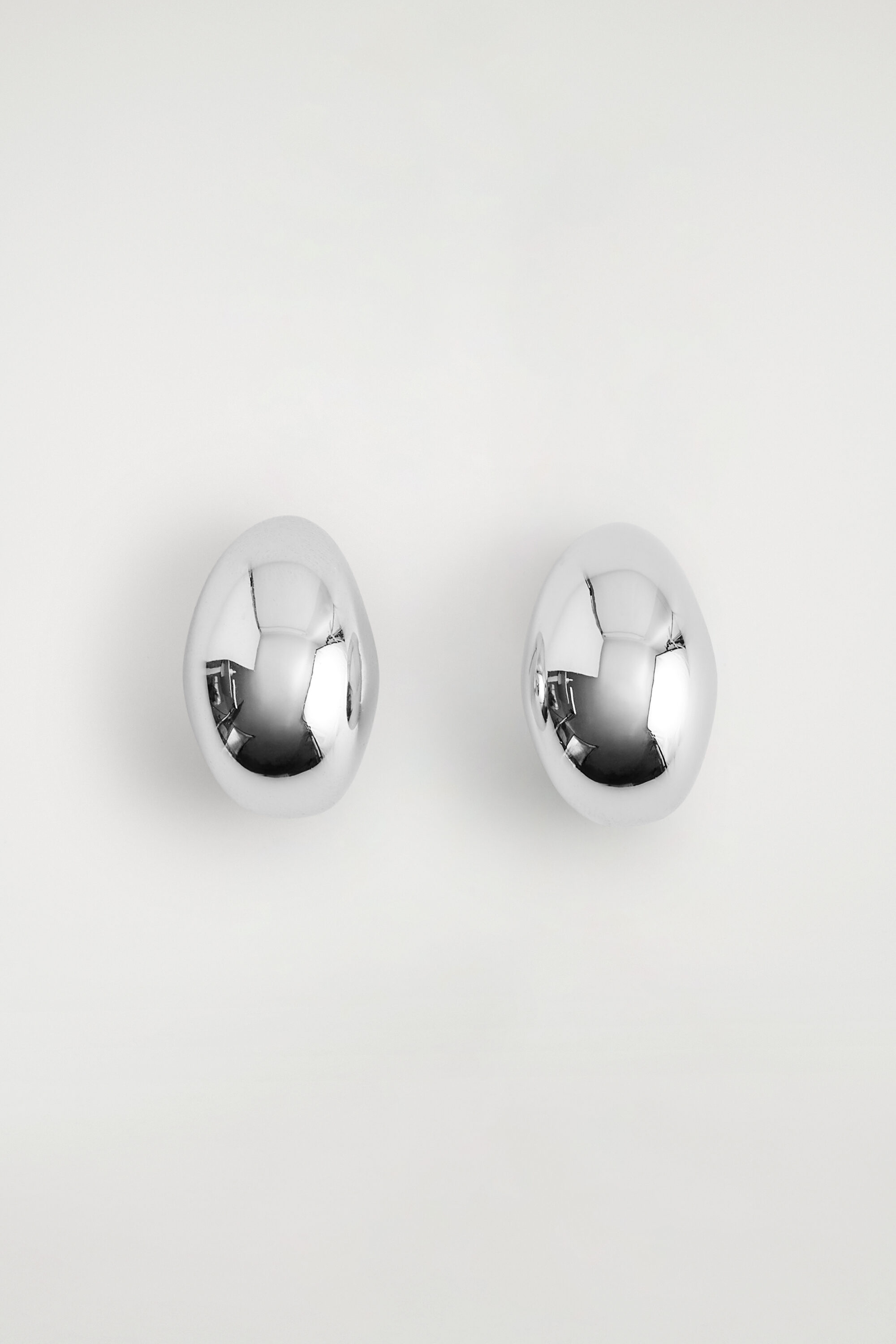
The other accessories should support the ring placement rather than distract from it. A bracelet sits close to the hand, so a broad cuff and a substantial ring may compete if they meet at the same point. The Faceted Bangle has a defined outline, which makes it useful with one central ring and more open space between the pieces. If the wrist already carries a watch, keep the opposite hand more lightly styled or choose a narrow band. Earrings change the balance higher up. A rounded hoop can echo a curved ring, while a sharper shape can introduce contrast without requiring a matching set. Necklaces have a similar role. A longer pendant leaves the fingers visually independent, while a close necklace can make the whole accessory arrangement feel denser. Think about the clothing underneath too. Long sleeves may hide a wrist piece, but a ring remains visible whenever the hands are in motion. In a simple outfit, an unusual ring can provide enough detail on its own. The wider edit runs from $45 to $99, so a considered combination does not require every accessory to be the same price or finish.
Our honest take
There is no single correct finger for a ring. The best position is the one that feels secure, leaves your joints free, and suits the amount of attention you want the piece to receive. We would begin with one ring on the index, middle, or ring finger, then test it through an ordinary day before adding a stack or a bracelet. The COS selection stays between $45 and $99, so experimenting with scale is manageable. If you take one thing away, let comfort decide the finger and proportion decide what joins it.