For a sweater over a shirt collar, start with a fine knit that can sit smoothly at the neck and shoulders.
Which Knit Goes Over A Shirt
A Practical Layering Method
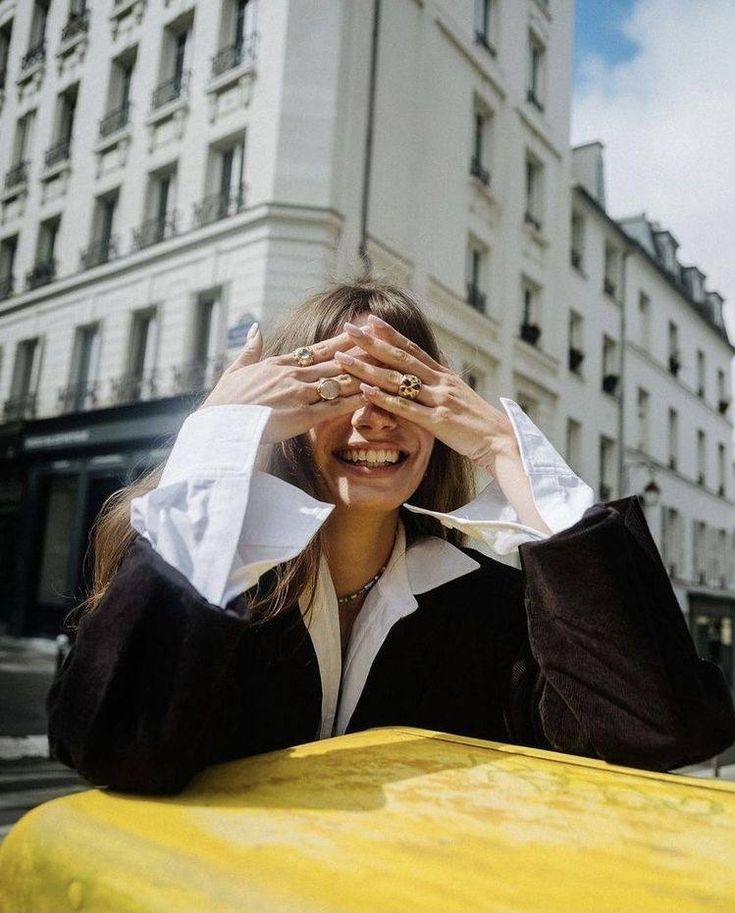
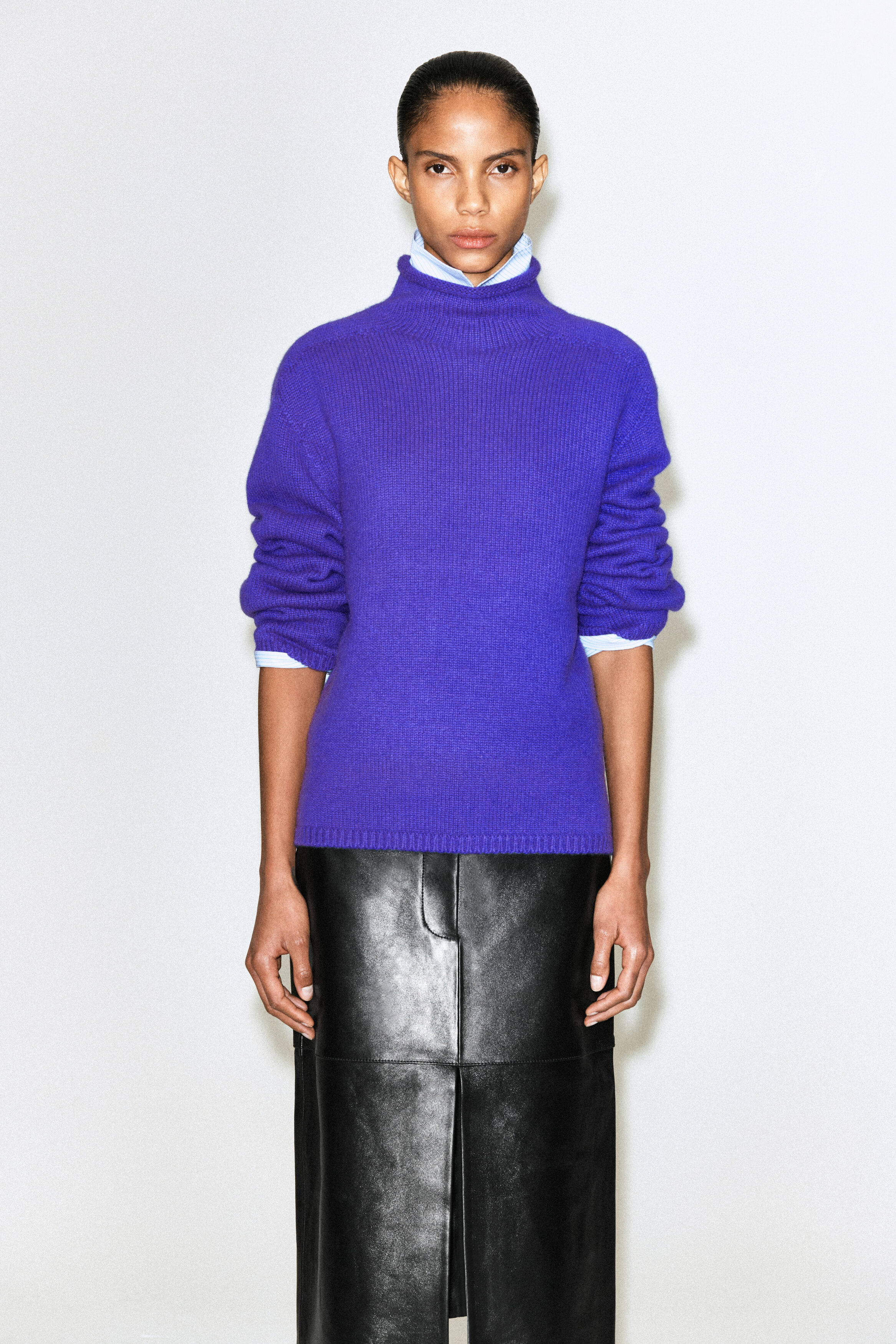
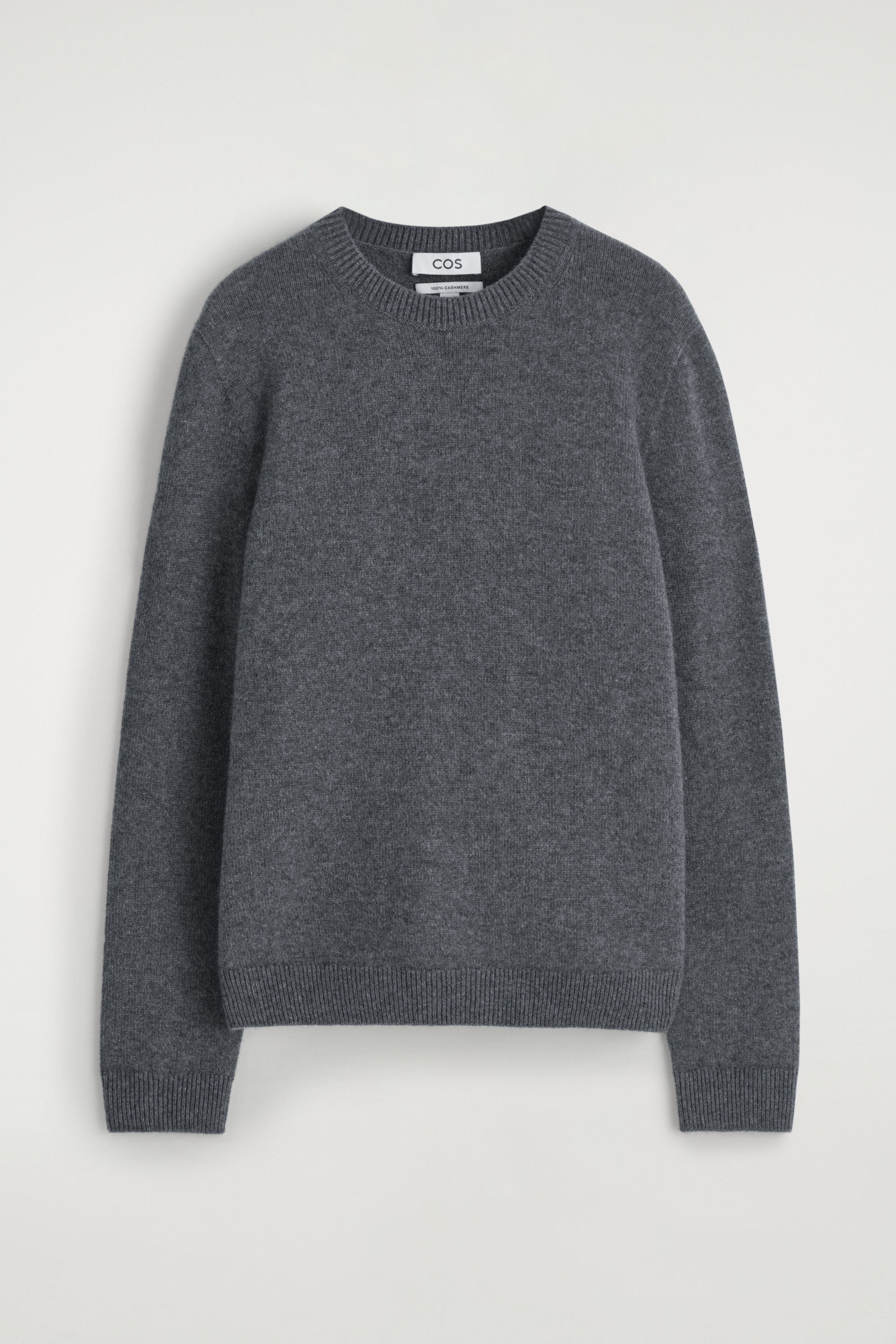
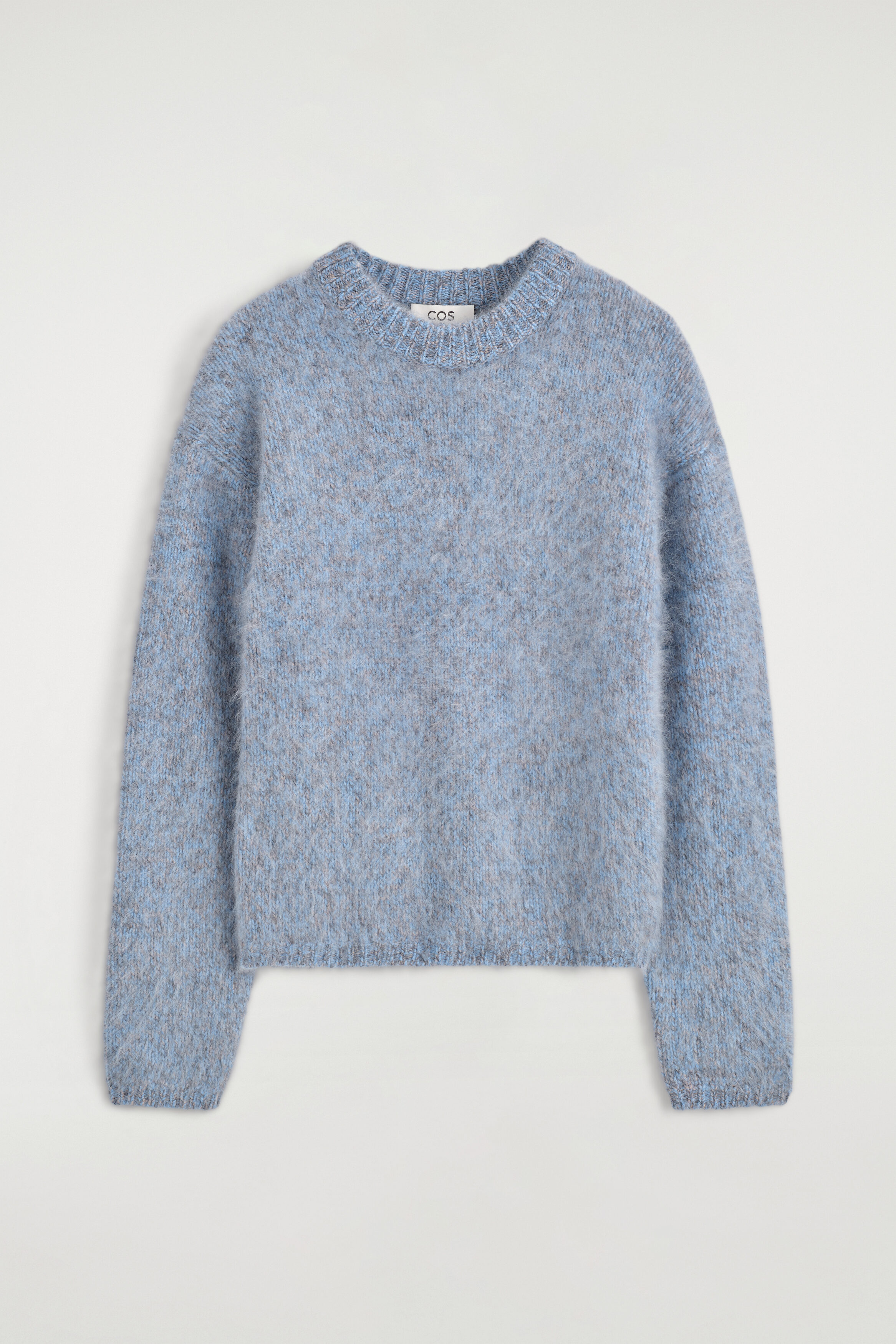
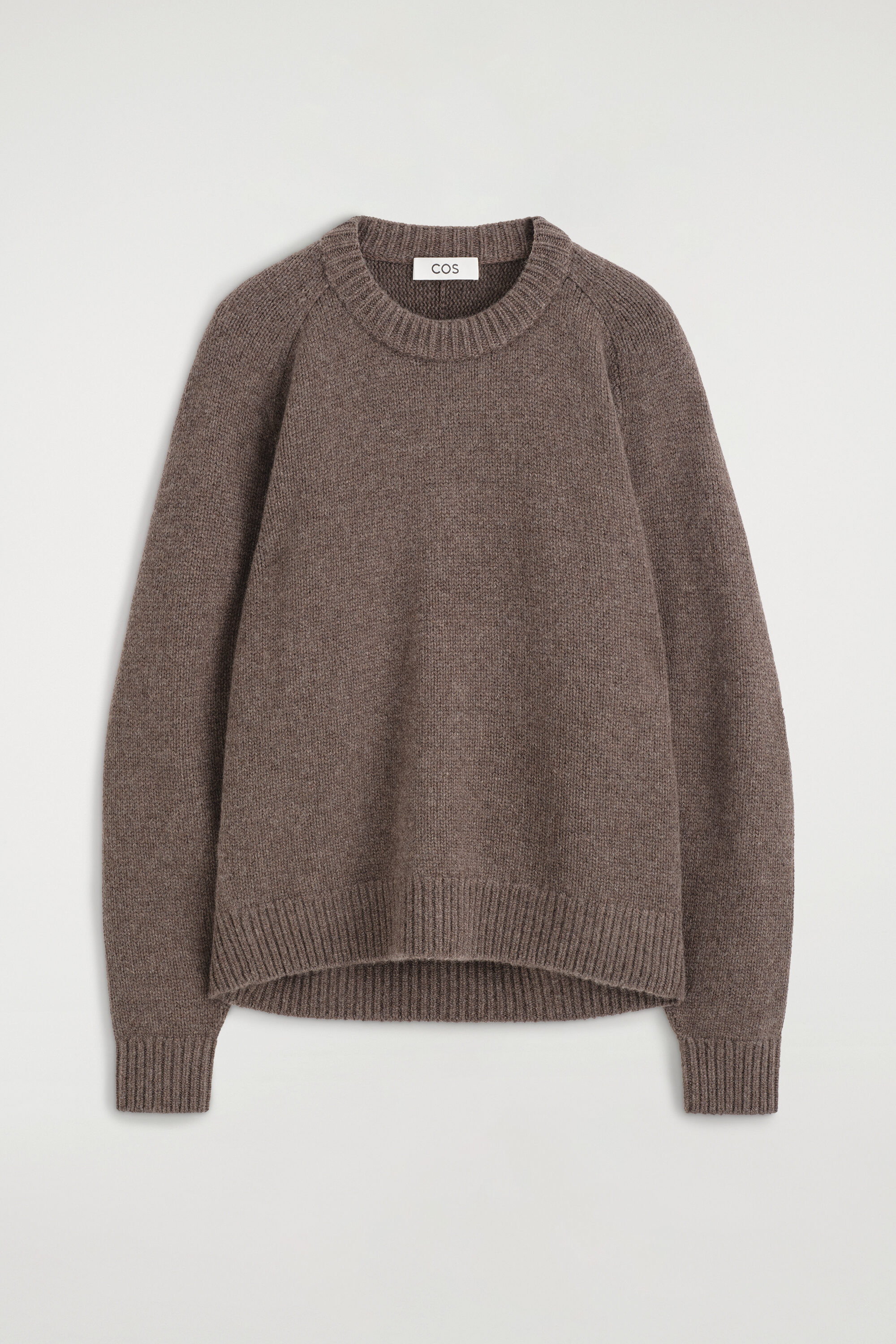
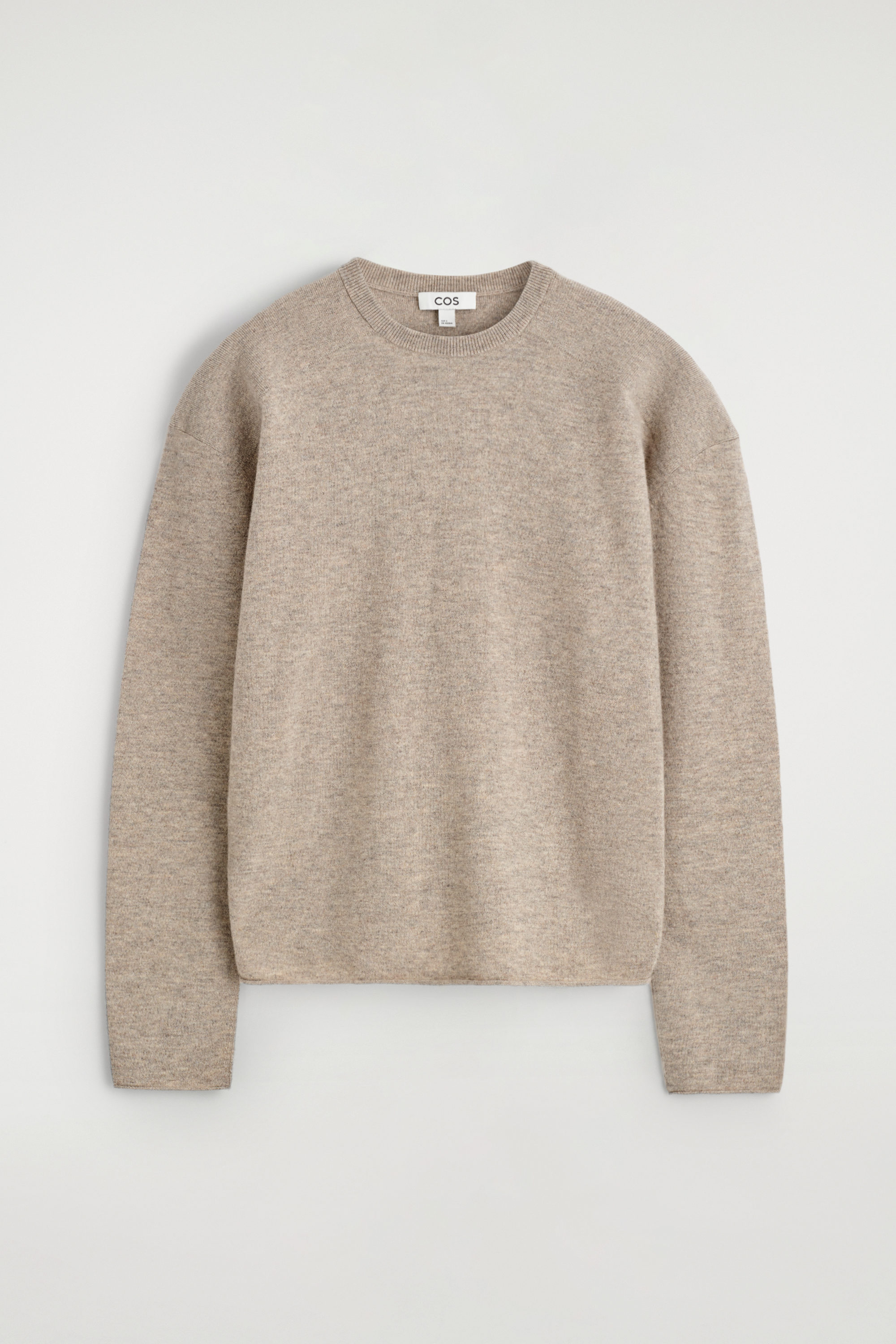
For a sweater over a shirt collar, start with a fine knit that can sit smoothly at the neck and shoulders. Cashmere is warm for its weight, so it can provide comfort without requiring a bulky layer. The Cashmere Crew-neck Sweater is a straightforward place to begin: choose a shirt with a collar that is neat enough to lie under the neckline, then leave the top button open or closed according to the shape you want to show.
The order matters. Put on the shirt first, smooth the collar and shoulder seams, then pull the sweater over it without dragging the collar out of place. A close crew neck gives a small, defined collar point, while a mock neck covers more of the shirt and creates a higher line. The Cashmere Mock-neck Sweater changes the balance by keeping the neckline more contained. The price range across this edit is $99 to $399. Consider the shirt fabric too: a crisp cotton collar needs more room than a fine, soft one, and a bulky shirt can make even a good knit feel crowded.
Match The Knit To The Collar
The shirt collar should relate to the sweater neckline rather than fight it. A classic point collar can sit under a crew neck when the knit is fine and the collar is pressed into a clear shape. A softer collar works with a round neck when you want less definition. A V-neck reveals more of the shirt front and can accommodate a longer collar point, but it also exposes more of the layer underneath.
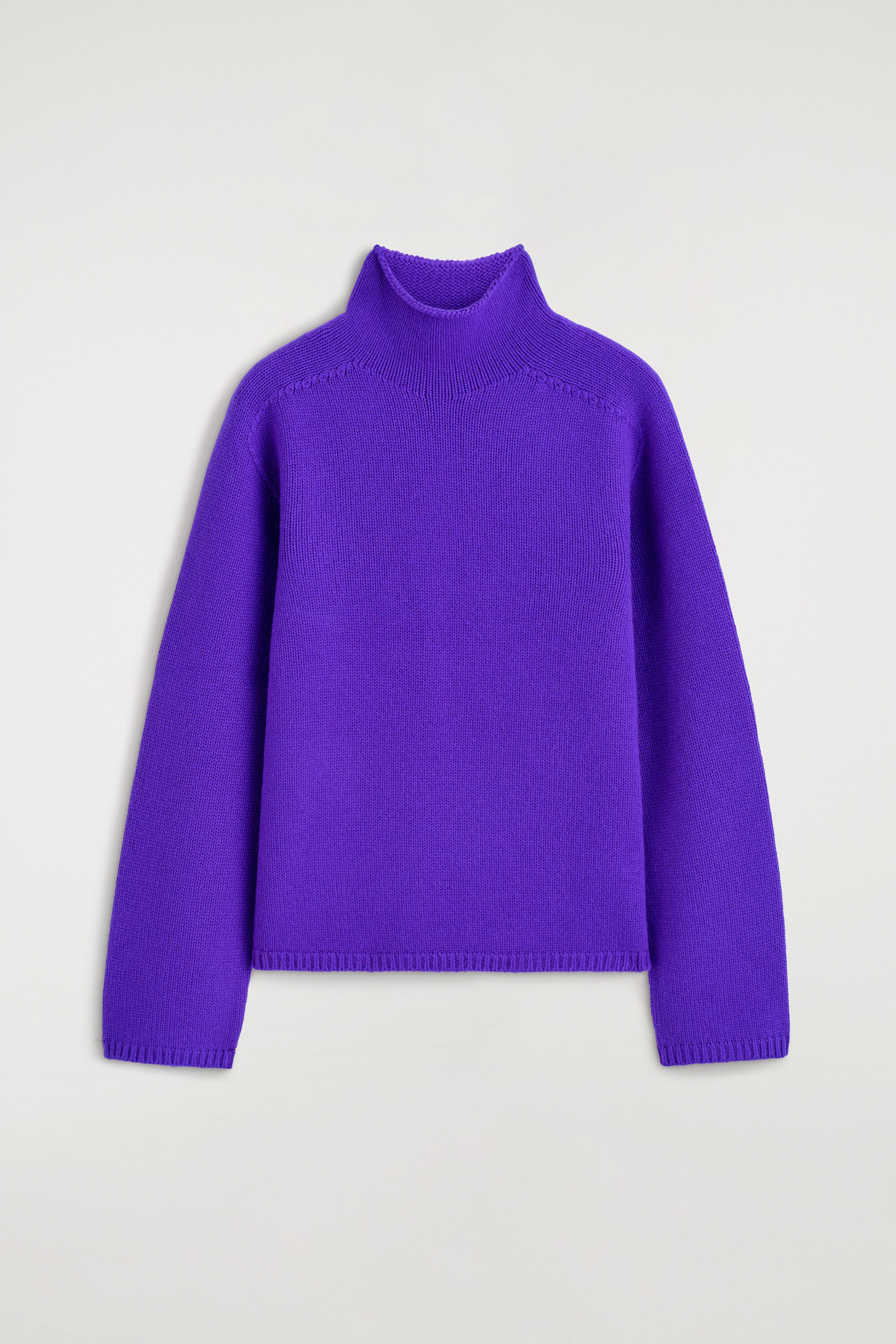
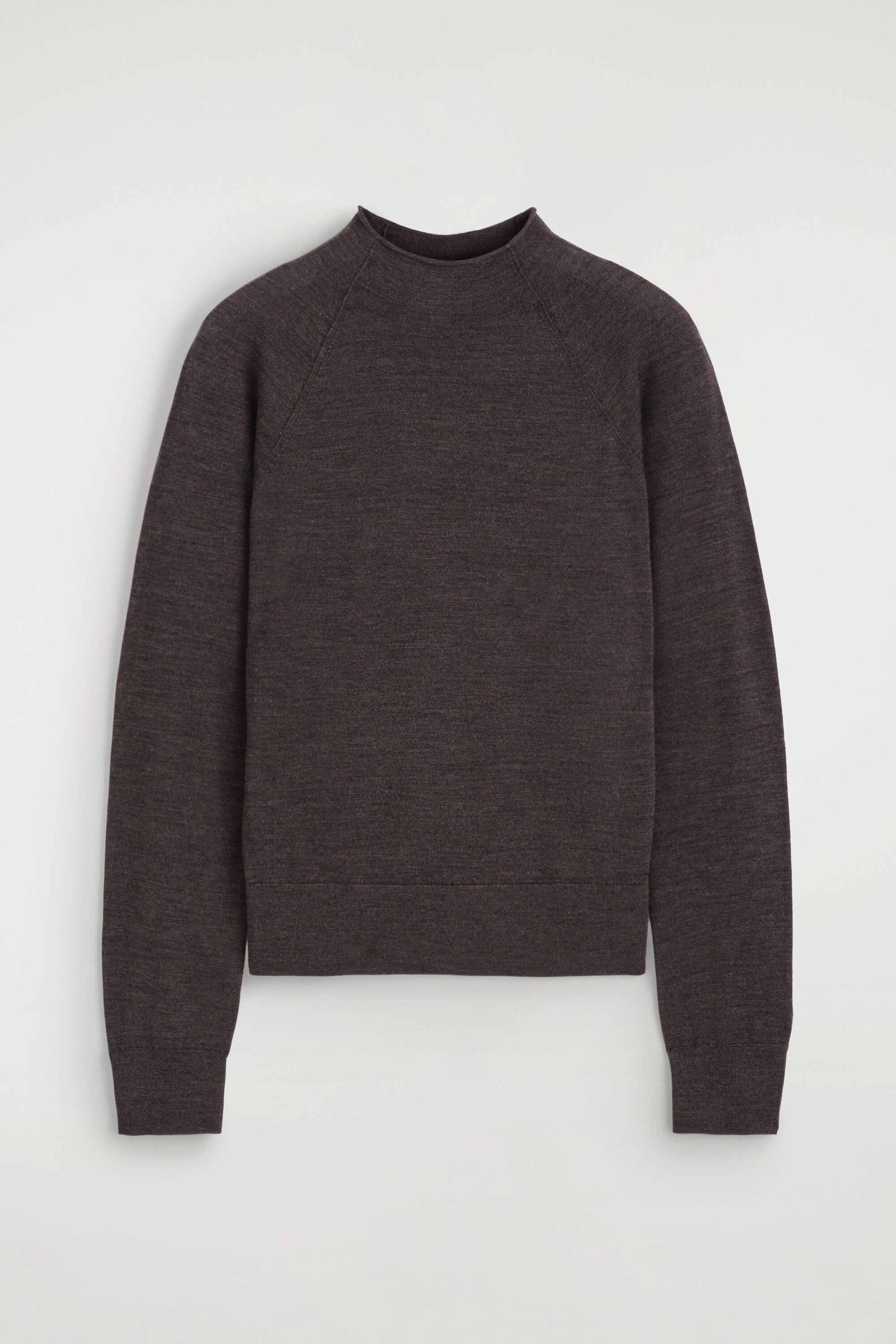
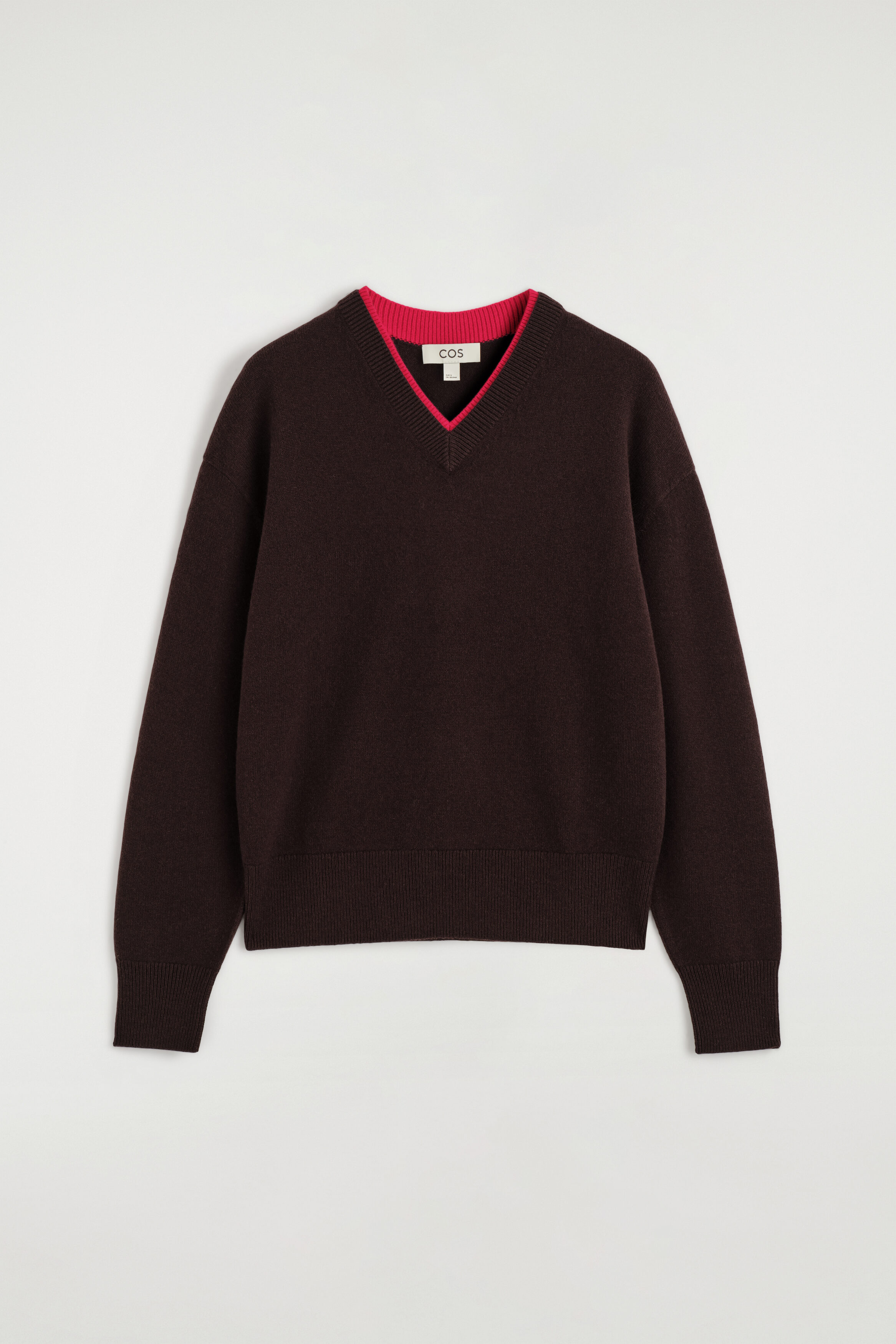
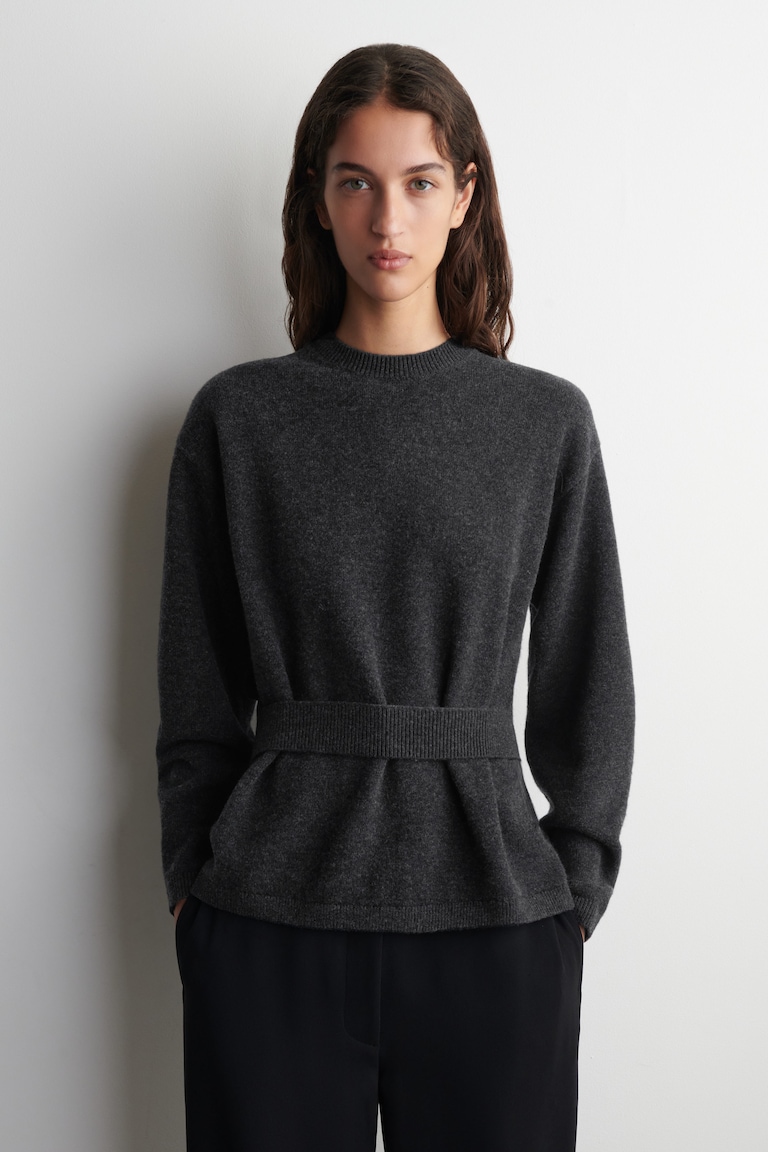
Merino is finer and thinner than most lambswool, which helps it sit flatter over a shirt. That makes it useful when the shirt is part of the outfit rather than merely an underlayer. The Merino Wool Layered V-neck Sweater gives the collar more visible space, while a funnel-neck merino style creates a higher neckline with no lapels. Keep the shirt hem tucked if the sweater is neat and close, or let a little length show beneath a roomier shape. Check the sleeve cuffs as well. A clean cuff at the wrist makes the layers look deliberate and prevents the outfit from becoming a stack of competing edges.
Open Layers Keep It Flexible
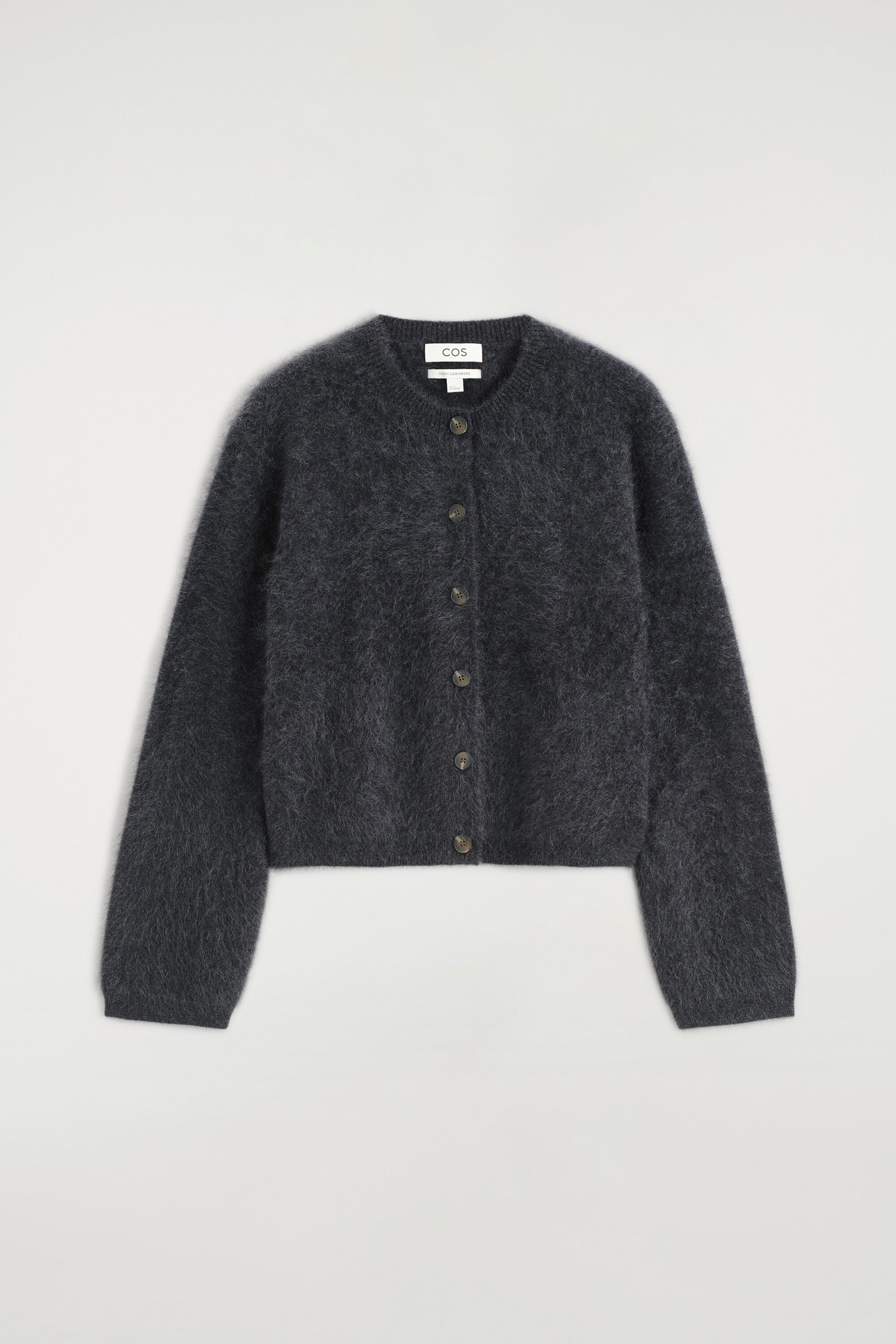
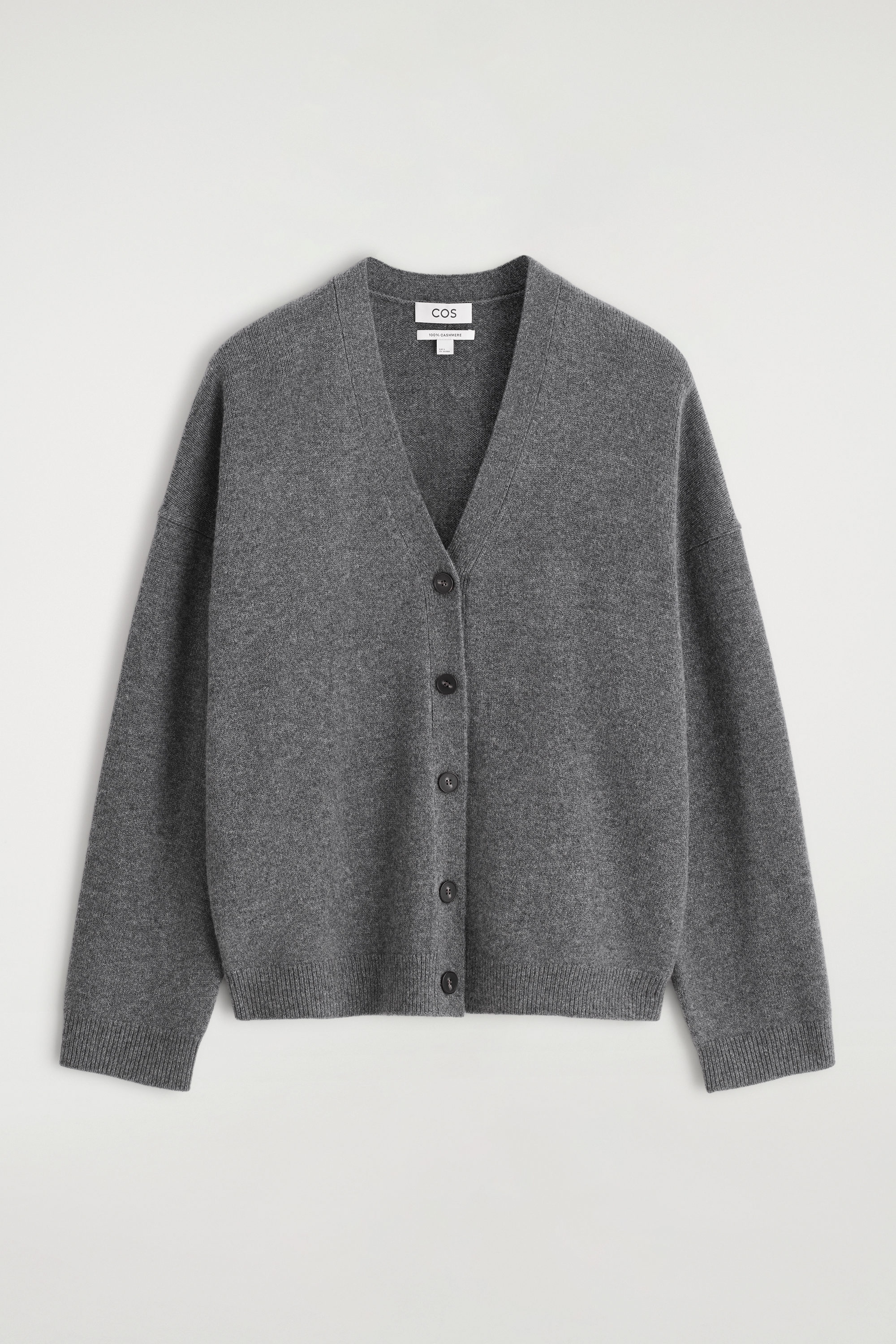
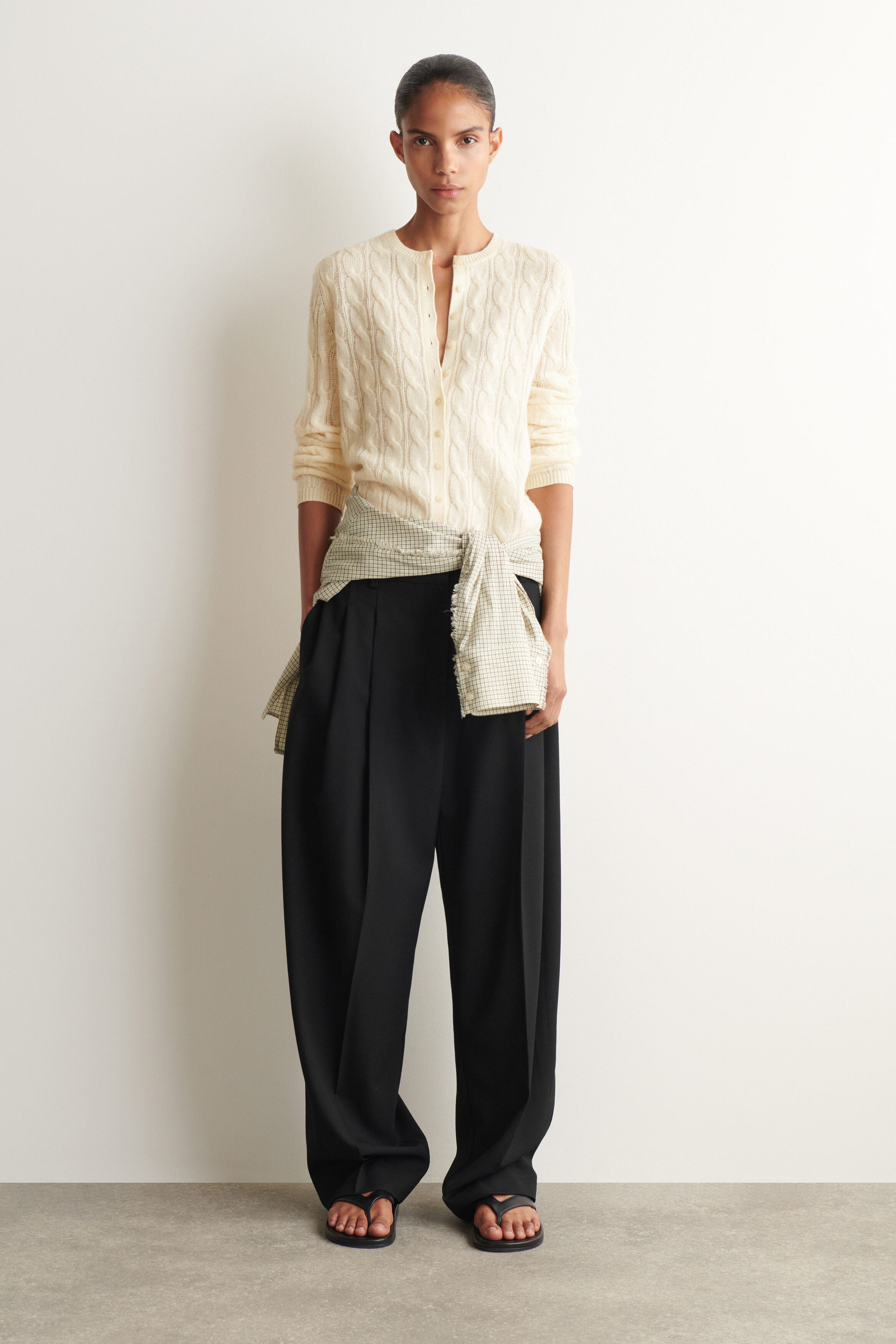
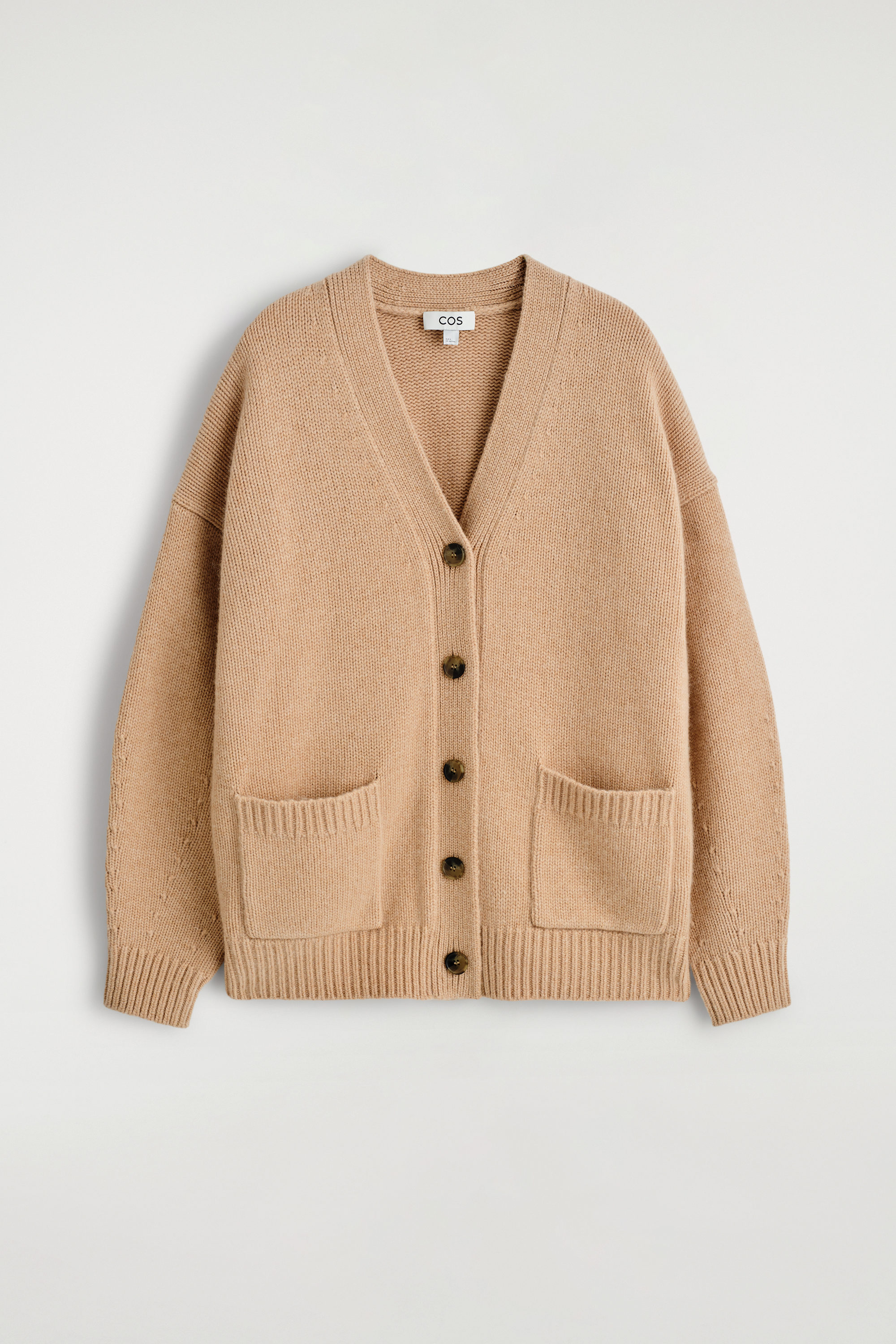
A cardigan gives more control than a pullover because the shirt collar stays visible and the front can be adjusted during the day. Wear the cardigan open to show the placket, buttons, and collar, or close one or two buttons when you want more warmth. A crew-neck cardigan keeps the look compact, while a V-neck cardigan naturally frames the shirt beneath it. The Brushed-cashmere Crew-neck Cardigan adds a soft surface, and a cashmere V-neck cardigan leaves more room around the neckline.
Proportion still matters. A close shirt works under a roomier cardigan, while a fuller shirt needs a cardigan with enough ease through the armhole and body. Let one layer provide shape and the other provide softness. If the knit is textured, keep the shirt smooth. If the shirt has a strong stripe or colour, choose a calmer sweater so the collar remains the point of interest. Care gently and follow the garment instructions, especially for cashmere. The goal is a comfortable sequence of layers that can be worn separately, not a combination that only works when perfectly arranged.
Our honest take
In practice, we find the best sweater and shirt combinations depend on space. A fine knit, a tidy collar, and sleeves that do not bunch will make the outfit feel comfortable before any colour decision is made. Cashmere works well when warmth matters without much weight, while merino is useful when the layer needs to stay thin. Cardigans are the most forgiving option because the neckline and front can be adjusted as you wear them. Start with one shirt you already like and test several necklines over it. If you take one thing away, choose a knit with enough room for the collar and enough fineness to let the shirt remain visible.
Shop brands in this edit
Next read
Secondhand Louis Vuitton Damier Ebene Or Damier Azur
Damier Ebene and Damier Azur are the same coated canvas in two colourways, and the secondhand market treats them as two different products.
Read Editorial
Secondhand Silk My Favs
My sixteen selects of scarves below are all ninety centimetre squares, split into two price bands