Who owns Gucci has a simple answer: Kering is the parent, while the Gucci House makes its bags and shoes. Here is the family story and where I would start.
Who Owns Gucci: The Family, the House and Kering
Who owns Gucci today
Who owns Gucci is easiest to answer in two parts: Kering is the parent company, while Gucci remains the House making the bags and clothes. Kering's 2025 filing lists Guccio Gucci S.p.A. as 100 percent consolidated, and Kering shares trade on Euronext Paris. At year-end 2025, Artémis, the Pinault family's holding company, owned 42.3 percent of Kering's share capital. That is the ownership answer, not a different label on a bag. Kering places the House in its fashion and leather-goods business.
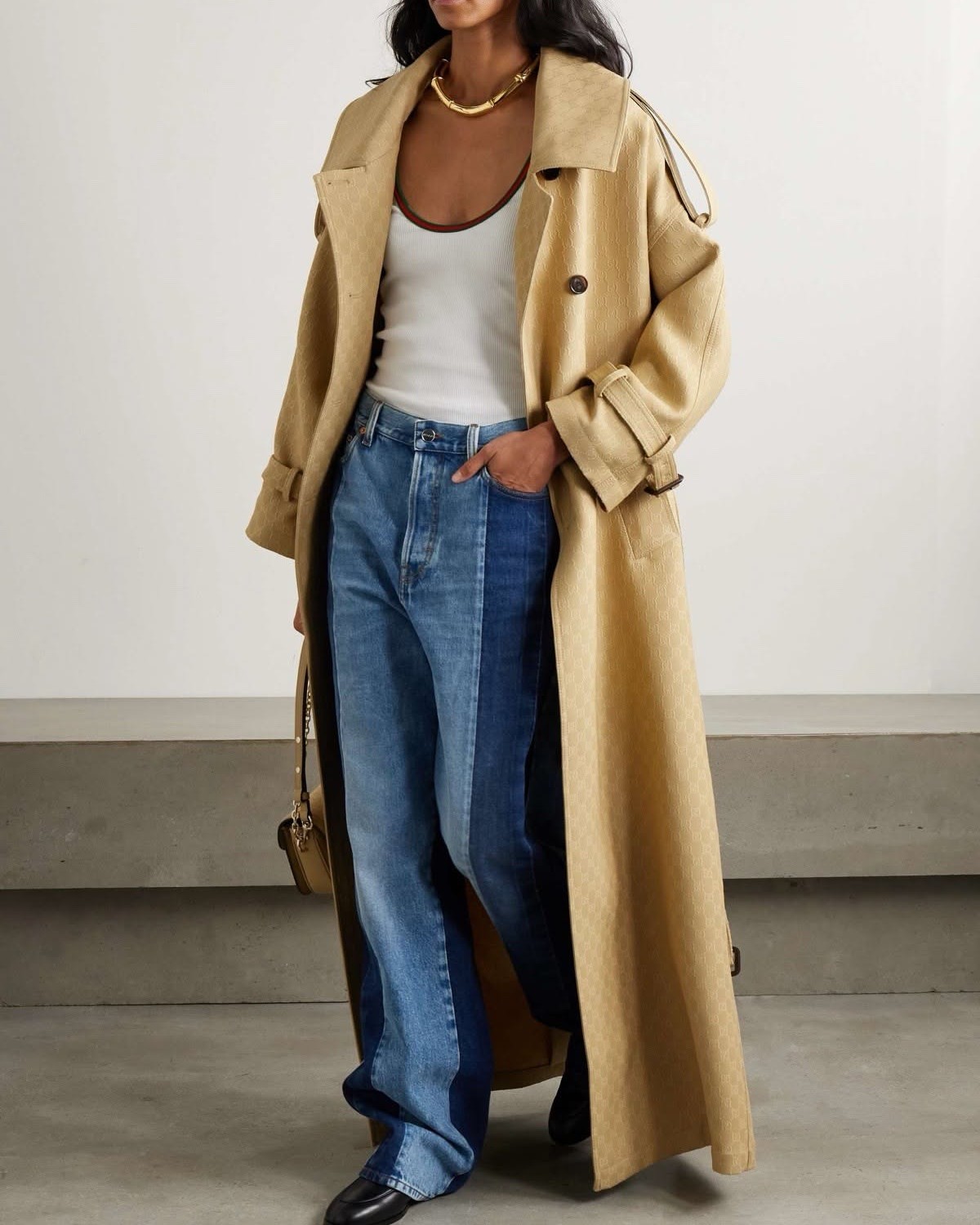
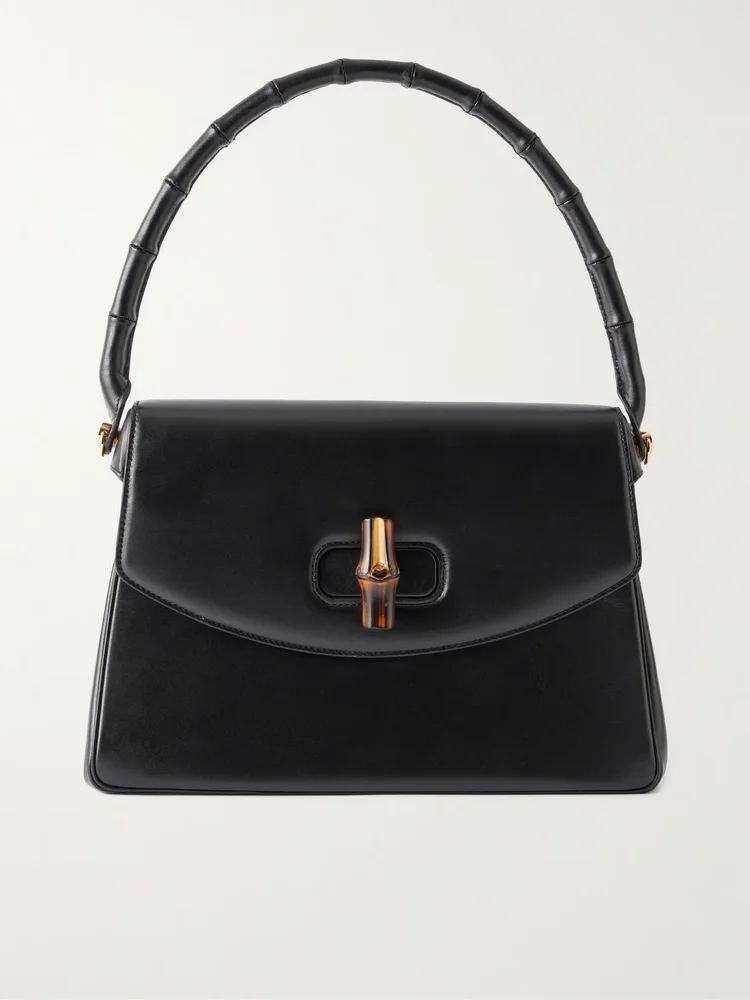
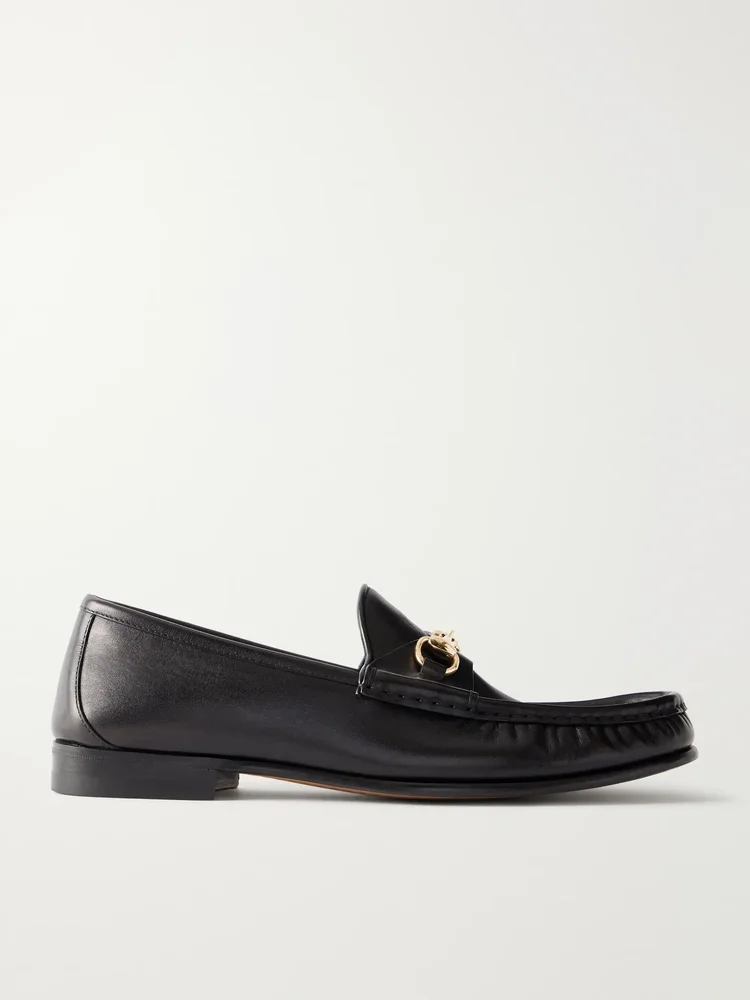
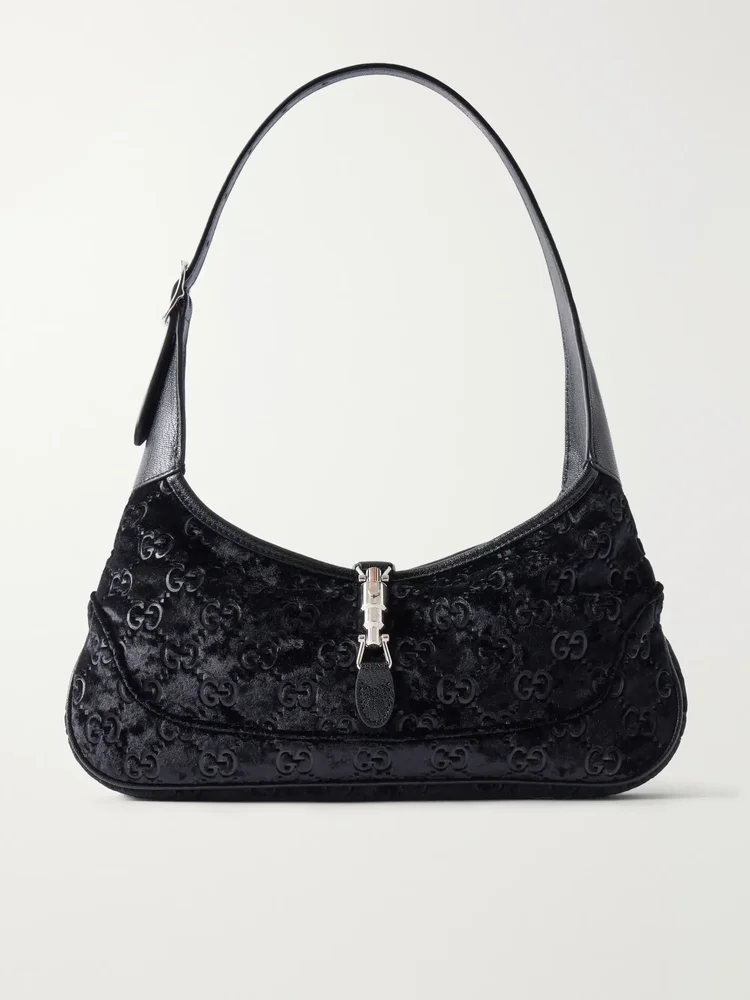
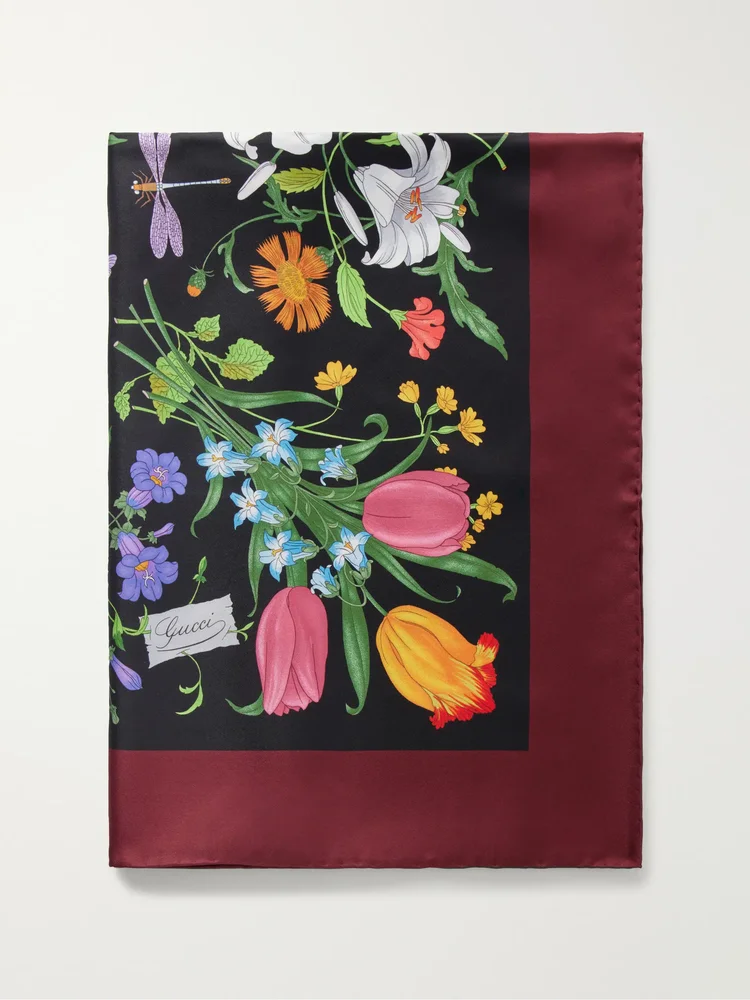
I look at those corporate details and then go back to the things I would actually wear. The Bamboo Vendetta's top handle and flap clasp make the luggage reference legible without needing a monogram; the Horsebit 1953 loafers carry the hardware onto a shoe; the Jackie 1961 is the softer velvet shoulder bag; the Flora scarf lets print do the work. If you are asking who owns Gucci because you want to know where the design comes from, the useful distinction is parent versus House. My test: choose the piece whose shape you would still use if its hardware were covered.
Gucci bags, from travel roots to now
Guccio Gucci's story starts with luggage, not a runway. After working as a porter at London's Savoy, he returned to Florence with a plan for travel goods; in 1921 he opened his first shop on Via della Vigna Nuova. Gucci's mix of Tuscan materials and English elegance is more tangible than a logo, and it explains why I look at the bags first when I think about who owns Gucci and what the House makes.
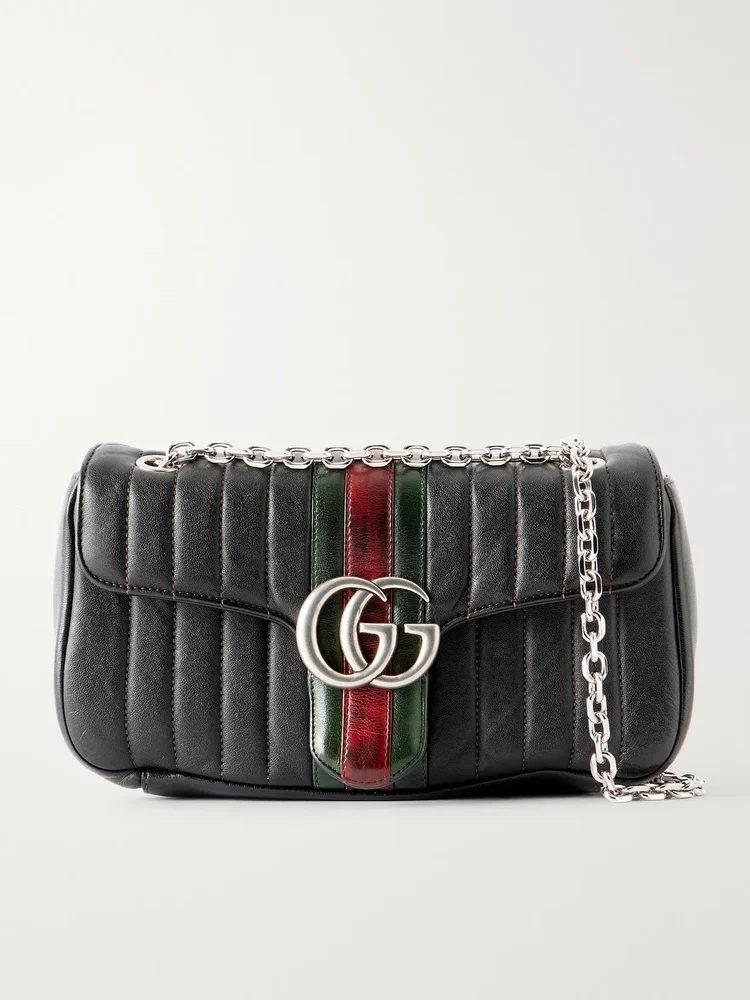
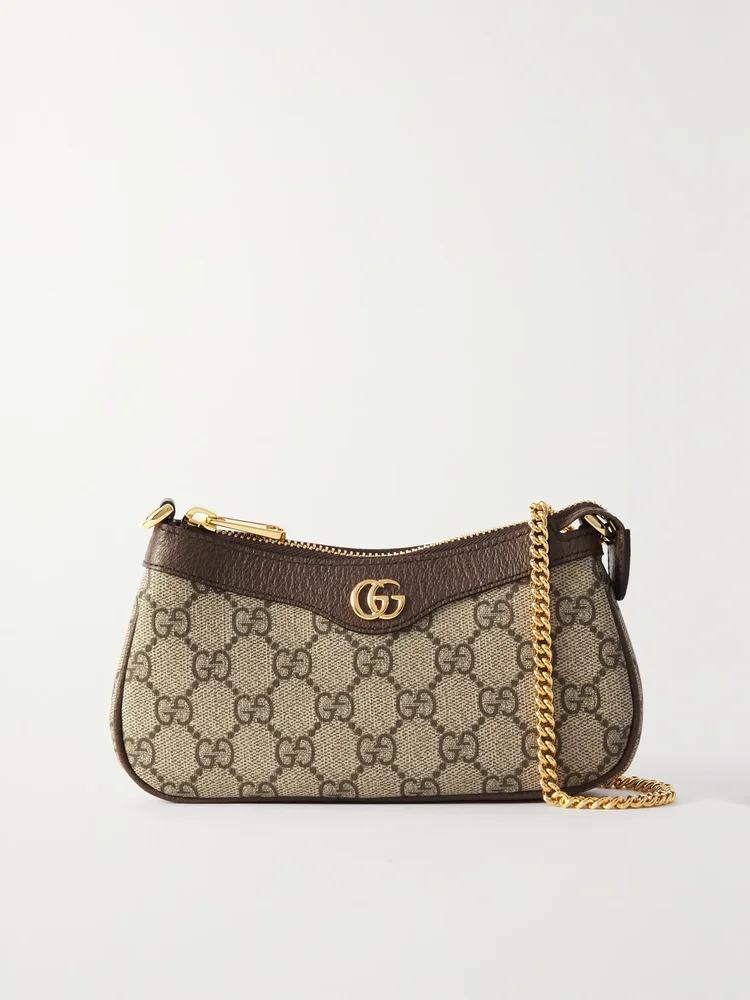
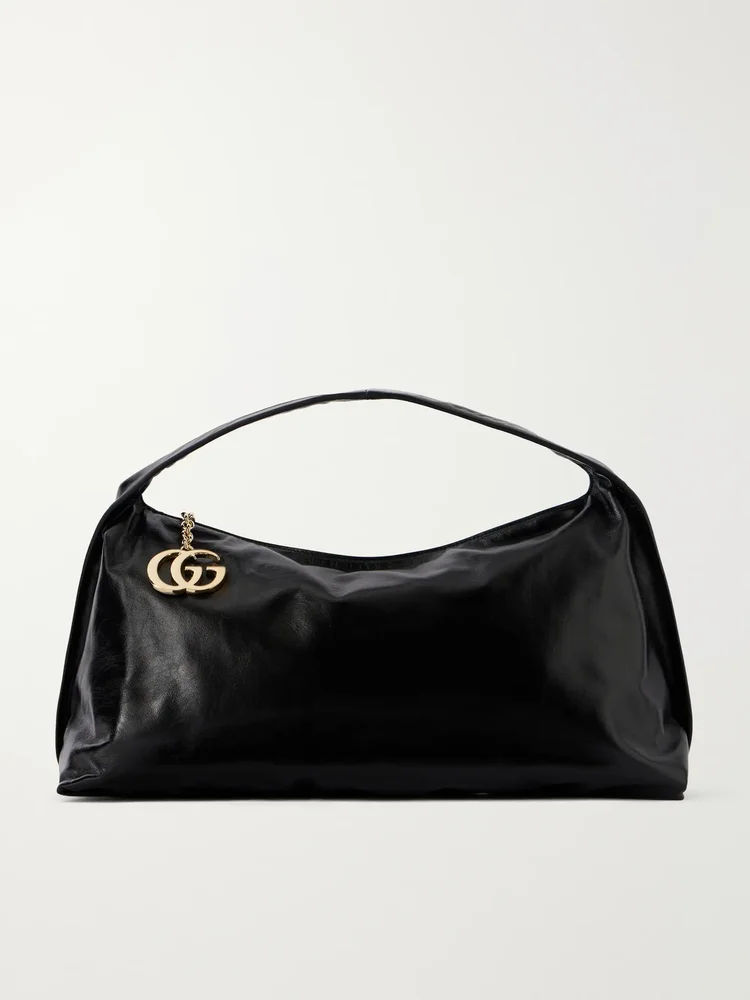
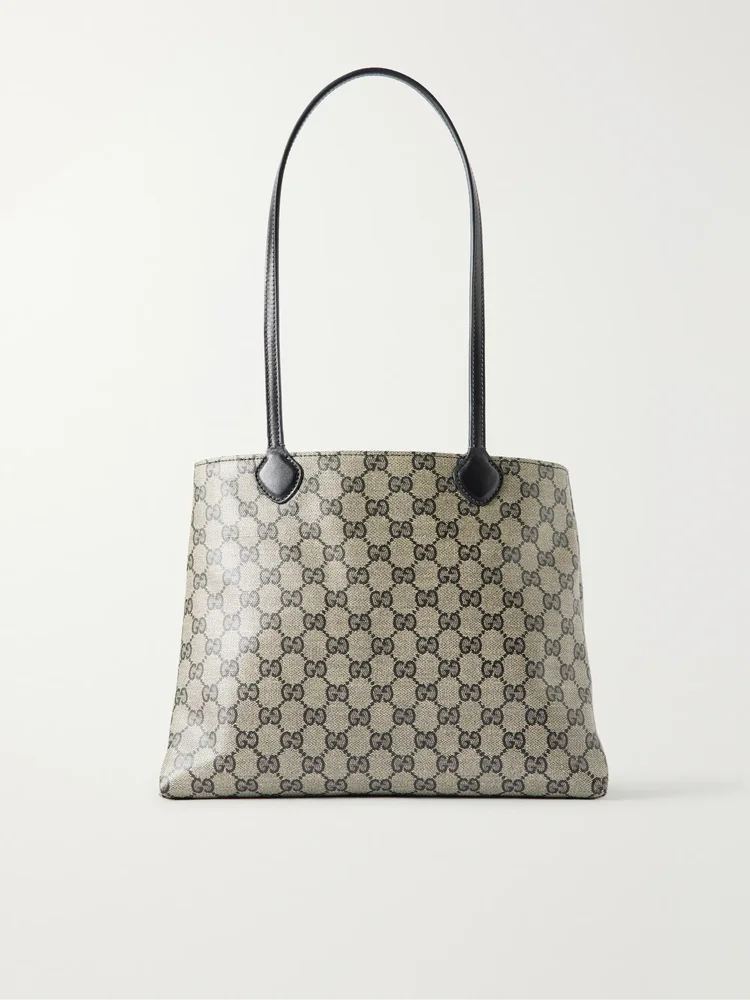
The Jetset GG Marmont pairs quilted leather with web trim. The Ophidia mini combines printed coated canvas and leather trim, while the Infinity is a straightforward leather shoulder bag. The Gucci NY tote uses coated canvas-jacquard with leather trim. I would take the tote for a long day when a notebook has to come along and keep the mini for the essentials. These are different readings of a house that began with travel goods, not interchangeable logo options. Before choosing, check the strap against your winter coat; a bag that slips off a thick shoulder is an irritating piece of history.
How Gucci ownership changed
The answer to who owns Gucci changed several times before Kering. Investcorp bought half of the company from the family between 1987 and 1989, then bought Maurizio Gucci's remaining half in 1993. It floated Gucci on the New York and Amsterdam exchanges in 1995 and sold its remaining stake in 1996. LVMH built a 34 percent holding in early 1999; later that year, Gucci allied with PPR, now called Kering, and PPR reached 99.4 percent in a 2004 tender offer. A 2001 settlement with LVMH helped clear the way, and PPR became Kering in 2013.
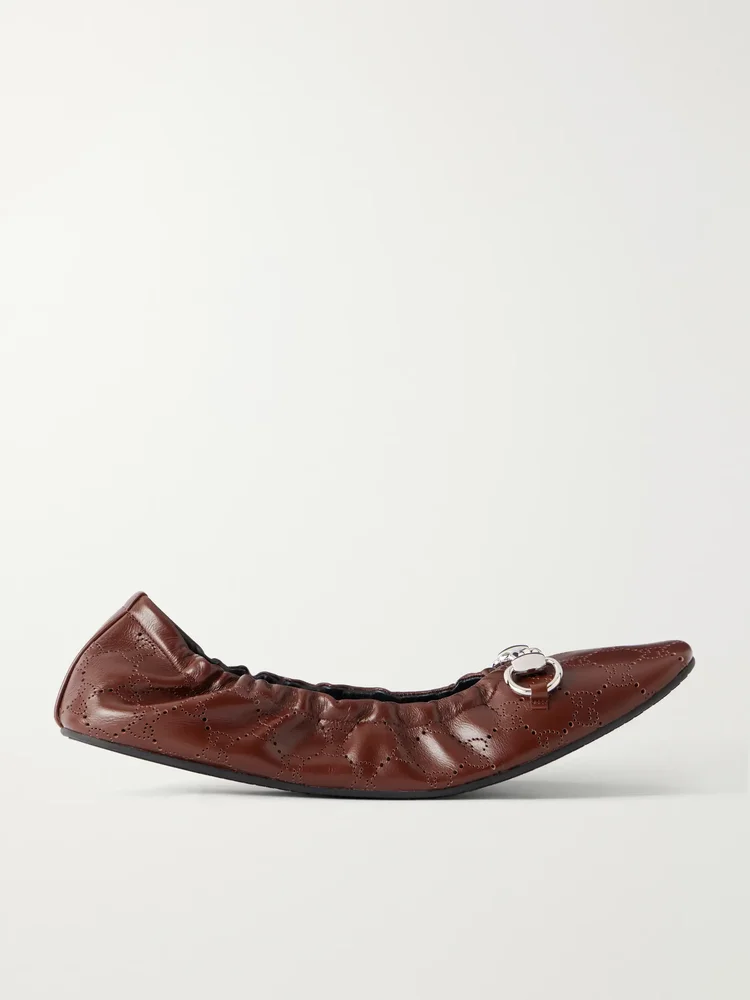
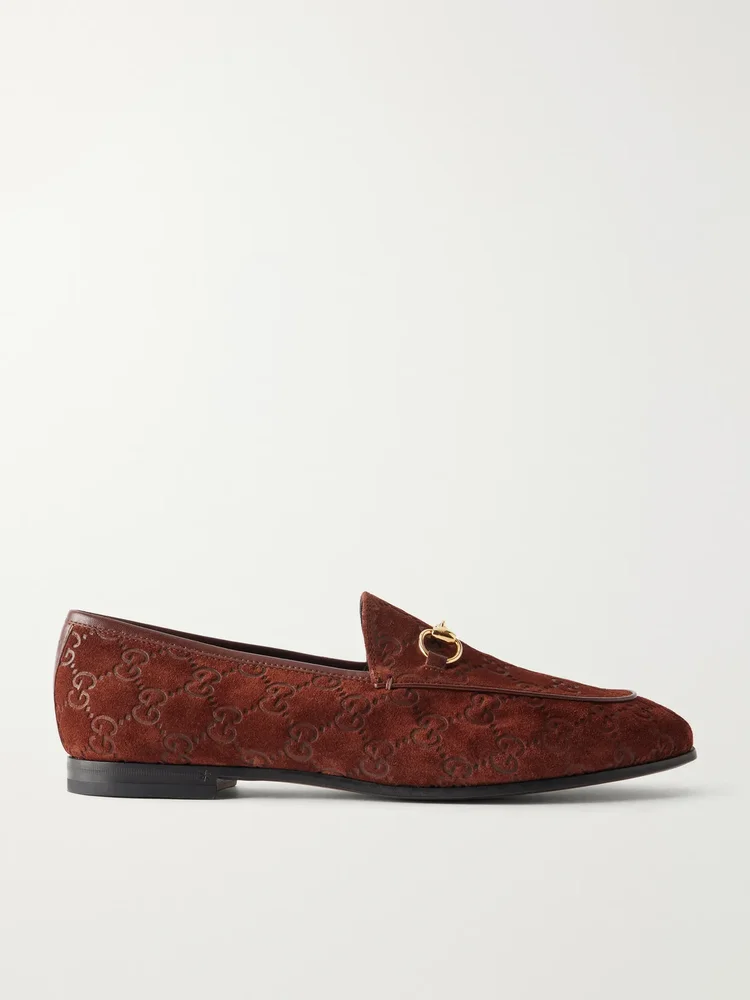
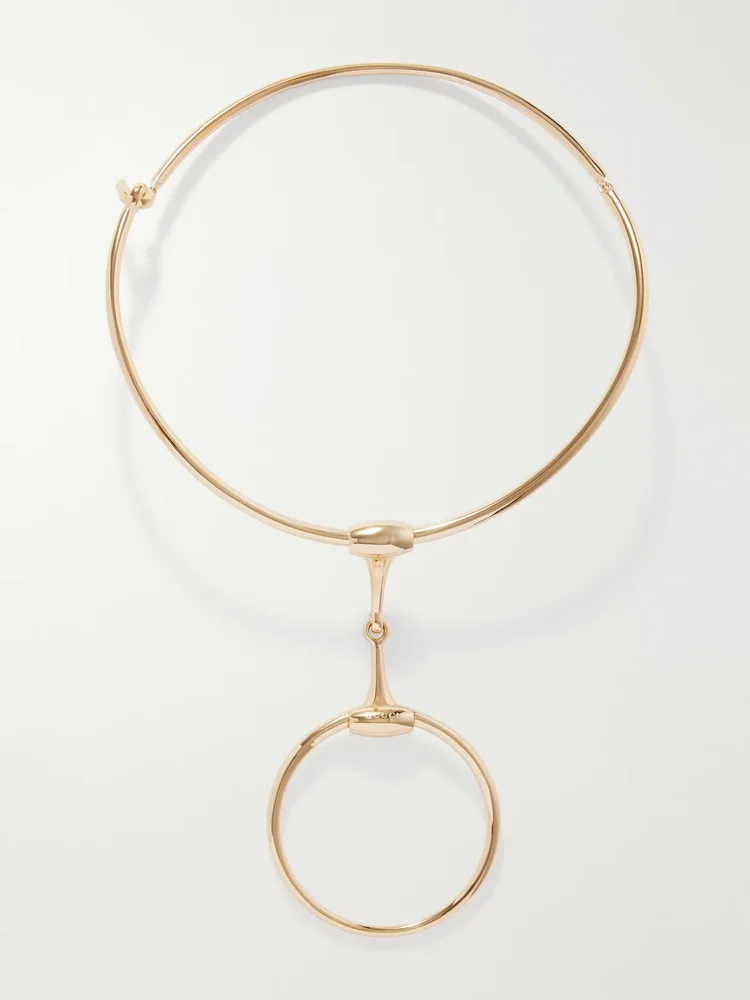
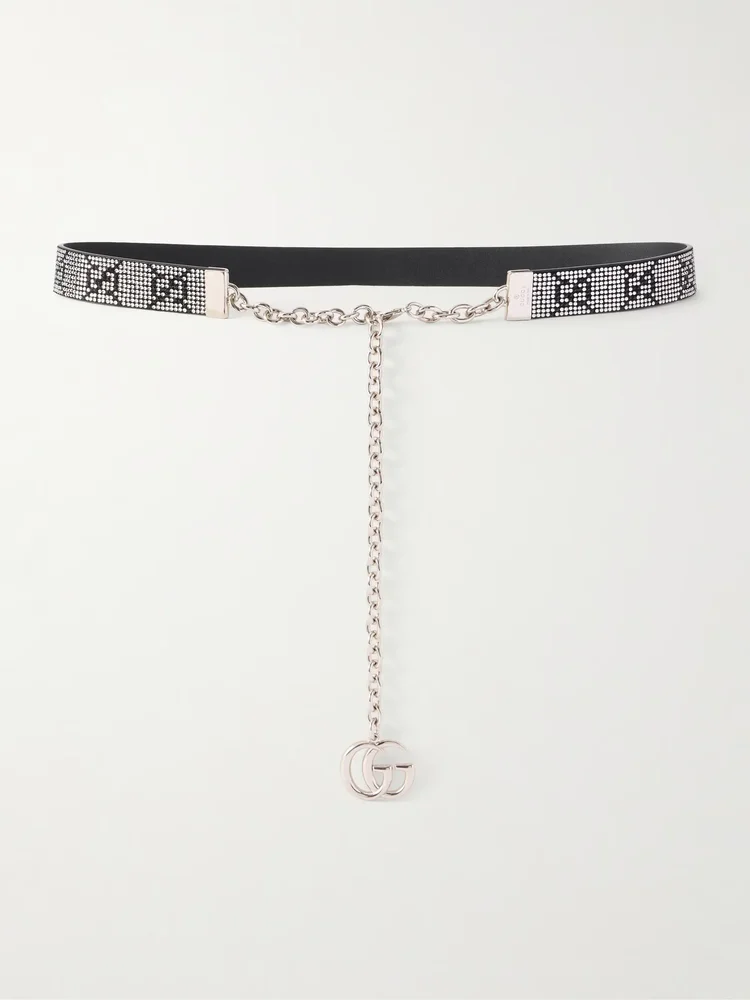
I would not treat those share deals as the design story. The creative turning point in this history is Tom Ford and Domenico De Sole's 1994 turnaround. Kering also lists Saint Laurent, Bottega Veneta, Balenciaga, McQueen and Brioni among its fashion houses. For a first Gucci shoe, I would compare the Prima Horsebit flats' softer silhouette with the Jordaan suede loafers' defined shape. The Horsebit gold-tone necklace keeps the hardware close to the face, while the GG-embellished belt makes the logo the main event. I would start with the loafers only if I already wear that shape. Check them with the socks and trousers you reach for most; it is a better test than the ownership timeline.
Gucci ownership questions I get
Which Gucci piece would I buy first?
The Jordaan suede loafers, if you already wear loafers. The defined shape and Horsebit detail make the House's point of view easy to wear without asking a bag to do all the work.
Who owns Gucci today?
Kering is the parent company; Gucci remains the House behind the label. I find the same parent-versus-brand question useful in other ownership stories, including Who Owns Vanicream.
Who founded Gucci?
Guccio Gucci opened his first shop in Florence in 1921 after working as a porter at London's Savoy. The start in travel goods is why I would consider a bag before buying a logo just for the family story.
Does a change in ownership tell me what to buy?
Not really. The creative turning point in this history was Tom Ford and Domenico De Sole's 1994 turnaround, not a new name for the parent company. For another parent-company explainer, see Who Owns Good Molecules. My actual buying test is simpler: choose a shape or detail you will use, and let the rest wait.






