Who owns New Balance: Jim Davis and his family own the privately held Boston company, which Davis took control of in 1972.
Who Owns New Balance: The Davis Family and Boston Roots
Ownership, still in Boston
Jim Davis and his family own New Balance, so the answer to who owns New Balance is the Davis family; the company is privately held. The family has an estimated 95% stake. Jim is chairman, Anne Davis is vice chair, and family ownership began when Davis took control of the business in 1972. There is no outside parent company. I like how unusually clear that answer is for a name this large. For another privately held brand story, Who Owns Vanicream is a useful contrast.
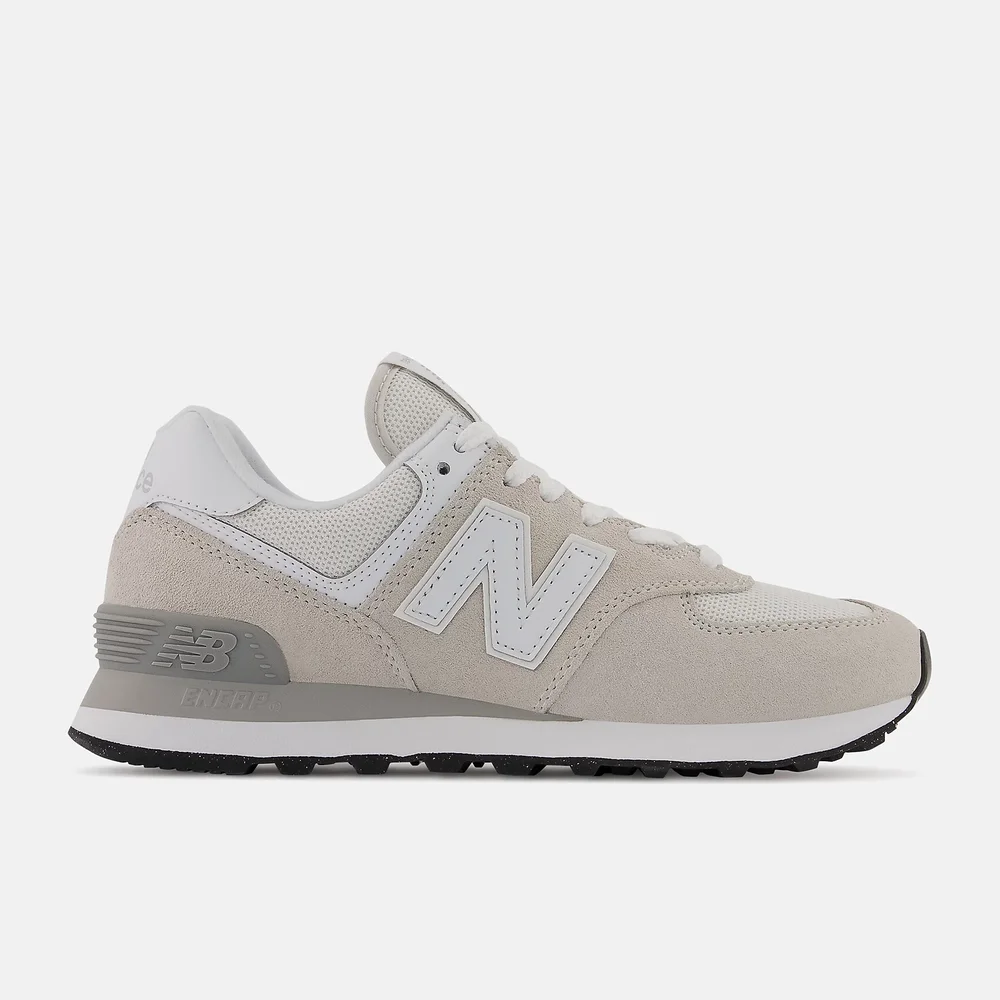
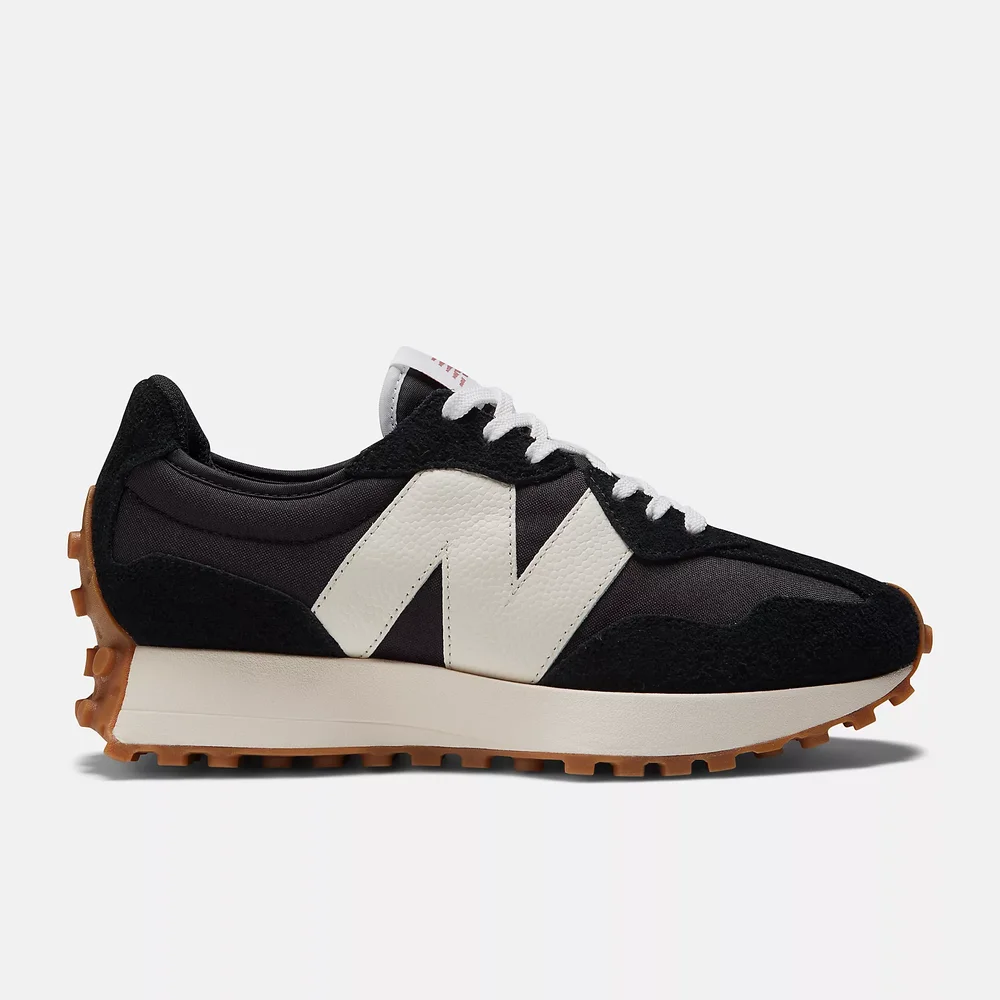
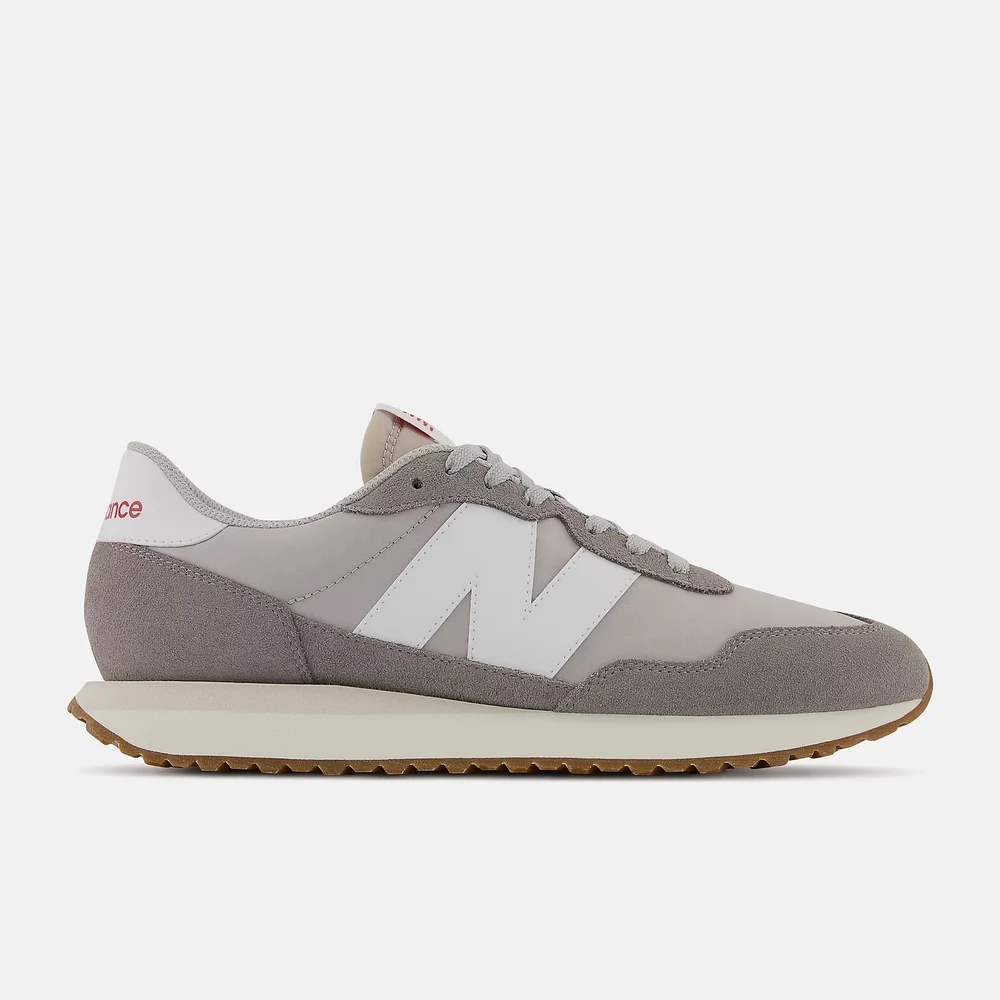
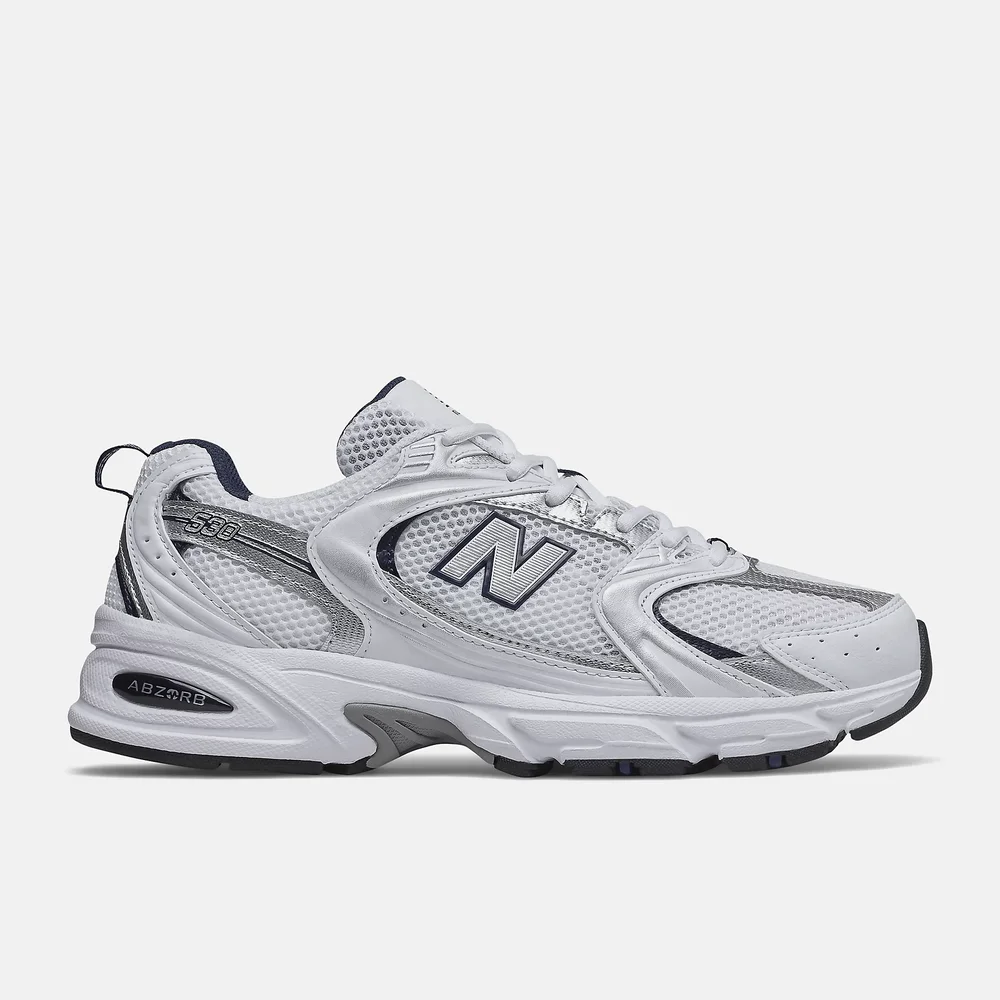
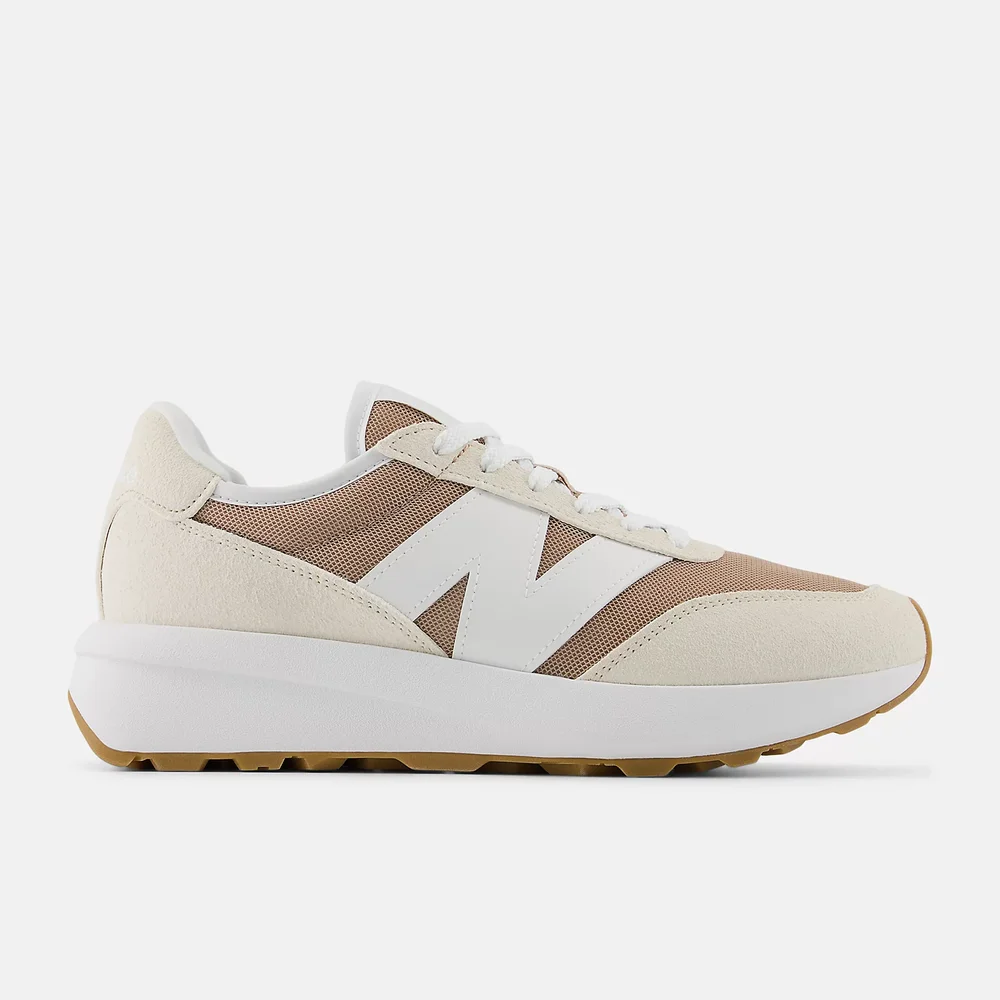
The company's Boston roots go back to William J. Riley, who founded the New Balance Arch Support Company in 1906. Its first products were arch supports modeled on a chicken's foot; running shoes came later, for a local club by 1938. For everyday wear, the 574 Core has a recycled-content upper and lightweight EVA cushioning. The 327 pairs suede and mesh with an oversized N and lugged sole; the 237v1 adds an asymmetric rubber toe wrap and ripple outsole; the 530 brings mesh and ABZORB cushioning to an early-2000s running shape. I would choose by the sole and upper first, then think about the color.
The arch-support beginning
Who owns New Balance is a family question now, but the company's early promise was support, not speed. William J. Riley started the Boston Arch Support Company in 1906 with arch supports modeled on a chicken's foot. The first running shoes for a local club arrived by 1938, which is a practical origin story for a label now known for both daily and performance footwear.
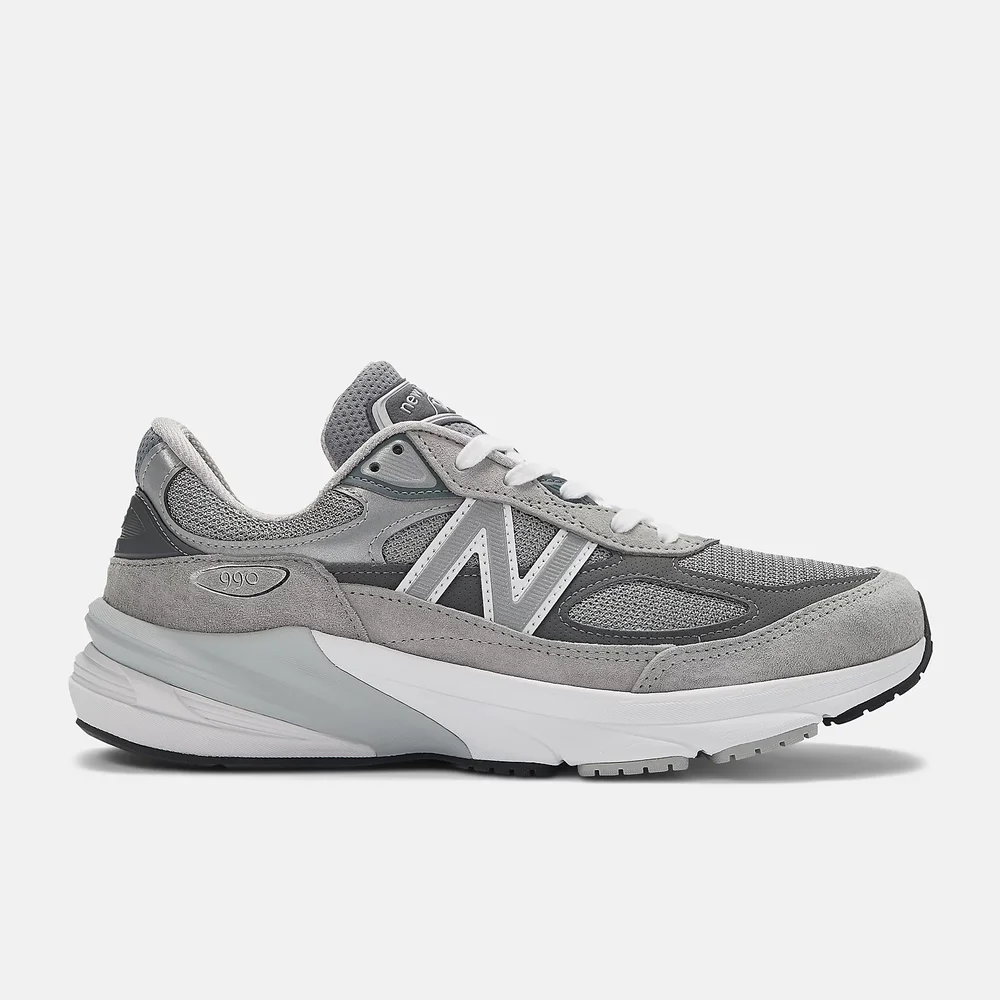
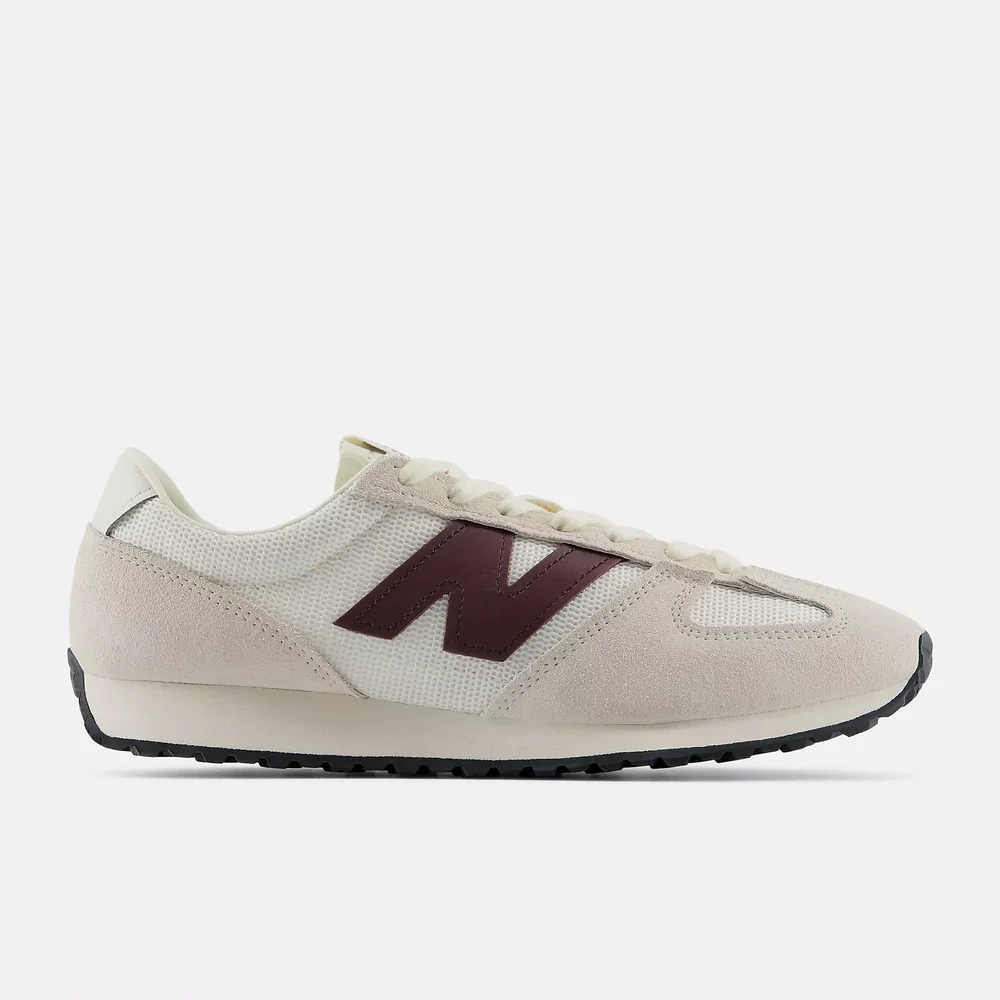
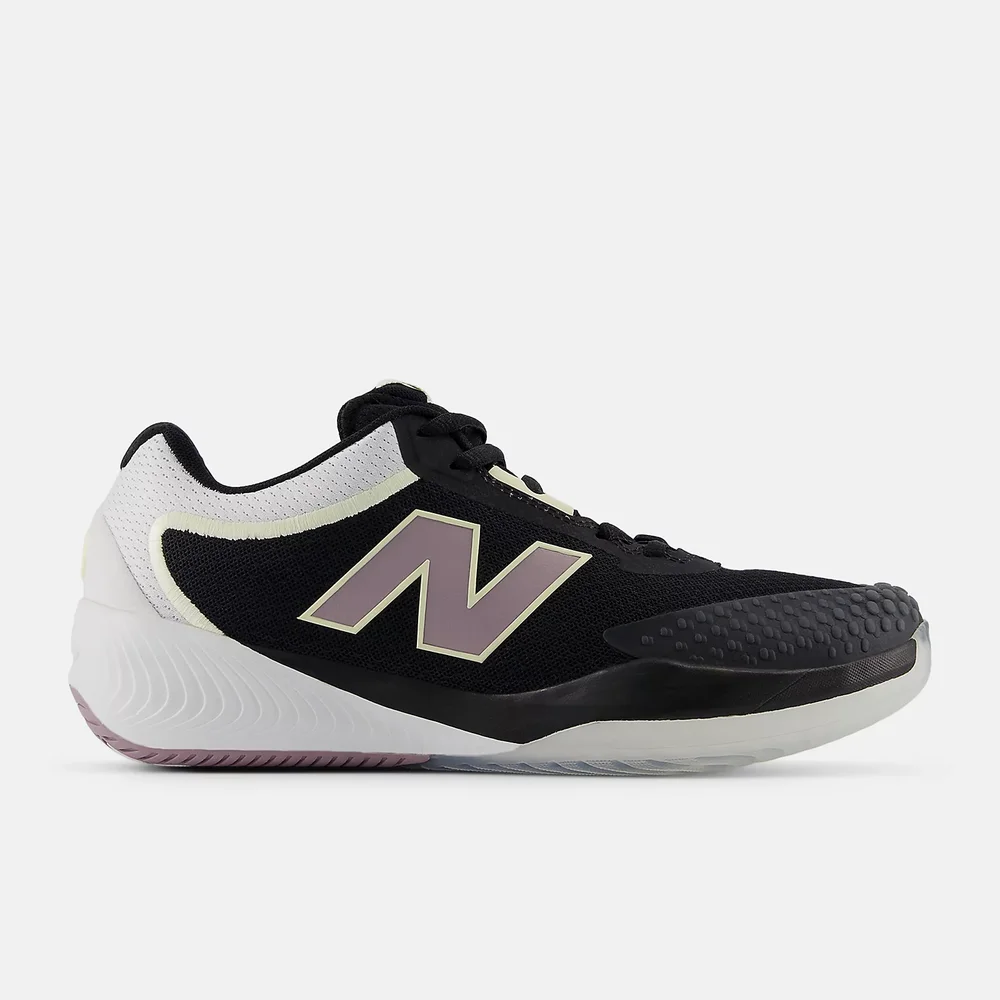
Made in USA 990v6 pairs FuelCell foam with ENCAP cushioning in a suede-or-mesh upper. The 370 is an everyday low-top with a mesh upper and cotton lining; the 471 makes its heritage cues more visible with suede, mesh and an exposed foam tongue. FuelCell 996v6 is for court use, with FuelCell cushioning and an NDurance rubber outsole. I would start with the 990v6 for a substantial daily shoe and keep the tennis model for court time. The New Balance 574 has its own origin-to-everyday story.
A private company with an affiliate
Jim Davis's 1972 move into ownership still defines New Balance today: it remains privately held and family-owned. Warrior Sports joined the New Balance family of brands in 2004 and makes equipment for lacrosse and hockey, giving the company a wider sporting-goods footprint than sneakers alone. I would keep that affiliate distinct from the parent company when describing who owns New Balance.
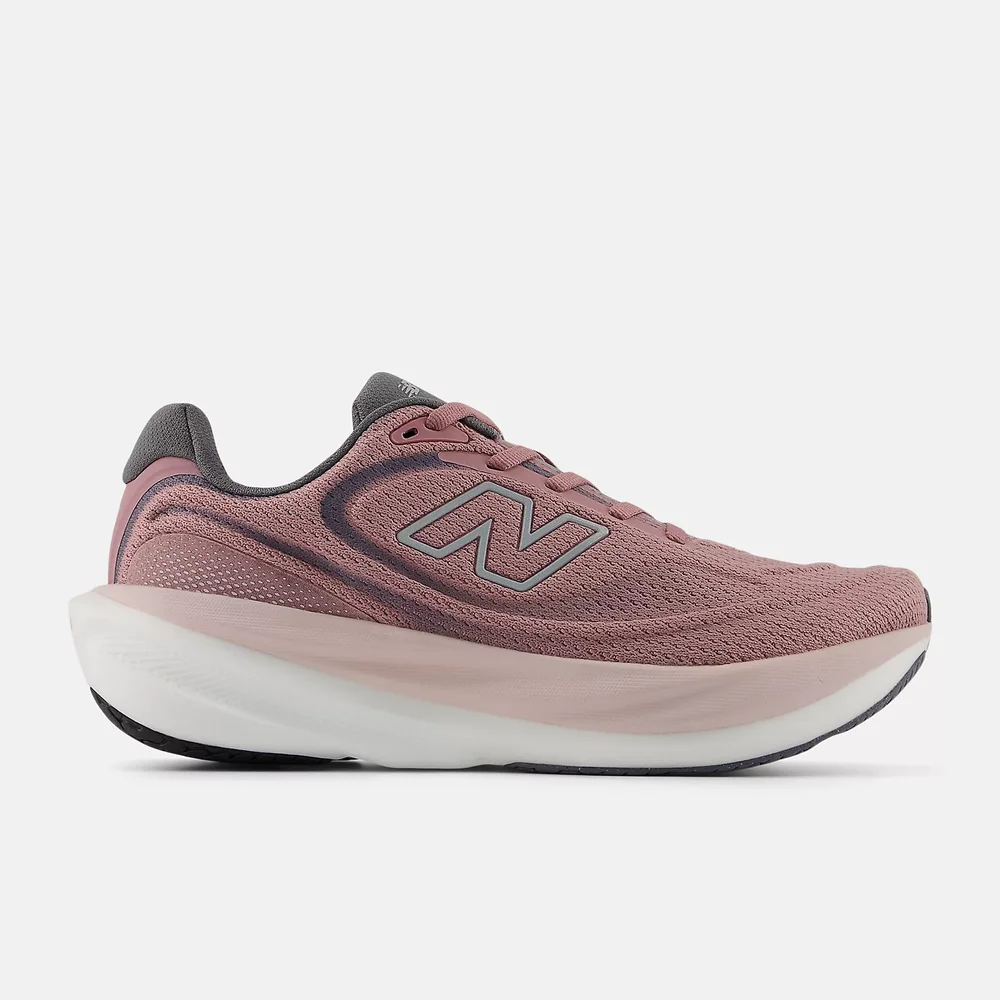
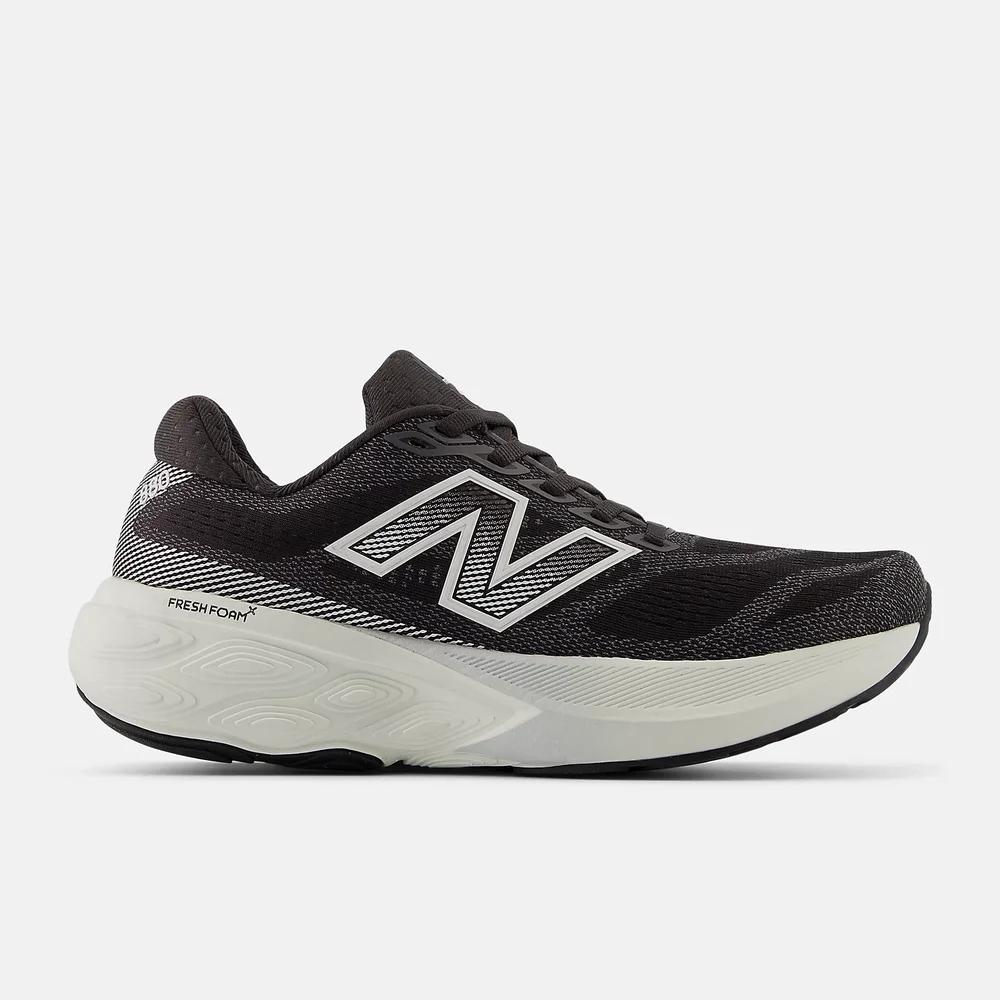
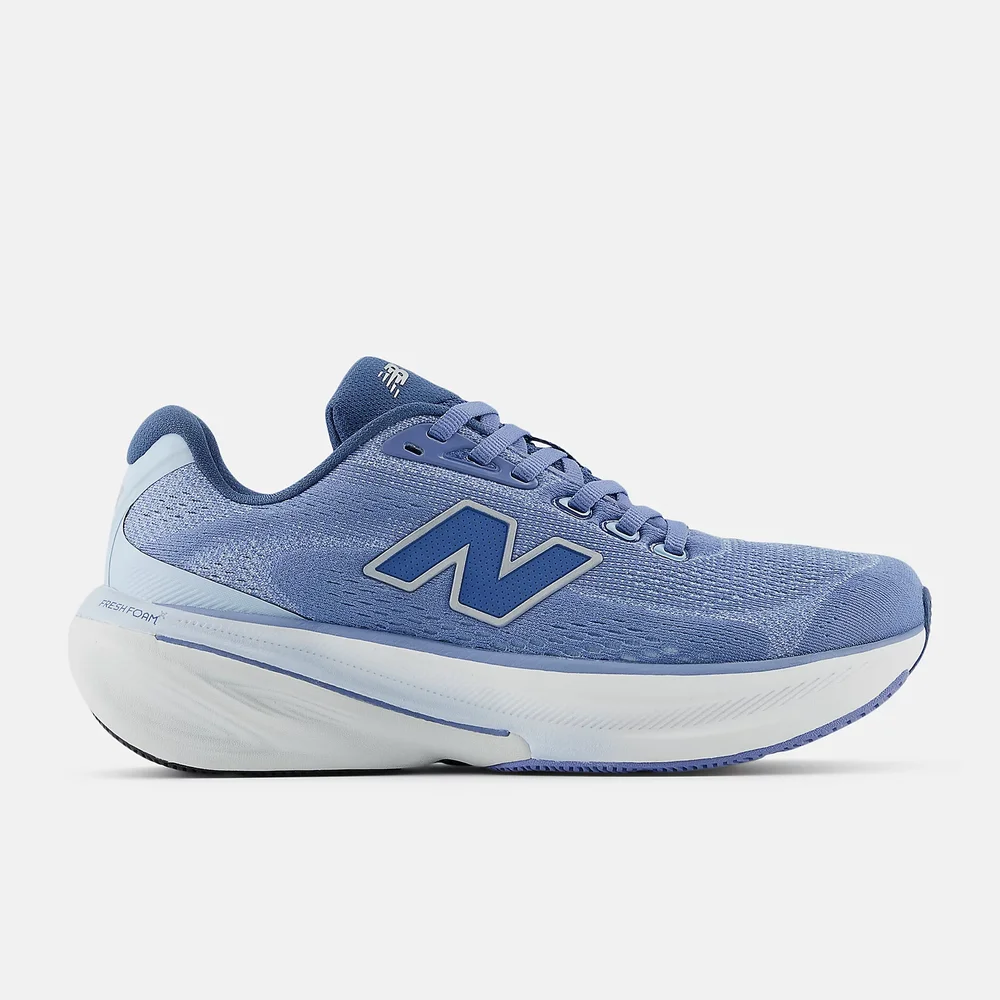
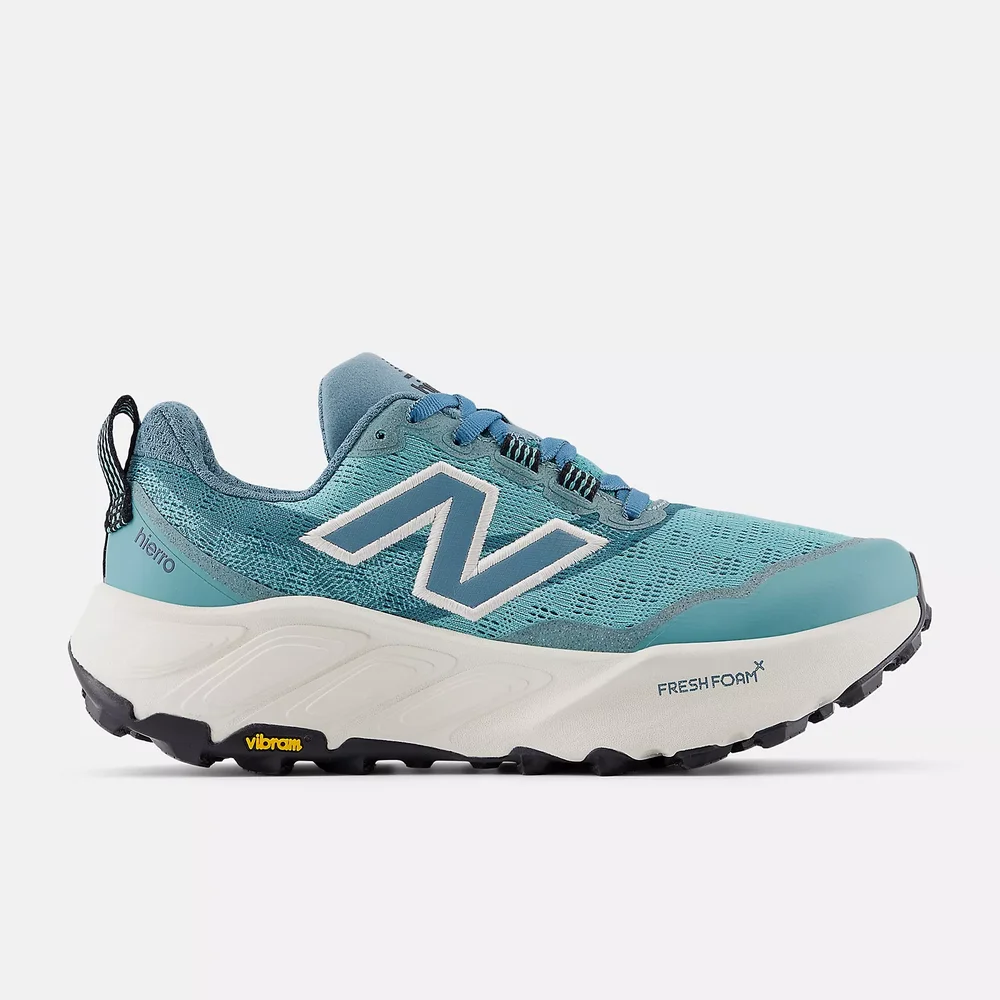
The running choices separate cushioning from stability. The 1080v15 is a neutral shoe with Infinion cushioning designed for responsive energy return; the Fresh Foam X 880 v15 is built for daily running with a higher-stack platform. Fresh Foam X 860 v15 adds Stability Plane technology, while Fresh Foam X Hierro v9 is made for trails with a dual-density midsole, Toe Protect details and a Vibram Megagrip outsole. I would choose by the route I actually run: the Hierro belongs on rugged trails, not city sidewalks, and I would skip it if most of my miles are on pavement.
New Balance ownership questions I get
Which New Balance pair would I start with?
The 574 Core. Its lightweight EVA cushioning makes it an easy everyday starting point, and I would choose the upper and sole before getting caught up in the wider lineup.
Who owns New Balance today?
Jim Davis and his family own the privately held company. The family has an estimated 95% stake, and Davis took control of the business in 1972.
Who founded New Balance?
William J. Riley founded the New Balance Arch Support Company in Boston in 1906. Its first products were arch supports modeled on a chicken's foot, a more memorable beginning than most sneaker histories.
Which New Balance shoe is for trails?
Fresh Foam X Hierro v9 is the trail choice here, with a dual-density midsole, Toe Protect details and a Vibram Megagrip outsole. I would keep it for rugged trails rather than ordinary city sidewalks.