14K gold is the more practical everyday choice; 18K gold has a richer color and softer feel. The better pick depends on how you wear it.

14K vs 18K Gold: Which Is Better for Everyday Jewelry?
A practical karat choice
For most everyday jewelry, I would start with 14K gold; choose 18K when richer color and higher gold content matter more than extra hardness. The 14k vs 18k gold question is not a beauty contest so much as a choice about wear. Pure gold is soft, so jewelers blend it with other metals to make it harder and to shape its tone. GIA's guide to gold puts 14K at 58.3% gold and 18K at 75%; the rest is alloy. Higher gold content generally means a richer hue, more weight and a softer, more expensive piece, with a little more susceptibility to dents and scratches.
I think about the difference between 14k and 18k gold most with rings and bracelets that take daily knocks; a pendant under a shirt has an easier routine. If you are choosing 14k or 18k gold, think about how often you will wear it and how much maintenance you will tolerate. White gold adds a separate care question: rhodium plating can wear, and chlorine or harsh cleaners can damage alloy metals. For most people, 14K earns first place for routine wear; 18K makes sense when you want the fuller tone and will treat the piece gently.
When 14K makes sense
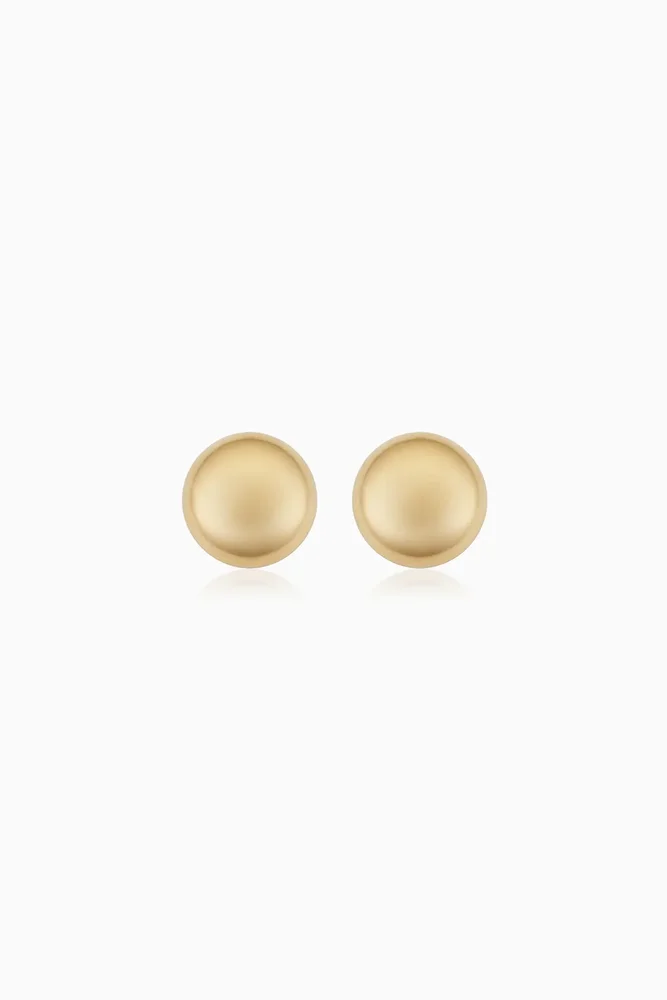
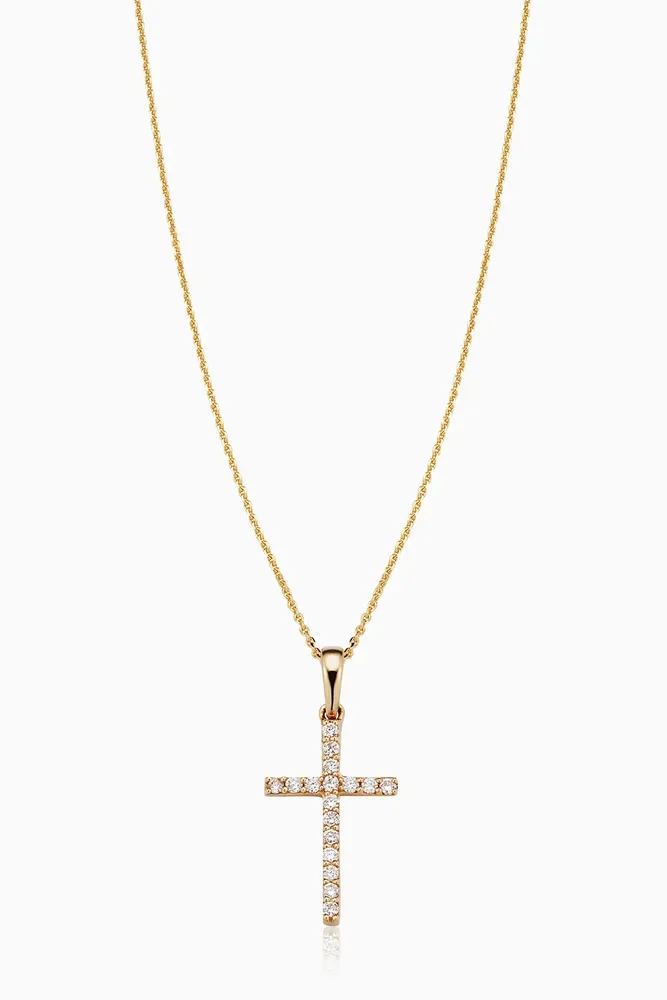
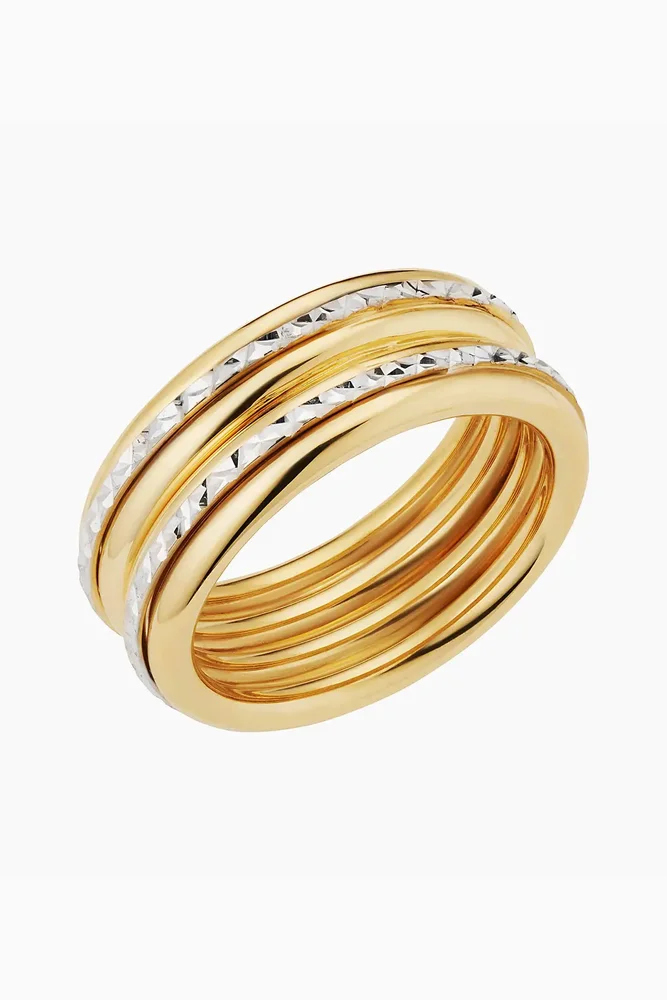
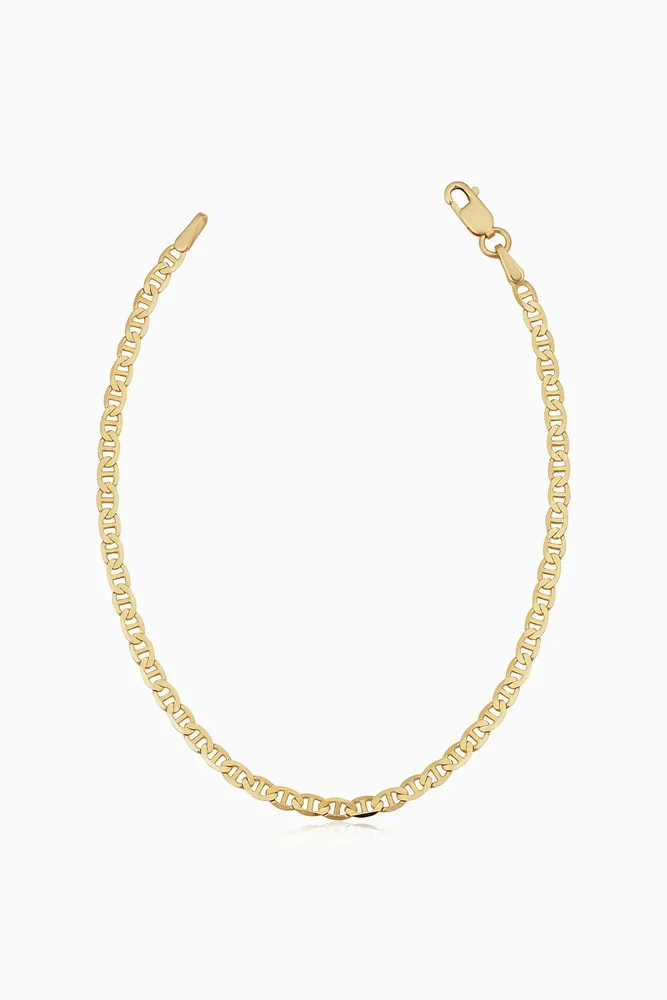
Oradina's story began with a family jewelry business in Beirut in 1956, moved to Milan in 1969, and became a direct-to-consumer brand in 2020. That history gives its 14K selection a clear point of view: solid karat gold is the starting material. The Buttoned Up Stud Earrings are the simplest entry; the Faith Diamond Cross Pendant Necklace adds a small symbolic detail. Always Bold Ring gives the hand a bolder profile, while Mystic Mariner Bracelet is the linked style for the wrist.
Mejuri makes the everyday case for 14K as well, describing its yellow and white gold as stronger than 18K and 22K; its 14K collection is 90% recycled gold. I would choose 14K when the piece will live on a finger or wrist and see regular contact, then take it off around pool chemicals and strong cleaners. Start with the form you would wear most days, not the occasion you imagine.
Why choose 18K
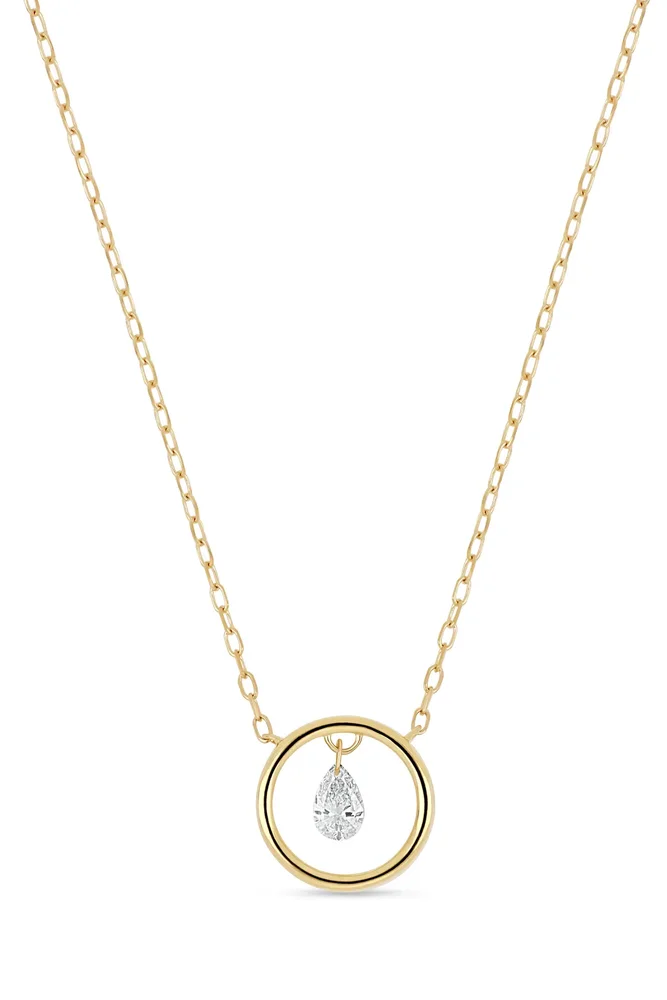
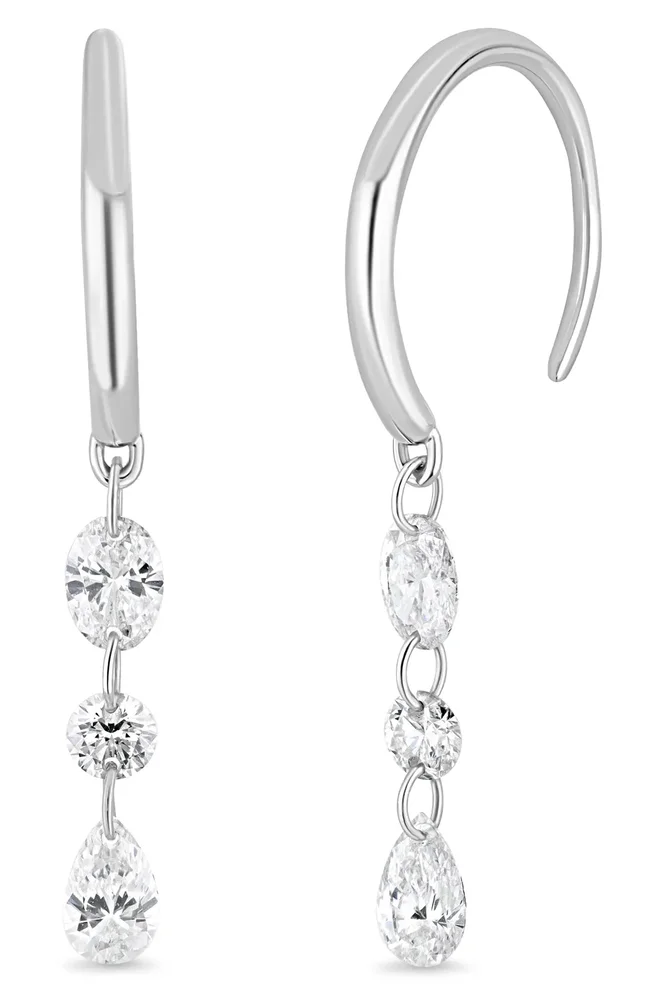
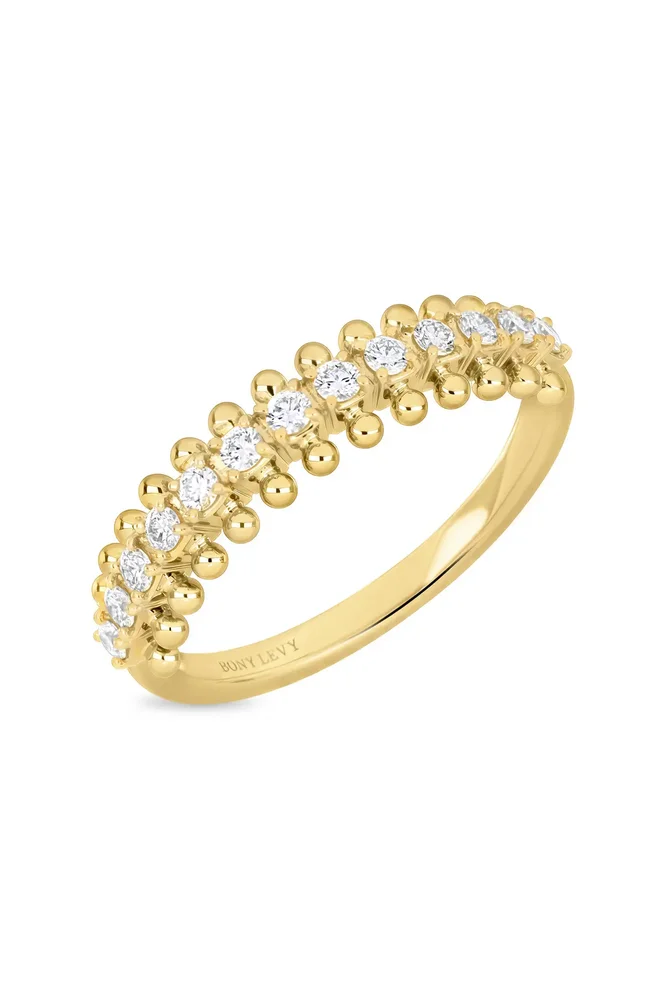
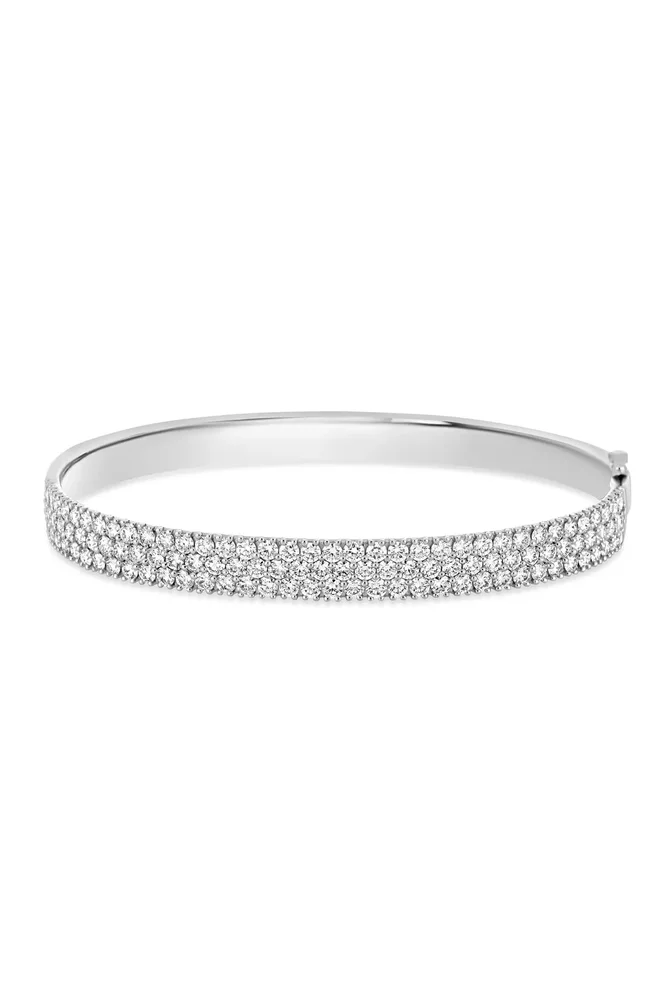
On the 18K side, Bony Levy brings a dressier point of view. Nordstrom's brand note describes handmade gold and diamond pieces for contemporary daily wear, with traditional luxury made more wearable. The Liora Natural Dancing Diamond Circle Pendant Necklace is a quiet pendant choice; the Liora Natural Diamond Drop Earrings put the metal near the face. Florentine Natural Diamond Stackable Ring gives the hand a finer line, while the Bardot Natural Diamond Bangle Bracelet is the more visible wrist piece.
18K carries more pure gold than 14K, so the color reads fuller; the softer alloy is worth remembering when a ring or bracelet meets a desk, sink or door frame. I would choose 18K when its color is the reason you want the piece, not because the higher number must be better. Gentle care can matter more than chasing a karat stamp.
The final comparison
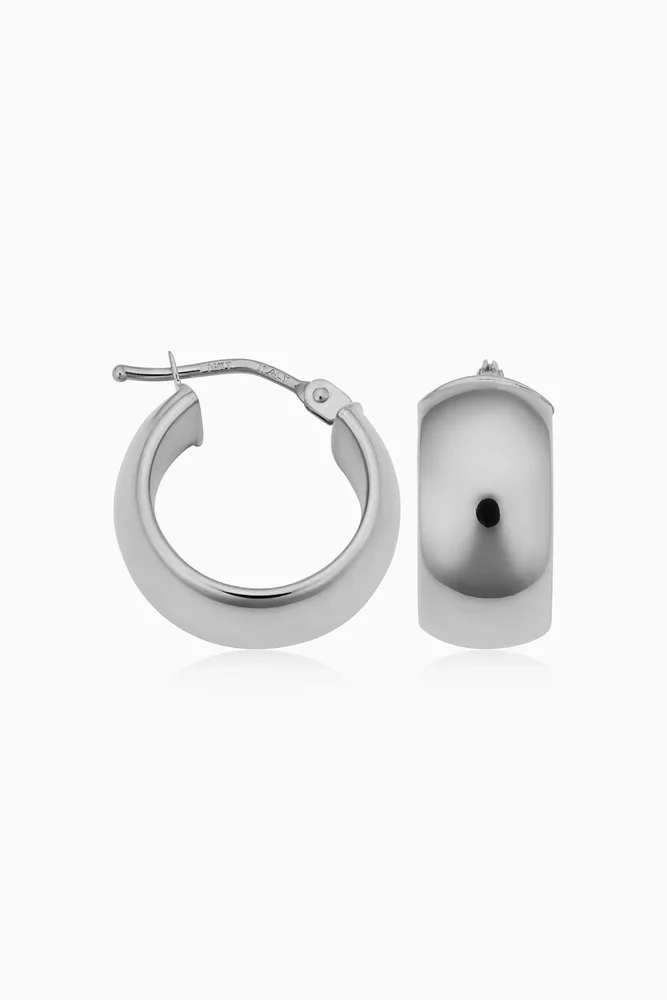
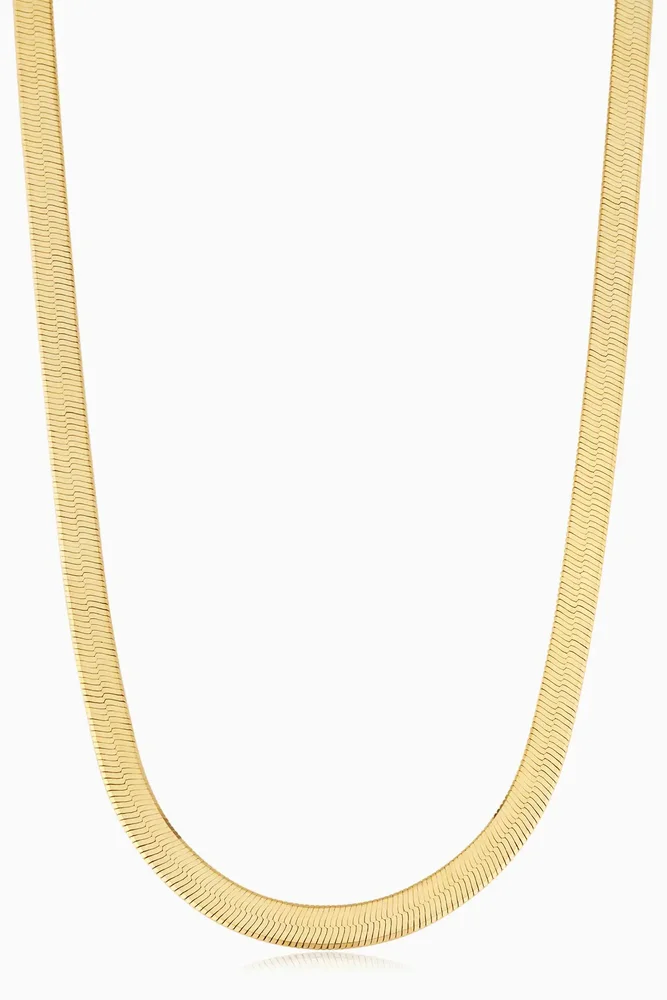
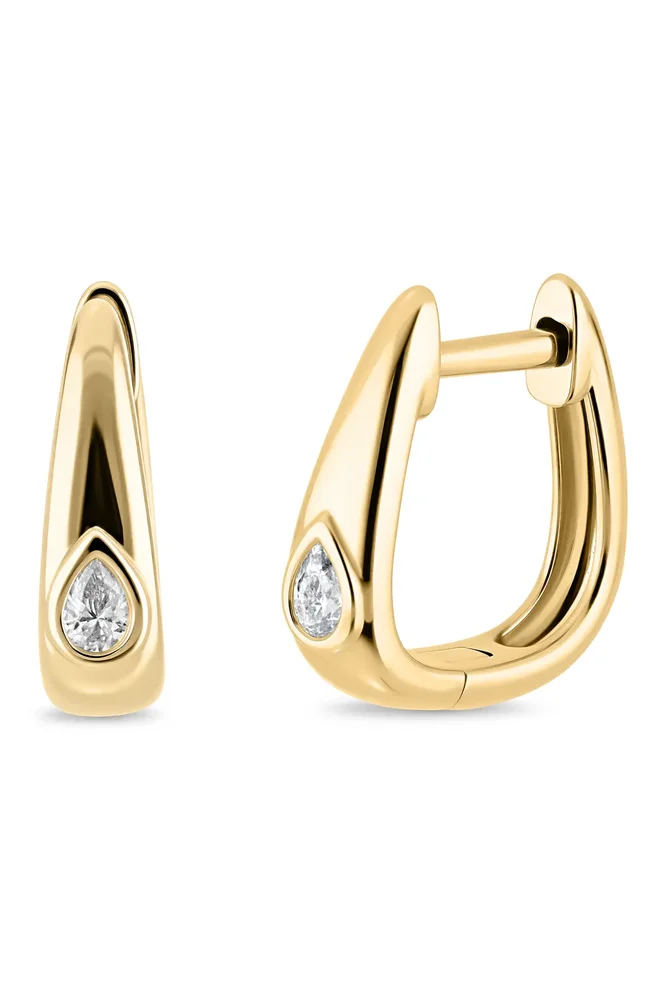
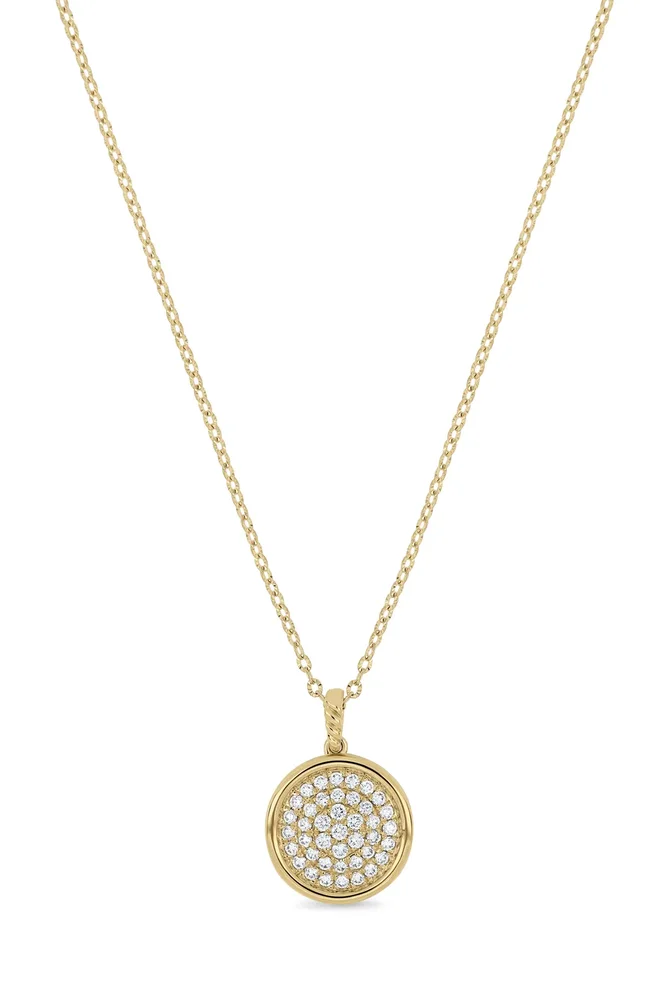
To make the final call, compare similar silhouettes rather than judging the karat in isolation. Oradina's High Society Hoops Earrings and Bony Levy's Monaco Diamond Huggie Earrings, 12mm, are both ear pieces, one a classic hoop and one with a diamond detail. Oradina's Park Avenue Statement Herringbone Choker and Bony Levy's Diamond Small Circle Pendant Necklace are both gold necklaces, but the first is all chain and the second has a pendant focal point. They are not exact twins; that is useful because gold color and hardness matter alongside design.
Buy 14K if frequent wear and a more budget-conscious alloy are your priorities. Buy 18K if richer color and higher gold content are the point, and you are comfortable with softer metal. I would start with the form you reach for most often, then let the karat follow.