Altra gives toes more room on a flatter platform; Hoka leans into cushioning and rocker. Pick the pair that fits your foot and preferred ride.

Altra vs Hoka: Which Running Shoe Brand Is Right for You?
The feel matters more than the logo
Choose Altra if you want more room for your toes and a flatter platform; choose Hoka if a cushioned, rockered ride sounds better. That is the useful answer to Altra vs Hoka, not a claim that one logo suits every runner. Altra began in a Wasatch specialty running store, where Golden Harper and Brian Beckstead questioned whether narrow, raised shoes were serving runners well. Hoka came from a very different starting point: mountain athletes Nicolas Mermoud and Jean-Luc Diard wanted a lightweight shoe for protection, cushioning and bounce, and their first concept had a soft, oversized midsole, a rocker and a cradled footbed.
That history still helps me understand the choices. Altra builds around a roomy FootShape toe box and a balanced heel-to-forefoot platform; Hoka tends to emphasize cushioning and rolling geometry, although individual models vary. I would not assume every Altra is zero-drop or every Hoka is a max-cushion shoe. Start with the fit you notice after a few miles, then decide whether you want a more level feel or more foam underfoot. The differences are real, but the best shoe is the one your stride and toes stop arguing with.
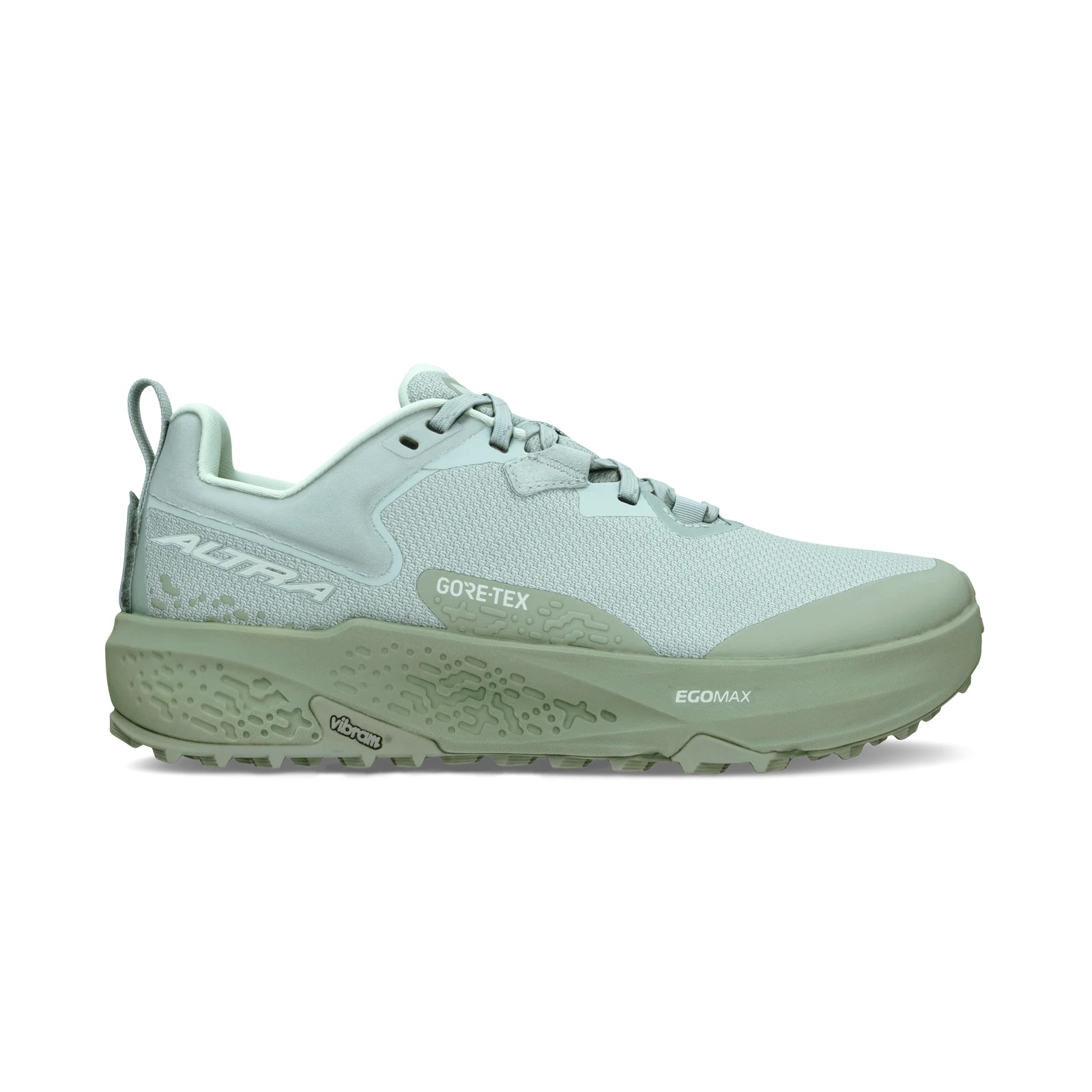
Altra's roomy road and trail range
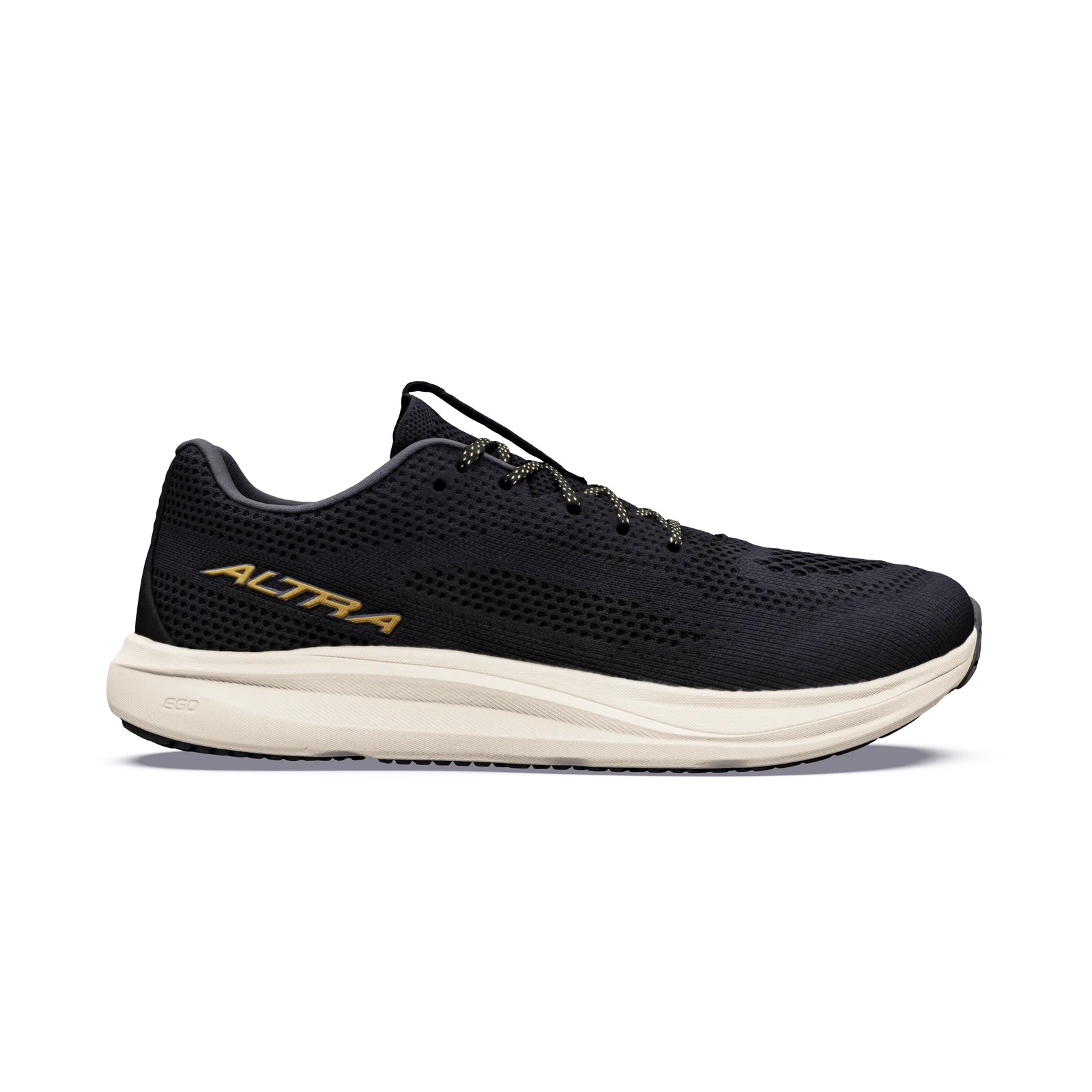
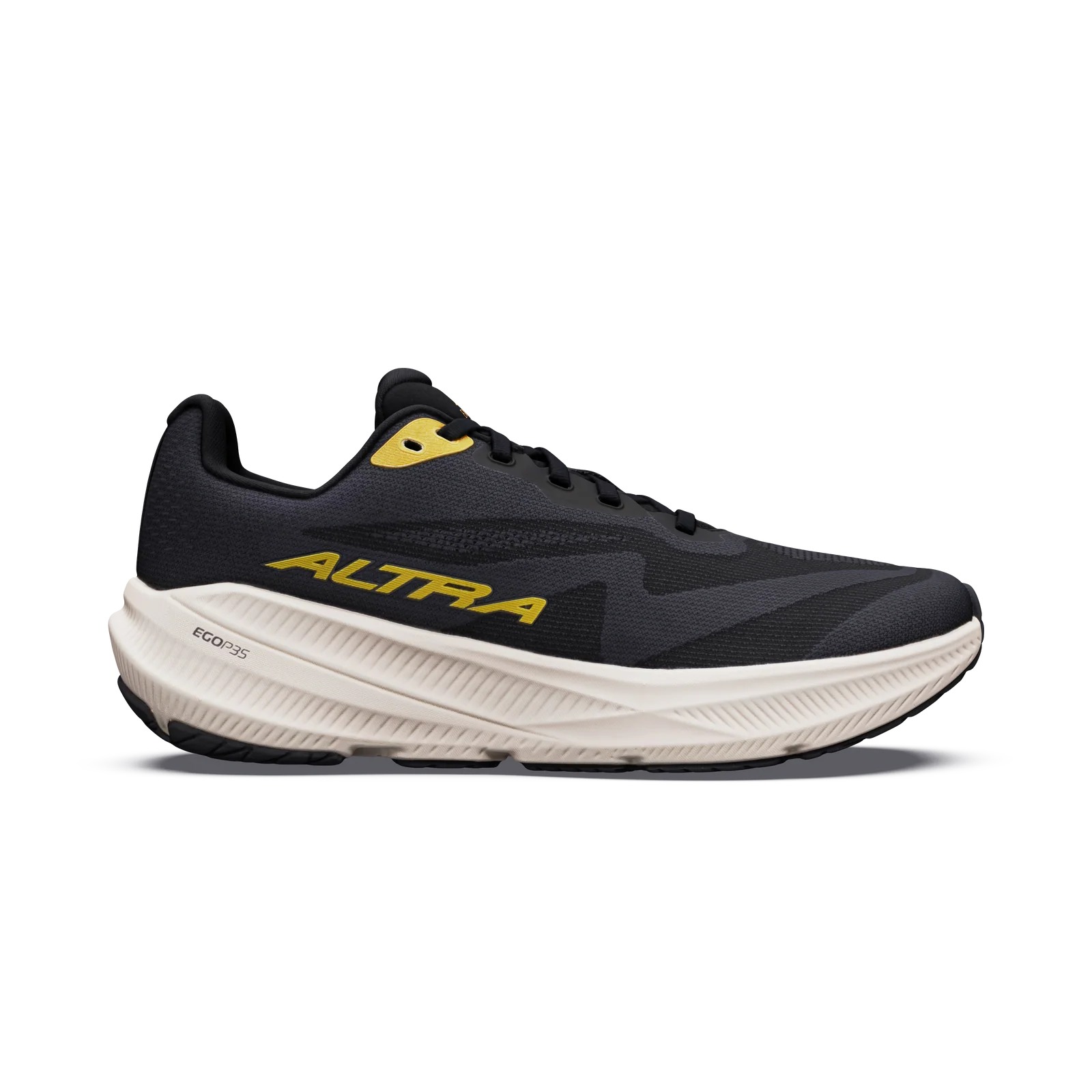
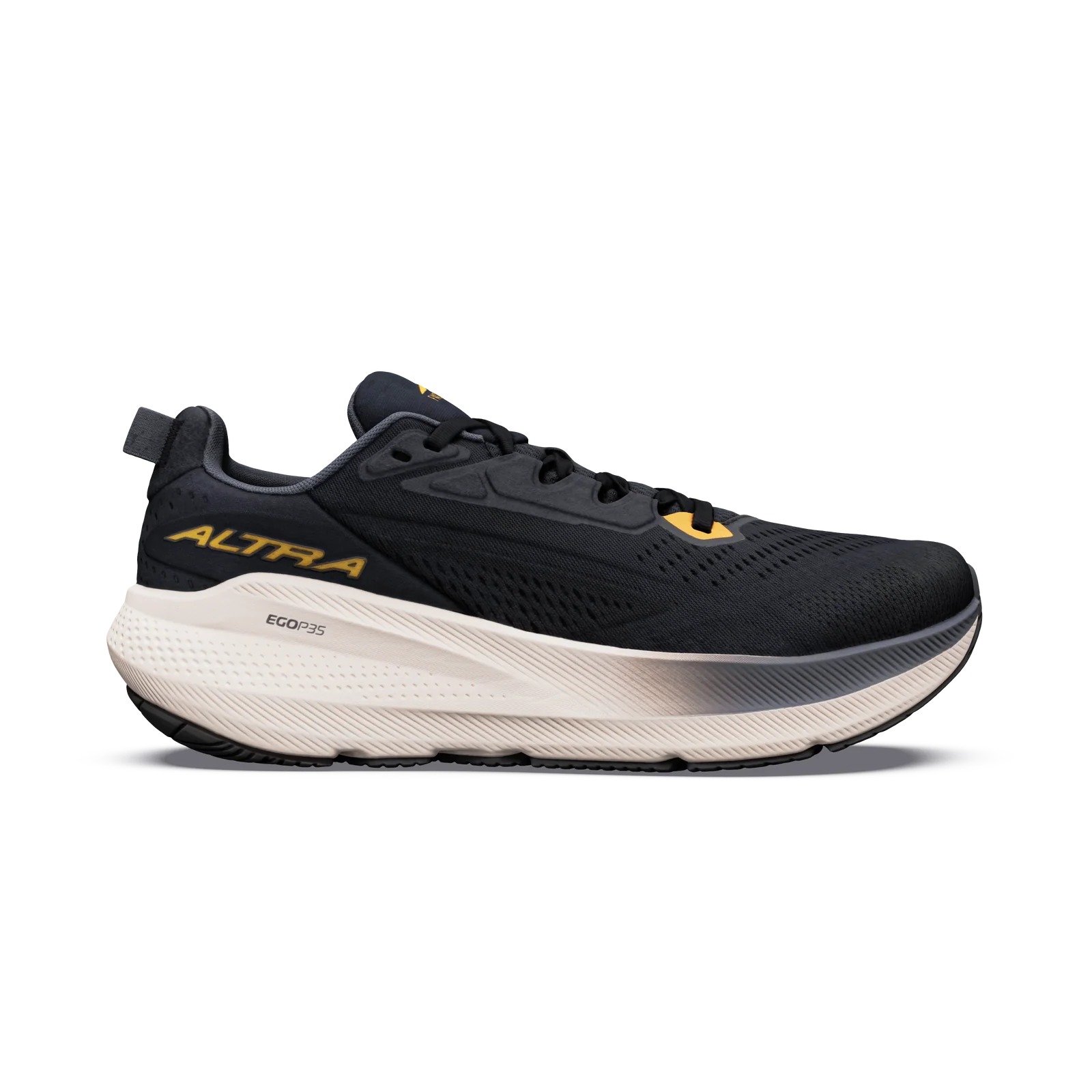
Altra's idea is easiest to feel when the toe box gives your toes room to spread. Escalante 5 is the no-fuss road trainer, with a zero-drop platform and FootShape room; I would pick it for ordinary miles when I want a direct, grounded sensation. Experience Flow 3 is another running option with a roomy forefoot in a low-top shape. FWD VIA 2 keeps that roomy toe box and adds an everyday-comfort focus, so it makes sense to me for easy daily miles.
On dirt, Timp 6 GTX is the weather-ready option: its waterproof GORE-TEX upper and Vibram MegaGrip sole suit wet, uneven routes. That is a much more specific job than the other three. I would not choose an Altra simply because of the wider-looking toe box; try the forefoot on a downhill too, especially if your foot swells over a long run. It is a practical fit advantage only if the rest of the shoe stays secure.
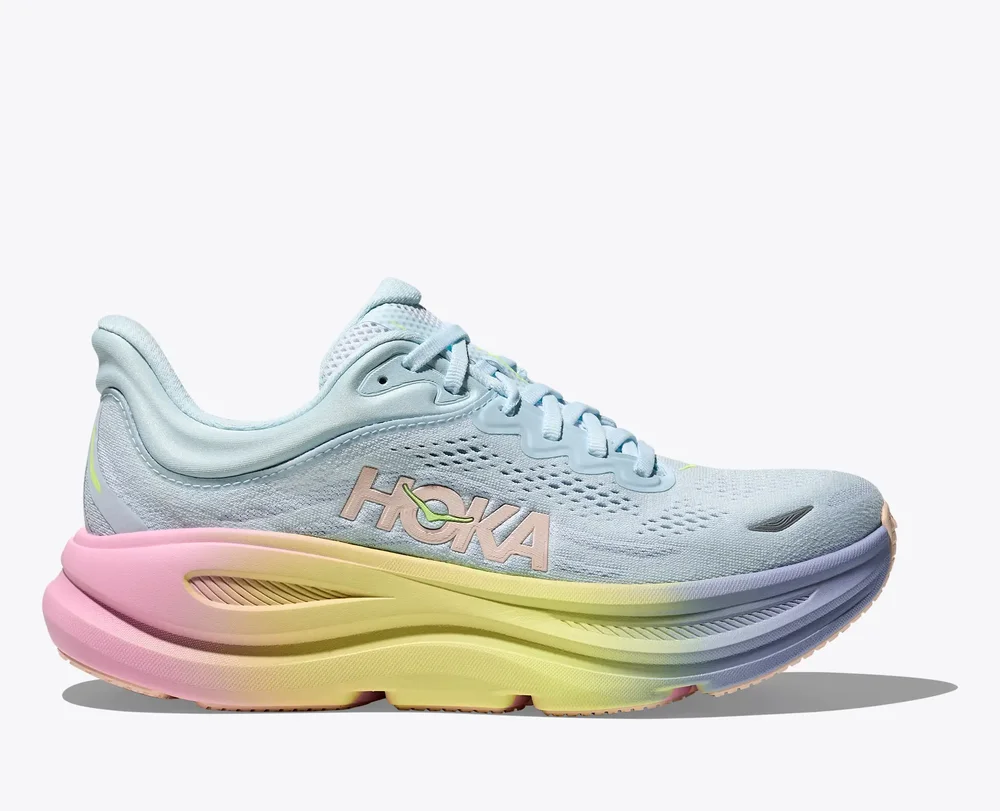
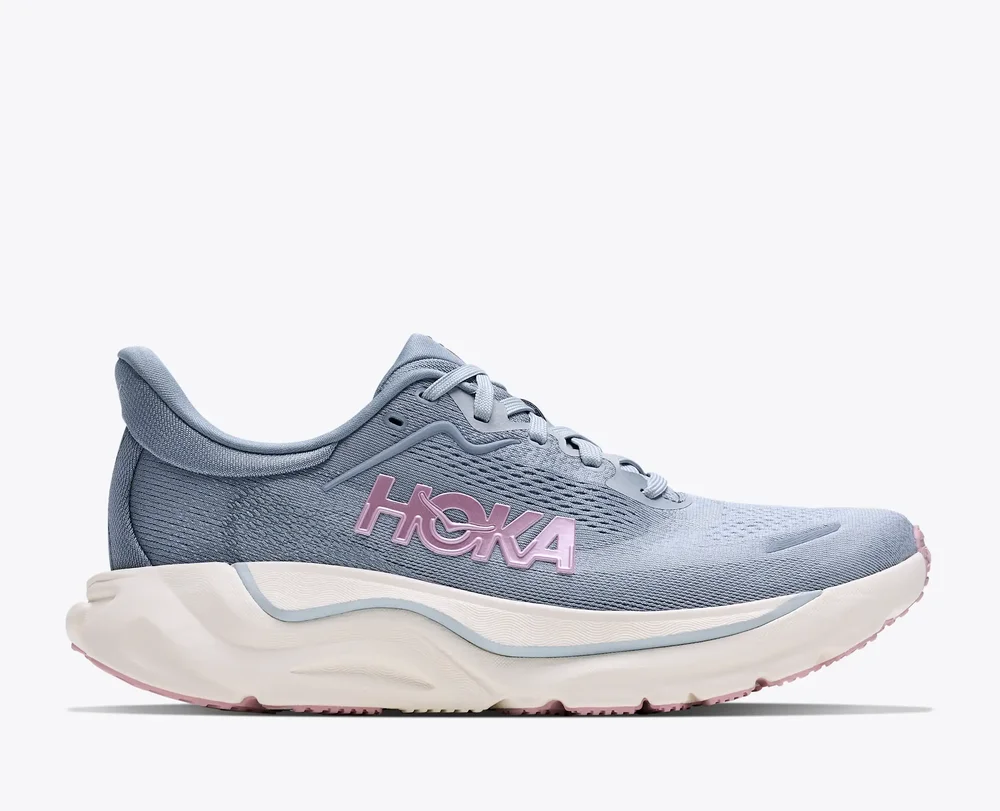
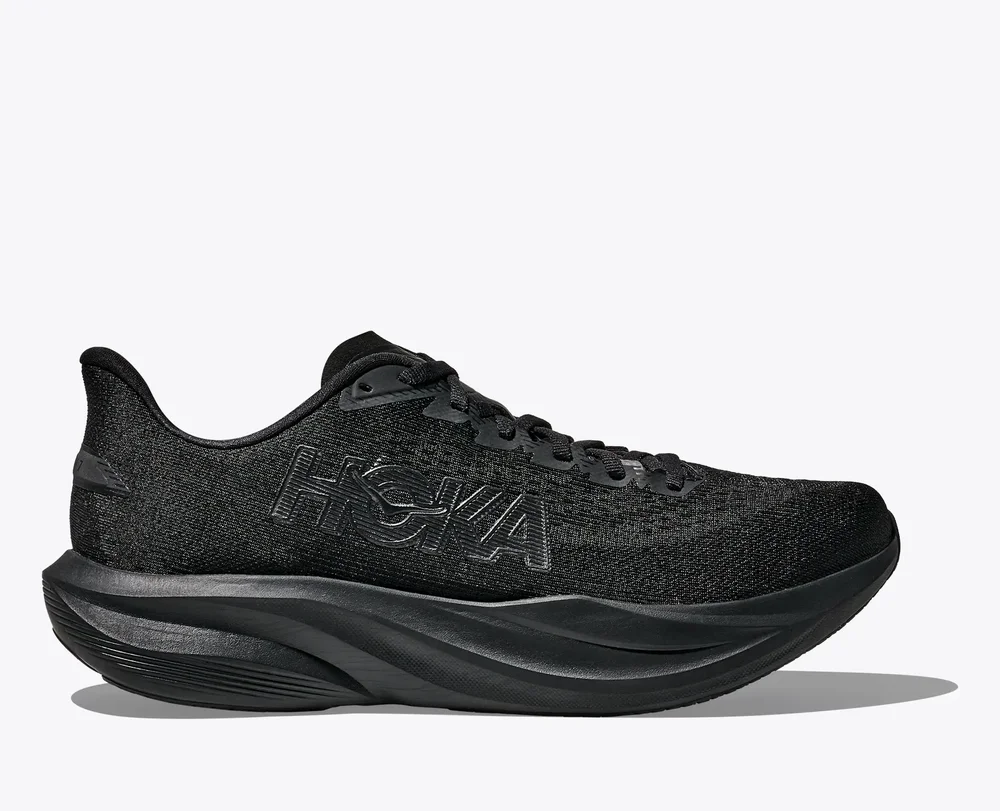
Hoka's distinct ride choices
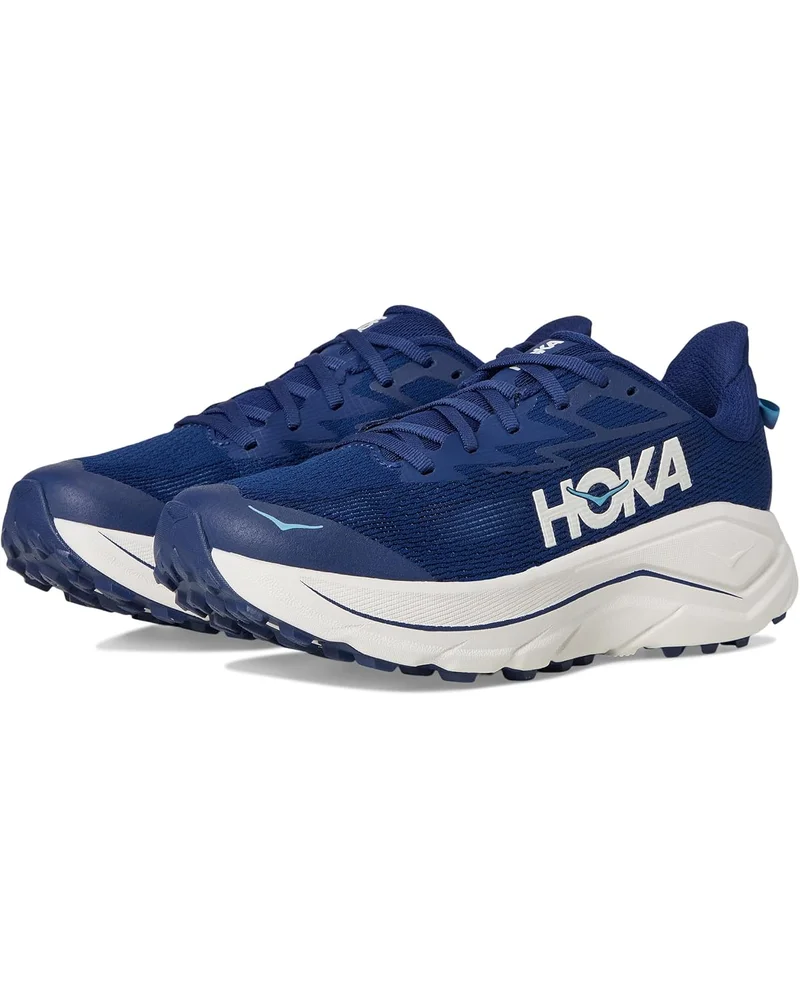
Hoka's lineup is not four versions of the same ride. Bondi 9 is the highly cushioned road choice, with a smooth MetaRocker transition that makes sense for easy miles if you like a substantial shoe. Arahi 9 is the stability pick: H-Frame technology is meant to guide the foot, so I would consider it if I want support without a rigid feel. Mach 7 swings the other way, feeling lightweight and responsive for faster sessions or a daily trainer that still wants a little zip.
Challenger 8 is the practical crossover, with a road-to-trail shape and 4 mm lugs for routes that alternate pavement and packed dirt. I like that these models do not ask every runner to want the same ride. A rocker can feel like a relief when it suits your stride, but it is not a universal shortcut; I would choose Bondi 9 for comfort-first pavement miles, not because thick foam automatically means better cushioning for every foot.
Road and trail matchups
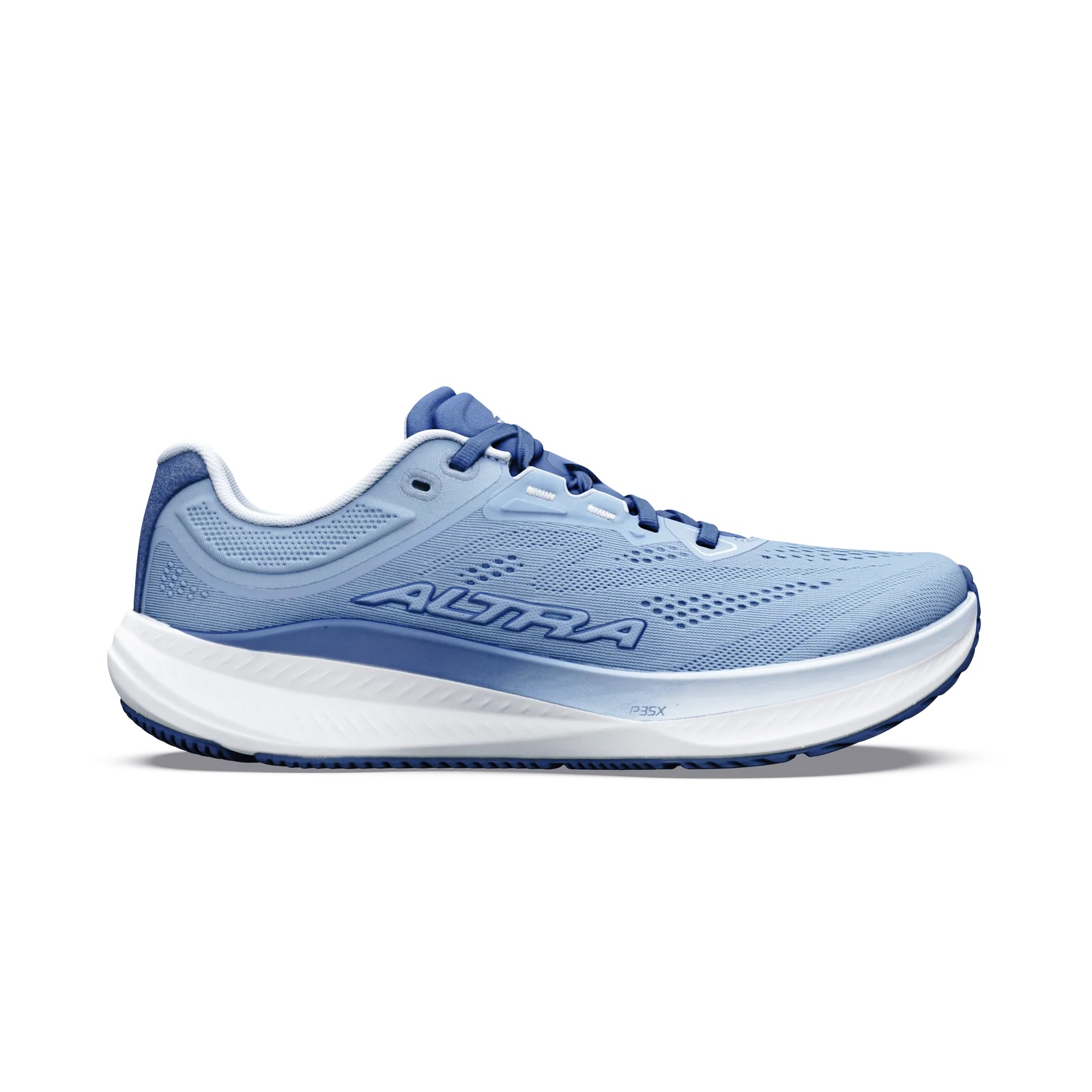
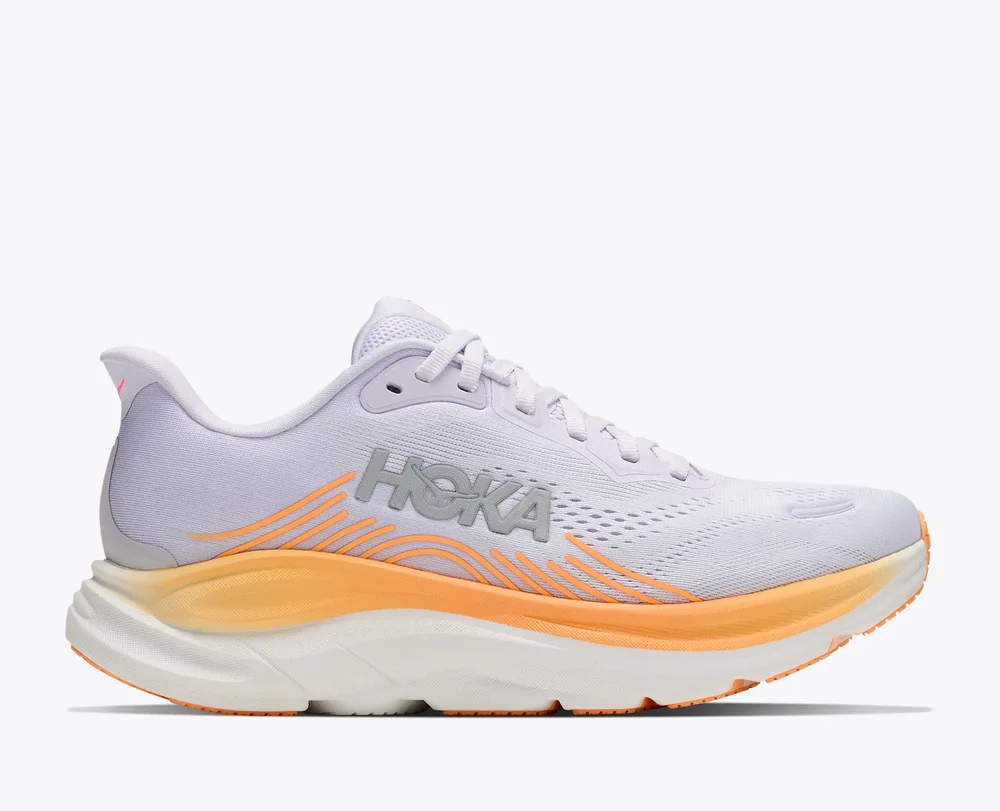
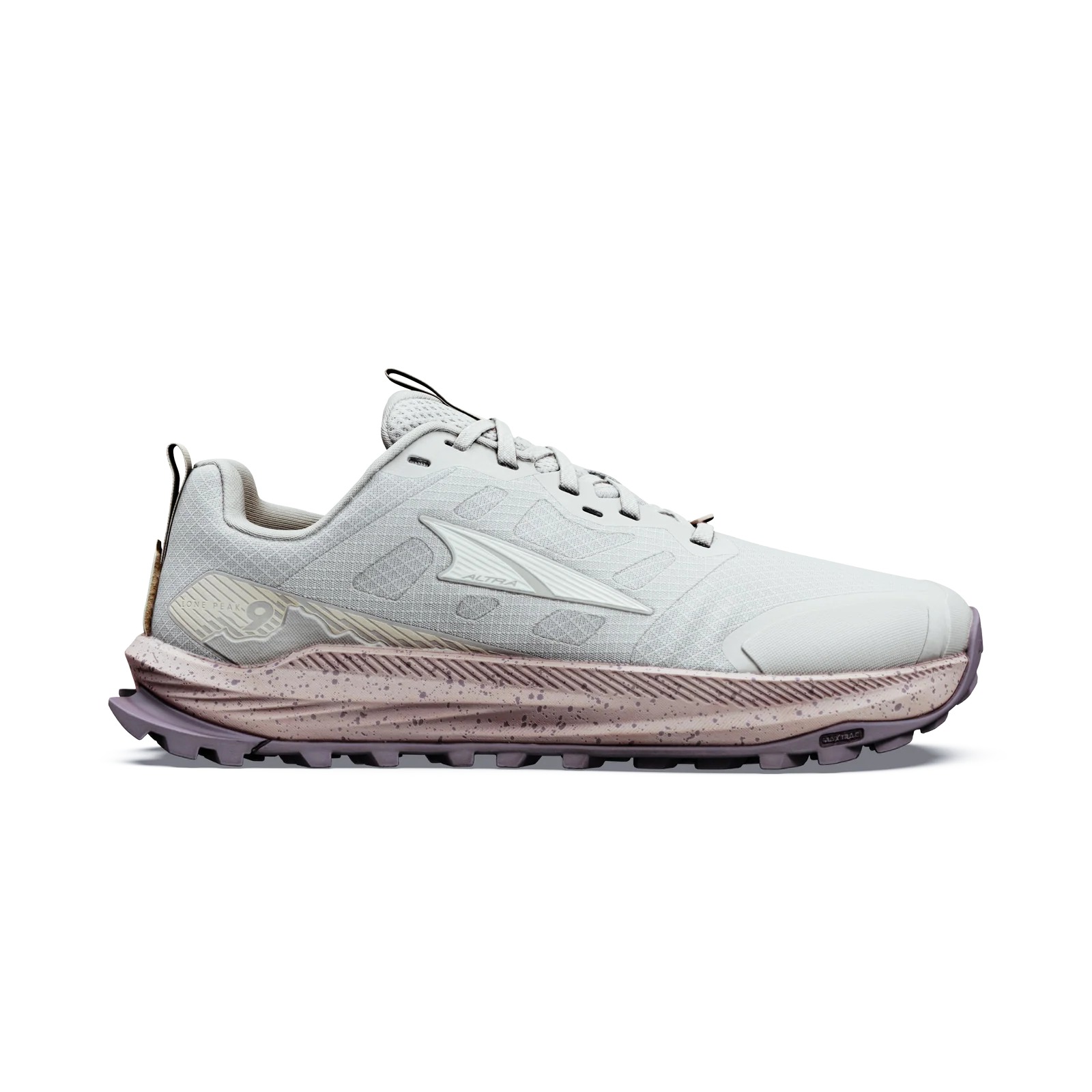
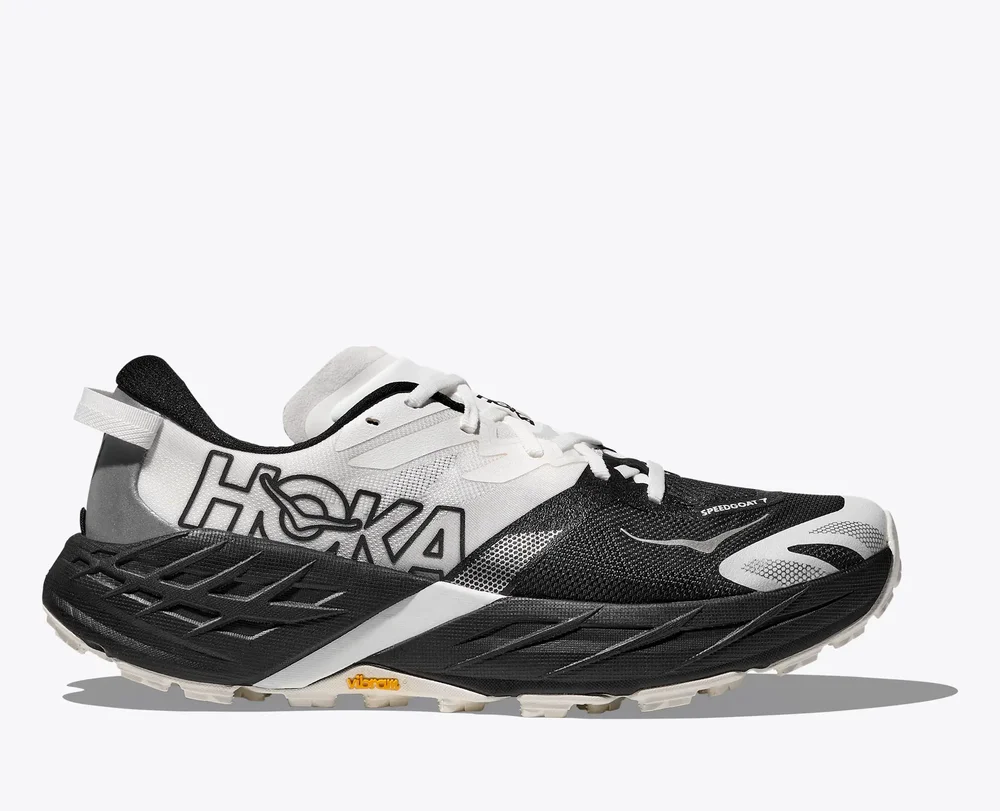
If the choice is still close, make it model against model. On road, Altra Torin 9 is the flatter, roomier option, while Hoka Clifton 11 adds cushioning and a smooth MetaRocker transition. My preference is Torin 9 when a level platform and toe spread are top priorities; if you are used to a raised heel, I would ease into the zero-drop feel rather than change every run at once. For trails, Lone Peak 9 keeps Altra's roomy-toe-box idea and level platform, while Speedgoat 7 brings Vibram MegaGrip traction and 5 mm lugs.
Hoka vs Altra becomes easier to answer once you choose terrain and let your feet test the shoe on a normal run. Buy Altra if the roomy toe box and level sensation feel natural; buy Hoka if you prefer a cushioned, rockered transition. When someone asks Altra or Hoka, I start with their last shoe: what did they wish it did less of?