amika hair products began in a Brooklyn neighborhood in 2007 and the name means friend in Esperanto, which tells you a lot about the tone. Here are the styling sprays and creams I reach for, the masks and treatments for dry or frizzy ends, and the two brushes that finish a blowout.
amika Hair Products, Explained by Someone Who Owns Too Many of Them
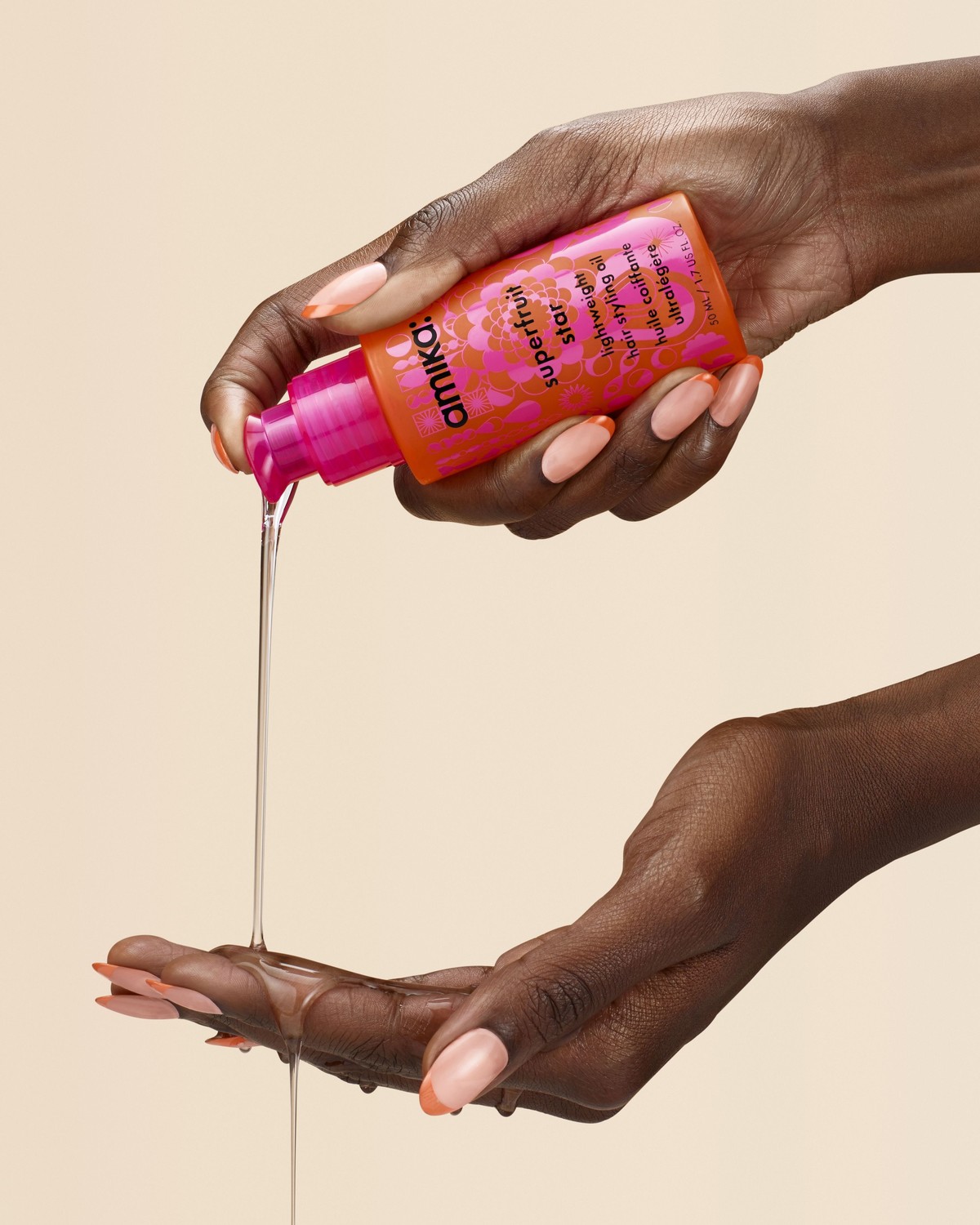
amika was started in 2007 in Williamsburg, Brooklyn, by industry outsiders. I like that origin. It explains why amika hair products feel a bit like they were designed by someone who had actually stood in a bathroom at seven in the morning with a hair tie in their teeth. The name comes from Esperanto, where it means friend, and the whole line leans into being friendly rather than fussy.
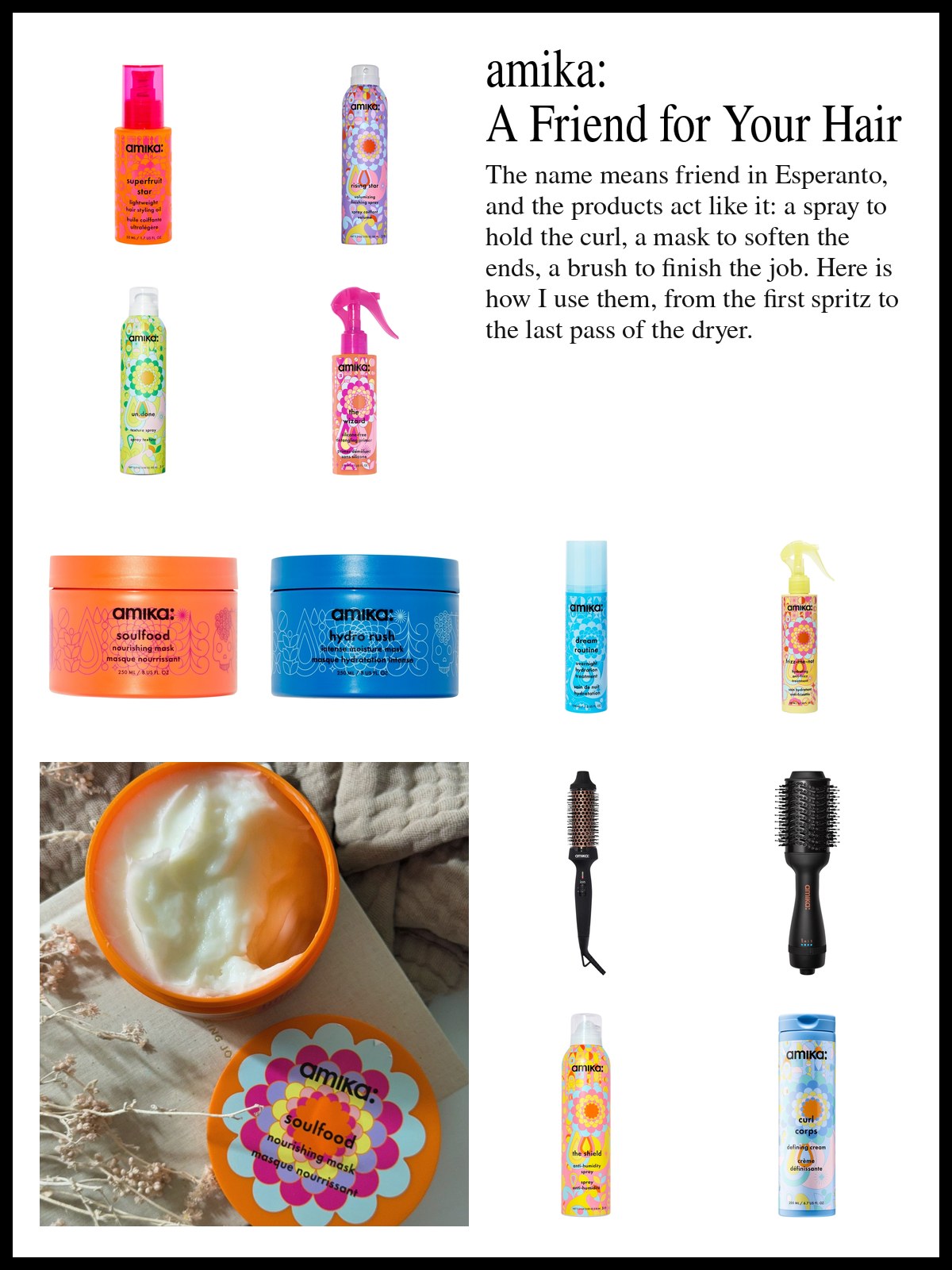
Start with styling, because that is where the range shows its personality. The Superfruit Star is a lightweight styling oil, the one I use on dry ends when I do not want a slick finish. Rising Star is a volumizing finishing spray for the last step, and Un.Done is the texture spray I spritz through dry hair when a blowout looks a little too polite. The Wizard is a detangling primer, which I use on damp hair before combing, especially on the sections at the nape that knot up overnight.
The Shield is an anti-humidity spray, so it earns its spot on the days a forecast says damp air and you would like your hair to ignore it. Curl Corps is a curl defining cream, made for waves and curls that need a little help staying together. My test for any of these is simple: does my hair still move by lunchtime. If it does, the product stays on the shelf. If it has gone limp or crunchy, it goes to the back of the drawer, no matter how nice the bottle looks.
amika styling

Superfruit Star Lightweight Hair Styling Oil
amika
$32

Rising Star Volumizing Finishing Spray
amika
$30

Un.Done Texture Spray
amika
$30

The Wizard Detangling Hair Primer
amika
$32

The Shield Anti-Humidity Spray
amika
$32

Curl Corps Curl Defining Cream
amika
$30

Perk Up Talc-Free Dry Shampoo
amika
$29

Bust Your Brass Cool Blonde Strength Repair Conditioner
amika
$29
Masks for ends that have had enough
Every hair routine eventually needs a mask, and this is where amika hands you a lot of choice. The trick is matching the mask to the problem instead of using whichever jar is closest.
Soulfood is the nourishing all-rounder, the one I use when hair feels generally tired. Hydro Rush is the moisture-heavy option, with hyaluronic acid in the formula, and it suits hair that feels dry to the touch. Dream Routine is an overnight hydrating mask, so it is the one for a lazy evening. It is the closest thing to a shortcut I have found for hair that looks thirsty.
Frizz is its own department. Frizz-Me-Not is a hydrating anti-frizz treatment, and Smooth Over is a frizz-fighting treatment mask, the better pick when you want smoother strands. The Kure is the strength mask, made for hair that needs repair.
A small habit that makes any of them work better: squeeze the water out of your hair with a towel first, so the mask is not diluted, and comb it through with your fingers. Leave it on a little longer than you think you should, then rinse with lukewarm water. Fine hair usually wants the lighter ones and thick or coily hair the richer ones, though I have been wrong about that more than once, so trust your own ends over any rule.
amika masks and treatments

Soulfood Nourishing Hair Mask
amika
$36

Hydro Rush Intense Moisture Hair Mask with Hyaluronic Acid
amika
$44

Dream Routine Overnight Hydrating Hair Mask
amika
$34

Frizz-Me-Not Hydrating Anti-Frizz Treatment
amika
$30

Smooth Over Frizz-Fighting Hair Treatment Mask
amika
$34

The Kure Intense Strength Repair Hair Mask
amika
$44

Big Hit Volumizing Conditioner
amika
$29

amika I'm Glistening Radiant Rich Body Oil
amika
$50
Two brushes, one good blowout
Tools are where I am usually the most skeptical, and I still keep two of these within reach. The Blowout Babe is a thermal round brush, the kind you use to roll the ends under and add a little bend as you dry. The Hair Blow Dryer Brush 2.0 combines the brush and the dryer into one tool, which is why I use it when I have ten minutes and one free hand.
The practical difference is control. A round brush with a separate dryer lets you focus on sections, and a dryer brush is faster and simpler. Section your hair, clip the top away, and work in small pieces, slowly, from roots to ends. Finish each section with a cool blast if your tool has one, since that helps the shape hold.
Use a light heat protectant beforehand, and let the hair be nearly dry before you begin shaping. Wet hair pulled hard over a hot barrel is where breakage begins.
What I would skip: layering every product from the first section onto a blowout. A styling oil, a texture spray and a finishing spray all in one go will weigh fine hair down and leave it looking flat by afternoon. Pick the one that solves today's problem, and add the second only if you truly need it.


How I would set up the shelf
If I were setting up a shelf from nothing, I would keep it small. One detangling primer, one styling product that matches your texture, one mask for the problem you actually have, and a brush you enjoy using. That is enough for most weeks, and it leaves room on the counter for the sprays you only need on humid days or before a night out.
Keep track of what you use for a couple of washes, and change only one thing at a time so you can see what is working. Masks go on once a week, sometimes less for fine hair. If your scalp gets itchy or your hair suddenly feels coated, cut back. And if shedding or thinning seems unusual for you, that is a conversation for a doctor or a stylist you trust, not another jar. When something works, write down how much you used, because the right amount is usually smaller than the amount you start with. If you want to keep browsing, I also put together A Makeup Tutorial for People Who Own Too Many Brushes and How to Find the Best Shampoo for Your Hair, Not Someone Else's.






