Does Arc'teryx run small? No. It fits true to its chart, but fitted styles like the Beta SL and Atom Hoody sit close, so size for your layers.

Arc'teryx Sizing Guide: Does Arc'teryx Run Small, Big or True to Size?
A chart-first answer
Arc'teryx is best treated as true to its women's measurement chart, not as a brand that runs uniformly small or big. Arc'teryx sizing starts with body measurements, and the cut varies by style. The Arc'teryx size chart covers XXS to XXL in jackets and shirts, measuring sleeve, chest, waist and hip; for example, it maps a 91-centimetre chest to M. Arc'teryx advises choosing the larger size for a looser fit or the smaller one for a tighter fit when you're between sizes.
So, does Arc'teryx run small? Not across the board. A fitted fleece can sit close, while a regular shell leaves room to move or layer. Measure around the fullest part of your bust, at the narrowest part of your waist, and around the widest part of your hip, then compare those body measurements rather than guessing from a garment's width. The guide also lists alpha pants sizes XXS to XXL, numerical sizes 00 to 16, and short, regular and tall inseam columns.
One small catch: shell room is for layering, not a reason to size up automatically. Arc'teryx's US site currently says purchases made from November 5 may be returned through January 24, 2027 if they're new with original tags attached. That window applies to orders placed on Arc'teryx.com.
Shells and layer room
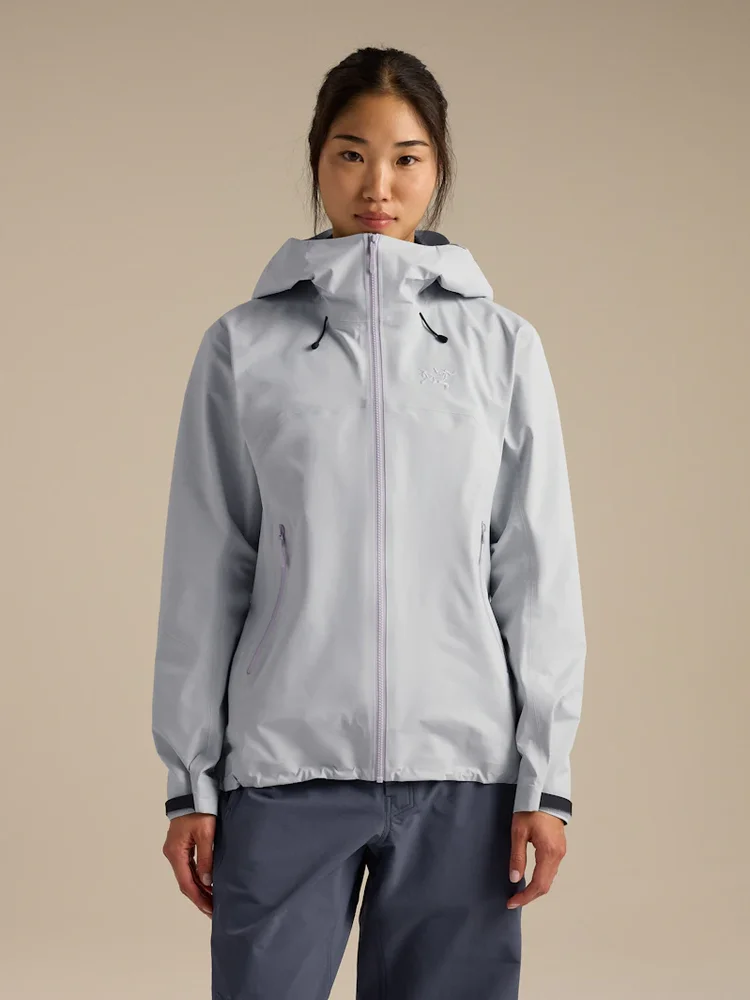
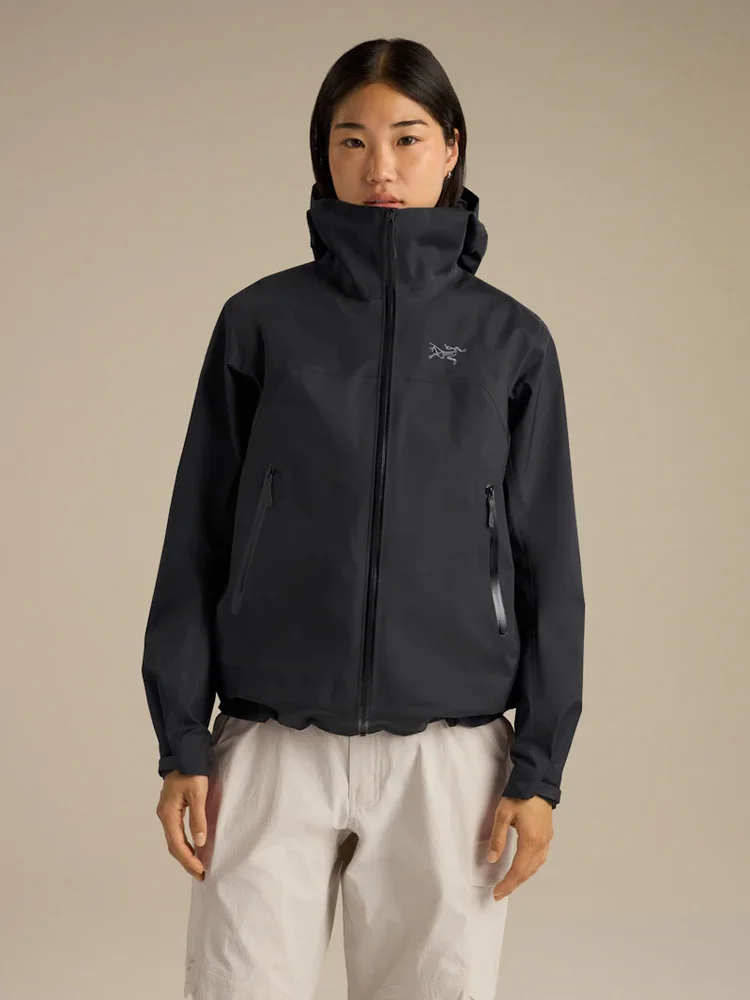
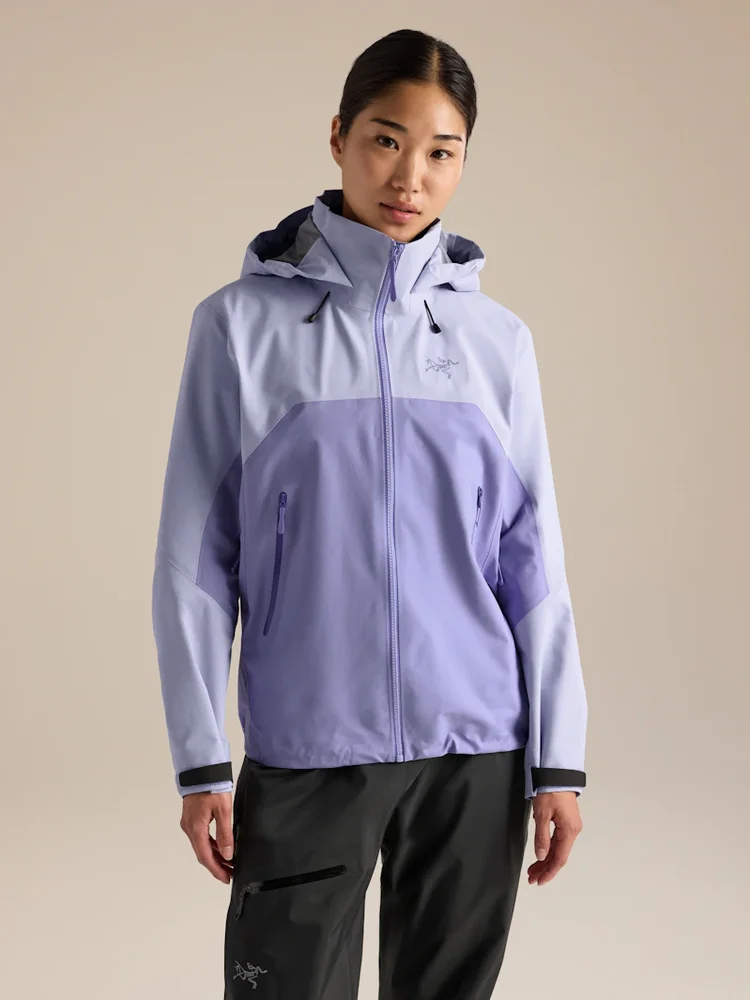
Fit labels matter more than the Beta name. Arc'teryx lists the Beta SL Jacket as fitted, its trimmer cut that stays close to the body through the chest and waist, so it is the close-cut option of the four. I would try it over the base layer you plan to wear and check the zip across the bust. A close shell is lovely until the first cold day asks it to fit a fleece.
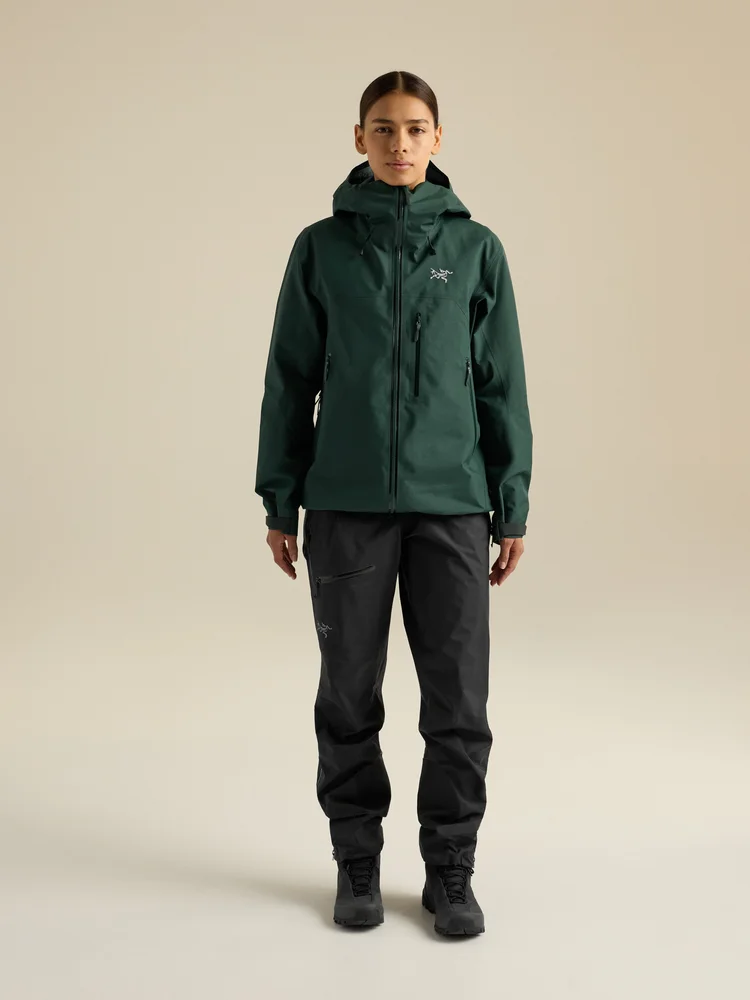
The Beta Jacket is my sensible starting point: Arc'teryx calls it a regular fit for freedom of movement, with a 28-inch center-back length in size S. The Beta AR Jacket is also regular but adds room for layers, and the Beta SV Jacket, the heaviest shell of the four at 429 grams, is regular with the same 28-inch length in size S. Regular in Arc'teryx terms means cut comfortably through the chest, waist, hip and thigh, which is roomier than fitted without turning boxy.
My practical test is simple: put on the midlayer you'll actually use, reach overhead, and sit down before choosing. Keep your chart size if the chest and hem move comfortably; move up only when the layer pulls across the bust or you want a looser silhouette. With any Beta, a bulky fleece is the reason to try a second size, not the logo alone.
Insulation changes the fit
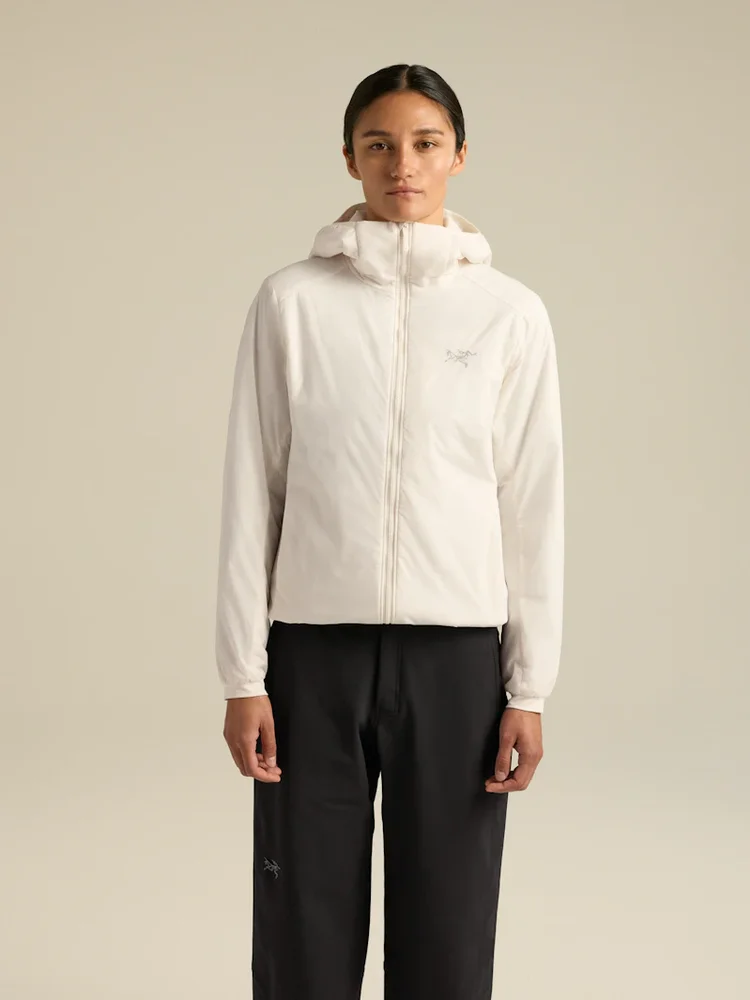
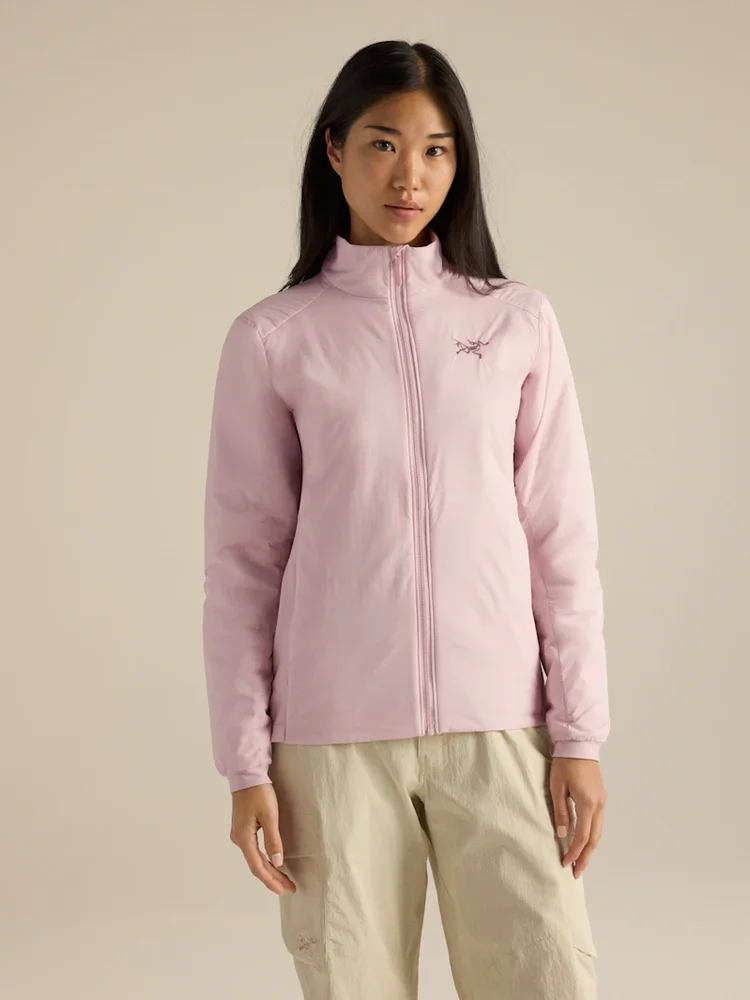
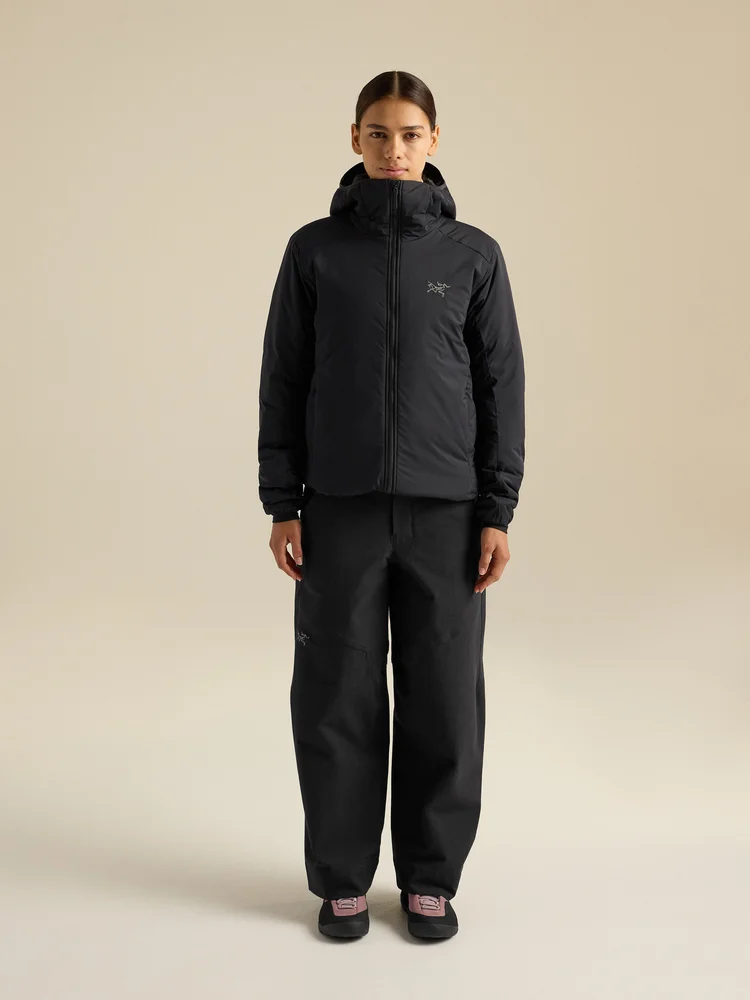
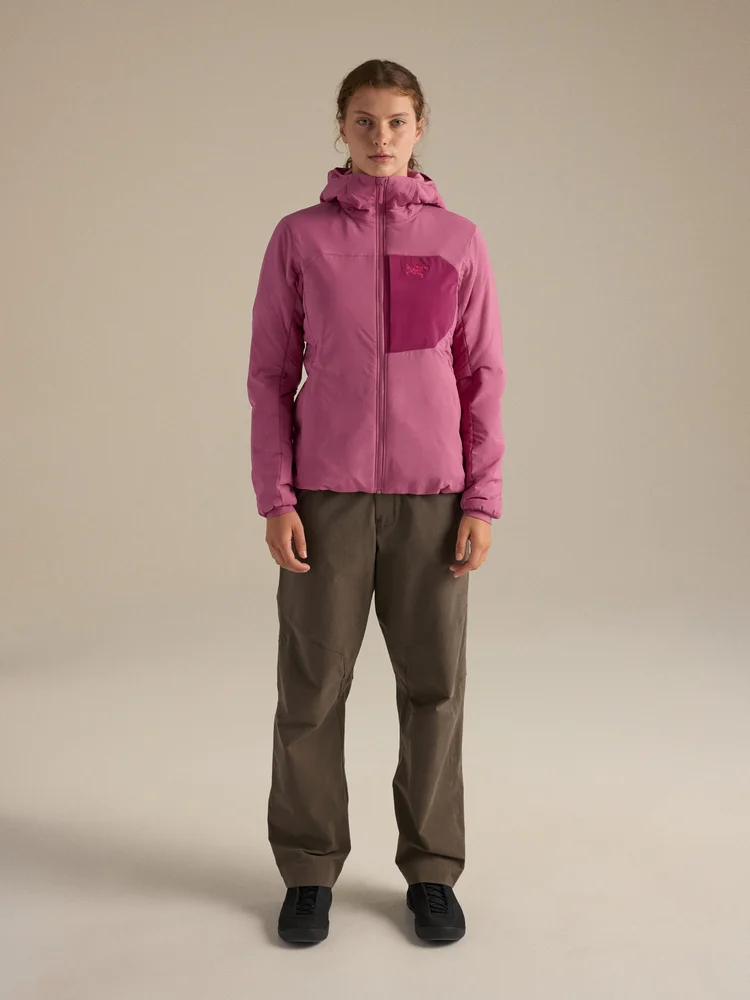
Insulation changes the feel more than the logo does. Arc'teryx now lists the Atom Hoody as fitted, with articulated patterning for mobility, and the hoodless Atom Jacket carries the same fitted label. The Atom SV Hoody is the exception: it is a regular fit with room for layers and the warmest Atom, built for cold, mid-output days. The Proton Hoody is fitted too, made for breathable warmth when you are moving hard.
For daily wear, I'd start with the Atom Hoody in your chart size if it goes over a base top. If you expect a sweater underneath, check the next size against your shoulder and bust rather than ordering up just because the piece is insulated. The Atom Jacket is the cleaner pick when you don't want a hood under your shell. The Atom SV belongs to a colder stack and has the room for it, while the Proton is the closer, more mobile fit. That is why same brand, same size doesn't always mean the same space inside the jacket.
Stretch layers reward a close read
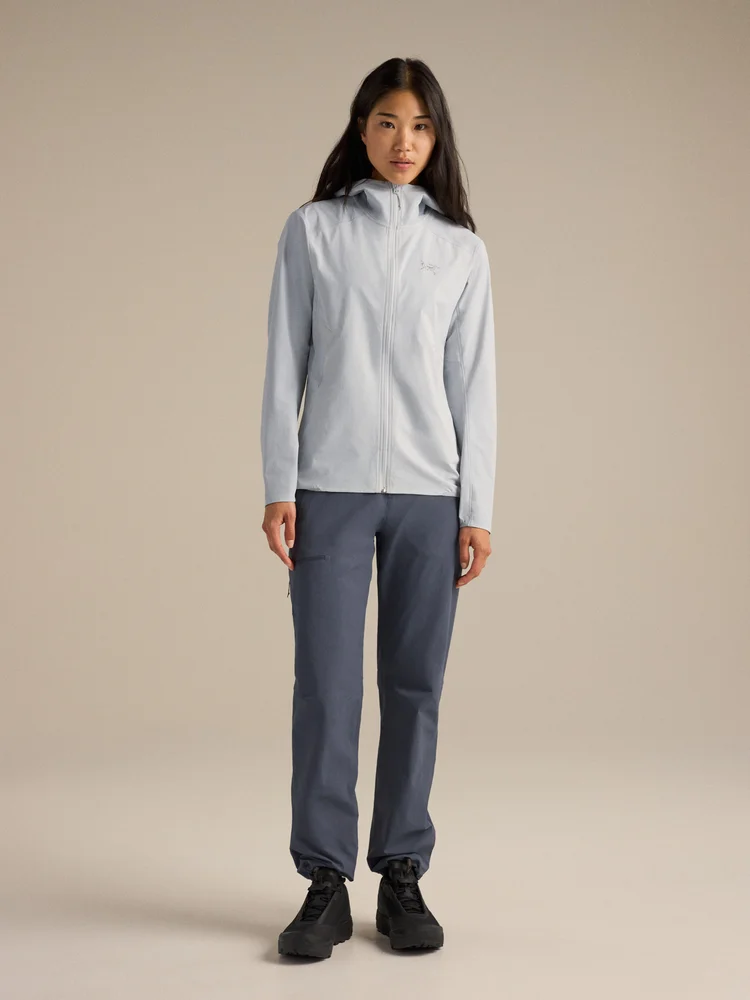
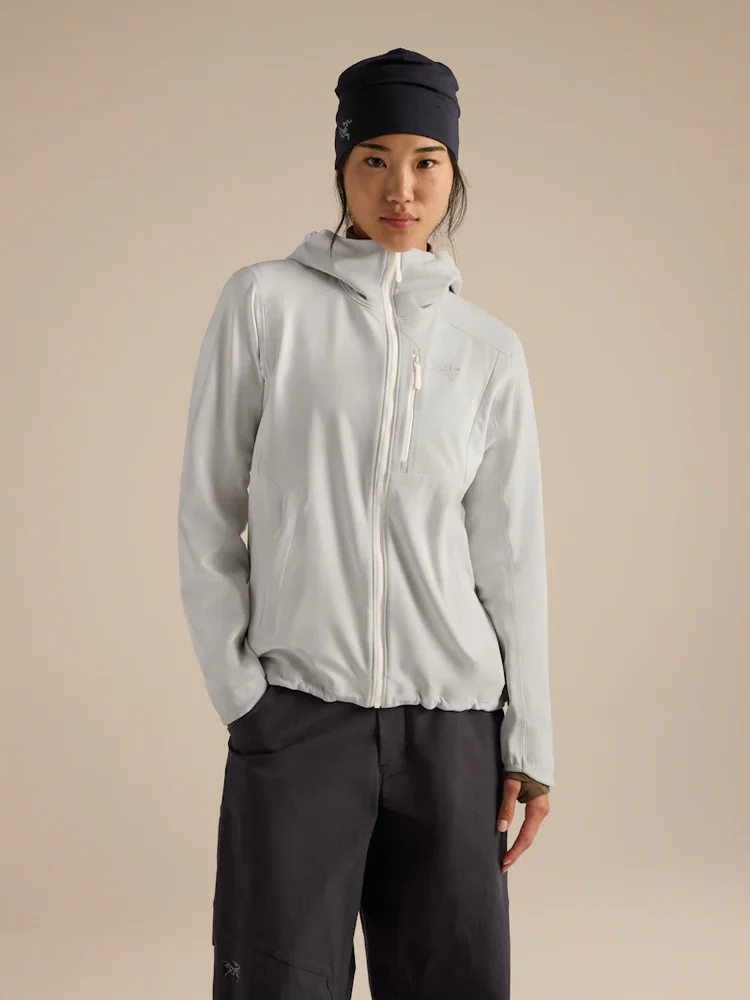
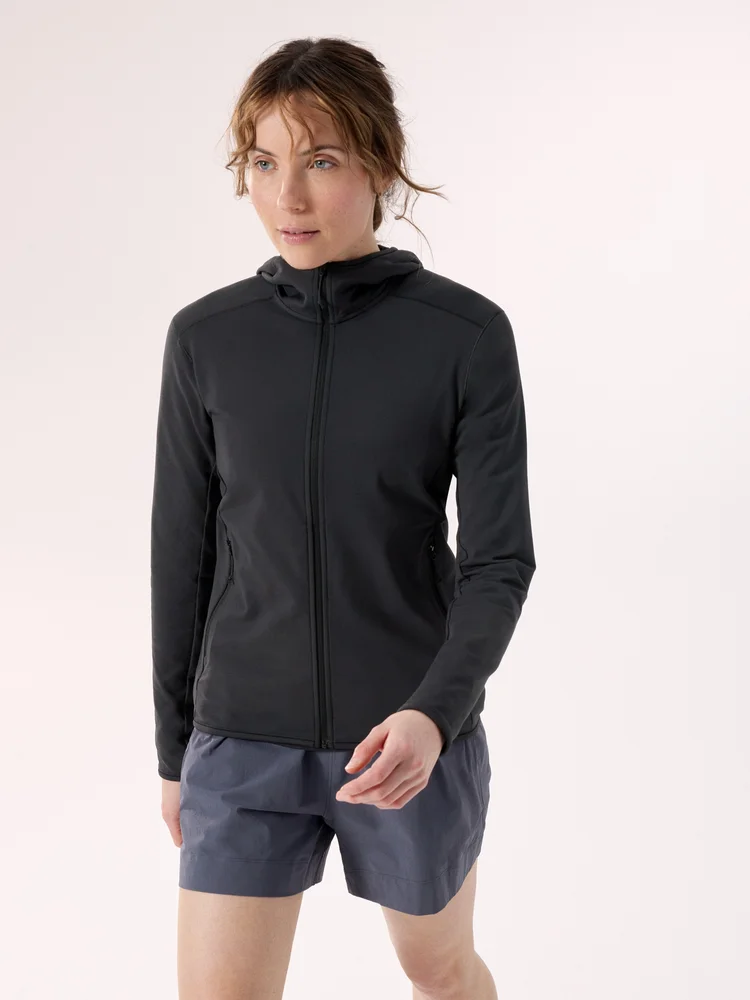
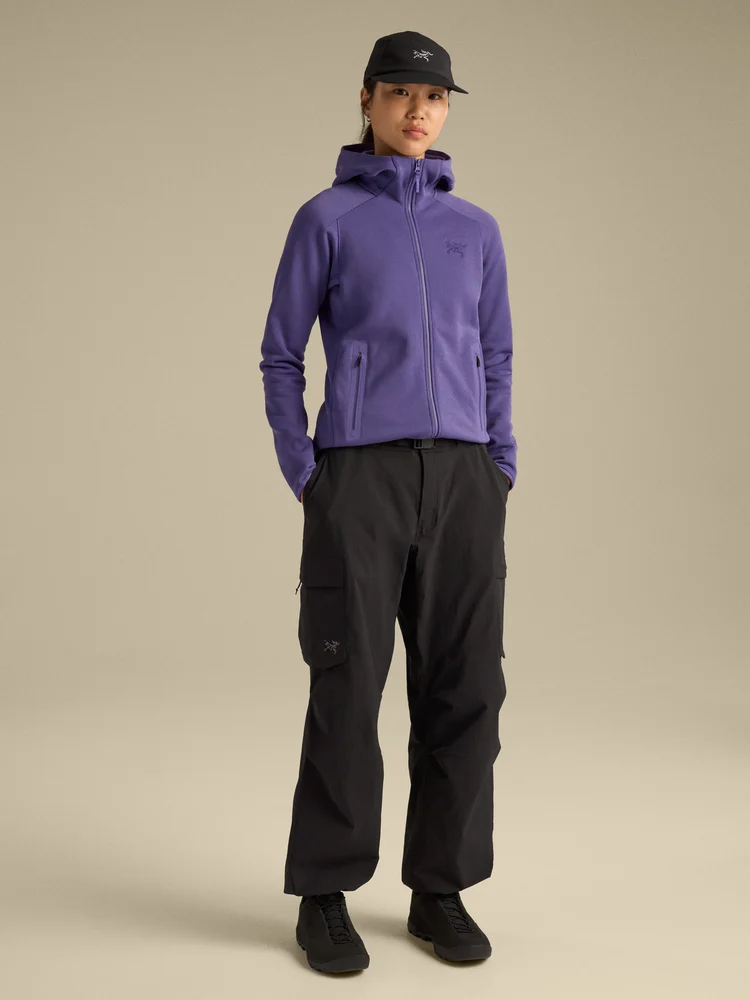
Stretch shells and fleece midlayers reward a closer look at cut. Arc'teryx calls the Gamma Lightweight Hoody a trim, slim fit, a light and weather-repellent softshell, while the Gamma MX Hoody is a regular-fit, weather-resistant softshell for mixed conditions. The Kyanite LT Hoody is a light stretch fleece with a fitted cut that works next to skin or as a layer, and the Kyanite Hoody is fitted too, close through chest, waist, hip and thigh while still made to sit over a first layer.
The one-line rule: shells, start true to chart and try the layer you will wear; insulated jackets, start true to chart and size up only for a looser midlayer; stretch shells and fleece, use chart size for a close layer and size up if you prefer breathing room. Anyone whose chest, waist or hip lands between chart sizes should check the measurements twice, as should anyone planning to wear a bulky layer under a shell. If I were buying one first, I would start with the Beta Jacket for weather protection, or the Atom SV Hoody if I needed warmth with layering room. The baseline is true to chart, with size changes made for a specific layer or silhouette.