Darker sunglasses do not automatically protect your eyes more. Lens shade controls how much visible light reaches you, while UV protection depends on the lens filter, so a pale lens can be protective and a very dark one
Are Dark Lenses Better
Darkness is not the same as protection
Darker sunglasses do not automatically protect your eyes more. Lens shade controls how much visible light reaches you, while UV protection depends on the lens filter, so a pale lens can be protective and a very dark one can fail if it lacks the right filter. Look for a clear UV400 or 100 percent UV protection statement before judging a pair by how black the lens looks. That distinction matters because dark lenses make your pupils open wider in bright conditions, which can make an unfiltered pair less comfortable for your eyes.
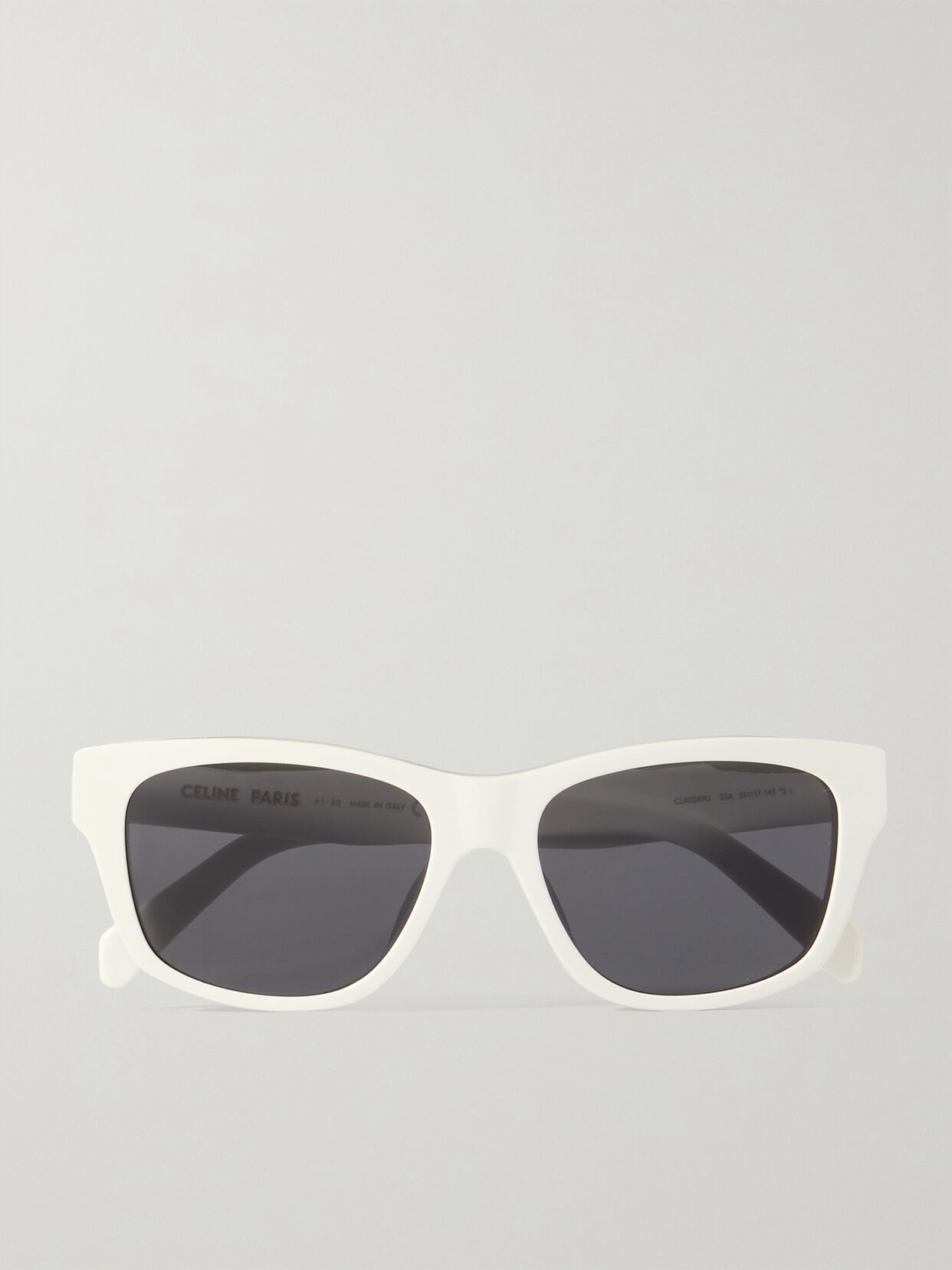
The square frames here run from $420 to $510. They give you a useful place to compare shape and coverage without treating price or darkness as a health claim. A wide square frame usually blocks more light from the sides than a narrow one, but fit still decides whether that happens. Check that the frame reaches close to your temples and sits level across your nose. The Triomphe oversized square-frame styles are the most enveloping choices in this group, while the gold-tone square frame has a lighter visual effect without changing the protection question.
Square frames
Monochroms square-frame acetate sunglasses
CELINE Eyewear
$420
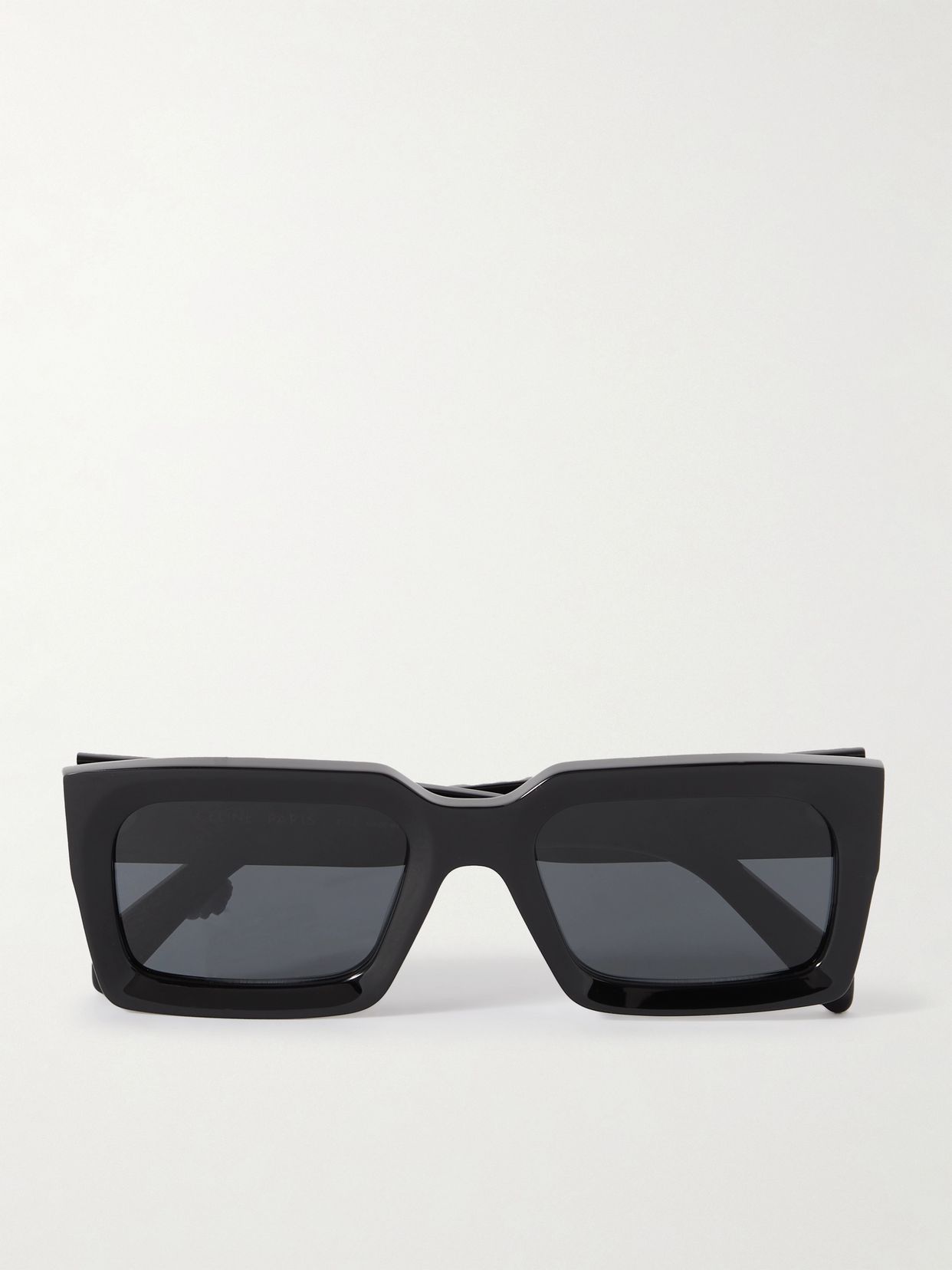
Bold square-frame acetate sunglasses
CELINE Eyewear
$460
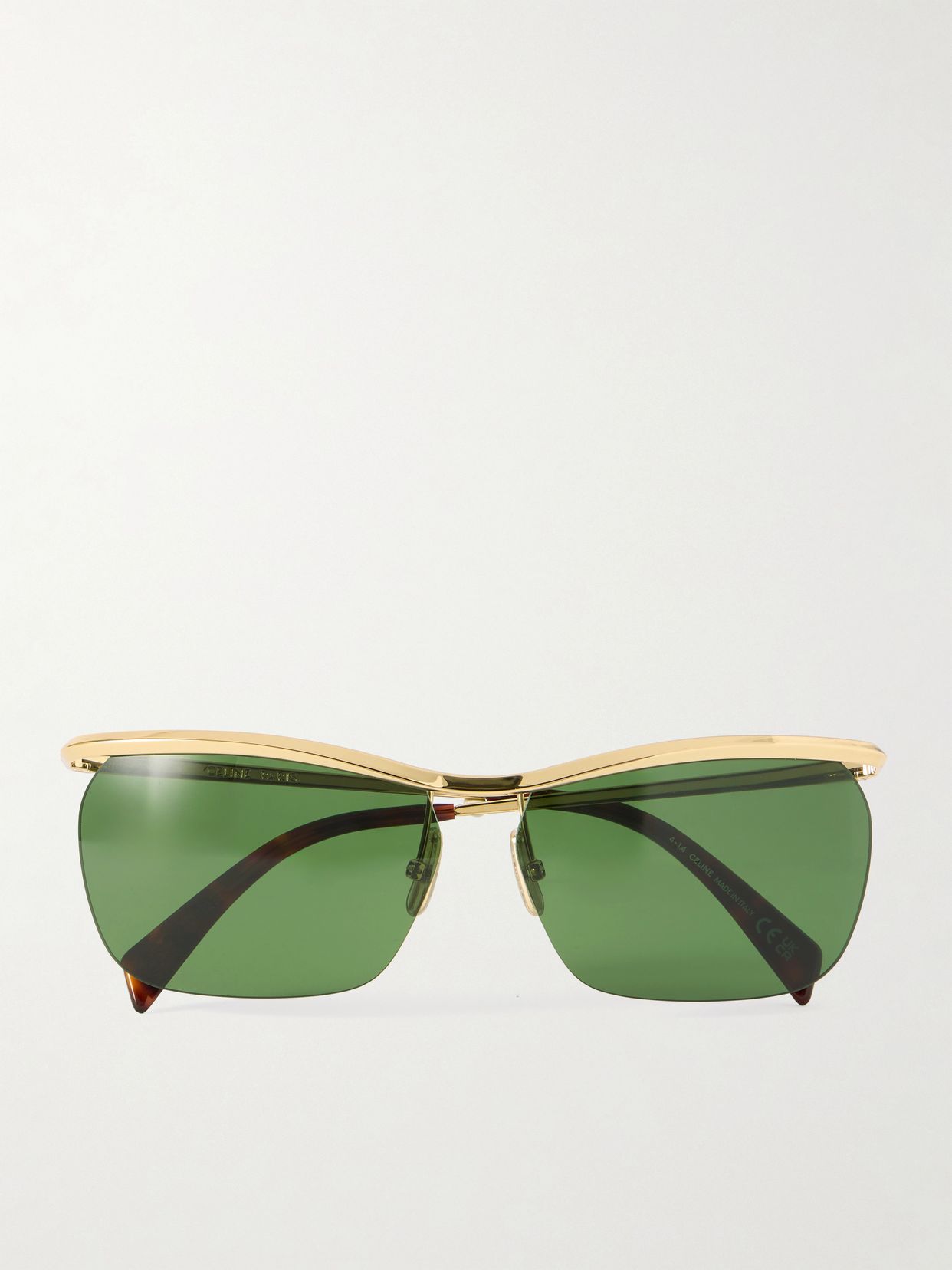
Square-frame gold-tone sunglasses
CELINE Eyewear
$480
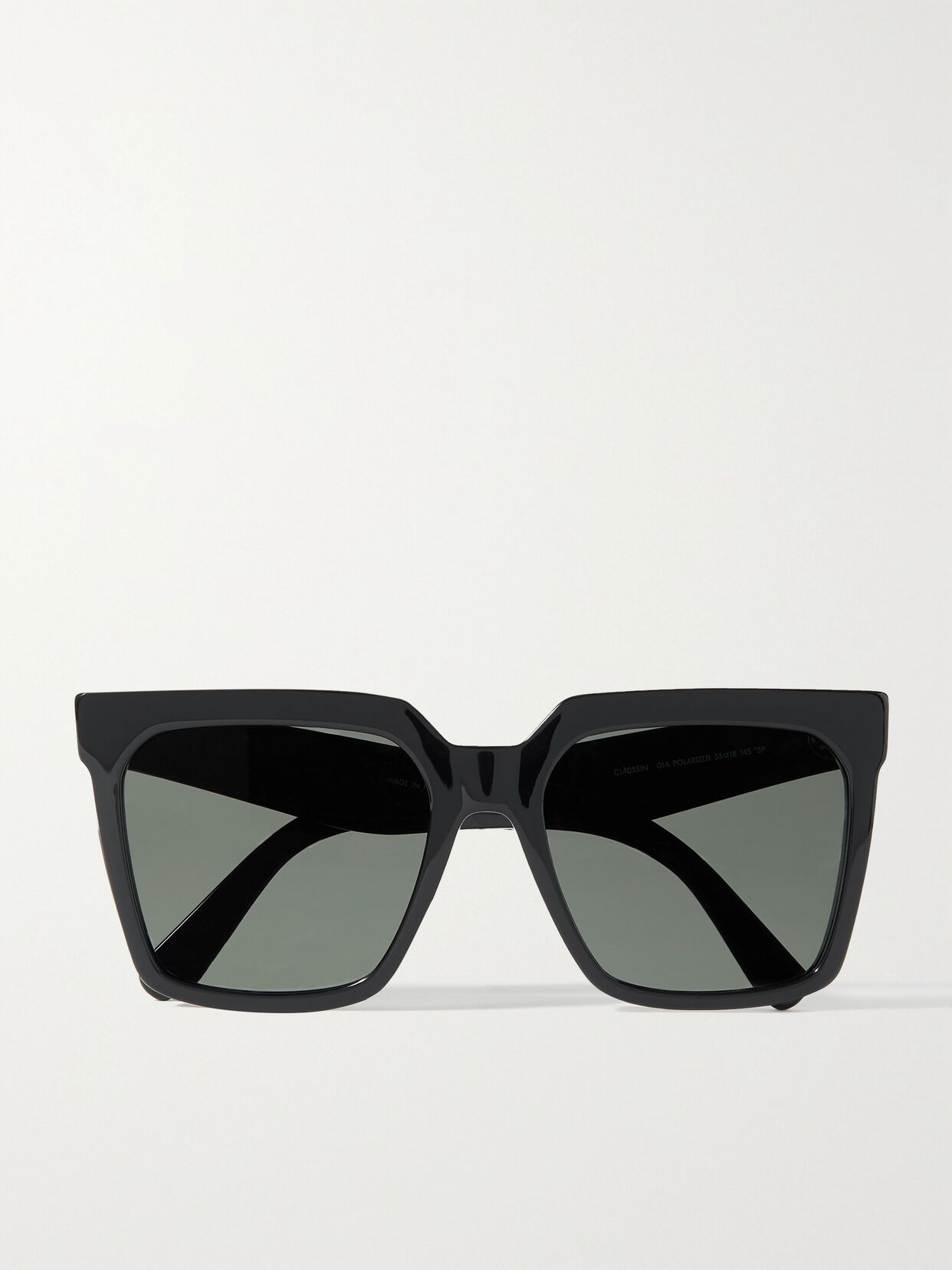
Oversized square-frame acetate sunglasses
CELINE Eyewear
$480
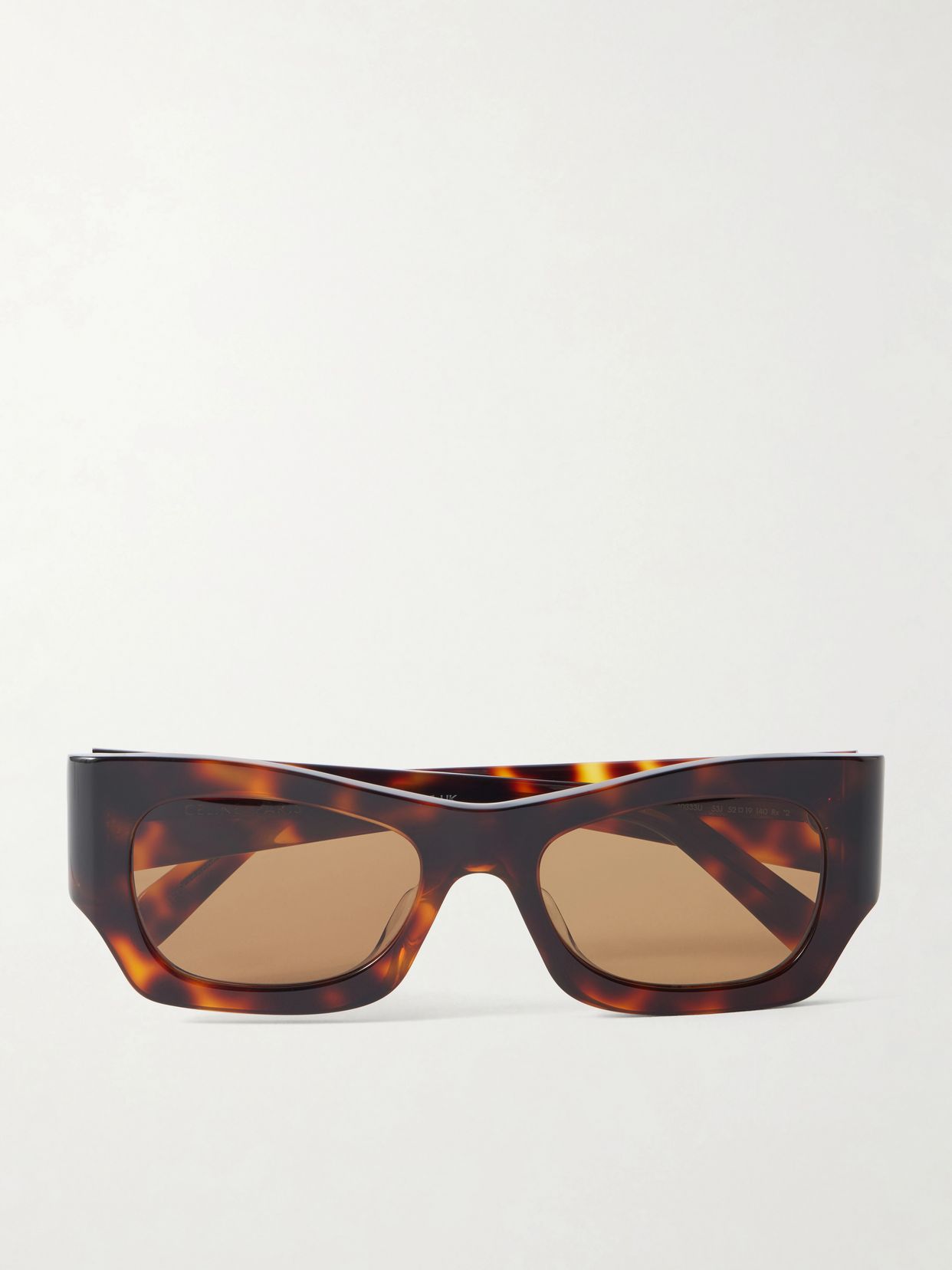
Square-frame tortoiseshell acetate sunglasses
CELINE Eyewear
$490
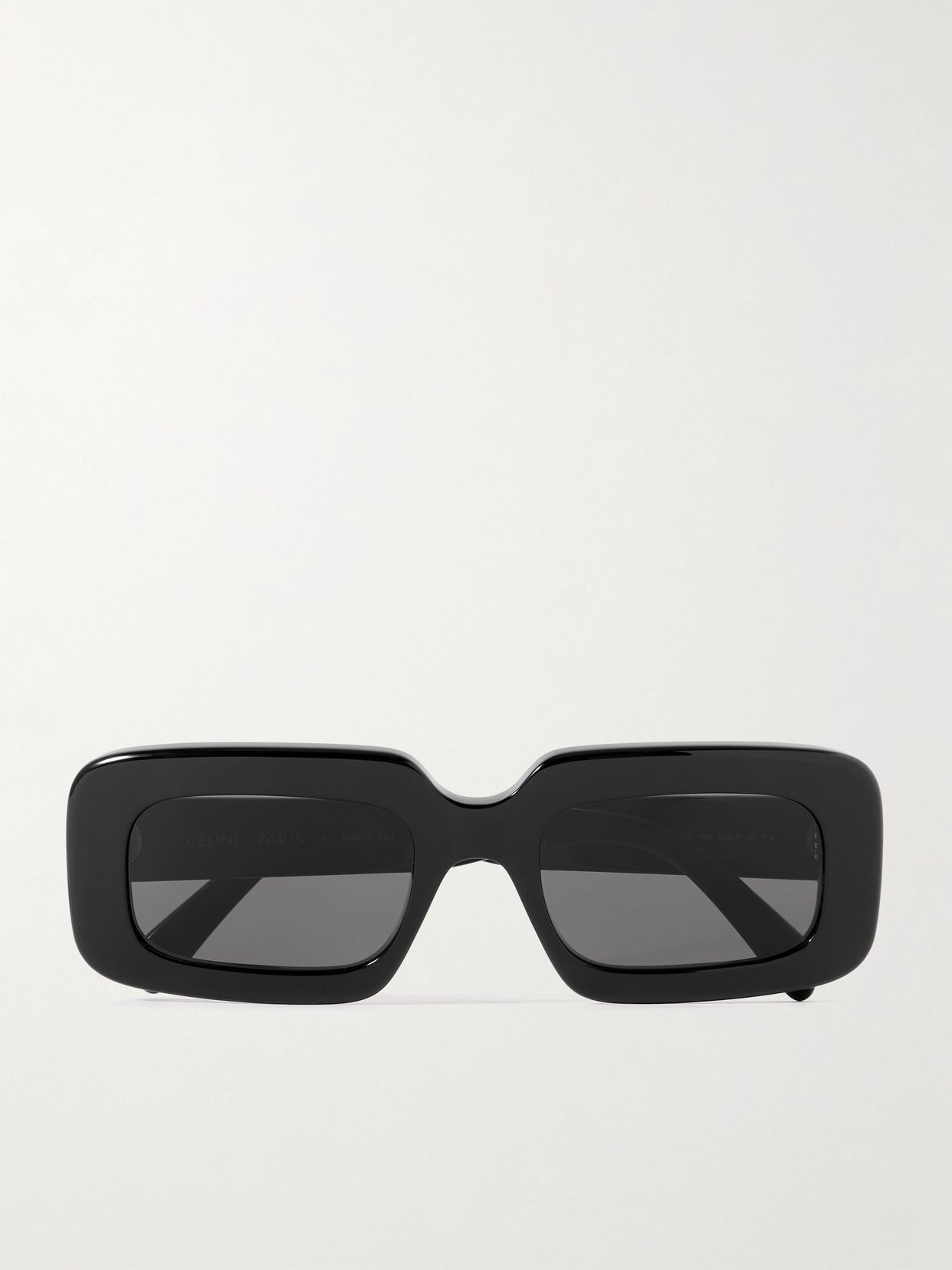
Triomphe oversized square-frame acetate sunglasses
CELINE Eyewear
$510
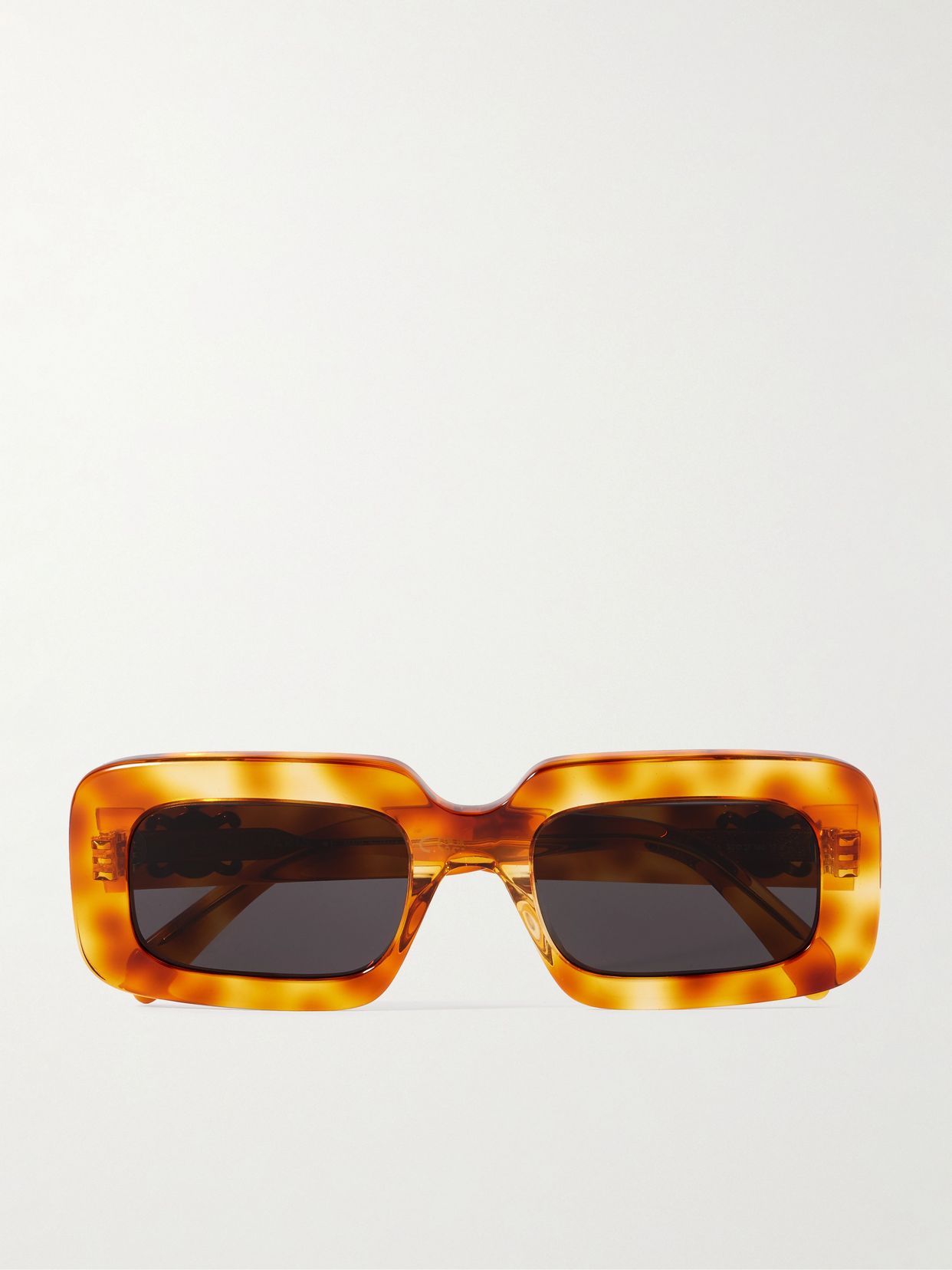
Triomphe oversized square-frame tortoiseshell acetate sunglasses
CELINE Eyewear
$510
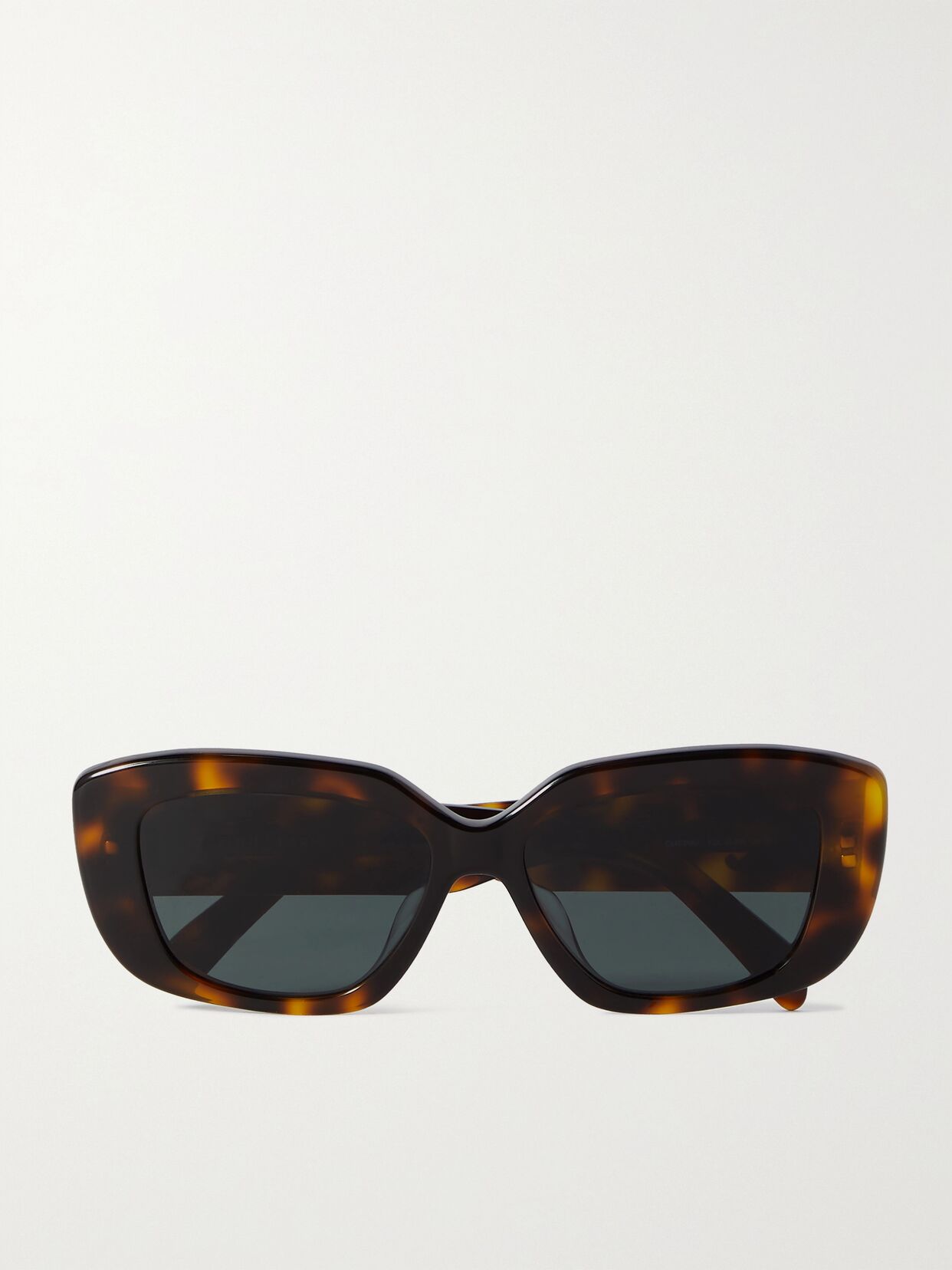
Triomphe rectangular-frame tortoiseshell acetate sunglasses
CELINE Eyewear
$510
How the frame should sit on your face
The right sunglasses shape is the one that follows your face without touching it. Put the frames on and look straight ahead. Your pupils should sit near the centre of each lens, the bridge should rest without pressure, and the lower rim should not touch your cheeks when you smile. If the arms flare away from your head, the frame is too narrow. If they press behind your ears, it is too small even when the front looks good.
Cat-eye frames deserve a second check because their outer corners often rise beyond the natural line of the brow. The cat-eye group runs from $340 to $950, and its shape range includes the Monochroms cat-eye, bold, oversized and crystal-embellished versions. A strong upsweep can balance a softer jaw, while a gentler cat-eye is easier on a long or angular face. Tortoiseshell and acetate describe the frame's appearance and construction, not the strength of its lens filter.
Try the frames with your usual hairstyle. Hair tucked behind the ears can make a wide temple feel tighter, and a fringe can hide a frame that is actually sitting too low.
Cat eye
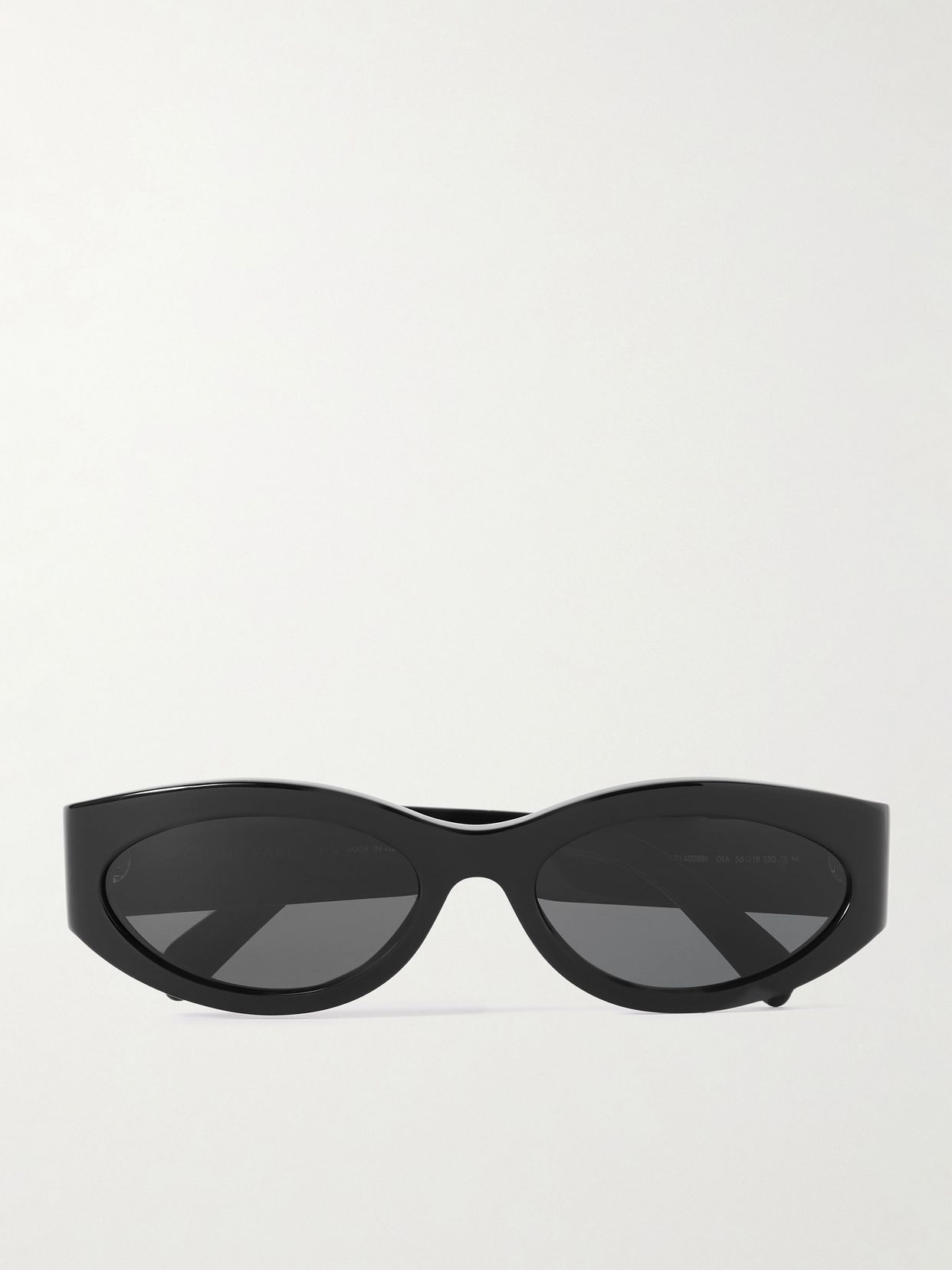
Monochroms cat-eye acetate sunglasses
CELINE Eyewear
$340
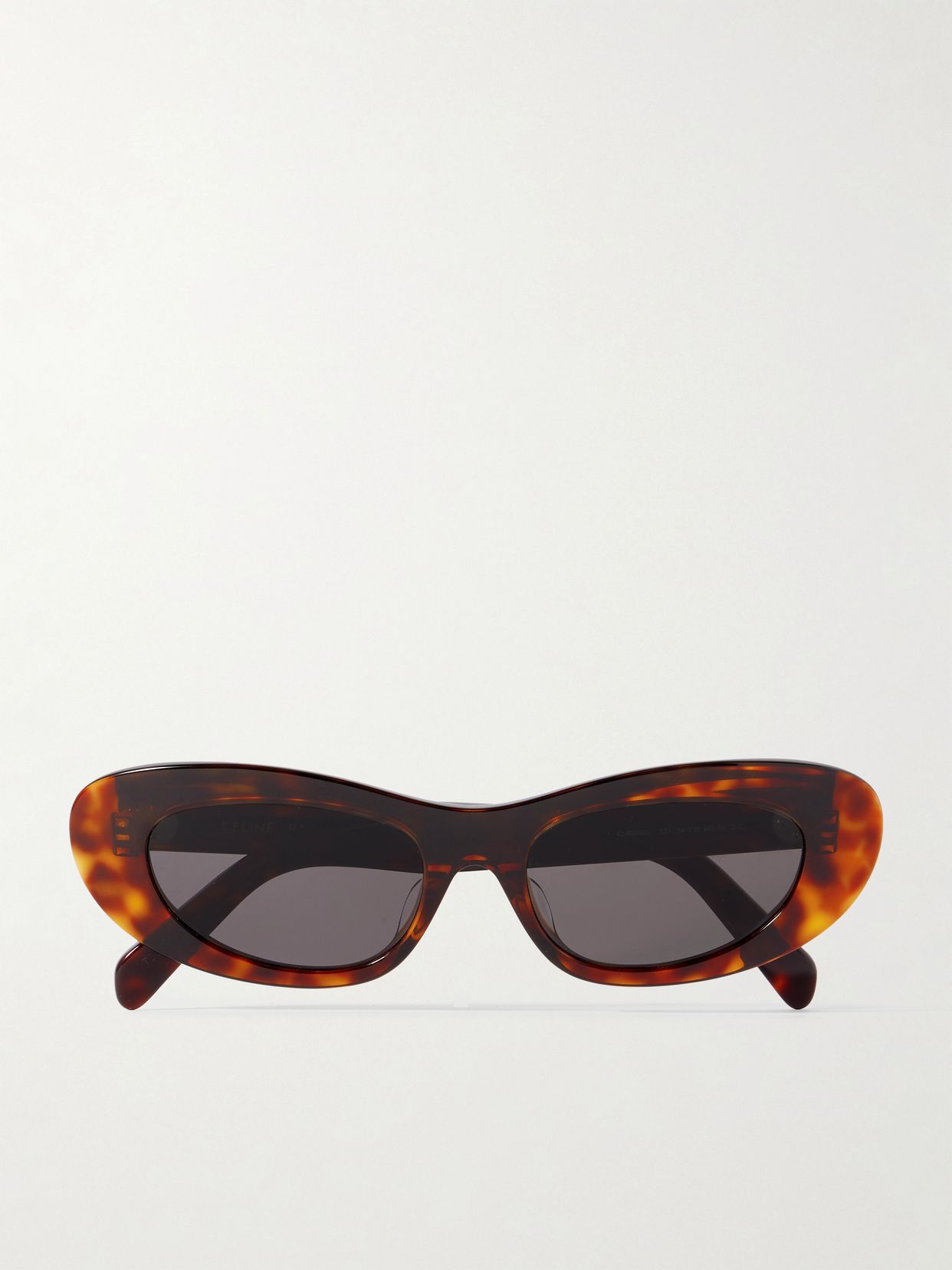
Cat-eye tortoiseshell acetate sunglasses
CELINE Eyewear
$460
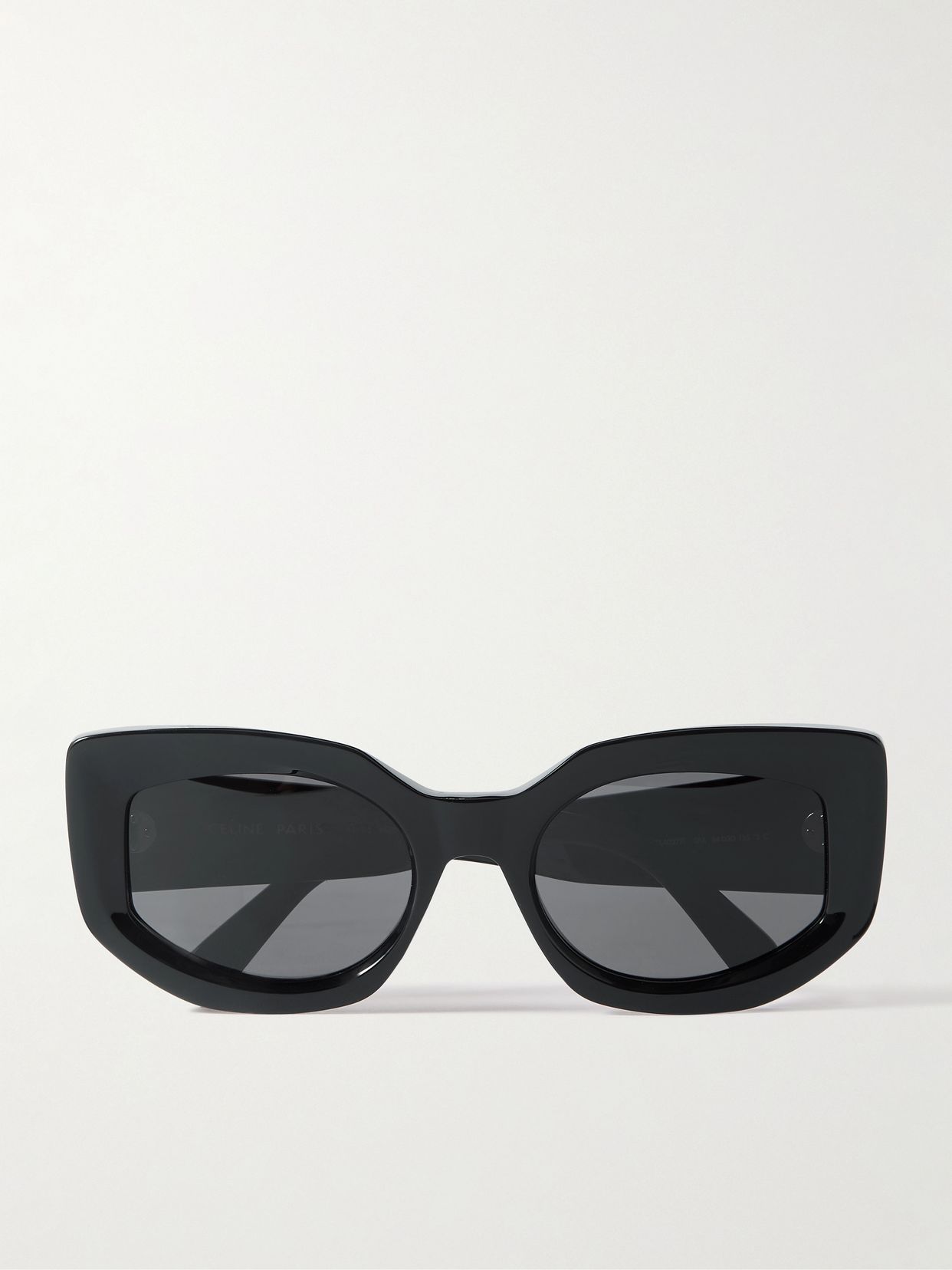
Bold cat-eye acetate sunglasses
CELINE Eyewear
$480
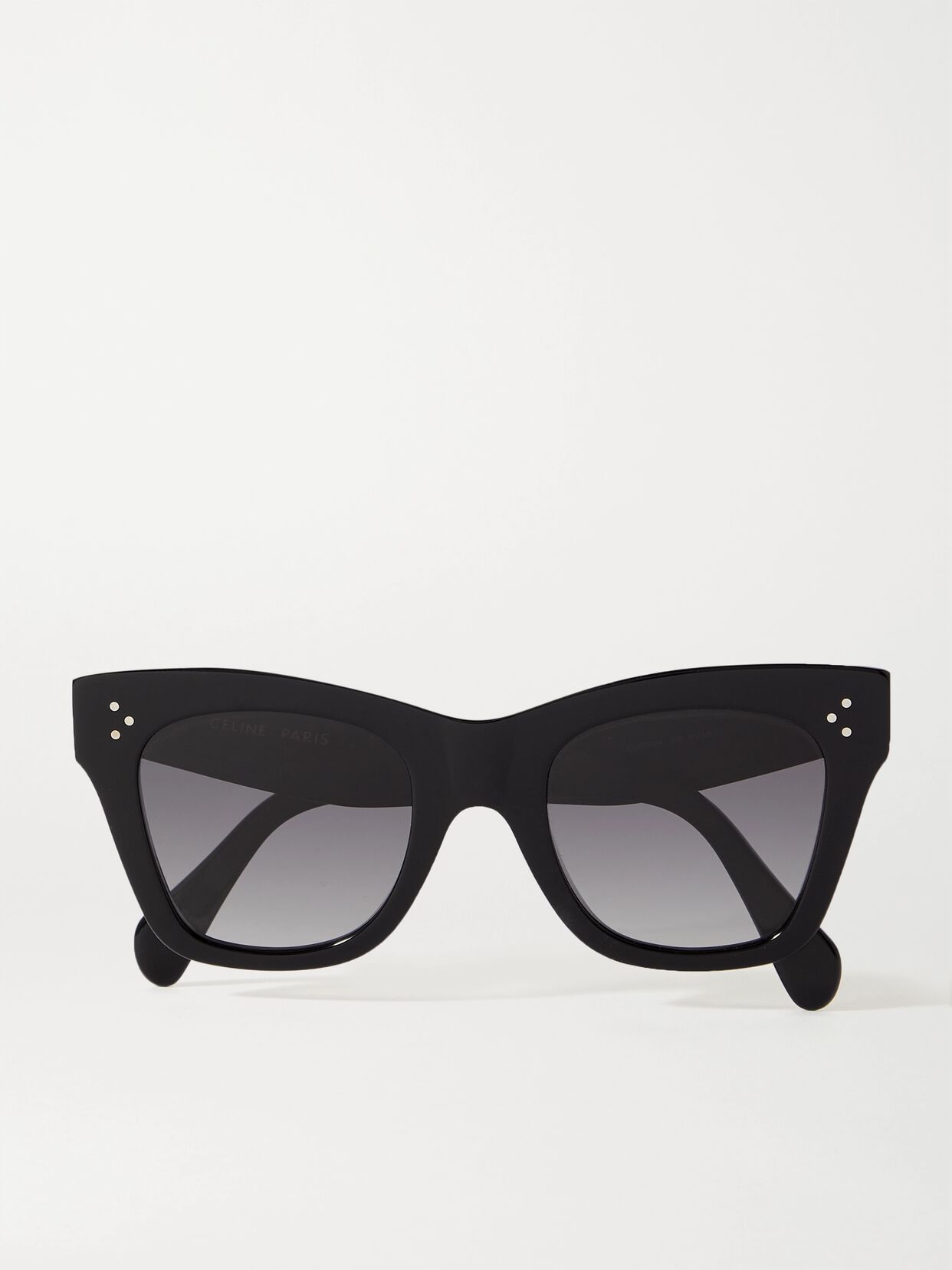
Oversized cat-eye acetate sunglasses
CELINE Eyewear
$500
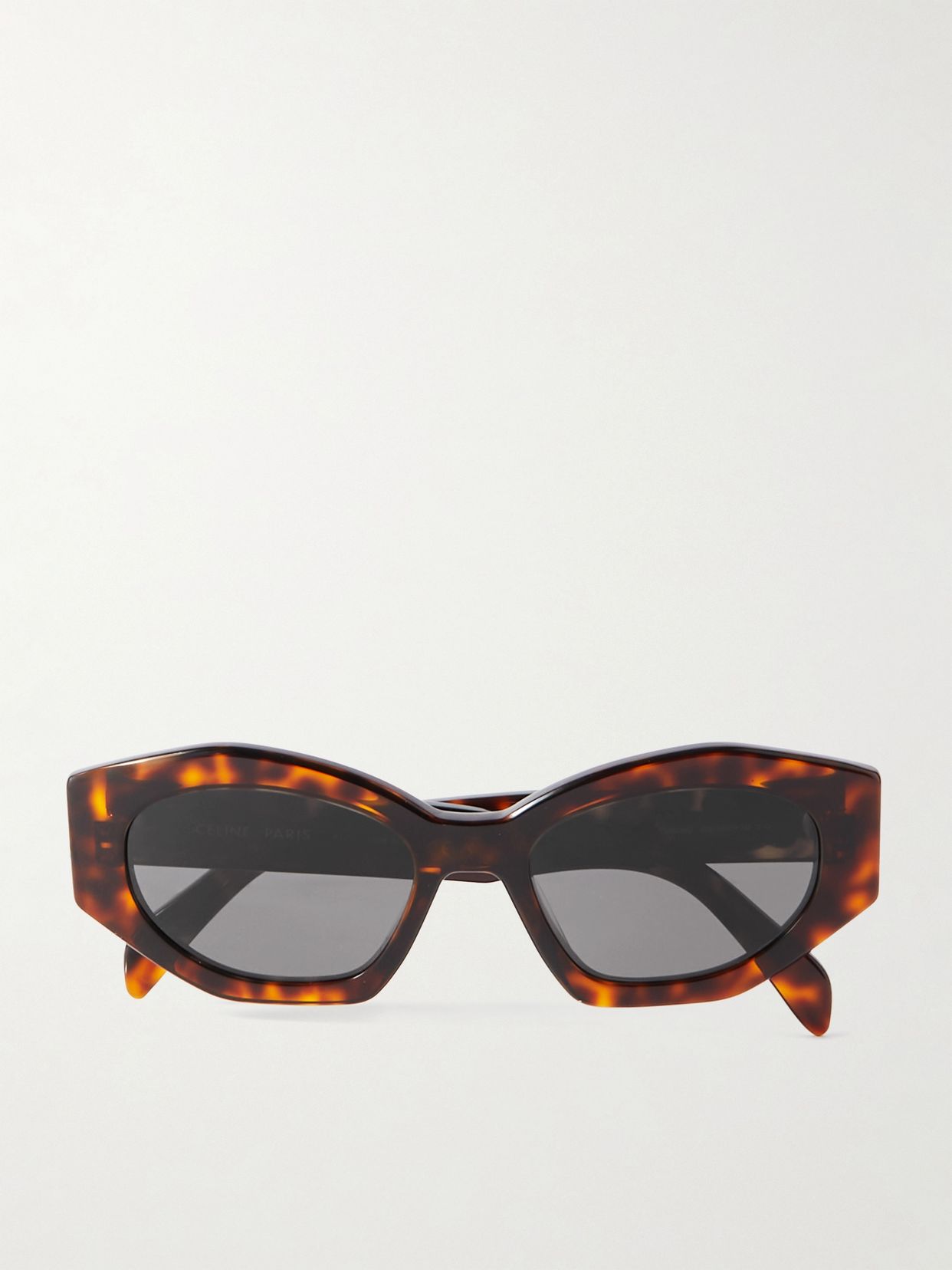
Triomphe cat-eye tortoiseshell acetate sunglasses
CELINE Eyewear
$510
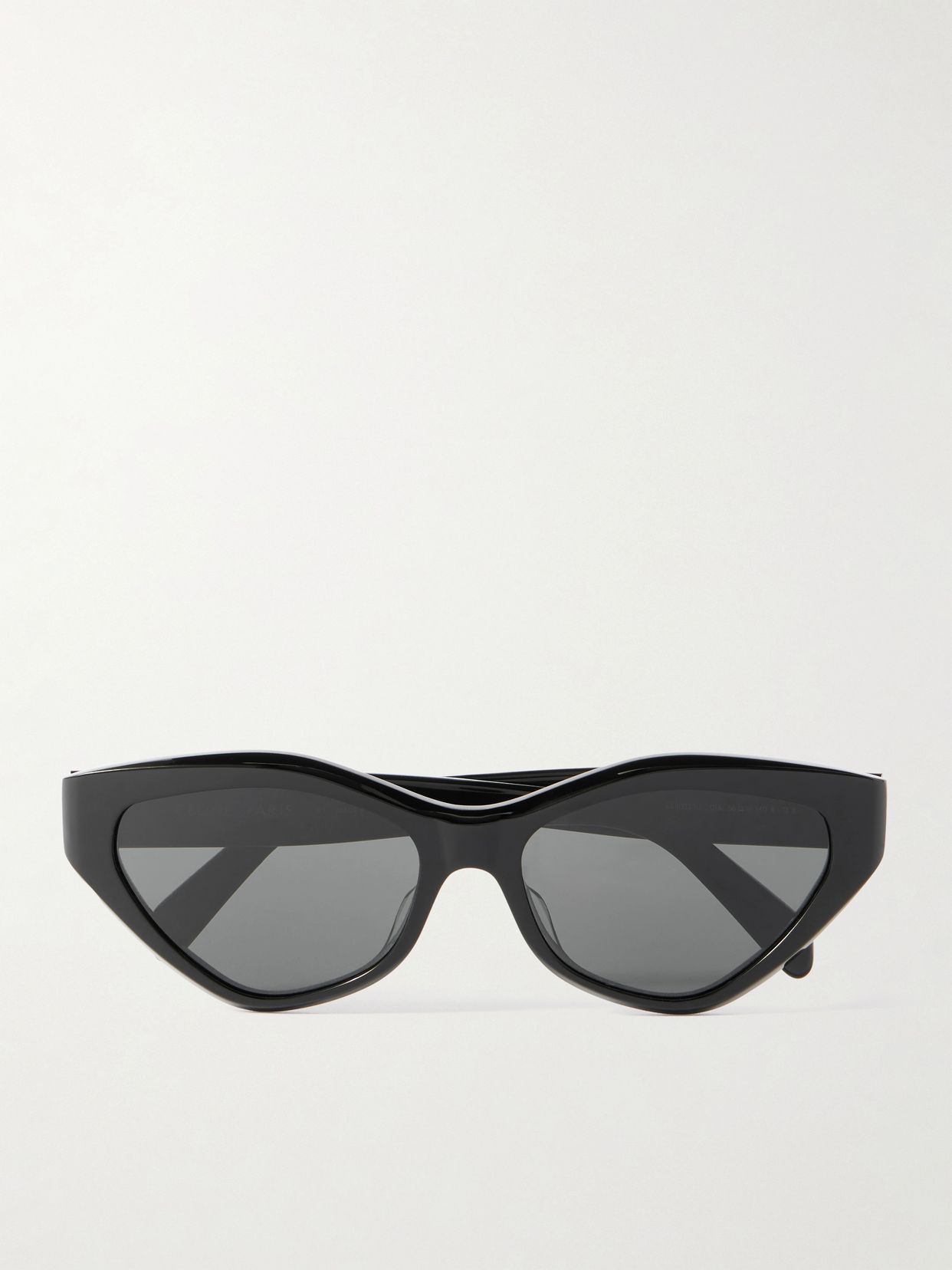
Triomphe cat-eye acetate sunglasses
CELINE Eyewear
$550
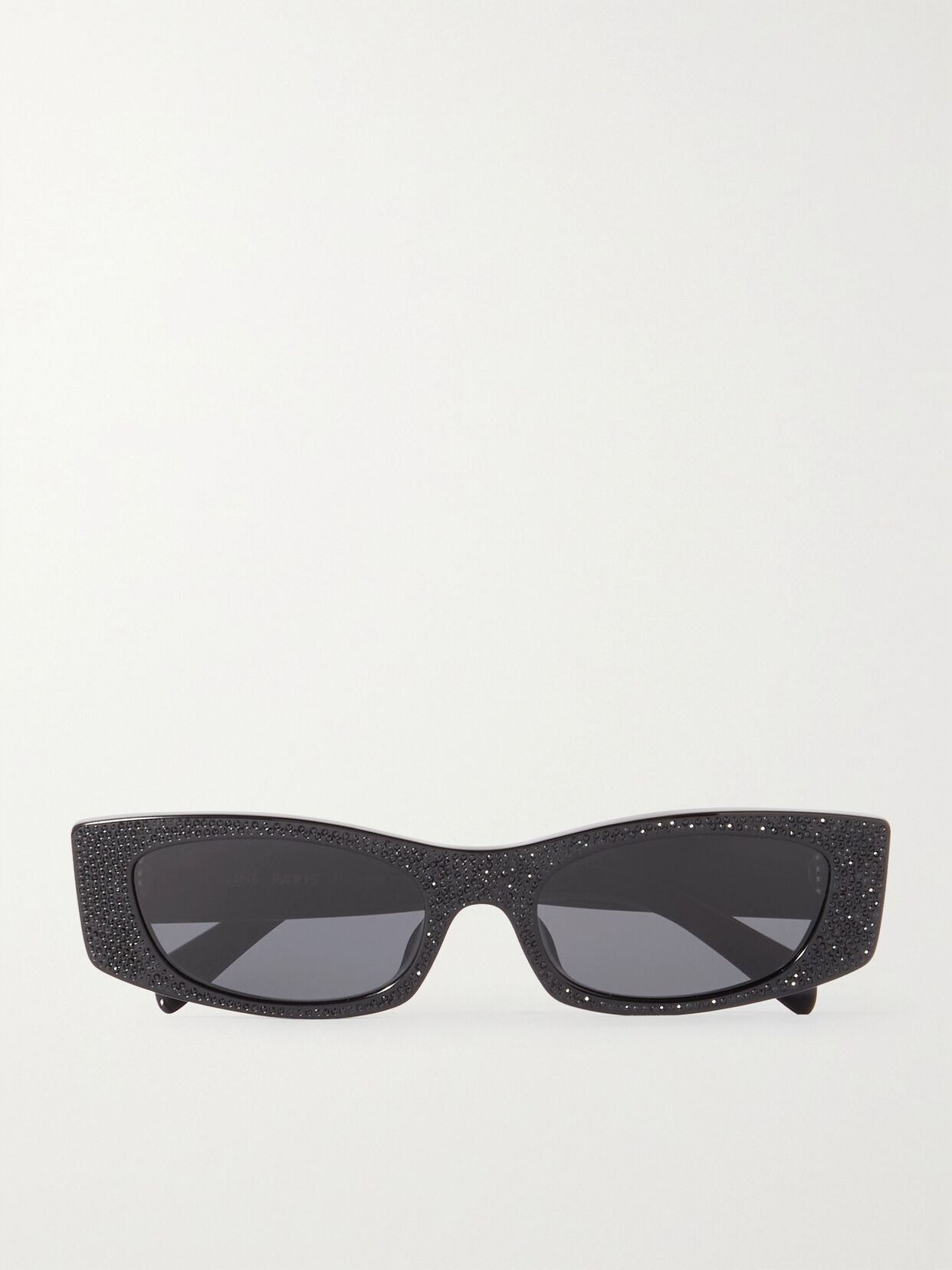
Animation crystal-embellished cat-eye acetate sunglasses
CELINE Eyewear
$950
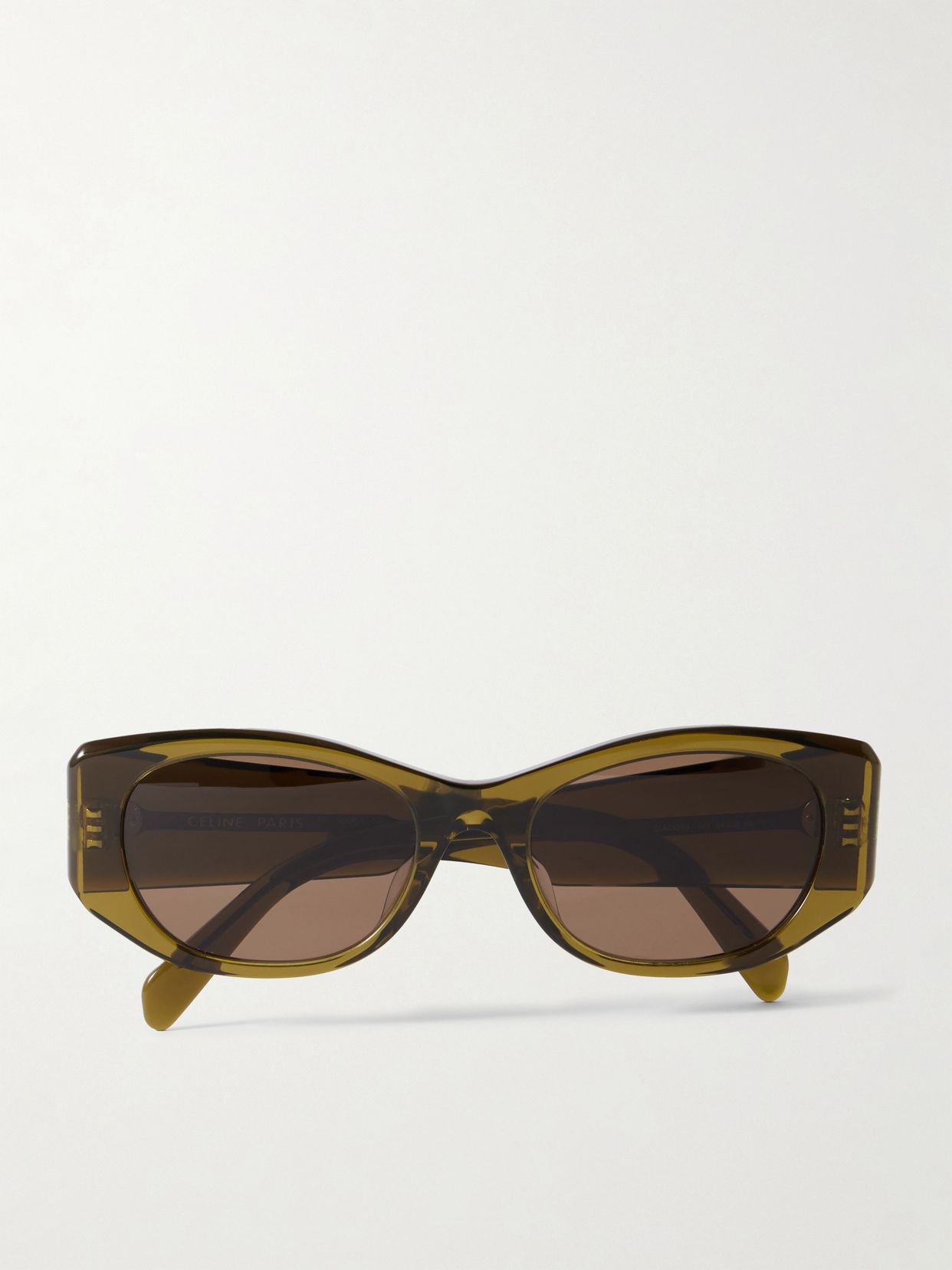
Cat-eye acetate sunglasses
CELINE Eyewear
$485
Choosing coverage without losing clarity
Coverage is a practical choice, not simply a matter of picking the darkest lens. A larger lens can reduce glare entering from above and beside the eye, especially when the frame follows the face closely. Oversized square and cat-eye shapes give more of that sheltered feeling, while an aviator-style or oval frame leaves a more open line around the eye. The best option depends on how much side light reaches you and whether the frame stays put when you walk.
The mixed-shape group is $470 to $580. It brings together the Oro round-frame, aviator-style metal, crystal-embellished square, oval-frame, rectangle-frame and cat-eye designs, so the useful comparison is silhouette rather than a shared material or colour story. Gold-tone and silver-tone frames can both work with a neutral wardrobe. Pick the one whose bridge and arms feel stable, then check the lens specification separately.
Keep the lenses clean with water and a soft cloth rather than a dry sleeve on gritty glass. Fine scratches scatter light and make even a properly filtered lens tiring to wear.
$470 to $580
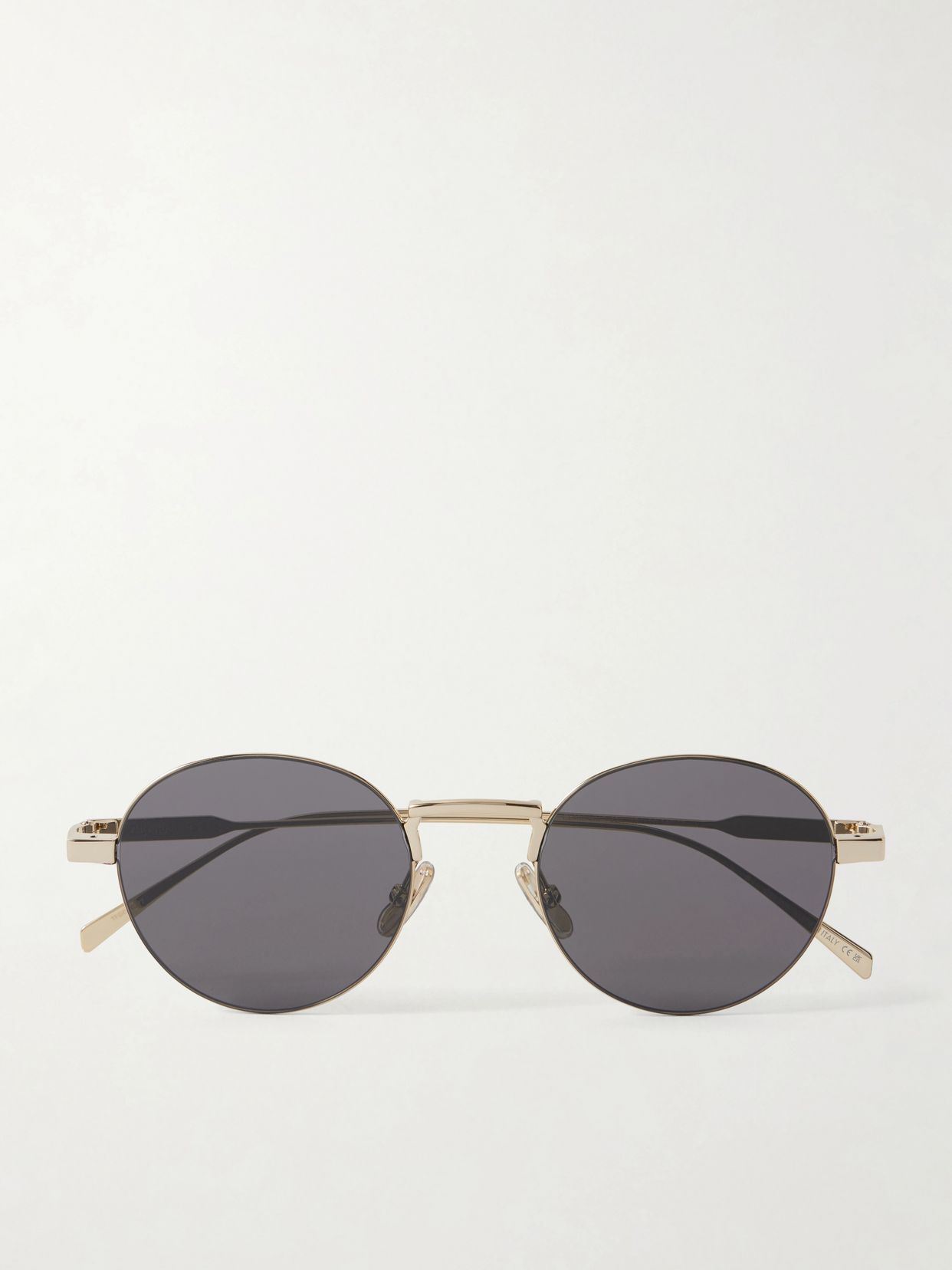
Oro round-frame gold-tone sunglasses
CELINE Eyewear
$470
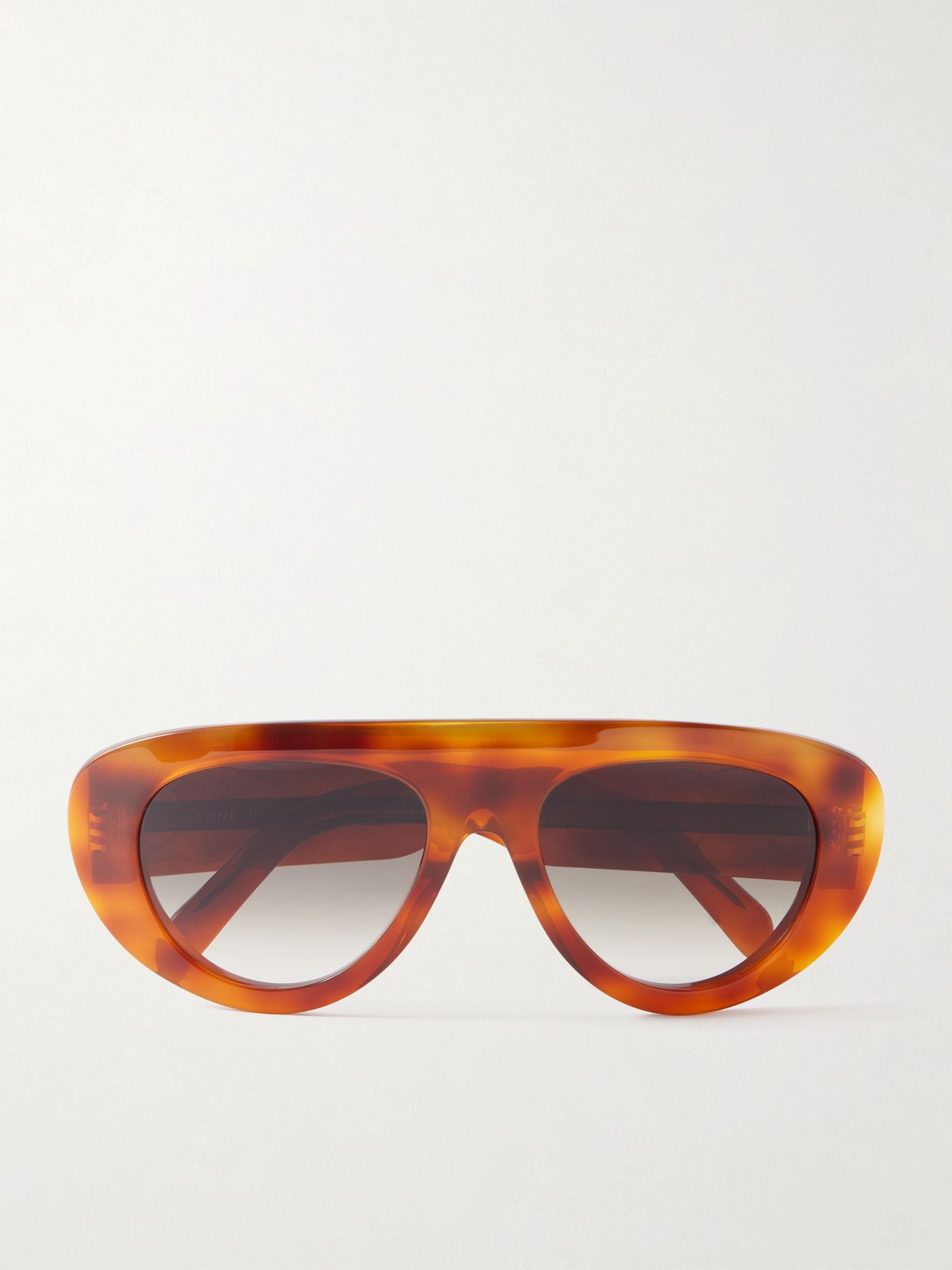
Aviator-style metal sunglasses
CELINE Eyewear
$490
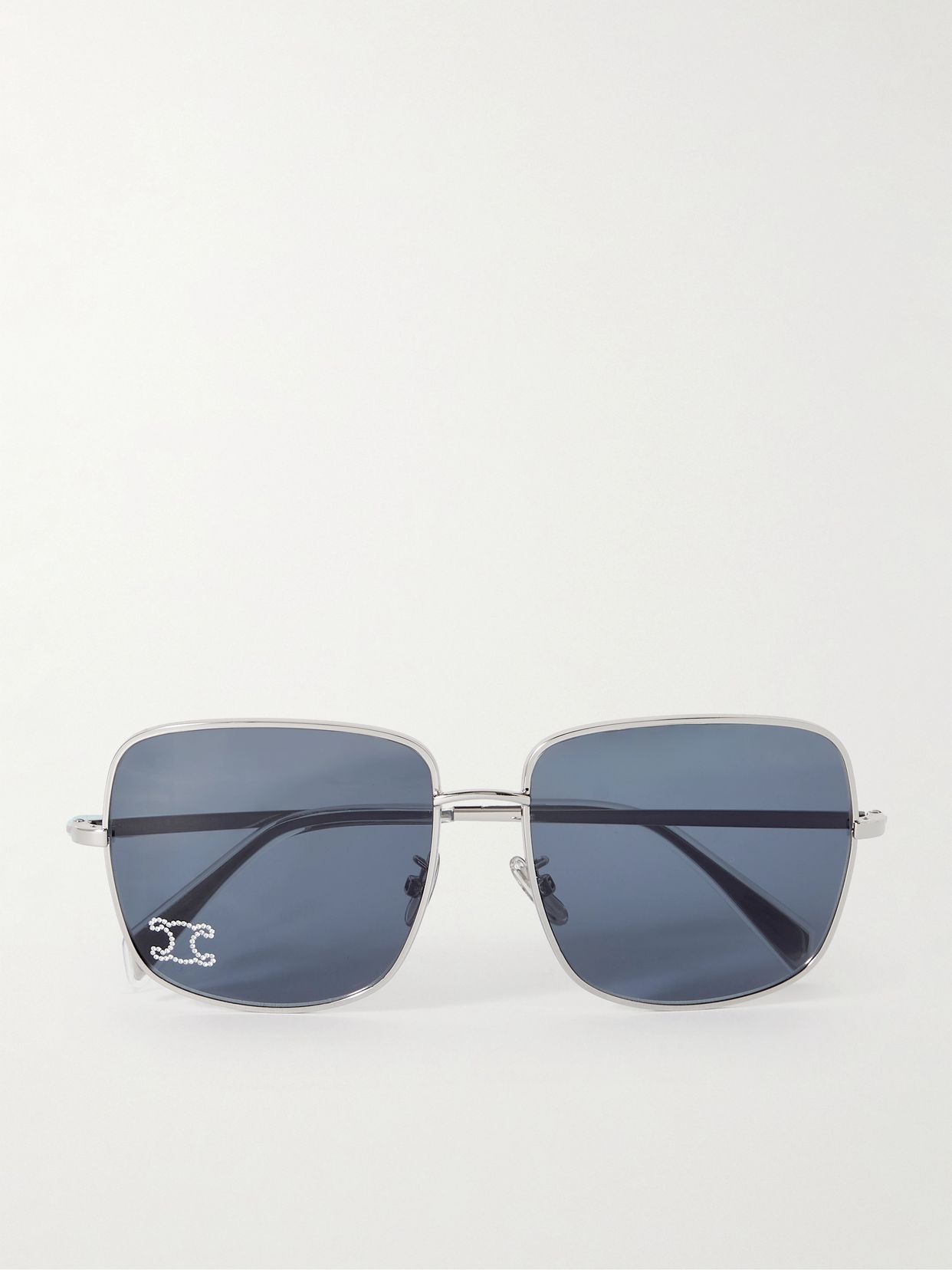
Triomphe crystal-embellished square-frame silver-tone sunglasses
CELINE Eyewear
$520
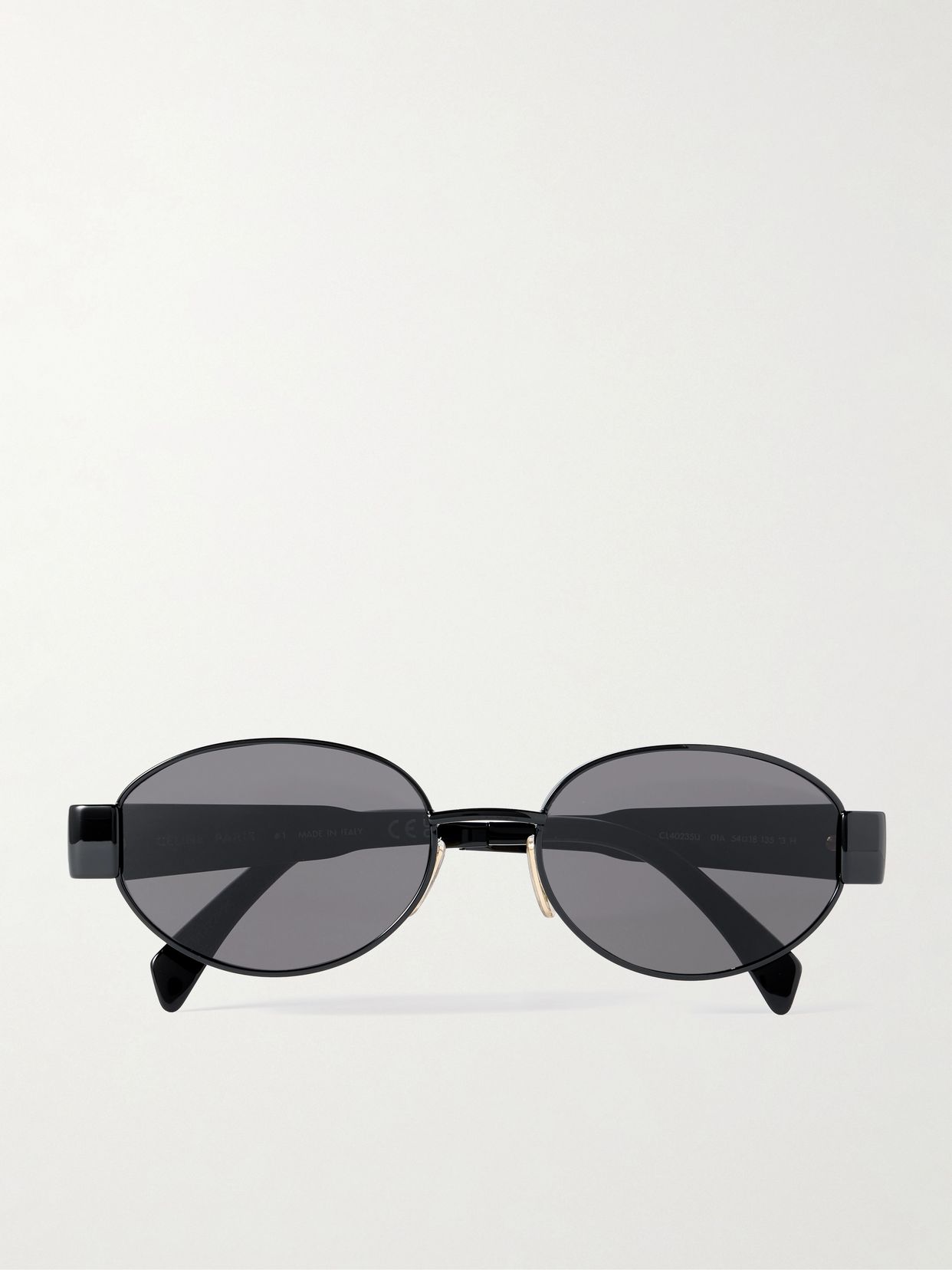
Oval-frame metal and acetate sunglasses
CELINE Eyewear
$535
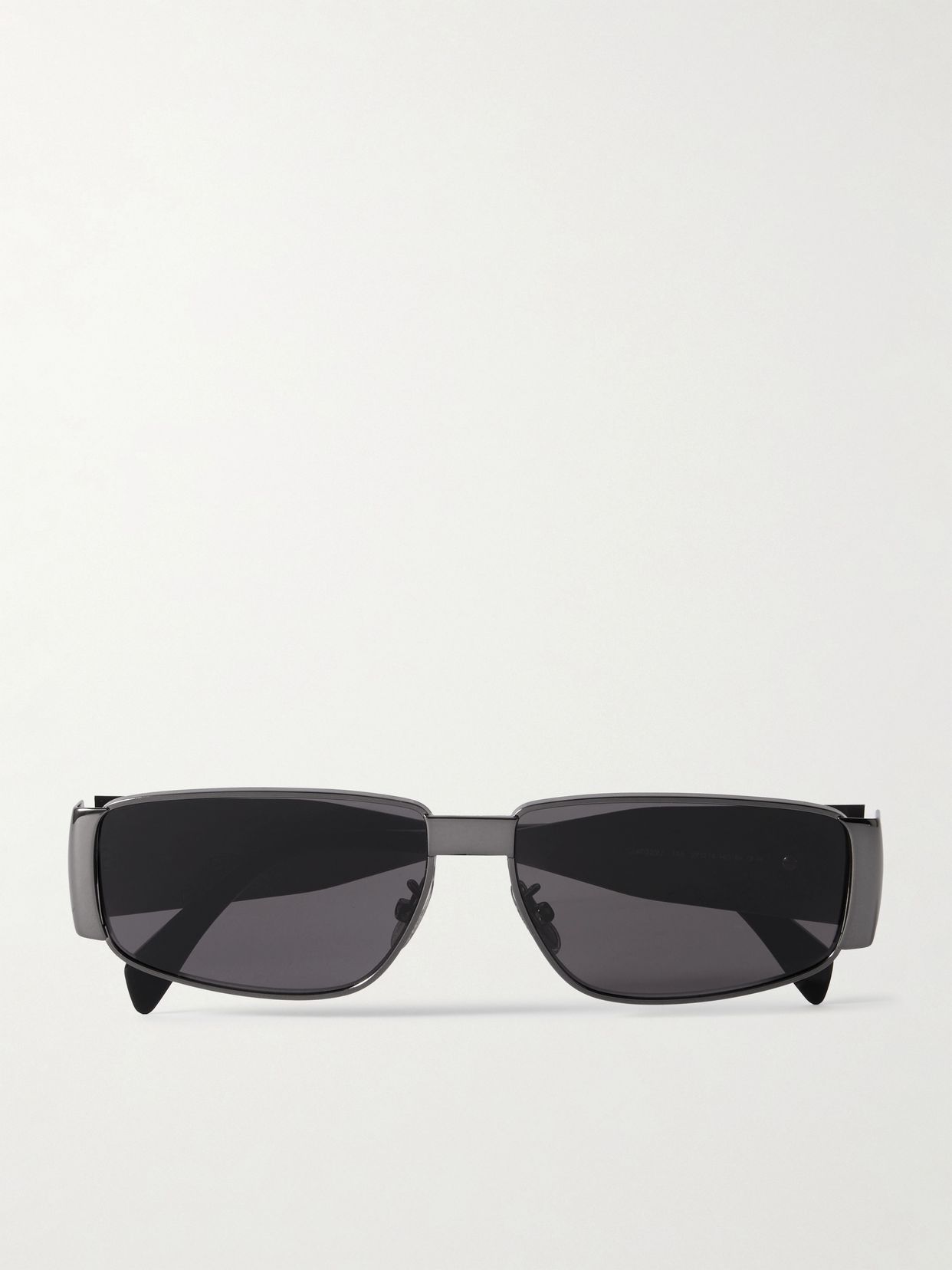
Triomphe rectangle-frame gunmetal-tone sunglasses
CELINE Eyewear
$535
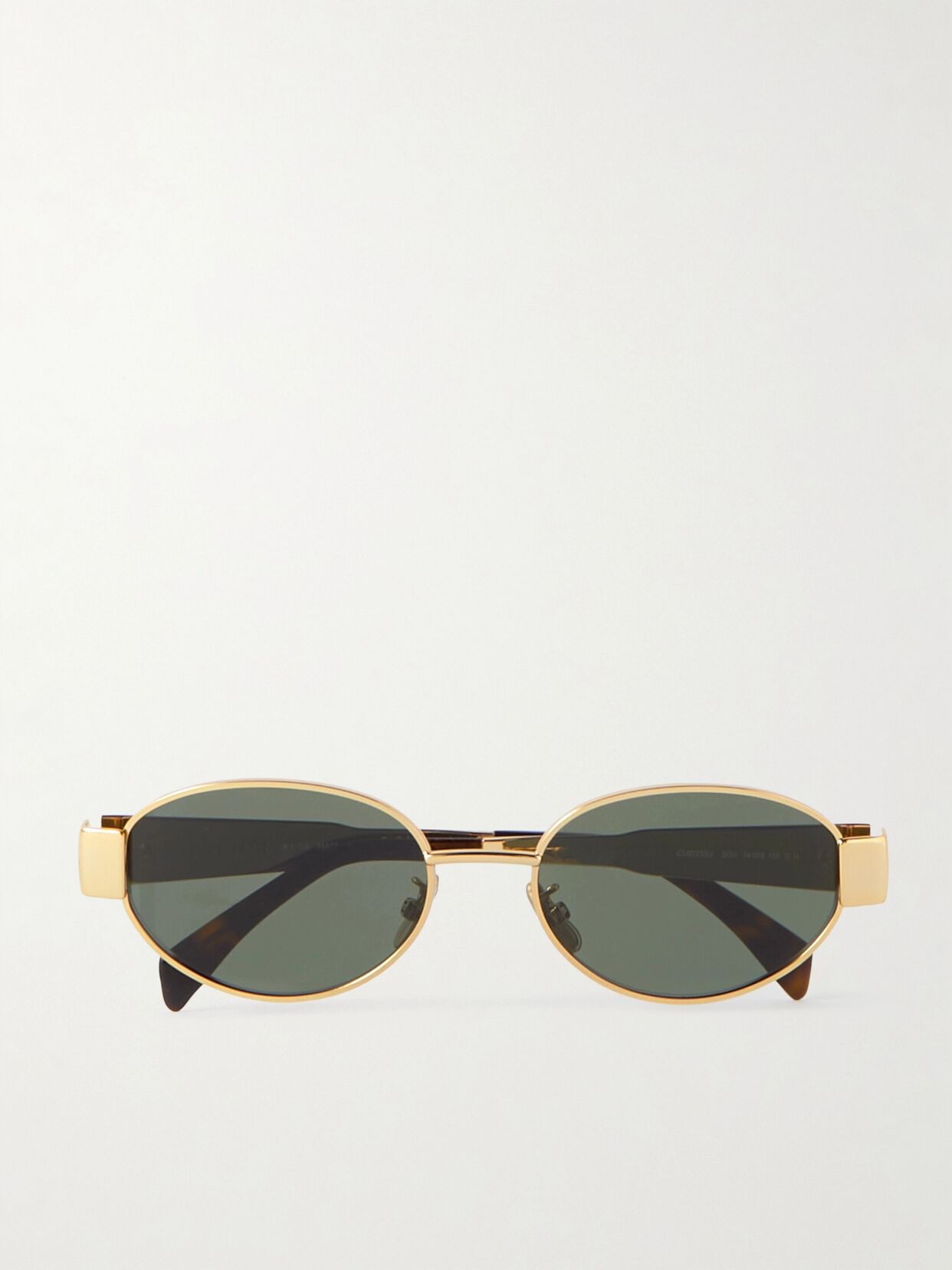
Oval-frame gold-tone and tortoiseshell acetate sunglasses
CELINE Eyewear
$550
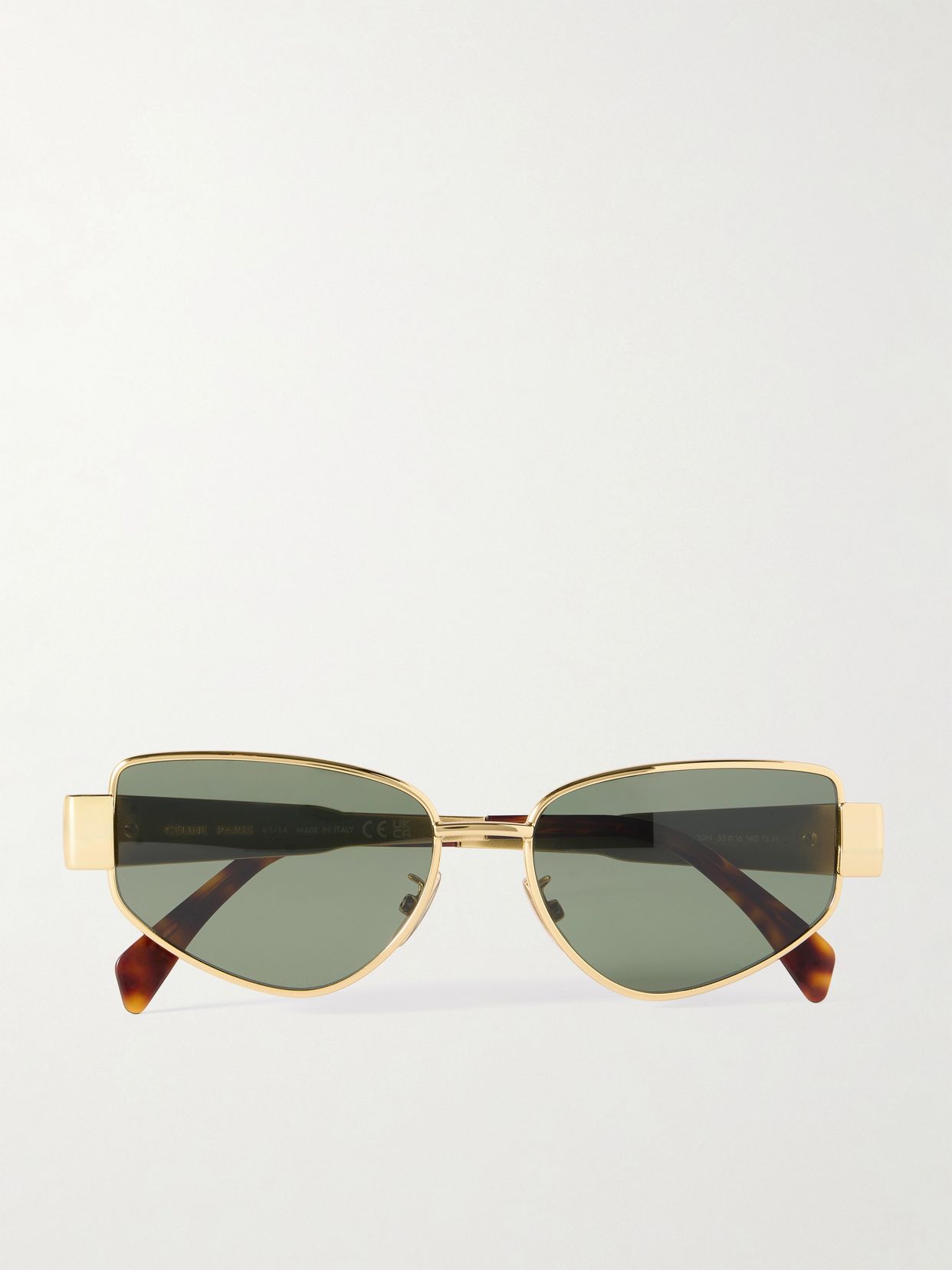
Cat-eye gold-tone sunglasses
CELINE Eyewear
$550
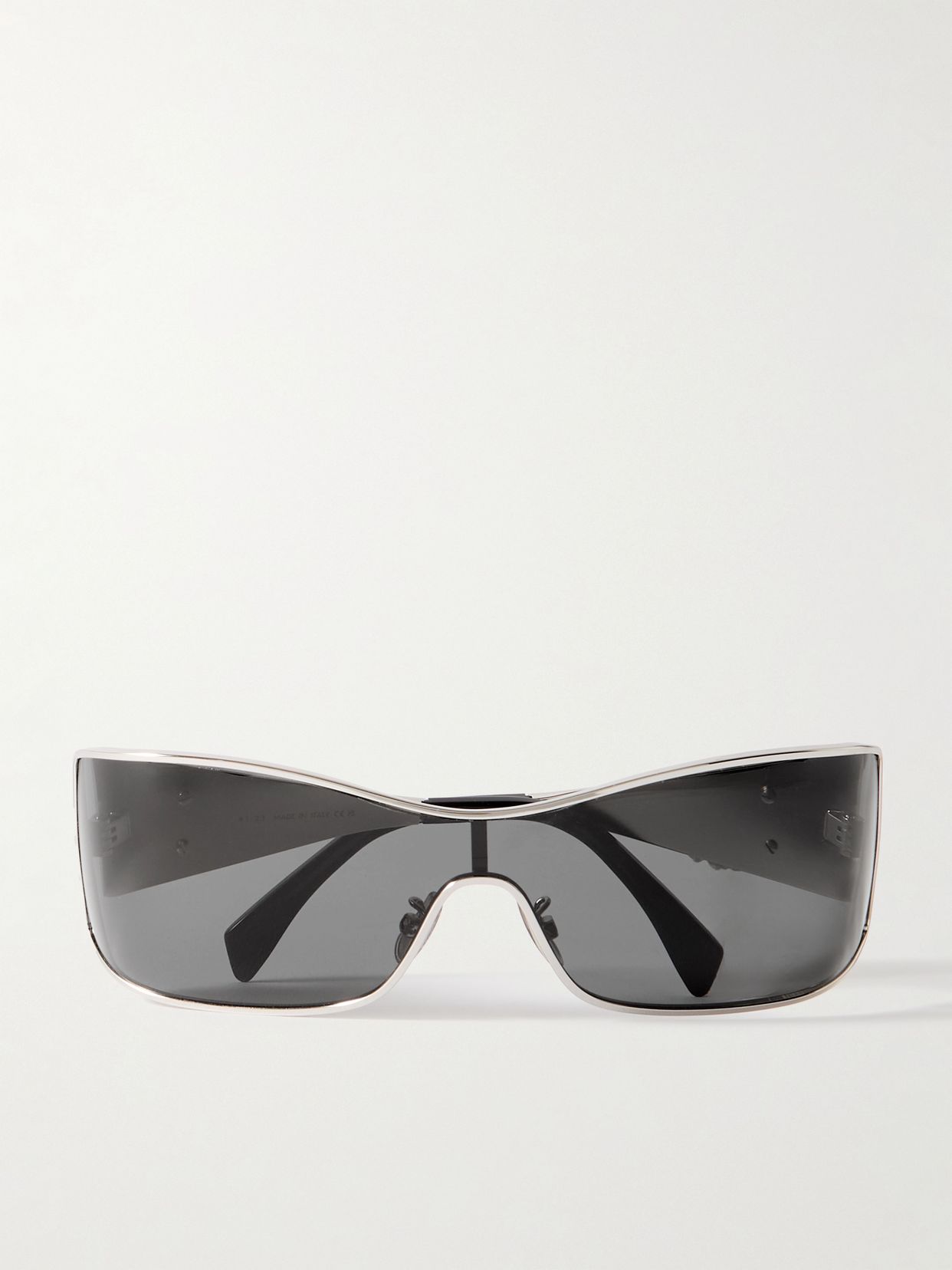
Rectangular-frame silver-tone sunglasses
CELINE Eyewear
$580
Our honest take
We would choose the frame that covers the eye from the side and stays level, then verify the UV specification before caring about lens darkness. The oversized square styles make the most sense for bright, open places, while a smaller cat-eye is easier to live with if you want less frame on your face. We would skip any pair whose dark lens is not backed by a clear protection statement, whatever its price or finish. A dramatic crystal-embellished frame is a style purchase, not evidence of better eye protection. If you take one thing away: judge the filter first, then the coverage, then the shade. A comfortable, properly filtered lens you keep wearing beats a darker pair that slips or leaves side light exposed.
Next read
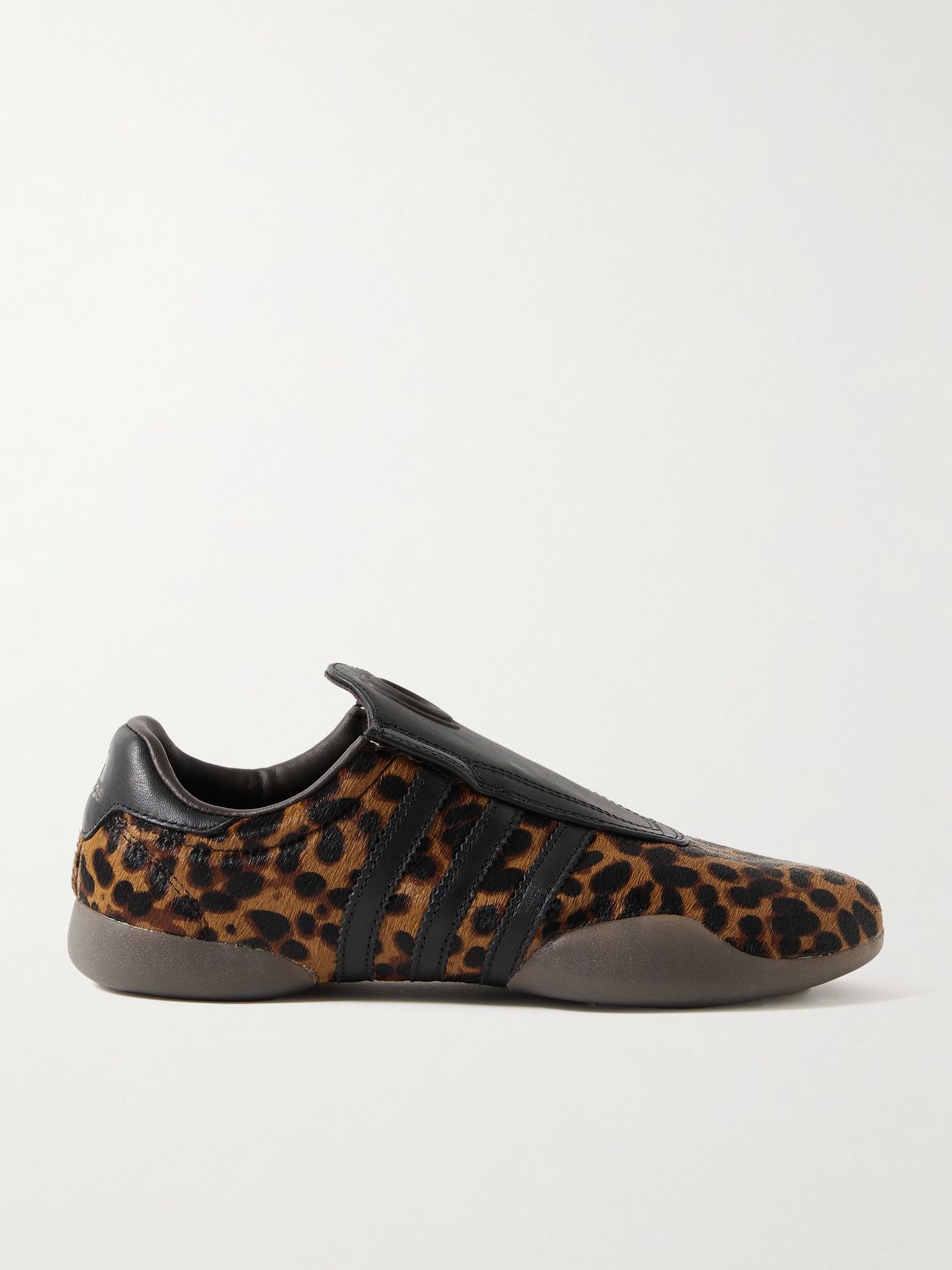
When To Replace Trainers
Replace sneakers when the outsole has lost its grip, the midsole no longer cushions your stride, or the upper has stopped holding your foot securely. A clean-looking pair can still be worn out inside. Walk across a hard
Read Editorial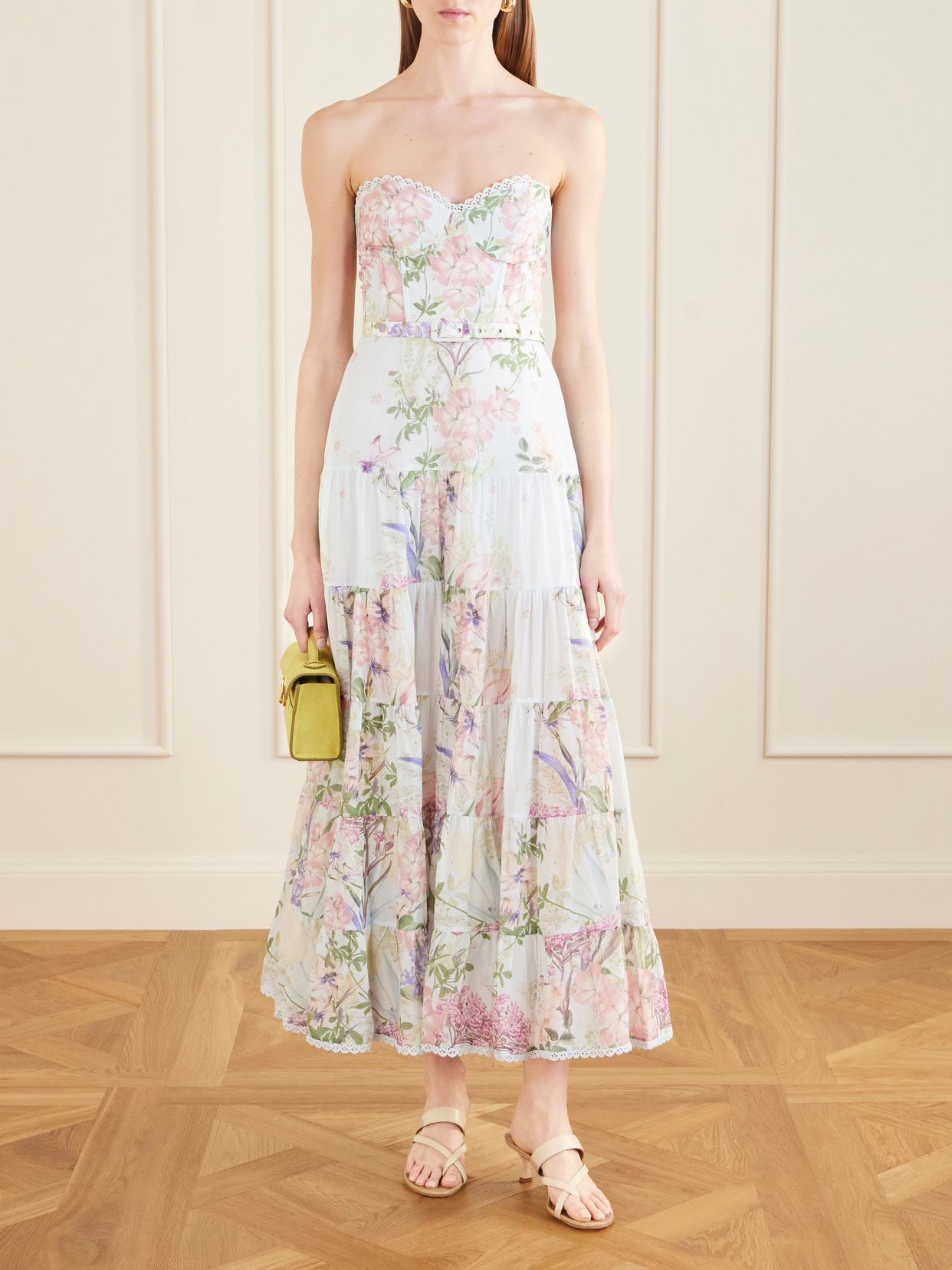
Lining Matters In Thin Dresses
Yes, an unlined dress can be see through, especially when its fabric is light, open in texture, or pale. The useful test is not the changing-room mirror. Stand in direct daylight and look at the skirt from the