Jewellery is worth considering for insurance when replacing it would be difficult, financially painful or impossible to do from memory. The first step is not the policy. It is a clear record of what you own, what it
Insuring What You Wear
When jewellery is worth insuring
Jewellery is worth considering for insurance when replacing it would be difficult, financially painful or impossible to do from memory. The first step is not the policy. It is a clear record of what you own, what it cost and what makes each piece identifiable. This edit moves from sculptural recycled sterling silver earrings at $295 to an Octagon 14-karat recycled gold, smokey quartz and diamond necklace at $7,840, so one blanket assumption about value will not do. A Flux recycled sterling silver ring and an Eternity 14-karat gold diamond bracelet have different risks and different evidence. Keep the receipt, product description and clear photographs together. For pieces with stones, record the stone names and any grading paperwork supplied with them. An insurer may ask for a professional valuation above its own threshold, so check the wording before you decide whether a separate schedule is sensible.
$295 to $7,840
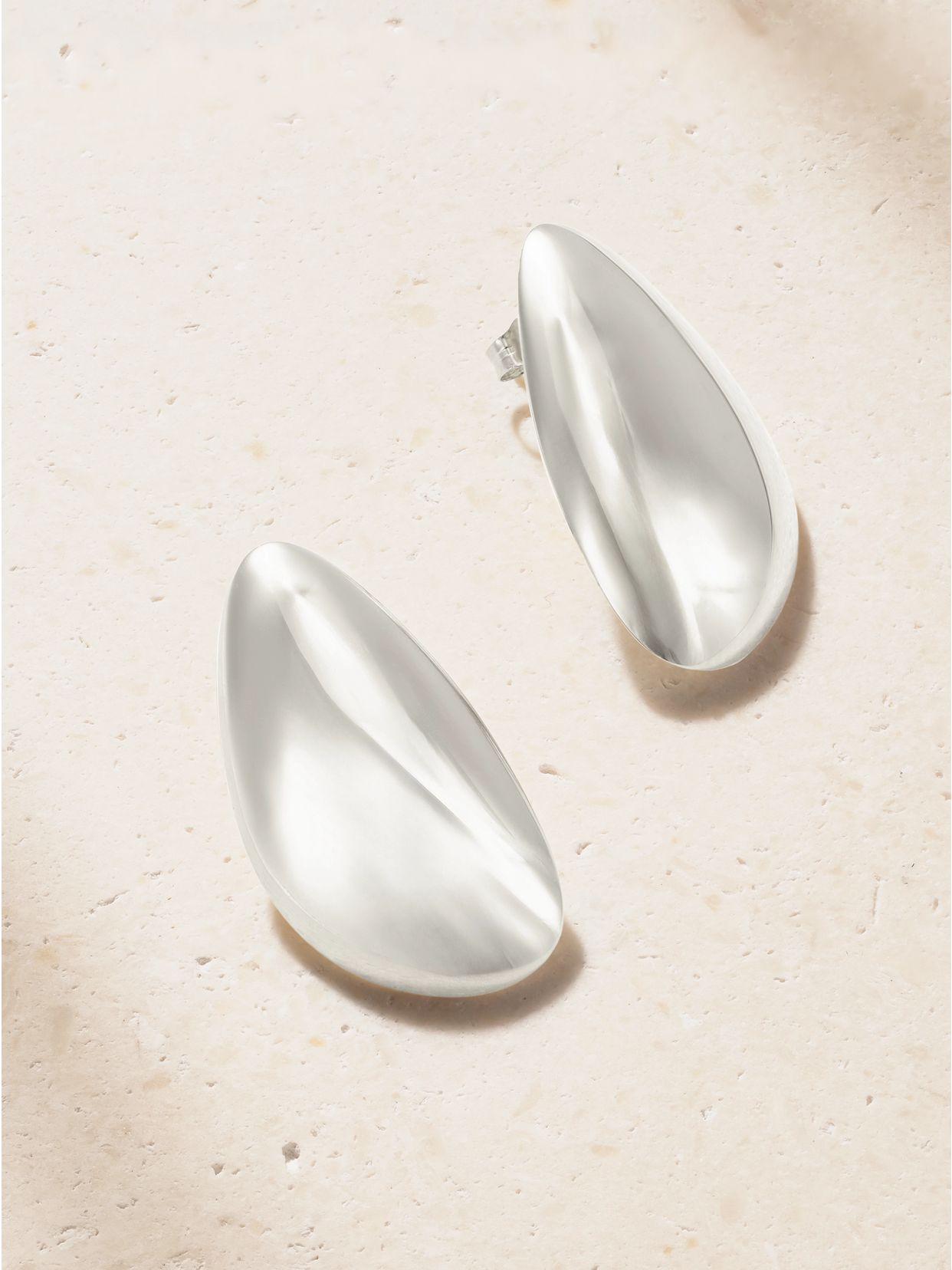
Sculptural recycled sterling silver earrings
By Pariah
$295
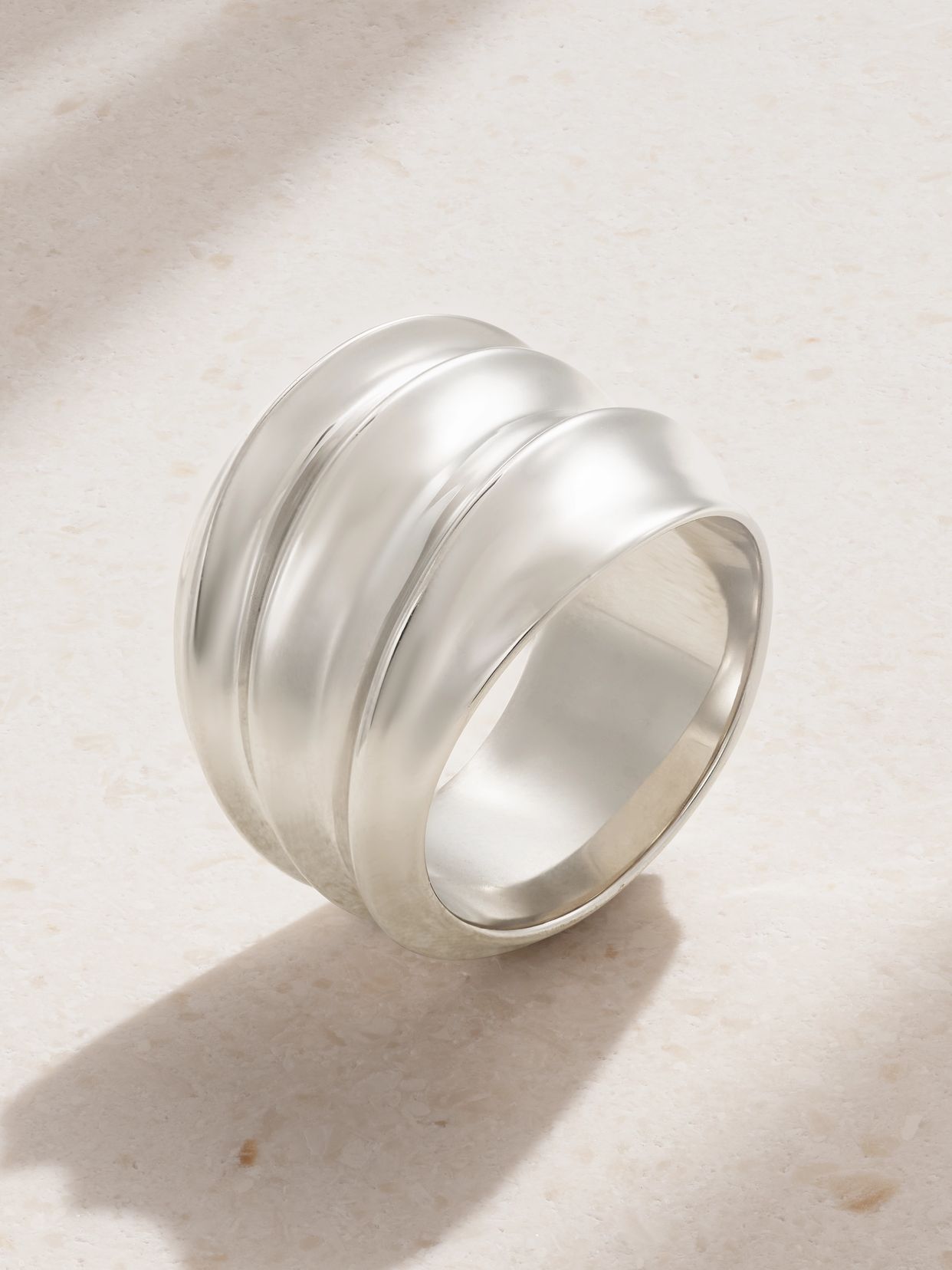
Flux recycled sterling silver ring
By Pariah
$340
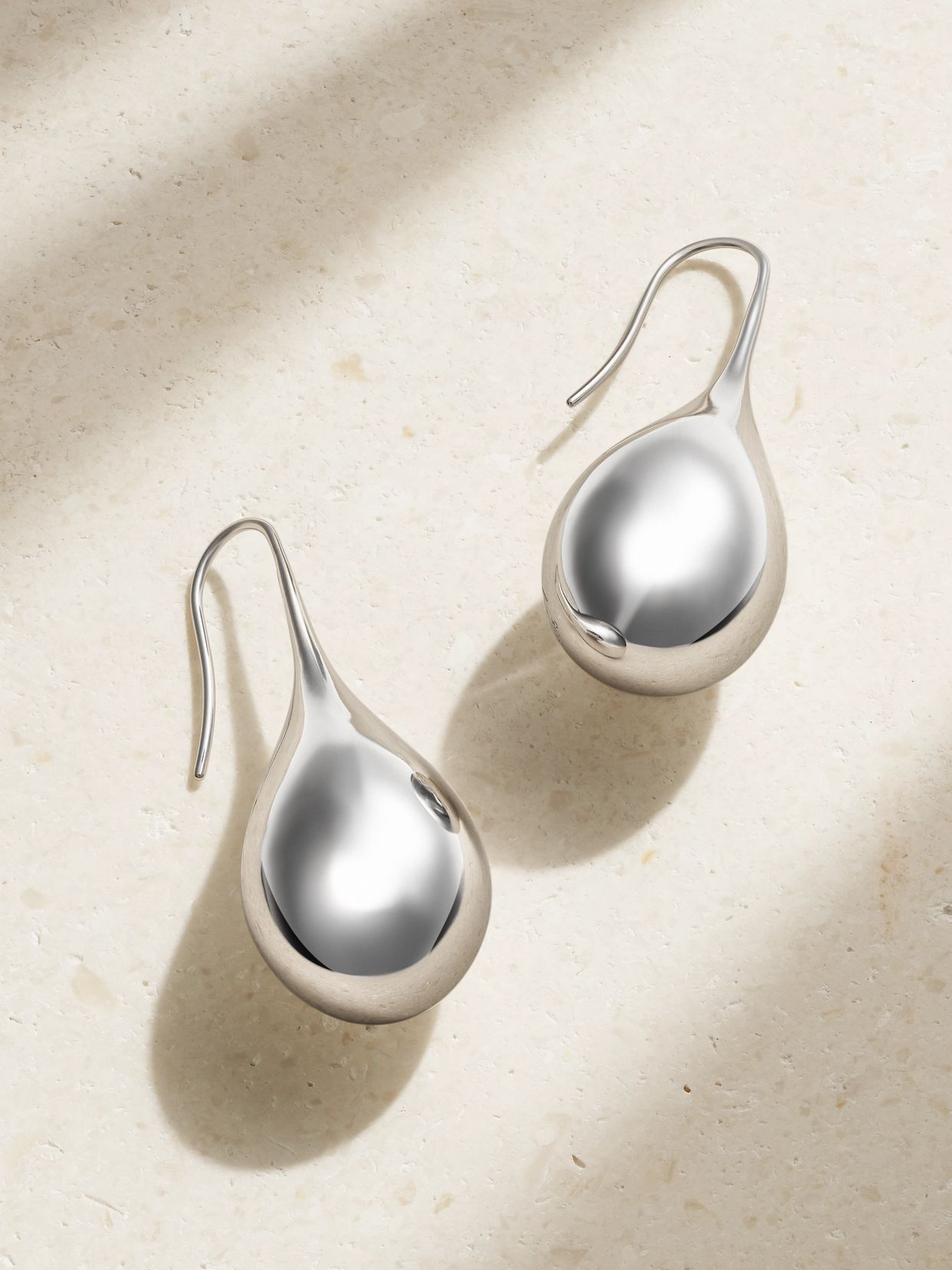
Drop large recycled sterling silver earrings
By Pariah
$450
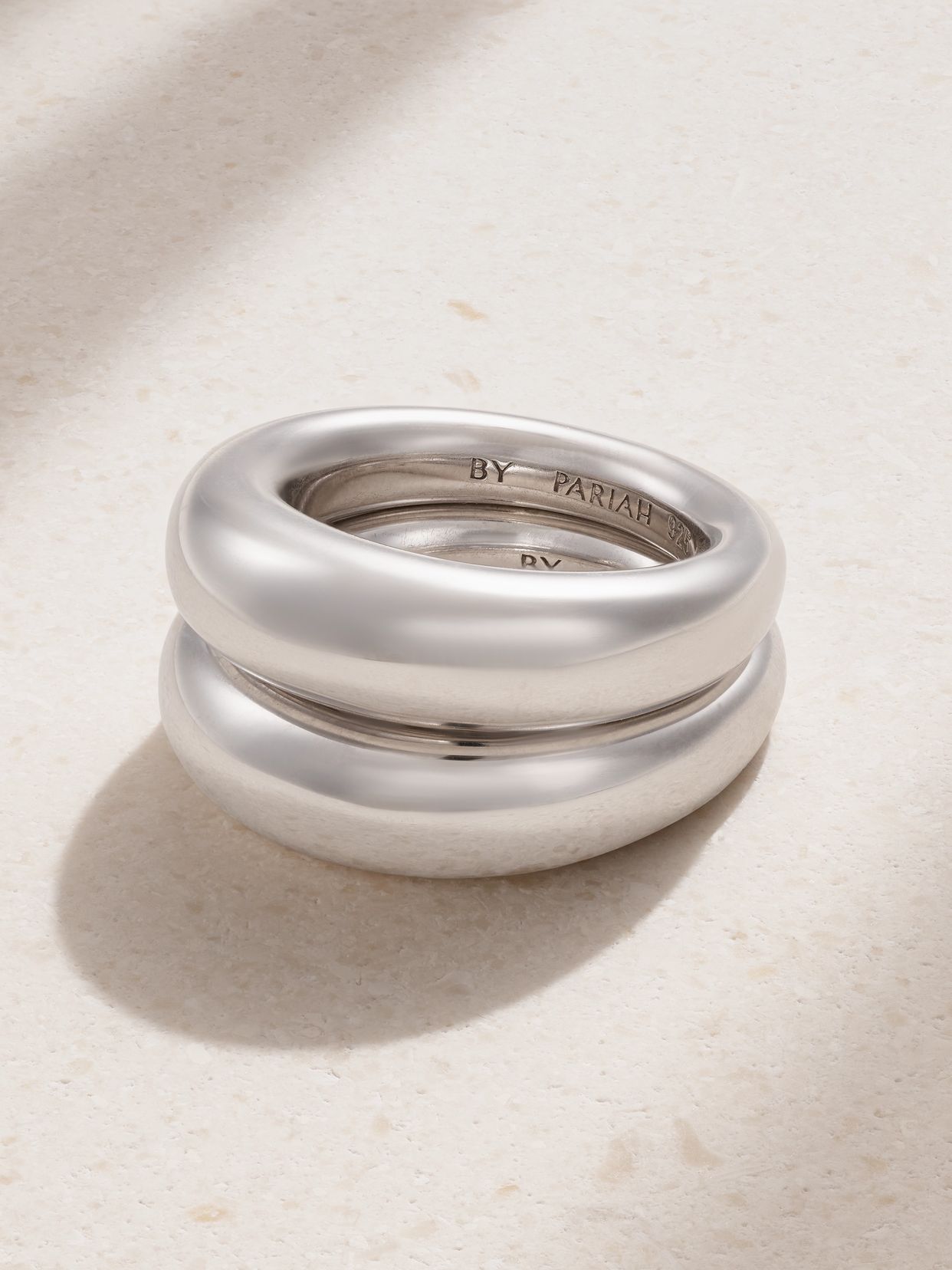
Echo recycled sterling silver ring
By Pariah
$570
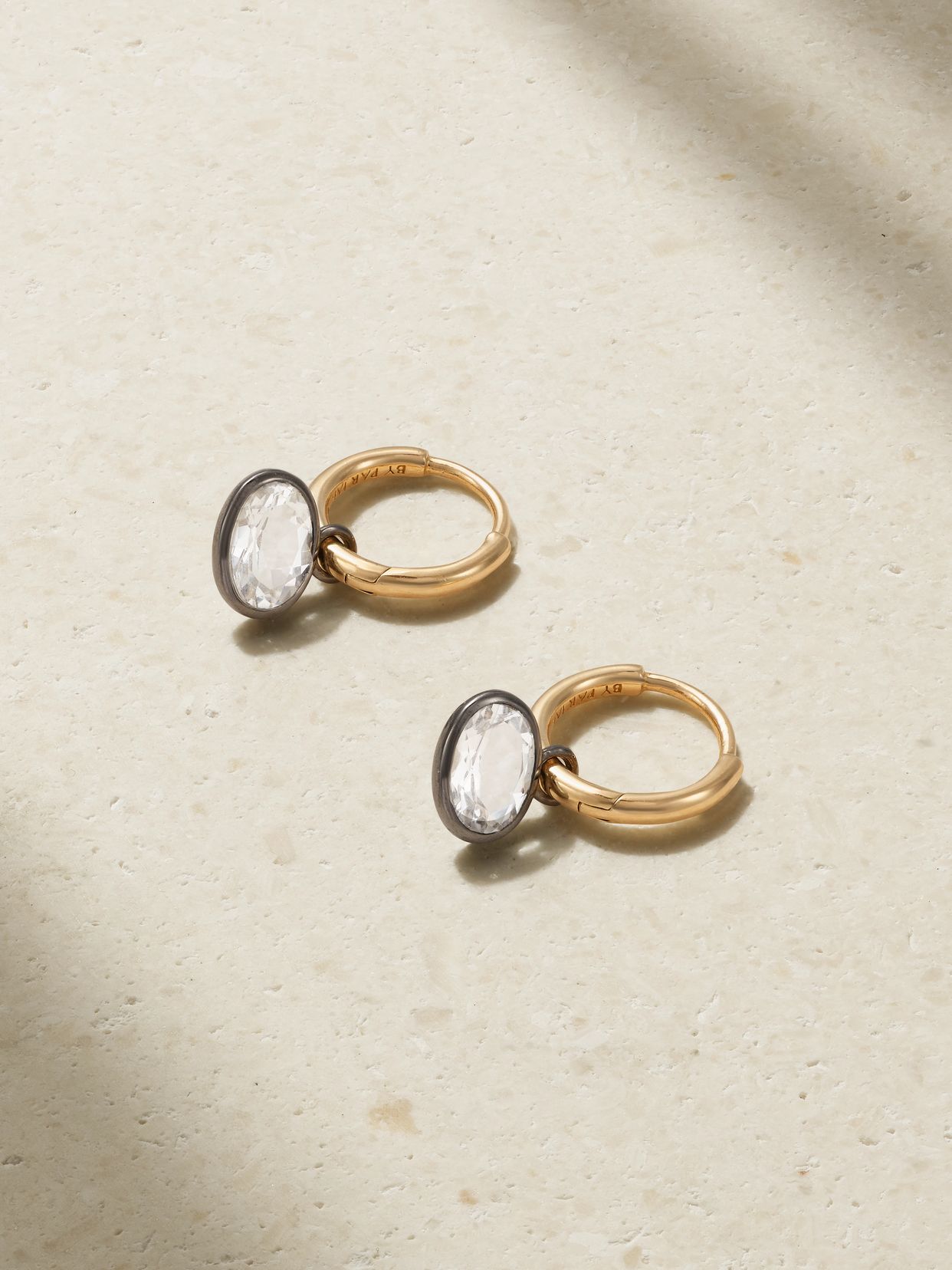
Orbit 14-karat recycled gold, rhodium and topaz hoop earrings
By Pariah
$1,050
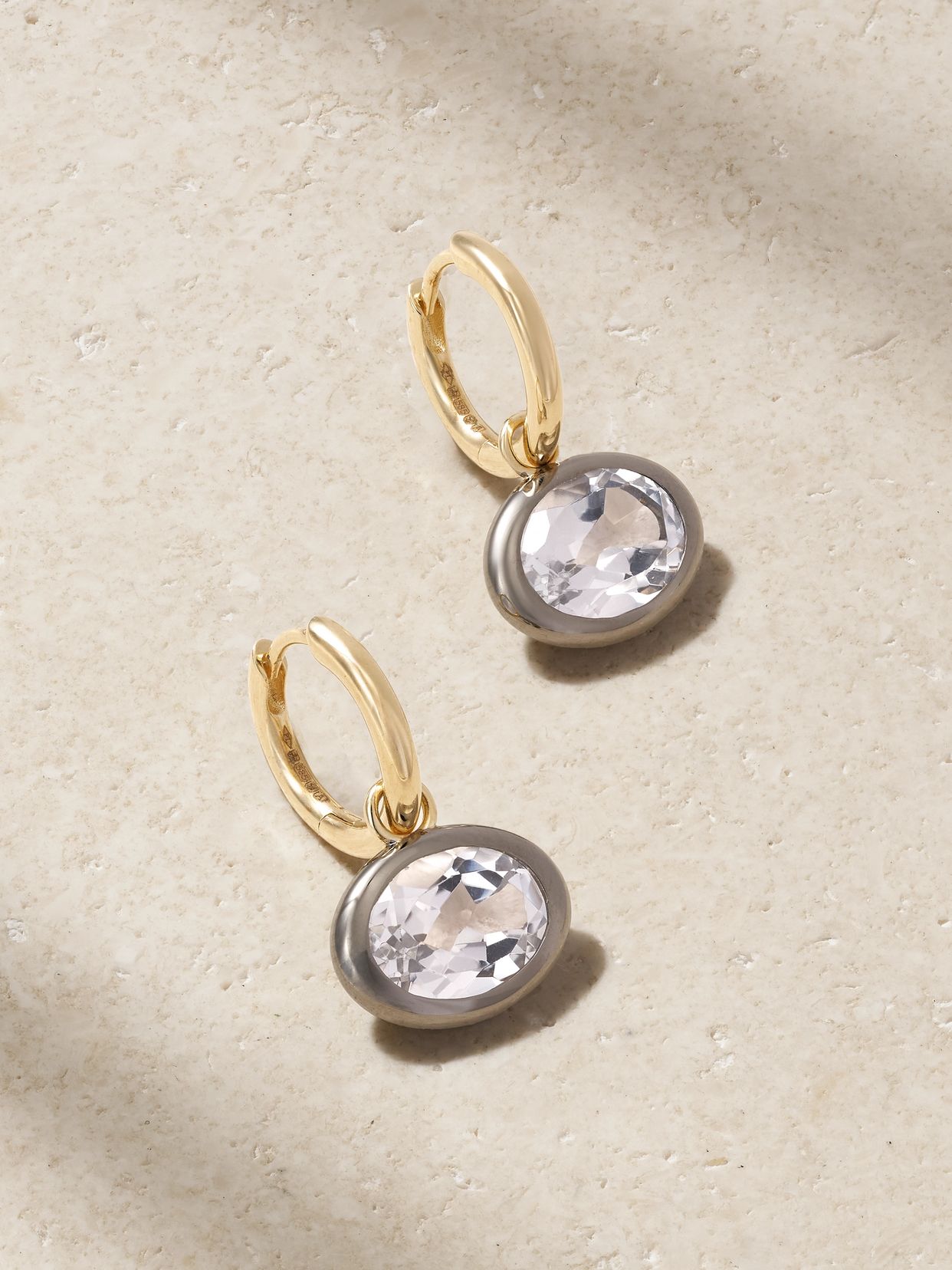
XL Orbit 14-karat recycled gold, rhodium and topaz hoop earrings
By Pariah
$1,980
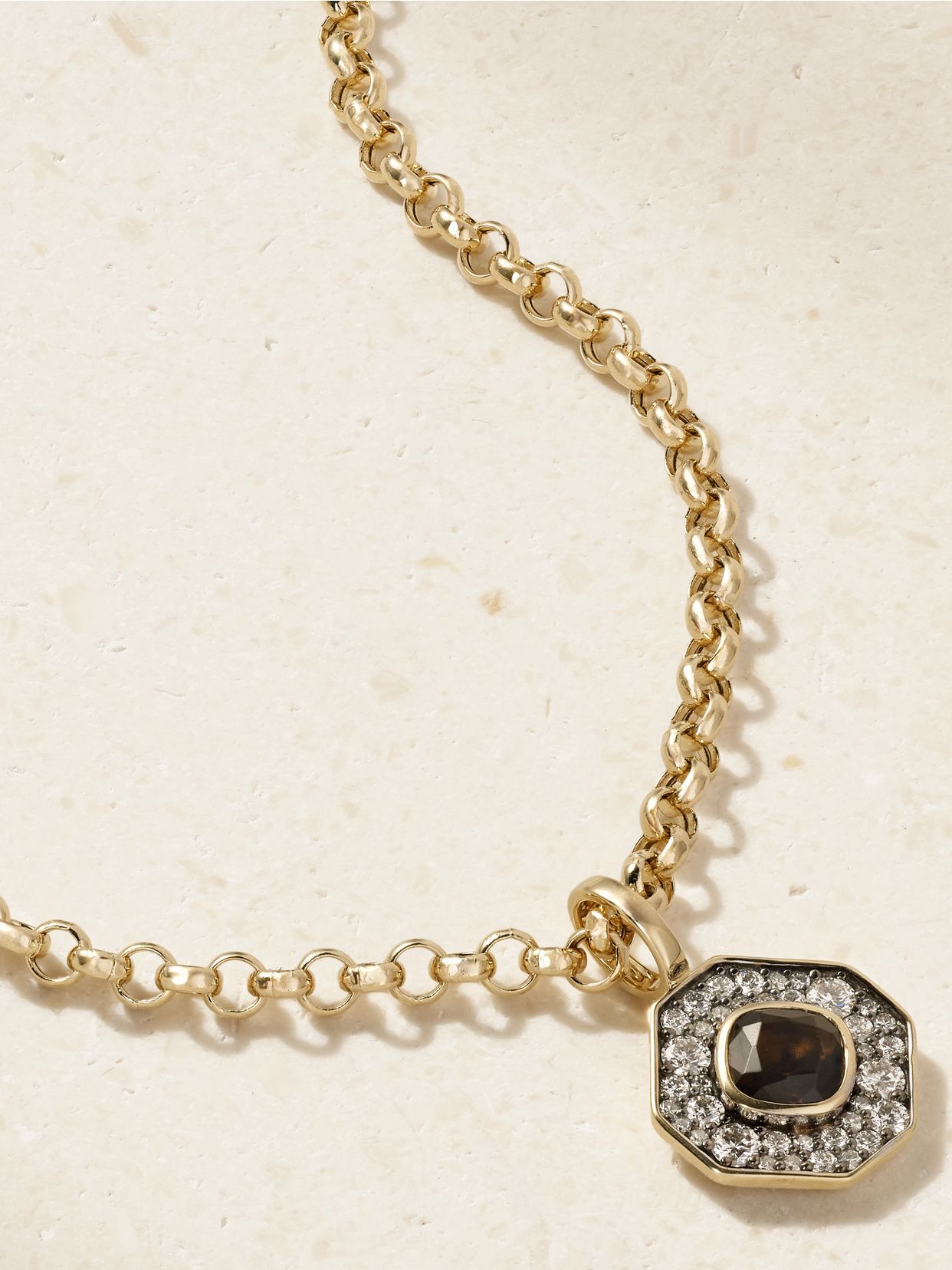
Octagon 14-karat recycled gold, smokey quartz and diamond necklace
By Pariah
$7,840
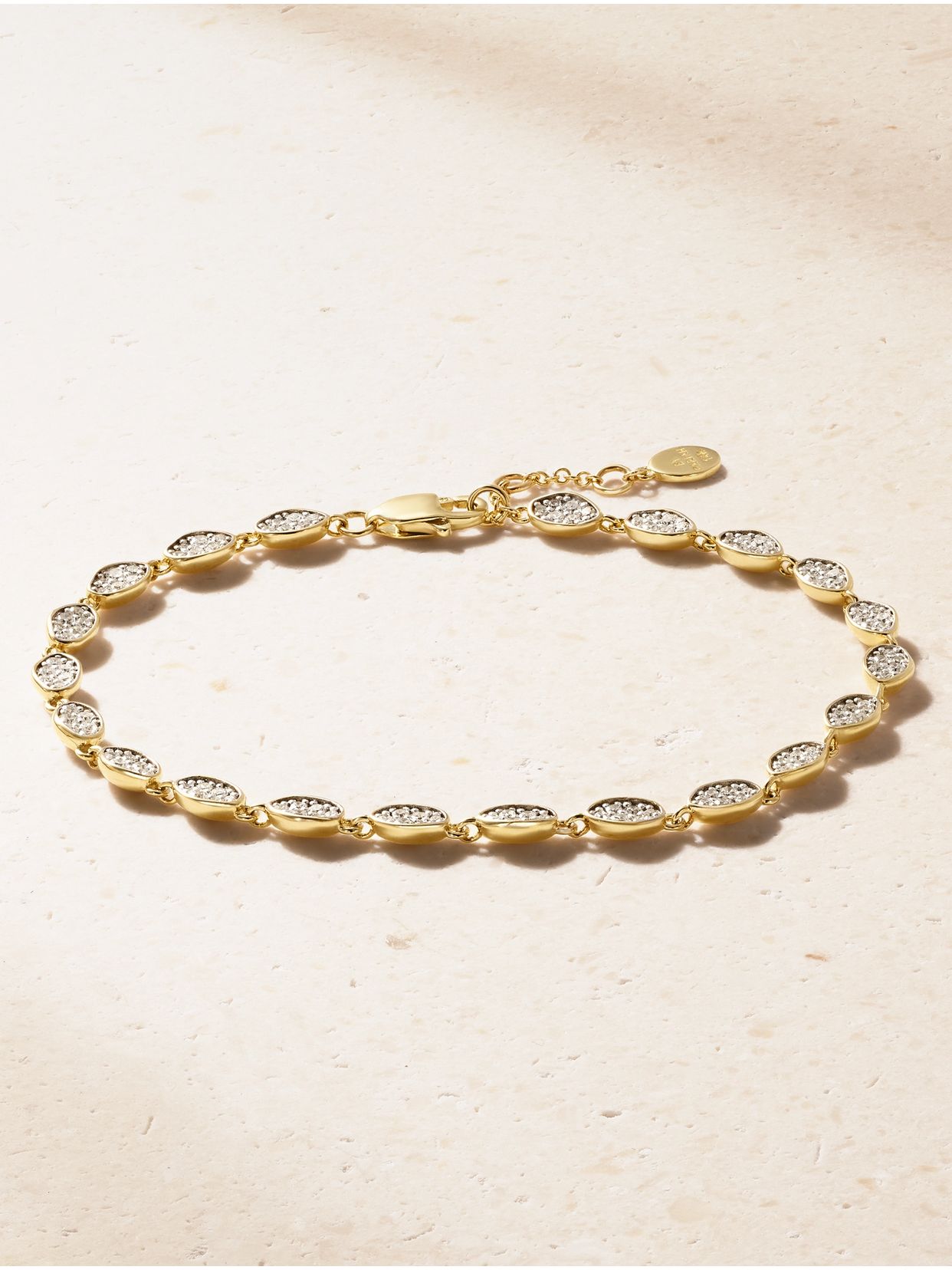
Eternity 14-karat gold diamond bracelet
By Pariah
$5,500
Build the paper trail before loss
The useful habit is to catalogue jewellery before anything goes missing. Photograph the front, back, clasp, hallmark and any unusual setting detail in good light. Add the product name, purchase price and date, then store the file somewhere separate from the jewellery itself. A ring such as Flux recycled sterling silver ring or Echo recycled sterling silver ring is easier to identify when the image shows its shape and any marks, not just a picture worn on a hand. The same applies to earrings. Orbit pieces appear in several forms here, including topaz, smokey quartz and sapphire versions, so a broad label such as gold hoops is not enough. Write down the stone and the metal description exactly as supplied. Do not assume that an upgrade or repair is automatically covered. Tell the insurer when the item changes, and keep an updated valuation if the policy requires one. The paperwork is dull until you need it, then it is the part that does the work.
Earrings
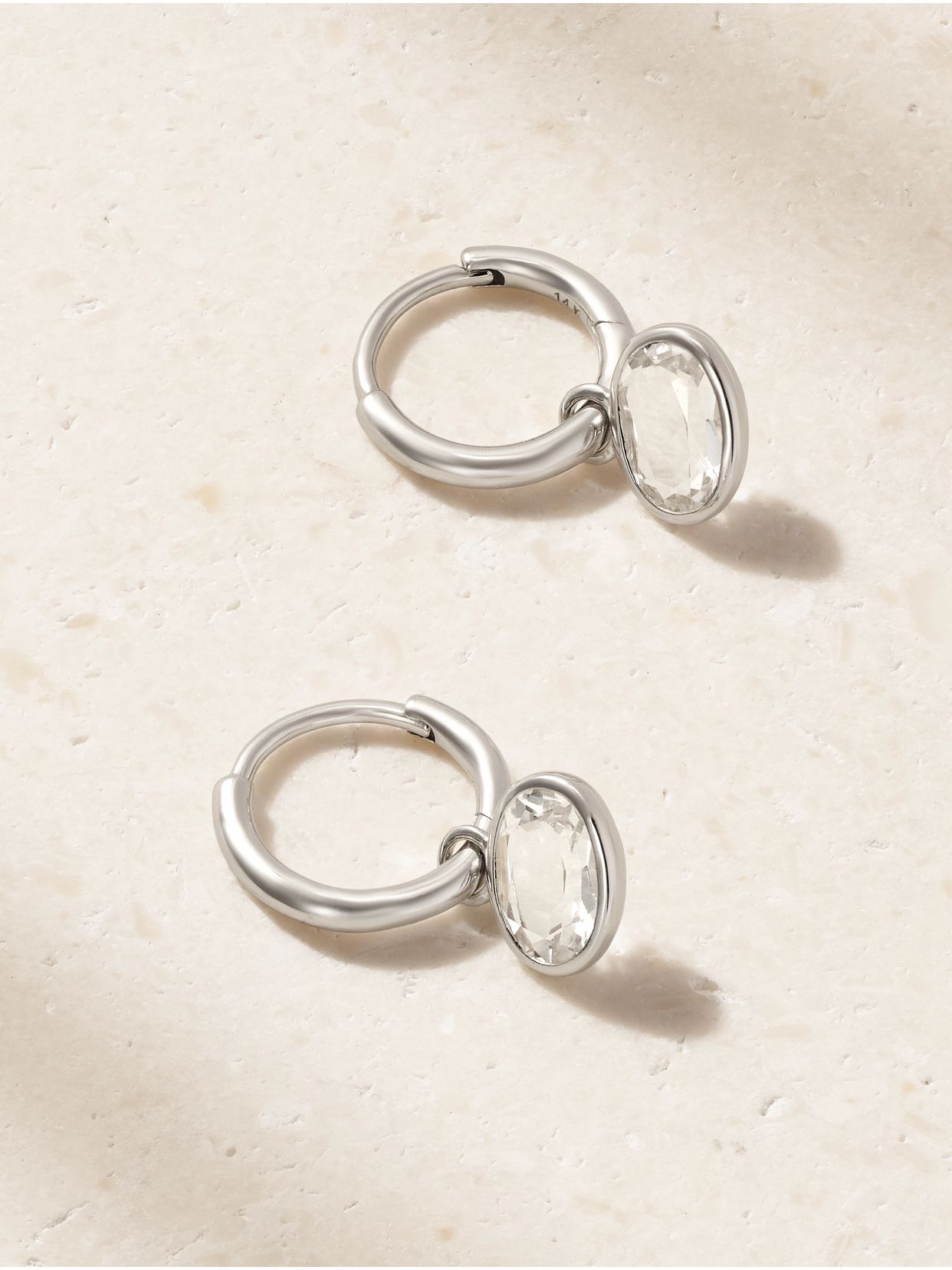
Orbit 14-karat recycled gold topaz earrings
By Pariah
$995
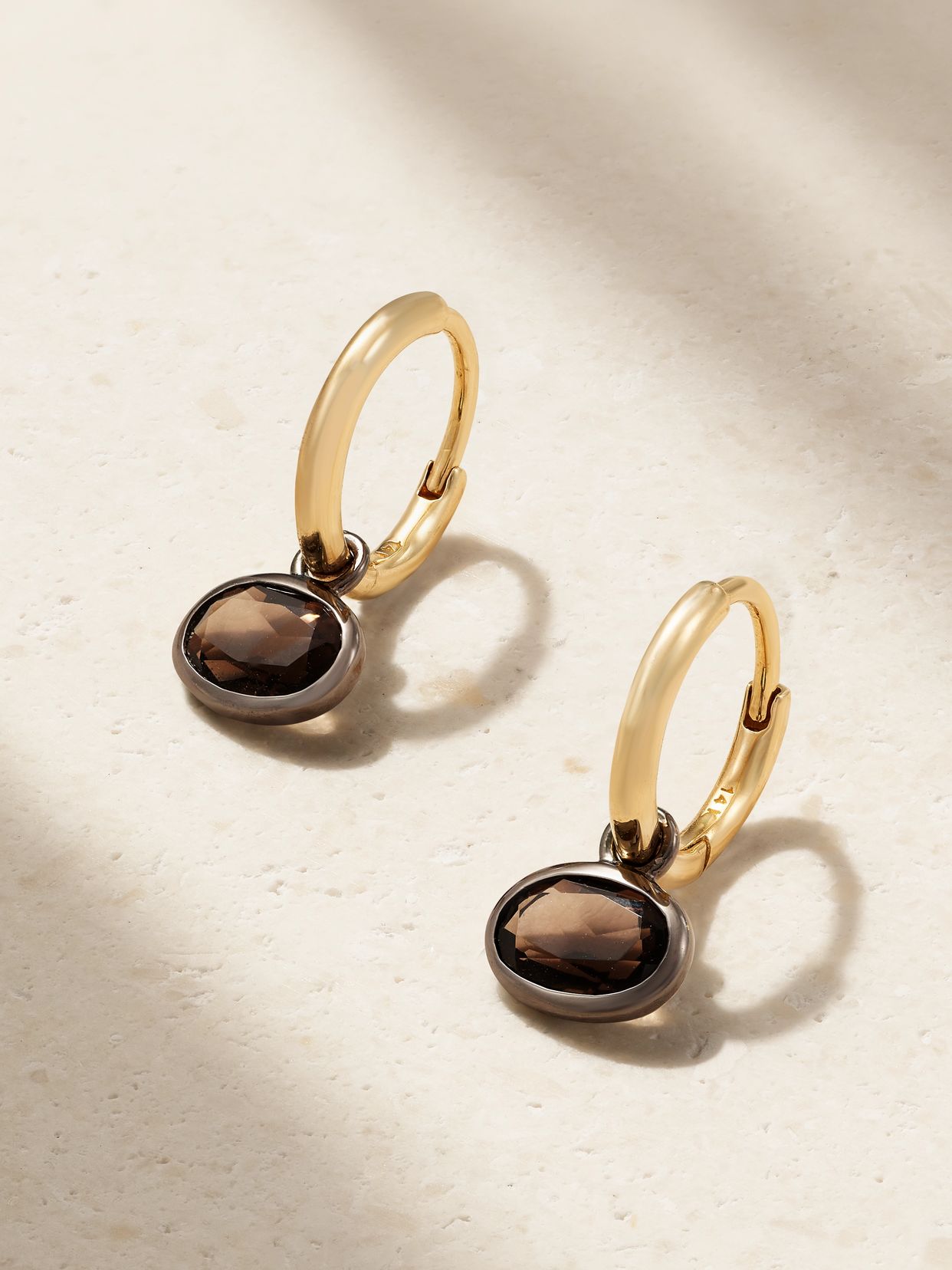
Orbit 14-karat recycled gold smokey quartz hoop earrings
By Pariah
$995
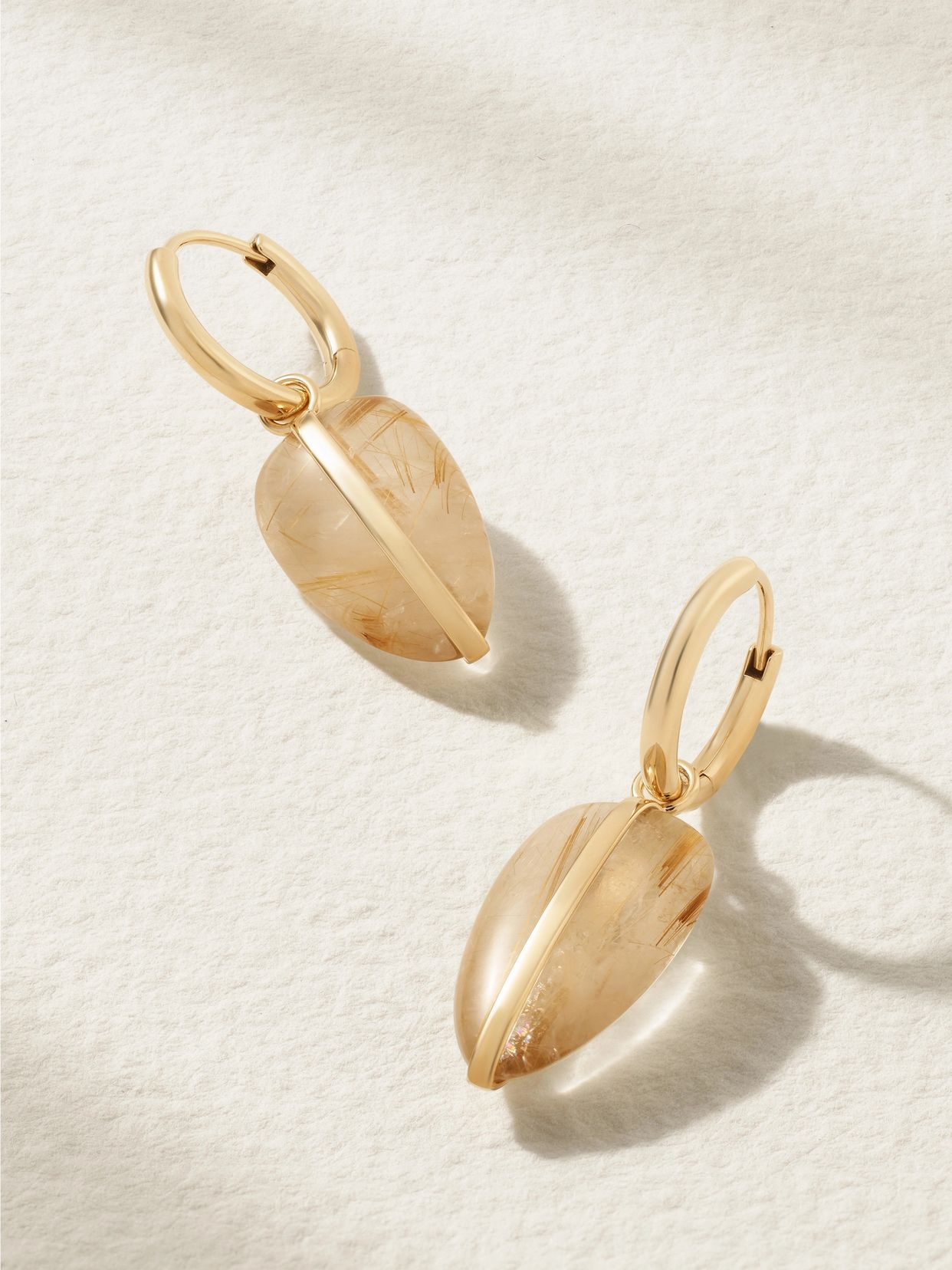
Pebble 14-karat recycled gold quartz hoop earrings
By Pariah
$1,890
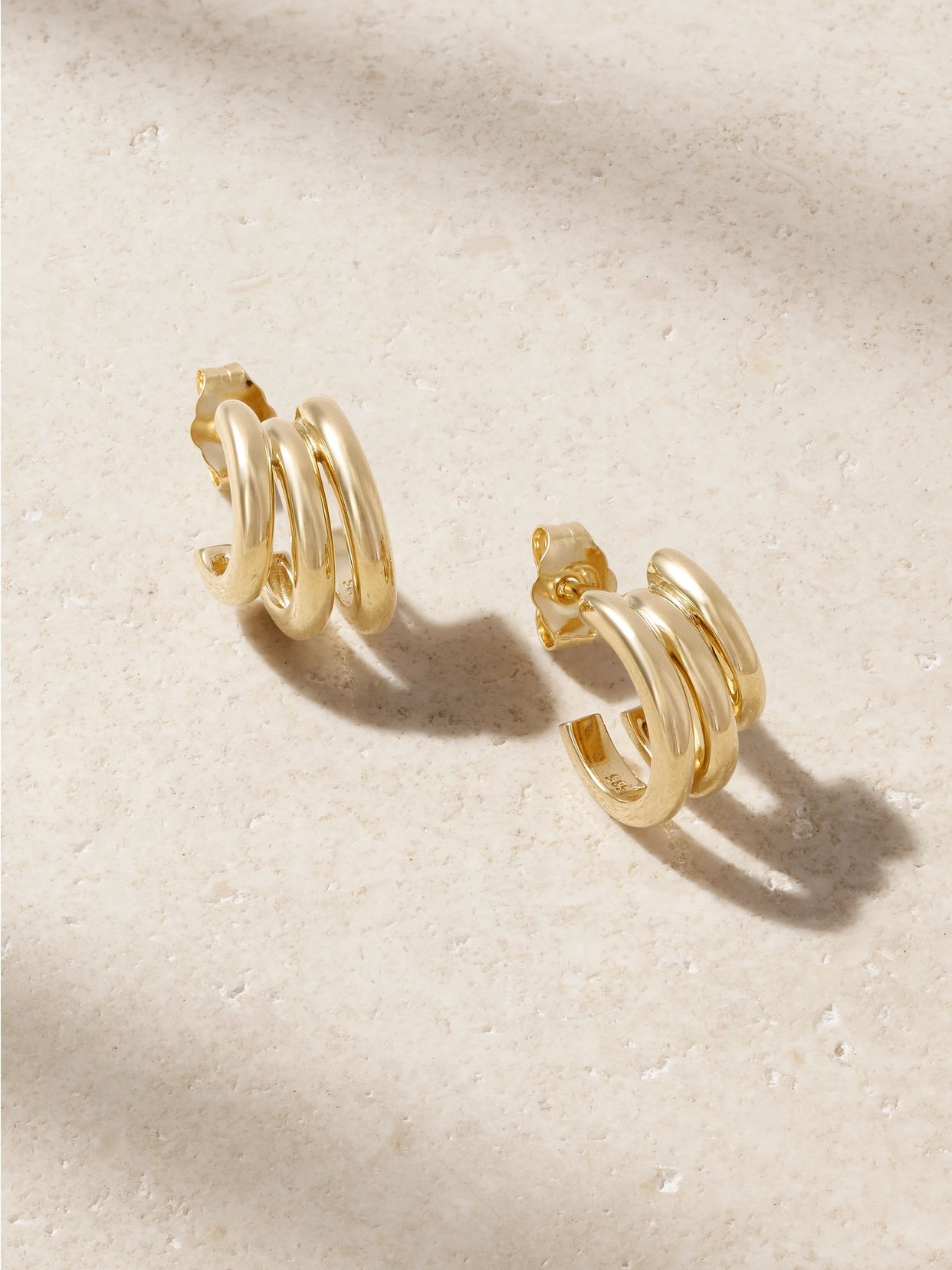
Classic 14-karat recycled gold hoop earrings
By Pariah
$2,935
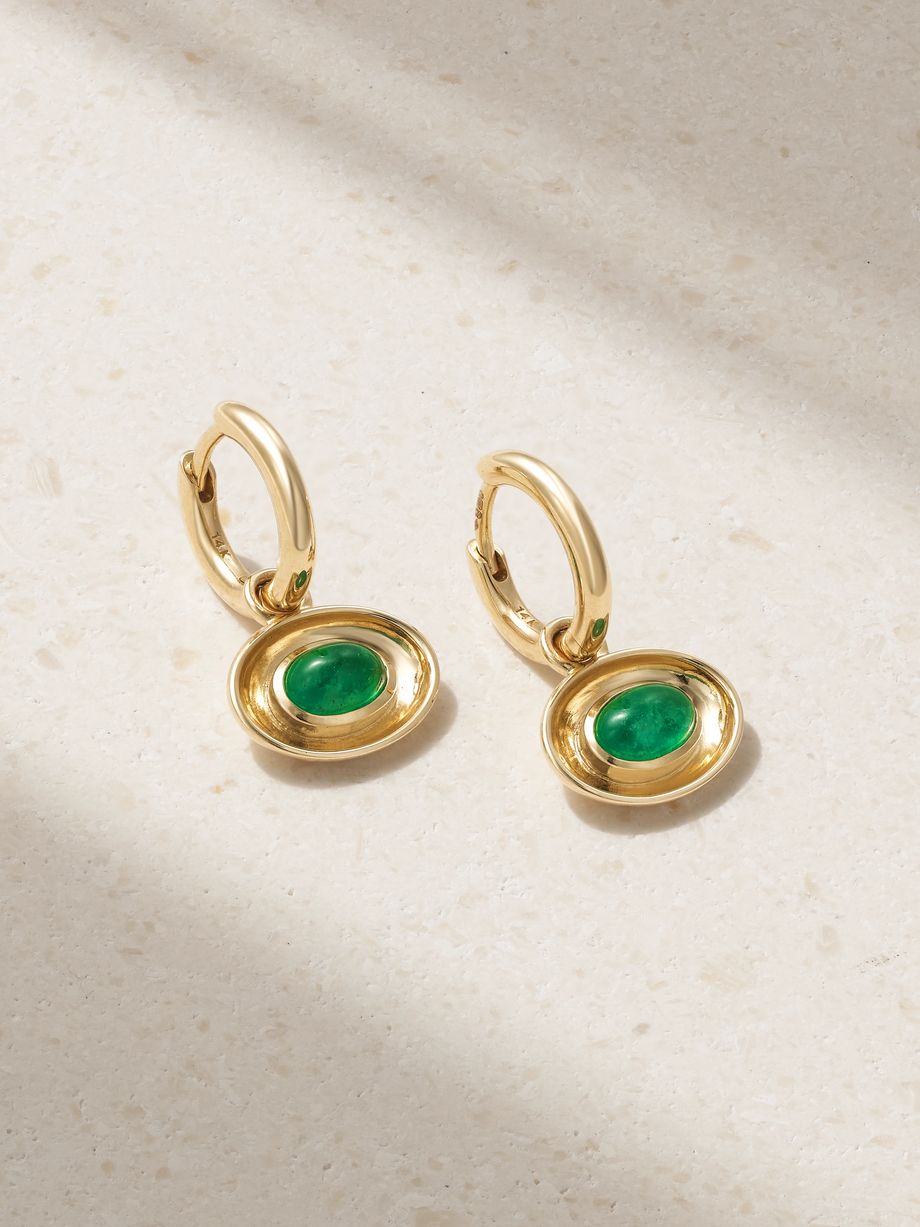
Aurelia 14-karat gold emerald hoop earrings
By Pariah
$3,550
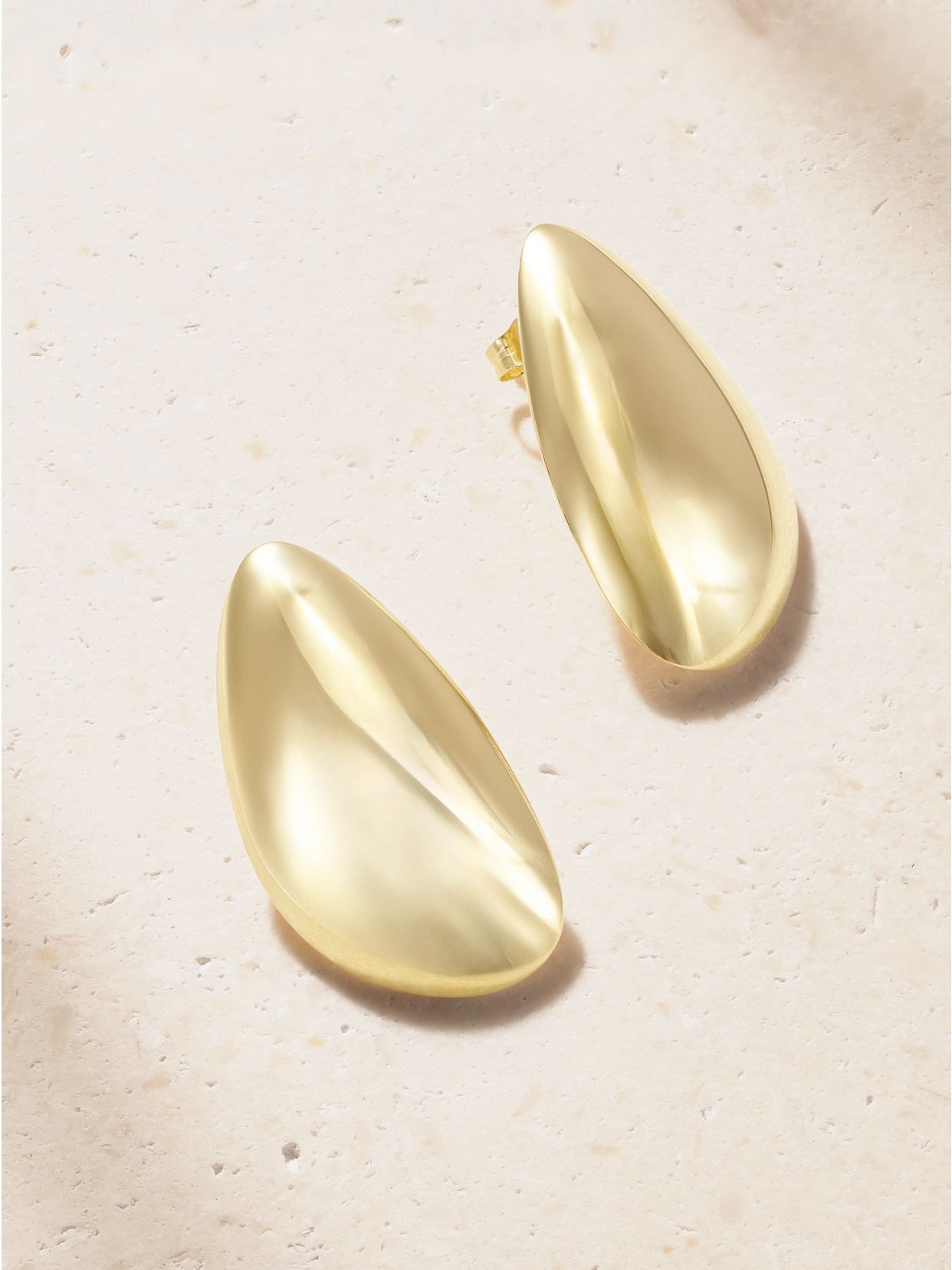
Sculptural 14-karat recycled gold earrings
By Pariah
$3,695
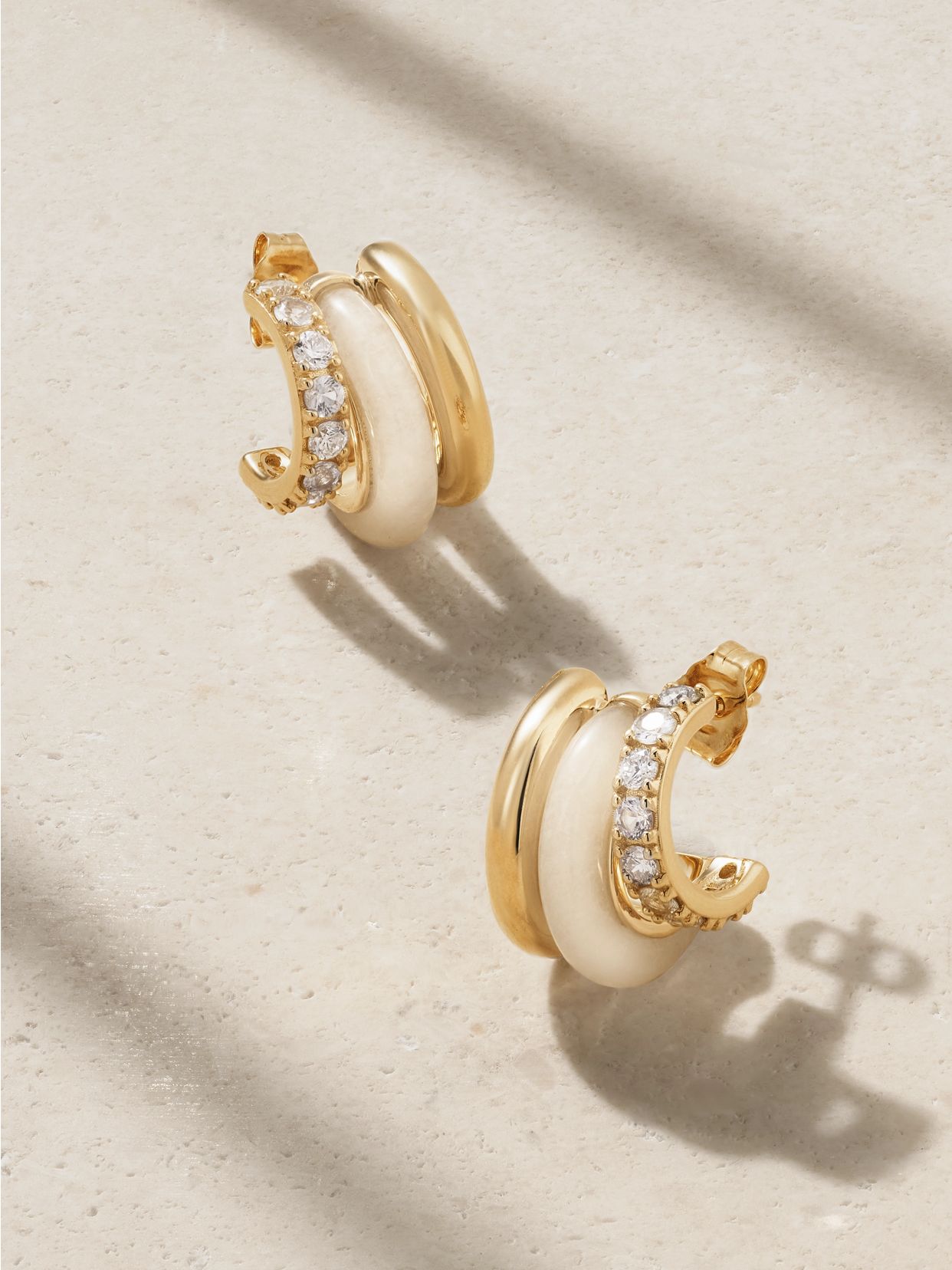
Triple Hoops 14-karat recycled gold, jasper and diamond hoop earrings
By Pariah
$5,240
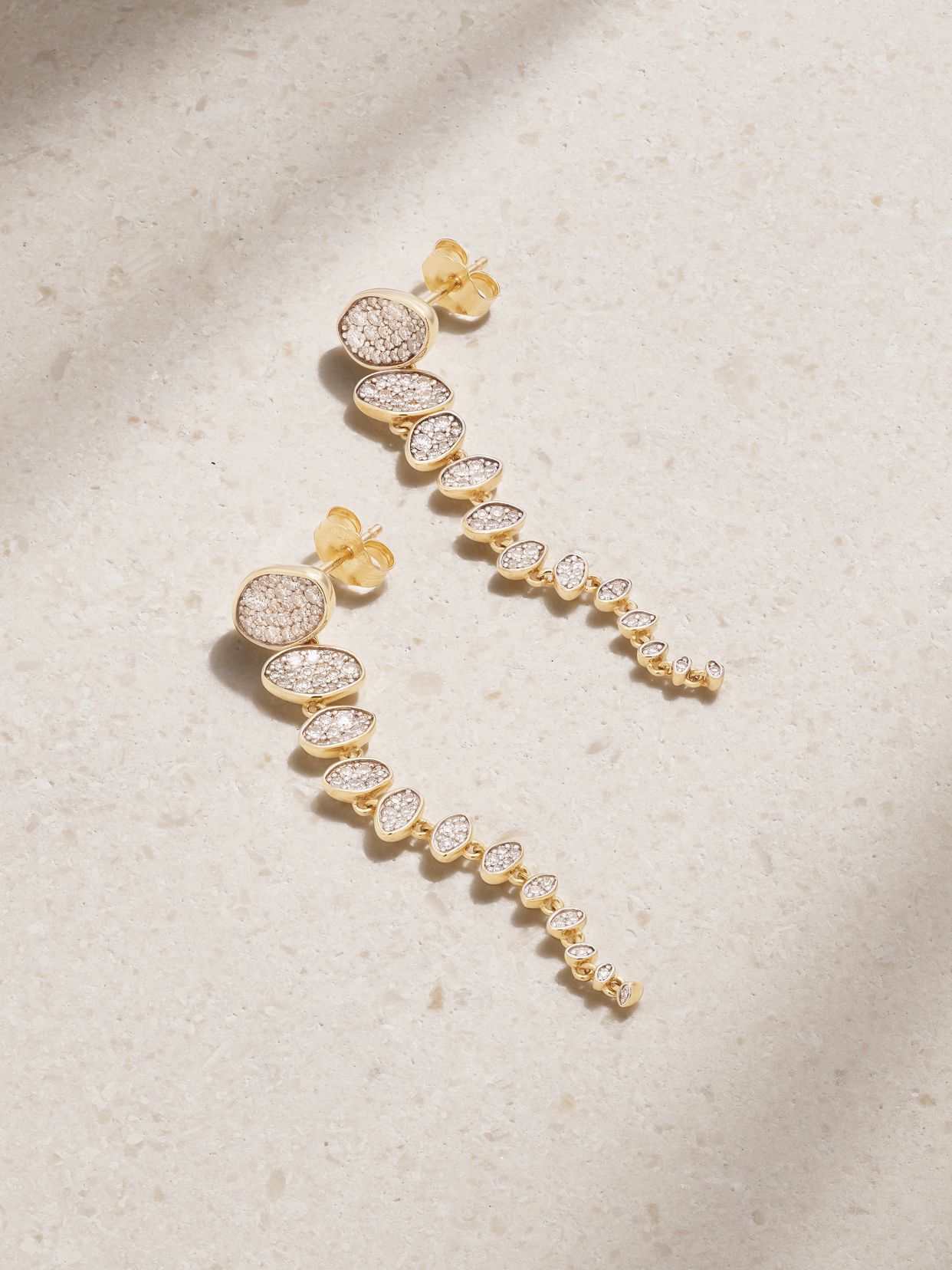
14-karat recycled gold diamond earrings
By Pariah
$6,500
Wear, storage and the small risks
Insurance does not remove the need for sensible care. Take jewellery off before swimming, showering, exercising or doing work that can catch a stone or bend a setting. Store pieces separately so chains do not knot around earrings and hard surfaces do not rub against one another. A soft compartmented box is more useful than a loose dish where everything piles together. Check clasps, hinges and earring backs before wearing them, especially on heavier designs such as the XL Orbit 14-karat recycled gold, rhodium and topaz hoop earrings. Stone-set pieces deserve an occasional close look for movement or damage. The With stones group runs from $1,730 to $4,800 and includes necklaces, earrings and rings, so the right storage will vary with the shape. Keep a note of where each piece is stored, and photograph the collection again after a repair or a change in valuation. These small records make a claim clearer and make it easier to notice when something is not as it was.
With stones
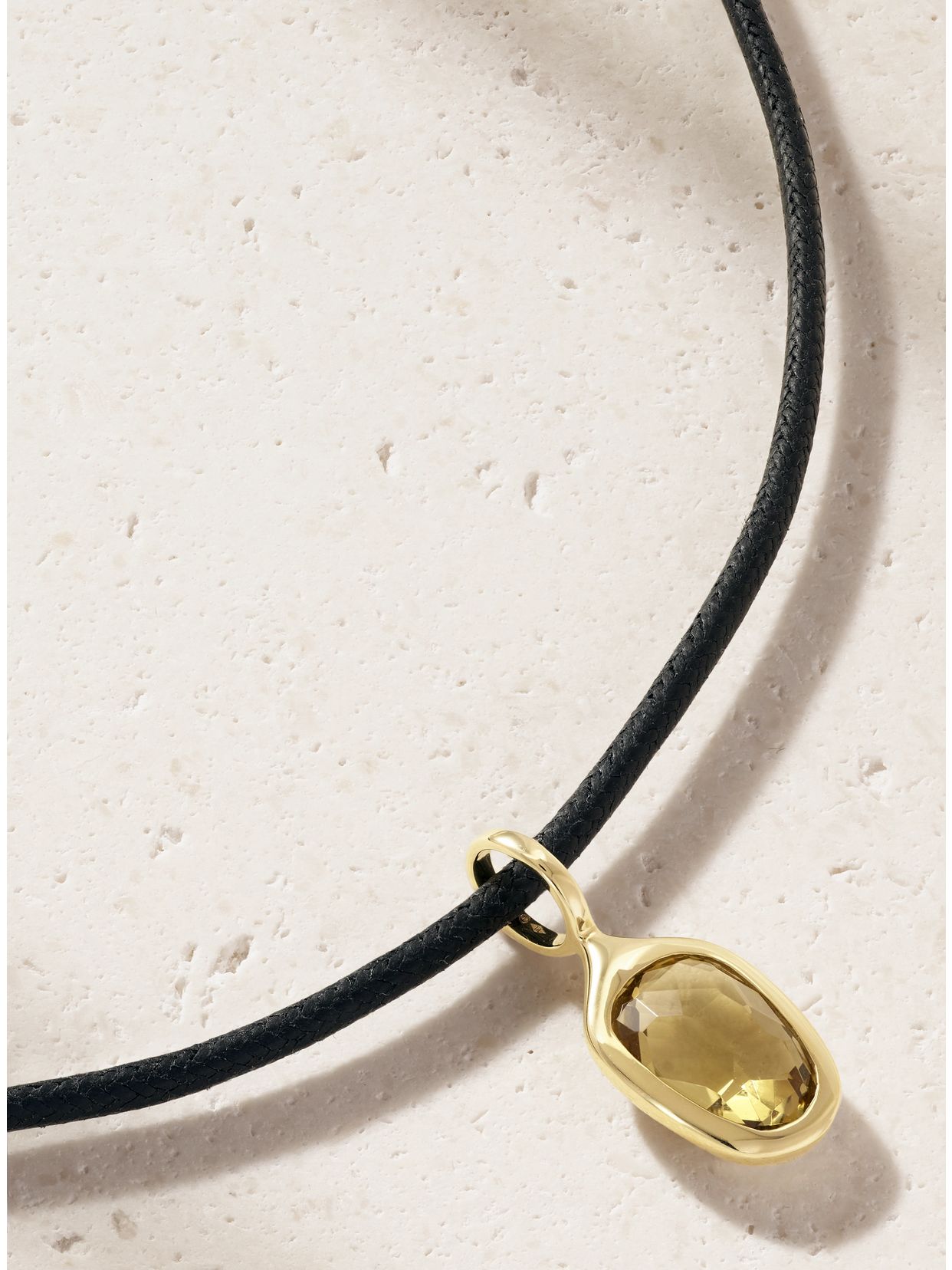
Prism Orbit 14-karat recycled gold, topaz necklace
By Pariah
$1,730
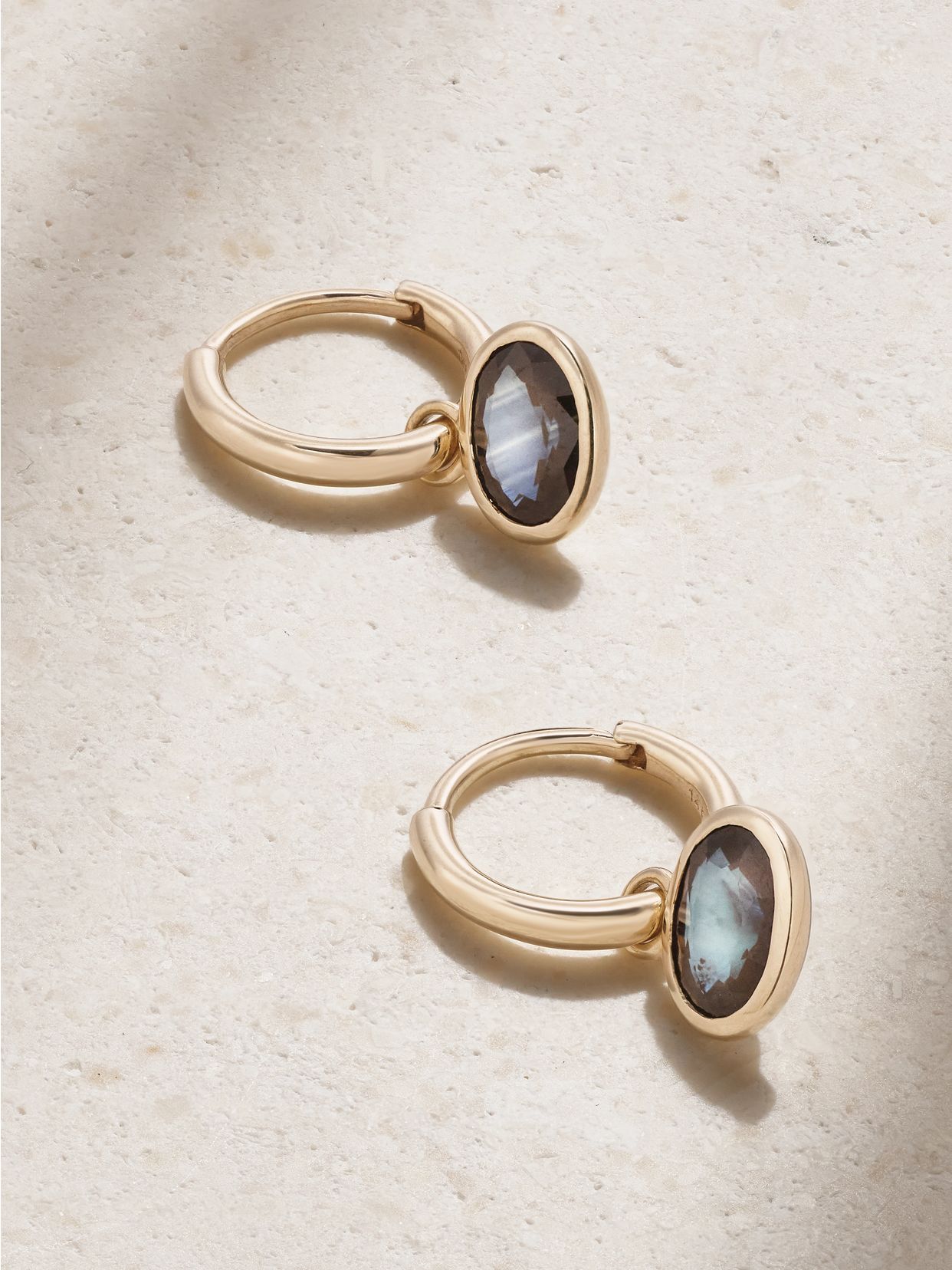
Orbit 14-karat recycled gold sapphire hoop earrings
By Pariah
$1,885
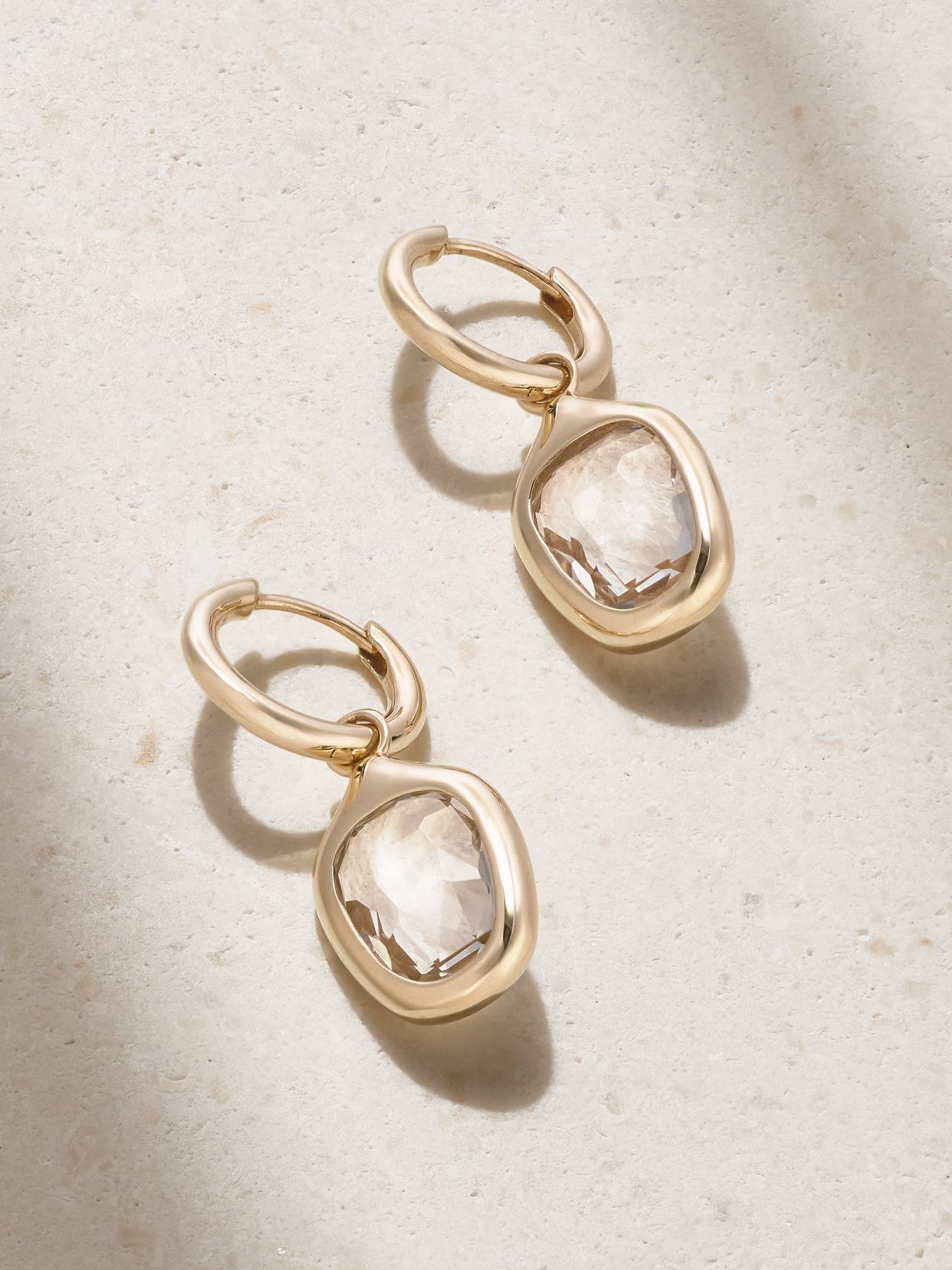
Orbit Prism 14-karat recycled gold topaz hoop earrings
By Pariah
$2,400
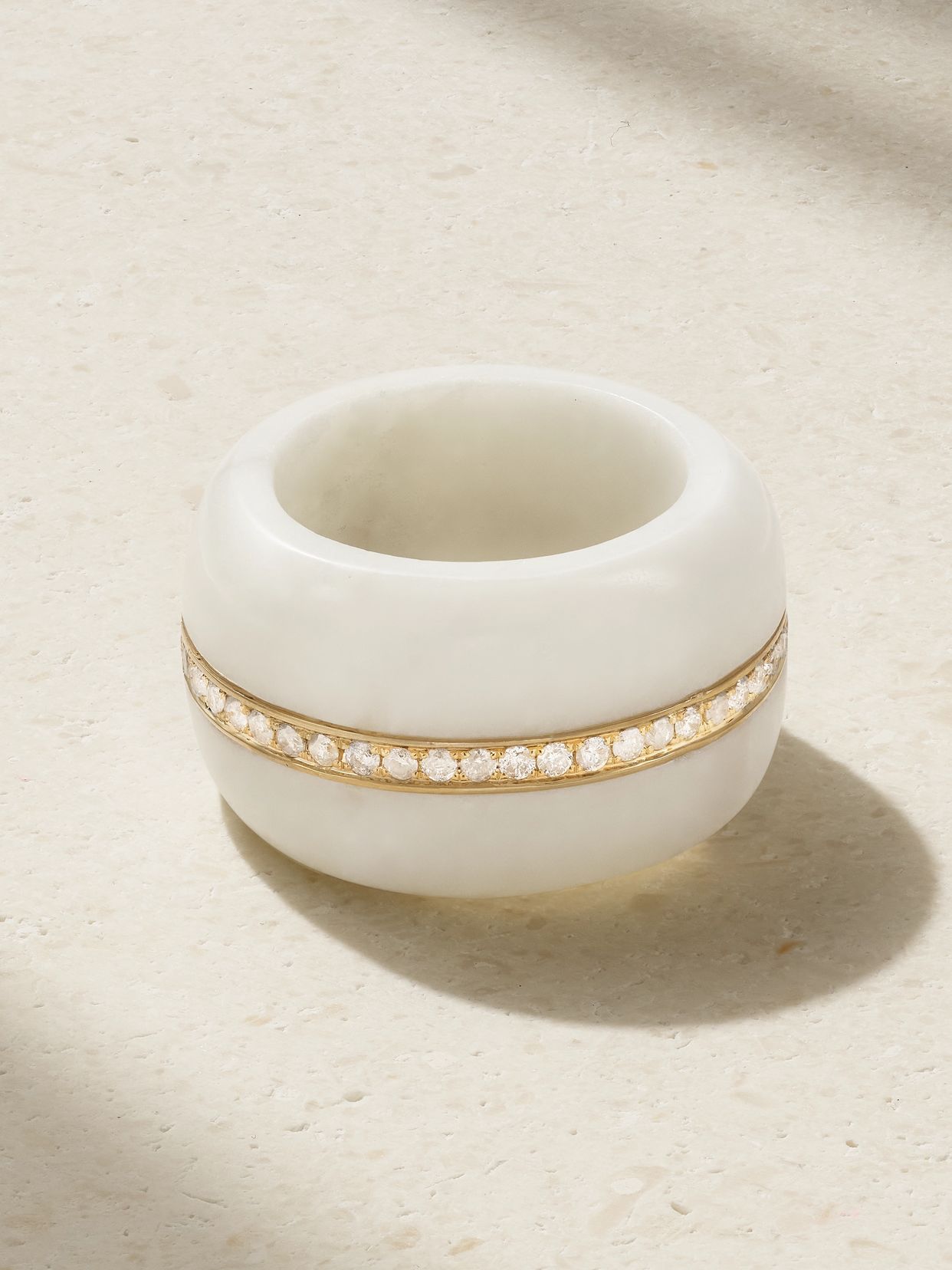
14-karat recycled gold, marble and diamond ring
By Pariah
$3,500
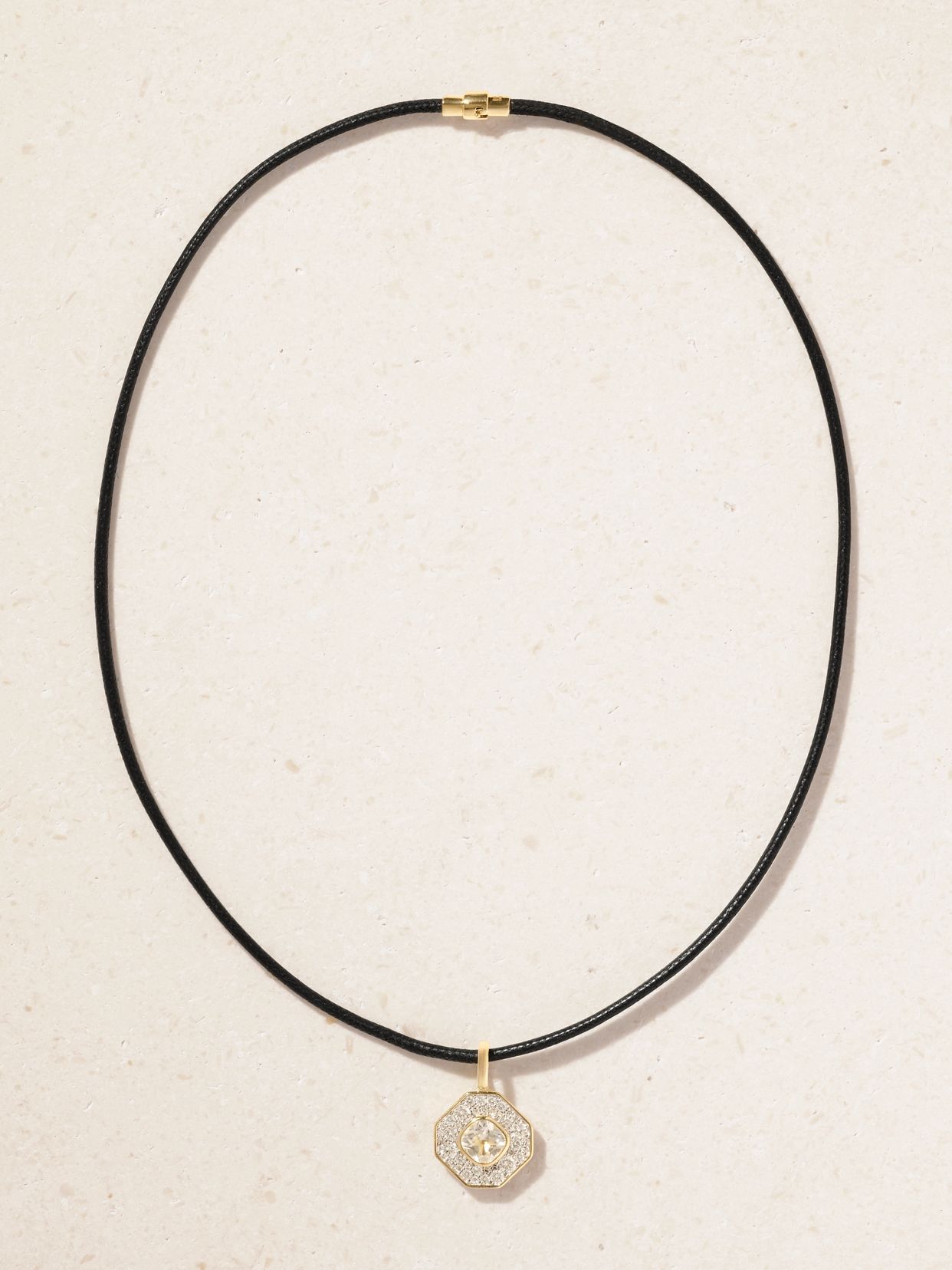
The Essential 14-karat recycled gold, white topaz and diamonds pendant
By Pariah
$4,245
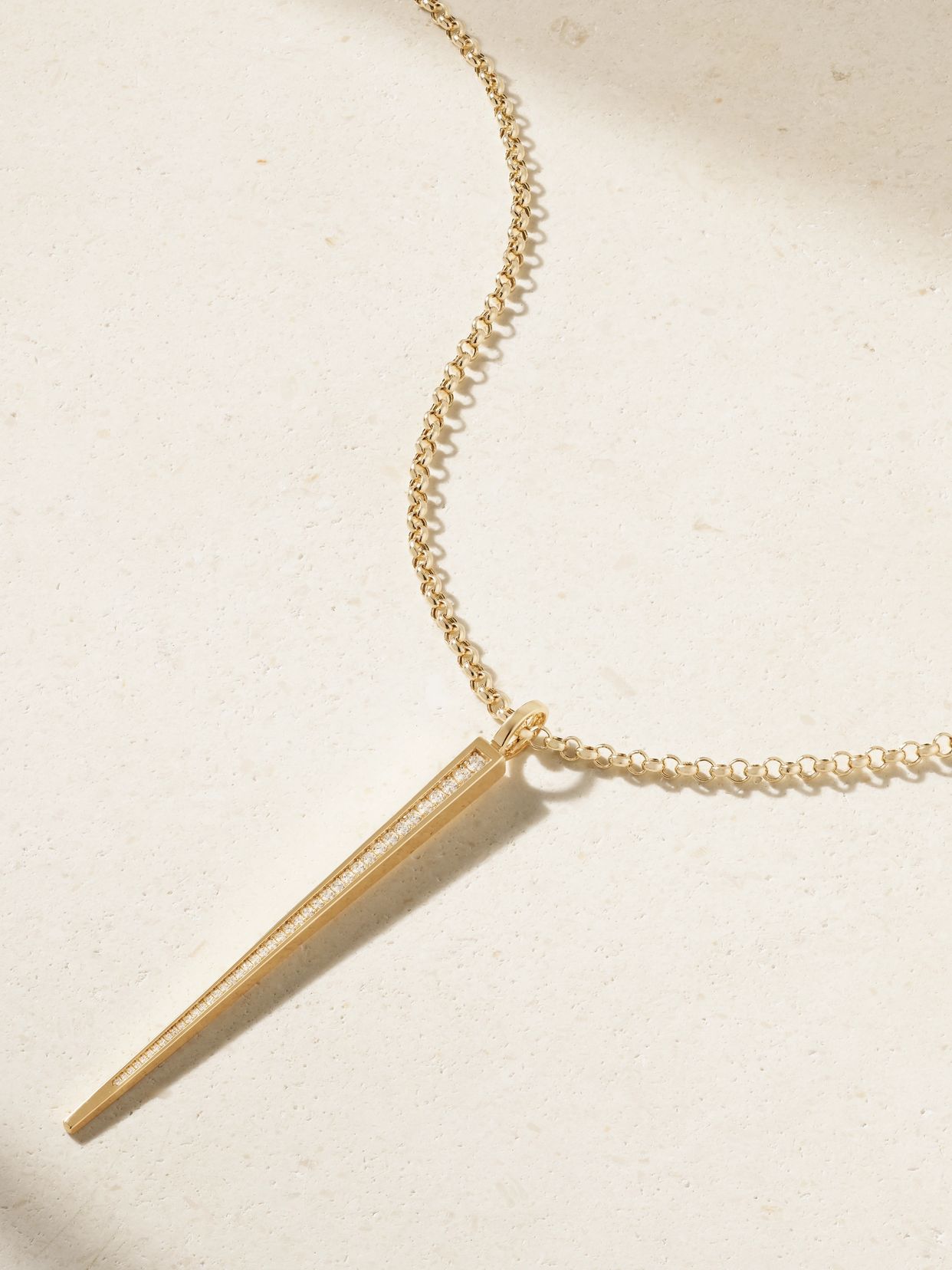
Sticks and Stones 14-karat recycled gold diamond necklace
By Pariah
$4,360
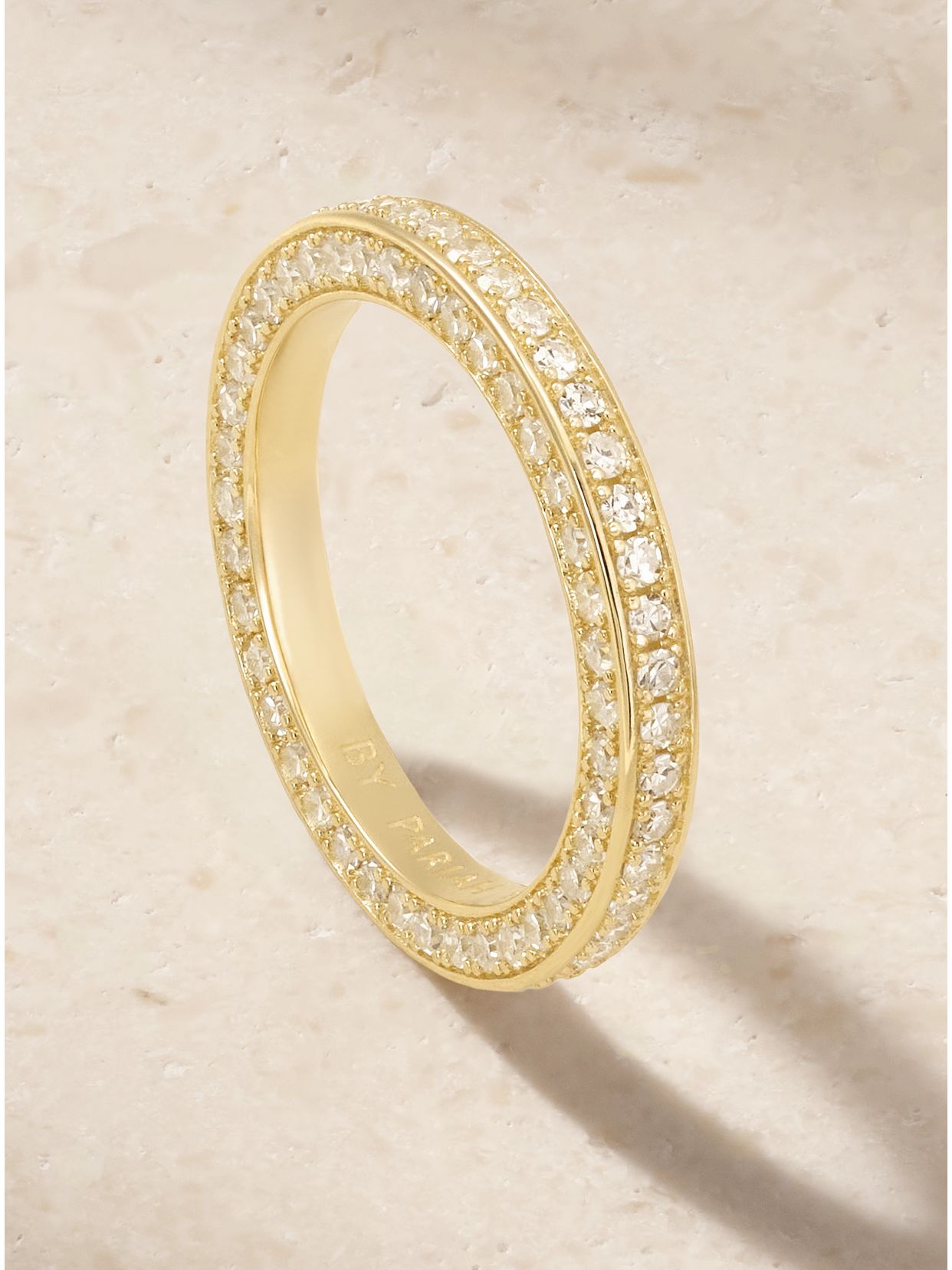
Triple 14-karat recycled gold diamond ring
By Pariah
$4,600
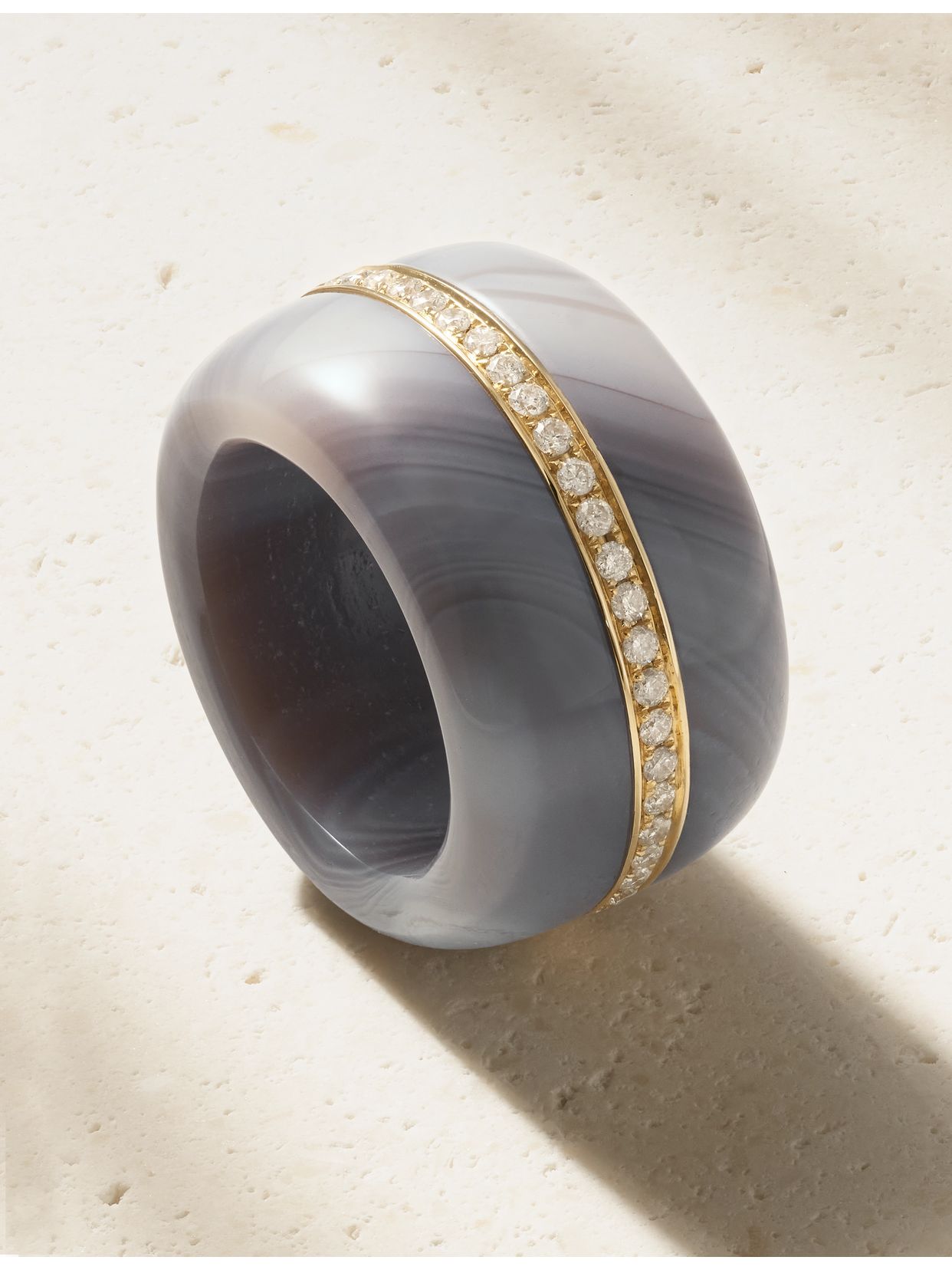
Pebble 14-karat recycled gold, agate and diamond ring
By Pariah
$4,800
Our honest take
We would insure the pieces whose loss would genuinely change our finances, then keep a careful record of everything else. The Octagon necklace and Eternity bracelet deserve more attention than a casual note in a phone, while the sterling silver pieces still need names, photographs and safe storage. We would not rely on a receipt alone, because the Orbit earrings show how easily similar-looking pieces can differ by stone and construction. We would also read the exclusions before wearing anything near water, travel or physical work. If the paperwork feels disproportionate to the value, store the piece properly and revisit the decision when the collection grows. If you take one thing away: document the jewellery before you need to prove what it was.
Next read
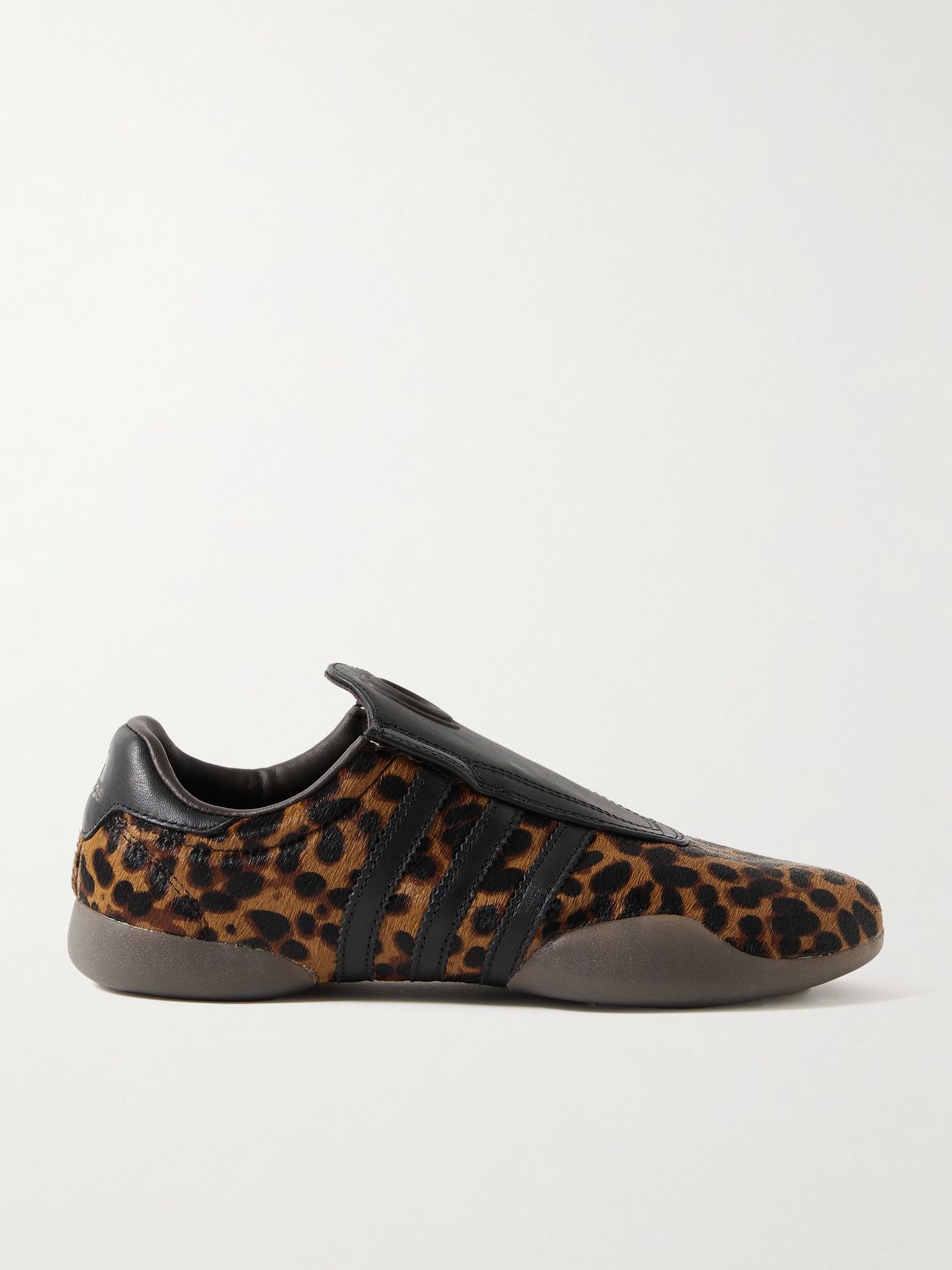
When To Replace Trainers
Replace sneakers when the outsole has lost its grip, the midsole no longer cushions your stride, or the upper has stopped holding your foot securely. A clean-looking pair can still be worn out inside. Walk across a hard
Read Editorial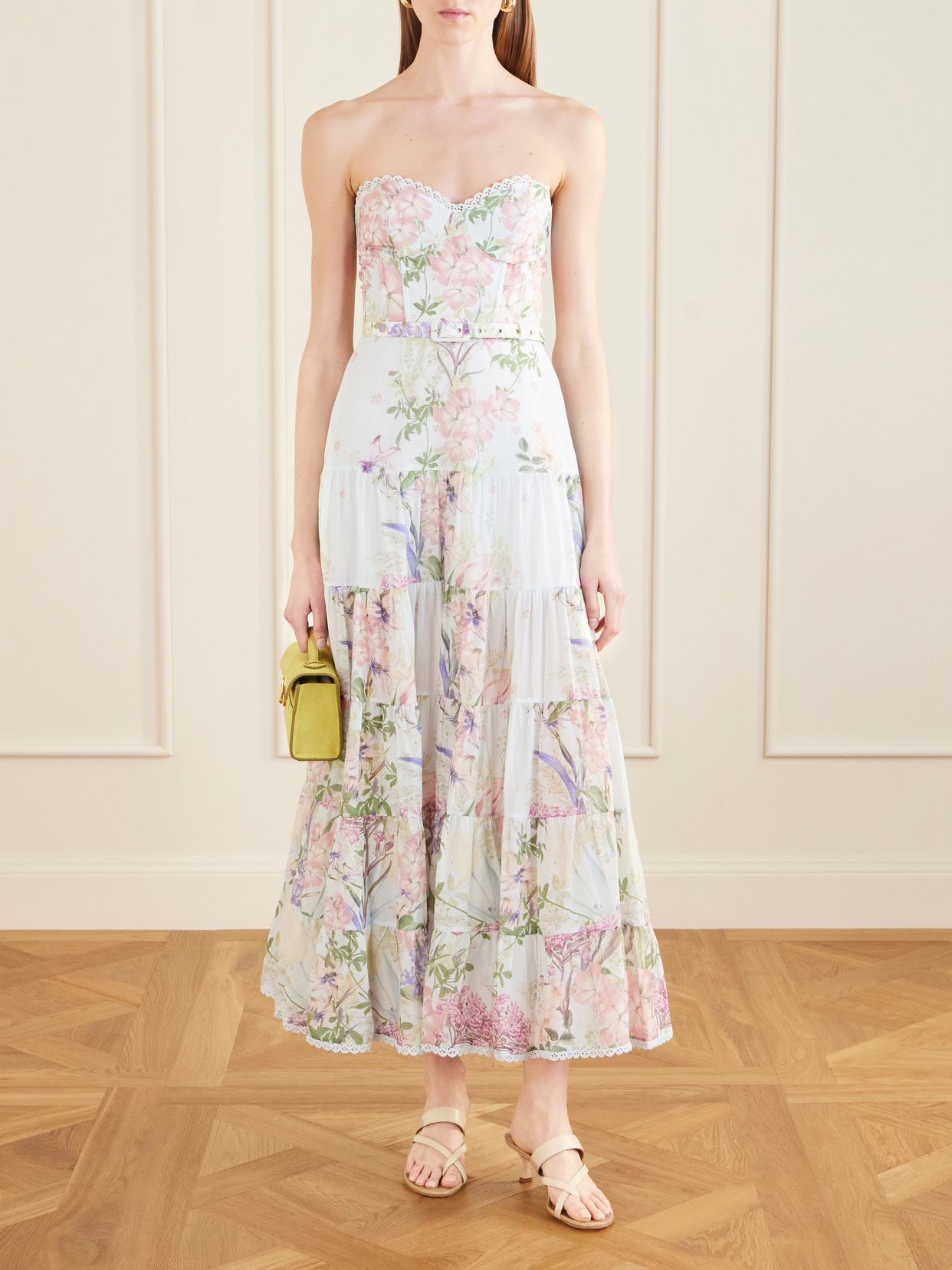
Lining Matters In Thin Dresses
Yes, an unlined dress can be see through, especially when its fabric is light, open in texture, or pale. The useful test is not the changing-room mirror. Stand in direct daylight and look at the skirt from the