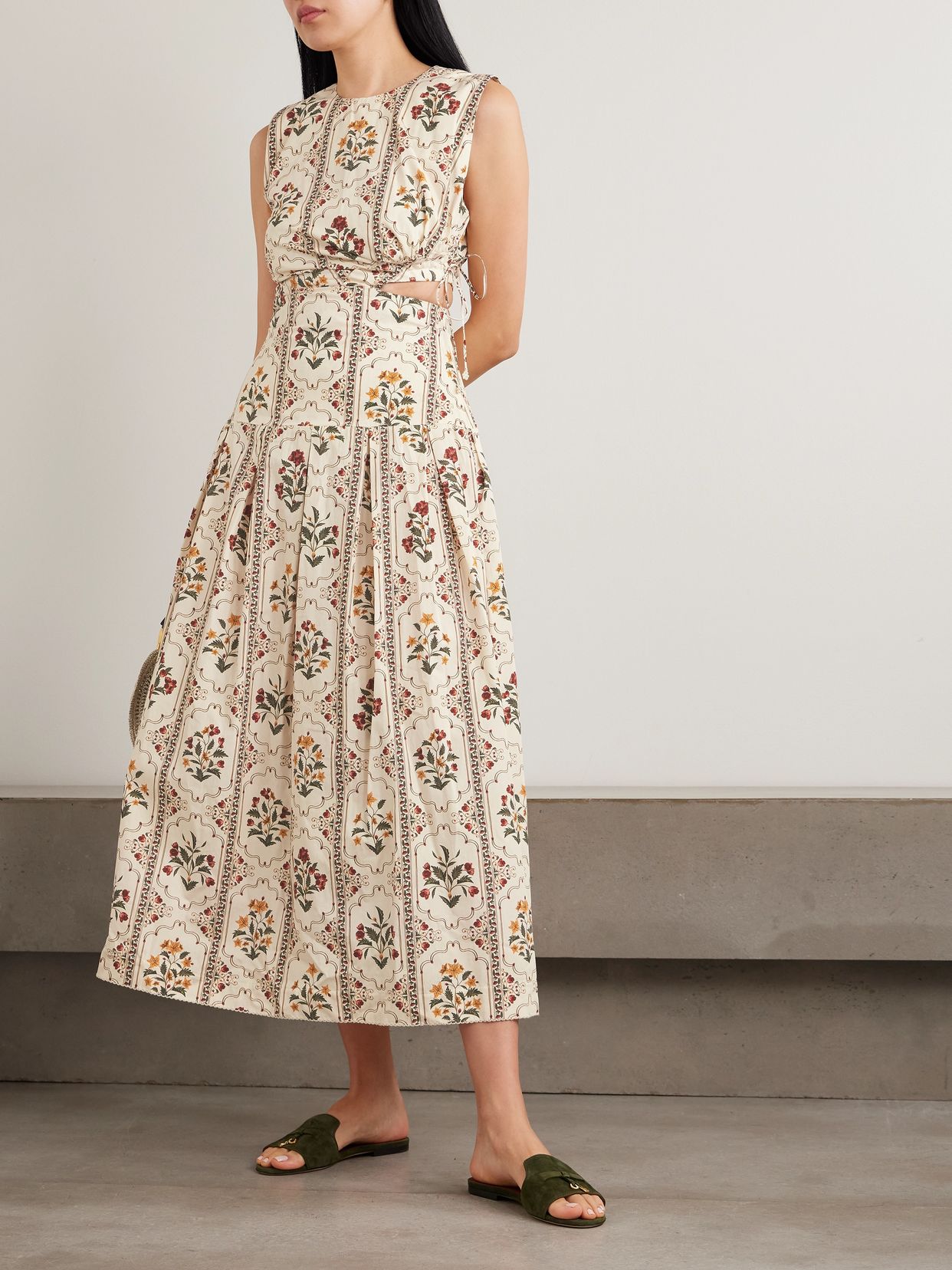
Mixing dinnerware works when the table has one clear rhythm. Start with the pieces that do the daily work, then let different shapes and drawn details add variation around them. A dinner plate, a dessert plate and a
Mixing Plate Patterns At Table
A table looks better with a point of view
Mixing dinnerware works when the table has one clear rhythm. Start with the pieces that do the daily work, then let different shapes and drawn details add variation around them. A dinner plate, a dessert plate and a soup plate do not need to match exactly, but they should feel related in scale. Put one setting together before buying a full collection. It is much easier to see whether the proportions sit comfortably when the plate, cup and serving piece are side by side.
The plates and serveware here run from $80 to $115. That is a useful entry point for testing the mix without making the whole table depend on one pattern. Simple ceramic dinner plates can act as the quiet base, while an Adélaïde ceramic dessert plate or a small soup plate brings a different outline to the same place setting. Add a platter only when its shape leaves enough clear space around the food. A crowded centre makes even lovely pieces look fussy.
Plates and serveware
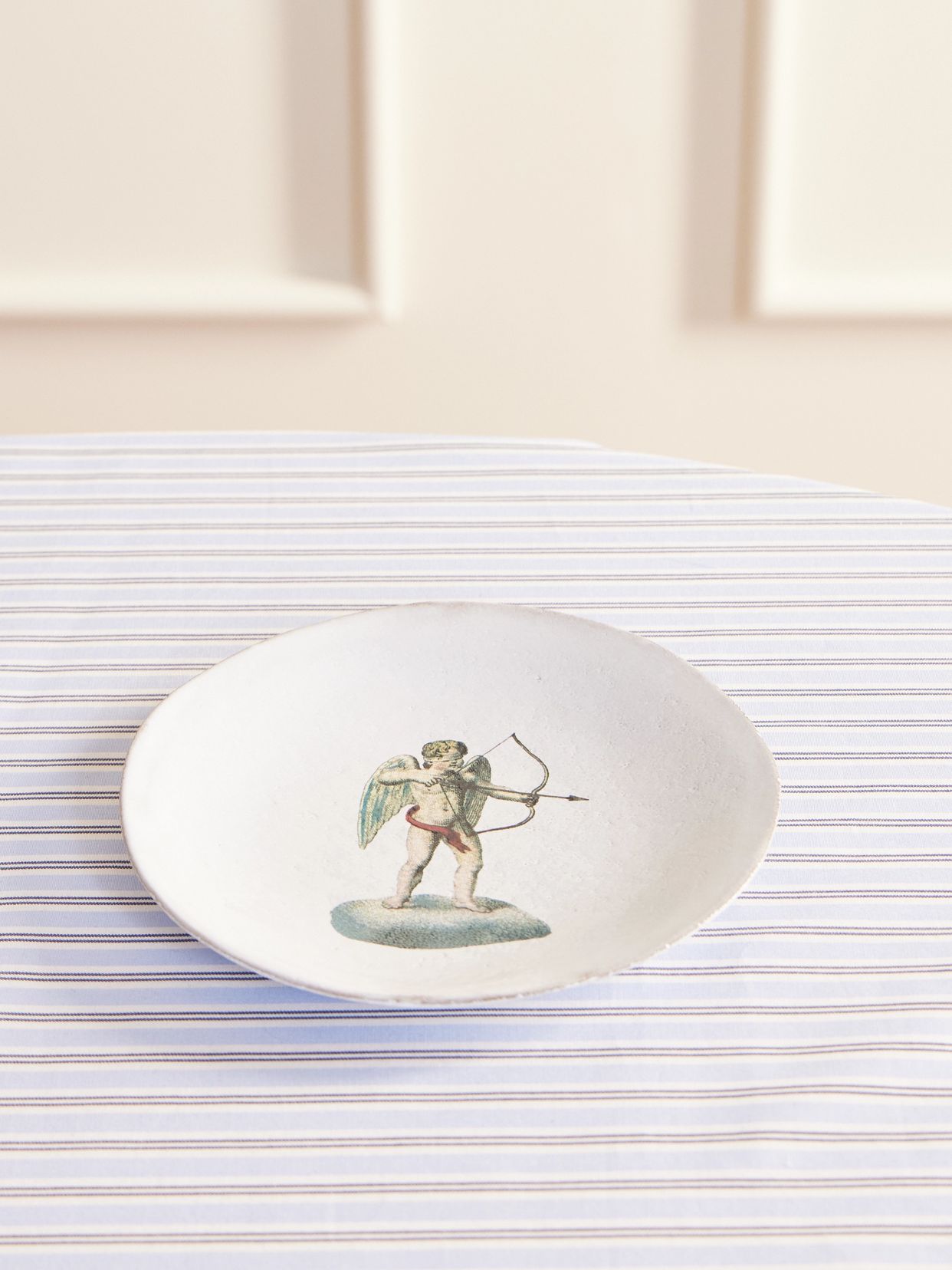
+ John Derian Cupid ceramic plate
Astier De Villatte
$80
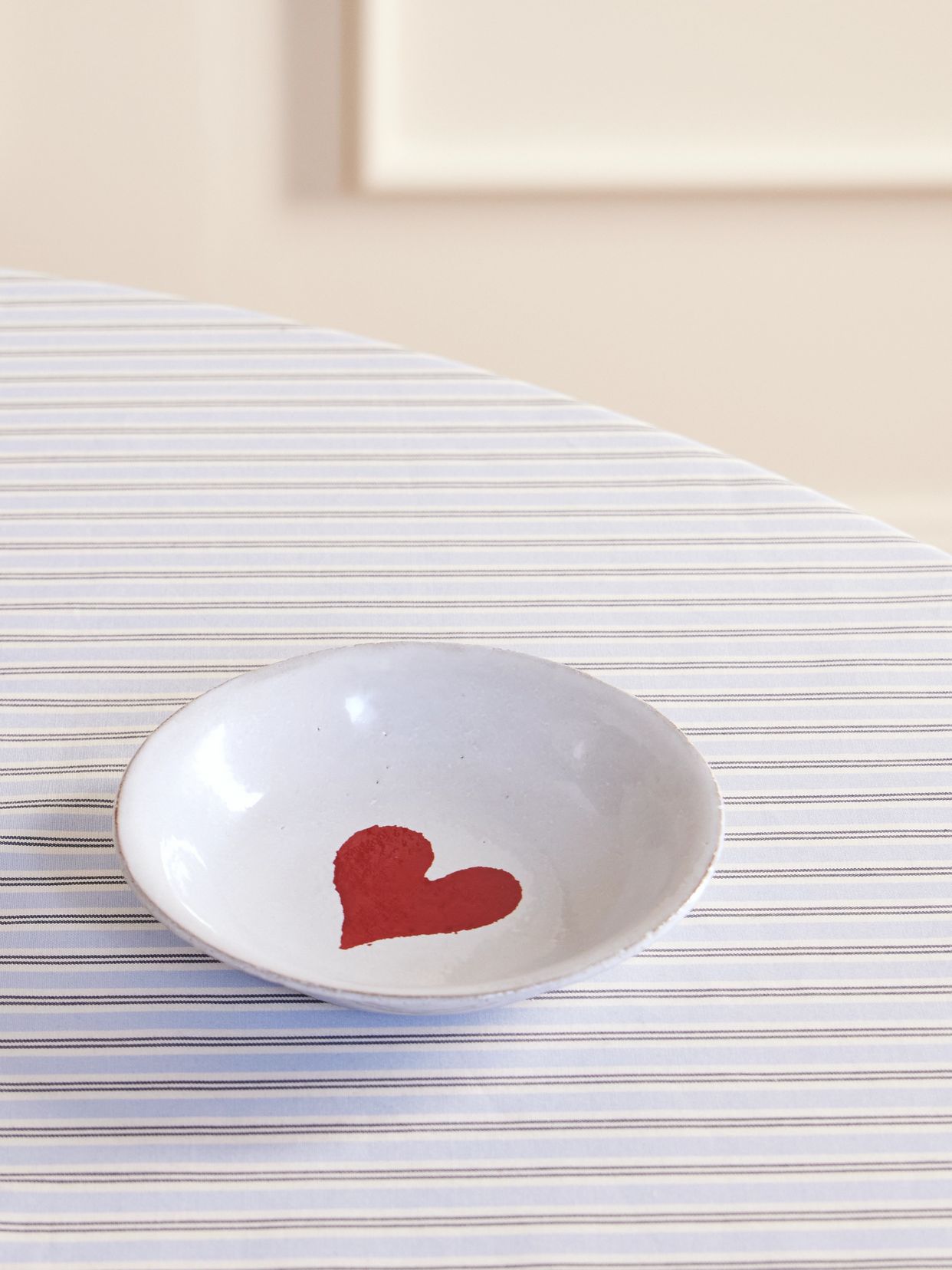
+ John Derian Red Heart ceramic dish
Astier De Villatte
$90
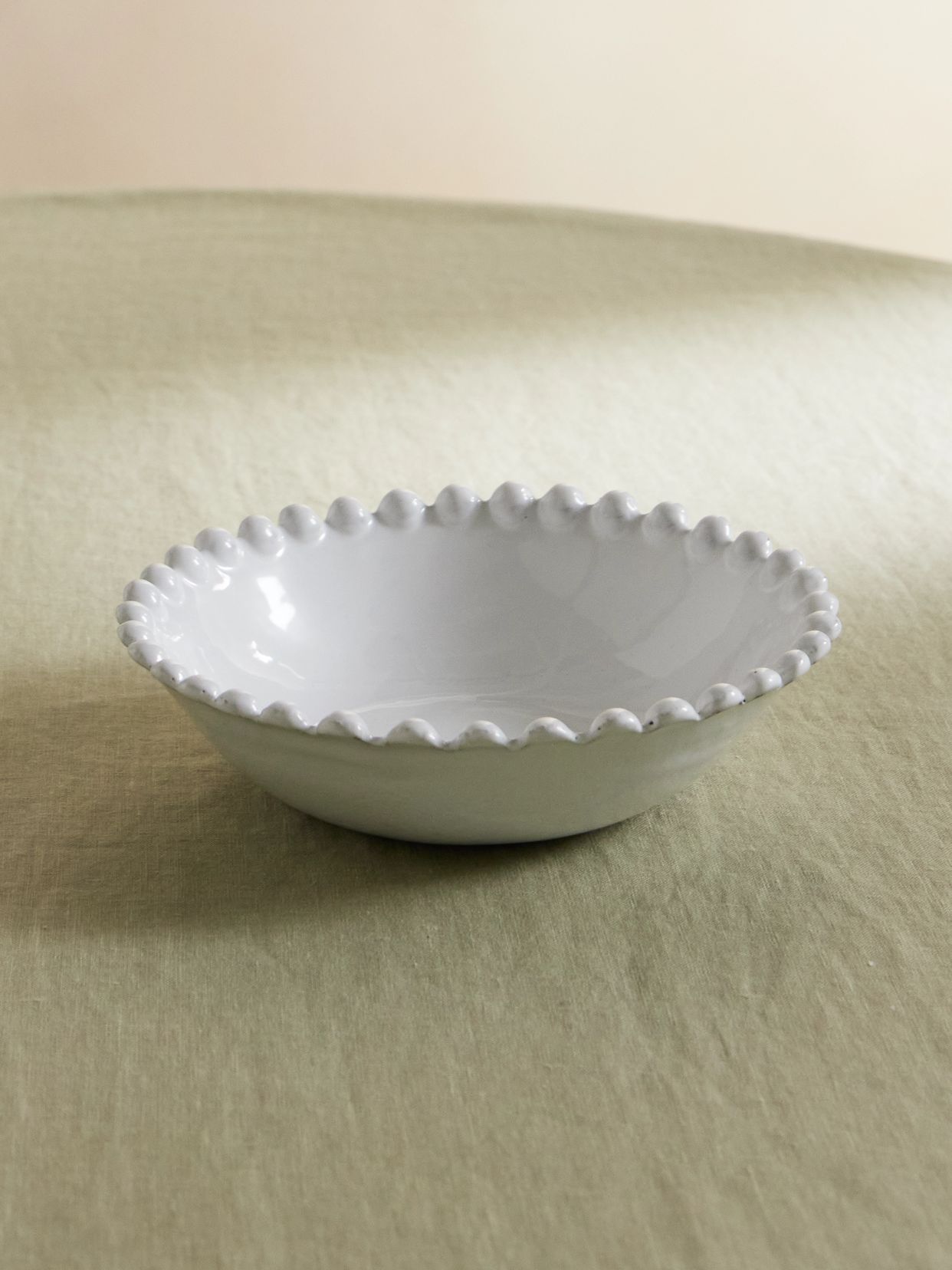
Adélaïde Small ceramic soup plate
Astier De Villatte
$100
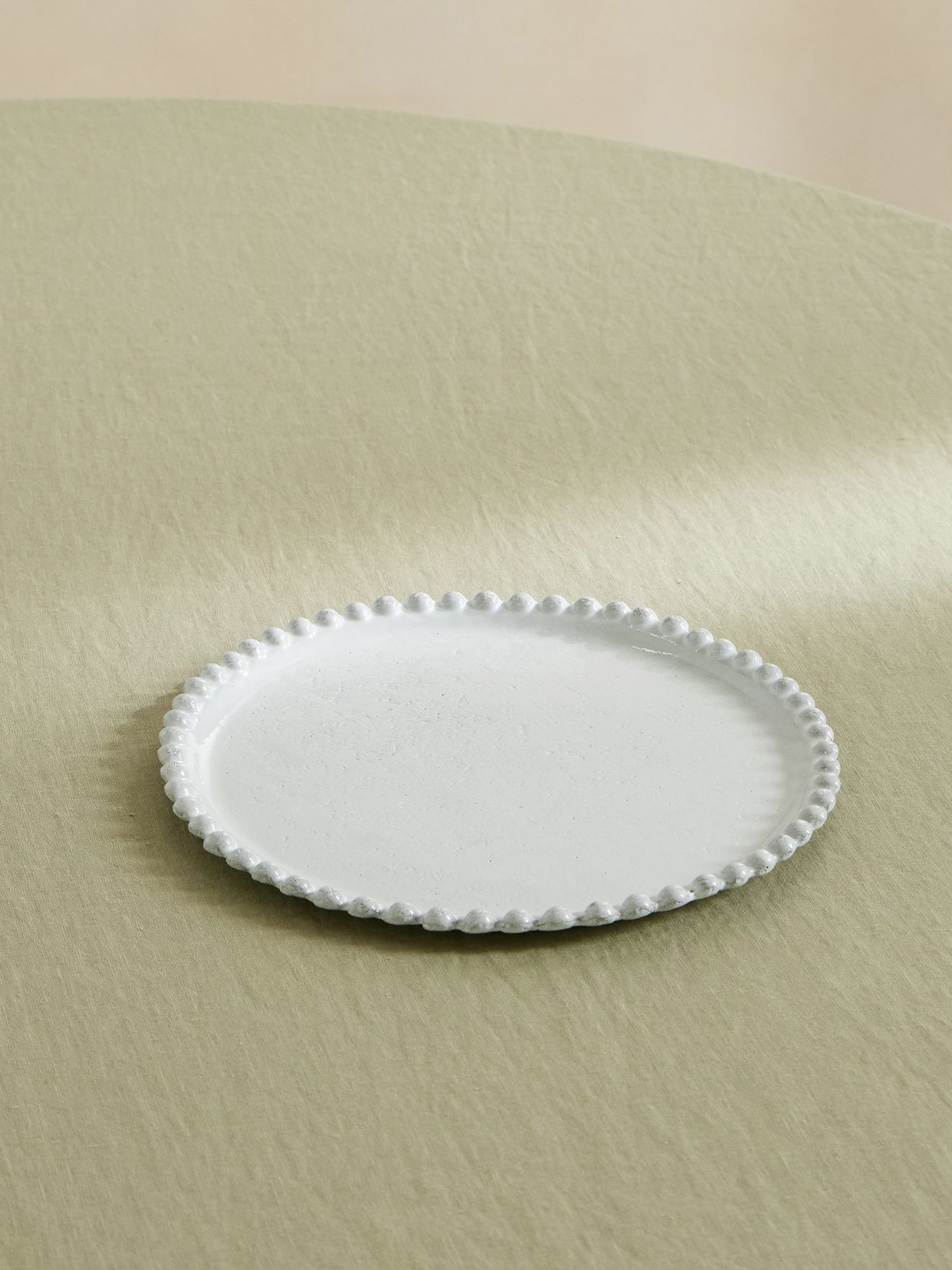
Adélaïde ceramic dessert plate
Astier De Villatte
$110
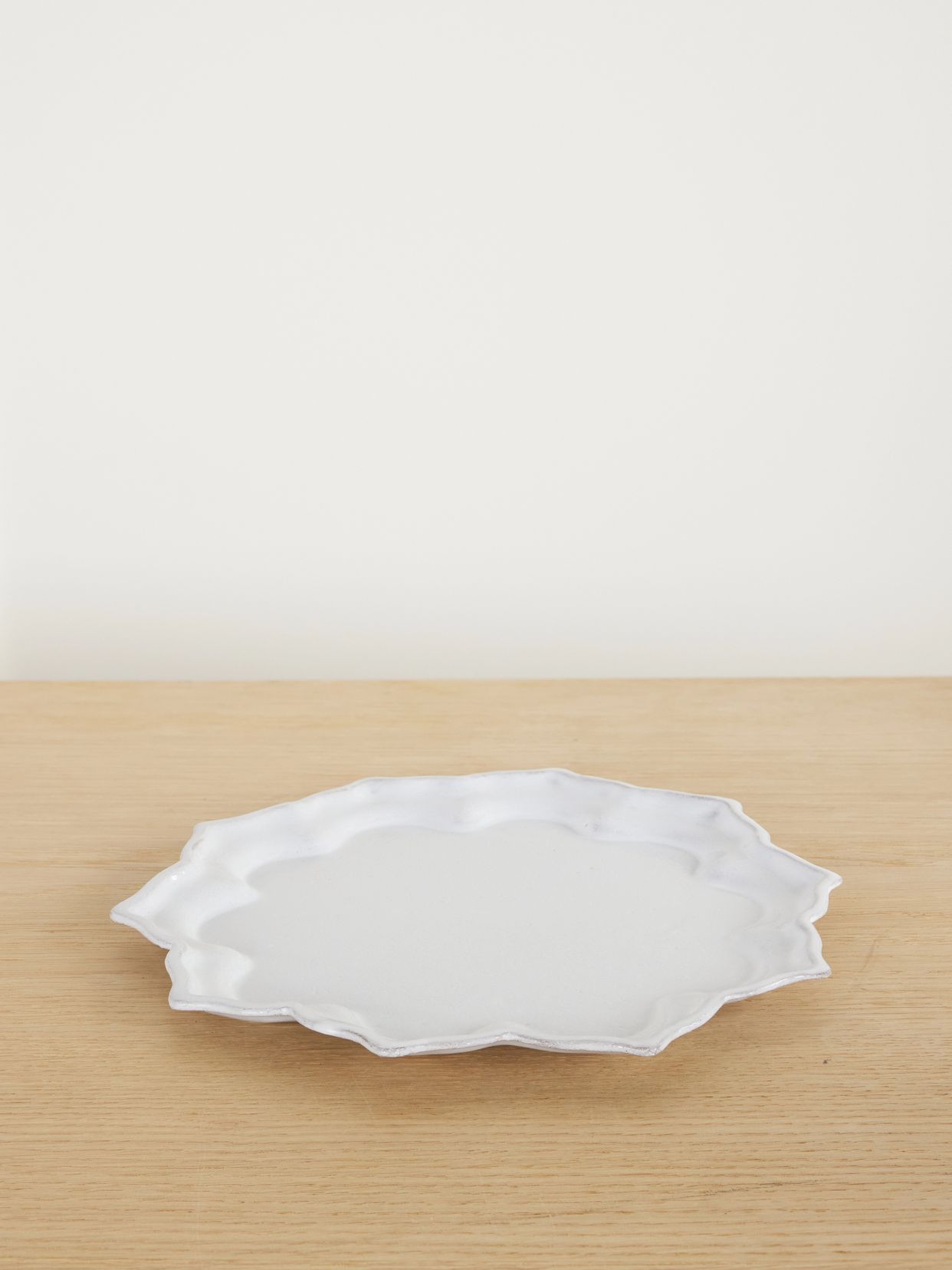
Istanbul porcelain dessert plate
Astier De Villatte
$115
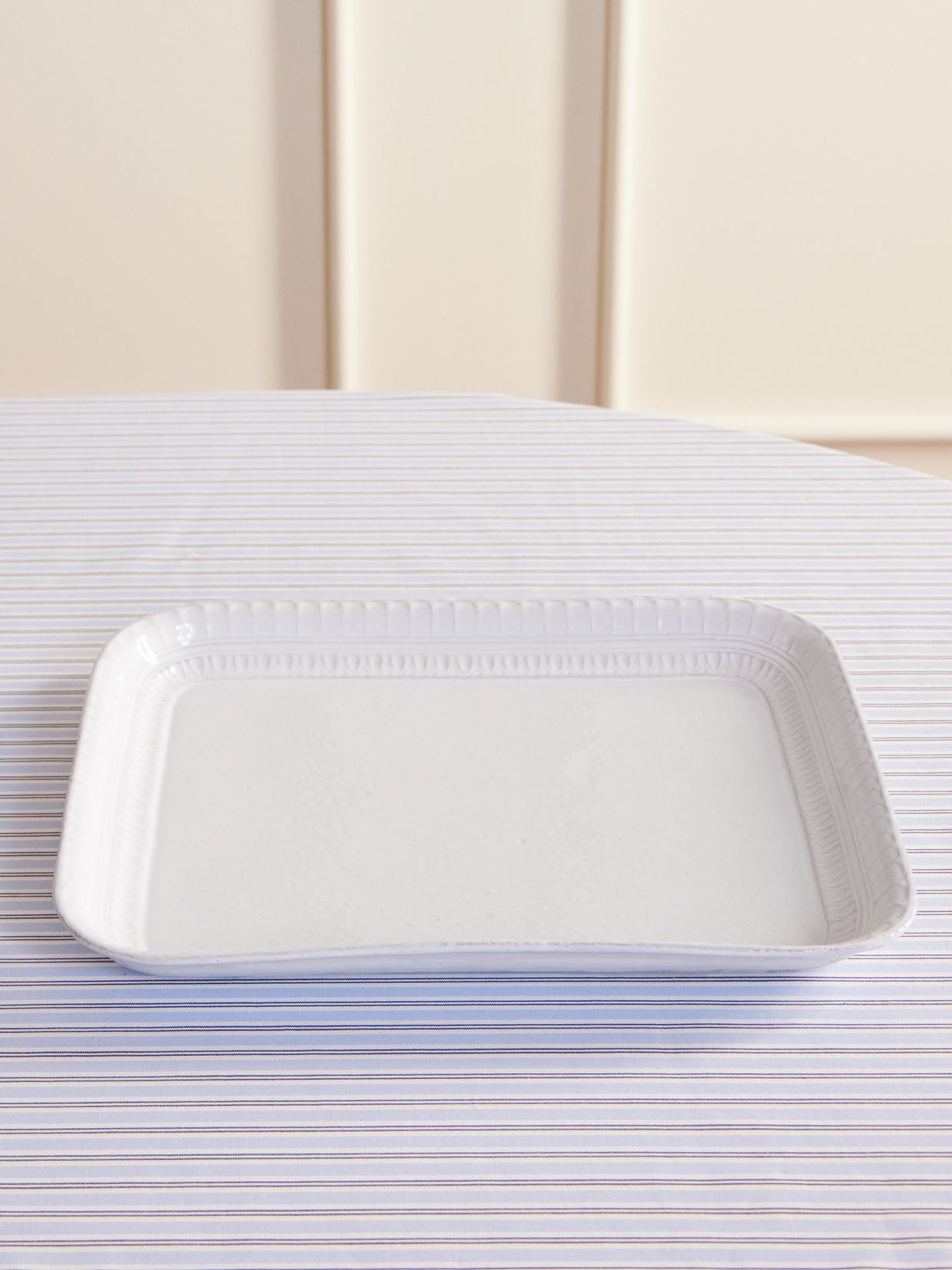
César ceramic platter
Astier De Villatte
$115
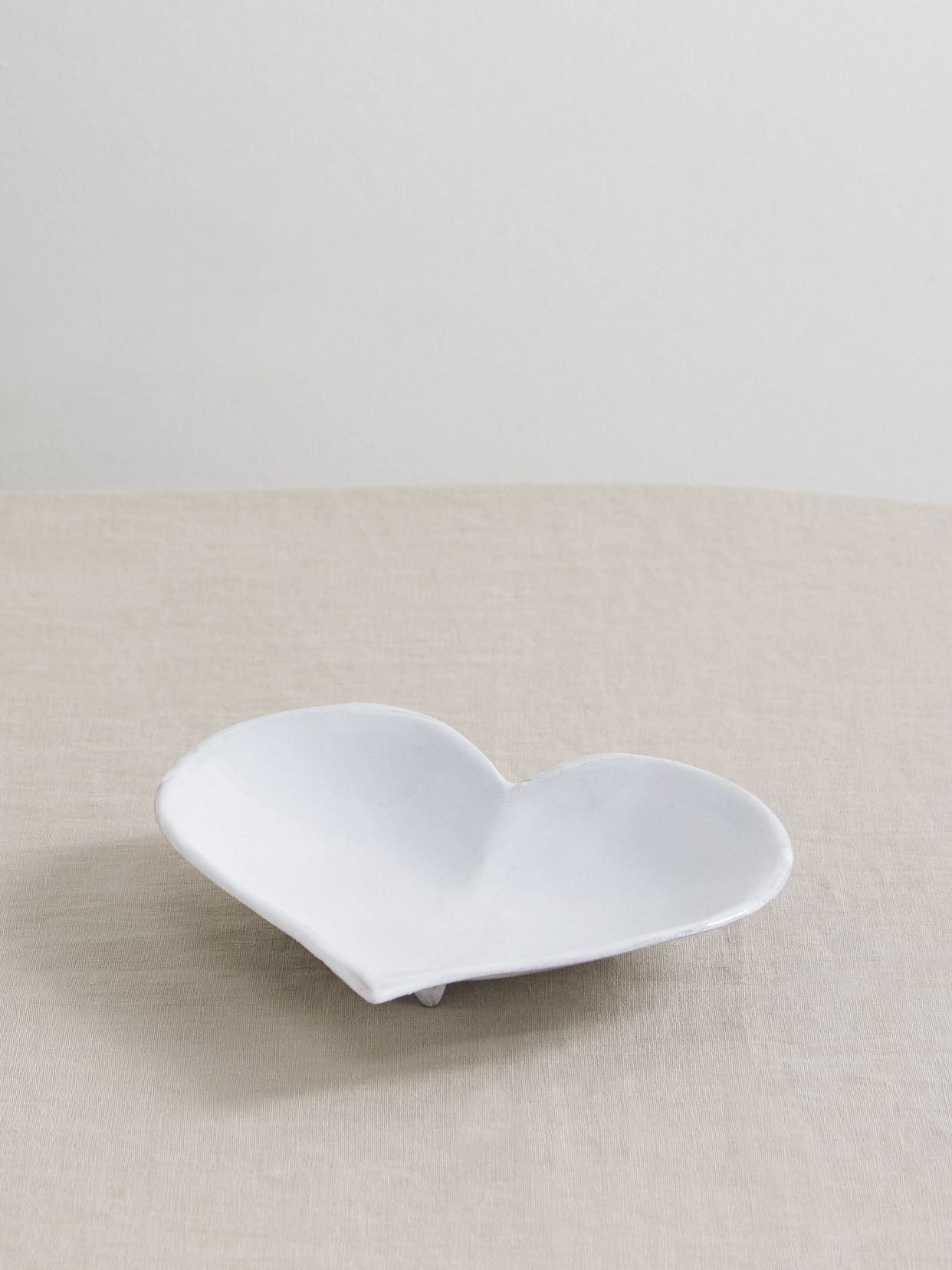
Coeur ceramic dessert plate
Astier De Villatte
$115
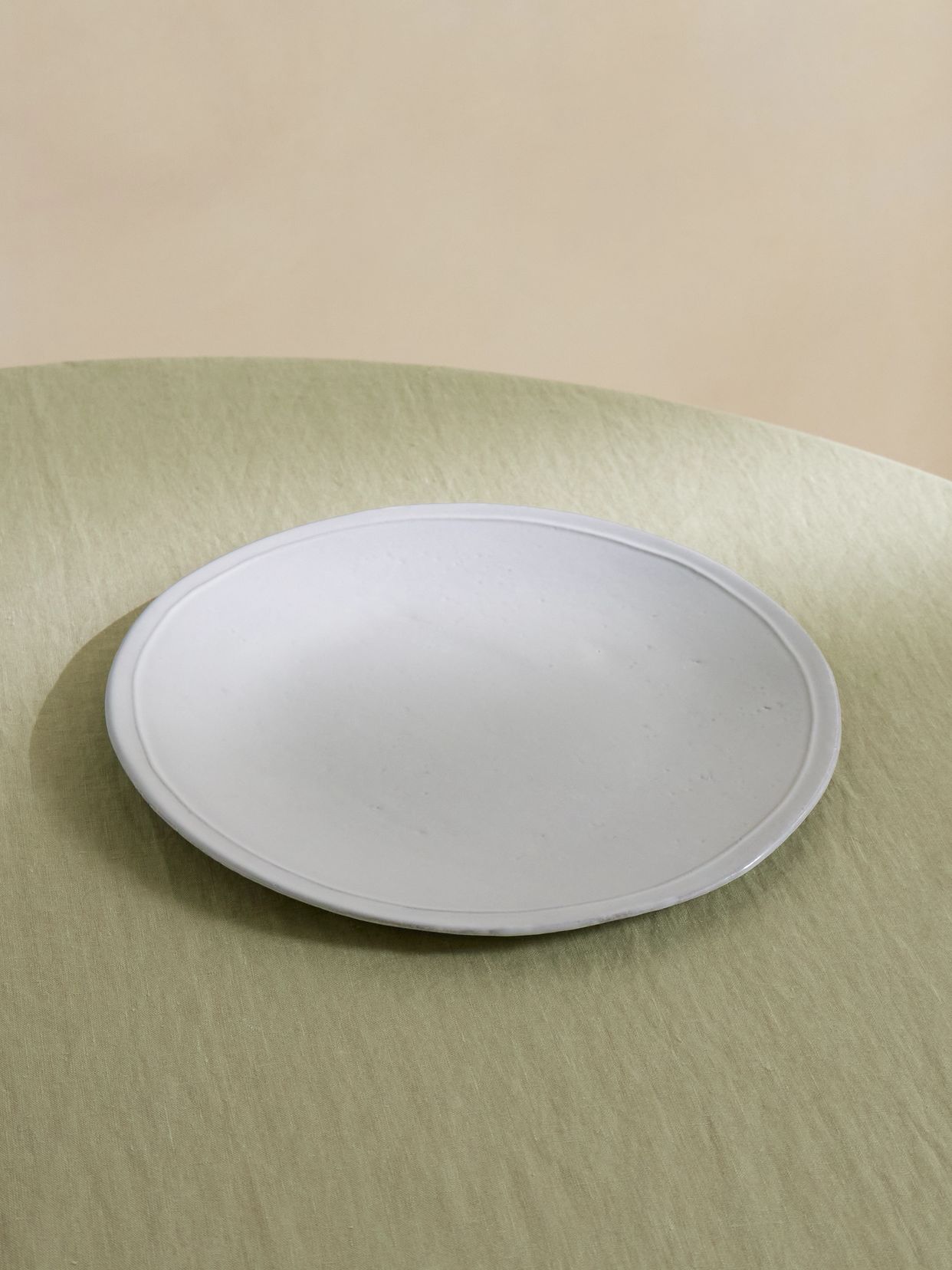
Simple ceramic dinner plate
Astier De Villatte
$115
How to combine shapes without clutter
Choose one shape to repeat and one shape to interrupt it. If the dinner plates are round, let a small dish or platter provide the change, rather than putting a different silhouette at every place. Keep the serving pieces where they can be reached. A soup plate is for a deeper course, a dessert plate leaves room for a smaller portion, and a ceramic dish can hold a side or a spoon rest without pretending to be the main setting.
The mixed ceramic and porcelain pieces in the $120 to $750 band cover cups, a teapot, a butter dish and boxes as well as a larger painted teapot. That is a broad price level, so the sensible comparison is use rather than uniformity. A cup can introduce a detail that would be too busy across a whole dinner plate. A teapot should have space around it, and a small butter dish can repeat a shape from the place settings without becoming another centrepiece.
Check the rim and base before you stack anything. Pieces with a raised edge or unusual foot may need their own shelf space. Avoid forcing one object inside another just to save room, since pressure at the rim is where chips begin. Leave a soft layer between pieces that touch during storage.
$120 to $750
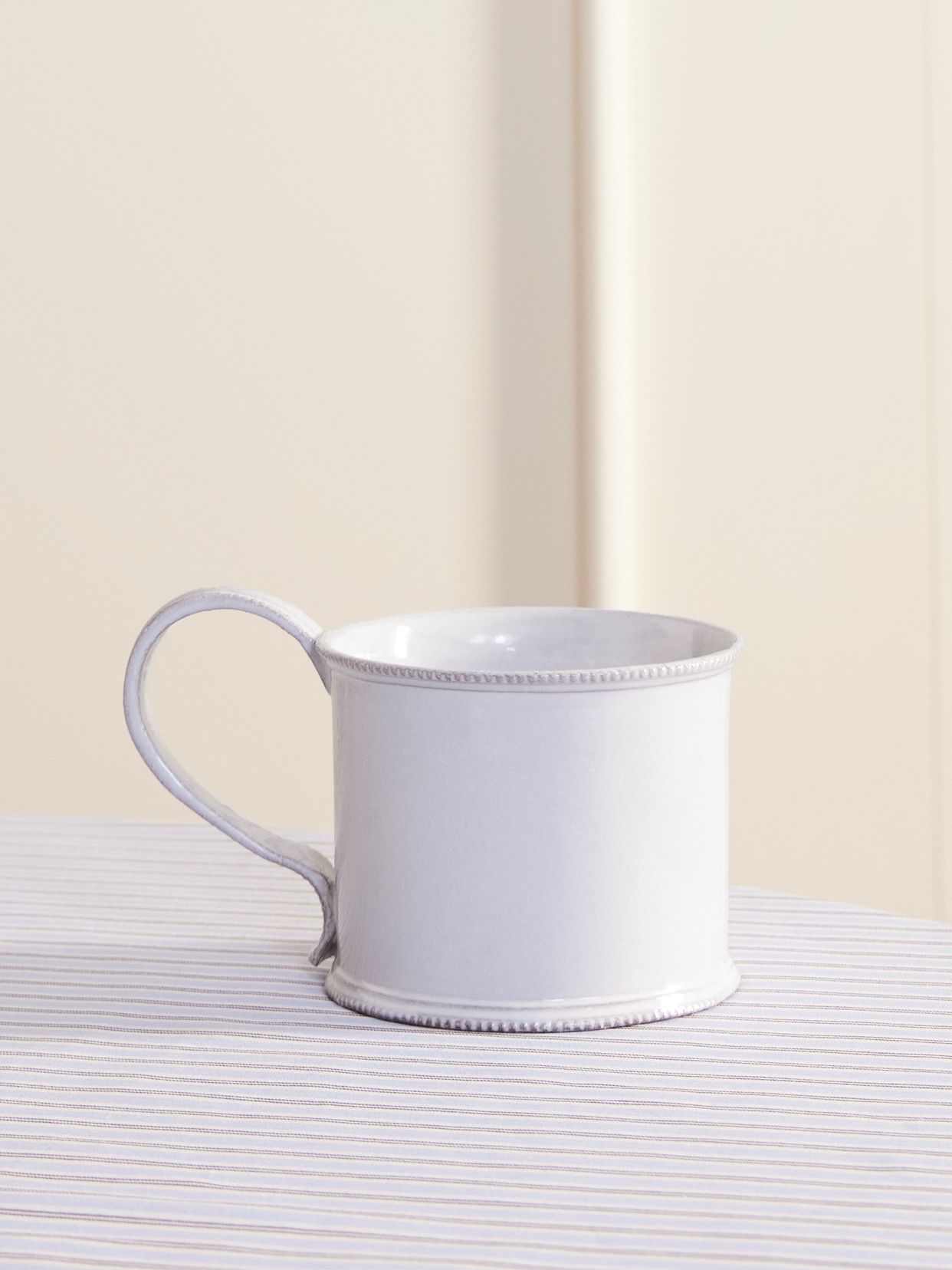
Perles ceramic cup
Astier De Villatte
$120
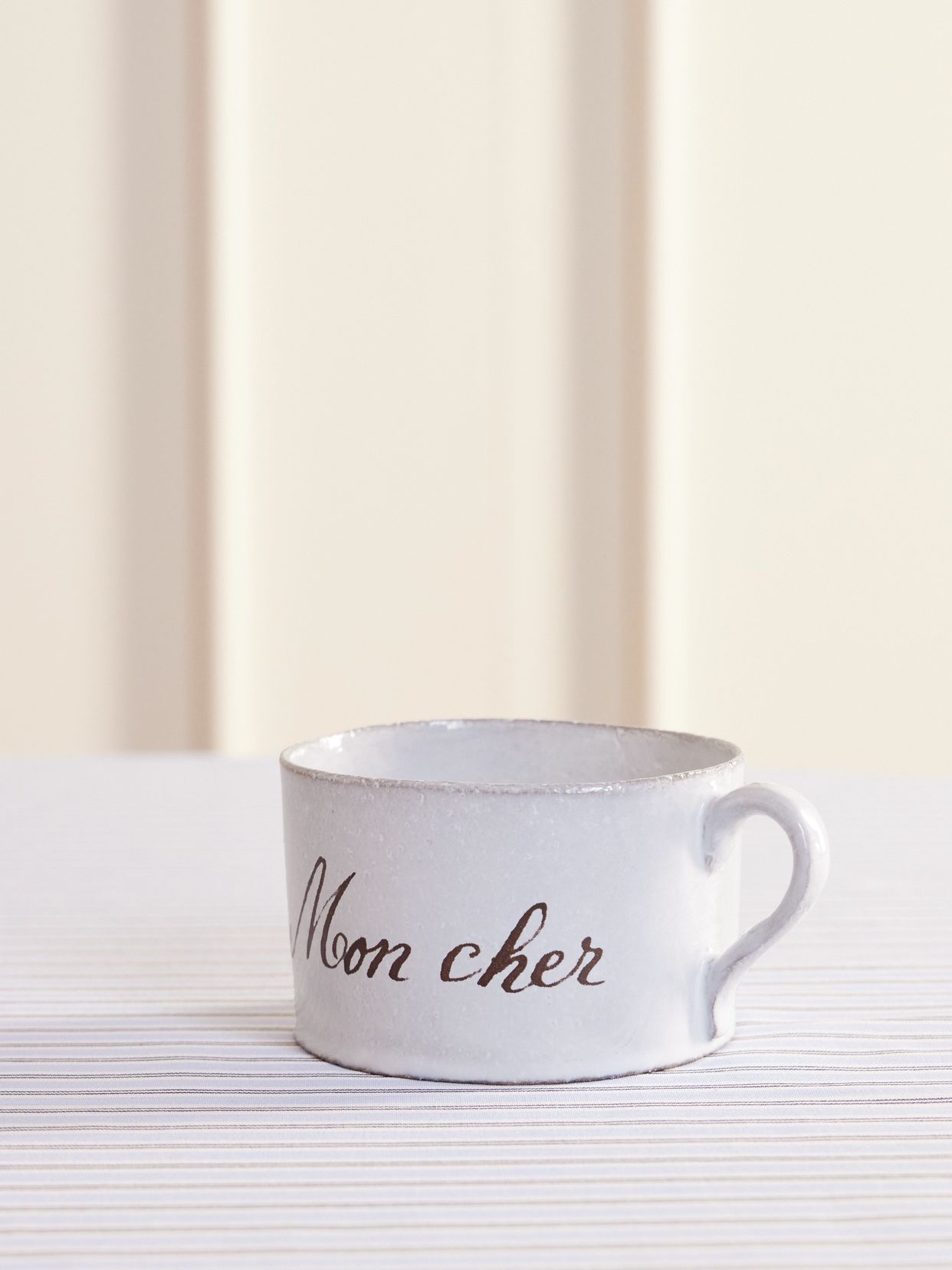
+ John Derian Mon Cher ceramic cup
Astier De Villatte
$120
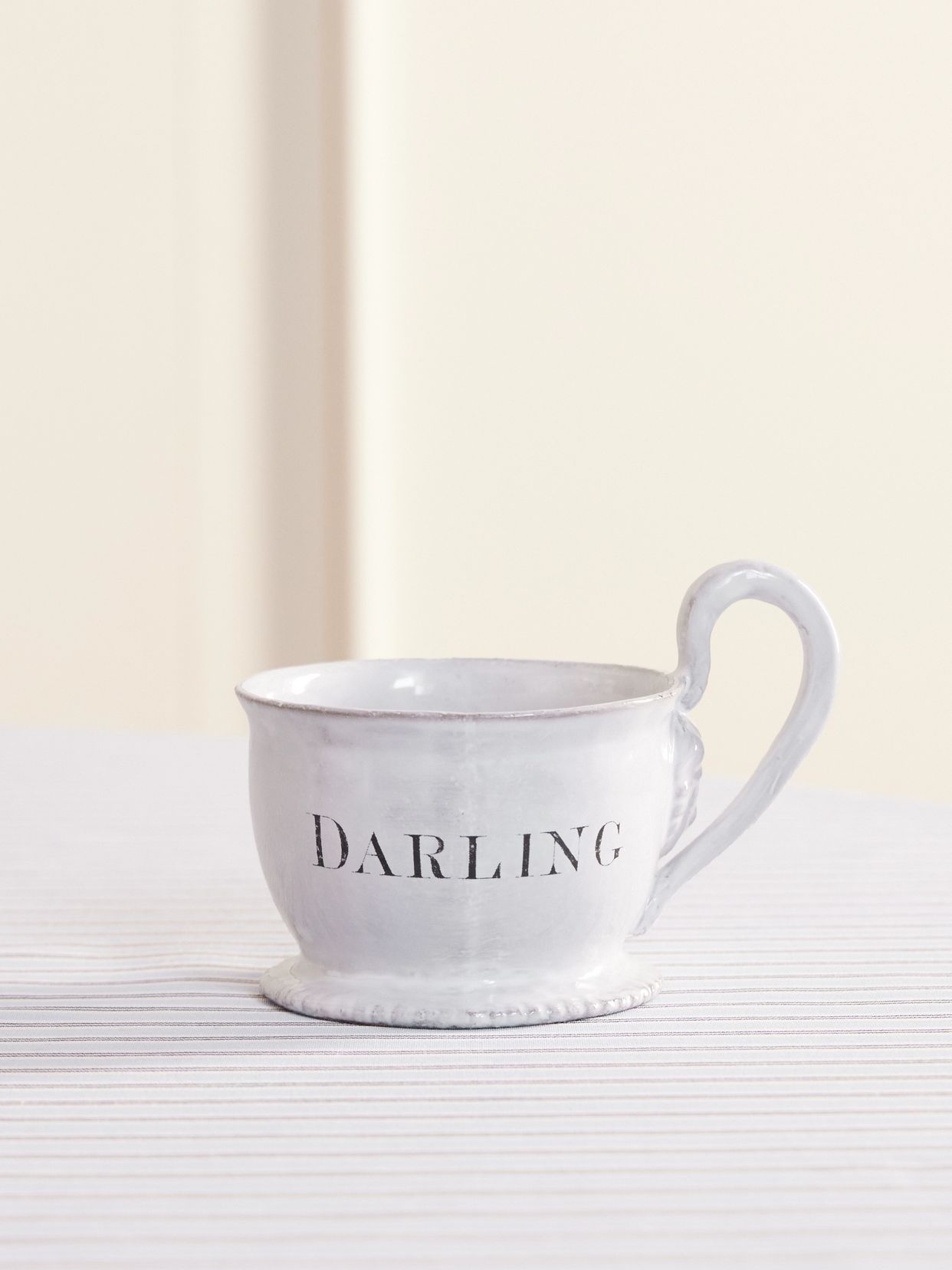
+ John Derian Darling ceramic teacup
Astier De Villatte
$130
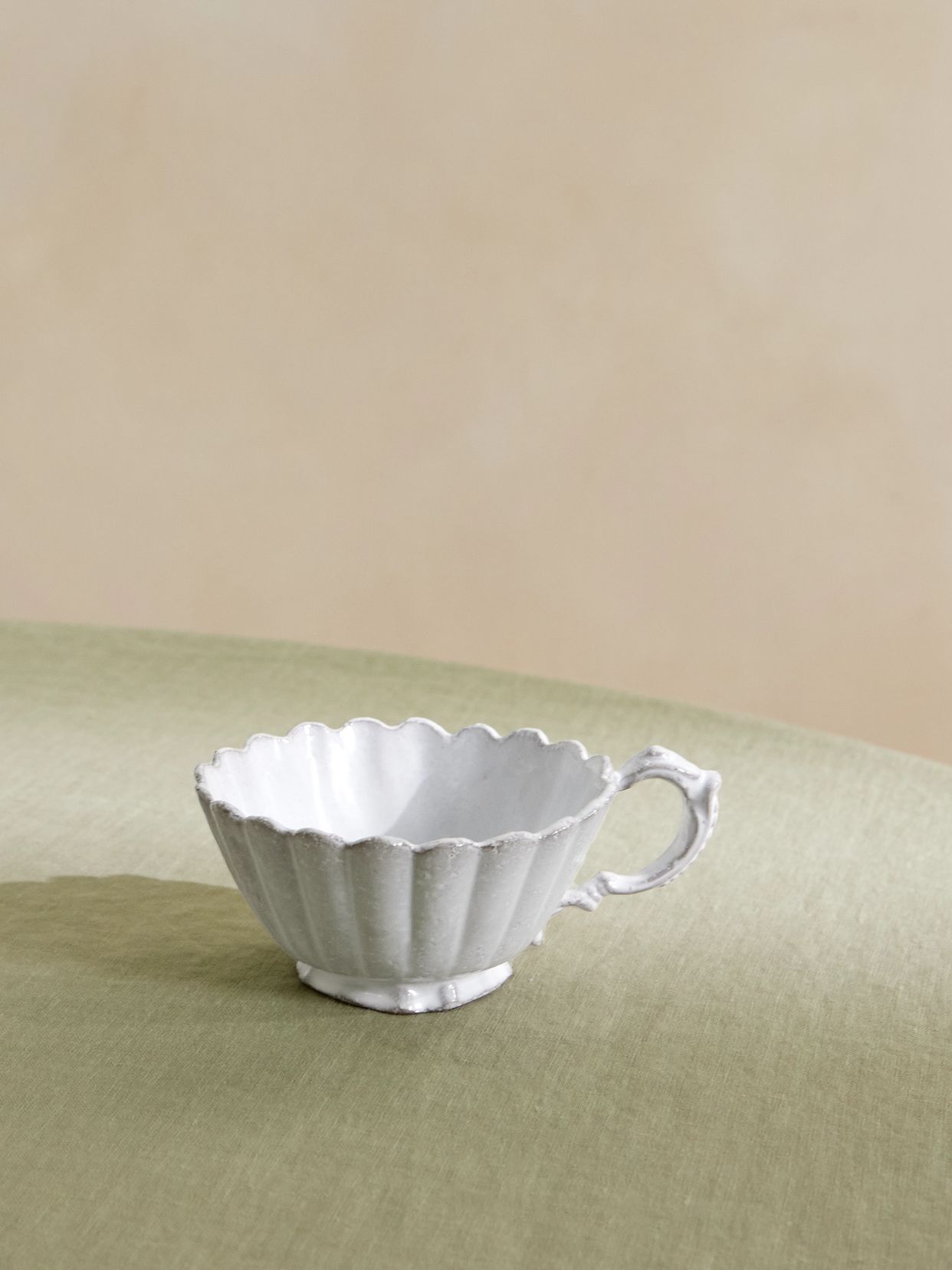
Marguerite ceramic tea cup
Astier De Villatte
$140
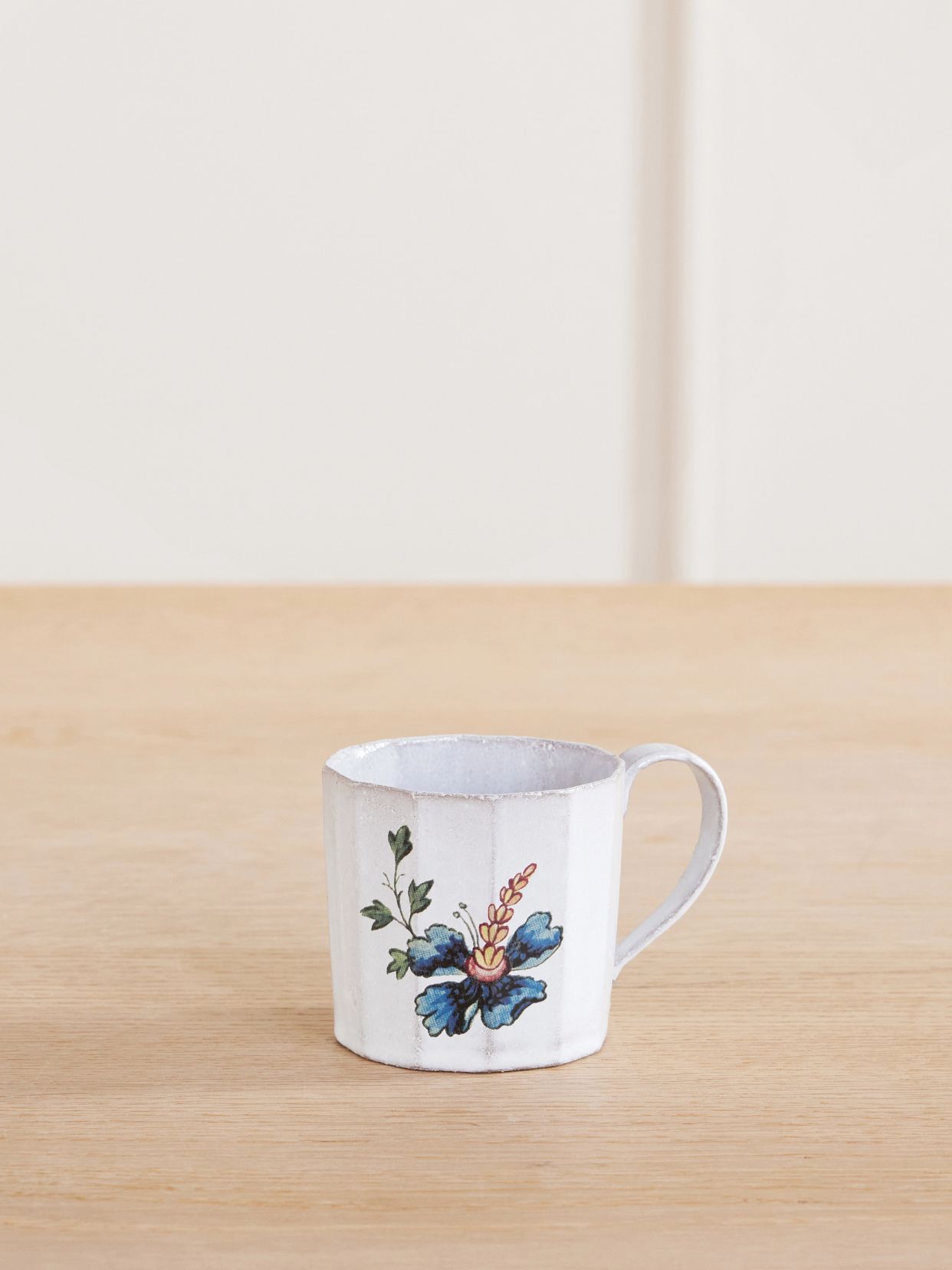
Mallow Rose ceramic cup
Astier De Villatte
$155
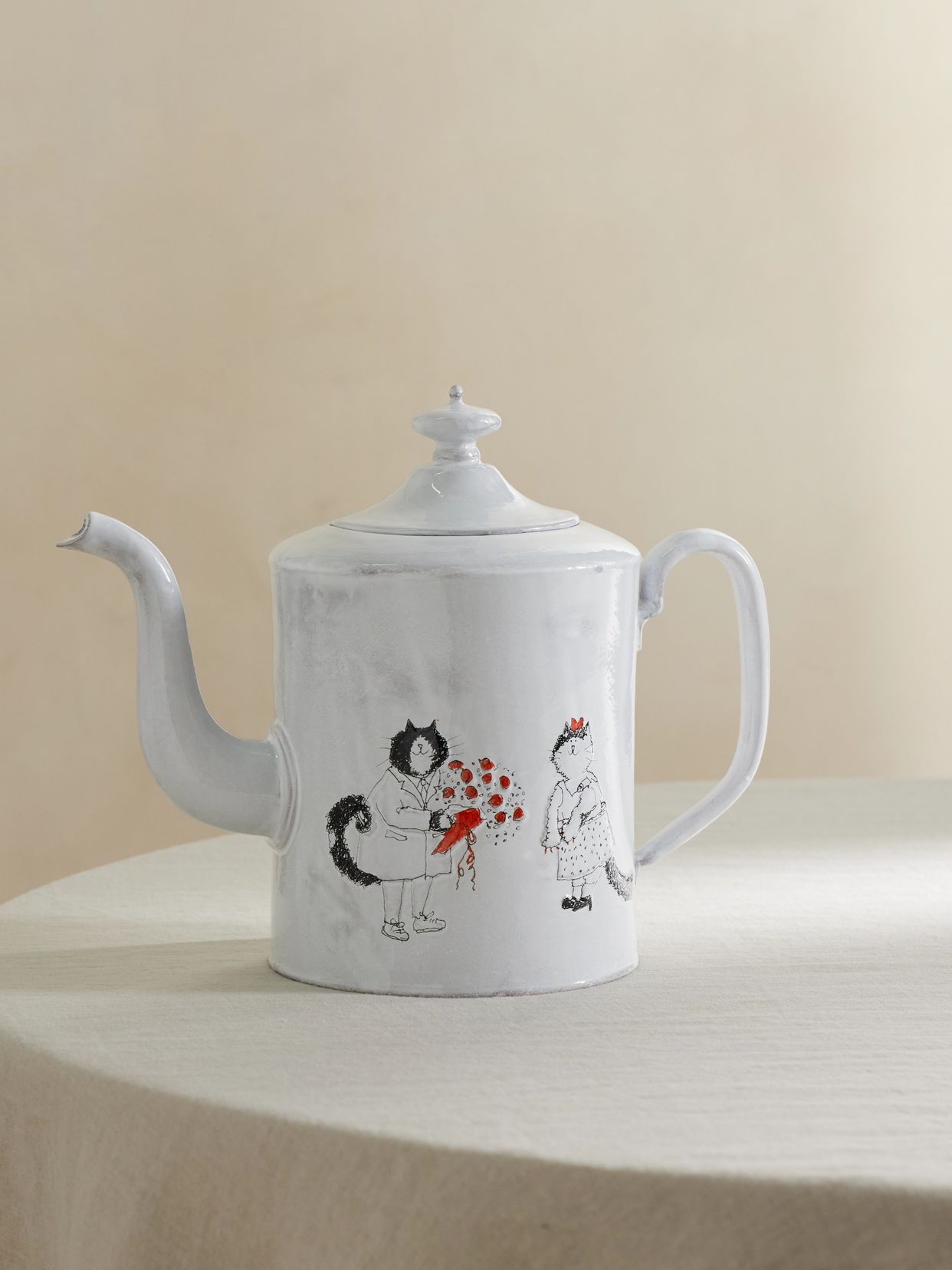
+ Grace Coddington Jimi's Bouquet painted ceramic teapot
Astier De Villatte
$750
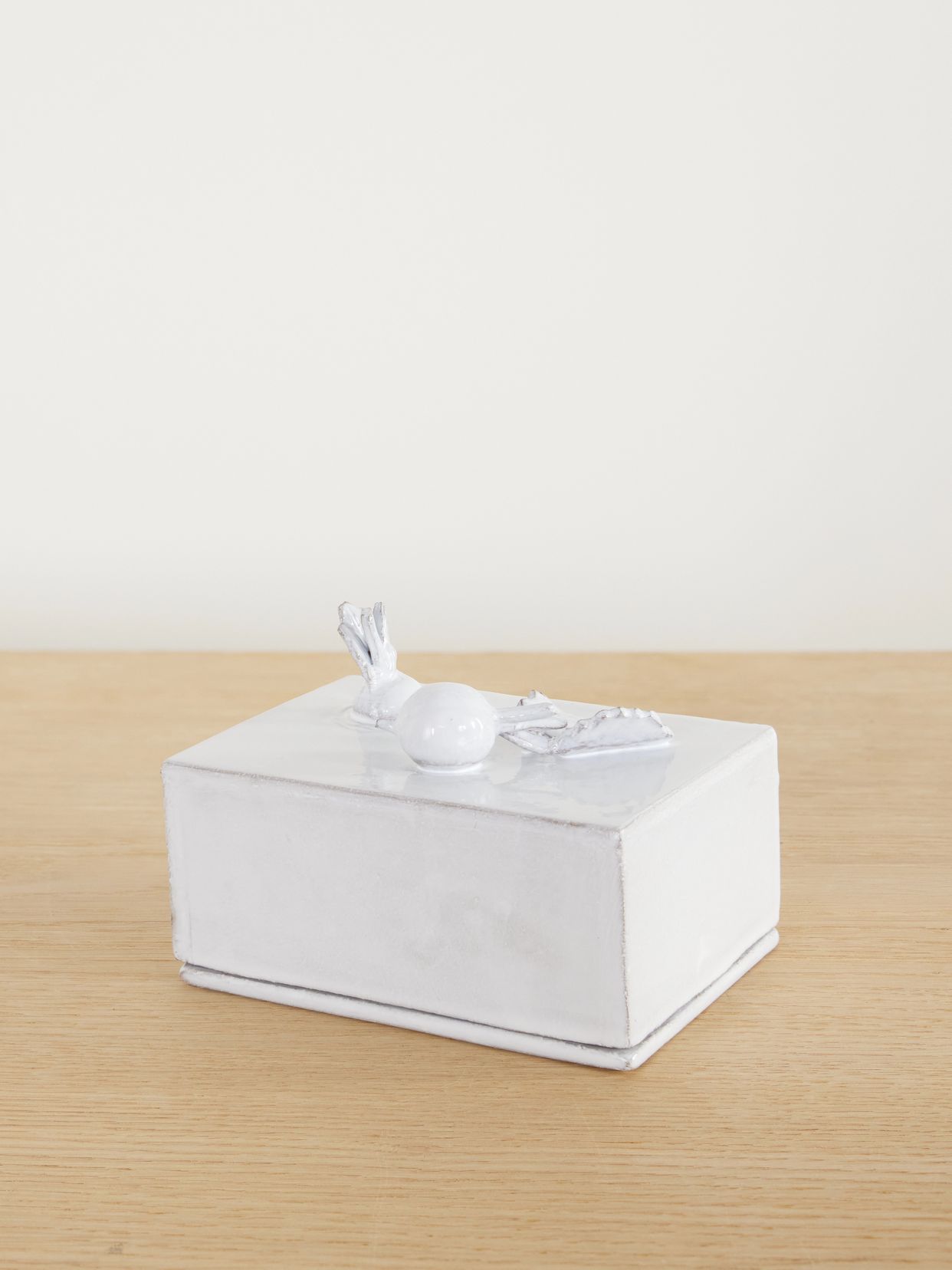
Radish porcelain butter dish
Astier De Villatte
$280
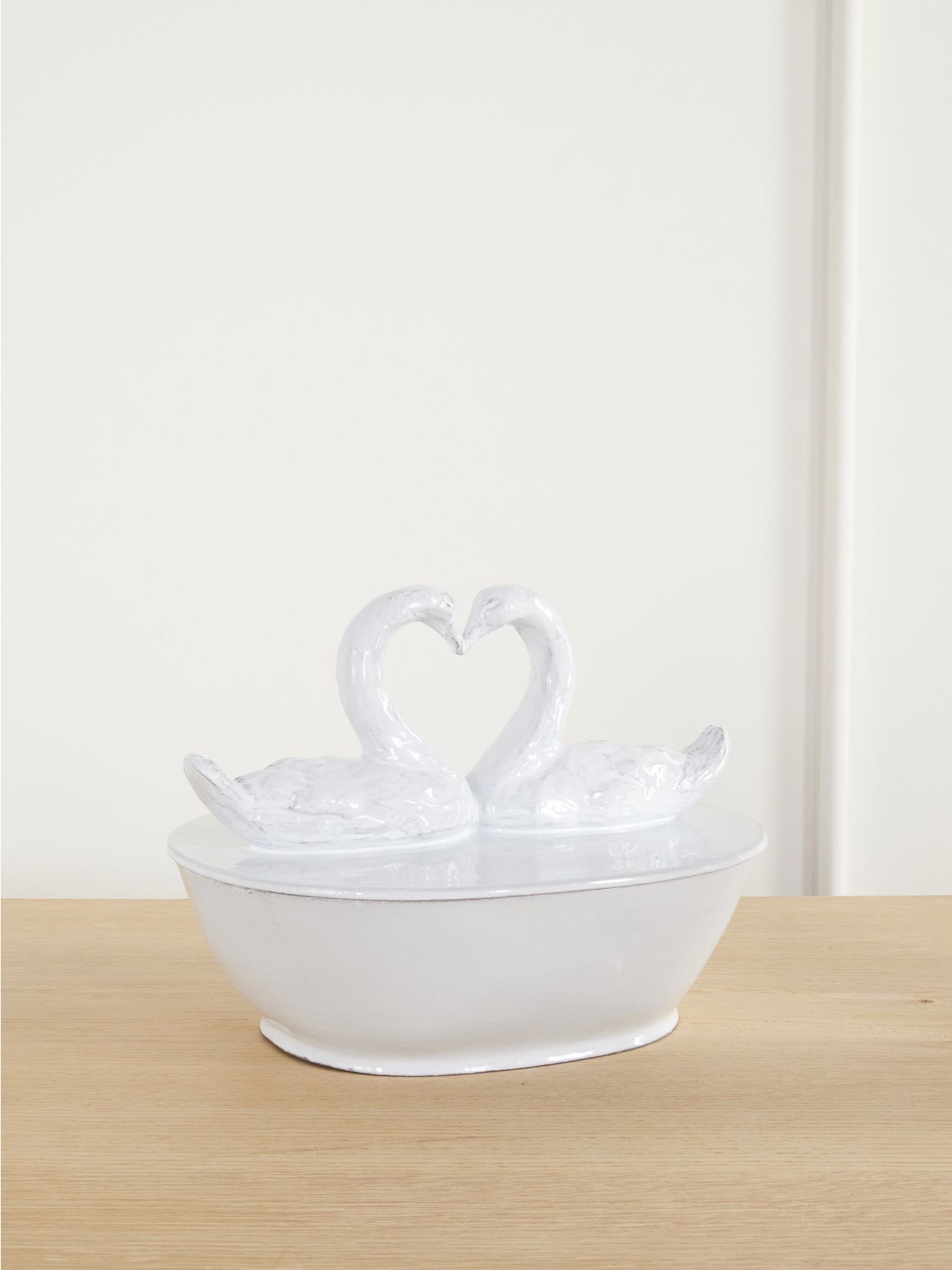
Cygne porcelain box
Astier De Villatte
$500
Making the setting feel collected
The easiest way to make mixed pieces feel intentional is to repeat a detail at least twice. A line, a small drawn figure or a curved rim can appear on two parts of the table, then the rest can stay plain. Keep the tallest object toward the centre and lower pieces around it, so conversation can move across the table. A vase or candlestick is useful as a height marker, but it should not block the person opposite you.
The decorative objects range from $125 to $505, with ceramic ornaments, soap dishes, a candlestick, vases and boxes. They are not all serving pieces, which is exactly why they need a separate role. Use a vase to establish height, a candlestick to repeat the vertical line, or a box on a sideboard rather than placing every object beside the plates. A small soap dish belongs in a washroom or guest setting, not beside food simply because its shape is attractive.
Let the table carry one strong moment at a time. If the plates have a busy painted detail, keep linens and glassware calm. If the dinnerware is quiet, a single decorative object can do more. After the meal, wipe pieces according to their care instructions and let them dry before stacking them away.
Decorative objects
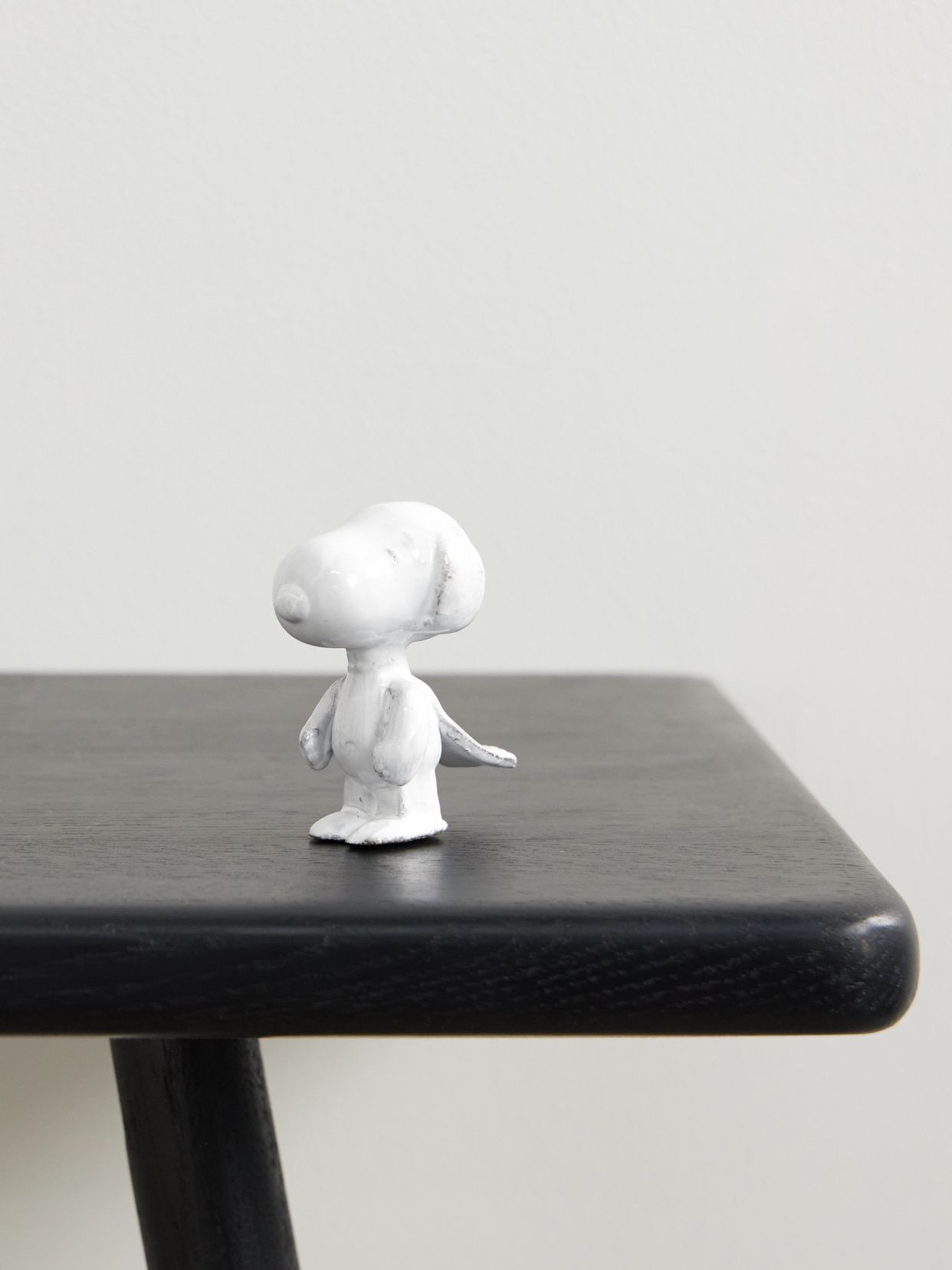
Snoopy ceramic ornament
Astier De Villatte
$125
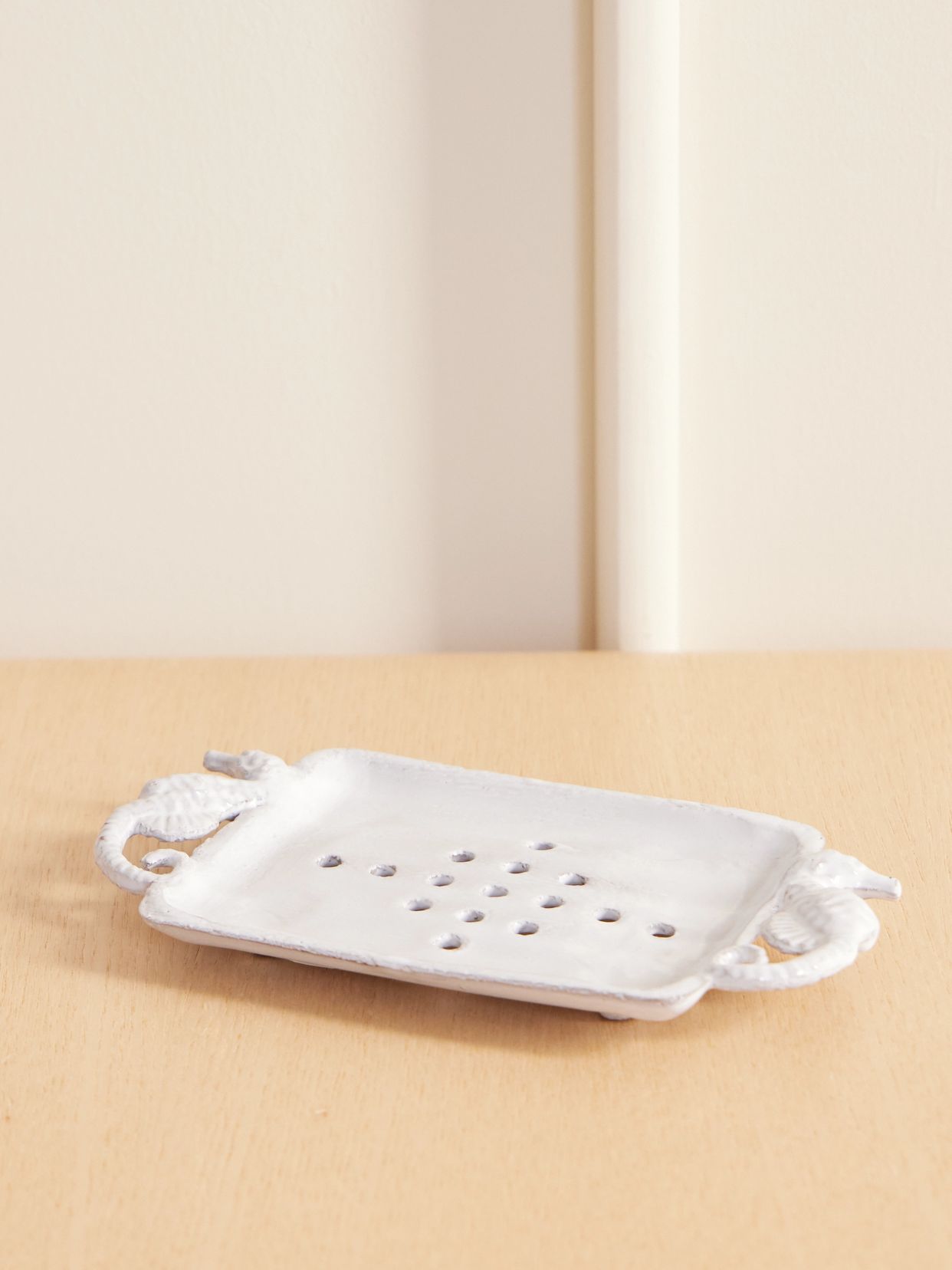
Seahorse ceramic soap dish
Astier De Villatte
$145
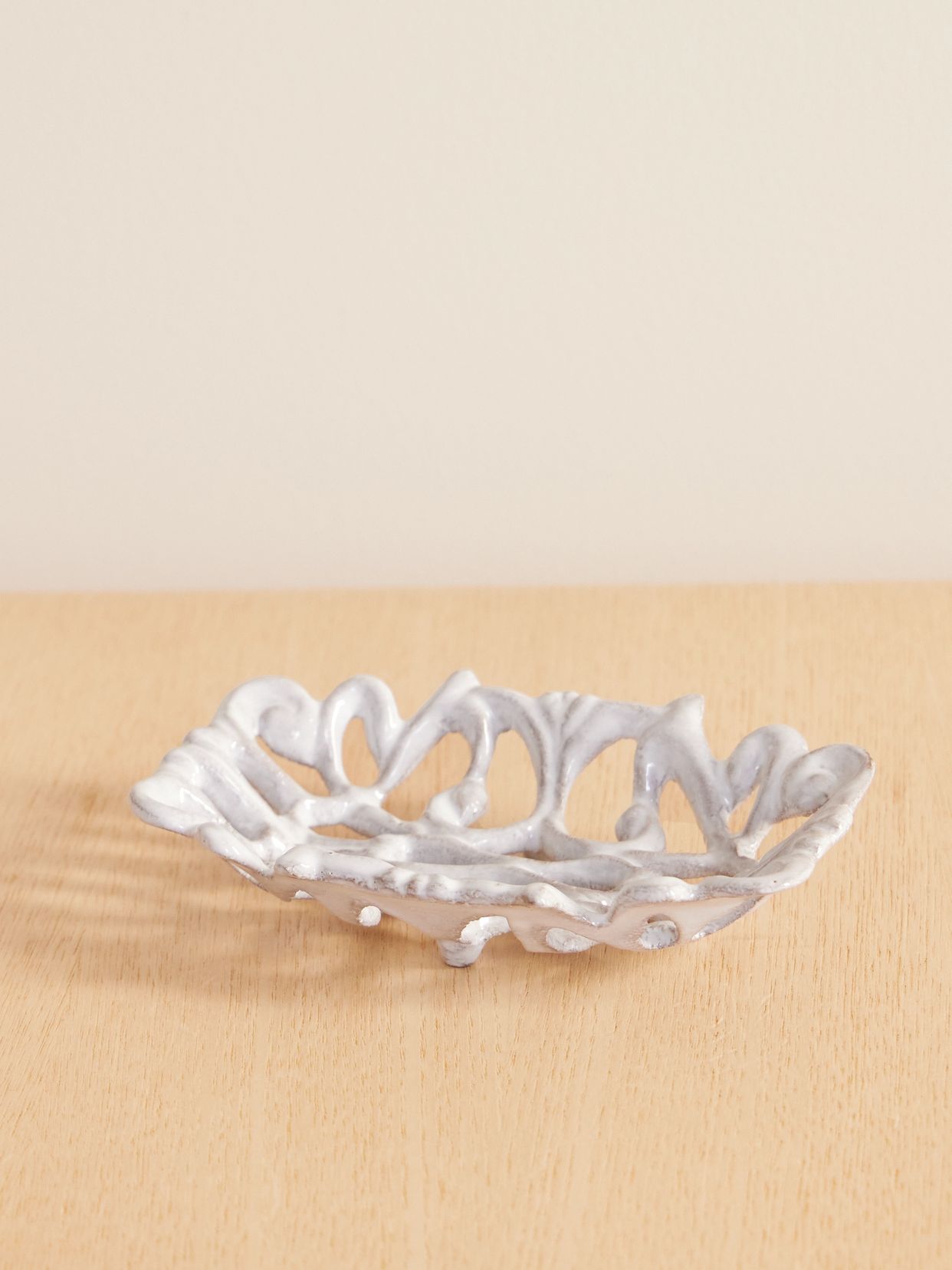
Branchu ceramic soap dish
Astier De Villatte
$145
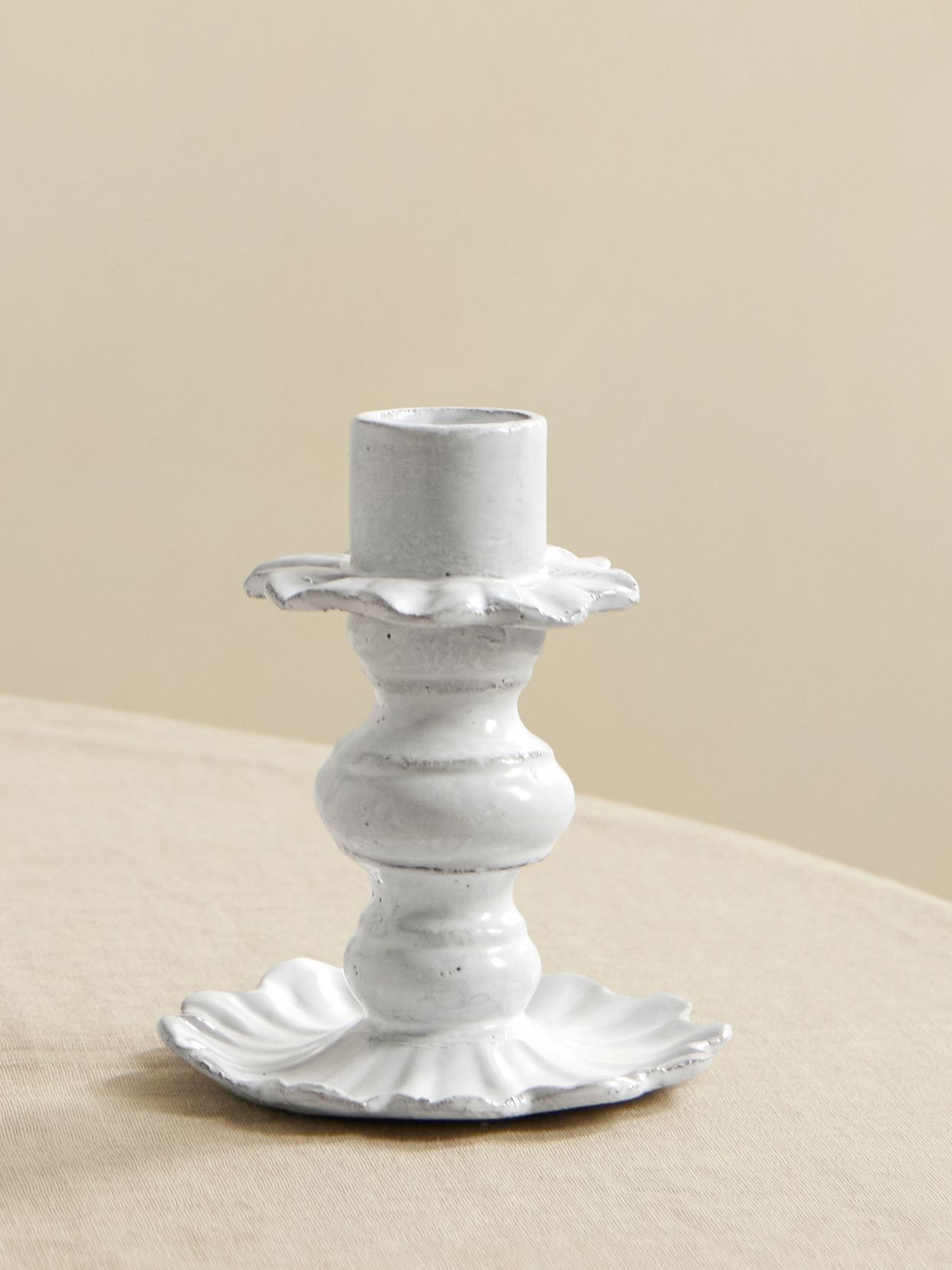
Ceramic candlestick
Astier De Villatte
$145
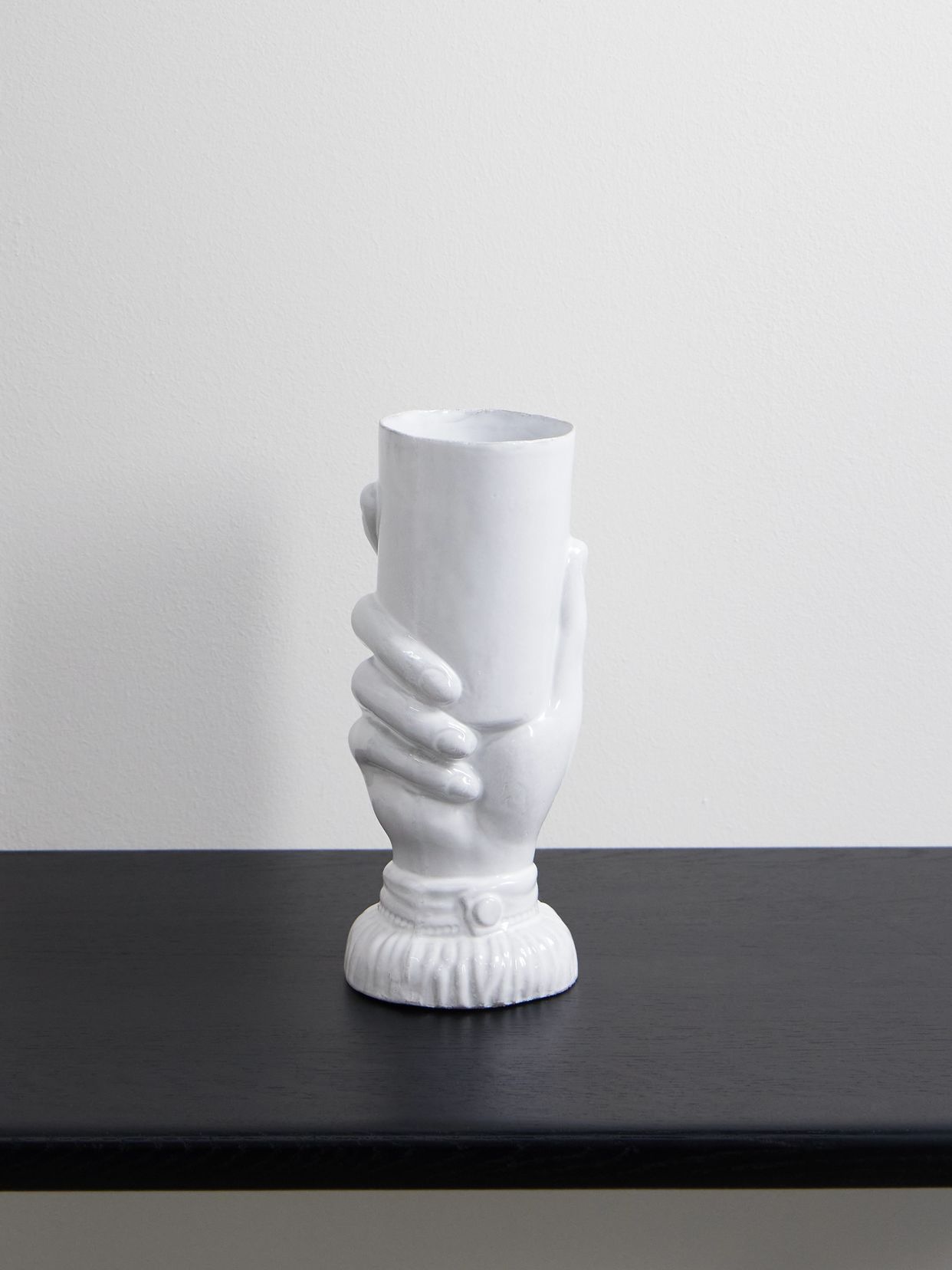
Main ceramic vase
Astier De Villatte
$185
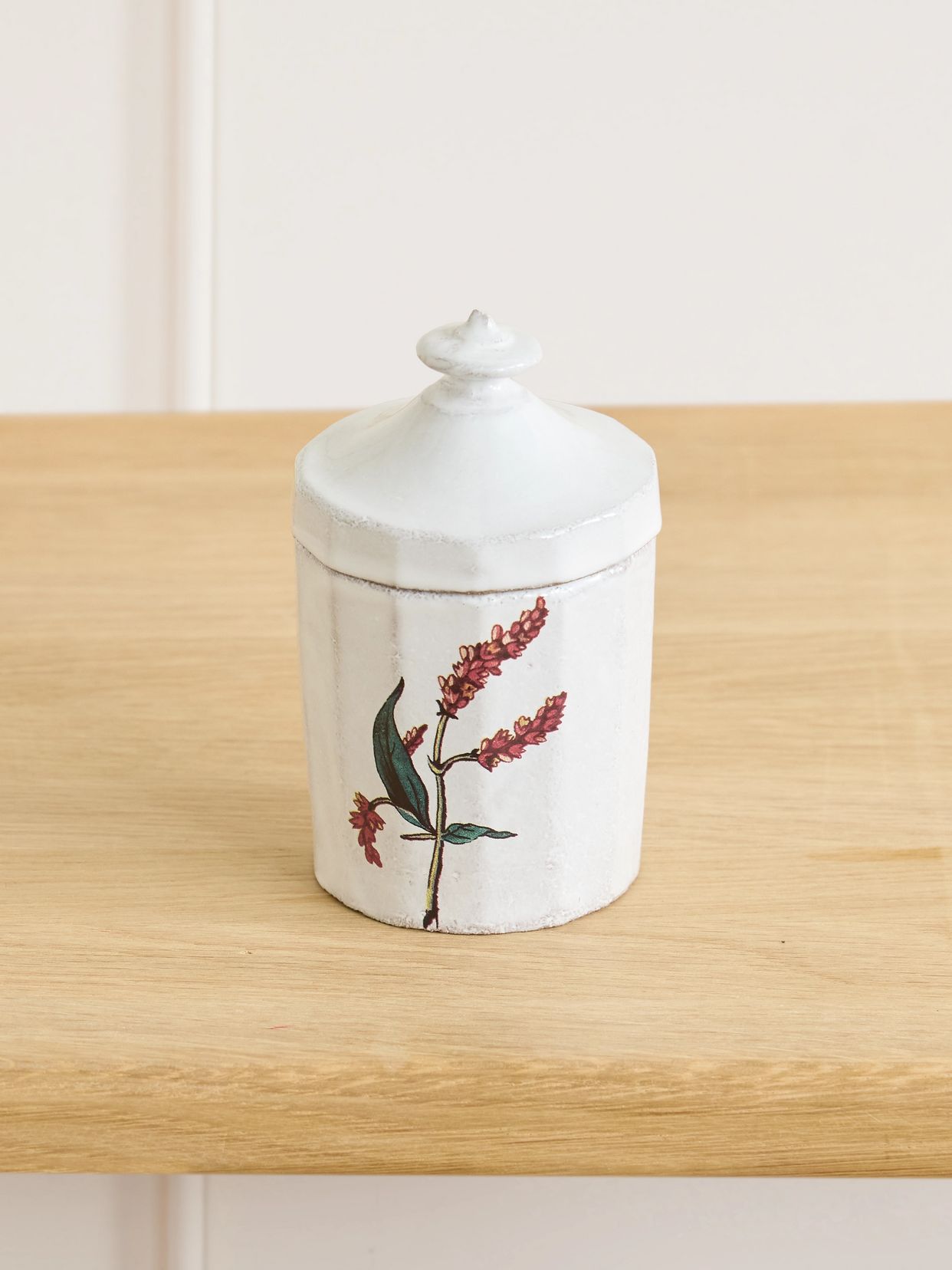
Ladies Thumb ceramic box
Astier De Villatte
$230
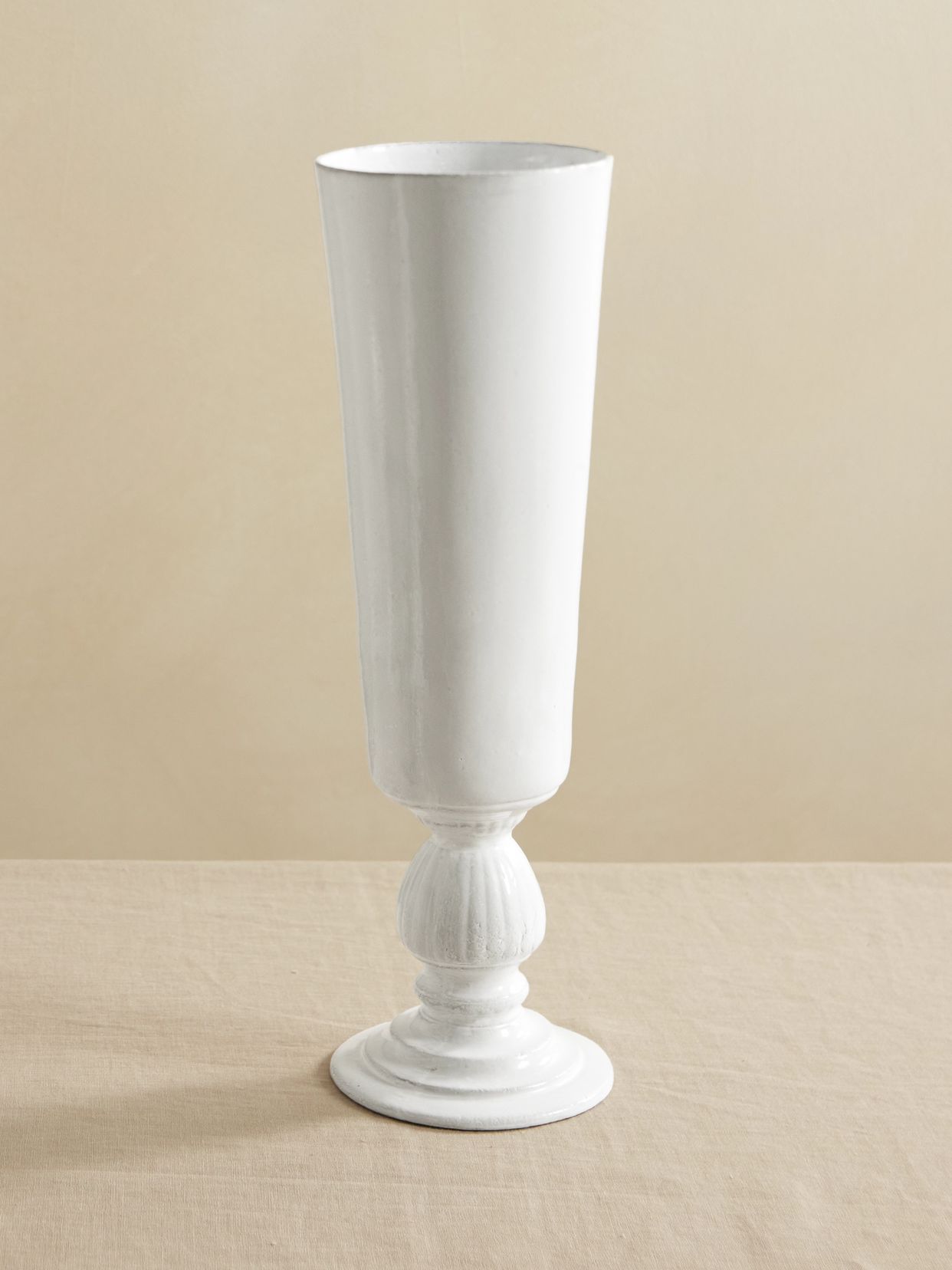
Casper high ceramic vase
Astier De Villatte
$330
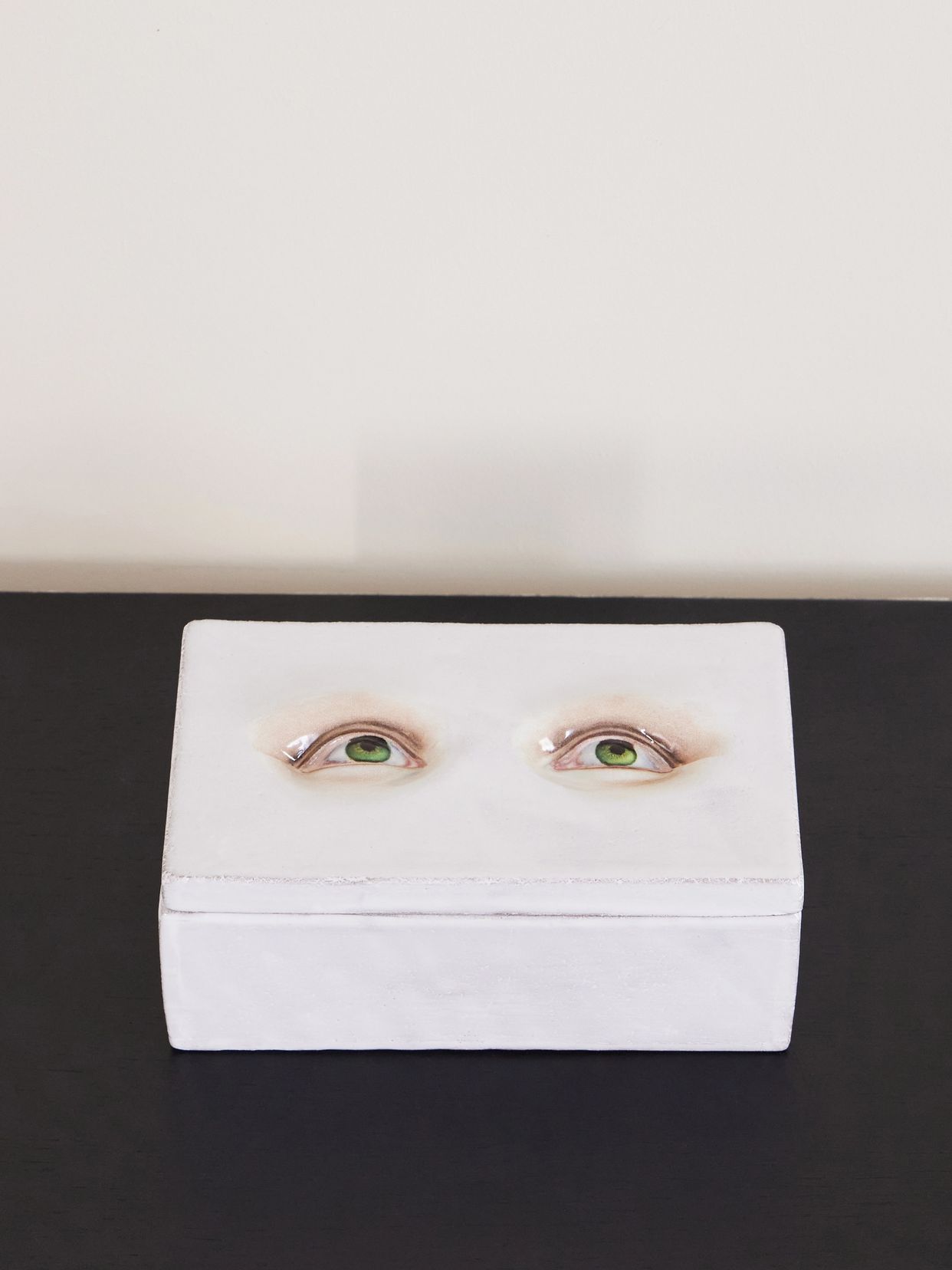
Vu ceramic box
Astier De Villatte
$505
Our honest take
We would begin with a small, useful foundation rather than trying to make every item match. One dinner plate, one dessert or soup plate and one cup can show whether the proportions work in your cupboard and on your table. We would add a serving piece only after measuring the space it will occupy, then use a vase or candlestick as a separate decorative note instead of mixing every object into the food service. The $120 to $750 band is wide, so we would choose by purpose and handling, not by price alone.
If you take one thing away: repeat one shape or detail, then leave enough quiet space for the differences to look deliberate.
Next read
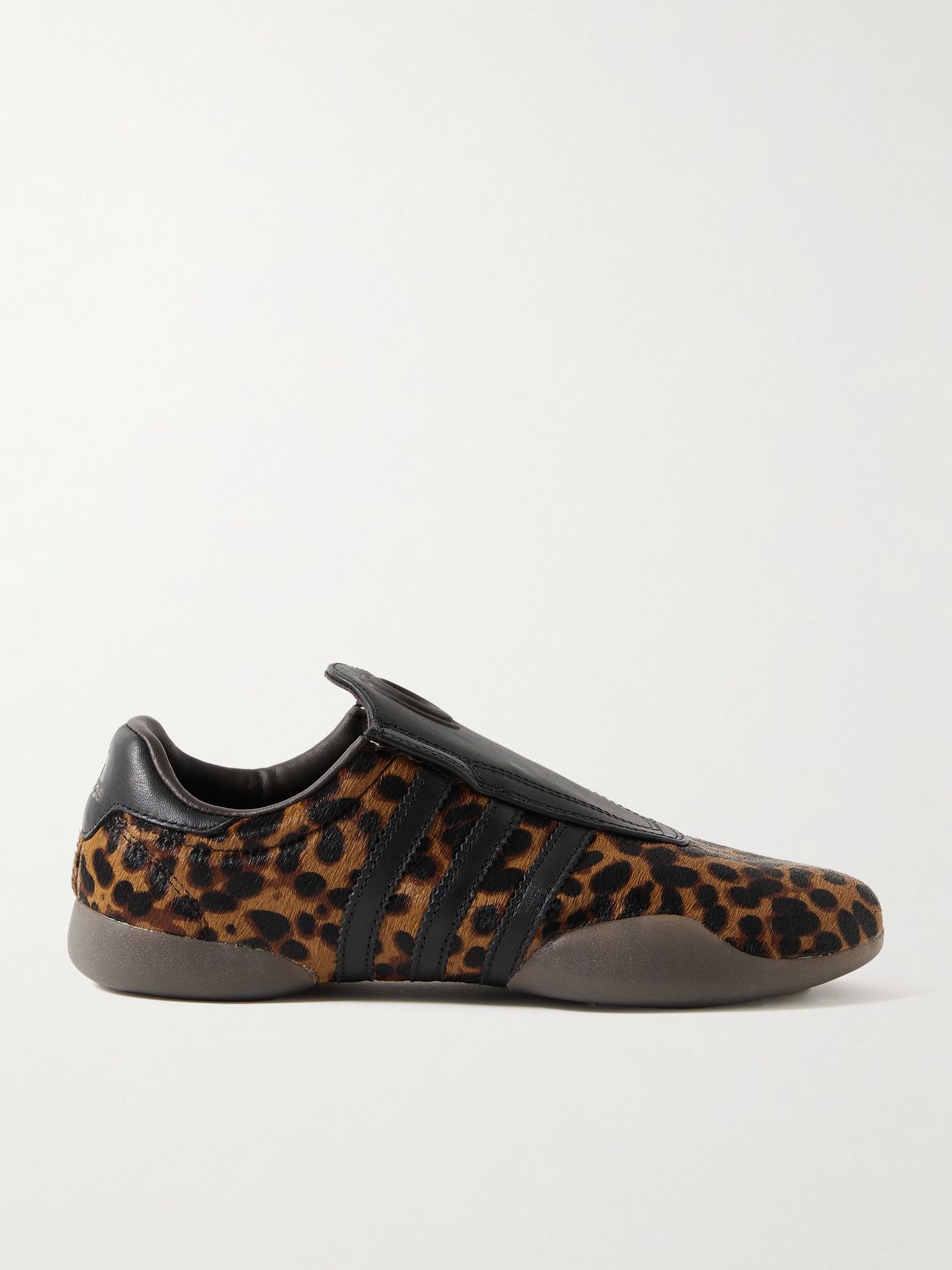
When To Replace Trainers
Replace sneakers when the outsole has lost its grip, the midsole no longer cushions your stride, or the upper has stopped holding your foot securely. A clean-looking pair can still be worn out inside. Walk across a hard
Read Editorial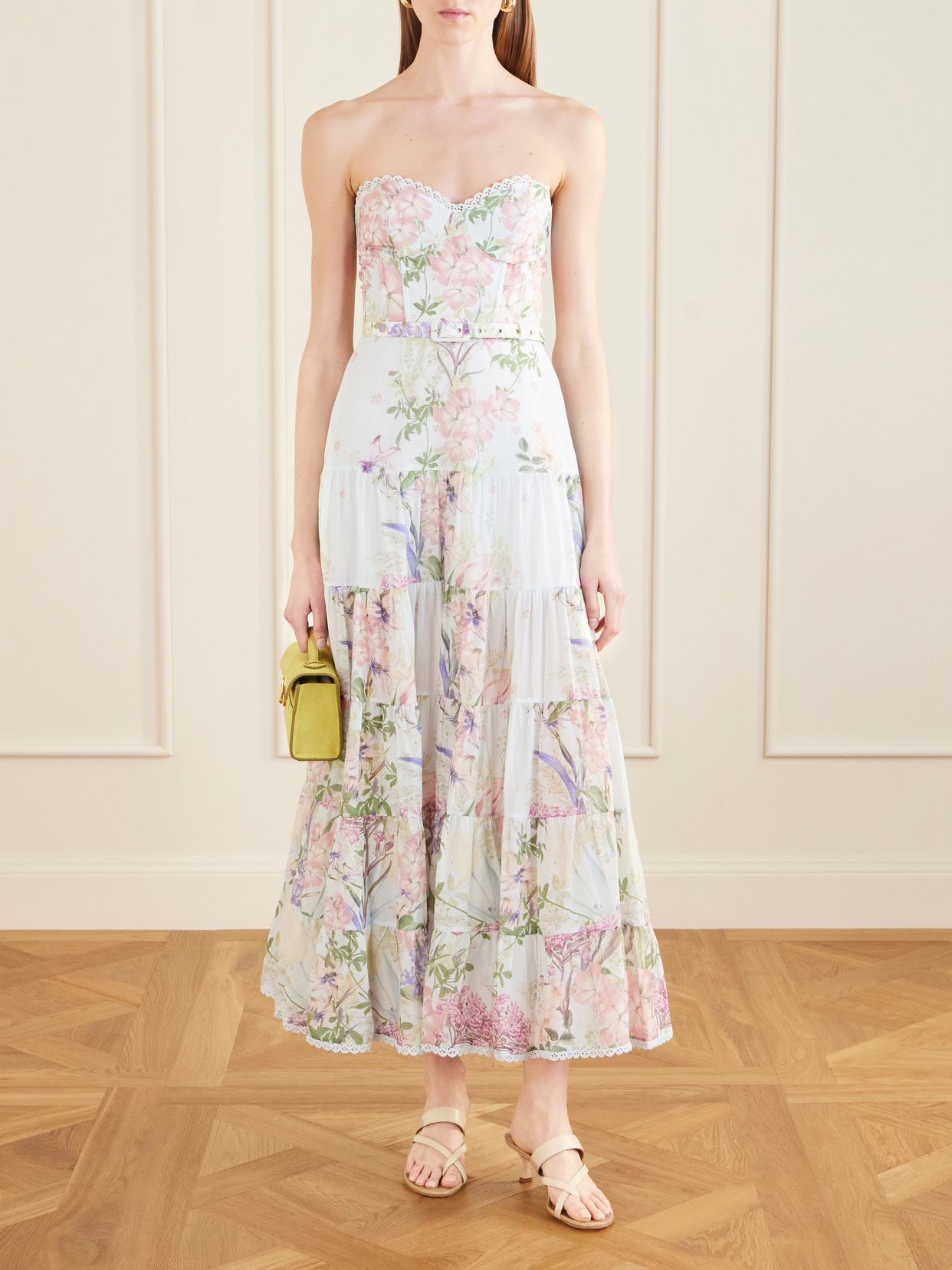
Lining Matters In Thin Dresses
Yes, an unlined dress can be see through, especially when its fabric is light, open in texture, or pale. The useful test is not the changing-room mirror. Stand in direct daylight and look at the skirt from the