Replace sneakers when the outsole has lost its grip, the midsole no longer cushions your stride, or the upper has stopped holding your foot securely. A clean-looking pair can still be worn out inside. Walk across a hard
When To Replace Trainers
The signs a trainer is finished
Replace sneakers when the outsole has lost its grip, the midsole no longer cushions your stride, or the upper has stopped holding your foot securely. A clean-looking pair can still be worn out inside. Walk across a hard floor and notice whether one foot lands flatter than the other. Look at the sole from heel to toe. Smooth patches under the heel or forefoot show that the tread is doing less work, especially if the pattern has worn unevenly.
The low tops here run from $36 to $300, but price is not a replacement schedule. A $36 pair can be the right choice for light use, while a much more expensive pair still needs replacing when the sole is flat or the heel counter collapses. Fold the shoe gently at the ball of the foot. It should flex there, not buckle through the middle. Press the heel collar and check that it springs back rather than staying crushed. Then compare the two shoes. Uneven wear usually tells you more than the calendar does.
Low tops
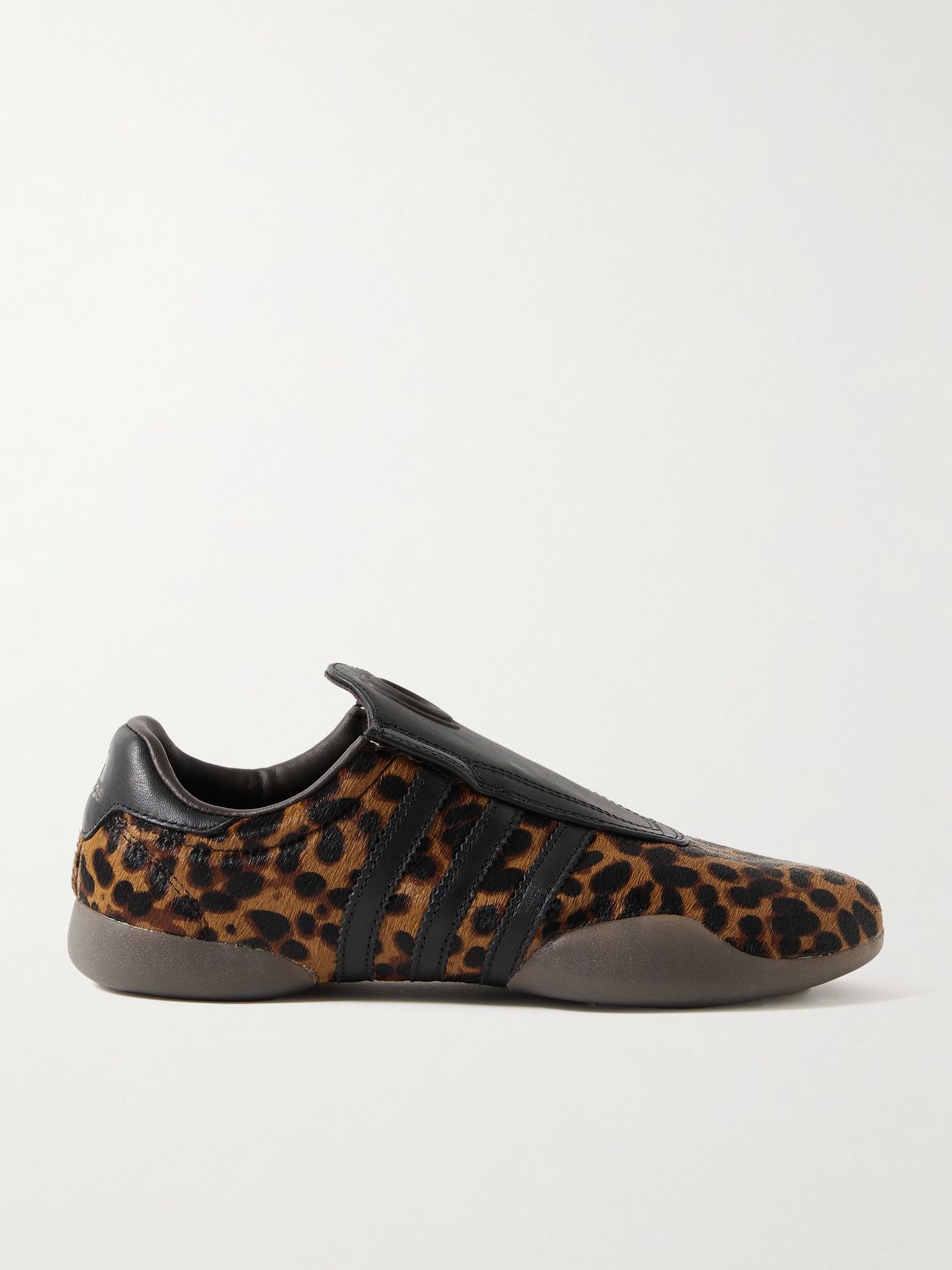
Taekwondo Mei leather-trimmed leopard-print pony hair sneakers
adidas Originals
$36
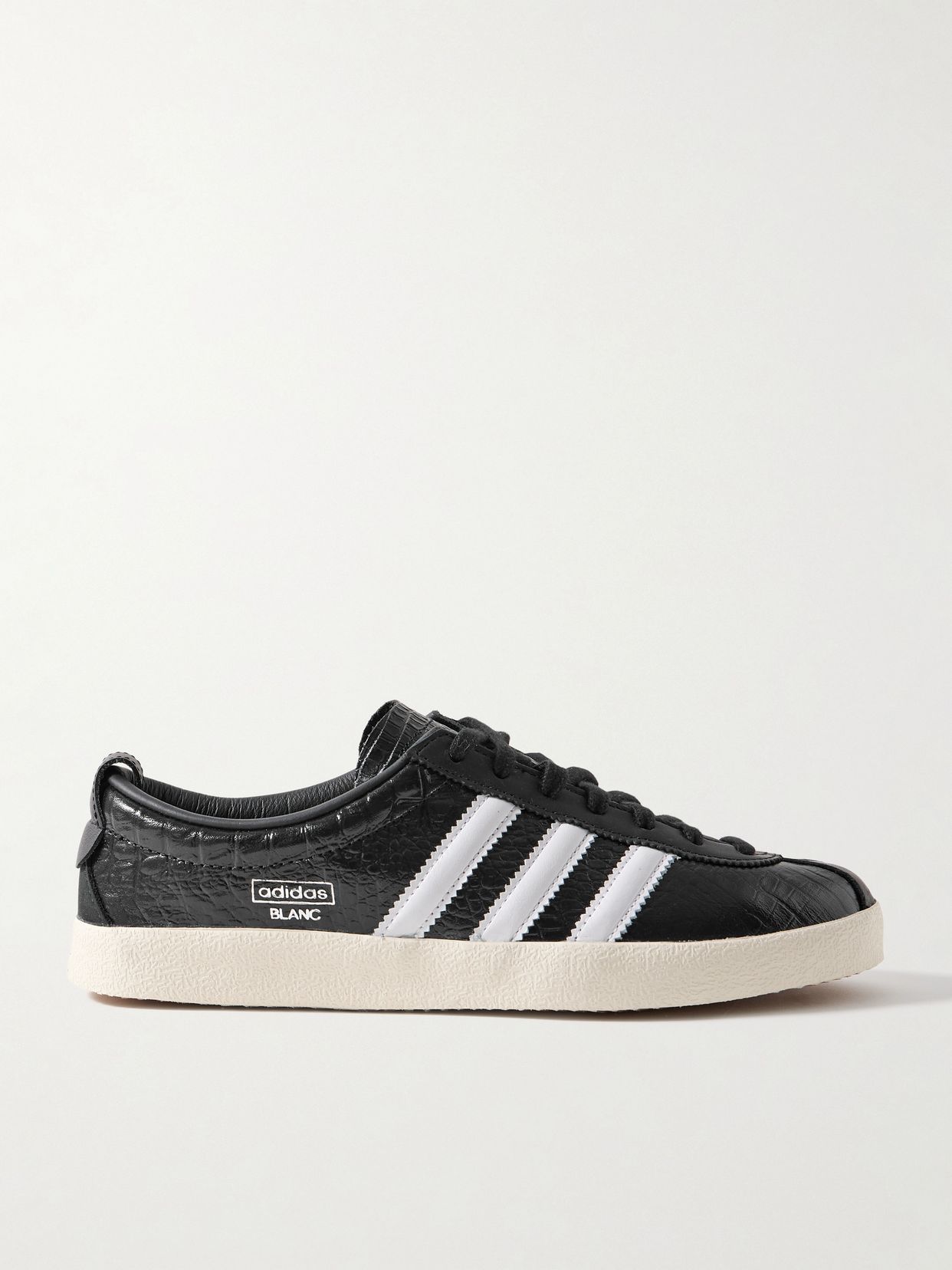
Blanc croc-effect glossed-leather sneakers
adidas Originals
$48
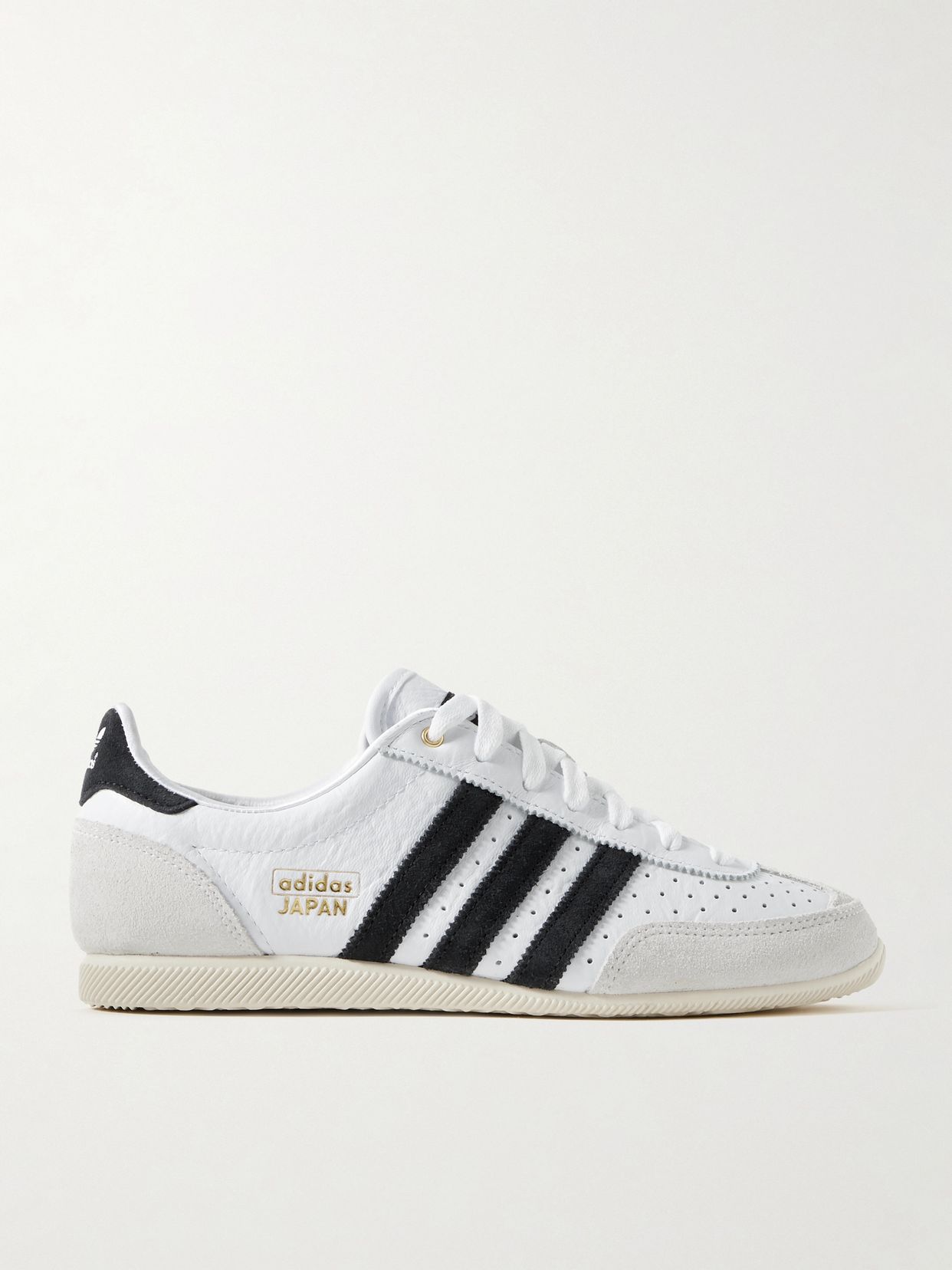
Japan suede and textured-leather sneakers
adidas Originals
$72
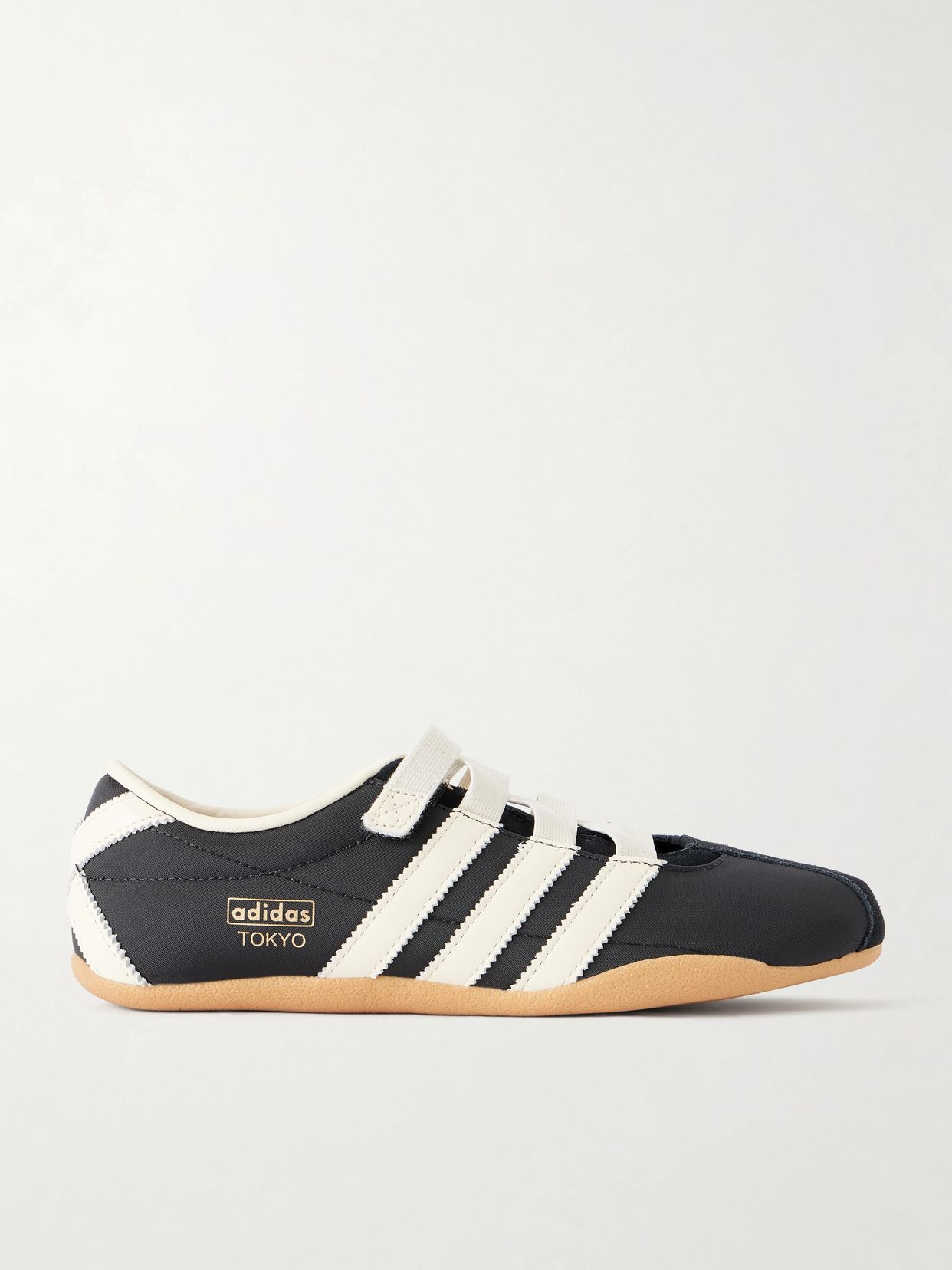
Tokyo MJ quilted canvas sneakers
adidas Originals
$110
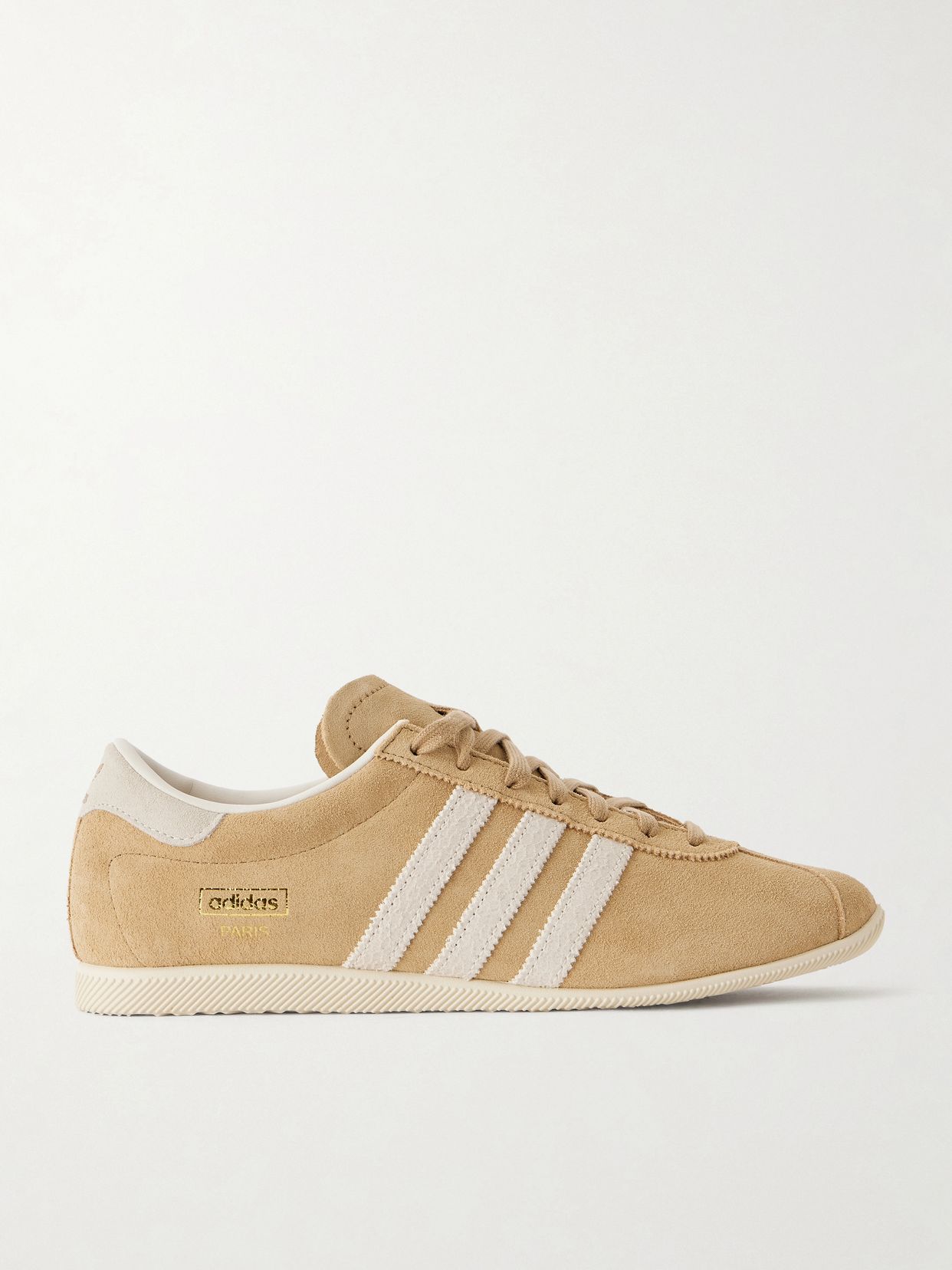
Paris lace-up leather sneakers
adidas Originals
$110
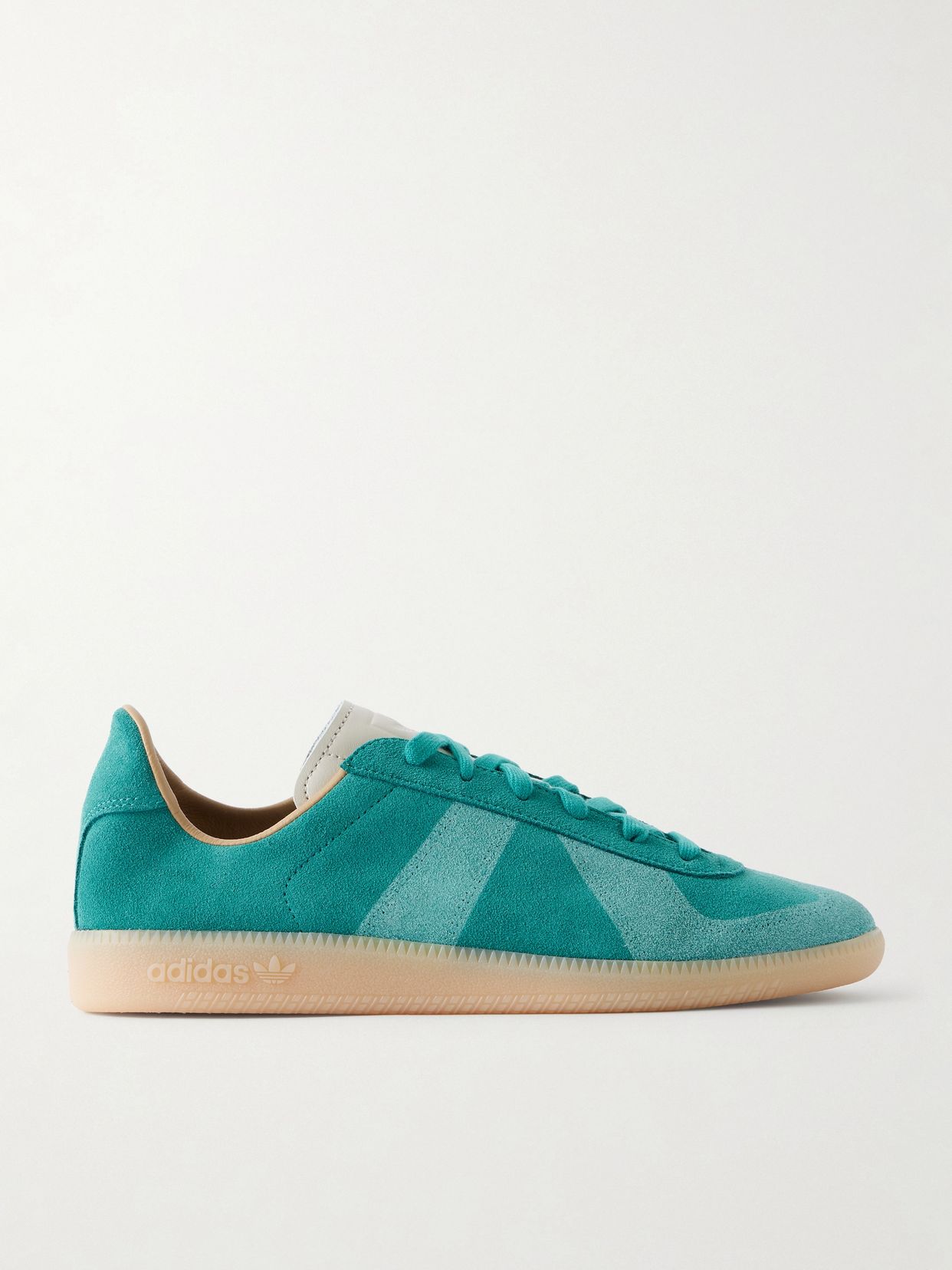
bw army decon paneled suede sneakers
adidas Originals
$120
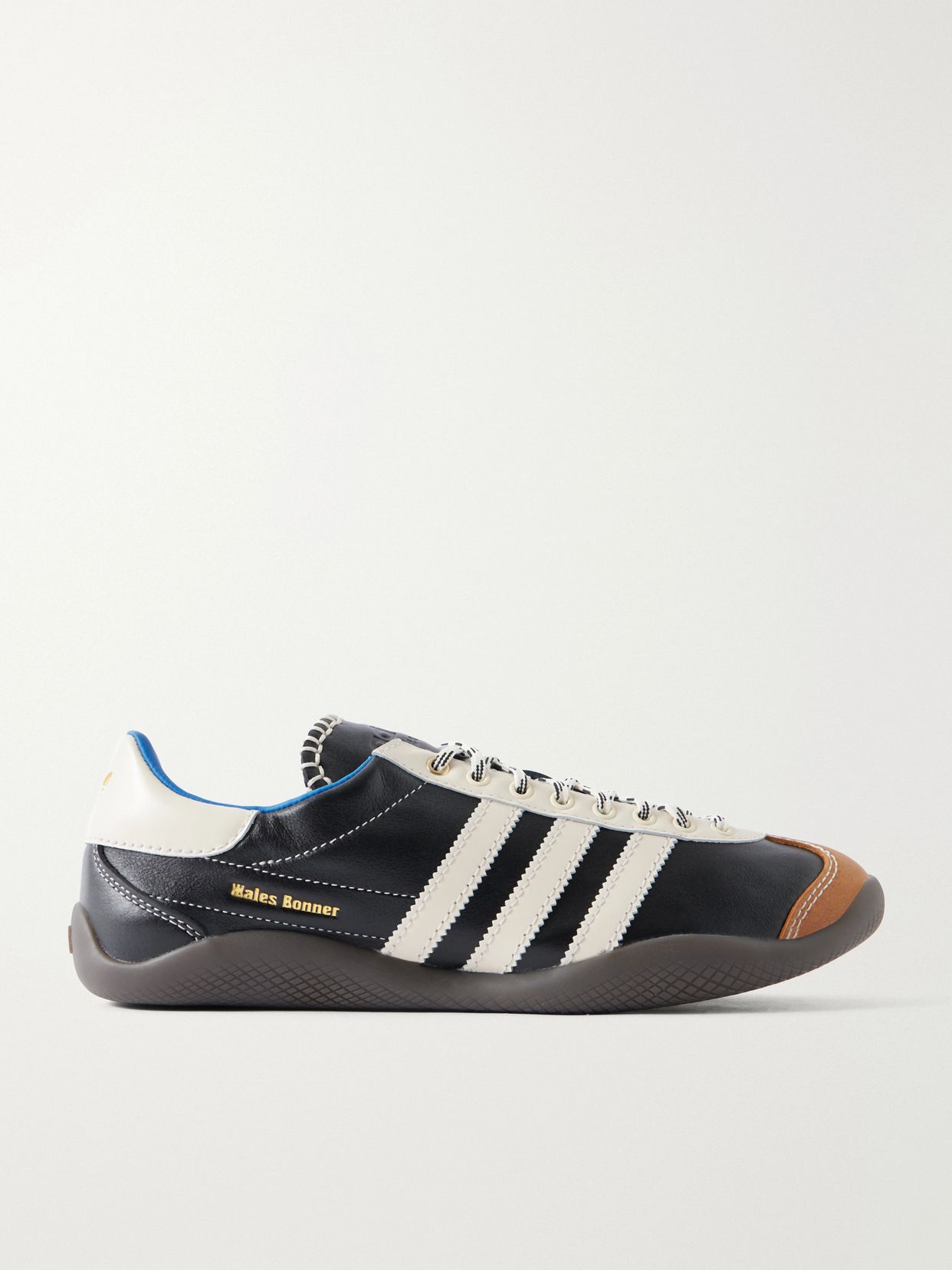
+ Wales Bonner Karintha leather sneakers
adidas Originals
$220
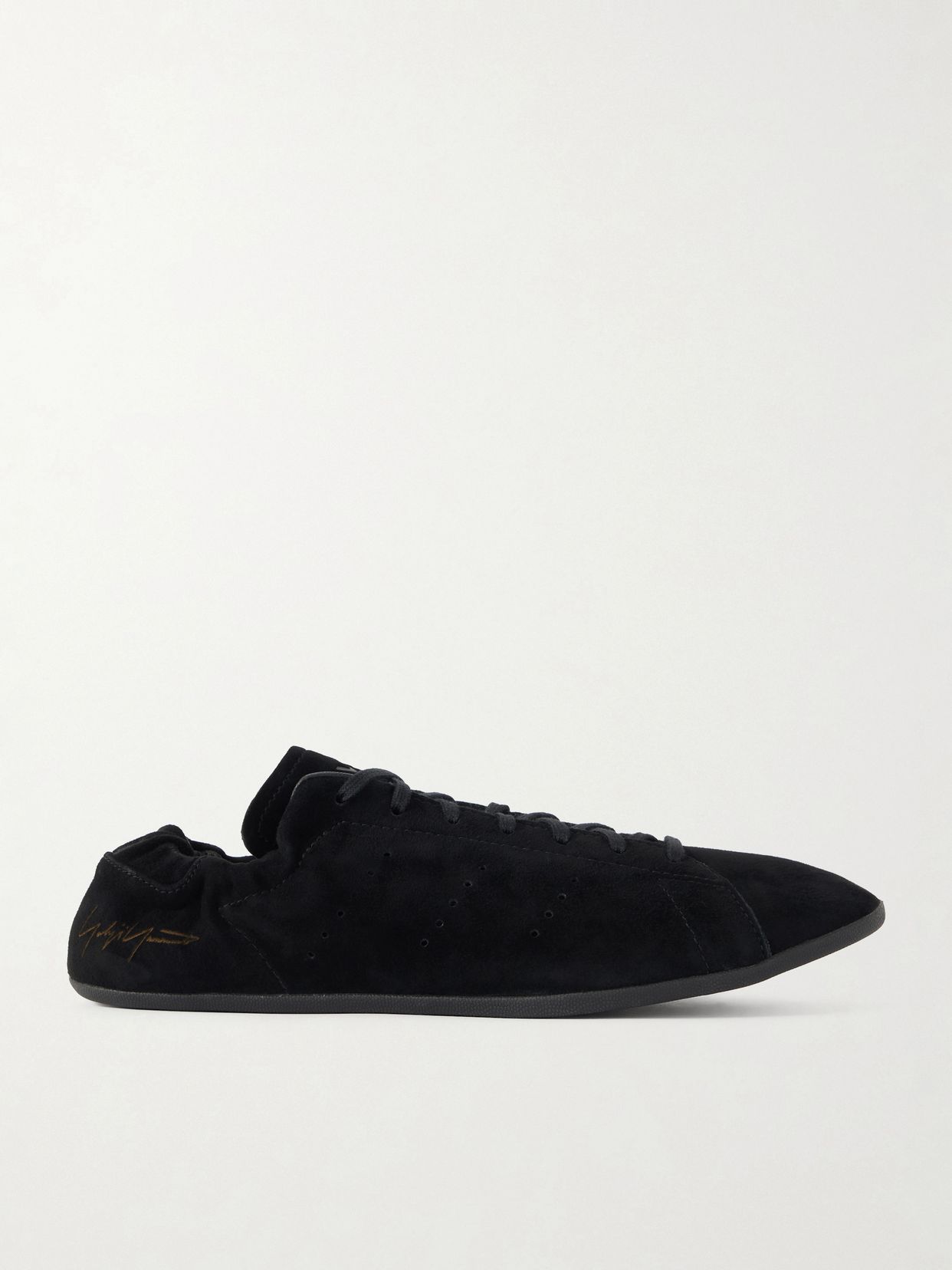
y 3 stan smith suede sneakers
adidas Originals
$300
Read the wear on each part
The upper, sole and inside of a sneaker fail in different ways. Suede and mesh can look worn before the shoe loses support, so inspect the side panels and the area around the laces for stretching or holes. Leather can hide age more effectively, but deep creases across the toe and a softened heel still change the fit. The Samba MN and SL 72 OG show the mix of suede, leather and mesh that needs checking at more than one surface.
Take the insole out if it allows you to. A permanently compressed footbed can make a shoe feel flat even when the outsole still has tread. Check for dampness or a smell that remains after airing, and do not assume a wash will restore the structure. The suede and mesh group ranges from $45 to $195. Those prices cover several constructions, so the useful comparison is not cheap against expensive. It is a pair with a firm heel, intact flex point and even tread against one that has become soft, twisted or slippery.
Fit is part of wear. If your toes touch the front or your heel lifts with every step, the shoe may have been wrong from the start. A poor fit accelerates creasing and makes a sound pair feel ready for the bin.
Suede and mesh
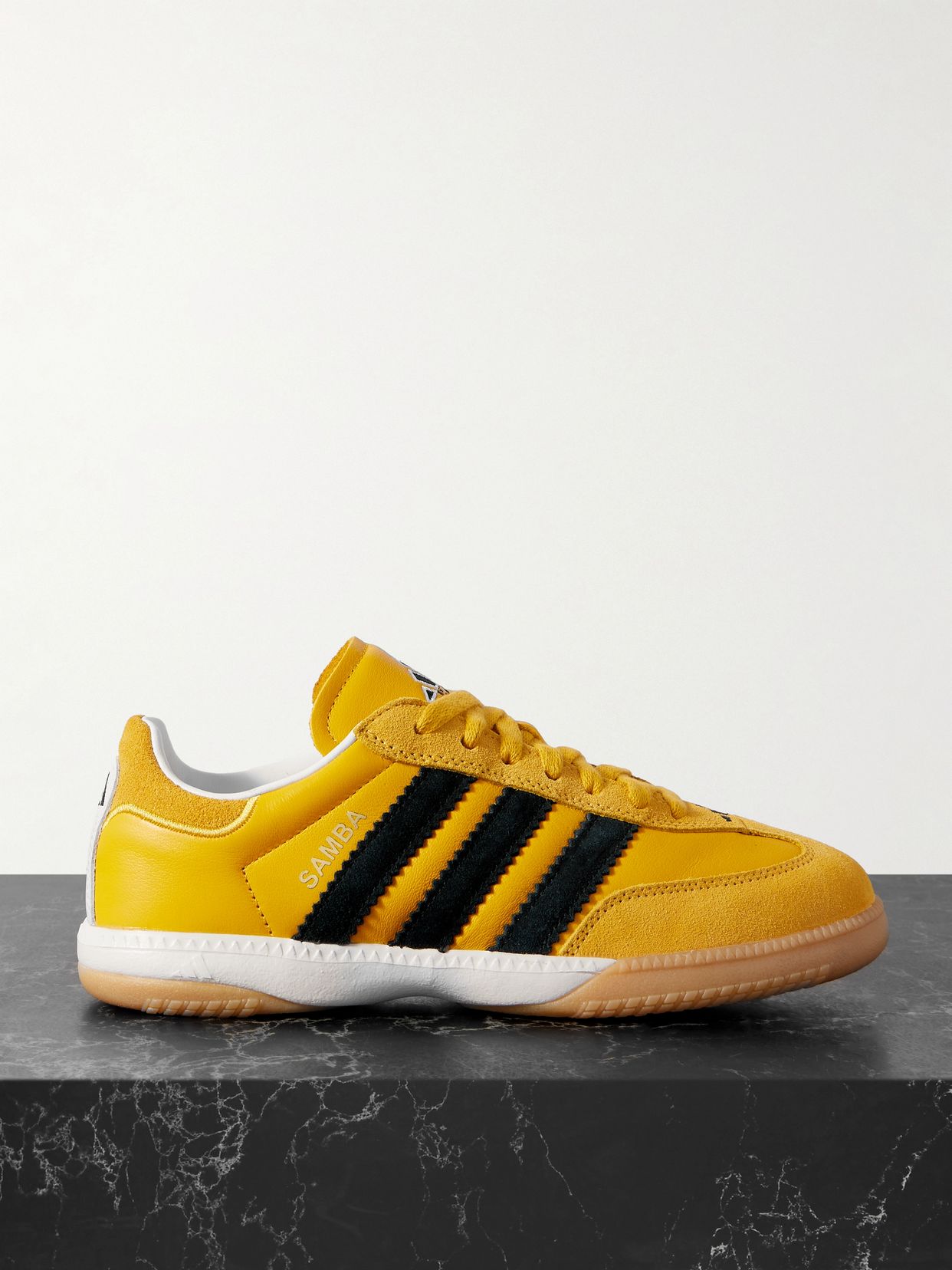
Samba MN suede-trimmed leather sneakers
adidas Originals
$45
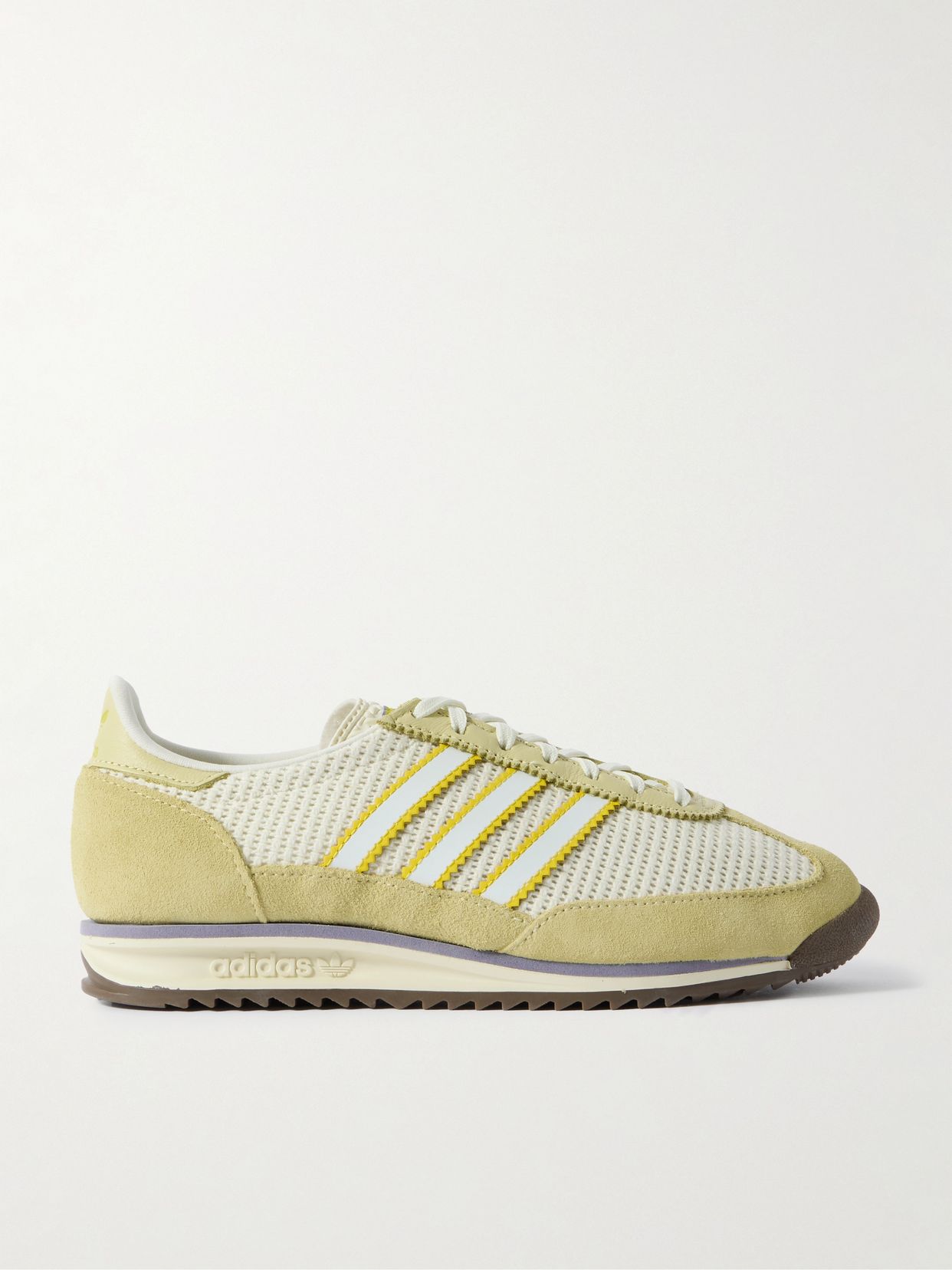
SL 72 OG suede and leather-trimmed mesh sneakers
adidas Originals
$50
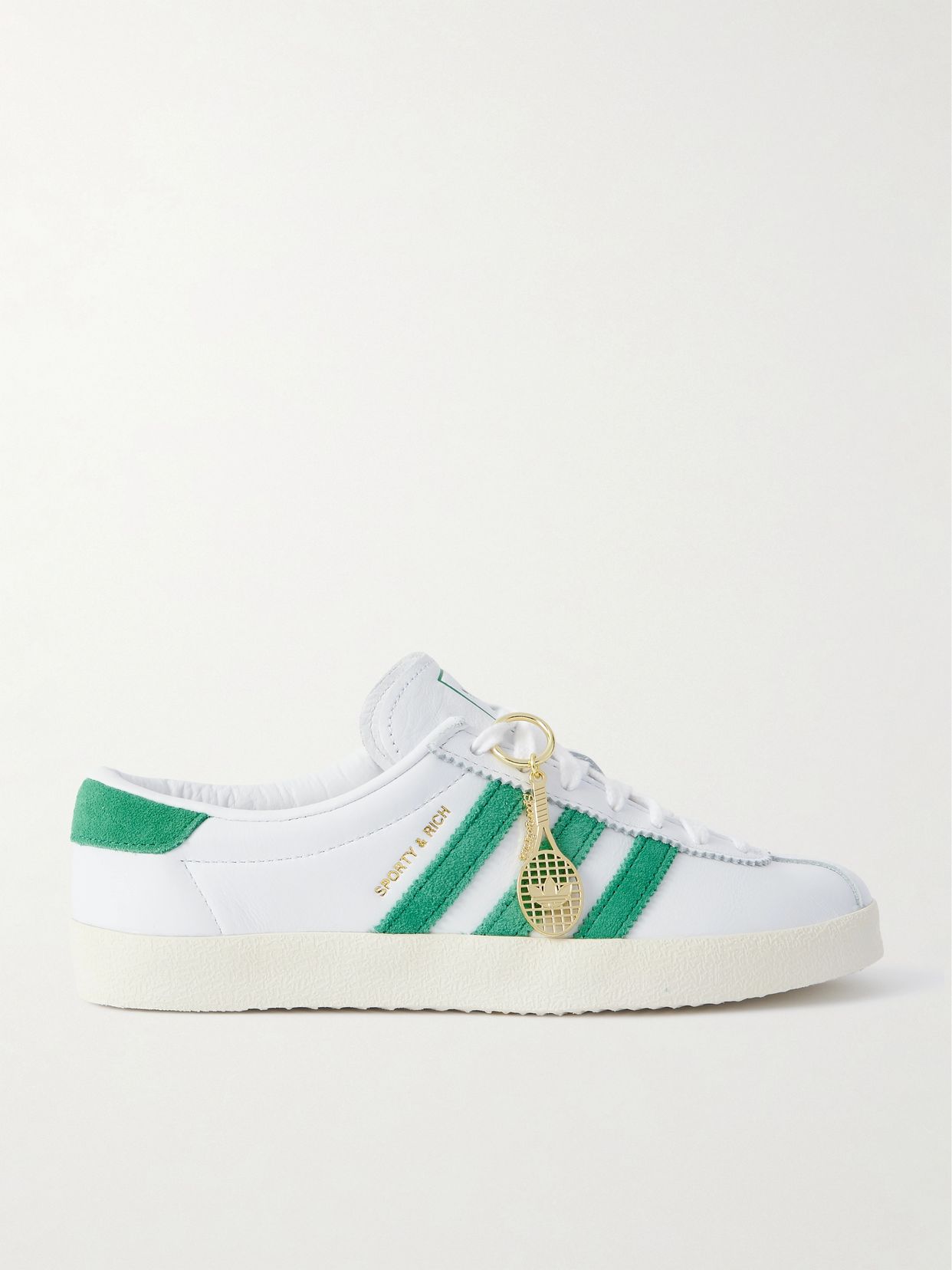
+ Sporty & Rich suede-trimmed leather sneakers
adidas Originals
$56
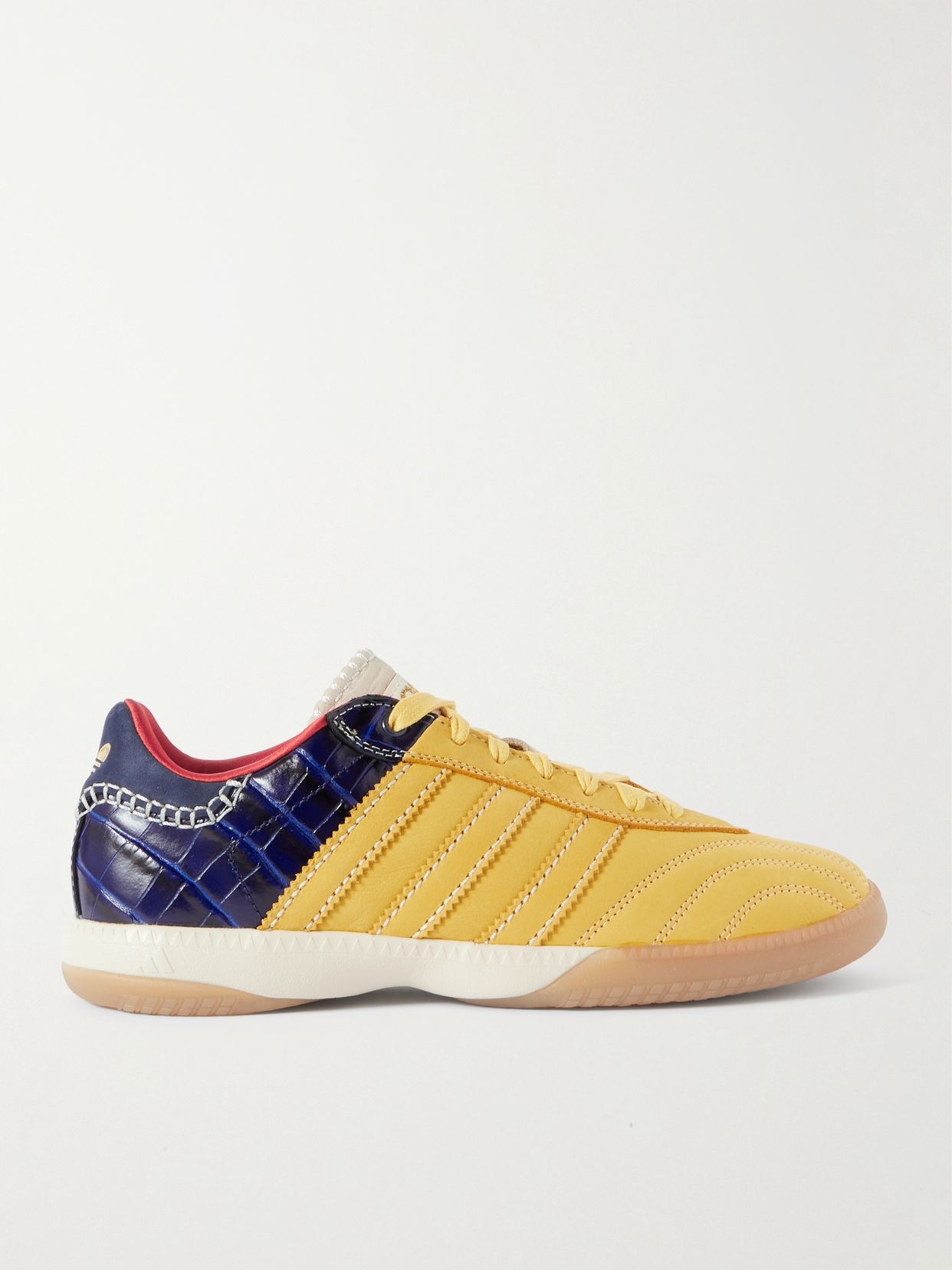
+ Wales Bonner Samba Millennium paneled suede and croc-effect leather sneakers
adidas Originals
$75
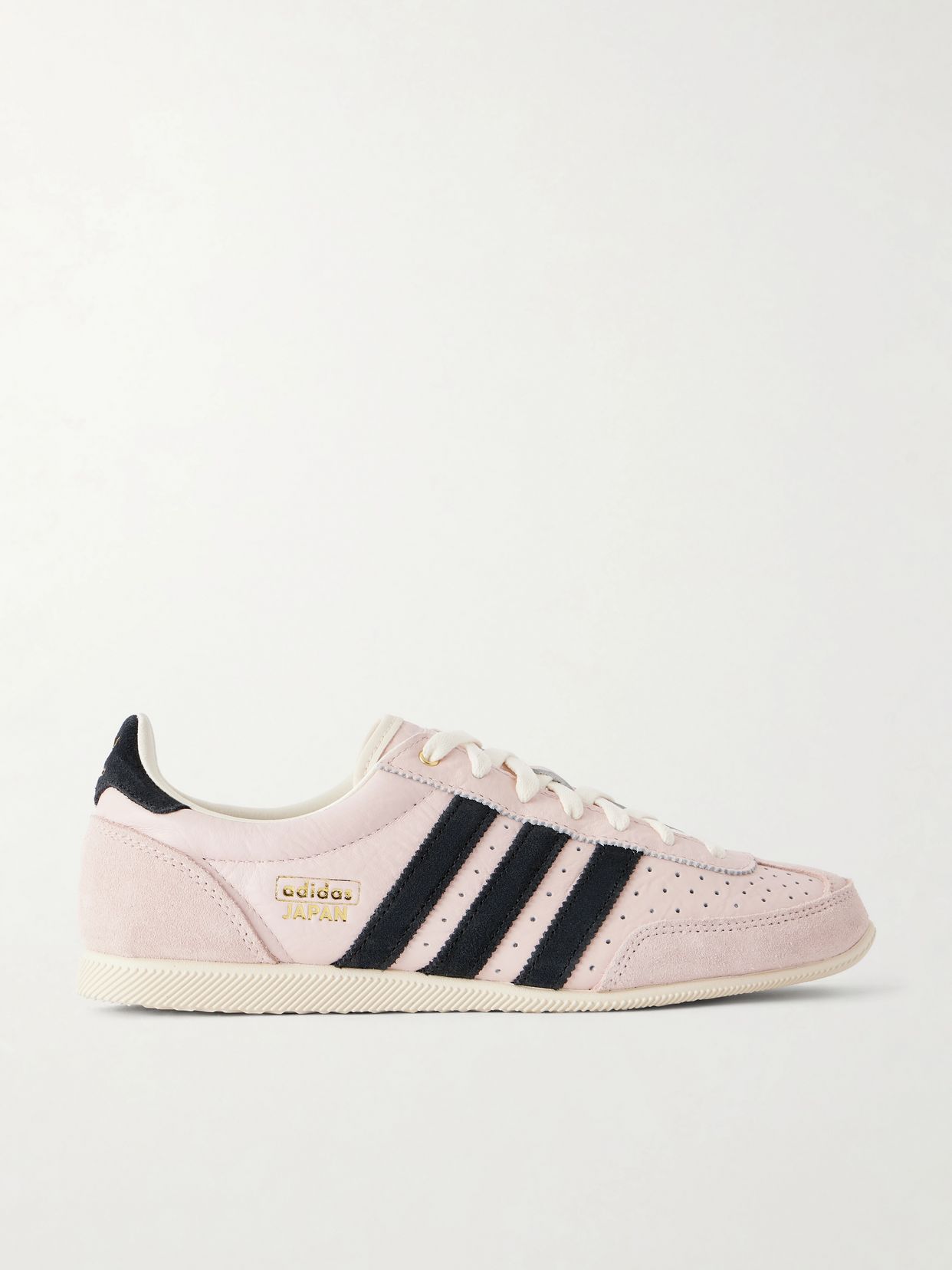
Japan lace-up suede-trimmed leather sneakers
adidas Originals
$90
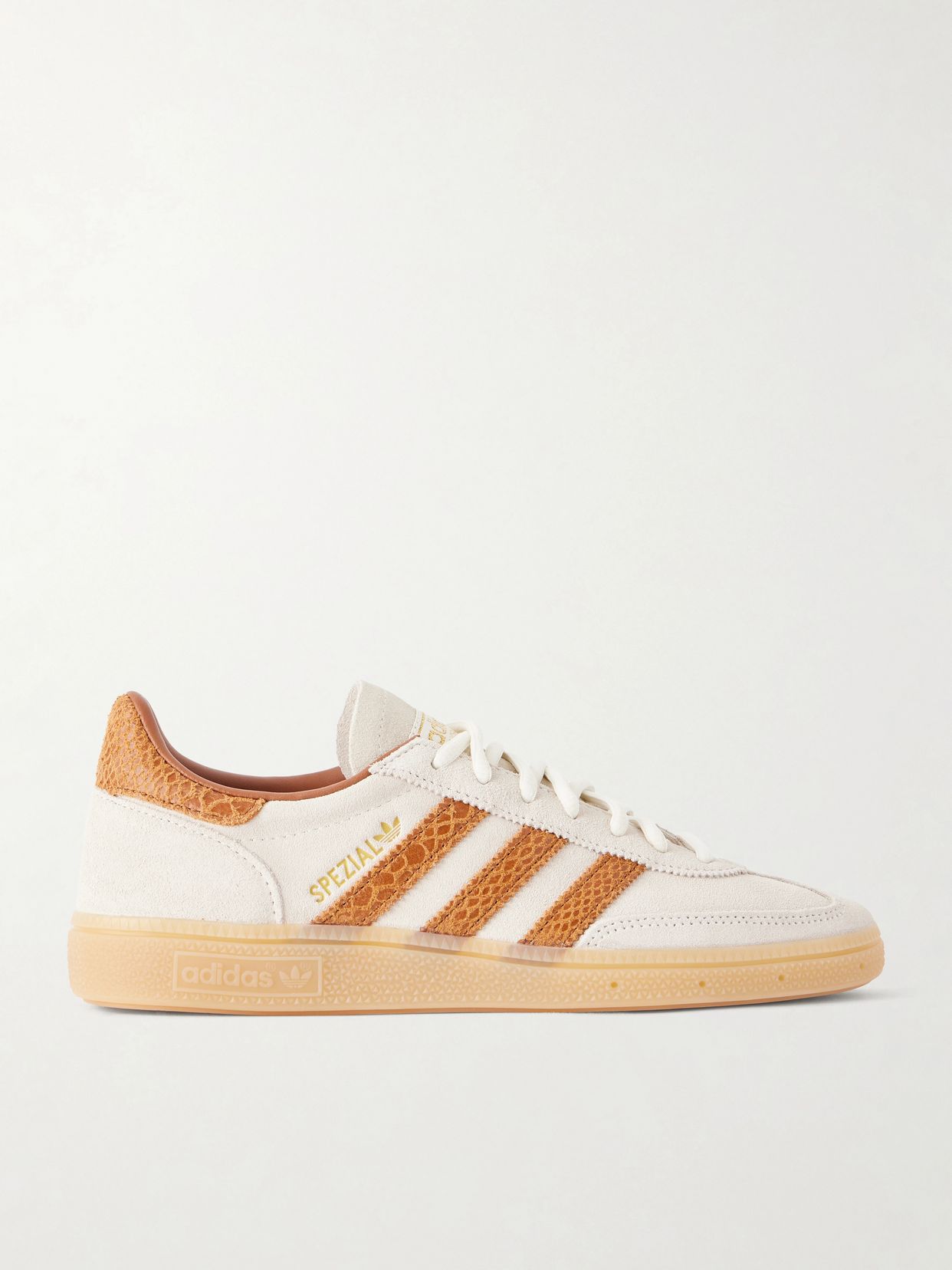
handball spezial snake effect leather and suede sneakers
adidas Originals
$110
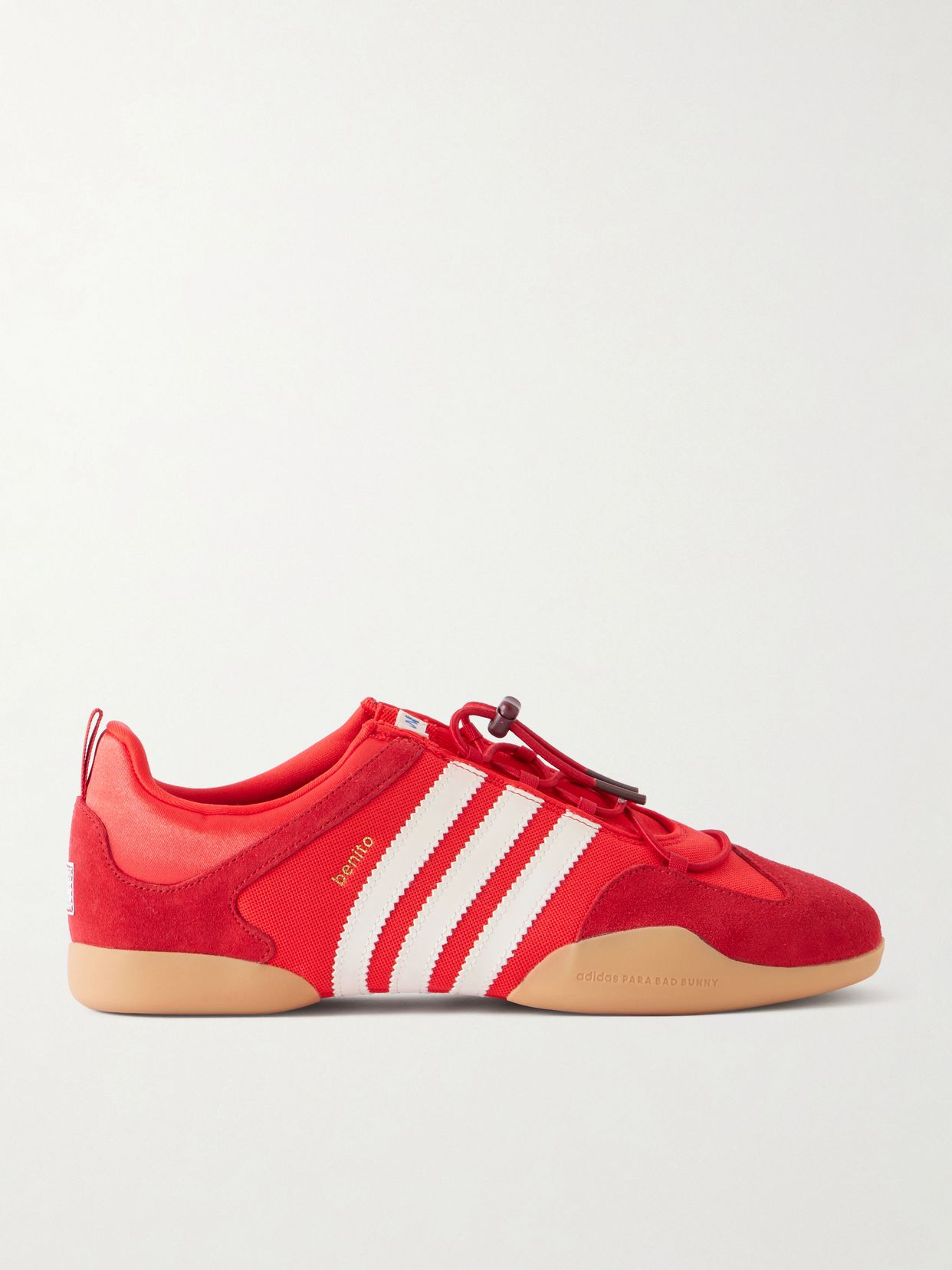
Plus Bad Bunny Flamboyan Suede Trimmed Mesh Sneakers
adidas Originals
$120
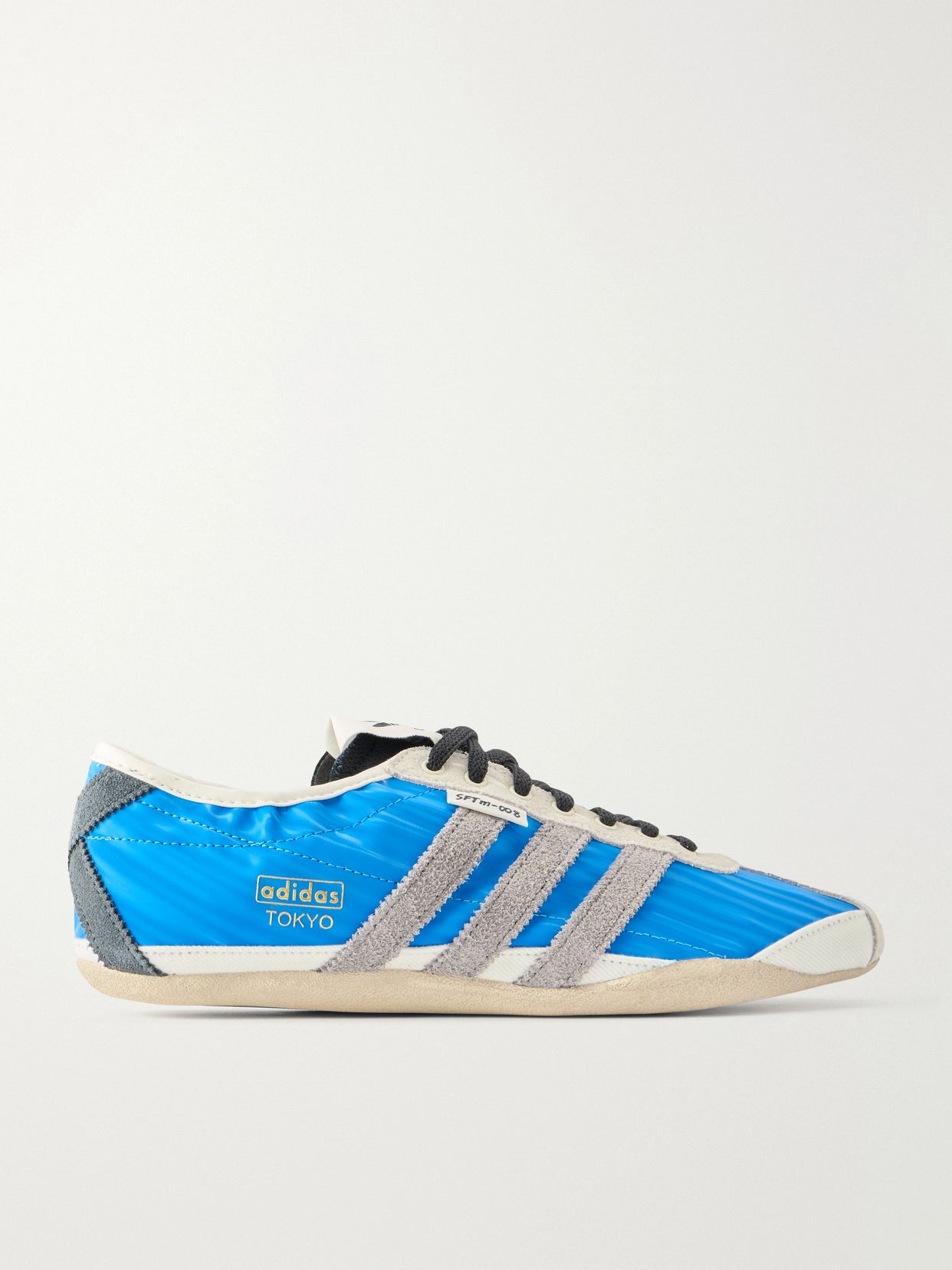
Song for the Mute Tokyo W suede-trimmed shell sneakers
adidas Originals
$195
Match the replacement to the job
Choose the next pair by what the old pair was asked to do. A low top is easy for everyday outfits, but a minimal silhouette will show dirt and creasing more quickly than a textured or paneled one. Suede and mesh can feel lighter and more flexible, while a leather upper gives a cleaner line with trousers or a skirt. The leather group runs from $110 to $330, and the range reflects different shapes and finishing details rather than a guarantee that one pair will last longest.
Keep at least one day between hard wears when you can. Let the shoe dry naturally, loosen the laces before taking it off and use a shoehorn if the heel is firm. Do not leave a pair crushed beneath a bed or in a hot car, because heat and pressure distort the upper and the heel. A soft brush is safer for suede than vigorous rubbing, while a damp cloth is enough for many smooth surfaces.
When replacing a favourite, take the old pair with you or photograph the wear pattern. It shows whether you need more room at the toe, a firmer heel or a different sole shape. The whole edit runs from $36 to $330, so there is no reason to replace a worn pair with the same problem.
Leather
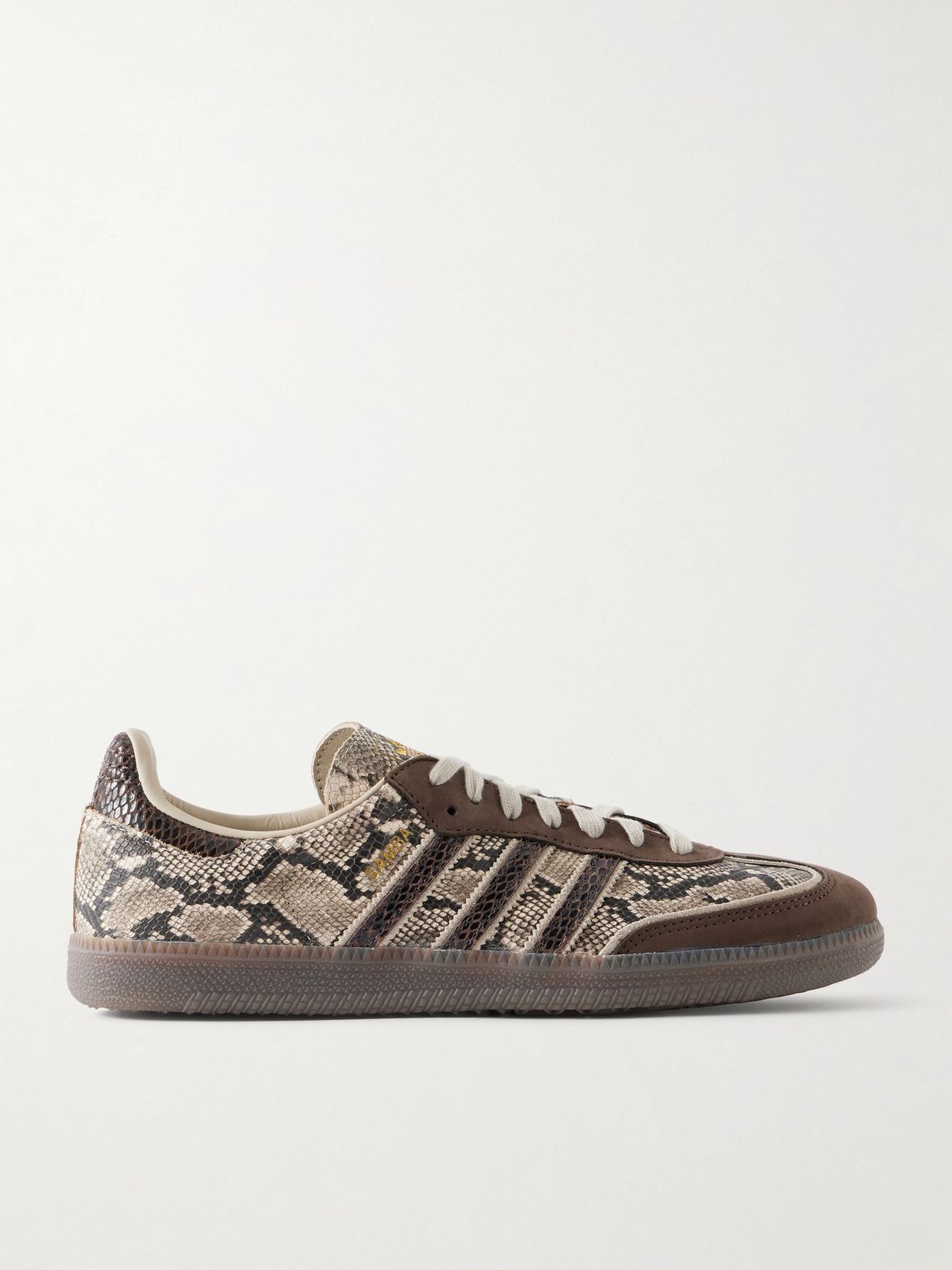
Samba OG suede-trimmed snake-effect leather sneakers
adidas Originals
$110
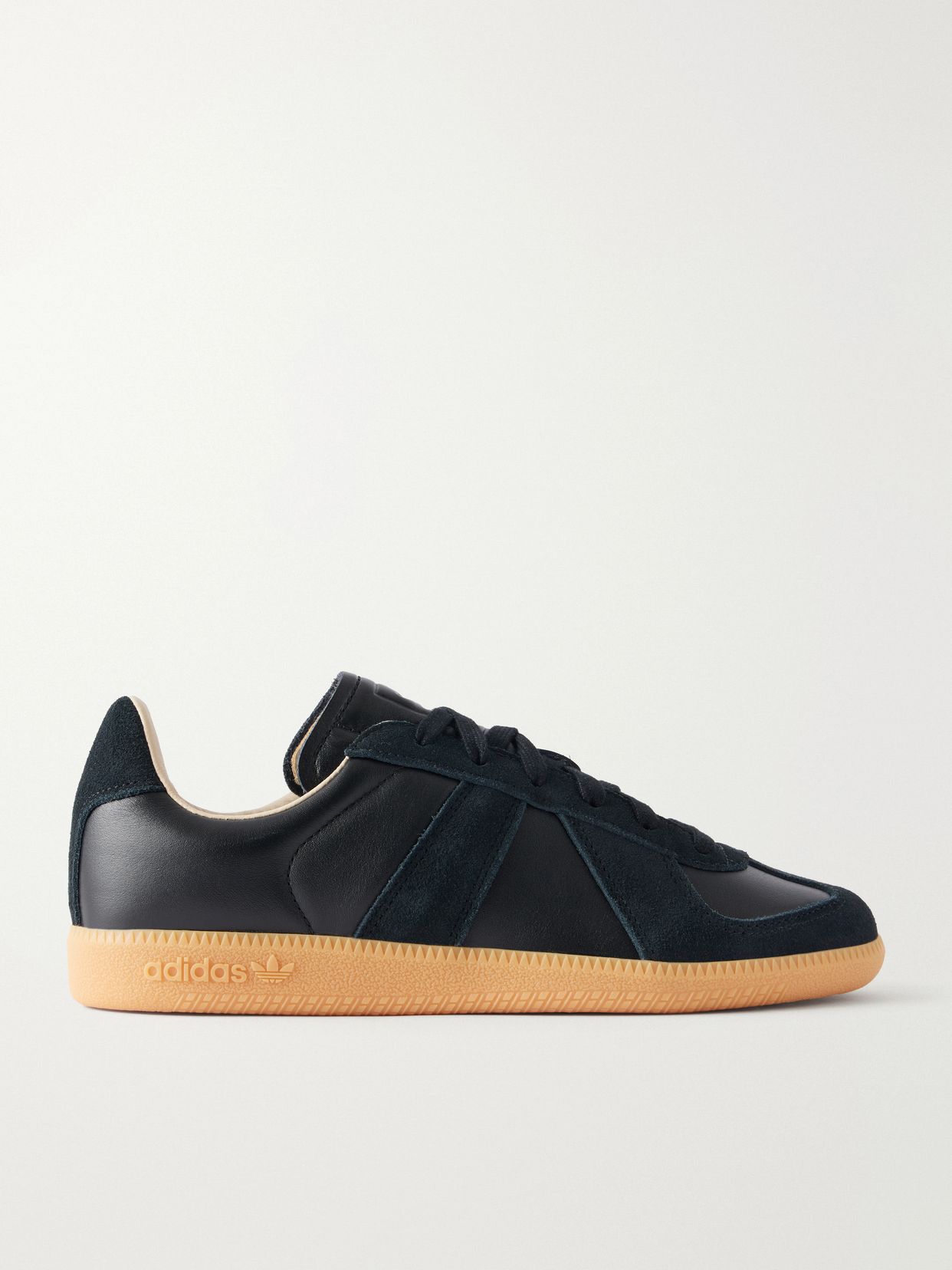
BW Army suede-trimmed leather sneakers
adidas Originals
$120
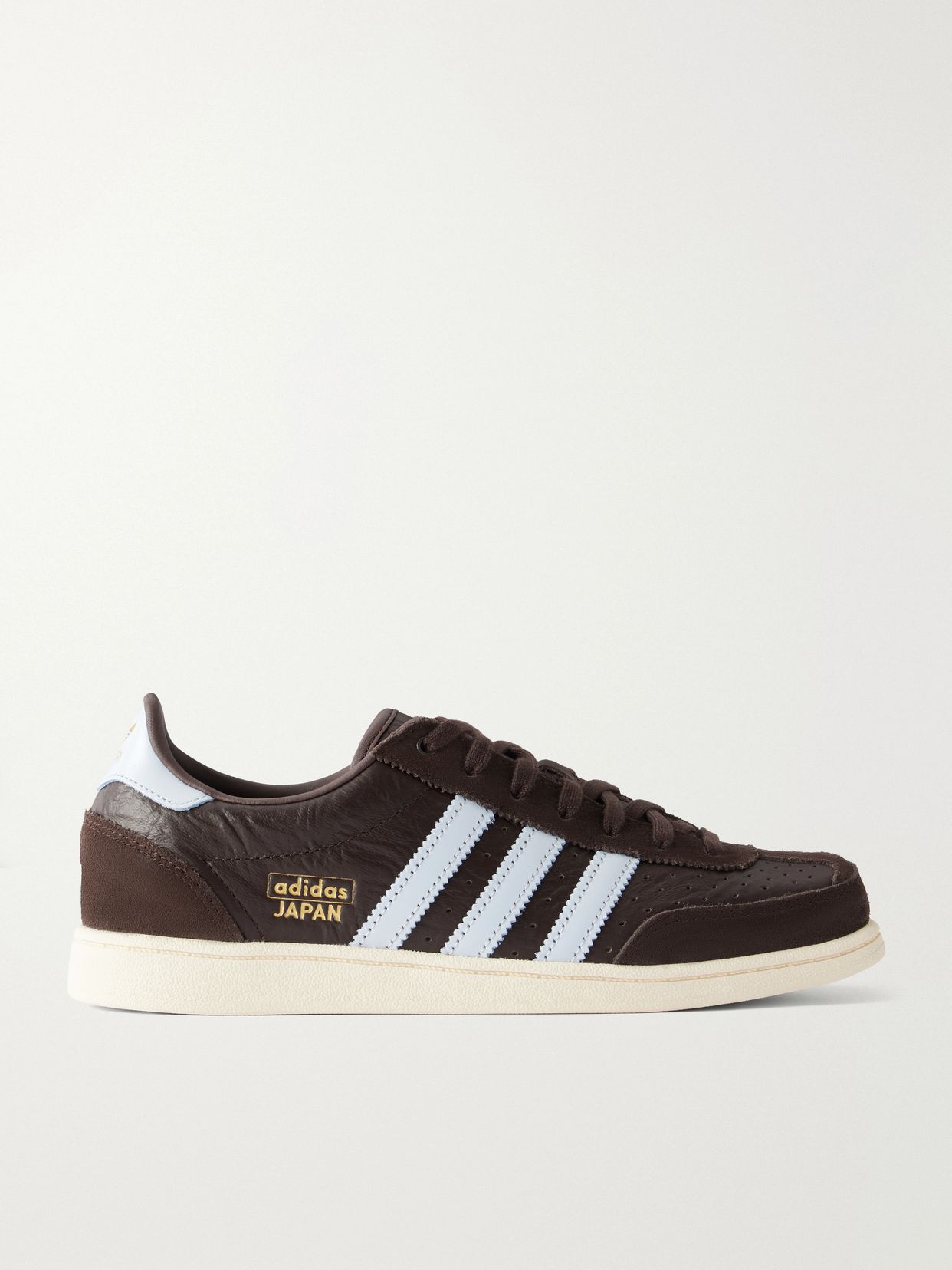
Japan Sq Suede Trimmed Leather Sneakers
adidas Originals
$120
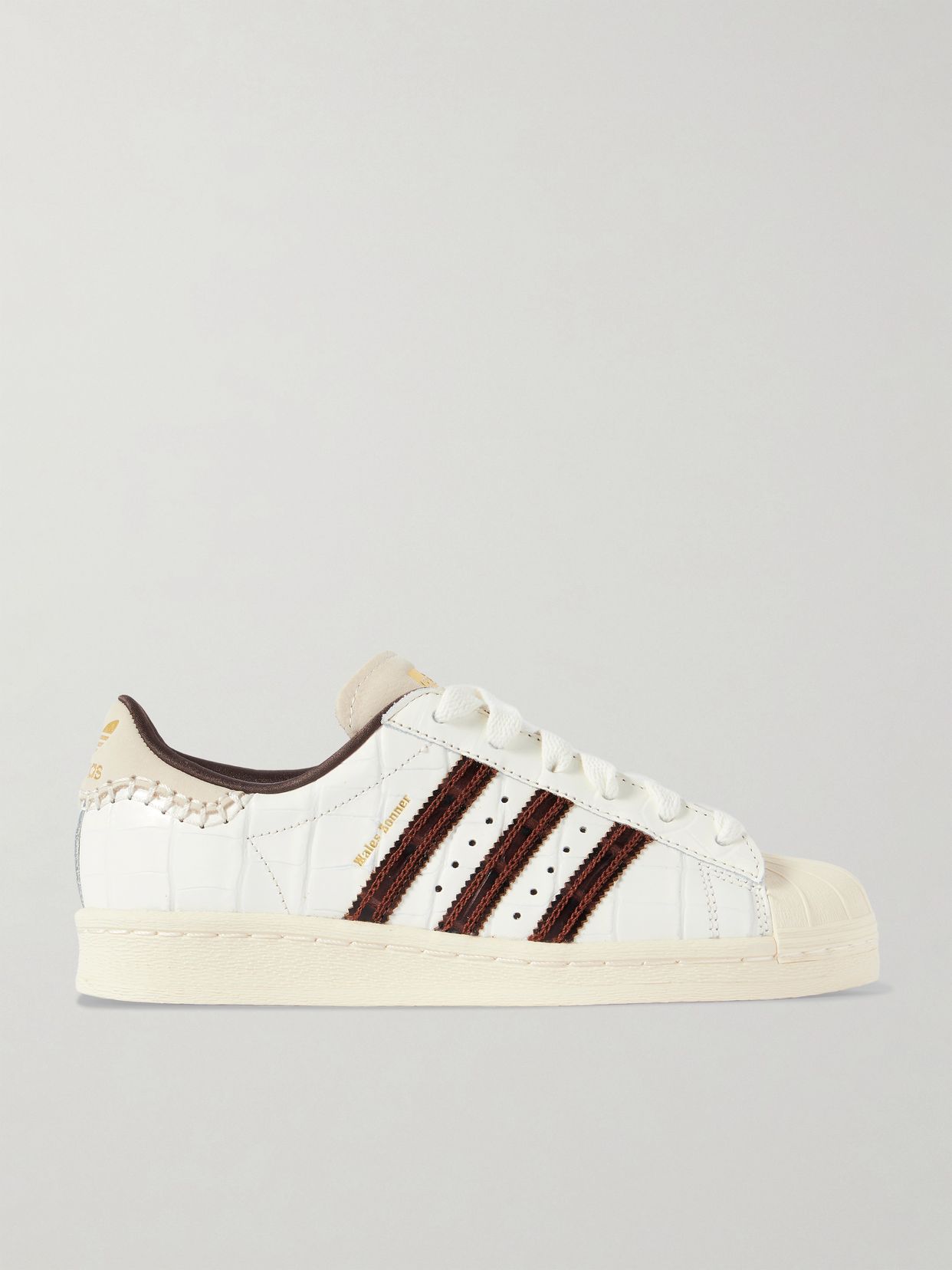
+ Wales Bonner Superstar croc-effect leather sneakers
adidas Originals
$144
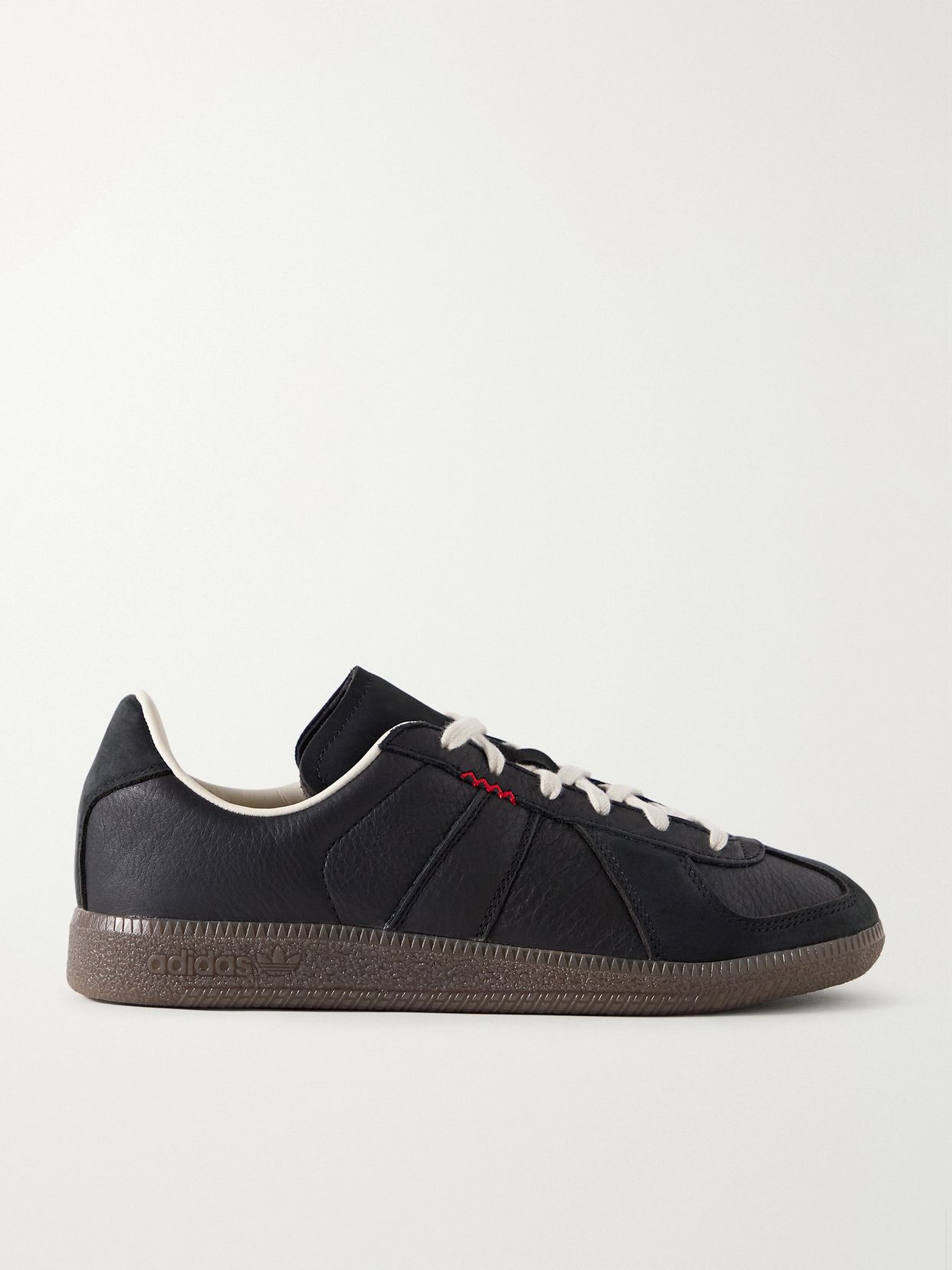
+ HArtcopy BW Army leather sneakers
adidas Originals
$150
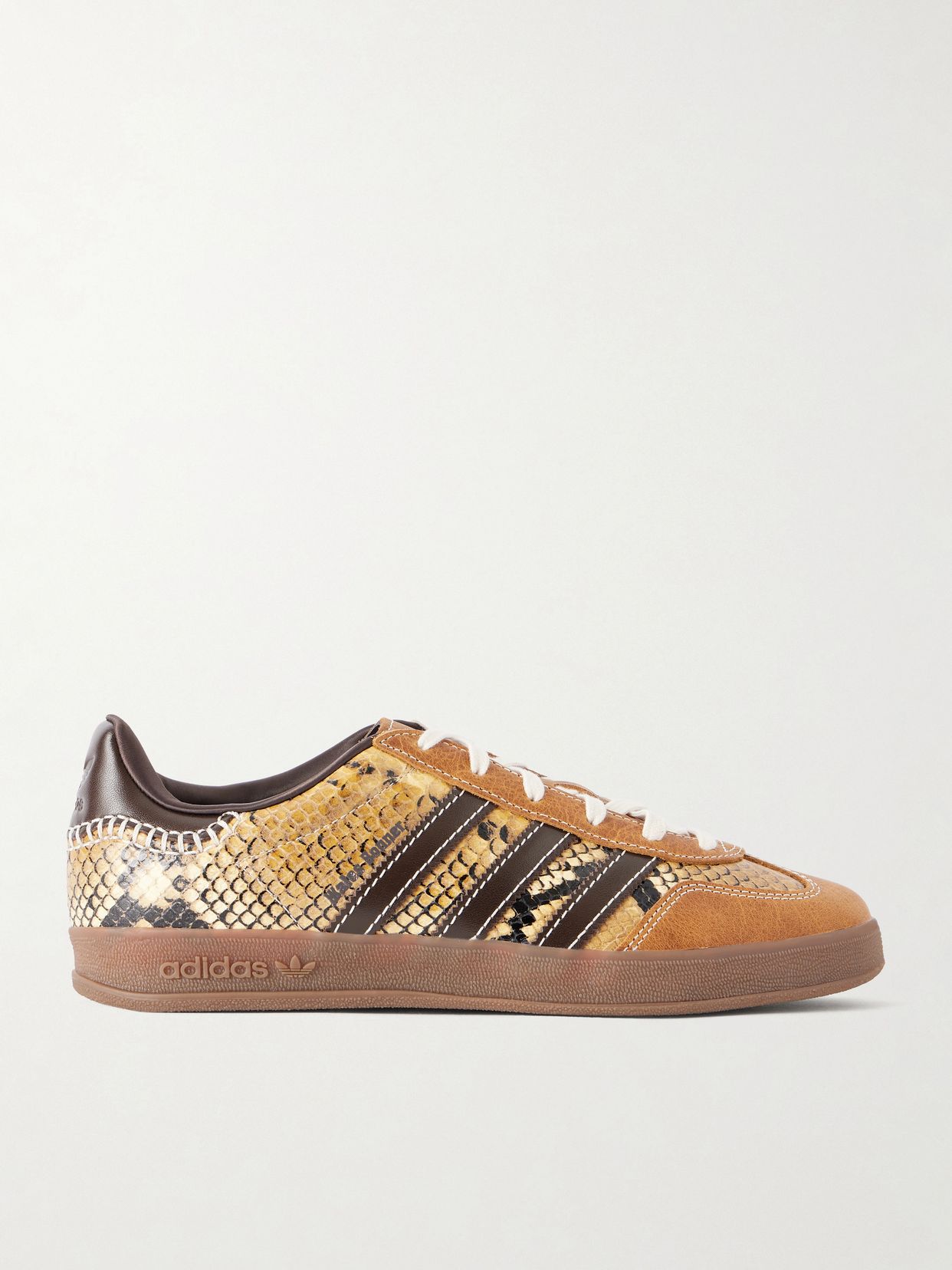
Plus Wales Bonner Gazelle Snake Effect Lace Up Leather Sneakers
adidas Originals
$280
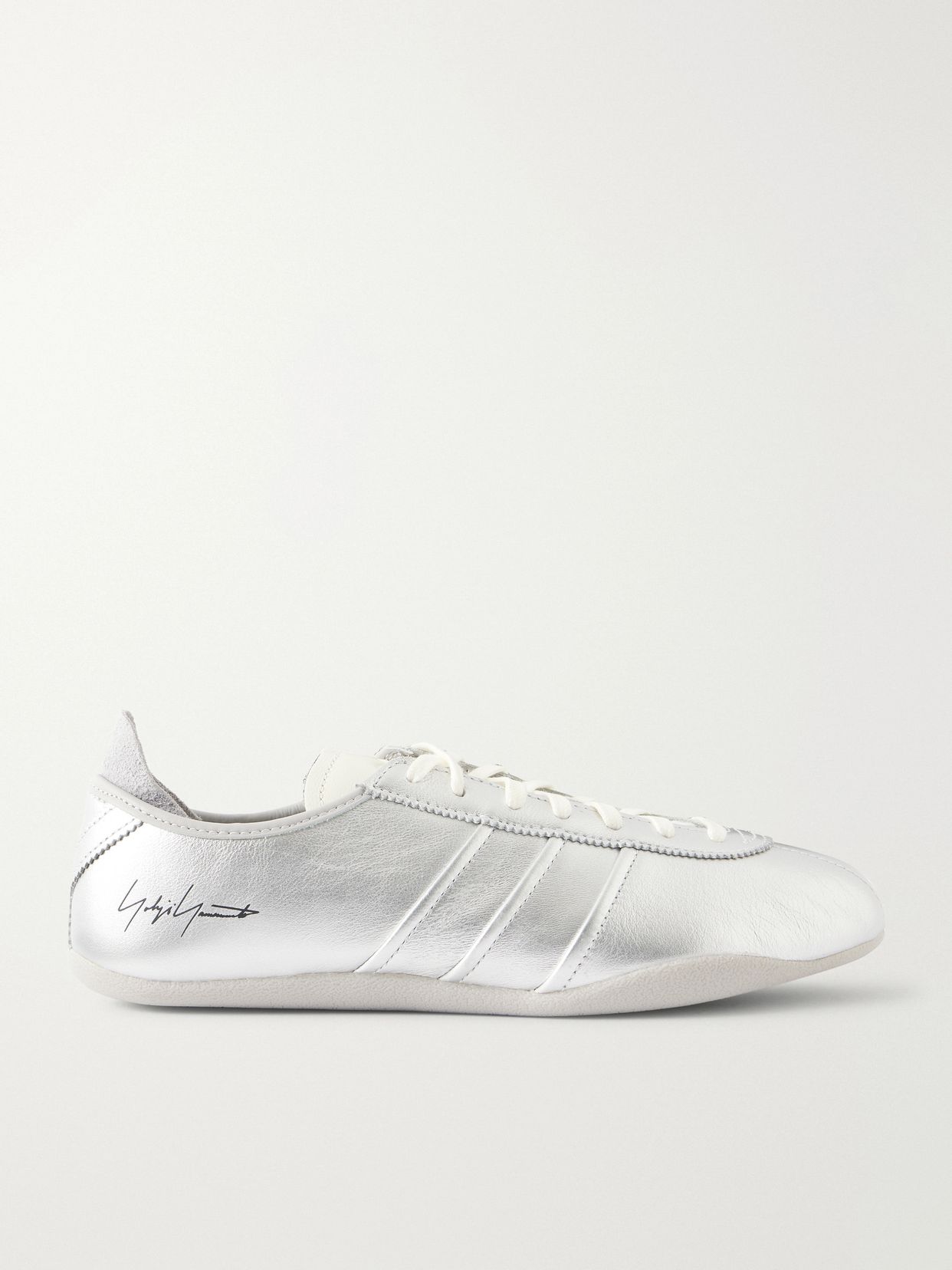
+ Y-3 Tokyo leather sneakers
adidas Originals
$300
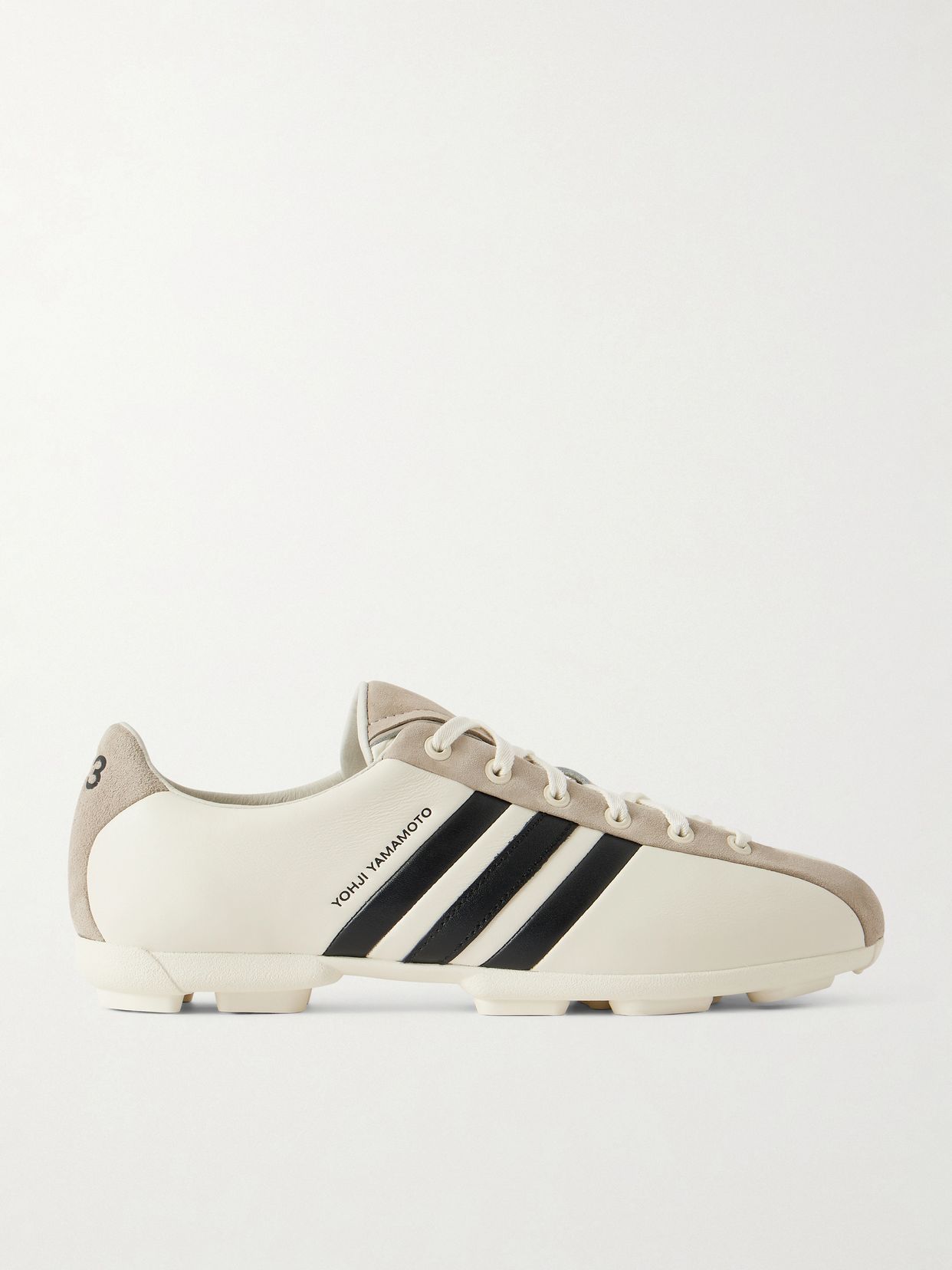
Y-3 Field suede-trimmed leather sneakers
adidas Originals
$330
Our honest take
We would replace a trainer for what it is doing underfoot, not for a tired colour or a few harmless creases. The first checks are grip, even tread, a heel that still holds its shape and a midsole that has not gone flat. We would buy a low top for general wear, choose suede and mesh when flexibility matters, and look at leather when a cleaner outline is the priority. We would skip any pair that pinches at the toes or lets the heel lift, because a new upper cannot fix the wrong fit.
If you take one thing away: inspect the sole and heel before the upper, because hidden support failure is the real replacement signal.
Next read
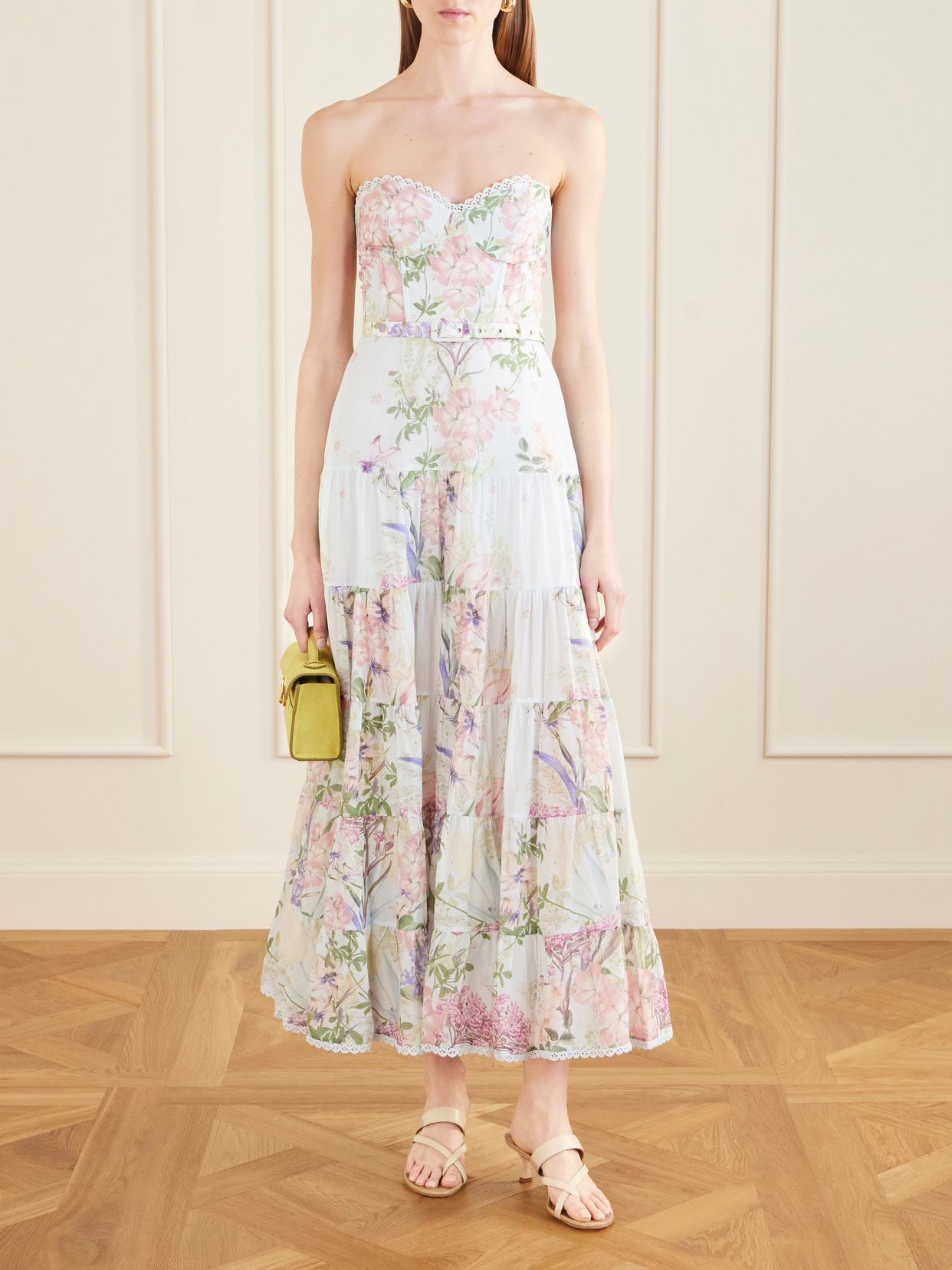
Lining Matters In Thin Dresses
Yes, an unlined dress can be see through, especially when its fabric is light, open in texture, or pale. The useful test is not the changing-room mirror. Stand in direct daylight and look at the skirt from the
Read Editorial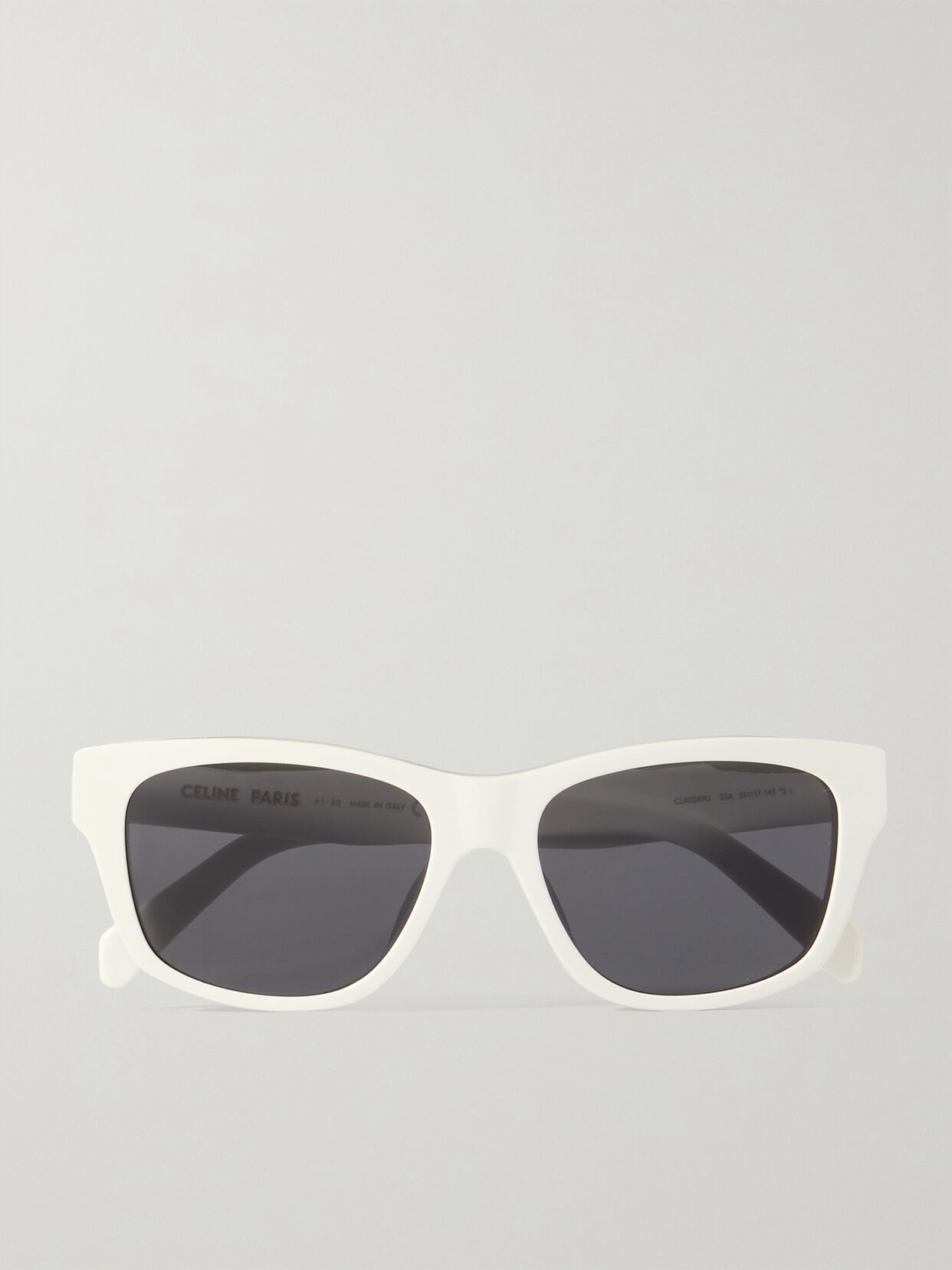
Are Dark Lenses Better
Darker sunglasses do not automatically protect your eyes more. Lens shade controls how much visible light reaches you, while UV protection depends on the lens filter, so a pale lens can be protective and a very dark one