Are Ray-Bans worth it comes down to build, so this edit walks through Wayfarers, Aviators, round and Clubmaster frames, cat-eyes and rectangles, judged on construction, lenses and how long they last. I would call the classics a yes, and I tell you which shapes to pass on.

Are Ray-Bans Worth It: Pilot Glare Glass to Wayfarer Staying Power
Are Ray-Bans worth it comes down to build, so this edit walks through Wayfarers, Aviators, round and Clubmaster frames.
Yes, they are, and here is why
In 1929, Army Air Corps Colonel John Macready worked with Bausch & Lomb of Rochester, New York, on sunglasses that would cut the glare of the sky for pilots. The Aviator reached the public in 1937, and the name Ray-Ban came from the idea that the lenses "banned" UV rays. That is the brand's whole starting point: a tool first, a look second.
So, are Ray-Bans worth it. My answer is yes, for most people, and the reason is the tool part. Wayfarers came along in 1952, designed by Raymond Stegeman of Bausch & Lomb with a new plastic molding technology, and Luxottica bought the brand in 1999 and went on to consolidate production and re-engineer the glasses for more durable construction. I would judge a pair on how it is built, how the lenses behave, and whether you will still reach for it in five years. By that test, the classic shapes pass easily.
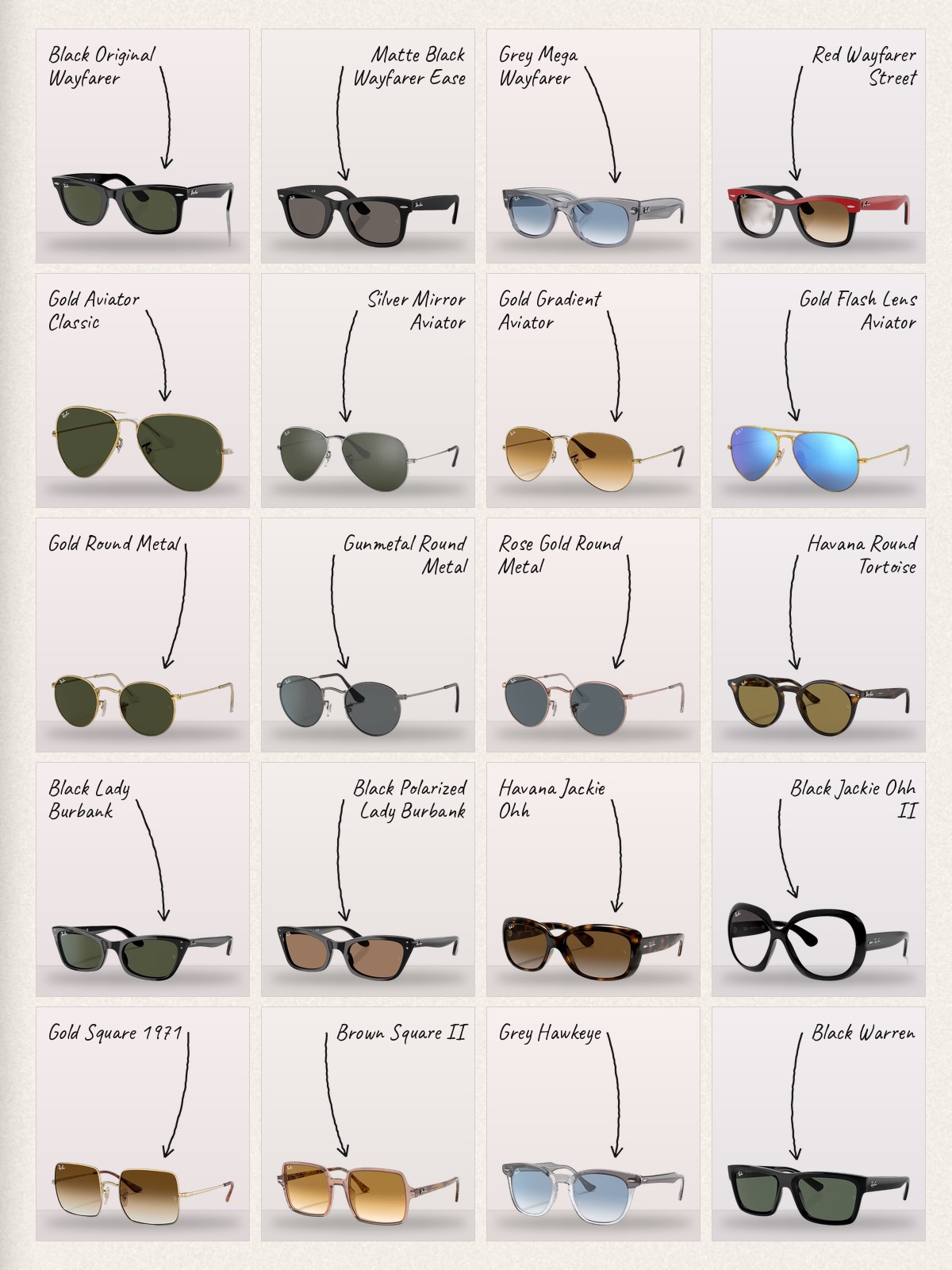
Start with the Wayfarer, because it is the easiest to live with. The Original Wayfarer Classic in polished black with G-15 green lenses is the one I would pick if I could only own one pair. The Wayfarer Ease in matte black with dark gray lenses is softer and hides fingerprints. For a bigger frame, the Mega Wayfarer II in gray with blue gradient lenses and the Mega Wayfarer Bio-Based in transparent blue are the loud ones. The Wayfarer Folding Classic in light Havana is the travel pair, since it collapses into a small case for an October weekend away.
Practical test: put the frame on and shake your head gently. A good pair stays put, the hinges feel tight but smooth, and the acetate has no rough seams at the temples. Hold it up to a window and check the lenses for waves.

Wayfarer sunglasses
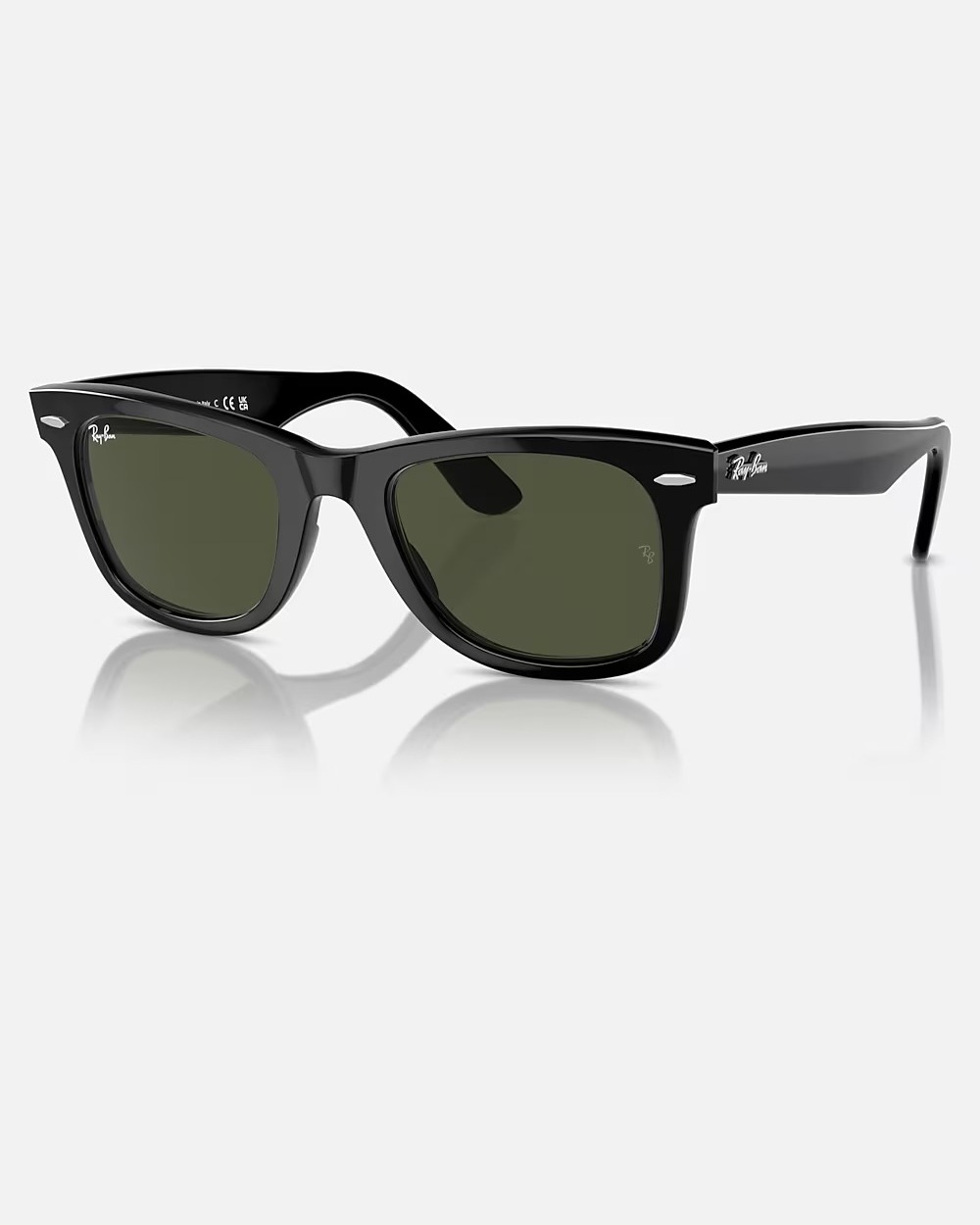
Original Wayfarer Classic Sunglasses
Ray-Ban
$191
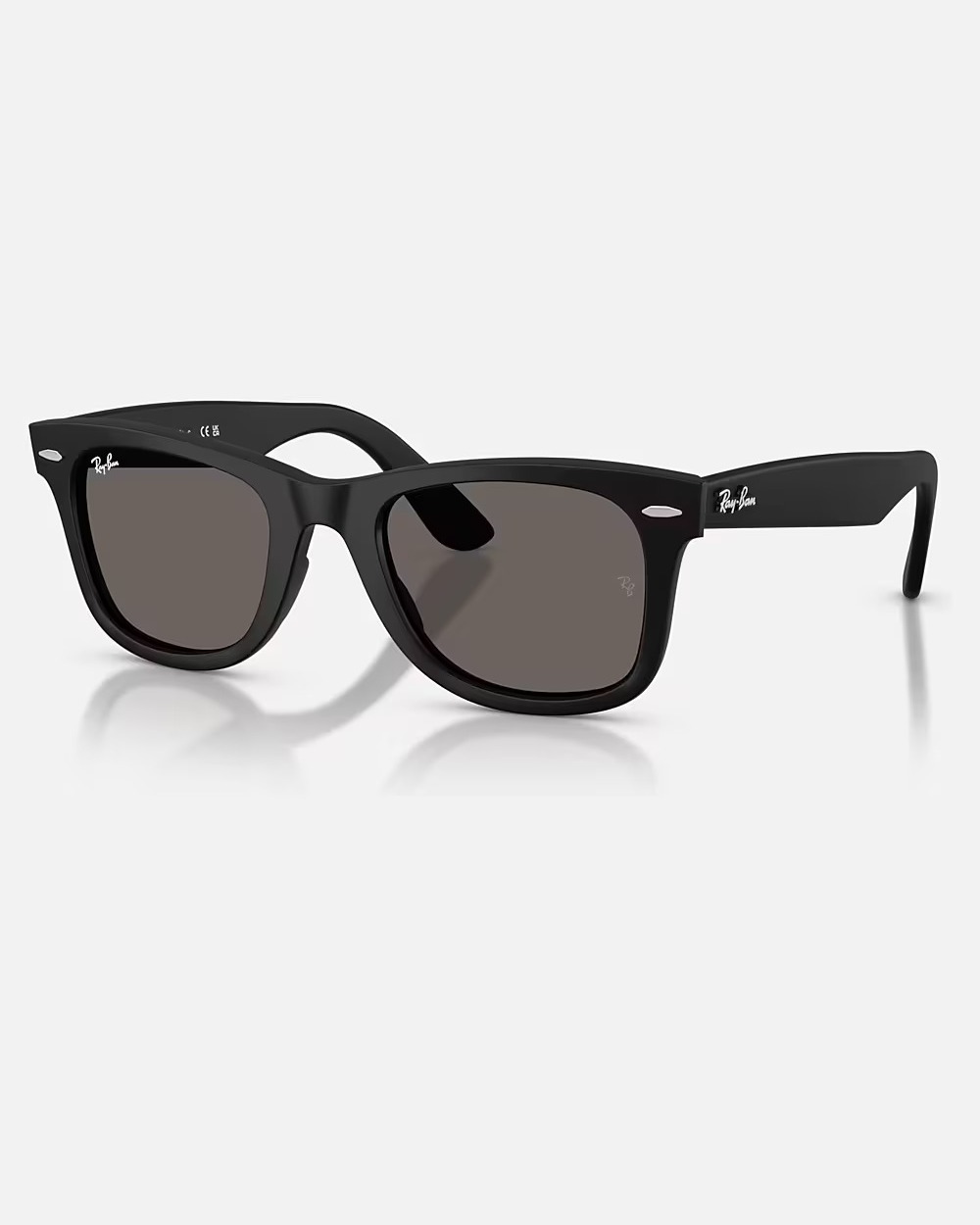
Wayfarer Ease Sunglasses
Ray-Ban
$191
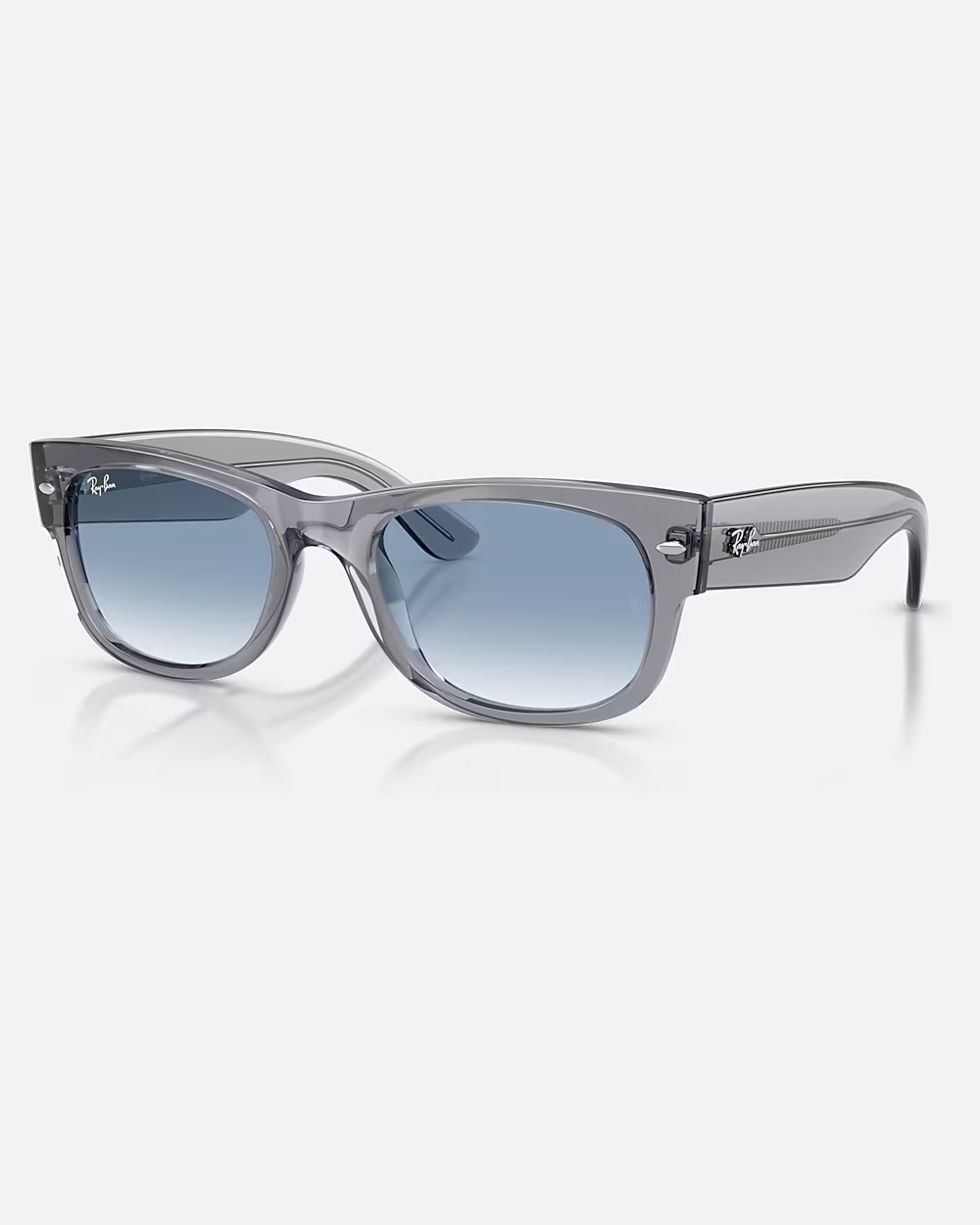
Mega Wayfarer II Sunglasses
Ray-Ban
$218
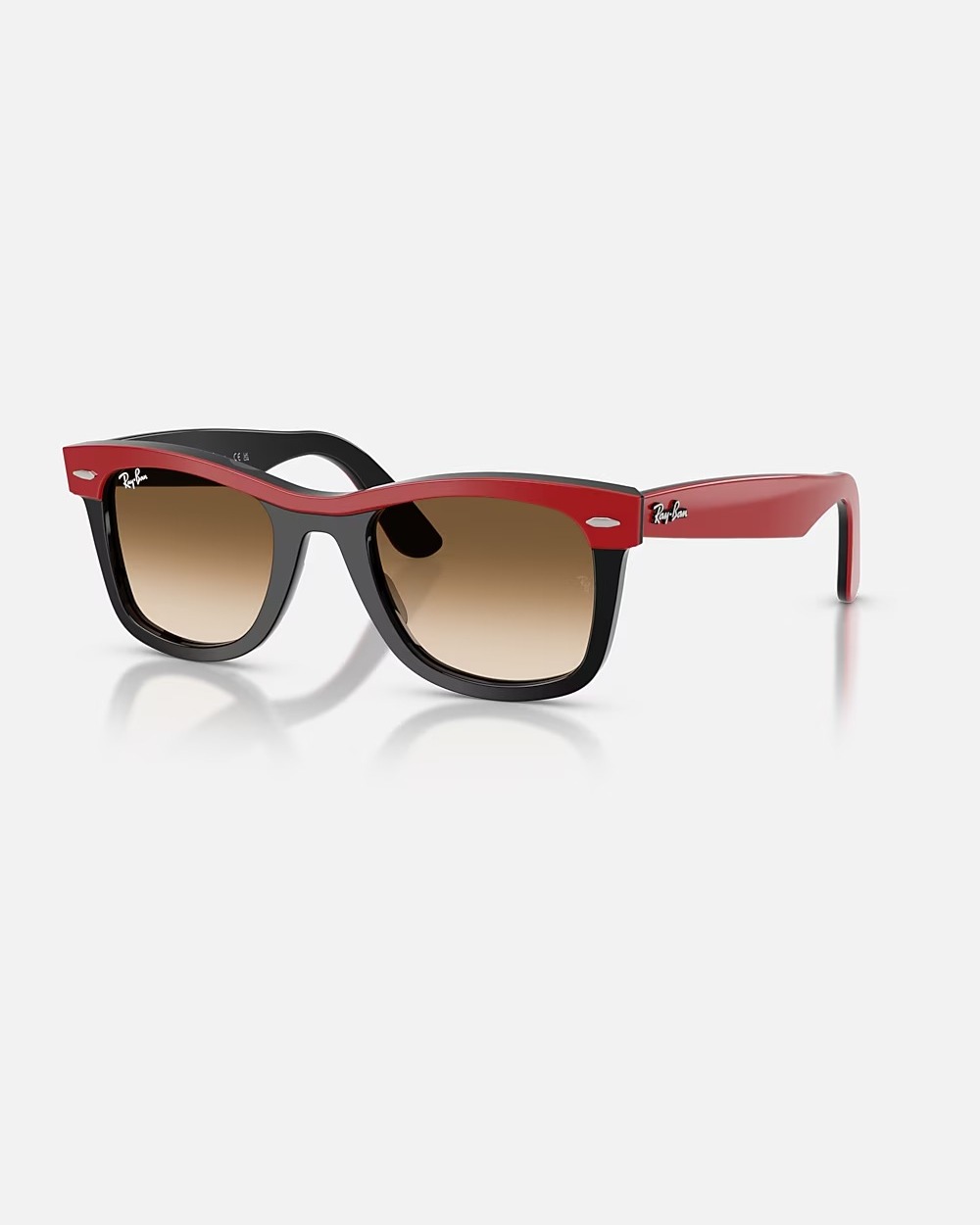
Wayfarer Street Neat Sunglasses
Ray-Ban
$231
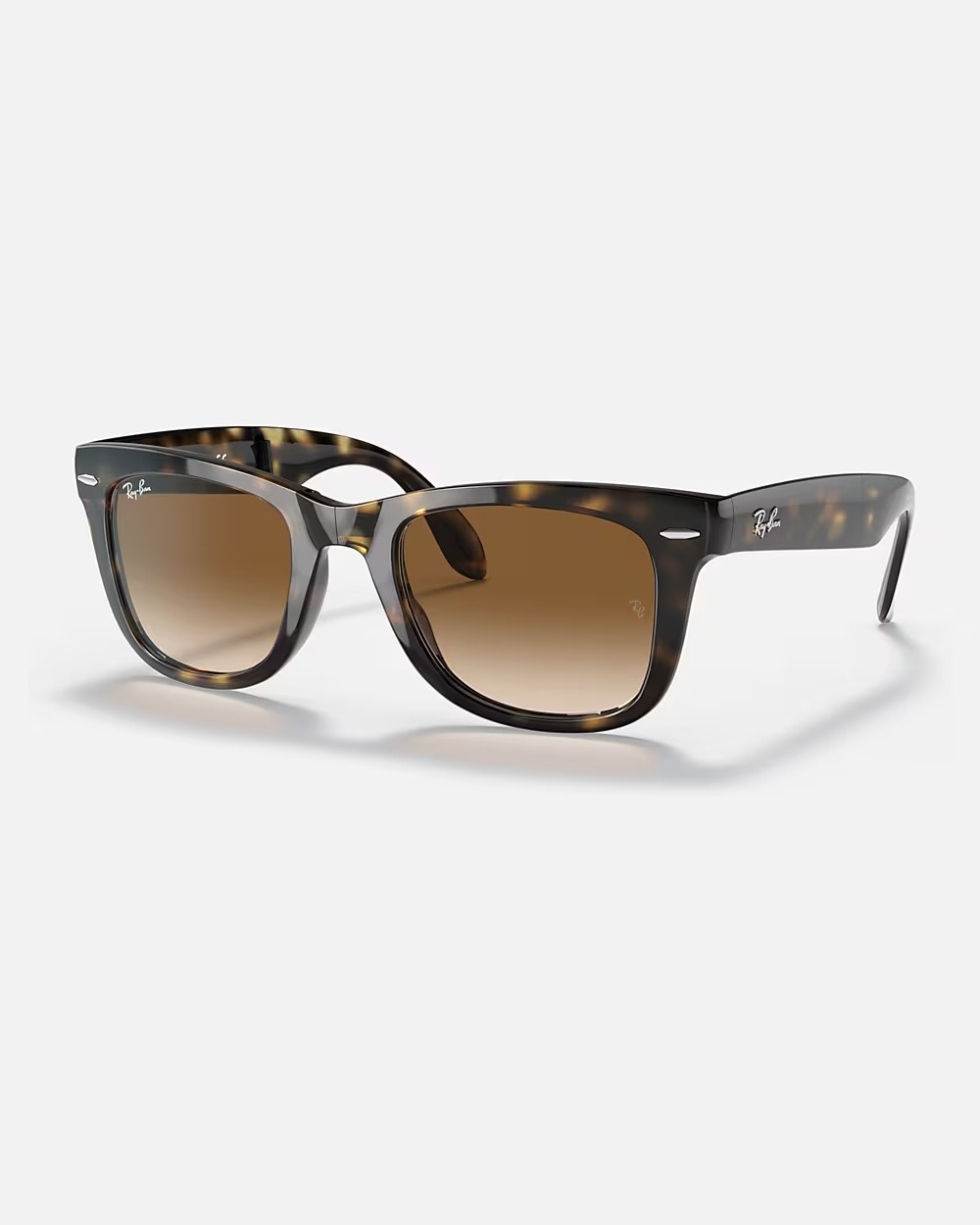
Wayfarer Folding Classic Sunglasses
Ray-Ban
$207
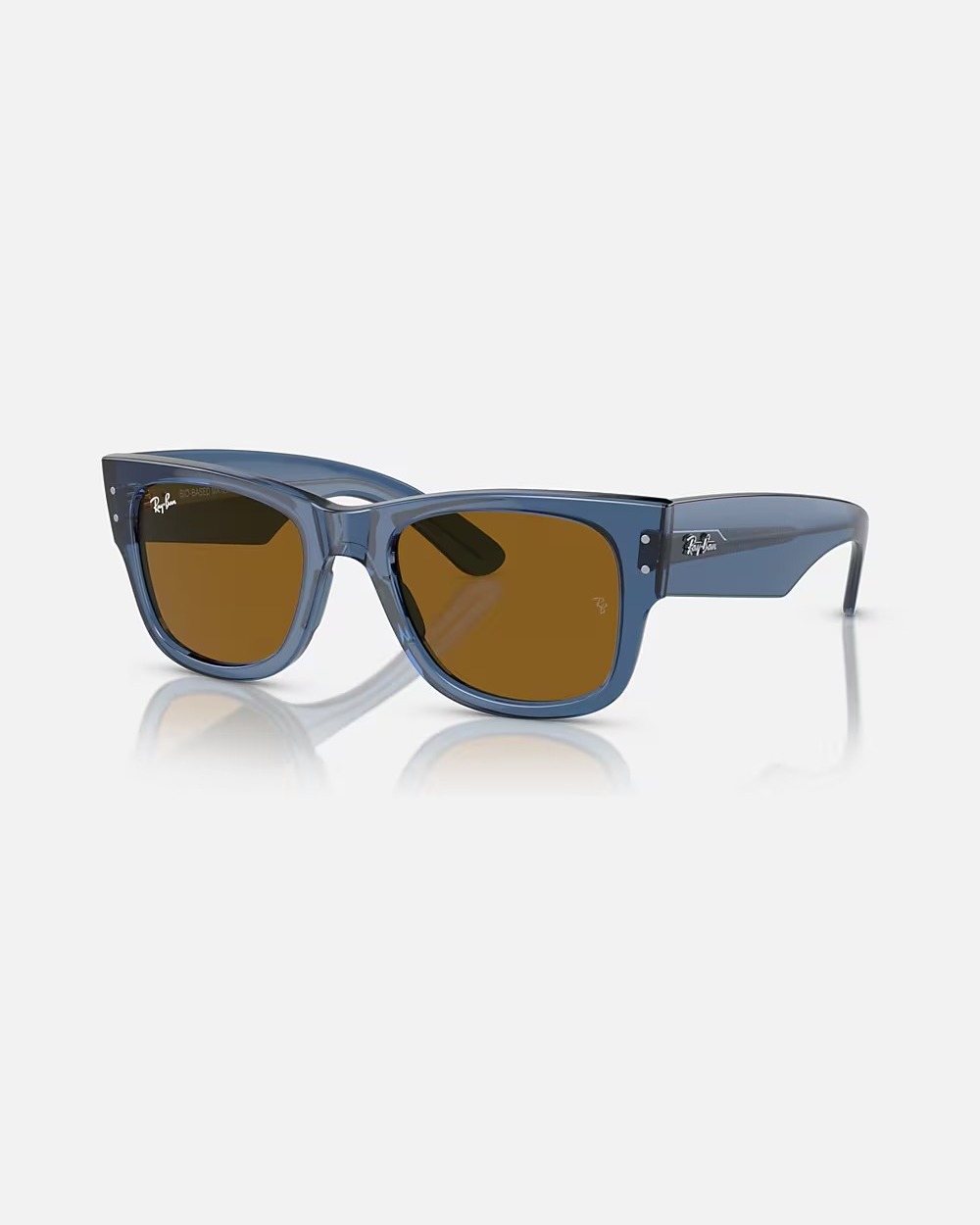
Mega Wayfarer Bio-Based Sunglasses
Ray-Ban
$202
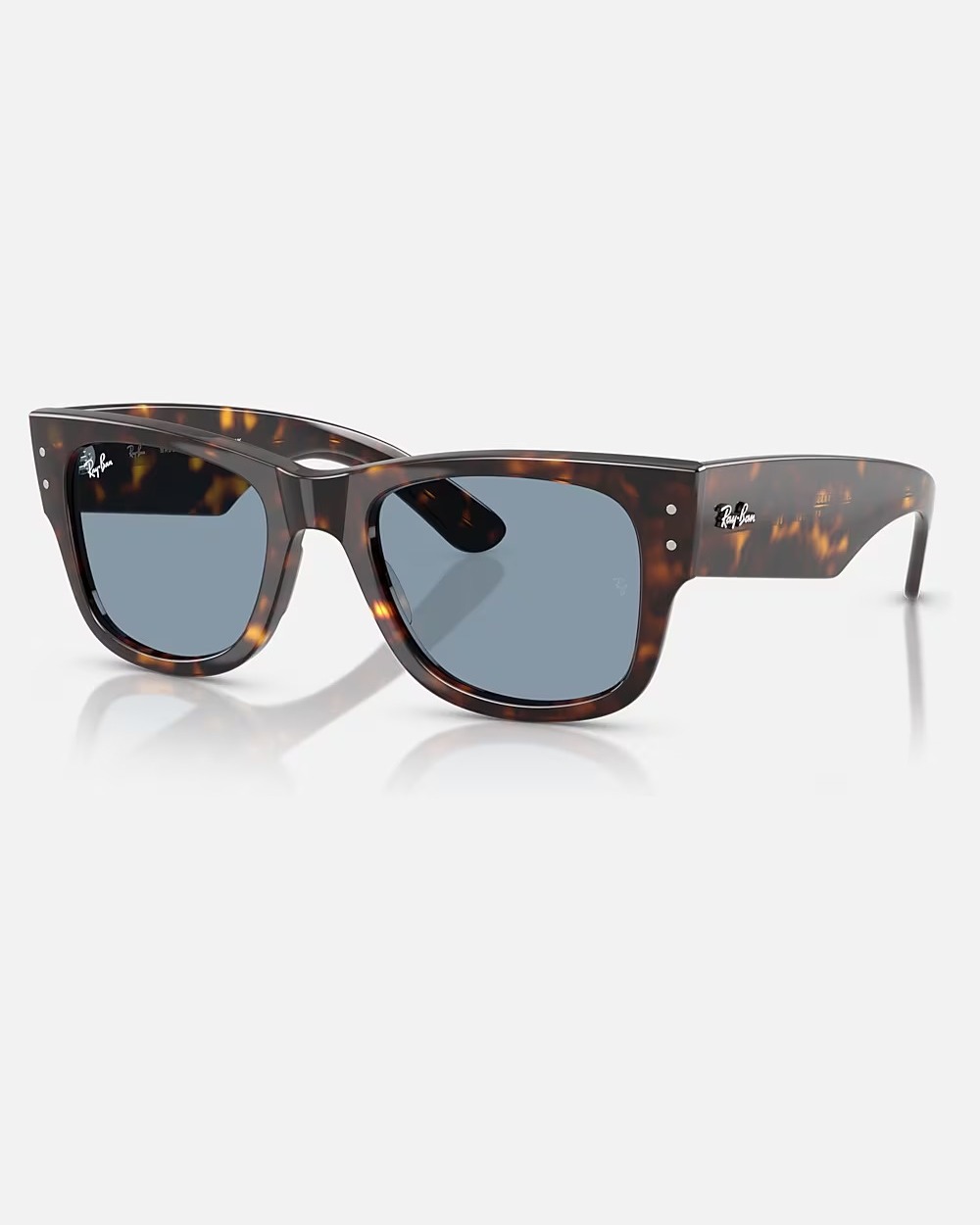
Mega Wayfarer Summer Capsule Sunglasses
Ray-Ban
$202
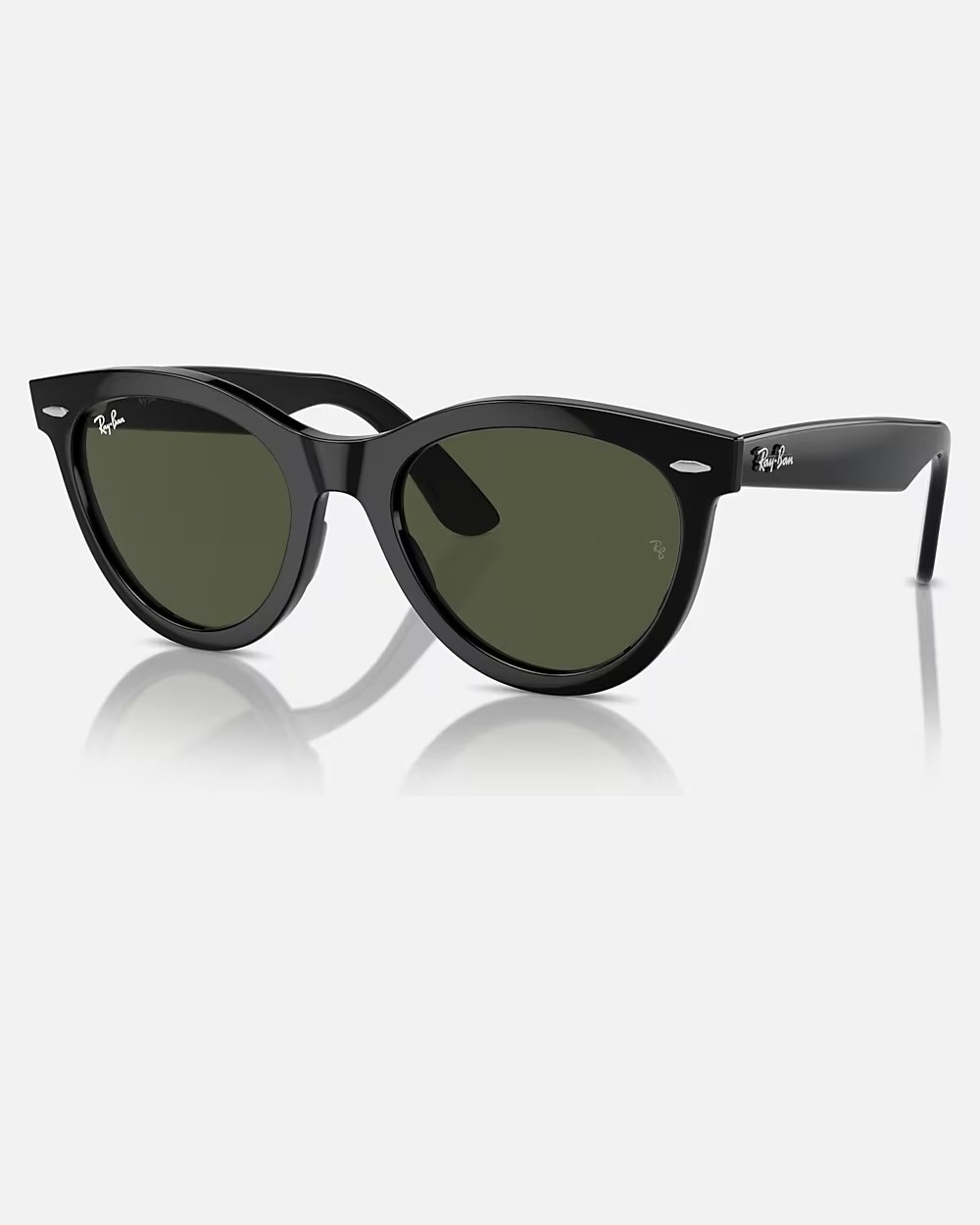
Wayfarer Way Sunglasses
Ray-Ban
$191
Aviators, the ones built for pilots
The Aviator is the one with the actual paper trail. Newspapers ran photos of General MacArthur landing in the Philippines, and that was where the public first really saw it. Almost a century later, the Aviator Classic in arista gold with G-15 green lenses is still the reference point. G-15 is the neutral gray-green glass Ray-Ban introduced in 1953, and it is why the colors you see through them stay honest.
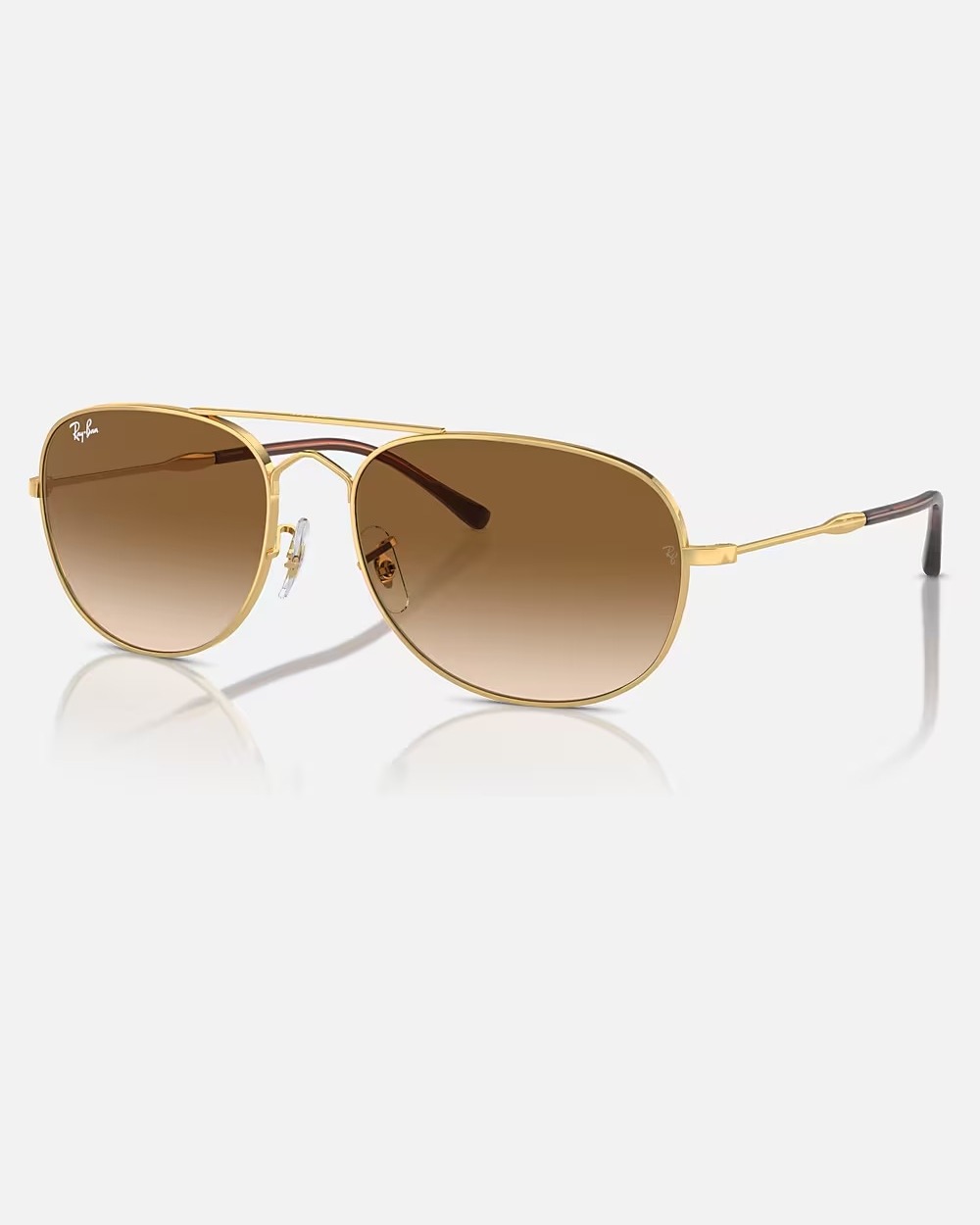
Metal frames are a different bet from acetate. They are light, they adjust, and an optician can bend the temples and swap nose pads, which is the repair path I would count on. The Aviator Mirror in silver with gray mirror lenses and the Aviator Gradient in gold with light brown lenses are the two I would wear with a camel coat and a white tee. The Aviator Total Black has black polarized lenses and reads sharper in a good way. The Aviator Flash Lenses in matte gold has blue polarized mirror lenses and suits driving and water.
Fitting-room test: look at the nose pads and the bridge. They should sit flat on both sides without leaving a mark after ten minutes, and the lens should not touch your lashes when you blink. The Aviator Max is larger than the classic and the Bain Bridge is a quieter take, so try both against the original before you decide.
What I would skip: the Aviator Classic Summer Capsule in gunmetal with orange lenses, if this will be your only pair. Orange tints are fun, but they change every color you look at.
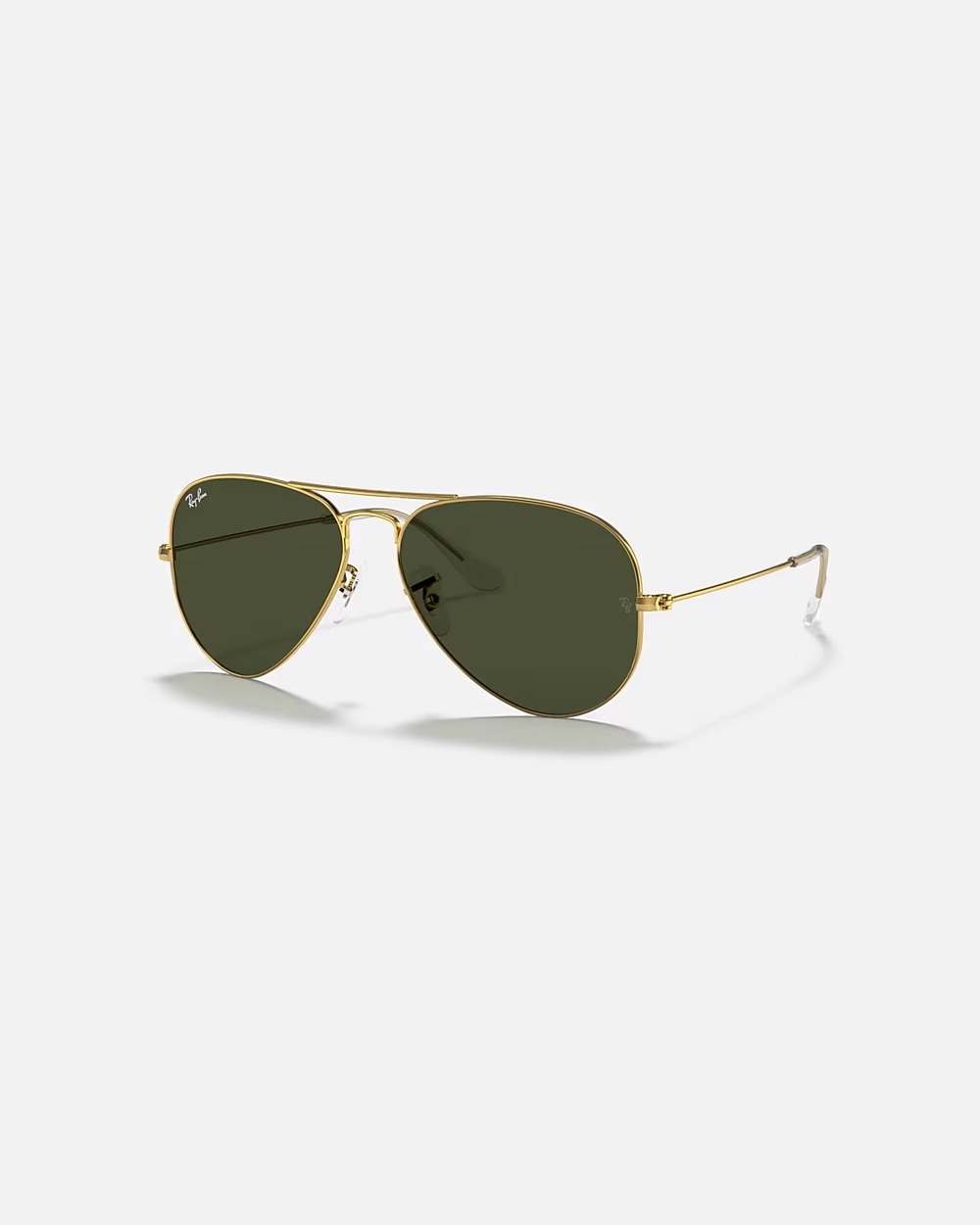
Aviator Classic Sunglasses
Ray-Ban
$191
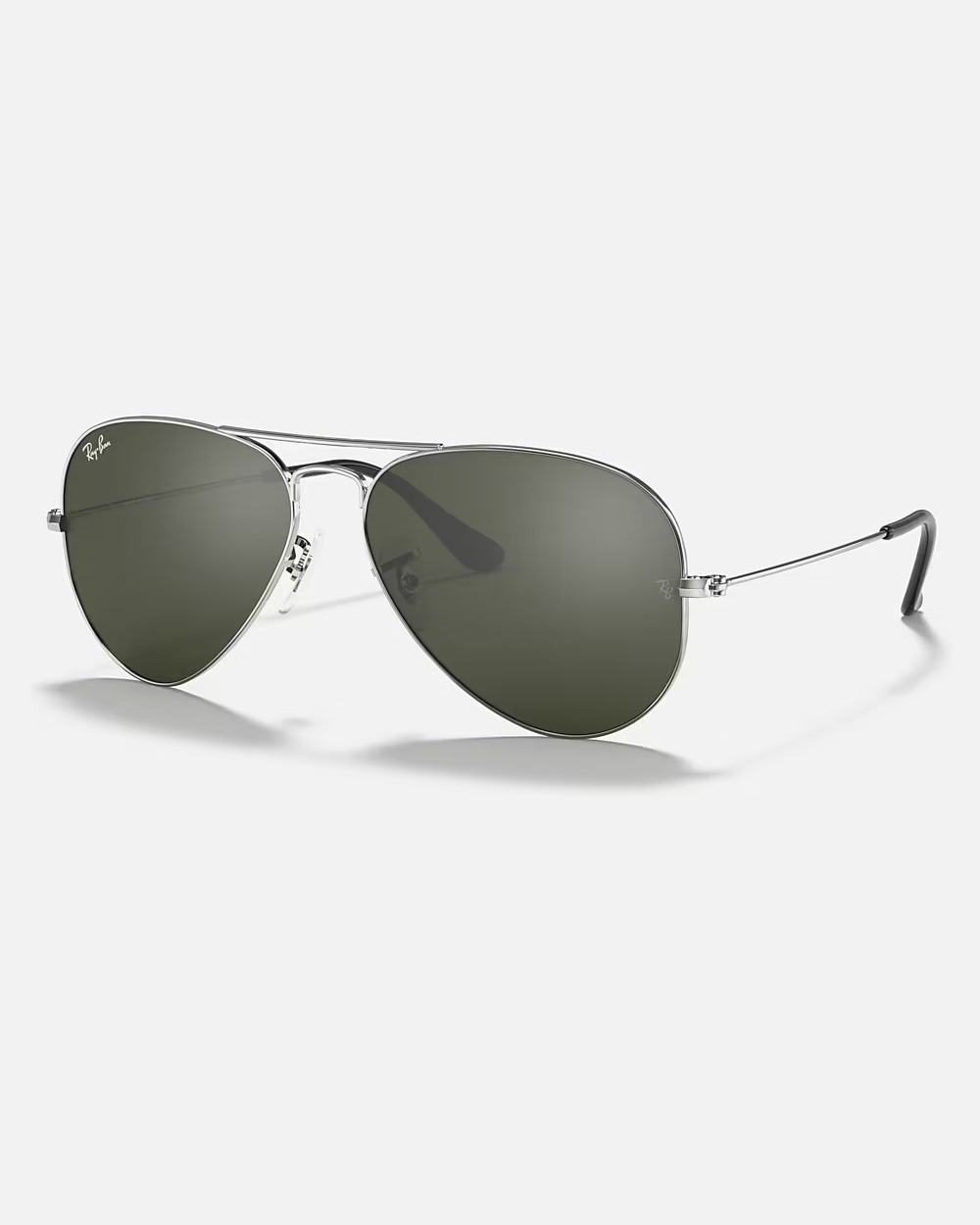
Aviator Mirror Sunglasses
Ray-Ban
$218
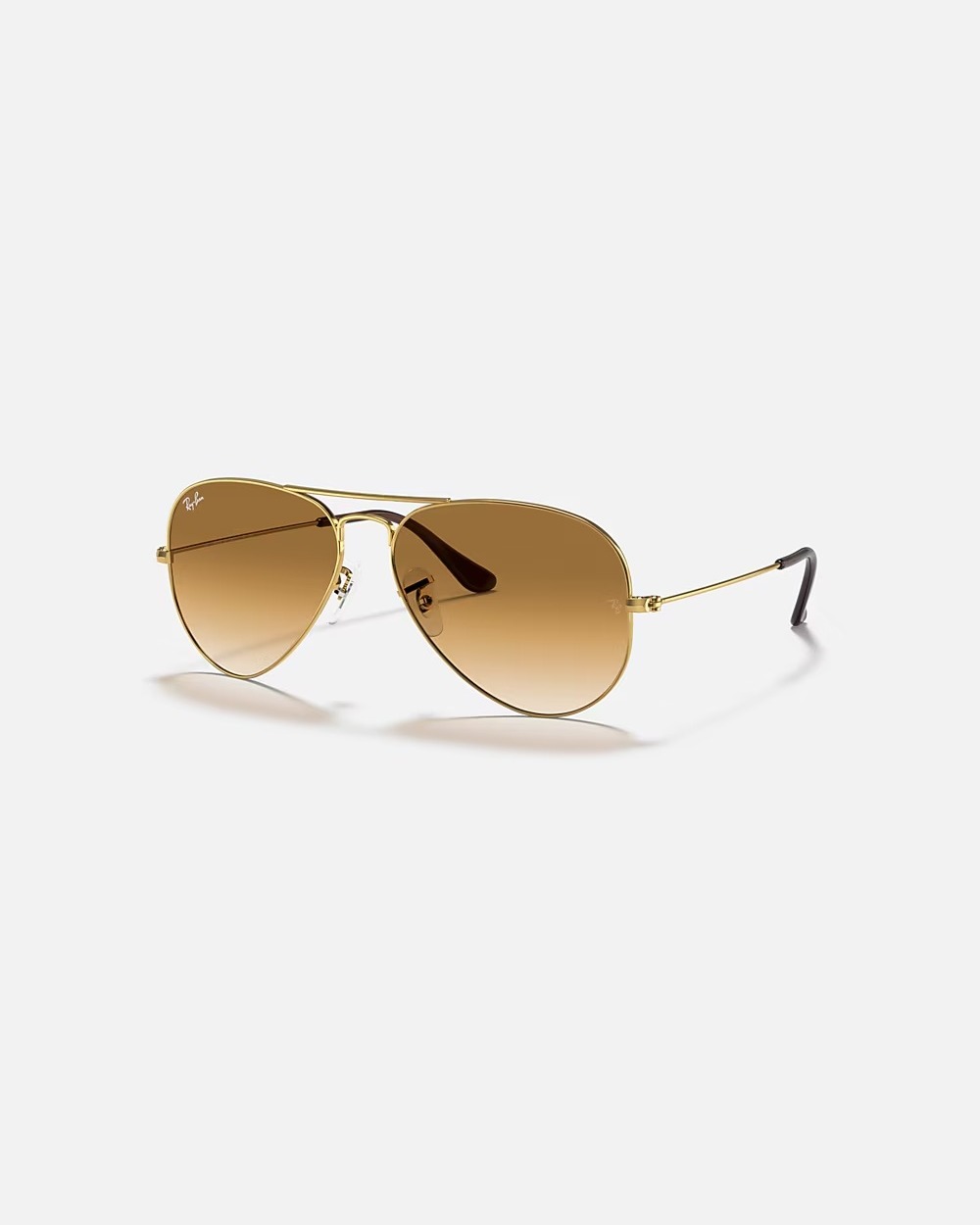
Aviator Gradient Sunglasses
Ray-Ban
$207
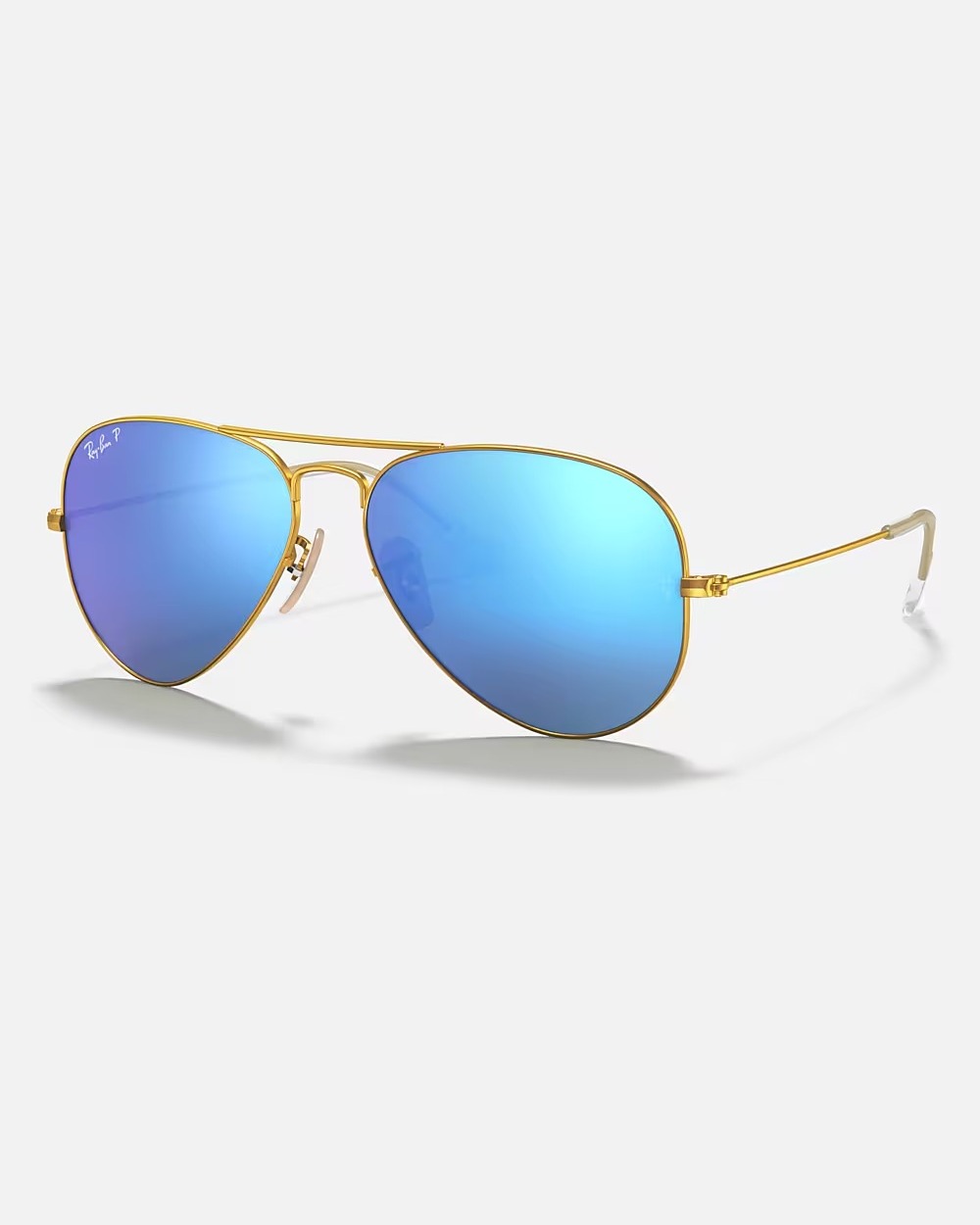
Aviator Flash Lenses Sunglasses
Ray-Ban
$244
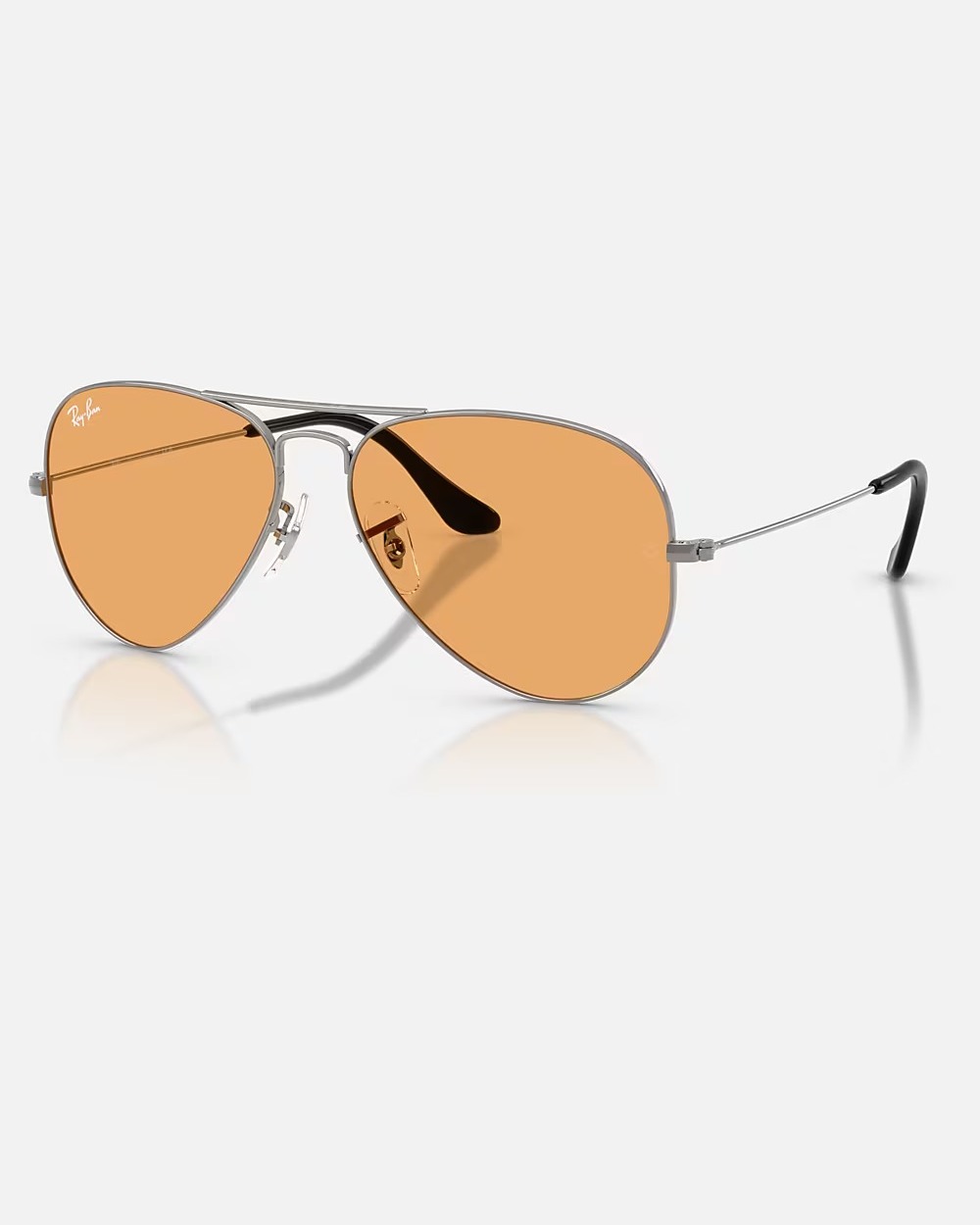
Aviator Classic Summer Capsule Sunglasses
Ray-Ban
$191
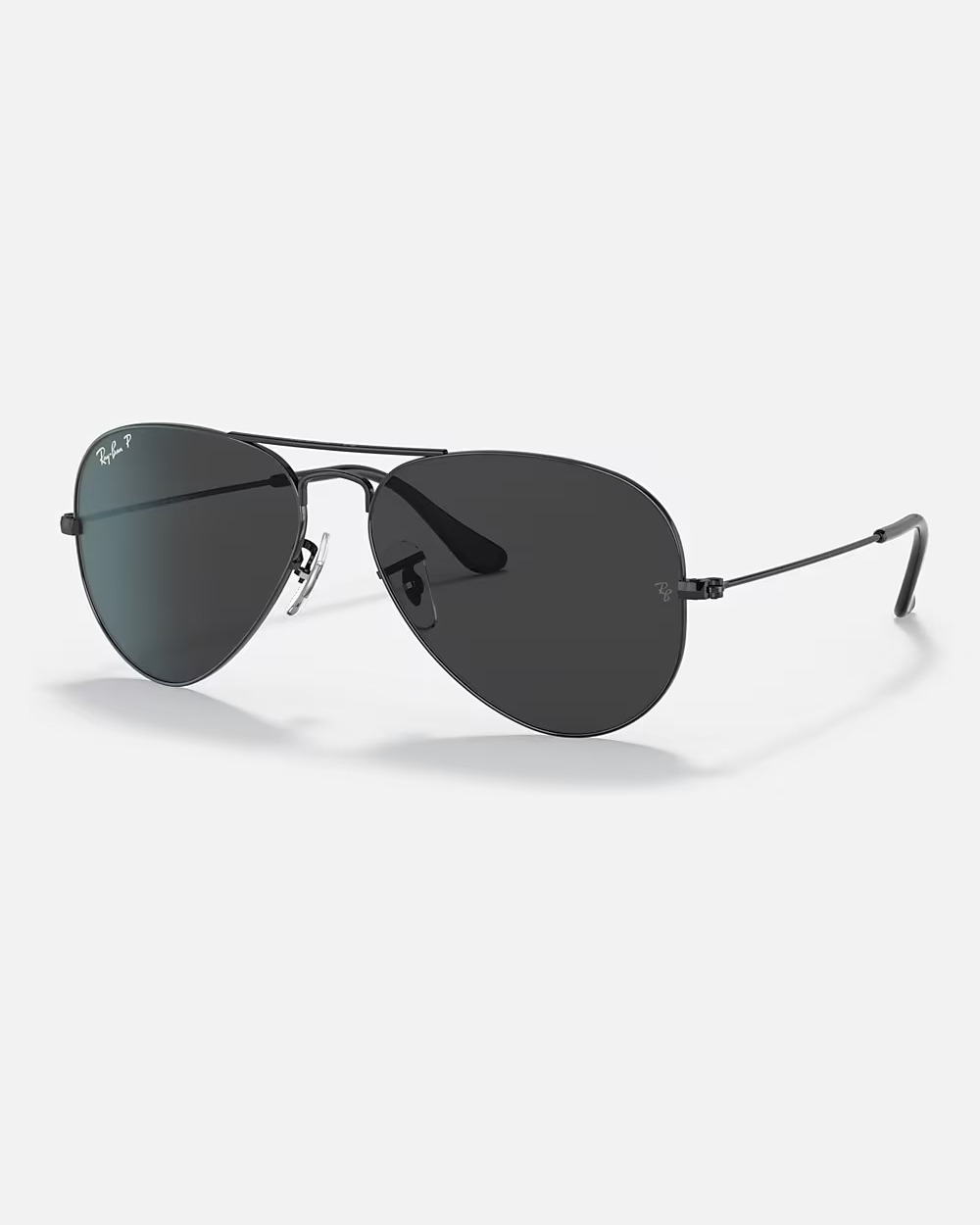
Aviator Total Black Sunglasses
Ray-Ban
$244
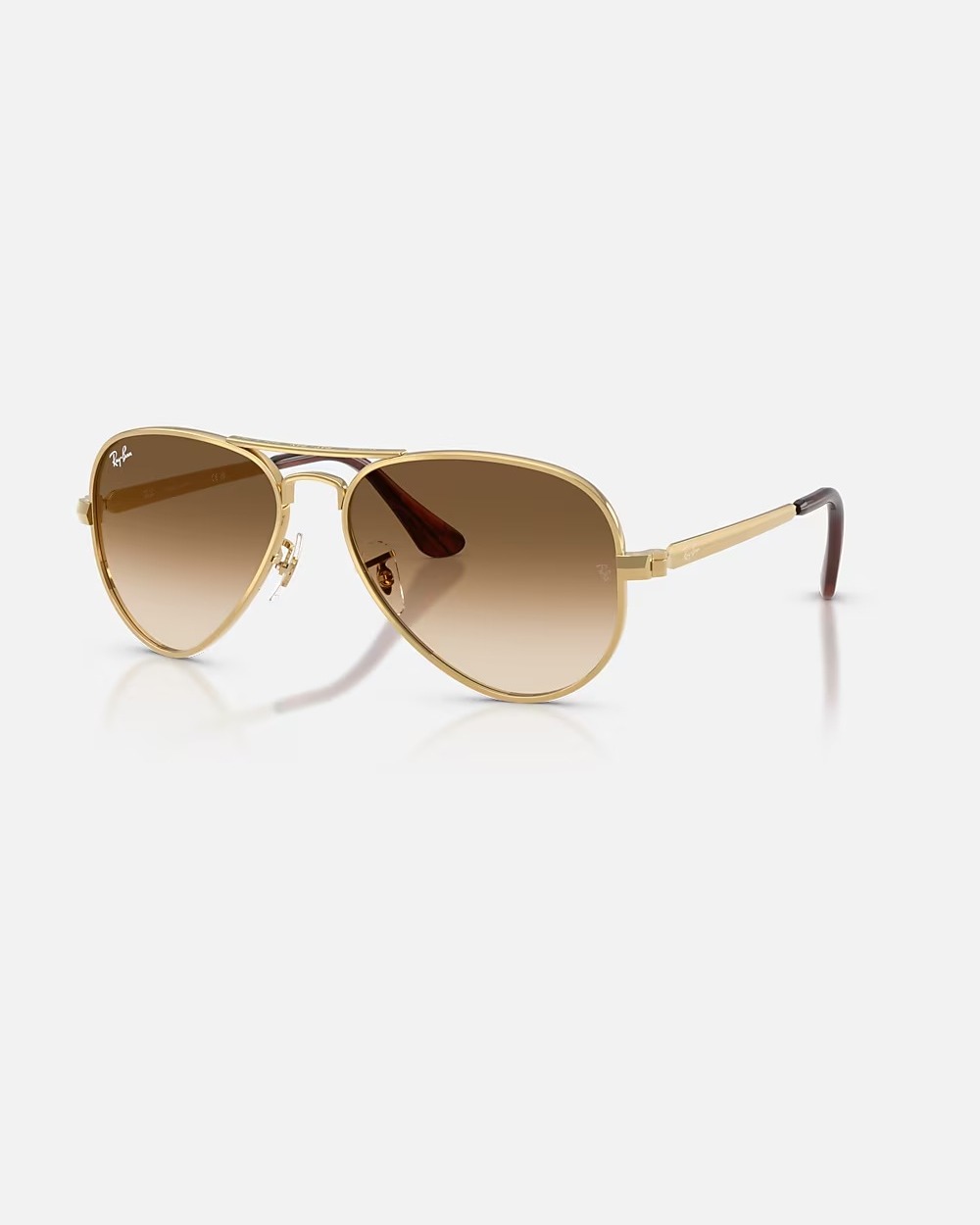
Aviator Max Sunglasses
Ray-Ban
$218
Bain Bridge Sunglasses
Ray-Ban
$207
Round metal and Clubmaster frames
Round and Clubmaster frames are the ones where the ear and nose fit decide everything. Both are thin, and a thin frame shows any misalignment right away. The Clubmaster joined the Ray-Ban line in the 1980s, with that brow line in acetate and metal, and it has the best manners of the bunch: it suits a blazer, a turtleneck and a crisp shirt.
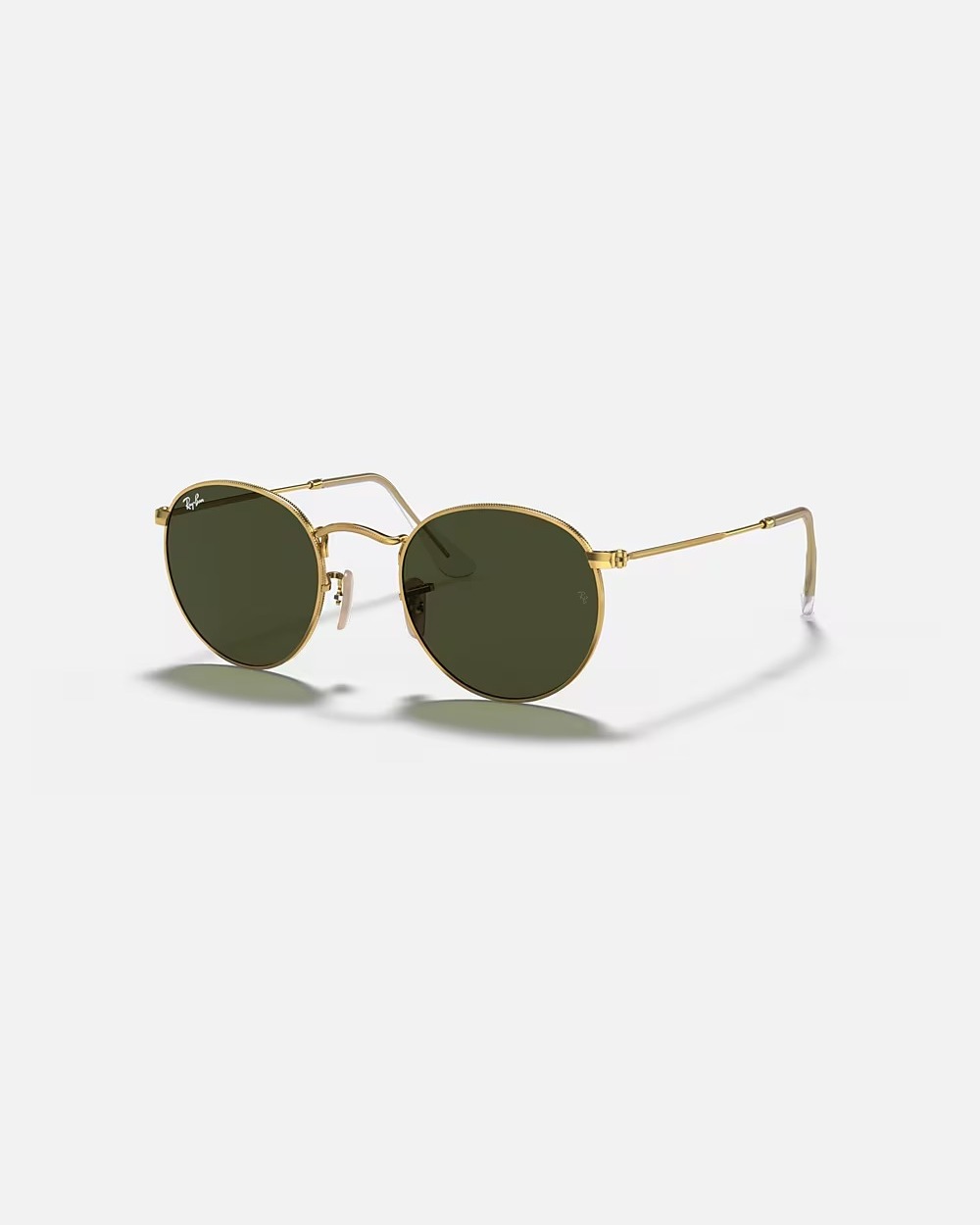
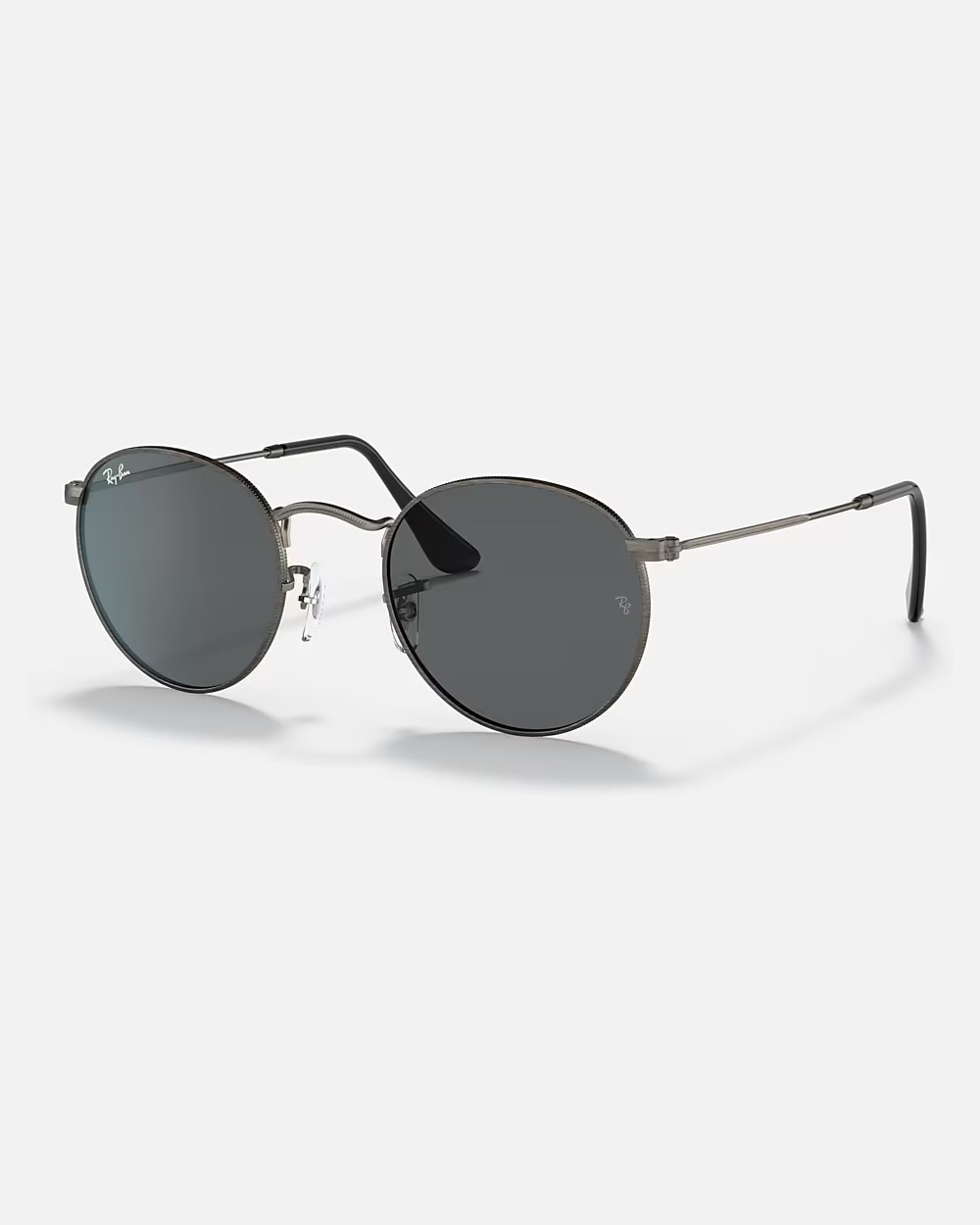
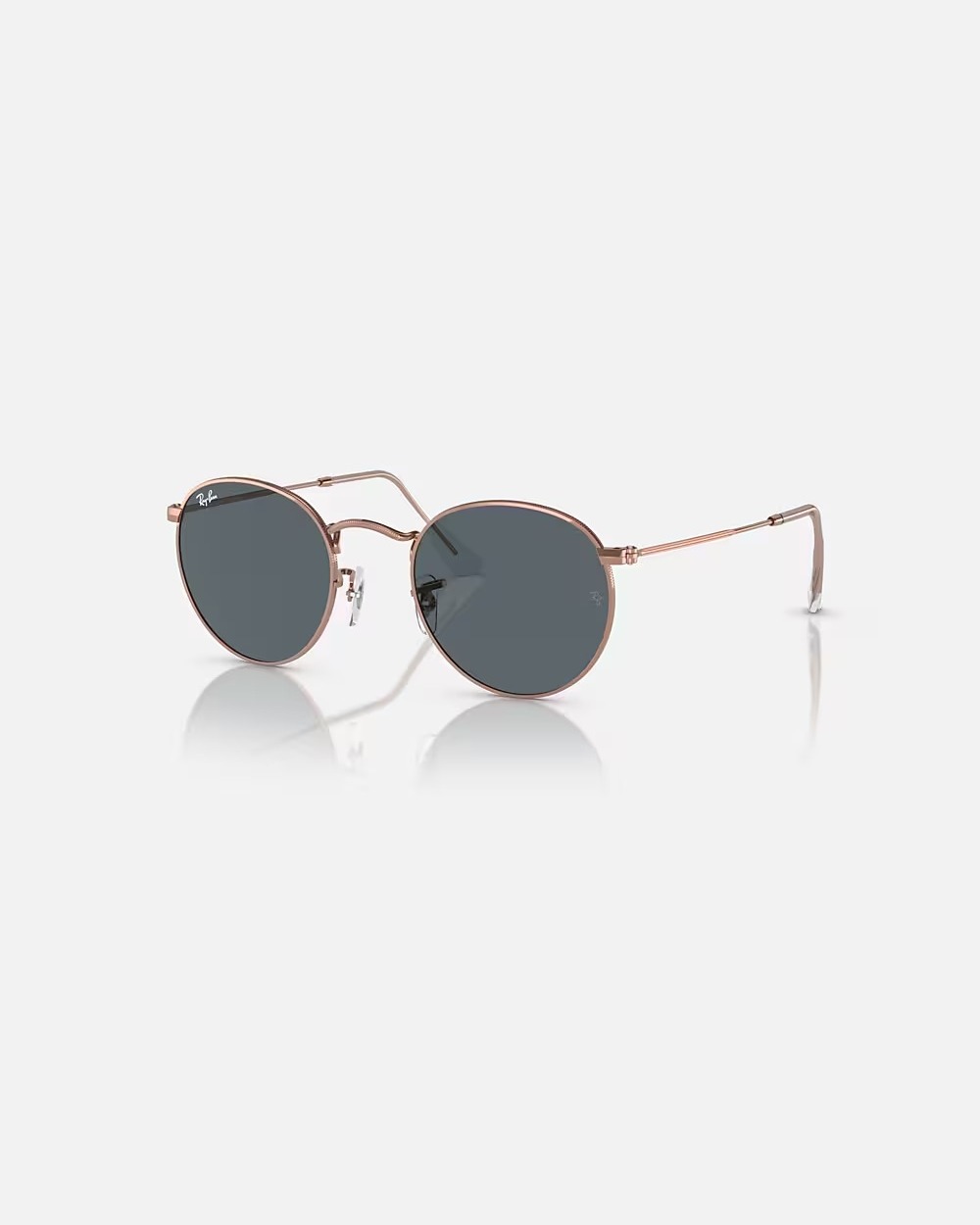
The Round Metal comes in several finishes. The Round Metal in arista gold with G-15 green lenses is the one I picture with a chunky knit and a long skirt in October. The Round Metal Antiqued in matte gunmetal with dark gray lenses is more serious, and the Round Metal Rose Gold with blue lenses is the softest. The Round Tortoise in light Havana with B-15 brown lenses is the warmest of all. If you want a Clubmaster, the Clubmaster Classic in tortoise on gold with G-15 green lenses is the original, and the Clubmaster Metal in matte black with blue lenses is lighter on the face.
Buying test: look at where the frame meets the hinge, and see whether the metal wire is straight along the rims. Close the temples and check that they fold flat without crossing. Metal round frames are lighter, but they can bend, so they live better in a case than in a bag pocket.
What I would skip: the Clubmaster Way in pink tortoise on gold, if you want one pair that goes with everything. It is lovely, just narrower in what it works with.

Round Metal Sunglasses
Ray-Ban
$191
Round Metal Antiqued Sunglasses
Ray-Ban
$191
Round Metal Rose Gold Sunglasses
Ray-Ban
$191
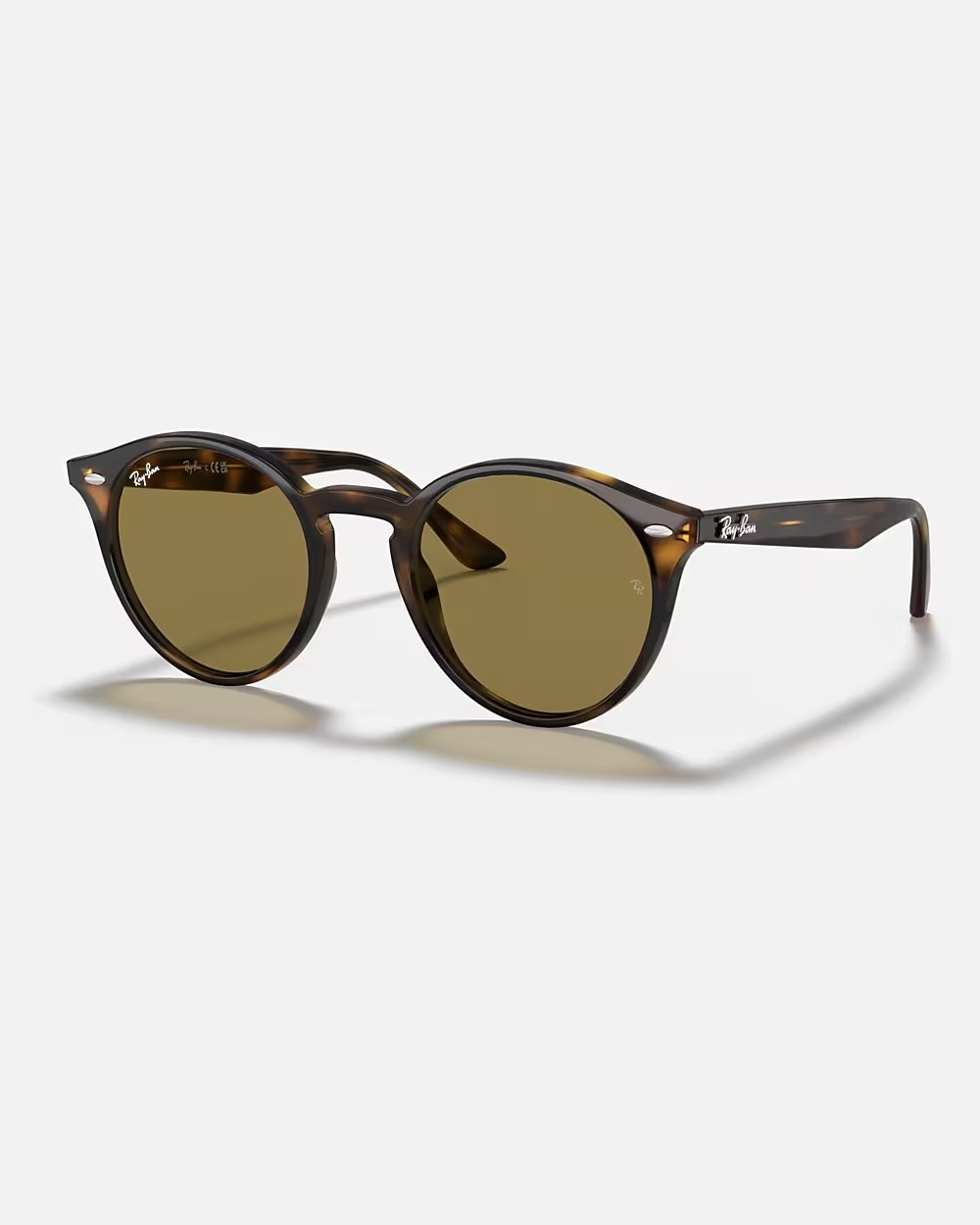
Round Tortoise Sunglasses
Ray-Ban
$178
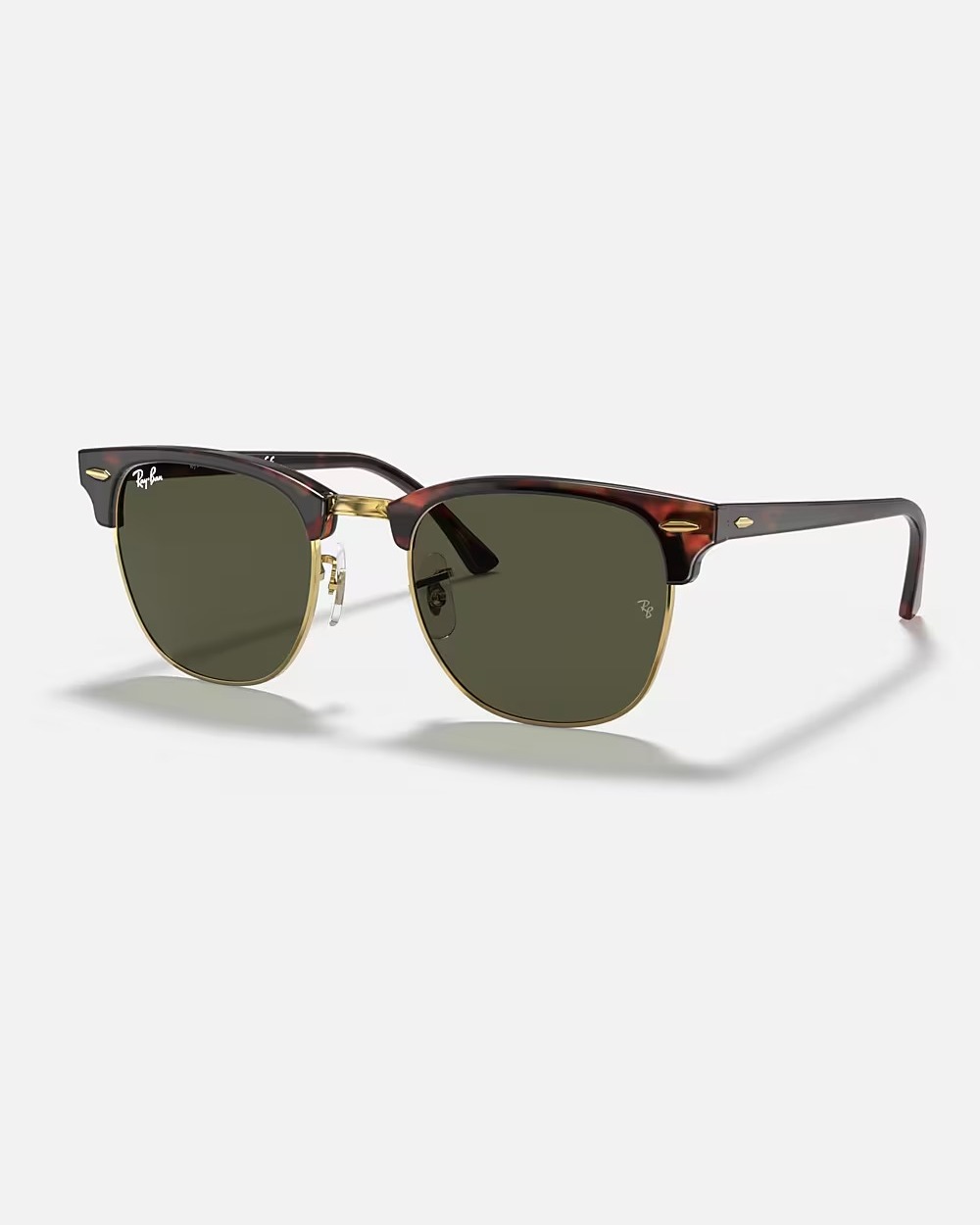
Clubmaster Classic Sunglasses
Ray-Ban
$191
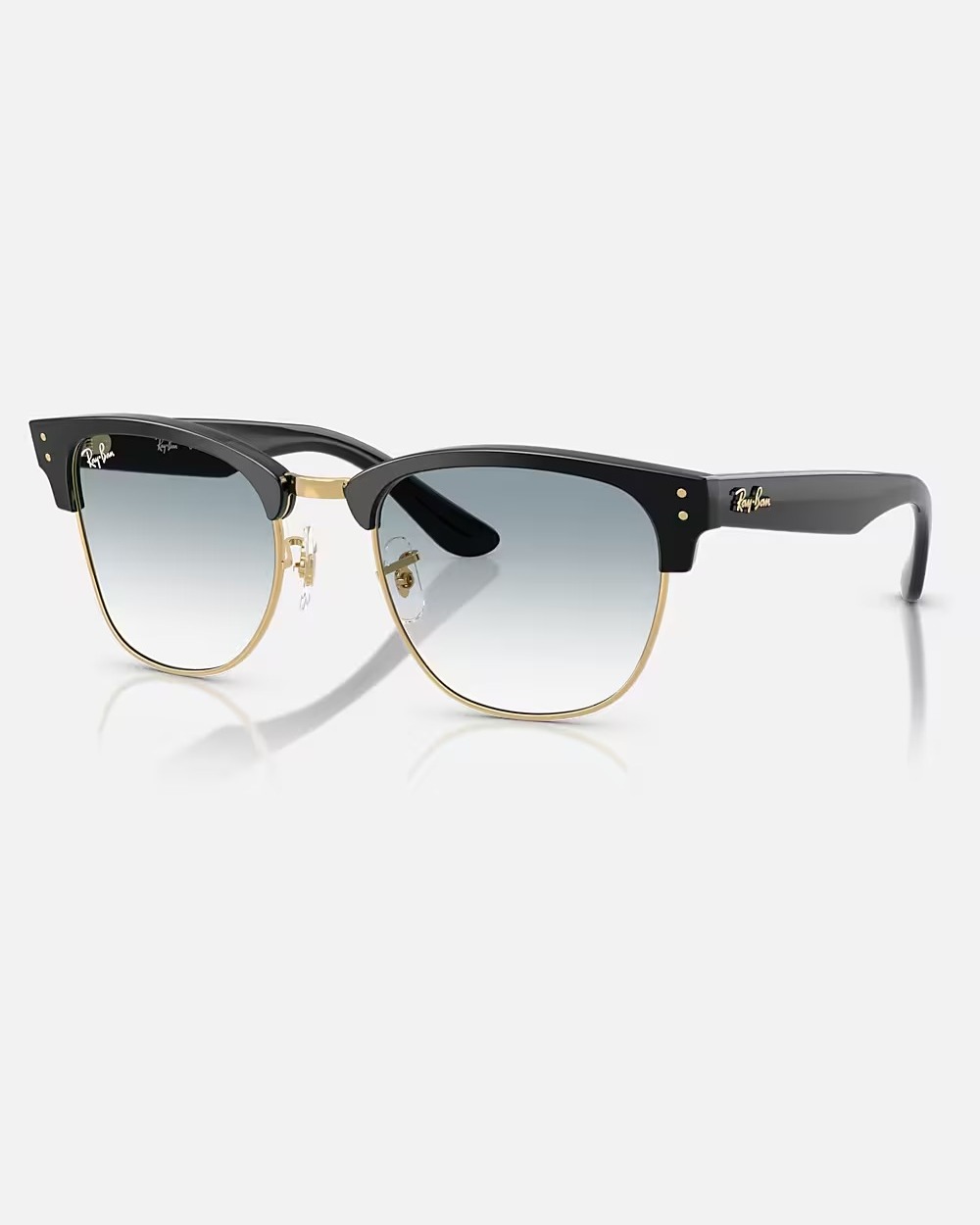
Clubmaster Reverse Sunglasses
Ray-Ban
$231
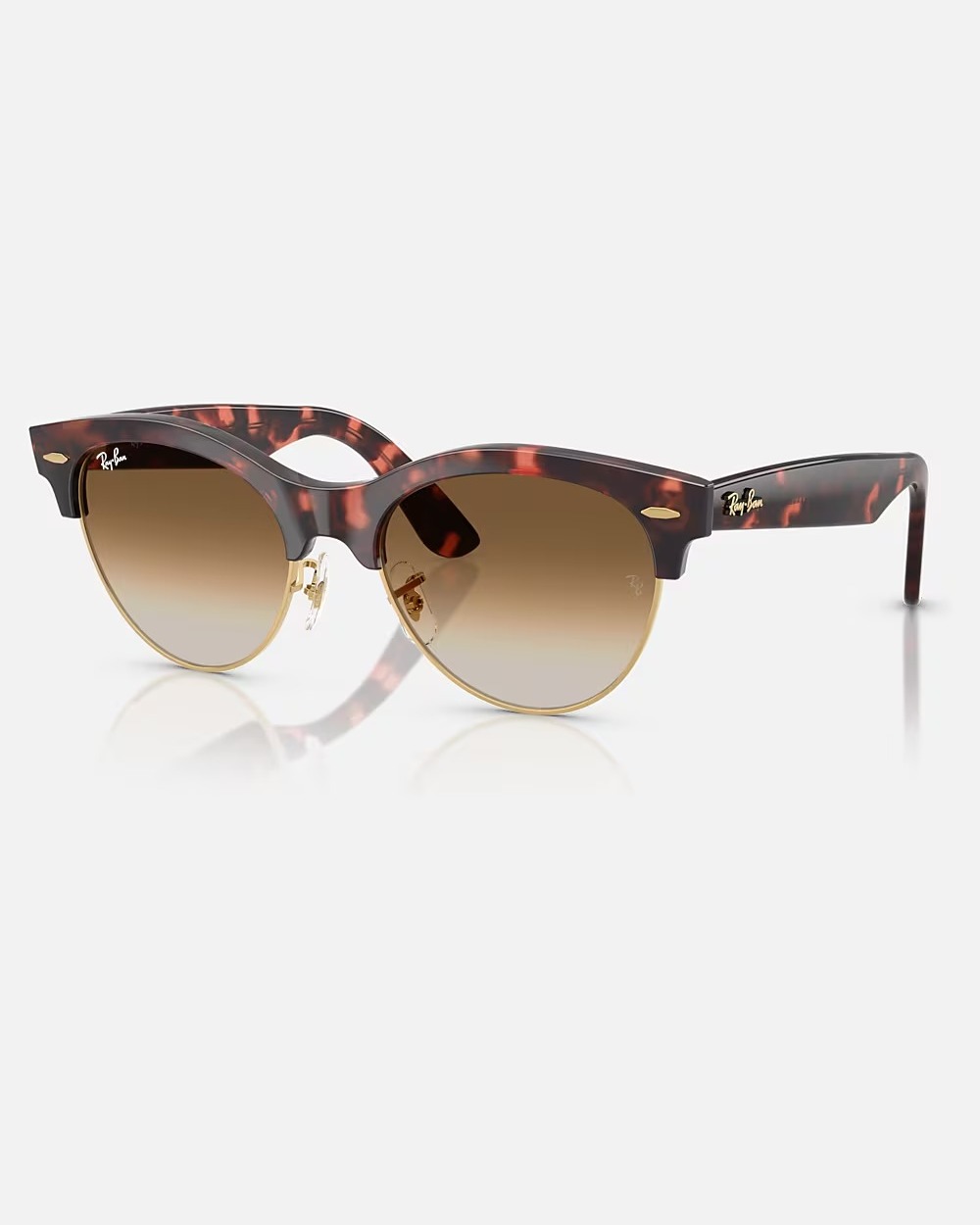
Clubmaster Way Sunglasses
Ray-Ban
$207
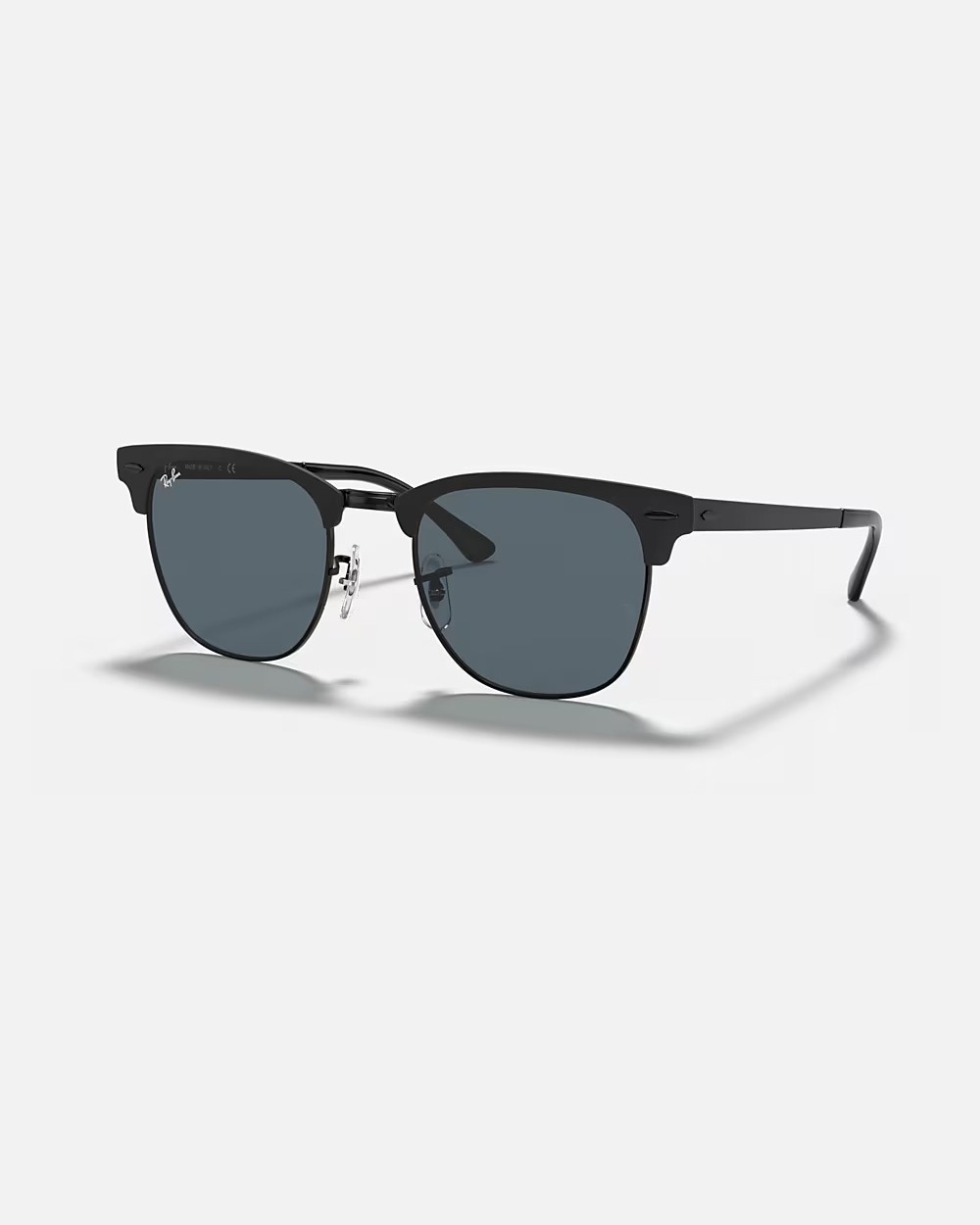
Clubmaster Metal Sunglasses
Ray-Ban
$202
Cat-eye, butterfly and oversized frames
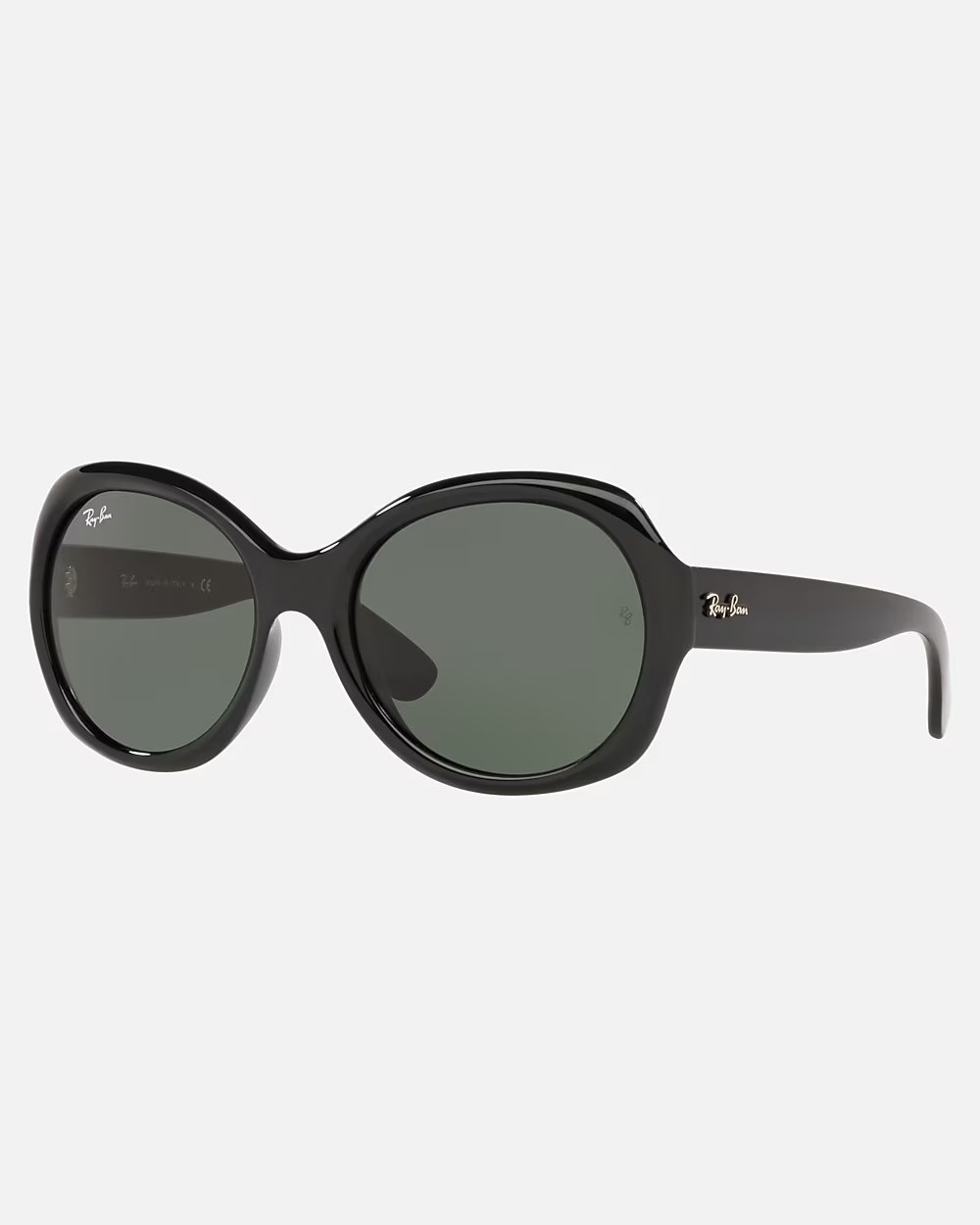
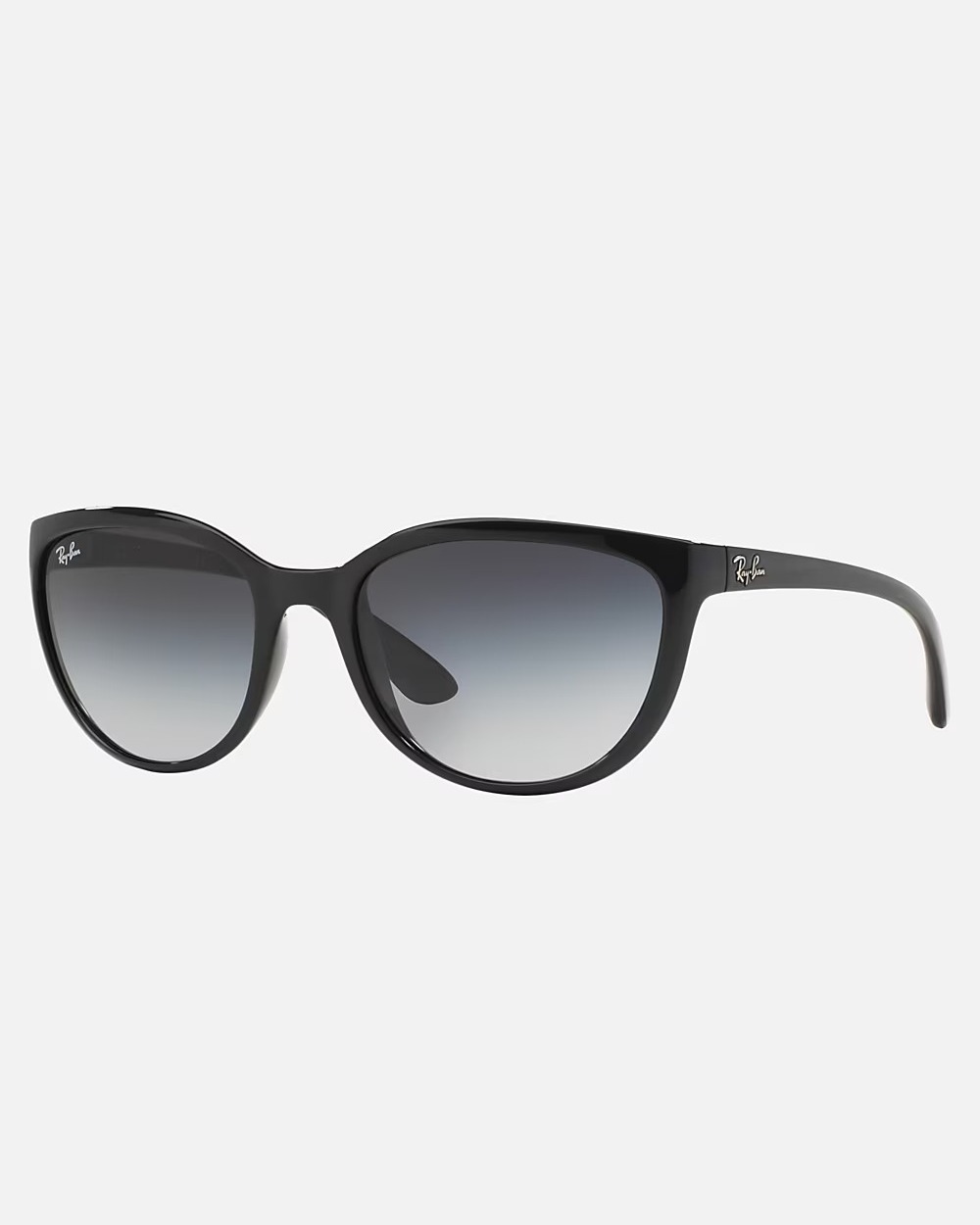
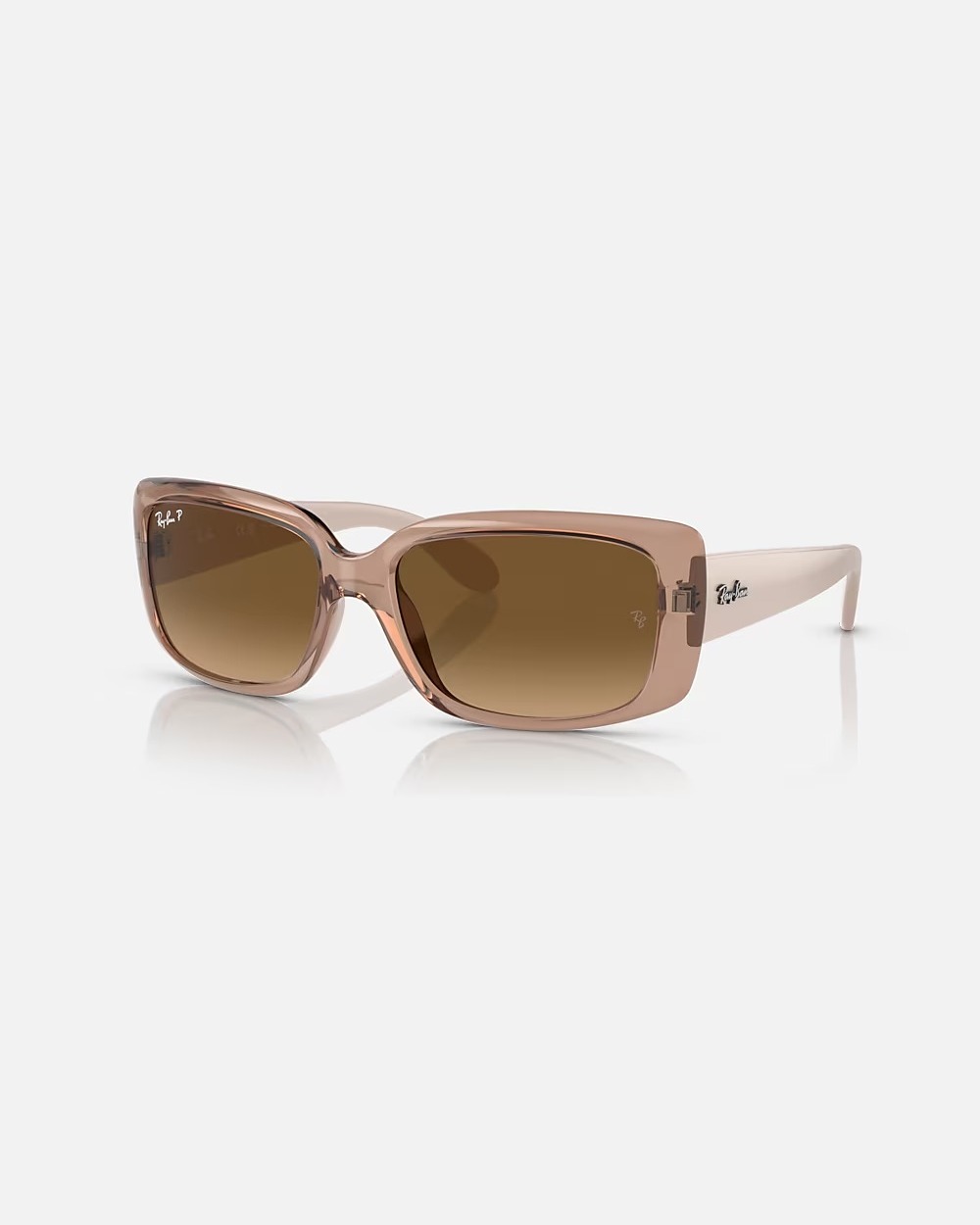
Women's cat-eye and oversized frames are where Ray-Ban gets the most playful, and also the most personal. These shapes sit on the cheek and the brow differently, so face shape and bridge width matter more than the brand name does. Read the measurements on the product page before you fall for a color.
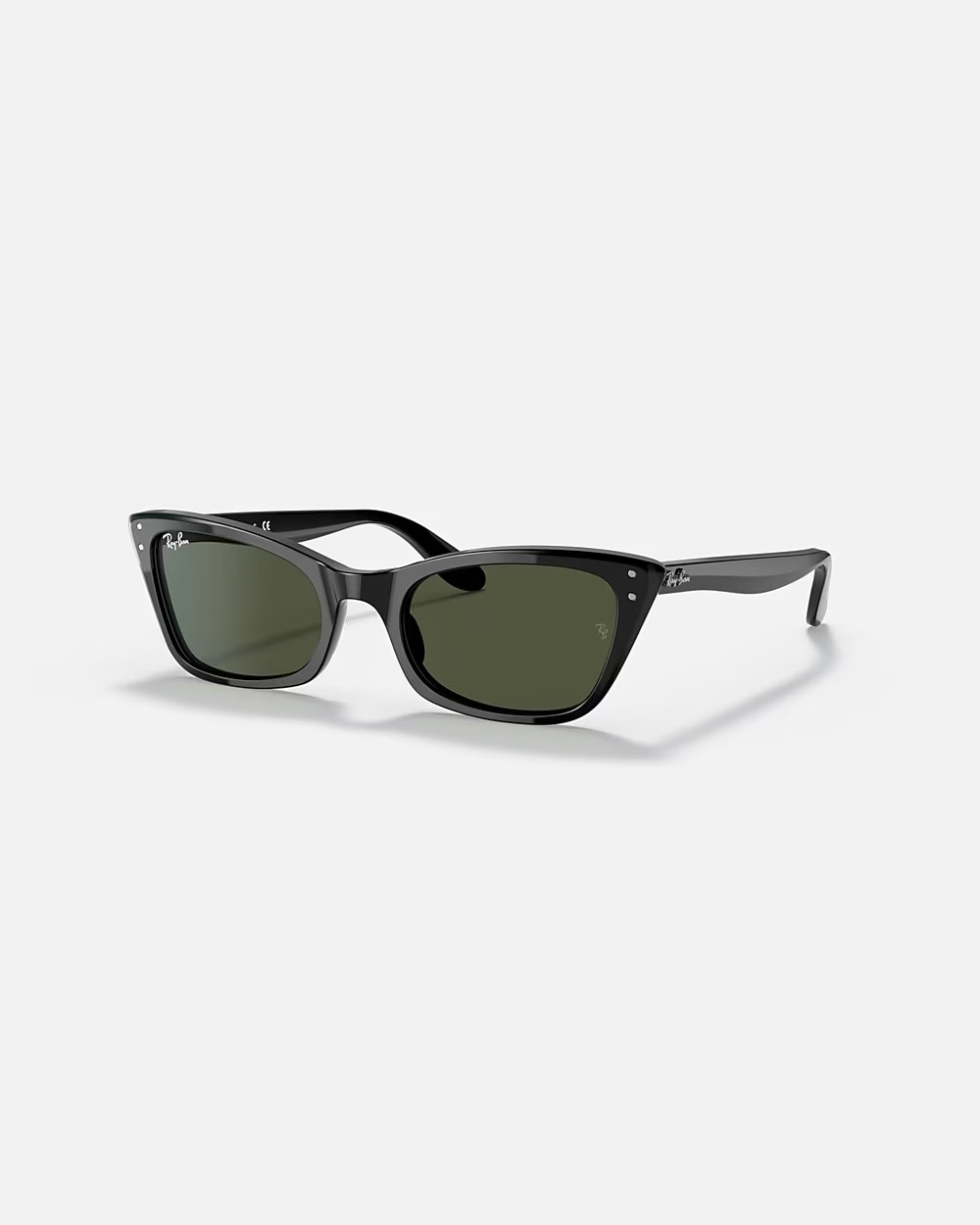
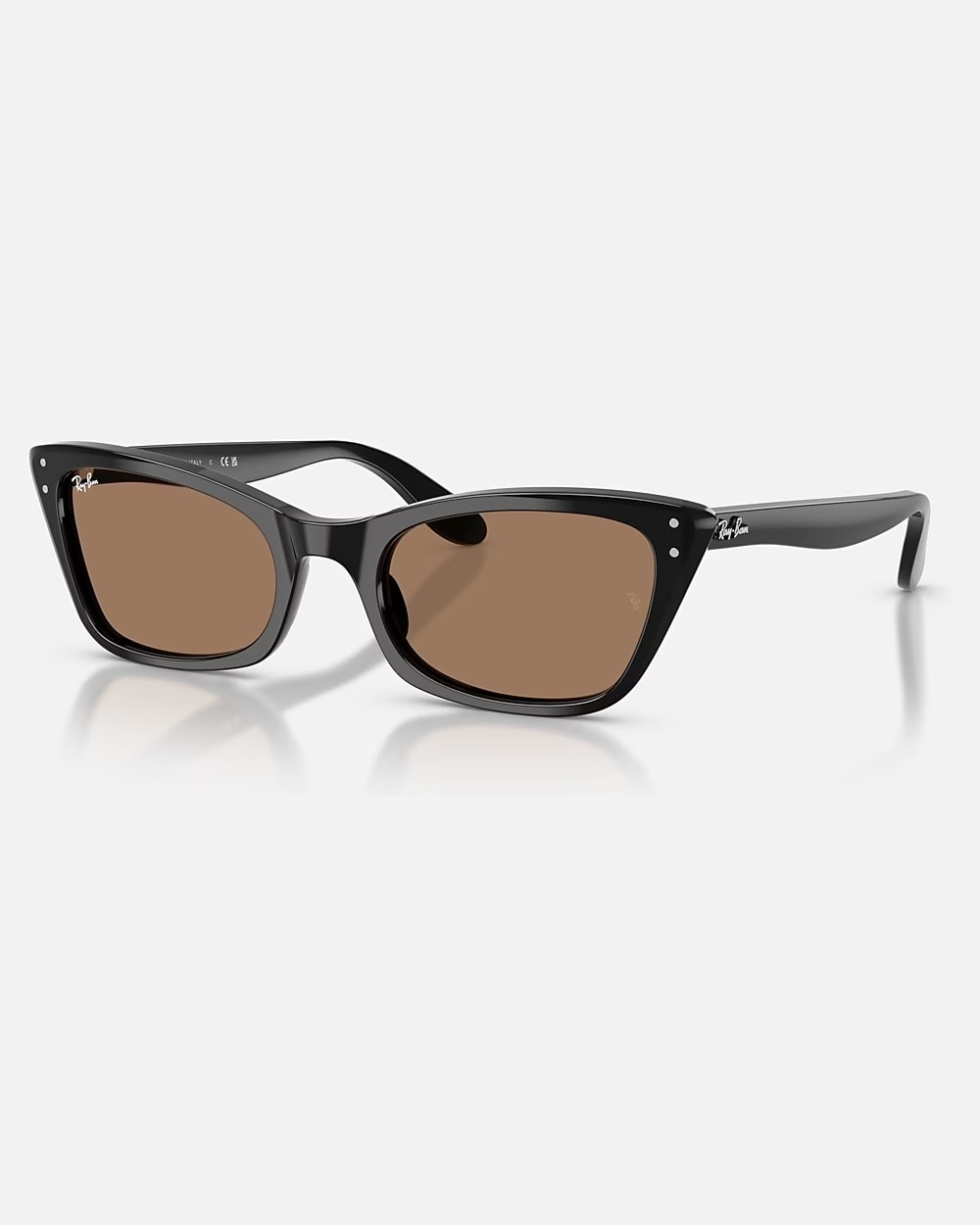
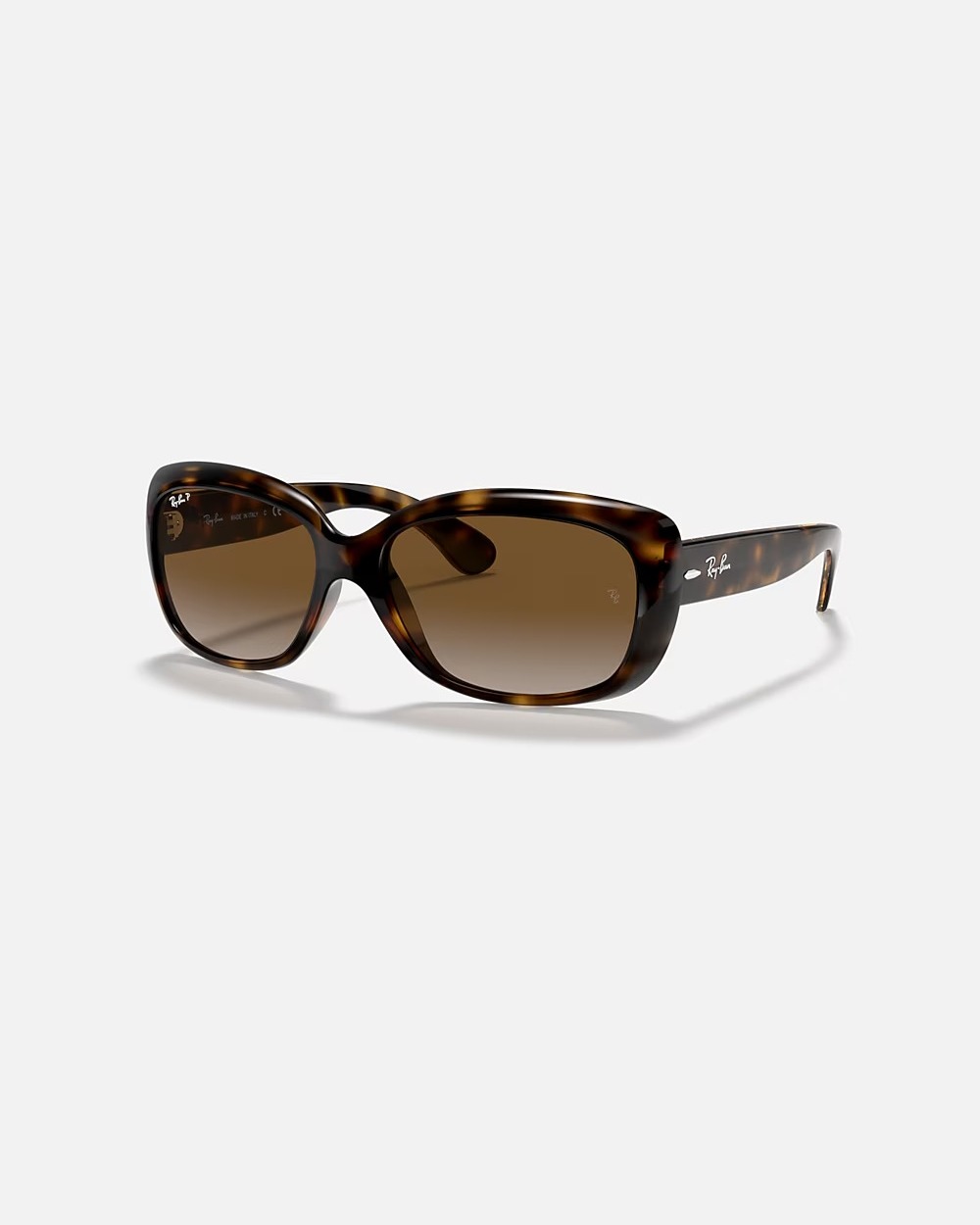
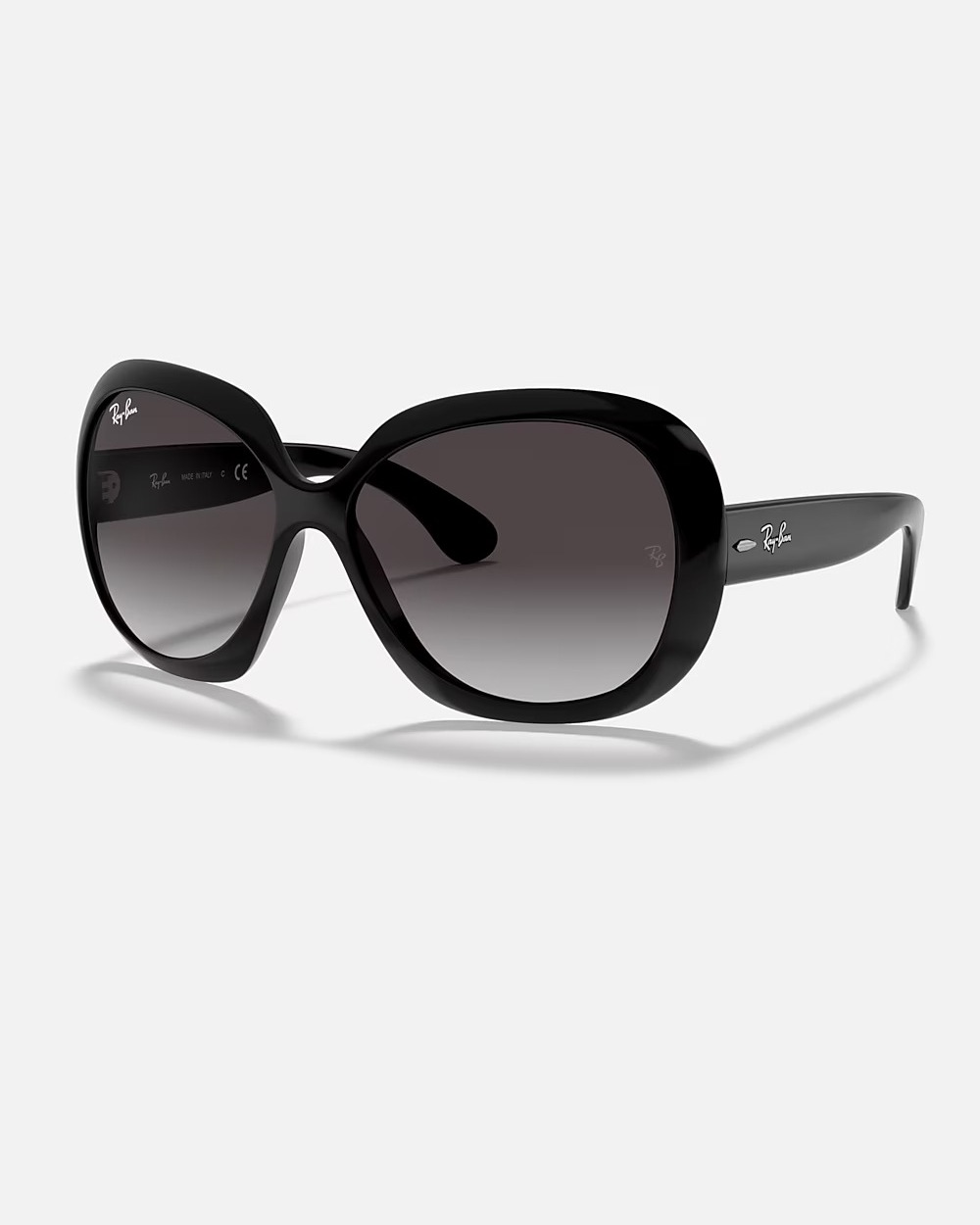
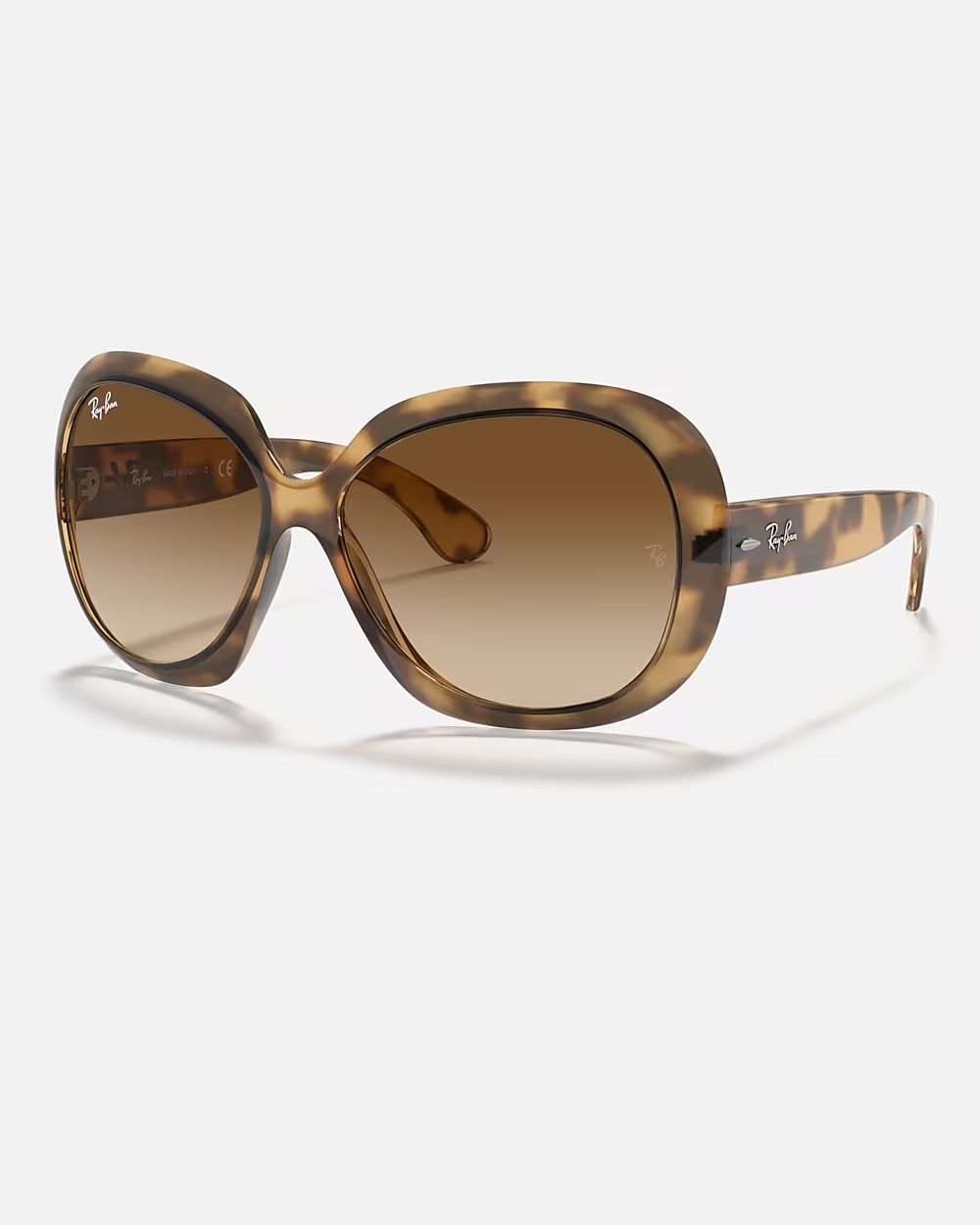
The Lady Burbank is a black cat-eye with green lenses, and the Polarized+ version has brown lenses that cut the glare off wet roads, which is helpful on an autumn commute. The Jackie Ohh in light Havana is a butterfly shape with brown polarized gradient lenses. The Jackie Ohh II comes in black with gray gradient lenses and in Havana with brown, a bit roomier. For something more modern, the Oversized Round in black with G-15 green lenses is a clean circle, the Soft Oversized Round has an irregular shape that sits wider, and the Pillow in transparent brown with polarized brown gradient lenses is the one I would wear with a trench coat.
Longevity check: acetate in dark colors and tortoise hides small scratches better than transparent frames, which show every mark and every bit of dust. Lenses with a gradient wear well, and a polarized lens is helpful if you drive or walk by water.
What I would skip: the Jackie Ohh and the Soft Oversized Round if you have a narrow face. They can swallow you, and a smaller frame will look better.

Square and rectangle frames, the quiet ones
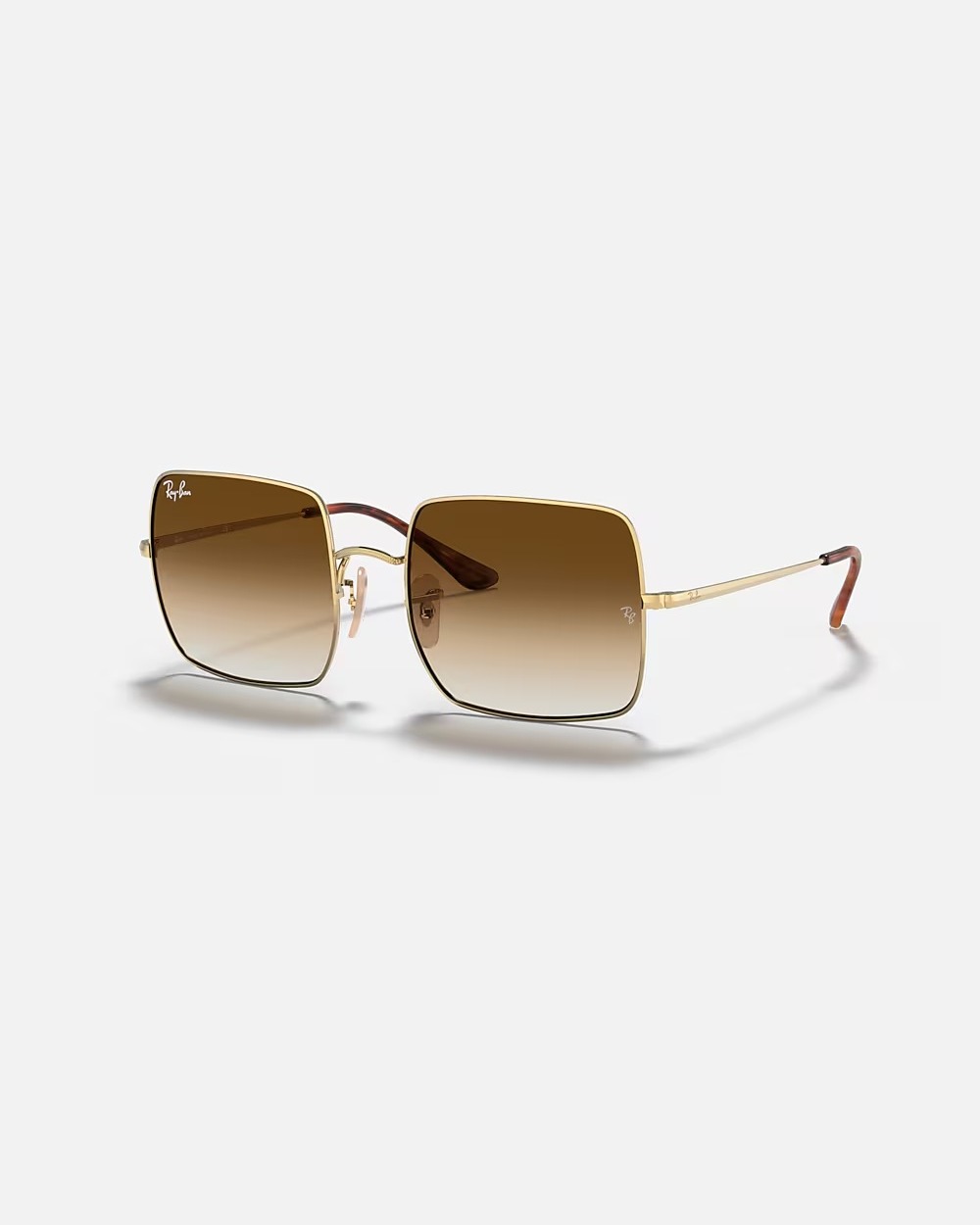
Square and rectangular frames are the quiet end of the Ray-Ban line, and they are the ones I would give to someone who says they hate sunglasses. They sit close to the face, they do not announce themselves, and they work with a plain white shirt and a good pair of trousers.
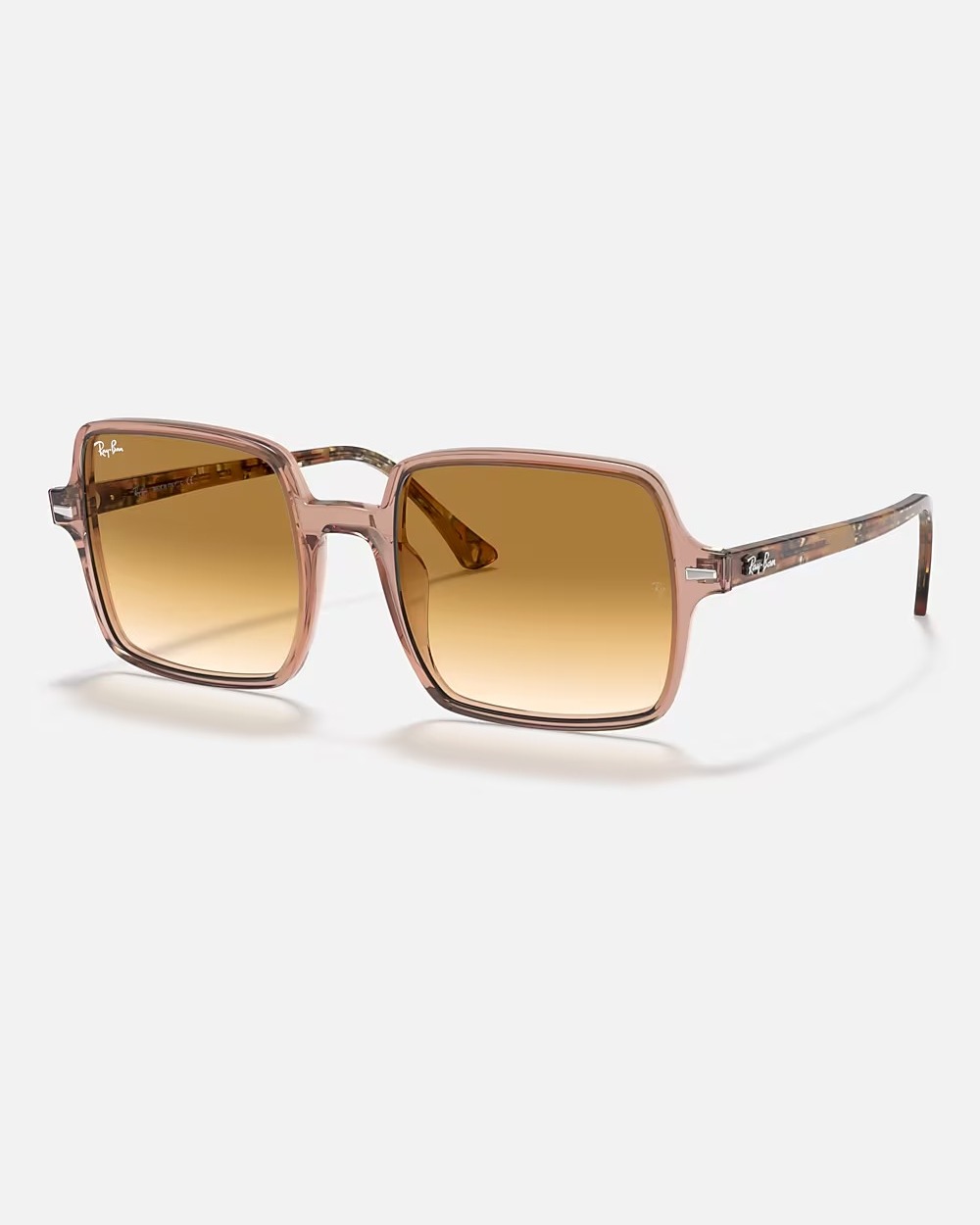
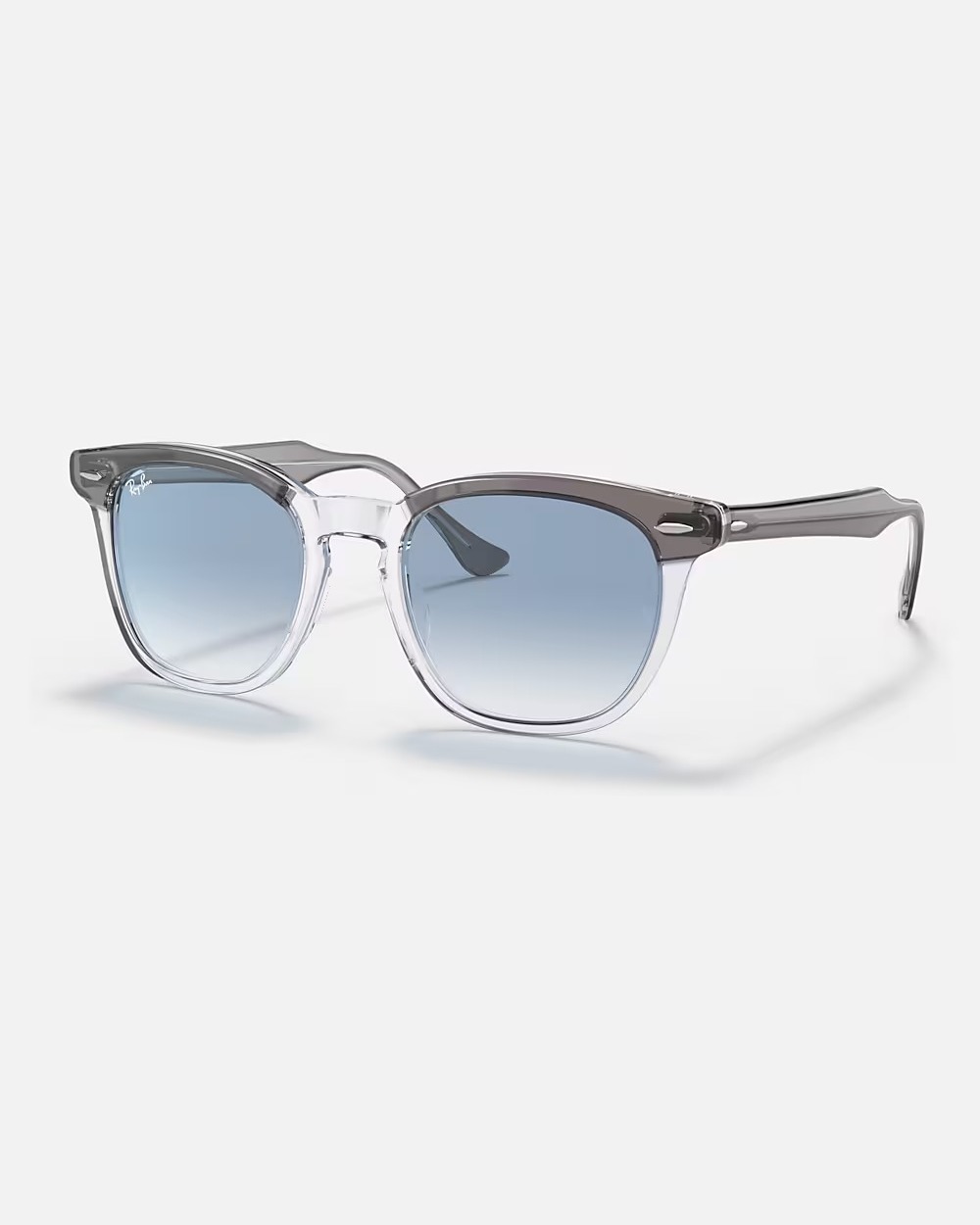
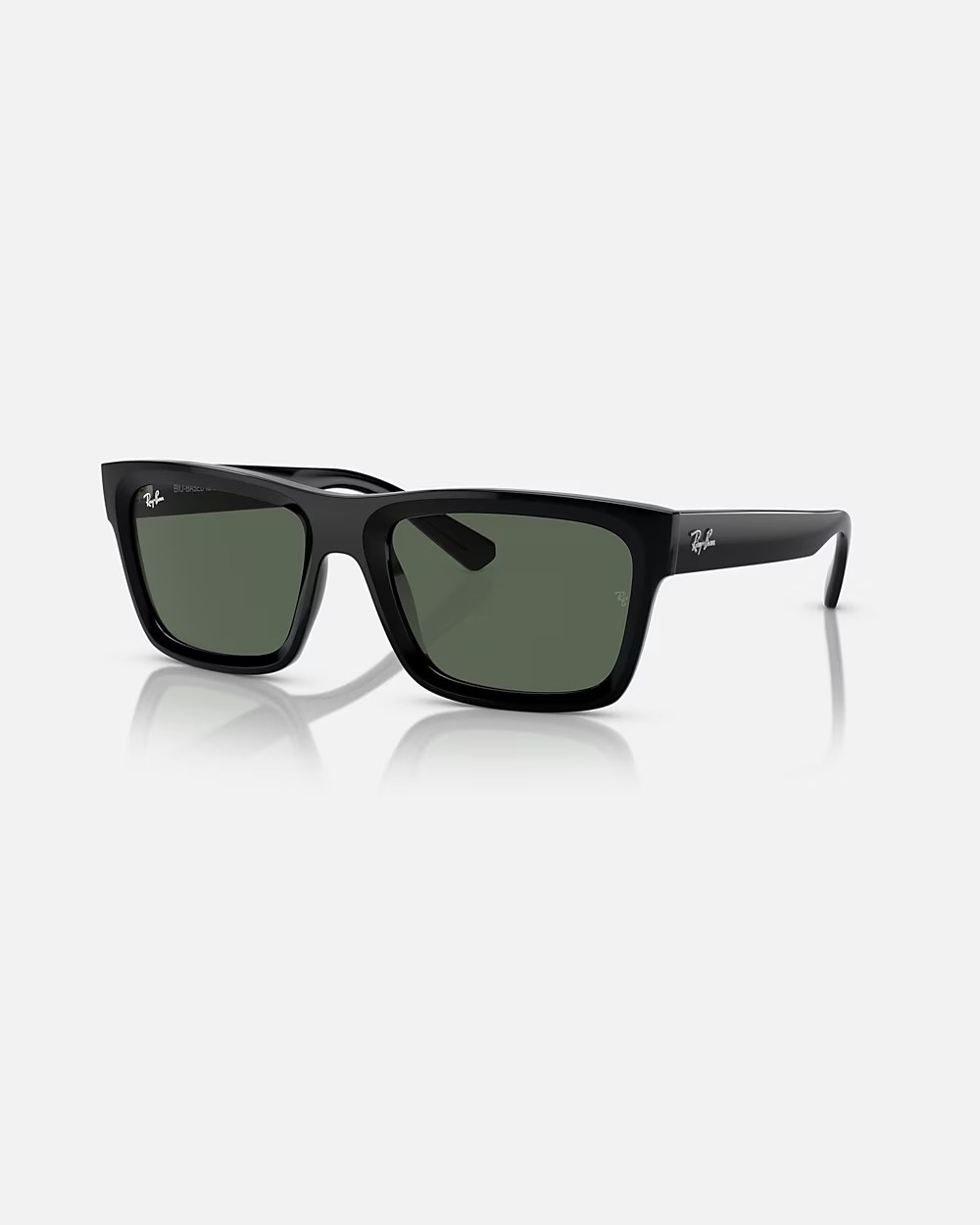
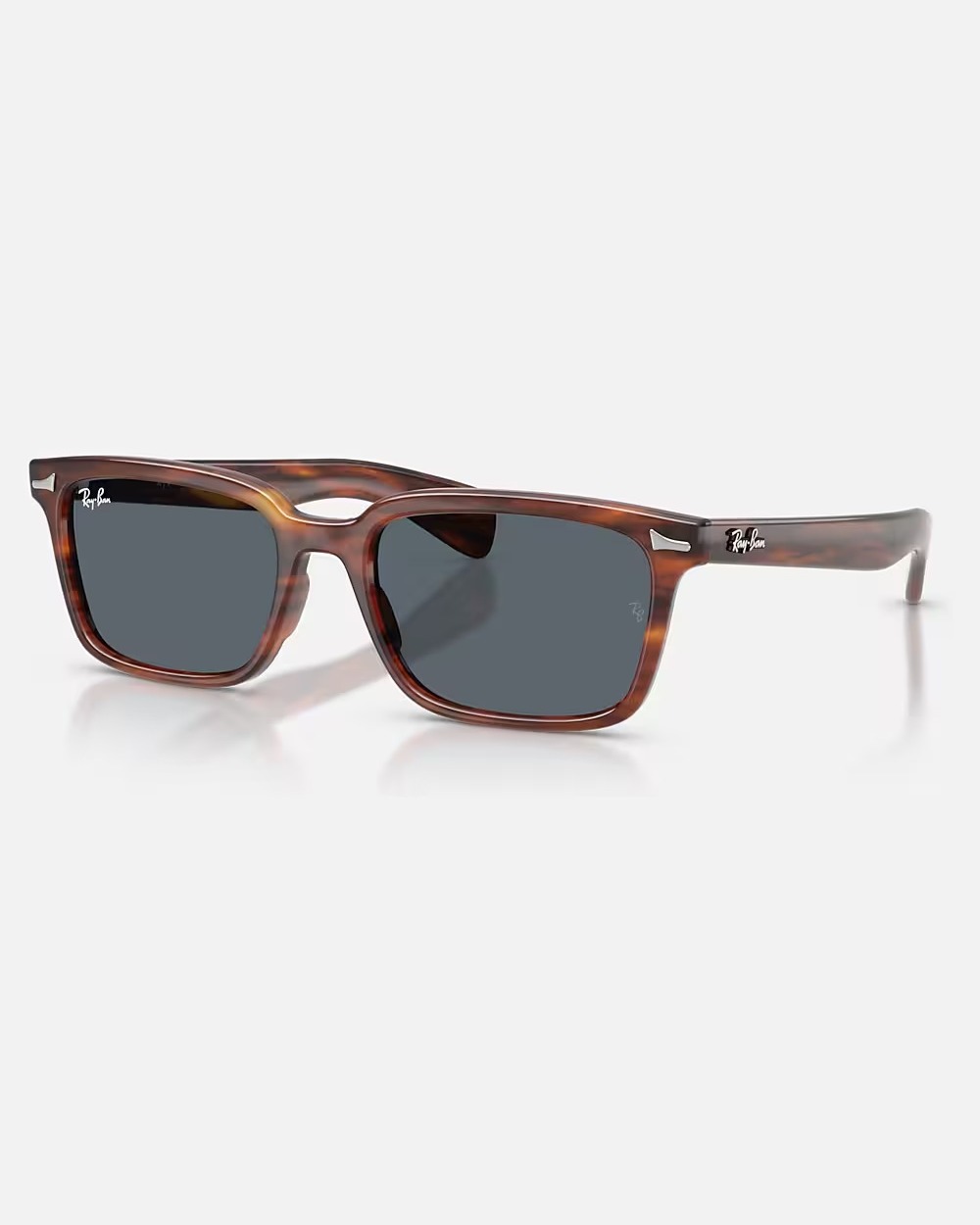
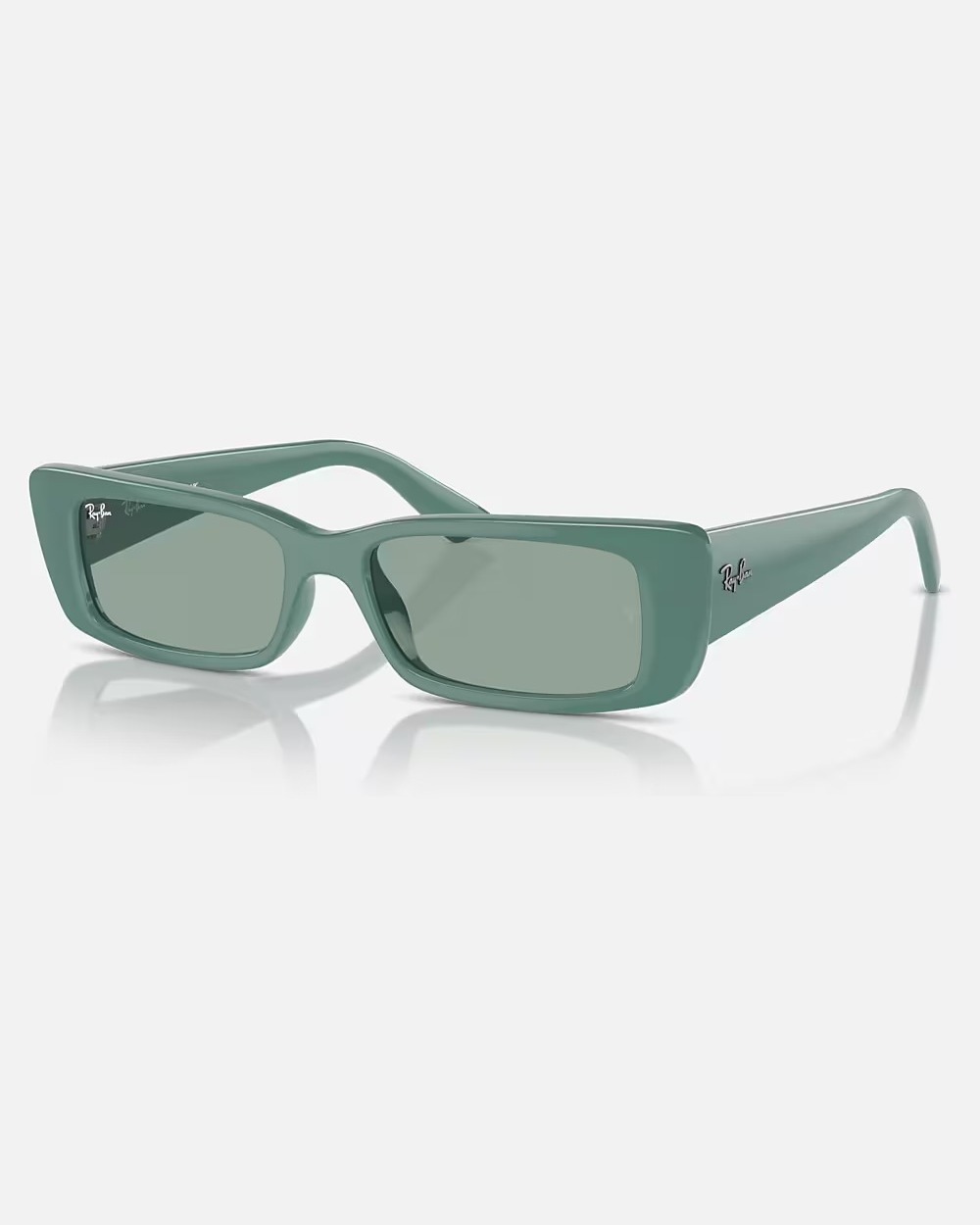
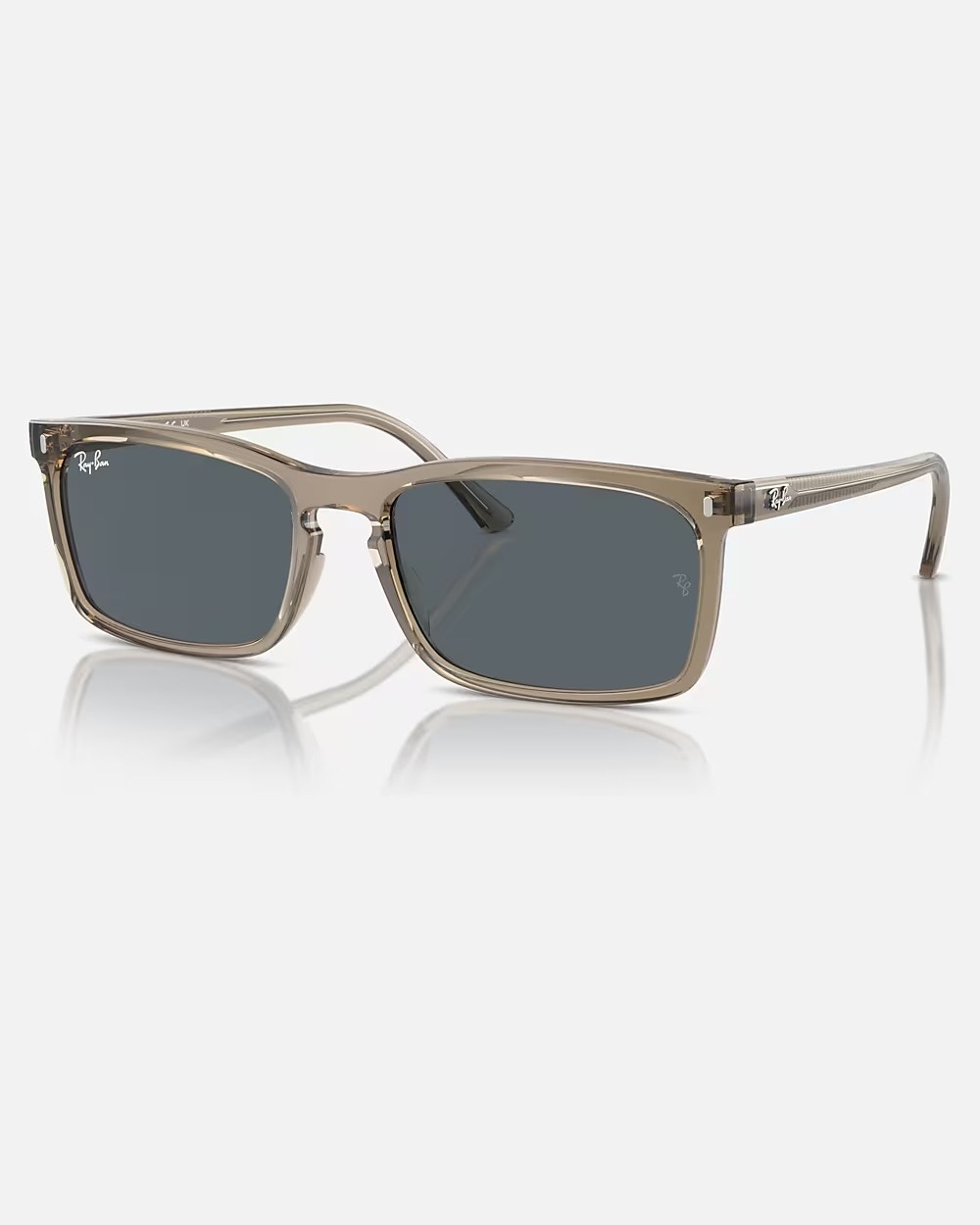
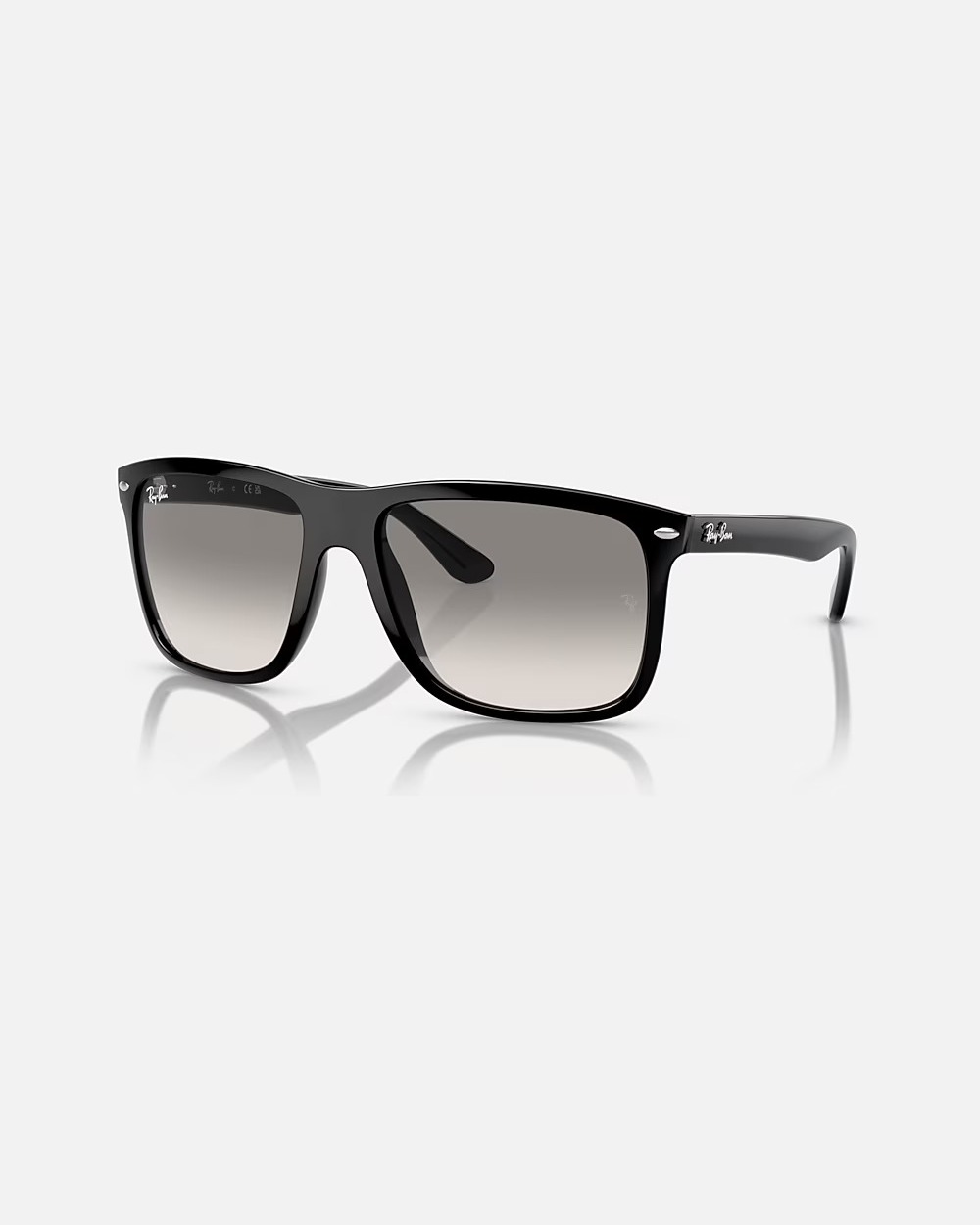
The Square 1971 Classic in arista gold with light brown gradient lenses is slim and metal, and the Square II in transparent brown is the plastic version. The Hawkeye in gray on transparent has clear blue gradient lenses and a lighter feel. The Warren Bio-Based in black, with dark green lenses, and the Teru Bio-Based in algae green are made with bio-based material, which interests me for the make, though you should read the product page for the exact details. The Brunel in striped Havana with dark blue lenses has the most character, the Narrow Rectangle in transparent brown with blue lenses is the smallest, and the Boyfriend Two in black with light gray gradient lenses is the easy one.
Fitting test: rectangular lenses are less forgiving of a wrong width, so check that the temples do not press at your ears and the corners do not hit your cheeks when you smile. Wear them while you read your phone, since a frame that is fine looking straight ahead can feel odd looking down.
What I would skip: the narrow styles if you wear your sunglasses on top of your head a lot. They slide out of hair.
How I would choose a pair
I would settle it in this order. If you want one pair that lasts, buy a Wayfarer or an Aviator in a plain color, and check the hinges, the lenses and the fit before anything else. Those two shapes have been refined since 1937 and 1952, and they are made to be worn hard.
If you want a second pair, pick for your face: a Clubmaster or a round metal for a sharper brow, a butterfly or cat-eye for a bolder look, a rectangle for something quiet. Keep fashion capsule colors for pair number three. Take the pair to an optician once a year to tighten screws, and read the warranty terms on the product page before you commit.
Are Ray-Bans worth it, then. Yes, as long as you buy the shape you will actually wear. A pair built for pilots should be able to handle a commute.