ASICS offers adaptive guidance and varied cushioning; Brooks separates balanced daily shoes from plush GuideRails support. Choose by ride, not logo.

Asics vs Brooks: Which Running Shoe Brand Fits You Better?
The short answer
Choose ASICS if you want several flavors of cushioning and adaptive guidance; choose Brooks if you want to choose between a balanced daily shoe and plush cushioning with GuideRails support. For ASICS vs Brooks, I would decide by the ride you want, not by which logo is louder.
ASICS offers the max-cushion GEL-Nimbus 28, the guided GEL-Kayano 33, and springy Novablast 6, while the GT-2000 15 adds support that activates as needed. Brooks counters with the balanced Ghost 18, plush Glycerin 23, and the GuideRails-equipped Adrenaline GTS 26 and Glycerin GTS 23. The practical split is how much guidance you want, and whether softness means a cushioned landing or a lively toe-off.
There is a little history behind each point of view. Kihachiro Onitsuka founded ASICS in postwar Japan in 1949, believing movement could offer hope; Brooks began in a Philadelphia factory in 1914 making ballet slippers and bathing shoes, then made running its sole focus by 2001. I would choose by the kind of support and cushion you want, then compare fit on your foot. The brand name alone cannot decide the last mile.
Where ASICS differs
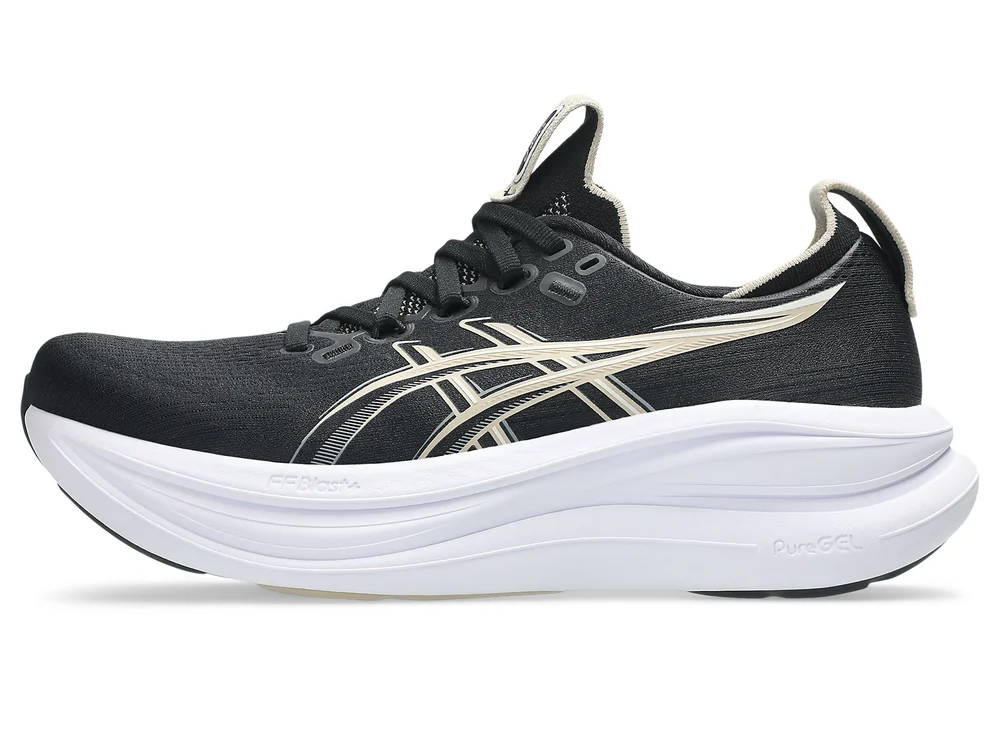
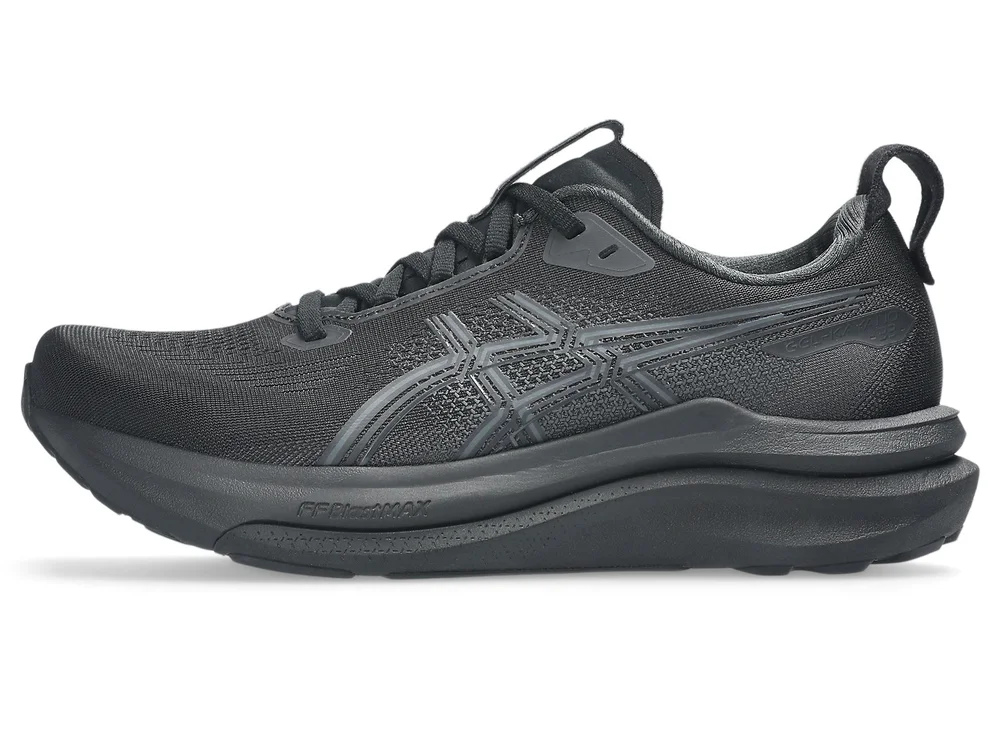
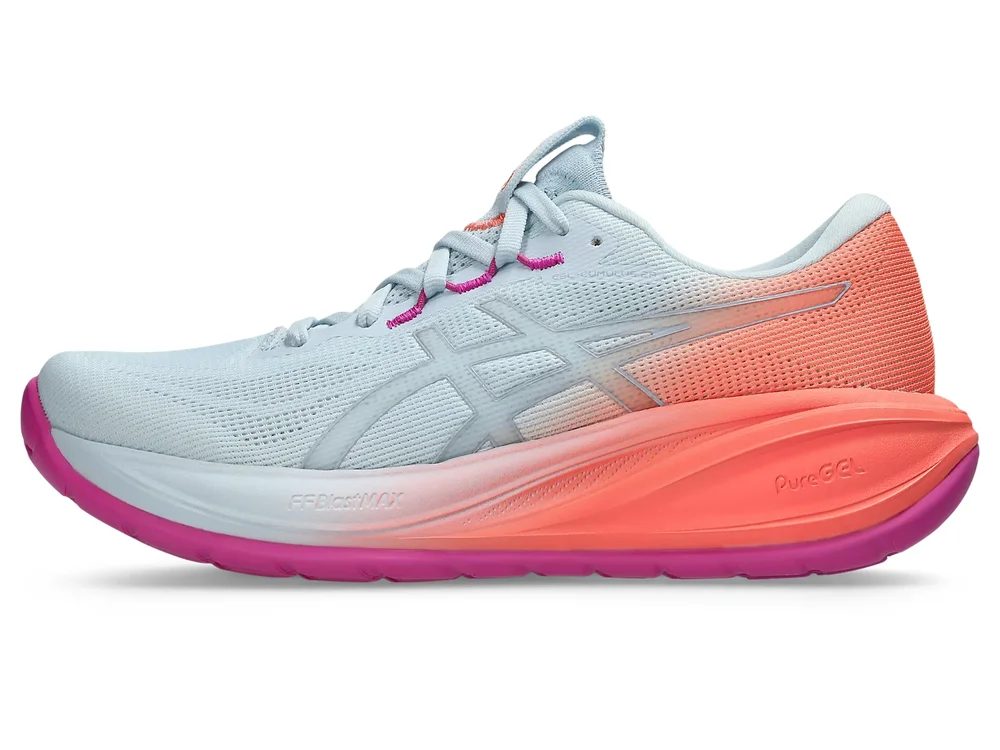
ASICS has a useful split between neutral cushioning and models that guide the stride. GEL-Nimbus 28 is the plush neutral choice: FF BLAST PLUS and PureGEL cushion longer efforts, while the engineered knit upper wraps the foot. GEL-Kayano 33 keeps maximum cushion but adds FLUIDSUPPORT to guide key parts of the gait cycle. I would start with the Kayano if I want the shoe to guide the gait cycle, and Nimbus if soft, neutral miles are the brief.
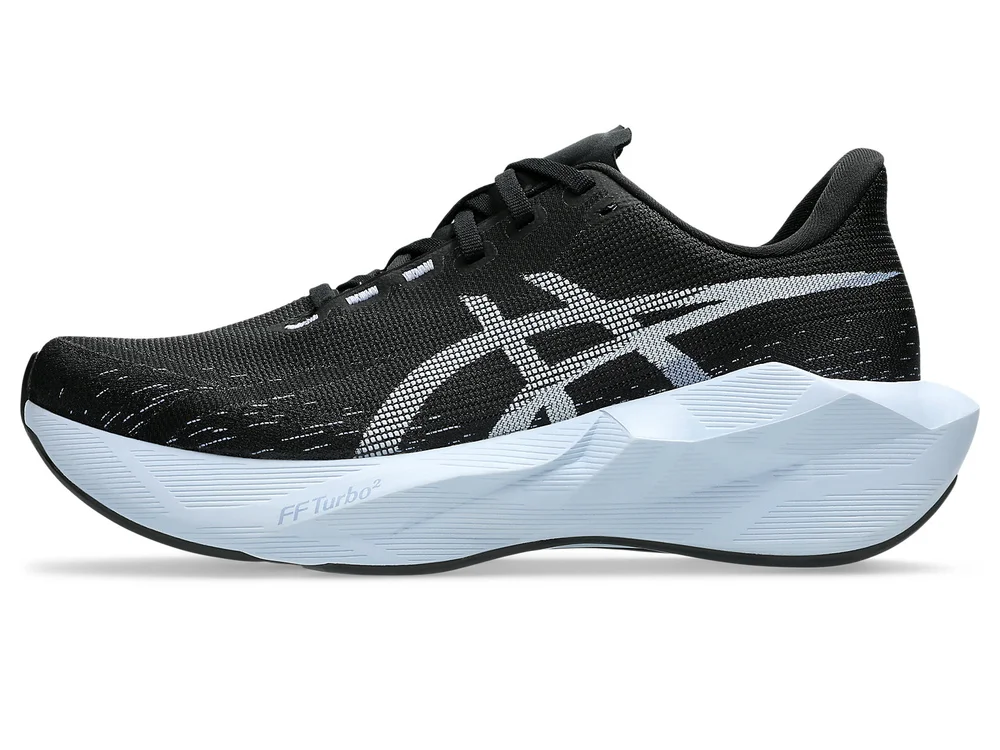
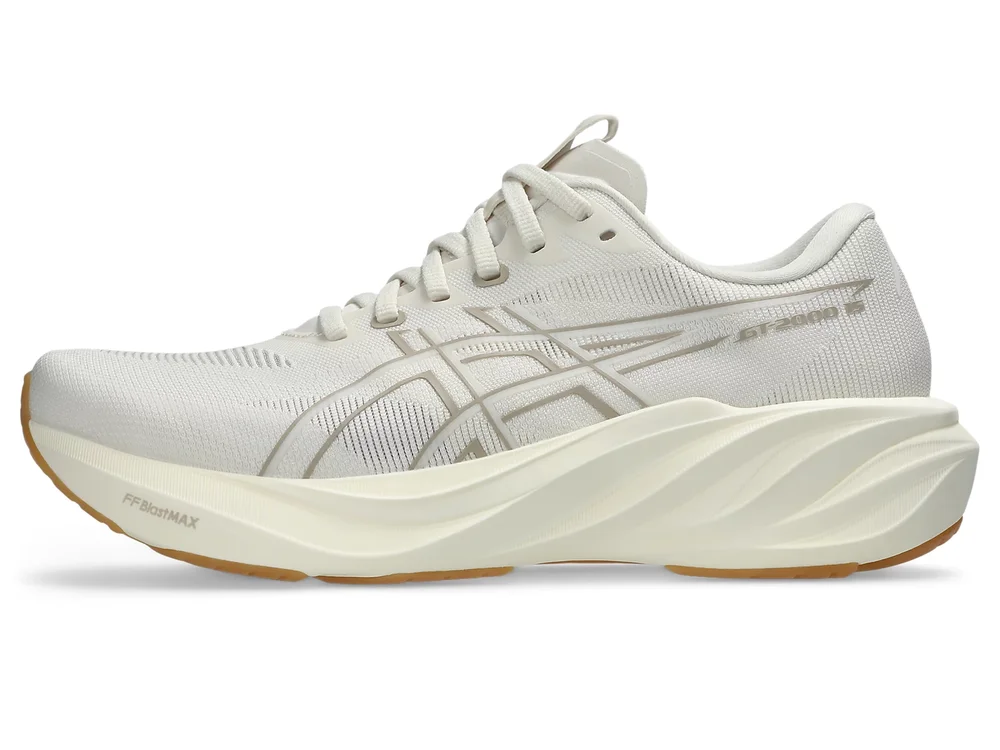
Novablast 6 is the livelier pick: FF BLAST MAX and a forefoot trampoline pod aim for a springy toe-off, while ASICSGRIP rubber helps traction. GT-2000 15 pairs a softer FF BLAST MAX midsole, with 2 mm extra foam, and 3D GUIDANCE that activates as needed. If you are still weighing ASICS or Brooks, do not treat every GEL-named model as the same ride. My ASICS pick is Novablast for bounce or GT-2000 when I want adaptive support.
Where Brooks has the edge
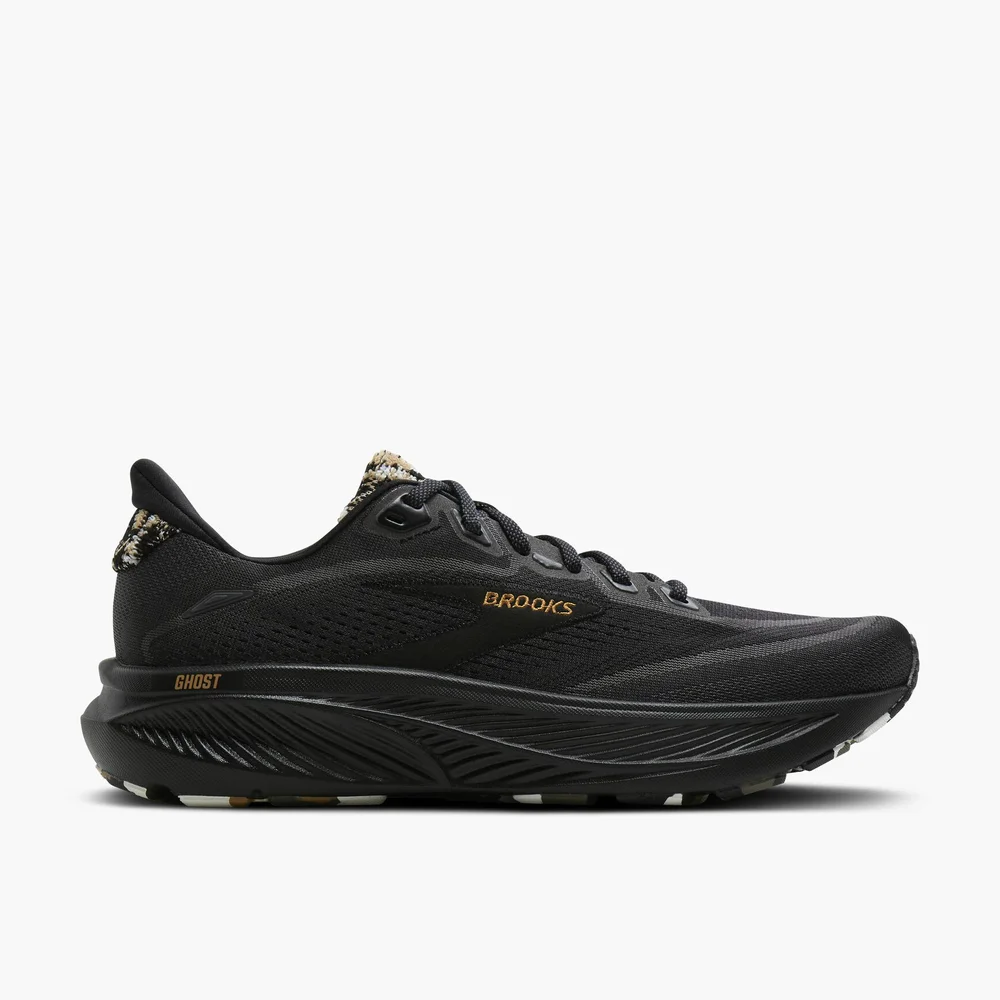
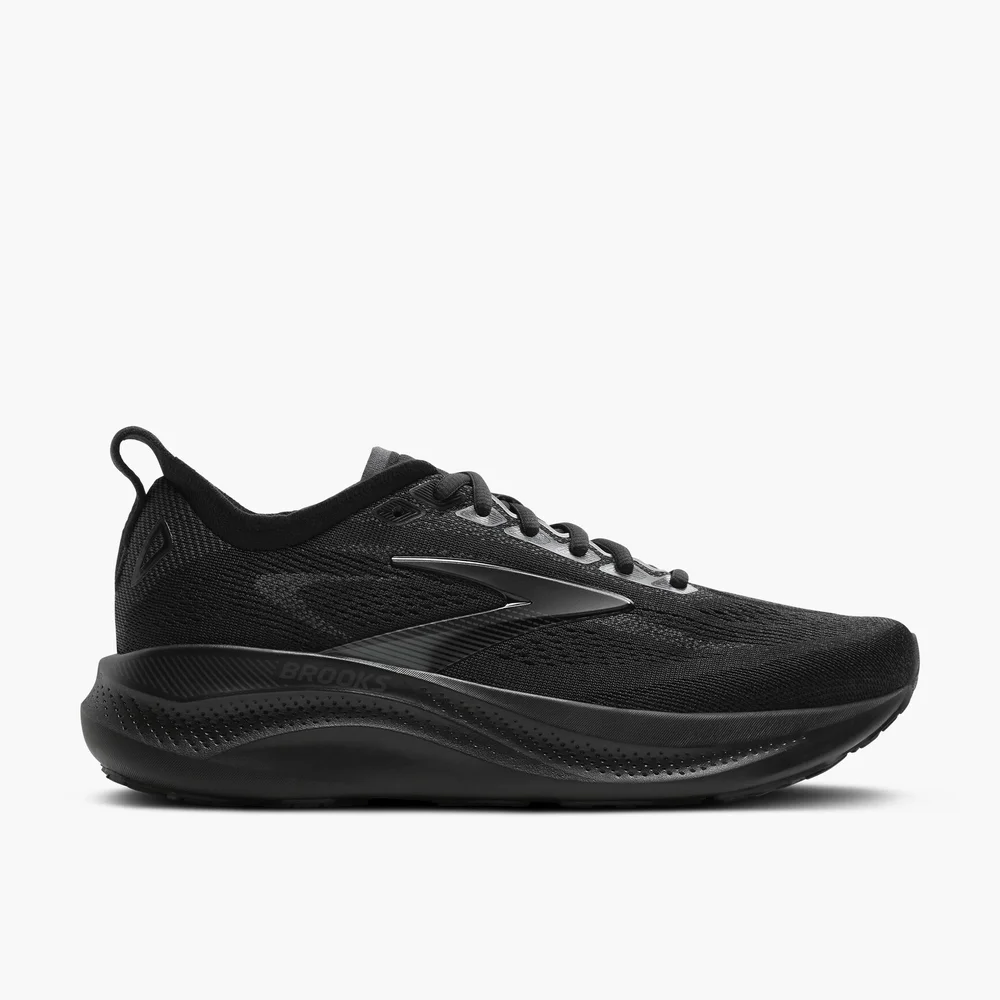
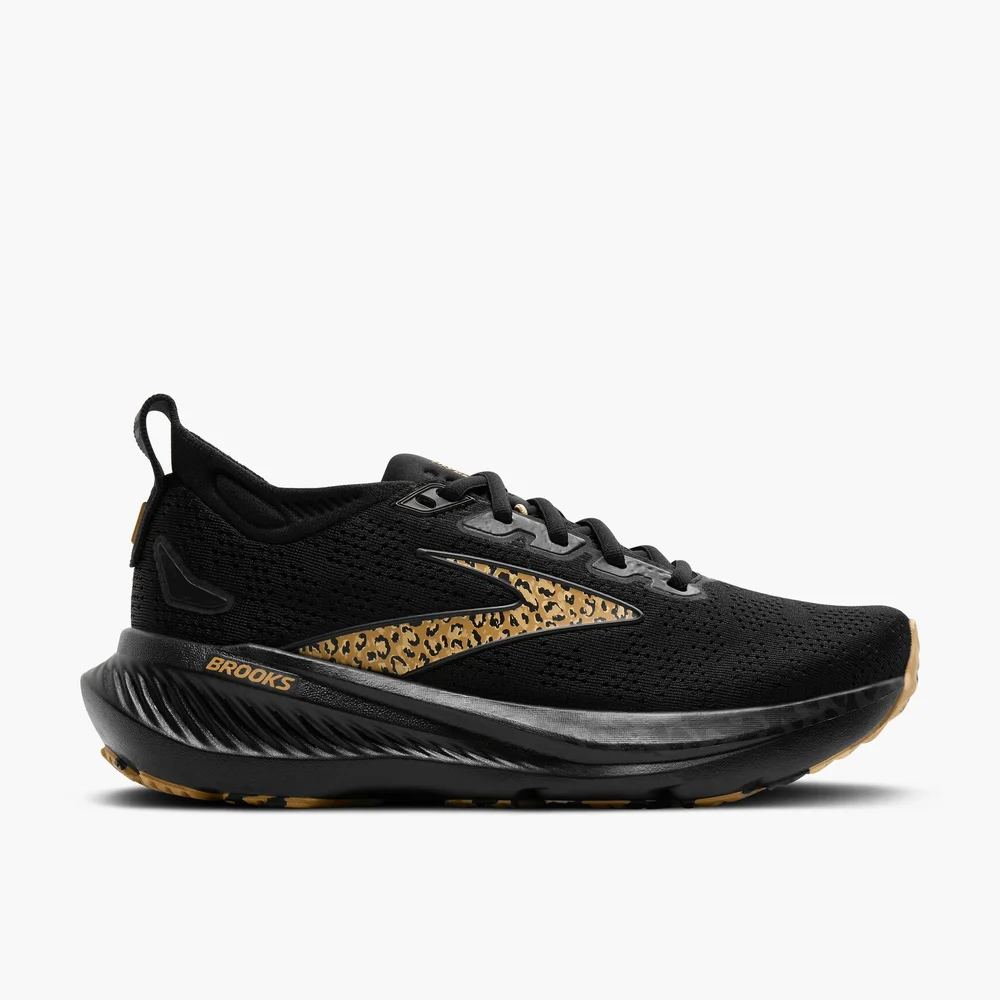
Brooks makes the choice feel legible: Ghost 18 is balanced cushioning for daily use, with a secure heel and dynamic forefoot. I would start there for a neutral everyday trainer. Adrenaline GTS 26 is the structured option; its GuideRails system is designed to keep excess movement in check while cushioning stays soft and balanced.
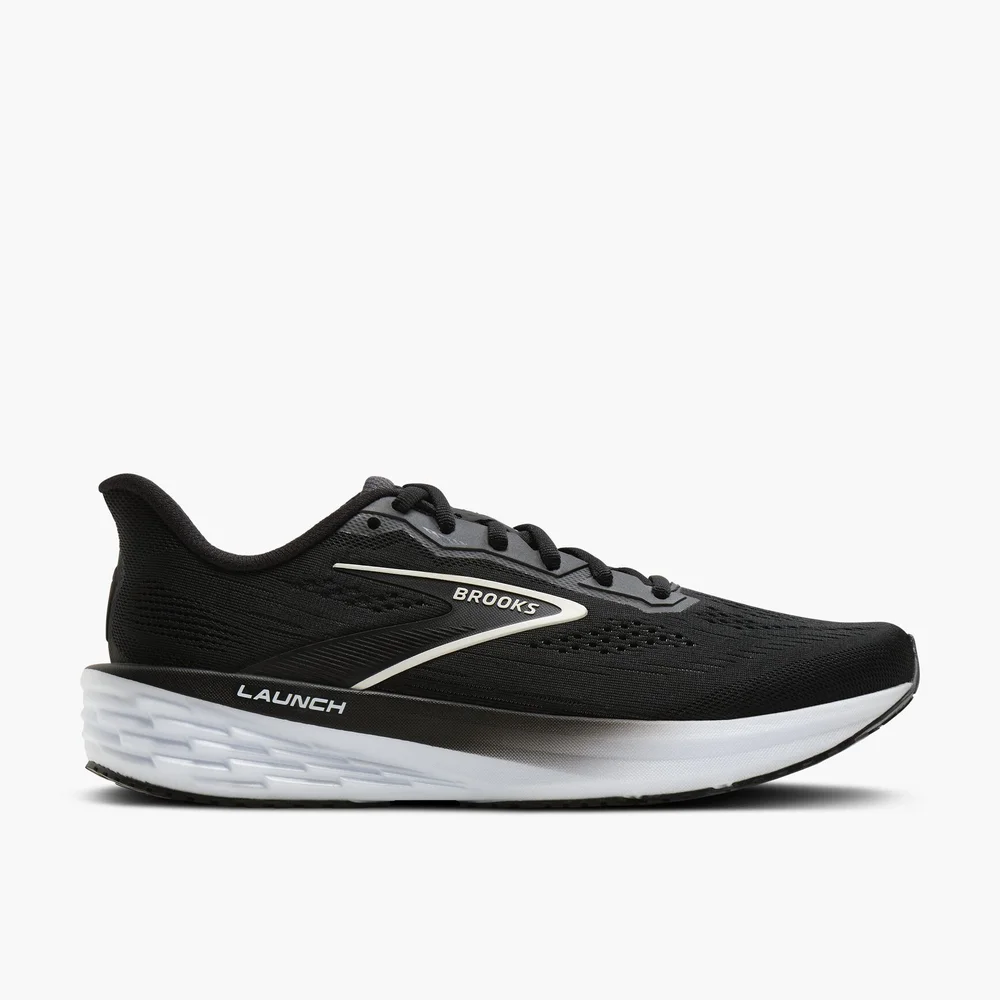
Glycerin 23 leans plush, with DNA TUNED cushioning aimed at soft landings and a powerful toe-off, plus a stable, smooth transition. Launch 12 is the quick-feeling pick: its lightweight DNA FLASH foam and responsive forefoot suit faster runs and workouts. My Brooks pick depends on the week I have planned: Glycerin for softness, Adrenaline for support, or Launch for a quicker feel. I would not pay for plushness if I mostly want to feel nimble.
The close calls
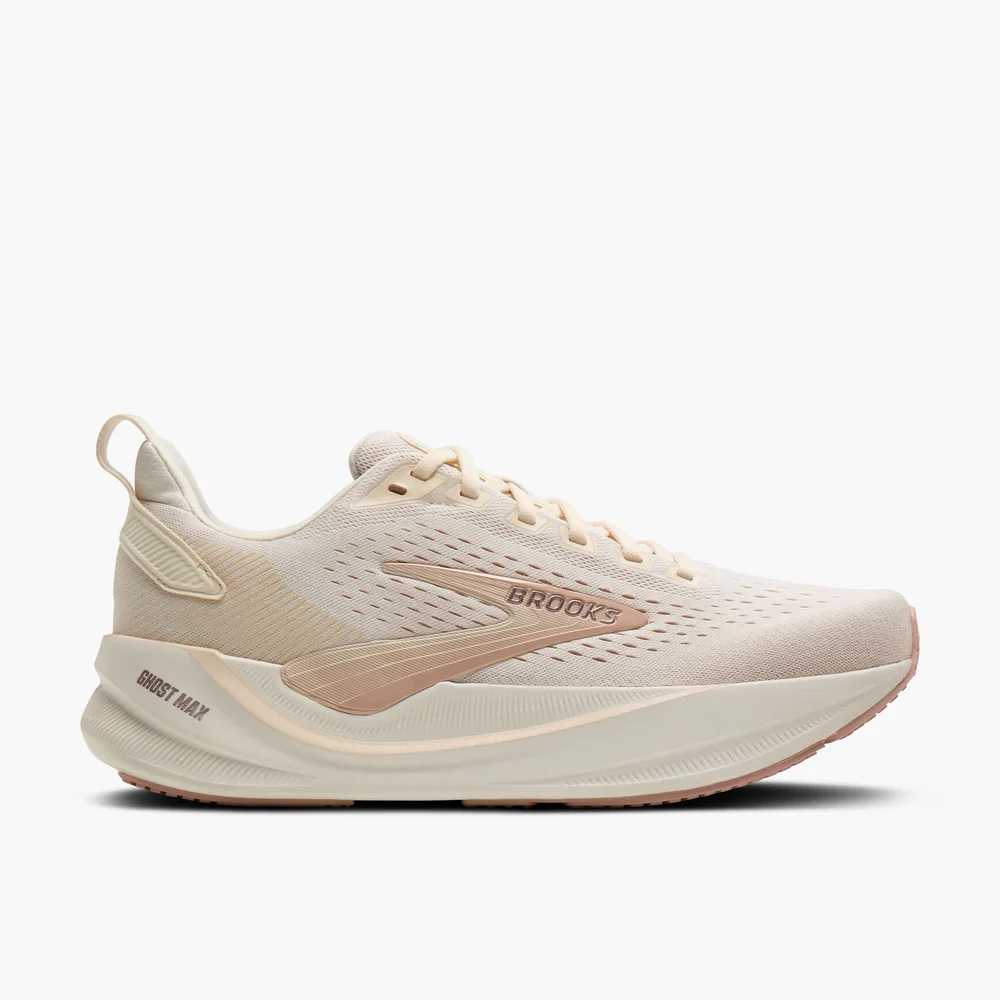
GEL-Cumulus 28 and Ghost Max 4 both lean toward a cushioned easy ride, but get there differently. Cumulus 28 is a neutral, high-cushion shoe: FF BLAST MAX gives cloud-like landings, while FLUIDRIDE supports smooth transitions. Ghost Max 4 brings a high stack, rocker-assisted motion, a broad base and room for orthotics.
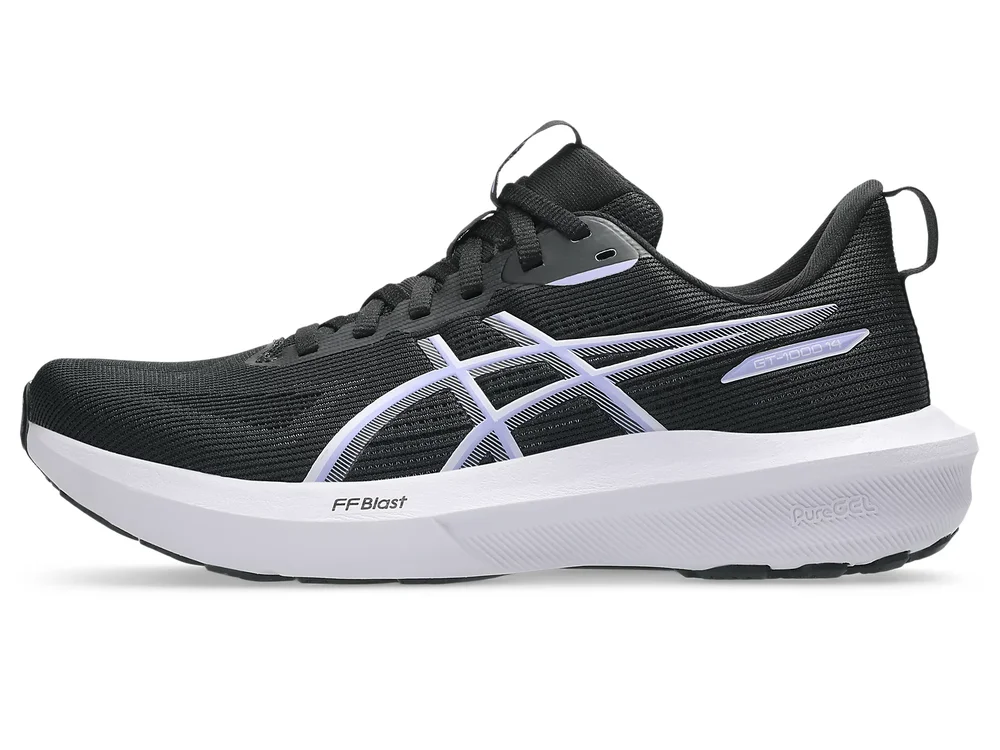
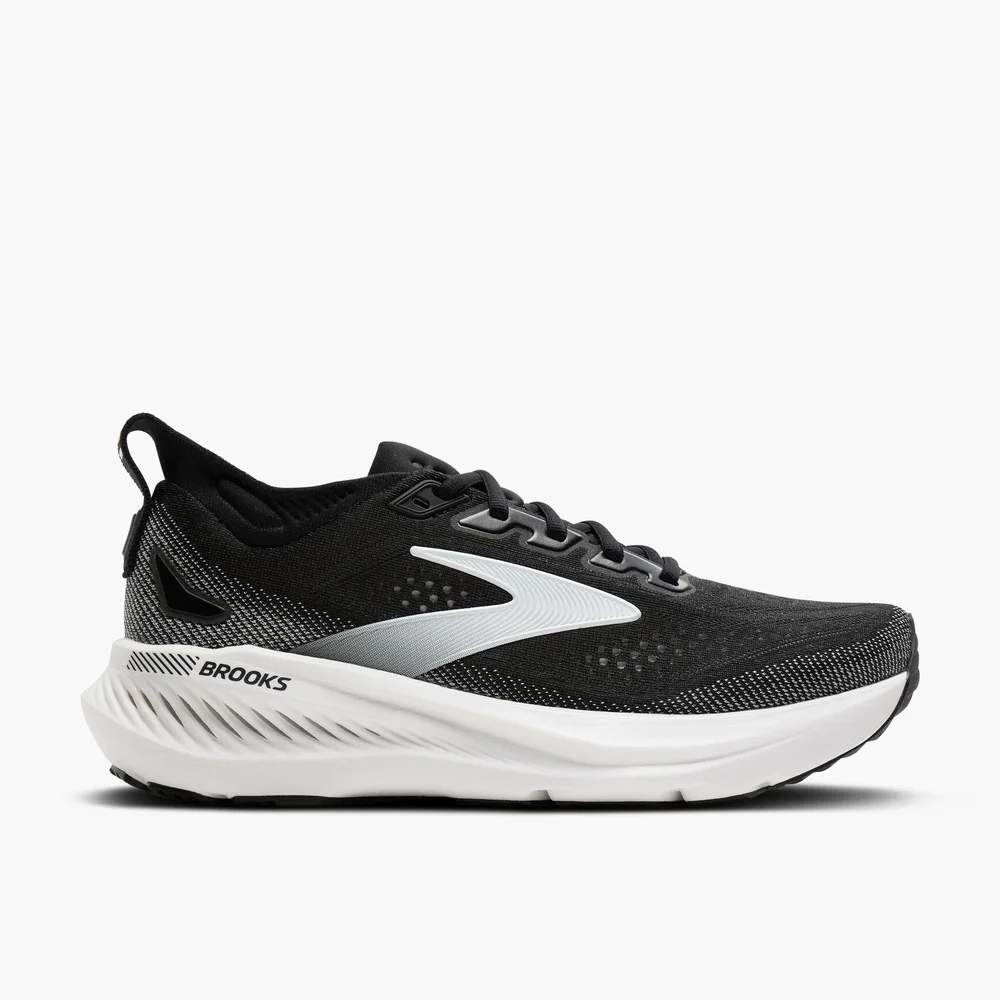
For added guidance, GT-1000 14 pairs FF BLAST and PureGEL cushioning with 3D GUIDANCE. Glycerin GTS 23 goes plush, with DNA TUNED landings and GuideRails to keep excess movement in check. I would use those two head-to-head pairs to break a tie. Buy ASICS if neutral cushioning or a lower-key guidance system is what you want; buy Brooks if high-stack rocker motion or plush, structured support matters more. My own easy-day short list is Cumulus and Ghost Max, and I would choose the GTS models only when support is part of the brief.