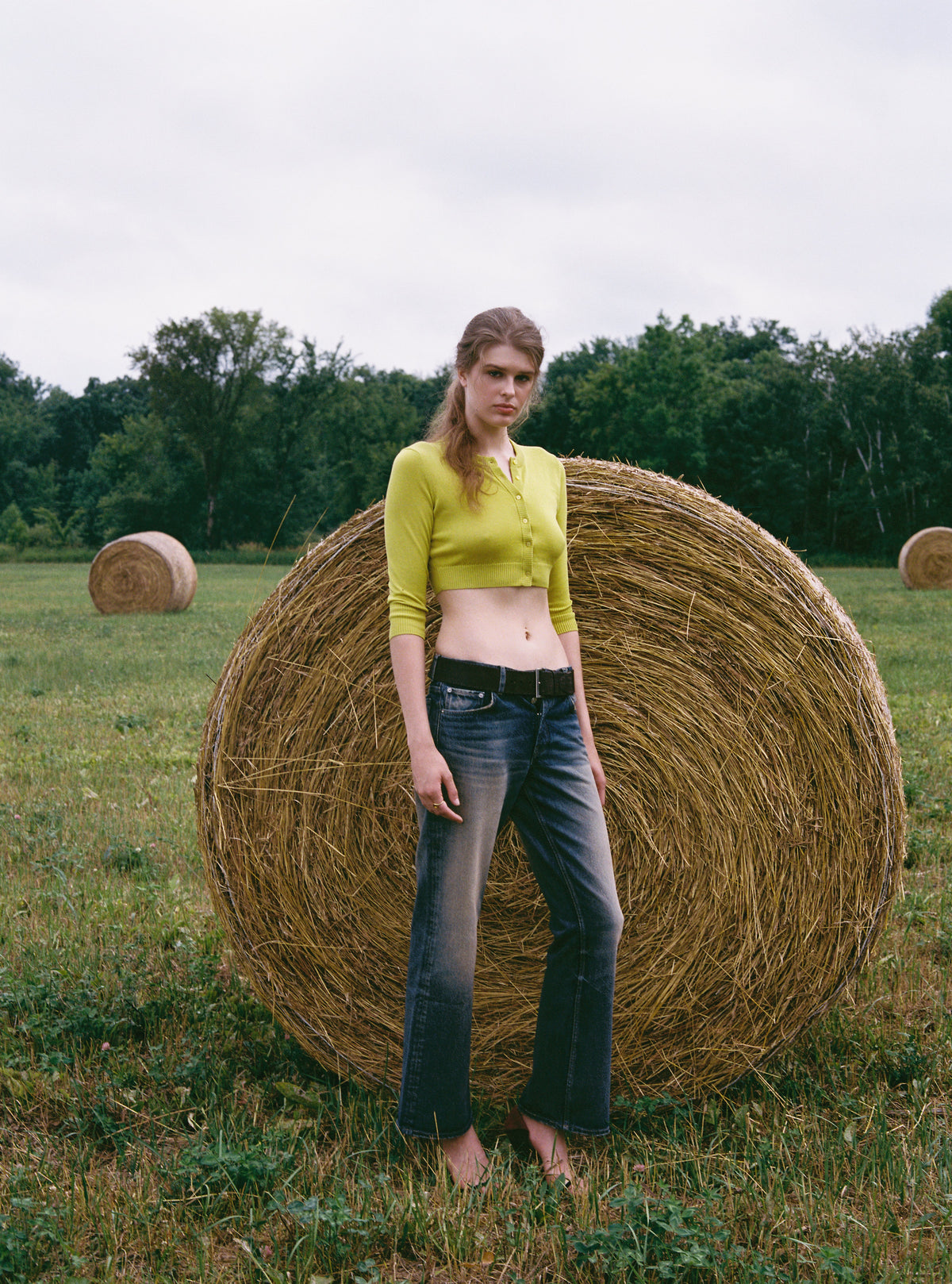
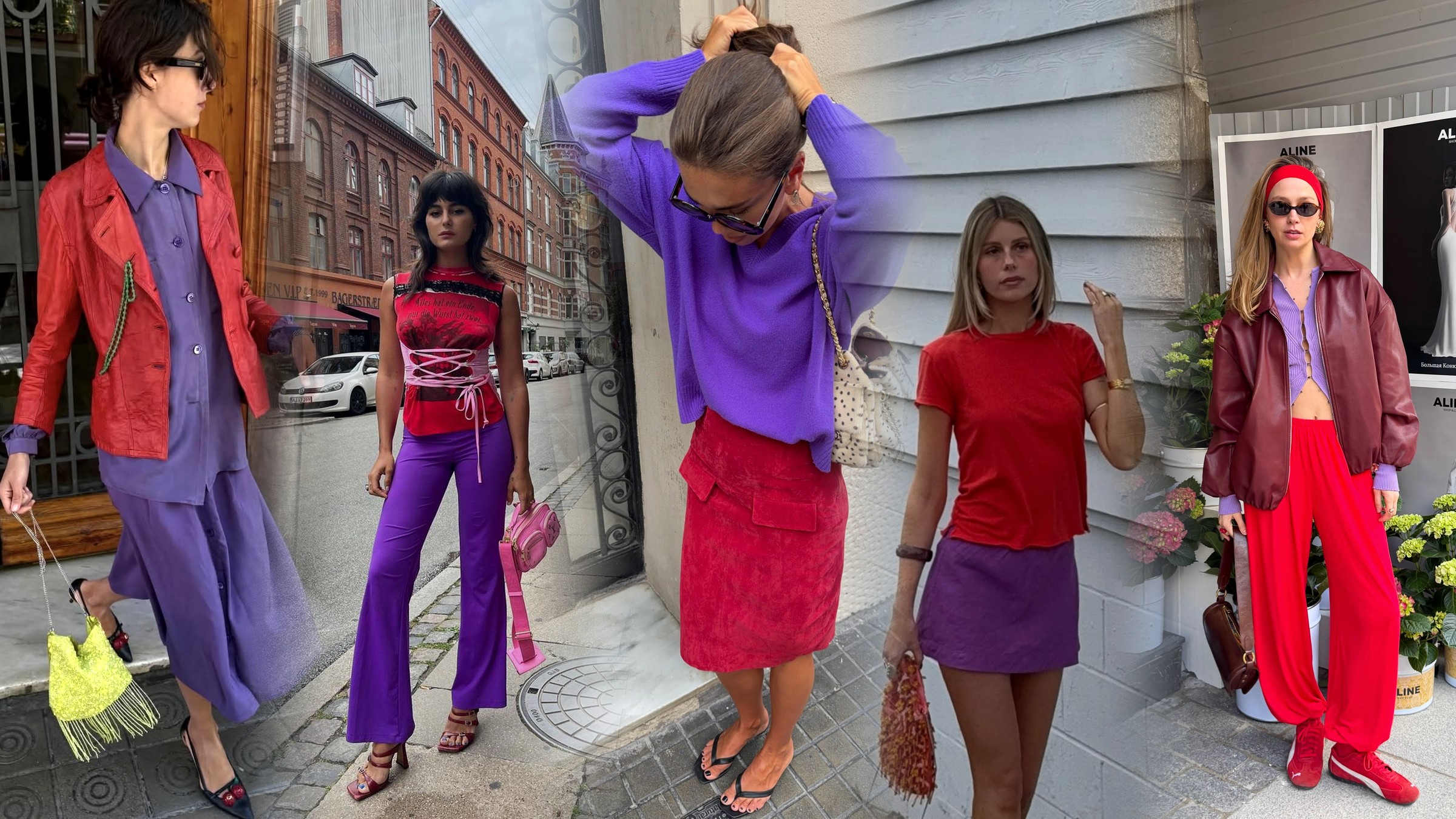
Cristóbal Balenciaga opened his first atelier in San Sebastián in 1917, then moved the whole operation to Paris in 1937 once the Spanish Civil War made staying home impossible. What he built there was less about decoration than engineering: the sack dress, the cocoon coat, silhouettes cut with such structural control that Dior reportedly called him the master of the rest of them.
Balenciaga
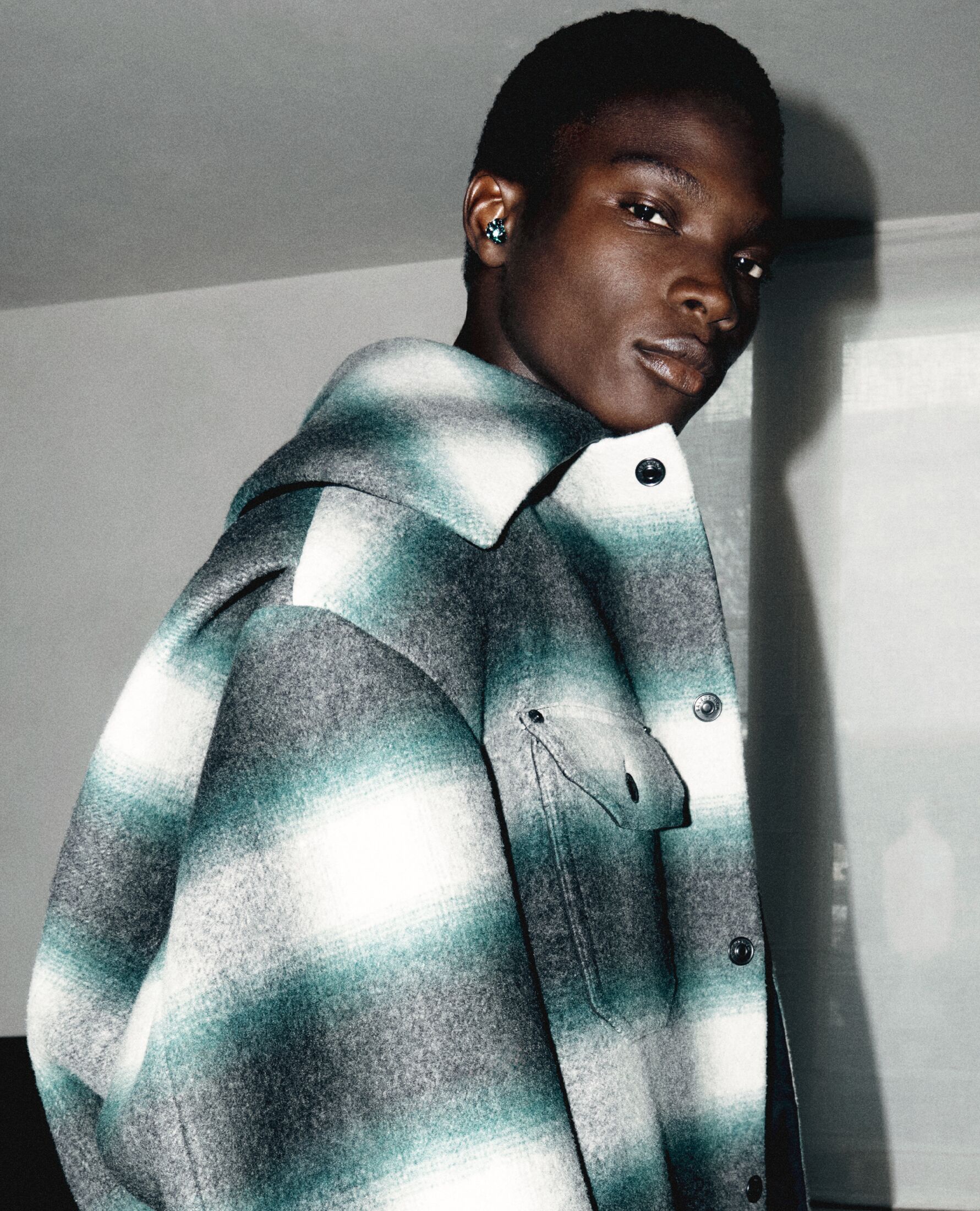
Bags
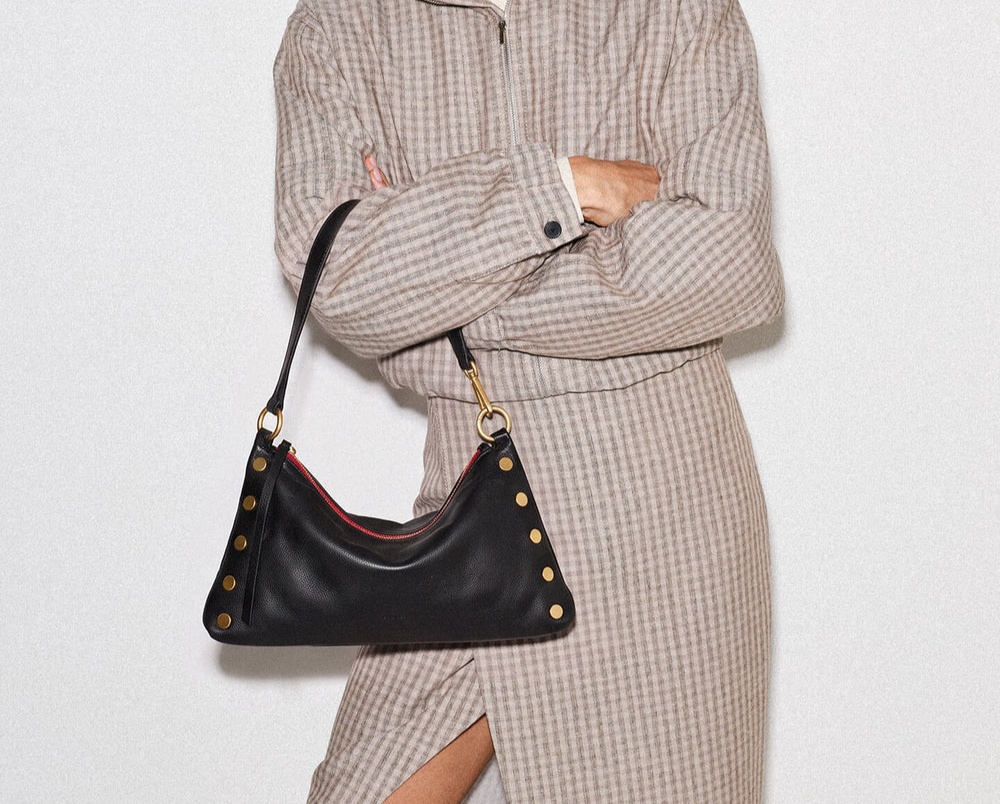
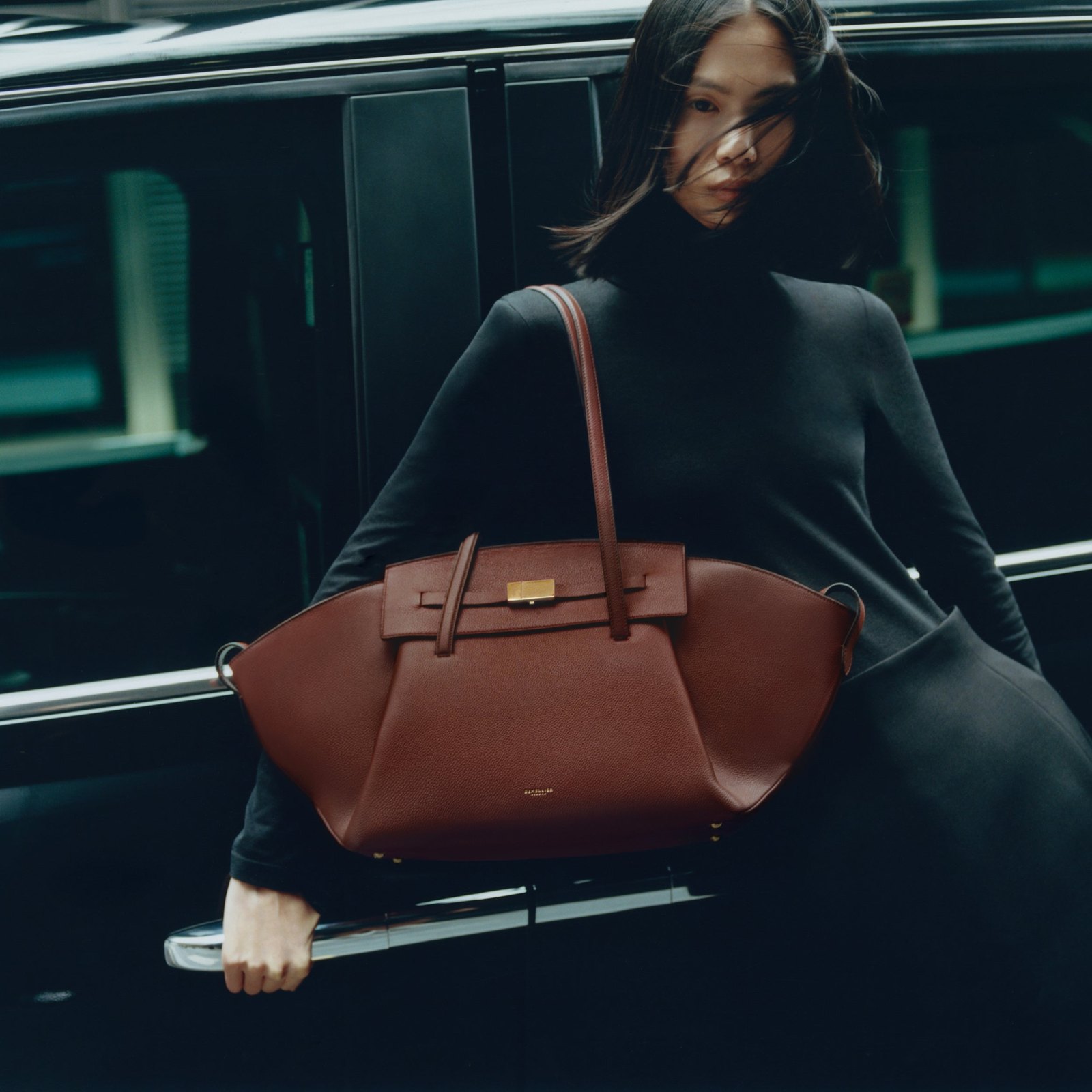
Balenciaga's bag business is a modern chapter, arriving decades after Cristóbal himself closed the house in 1968, but it inherited his instinct for a shape that reads instantly from across a room. These pieces trade the couture's sculpted volumes for hardware and proportion games, still built to look engineered rather than merely decorated.

Small Fan Leather Carryall Bag
Balenciaga
$2,950

Small Rodeo Leather Top Handle Bag
Balenciaga
$3,650

Medium Rodeo Leather Top Handle Bag
Balenciaga
$4,590

Le City Medium Leather Bag
Balenciaga
$2,990

Le City Small Leather Tote
Balenciaga
$2,150

Le City Medium Leather Tote
Balenciaga
$2,350

Small Rodeo Leather Top Handle Bag
Balenciaga
$2,990

HG Avenue Small E/W Leather Bag
Balenciaga
$2,250

Le City First Leather Bag
Balenciaga
$3,150

Small HG Avenue Leather Bag
Balenciaga
$2,690

Rodeo Medium Leather Top Handle Bag
Balenciaga
$4,750

Rodeo Medium Leather Top Handle Bag
Balenciaga
$4,590

Rodeo Medium Python-Effect Leather Top Handle Bag
Balenciaga
$4,750

Le City Lambskin Hobo Bag
Balenciaga
$1,990

Rodeo Small Canvas and Leather Top Handle Bag
Balenciaga
$3,300

Rodeo Mini Snake-Effect Leather Top Handle Bag
Balenciaga
$3,250

Le City Small Fringed Suede Bag
Balenciaga
$3,090

Le City Small Leather Clutch
Balenciaga
$1,450

Le City Medium Pony Hair Bag
Balenciaga
$3,550

Rodeo Medium Canvas and Leather Top Handle Bag
Balenciaga
$4,500

Rodeo Medium Leather Top Handle Bag
Balenciaga
$4,450

Rodeo Medium Waxed Suede Top Handle Bag
Balenciaga
$4,790

Rodeo Large Leather Top Handle Bag
Balenciaga
$5,650

Rodeo Small Suede Top Handle Bag
Balenciaga
$3,750
More Bags
A second wave of bags shows how far the house is willing to stretch one idea: take a familiar carryall and distort its scale, its texture, or its closures until it feels new again. It is the same logic Cristóbal applied to a jacket collar, just moved to a different object.

Le City Medium Beach Tote
Balenciaga
$2,250

Rodeo Mini Croc-Effect Leather Top Handle Bag
Balenciaga
$3,250

Le City Medium Leather Bag
Balenciaga
$2,950

Clicca Medium Suede Shoulder Bag
Balenciaga
$3,150

Bel Air Croc-Embossed Leather Carry-All Bag
Balenciaga
$3,690

Rodeo Medium Leather Top Handle Bag
Balenciaga
$4,590

Le City Small Canvas Bag
Balenciaga
$2,450

Rodeo Croc-Effect Metallic Leather Top Handle Bag
Balenciaga
$3,150

Rodeo Large Croc-Effect Leather Top Handle Bag
Balenciaga
$5,850

Le City Small Denim Bag
Balenciaga
$2,590

Le City 26 Medium Leather Bag
Balenciaga
$3,050

Le City Mini Leather Bag
Balenciaga
$1,950

Le 7 Medium Leather Bowling Bag
Balenciaga
$3,950

Le City East/West Suede Bag
Balenciaga
$2,490

Le City Medium Leather Bag
Balenciaga
$2,990

Le City Mini Leather Bag
Balenciaga
$1,990

Le City Small Leather Bag
Balenciaga
$2,550

Rodeo Medium Suede Top Handle Bag
Balenciaga
$4,590

Rodeo Sling Pochette
Balenciaga
$1,890

Rodeo Small Leather Top Handle Bag
Balenciaga
$3,750

Rodeo Medium Leather Top Handle Bag
Balenciaga
$4,450

Rodeo Mini Leather Top Handle Bag
Balenciaga
$3,850

Le City Backpack
Balenciaga
$2,490

Le City Backpack
Balenciaga
$2,490
Shoes
Balenciaga's own footwear has always lived somewhat in the shadow of its historic collaborators, Roger Vivier chief among them, but the current shoe offering still leans on that inherited sense of sculptural exaggeration. Expect proportions pushed further than strictly necessary, which has basically been the house style since 1937.

Midnight City Leather Pumps
Balenciaga
$1,350

Midnight City Suede Mules
Balenciaga
$1,250

Faux Fur Suede Slides
Balenciaga
$825

Duchesse Leather Boots
Balenciaga
$1,990

Midnight City Slingback Leather Pumps
Balenciaga
$1,190

Furry Platform Slippers
Balenciaga
$1,150

Satin Ballet Flats
Balenciaga
$550

Comfy Leather Loafers
Balenciaga
$1,090

Venom Suede Mini Booties
Balenciaga
$1,590

City Heeled Leather Sandals
Balenciaga
$1,190

Fringe Leather Boots
Balenciaga
$2,190

Platform Flip Flop
Balenciaga
$950

Gaeta Pony Hair Wedge Sandals
Balenciaga
$995

Venom Leather Platform Knee Boots
Balenciaga
$2,395

Duchesse Leather Pumps
Balenciaga
$1,190

Alaska Suede & Faux-Fur Slippers
Balenciaga
$795

Avenue Nappa Leather Heeled Pumps
Balenciaga
$1,090

Silk-Trimmed Platform Flip Flop
Balenciaga
$850

Cagole Rubber Thong Sandals
Balenciaga
$595

Leopold Leather Flats
Balenciaga
$975

Embellished Rubber Croc Mules
Balenciaga
$995

City Rubber Thong Sandals
Balenciaga
$445

Satin Ballet Flats
Balenciaga
$550

Avenue BB Satin Pumps
Balenciaga
$945
More Shoes
More shoes, more evidence that this is a design team unbothered by subtlety: chunky soles, unlikely silhouettes, references that skew as much toward the street as the runway. It keeps the house relevant to people who never think about the 1957 sack dress and never need to.


More from the collection
Ready-to-wear and outerwear round out the edit, and this is where the house's structural obsessions are easiest to trace back to Cristóbal's own work, even under decades of ownership changes and creative directors. Dropped waistlines and exaggerated volume were his tools; they are still the toolkit here.

Bustier Draped Silk Maxi Dress
Balenciaga
$9,500

Belted Wool-Silk Mini Dress
Balenciaga
$2,250

Wool-Blend Scuba Maxi Dress
Balenciaga
$9,990

Silk Gazar Balloon Maxi Dress
Balenciaga
$8,190

Shirt-Detailed Silk Gown
Balenciaga
$4,985

Layered Wool-Silk Shirt Dress
Balenciaga
$2,625

Jersey Maxi Dress
Balenciaga
$1,555

Silk-Wool Crepe Midi Dress
Balenciaga
$4,390

Compact Wool-Blend Mini Dress
Balenciaga
$3,290

Vareuse Wool-Blend Scuba Mini Dress
Balenciaga
$3,290

Leather Wrap Dress
Balenciaga
$15,130

Silk-Wool Crepe Maxi Dress
Balenciaga
$5,690

Silk Balloon Ruffle Mini Halter Dress
Balenciaga
$6,950

Silk-Wool Draped Cape Midi Dress
Balenciaga
$4,390

Sleeveless Silk-Wool Crepe Balloon Mini Halter Dress
Balenciaga
$3,290

Wool and silk-blend mini dress
Balenciaga
$3,390

Stretch Wool Twill Straight-Leg Pants
Balenciaga
$1,390

Cotton Twill Balloon Shorts
Balenciaga
$3,650

Tailored Check Wide-Leg Pants
Balenciaga
$1,550

Low-Rise Slim-Leg Tailored Pants
Balenciaga
$1,390

High Waist Pant
Balenciaga
$1,190

Athletic Legging
Balenciaga
$850

High Waist Barrel Pant
Balenciaga
$1,750

Tracksuit Skiwear Pant
Balenciaga
$2,250
More from the collection
A further stretch of pieces spans everything from tailoring to knitwear, reflecting a brand under Kering since 2001 that has cycled through Nicolas Ghesquière, Demna and now Pierpaolo Piccioli without ever fully abandoning its founder's love of shape over ornament.

High-waist barrel-leg wool pants
Balenciaga
$1,750

Lightweight Leather Wrap Jacket
Balenciaga
$8,190

Leather Biker Jacket
Balenciaga
$5,730

Cropped Technical Faille Bomber Jacket
Balenciaga
$2,390

Structured Leather Wrap Jacket
Balenciaga
$8,190

Padded Faille Crop Bomber Jacket
Balenciaga
$2,390

Tracksuit Skiwear Jacket
Balenciaga
$2,350

Leather biker jacket
Balenciaga
$6,990

Stola double-breasted wool jacket
Balenciaga
$3,450

Neo Cay-Eye Acetate Sunglasses
Balenciaga
$415

Editorial Oval-Frame Metal Glasses
Balenciaga
$490

Logo-Embellished Cotton Cap
Balenciaga
$495

Turbo Rectangle Sunglasses
Balenciaga
$575

Clicca Leather Belt
Balenciaga
$595

Superbusy Cat-Eye Acetate Sunglasses
Balenciaga
$855

Cotton Headband
Balenciaga
$325

Leather gloves
Balenciaga
$1,150

Asymmetric Draped Silk Top
Balenciaga
$1,490

Twistfront Wool Top
Balenciaga
$1,190

Silk-Wool Crepe Scarf Top
Balenciaga
$1,390

Silk-Satin Wrap Shirt
Balenciaga
$2,050

Short Sleeve T-Shirt
Balenciaga
$550

Cotton shirt
Balenciaga
$1,190

Logo-print cotton T-shirt
Balenciaga
$1,490
More from the collection
The final stretch fills in accessories and smaller categories, the kind of pieces that make a maximalist wardrobe cohere rather than compete. It is a useful reminder that even Balenciaga's most talked-about seasons are still, underneath, about construction.

Feather-Embroidered Midi Skirt
Balenciaga
$8,190

Godet Cotton Maxi Skirt
Balenciaga
$2,050

Tailored Wool-Silk Skort
Balenciaga
$1,325

Pointy Flower Midi Pencil Skirt
Balenciaga
$7,450

Round Leather Coat
Balenciaga
$11,500

Bomber Shell Cape
Balenciaga
$3,950

Pleated Leather Short Peplum Trench Coat
Balenciaga
$7,450

Back-to-Front Wool Sweater
Balenciaga
$2,190

Stripped Crewneck Sweater
Balenciaga
$1,790

Rigid High-Rise Wide-Leg Jeans
Balenciaga
$1,650

Jackie mid-rise straight-leg capri jeans
Balenciaga
$1,150

Baggy Leg
Balenciaga
$1,490

Keyring Le City Roses
Balenciaga
$575

Hourglass Avenue Medium leather top-handle bag
Balenciaga
$2,990

Le City crinkled leather-trimmed pony hair shoulder bag
Balenciaga
$3,550

Midnight City studded suede mule
Balenciaga
$1,190
Our honest take
Balenciaga's revivals have always worked because the underlying idea, shape as the point rather than surface decoration, survives every change in ownership or creative director. That gives this edit a coherence a lot of heritage-house assortments lack, even when individual pieces are clearly built for attention rather than restraint.