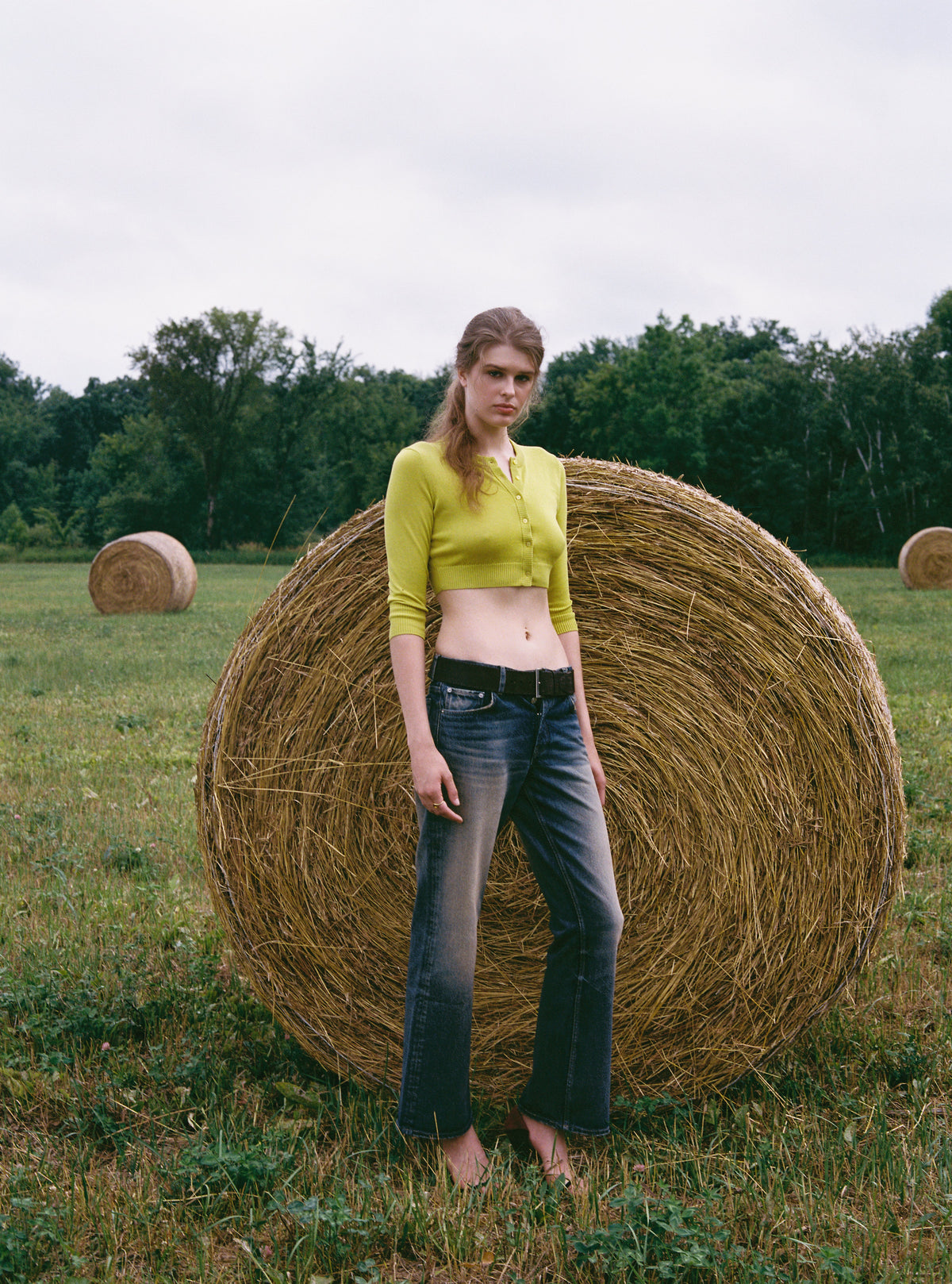
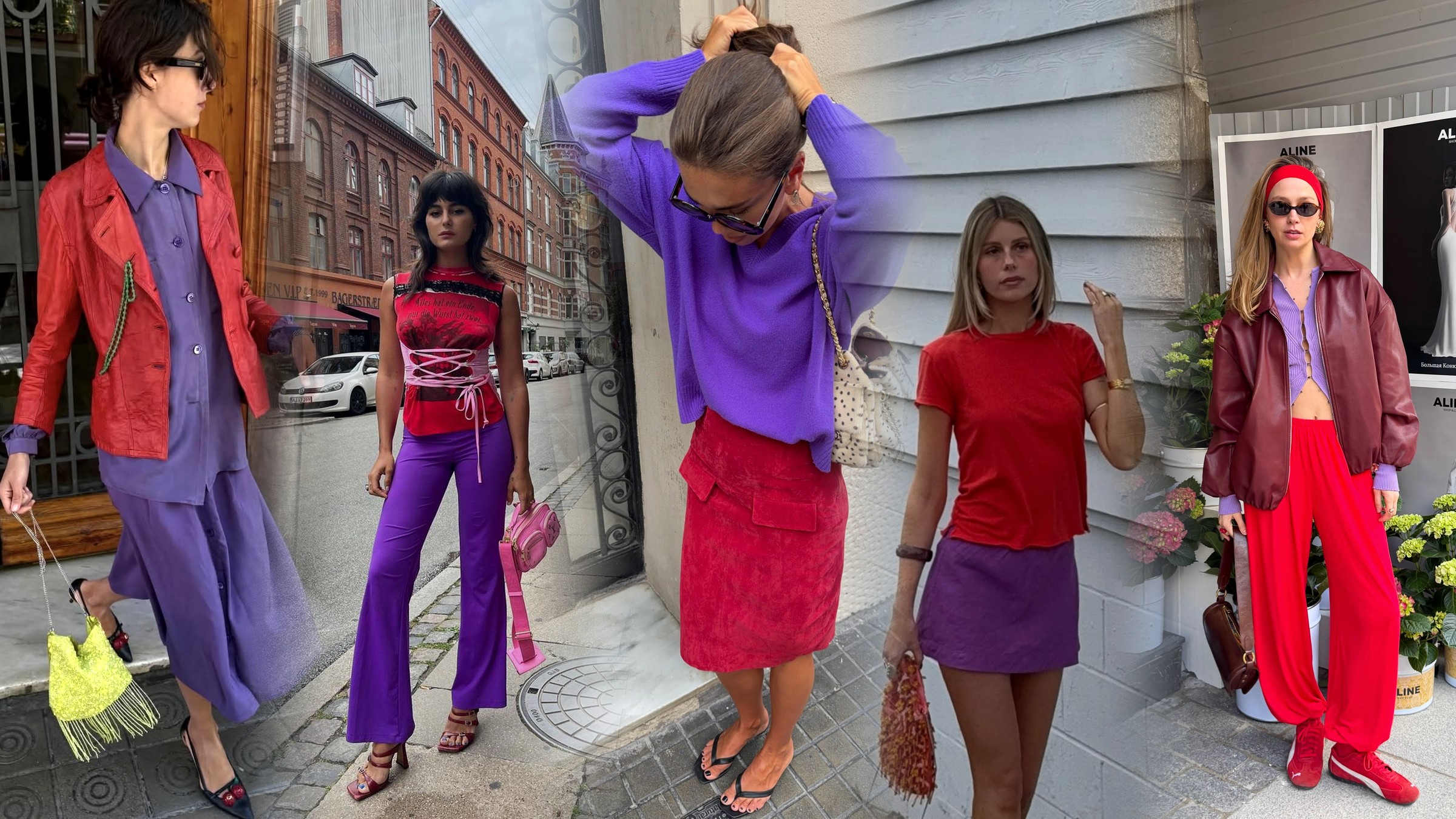
Baobab began in Bogotá around 2015, when law student Isabella Espinosa started sewing bikinis from leftover fabric scraps between classes. The label's whole identity grew out of that scrappiness: asymmetrical cuts, bold color, and a packaging gimmick, the coconut-shell 'Coco Bag,' that turned beach waste into the thing people actually remembered.
Baobab
Tops and shirting
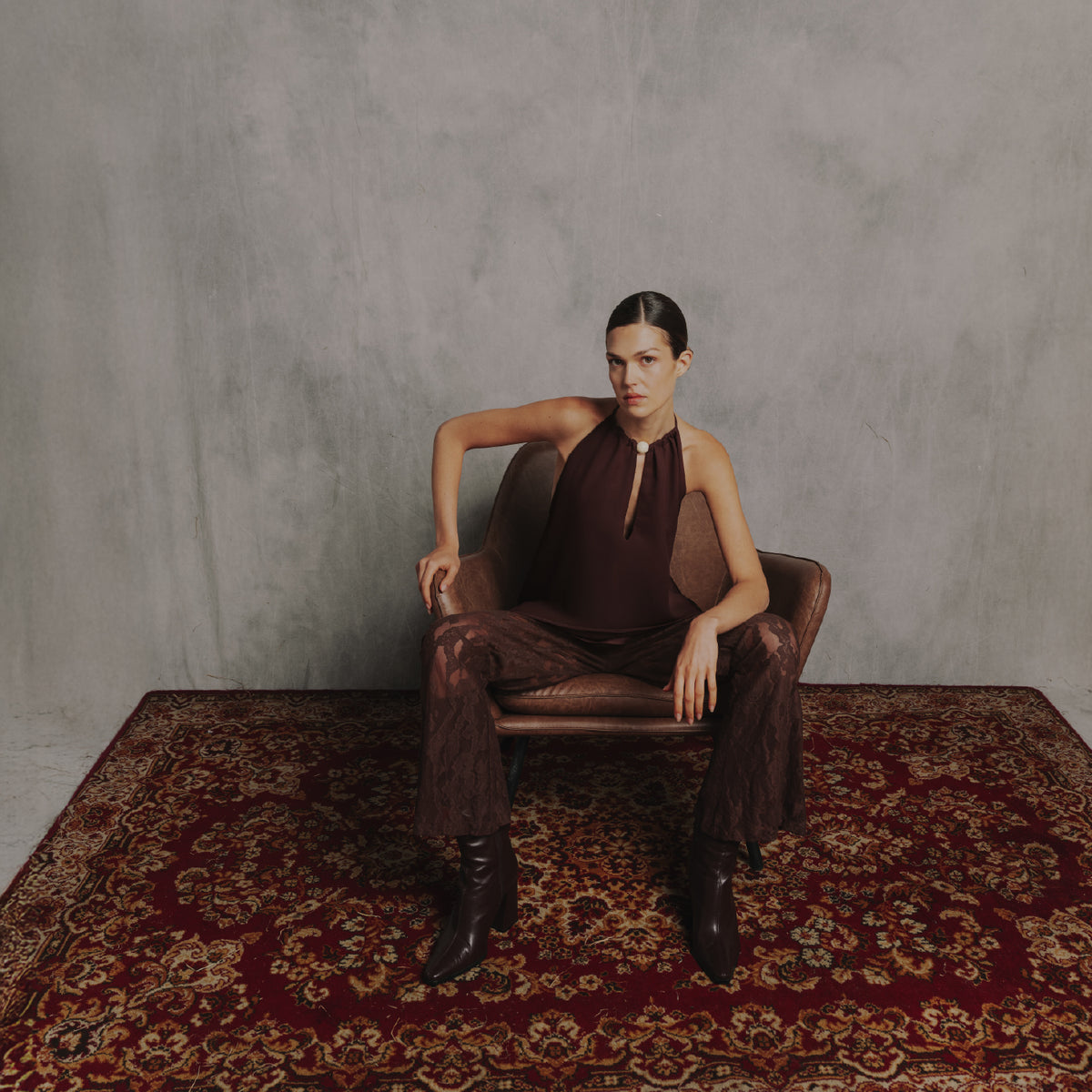
Baobab's tops carry the same asymmetry that built the label in the first place, one shoulder bared while the other stays covered, a strap doing more sculptural work than a strap usually has to. It reads less like a swim brand branching out and more like a design habit that happens to also make bikinis. Cut close to the body, these pieces are meant to move straight from a boat to lunch without a change of clothes.


Dresses
The dresses lean into the same bold, high-color instincts as the swim, since Espinosa built the brand around statement over subtlety from day one. Expect cutouts, wraps, and silhouettes that assume a body is going to be seen, not disguised. These are resort dresses in the literal sense: made for a specific kind of trip, not a closet's everyday rotation.

Carla Maxi Dress
Baobab
$330

Mambo Reversible Maxi Dress
Baobab
$300

Celele One-Shoulder Maxi Dress
Baobab
$300

Pia Maxi Dress
Baobab
$300

Donatella Maxi Dress
Baobab
$330

Muse Reversible Knit Maxi Dress
Baobab
$375

Mambo Reversible Maxi Dress
Baobab
$300

Carlota Maxi Dress
Baobab
$330

Rocoto Midi Dress
Baobab
$330

Luna Maxi Dress
Baobab
$250

Mamu Modal-Blend Maxi Dress
Baobab
$350

Louise Mini Dress
Baobab
$265
Swim
This is the category Baobab actually started as, sewn from fabric scraps on a law-school budget before Victoria's Secret and Saks came calling. The asymmetrical strap work and bold silhouettes here are the throughline of the whole brand, not a seasonal flourish. A decade in, it is still recognizably the same idea, just executed with better fabric and a bigger factory.


Trousers and shorts
Baobab's trousers and shorts are the part of the assortment built for the hours between the pool and dinner, when a bikini alone stops making sense. They keep the same high-contrast color sense as the swimwear rather than defaulting to safe neutrals. Cut loose and breathable, they are designed for heat, not for an office building.


Also in the edit
Rounding out the edit are the pieces that do not fit neatly into a single grid but explain how the brand thinks about a full resort wardrobe, cover-ups, accessories, small statement layers. Baobab treats these as equal citizens to the swimwear rather than afterthoughts bolted on for range. It is a useful place to see the label's color and print instincts applied outside a bikini shape.


Skirts
The skirts follow the same asymmetric logic as the rest of the collection, uneven hems and wrap closures standing in for the strap details on the swim. They are built to layer over the label's own bikini bottoms, which is very much the point: Baobab designs resort wear as a system, not a grab-bag of separates. Expect the same loud color story as everywhere else in the assortment.


More from the collection
This last grid catches the rest of what Baobab is making this season, a reminder that the label has grown well past bikinis into a full resort offering sold in dozens of countries. It is the fastest way to see the range of prints and silhouettes the brand is currently running. Treat it as a survey of where the label is headed next, not a leftover bin.

Nala Bikini Top
Baobab
$120

Roma Bikini Top
Baobab
$140

Nala Bikini Top
Baobab
$120

Danielle Maxi Dress
Baobab
$350

Agustina Cotton Mini Dress
Baobab
$350

Roma Bikini Bottom
Baobab
$110

Nala Bikini Bottom
Baobab
$100

Tika One Piece
Baobab
$210

Lorenza Pants
Baobab
$160

Noa Pants
Baobab
$200

Wayra Pants
Baobab
$180

Collection Max 08 My First Baobab Paris Candle
Baobab
$78

Collection Sand Sonora Max10 4-Wick Candle, 47.6 oz.
Baobab
$150

Collection Max 10 Women Scented Candle
Baobab
$165

Lorena Maxi Skirt
Baobab
$200

Corsica Knitted Skirt
Baobab
$275
Our honest take
Baobab's strength is that it never tried to be quiet. The asymmetry and color that got it noticed on a Colombian beach are still the whole argument for the brand, which is refreshing in a category full of interchangeable triangle bikinis. It is not for anyone who wants their swimwear to disappear into a neutral vacation wardrobe, this is a label that wants to be photographed. If you take one thing away, buy it for the shapes you cannot get from a plainer brand, not for a basic you already own five versions of.