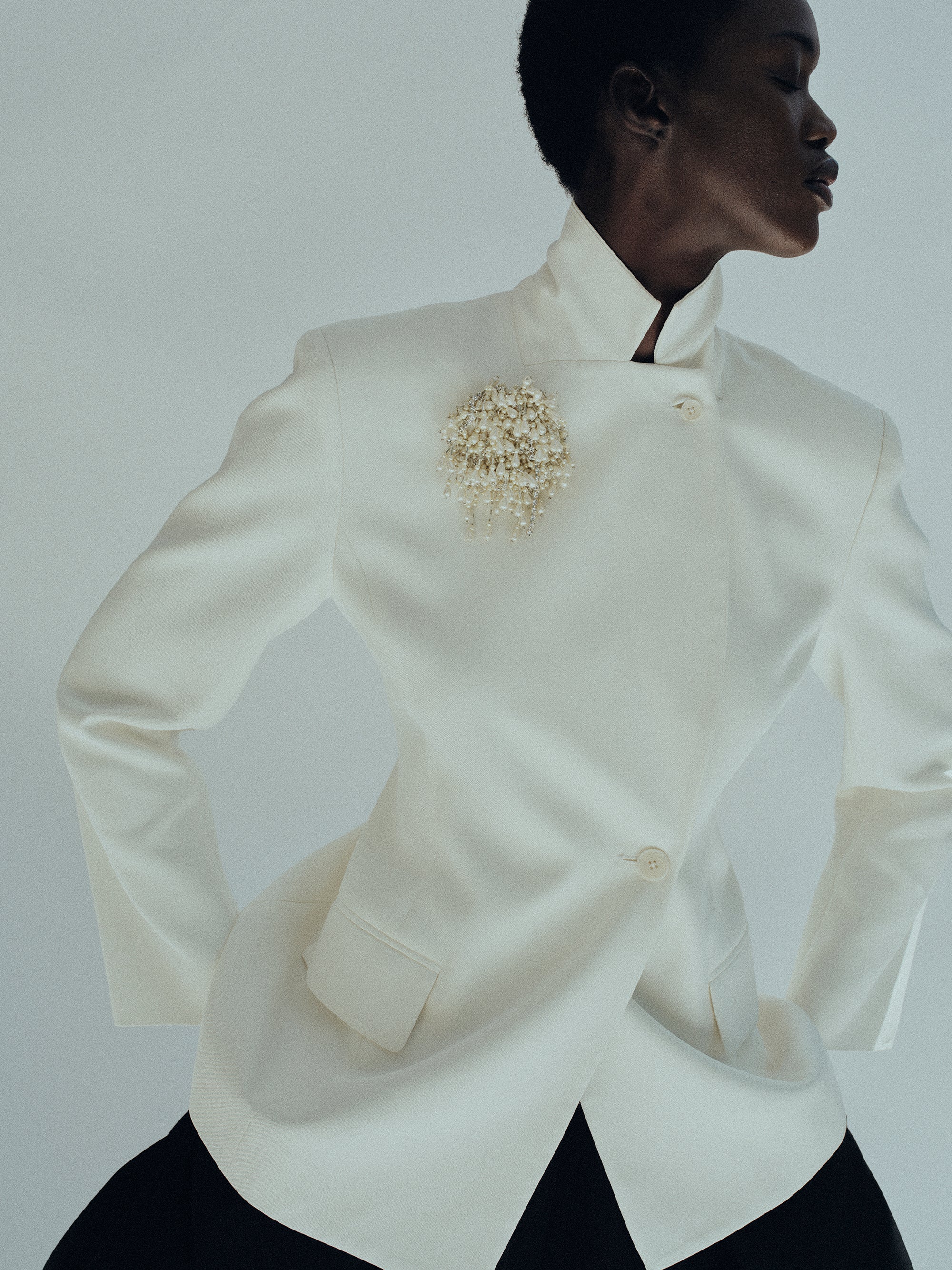
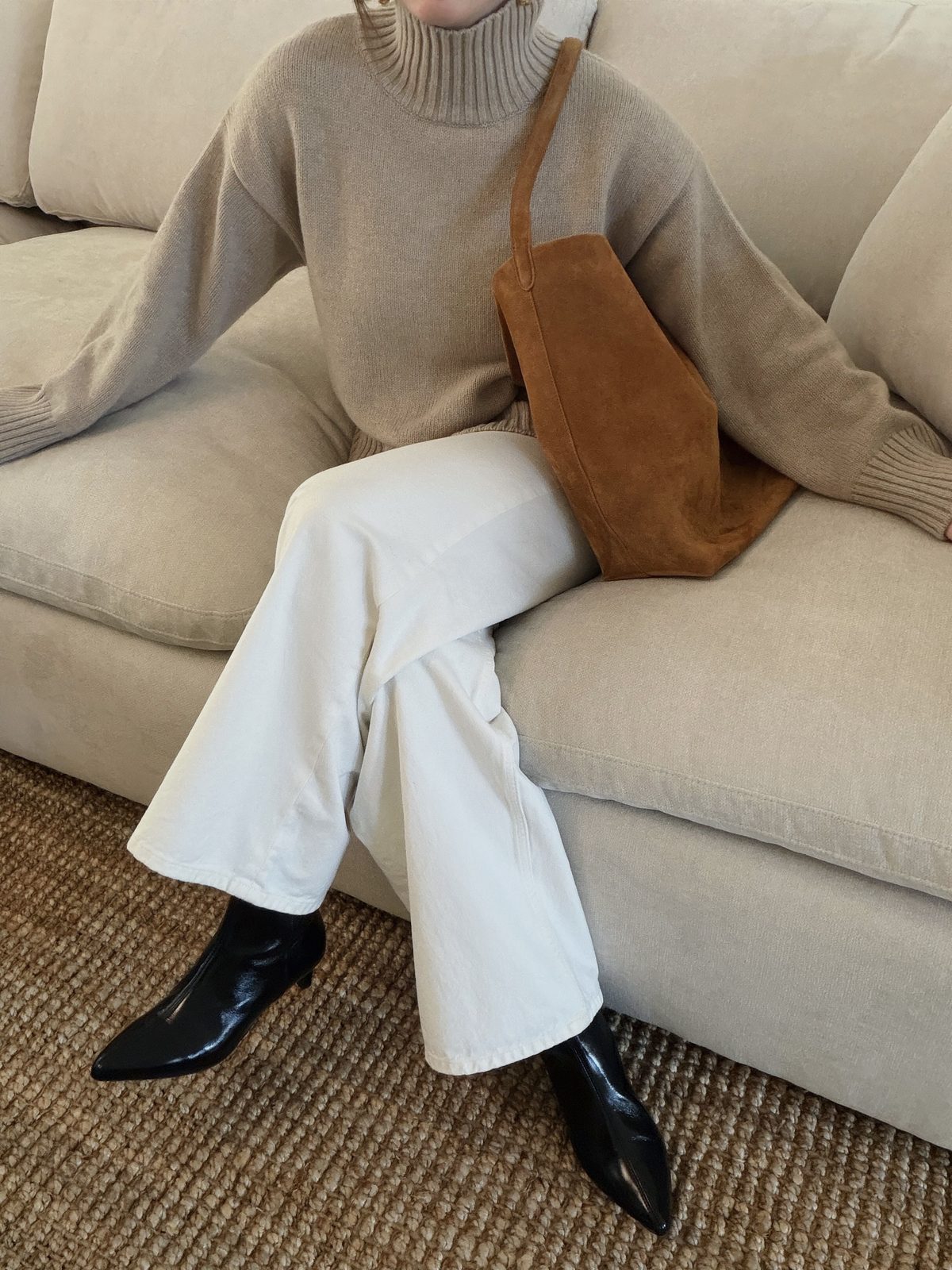
Birkenstock brings firm, contoured cork support; Project Cloud leans into memory-foam cushioning and lower prices. Choose by underfoot feel.

Birkenstock vs Project Cloud: Which Sandal Should You Buy?
The short answer
Choose Birkenstock if you want a more contoured, defined cork footbed; choose Project Cloud if you want a cushier memory-foam step and a lower price. The useful difference in birkenstock vs project cloud is not that one brand cares about comfort and the other does not: they build the underfoot feel differently. Birkenstock's cork-latex footbed is shaped to your foot over time, while Project Cloud's ProjectPlush memory foam is designed for cushioning and shock absorption. Both brands sell adjustable sandals, but materials and construction vary by style, especially Project Cloud's use of cork and platform soles.
For these core picks, current displayed prices range from $112.95 to $139.95 for the Birkenstock classics and $44.90 to $64.90 for Project Cloud. I would treat that as a real budget difference, not a verdict on quality. My first filter is whether I want a firm, shaped base or a softer step.
If you are weighing Project Cloud vs Birkenstock, try the footbed feel before you settle on a logo. And for project cloud shoes vs birkenstock, the same rule holds: choose by structure, then by budget.
The Birkenstock feel
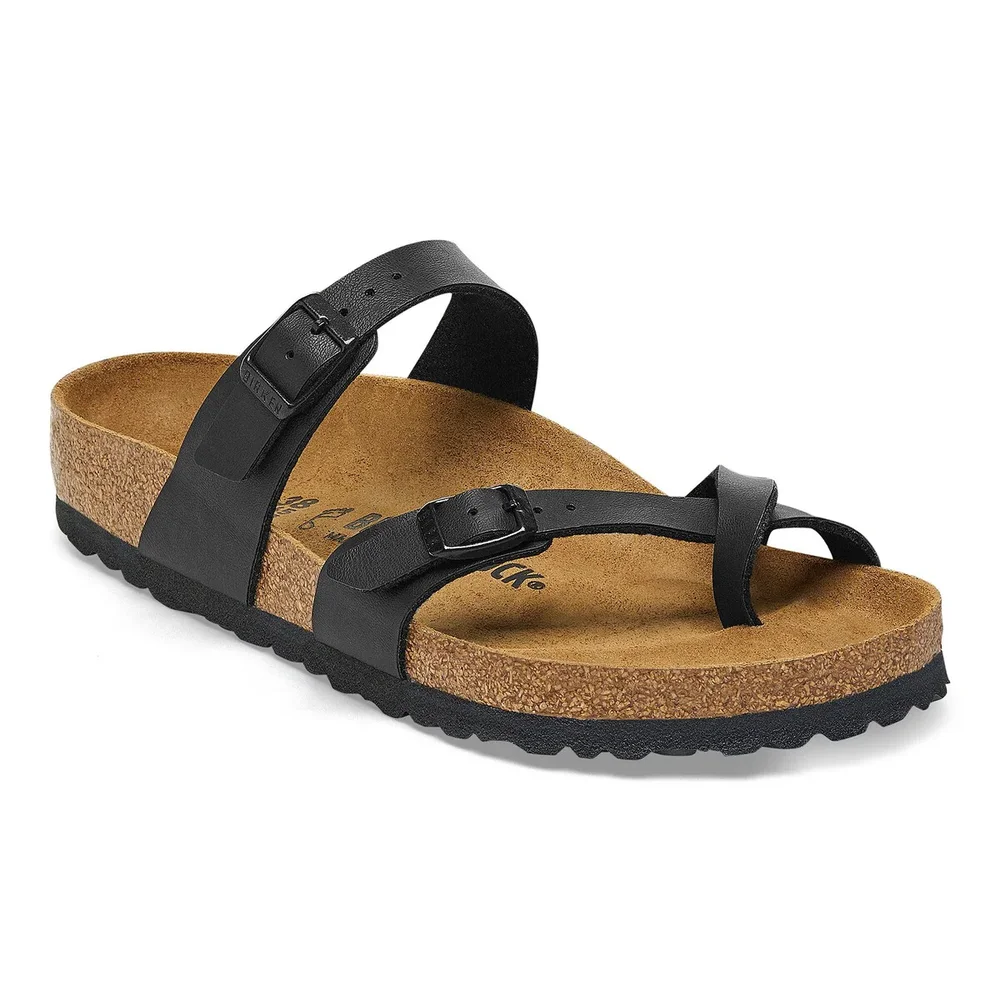
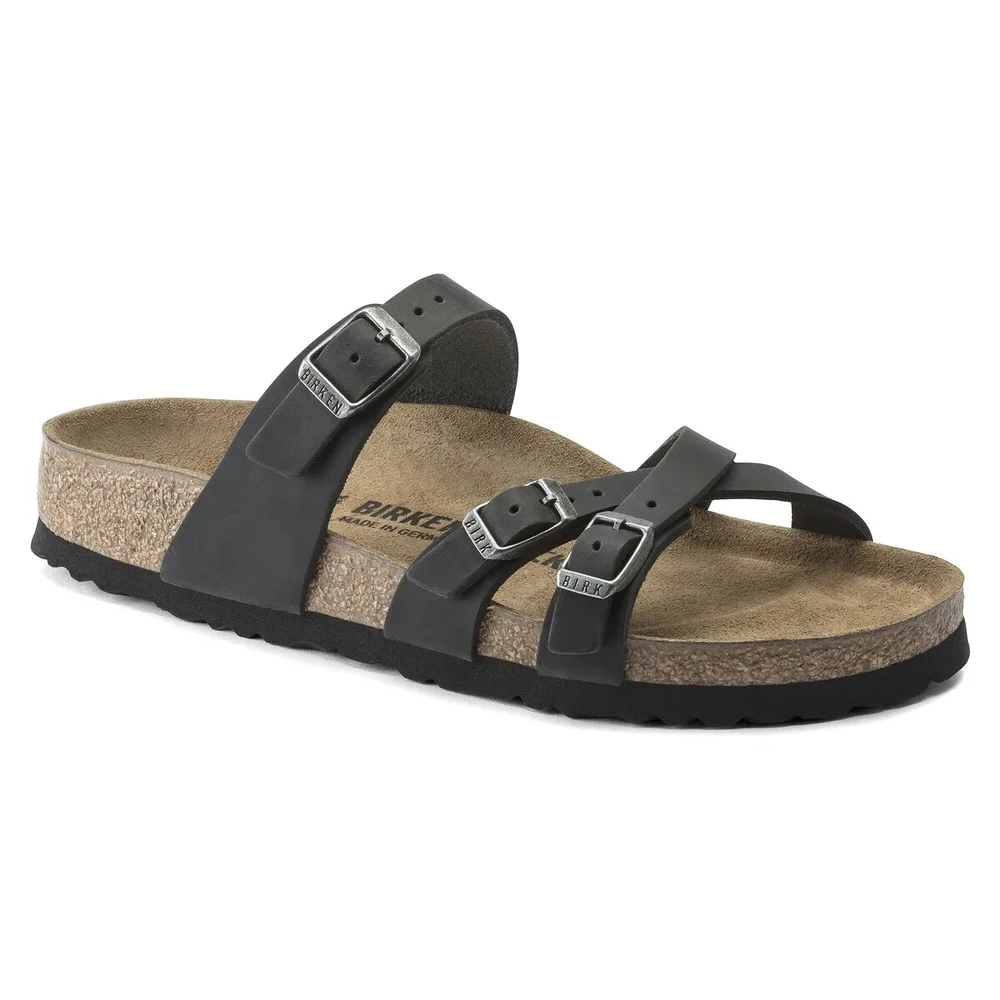
Birkenstock's story begins in 1774, when cobbler Johann Adam Birkenstock set out to make footwear fit the physiology of the foot. That is a long runway for one sandal brand, but the point of view is remarkably plain: build the shape underfoot, then let the rest stay simple. Its cork-latex footbed is meant to contour with wear, which is why I reach for these when I want a more defined platform under the foot.
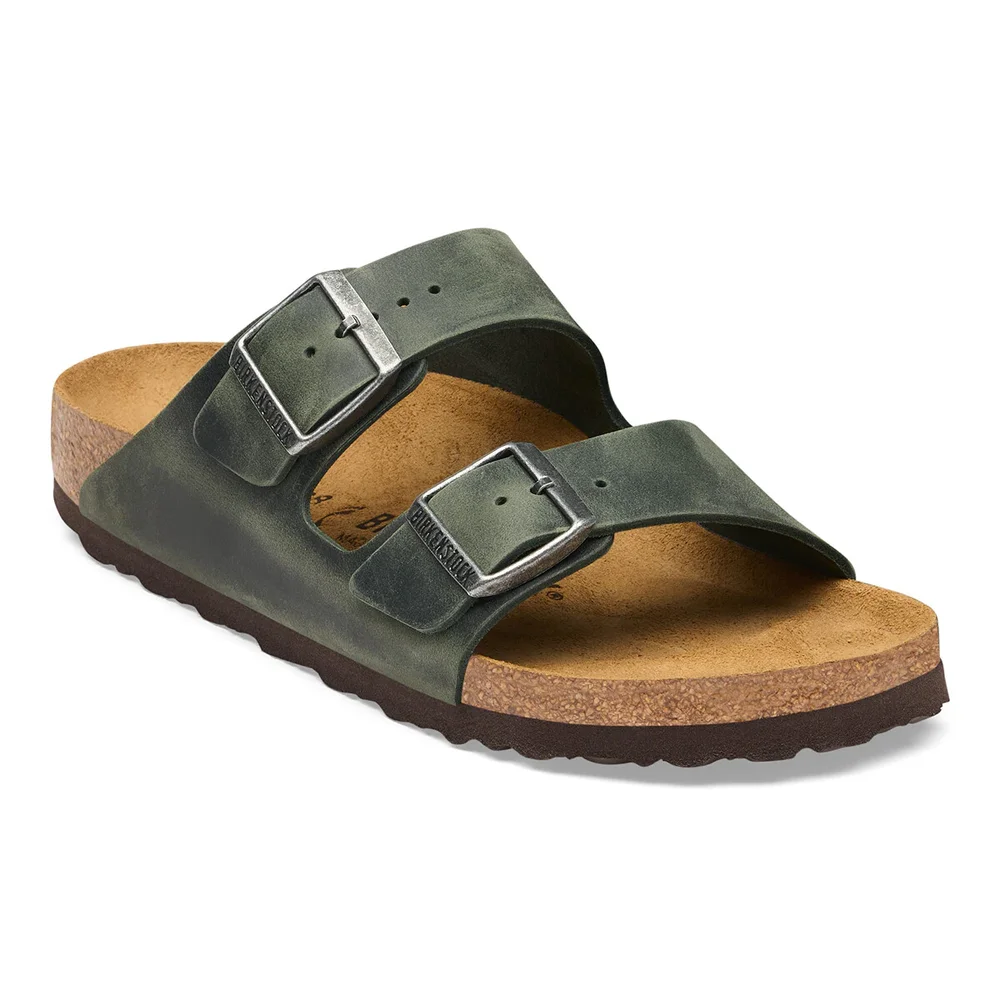
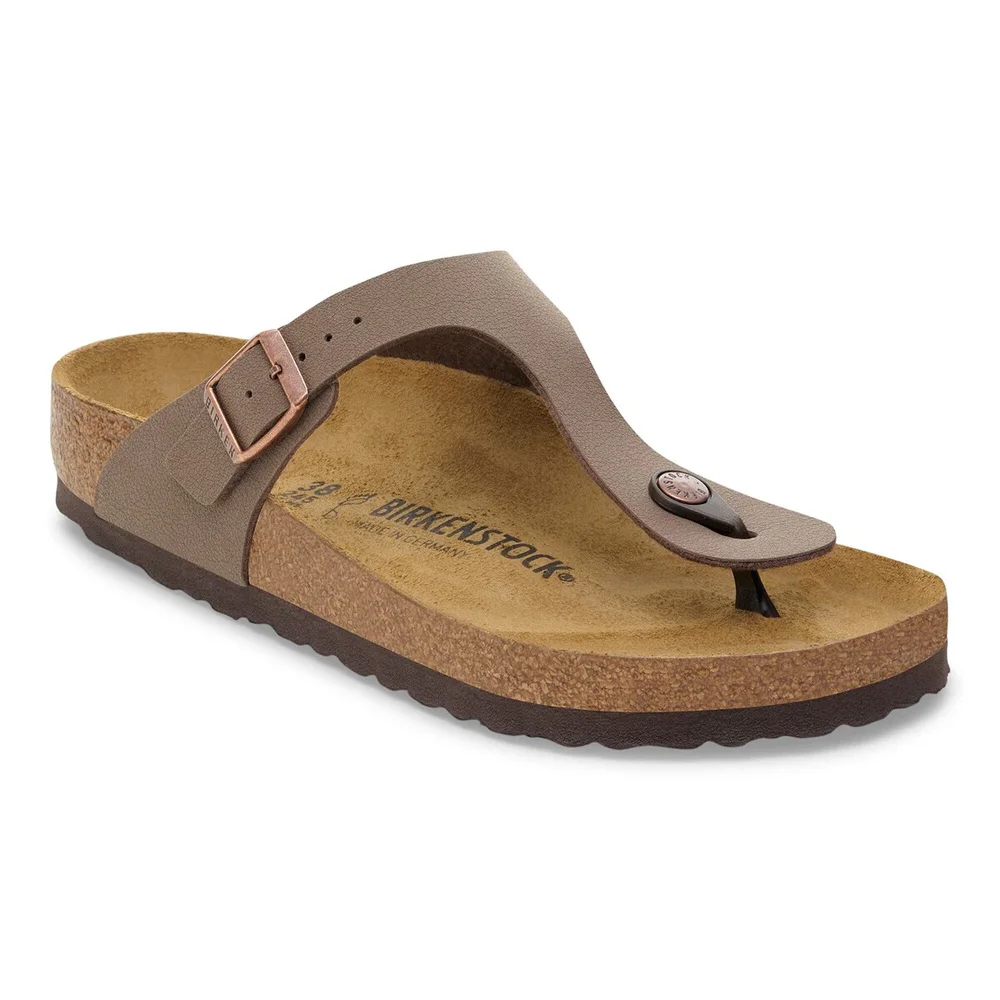
The Arizona is the classic adjustable two-strap in oiled leather; the Gizeh turns the footbed into a thong sandal with an adjustable buckle. Mayari adds a toe loop and two adjustable straps, while Franca trades the Arizona's straight lines for slim, braided cross-over straps and three buckles. I would start with Arizona for the plainest wardrobe workhorse. Gizeh is only my pick if toe posts do not bother you, and Franca has the most detail without a heel.
Project Cloud's softer side
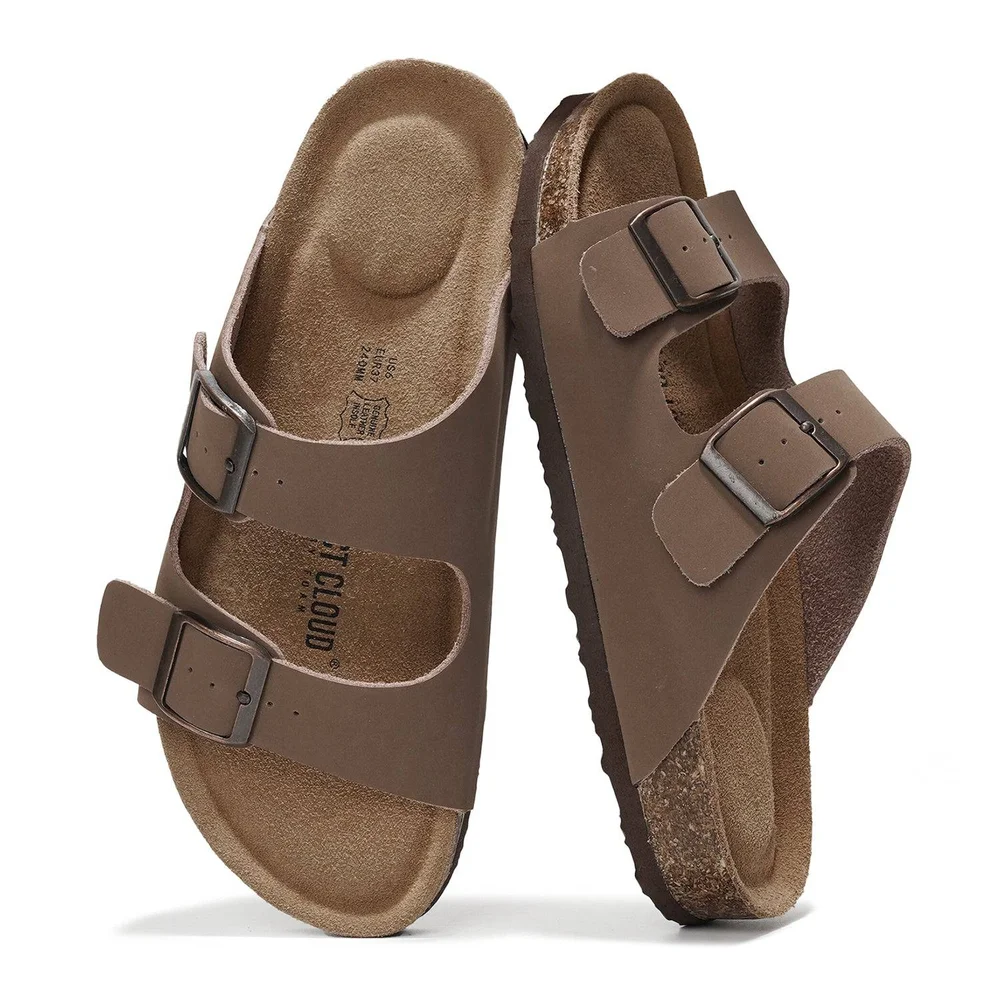
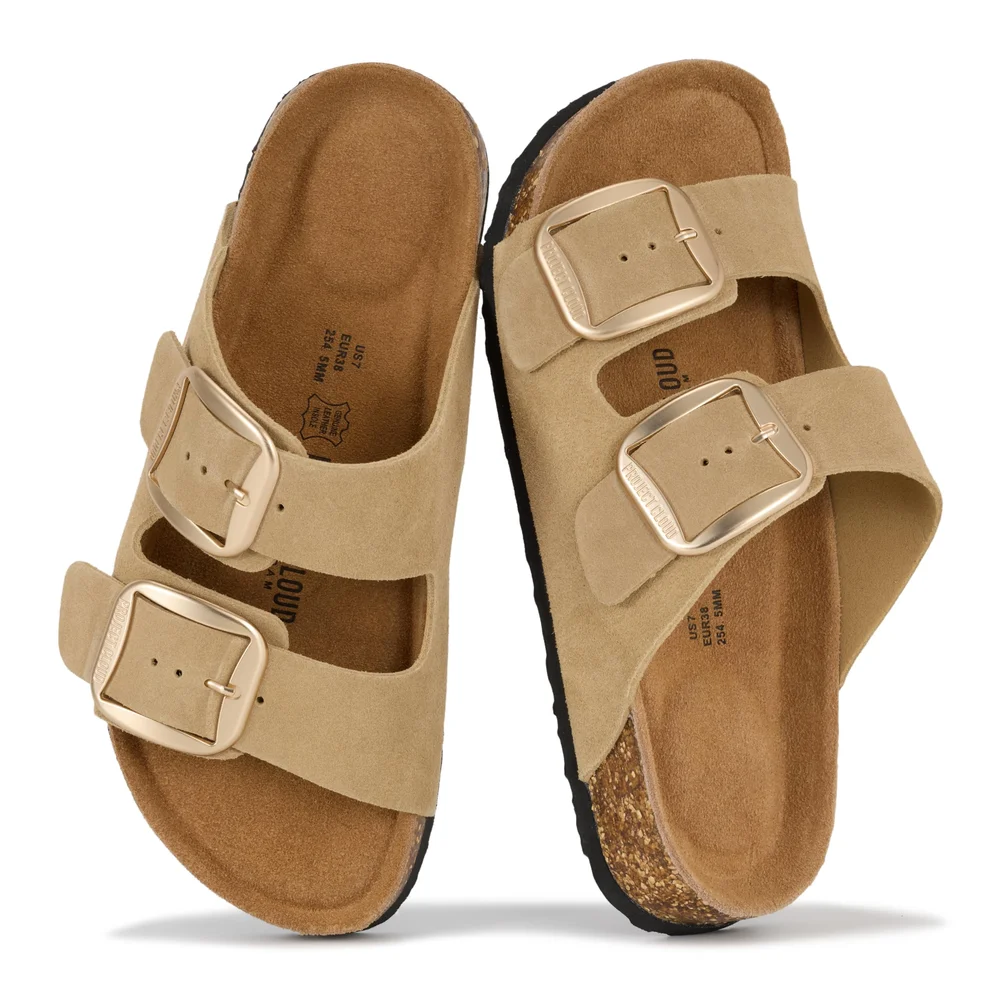
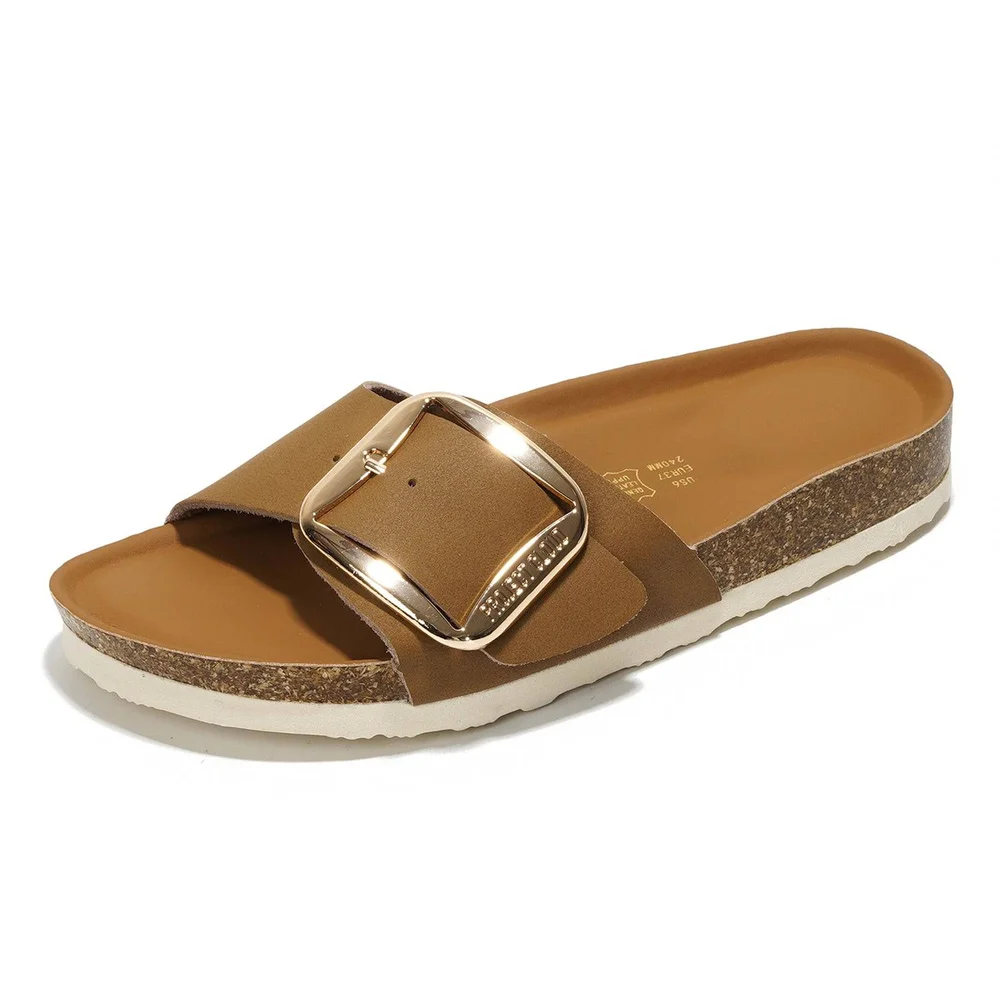
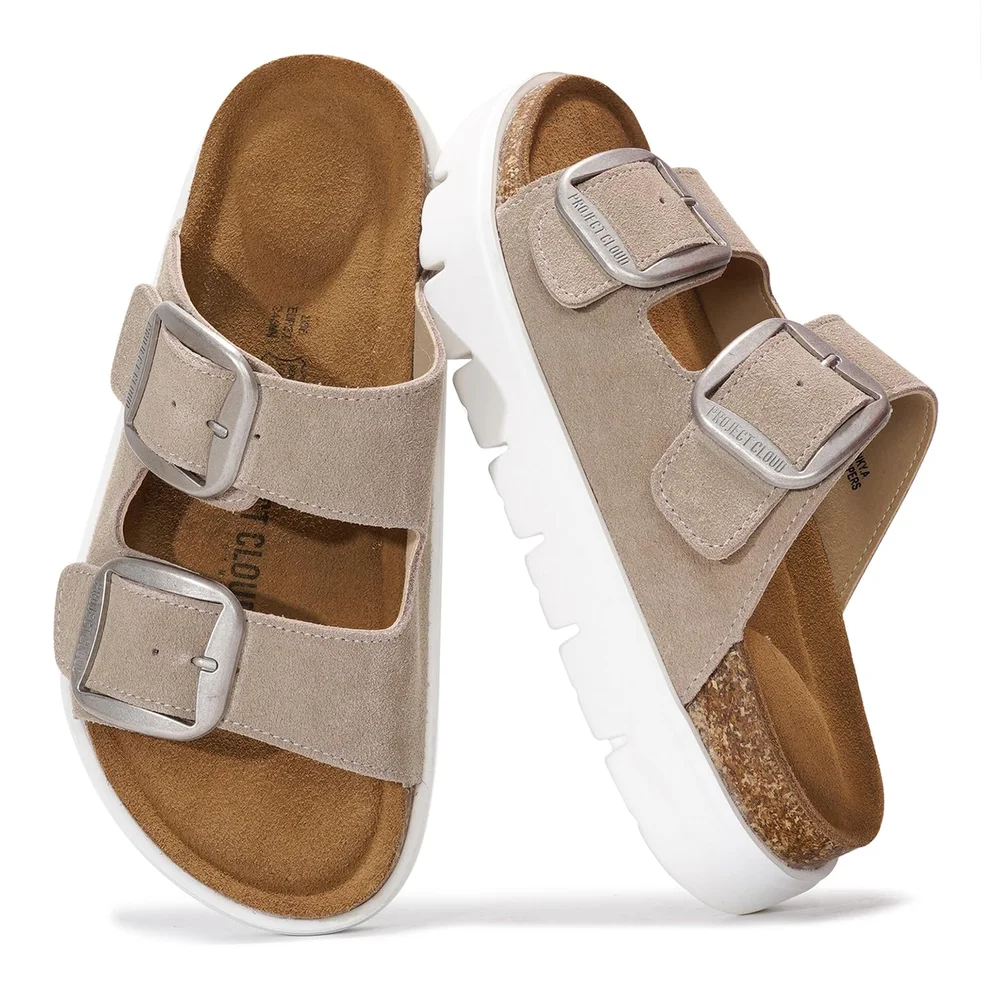
Project Cloud's story starts with a different premise: comfort should not be an afterthought, and the brand's ProjectPlush memory foam is designed for cushioning and shock absorption. Its prices are lower than Birkenstock's in the styles I checked, and the range here mixes leather, suede, cork footbeds and a platform. That variety makes the choice less about a single silhouette than how much cushioning and structure you want.
The Venita is a flat sandal with an adjustable two-strap design; Santorini is another flat sandal with adjustable straps and memory foam. Mykonos pairs a leather upper and suede insole with a cork footbed, while Greece Chunky adds a 1.5-inch platform under its suede upper. I like the range if I want a lower entry price and do not mind sorting among materials; Greece Chunky is the pick when I want height, and Mykonos feels the most pared back.
The final fit check
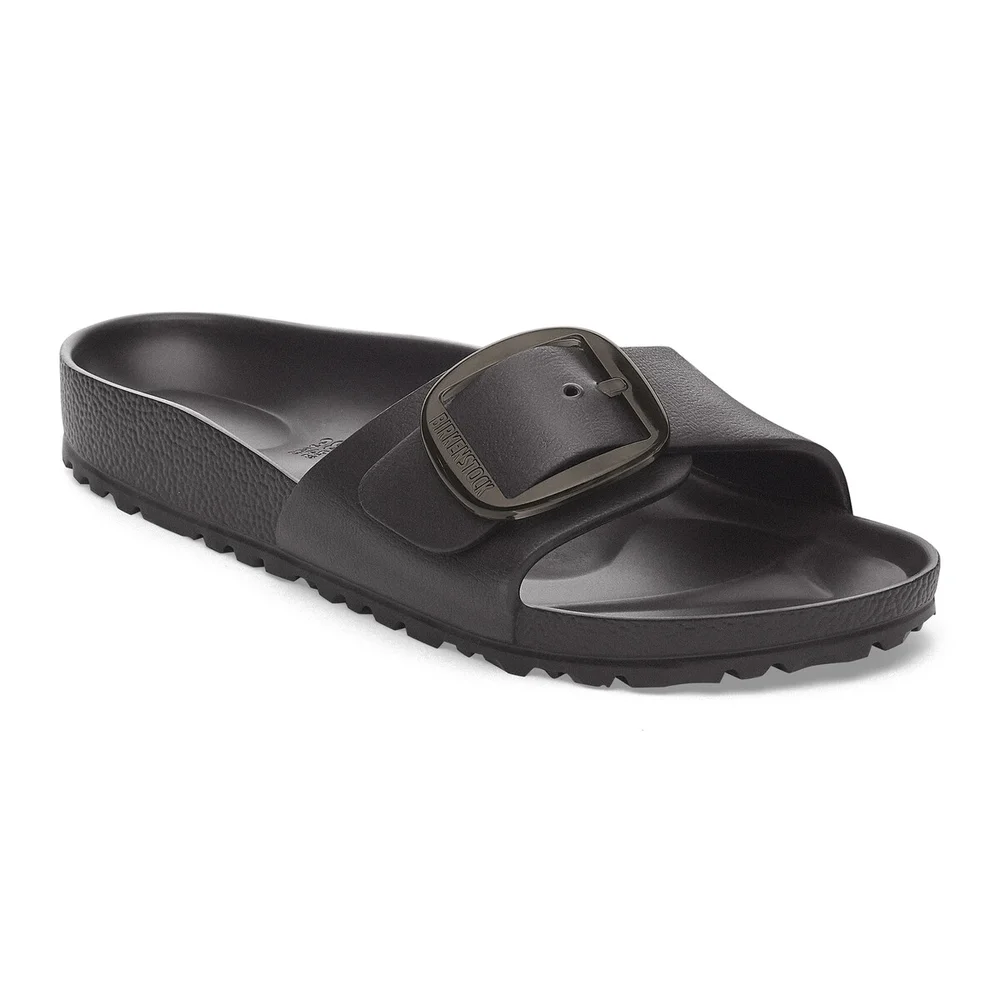
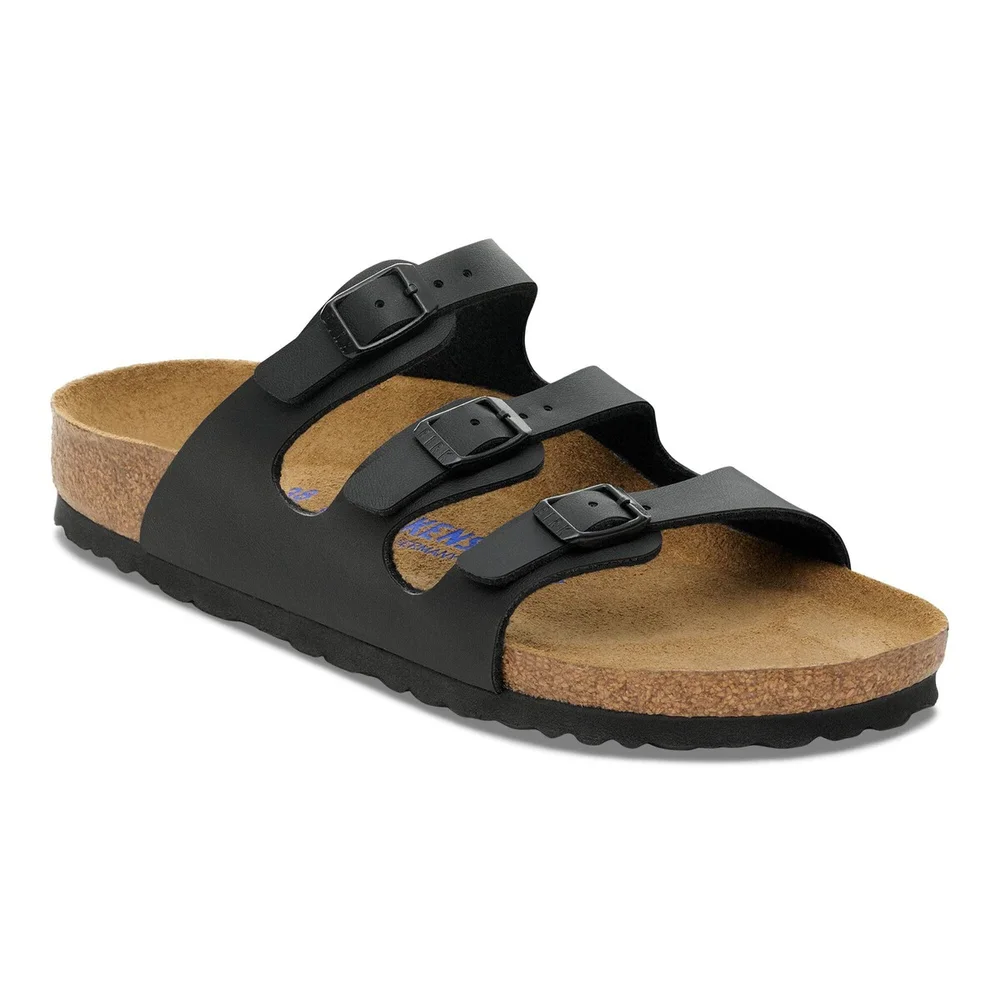
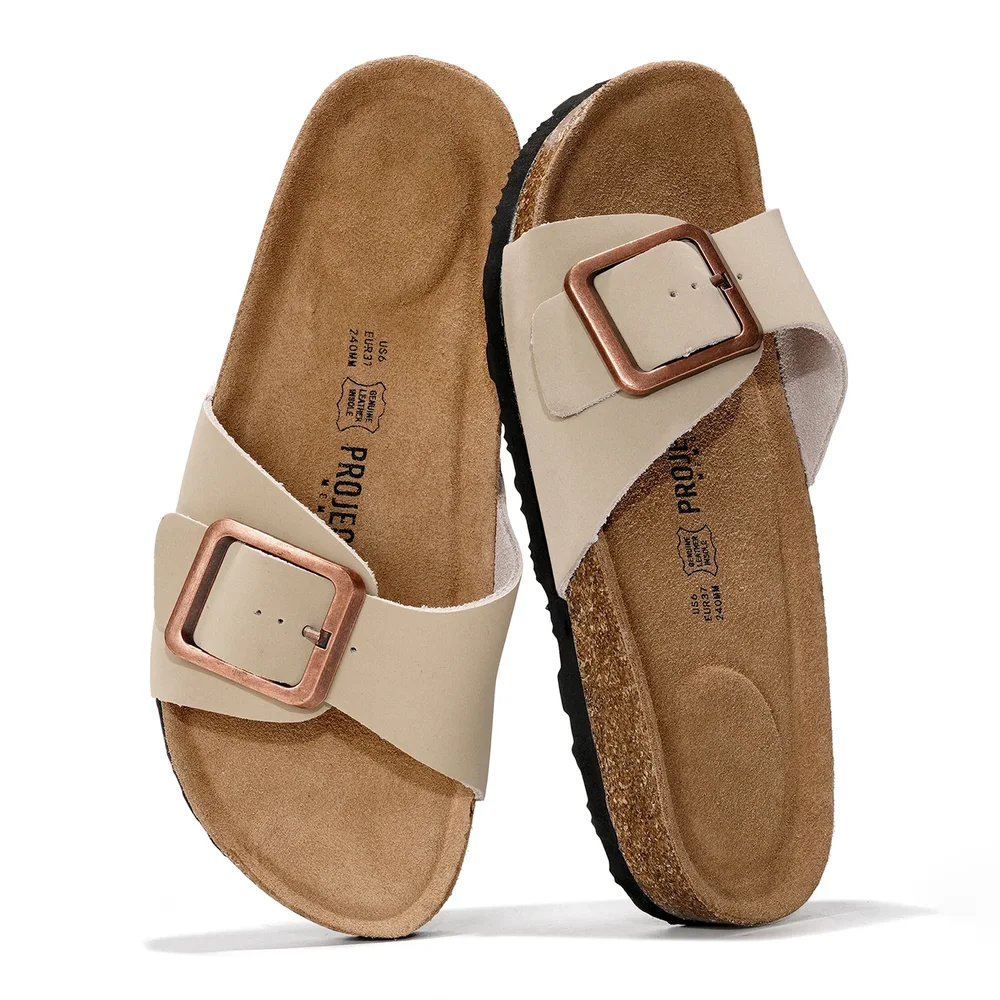
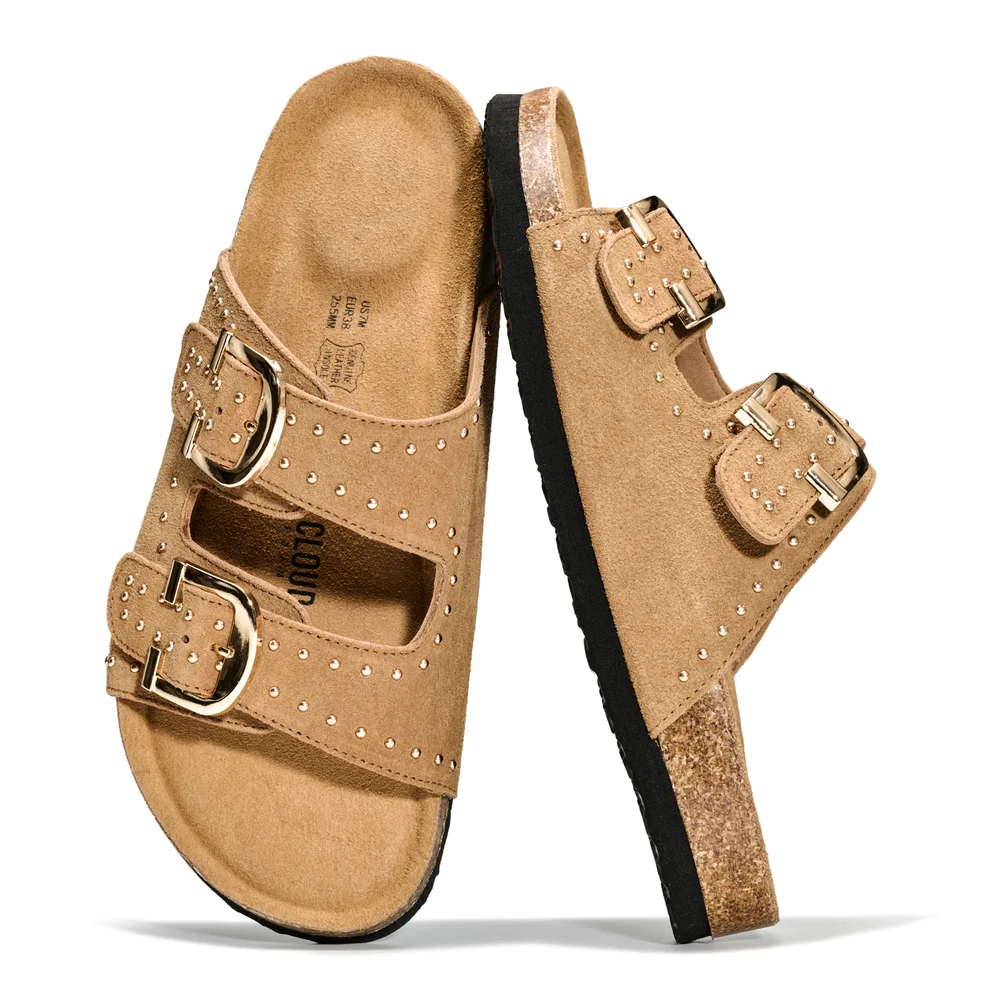
Still deciding? Madrid EVA Big Buckle is the one-strap option, with a lightweight, flexible EVA upper and footbed; Florida Soft Footbed adds three adjustable straps and a foam-padded cork footbed. Project Cloud's Ibiza brings a leather upper, suede insole and cork base, while Venita Stud is a flat slip-on with memory-foam cushioning. These pairs make the practical trade-off clearer: Madrid is for quick, light wear, Florida for more adjustment; Ibiza stays a simple leather-and-cork choice, and Venita Stud adds the softer cushion.
Buy Birkenstock if you want its sculpted, structured footbed and the Arizona or Franca silhouette; buy Project Cloud if you want lower current prices and cushioning that feels softer out of the box. I would choose Florida if straps need adjustment across the foot, or Ibiza if the leather-and-cork combination is what I want.