Blue Nile leans classic, while Brilliant Earth offers more setting variety. Compare stone shape, metal and design before choosing.
Blue Nile vs Brilliant Earth: Which Jeweler Should You Buy From?
The short version
Choose Blue Nile if you want classic center-stone settings to compare; choose Brilliant Earth if a halo, bezel, or three-stone silhouette is part of the appeal. For the brilliant earth vs blue nile question, I would start with the setting and exact stone rather than choose by reputation alone. Blue Nile began in 1999 as an online-first jeweler, while Brilliant Earth was founded in 2005 by Beth Gerstein and Eric Grossberg with the idea that jewelry should feel meaningful and aligned with personal values. Those origin stories are a clue to each brand's point of view, not a guarantee that one ring is better.
In these examples, the price gap is not a simple brand story: Blue Nile's 2 ct round Simple Solitaire is $3,444, while Brilliant Earth's 2 ct oval Secret Halo is $3,490. They are close in price but differ in shape and setting, so the numbers do not make them true substitutes. Blue Nile's chosen rings lean on classic solitaires and pavé, while Brilliant Earth's picks include a hidden halo, a three-stone design, and a bezel. I would choose by the ring I can picture wearing every day, then compare the exact center-stone specifications and metal.
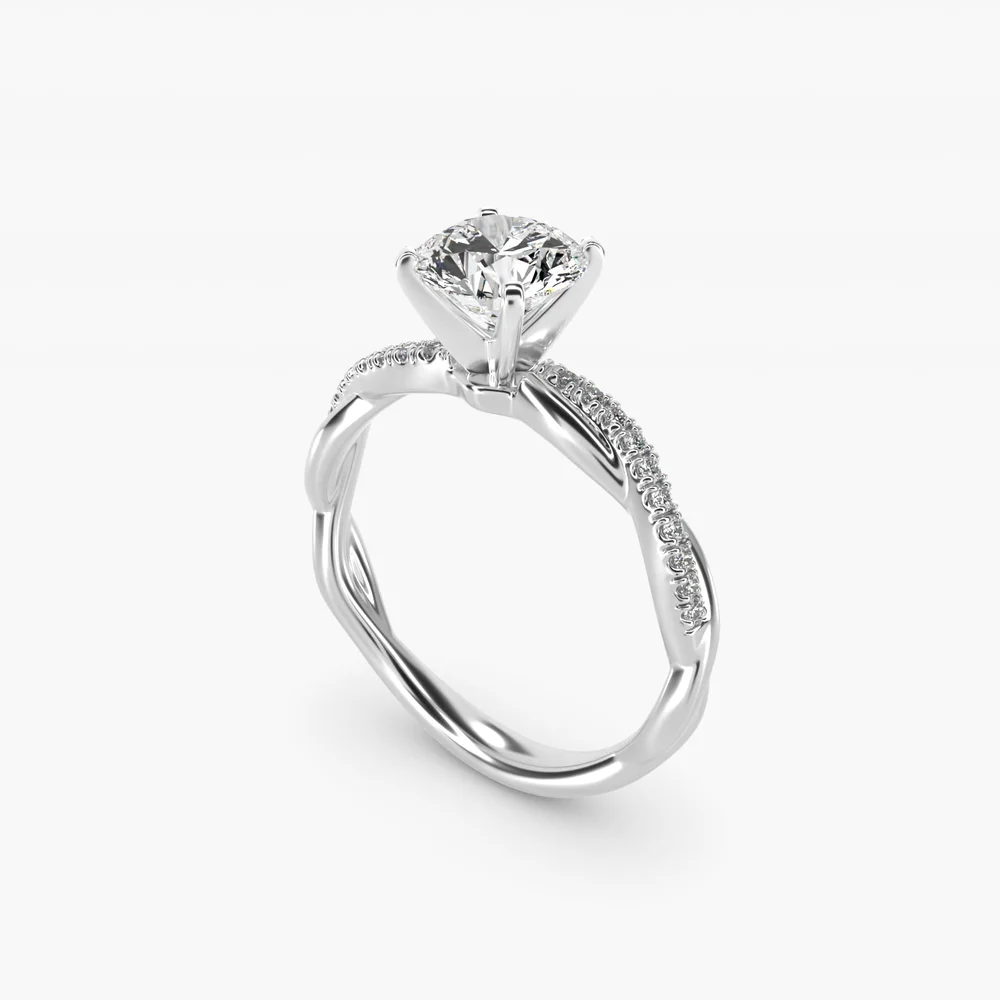
Petite Twist 1 ct Round Lab-Grown Diamond Ring in 14K White Gold
Blue Nile
$1,472
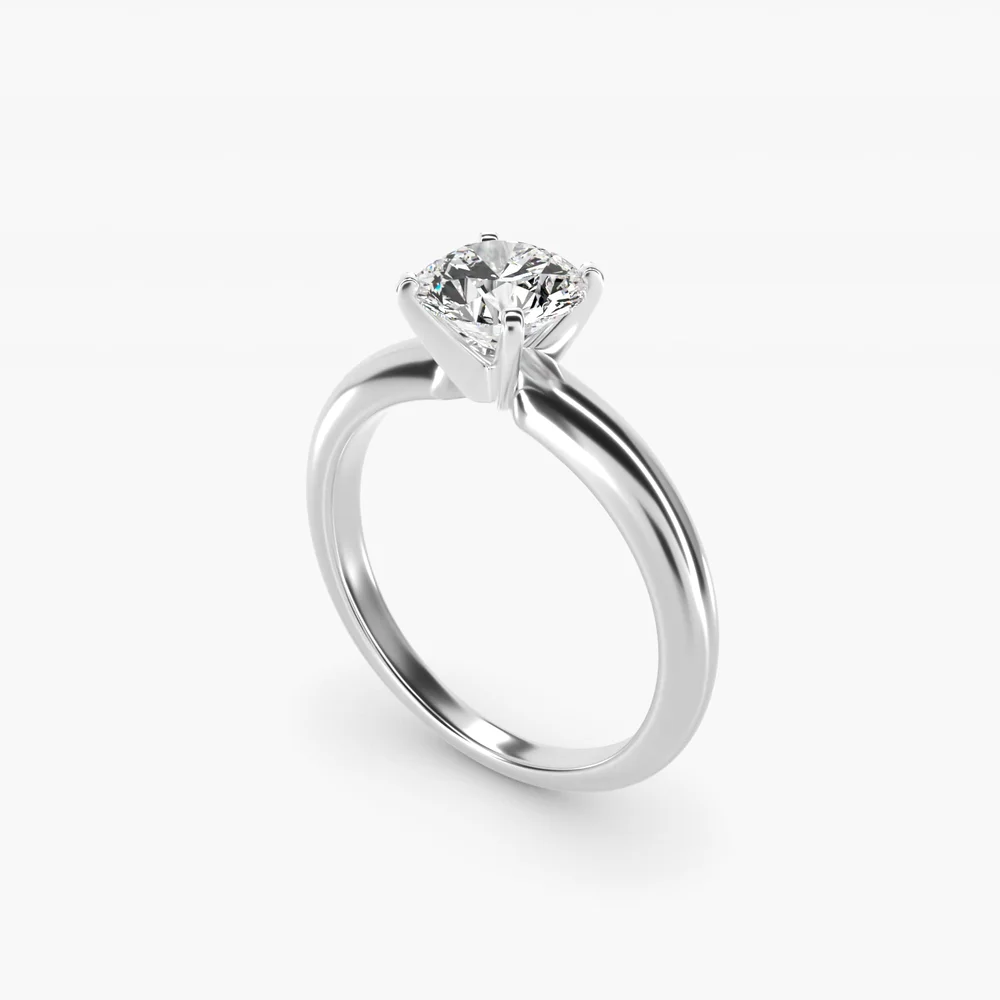
2 ct GIA Round Lab-Grown Diamond Classic Simple Solitaire Ring in 14K White Gold
Blue Nile
$3,444
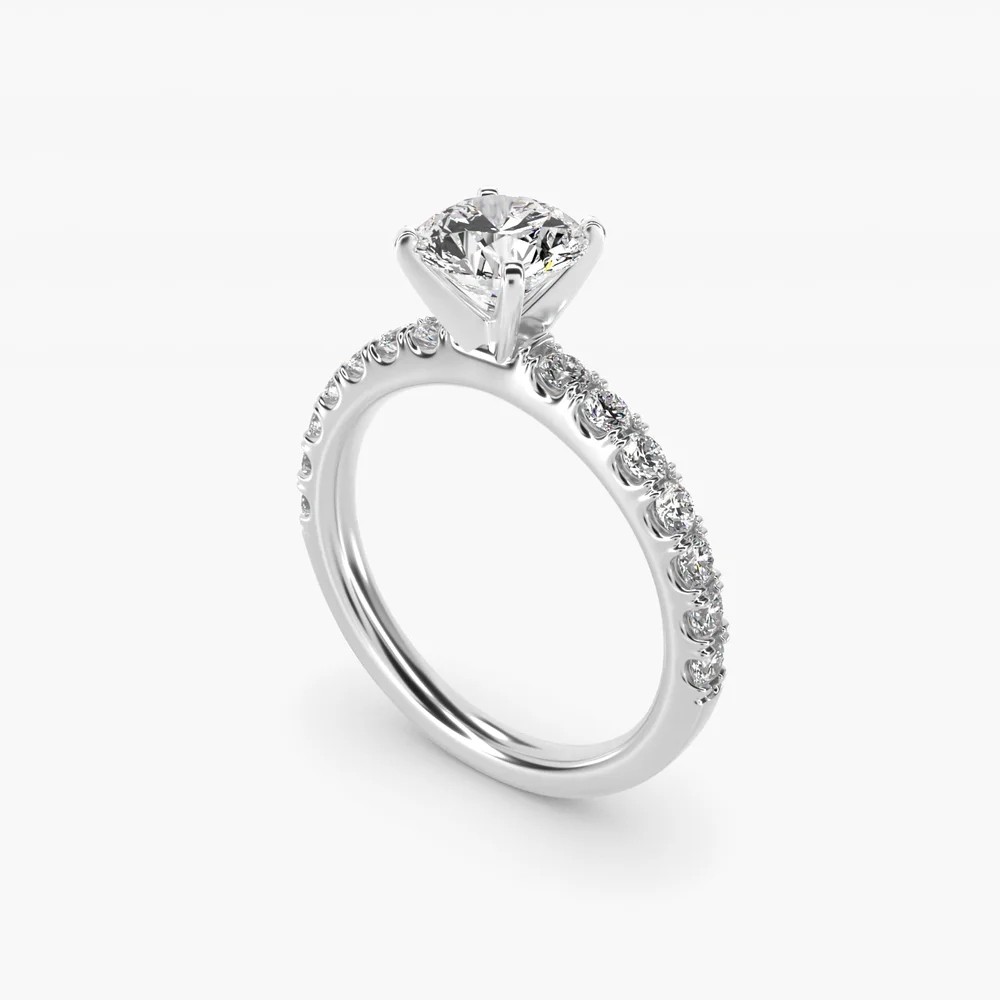
2 ct Round Lab-Grown Diamond Scalloped Pavé Ring in Platinum
Blue Nile
$3,912
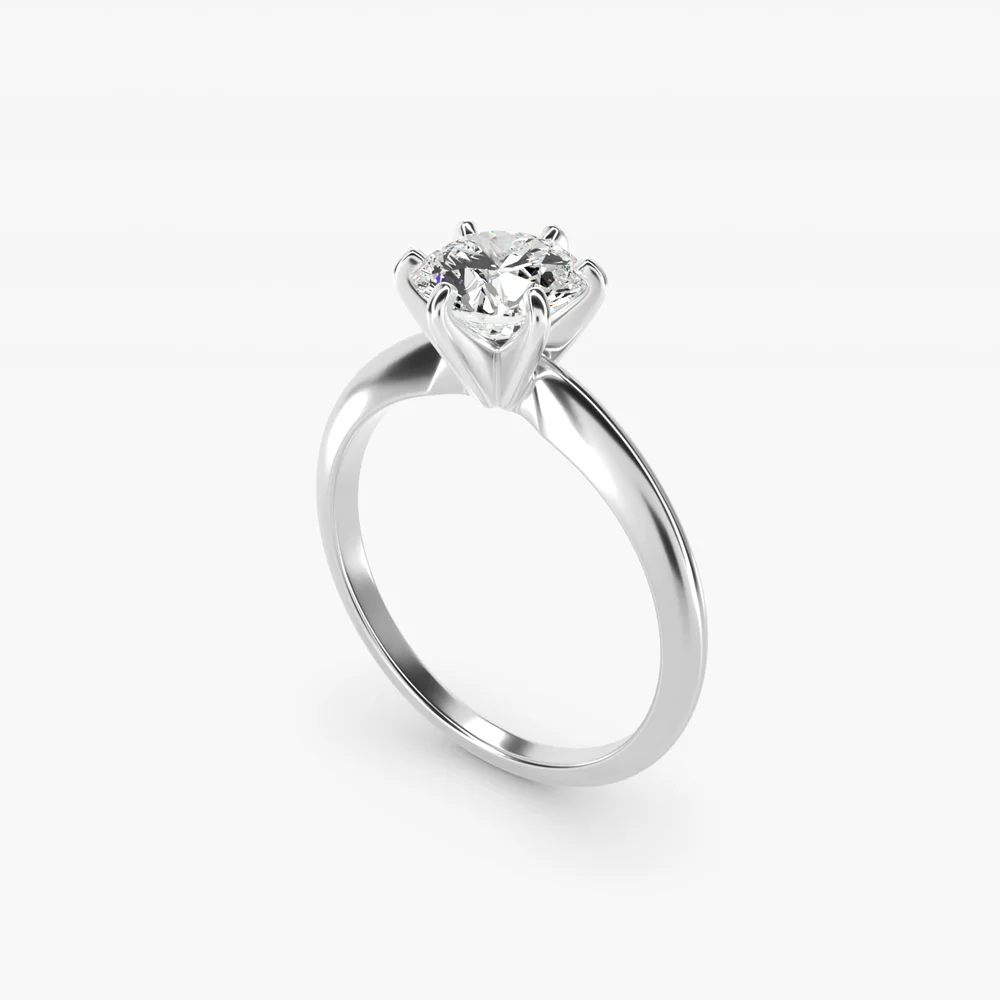
2 ct GIA Round Lab-Grown Diamond Six-Prong Solitaire Ring in 14K White Gold
Blue Nile
$3,685
Blue Nile's classic settings
Blue Nile is strongest when you want the center stone to do the talking. I would use a plain solitaire as a baseline, then decide how much detail earns its keep. The 2 ct GIA Certified Round Lab Created Diamond Classic Simple Solitaire in 14K white gold has a round lab-grown center and a 2.4 mm band. The Classic Six-Prong Solitaire uses the same round-center brief with a slimmer 1.9 mm band and six prongs, a small change that makes the setting feel more traditional.
The Scalloped Pavé ring softens that restraint with a platinum band and 3/8 ct total pavé diamonds. For a smaller center, the Petite Twist pairs a 1 ct round certified lab-grown diamond with 14K white gold and a 2.8 mm band. I like the Twist for a little movement; if you want the cleanest starting point, the Simple Solitaire is the one I would compare first.
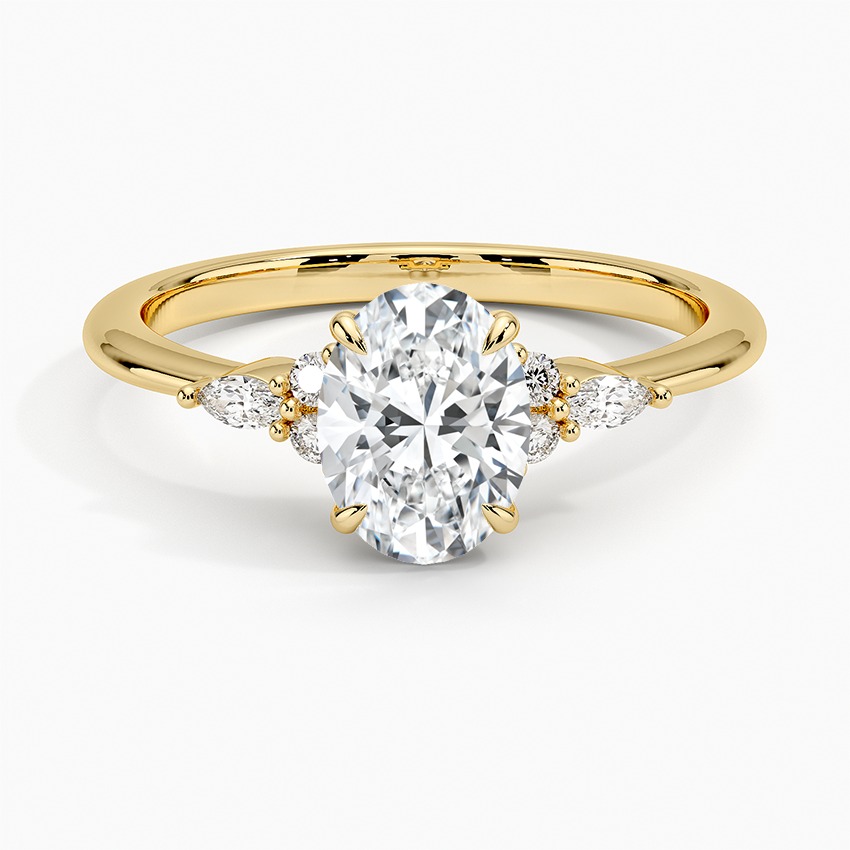
Nadia 1 ct Oval Certified Lab Diamond Ring in 18K Yellow Gold
Brilliant Earth
$2,190
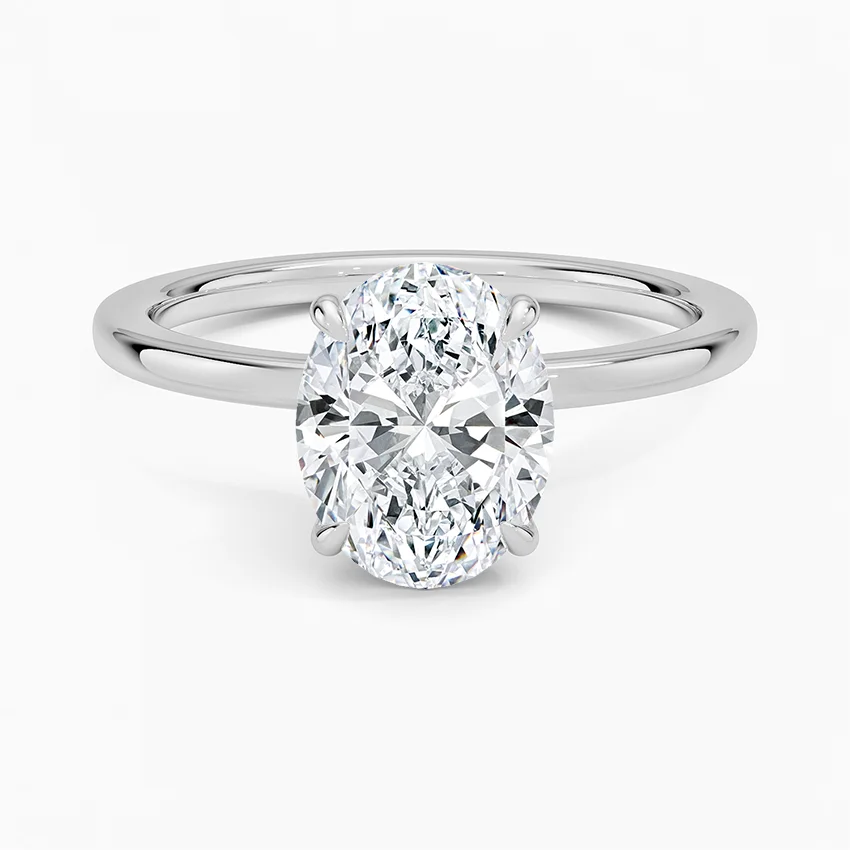
Secret Halo with 2ct Oval Certified Lab Diamond in 18K White Gold
Brilliant Earth
$3,490
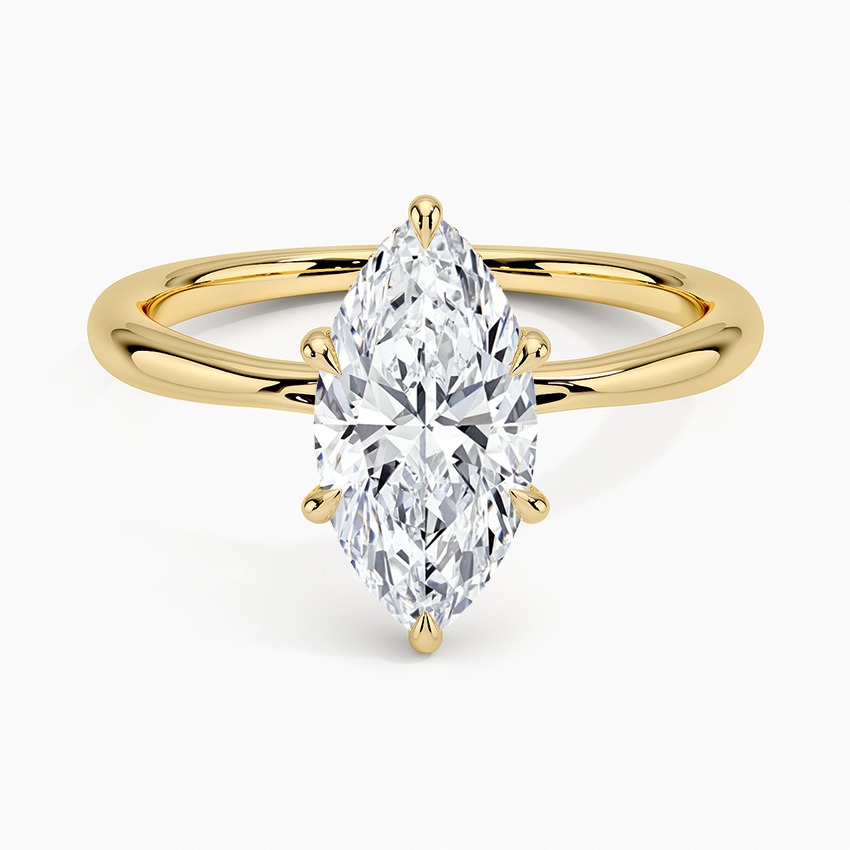
Freesia Hidden Halo 1.5 ct Marquise Certified Lab Diamond Ring in 18K Yellow Gold
Brilliant Earth
$2,690
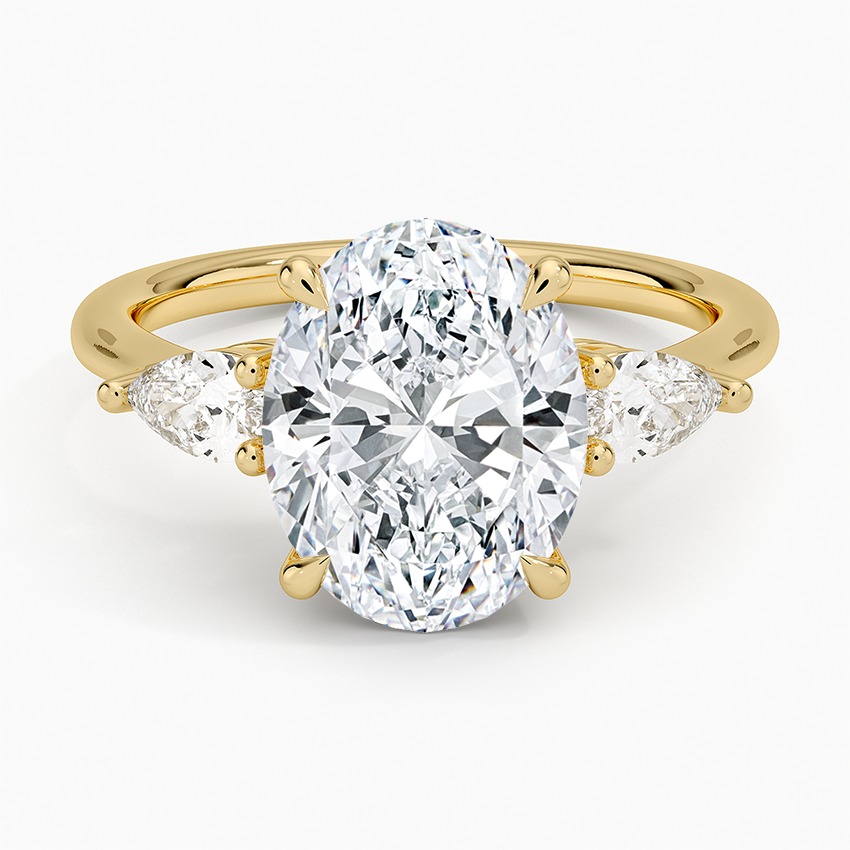
Opera Three Stone 3 ct Oval Certified Lab Diamond Ring in 18K Yellow Gold
Brilliant Earth
$5,190
Brilliant Earth's silhouettes
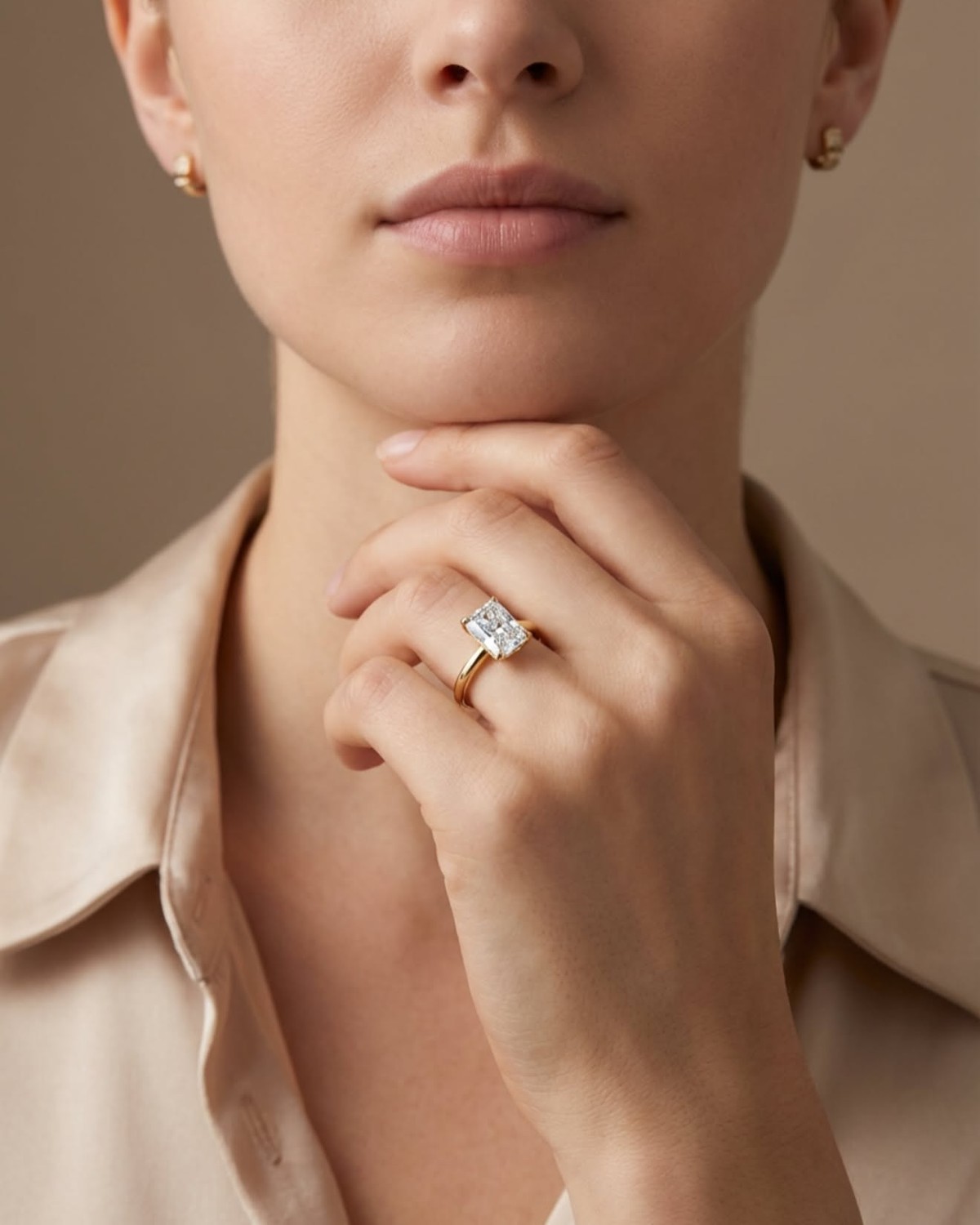
Brilliant Earth earns the nod when a more shaped silhouette matters. The selected rings show how a setting can change the mood: Nadia has a 1 ct oval certified lab diamond in 18K yellow gold, with side stones that add a little sparkle beyond the center. It is the easy-to-wear choice if you want a defined oval without a large center.
Secret Halo pairs a 2 ct oval lab diamond with hidden sparkle beneath the center, while Freesia uses a 1.5 ct marquise center in 18K yellow gold and a hidden halo. Opera goes larger, with a 3 ct oval center and a three-stone silhouette, also in yellow gold. I like Nadia most for everyday proportion, while Opera is the boldest of these four. If you care about a brand's design point of view and want more than a plain solitaire, Brilliant Earth is my first stop.
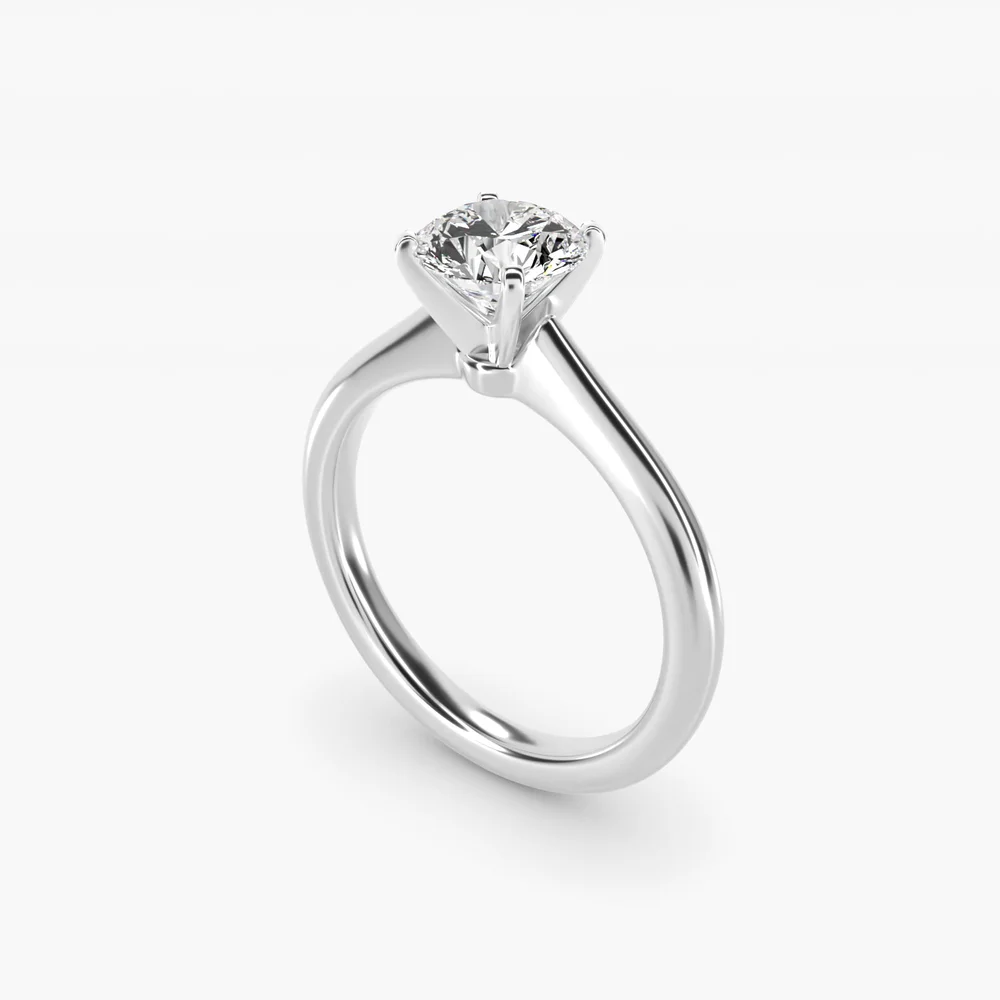
1 ct Round Lab-Grown Diamond Petite Solitaire Ring in Platinum
Blue Nile
$1,368
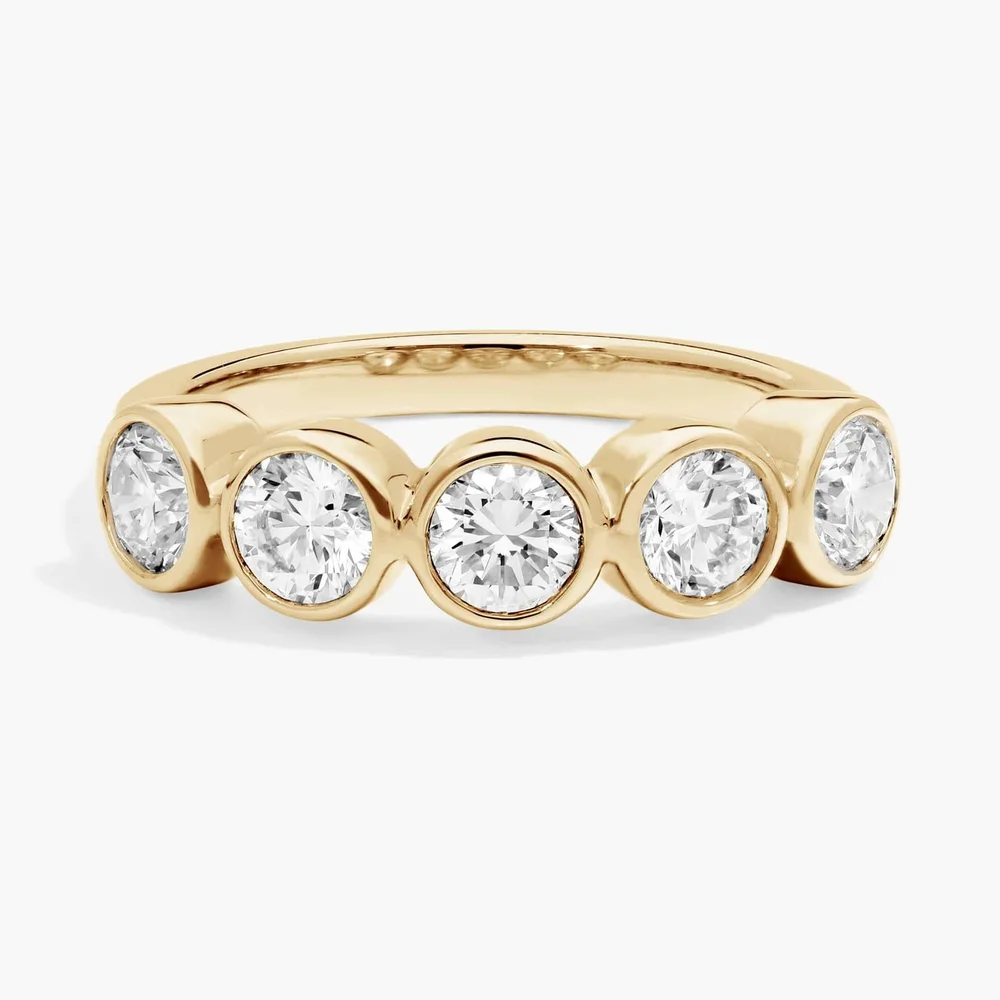
Lab-Grown Diamond Bezel Ring in 14K Yellow Gold
Blue Nile
$1,374
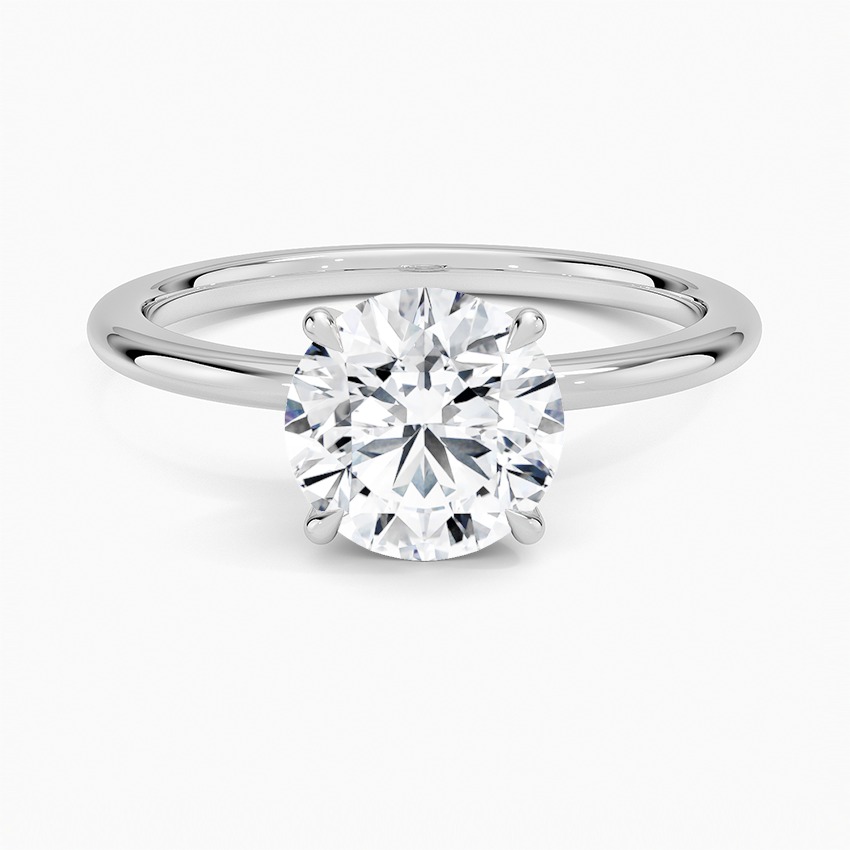
Petite Elodie 1.5mm Solitaire with 1.5 ct Round Certified Lab Diamond in 18K White Gold
Brilliant Earth
$1,990
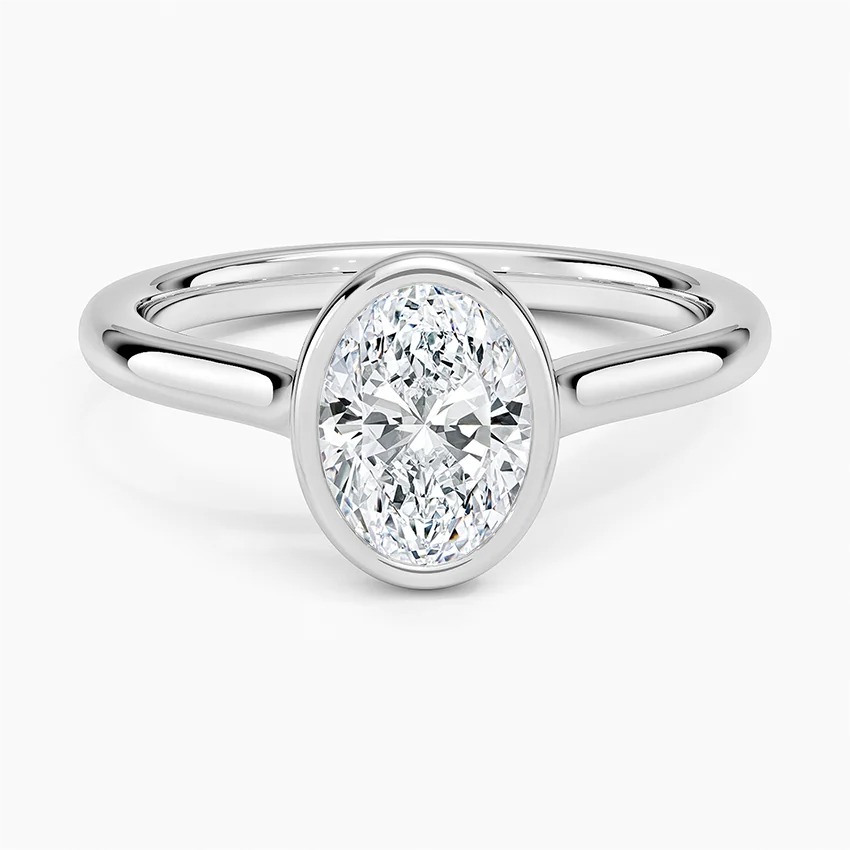
Luna 2mm Bezel with 1 ct Oval Certified Lab Diamond in 18K White Gold
Brilliant Earth
$1,990
Solitaires and bezels
These last pairs make the setting trade-off concrete. Blue Nile's Petite Solitaire puts a 1 ct round lab-grown diamond in a narrow 1.8 mm platinum band; Brilliant Earth's Petite Elodie is a 1.5 mm white-gold solitaire with a larger 1.5 ct round center. They share a restrained outline, but the diamond size and metal differ, so I would compare stone specifications before comparing prices.
For the bezel option, Blue Nile's yellow-gold ring holds five round lab-grown diamonds totaling 1 1/4 ct; Brilliant Earth's Luna pairs a 1 ct oval center with a 2 mm white-gold bezel band. Blue Nile or Brilliant Earth? For me, the answer starts with the silhouette: round solitaire or bezel-set oval. Buy Blue Nile if you want a plain platinum solitaire or a five-stone yellow-gold bezel. Buy Brilliant Earth if you want the larger round solitaire or an oval white-gold bezel.