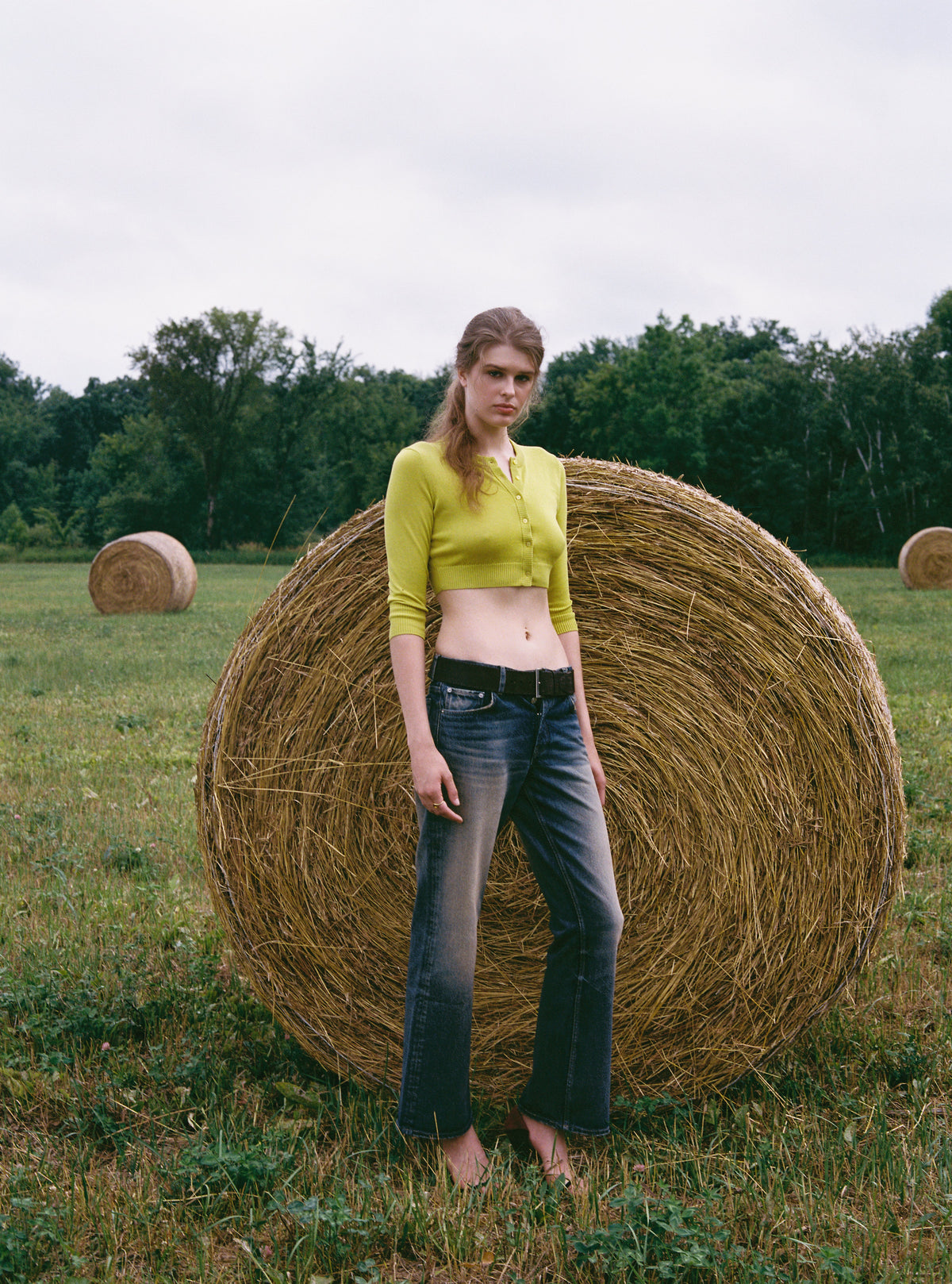
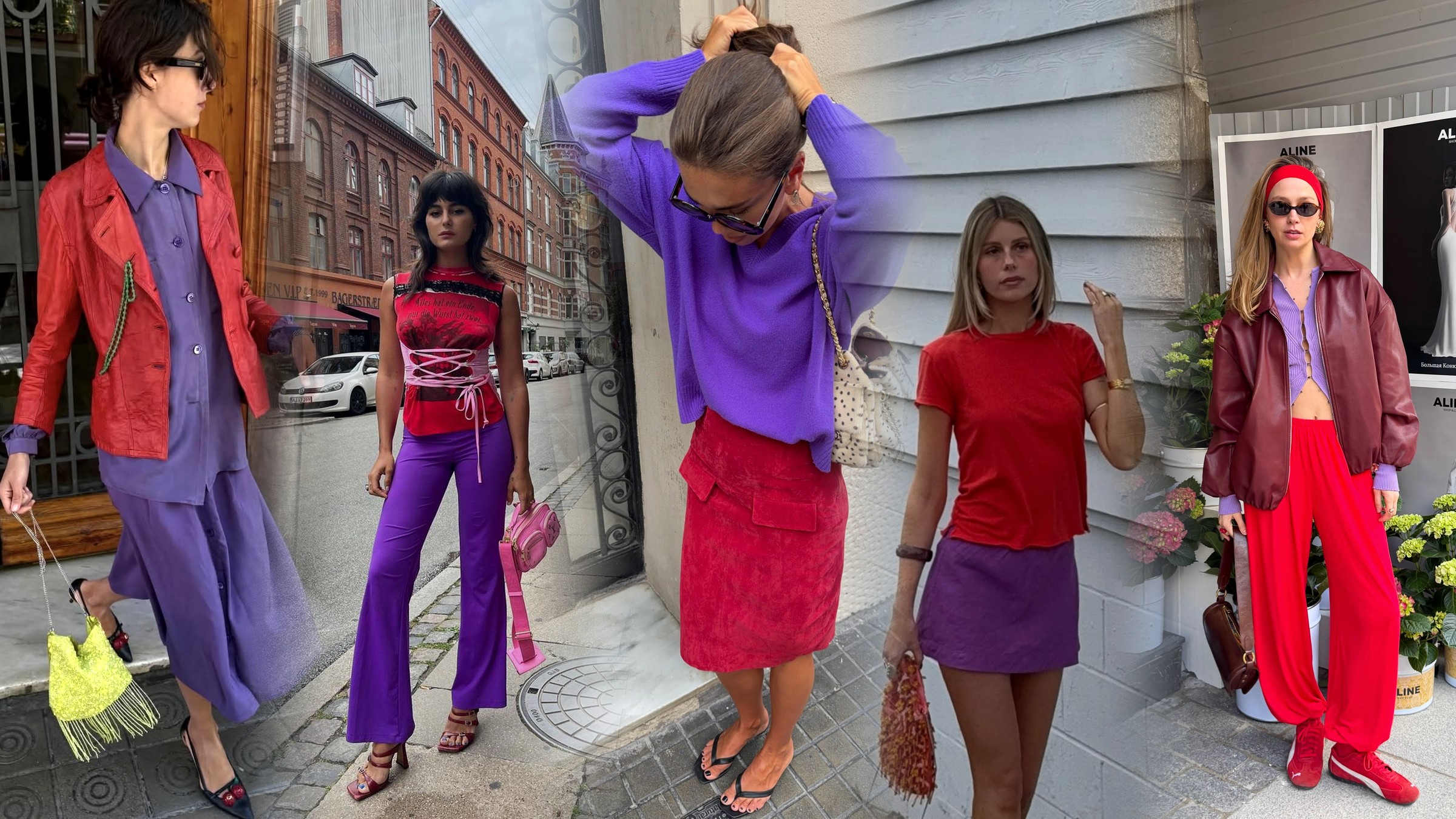
Bottega Veneta was started in 1966 in Vicenza by Michele Taddei and Renzo Zengiaro, two leathermakers who decided the House would never need a logo. The specific thing they built instead was intrecciato, the woven leather technique introduced in 1975 that turned a manufacturing workaround into the label's entire visual language.
Bottega Veneta
Bags
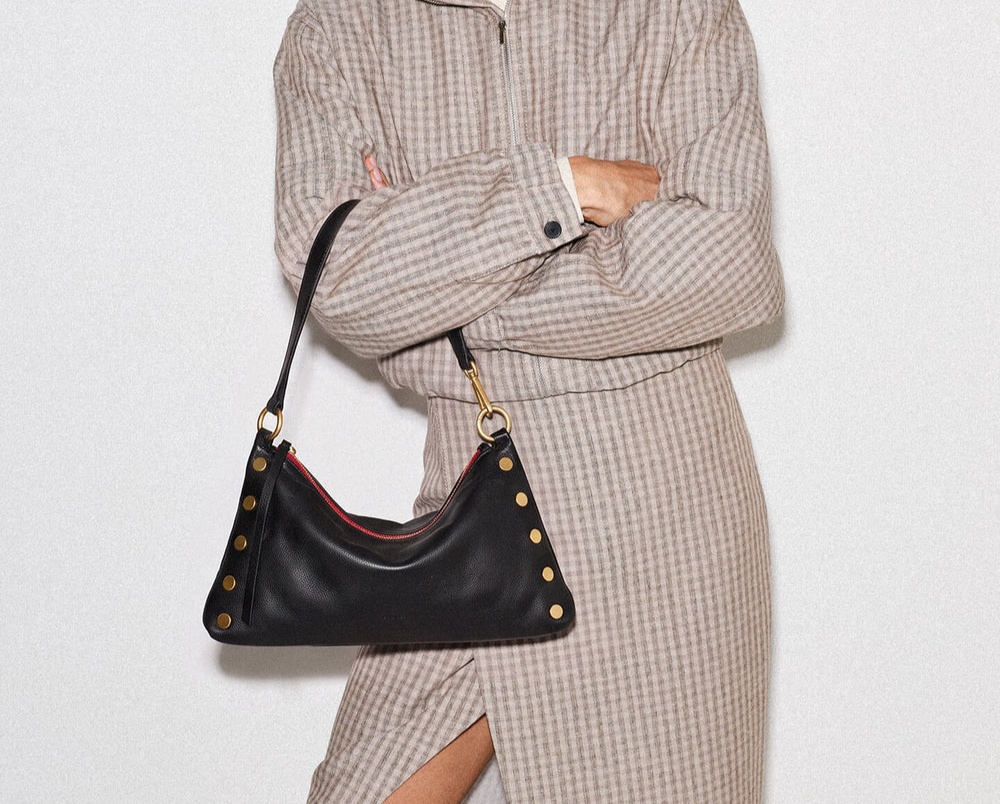
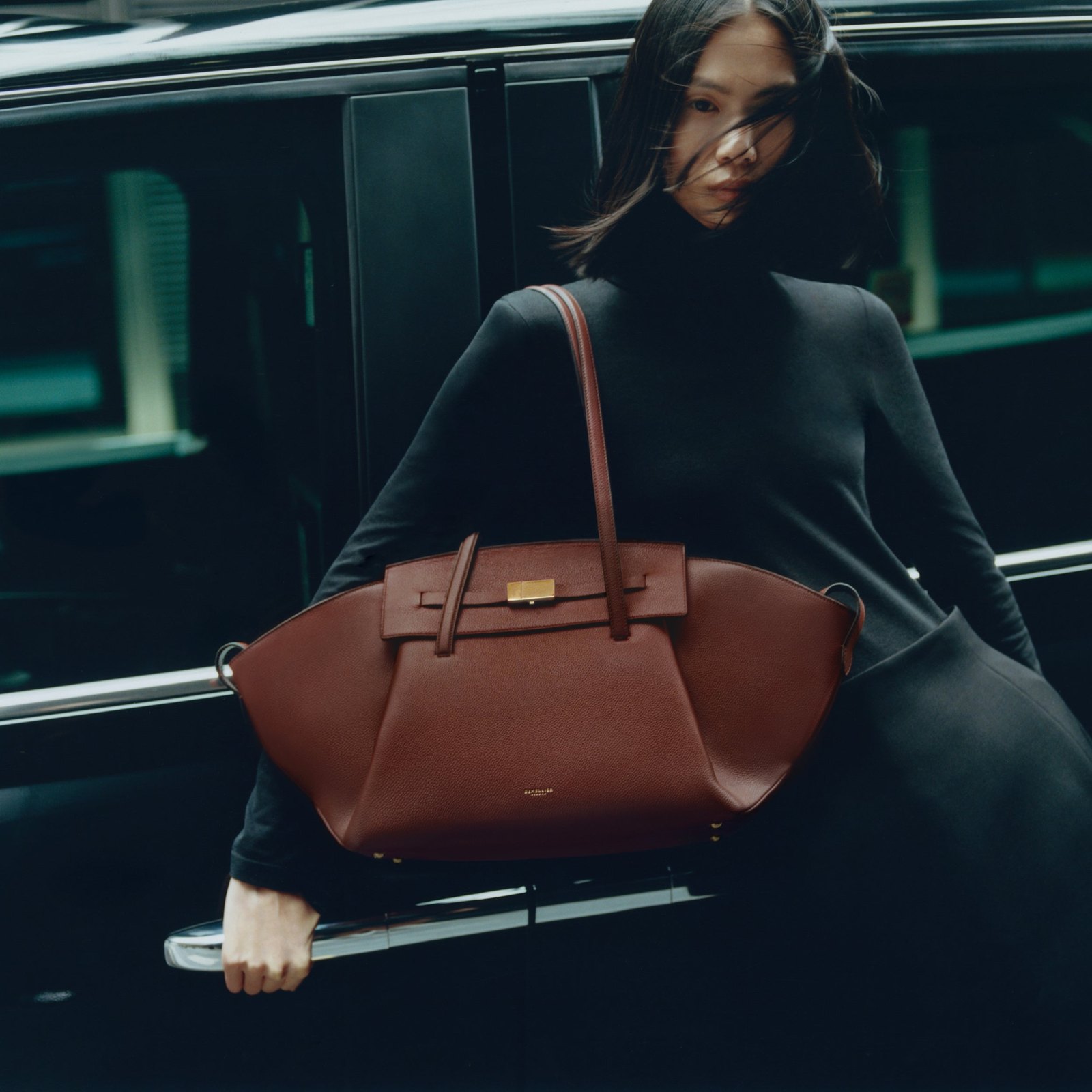
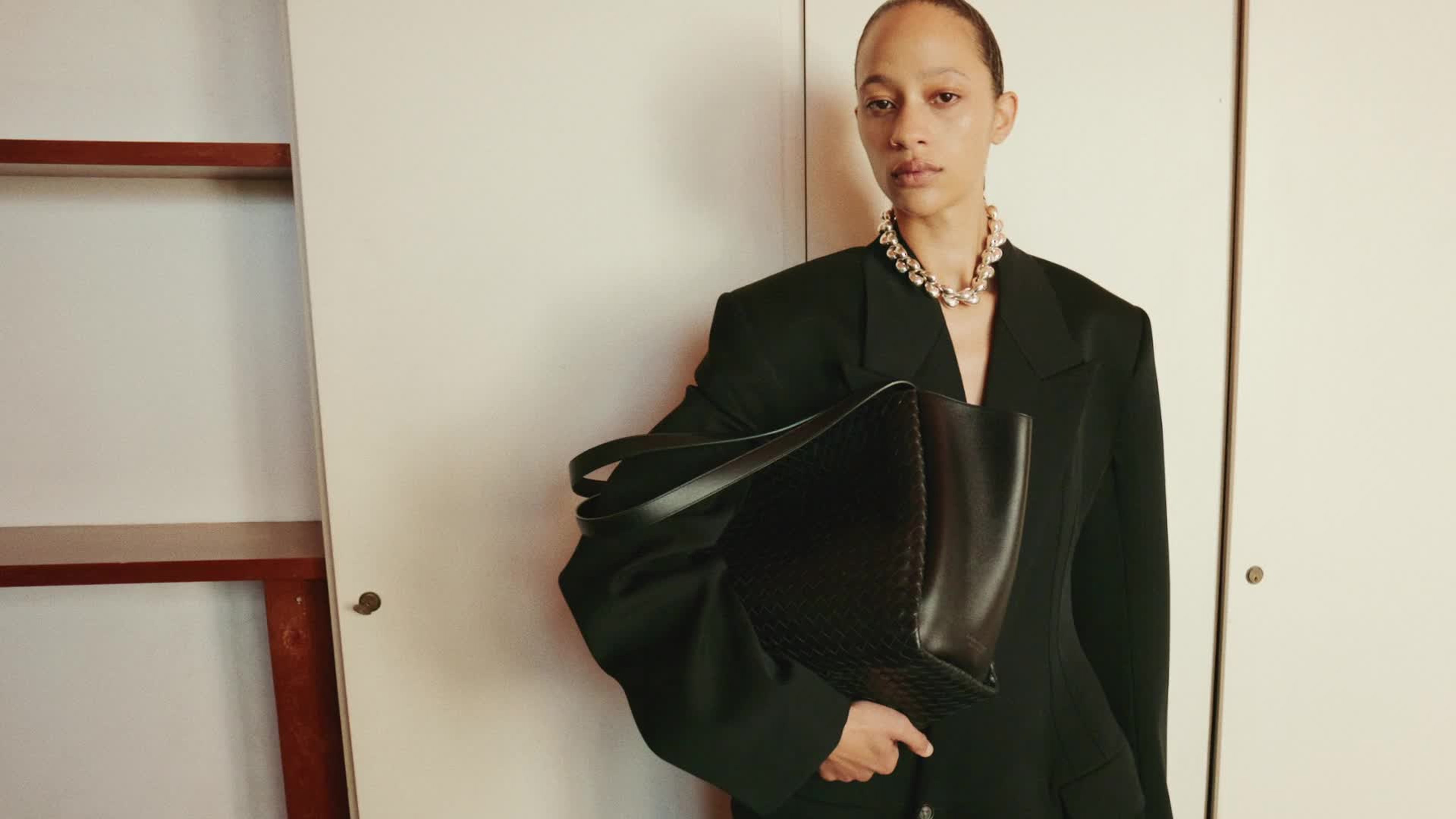
Bags are where the intrecciato weave still does its clearest talking, since the technique was invented to make thinner, more supple leather hold its shape under a bag's own weight. There is no hardware, no branding, just the woven surface doing the identifying, which is exactly the point the founders were making back in the 1960s. This grid is the most direct line back to what Bottega Veneta actually is.

Medium Barbara Intrecciato Leather Tote Bag
Bottega Veneta
$5,900

Nodi Mini Suede Shoulder Bag
Bottega Veneta
$2,400

Small Andiamo Intrecciato Leather Bag
Bottega Veneta
$4,900

Veneta Intrecciato Leather Hobo Bag
Bottega Veneta
$5,600

Andiamo Intrecciato Leather and Canvas Bag
Bottega Veneta
$5,700

Small Andiamo Intrecciato Leather and Raffia Bag
Bottega Veneta
$5,900

Soft Knot Intrecciato Leather Clutch
Bottega Veneta
$5,500

Giorno Intrecciato Suede Bag
Bottega Veneta
$3,600

Giorno Intrecciato Leather Dustbag
Bottega Veneta
$3,600

Knot Lock Leather Shoulder Bag
Bottega Veneta
$3,900

Small Liberta Leather Crossbody Bag
Bottega Veneta
$3,500

Andiamo Medium Intrecciato 15 Leather Bag
Bottega Veneta
$6,400

Large Hop Intrecciato Leather Bag
Bottega Veneta
$5,800

Andiamo Intrecciato Leather Bag
Bottega Veneta
$5,900

Large Andiamo Silky Leather Bag
Bottega Veneta
$8,400

Medium Campana Intrecciato Leather Bag
Bottega Veneta
$4,900

Small Hop Intrecciato Leather Bag
Bottega Veneta
$4,200

Mini Liberta Leather Crossbody Bag
Bottega Veneta
$3,100

Medium Andiamo Intrecciato Leather Tote Bag
Bottega Veneta
$5,700

Small Andiamo Intrecciato Suede Bag
Bottega Veneta
$5,000

Knot Intrecciato Satin Clutch
Bottega Veneta
$4,400

The 1998 Intrecciato Leather Clutch
Bottega Veneta
$5,900

Small Andiamo Raffia Bag
Bottega Veneta
$4,600

Andiamo Intrecciato Foiled-Satin Clutch
Bottega Veneta
$3,900
More Bags
A second pass through bags, and the range makes clear the weave is not one shape or one size but a whole vocabulary of totes, hobos and top handle styles built on the same base technique. That range is part of why intrecciato survived past its original decade instead of reading as a period detail. Different silhouettes, same handwriting.

Knot Lock Leather Shoulder Bag
Bottega Veneta
$3,900

Small Parachute Intrecciato Leather Chain Bag
Bottega Veneta
$5,100

Andiamo Intrecciato Leather E/W Clutch
Bottega Veneta
$3,700

Intrecciato Leather Minaudiere Clutch
Bottega Veneta
$5,100

The Arco Small Leather Tote Bag
Bottega Veneta
$4,500

Knot Long Intrecciato Leather Clutch
Bottega Veneta
$3,200

Bang Bang Leather and Raffia Bag
Bottega Veneta
$2,900

Small Parachute Canvas Bag
Bottega Veneta
$4,300

Small Hop Intrecciato Leather Bag
Bottega Veneta
$4,600

Small Andiamo Intrecciato Leather Bag
Bottega Veneta
$4,900

Wallace Intrecciato Leather Mini Bag
Bottega Veneta
$3,000

Long Andiamo Intrecciato Leather Clutch
Bottega Veneta
$3,700

Bang Bang Intrecciato Leather Vanity Case
Bottega Veneta
$3,300

Bang Bang Intrecciato Leather Vanity Case
Bottega Veneta
$3,300

Bang Bang Intrecciato Leather Vanity Case
Bottega Veneta
$3,300

Large Hop Raffia Bag
Bottega Veneta
$4,900

Vongola Intrecciato Leather Clutch
Bottega Veneta
$4,950

Sardine Intrecciato Leather Bag
Bottega Veneta
$4,800

Bang Bang Intrecciato Leather Vanity Case
Bottega Veneta
$3,300

Lauren 1980 N/S Intreccio Clutch
Bottega Veneta
$11,200

Reversible Oversized Shearling Tote Bag
Bottega Veneta
$4,500

Andiamo Canvas Tote Bag
Bottega Veneta
$4,600

Long Andiamo Intrecciato Leather Clutch
Bottega Veneta
$3,700

Bang Bang Intrecciato Leather Vanity Case
Bottega Veneta
$3,300
Still more Bags
By a third grid the pattern is obvious: this is a house that keeps returning to one idea and finding new proportions for it rather than chasing a new one every season. The artisans who first wove leather strips through a slit base in the 1970s set a template that later creative directors, from Tomas Maier onward, have reinterpreted without replacing. It rewards a slower look.

Small Ciao Ciao Leather Bag
Bottega Veneta
$5,100

The Pillow Pouch Leather Bag
Bottega Veneta
$1,600

Kalimero Citta' Intrecciato Leather Bag
Bottega Veneta
$4,700

Wallace Raffia Mini Bag
Bottega Veneta
$2,700

The Chain Pouch Leather Clutch
Bottega Veneta
$4,100

Small Pinacoteca Intrecciato Leather Tote Bag
Bottega Veneta
$3,600

Sardine Intrecciato Leather Top Handle Bag
Bottega Veneta
$9,400

Small Washbag Intrecciato Leather Bag
Bottega Veneta
$2,400

Small Loop Intrecciato Leather Shoulder Bag
Bottega Veneta
$2,900

Andiamo Raffia Clutch
Bottega Veneta
$3,300

Knot-Lock Intecciato Leather Clutch
Bottega Veneta
$3,800

Bang Bang Intrecciato Leather Vanity Case
Bottega Veneta
$3,200

Small Ovetto Intrecciato 19 Leather Bag
Bottega Veneta
$4,300

Mini Arco Rubber Shopping Bag
Bottega Veneta
$990

Andiamo Clutch
Bottega Veneta
$3,900

Nodo Mini Shoulder Bag
Bottega Veneta
$2,400
Shoes
Bottega Veneta moved into footwear not long after the original bags found their audience, and shoes have carried the same woven detailing and the same preference for structure over ornament ever since. There is a reason the house avoided obvious branding here too: the construction is meant to be the giveaway. This grid is the leather goods logic applied below the ankle.

Rosita Kitten Wedge Leather Sandals
Bottega Veneta
$1,490

Romeo Lace-Up Leather Flats
Bottega Veneta
$1,250

Cherry Shearling Mules
Bottega Veneta
$1,800

Shot Leather Sneakers
Bottega Veneta
$1,250

Monsieur Leather Loafer Mules
Bottega Veneta
$1,200

Rosa Intrecciato Suede Ballet Flats
Bottega Veneta
$1,200

Shot Suede Sneakers
Bottega Veneta
$1,050

Silenzio Leather Loafers
Bottega Veneta
$1,250

Sofia 60mm Calfskin Ankle Boots
Bottega Veneta
$1,400

Orbit Mesh Mary-Jane Sneakers
Bottega Veneta
$1,050

Orbit Fishnet Sneakers
Bottega Veneta
$1,100

Palazzo Intrecciato Leather Slippers
Bottega Veneta
$1,250

Orbit Lace-up Technical Fishnet Sneakers
Bottega Veneta
$1,100

Charlotte Intrecciato Leather Ballerina Flats
Bottega Veneta
$1,200

Orbit Flash Suede-Trimmed Sneakers
Bottega Veneta
$990

Orbit Flash Nylon Sneakers
Bottega Veneta
$1,050

Adam Flower-Detailed Leather Sandals
Bottega Veneta
$2,300

Resort Shearling Slides
Bottega Veneta
$1,100

Cushion Lux Leather Slingback Flats
Bottega Veneta
$990

Cha-Cha Suede Mules
Bottega Veneta
$1,150

Cherry Kitten Heel Mule Sandal
Bottega Veneta
$1,600

Stretch Fur Mule Sandals
Bottega Veneta
$1,100

Lucia Ballerina Leather Flats
Bottega Veneta
$1,100

Adam Lace-Up Leather Sandals
Bottega Veneta
$1,690
More Shoes
A wider look at footwear shows how much the house varies the weave's scale and finish across boots, sandals and flats without losing the family resemblance. It is a small, disciplined design vocabulary stretched a long way, which tracks with a brand that built its identity on refusing a logo. Consistency, not repetition.

Banzai Leather Knee Boots
Bottega Veneta
$2,200

Intecciato Leather Ballet Flats
Bottega Veneta
$1,200

Croc-Embossed Leather Wedge Pumps
Bottega Veneta
$1,150

Mirror Stretch Leather Slide Sandals
Bottega Veneta
$990

Lounge Leather Wedge Sandals
Bottega Veneta
$1,100

Blink Jute-Trimmed Leather Sandals
Bottega Veneta
$1,200

Reggie Intrecciato Leather Mules
Bottega Veneta
$1,150

Amy Padded Sandals
Bottega Veneta
$950

Over-The-Knee Leather High Heel Boots
Bottega Veneta
$3,000

Leather Knee Boots
Bottega Veneta
$2,450

Leather Ballet Flats
Bottega Veneta
$1,050

Croc-Effect Leather Loafer Pumps
Bottega Veneta
$1,500

Cushion Lux Leather Sandals
Bottega Veneta
$1,050

Reggie Intrecciato Suede Clogs
Bottega Veneta
$1,150

Pudding Rubber Sandals
Bottega Veneta
$890

Pudding Rubber Sandals
Bottega Veneta
$890

Cha-Cha Vinyl Sandals
Bottega Veneta
$950

Gondola Mule Clog Pump
Bottega Veneta
$890

Orbit Flash Suede-Trimmed Sneakers
Bottega Veneta
$990

Bounty Patent Vinyl Mule Pumps
Bottega Veneta
$1,350

Livia Flat Intrecciato Leather Sandals
Bottega Veneta
$990

Woven Leather Mules
Bottega Veneta
$1,700

Blink Intrecciato Leather Mules
Bottega Veneta
$1,100

Comet Mary-Jane Patent Leather Pumps
Bottega Veneta
$1,100
Still more Shoes
One more round of shoes, and what stands out is the restraint: heels and closures are kept plain so the intrecciato has nowhere to compete for attention. That editing instinct goes back to the founders' original bet that craft, not signage, would be what people recognized. It still reads that way decades later.

Stretch Metallic Sandals
Bottega Veneta
$1,250

Orbit Nylon Sneakers
Bottega Veneta
$990

Patent Leather Wedge Mules
Bottega Veneta
$1,600

Atomic Intrecciato Raffia Sandals
Bottega Veneta
$1,600

Gondola Leather Clogs
Bottega Veneta
$1,350

Puddle Bomber Boots
Bottega Veneta
$1,300

Puddle Bomber Boots
Bottega Veneta
$1,300

Tex Leather Mules
Bottega Veneta
$1,250

Leather Sandals
Bottega Veneta
$990

Gondola Mule Clog Pump
Bottega Veneta
$890

Stretch Terry Sandals
Bottega Veneta
$920

Stretch Terry Sandals
Bottega Veneta
$920

Rosa Ballerina Flat
Bottega Veneta
$1,200

Veneziana Mary Jane Ballerina Flat
Bottega Veneta
$1,150

Shot Lace Up Sneaker
Bottega Veneta
$1,250

Gino Lace Up Loafer
Bottega Veneta
$1,250
More from the collection
Beyond bags and shoes, the wider assortment shows a house that treats ready to wear and accessories as extensions of the same leather first thinking rather than a separate business. Bottega Veneta only built out womenswear collections in earnest later in its history, well after the leather goods had already made the name. It is worth browsing with that order in mind.

Fringed Silk Midi Skirt
Bottega Veneta
$2,000

Satin Midi Slip Skirt
Bottega Veneta
$3,550

Wrapped Suede Midi Skirt
Bottega Veneta
$7,800

Fine Compact Cotton-Twill A-Line Skirt
Bottega Veneta
$1,900

Double-Cotton Mini Skirt
Bottega Veneta
$1,500

Lightweight Wool Silk Overdye Knit Midi Skirt
Bottega Veneta
$2,500

Wavy-Knit Cotton-Blend Midi Skirt
Bottega Veneta
$1,750

Wool Chevron Asymmetric Pantaskirt
Bottega Veneta
$2,300

Leather Midi Skirt
Bottega Veneta
$4,300

Exclusive Checked Cotton Midi Skirt
Bottega Veneta
$2,500

Drop-Waist Cotton-Linen Midi Skirt
Bottega Veneta
$3,200

Ribbed Wool Midi Skirt
Bottega Veneta
$1,700

Denim-Printed Midi Skirt
Bottega Veneta
$1,550

Pleated Twill Midi Skirt
Bottega Veneta
$2,650

Logo-Detailed Lightweight Mini Skirt
Bottega Veneta
$1,550

Ribbed Cotton Midi Skirt
Bottega Veneta
$950

Ribbed-Knit Wool Midi Skirt
Bottega Veneta
$1,590

Cotton Intrecciato-Knit Mini Skirt
Bottega Veneta
$1,300

Belted Asymmetric Draped Wool Midi Wrap Skirt
Bottega Veneta
$3,450

Fil Coupe Midi Dress
Bottega Veneta
$3,000

Tailored Silk-Cotton Toile Mini Dress
Bottega Veneta
$3,000

Plisse Satin Midi Dress
Bottega Veneta
$3,450

Wool Knit Mini Dress
Bottega Veneta
$2,500

Draped Wool Gabardine Midi Dress
Bottega Veneta
$7,000
More from the collection
This stretch of the edit leans into smaller accessories and finishing pieces, the kind of items that let the intrecciato weave show up in a wallet or a small good without needing a bag sized canvas. It is a useful reminder that the technique was born from a practical problem with older sewing machines, not a decorative flourish. Function first, then the look followed.

Ribbed Wool-Blend Maxi Dress
Bottega Veneta
$2,600

Pierced Draped Crepe Midi Dress
Bottega Veneta
$5,600

Stretch Poplin Shirt Dress
Bottega Veneta
$1,500

Tasseled Wool-Knit Mini Dress
Bottega Veneta
$2,000

Pleated Knit Mini Dress
Bottega Veneta
$2,300

Belted Gabardine Jumpsuit
Bottega Veneta
$2,450

Fit-and-Flare Grainy Midi Dress with Frog Embellishments
Bottega Veneta
$3,900

Mock-Neck Gathered Jersey Asymmetric Midi Dress
Bottega Veneta
$3,800

Long-Sleeve Draped Matte Crepe Maxi Dress
Bottega Veneta
$3,900

Coupe Solid Print Midi Dress
Bottega Veneta
$3,000

Gathered embellished crepe-jersey maxi dress
Bottega Veneta
$3,900

Embellished crepe-jersey midi dress
Bottega Veneta
$3,700

Square-Frame Metal Sunglasses
Bottega Veneta
$440

Yellow Aviator-Frame Sunglasses
Bottega Veneta
$760

Scudo Shield Acetate Sunglasses
Bottega Veneta
$775

Square-Frame Acetate Glasses
Bottega Veneta
$540

Round-Frame Acetate Sunglasses
Bottega Veneta
$540

Cat-Eye Acetate Sunglasses
Bottega Veneta
$585

Square-Frame Acetate Sunglasses
Bottega Veneta
$615

Square-Frame Acetate Sunglasses
Bottega Veneta
$540

Square-Frame Acetate Sunglasses
Bottega Veneta
$425

Cat-Eye Acetate Sunglasses
Bottega Veneta
$760

Cat-Eye Acetate Sunglasses
Bottega Veneta
$540

Aviator-Frame Acetate Sunglasses
Bottega Veneta
$525
More from the collection
Further into the collection, the range broadens again, and it becomes easier to see how one weaving technique has been made to carry an entire luxury house for close to sixty years. That longevity is unusual in an industry that resets its signatures every few creative directors. Bottega Veneta mostly hasn't.

Scudo Shield Acetate Sunglasses
Bottega Veneta
$775

Cat-Eye Acetate Sunglasses
Bottega Veneta
$510

Watch Leather Belt
Bottega Veneta
$520

Andiamo Intreccio Leather Belt
Bottega Veneta
$850

Shield Sunglasses
Bottega Veneta
$730

Crocheted Cotton T-Shirt
Bottega Veneta
$1,500

Compact Cotton Top
Bottega Veneta
$2,000

Brushed Suede Shirt
Bottega Veneta
$6,330

Lightweight Wool Silk Overdye Knit Tank Top
Bottega Veneta
$2,300

Wavy-Knit Cotton-Blend Polo Top
Bottega Veneta
$2,000

Beaded Cotton Tank Top
Bottega Veneta
$1,900

Check Polo Top
Bottega Veneta
$1,700

Cashmere Polo Top
Bottega Veneta
$1,800

Ribbed-Knit Wool Polo Top
Bottega Veneta
$1,600

Leather-Trimmed Linen-Blend Cocoon Shirt
Bottega Veneta
$2,900

Zebra-Print Crepe Parachute Shirt
Bottega Veneta
$1,200

Sleeveless Washed Silk Taffeta Top
Bottega Veneta
$1,500

Relaxed Suede Leather Shirt
Bottega Veneta
$6,900

Compact Stretch-Cotton Jersey Tank Top
Bottega Veneta
$680

Ribbed Cotton Polo Shirt
Bottega Veneta
$1,100

Wool Melange Toile Wide-Leg Pants
Bottega Veneta
$1,950

Curved Mélange-Knit Trousers
Bottega Veneta
$1,550

Pleated Leather Straight-Leg Pants
Bottega Veneta
$4,900

Mid-Rise Leather Barrel-Leg Pants
Bottega Veneta
$5,700
More from the collection
Another cut through the assortment, and the throughline holds: quiet color, supple leather, and a refusal to put a name where a technique will do the job instead. It is the same idea the house has repeated since the 1970s, that the weave itself is the signature. The pieces here are simply new applications of it.

Pleated Leather Wide-Leg Pants
Bottega Veneta
$6,700

Long Leather Shorts
Bottega Veneta
$2,890

Cotton Canvas Cropped Pants
Bottega Veneta
$1,150

Belted Cotton Barrel Pants
Bottega Veneta
$1,500

Cotton-Blend Melange Straight-Leg Pants
Bottega Veneta
$1,500

Stretch Melange Wool Straight-Leg Pants
Bottega Veneta
$1,250

Tech-Gabardine Cargo Shorts
Bottega Veneta
$1,050

Tailored Wool Twill Straight-Leg Pants
Bottega Veneta
$1,200

Relaxed Suede Wide-Leg Pants
Bottega Veneta
$5,450

Subtle Striped Straight-Leg Wool Trousers
Bottega Veneta
$1,500

Tailored Wool-Linen Melange Toile Jacket
Bottega Veneta
$4,000

Light Structured Cotton Stripe Jacket
Bottega Veneta
$3,600

Intrecciato-Collar Leather Blouson Jacket
Bottega Veneta
$8,500

Intrecciato Collar Cotton Blouson Jacket
Bottega Veneta
$4,000

Intrecciato Collar Blouson Bomber Jacket
Bottega Veneta
$4,800

Blouson Jacket
Bottega Veneta
$4,400

Intrecciato leather-trimmed satin bomber jacket
Bottega Veneta
$4,400

Resin Earrings
Bottega Veneta
$620

18K Yellow Gold-Plated Earrings
Bottega Veneta
$880

18K Gold-Plated Earrings
Bottega Veneta
$1,000

Ena 18K Gold-Finish Sterling Silver Earrings
Bottega Veneta
$1,100

Knot Hoop Earrings
Bottega Veneta
$750

Leather-Trimmed Short Cotton Trench Coat
Bottega Veneta
$5,750

Double-Breasted Cocoon Coat
Bottega Veneta
$4,900
More from the collection
A last look at the wider range makes the case for shopping the house on its own terms rather than for a single hero bag. Bottega Veneta built its reputation on craft that takes hours per piece, which is a slower proposition than most contemporary luxury shopping and arguably the whole appeal. Take the time with it.

Cocoon Double-Breasted Wool-Felt Peacoat
Bottega Veneta
$4,500

Resinated Metal Twill Parka
Bottega Veneta
$3,800

Belted Intrecciato leather-trimmed cotton-gabardine coat
Bottega Veneta
$6,600

Knitted Silk-Blend Cardigan
Bottega Veneta
$3,150

Intrecciato-Knit Cashmere Sweater
Bottega Veneta
$2,150

Ribbed-Trim Wool Knit Sweater
Bottega Veneta
$1,180

Ribbed-Trim Wool Knit Sweater
Bottega Veneta
$1,180

Rigid High-Rise Straight-Leg Jeans
Bottega Veneta
$1,650

Rigid High-Rise Palazzo Jeans
Bottega Veneta
$1,350

Embroidered Rigid Low-Rise Flared-Leg Jeans
Bottega Veneta
$1,200

Indigo Straight Denim Jeans
Bottega Veneta
$1,300

Wide Leg
Bottega Veneta
$1,500

Leather brogues
Bottega Veneta
$1,250

The 70 Bag
Bottega Veneta
$5,900

Intrecciato suede clutch
Bottega Veneta
$3,700

Vesta leather mules
Bottega Veneta
$1,100
Our honest take
Bottega Veneta earned the right to skip a logo, and six decades on, intrecciato still does more identifying work than a monogram ever could. Our honest take is that the house is at its best when it trusts that weave to carry a piece on its own, and gets more forgettable whenever it reaches for a louder gesture instead. Shop this brand for the craft, since there mostly isn't a name on it anyway.