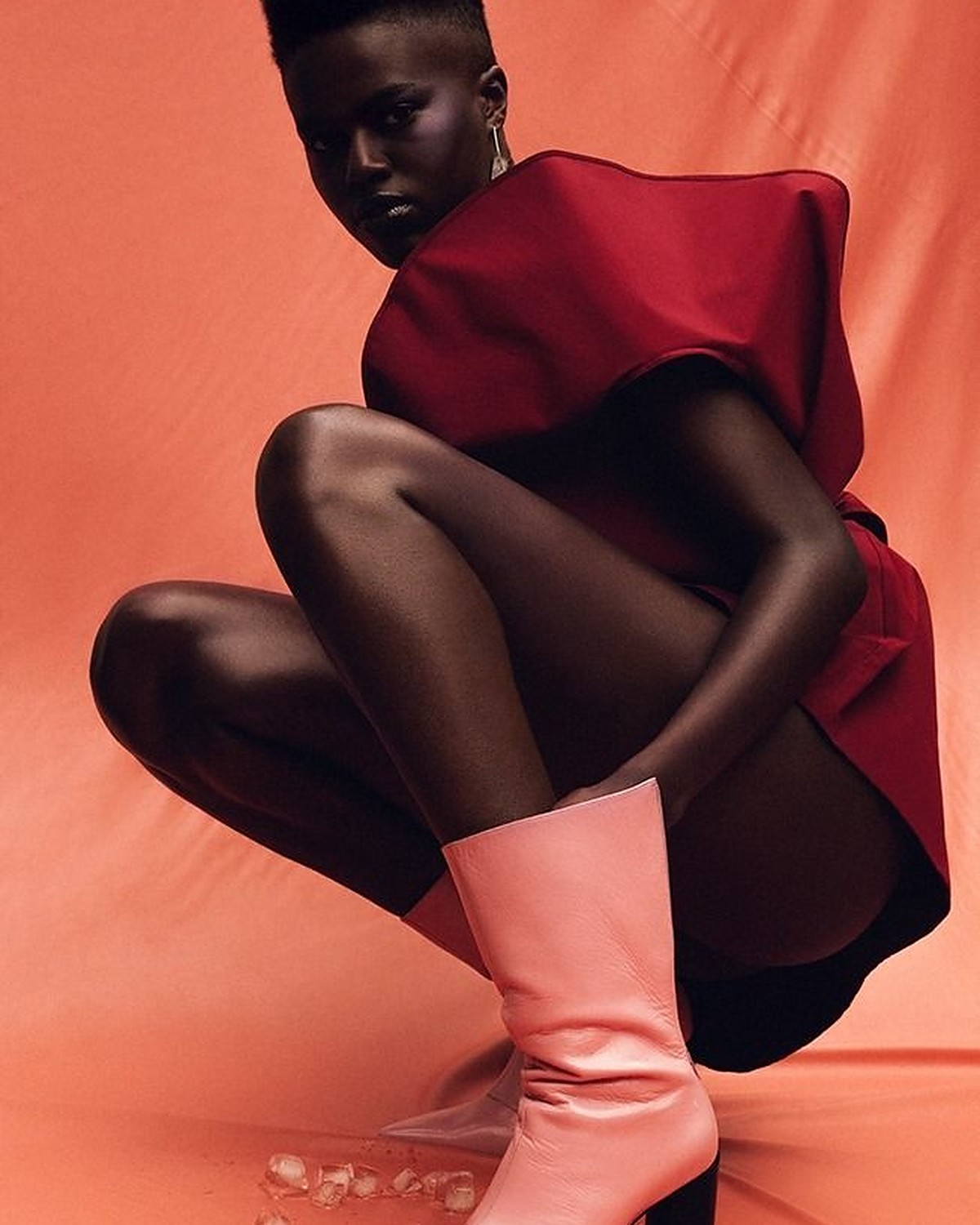
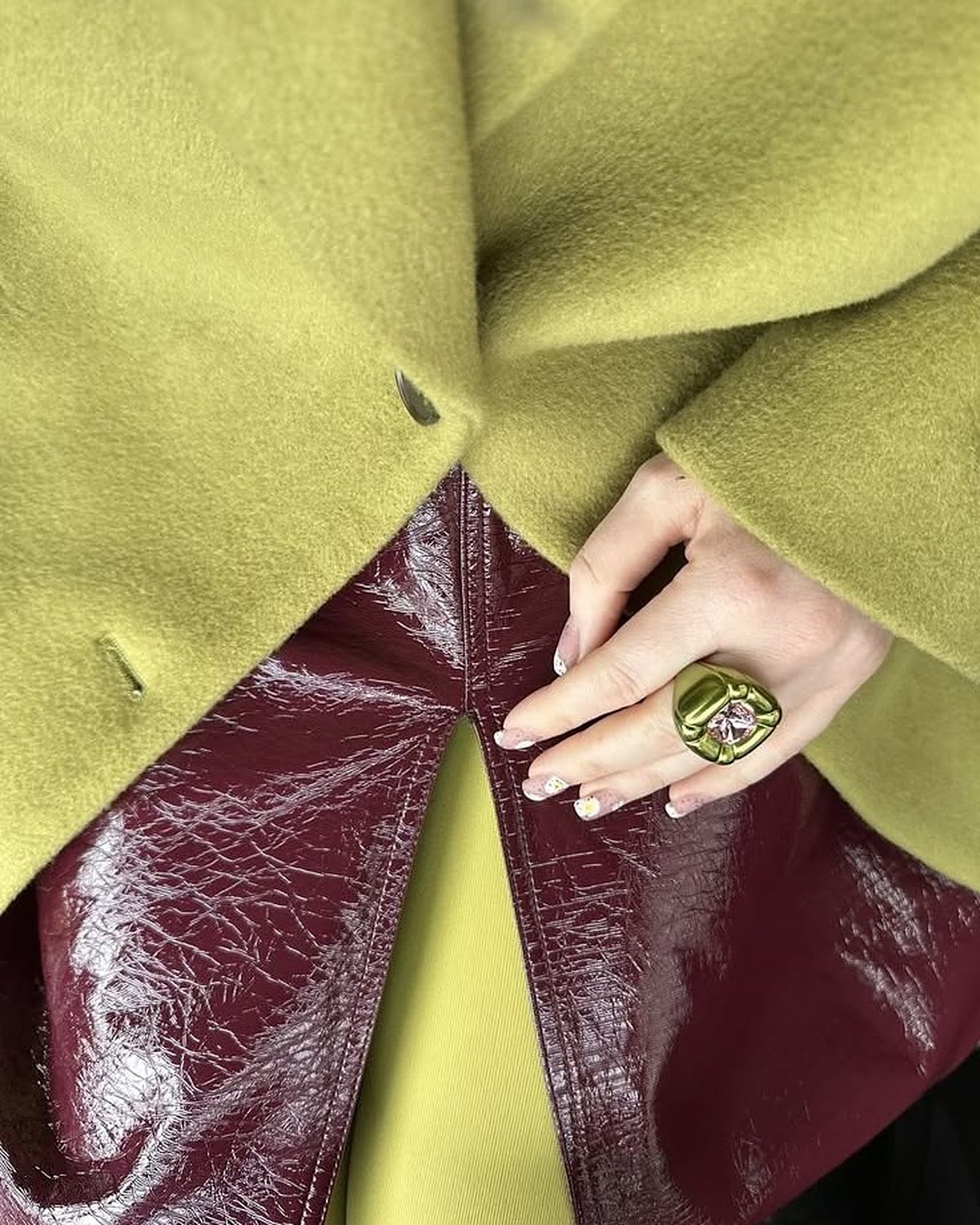
Brandon Maxwell grew up around his grandmother's boutique in Longview, Texas, then spent years styling for Nicola Formichetti and as Lady Gaga's fashion director before launching his own ready to wear label in New York in 2015. He builds by draping fabric on a body rather than sketching first, which is why the tailoring fits like it was built for one person even off the rack, and it won him the CFDA's Womenswear Designer of the Year in 2019.
Brandon Maxwell
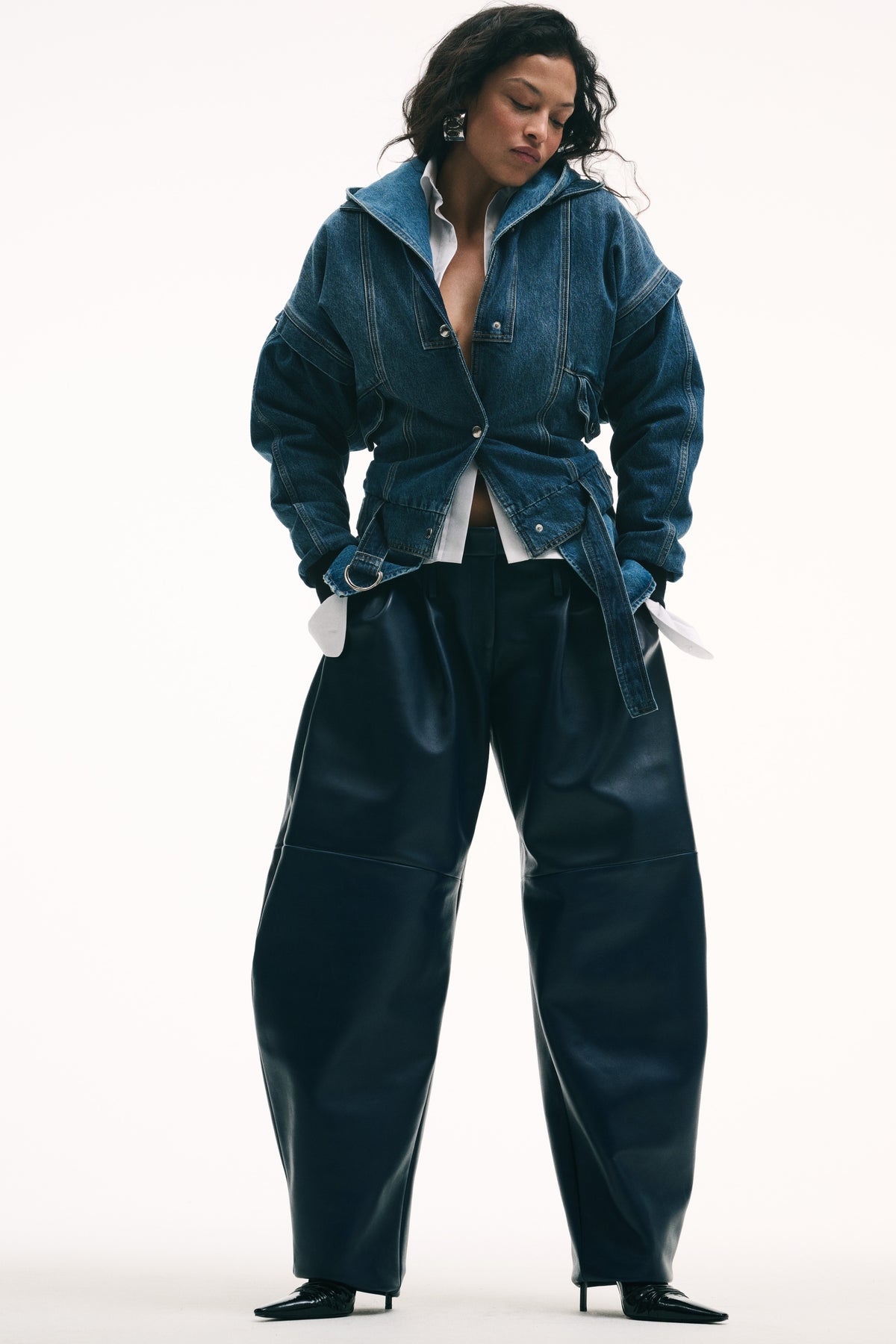
Dresses
Maxwell came up dressing women for red carpets before he had a label of his own, and that instinct for a single dramatic entrance still runs through his dresses. Draping over sketching means the shape gets worked out on a body first, so even a simple silhouette tends to have a deliberate twist in it, a seam, a drape, a scarf-like fold. This grid is the most direct look at that habit.

Exclusive The Poppy Flared Cotton Mini Dress
Brandon Maxwell
$1,280

The Ames Strapless Linen-Blend Midi Dress
Brandon Maxwell
$1,980

The Marin Striped Midi Dress
Brandon Maxwell
$2,600

The Leni Striped Tunic Mini Dress
Brandon Maxwell
$1,680

Exlcusive The Mila Draped Jersey Midi Dress
Brandon Maxwell
$2,100

Exclusive The Marin Draped Twill Midi Scarf Dress
Brandon Maxwell
$2,600

The Helena Dolman-Sleeve Crepe Jersey Midi Dress
Brandon Maxwell
$1,880

The Bex Embellished Crepe Jersey Gown
Brandon Maxwell
$2,900

The Bex Sequined Gown
Brandon Maxwell
$4,200

The Amara Bead-Embroidered Jacquard Midi Sheath Dress
Brandon Maxwell
$3,800

The Delphine Panelled Silk Maxi Dress
Brandon Maxwell
$2,400

The Fiora Draped Pleated Satin Maxi Dress
Brandon Maxwell
$3,900

Exclusive Sequined Floral Midi Dress
Brandon Maxwell
$2,900

The Lennox Shirred Stretch-Cotton Midi Dress
Brandon Maxwell
$1,680

The Mila One-Shoulder Maxi Dress
Brandon Maxwell
$2,100

The Mila One-Shoulder Maxi Dress
Brandon Maxwell
$2,100

The Isadora Sleeveless Draped Dress
Brandon Maxwell
$879.99

Mila Draped One-Shoulder Maxi Dress
Brandon Maxwell
$2,100

Noa Sleeveless Blouson Dress
Brandon Maxwell
$1,900

Joelle Mini Dress
Brandon Maxwell
$1,580

Poppy Scoopneck Mini Dress
Brandon Maxwell
$1,180

Noa Mock Neck Sleeveless Dress
Brandon Maxwell
$1,900

The Sable paneled cotton-blend velvet mini dress
Brandon Maxwell
$1,900

Poppy cotton-poplin mini dress
Brandon Maxwell
$1,180
More Dresses
A second stretch of dresses, and the range here says something about how Maxwell actually works: gowns built for a stage sitting next to shapes plain enough for daytime. He has always designed with specific women in mind rather than an abstract customer, a habit left over from his styling years. It keeps the dressing-up and the getting-dressed instincts in the same rack.


Tops and shirting
Shirting is where Maxwell's tailoring background shows up in its most stripped-down form, without a gown's drama to hide behind. The cut has to do the work on its own, which tracks with a designer who trained his eye backstage rather than in a classroom. It is a quieter category, but a revealing one.

Exclusive Striped Twill Scarf Top
Brandon Maxwell
$1,680

The Joni Striped Silk-Cashmere Polo Top
Brandon Maxwell
$890

Astor Draped Top
Brandon Maxwell
$1,380

The Joni Striped Silk-Cashmere Polo Top
Brandon Maxwell
$890

The Inez Scarf-Detailed Cotton Satin-Poplin Tuxedo Shirt
Brandon Maxwell
$1,380

The Demi Jacquard Bandeau Top
Brandon Maxwell
$650

Embellished Cotton Tank Top
Brandon Maxwell
$1,280

The Haze Embroidered Crepe Top
Brandon Maxwell
$1,880

The Capri Scarf-Detailed Knit Bodysuit
Brandon Maxwell
$1,480

The Reese V-Neck Cashmere-Silk Tank Top
Brandon Maxwell
$680

The Cali Tie-Neck Silk-Organza Blouse
Brandon Maxwell
$1,480

Astor Draped Top
Brandon Maxwell
$1,380

The Bruno High-Neck Wool-Cashmere Top
Brandon Maxwell
$990

The Cali Tie-Neck Silk-Organza Blouse
Brandon Maxwell
$1,480

Astor Draped Top
Brandon Maxwell
$1,380

The Ellis Mock neck Stretch-Silk Top
Brandon Maxwell
$1,100

The Finn Tie-Neck Cotton Top
Brandon Maxwell
$820

Cali Scarf-Neck Silk Organza Blouse
Brandon Maxwell
$1,480

Haze Draped Sequin-Trim Asymmetric Top
Brandon Maxwell
$1,880

Astor Draped Top
Brandon Maxwell
$1,380

Reese V-Neck Tank Top
Brandon Maxwell
$680

Joni Polo Top
Brandon Maxwell
$890

The Astor draped jersey blouse
Brandon Maxwell
$1,380

The Reese silk and cashmere-blend tank
Brandon Maxwell
$680
Skirts
Skirts carry the same draped construction as the dresses, just broken into a separate piece, and that habit of shaping fabric directly on a form rather than from a flat pattern tends to show in how these actually move. Maxwell's label is produced in New York, which keeps the fit checks close to the design table. It is a small category doing a fairly precise job.

Exclusive Striped Twill Midi Drawstring Skirt
Brandon Maxwell
$1,380

The Juno Bead-Embroidered Jacquard Midi Skirt
Brandon Maxwell
$4,600

The Sinclair Pleated Satin Midi Skirt
Brandon Maxwell
$1,980

The Brett Sheer-Overlay Silk Midi Skirt
Brandon Maxwell
$1,180

The Brett Sheer-Overlay Silk Midi Skirt
Brandon Maxwell
$1,180

The Lex Pencil Leather Mini Skirt
Brandon Maxwell
$2,400

The Townes Trompe L'oeil Cotton Midi Skirt
Brandon Maxwell
$1,180

The Miller Structured Virgin-Wool Midi Skirt
Brandon Maxwell
$1,380

The Jameson Striped Twill Maxi Skirt
Brandon Maxwell
$1,380

The Fenn Split-Front Linen-Blend Knee-Length Skirt
Brandon Maxwell
$1,180

Brett Layered Silk Organza Midi Pencil Skirt
Brandon Maxwell
$1,180

Brett Pencil Skirt
Brandon Maxwell
$1,180
Knitwear
Knitwear is not the category Maxwell is best known for, red carpet gowns and sharp tailoring get the headlines, but it is where the label's structural instincts get applied to something meant for daily wear rather than an event. The shaping still reads as considered rather than casual. It rounds out a wardrobe built mostly around occasion dressing.

The Aubrey Jacquard Cardigan
Brandon Maxwell
$1,600

The Aubrey Jacquard Cardigan
Brandon Maxwell
$1,600

The Lowen Double-Breasted Cashmere-Silk Cardigan
Brandon Maxwell
$2,400

The Joanna Fair Isle Wool-Cashmere Sweater
Brandon Maxwell
$1,800

The Neal Belted Recycled-Cashmere-Blend Sweater
Brandon Maxwell
$2,200

The Maris Cashmere Sweater
Brandon Maxwell
$1,600

The Sloane V-Neck Cashmere-Silk Cardigan
Brandon Maxwell
$1,280

Neal Cashmere Hidden Zip Sweater
Brandon Maxwell
$2,200
Jackets and blazers
Structured tailoring is arguably the throughline of Maxwell's whole career, from styling powerful women to dressing Michelle Obama, and blazers are where that shows most literally. The cut favors a strong shoulder and a defined waist over anything loose. It reads as armor with good manners.

The Alora Shrunken Stretch-Mikado Jacket
Brandon Maxwell
$2,200

The Alora Velvet Jacket
Brandon Maxwell
$2,500

The Mason High-Neck Hand Distressed Leather Jacket
Brandon Maxwell
$6,800

The Ryder Cropped Virgin-Wool Jacket
Brandon Maxwell
$1,980

The Ryder Cropped Leather Jacket
Brandon Maxwell
$3,400

The Wells Cotton Cuffed Denim Trapeze Jacket
Brandon Maxwell
$1,380

The Ryder Cropped Virgin-Wool Jacket
Brandon Maxwell
$1,980

The Whitaker Leather-Detailed Shearling Jacket
Brandon Maxwell
$7,500
Bags
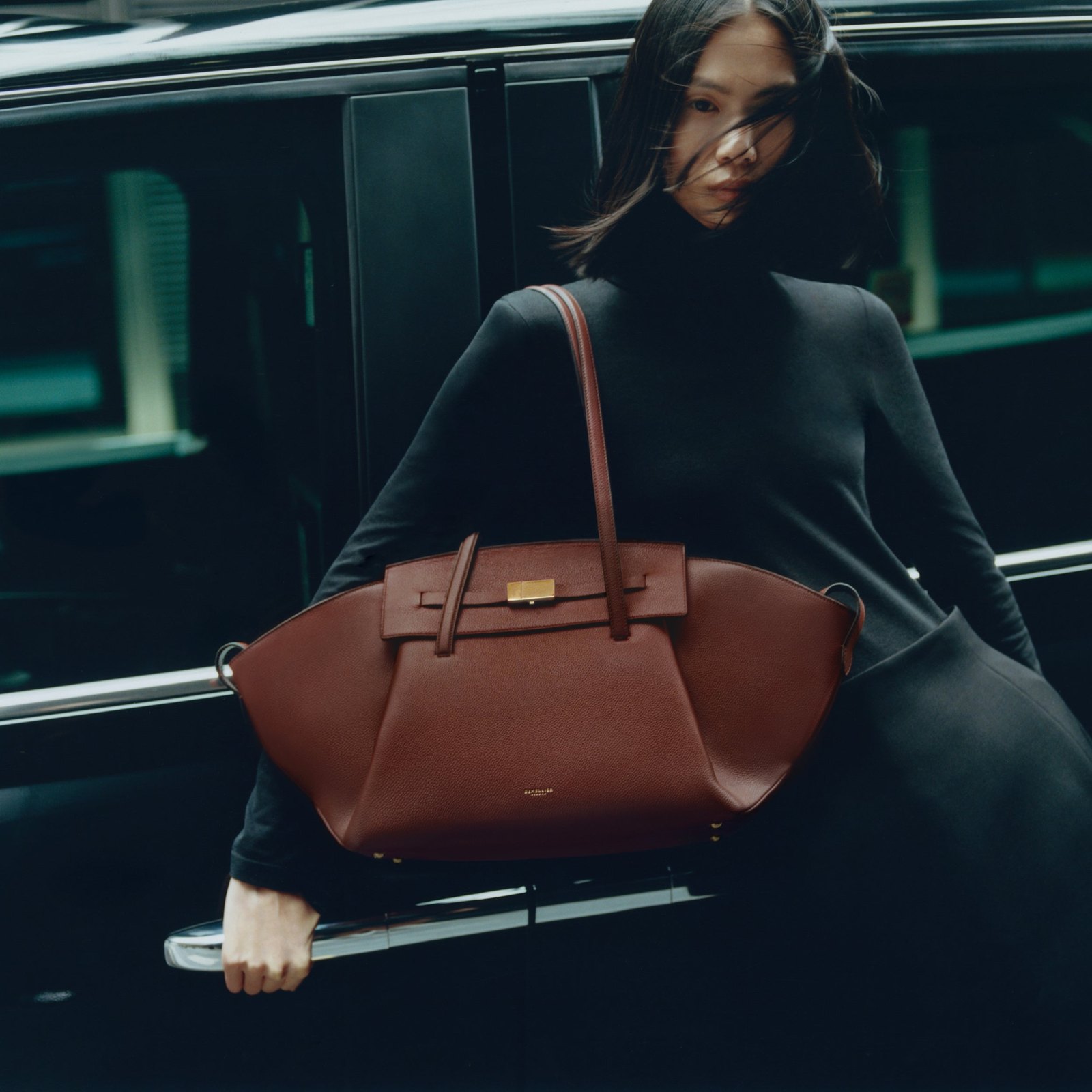
Bags round out the label the way accessories tend to for a designer who started in styling rather than in leather goods: as a finishing note rather than the main event. What is gathered here supports the tailoring and eveningwear the label is actually known for. It is a smaller, later chapter of a house still centered on clothing.

The Vance Croc-Effect Leather Weekender Bag
Brandon Maxwell
$3,600

The Maxwell Baguette Leather Bag
Brandon Maxwell
$2,100

The Louise Croc-Effect Leather Pochette Bag
Brandon Maxwell
$2,200

The Louise Pochette Bag in Leather
Brandon Maxwell
$1,800

The Louise Pochette Bag in Embossed Python Leather
Brandon Maxwell
$2,200

The Louise Pochette Bag in Leather
Brandon Maxwell
$1,800

The Maxwell Bag in Leather
Brandon Maxwell
$2,200

The Maxwell Bag in Suede
Brandon Maxwell
$2,400
Denim
Denim is one of the more casual entries in a collection otherwise built around gowns and sharp suiting, and it benefits from the same fit-first approach Maxwell applies everywhere else. Nothing here is meant to look accidental. It is the label's tailoring habit applied to the least formal fabric in the assortment.


More from the collection
This closing stretch collects what does not sit neatly in one category above but still carries the label's central idea, that clothing built by draping on a body reads differently than clothing built from a flat sketch. Maxwell marked his tenth year in business in 2025, still designing and producing everything out of New York. It closes the edit on the same discipline it opened with.

The Noa gathered wool-twill turtleneck mini dress
Brandon Maxwell
$1,900

Fenn Pencil Skirt
Brandon Maxwell
$1,003

Rhea cotton-jersey mini skirt
Brandon Maxwell
$880

The Joni striped silk and cashmere-blend polo sweater
Brandon Maxwell
$890

The Sloane silk and cashmere-blend knitted cardigan
Brandon Maxwell
$1,280

Gage Fitted Button Up Jacket
Brandon Maxwell
$1,380

Bruno Sleeveless High Neck Vest
Brandon Maxwell
$990

The Dean Pleated Stretch-Mikado Balloon Pants
Brandon Maxwell
$1,400

The Dean Leather Balloon-Leg Pants
Brandon Maxwell
$4,800

Parks Pleated Trouser
Brandon Maxwell
$1,035

The Clemmie Collar Necklace
Brandon Maxwell
$2,900

Lynx Printed Oversized Shearling Neck Roll
Brandon Maxwell
$2,400
Our honest take
Our honest take is that Maxwell's real skill is discipline: a designer who came up dressing other people's bodies for a living, and never really stopped designing that way even with his own name on the label. The tailoring and the gowns are where the collection is strongest, since that is where his styling-honed eye for a single dramatic silhouette does the most work. The rest of the assortment can read as an accessory to that main talent rather than an equal partner to it.