Bridgerton Fashion moves from empire-waist dresses to puff sleeves, corset tops, gloves and pearl hair pieces. I would borrow one Regency detail at a time, then let the rest of the outfit breathe.
Bridgerton Fashion: Empire Waists, Puff Sleeves and a Very Modern Regency Line
The waistline tells the story
In York on June 11, 1807, Mary Dalton Norcliffe married Dr. Charles Best in a white muslin dress. It anticipates the romantic Regency silhouette, the high waist and light fabric that now make Bridgerton Fashion feel so legible. The history is less costume closet than a clean line under the bust, with room for movement.
That is the part I would keep. The show’s creator, Chris Van Dusen, described its clothes as Regency with the volume turned up, in a world with hats but no traditional bonnets. I would take the shape and softness, not copy a ballroom from head to toe. An empire waist does the historical work before a sleeve or hem has to.
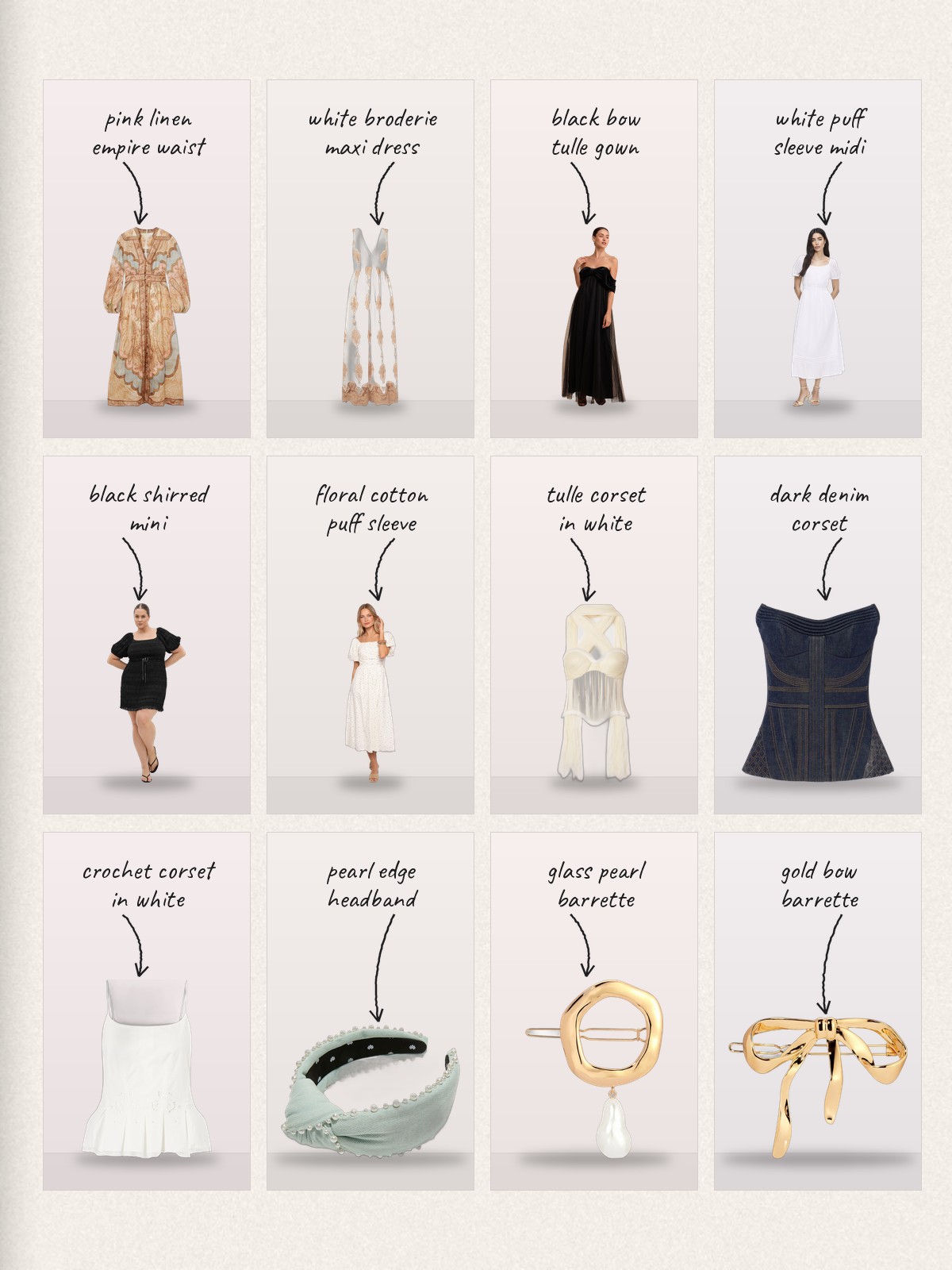
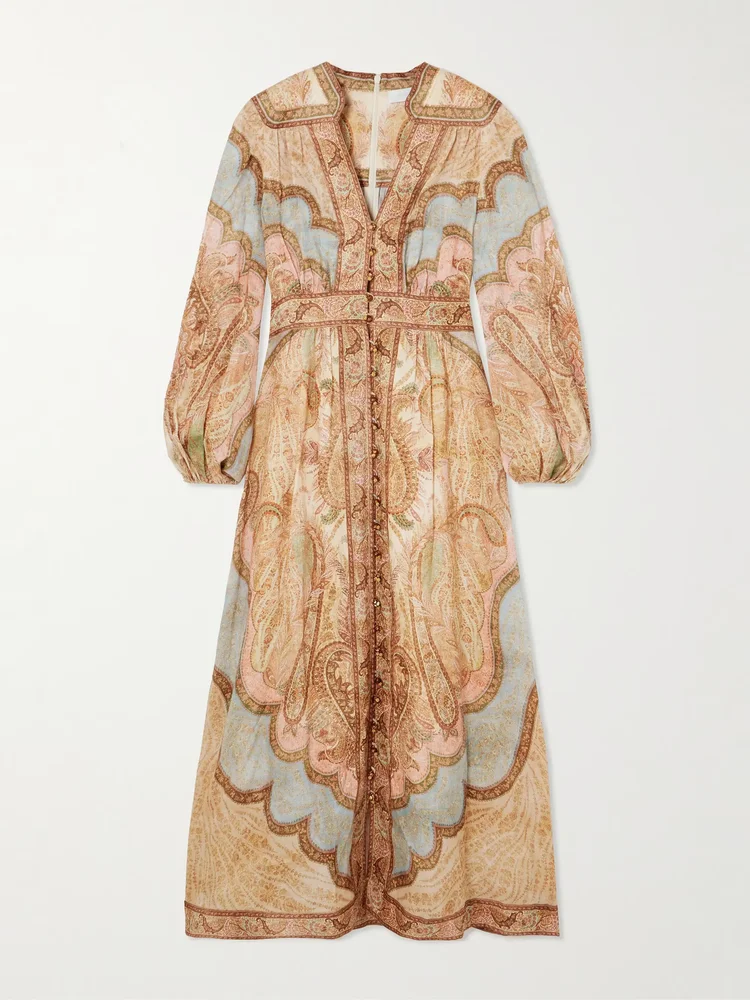
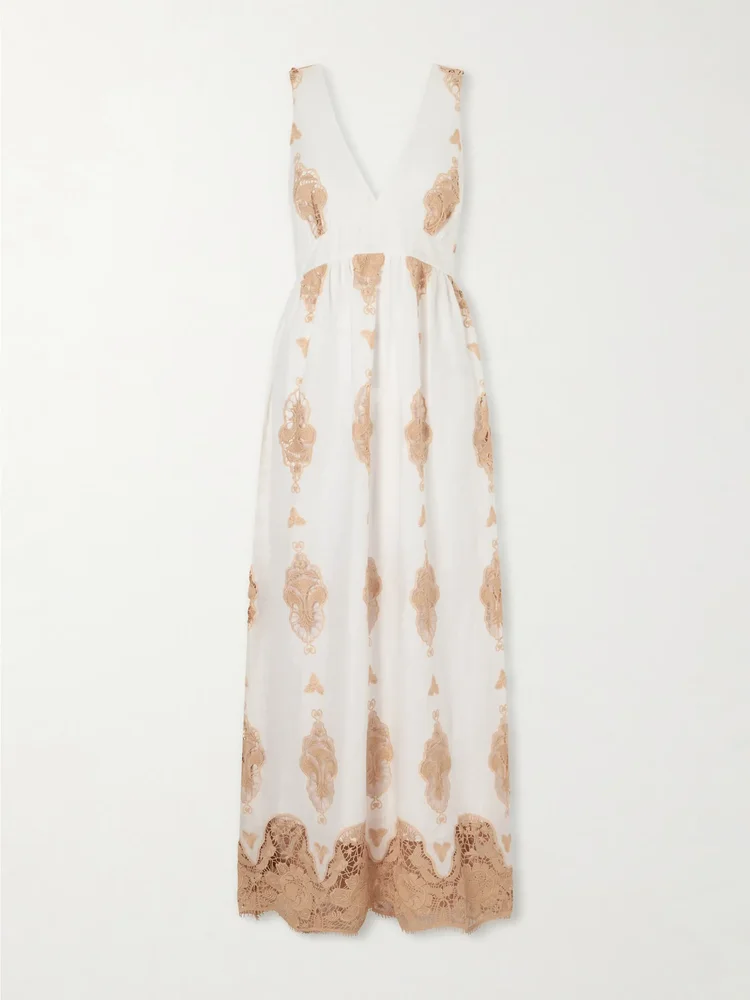
With that in mind, the pink Wanderlust linen midi is an easy starting point: its billowy sleeves and plunging neckline keep the fitted waist from reading too sweet. I would bring in simple earrings and a short jacket for a winter dinner, then let the print carry the rest. The Jenny broderie anglaise maxi is quieter, white linen with cotton trim, a V neck and a fluid lined skirt. It would be my choice for a candlelit family lunch, where the eyelet panels can catch the light without needing another flourish.
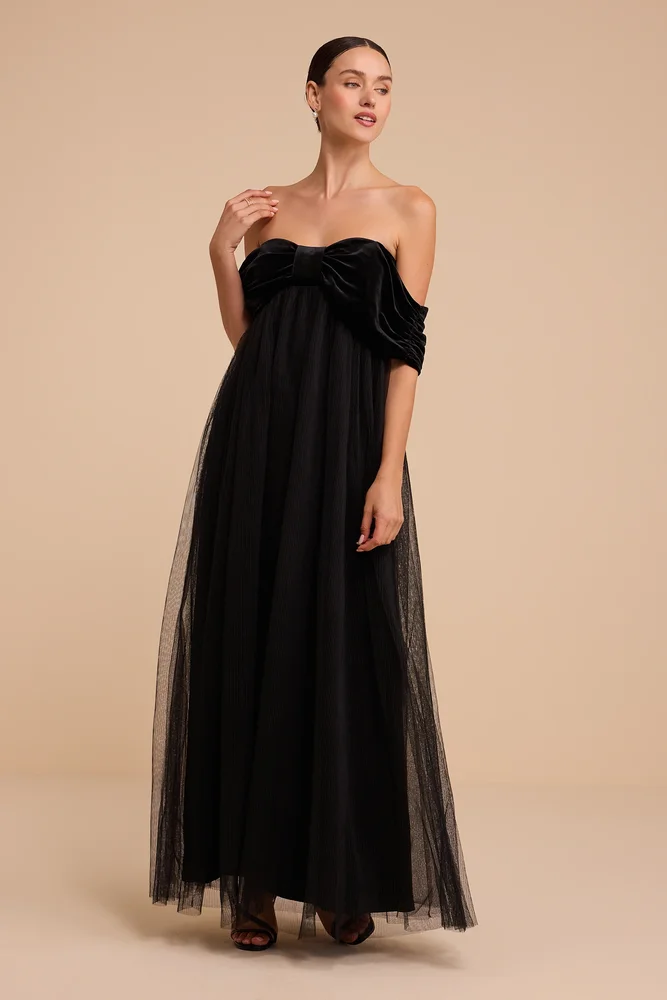
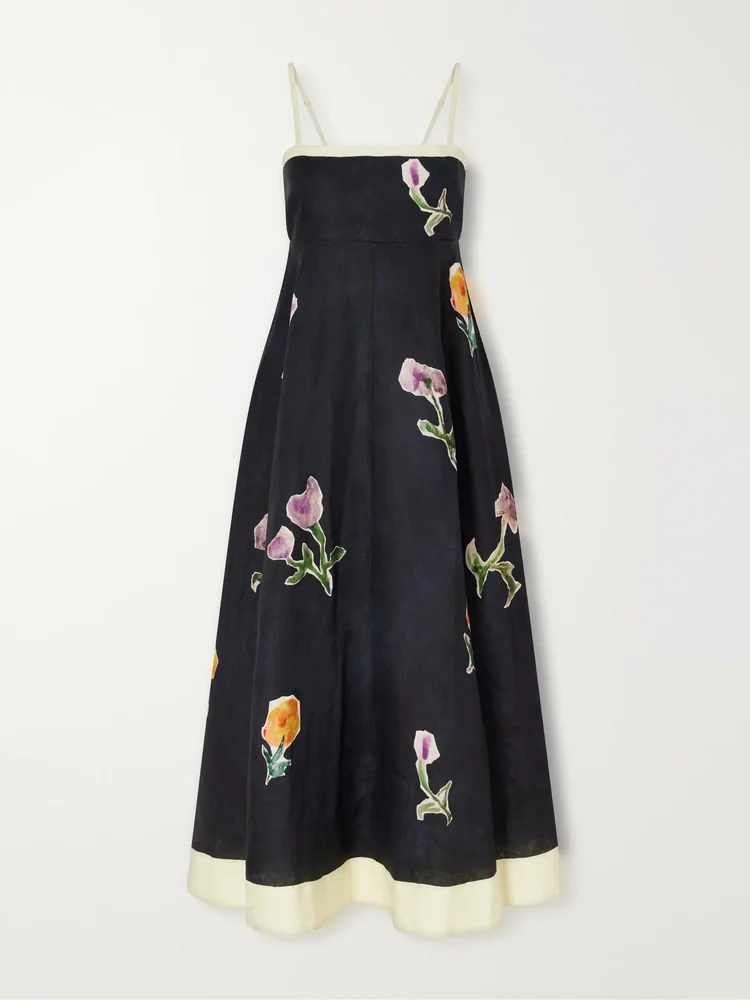
The black Baldwin dress takes the silhouette toward evening with an off-the-shoulder velvet bodice, a dramatic bow and a full tulle skirt. I would save it for a December party and keep the shoes spare. The navy Sophie floral midi has pockets and a shirred back, so it feels like the one I would reach for when I want the same waistline with a little less ceremony. Before choosing, check where the bodice seam sits on your own torso; that placement is the whole trick.
Square necklines with a soft side
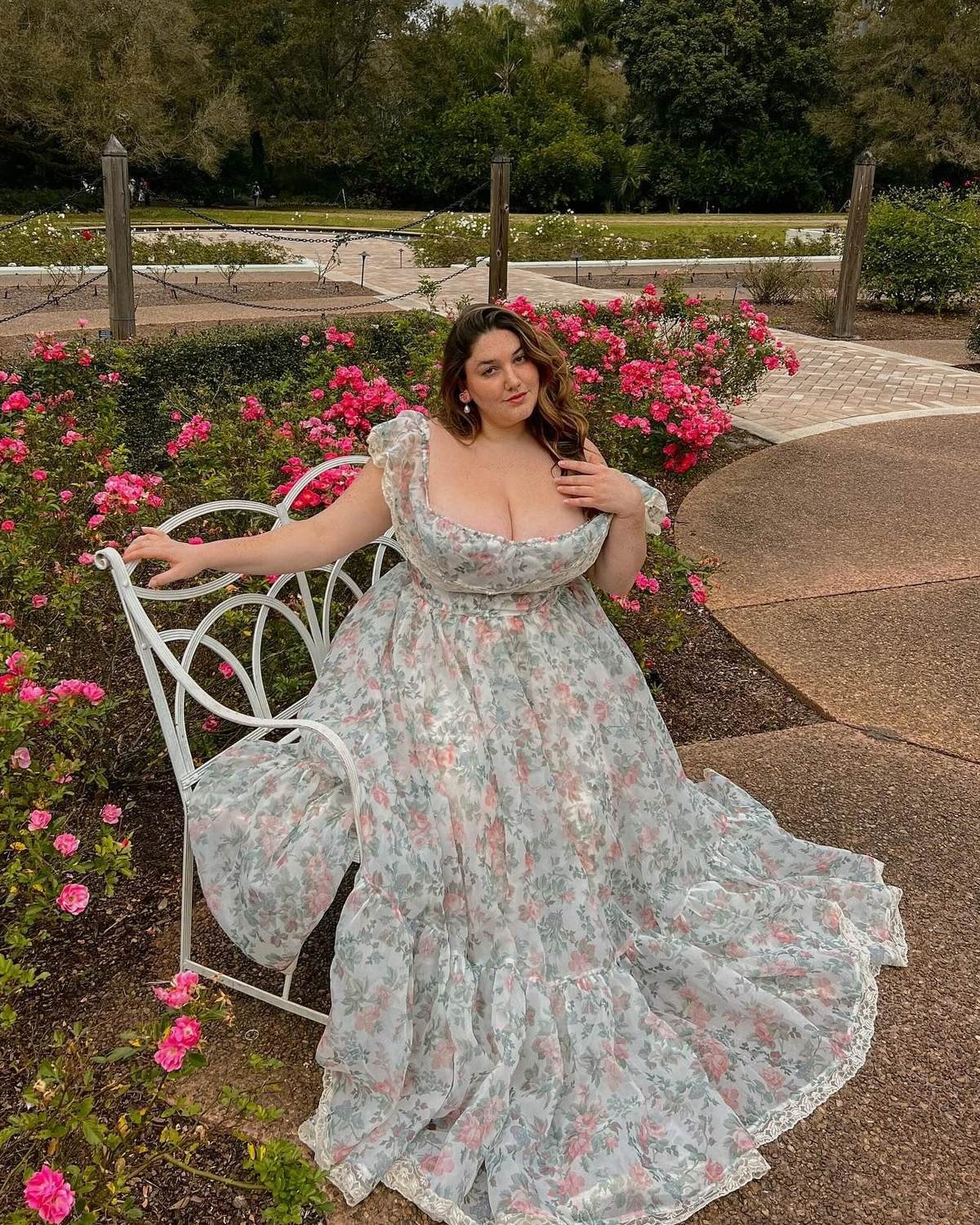
A square neckline and puffed sleeves were already in the vocabulary of an evening dress from 1810 to 1820: one V&A example has both, along with a high waist and long skirt. That distinction matters because these details look best when they feel like clothes, not a costume cue. In the Regency era, waistlines rose to just under the bust, so that line can stand alone.
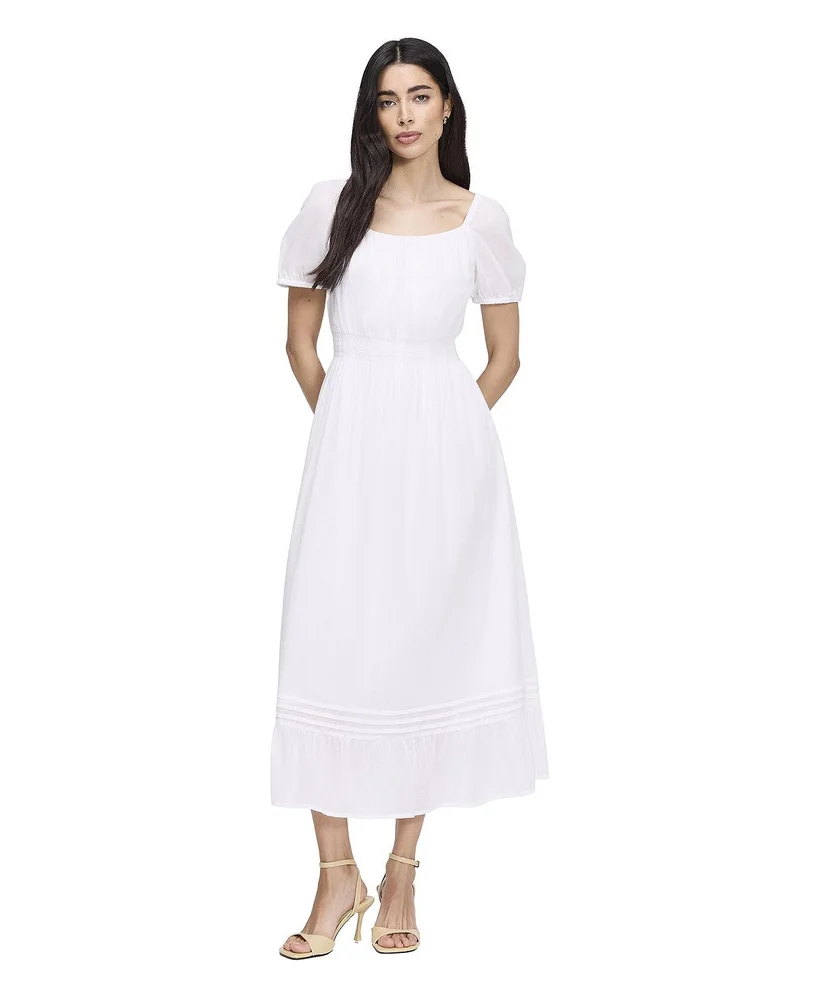
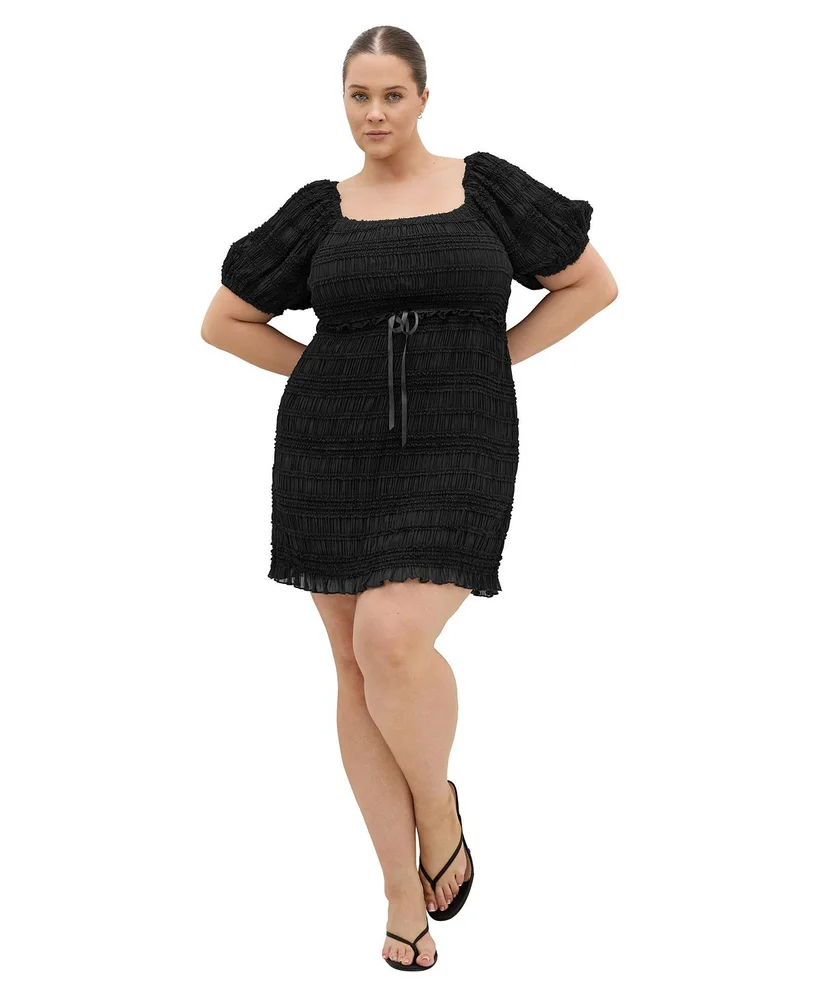
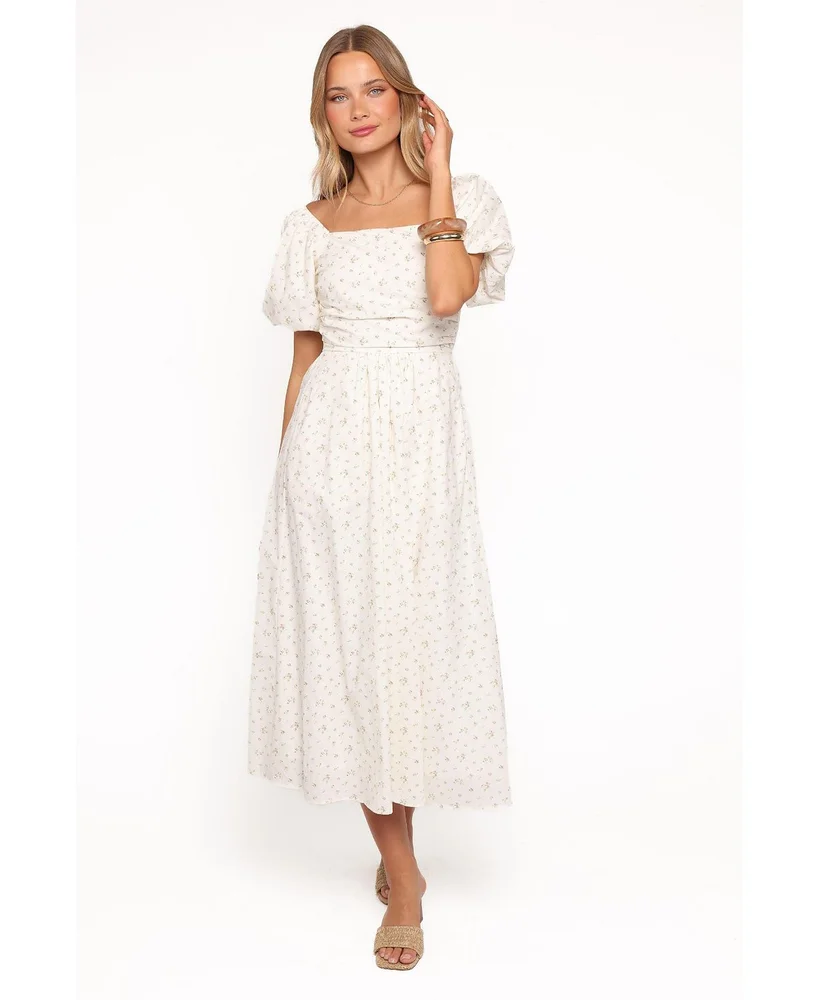
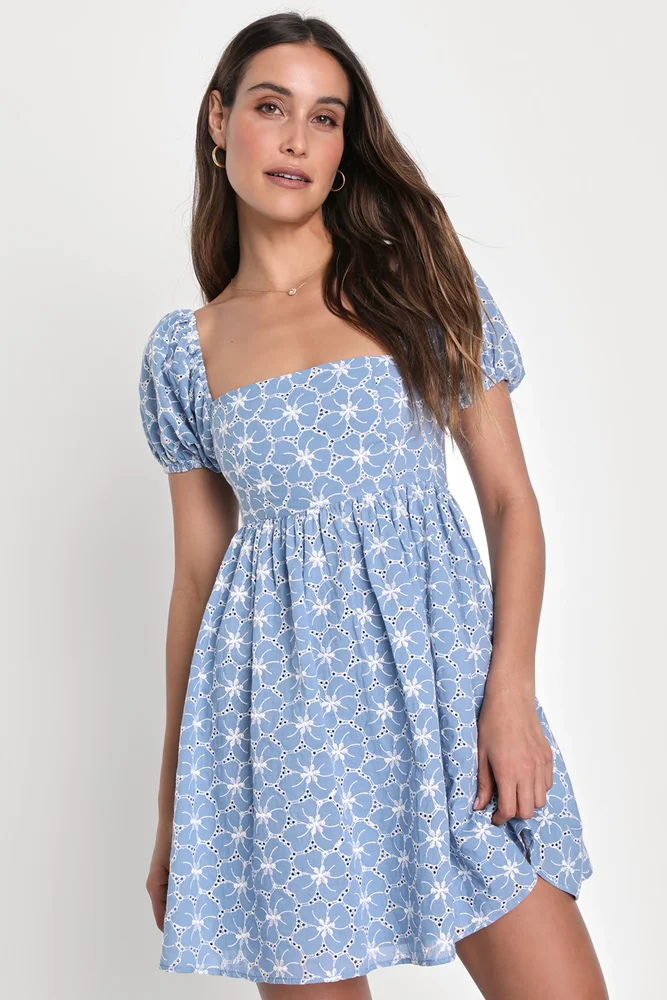
Finery London’s Mandy cotton-voile midi has a square neck, full sleeves and shirred waist; I would wear it with a cropped cardigan when the weather has a mind of its own. The black Emelia mini adds a ribbon waist tie and a fine micro-ruffle texture, so I would use opaque tights and a simple shoe to let the texture read. The Clo floral cotton midi is the softer option, with elastic cuffs and an A-line skirt. The blue eyelet babydoll mini is lined, a useful detail for a short hem and airy sleeves.
These four make sense as a set of ideas, not a uniform: choose the neckline first, then decide how much volume you want at the sleeve. What I would skip: piling a bow, floral print and ruffle hem onto the same look. For a fitting-room test, raise your arms and sit down; the shirring should stay comfortable, and the neckline should remain where you want it.
Corsets, without the costume
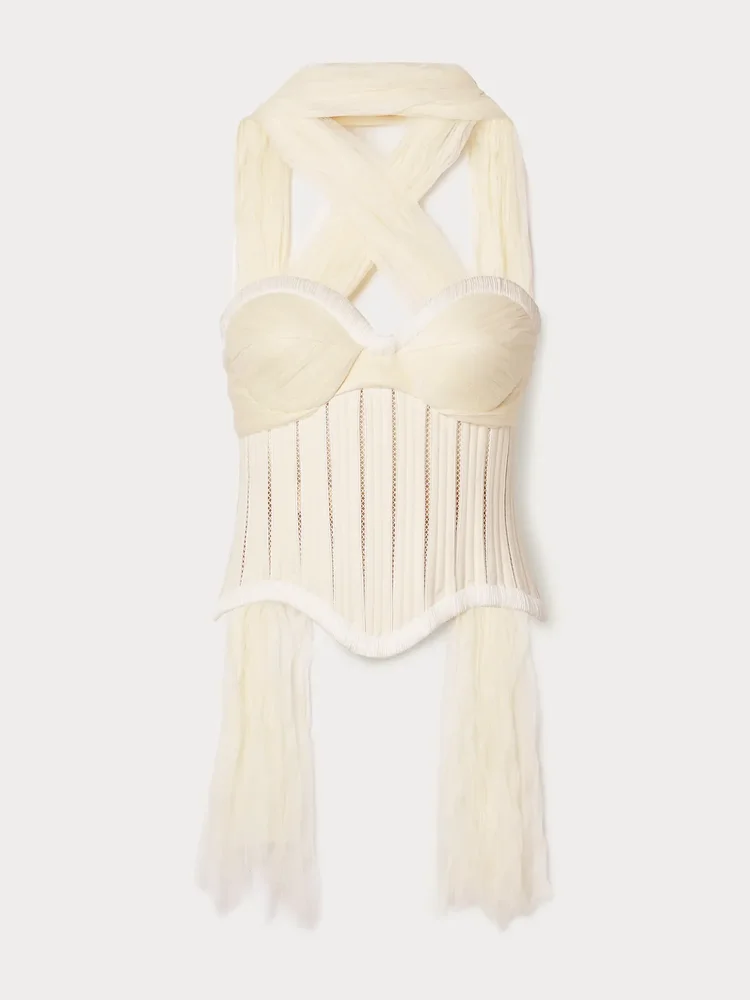
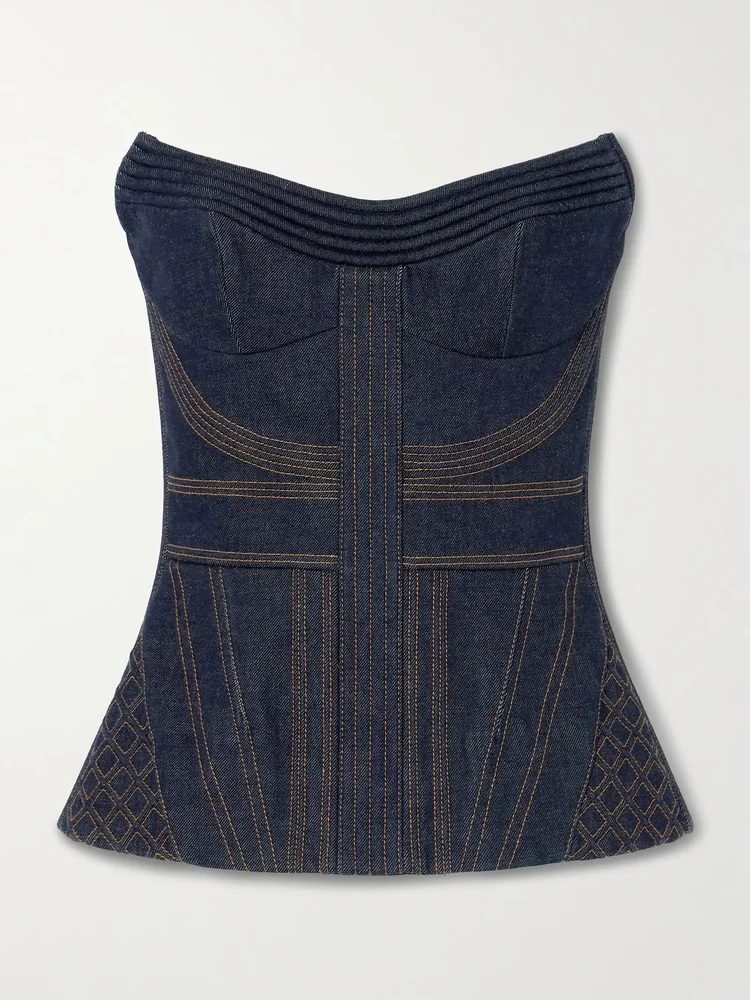
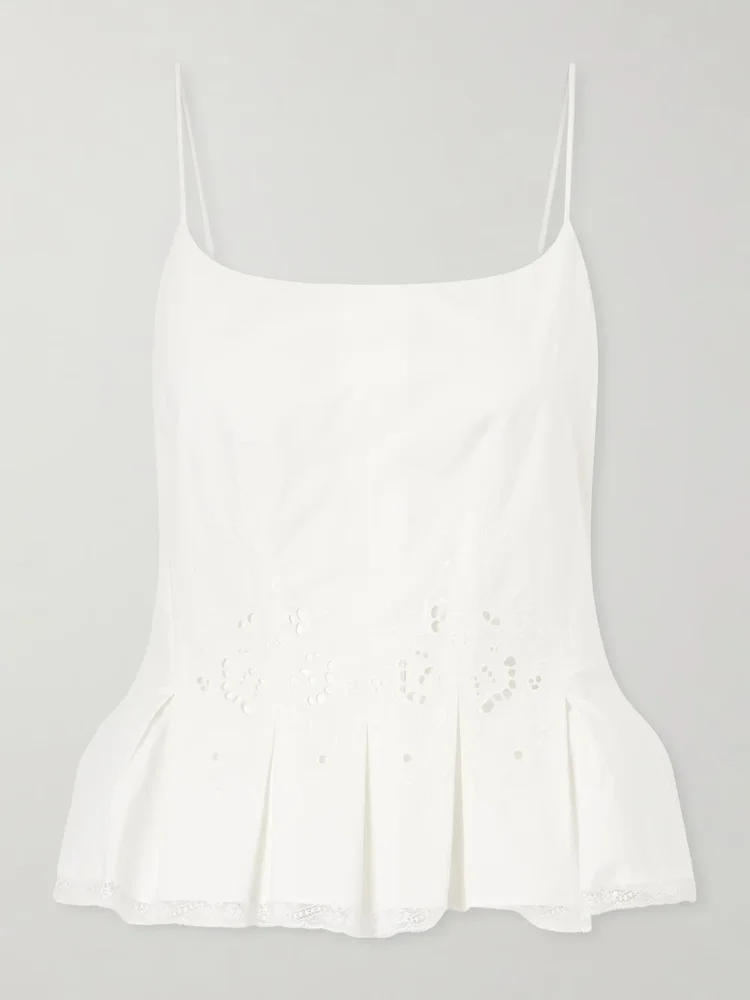
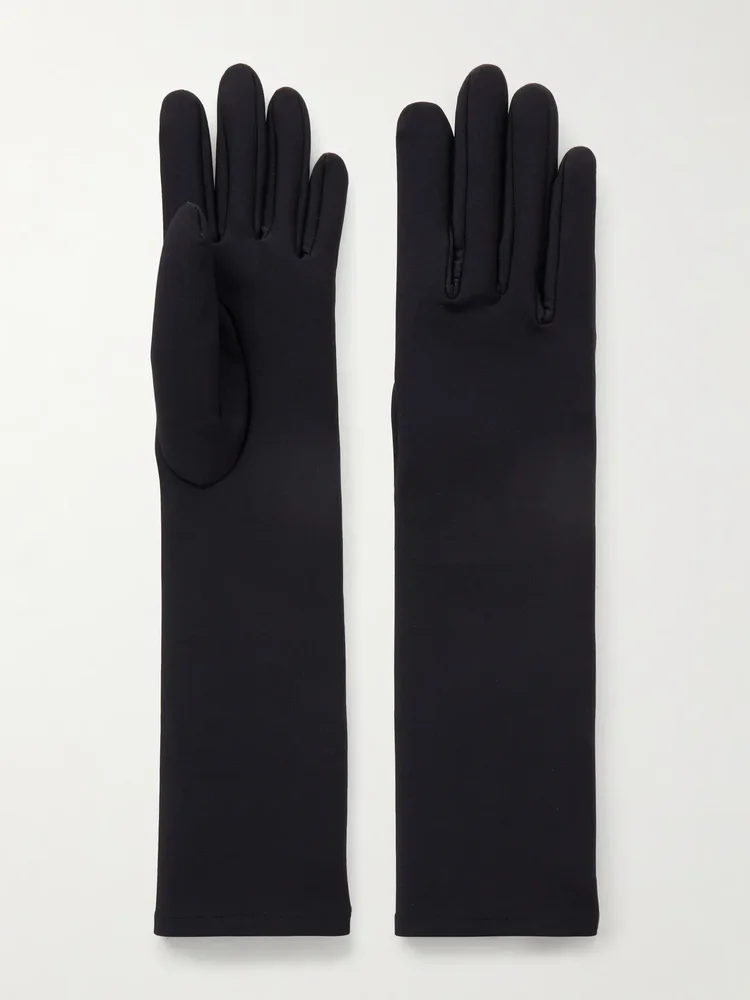
Corsets are most convincing to me when the structure has some air around it. The white Anika pairs internal boning with draped tulle, while the dark-denim corset keeps its close fit and concealed back zip. I would wear either with a full skirt and save the black opera gloves for after dark. That is Bridgerton Fashion with the volume turned down.
Pearls and bows, kept light
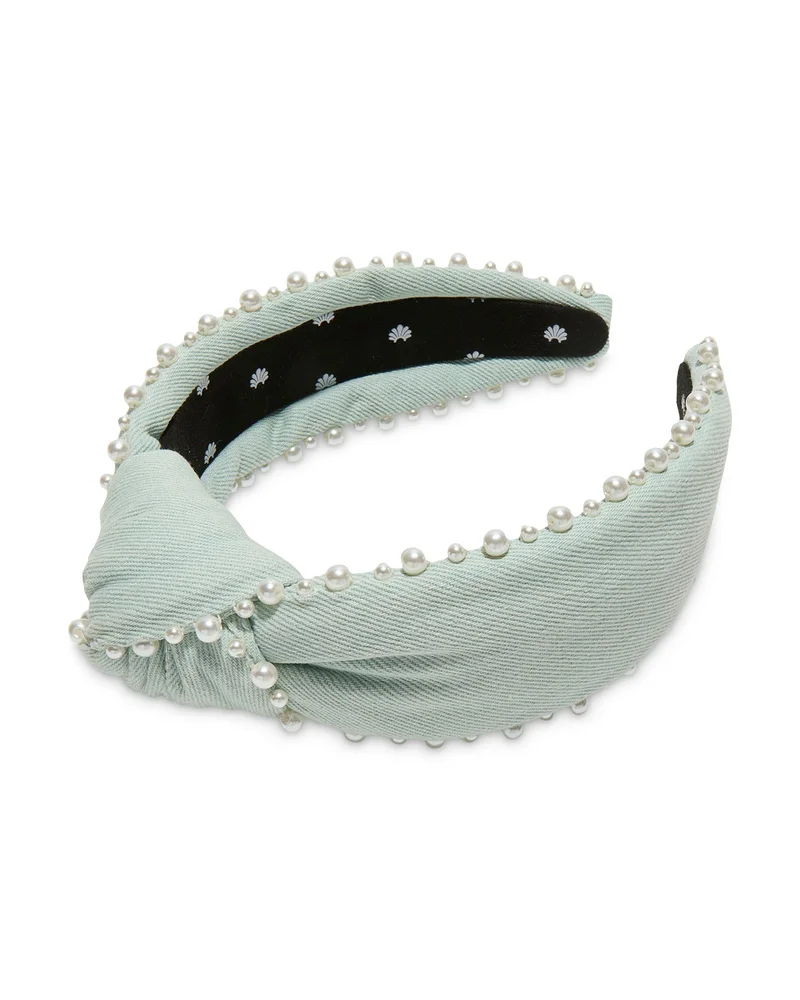
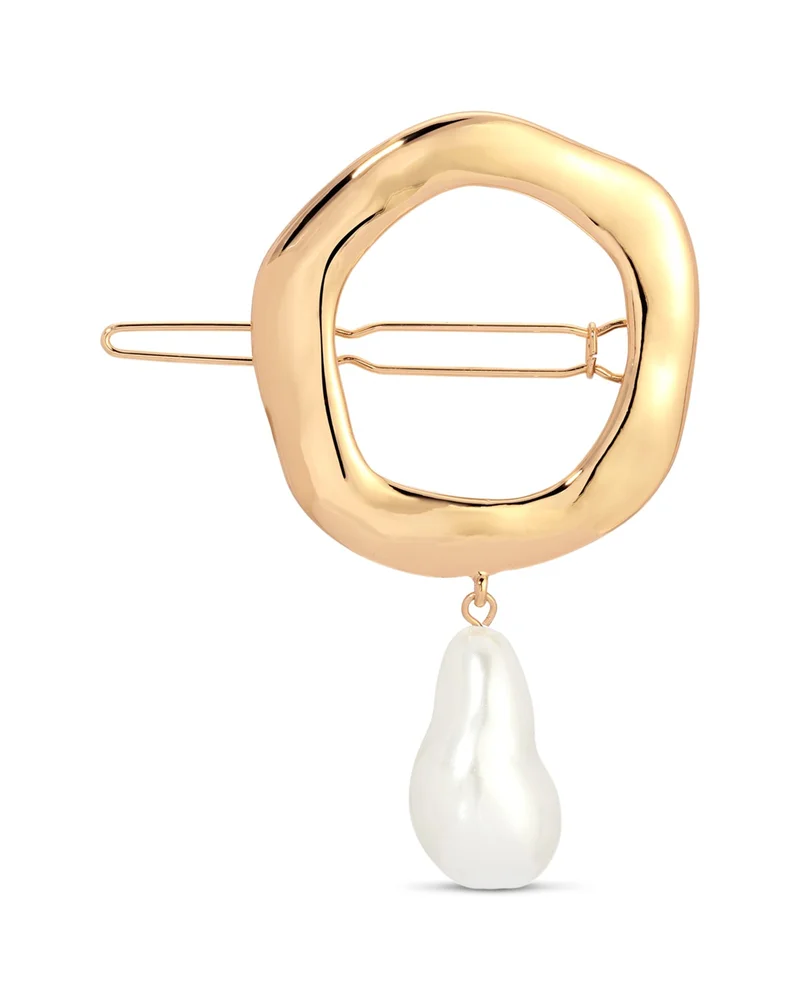
The long Regency era makes a case for the small finishing move: pearls were worn to set off low necklines. The denim headband has a wide padded shape and imitation pearl edge; the open-circle barrette adds a dangling glass pearl. I would pick one, then let the hair stay a little undone. The look does not need a full ballroom.
One dress, one reference
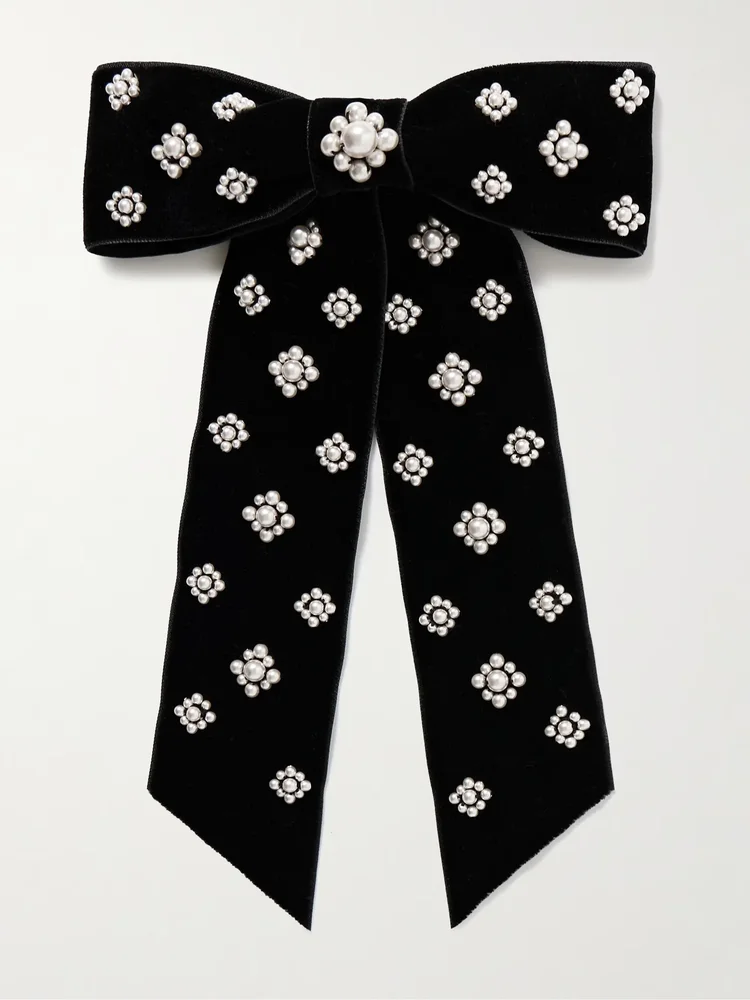
I would begin with the dress whose waistline feels like you, then add one reference: a puff sleeve, a velvet bow or a pearl tucked near the face. The look works for me as a question of proportion, not a head-to-toe costume. Mary Dalton Norcliffe’s white muslin dress in York is the quiet reminder: in the Regency era, a single raised waist can carry a whole romantic story. I would leave the rest of the evening room to breathe.