Brooks leans into balanced cushioning and guided support; New Balance spans plush Fresh Foam X and responsive FuelCell. Choose by ride and support.

Brooks vs New Balance: Which Running Shoe Should You Buy?
The feel is the difference
Choose Brooks for balanced cushioning or guided support; choose New Balance if you want a range from plush Fresh Foam X to responsive FuelCell. That is my short answer to the "brooks vs new balance" question: start with feel, then decide whether a neutral shoe or a more supportive design suits you.
Neither brand began in running in quite the same way. Brooks started in a Philadelphia factory in 1914 making ballet slippers and bathing shoes, then focused on running alone in 2001. New Balance began with William J. Riley's Boston arch-support company in 1906; by 1938 it had made running shoes for a local club. Its first running shoe designed exclusively for women arrived in 1978.
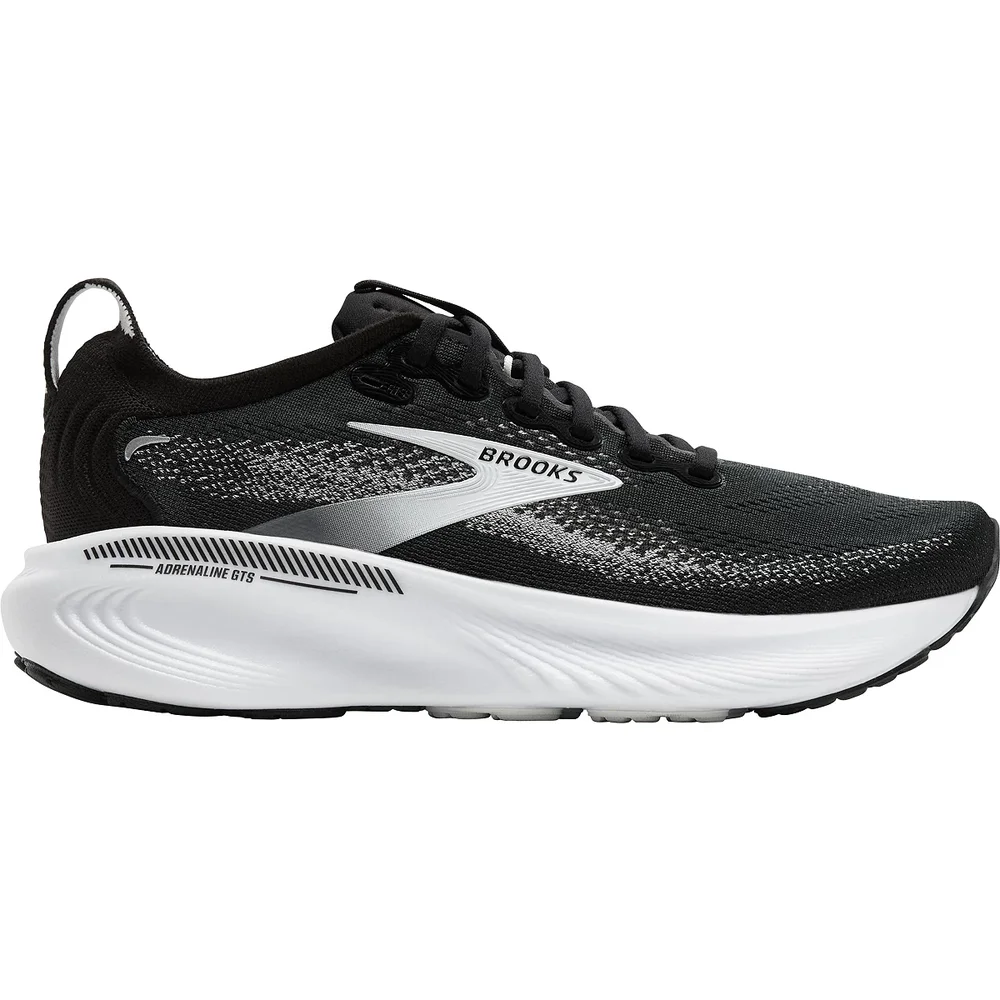
The differences show up in the shoes: Brooks puts GuideRails on support styles such as Adrenaline GTS 25, while New Balance offers Stability Plane support in the Fresh Foam X 860 v15 alongside neutral cushioned options. I would make the Brooks or New Balance call based on support needs first, then the cushioning that feels right underfoot.
Brooks: cushioning, with a support option
Brooks has a long pre-running history, but its 2001 decision to focus on running gives the range a clear center of gravity. I read its lineup as cushioning first, then a different support approach when a neutral shoe is not the brief.
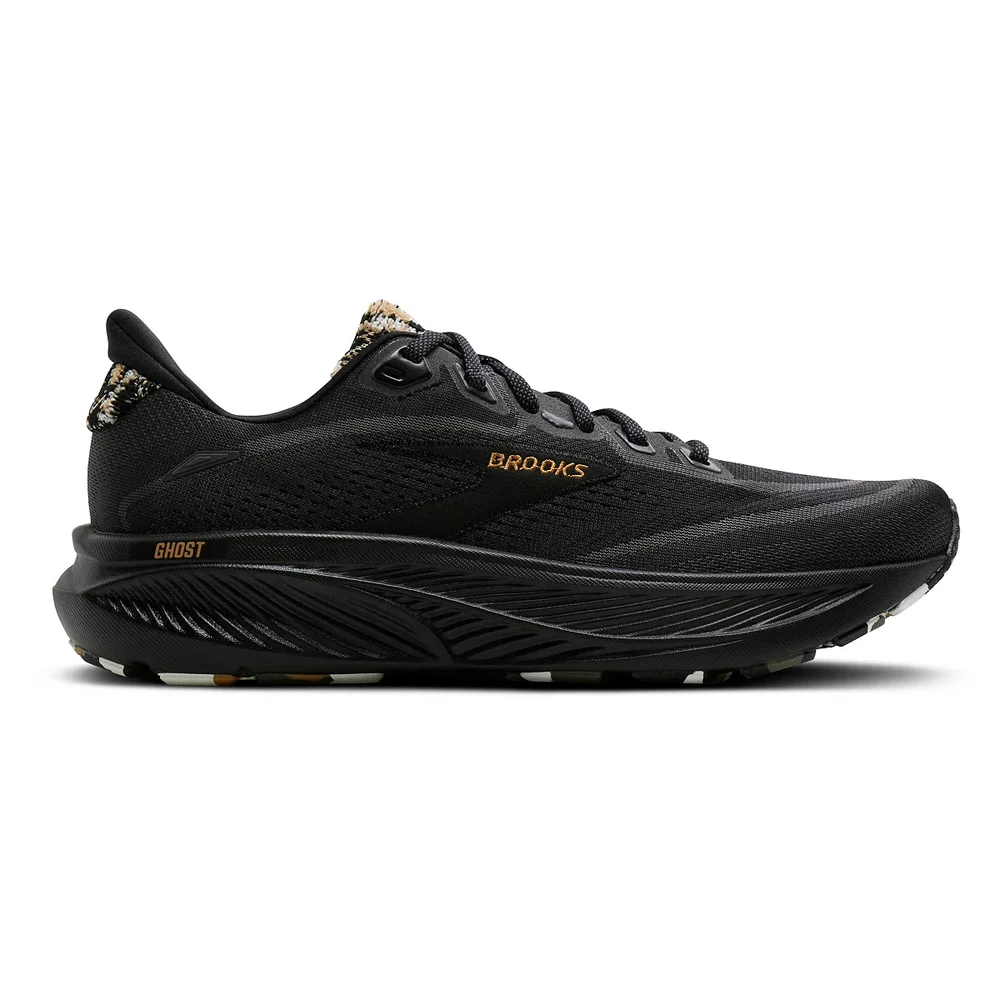
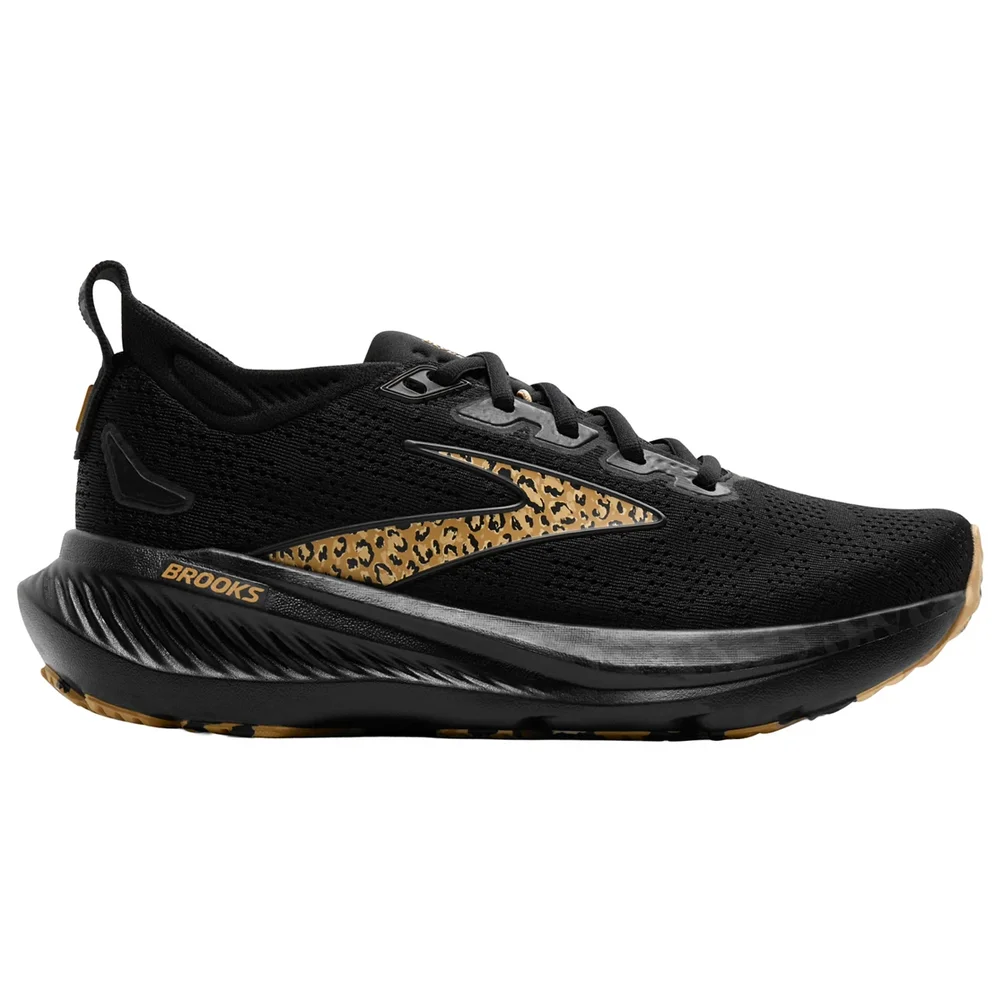
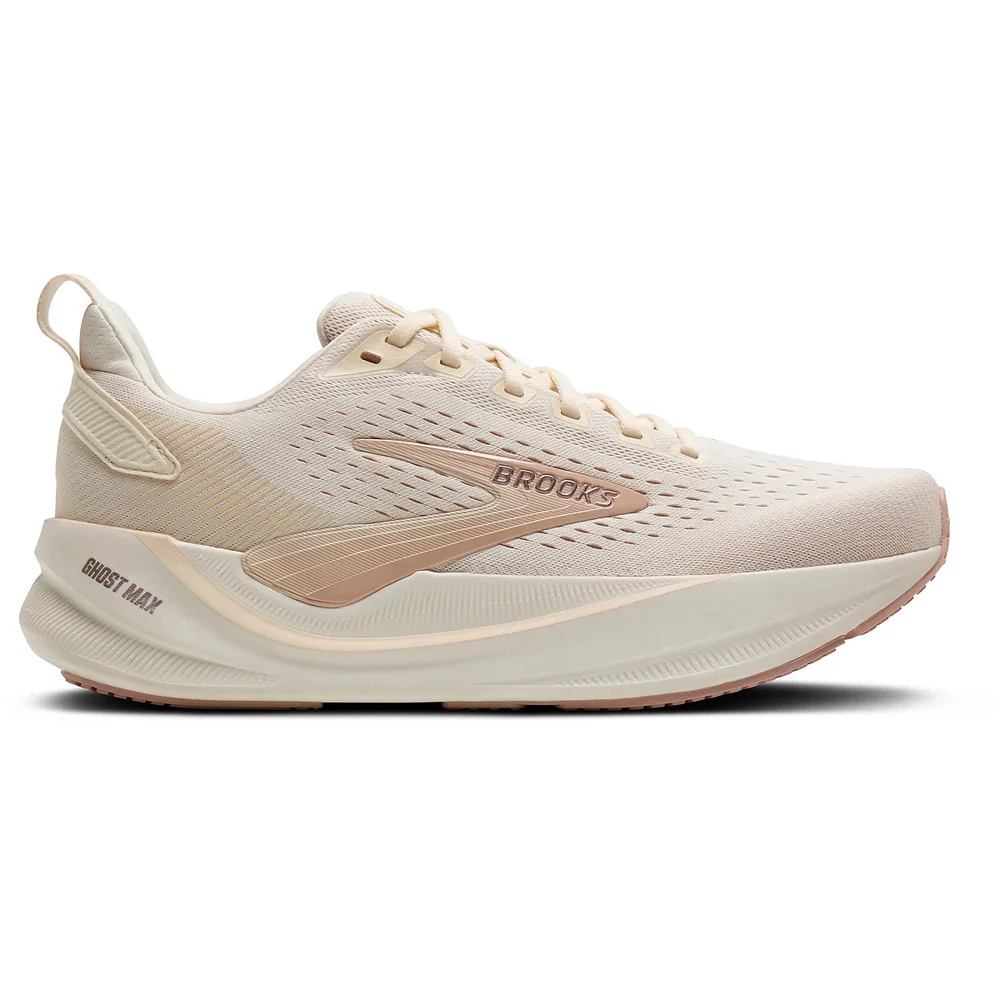
Ghost 18 is the balanced daily choice, with nitrogen-infused DNA Loft v3. Glycerin 23 uses DNA Tuned cushioning for soft landings and powerful toe-offs. Adrenaline GTS 25 pairs DNA LOFT v3 with GuideRails and a 10 mm offset, while Ghost Max 4 adds a GlideRoll rocker to help move from landing to toe-off.
I would compare Ghost and Adrenaline first if support is the deciding detail, and reach for Glycerin 23 if you want the softer-feeling option. Ghost Max 4 makes sense when a rocker is the feature you notice most.
New Balance: more range in the ride
New Balance's origin is practical: Riley's Boston arch supports became a running-shoe business, and the company was making shoes for a local running club by 1938. In a comparison with Brooks, this selection feels more varied by foam and purpose.
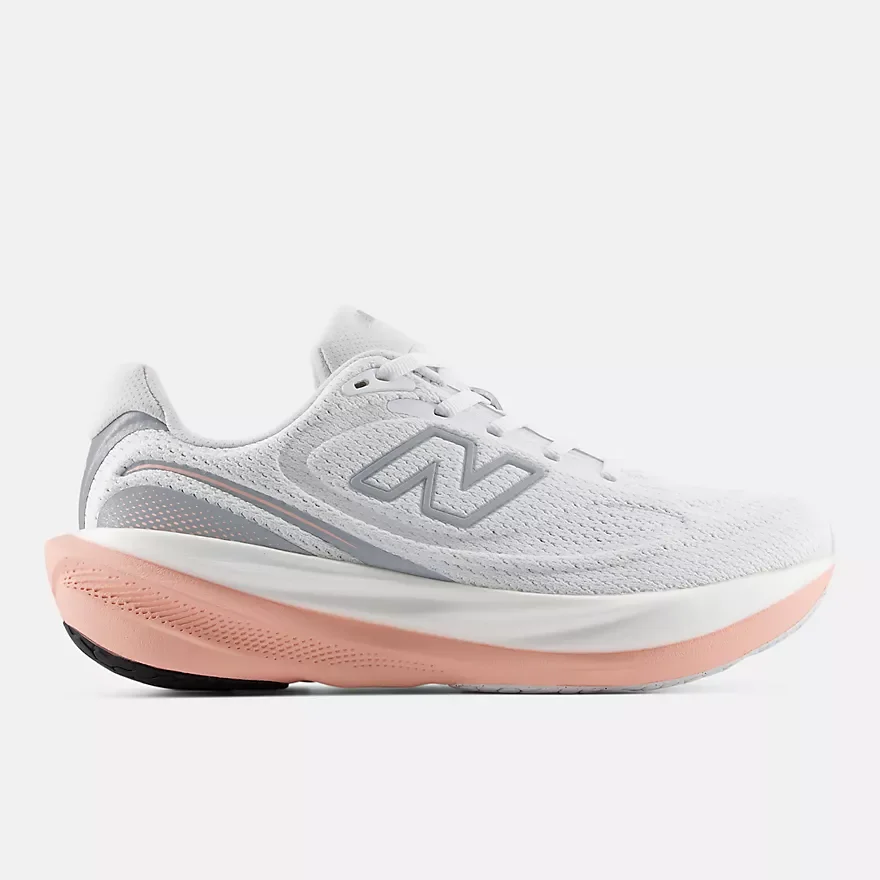
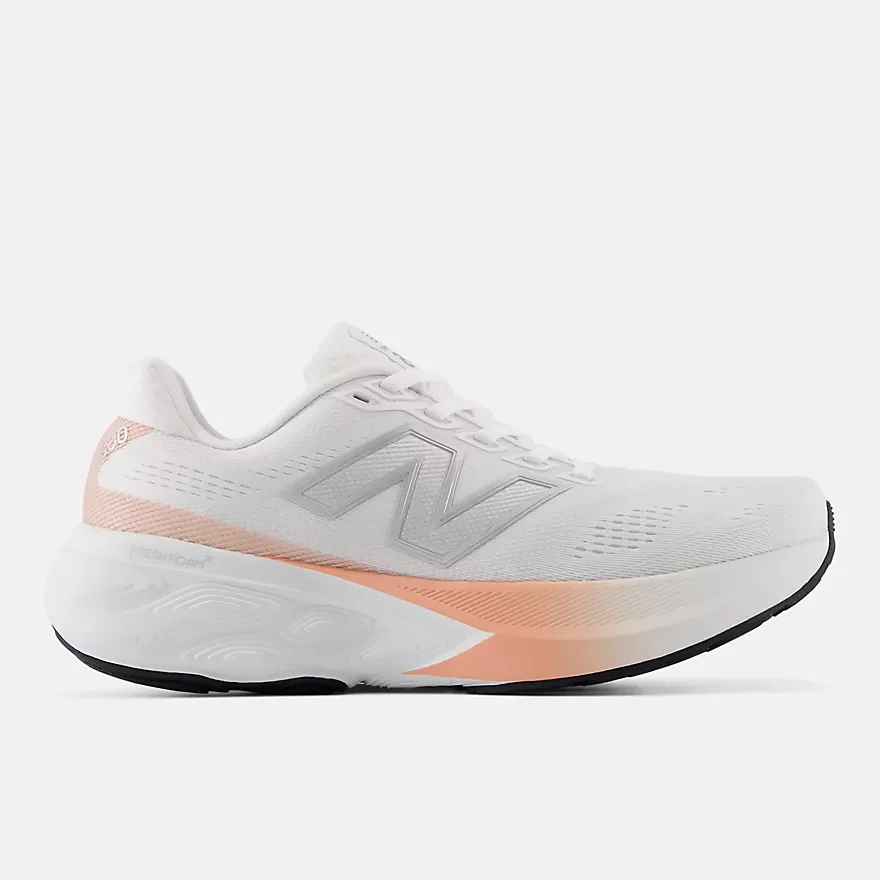
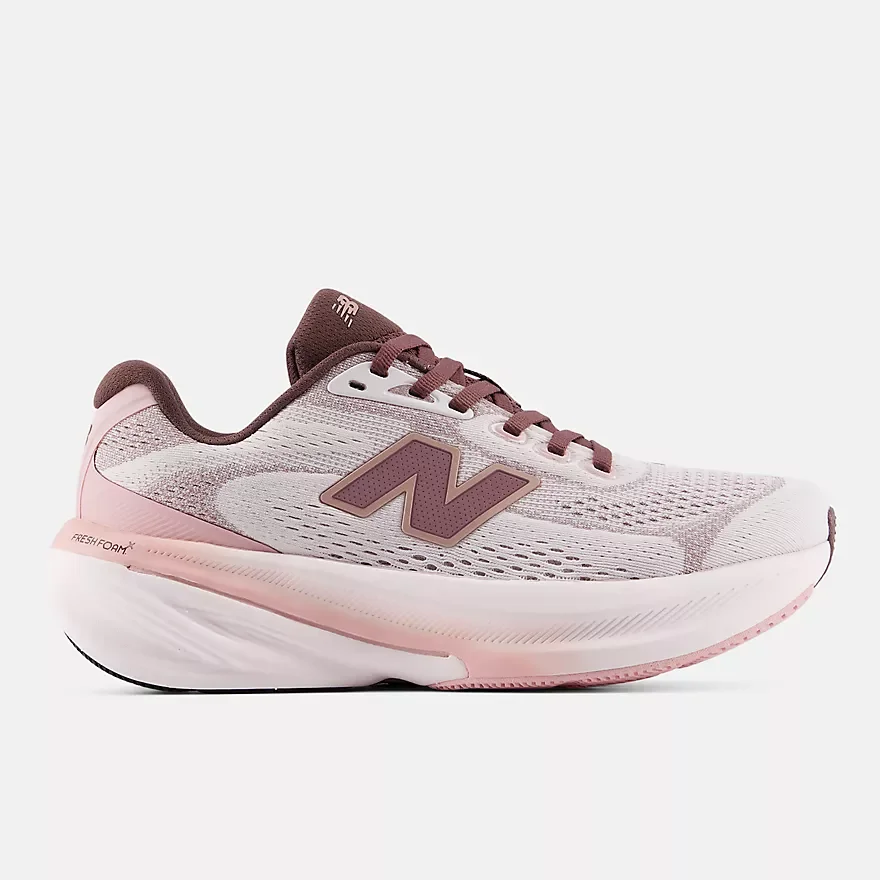
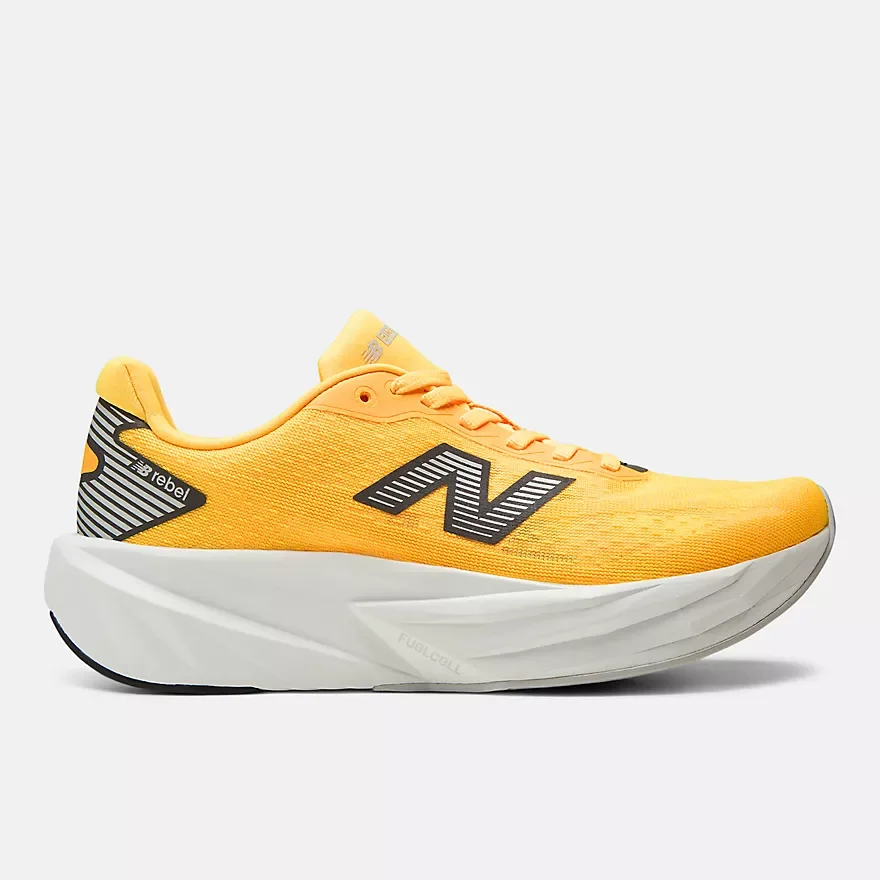
The 1080v15 is a neutral maximum-cushion shoe with Infinion for everyday and long runs. Fresh Foam X 880 v15 is a daily trainer with structured mesh and increased stack height; 860 v15 adds a Stability Plane to Fresh Foam X for varied distances. FuelCell Rebel v5 is the livelier choice, with responsive foam for steady runs and shorter, quicker efforts.
That is why new balance vs brooks can be a useful framing: New Balance gives you a neutral-versus-stability choice in Fresh Foam X plus something more responsive in FuelCell. I would start with the 880 if you want a straightforward daily trainer, and move to the 1080 if maximum cushioning is the draw.
Two closer calls
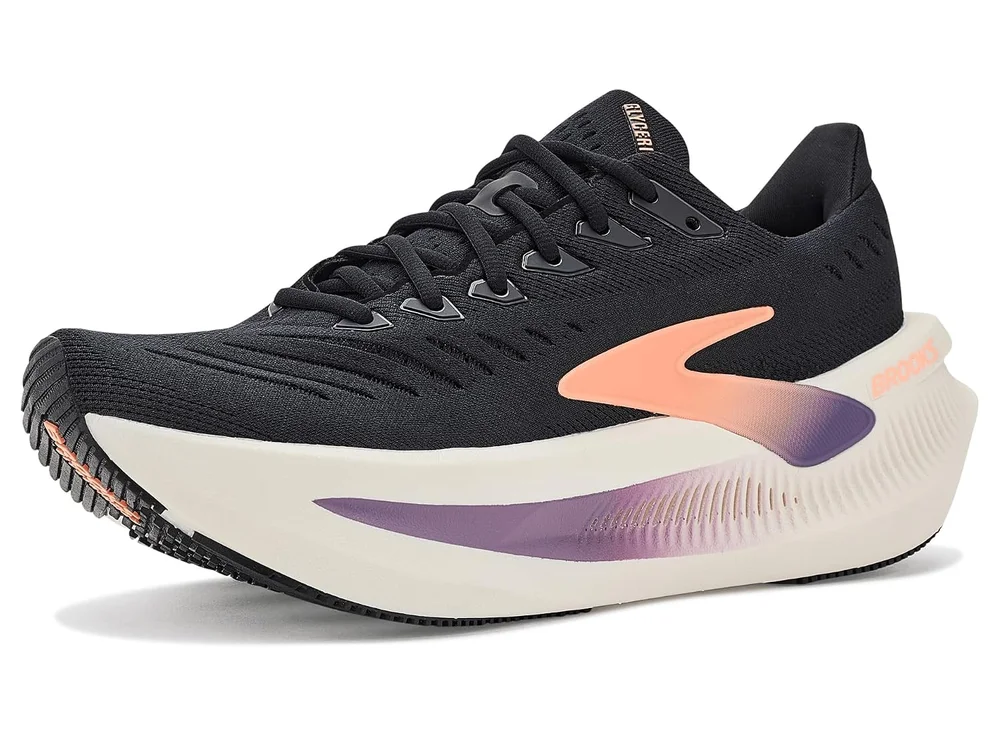
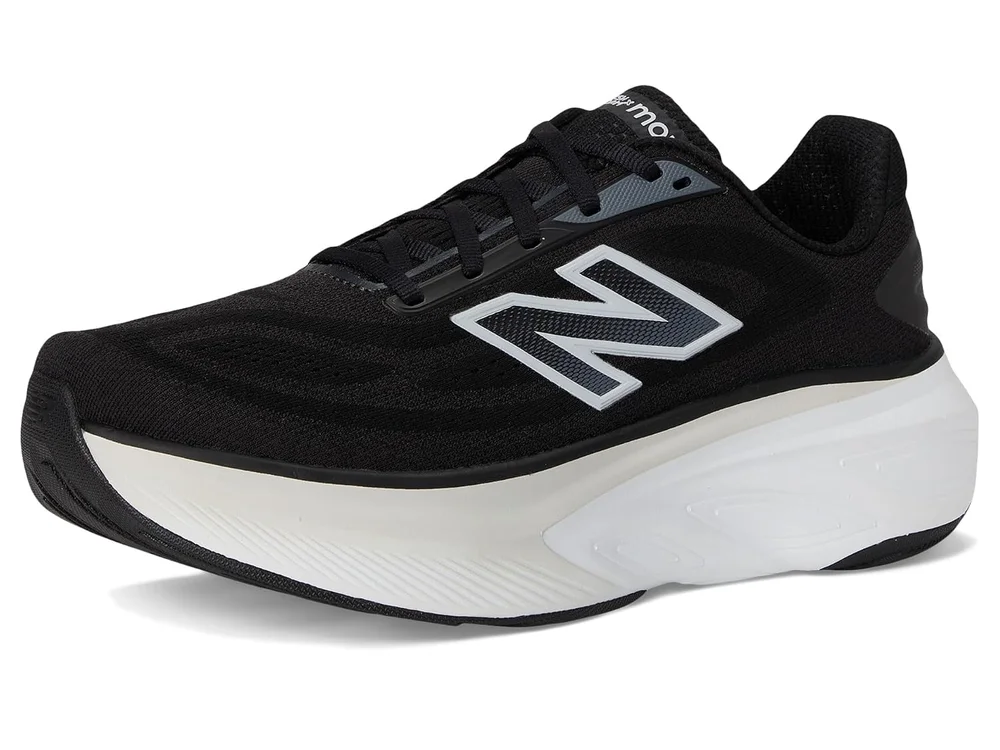
Still deciding? Compare Brooks Glycerin Max 2 with New Balance Fresh Foam X More v6 if the question is how much cushion you want. Brooks pairs dual-cell DNA TUNED foam with a GlideRoll rocker; New Balance gives More v6 one of its highest midsole heights and Fresh Foam X cushioning. These are my maximum-cushion contenders, not quick pick-ups.
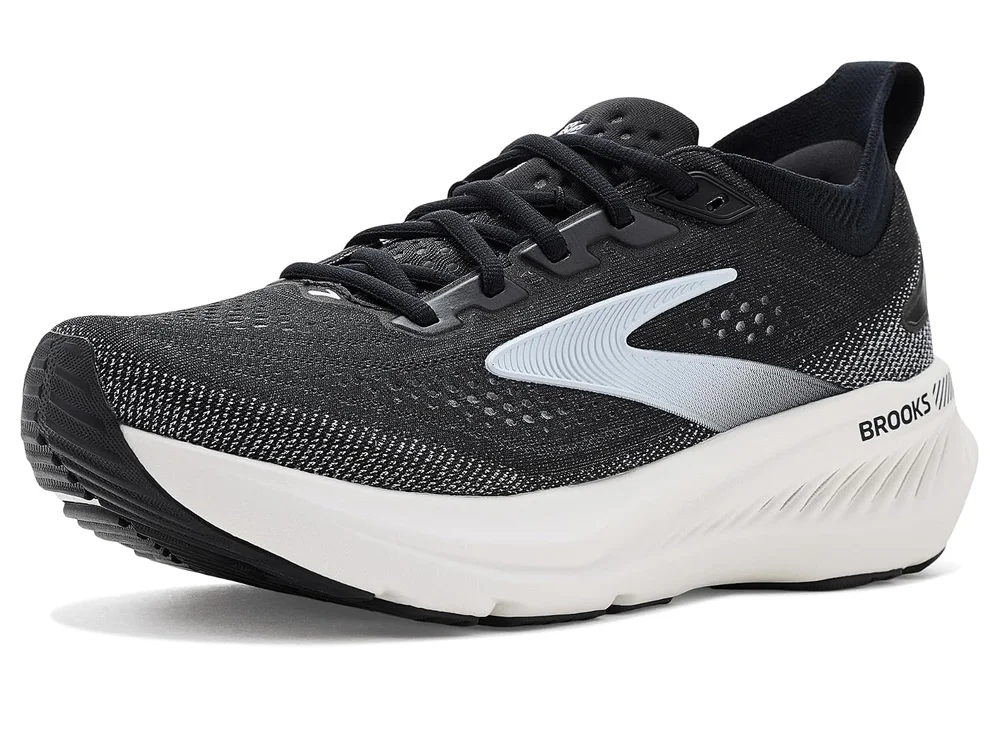
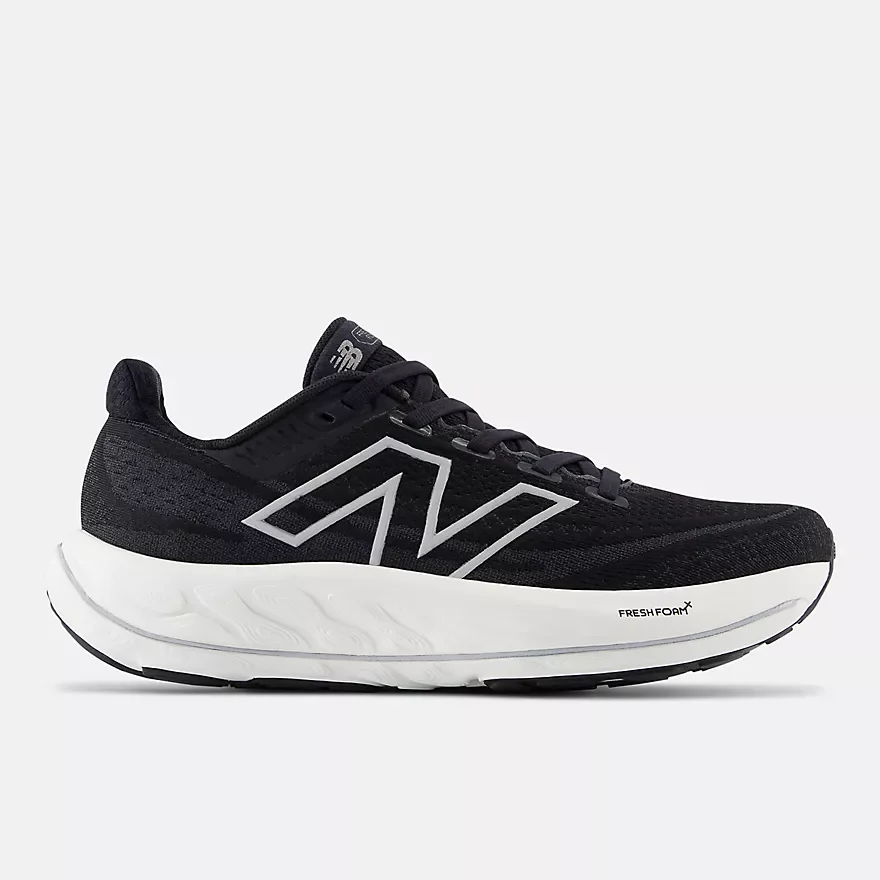
For support, Glycerin GTS 23 uses plush cushioning and GuideRails, while Fresh Foam X Vongo v6 adds a supportive medial zone intended to help reduce overpronation. My buy rule: choose Brooks if you want the Glycerin-based plush support feel; choose New Balance if you prefer a Fresh Foam X platform with a medial zone. I would skip deciding by brand reputation alone and match the shoe to your comfort preference and support needs.