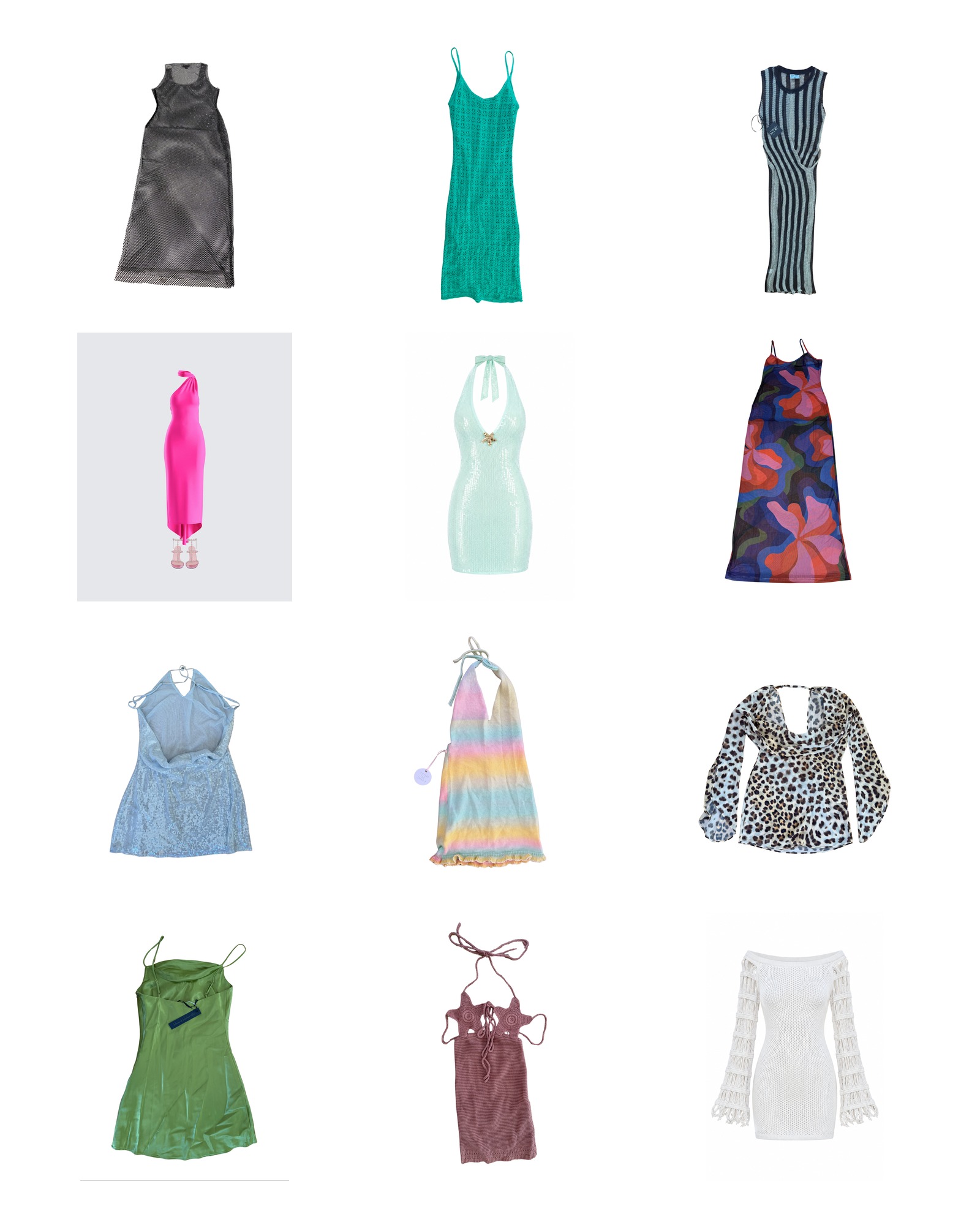
How to build a work wardrobe that actually gets worn: what to buy first, what to skip and how the pieces should relate.
Building A Modern Work Wardrobe
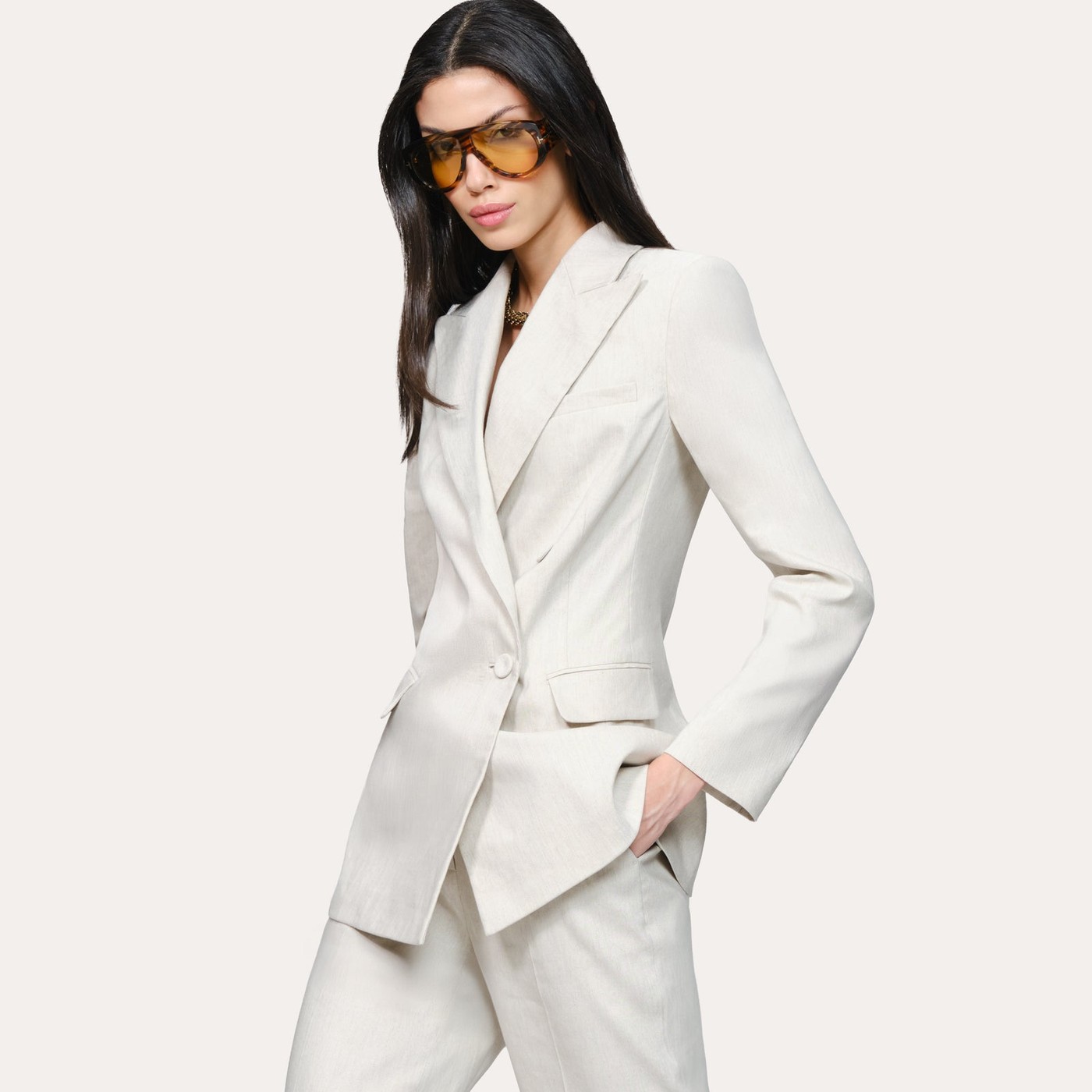
Buy relationships, not outfits
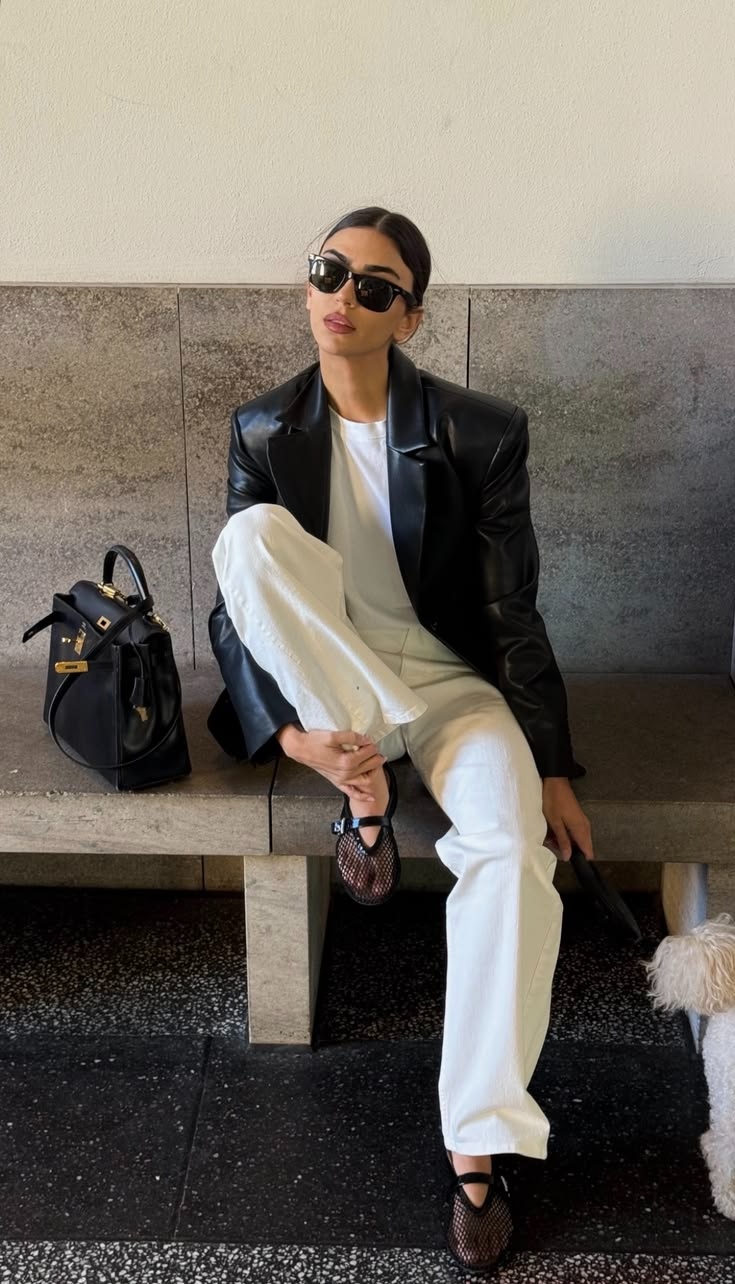
The mistake in building a work wardrobe is buying complete outfits, which gives you five things that each work exactly one way. Buy pieces that relate to each other instead. In practice that means choosing two neutrals to build on and allowing everything else to be an accent, so any jacket goes with any trouser without thought at seven in the morning. The second principle is that structure sits on the outside. A tailored jacket does the visual work of looking assembled, which means what is underneath can be soft, comfortable and cheap, and nobody will know. That is why one very good jacket outperforms three mediocre dresses. Start with the jacket, then the trouser, then the skirt, then the tops. Offices have loosened, but the underlying grammar has not: a defined shoulder still reads as authority, and a fabric that holds a shape still reads as effort, whatever the dress code says on paper. Colour discipline is what makes a small wardrobe look considered. Two neutrals plus one accent gives you more genuine combinations than five colours do, and it means that nothing you own is stranded waiting for the one other thing it goes with. If you want variety, get it from texture rather than from hue.
Jackets that do the structural work

Anouk Goat Suede Tailored Jacket
Elie Tahari
$1,200

Sierra Tropical Wool Cropped Jacket
Elie Tahari
$598

Roxy Japanese Crepe Tuxedo Jacket
Elie Tahari
$598

Fleur Lace Blazer
Elie Tahari
$598

Terra Jacquard Blazer
Elie Tahari
$548

Juliana Structured Blazer
Elie Tahari
$498

Zoe Fiamatto Blazer
Elie Tahari
$498

Crocodile Panel Blazer
Elie Tahari
$498
The details that separate work clothes from clothes
Fabric behaviour matters more than fibre content on a label. Crepe and wool suiting hold a press through a day of sitting; silk charmeuse and satin look expensive standing up and crease into a map the moment you sit in a car. If your commute involves sitting for more than twenty minutes, favour crepe, tropical wool and jacquard, and keep the satin for evenings and for pieces that are covered by a jacket. Check three things on any jacket before buying: whether the shoulder seam sits on your shoulder bone, whether you can cross your arms in front of you, and whether the button pulls when you sit down. All three are difficult to alter and all three are visible. On trousers, the hem length should be decided with your usual work shoe on, and a bias cut skirt should be tried sitting, since the drape that looks fluid standing can cling in a chair. Tailoring is the cheapest upgrade available and the one most people skip. Shortening a sleeve to show a half inch of cuff, taking in a jacket at the waist, or hemming a trouser to the shoe changes how expensive the piece reads far more than the price did. Budget for alterations as part of the cost of a jacket rather than as an extra.
Trousers and skirts that hold a press

Althea Goat Suede Midi Skirt
Elie Tahari
$898

Sierra Tropical Wool Double Buckle Pants
Elie Tahari
$498

Savannah Satin Jacquard Pants
Elie Tahari
$448

Lyra Silk Charmeuse Bias Skirt
Elie Tahari
$398

Jackie Satin Wrap Pants
Elie Tahari
$398

Fleur Lace Pant
Elie Tahari
$398

Satin Belted Pant
Elie Tahari
$398

Overlay Pant
Elie Tahari
$398
Making it work over a week
The wardrobe works if you can dress without deciding. That means a jacket that goes over everything, two trousers in different weights, a skirt for the days you want the outfit to look less uniform, and four or five tops that all tuck. Sleeveless tops under jackets are the most useful thing here, because they solve the warm office and they mean the jacket can come off without the outfit falling apart. Have one thing that upgrades the whole set for an evening: a satin trouser, a lace blazer, a silk blouse in place of the plain one. That single swap is what saves you owning a separate going out wardrobe. And repeat things. Wearing the same excellent jacket four days a week is what people who dress well actually do, and it is the only version of this that survives a real work schedule. Think about the temperature of your actual office rather than the season. Most buildings are cold in summer and overheated in winter, which is why a sleeveless top plus a jacket beats a long sleeved dress in almost every month, and why a heavy wool coat kept at the door is more useful than a heavy knit worn all day.
The layer underneath

Morgan Silk Charmeuse Dot Shirt
Elie Tahari
$448

Savannah Satin Jacquard Corset Shirt
Elie Tahari
$448

Sage Silk Chiffon Cape Blouse
Elie Tahari
$398

Solene Imprime Shirt
Elie Tahari
$398

Laced Trim Blouse
Elie Tahari
$368

Blair Milano Sculpt Peplum Top
Elie Tahari
$348

Sylvie Crepe Asymmetric Top
Elie Tahari
$348

Sienna Silk Overlay Blouse
Elie Tahari
$348
Our honest take
Our honest take. Almost nobody needs a matching suit anymore, and buying one first is why so many work wardrobes stall. Buy the jacket alone, in a fabric that behaves, and let it sit over things you already own. The pieces worth spending on are the ones with structure, because structure is what cannot be faked at a low price. Skip the fussy blouse that needs its own care regime, since it will hang unworn. And do not buy anything you would not wear twice in a week. If you take one thing away: get one jacket that fits at the shoulder, then buy only things that go under it.
Shop brands in this edit

Next read
Secondhand Louis Vuitton Damier Ebene Or Damier Azur
Damier Ebene and Damier Azur are the same coated canvas in two colourways, and the secondhand market treats them as two different products.
Read Editorial
Secondhand Silk My Favs
My sixteen selects of scarves below are all ninety centimetre squares, split into two price bands