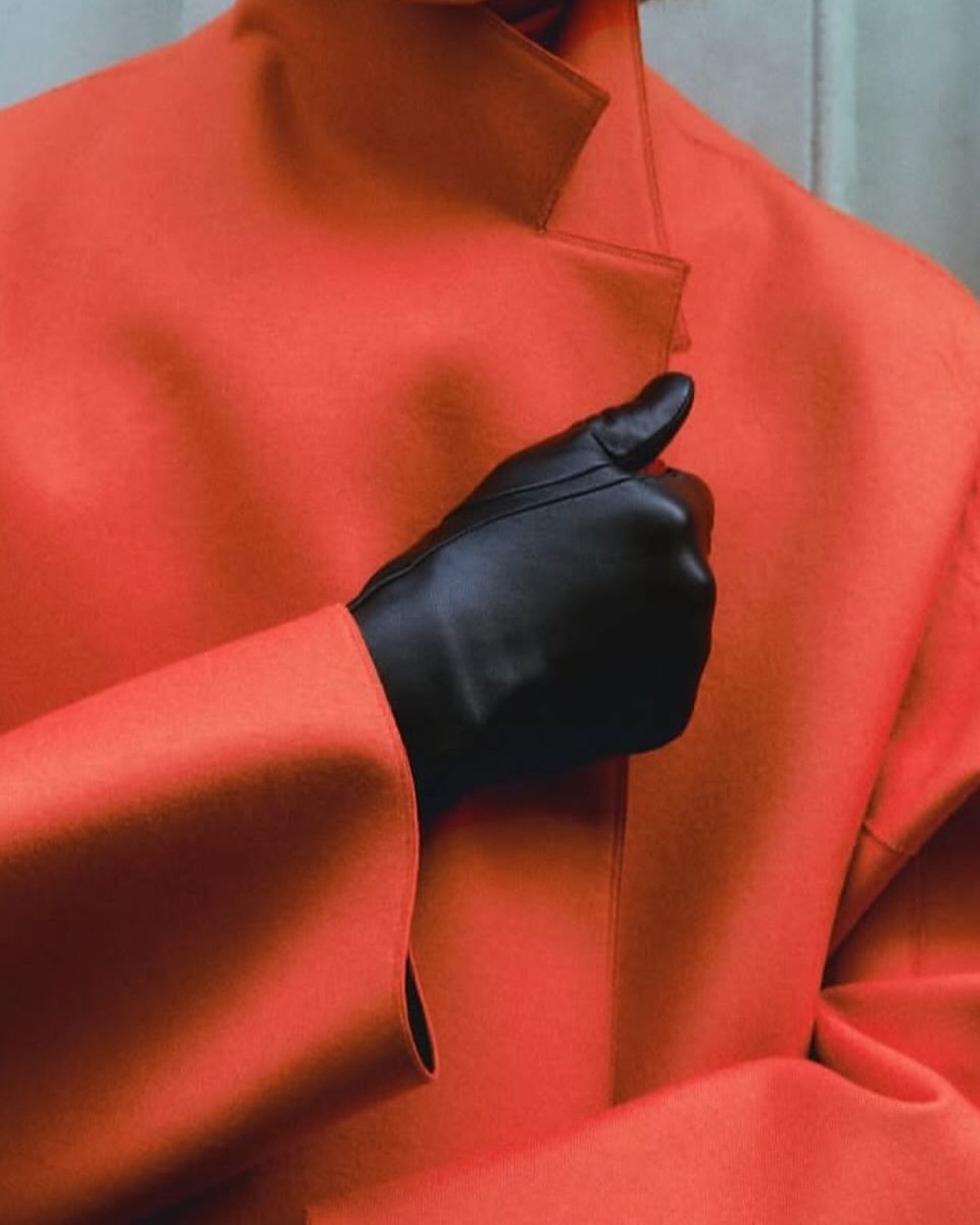
Capes for women can take the place of a coat, a sweater, or a sharper evening layer, depending on the fabric and opening. I compare wrap coats, soft knits, a trench cape, and a gown with a cape overlay, then share what to check for layering and movement.
Capes for women: A Layer With Room to Move
Capes for women can take the place of a coat, a sweater, or a sharper evening layer, depending on the fabric and opening.
The shape over the shoulders
The V&A catalogs a woman's pale blue satin cape made in England around 1830, with a pleated flounced border. That old garment makes a useful opening for capes for women now: fabric around the shoulders can change the outline before you add another layer. I like the cape because it occupies the space between coat and accessory, and you can decide how much structure that space needs.
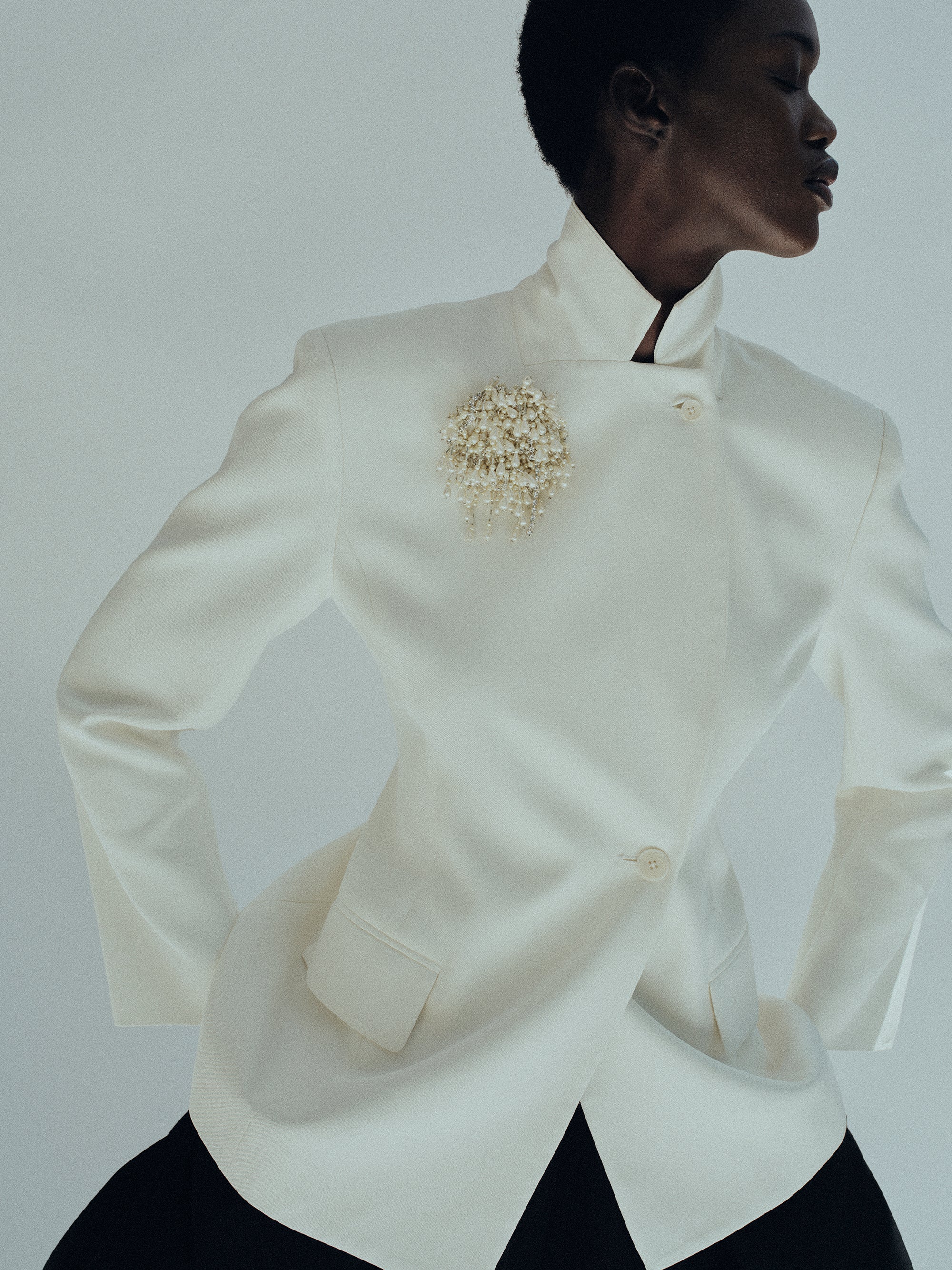
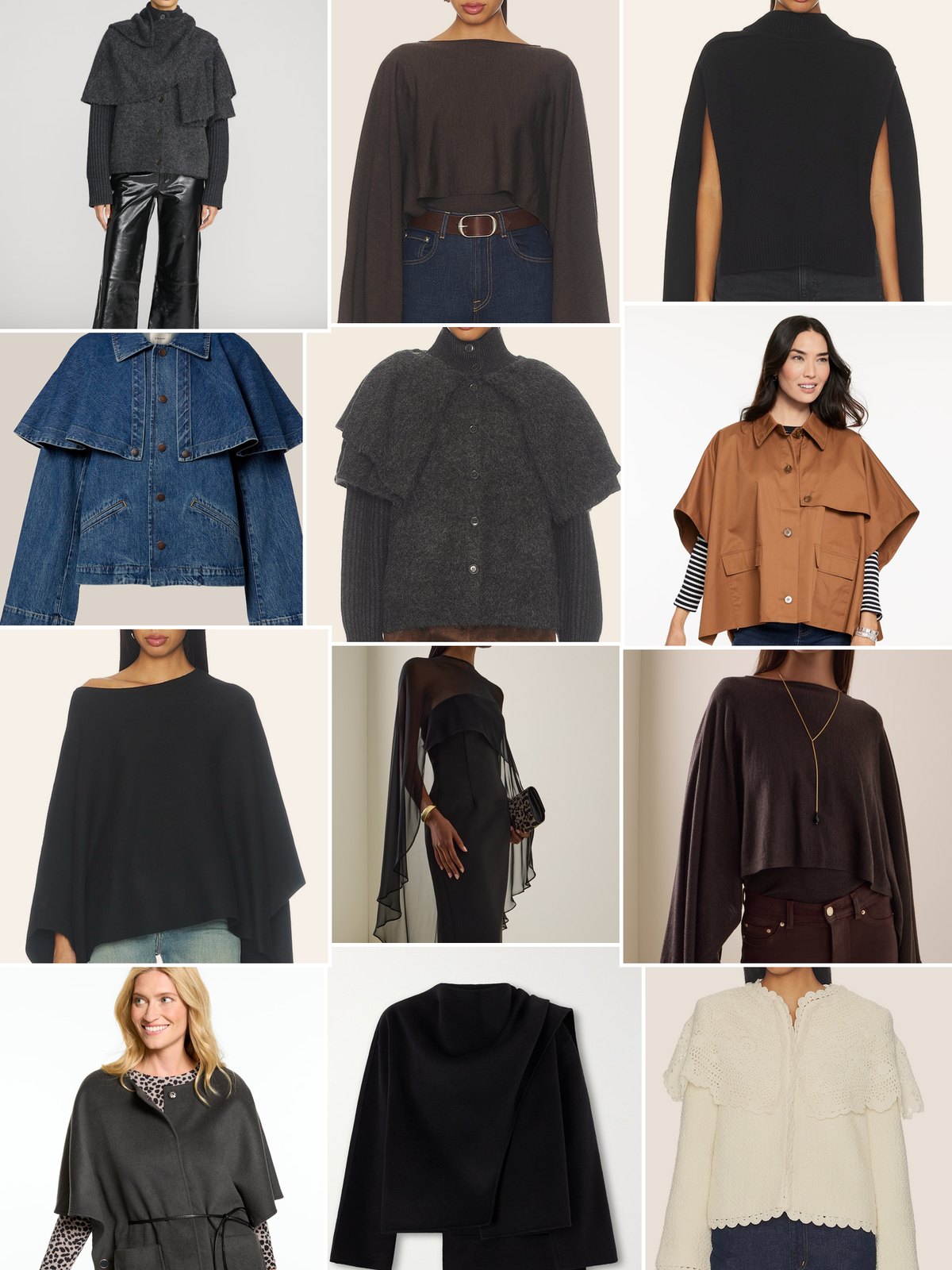
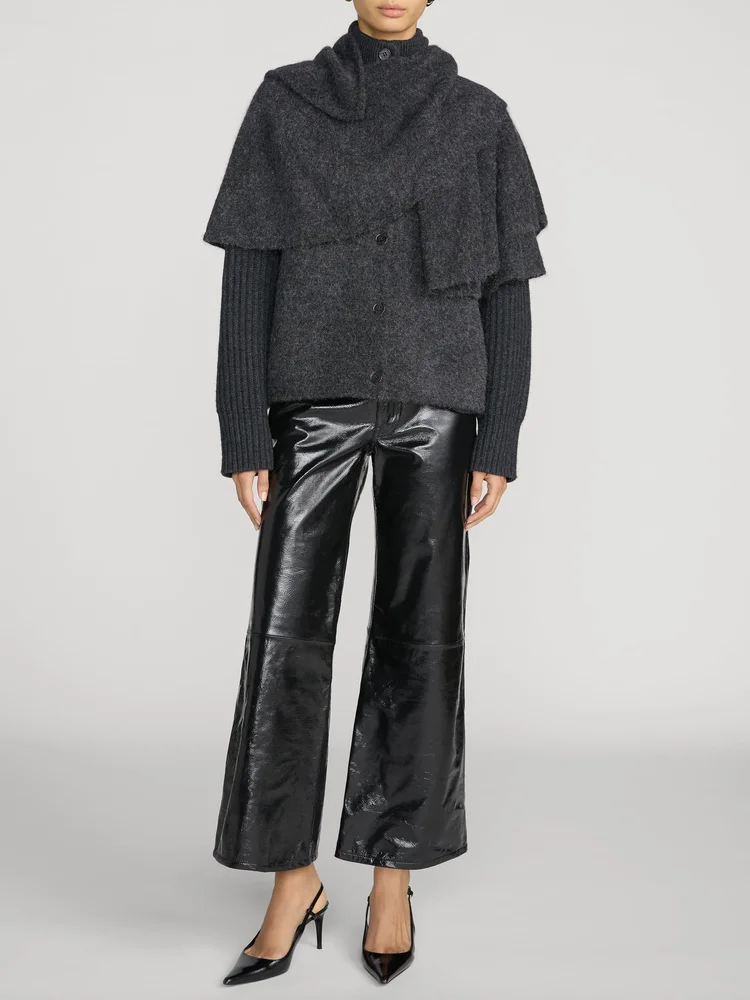
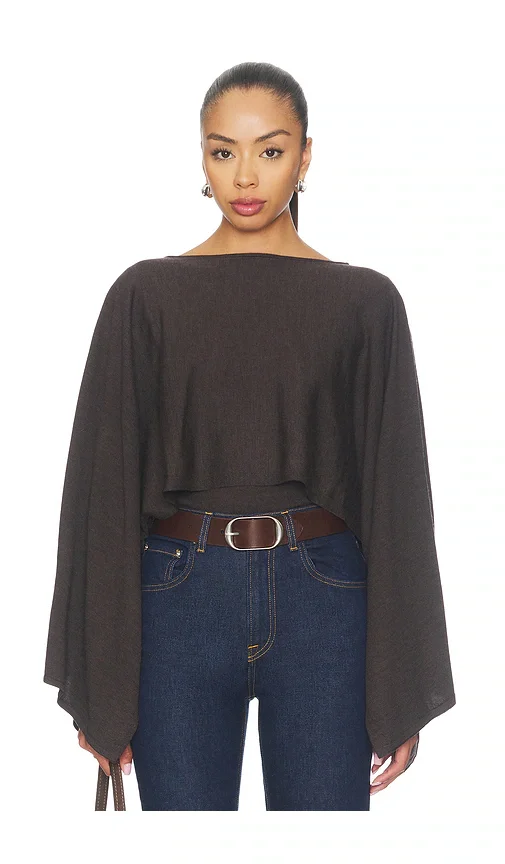
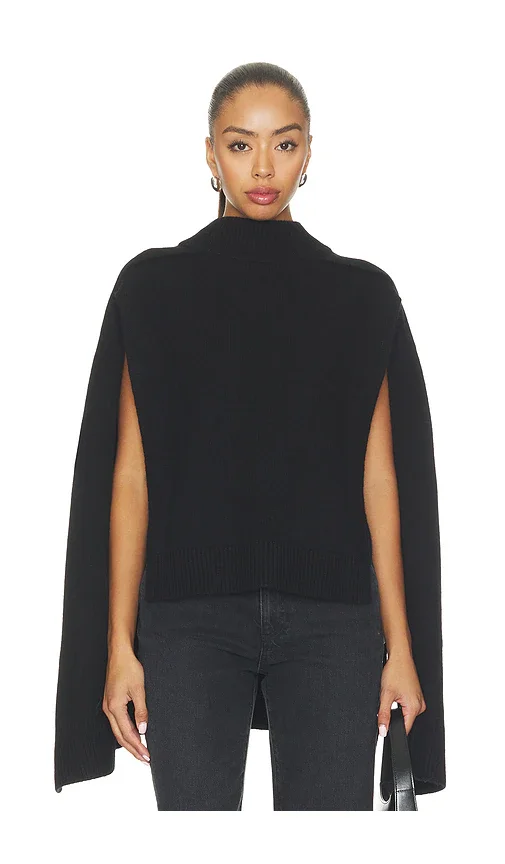
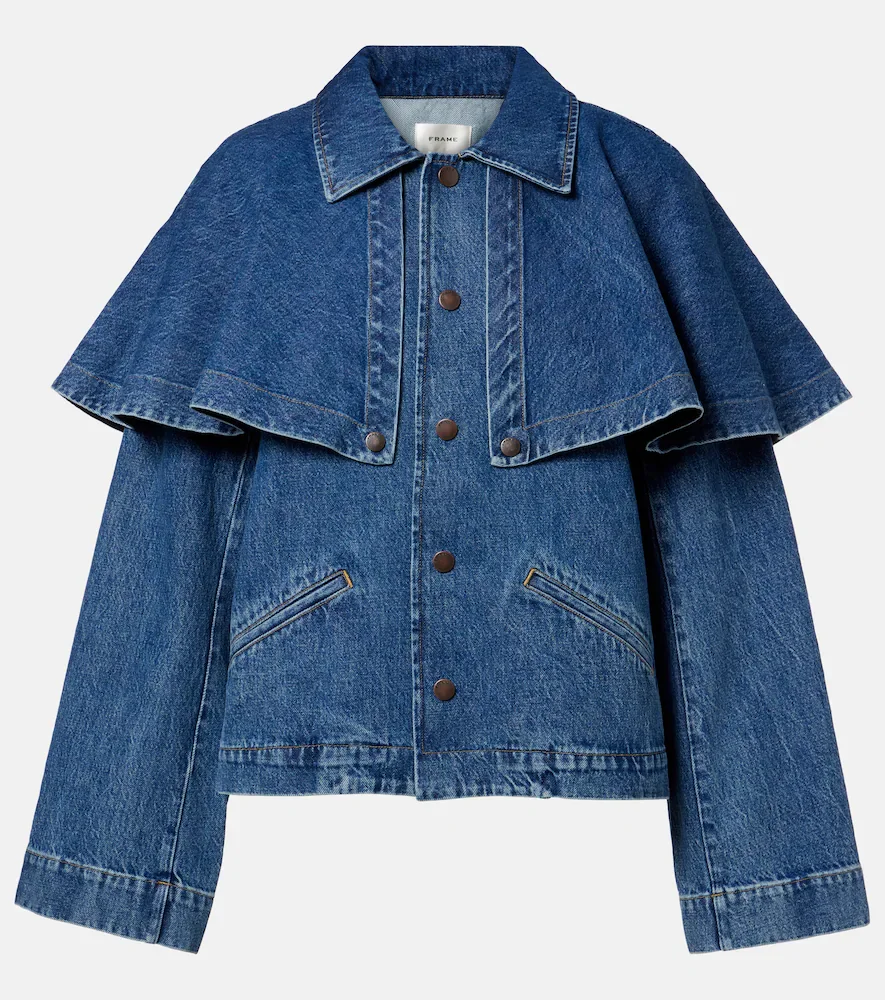
FRAME's The Wrap Cape Coat is the clearest outerwear version in this first group. DL1961's Cape Sweater and Source Unknown's Noa Wool Cape Sweater move the silhouette into knitwear, while Frame's Cape denim jacket takes it toward a familiar jacket shape. I would let the base underneath stay slim so each cape has room to fall, rather than fighting with a bulky sleeve.
These capes for women make more sense when chosen for the job: coat, sweater, or a layer that changes the line of a denim outfit. Before settling on one, check where your arms emerge and how much room your bag strap needs. A cape can look generous on a hanger, but the useful question is whether it leaves your hands free and your shoulders comfortable in a doorway, at a desk, or on a walk.
Trench lines and ceremony
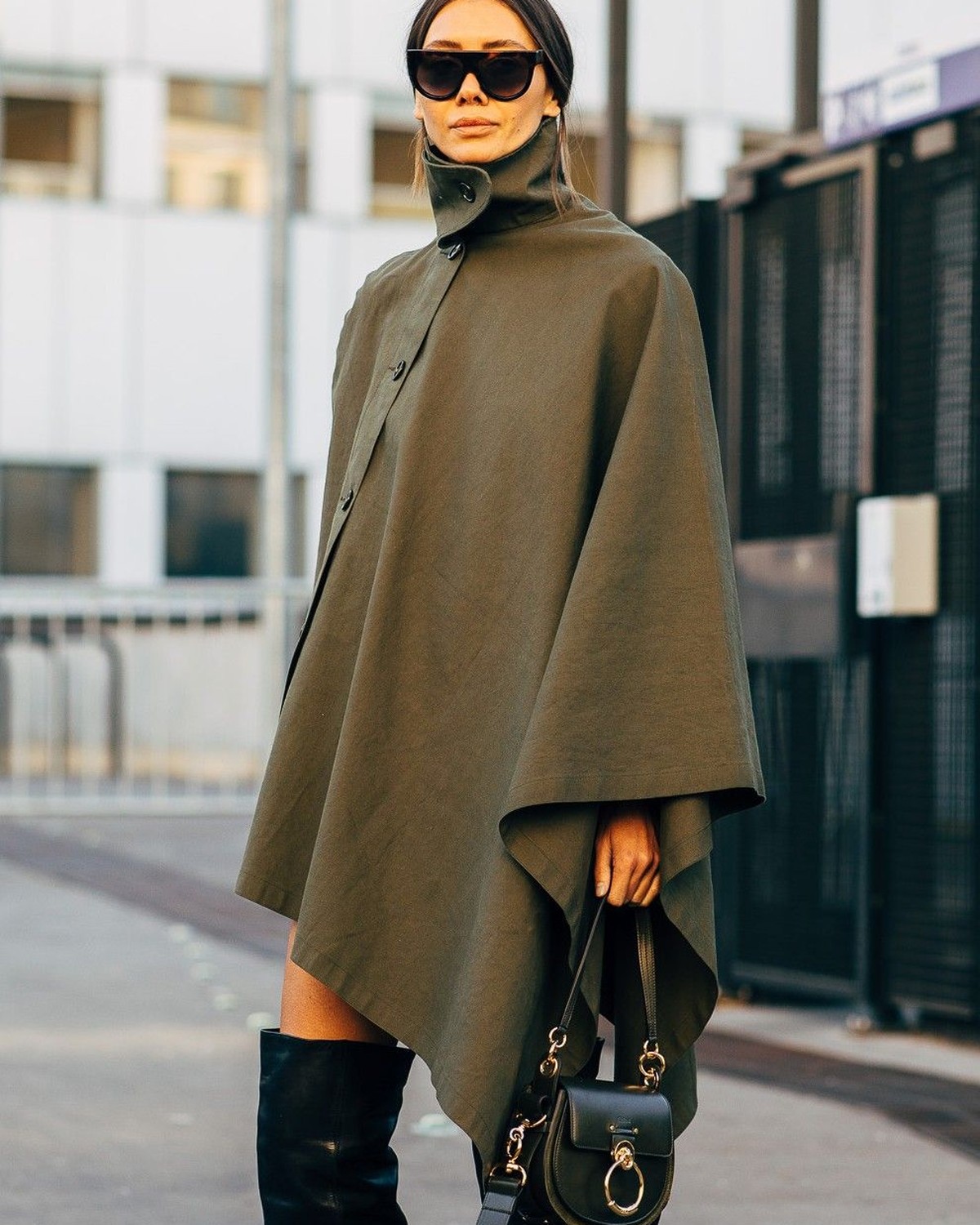
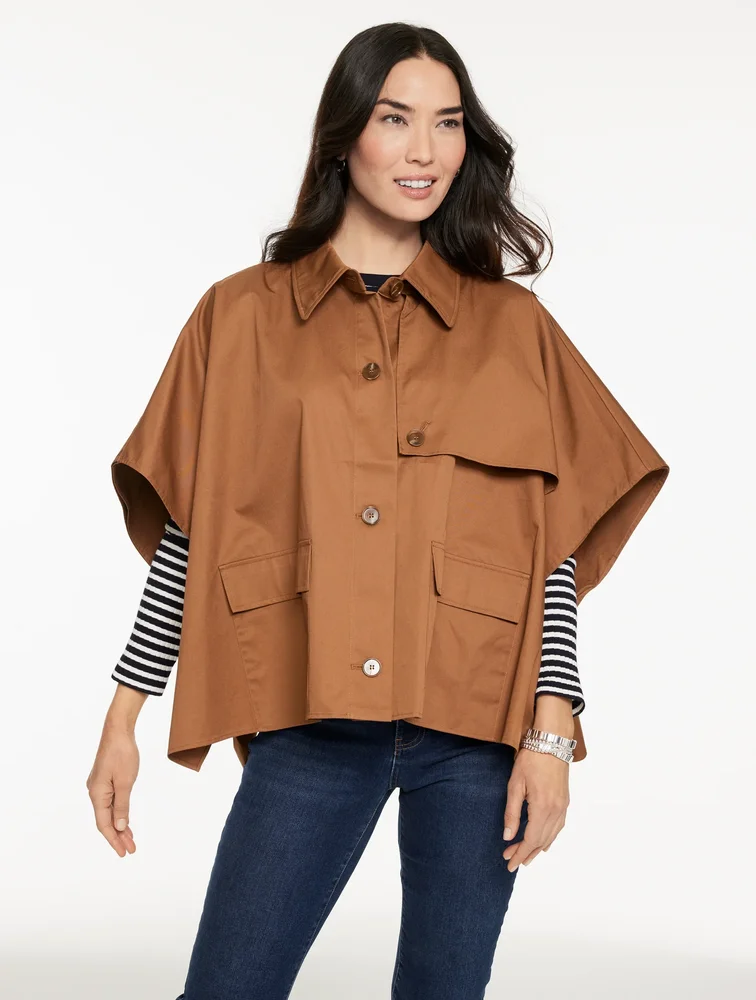
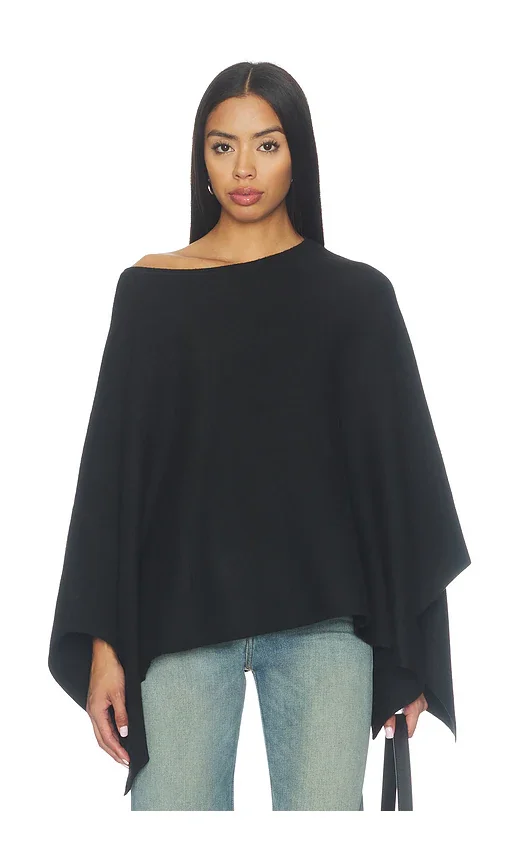
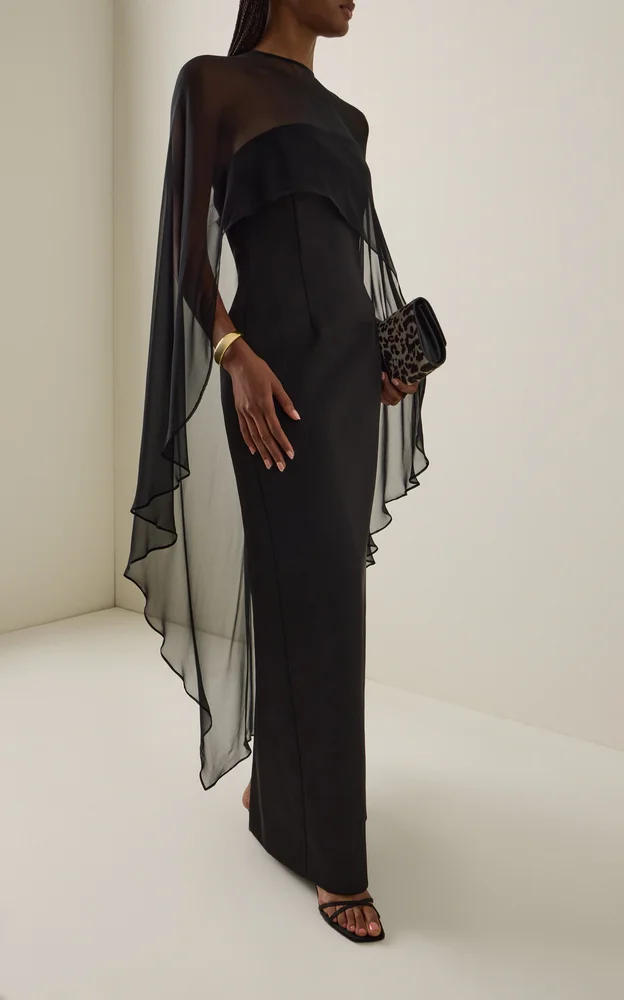
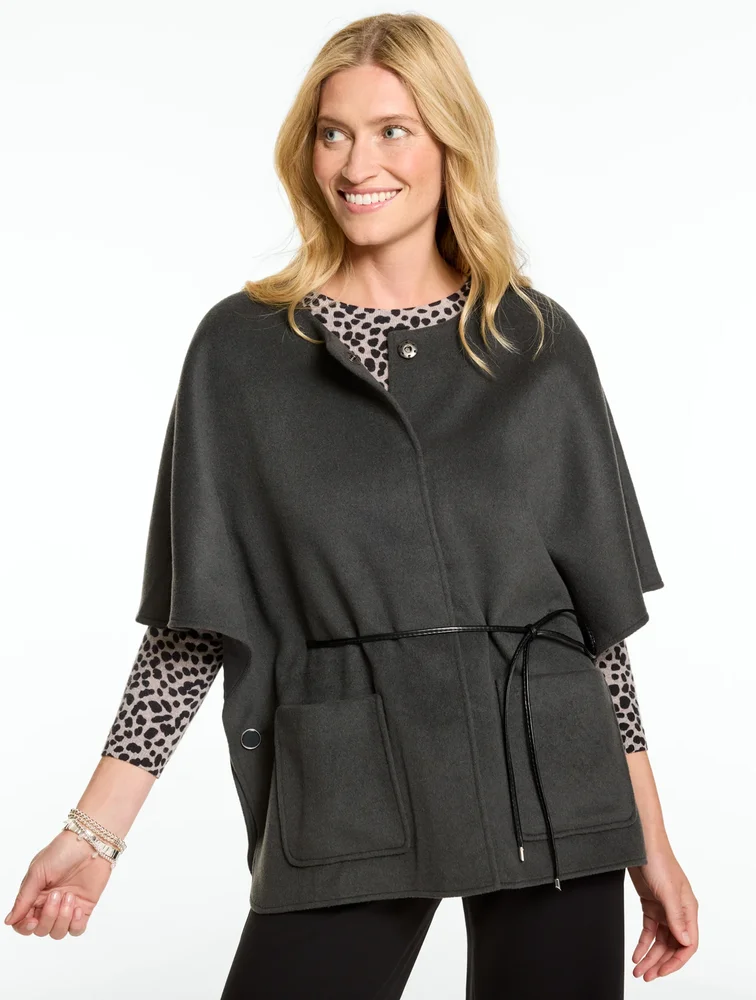
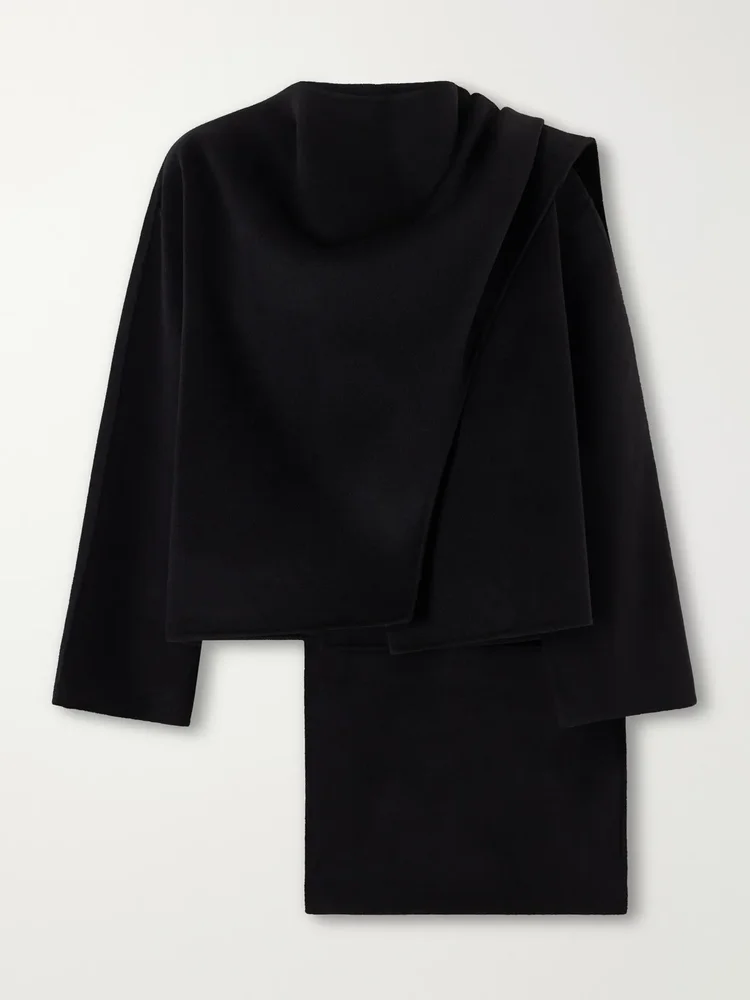
An outer layer has to coexist with the sleeves underneath. FRAME's The Wrap Cape Coat has a more coat-like presence, while Talbots's Short Trench Cape brings a trench reference in Sierra Brown and cotton, details supplied in its product name. NIA's Heathcliff Sweater Cape suits a softer combination, whereas SIMKHAI's Fiora Cape Chiffon Gown shifts the cape idea into eveningwear. Capes for women have different uses here, so I would start with the day's dress code, not with a color match.
With a trench cape, a slim long-sleeve top helps keep the arm openings clear; with the chiffon gown, I would keep jewelry near the face and avoid stacking a second dramatic layer. For a fitting test, reach forward, pick up a bag, and sit down. The fabric should not catch at the wrist or pull across the shoulder during ordinary tasks.
What I would skip: adding a thick cardigan under a cape with narrow openings. The extra bulk can turn a floaty shape into a fight with your sleeves, especially when you need to reach or carry something.
Wool, ties, and movement
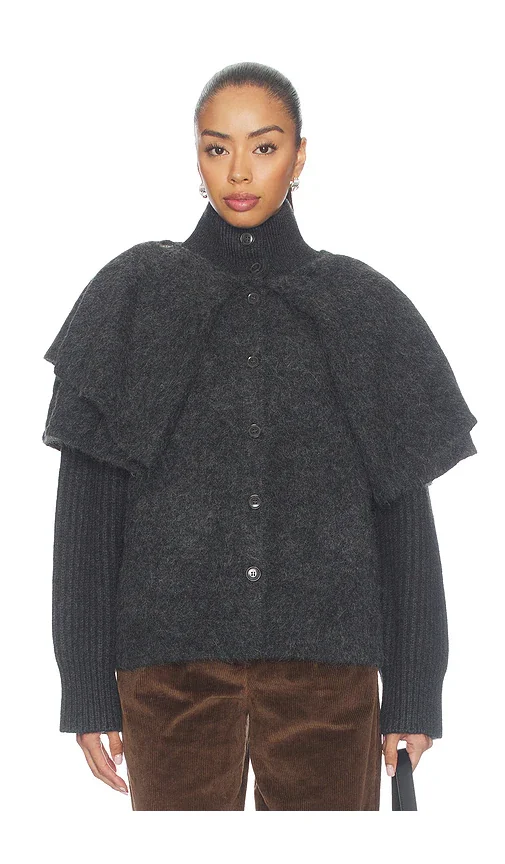
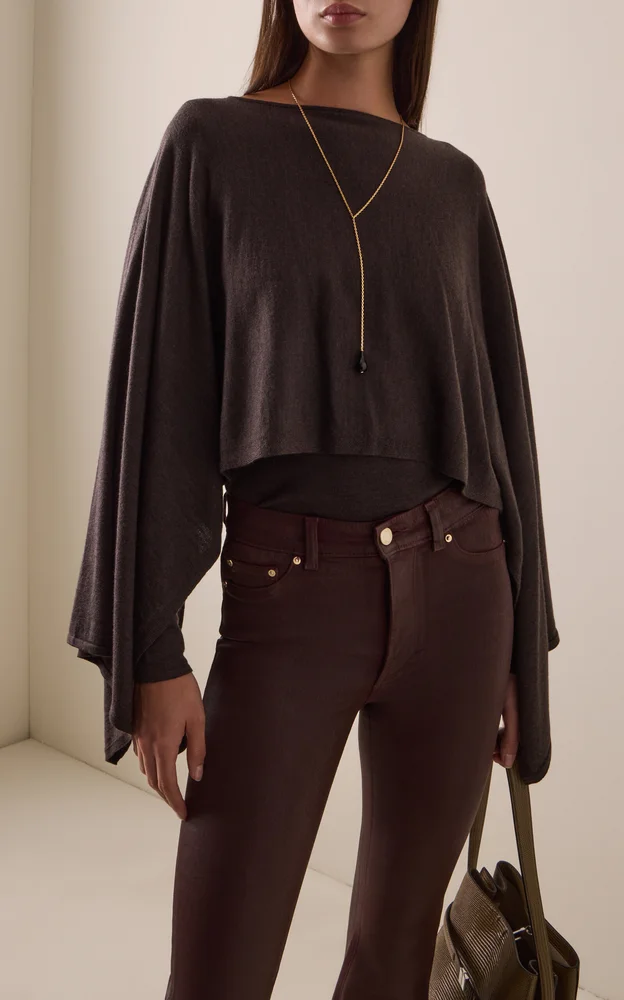
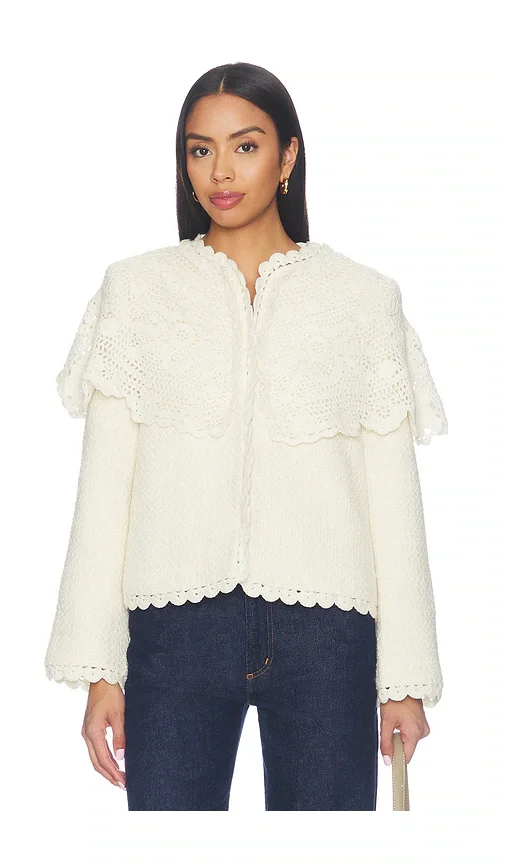
Knits and mixed-fabric jackets give the cape outline a grounded feel. DL1961's Merino Wool Cape Sweater makes sense as a soft top layer; Talbots's Tie Front Wool Blend Cape adds a front fastening detail. Arch4's Halehurst cape effect jacket combines wool, cashmere, and silk in its product description, while Sea's Wright Knit Cape Jacket takes the idea into a knit jacket shape. I would let those material differences set the rest of the outfit.
A slim skirt or straight-leg trouser gives a broader shoulder line room without adding too much volume below. When trying the tie-front cape, check that the tie sits where you want it when the garment is closed and open. With the cape-effect jacket, look at how the sleeve opening works over a shirt, then see if a bag strap slides off the shoulder.
What I would skip: piling a bulky scarf over a cape with a high neckline or a visible tie. These capes for women already bring shape at the shoulder, so a simpler collar and one clear accessory will do more.
Choose the layer first
I would choose the role before the color: outerwear for a cold walk, knitwear for indoor layering, or a cape detail for evening. Then I would check the opening, the sleeve underneath, and the bag strap that needs to sit on top. Those small tests say more than a styling formula.
Capes for women work best when the rest of the outfit gives the shoulder shape some room. Keep the lower half quiet, let the fabric make its own line, and you have a layer that feels considered without feeling fussy.