Clothing
Clothing
Johanna Ortiz
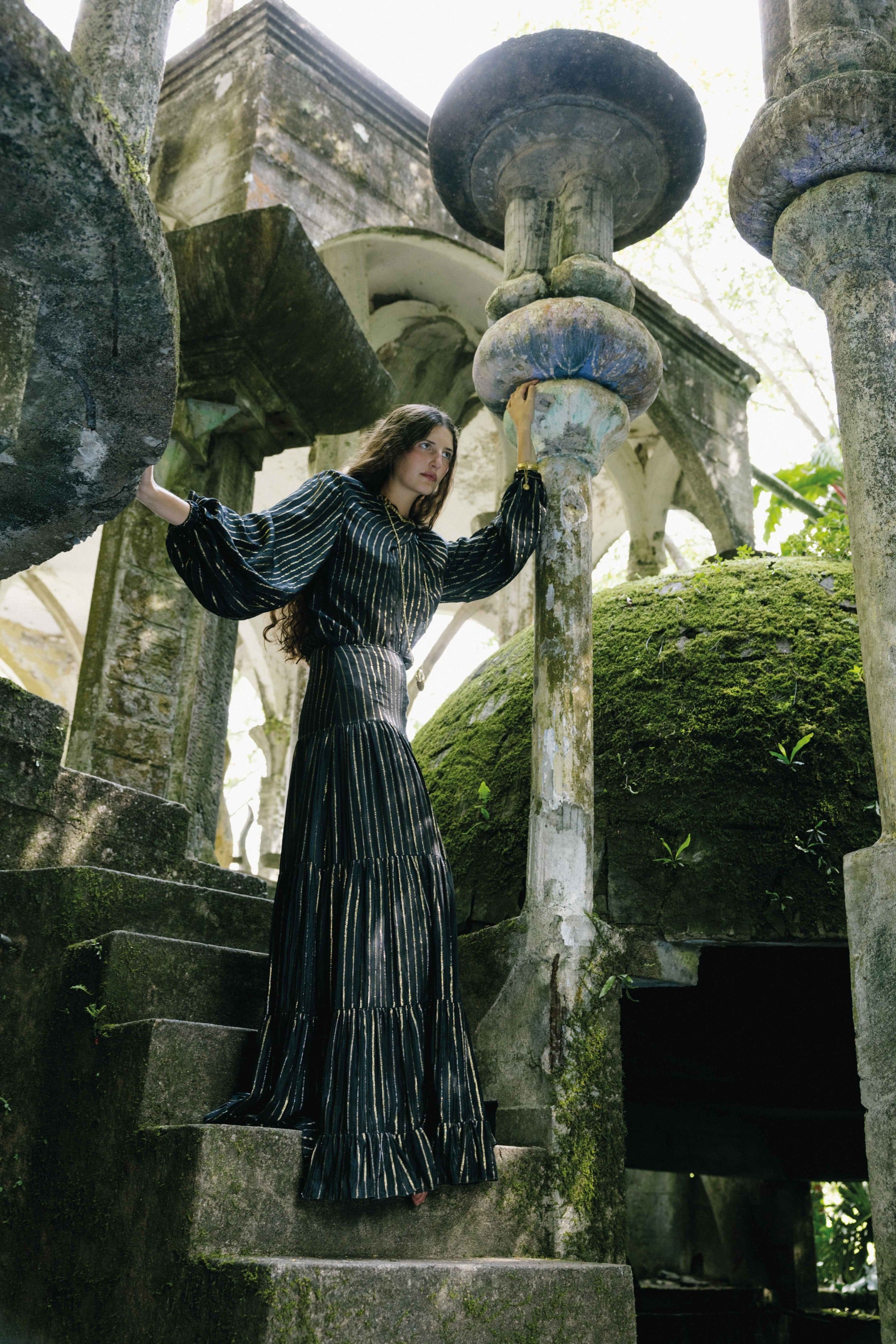
Johanna Ortiz launched her namesake label in Cali, Colombia in 2003, starting with a small resort and swimwear collection before building it into a full ready-to-wear house. The brand still produces more than ninety percent of its pieces in-house in Cali, and its 2014 Moda Operandi debut is what first carried the ruffled, tropical-print silhouette out of Colombia and onto the global stage.

Dries Van Noten
Dries Van Noten launched his first menswear collection in 1986 in Antwerp, showing it in London with five classmates from the Royal Academy who became known as the Antwerp Six. What set him apart from the group was a refusal to chase a single signature look, instead building a reputation on pattern mixing, botanical prints and a stubborn independence from the usual industry calendar.

Thom Browne
Thom Browne built a new uniform from the old ingredients of American tailoring. He began in New York’s West Village in 2001 with five made-to-measure suits, then made shrunken proportions, cropped trousers and red-white-blue grosgrain part of a very recognizable vocabulary. The clothes are disciplined, but the humor is always close to the surface.

Jean Paul Gaultier
Jean Paul Gaultier presented his first individual collection in Paris in 1976 and founded his eponymous house in 1982. His work became known for treating tailoring, corsetry, mesh and provocation as one vocabulary rather than separate categories. This edit keeps that tension visible in sharp wool, printed jersey and body-conscious silhouettes.

Anna Sui
Anna Sui makes fashion from the collision of vintage references, rock and roll, bohemia and New York downtown energy. She launched her first collection in 1981 after studying at Parsons and has spent decades turning research into clothes that feel exuberant but carefully composed. The current pieces keep that spirit in satin, velvet, lace, fur textures and unapologetic print.

Ann Demeulemeester
Ann Demeulemeester builds a dark romantic wardrobe from elongated lines, leather, asymmetry and the tension between softness and severity. Founded in Antwerp in 1985 by Ann Demeulemeester and Patrick Robyn, the house grew alongside the Antwerp Six and a deep conversation with poetry, music and visual art. The collection is for dressing with intention, not disappearing into the background.
AFLALO
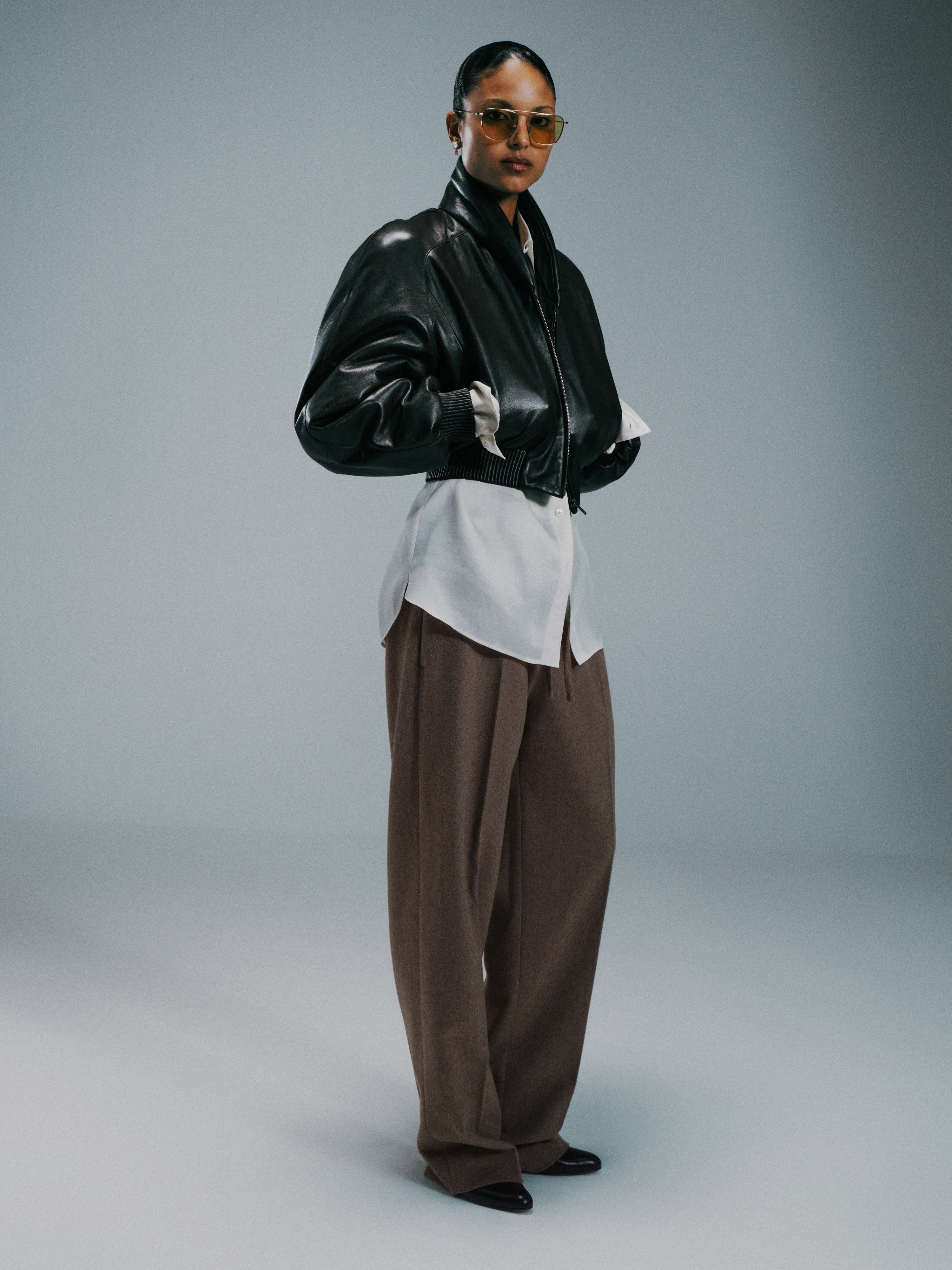
AFLALO is a New York label built around liquid satin, sculpted volume and a distinctly evening-minded idea of modern luxury. Founded by Yael Aflalo, the designer behind Reformation, it treats the body and the way clothing changes movement as part of the design. The mood is polished but not precious, with enough drape to keep occasion dressing from feeling static.
Acne Studios
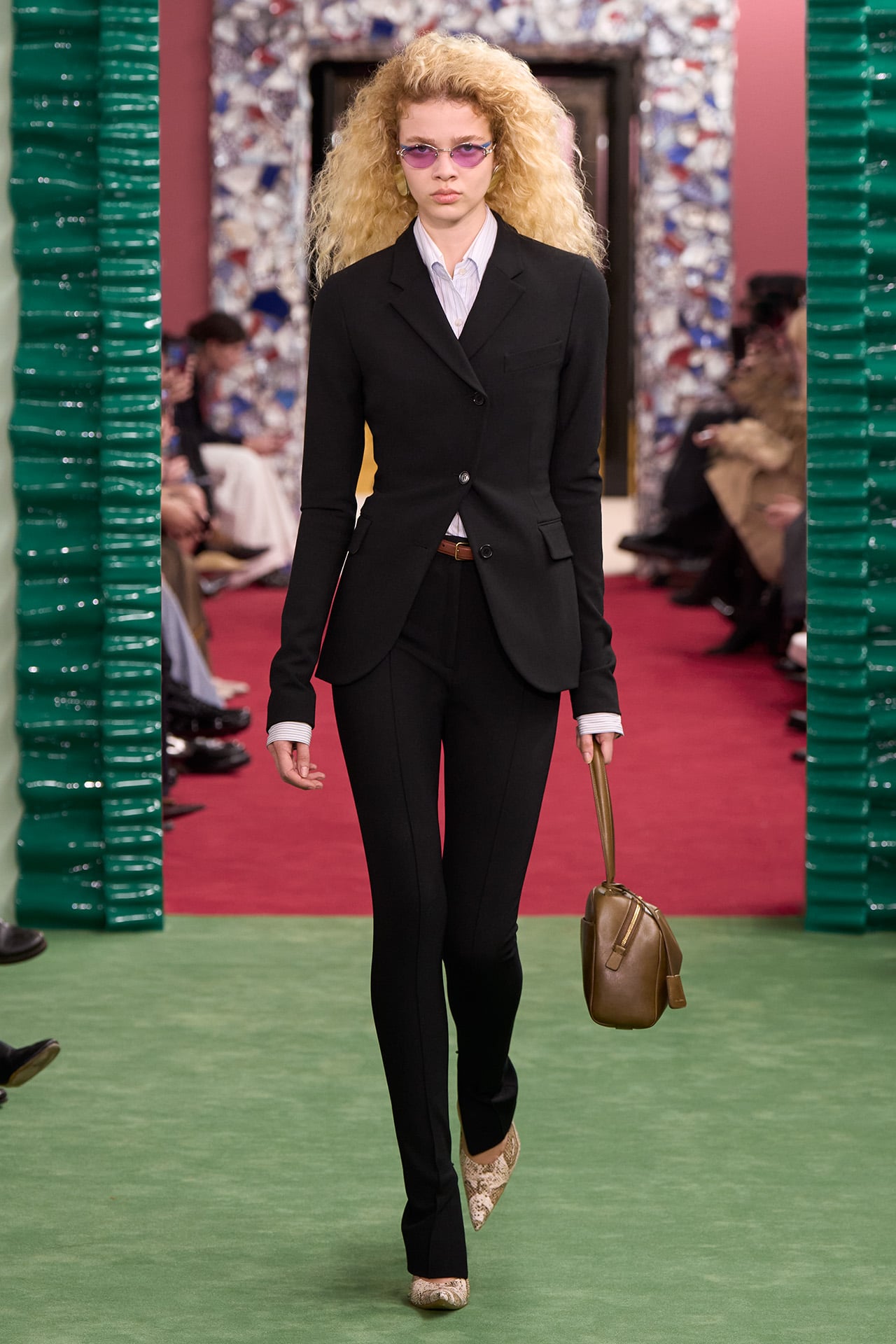
Acne Studios brings Stockholm cool into a wardrobe of denim, oversized texture and slyly offbeat accessories. Founded in 1996 as part of a creative collective, the house grew from Jonny Johansson's red-stitched jeans into a full fashion practice. The clothes still reward a little friction, especially when clean Scandinavian lines meet an unexpected proportion or print.
Anine Bing
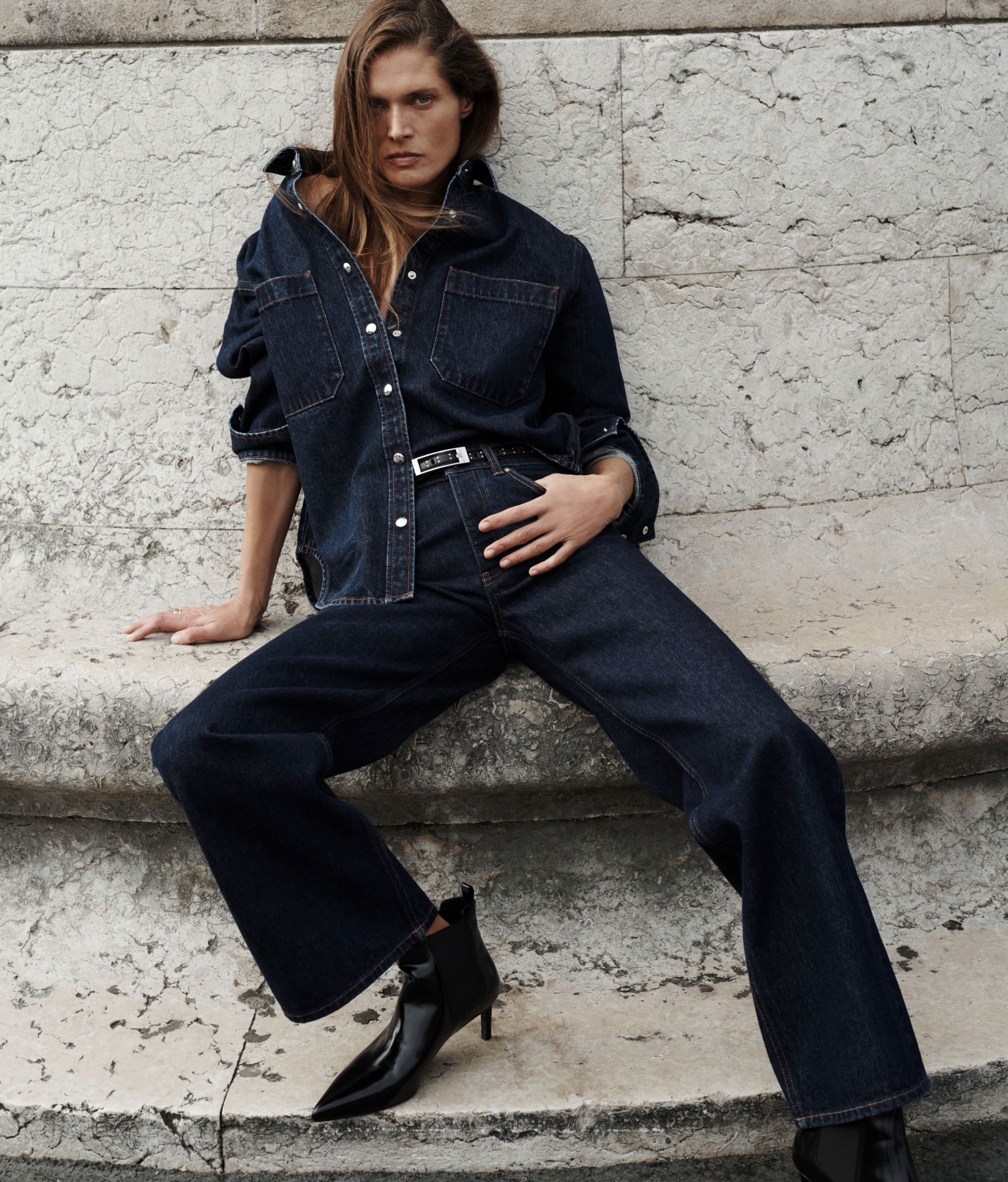
Anine Bing launched out of a Silver Lake garage in 2012 with roughly ten looks, built on a following the Danish former model and musician had already spent a decade building online. The brand's first real hit, the Charlie boot, arrived within months and did more to get the label into stores than any lookbook could have. What started as a ten-piece capsule is now a full wardrobe built on the same instinct: pare a look down to its most photographable version.

Norma Kamali
Norma Kamali has been dressing women out of her own instincts since 1967, long before anyone called it a personal brand. She turned a sleeping bag into a coat, a bikini into a cultural artifact, and a sweatshirt into eveningwear, then kept working past every trend cycle that tried to define her. Six decades later she still runs her own Manhattan store, which tells you everything about how little she has needed anyone else's approval.
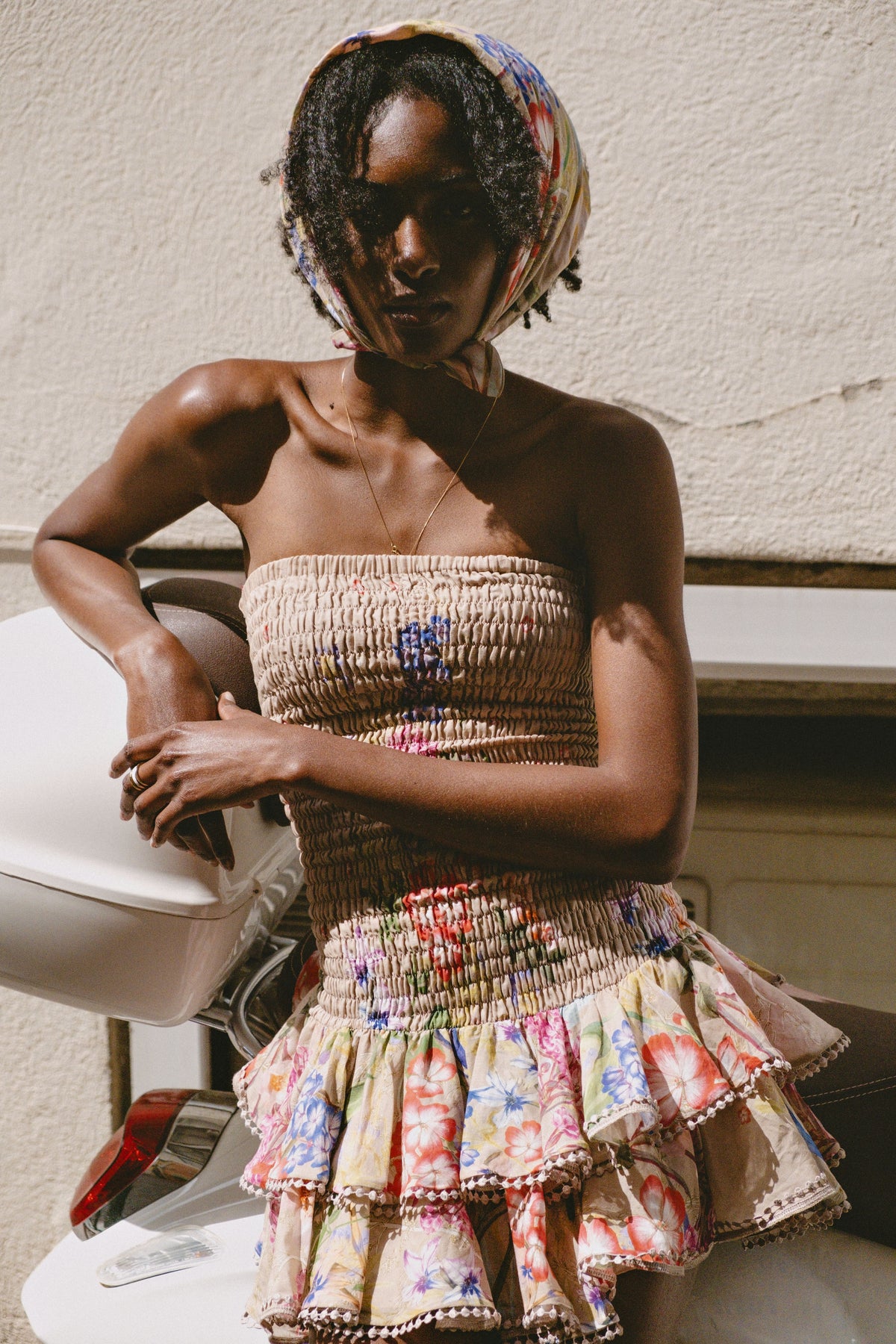
Charo Ruiz
Charo Ruiz started out sewing dyed cotton trousers and t-shirts to sell from a beach stand in Ibiza in the 1970s, before formalizing the label in 1989 with the broderie anglaise and guipure lace silhouettes that still define it. The house stayed a family workshop through three decades, now run by her children Pablo and Paloma, producing everything from a base outside the island rather than chasing runway seasons. Its dresses and skirts read as a document of Ibiza's Adlib style, the 1970s movement that fused folk tailoring with hippie ease into all-white, all-cotton uniforms.
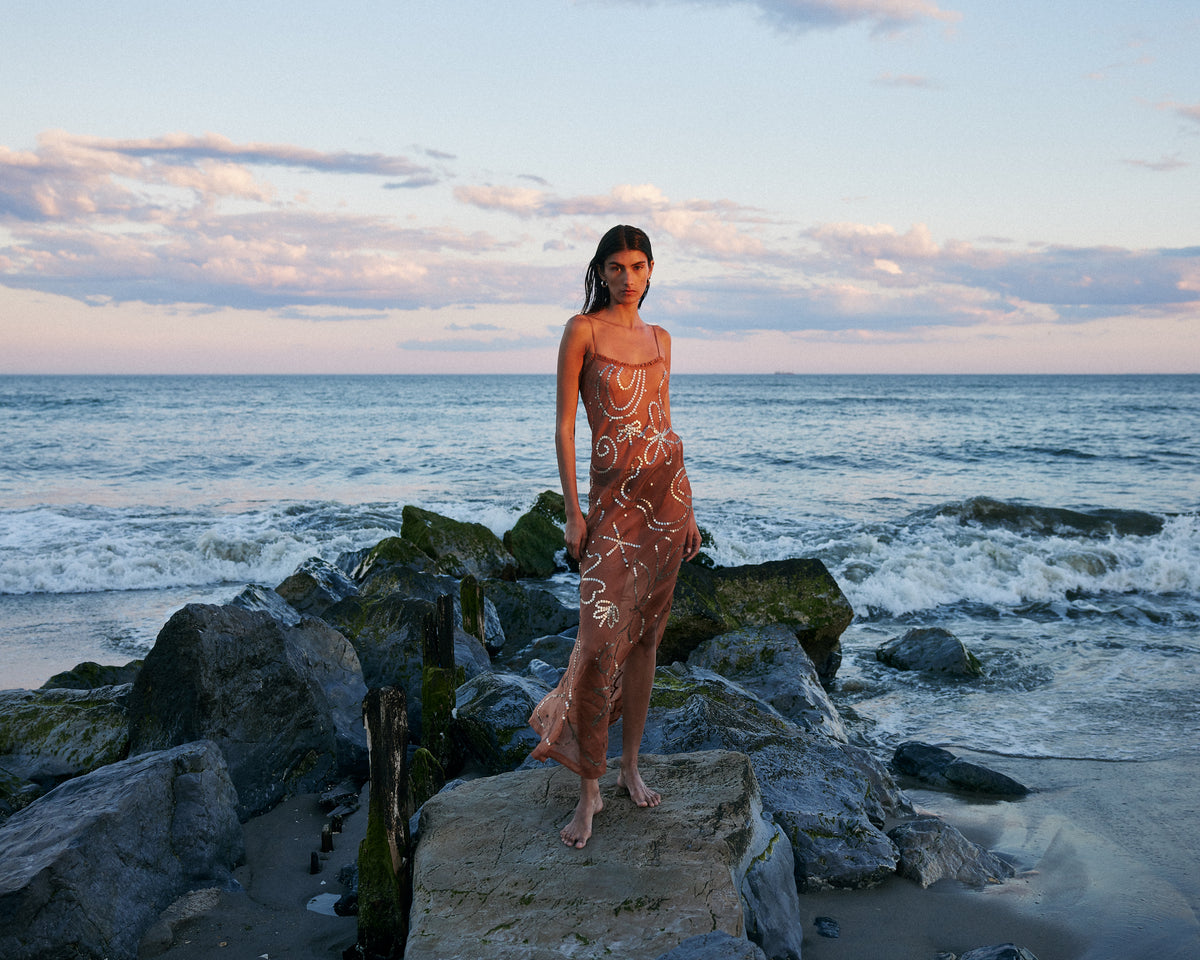
ALIX OF BOHEMIA
Alix of Bohemia is known for making clothes that feel found, travelled and made by hand, with fruit prints, stripes, appliqué and natural fibres shaping a distinctly romantic wardrobe. Founder Alix Verley Pietrafesa began sewing while studying art history in Scotland and later built the label from thousands of bespoke pieces. The mood is bohemian without being careless, because every eccentric detail has a textile logic behind it.
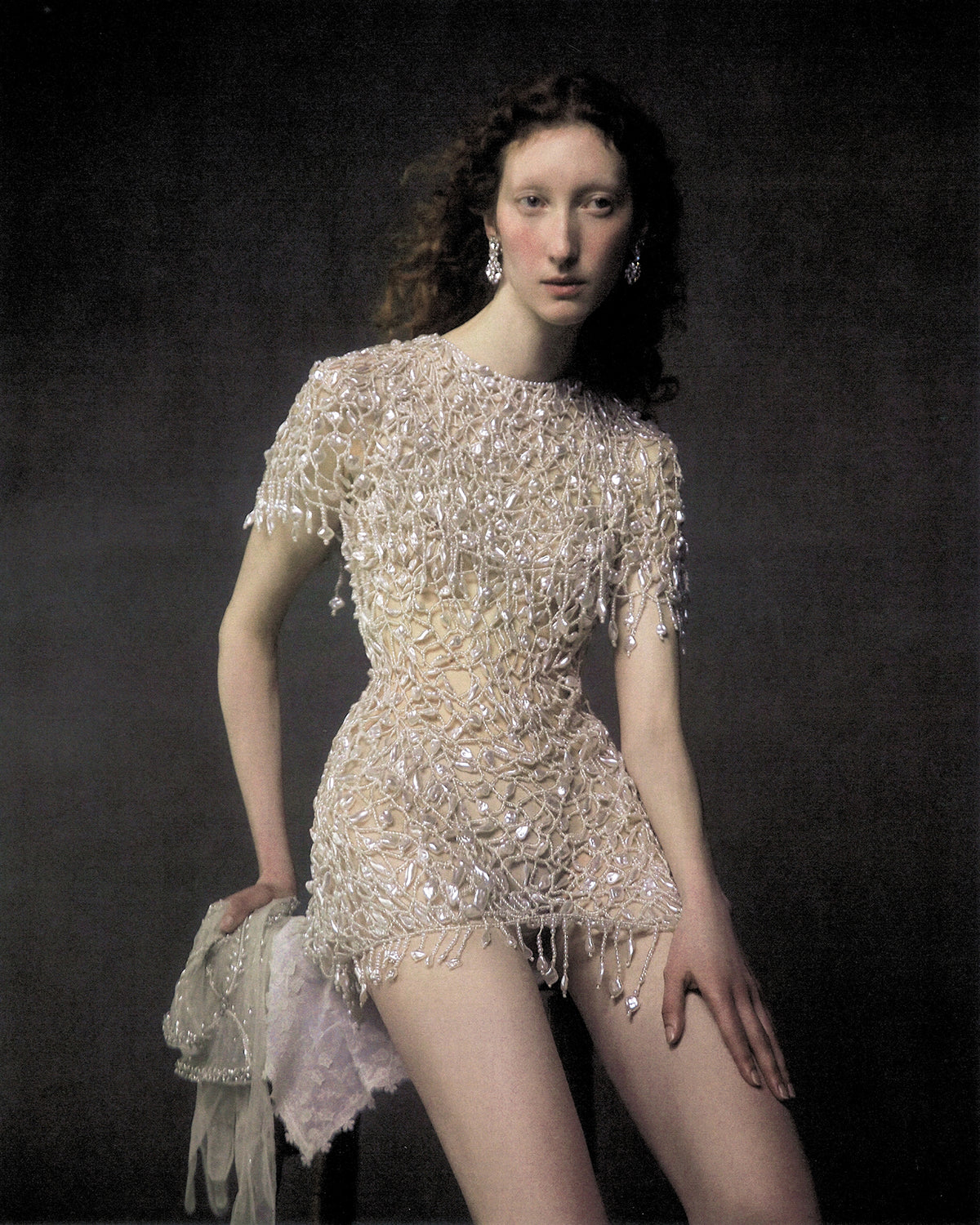
Clio Peppiatt
Clio Peppiatt makes eveningwear that treats embroidery as both craft and mischief. Hand-drawn motifs, dense beading and tiny dresses turn party dressing into something closer to a portable art project. The gowns bring the drama, but the smaller pieces keep the conversation moving.
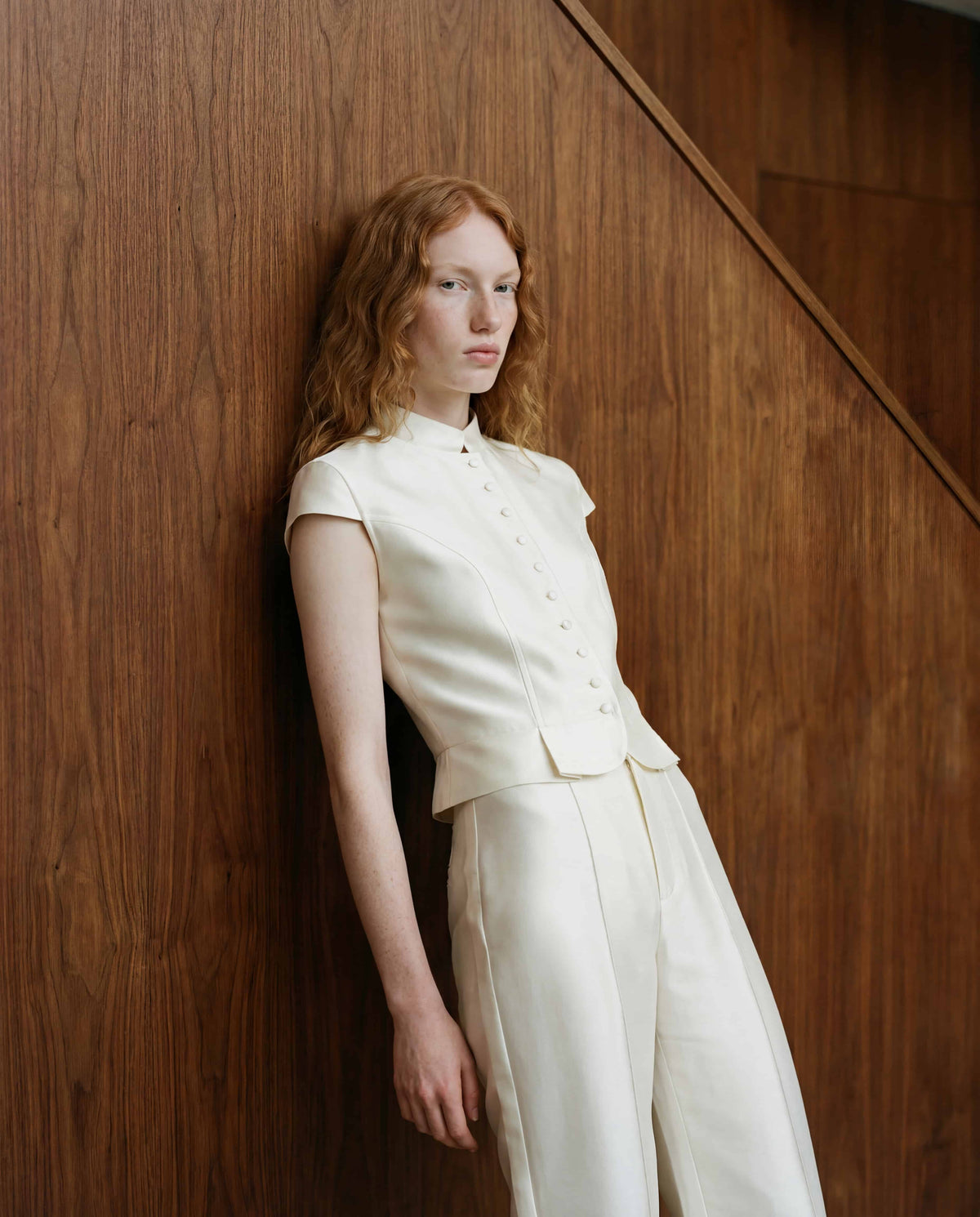
DESTREE
Destree was created in Paris in 2016 by Géraldine Guyot and Laetitia Lumbroso, with a point of view shaped by contemporary art. The label started with hats, moved through leather goods and jewellery, then expanded into ready-to-wear with the same structured, colourful and slightly off-centre attitude. These pieces are for a wardrobe that can handle a strong line and does not need everything to match.
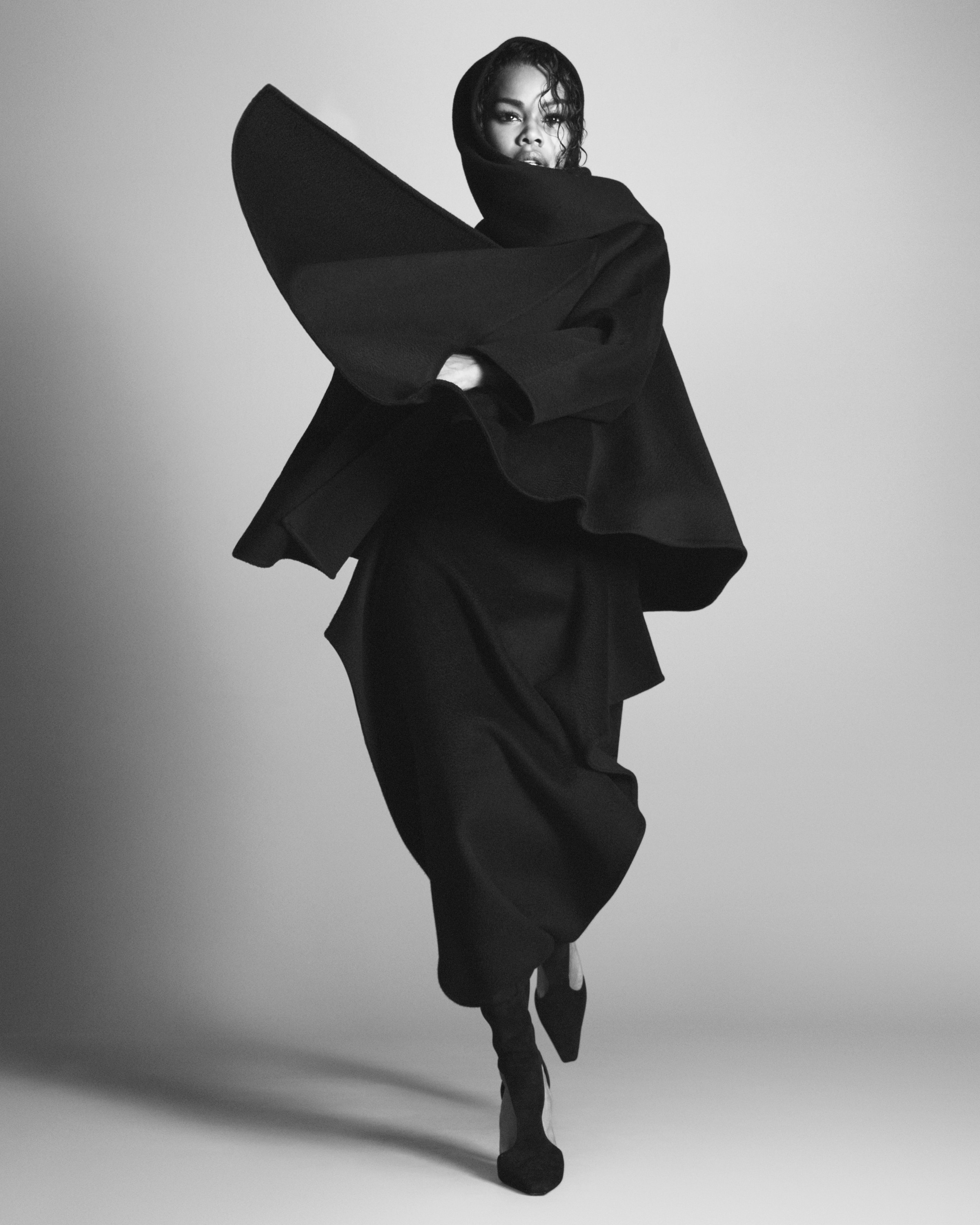
ALAÏA
Azzedine Alaïa trained as a sculptor in Tunis before he ever cut a pattern, and it shows in everything the house has made since. He worked briefly at Dior, then Guy Laroche and Thierry Mugler, opened his own atelier in a Paris apartment on rue de Bellechasse in 1979, and built a body-first vocabulary that the industry has been borrowing ever since.
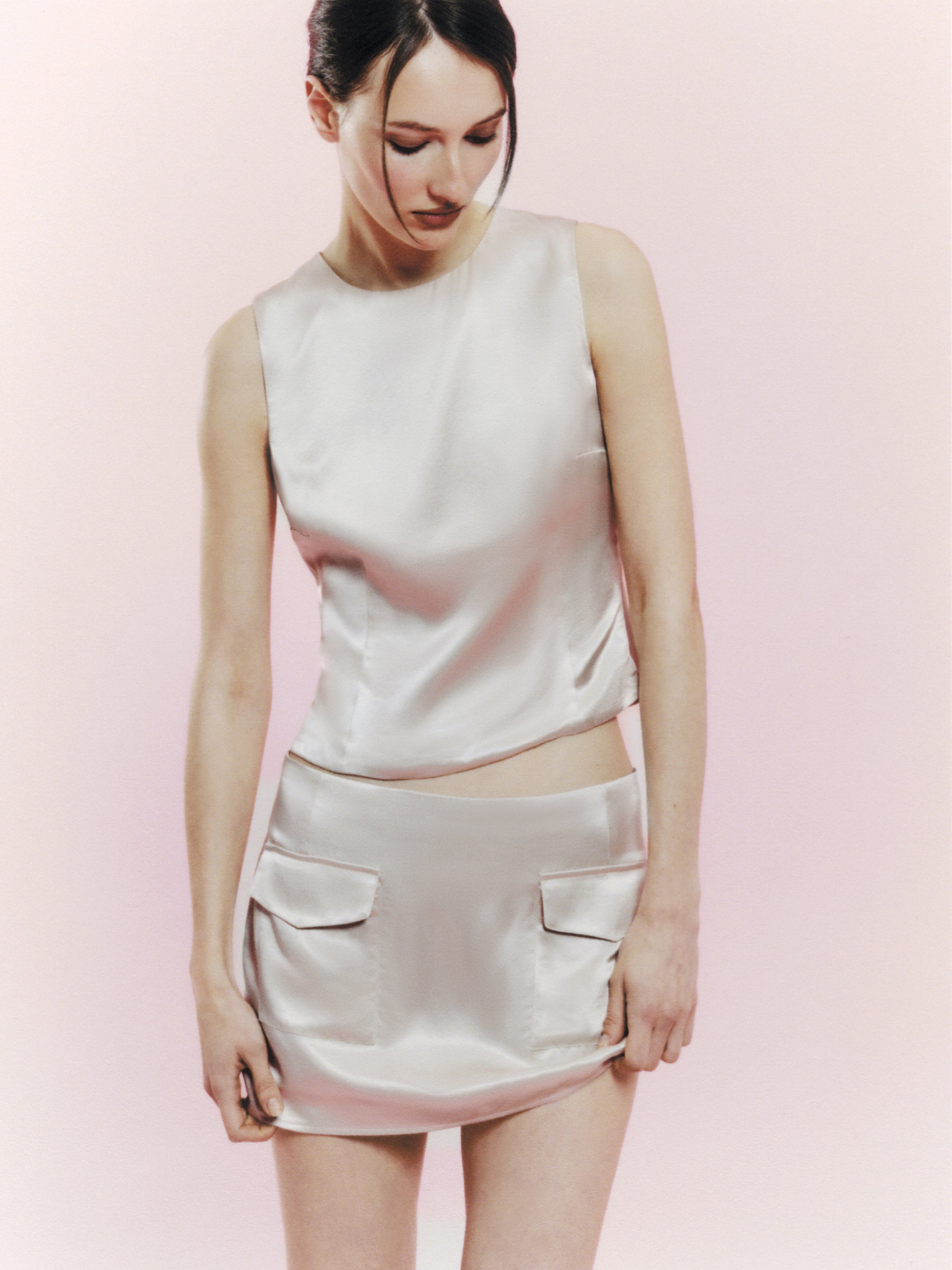
Alfie
Alfie is what happens when a design student refuses to sell the postcard version of French style. Alice Fresnel launched the label in Paris in 2020 with deadstock fabric, a five piece collection and no plan beyond seeing how far it went. It grew through pop-ups and word of mouth, and it now reads as the most honest version of Parisian dressing in circulation.
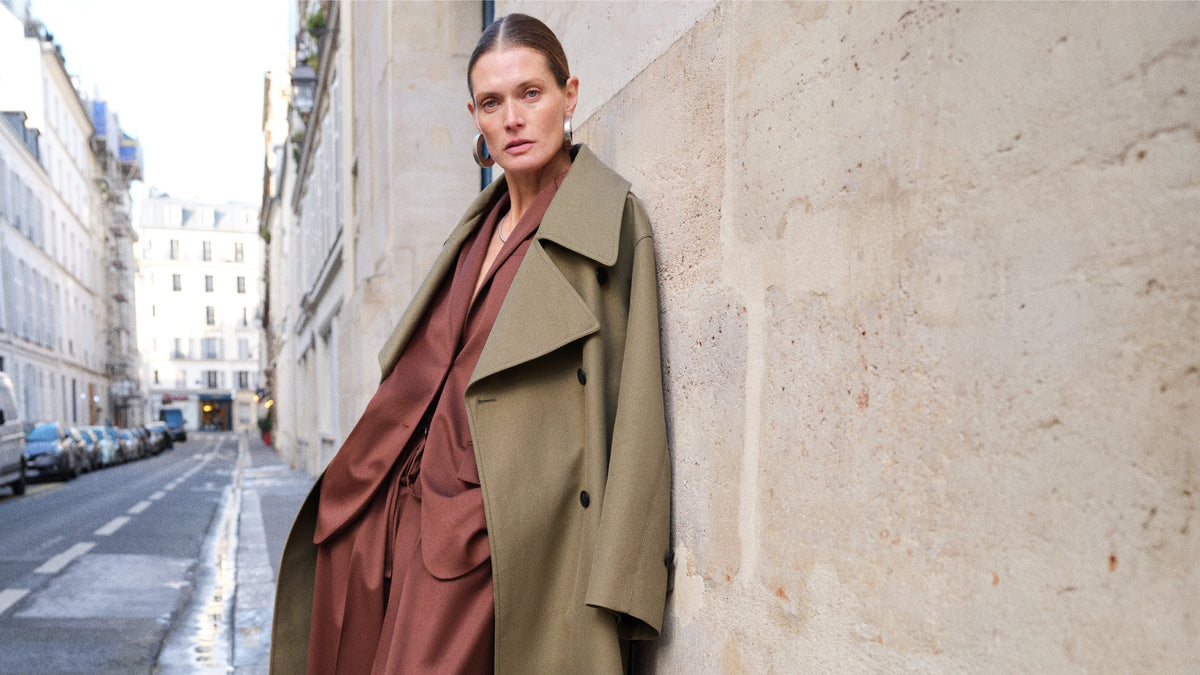
Another Tomorrow
Another Tomorrow was founded in 2018 by Vanessa Barboni Hallik, who spent fifteen years at Morgan Stanley and left as a managing director in emerging-markets finance. She built a luxury label around traceable materials and per-garment digital IDs, then went and got a sustainability degree at Columbia to go with the Cornell economics one.

Altuzarra
Joseph Altuzarra was born in Paris to a French father and a Chinese-American mother, studied art history at Swarthmore, and learned to cut by apprenticing with Nicolas Caïto, who had run the Rochas atelier. He worked at Proenza Schouler and as Riccardo Tisci's first assistant at Givenchy before launching his own label in New York in 2008.
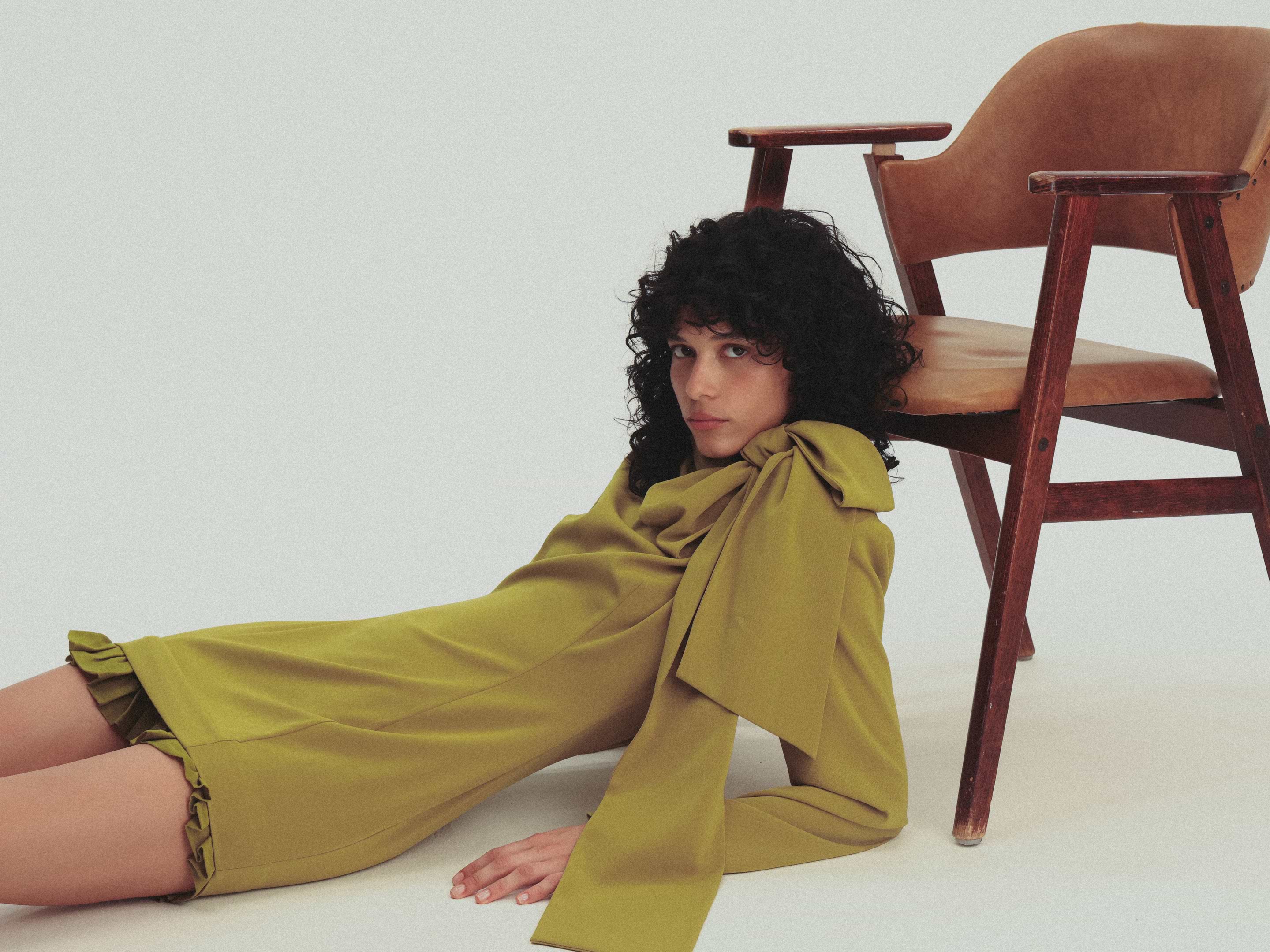
ARAKII
ARAKII is the Stockholm label that came out of a stylist's own wardrobe gaps rather than a design house pipeline. Hanna Schonberg spent years as one of Scandinavia's most watched dressers before founding it in the early 2020s and moving the work in house. The result is bold minimalism, which sounds like a contradiction until you see the shoulders.

St Agni
Minimalism That Actually Lasts
Amsale
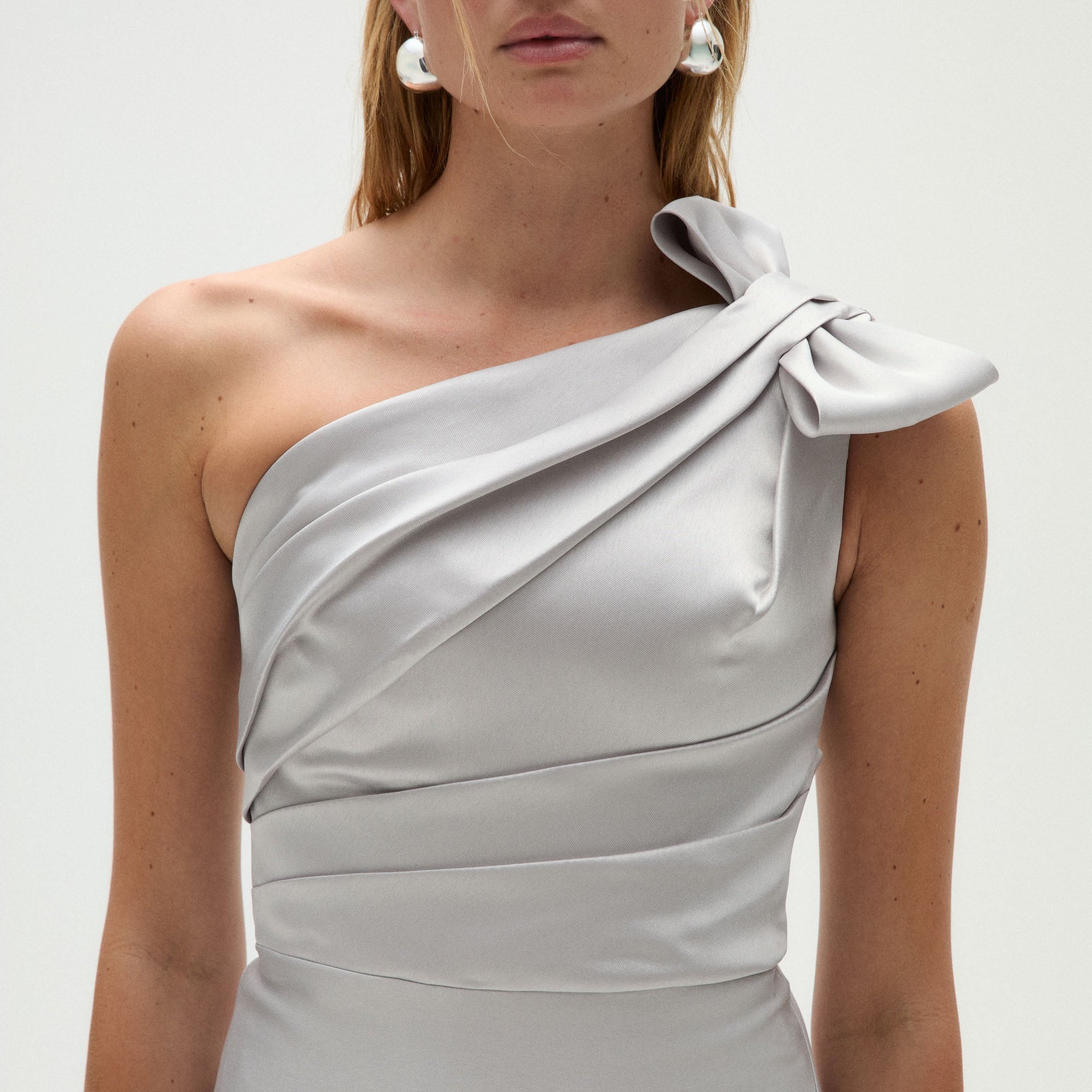
Amsale Aberra was born in Addis Ababa, the daughter of an Ethiopian diplomat, studied political science in Boston and then fashion at FIT, and worked as a design assistant at Harvé Benard. Unable to find a simple wedding dress for her own 1985 wedding, she made her own, placed an advertisement in Modern Bride and built a house out of the response.
Agua by Agua Bendita
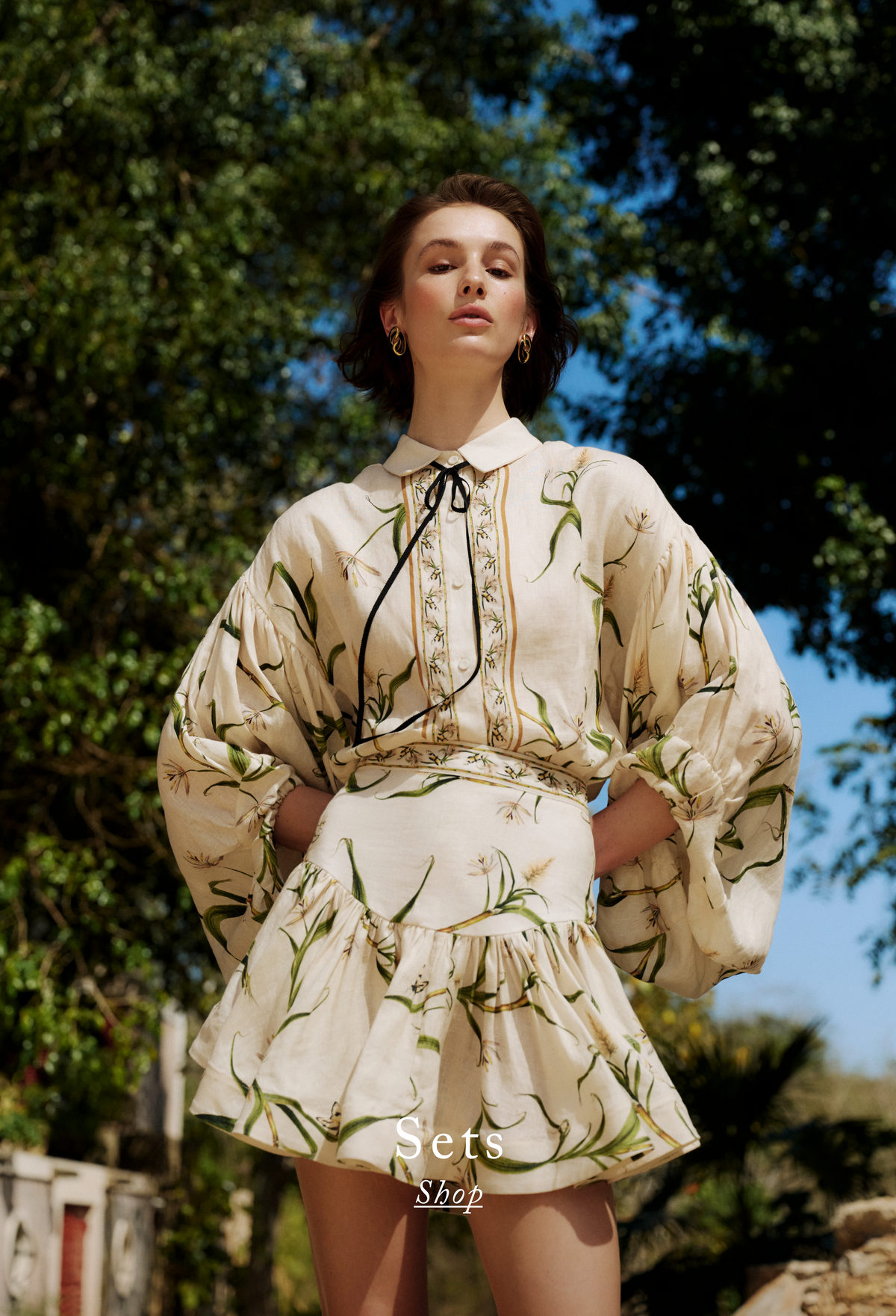
Agua Bendita began in 2003 when Catalina Álvarez and Mariana Hinestroza, then fashion students in Medellín, started making swimsuits out of factory scraps on Álvarez's grandmother's sewing machine. In 2018 they launched Agua by Agua Bendita, the ready-to-wear line built around hand embroidery and crochet.
Ralph Lauren
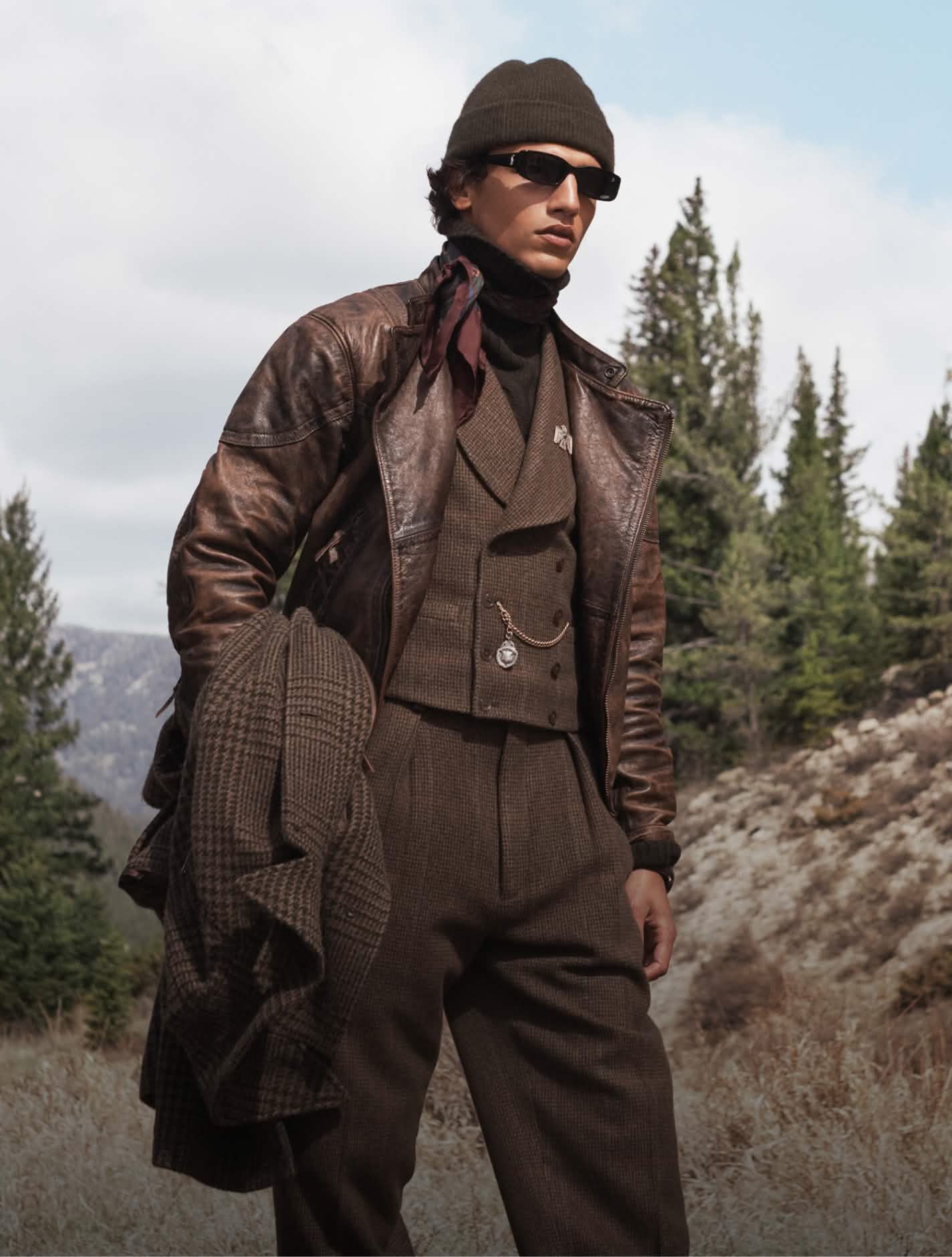
Ralph Lauren, born Ralph Lifshitz in the Bronx, launched a necktie line called Polo in 1967 while working as a necktie salesman with no formal design training, cutting his ties nearly twice as wide as the narrow standard of the day. Bloomingdale's built him a dedicated shop for those ties, and by 1968 he had incorporated Polo Fashions and expanded into full menswear, a business that eventually grew to include the 1972 mesh shirt and its embroidered pony that became one of the most recognized logos in American fashion.

Aje
Aje was founded in 2008 in Noosa by Adrian Norris and Edwina Forest, after Norris could not find resort-to-city clothing to stock in Strada, the boutique he had opened there. The name is a contraction of Adrian joins Edwina, and it is pronounced age.