Clothing
Clothing

The Frankie Shop
Gaëlle Drevet, a French-American former journalist, opened The Frankie Shop as a Lower East Side concept store in New York in 2014 before turning it into her own label within about a year, launching an e-commerce site on Thanksgiving weekend in 2015. She built the brand's identity, oversized, menswear-inspired tailoring reworked for women, around clothes she couldn't find anywhere else, then expanded it to Paris in 2017 with a boutique on rue Saint-Claude and a Net-a-Porter capsule soon after. A favorite brand of mine
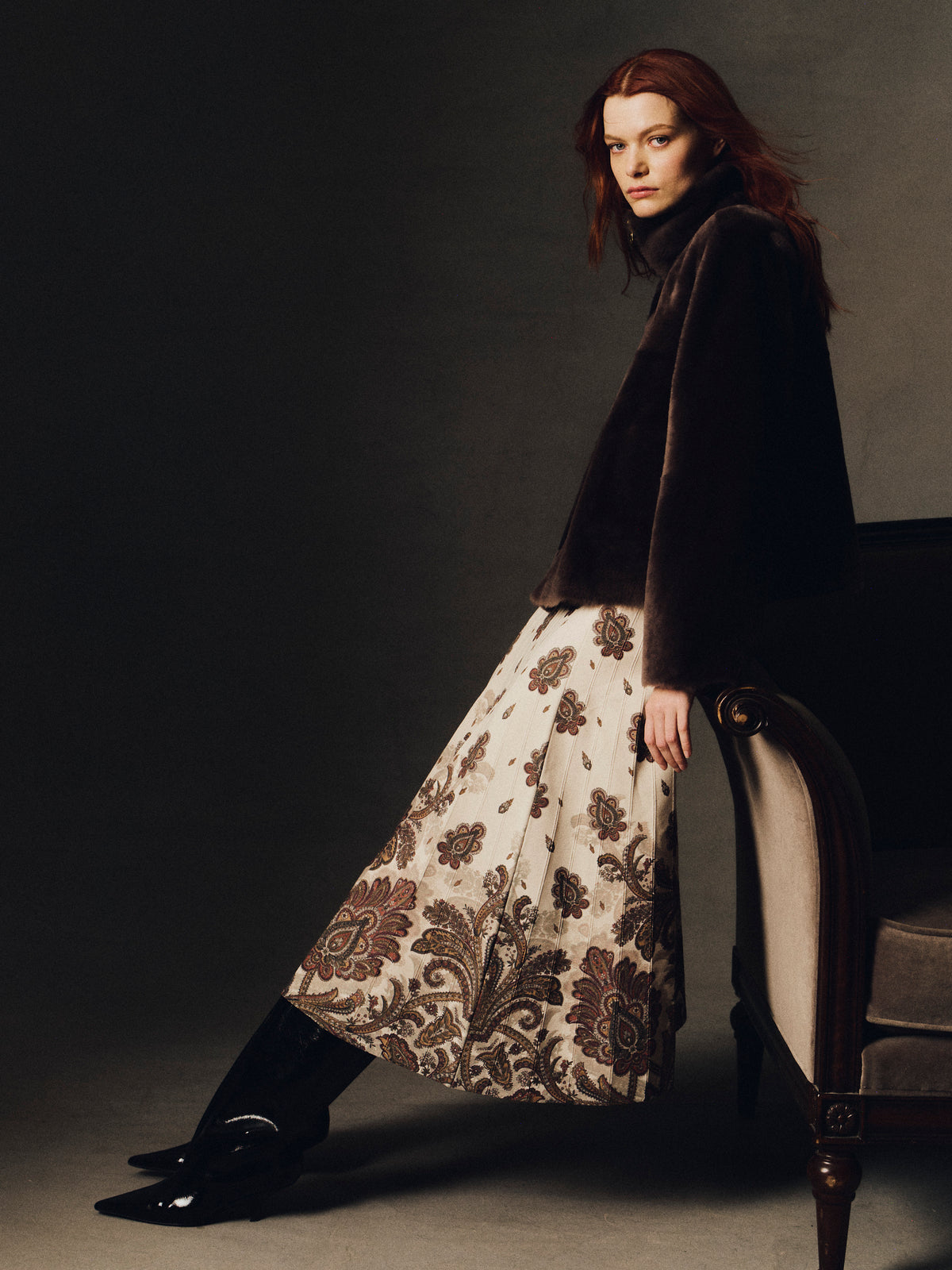
Cara Cara
Cara Cara started in 2019 as a New York apartment project among three friends, Julia Brown, Katie Hobbs and Sasha Martin, who had spent a combined fifty years in fashion design, digital media and finance before deciding to build something of their own. The label's whole identity traces back to a single print, a sun drenched orange pattern that gave the brand its name and its permanent obsession with color and warmth.

Balmain
Pierre Balmain opened his own house in Paris in 1945, after training under Lucien Lelong, and built it on sculpted tailoring and a nipped waist that landed just ahead of Dior's New Look. Olivier Rousteing took the label somewhere louder starting in 2011, layering heavy embroidery, sharp shoulders and a streetwear-literate edge onto Balmain's couture bones over his fourteen years there.

Victoria Beckham
Victoria Beckham launched her eponymous ready-to-wear label in September 2008 with a ten-dress debut at New York Fashion Week, a pivot from pop stardom and tabloid muse status that the industry initially met with real skepticism. The label spent years losing money, took outside investment from NEO Investment Partners in 2017, and only turned its first operating profit in 2025, all while building a reputation for precise, body-conscious cutting that eventually earned her a spot on the official Paris Fashion Week calendar in 2022.
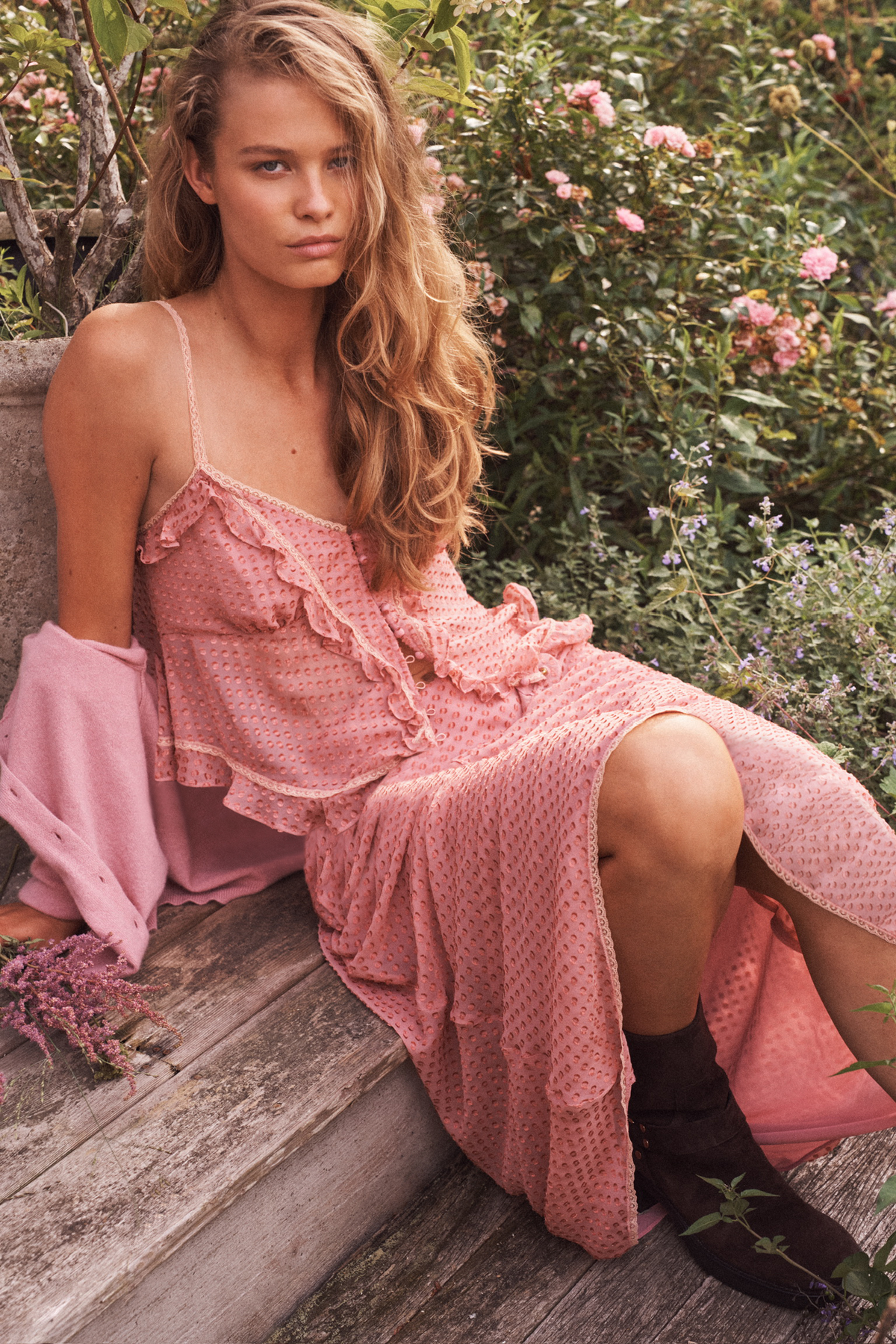
LoveShackFancy
Rebecca Hessel Cohen, formerly a fashion and beauty editor at Cosmopolitan, started LoveShackFancy in 2013 after designing her own halter wedding dress and realizing she wanted to keep making things like it. The label's whole visual language, ruffles, florals, puffed sleeves, vintage-leaning silhouettes, grew out of that single dress and a first capsule sold out of the trunk of her car before any store carried it.
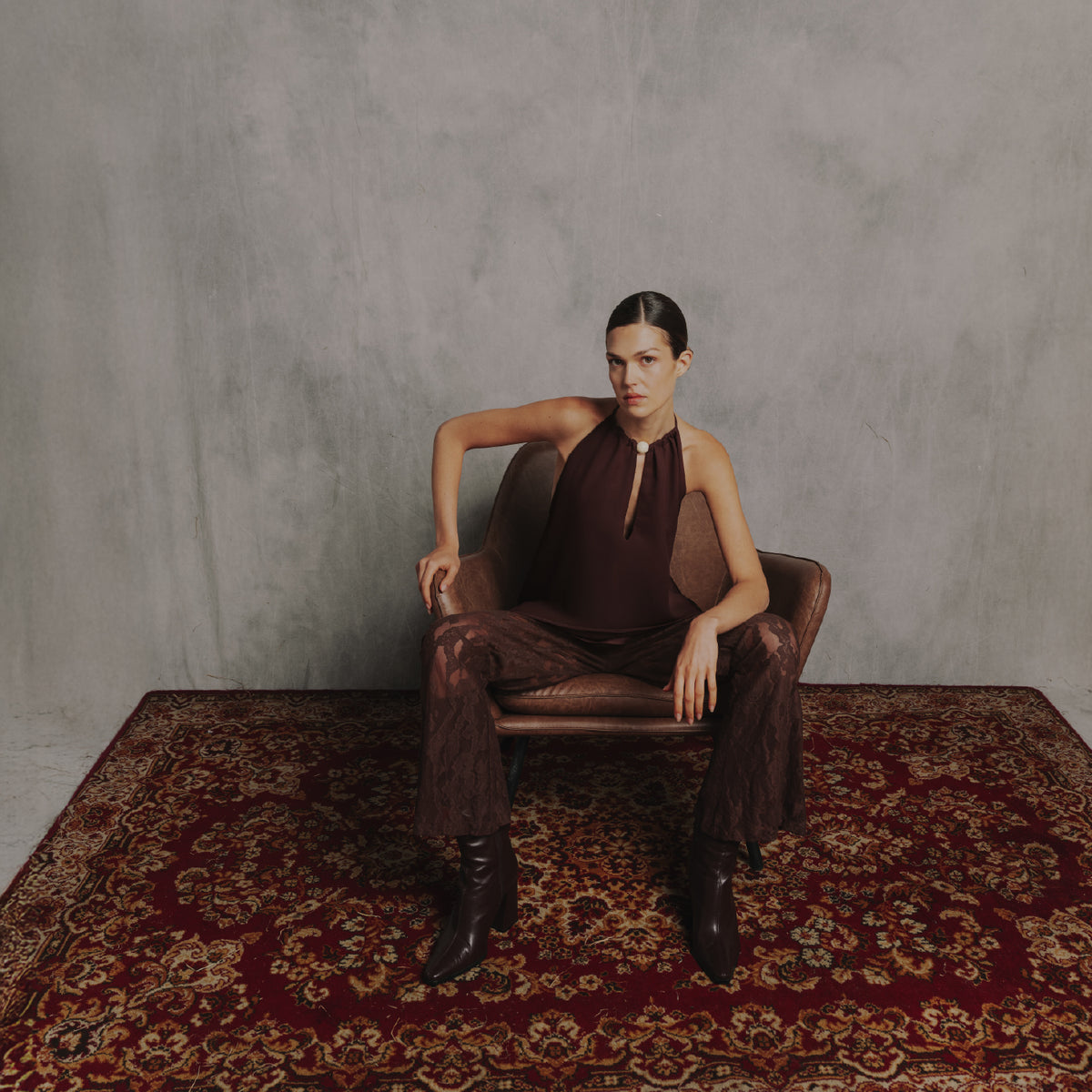
Baobab
Baobab began in Bogotá around 2015, when law student Isabella Espinosa started sewing bikinis from leftover fabric scraps between classes. The label's whole identity grew out of that scrappiness: asymmetrical cuts, bold color, and a packaging gimmick, the coconut-shell 'Coco Bag,' that turned beach waste into the thing people actually remembered.

Co
Stephanie Danan and her then-partner Justin Kern started Co in Los Angeles in 2011, Danan arriving from a decade-plus career producing film rather than clothes. The label built its name on a distinctly West Coast idea of minimalism, polished basics and cinematic ease that read quietly rich rather than logo-driven, and it moved into denim in 2015 through a collaboration with veteran designer Francois Girbaud.

Citizens of Humanity
Jerome Dahan and Michael Glasser started Citizens of Humanity in Los Angeles in 2003, right after a lawsuit win over their previous denim venture handed them the capital to do it again on their own terms. The label built its name on fit and finish rather than logos, running its own laser and ozone finishing lines so a single wash comes out consistent across thousands of pairs.
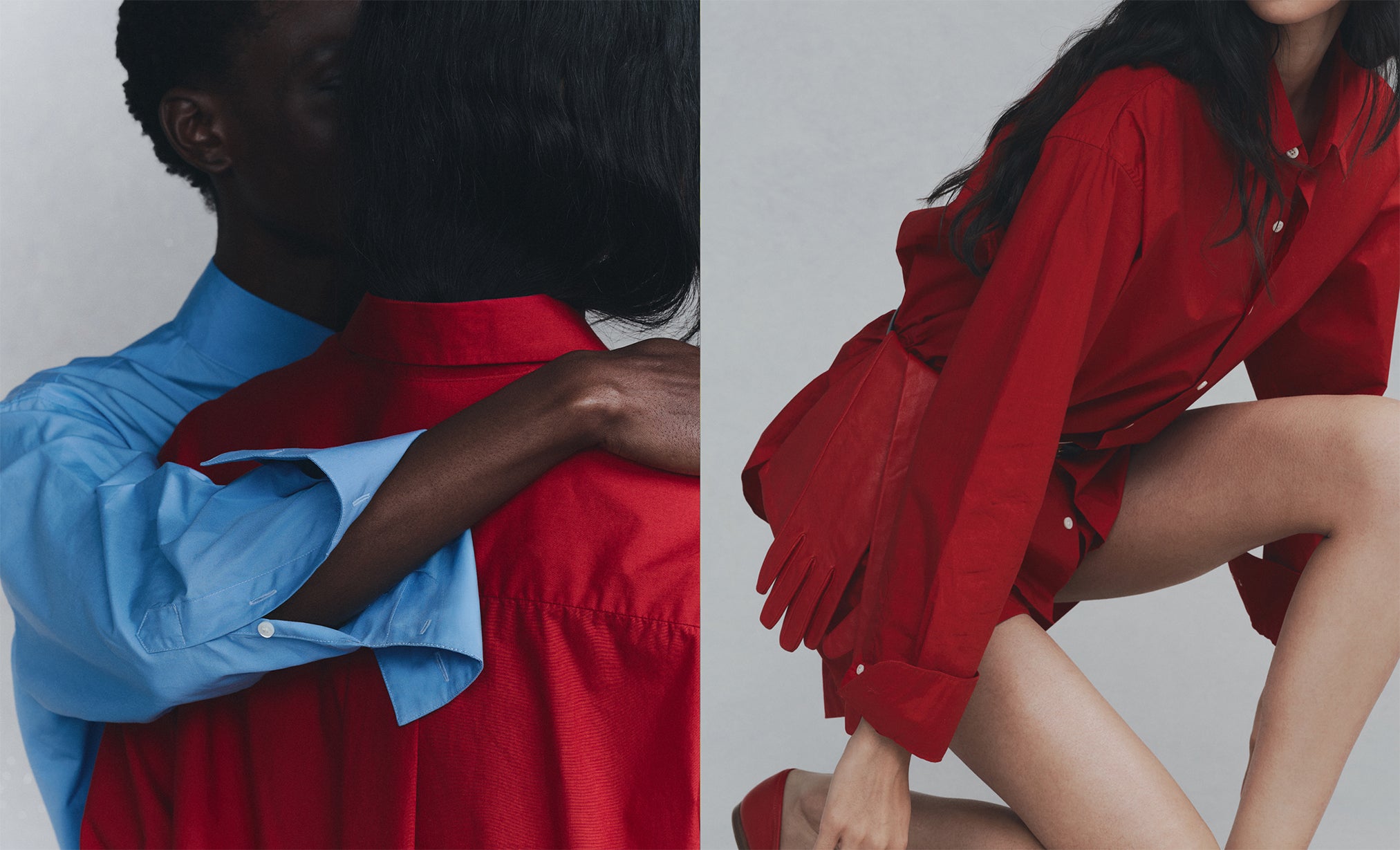
Comme Si
Jenni Lee started Comme Si in New York in 2019 after leaving her marketing job at the shaving startup Harry's, unable to find a sock she considered both beautiful and responsibly made. The label is built on that one overlooked category: Italian-milled cotton, merino, cashmere and silk socks finished with a loop tab that regular wearers learned to spot on each other, a foundation the brand has since built out into all of the categories
Chan Luu
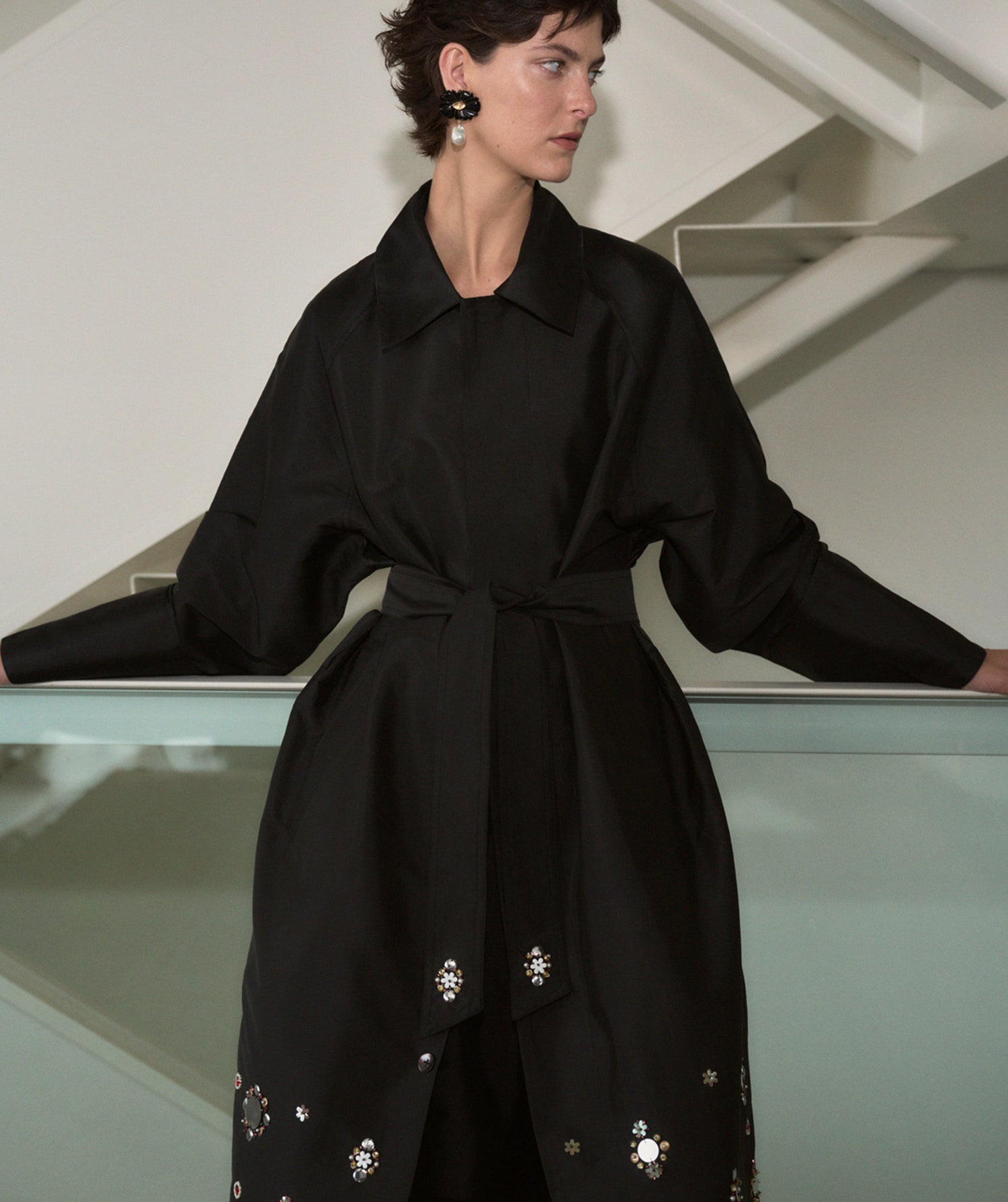
Chan Luu started her namesake line in 1996 out of a Los Angeles garage, after two decades working retail floors and buying desks around the fashion industry. The label built its name on handmade jewelry produced with artisans in Vietnam and India, the kind of wrap bracelets and beaded pieces that made her a fixture on 2000s red carpets long before hers was a household name.

Zimmermann
Sisters Nicky and Simone Zimmermann founded their namesake label in Sydney in 1991, after Nicky began sewing garments in her parents' garage and selling them at Paddington Markets. The brand's breakthrough came when it put swimwear on the same runway as ready-to-wear at the inaugural Australian Fashion Week in 1996, a pairing that was unusual at the time and helped it build an international following.
FRAME
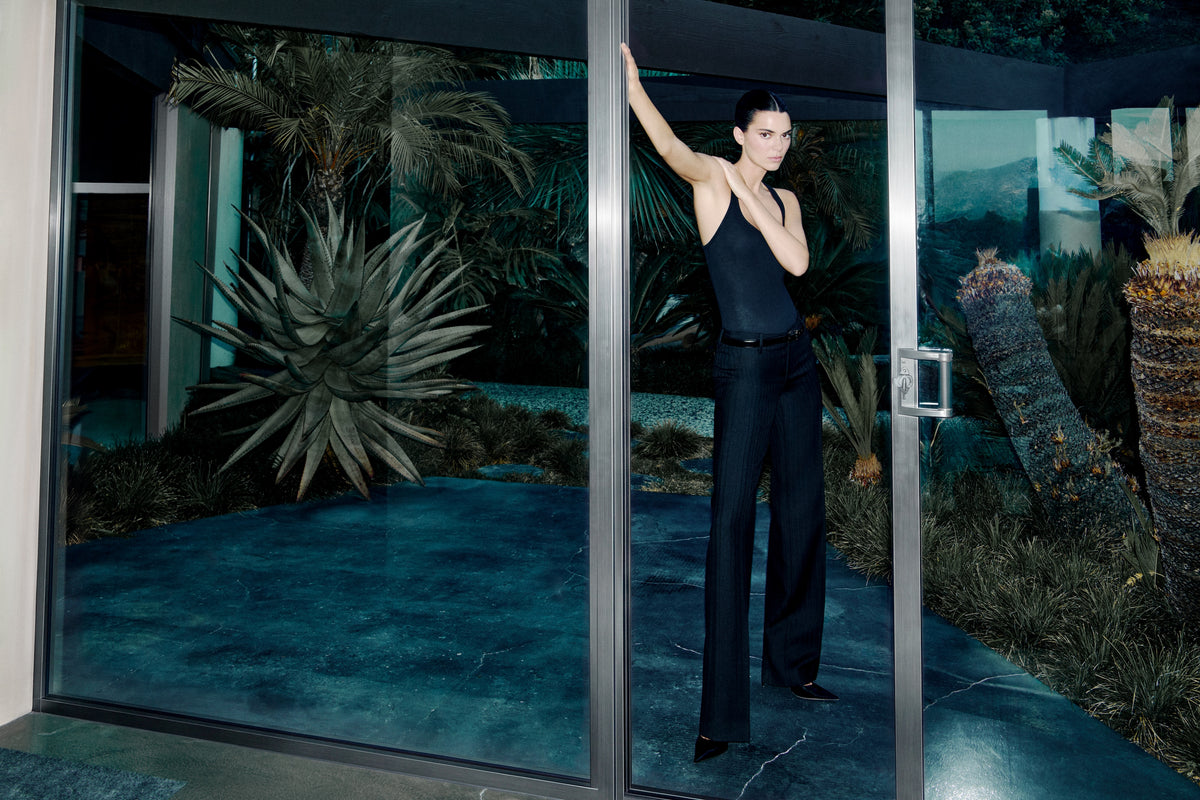
Two Swedish former magazine colleagues, Erik Torstensson and Jens Grede, launched FRAME out of Los Angeles in 2012 with a single pair of jeans. Neither had designed clothing before, so they built the brand the way marketers build a brand, obsessing over one perfect mid-blue skinny jean before anything else existed.

Etro
Gimmo Etro started this Milan house in 1968 as a textile company, not a clothing label, built on a private collection of antique paisley shawls he and his wife Roberta had spent years assembling. The paisley did not become the brand's signature until 1981, after a trip to India, and it took until the early 1990s for Etro to sell a full ready-to-wear wardrobe at all.

Left On Friday
Laura Low Ah Kee and Shannon Savage, both longtime Lululemon product executives, launched Left On Friday out of Victoria, Canada and Venice, California in May 2018 after a hot-tub conversation about the lack of swimwear built to actually move in. They developed a proprietary Italian fabric, later expanding from swim into wider activewear, and went on to design uniforms for Canada's national beach volleyball team at the 2024 Paris Olympics.
Posse
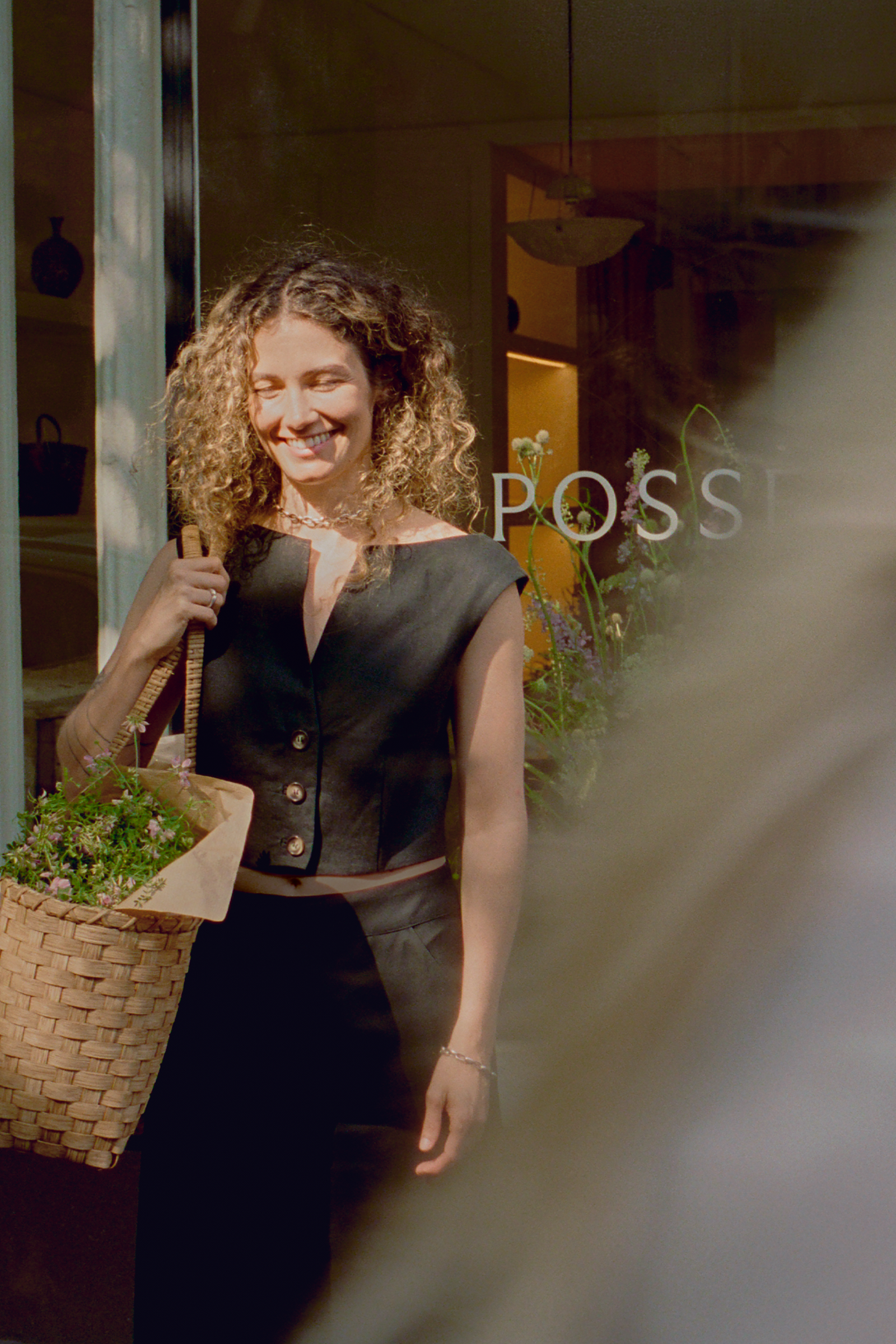
Danielle Mulham founded Posse in Sydney in 2016 after a trip to Bali connected her with local artisans who taught her linen tailoring techniques, turning a personal wardrobe project into a label. Posse built its name on pared-back, resort-driven separates, the kind of quiet, considered dressing that got a real spotlight when Sofia Richie Grainge wore its Emma vest and skirt at her 2023 wedding.

Max Mara
Achille Maramotti, a lawyer by training from a family of tailors, founded the house in Reggio Emilia, Italy, in 1951, first as Confezioni Maramotti, renaming it Max Mara when it moved headquarters in 1957. His idea was to bring American industrial manufacturing into European tailoring, turning the coat, a masculine wardrobe staple, into a defining piece for women, a project that produced the 101801 camel coat designer Anne-Marie Beretta created for the house in 1981.
Carolina Herrera
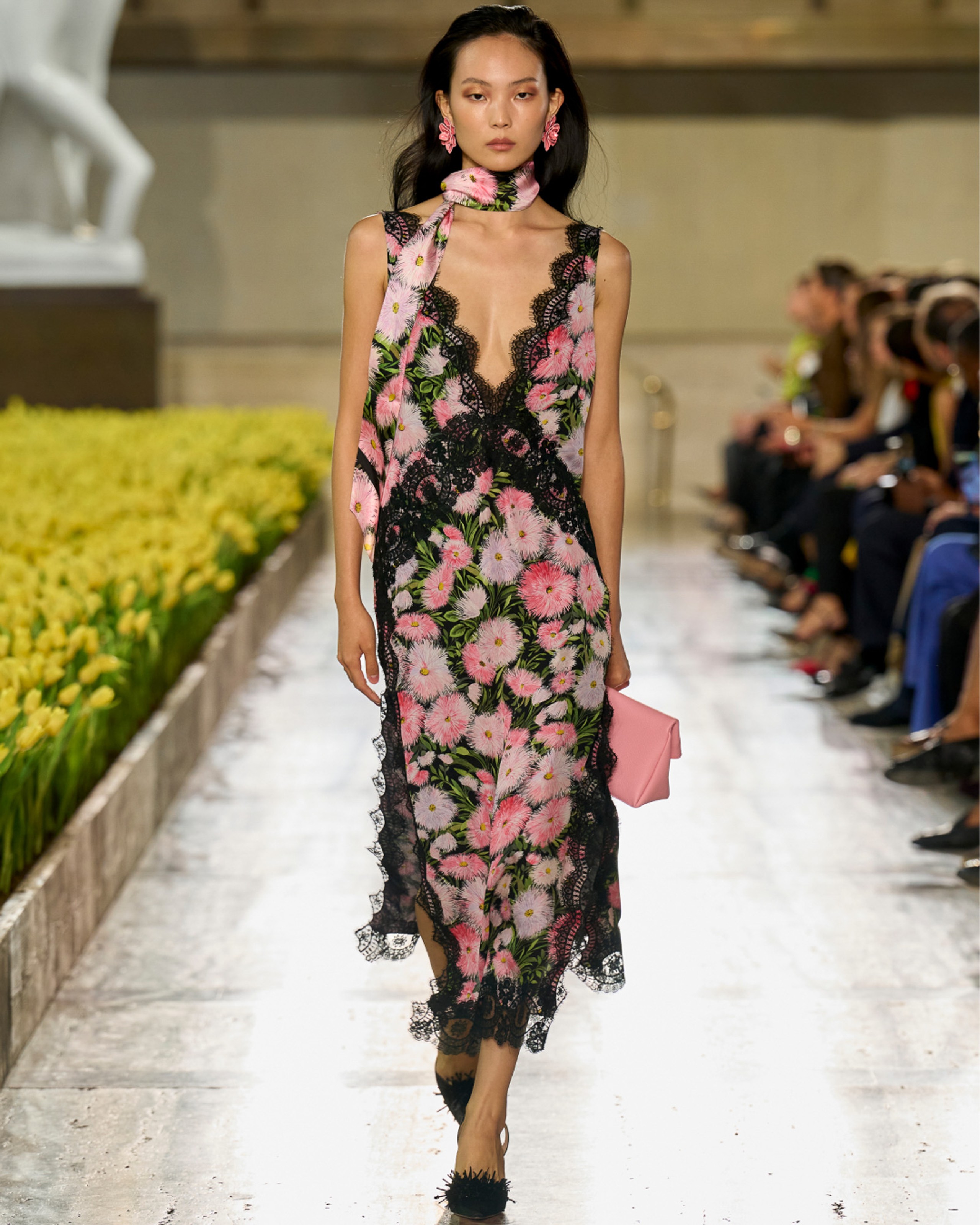
Carolina Herrera launched her label in New York in 1981, debuting a twenty-look collection at the Metropolitan Club after her friend Diana Vreeland told her to stop talking about it and just do it. She had no formal training and no fashion-industry résumé, only a reputation as one of the best-dressed women in Caracas and New York, and she built the house on tailored white shirting and ballgown-scale skirts rather than on any single runway gimmick.
Oscar de la Renta
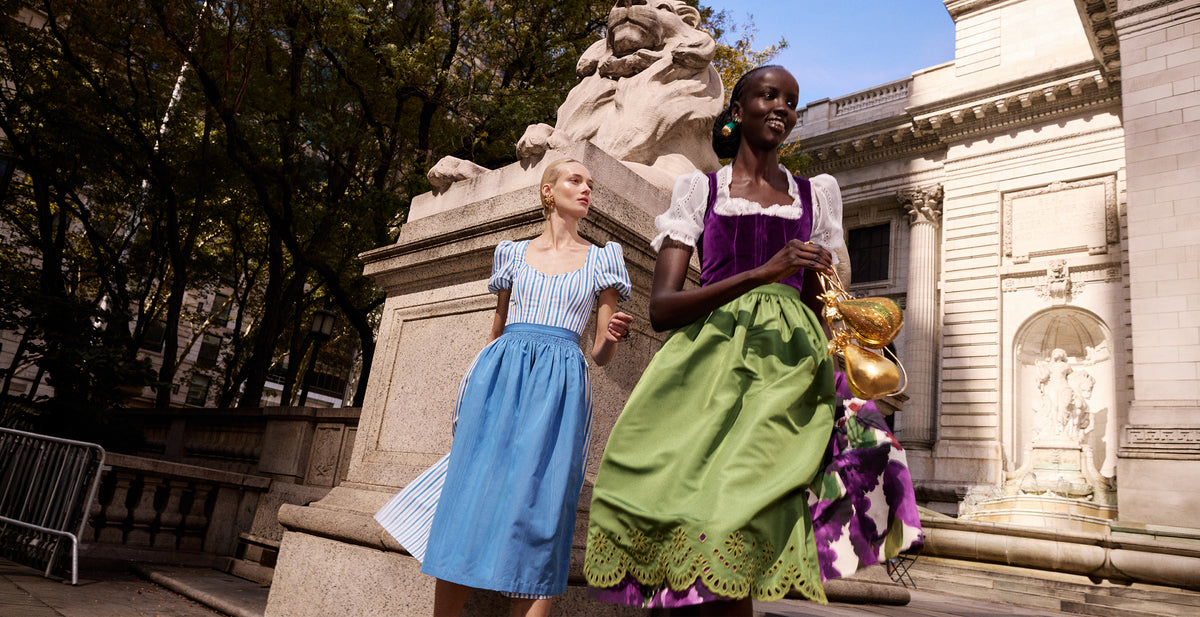
Oscar de la Renta left Santo Domingo at 18 to study painting in Madrid, ended up apprenticing under Cristóbal Balenciaga, then assisted Antonio del Castillo at Lanvin in Paris before landing in New York in 1963 and taking over the Jane Derby label by 1965 under his own name. The house became known for dressing Jacqueline Kennedy and generations of American socialites, and de la Renta was later named head of haute couture at Pierre Balmain in 1992, the first American ever given that job at a French couture house.
Brandon Maxwell
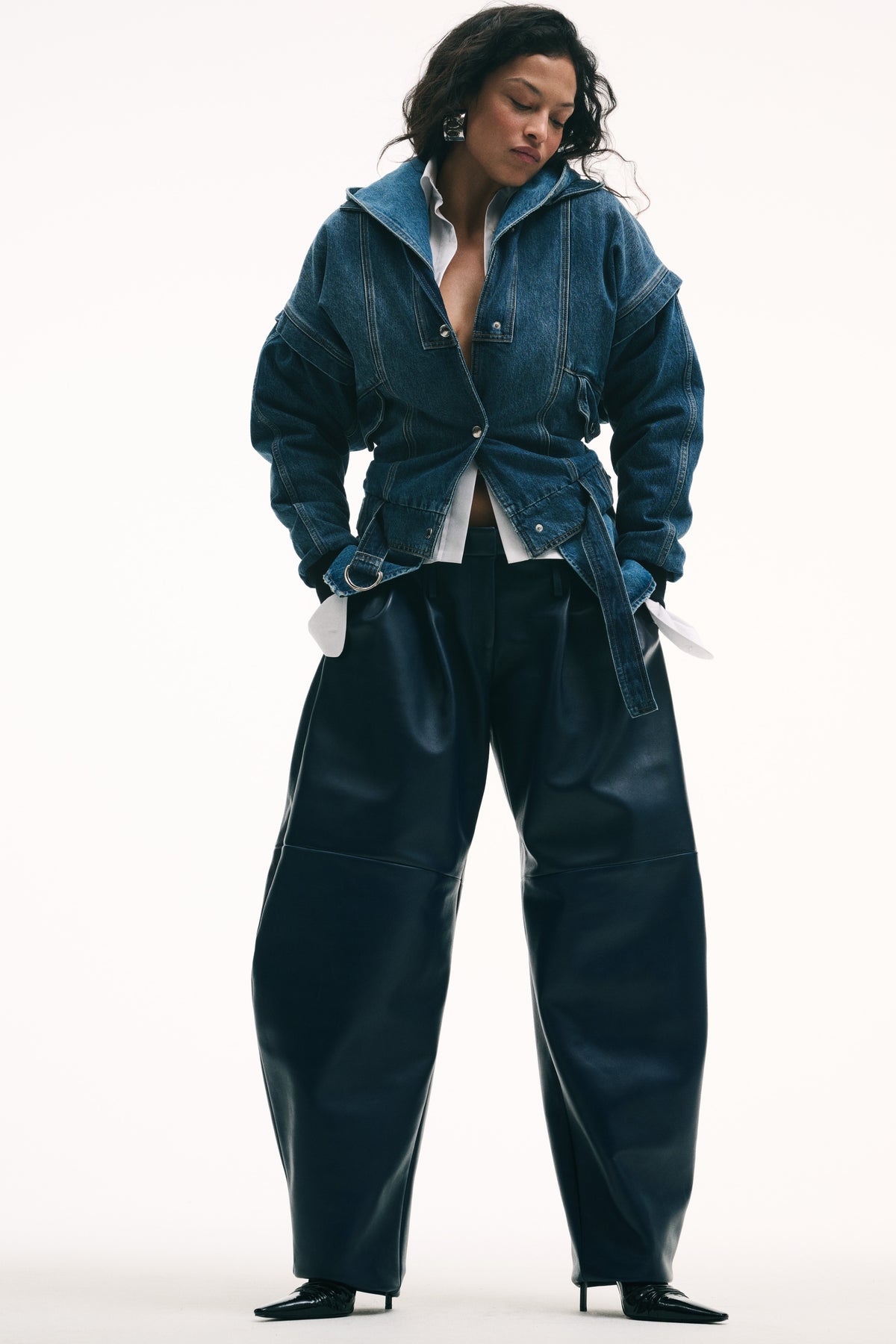
Brandon Maxwell grew up around his grandmother's boutique in Longview, Texas, then spent years styling for Nicola Formichetti and as Lady Gaga's fashion director before launching his own ready to wear label in New York in 2015. He builds by draping fabric on a body rather than sketching first, which is why the tailoring fits like it was built for one person even off the rack, and it won him the CFDA's Womenswear Designer of the Year in 2019.

Christopher Esber
Christopher Esber founded his namesake label in Sydney in 2010, aged twenty two, on a small loan from his parents. The work is built on deconstructed tailoring and sculptural, negative-space cutting, the kind of engineering that makes a dress look undone and precisely controlled at once.
By Malene Birger
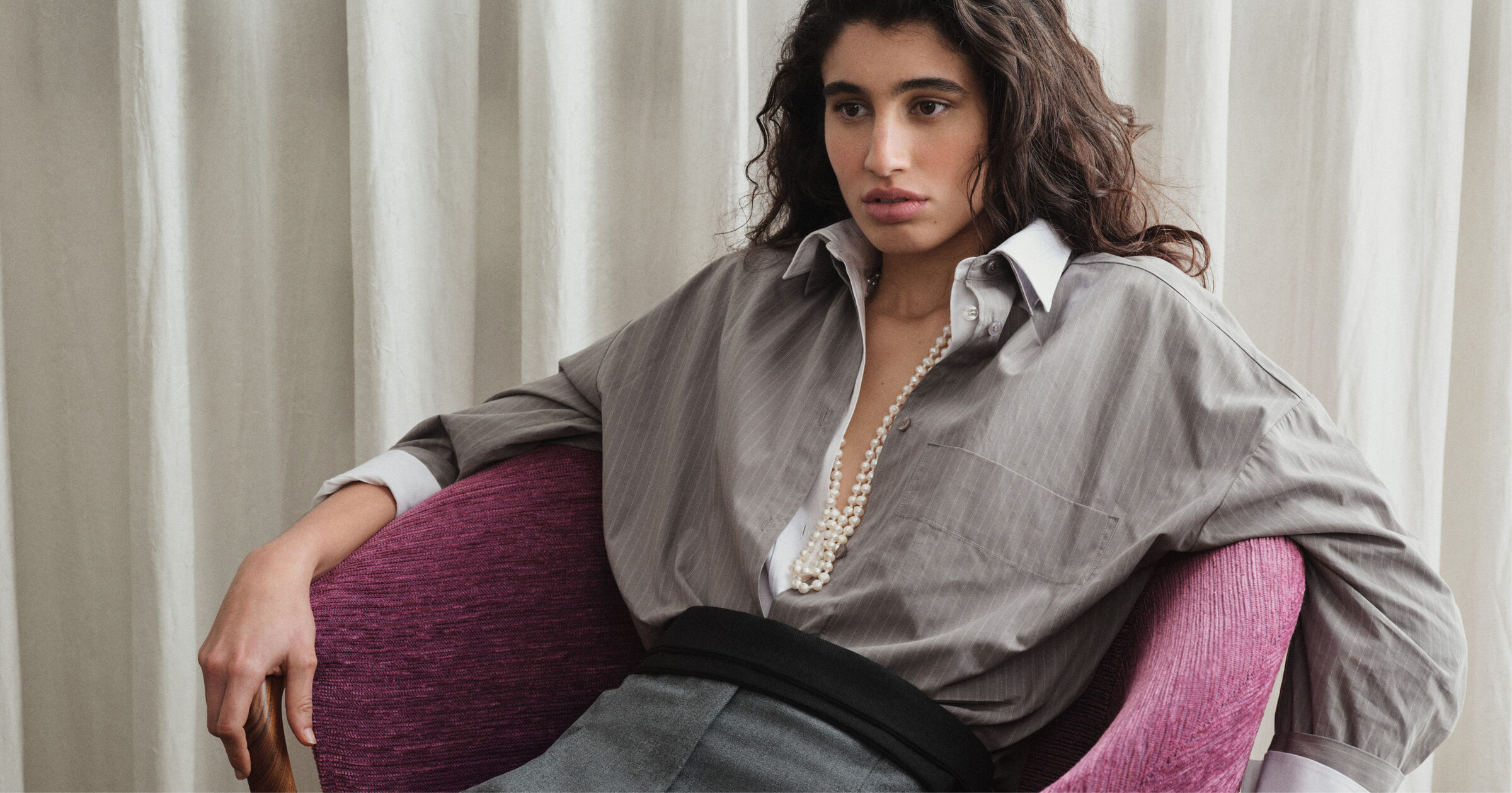
Malene Birger launched her namesake house in Copenhagen in 2003, a year after leaving Day Birger et Mikkelsen, the label she had co-founded in 1997 and helped shape as creative director. The point of departure was Scandinavian minimalism with a bohemian ease baked in, tailoring and knitwear built from long-lasting fabrics rather than trend-of-the-moment fabric

Chloé
Gaby Aghion started Chloé in Paris in 1952, naming the house after a friend because a woman of her social standing was not supposed to have a job. The label made its name by treating luxury as something you could wear off the rack rather than have fitted at a couture house, and it kept proving that with the designers who passed through, from Karl Lagerfeld to Stella McCartney to Phoebe Philo.
Toteme
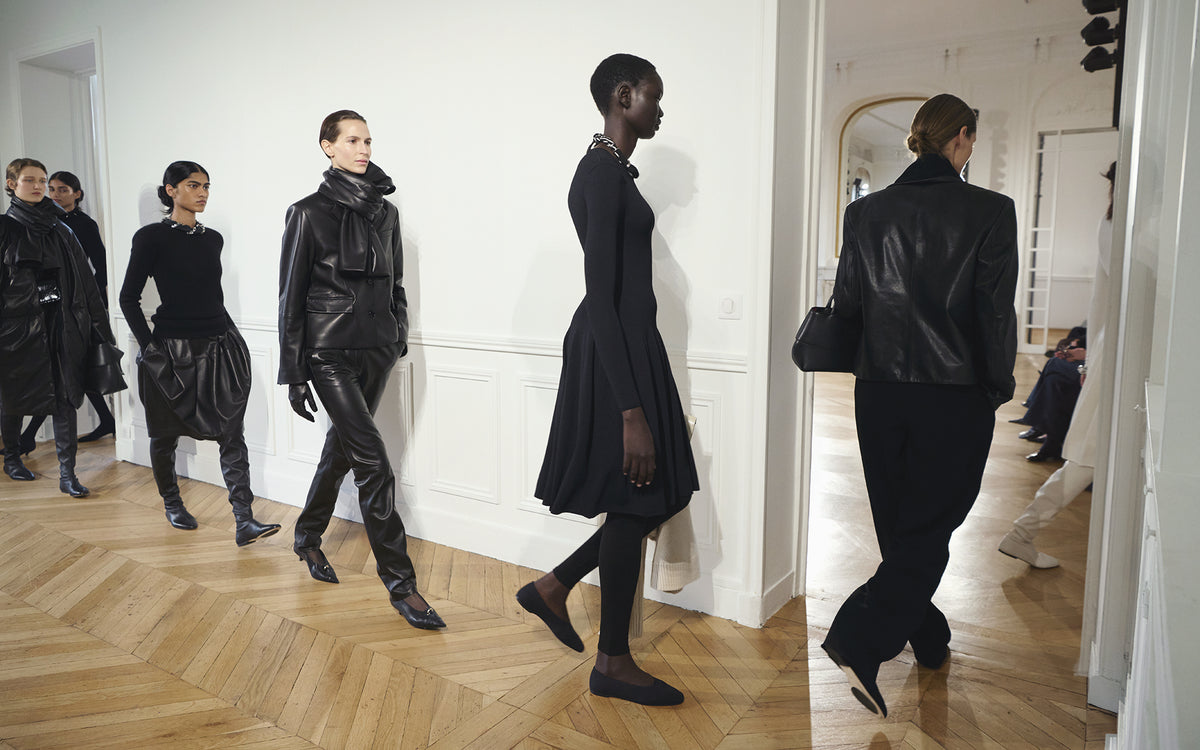
Elin Kling, a Swedish fashion journalist, and Karl Lindman, an art director who had worked with Interview magazine, founded Toteme in New York in 2014, the same year they married, before moving the company back to their native Stockholm in 2016. The name started as Totem until Kling suggested softening it with a final e, and the label built its identity on pared-back Scandinavian tailoring: poplin shirtdresses, boxy bouclé jackets and a signature fringed scarf detail.
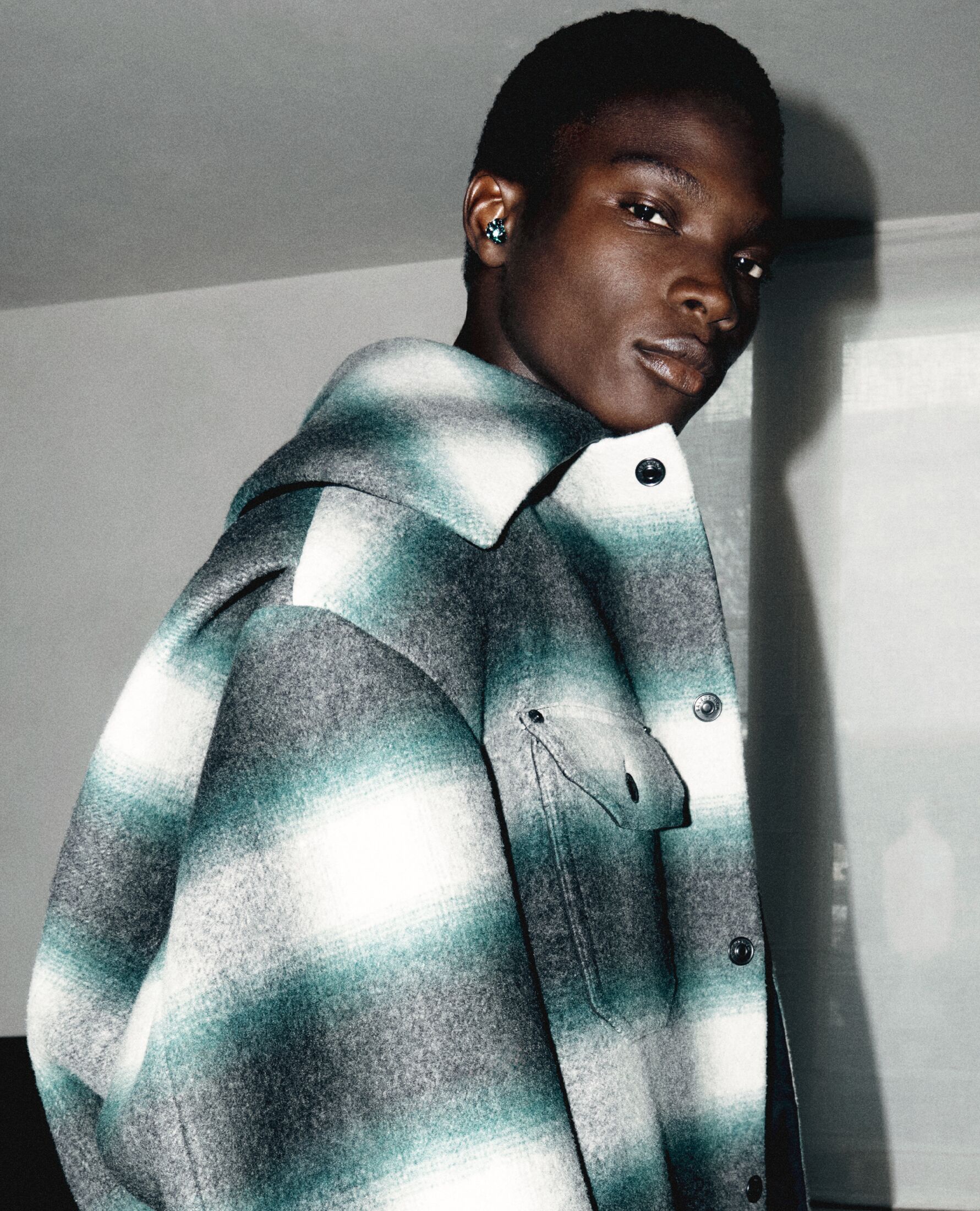
Balenciaga
Cristóbal Balenciaga opened his first atelier in San Sebastián in 1917, then moved the whole operation to Paris in 1937 once the Spanish Civil War made staying home impossible. What he built there was less about decoration than engineering: the sack dress, the cocoon coat, silhouettes cut with such structural control that Dior reportedly called him the master of the rest of them.