Clothing
Clothing

Givenchy
Hubert de Givenchy opened his own Paris couture house in 1952 at just 24, after training under Jacques Fath, Robert Piguet, Lucien Lelong and Elsa Schiaparelli. His debut collection of interchangeable separates in raw cotton shirting, anchored by the white Bettina blouse, made practicality itself the news, and the house's identity was cemented a year later when he met Audrey Hepburn and began dressing her both on screen and off.
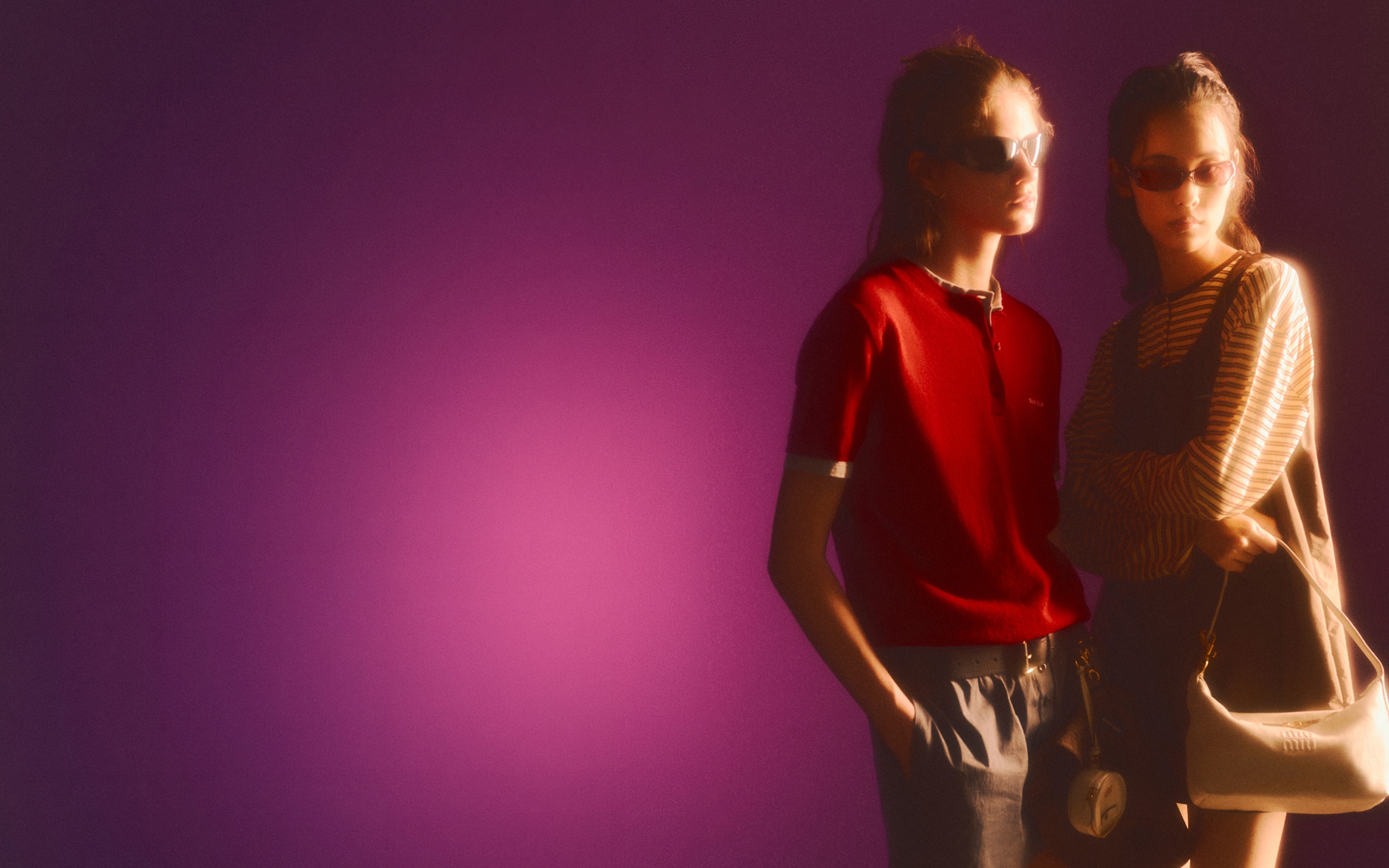
Miu Miu
Miuccia Prada conceived Miu Miu in 1992 and launched it publicly in 1993, naming it after her own childhood nickname and opening its first boutique on Via della Spiga in Milan. The debut collection was cowgirl-themed, fringed suede and patchwork prairie skirts, a deliberate swerve away from the tailored minimalism of the main Prada line so she would have somewhere to be irreverent without diluting it.
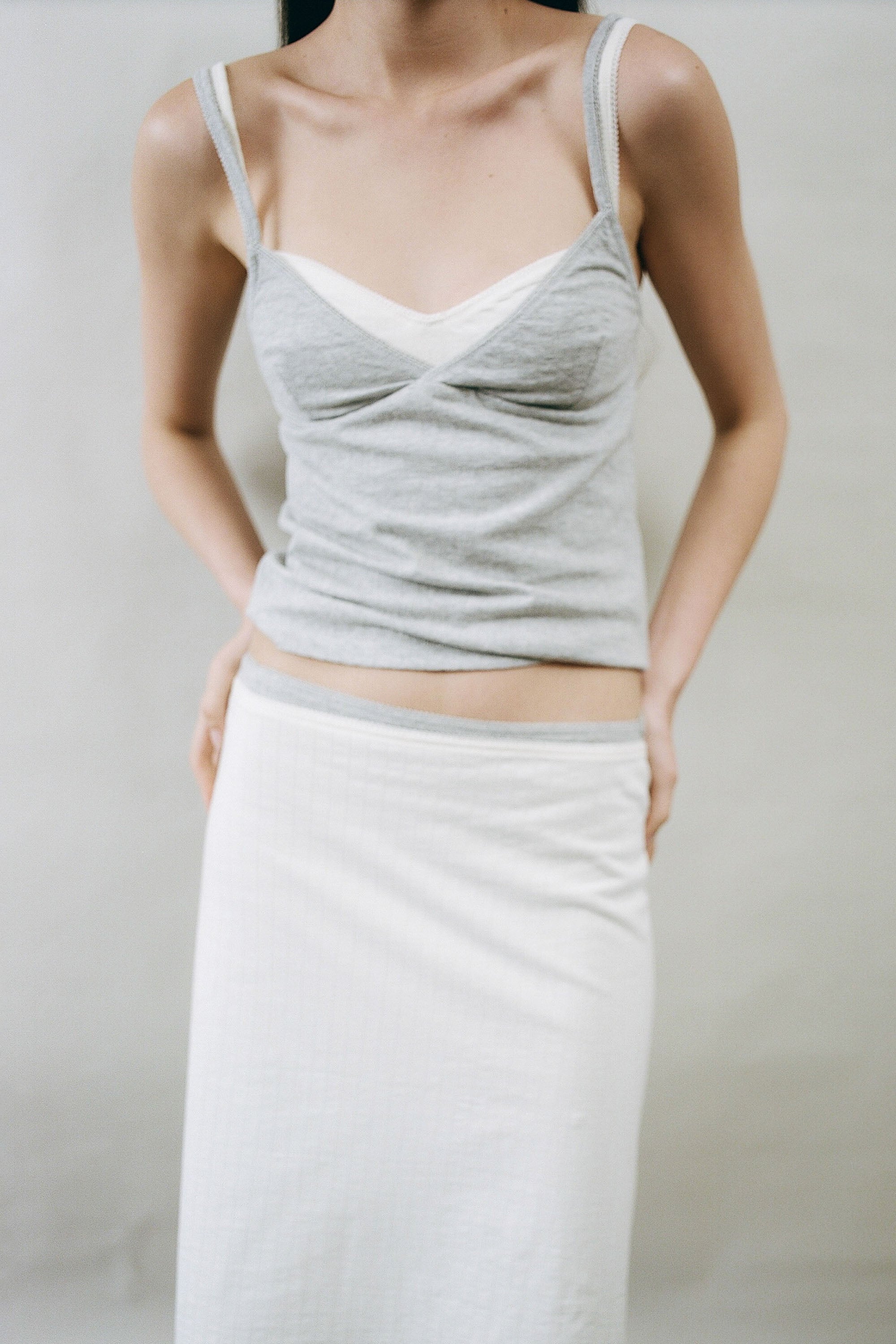
St. Agni
Lara and Matt Fells, a married couple with retail backgrounds rather than design degrees, started their label in Byron Bay, Australia, in 2014 with a maxed-out credit card and a handful of leather tote bags. The brand found its signature in woven mules introduced around its third year, pieces that reportedly sold out on repeat, before it grew into a full ready-to-wear range still designed and headquartered in that same coastal town.
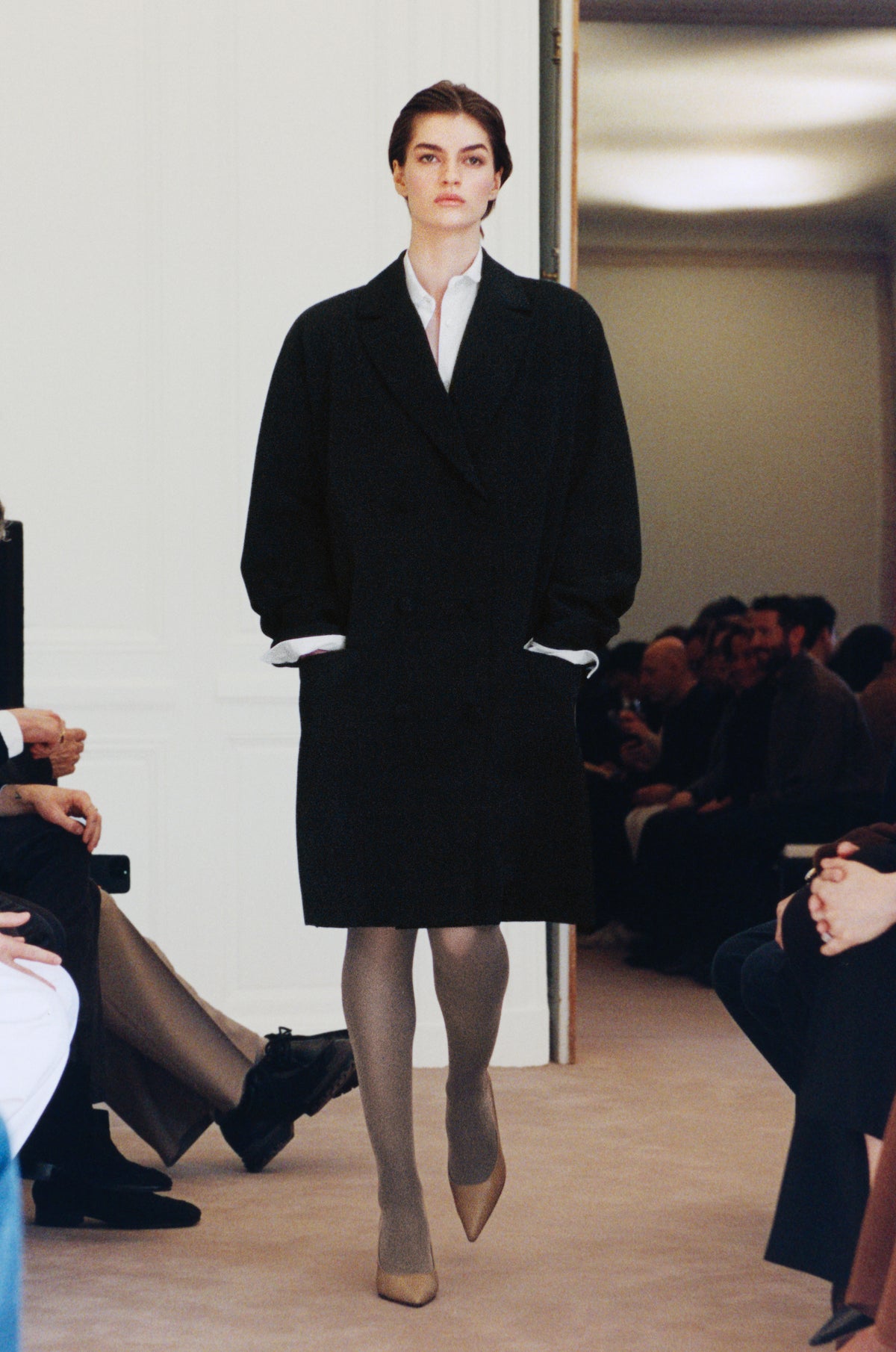
The Row
Mary-Kate and Ashley Olsen founded The Row in New York in 2006, after Ashley spent a year trying to design an ideal, no-logo white T-shirt and the pair built it into a seven-piece debut collection that Barneys bought in full. They named it after Savile Row and, for its first three years, gave no interviews about it at all, betting the clothes could carry the label without their names on it.
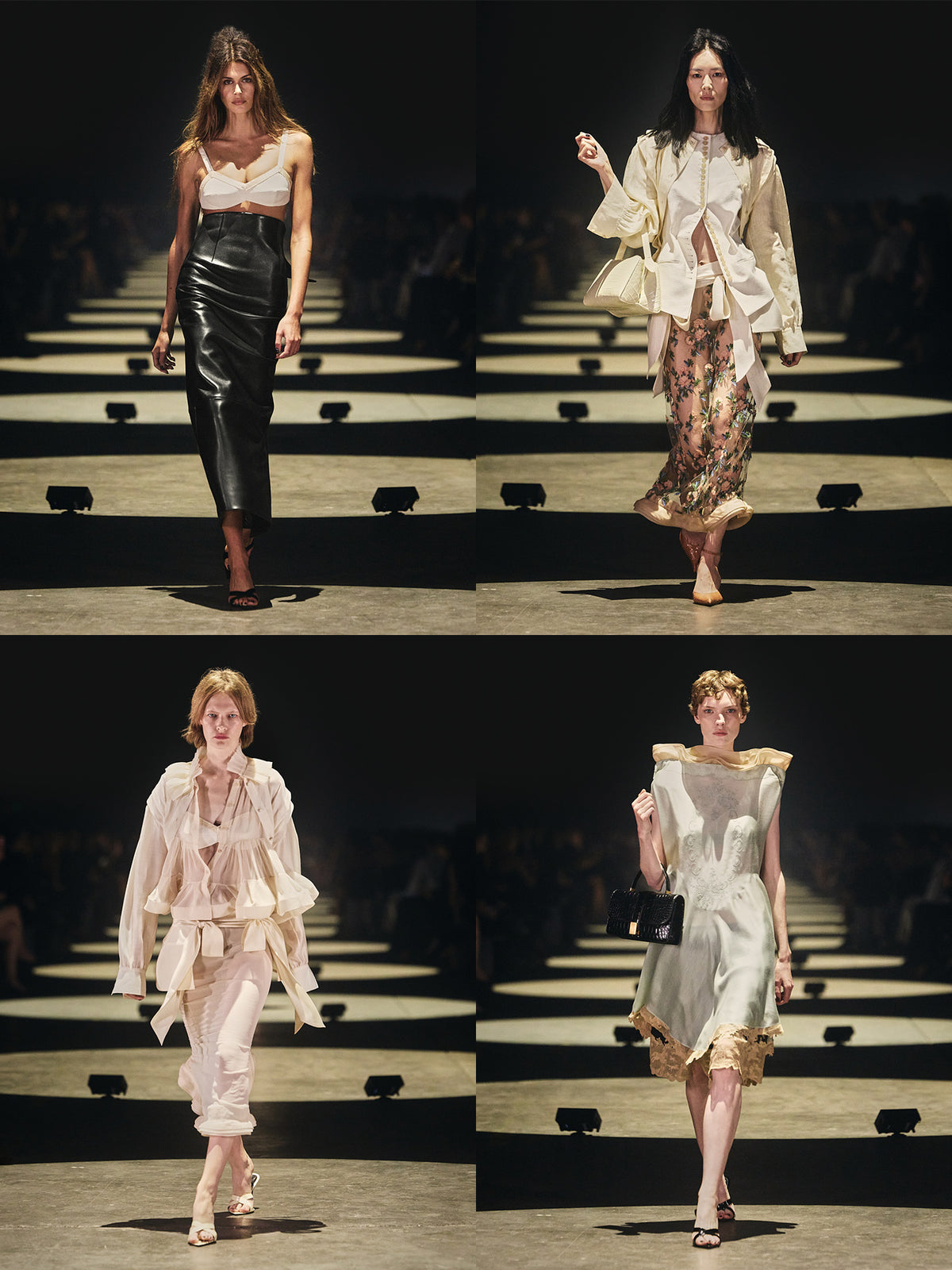
Khaite
Catherine Holstein launched Khaite in New York in 2016 with backing from Adam Pritzker's Assembled Brands, after a first eponymous label she started as a Parsons student closed in the 2008 financial crisis and a five-year run designing for Gap, Vera Wang and The Elder Statesman taught her the parts of the business she'd missed the first time. The label opened on denim and cashmere knitwear before adding runway shows in 2019 and an in-house bags and footwear line the same season, and Holstein still designs under a name modeled on the Greek word for long, flowing hair.
Bottega Veneta
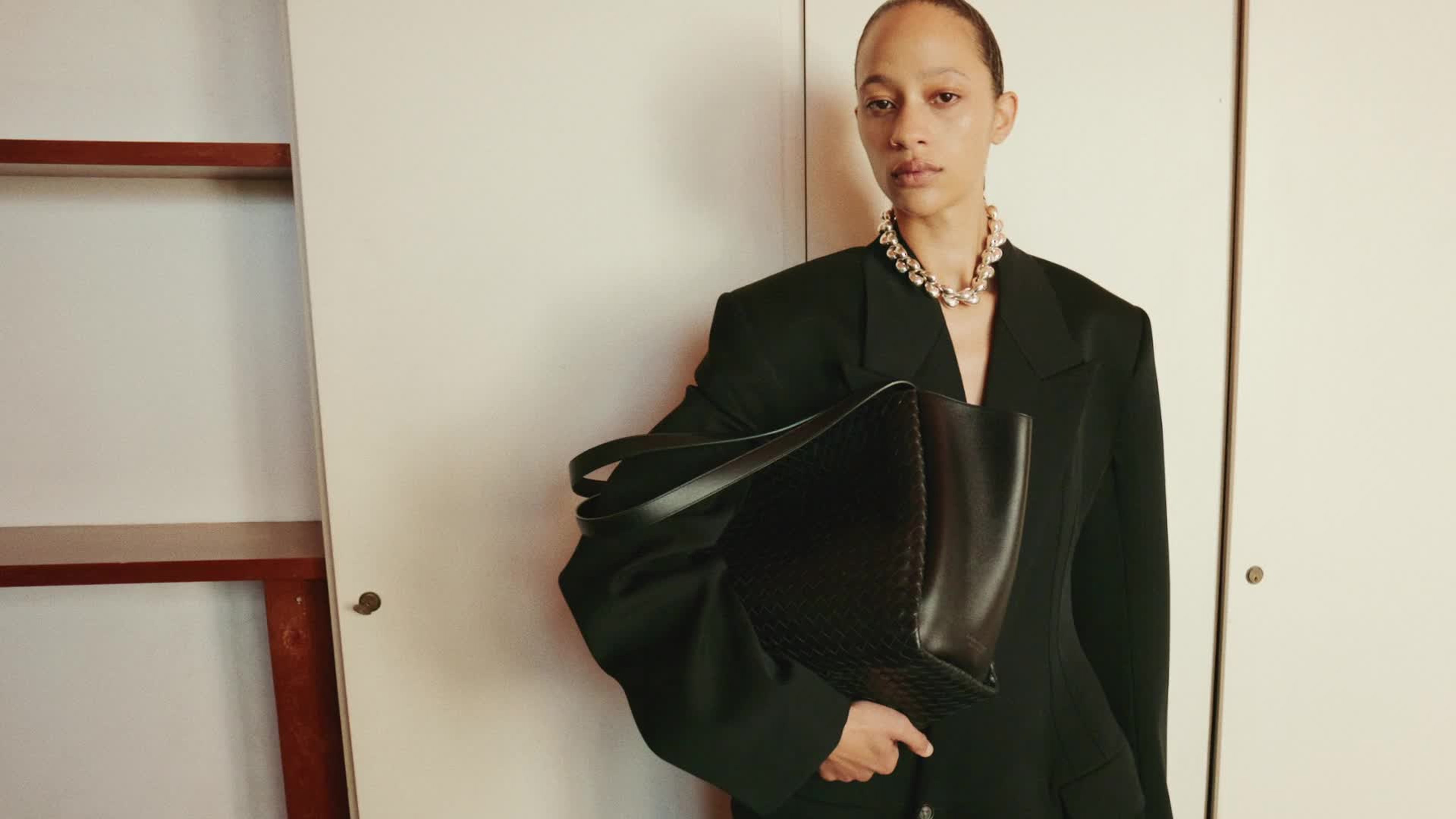
Bottega Veneta was started in 1966 in Vicenza by Michele Taddei and Renzo Zengiaro, two leathermakers who decided the House would never need a logo. The specific thing they built instead was intrecciato, the woven leather technique introduced in 1975 that turned a manufacturing workaround into the label's entire visual language.
Prada
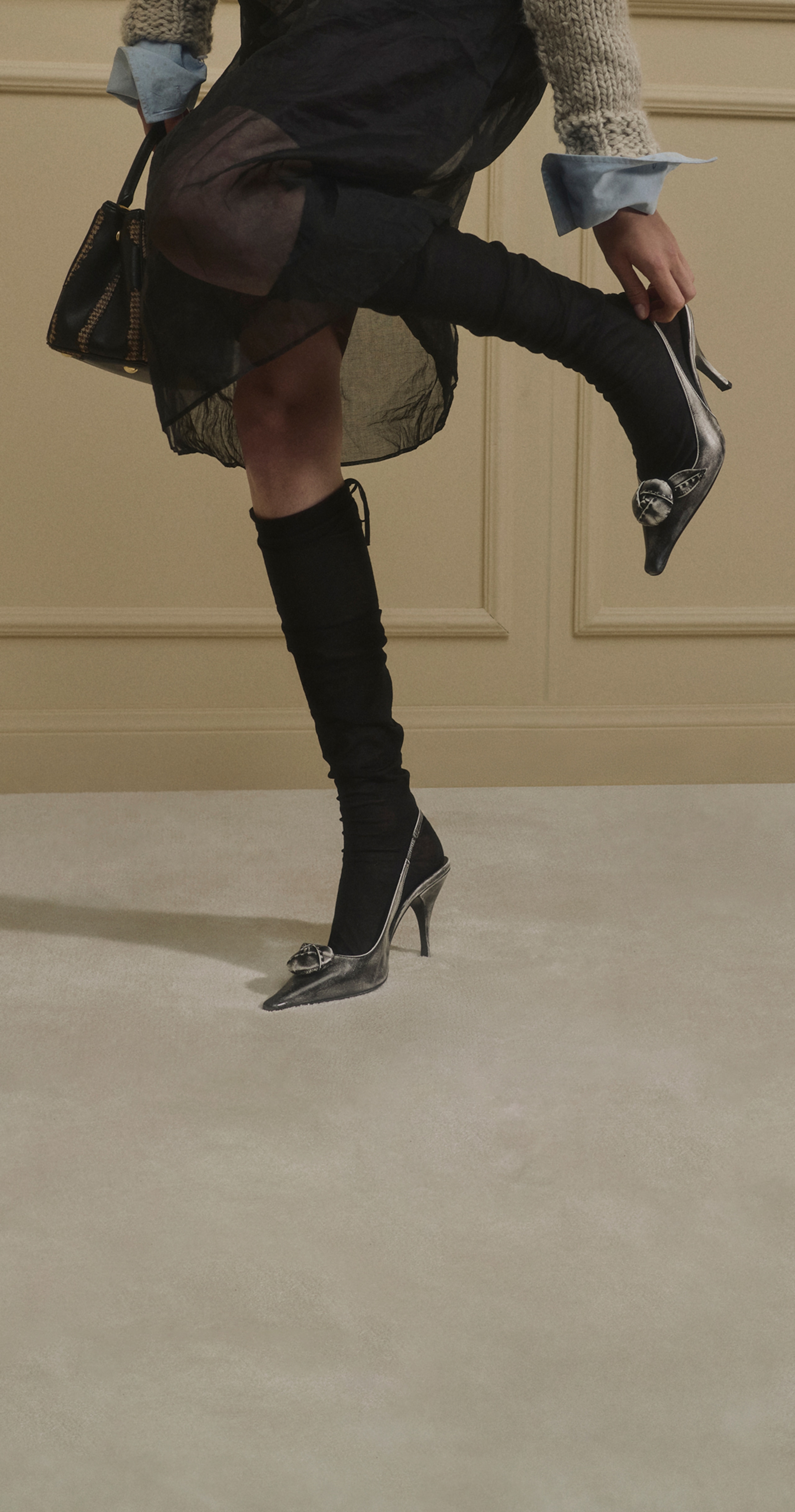
Mario Prada and his brother Martino opened a leather goods shop called Fratelli Prada in Milan's Galleria Vittorio Emanuele II in 1913, selling imported English trunks and travel accessories to the city's elite. His granddaughter Miuccia Prada took over in 1978 and, working with Patrizio Bertelli, turned a nylon backpack into the idea that a utilitarian material could sit at the center of a luxury house.

Cotton On Sweatpants
Wearing on Repeat
The Cold-Weather Going-Out Edit
Layering that still reads dressed up

Chocolate Brown Dressing
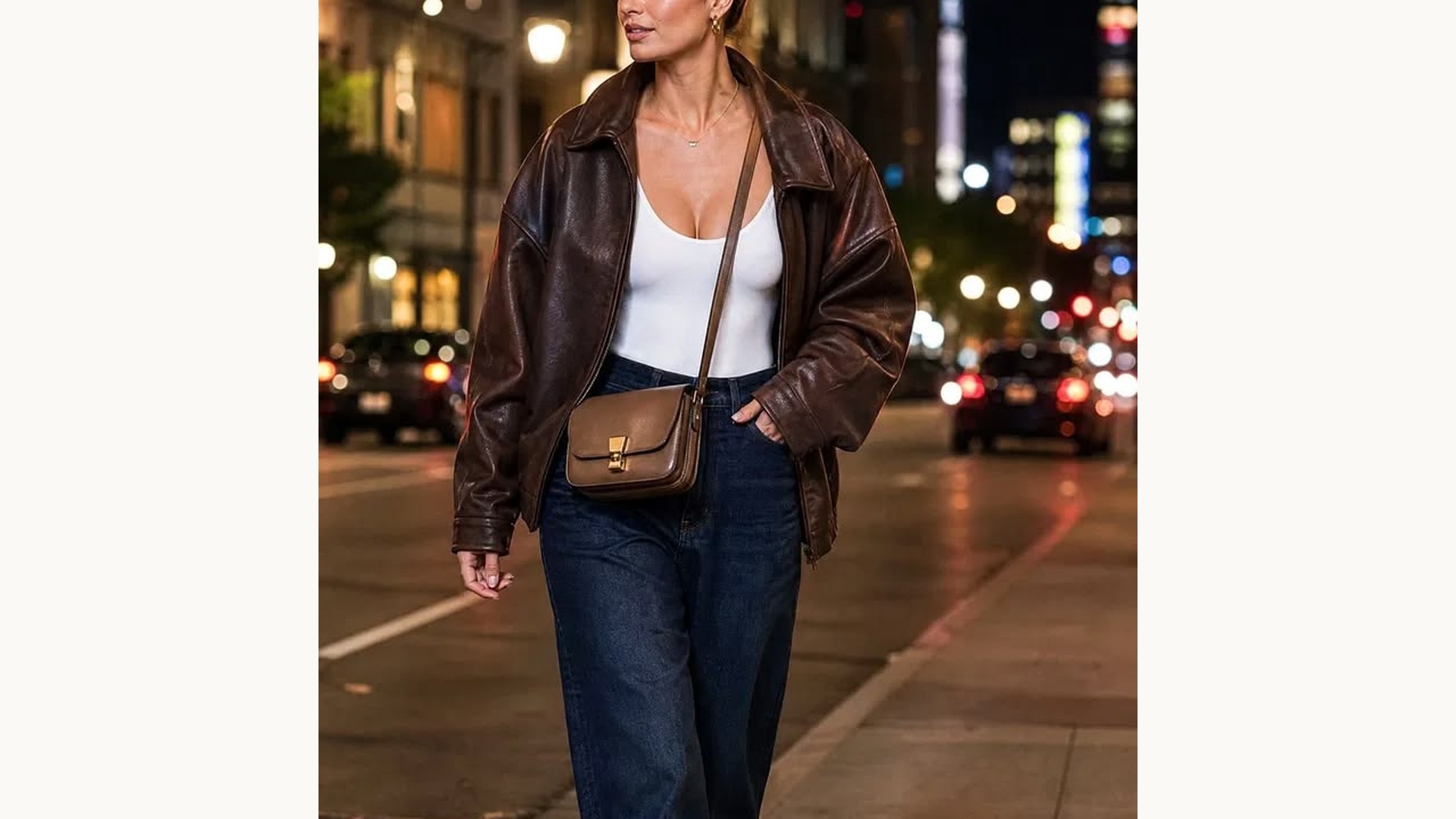
Brown replaced black as the default neutral and it has not gone back. The deep, almost espresso end is the part worth having. Here it is across outerwear, trousers and accessories.

The Sleeper Set, Three Ways
Loungewear stopped being private clothing and became a category people photograph. The Sleeper set is the object at the centre of that, a pajama set cut and detailed as if it were outerwear. This edit runs the sets first and then the pieces that break them up.

The Celine T Shirt
The plain t-shirt is the hardest thing in fashion to charge for and the easiest to get wrong. The Celine t shirt is the current reference point, because Hedi Slimane rebuilt the house around a very specific narrow, high-armhole cut. This edit takes the tees first and then the knits that follow the same logic.

ALÉMAIS
Lesleigh Jermanus spent about sixteen years designing for Australian labels including Marcs, Nicholas and Zimmermann, was made redundant in March 2020 as the industry shut down, and started ALÉMAIS at her kitchen table that August with her husband Chris Buchanan. The label is built on prints, embroidery and a different artist collaboration every season.

Temily
Rae Temily spent around fifteen years working behind the scenes for other labels, including co-founding the resortwear brand Kalita, before launching her namesake house in New York in April 2025 exclusively through Moda Operandi. Her debut collection, The Body Electric, was built around a satin maxi dress called Summer Bones, and reportedly sold out three separate times, with its first colorway gone in about three hours.
L'IDÉE
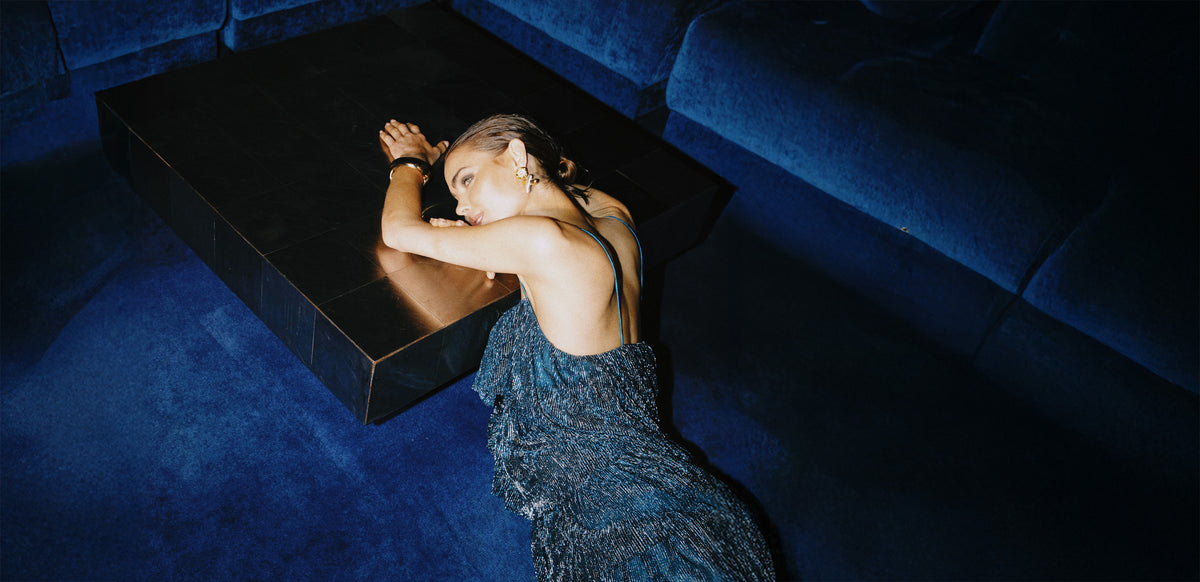
Breeana Smith and Iuliia Ievdokymenko founded L'IDÉE in Australia in 2019, splitting the label between Smith's brand and commercial direction and Ievdokymenko's design and production work based in Bali. The whole point of the label is engineered, heat-set pleating in saturated colour, a technique Smith traces back to a trip to Paris and her grandmother's vintage pleated skirt.
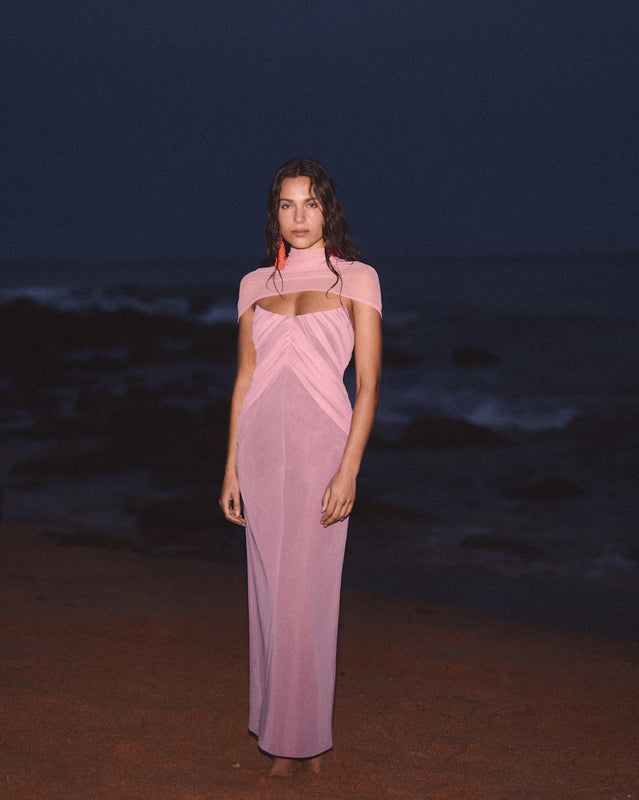
Significant Other
Significant Other was founded in 2019 in Adelaide, Australia, by Julia Ritorto and Kathryn Forth, both designers who came out of the established Australian label Acler. The brand kept its headquarters in Adelaide even as it built a following well beyond Australia, working from a design philosophy built around ease and confidence rather than a single signature print or silhouette. It's a personal favorite of mine
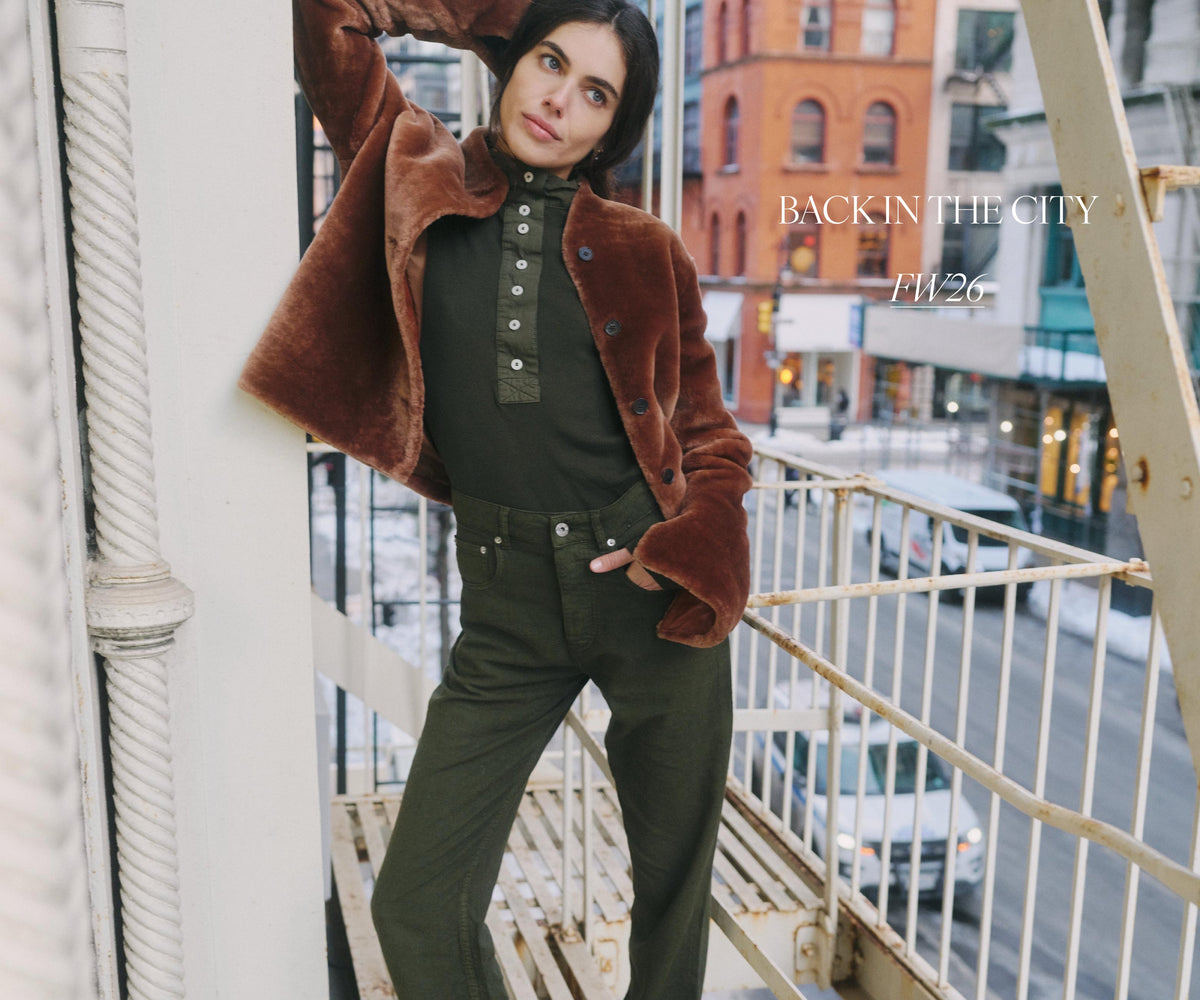
All Three
All Three is a New York label founded by Tal Waksal in 2024, making what it calls evolving essentials: shirts, tops and trousers designed to be layered and worn constantly. It is new enough that the public record is still mostly the clothes themselves.

Paris Georgia
Paris Mitchell Temple and Georgia Cherrie, friends since their teens in New Zealand, launched Paris Georgia in 2015 as a small line of basics sold alongside their vintage resale shop, The Mercantile. They dropped the word Basics in 2018 to become a full label of luxe minimalism, known for curve-skimming cuts and strategic cut-outs, after debuting a full collection at stylist Maryam Nassir Zadeh's New York showroom.

Lafayette 148
Deirdre Quinn started Lafayette 148 in 1996 with clothing manufacturers Shun Yen Siu and Ida Siu, naming the label after the SoHo address where the three of them began with, as Quinn has told it, a desk and a phone in the middle of a garment factory. The brand built its own production facility in Shantou, China, making it one of the few fashion houses that is genuinely vertically integrated from design through manufacturing.
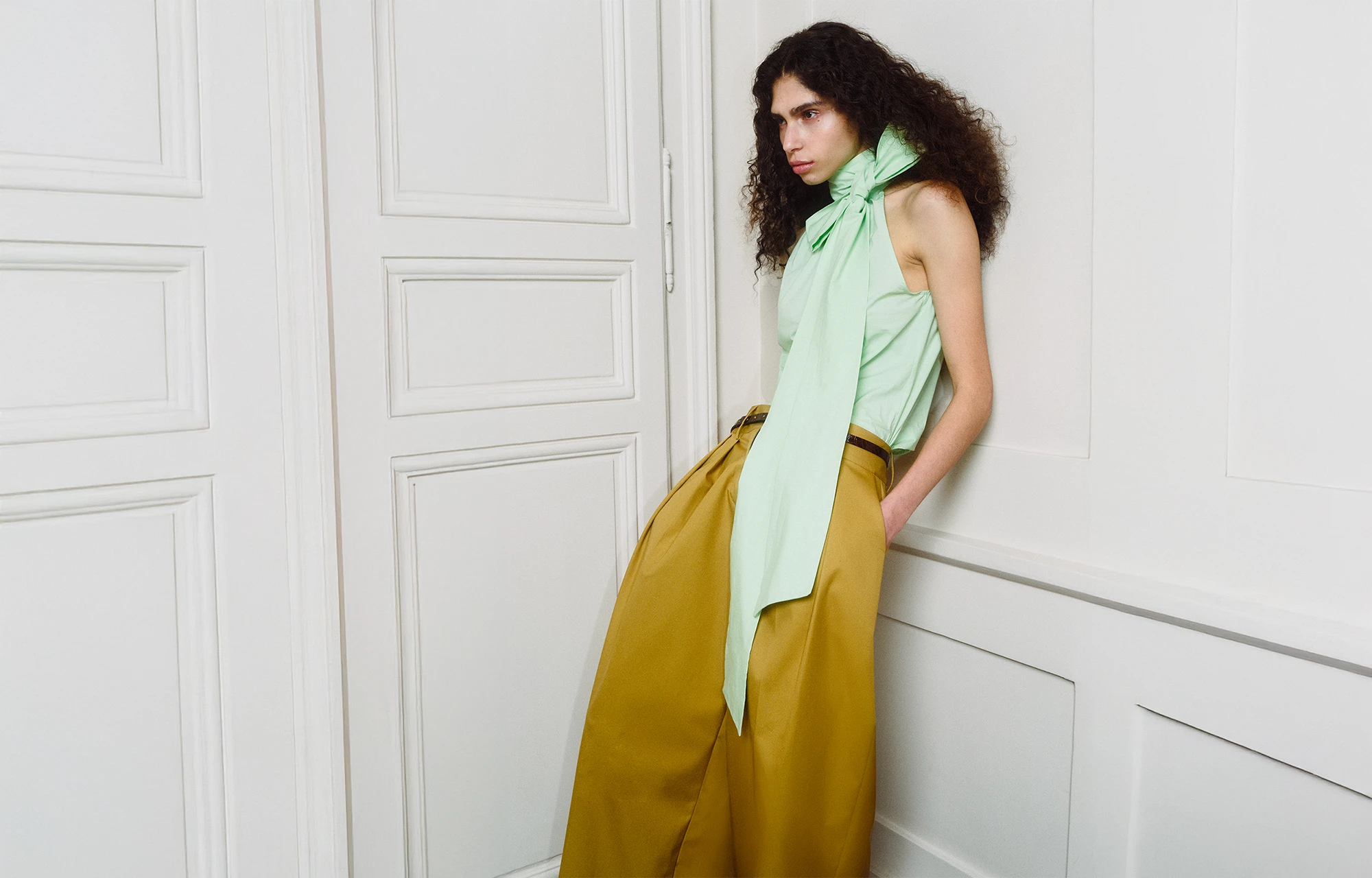
FRANÇOISE
Francoise is Johanna Senyk's most personal project after years spent working for other people's houses. The self-taught Paris designer, previously behind the cult label Wanda Nylon, has collaborated with Alexander McQueen, JW Anderson and The Row and dressed Beyonce, Rihanna and Taylor Swift. Her own label is made in Paris from couture deadstock and vintage fabric, which means most of what you see here effectively cannot be reordered. It's a personal favorite and items you pass down as heirlooms

DES_PHEMMES
Salvo Rizza founded DES_PHEMMES in Milan in 2019, after years spent inside Giambattista Valli's Paris ateliers working his way up to studio coordinator. The label runs his couture training through a deliberately raw, nineties-leaning lens, all Juergen Teller grain and archival Prada attitude rather than red-carpet polish.

Michael Kors Collection
Michael Kors launched his own label in New York in 1981, after Bergdorf Goodman's fashion director spotted his talent while he worked at a boutique on West 57th Street and encouraged him to bring her a collection. The Collection line has stayed closest to that original premise ever since: glamorous, easy American sportswear built for how a woman actually moves through her day, not a costume.

House of Dagmar
Three sisters, Karin Söderlind, Kristina Tjäder and Sofia Wallenstam, founded House of Dagmar in Stockholm in 2005, naming it after their grandmother, a tailor whose craftsmanship shaped their sense of quality. The label built its name on knitwear and clean tailoring that pairs Scandinavian minimalism with a genuine trend instinct, an early adopter of sustainability within Swedish fashion.
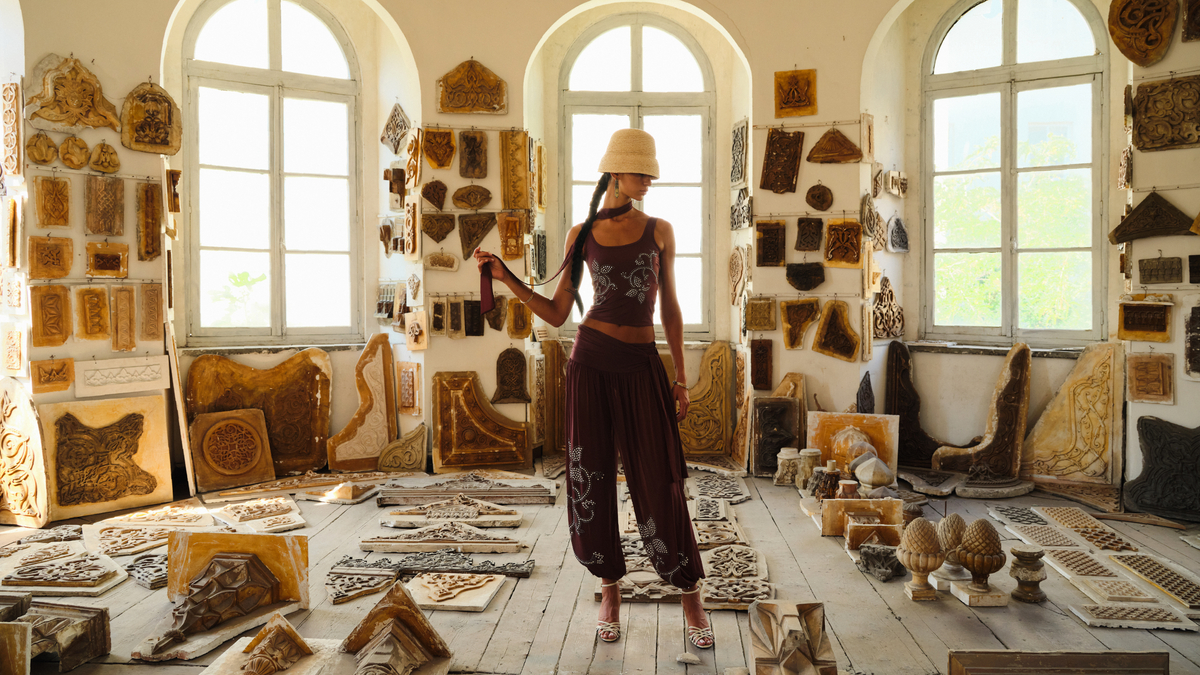
SIEDRÉS
Ceylin Türkkan and her husband Emir Bilge founded SIEDRÉS in Istanbul in September 2019. The label runs on bold, Mediterranean-inspired prints drawn from her family's own archive, her mother's 1970s and 80s wardrobe and her grandmother's tablecloths among them, produced through an Istanbul atelier and factories in Bursa.